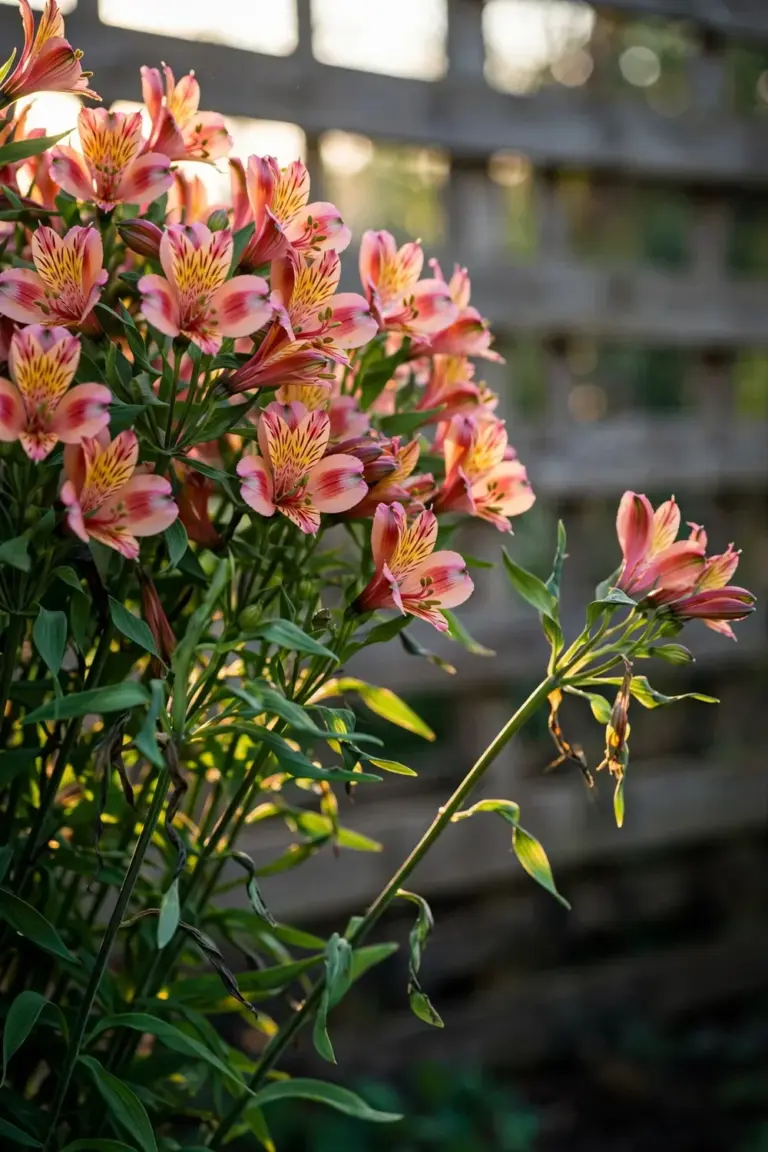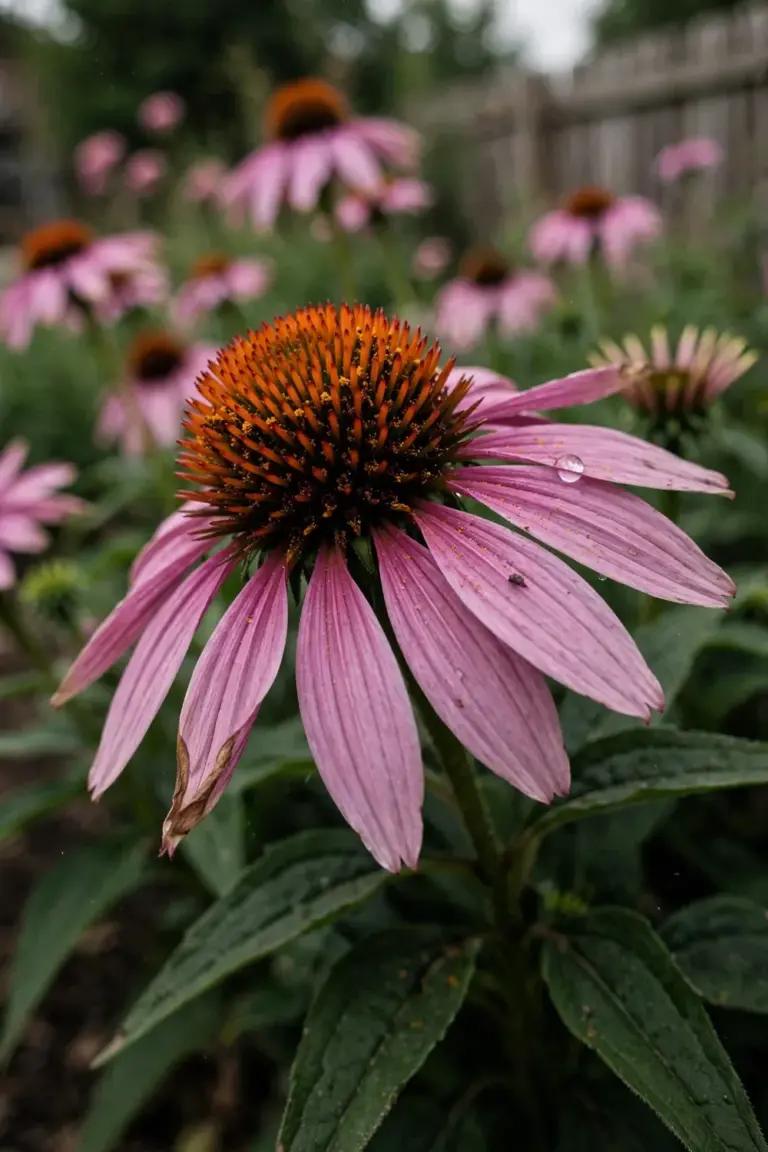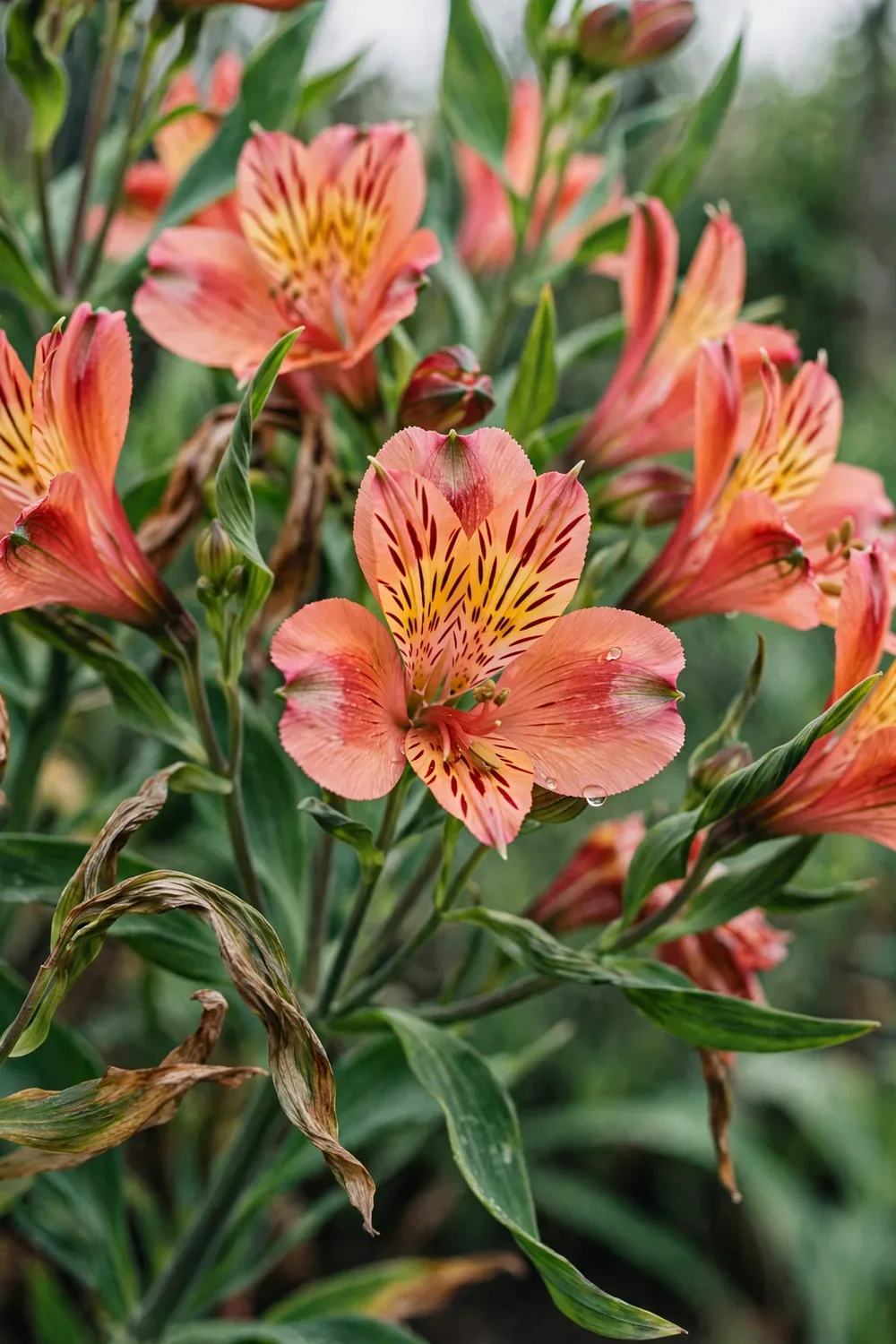

Buy one pot-grown alstroemeria and slide the whole root ball into the ground without breaking it apart. That is how to grow alstroemeria that keeps blooming year after year. The rest of this page is 14 moves, from the pot you buy to the pull-stem harvest.
Alstroemeria grows from fleshy tuberous roots that snap and bruise easily, so every decision on this page protects those roots. I have learned that the year an alstroemeria sulks is the year someone broke its roots.
The “lily” in Peruvian lily is a nickname, not a family. Alstroemeria sits in its own family, Alstroemeriaceae, while true lilies are Liliaceae, and the two want different care. The true-lily growing guide stays on real lilies. This page stays on alstroemeria.
Cut alstroemeria stems last 2 to 3 weeks in a vase, which is why florists built a whole trade on them, and garden plants are hardy perennials in zones warmer than 6, treated as annuals where winters bite harder, per the same NCSU/UConn notes. That vase life is the reward for everything below.
1. Learn the One Rule: Never Disturb the Roots
The roots are the plant. Alstroemeria stores its energy in thick, fleshy storage roots attached to a spreading crown, and those roots resent handling the way a bulb does not. Every move below follows from that single fact.
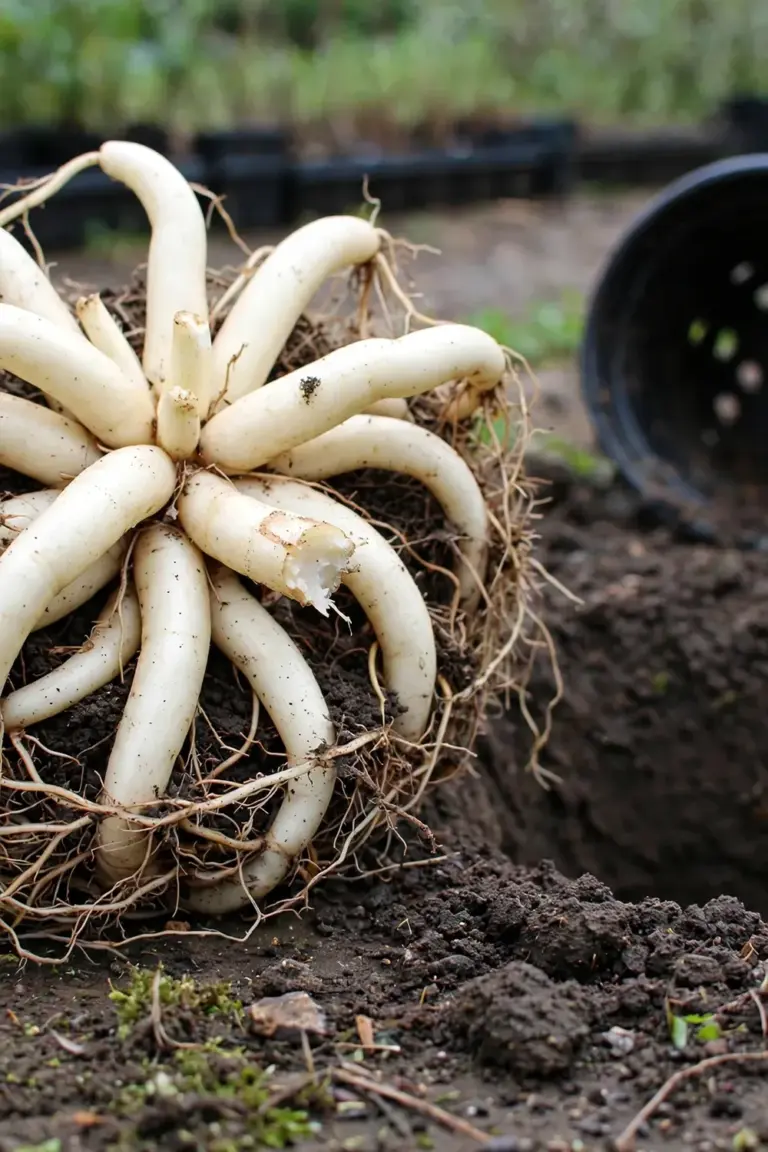
A broken storage root does not heal the way a torn feeder root does. It rots, and the crown loses a chunk of the energy it needs for next season’s flower spikes. That is why this guide says pot-grown only, why it says pull instead of cut, and why it says to leave the clump alone once it is planted. The patience you spend not digging near it is repaid in flowers.
The plant grows from white underground rhizomes that throw up two kinds of shoots: floral ones that bloom and vegetative ones that never will, the same notes explain. Snapping a rhizome while digging therefore costs you both kinds of growth at once. Treat the soil above the crown as a no-dig zone after planting day.
2. Buy Pot-Grown Plants, Never Bare Rhizomes
Start with a plant that is already growing in a pot. Bare rhizomes sold out of soil dry out in transit, and their unprotected surfaces rot in soil that is even slightly too wet. A pot-grown plant carries its root ball intact, which is the only delivery method that respects rule one.
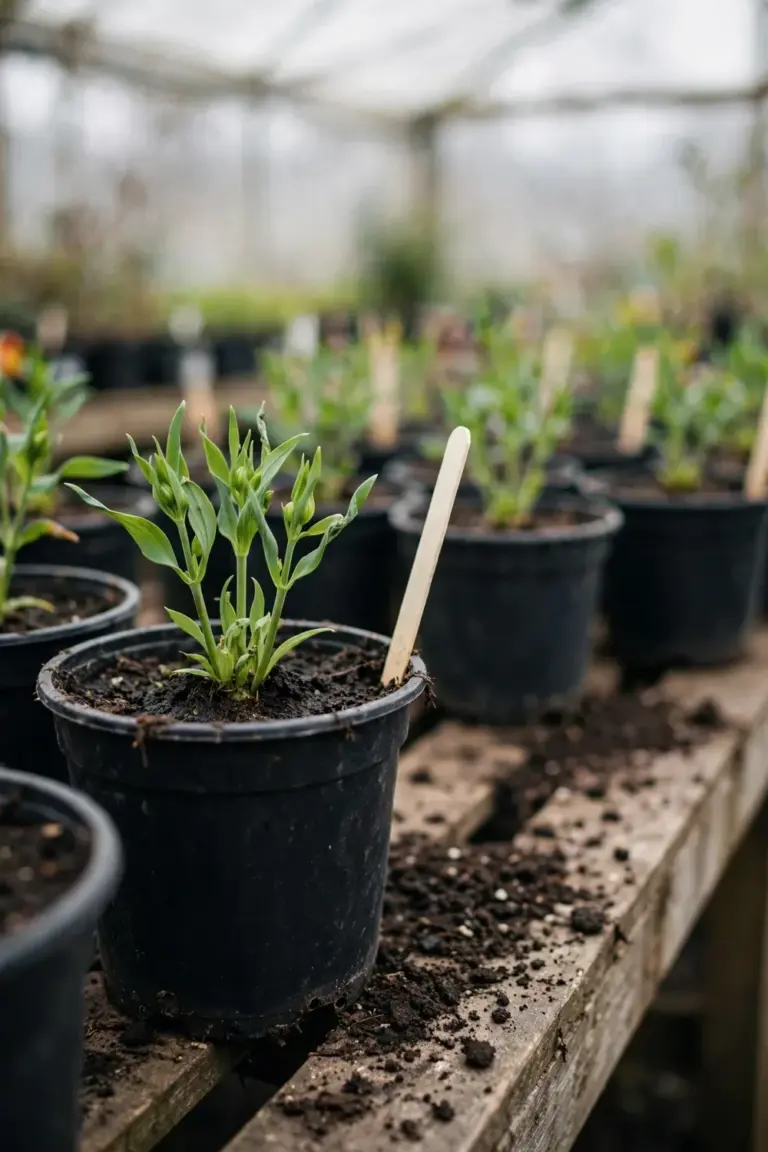
Water the pot well before you take the plant out, because dry roots stick to the pot walls and tear when you slide the root ball free, a warning the commercial grower H. Whyde gives to its own customers in its alstroemeria cultivation notes. The same notes advise planting at the same level the plant sat in its pot, not deeper, since the rhizomes creep down on their own to find the depth they want.
Choose a plant with fresh green shoots rather than the tallest, floppiest one on the bench. Compact stock settles faster and suffers less transplant shock.
Nurseries sell alstroemeria as plugs or small liners, and those liners should be planted shallow for earlier flowering and bushier plants, the same notes advise. If you buy a liner in a small pot, pot it on into its final container before it gets root-bound rather than teasing the roots apart. The pot is doing the holding-together work that bare soil cannot.
3. Name the Lily Mix-Up and Move On
Alstroemeria is not a true lily. The common names Peruvian lily, lily of the Incas, and princess lily are marketing history from a South American native of the Alstroemeriaceae family, first grown in the United States as a cut-flower crop in the 1970s, according to the University of Connecticut’s alstroemeria growing bulletin. The same notes cover everything on this page from zones to feeding, and I cite them rather than repeating the summary.
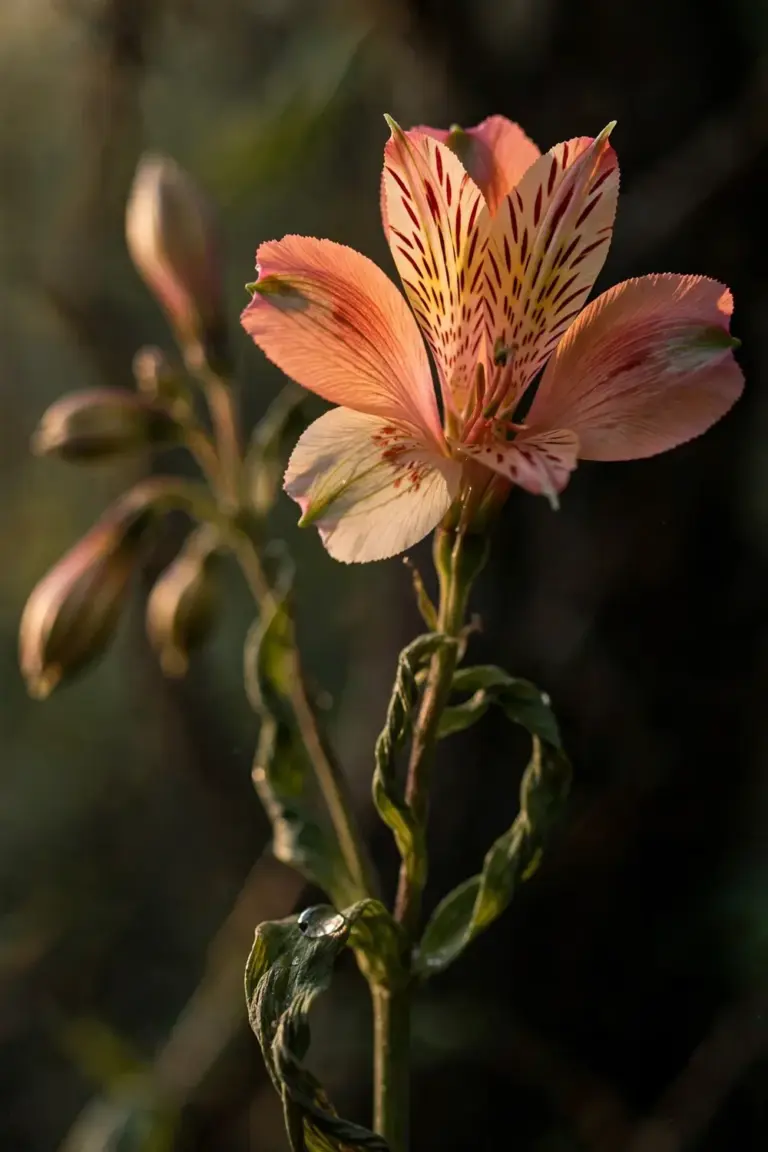
The practical consequence is small but real. Advice written for true lily bulbs, with their layered scales and deeper planting, does not transfer to alstroemeria’s brittle tuberous roots. Keep the two separate and both will do better.
The confusion costs beginners real money. Bulb-planting advice says to plant deep in autumn and let the bulb’s own tunic protect it. Follow that with alstroemeria and the unprotected rhizome sits cold and wet until it rots. Lily feeding schedules built around bulb dormancy misfire too. Separate names, separate rules.
4. Plant the Crown 15 cm Deep in Stone-Free Soil
Plant the crown at least 15 cm deep. That depth insulates the tuberous roots against both frost and summer heat, and it anchors the tall stems so a gust does not snap them at the base, per GrowPlants’ alstroemeria planting guide.
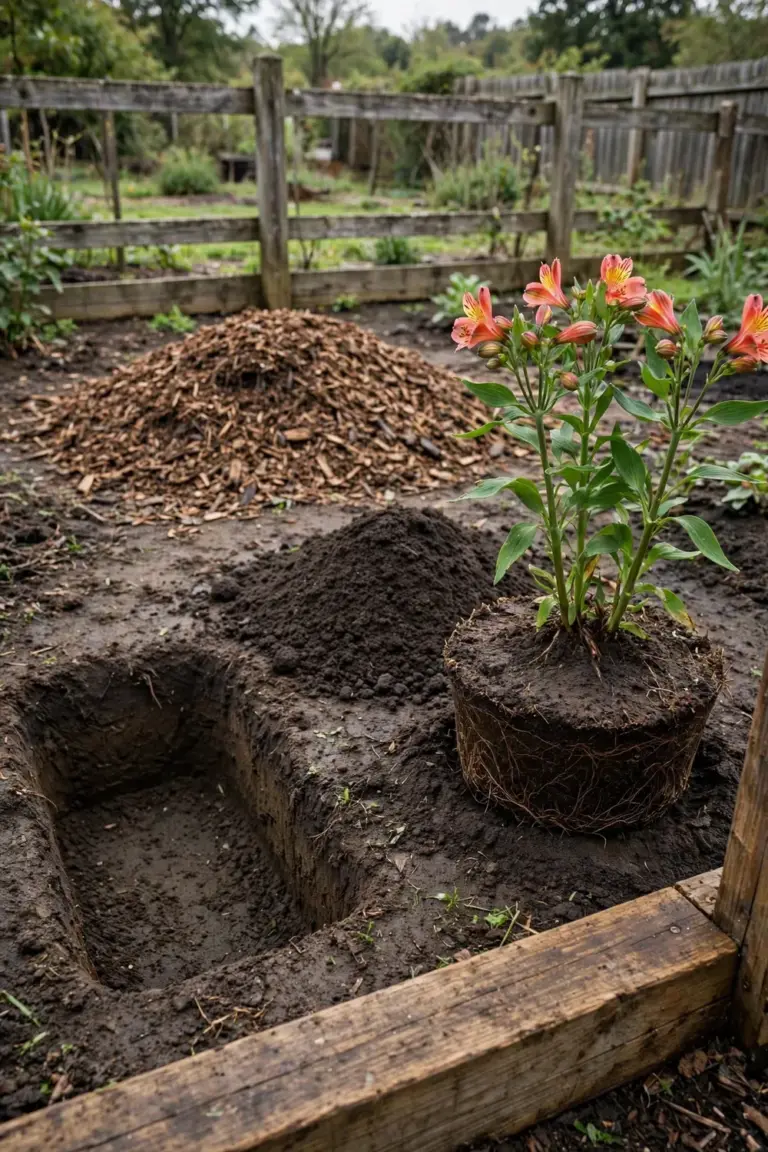
Clear stones out of the hole to a decent depth before you set the root ball in. The storage roots push outward as the clump expands, and stones damage them or block their spread. Because the roots own this decision, the hole should be wider than the root ball but no deeper than the pot it came from, so the crown sits at the same level it held in the nursery pot.
Spring planting is the safest window. It gives the plant a full season to establish, flower, and build reserves before winter, which is exactly what a geophyte lives on.
Plant in spring once the ground is workable. Plants set out at that timing start flowering 6 to 8 weeks later and keep going until frost, the same NCSU/UConn notes report. Water the planting hole once to settle the soil, then hold back until new shoots show, because wet soil around an unsettled crown is exactly how rot starts.
5. Give Full Sun on Top and Shade at the Soil Line
Full sun grows the most flowers. The same NCSU/UConn notes recommend full sun with the soil surface shaded by mulch, and they note that morning sun with afternoon shade also works well. The two statements reconcile into one rule: the leaves want light, the rhizome zone wants cool.
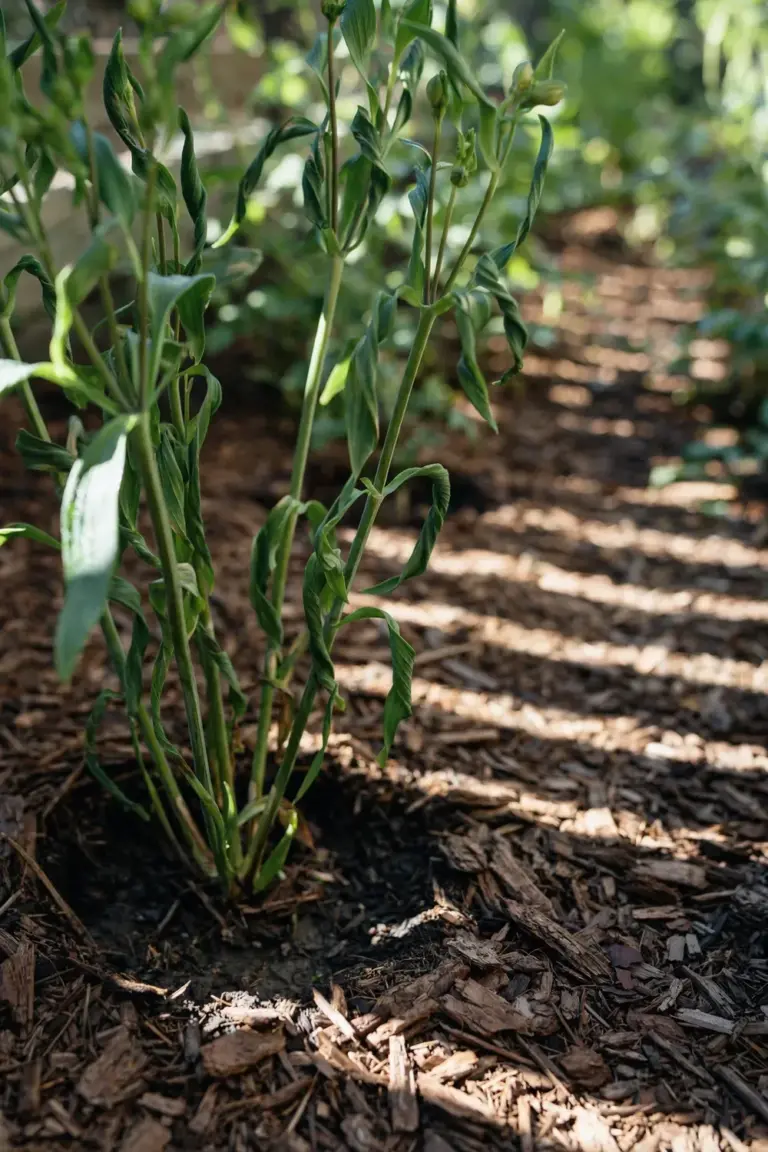
Lay 5 to 8 cm of mulch over the root zone once the plant is growing. The mulch keeps the rhizomes cool through the hot months, which matters more than air temperature for flower initiation, since flowering stalls when soil stays above 18 to 21 degrees Celsius for extended stretches. Keep the mulch pulled back a couple of centimeters from the crown so it does not trap moisture against the stems.
Half shade is the sensible compromise in hot climates. Six hours of morning sun with afternoon shade outproduces all-day blasting heat in any climate where summers run long and hard.
Day length drives blooming as well as temperature. In greenhouse trials a minimum of 13 hours of light per day is recommended for most cultivars to initiate flowers, the same notes report. Outdoors you cannot change the day length, but you can give the plant the brightest open position you have so the available light counts. More shade always means fewer flowers.
6. Space Tall Types 60 cm Apart in Free-Draining Soil
Give standard cultivars 60 cm of elbow room, dwarf types 30 to 40 cm, and keep at least 20 cm between the crown and any neighboring plant of a different kind, per the same GrowPlants guide. A crowded planting turns a healthy clump into a slug-friendly, mildewy tangle, because air cannot move between the stems and foliage stays wet.
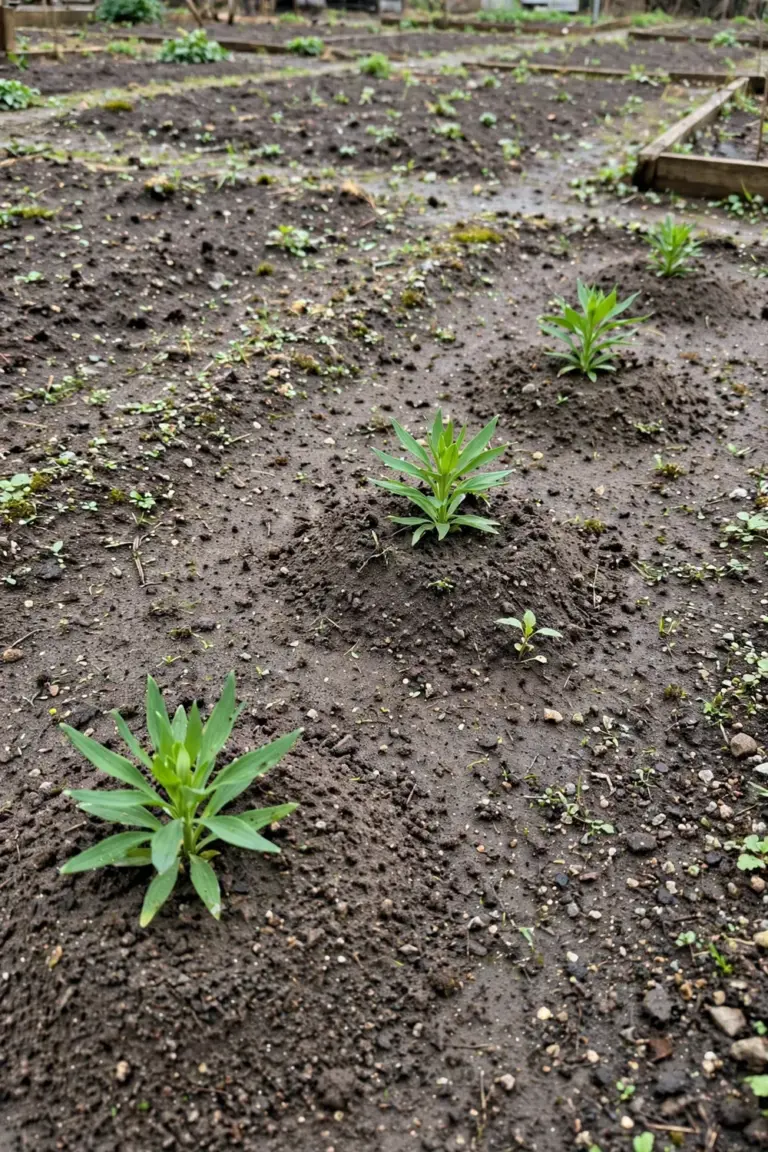
Drainage is the one unforgivable stress. Free-draining soil is the only strict soil requirement alstroemeria has, and waterlogging is the stress it will not forgive, as an Australian grower’s alstroemeria notes put it. Saturated ground suffocates the tuberous roots and invites the root rots that kill plants outright.
If your soil is heavy clay, plant on a raised mound or in a raised bed rather than fighting the ground. A few centimeters of elevation do more for alstroemeria survival than any soil amendment.
Build the planting spot up rather than down. A low mound lifts the crown above the saturation zone after heavy rain, which is when most root-rot deaths happen. The mound also warms earlier in spring, and an earlier-warming crown breaks dormancy sooner. A few centimeters of lift beats any amount of digging.
7. Water New Plants Lightly and Established Clumps Deeply
Newly planted alstroemeria rots before it roots if you keep it wet. The same NCSU/UConn notes warn that newly established plants should not be overwatered, because the rhizomes rot quickly in saturated soil. Water once to settle the root ball, then let the top few centimeters dry before watering again.
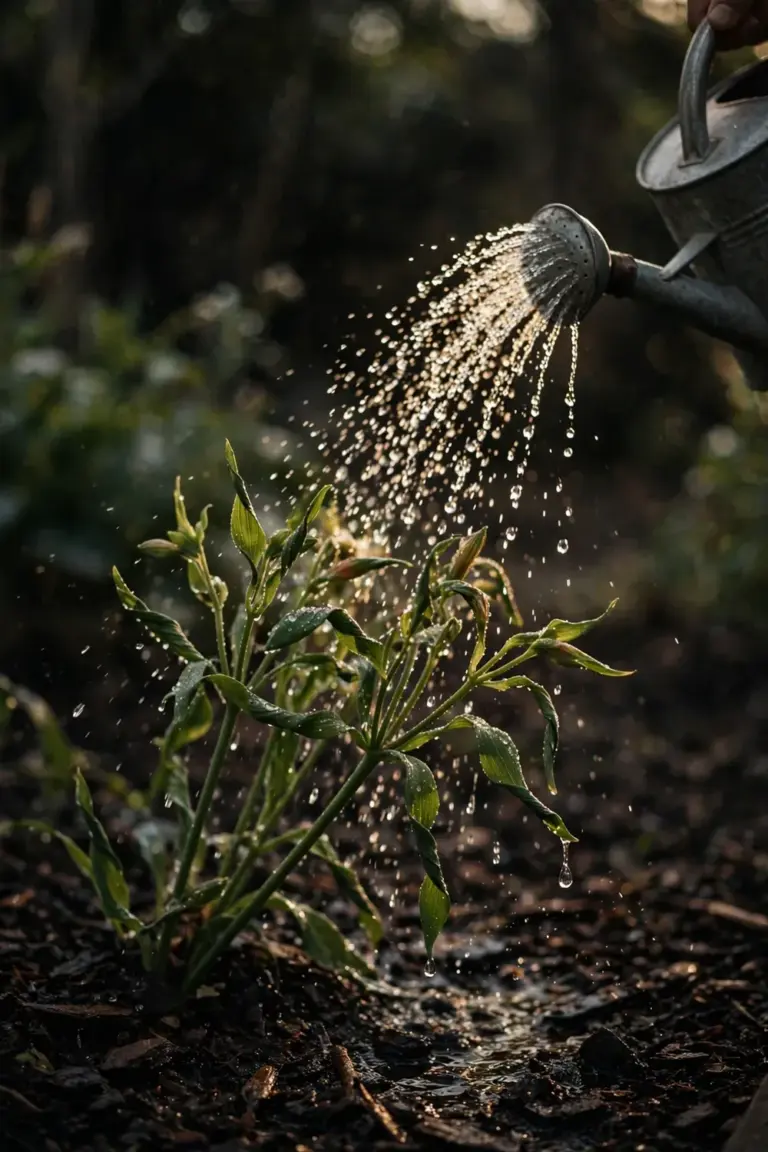
Established clumps want the opposite treatment. They need abundant water and should never sit dry for long, and pots left dry for a couple of days in extreme heat show it: foliage yellows, flower buds abort, and the drought period delays the next bloom by several weeks even after you water again.
Judge by weight and finger, not by calendar. Lift the pot or push a finger 5 cm into the bed. Dry means water deeply. Cool and damp means wait.
Water late in the afternoon during heat spells. The same NCSU/UConn notes recommend late afternoon waterings and mulch coverings to cool the rhizomes during hot periods, because it is the soil temperature, not the air, that decides whether flowering continues. Cool roots in the evening carry the plant through the next hot day.
8. Feed Like a Heavy Feeder Once Growth Is Underway
Alstroemeria is a heavy feeder once established. Research cited in the NCSU/UConn alstroemeria notes shows flower count and floret count increasing as nitrogen rises to 400 ppm in commercial feeding programs. That is a greenhouse number, but it tells you the plant’s appetite is real.
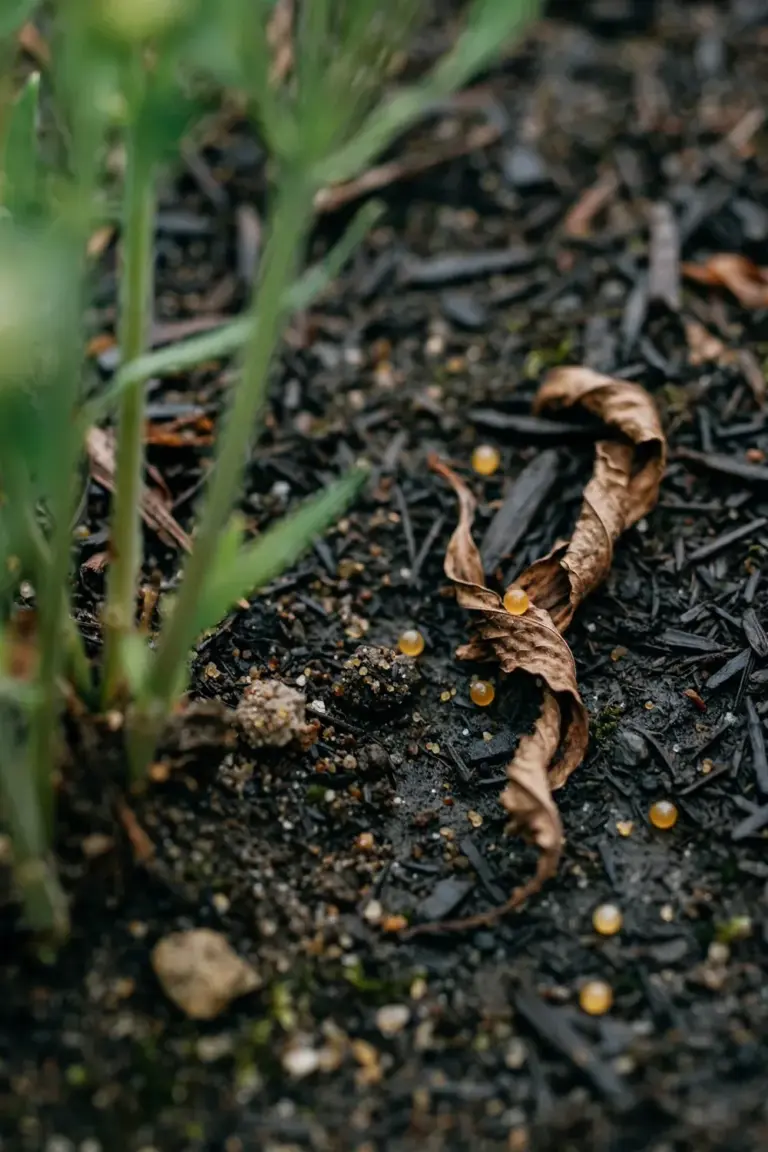
For a home garden, feed every two weeks through the growing season with a balanced liquid fertilizer, or work slow-release granules into the soil in spring, the routine H. Whyde recommends for its own plants. Stop feeding when flowering stops in late summer so the plant hardens off for winter instead of pushing soft growth that frost will kill.
Keep the soil pH between 6 and 7, which is the range the same NCSU/UConn notes specify for the growing medium. Most garden soils already sit in that band, so test before you chase a correction.
Work organic matter into the planting hole at the start. The same notes specify a well-drained medium with ample organic matter for liners, which feeds the soil biology that feeds the plant. A shovelful of compost under the root ball at planting time does more for first-year vigor than any liquid feed you add later.
9. Pull Spent Stems Out, Never Cut Them Mid-Stem
Pull flower stems out with a sharp upward tug instead of cutting them. Pulling removes the whole stem cleanly and stimulates the plant to produce even more flowers, while cutting leaves a stump that dies back and never blooms again, per H. Whyde’s cultivation notes.
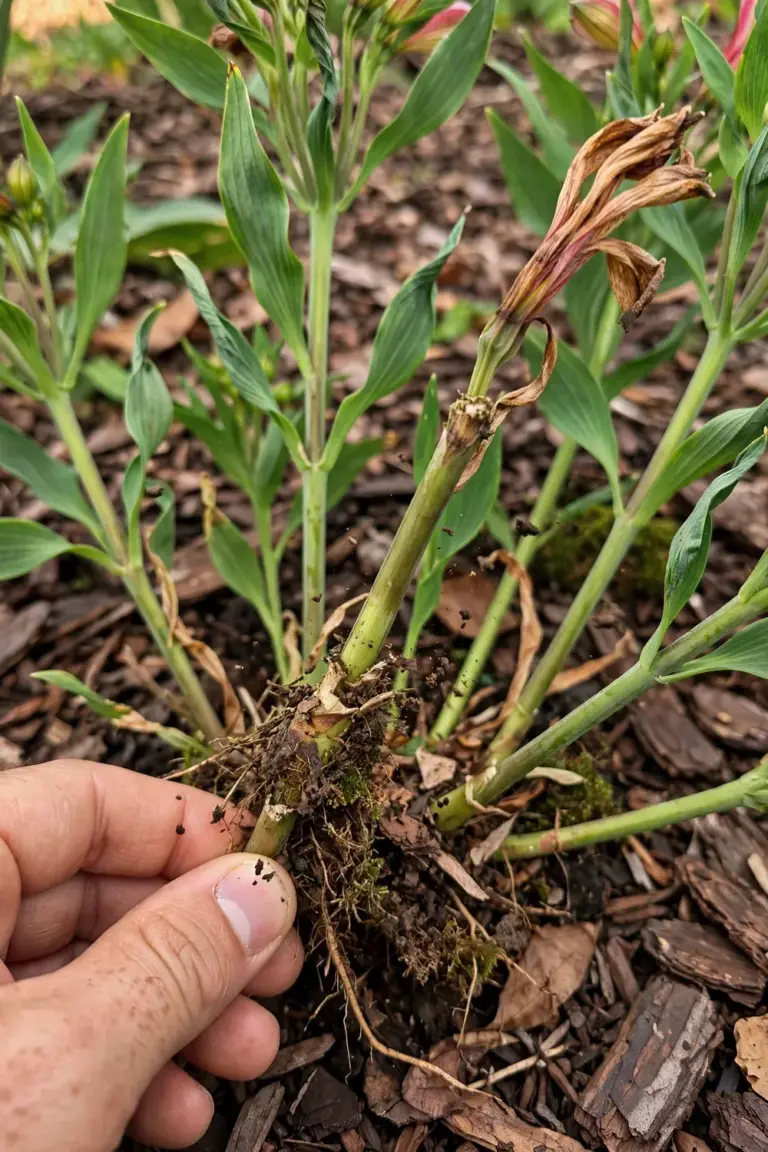
The same NCSU/UConn notes give the backup rule: if you must use shears, cut the stem all the way back to its base, because the entire stem dies once it is cut. A mid-stem stub is dead weight the plant has to seal off. Whole-stem removal, pulled or cut at the crown, is the only cut that counts.
Work this into your weekly routine through the bloom season. A quick walk with a trug, tugging every spent stem, keeps new flowering shoots coming from the underground rhizomes for months. If you plan to dry blooms for indoor arrangements, cut-flower growing basics cover handling and conditioning from the stem up.
Understand why pinching fails before you reach for the shears. Because alstroemeria is a monocot, pinching a stem does not encourage branching; it only kills the stem, the same notes explain. The plant’s only response to stem removal is to push a new shoot from the rhizome, which is exactly what the sharp tug triggers. Cut mid-stem and the dead stub sits there inviting botrytis.
10. Match the Variety to Your Space and Your Heat
Alstroemeria falls into three practical groups. Pick by height and heat tolerance, not by catalog color.
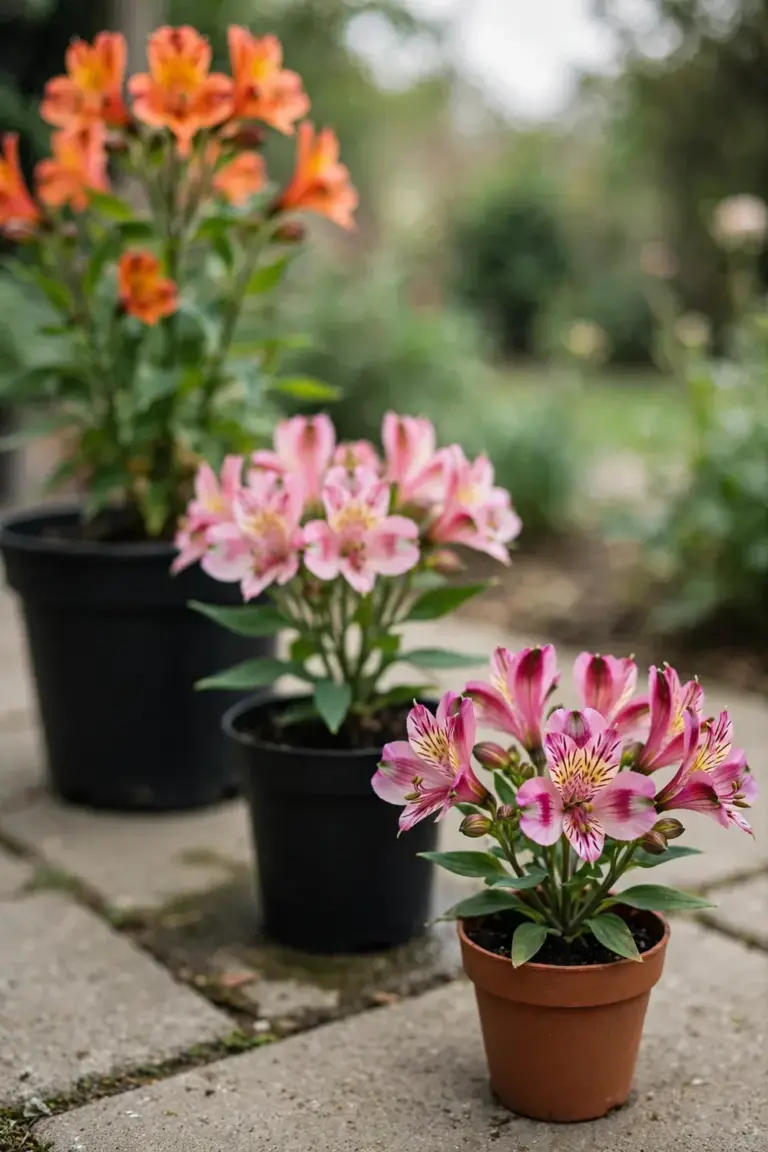
| Group | Height | Best For |
|---|---|---|
| Tall border types | 90 cm to 1 m | Cutting gardens and the middle of borders; hardiest, some survive minus 15 degrees |
| Compact hybrids | 40 to 80 cm | Most garden beds; the standard do-everything plant |
| Dwarf Princess and Inticancha types | 20 to 30 cm | Pots, the front of borders, small gardens; protect below minus 5 degrees |
The heights run from the NCSU/UConn range of 1 to 3 feet for garden cultivars, with the dwarf ceiling and hardiness figures from H. Whyde’s notes. Princess types carry the big orchid-like blooms on short stems, which is why they dominate the pot market.
Heat changes the shortlist. Australian hybridizers have selected lines for extended warm summers, and growers there point to ‘Inca Ice’, ‘Indian Summer’, and ‘Princess Fabians’ as heat-tolerant picks that keep blooming where older types stall, per the same Australian grower’s notes. In warm-winter regions, give any variety afternoon shade and a mulch-cooled root zone, and it will hold its flowers weeks longer.
Match the plant to the job before you buy. Tall types fill the middle of a border and supply the longest cutting stems. Compact hybrids suit the average bed. Dwarfs own the patio pot. Buying the right height once beats staking a too-tall plant all summer, and a too-short plant in a big border disappears. The table above is your shopping list.
11. Grow Compact Types in 30 cm Pots
One alstroemeria fills a pot fast, so give it a big one. Use a minimum 30 cm container for a single dwarf plant, in free-draining potting mix, and do not cram in more than one plant, per H. Whyde’s notes. The same NCSU/UConn notes say compact cultivars grow well in 15 cm pots or larger, with 20 cm pots and gallon containers making the showiest displays, so bigger is better.
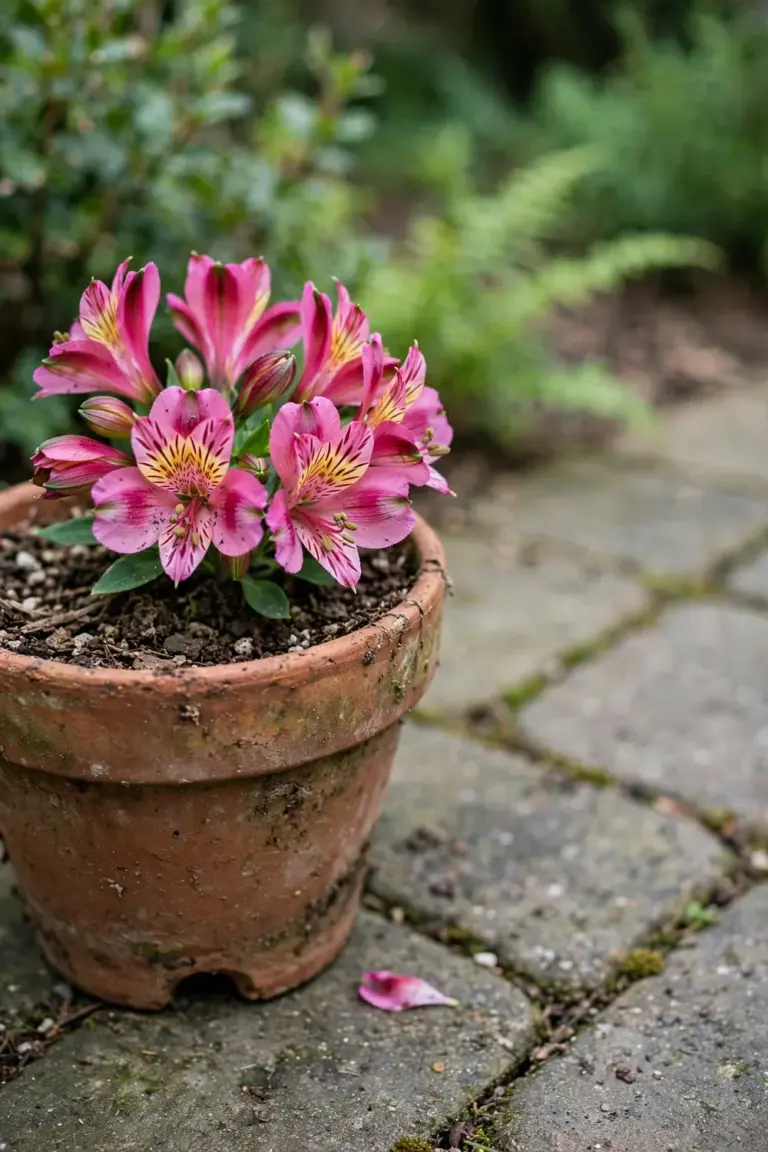
Drill extra drainage holes if the pot has fewer than three. Raise the pot on feet so water leaves freely instead of pooling underneath. A saucer that holds standing water is a slow way to rot the crown.
Water pots more often than beds, because a 30 cm pot dries out in a day of summer heat. Feed on the same two-week rhythm as bed plants. Bring the pot into a sheltered spot for winter in zones at the cold edge, since a pot freezes harder than the ground.
Mix the potting medium for drainage first and fertility second. A standard multipurpose compost loosened with a third of coarse grit or perlite drains fast enough for alstroemeria roots while holding enough moisture between waterings. Never use straight garden soil in a pot; it compacts, holds water against the crown, and rots it from below.
12. Let Winter Dormancy Happen at Its Own Pace
Alstroemeria is a hardy perennial in zones warmer than 6 and is treated as an annual in colder zones, per the same NCSU/UConn notes. Where it is hardy, the top growth dies back and the fleshy roots wait out winter underground, then regenerate the clump in spring.
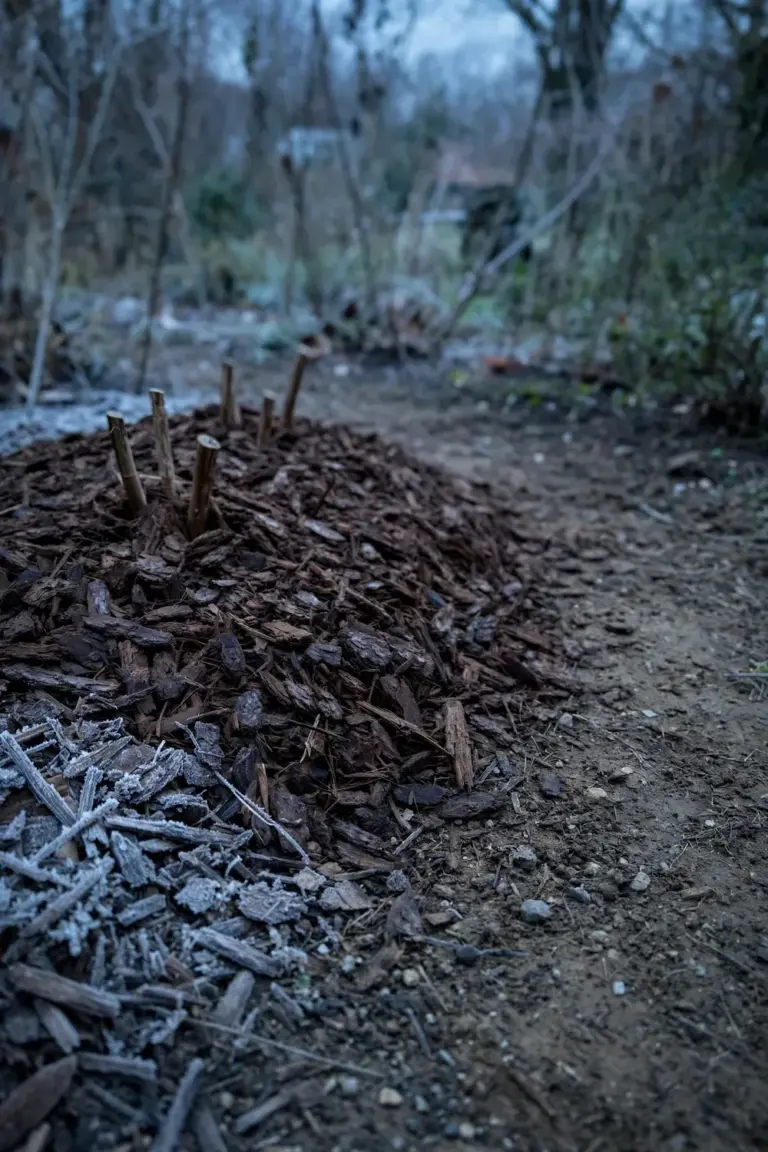
Cold hardiness varies by group. The hardiest tall types survive minus 15 degrees Celsius, while the dwarf Princess and Inticancha types need protection when temperatures fall below minus 5 degrees, per H. Whyde’s notes. In borderline zones, a 8 to 10 cm mulch blanket over the crown after the first hard frost is cheap insurance.
Do not dig the clump up for winter unless you are in a zone where it cannot survive. Lifting and storing breaks the one rule this whole guide is built on. If your winters are too cold, grow it in a pot and move the pot into a cool garage instead of disturbing the roots.
In zones at the cold edge, the pot is your winter plan. Move the whole container into an unheated garage or against a sheltered house wall once the foliage dies back, and keep it barely moist. The roots stay intact in their own soil, which honors the one rule, and they wake up undisturbed in spring. Lifting the plant out for winter storage is the beginner’s most expensive mistake.
13. Expect the Summer Pause and the September Return
Alstroemeria stops flowering when the heat gets serious. The same NCSU/UConn notes explain that flower initiation needs soil temperatures of 13 to 16 degrees Celsius, and that flowering ceases when soil stays above 18 to 21 degrees for extended periods. Air temperatures above 24 degrees Celsius for long stretches have the same effect, per the same alstroemeria research notes, and plants grown in high heat produce tall, weak stems.
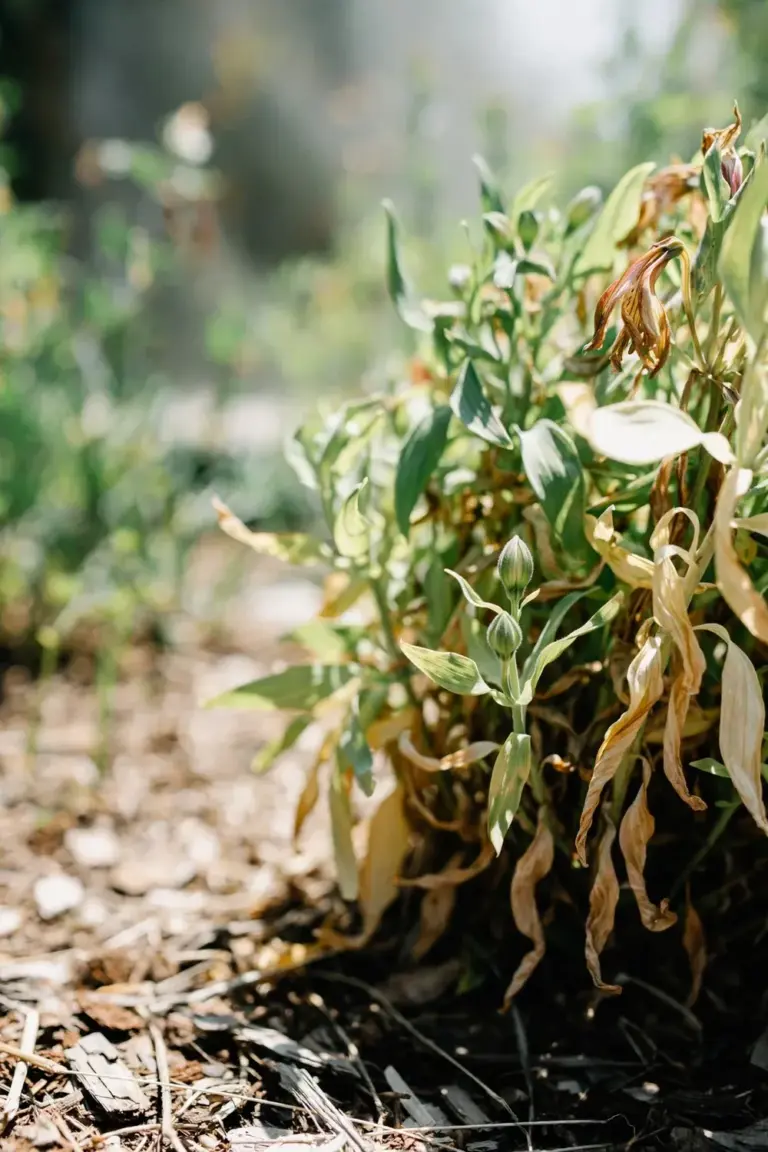
This is not the plant dying. It is waiting. Flowering typically resumes in September as nights cool, and along mild coasts the plants flower all summer. In warm southern zones the pattern shifts: blooms run February to June, pause through the worst heat, and return from September until frost.
Help the pause end sooner by watering in the late afternoon and keeping the mulch layer intact through summer. Both cool the rhizome zone, which is the temperature that decides when flowering restarts. Do not feed during the pause; a dormant plant has no use for nitrogen.
The commercial optimum shows what the plant is aiming for. Greenhouse growers hold nights of 10 to 16 degrees and days of 18 to 21 degrees for the best flowering, the same notes report. Your garden will not match that all summer, and that is fine. The pause-and-return rhythm is the plant’s built-in compromise with real weather.
14. Watch for Thrips, Aphids, and Botrytis
Alstroemeria is relatively pest and disease free, but the same NCSU/UConn notes name the exceptions: snails and slugs on soft shoots, aphids and caterpillars, whitefly under cover. Thrips are the biggest pest problem. They get inside the flowers, resist most control, and transmit deadly viruses.
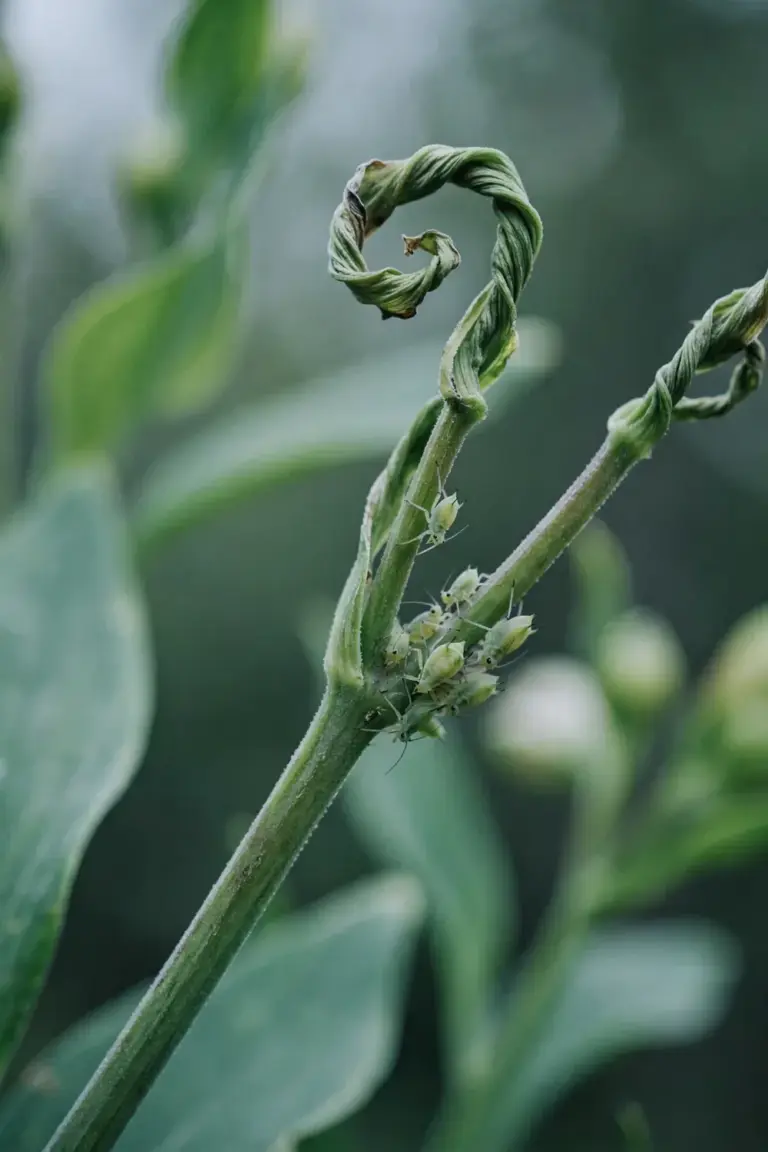
Distorted, discolored growth can signal a virus, and a virused plant should come out. No spray fixes a virus, and thrips carry it from plant to plant.
Botrytis is the most common disease, flaring in still, damp air on crowded foliage, and root rots follow waterlogged soil. Prevention is the whole program: good air circulation, no overhead watering late in the day, removal of infected plant parts, and the free-draining soil from move six. For a broader look at garden pest habits, the site’s common garden pest guide covers identification and the least-toxic controls first.
Set slug defenses early, while the spring shoots are still soft. A ring of sharp grit around the crown, or iron-based slug bait scattered thinly, protects the shoots when they are most vulnerable. Remove spent foliage promptly so botrytis has nothing dead to colonize, and give the clump its 60 cm of space so morning air dries the leaves fast.
Frequently Asked Questions About Growing Alstroemeria
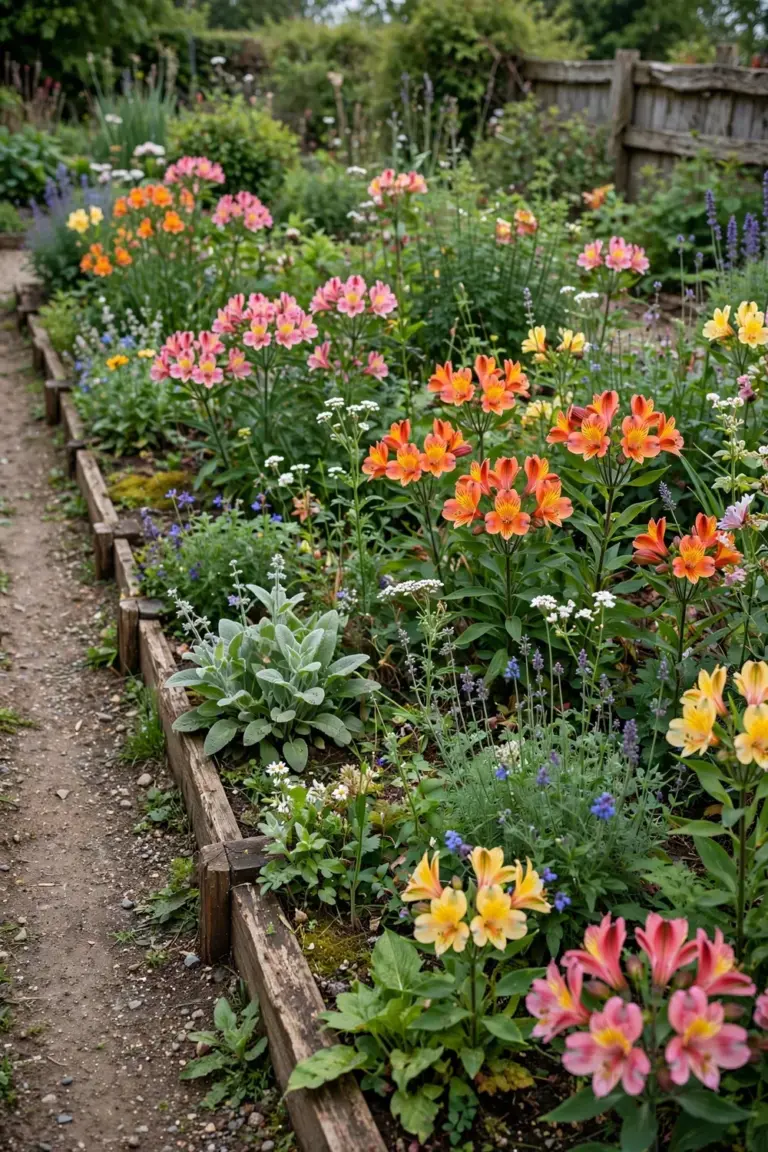
No. Alstroemeria belongs to the Alstroemeriaceae family, a South American group, while true lilies are Liliaceae. The shared nickname comes from the lily-shaped blooms. Grow it by its own rules: undisturbed fleshy roots, pulled stems, and free-draining soil, not the deeper bulb planting true lilies want.
Heat paused it. Flowering stalls when soil stays above 18 to 21 degrees Celsius for extended periods, and resumes when nights cool, usually in September. Keep the mulch on and water in late afternoon to cool the root zone. Do not feed during the pause and do not assume the plant is dead.
Pull them. A sharp upward tug removes the whole stem and stimulates the plant to push more flowers. If you must cut, take the stem all the way back to the base, because any cut stub dies back anyway. Never snip spent blooms off mid-stem and leave the stalk standing.
Yes, and dwarf types prefer it. Use a minimum 30 cm pot per plant with free-draining mix and real drainage holes. Princess and Inticancha types stay 20 to 30 cm tall and bloom for months in containers. Water pots daily in summer heat and move them to shelter for winter at the cold edge of their range.
Expect the first blooms 6 to 8 weeks after spring planting, with flowering continuing all summer and fall until frost in suitable zones, per the same NCSU/UConn notes. Plants set out in warm southern zones can bloom from February to June, pause in peak heat, and return in September. A pot-grown plant flowers sooner than a bare rhizome.
The roots dried out. Pots left dry for even a couple of days in extreme heat cause foliage to yellow and flower buds to abort, and the setback delays the next bloom by weeks. Water deeply and immediately, keep the mulch in place, and shade the pot itself in the hottest afternoons to slow the drying.
Give the Roots One Season to Settle
Plant a pot-grown alstroemeria 15 cm deep, mulch the root zone, water deeply once it is growing, and pull the spent stems through summer. Feed while it blooms and stop when the heat pause arrives. Leave the crown alone in winter. The clump thickens every year it stays undisturbed, and the second season outblooms the first.