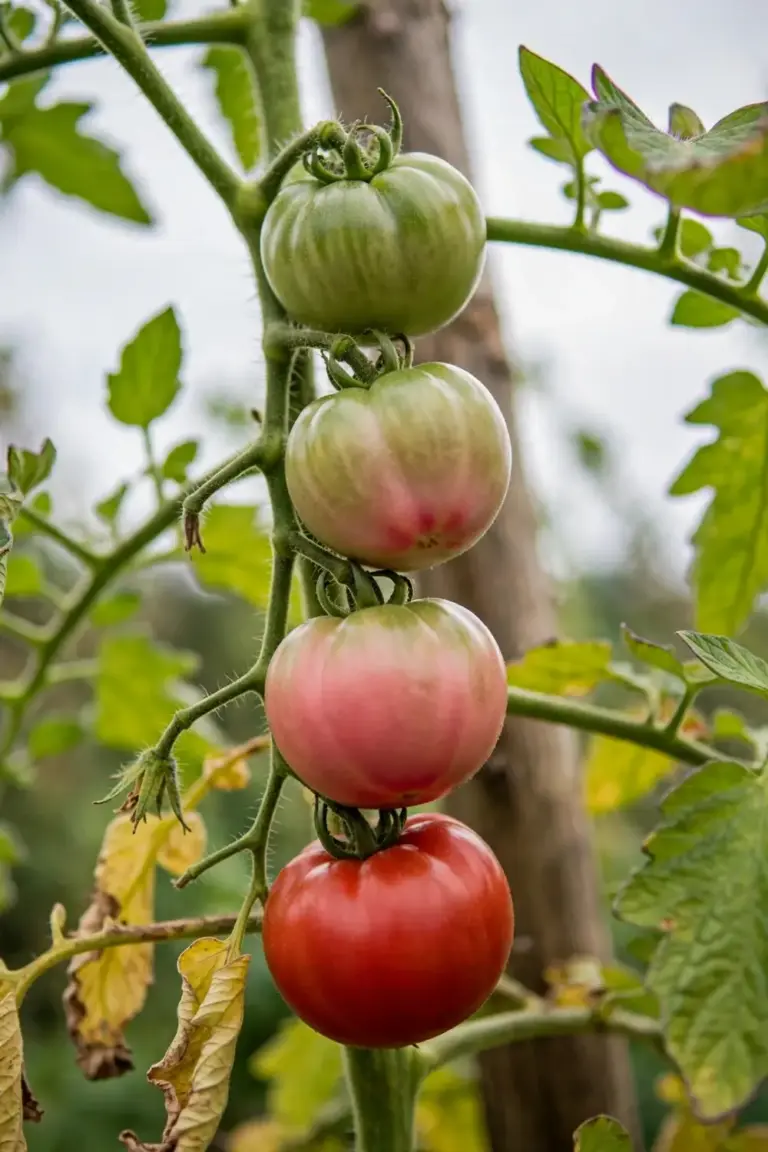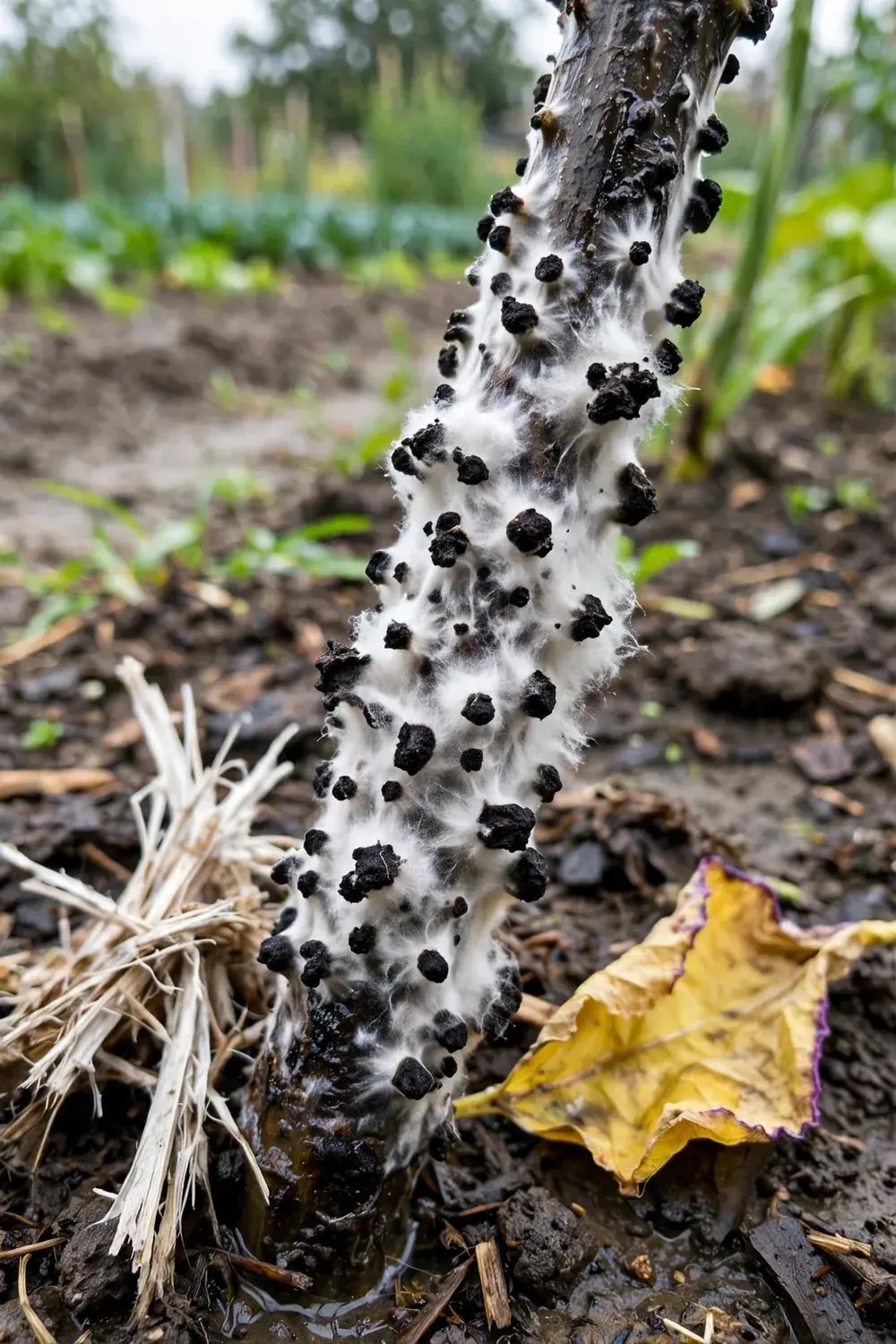

Watery soft rot is white mold. The two names describe one disease, caused by one fungus, Sclerotinia sclerotiorum. The older name describes what you see in the bed: plant tissue turns water-soaked and soft under a mat of white cottony growth, on a fungus with more than 400 host species.
I have learned to check the botanical name first, because two common names can hide one fungus. That check keeps this page honest. Watery soft rot is the older common name. White mold is the current common name. The fungus behind both names is Sclerotinia sclerotiorum.
If your plant shows these signs, start with three moves: pull the infected plant, bag it for the trash, and dry out the canopy. No spray rescues tissue that has already turned soft. The rest of this page names the disease, separates it from two lookalikes, and sets out the playbook.
What Watery Soft Rot Actually Is
Watery soft rot is Sclerotinia stem rot, the disease home gardeners now call white mold. One fungus causes it: Sclerotinia sclerotiorum. The names differ. The disease does not.
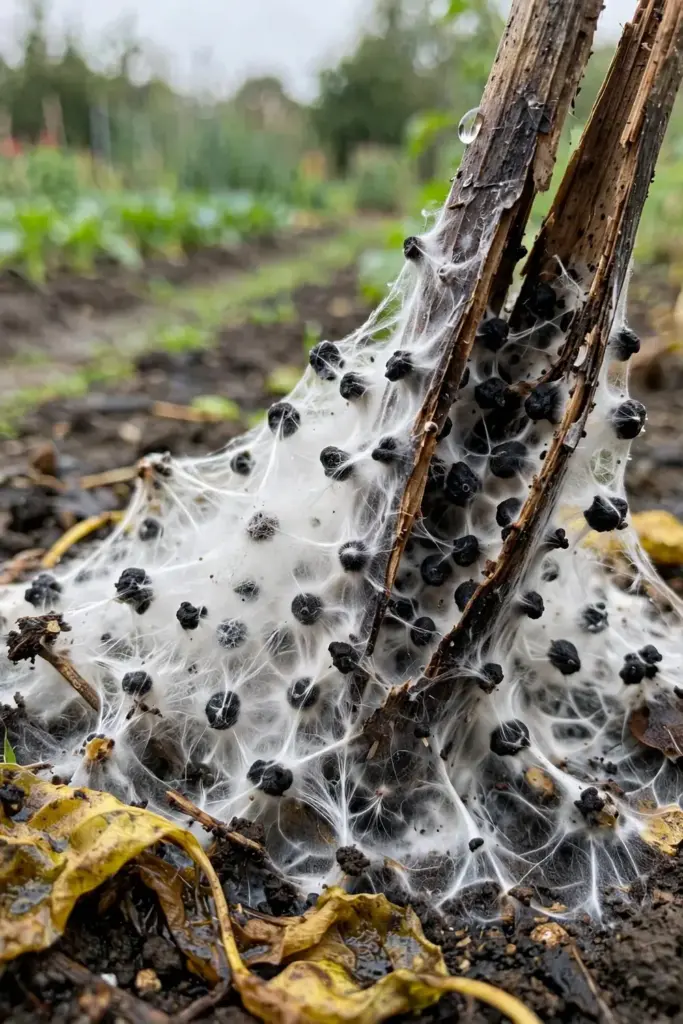
The Government of Saskatchewan lists the names together: Sclerotinia stem rot, also known as white mould, watery soft rot, drop, or blossom blight, caused by the soil-borne fungus Sclerotinia sclerotiorum. The same page puts the host range at more than 400 plant species in 75 broadleaf plant families. Older literature also files the fungus as Whetzelinia sclerotiorum.
The Clemson Index of Plant Diseases in South Carolina lists watery soft rot twice, once under collards as Sclerotinia sclerotiorum and once under broccoli as Sclerotinia sp. The two entries describe one disease. The broccoli entry is a genus-only listing of the same disease, and neither entry limits the disease to those two crops.
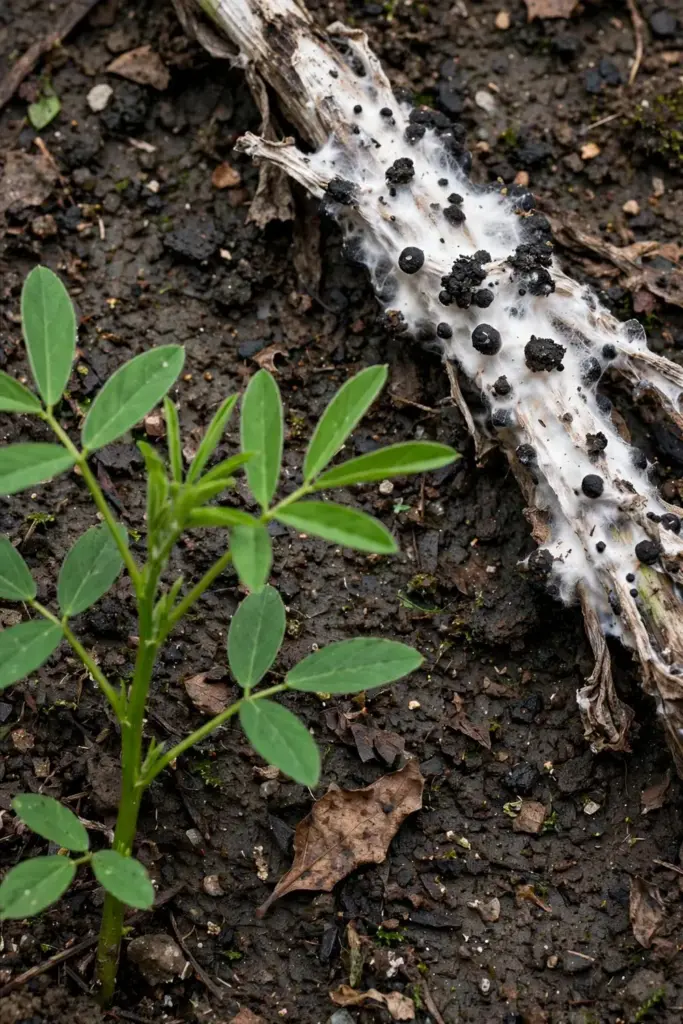
The fungus waits in the soil as sclerotia, hard black resting bodies that survive for years. In cool, wet weather the sclerotia germinate into tiny cup-shaped apothecia, which release airborne spores. The spores land on dying tissue first, on senescing flowers and fading leaves, then the mycelium spreads into healthy tissue and from plant to plant by direct contact.
How to Identify It in the Garden
Look for water-soaked tissue, then white cottony growth, then hard black resting bodies. Lesions start pale and water-soaked. White mycelium covers the dead area. Black sclerotia form in and on the tissue.
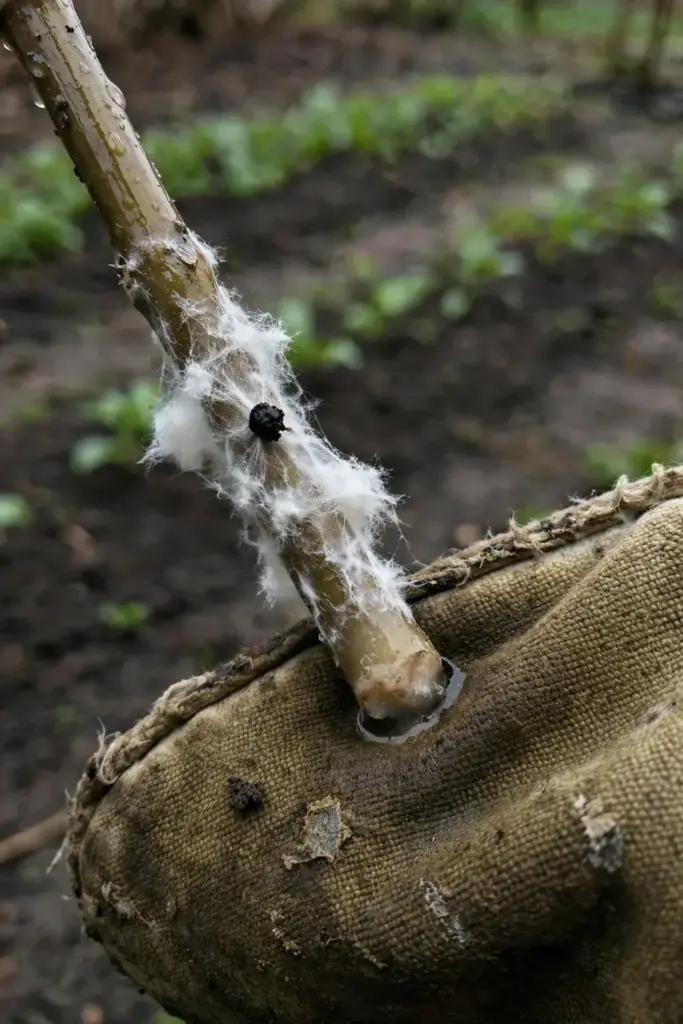
Stems bleach and shred as the fungus girdles them, and the leaves above the girdle wilt and collapse. Fruit rots where it touches soil. The rot keeps working in storage. Collards and broccoli carry the Clemson entries, and lettuce, beans, tomato, and sunflower sit on the same host list. A broccoli planting that wilts from the stem up deserves a stem check before a water check.
The University of Wisconsin Plant Disease Diagnostics Clinic puts sclerotia survival at 5 years or more in soil, and its advice for infected plants is to prune 4 to 5 inches below diseased tissue or remove the whole plant, and never compost the material. Cornell notes the infection window: sclerotia near the soil surface germinate when soil sits cool at 50 to 68°F and wet, and leaf tissue must stay wet 16 to 48 hours for infection to take hold.
Watery Soft Rot vs Bacterial Soft Rot vs White Rot
Three diseases share soft, rotting tissue. Only one is watery soft rot. The table separates them by pathogen, sign, and first move.
| Feature | Watery Soft Rot | Bacterial Soft Rot | White Rot |
|---|---|---|---|
| Pathogen | Sclerotinia sclerotiorum, a fungus | Pectobacterium and Dickeya, bacteria | Sclerotium cepivorum, a fungus |
| Signature sign | Water-soaked tissue, white cottony mycelium, black sclerotia | Slimy mush with no cottony mat and no black sclerotia | White fluffy growth and black sclerotia on allium bulbs |
| Hosts | More than 400 broadleaf species | Many vegetables, often wounded or frosted tissue | Alliums only: onion, garlic, leek |
| First move | Remove and trash, dry the canopy, rotate | Remove and trash, avoid wounding, keep storage dry | Remove and trash, long rotation out of alliums |
One more watery name stays out of this table. Potato leak, also called watery wound rot, is a Pythium disease of harvested tubers. It is an oomycete, not a Sclerotinia disease, and its advice does not apply here.
What to Do When You Find It
Pull the infected plant, bag it for the trash, and dry the canopy. Three moves carry the whole home-garden playbook. No spray rescues tissue that has already turned soft.
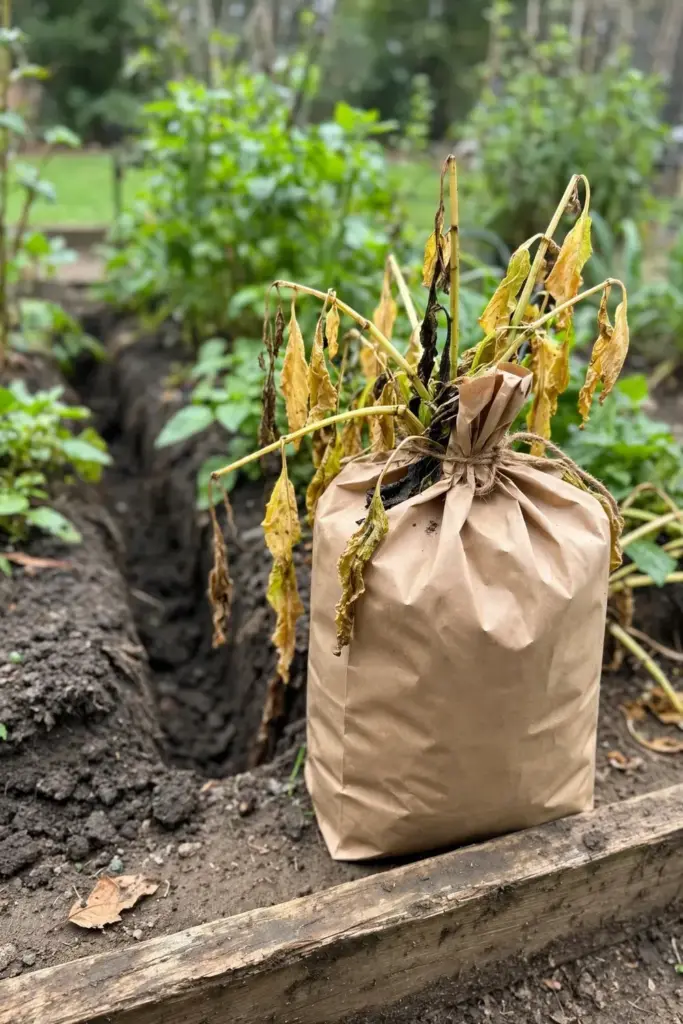
Remove the plant whole, roots and all. Bag it for the trash. Never compost infected material, since sclerotia ride out a home pile and return with the compost. When the bed is empty, treat the cleanup as fall garden bed prep: clear debris, wash tools, and leave the surface clean.
Dry the canopy next. Space plants wide. Trellis upright crops. Water at the soil line with drip, and run rows parallel to the prevailing wind. Wet leaves feed this fungus. Dry leaves starve it. Sprays work only before infection, because this fungus runs one infection cycle per season.
The Pacific Northwest Plant Disease Handbook puts sclerotia survival at 3 to 5 years in soil, which is why a one-season rotation fails. Plant the bed to poor hosts and keep broadleaf weeds down, since weeds host the fungus too. A season of cover crops keeps the bed working while the fungus waits, and building soil health keeps the bed productive through the rest years.
The White Mold guide on this site carries the longer version of this playbook, with 10 strategies and the full identification walk-through. This page answers the naming question. That guide carries the full treatment plan.
Frequently Asked Questions
Yes. Watery soft rot is the older common name for the disease home gardeners now call white mold. Both names point to Sclerotinia sclerotiorum, one fungus causing one disease. The Clemson index lists watery soft rot under collards and broccoli as one disease, not two. When a tag says one name and a guide says the other, follow the botanical name.
No. Watery soft rot is a fungus. Bacterial soft rot comes from Pectobacterium and Dickeya bacteria. The bacterial disease shows slimy mush with no cottony mat and no black sclerotia. The two diseases share soft, rotting tissue and nothing else. Their playbooks differ, so never borrow bacterial advice for a fungal infection or the reverse.
Discard any tissue that turned soft or grew mold. Do not cut around the mold and eat the rest. Firm, unaffected produce from a healthy plant in the same bed is fine after a normal wash. When the damage covers the part you would eat, the answer is the trash bag. Wash your hands and tools after handling infected plants.
Wait out the sclerotia. They survive 3 to 5 years in soil, so a one-season break fails. Plant the bed to poor hosts or cover crops, keep broadleaf weeds down, and give the bed the full rest period. When the rotation ends, replant with clean stock and wide spacing. Dry leaves and clean debris keep the next planting safer.
Where to Go From Here
Check the botanical name on the tag, then pull and trash any plant that shows the signs today. Dry the canopy and write the rotation down. One fungus, two names, three moves. That is the whole answer.