
Soilborne wheat mosaic virus has no cure. The 6 strategies below protect home-grown wheat, starting with the resistant seed that stops the disease before it starts.
The signature is a blotchy mosaic of green islands on pale yellow leaves, plus stunting that lingers after the mosaic fades. A soil organism named Polymyxa graminis carries the virus, and its resting spores survive for years in garden soil. This virus rarely shows up in home gardens, and the Extension record describes it in wheat fields.
The rest of this page runs the order a gardener should follow, whether you grow wheat for flour or sow it as one of the cover crops for fall planting. Learn what the virus is, learn its signs, then work the 6 strategies from resistant seed to the spring fade trap. I have learned that the wheat patch I plant in the soggy corner is the patch that yellows first in spring.
What Soilborne Wheat Mosaic Virus Actually Is
Soilborne wheat mosaic virus is a virus of wheat and other small grains, carried in soil by the organism Polymyxa graminis. The virus causes a blotchy mosaic on leaves and stunting across the patch. No spray cures an infected plant, and no soil treatment removes the virus from a patch.
The virus belongs to the genus Furovirus, in the family Virgaviridae. The Nebraska Extension guide to wheat soilborne mosaic virus places it in the Furovirus group and names Polymyxa graminis as the carrier. The carrier lives in soil as resting spores. The spores germinate into zoospores that swim through films of soil moisture and infect wheat root hairs. The virus enters the plant with the zoospore.
One confusion partner matters. Wheat spindle streak mosaic virus, abbreviated WSSMV, causes a similar disease and rides the same carrier. WSSMV is a bymovirus, a different genus from soilborne wheat mosaic virus. The two viruses look alike in the field, and many plants carry both at once. The K-State Extension bulletin on wheat soilborne mosaic notes that lab testing is required to separate them. Field signs suggest. The lab names.
The virus does not travel in seed. K-State reports no seed transmission for this virus, so a clean seed lot starts clean. Soil moves the virus. The carrier moves it. The seed stays out of the chain.
This virus rarely threatens a home garden. The Extension record covers it as a wheat-field disease, and home-grown wheat is a small patch, not a field. The risk is real for a gardener who grows wheat year after year in the same wet ground. The risk is low for a gardener who grows one small patch of wheat once. Know which gardener you are.
How to Spot Soilborne Wheat Mosaic on Wheat Leaves
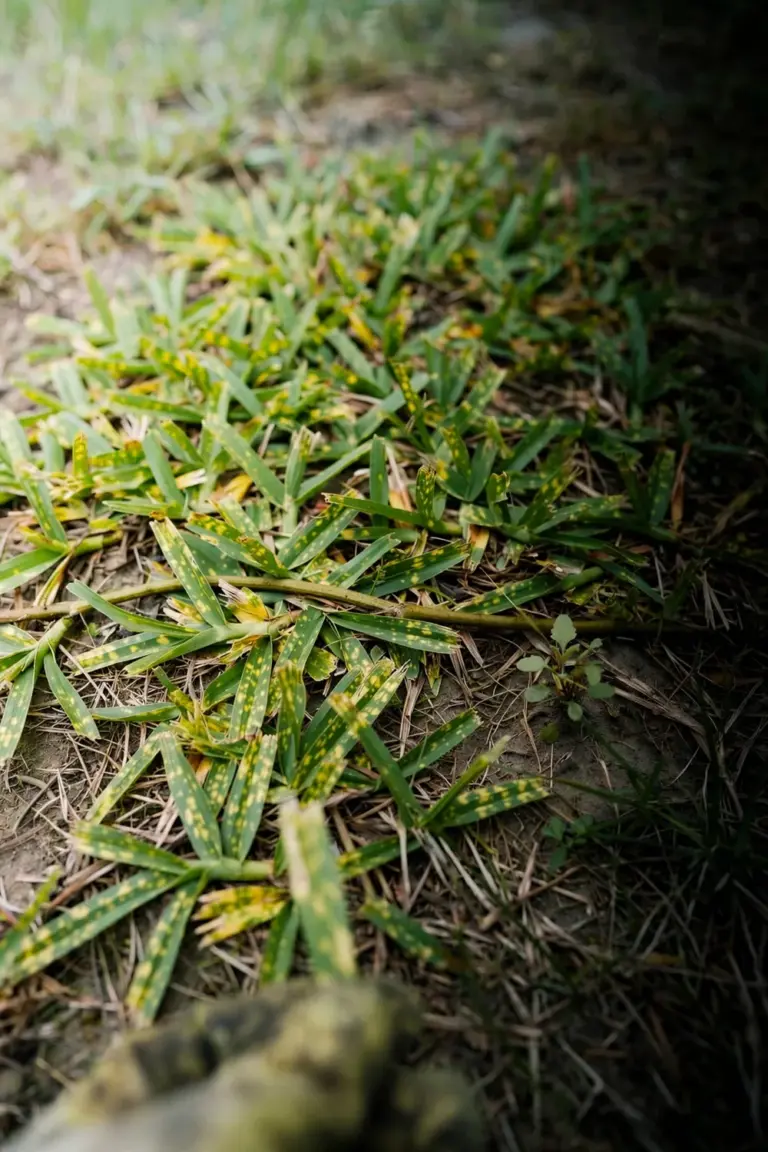
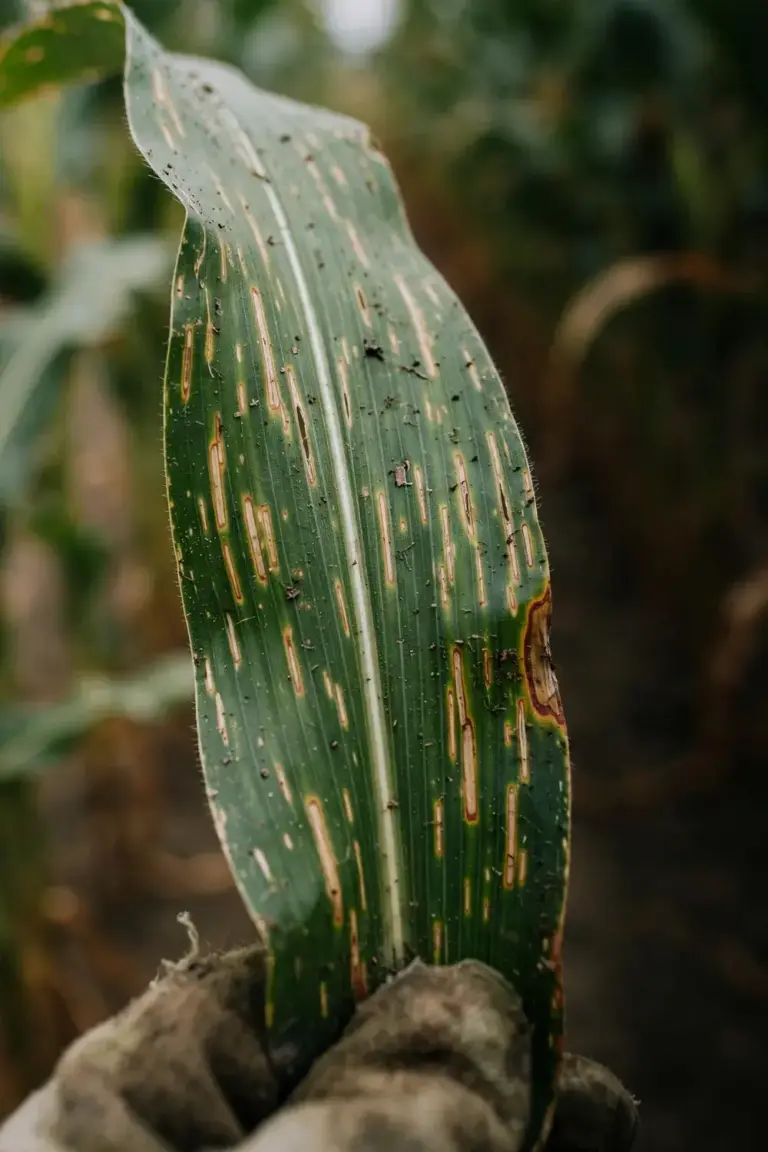
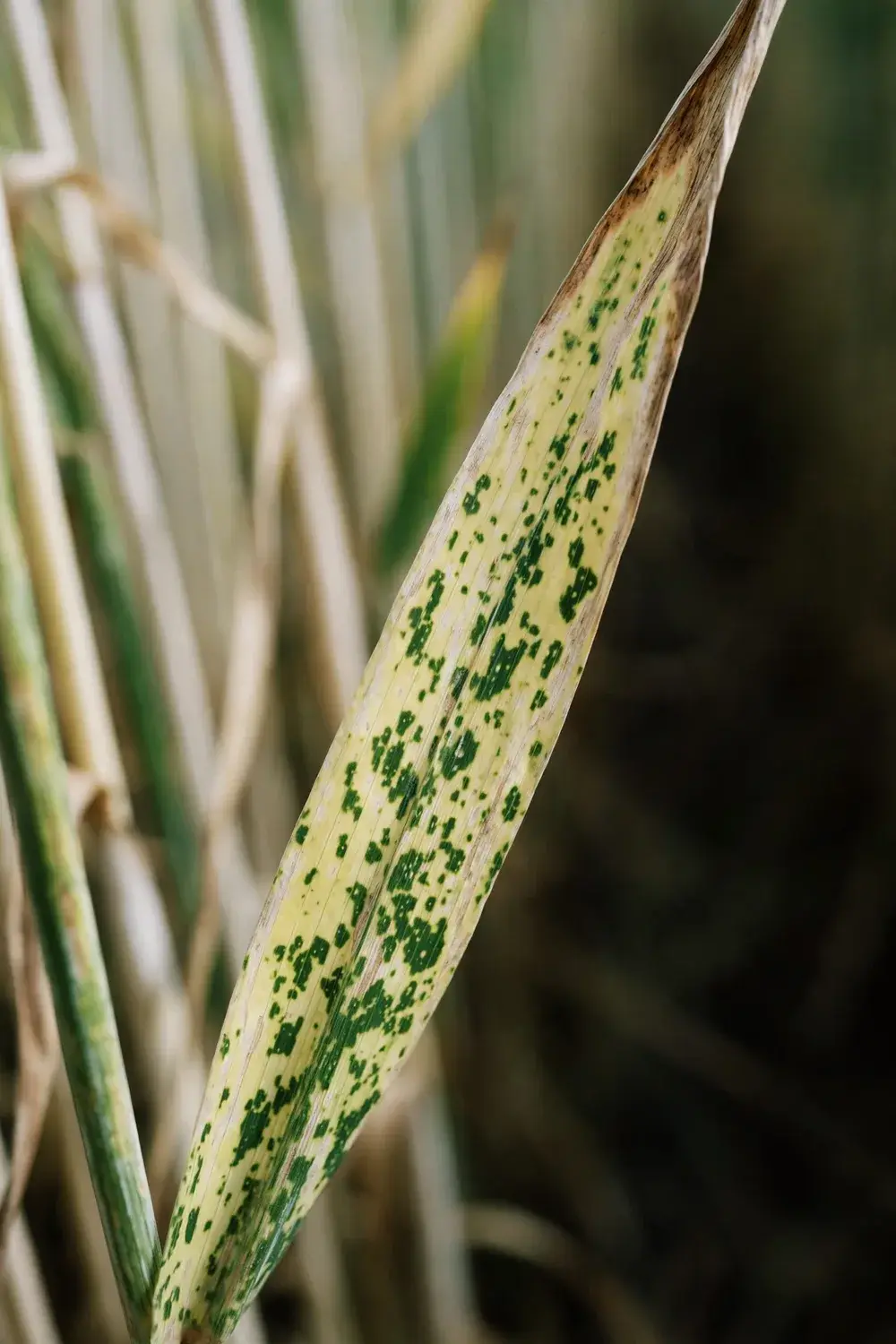
Soilborne wheat mosaic virus shows on wheat leaves as a blotchy mosaic, with islands of green on a pale yellow background. The pattern looks irregular, never uniform. The leaf keeps its shape, and the color breaks into patches.
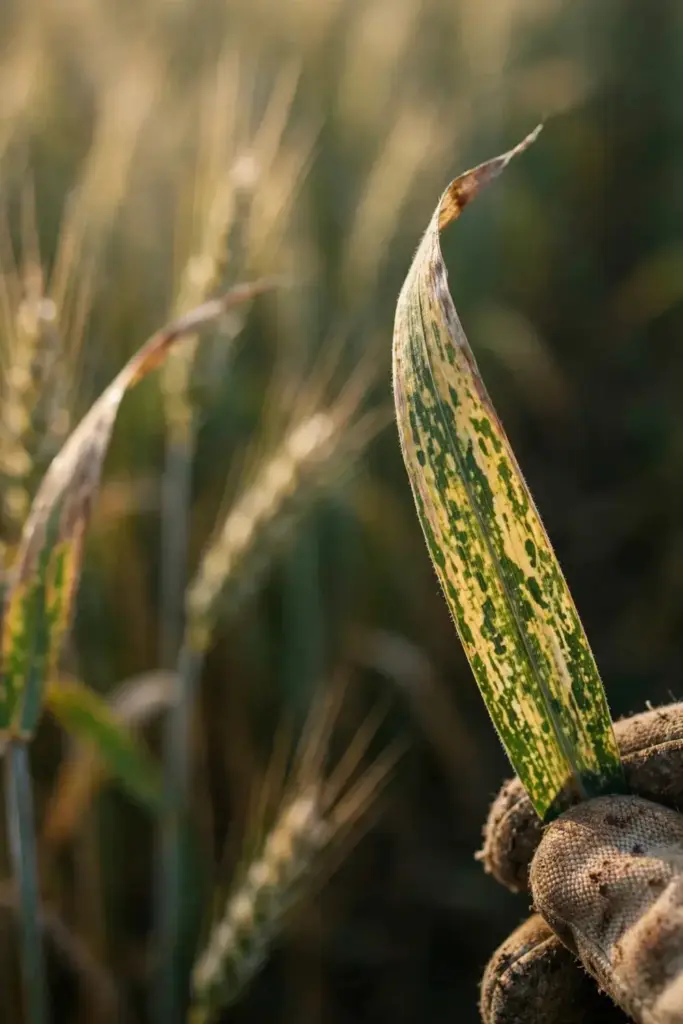
Look for the green islands first. A healthy wheat leaf reads as one even green. An infected leaf reads as pale yellow with darker green islands scattered across it. Mottling and streaking ride along with the islands. Some strains push the plant into rosetting, a short bunchy growth with extra tillers. The rosette stays small. The plant stays stunted.
Leaves that emerge after daytime temperatures pass 68 degrees Fahrenheit, 20 degrees Celsius, show no mosaic. K-State notes that symptoms fade once daytime temperatures consistently exceed 68 degrees. The fade fools the eye. The plant stays stunted, and the damage stays done. Read the fade as a temperature effect, never as a recovery.
From a distance, the mosaic reads as nitrogen deficiency. K-State warns that the symptoms pass for nitrogen deficiency when viewed from a distance. Walk the patch before feeding it. A nitrogen-starved patch greens up after feeding. A virus patch does not. The walk saves a bag of fertilizer and a week of false hope.
How to Spot Soilborne Wheat Mosaic Across the Whole Patch
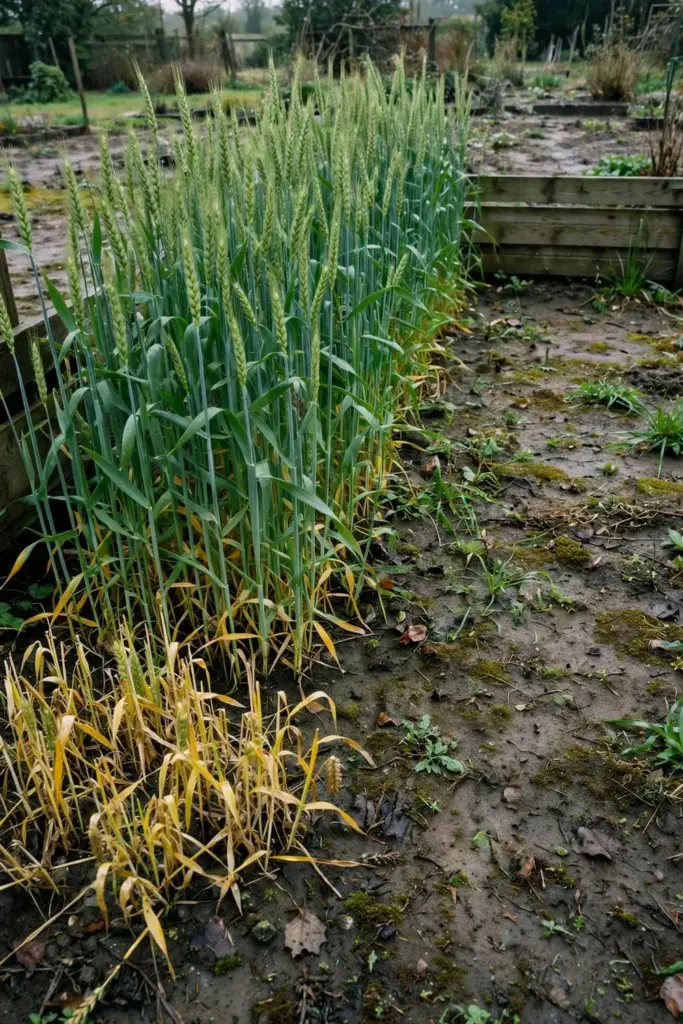
Soilborne wheat mosaic virus shows across a patch as irregular areas of yellow, stunted wheat. The patches follow low ground and drainage paths. Healthy wheat beside a patch stands taller and greener.
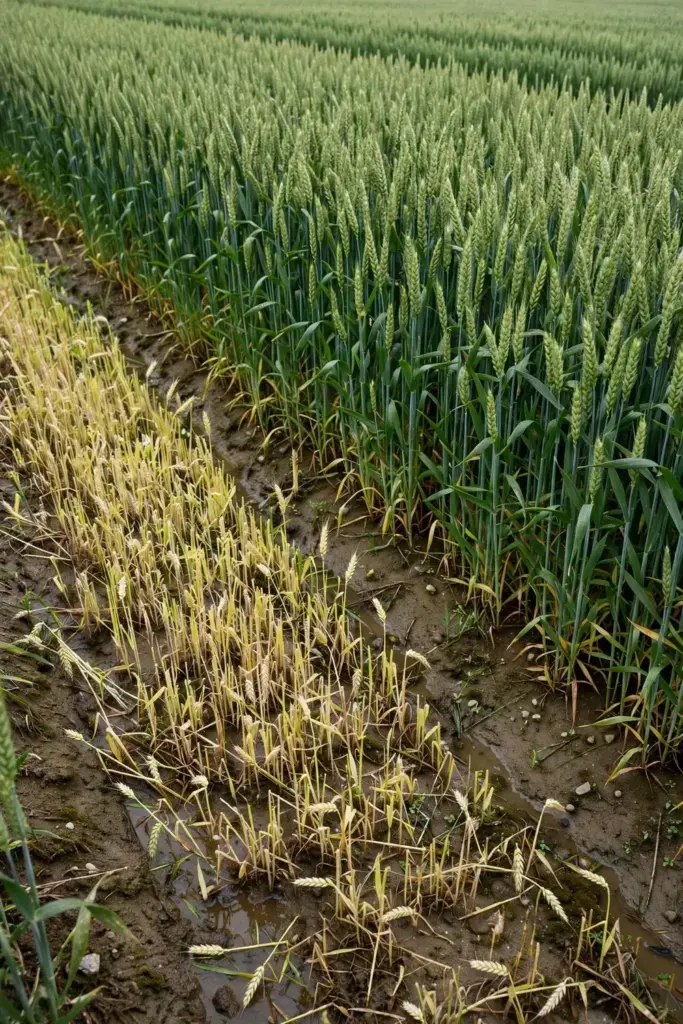
Water writes the pattern. The carrier swims in soil moisture, so the worst patches sit where water gathers or drains. Check the low corner, the dip along the path, and the ground below a downspout. A yellow patch in the lowest ground points at this virus. A yellow patch spread evenly across high dry ground points elsewhere.
Stunting outlasts the mosaic. The University of Delaware weekly crop update on viruses in winter wheat describes leaves with dark green blotches on a pale greenish-yellow background, and symptoms that fade as warm temperatures slow the virus inside infected plants. The fade clears the color while the stunting stays until harvest. Measure the patch against healthy wheat nearby. Short plants beside tall plants tell the story.
Check the whole patch, not one plant. One yellow plant points at that plant’s roots. A whole yellow patch beside a drainage path points at the carrier. The spread of yellow across the patch tells the gardener whether the problem is one plant or one wet corner.
Which Wheat and Small Grains Get Hit Hardest
Winter wheat takes the hardest hit from soilborne wheat mosaic virus. Fall infections cause the most serious damage, and winter wheat sits in the ground through the fall infection window. Spring wheat can catch the virus, and it escapes the worst of it by missing the fall window.
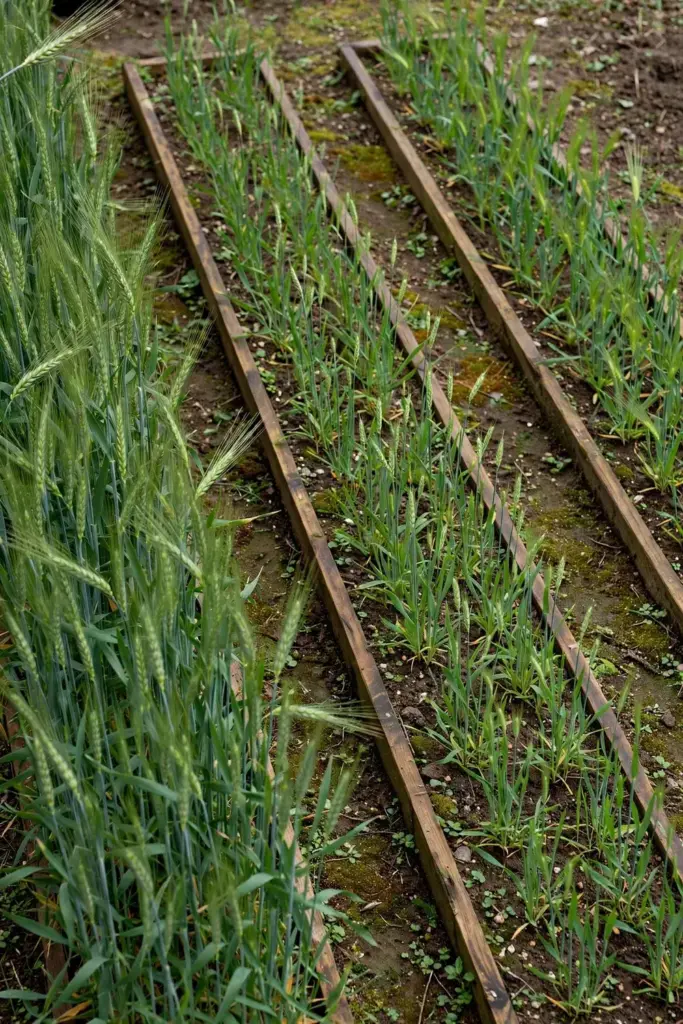
The host list stays inside small grains and grasses. Rye, barley, and triticale join wheat on it. Vegetables, flowers, and fruit plants do not.
| Host | How Hard It Gets Hit | Garden Note |
|---|---|---|
| Winter wheat | Hardest hit | Fall infection window matches the planting season |
| Spring wheat | Lighter hit | Misses the fall infection window |
| Rye | Occasional host | At risk where it follows wheat in the same ground |
| Barley | Occasional host | At risk where it follows wheat in the same ground |
| Triticale | Listed host | Treat like wheat when planning a grain patch |
| Susceptible grasses | Carriers | Grass weeds and grass cover crops can harbor the carrier |
Read the table as one rule: the longer a small grain sits in cool wet soil in fall, the harder the virus hits it. Winter wheat sits longest. Spring wheat sits shortest. Rye, barley, and triticale sit in between. A gardener who grows wheat for grain and rye for cover in the same bed gives the virus two hosts in one place.
The host list sets the rotation rule. A bed that grew wheat this year should not grow rye, barley, triticale, or a grass cover crop next. The virus and its carrier do not care which small grain feeds them. A non-grass crop breaks the chain. Beans, brassicas, and onions break it. Another grass does not.
Why Polymyxa Graminis Makes This Virus So Hard to Remove
Polymyxa graminis makes soilborne wheat mosaic virus hard to remove because the virus rides inside the carrier’s resting spores. The spores wait in soil for years. No spray reaches them. No cure touches them.
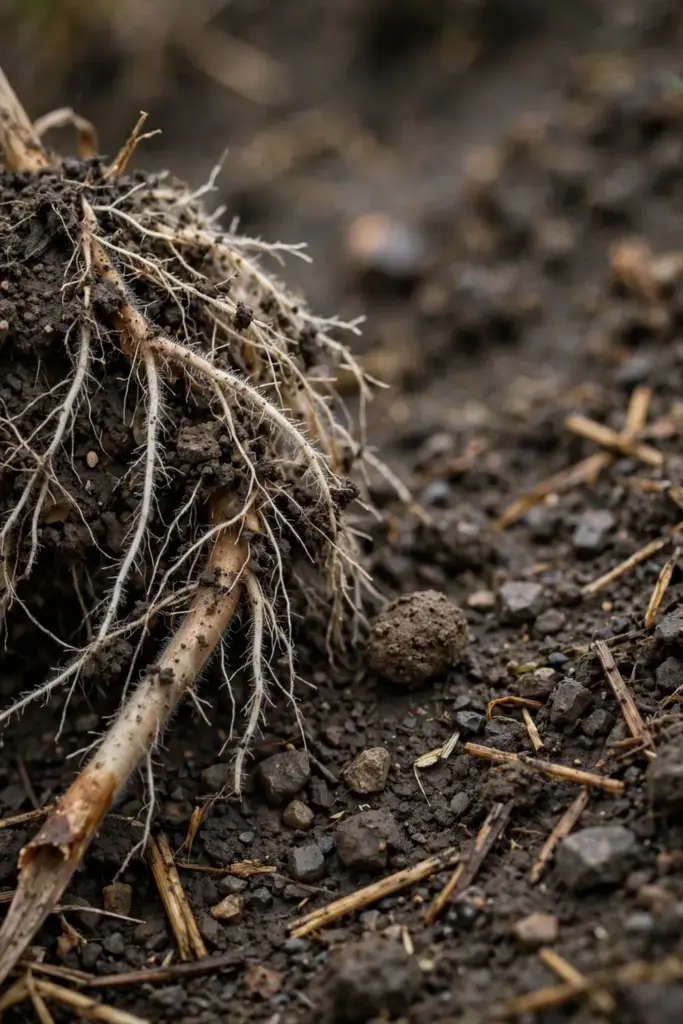
The cycle runs through water. Resting spores germinate in wet soil and release zoospores. The zoospores swim through films of soil moisture to wheat root hairs. Each zoospore infects a root hair and carries the virus into the plant. The infection starts underground, out of sight. The mosaic shows weeks later, in spring.
Nebraska Extension gives the carrier a cool wet window. Soil at 50 to 60 degrees Fahrenheit, 10 to 16 degrees Celsius, favors root infection by the carrier. Air below 65 degrees Fahrenheit, about 18 degrees Celsius, favors symptom expression. Fall brings both conditions at once, which is why fall infections cause the most serious damage. A cool wet fall loads the patch. A warm dry fall starves the carrier.
The resting spores outlast every garden season. K-State notes that the carrier survives many years in soil, and one K-State bulletin puts survival at a decade or more in dry soil. A patch that held the virus last year holds it this year. A patch that held it five years ago can still hold it. The soil remembers longer than the gardener does.
That persistence kills the spray-first reflex. No foliar spray reaches a virus inside root hairs. No soil drench clears resting spores from a bed. Skip soil fumigation. Fumigation is a field-scale chemical treatment, not a garden practice. The tools that work sit above ground: resistant seed, drainage, timing, and hygiene.
What Makes Soilborne Wheat Mosaic Worse in a Home Garden
Wet soil, cool springs, early fall planting, compaction, and moved soil make soilborne wheat mosaic virus worse in a home garden. Each factor helps the carrier reach wheat roots. Remove one factor and the risk drops. Remove three and the patch faces far less pressure.
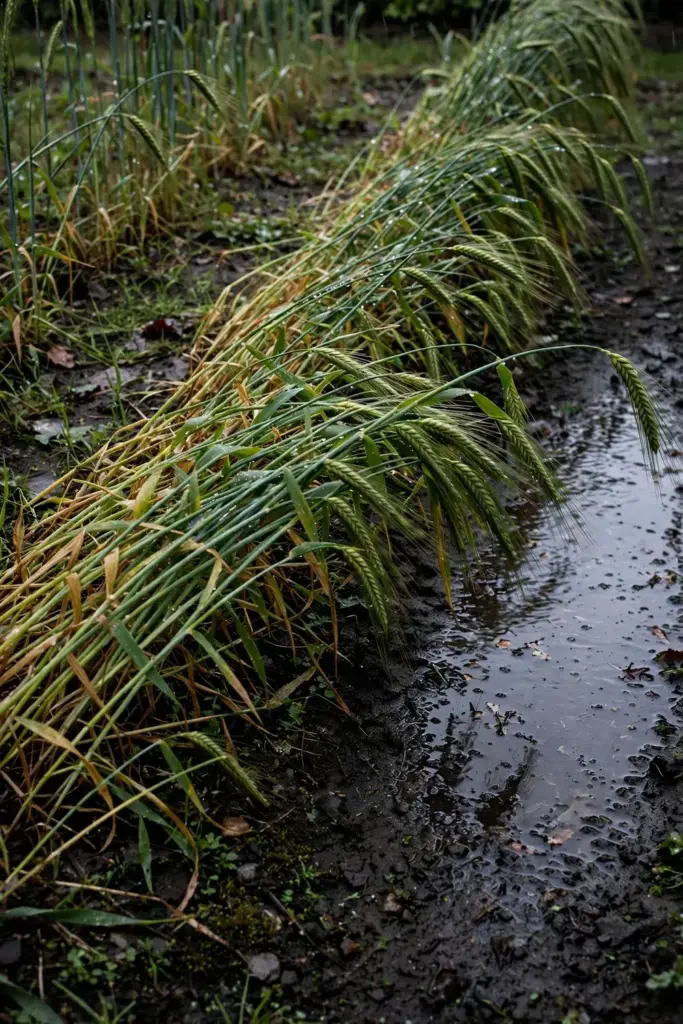
Wet soil tops the list. A bed that stays soggy after rain gives zoospores the water they need to swim. A bed that drains within hours gives them nothing. The low corner of the garden, the ground beside a downspout, and the bed under a dripping gutter all stay wet longest. Wheat belongs in none of them.
Cool springs stretch the symptom window. A long cool spring below 65 degrees Fahrenheit, about 18 degrees Celsius, keeps the mosaic showing and the virus multiplying. A fast warm spring shuts the mosaic down early. The gardener cannot set spring temperatures. The gardener can set the drainage and the planting date, which matter more.
Compaction and moved soil spread the carrier. Working wet soil packs it, and packed soil holds water longer. Boots and tools carry infested soil from a suspect patch to a clean bed. The carrier rides in a clod on a boot. The virus rides with it. Clean the boot. Clean the tool. Keep suspect soil in its own patch.
Strategy 1: Plant Resistant Wheat Seed Before Anything Else
No spray rescues an infected patch. No soil treatment clears the carrier. Every cent of control goes to prevention, and resistant seed costs no more than susceptible seed. That math puts this strategy first.
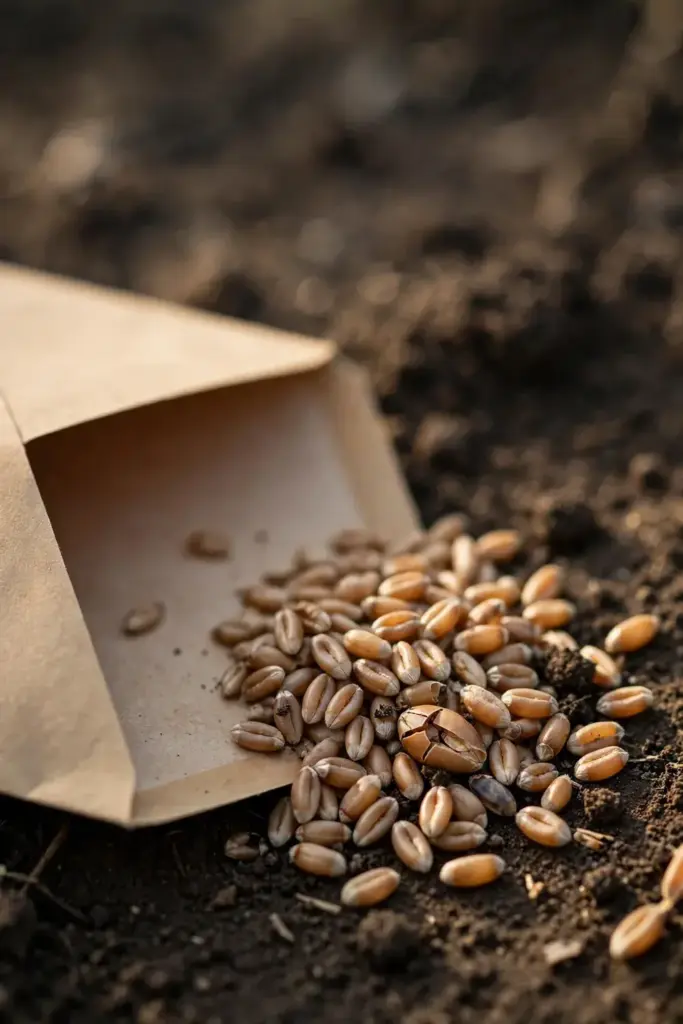
Plant wheat seed labeled resistant to soilborne wheat mosaic virus. K-State calls resistant varieties the best means of control. The resistance stops the virus before it starts. The seed packet costs the same either way, and the resistant packet is the free prevention.
Garden seed rarely carries a soilborne wheat mosaic virus rating. Small-packet seed lists germination and variety, and it skips disease ratings that field growers check. Read the state Extension variety-trial list before buying. K-State publishes one for Kansas. Nebraska publishes its seed book. Your state Extension office publishes one for your state. The trial list is the shopping list. The packet is not.
Do not shop from an old field-trial table. Trial tables test varieties in one place, in one year, under one set of conditions. A home gardener in a different region needs the current list, not a table from a decade ago. Ask the supplier for the current resistance rating. A supplier who cannot answer it earns a second look. The resistant seed is worth the question.
Strategy 2: Keep Wheat Out of Soggy Ground
Keep wheat on ground that drains. The worst patches of soilborne wheat mosaic virus sit in low wet areas, and the carrier needs wet soil to swim. Dry ground starves it.
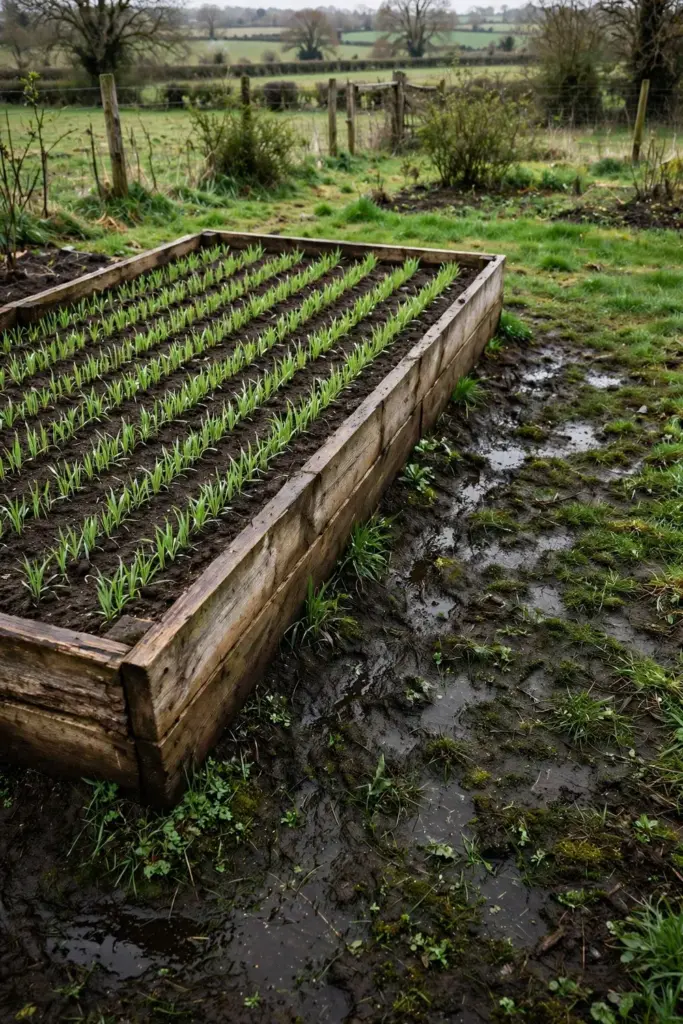
The Texas A&M AgriLife Extension fact sheet on soilborne wheat mosaic virus lists improved drainage and avoiding soil compaction among its controls. Drainage is the home version of field tiling. A bed that sheds water after rain gives zoospores no road to the roots. A bed that ponds gives them a highway.
Build the bed for drainage before sowing. A raised bed lifts wheat roots above the wettest soil. A fall garden bed prep pass that loosens compacted ground and shapes a slight crown sheds water faster. Never work a bed while the soil is wet. Wet work packs the soil, and packed soil holds water longer.
Skip the soggy corner. Every garden has one: the low spot where water gathers, the strip below the downspout, the corner the hose floods. Plant beans or brassicas there. Plant wheat on the high ground. The wheat patch on high ground faces a fraction of the risk. The soggy corner keeps its water, and the virus keeps its home there.
Strategy 3: Plant Late Enough to Dodge Fall Infection
Plant winter wheat late enough to dodge the fall infection window. Fall infections cause the most serious damage from soilborne wheat mosaic virus. Late planting shortens the window.
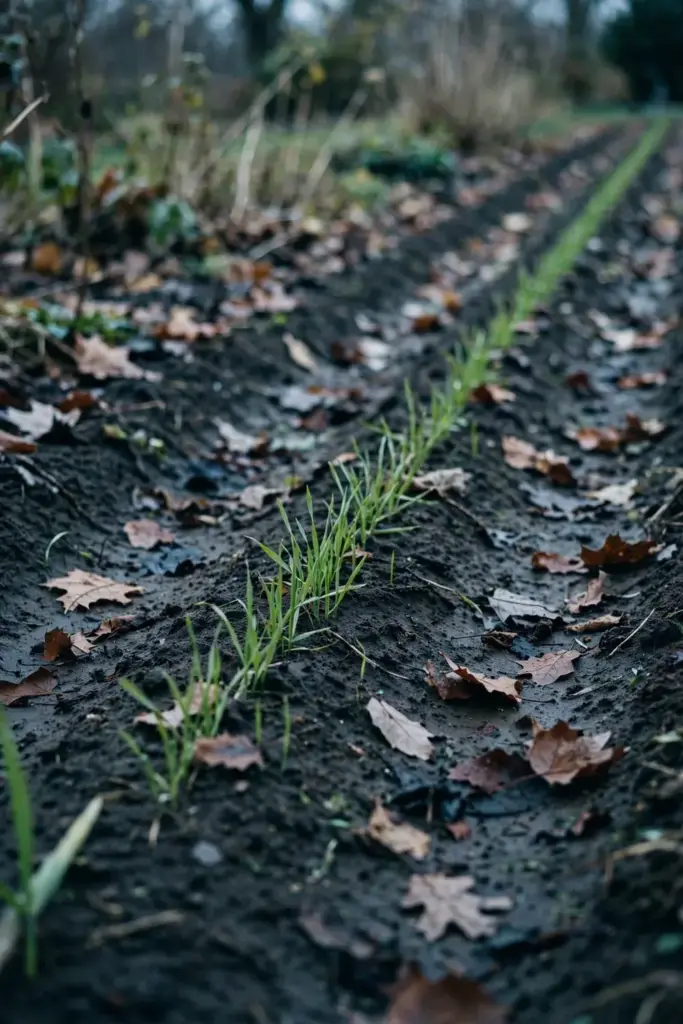
Extension guidance points at the Hessian fly-free date for your area. Plant after that date. The date varies by county, and the county Extension office publishes it. Early planting stacks the fall infection window on top of warm soil and active zoospores. Late planting meets cooler soil and a shorter window. The date is local. A national planting date fits no county.
Spring wheat plays by a different rule. Spring wheat goes in at the normal spring sowing date for your area. The fall infection logic does not apply to it, because spring wheat never sits in fall soil. Do not delay spring wheat for this virus. Sow it on time, on ground that drains.
Do not chase an early start for a few extra tillers when the carrier waits in fall soil. Early wheat tillers more, and early wheat meets the carrier at its strongest. The extra tillers mean nothing if the patch yellows in spring. The late patch starts smaller. The late patch finishes healthier.
Strategy 4: Keep Infested Soil Where It Is
Keep infested soil where it is. Soilborne wheat mosaic virus travels in infested soil, and the carrier rides along. A shovelful of soil from a suspect patch carries the virus to a clean bed.
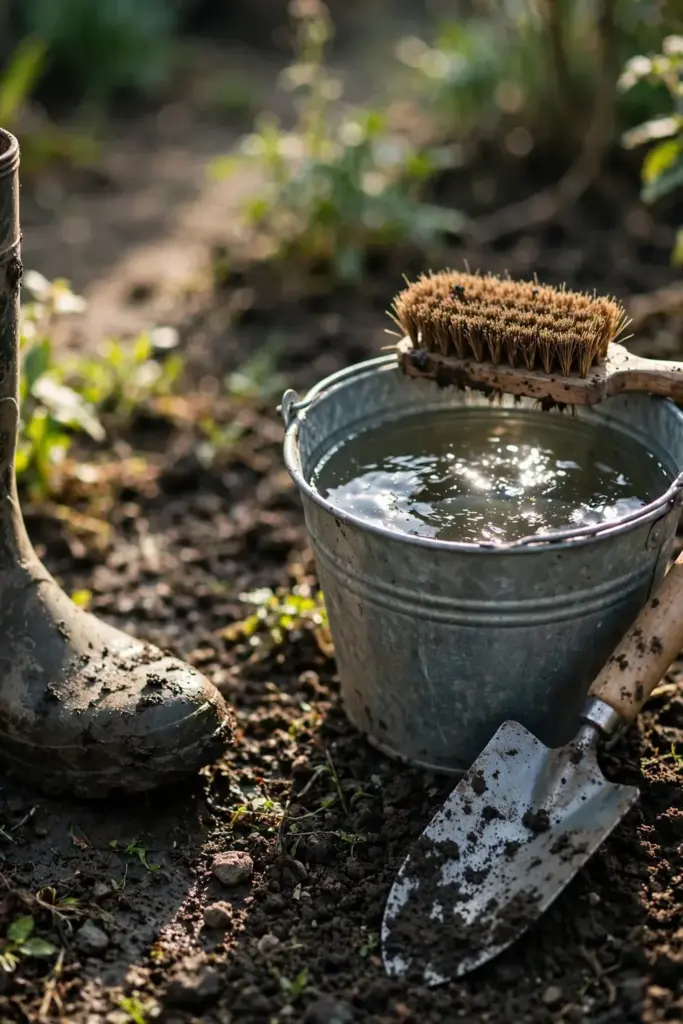
Cultivation, water, and wind move infested soil, and boots and tools move it faster. A boot that walks a suspect patch and then a clean bed carries the carrier across the garden. A trowel that digs a suspect patch and then a clean bed does the same. The carrier rides in a clod. The virus rides with it.
Clean tools and boots before moving between patches. Scrub soil off the trowel and knock soil off the boots. A bucket of water and a stiff brush at the edge of the patch does the job. Wash at the suspect patch, not at the clean bed. The wash water stays where the virus already lives.
Do not share soil from a suspect patch. Do not dump it on another bed, do not mix it into the compost pile, and do not hand it to a neighbor for their garden. Bag suspect soil and trash it with the pulled plants. The patch that holds the virus keeps its soil. The clean beds keep theirs.
Strategy 5: Rotate for Soil Health, Not for Virus Control
Rotate for soil health, and do not count on rotation to clear soilborne wheat mosaic virus from a patch. The carrier outlasts any rotation a home gardener can run. Rotation helps the soil. Rotation does not clear the virus.
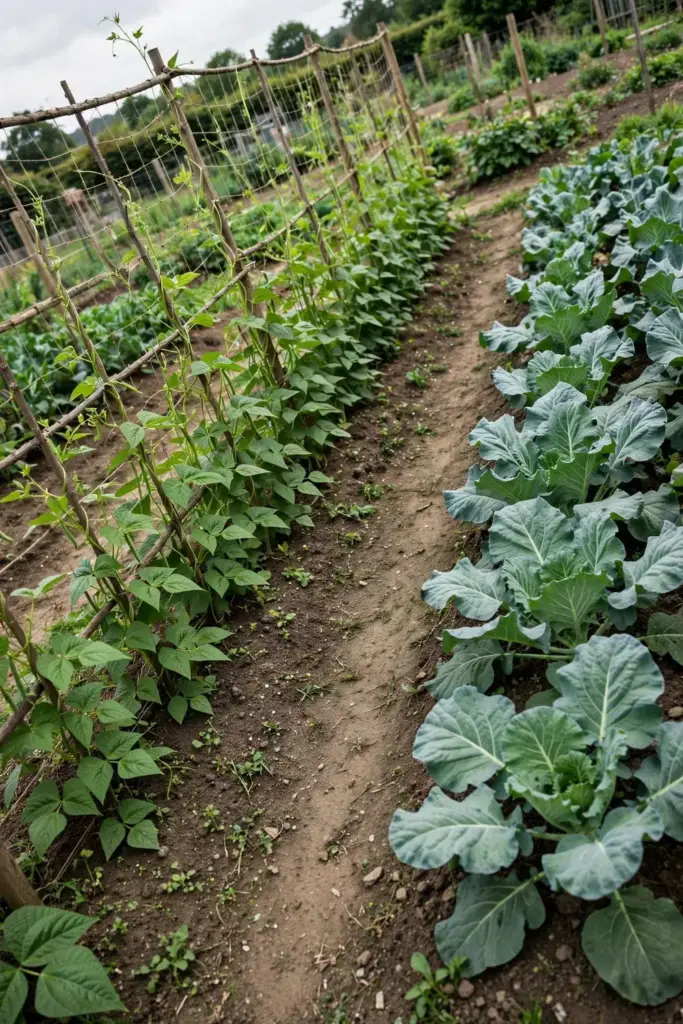
The sources split on this one, and the split matters. The AgriLife fact sheet lists rotation away from wheat, triticale, rye, barley, and susceptible grasses among its controls. K-State and Nebraska Extension say rotation is not effective, because the carrier survives many years in soil. The majority and the mechanism agree: resting spores wait out the rotation. Treat rotation as soil care, never as virus control.
Rotate anyway. Crop rotation breaks pest and disease cycles across the garden, feeds the soil, and spreads fertility. Follow wheat with beans, brassicas, or onions, and keep the bed in a non-grass crop for the break. Never follow wheat with rye, barley, triticale, or a grass cover crop. The non-grass break starves other grass pests. The virus waits through it, and the soil still gains.
Never plant wheat after wheat in the same ground. Continuous wheat feeds the carrier every fall and loads the next crop before it emerges. A one-year break with a non-grass crop helps the soil. A three-year break with non-grass crops helps the soil more. Neither break clears the virus from a patch that already holds it. The patch that held the virus stays suspect, and the next wheat crop belongs on cleaner ground.
Strategy 6: Treat the Spring Fade as a Trap, Not a Cure
Treat the spring fade as a trap, never as a cure. New leaves that emerge after daytime temperatures pass 68 degrees Fahrenheit, 20 degrees Celsius, show no mosaic. The plant stays stunted. The damage stays done.

The fade fools the eye because the plant looks better. Green new leaves cover yellow old leaves. The patch reads as recovered from the path. The stunting tells the truth. Short plants beside tall healthy plants mark the patch as damaged. Extension guidance notes that yield potential stays reduced even after the mosaic fades. The patch that faded still finishes behind the patch that never yellowed.
Use the fade as a diagnostic clue. A patch that yellowed in early spring and greened up in late spring fits this virus. A patch that stays yellow through summer fits something else. The fade narrows the suspect list. The fade never clears it.
Confirm with a lab test where the answer matters. K-State notes that lab testing separates soilborne wheat mosaic virus from wheat spindle streak mosaic virus, which causes delicate spindle-shaped streaks and usually no stunting. Many plants carry both viruses at once. Field signs suggest. The lab names. Send a whole plant, roots and all, to your state diagnostic lab when the patch history will change next season’s plan.
Living With Soilborne Wheat Mosaic Damage You Cannot Undo
Some damage stays. A wheat plant with soilborne wheat mosaic virus never recovers, and the patch it grows in stays suspect for years. The season still ends with a harvest of what the patch managed to grow.
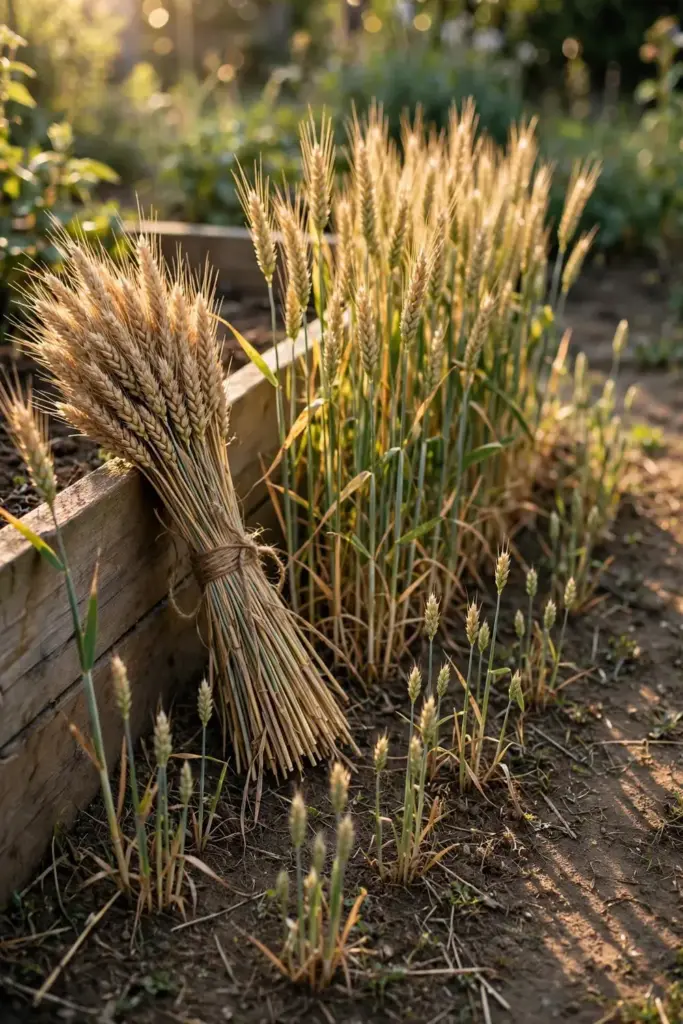
Pull infected plants and trash them. Bag the pulled plants. Trash them. Do not compost them. The virus rides in soil and residue, and compost keeps infested soil inside the garden. Clean the trowel and boots after the pull. The pull removes the source. The trash removes it from the garden.
Harvest the grain the patch still makes. The patch that yellowed in spring still heads out, and the heads still fill, below the level of a healthy patch. Cut the heads. Thresh them. Save the grain for home use. The virus harms the plant. The grain from a stunted plant is still grain.
Plan next season on cleaner ground. A fresh raised bed filled with clean soil gives next season’s wheat a start above the infested ground. The spring raised bed gardening routine covers building that bed. Keep the old patch for non-grass crops. The old patch grows beans, brassicas, and onions. The new bed grows the wheat. The virus stays in its patch, and the wheat starts clean.
Frequently Asked Questions
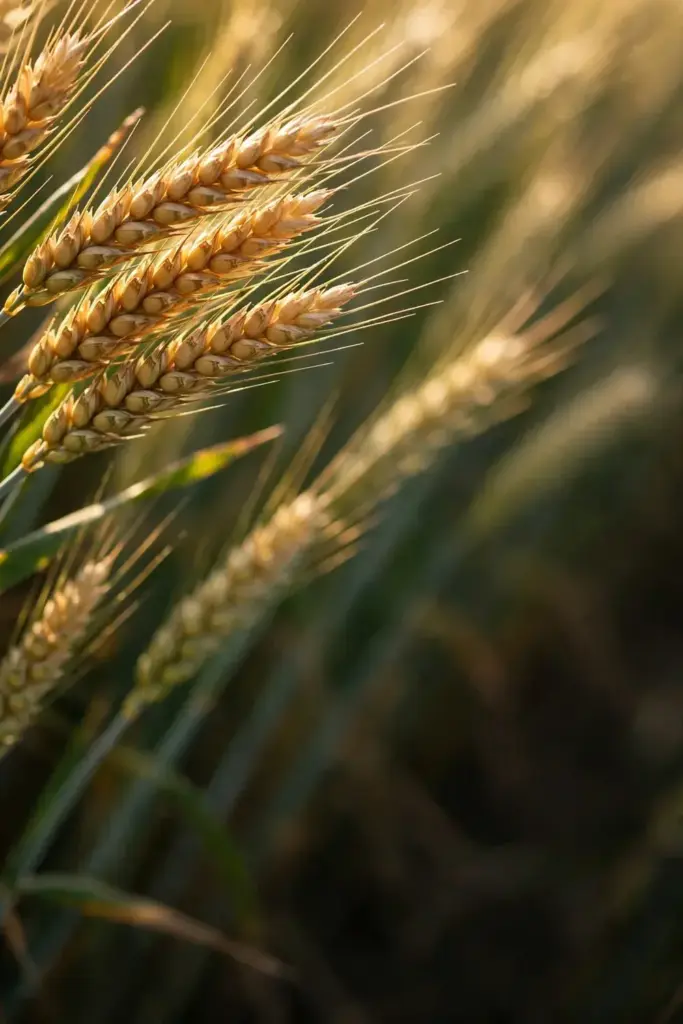
No cure exists for soilborne wheat mosaic virus. No spray, no soil drench, and no pruning removes a virus from an infected plant. The virus lives inside the plant, and the carrier lives in the soil. Prevention is the whole response: resistant seed, drainage, timing, soil hygiene, and honest rotation. A plant that shows the mosaic gets pulled and trashed. The patch stays clean because the gardener pulls the source.
Soilborne wheat mosaic virus is rare in home gardens. The Extension record describes it in wheat fields, and home-grown wheat is a small patch, not a field. Most gardeners never see it. The risk rises for a gardener who grows wheat year after year in the same wet ground. Treat it as a low-probability risk with a long memory. The six strategies cost little, and they protect the patch whether the virus shows or not.
Field signs suggest, and only a lab test names the virus. Soilborne wheat mosaic shows a blotchy mosaic with green islands on pale yellow leaves, plus stunting. Wheat spindle streak mosaic shows delicate spindle-shaped streaks, usually without stunting. Many plants carry both viruses at once. A gardener who needs the name sends a whole plant to the state diagnostic lab. The routine prevents both.
Crop rotation does not clear soilborne wheat mosaic virus from a patch. The carrier survives for years in soil as resting spores, and it waits out the rotation. Rotate anyway for soil health, pest cycles, and fertility. Follow wheat with beans, brassicas, or onions, never with another small grain. The rotation helps the soil. The virus waits through it in resting spores that outlast the rotation. Plant the next wheat crop on cleaner ground.
Soilborne wheat mosaic virus does not spread through seed. K-State reports no seed transmission for this virus in its Extension bulletin. A clean seed lot starts clean, and saved seed from a healthy patch carries no virus risk. Soil moves the virus from patch to patch. The carrier moves it with the soil. The seed stays out of the chain. Buy resistant seed, keep infested soil in its own patch, and clean tools between beds.
Do not compost wheat plants with soilborne wheat mosaic virus. Bag the pulled plants and trash them. The virus rides in soil and residue, and compost keeps infested soil inside the garden. The carrier survives for years, and a compost pile does not change that. Clean the trowel and boots after the pull. The trash removes the source from the garden for good.
Where to Go From Here
Start with the seed. Check your state Extension variety-trial list for a wheat with soilborne wheat mosaic virus resistance, then plant it on ground that drains.
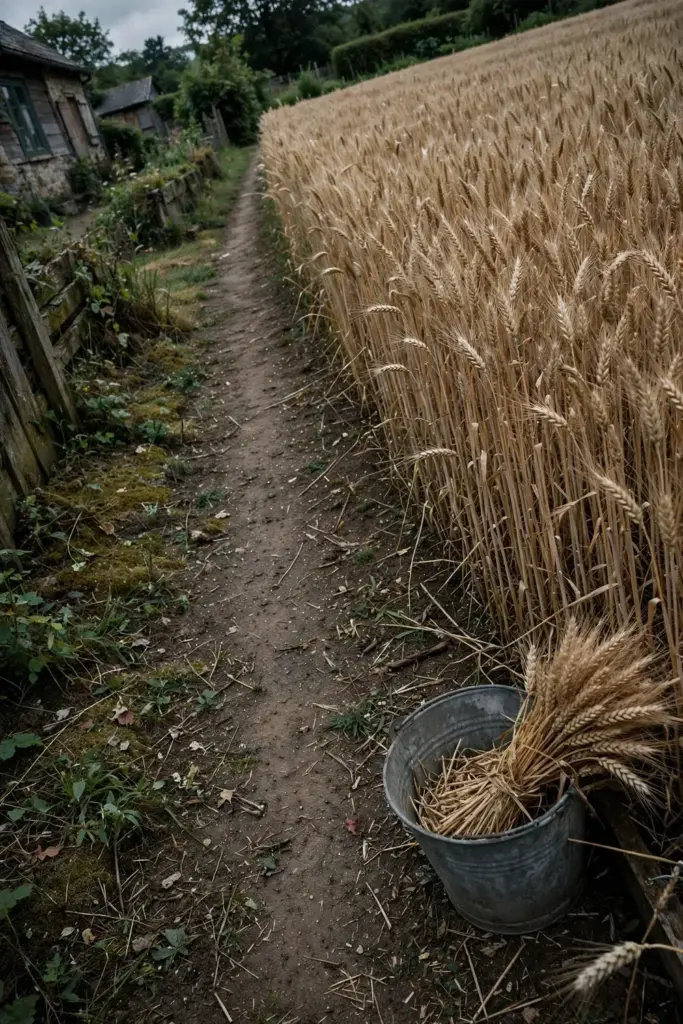
The order is resistant seed, drainage, late planting, soil hygiene, honest rotation, and the fade trap. One next action beats six good intentions. Buy the resistant seed. Skip the soggy corner. The wheat stays clean because the gardener planted resistance first.