
Start with a 20-gallon (76-liter) pot, full sun, and a plan to bring the tree indoors before hard frost. That is how to grow bilimbi outside the tropics: the tree stays small enough to wheel inside, and seeds grow into fruiting trees in 4 to 6 years. The indoor-winter rhythm matches the one used for growing tangerine fruit at home, another tropical that refuses to take frost.
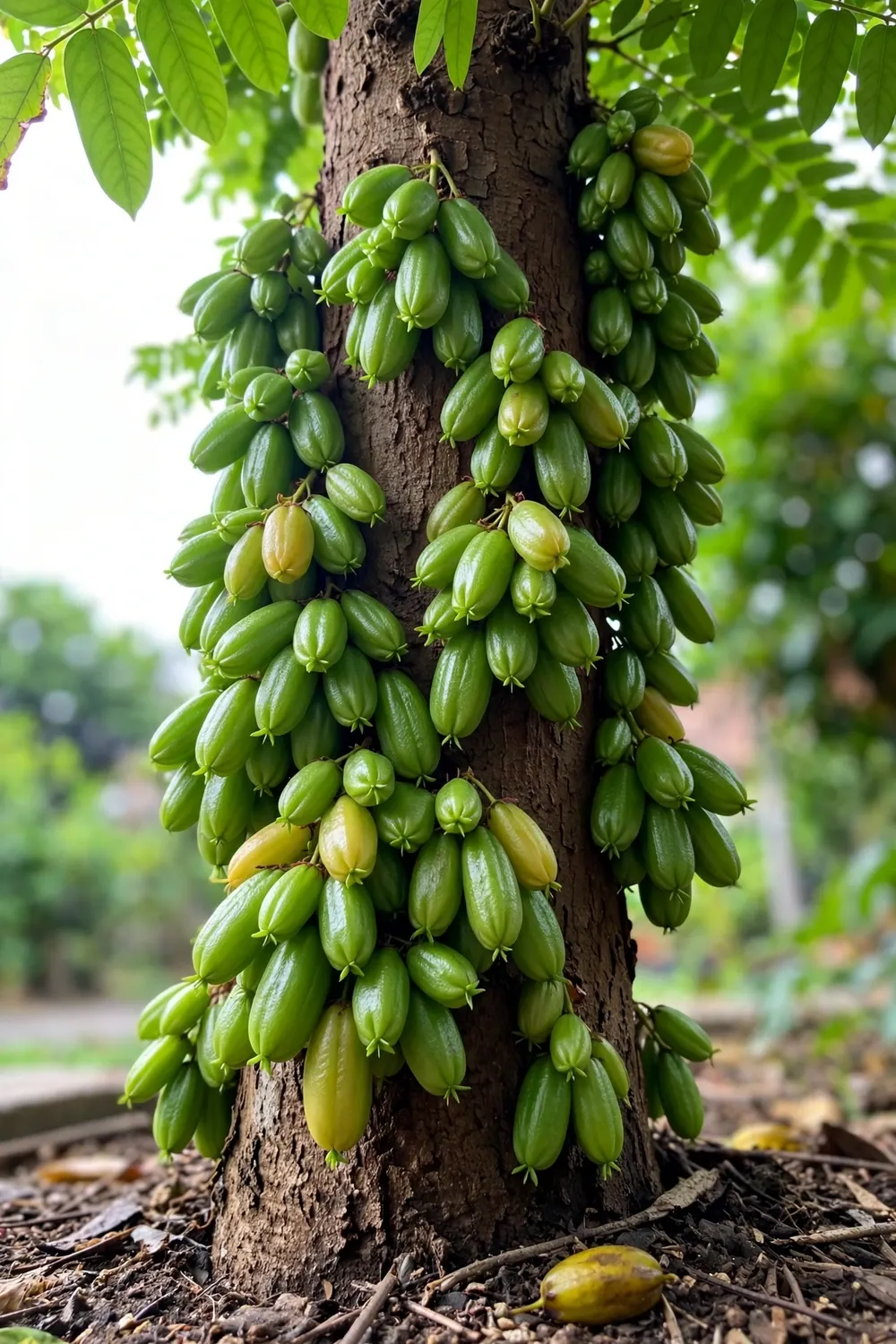
Bilimbi is Averrhoa bilimbi, a small tropical tree from the Moluccas of Indonesia in the Oxalidaceae family. It reaches 5 to 10 m in the ground, and its cucumber-shaped fruits, 4 to 10 cm long, hang straight off the trunk and old branches. The flesh is extremely sour, so the fruit seasons food instead of serving as a snack.
Sweet star-shaped fruit for fresh eating is a different job. That belongs to carambola, the star fruit tree, a different species with sweeter fruit and tougher cold tolerance. This page stays on bilimbi: the sour Indonesian fruit you cook, never snack on. In my experience, the first winter is the only genuinely hard part; once the pot routine is set, the tree asks for little else. The rest of this page is 16 moves, from seed to sour harvest.
| Quick spec | |
|---|---|
| Species | Averrhoa bilimbi, family Oxalidaceae |
| Native range | Moluccas, Indonesia |
| Height in the ground | 5 to 10 m |
| USDA zones | 10 to 11 outdoors; pots anywhere with winter shelter |
| Cold limit | Frost sensitive; damage starts near 0 °C (32 °F) |
| Fruit | 4 to 10 cm, cucumber-like, on trunk and old branches |
| Seed to first fruit | 4 to 6 years |
| Mature yield | Around 45 kg (100 pounds) per season on a pruned 10-year-old tree |
| Soil | Well-drained, pH 5.5 to 6.5 |
1. Name the Tree by Its 3 Signature Traits
Bilimbi is Averrhoa bilimbi, and three traits separate it from every lookalike: cucumber-shaped fruits 4 to 10 cm long growing straight from the trunk and old branches, pinnate leaves 30 to 60 cm long with 11 to 37 leaflets, and small fragrant flowers 10 to 22 mm long in trunk-borne panicles. Learn these three and you will never buy the wrong tree.
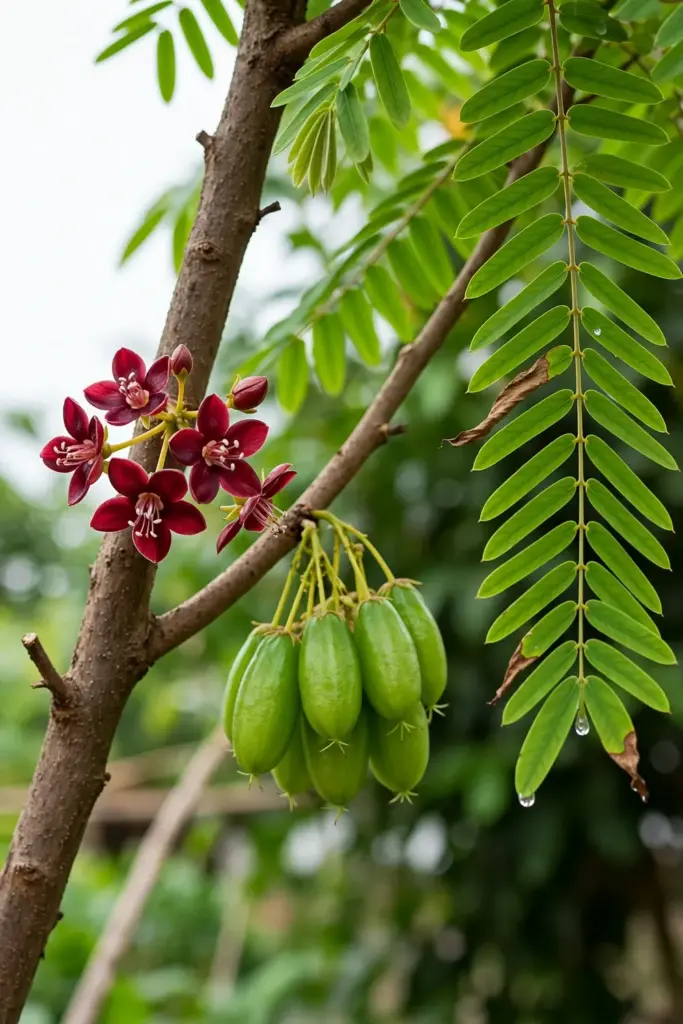
The World Agroforestry species profile for Averrhoa bilimbi describes a 5 to 10 m tree with a short trunk that soon divides into upright branches, leaves clustered at the branch tips, and flowers 10 to 22 mm long, yellowish-green or purplish with dark-purple markings, in small hairy panicles of 18 to 64 blooms. The fruit is faintly 5-sided, turns from bright green to yellowish-green at ripeness, and holds 6 to 7 flat brown seeds about 6 mm wide. (World Agroforestry’s species profile for Averrhoa bilimbi)
Indonesians call it belimbing wuluh or belimbing asam; Filipinos say kamias. The leaflets fold together at night and reopen in the morning, so a tree that looks wilted after dark is behaving normally. That night-folding habit, plus the trunk-borne flowers, makes bilimbi unmistakable once you know what to look for.
2. Separate Bilimbi from Carambola with 8 Differences
Bilimbi is Averrhoa bilimbi and carambola is Averrhoa carambola: two different trees in the same family, and only one of them makes fruit you eat fresh. The table below sets the differences out side by side so you never follow carambola advice for a bilimbi tree.
| Bilimbi (Averrhoa bilimbi) | Carambola (Averrhoa carambola) | |
|---|---|---|
| Tree form | Sparsely branched, short trunk dividing into upright branches | Broad, bushy, heavily branched |
| Leaves | 30 to 60 cm, 11 to 37 leaflets | Smaller, 2 to 5 pairs of leaflets |
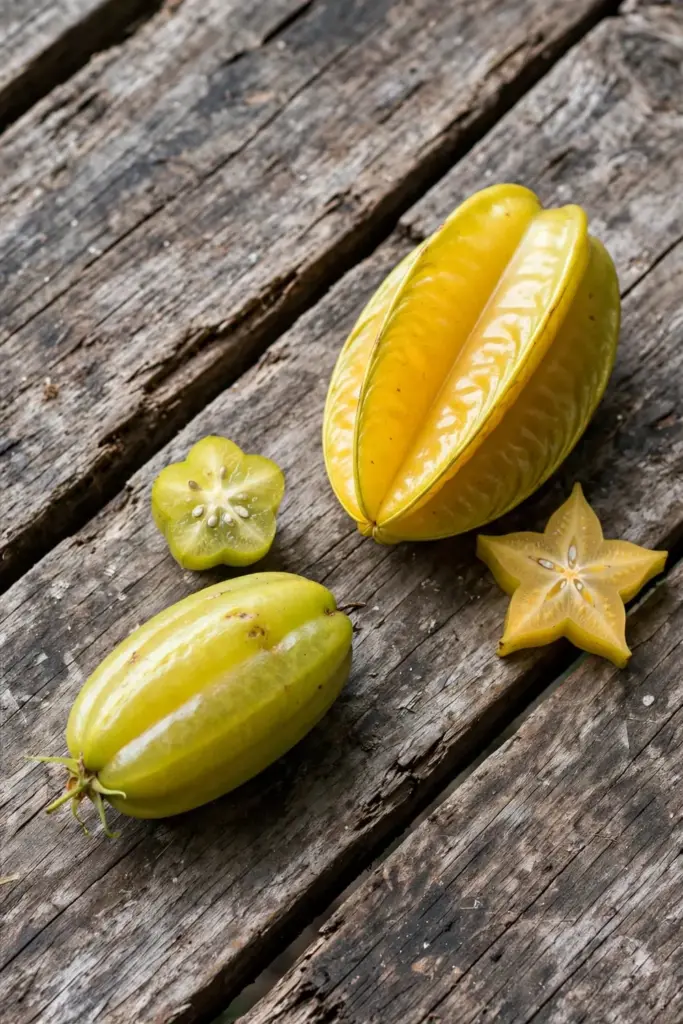
| Fruit shape | Ellipsoid to cylindrical, faintly 5-sided | Deeply 5-ribbed, star-shaped in cross section |
| Fruit size | 4 to 10 cm long | Similar length, wider with ribs |
| Flavor | Extremely sour; not eaten fresh | Sweet to tart; eaten fresh |
| Seeds | 6 to 7 flat seeds, no fleshy aril | Seeds with a fleshy aril |
| Cold tolerance | Hardy to 0 °C (32 °F); less cold hardy | The hardier of the two; tolerates light frosts better |
| Kitchen use | Souring agent for curries, sambal, pickles | Fresh eating, salads, garnish, drinks |
Nurseries mix the two because the leaves look alike. One plain fact settles it: bilimbi fruit is faintly 5-sided and cucumber-like, while carambola fruit is deeply ribbed and cuts into a star. A second plain fact settles the kitchen question: bilimbi is too acidic to eat fresh, while carambola is the fruit you slice onto a plate.
Gardeners also confuse bilimbi with the Otaheite gooseberry, Phyllanthus acidus, which has similar pinnate leaves and clustered fruit. That tree sits in a different family entirely and stays smaller. Check the botanical name on the tag before following any growing advice.
3. Wash Fresh Seeds in Soap Water Before Sowing
Sow fresh bilimbi seeds after washing them in mild soap water to strip the fatty coating on the seed, because that coating slows germination; the soap wash is the standard trick in the bilimbi growing notes from Growables. Plant them the same week you extract them from ripe fruit; stored seed loses strength fast.
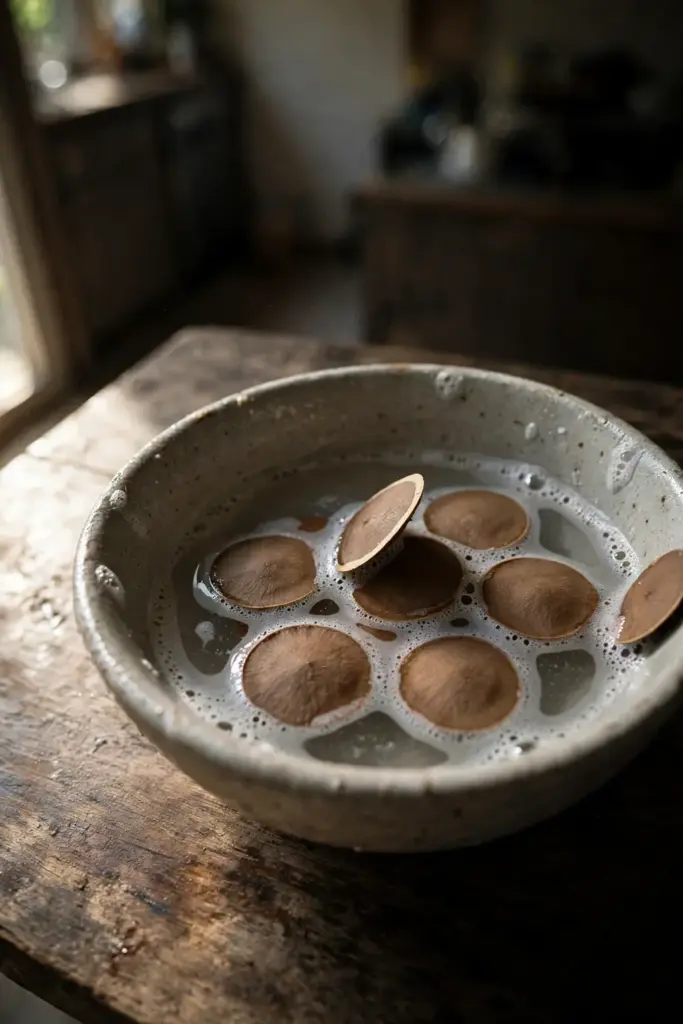
Bilimbi propagates readily from seed, and seed-grown trees fruit in 4 to 6 years. Bury each seed just under the surface of a warm, moist potting mix and keep the tray above 20 °C (68 °F). Standard seed starting steps apply once the soap wash is done: even moisture, bright light, no waterlogging.
Sow more seeds than you need. Seedlings vary widely, so a row of ten gives you the luxury of keeping the strongest three and composting the rest. Thin to one seedling per cell as soon as the first true leaves harden.
4. Try Air Layering or Grafting for True-to-Type Trees
Air layering and grafting both work on bilimbi, and bilimbi can even be grafted onto carambola rootstock. Use these methods when you need an exact copy of a heavy-bearing mother tree, because seedlings never repeat the parent exactly.
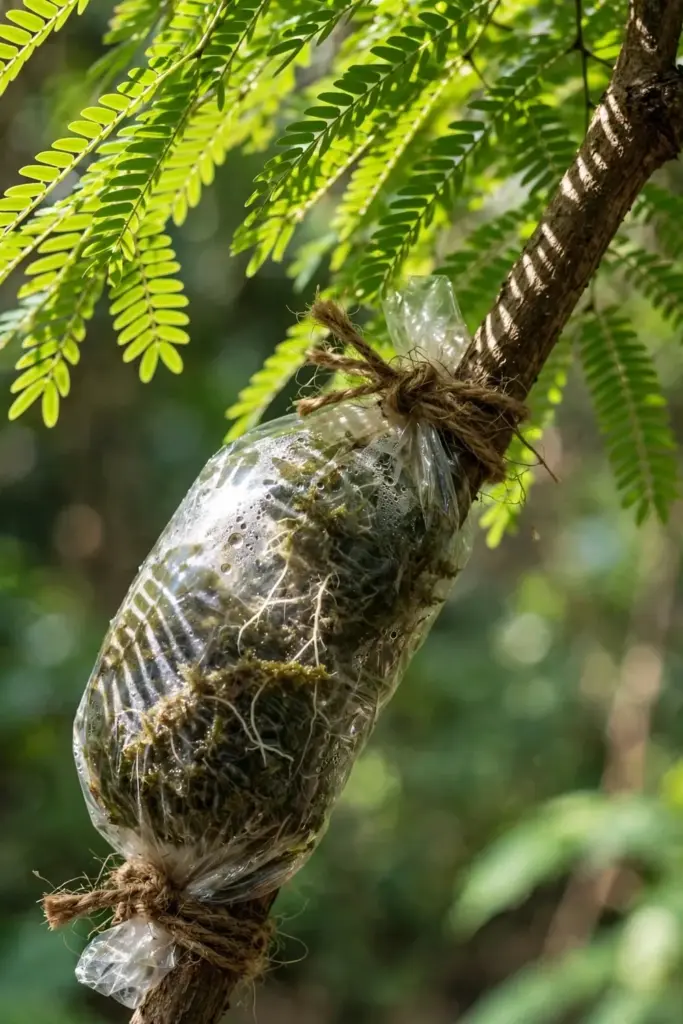
Shield budding on one-year-old rootstocks gives the best take, and top-worked trees resume production within 1 to 1.5 years, per the bilimbi propagation notes. The same seed-versus-grafted tradeoff faces growers comparing mango trees grown from seed or grafted stock: seedlings are cheap and variable, grafts are exact and earlier. Air layering (marcotting) also roots, but it is slow and laborious, so it suits one-off trees rather than batches.
Skip stem cuttings as a plan. No success with bilimbi stem cuttings has been reported, though severed roots have been observed sprouting new plants on their own. If you want certainty, bud or graft; if you want numbers, sow seed.
5. Give the Tree Full Sun and Soil at pH 5.5 to 6.5
Plant bilimbi in full sun and in well-drained soil between pH 5.5 and 6.5. The tree tolerates sand and limestone, but it grows slowly in shade and sulks in soggy ground.
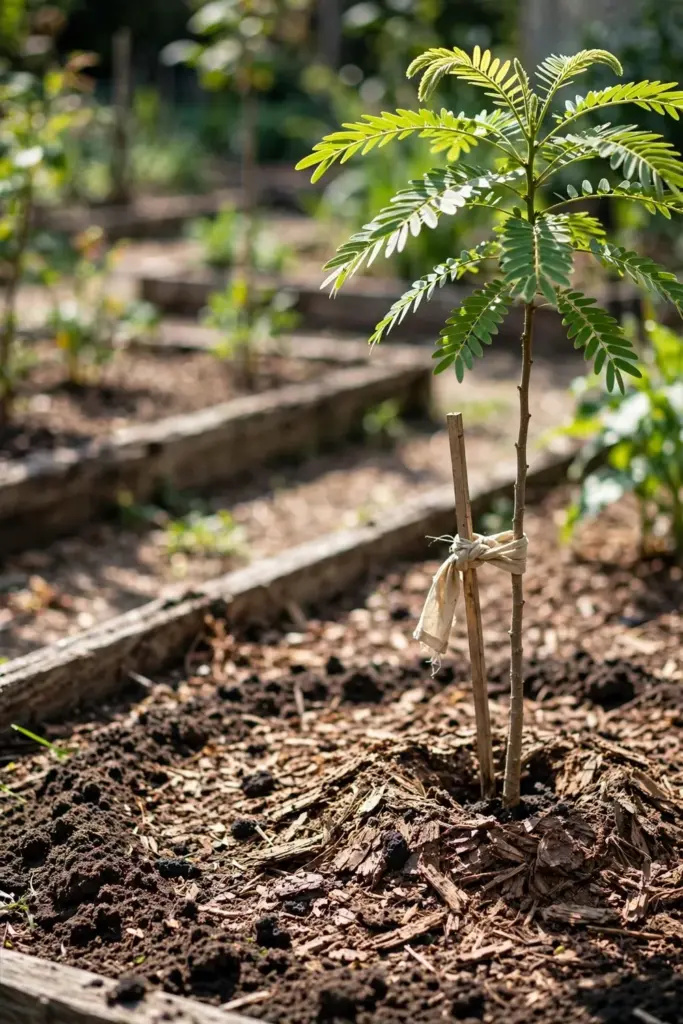
The University of Hawai’i’s bilimbi fruit guide records the 5.5 to 6.5 pH preference for a well-drained soil, with quarterly checks for manganese, zinc, and iron deficiency. (University of Hawai’i’s bilimbi fruit guide) The same notes advise heavy mulching, especially for unwatered trees in full sun. In the ground, space trees 6 by 6 m (20 by 20 feet); bilimbi dislikes salt spray and flooding, and its wood breaks in hard wind, so pick a sheltered corner.
A potted tree forgives more. Use a coarse, free-draining potting mix with added bark or perlite, and skip garden soil entirely in containers. Soil in a pot has nowhere to drain to except the tray, so structure matters more than fertility at planting time.
6. Keep the Root Zone Evenly Moist Through the Dry Months
Water bilimbi consistently and never let the root ball go fully dry. The tree evolved with evenly spread rainfall plus a 2 to 3 month dry season. It tolerates a short dry spell. A long drought drops flowers, then young fruit.
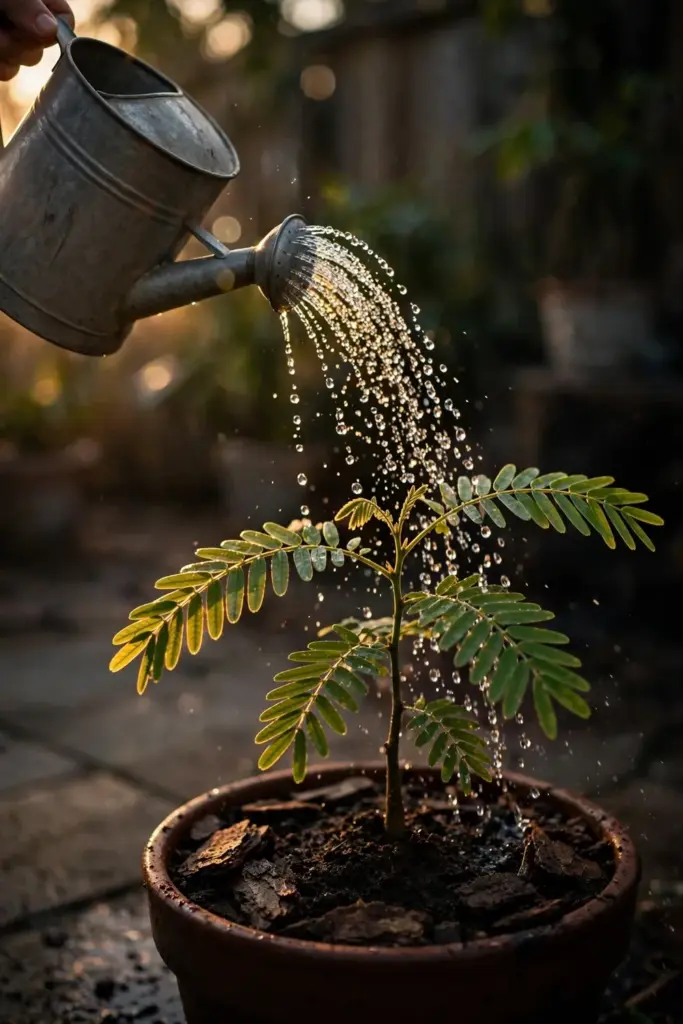
In the ground, deep weekly watering through the dry months holds the crop. Pots dry faster, so check daily in summer heat. Water when the top 2 to 3 cm of mix feels dry, then mulch 5 to 8 cm deep a hand’s width from the trunk to slow evaporation.
Humidity helps, especially indoors. A tray of pebbles and water under the pot, plus grouping with other plants, raises the local humidity without wetting the foliage. Wet leaves in still indoor air invite the fruit rots covered later.
7. Apply a Balanced 6-6-6 Feed 4 Times a Year
Feed bilimbi quarterly with a balanced fertilizer. Test trees in Hawai’i received 6-6-6 four times a year, and the same guide flags manganese, zinc, and iron as the deficiencies to watch. Those same notes record the quarterly 6-6-6 program, so a home grower can copy the rhythm directly: early spring, early summer, late summer, early fall.
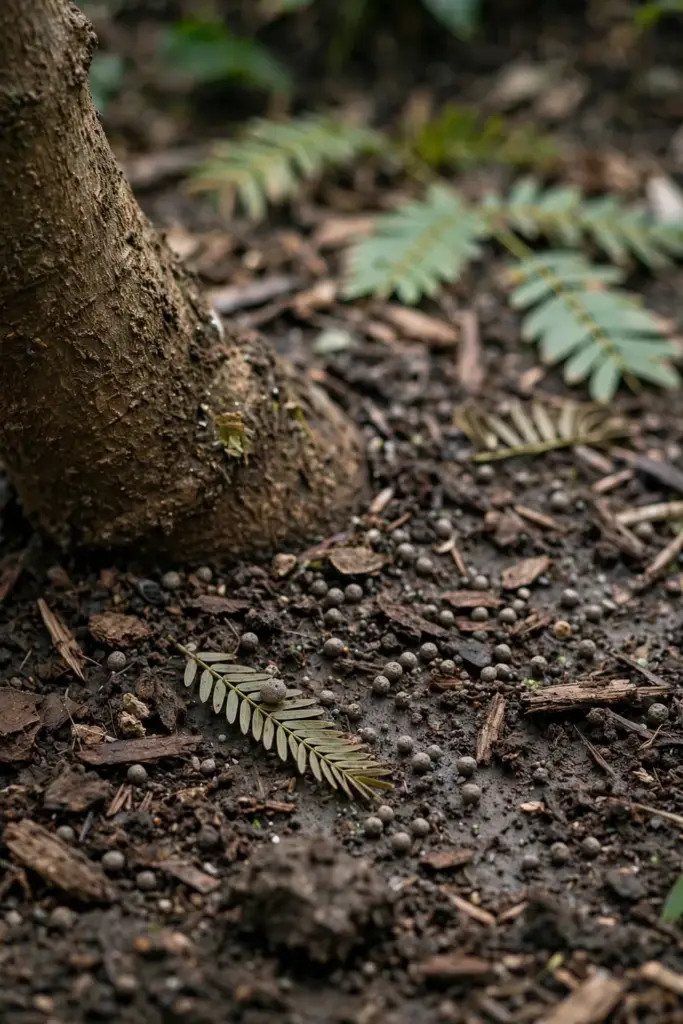
Container trees burn through nutrients with every watering. Add a half-strength liquid feed monthly through the growing season for potted trees, and stop feeding six weeks before the tree moves indoors. Soft late growth has no time to harden and suffers most in the first cold snap.
Pale new leaves with green veins point to iron or manganese shortage, the classic alkaline-soil complaint. A chelated micronutrient drench corrects it in weeks. If the whole leaf yellows evenly, suspect nitrogen first and waterlogging second.
8. Open the Canopy So the Trunk Sees the Sun
Prune bilimbi to keep the trunk and main limbs in sunlight, because the flowers and fruit form directly on the wood. Remove dead and dried branches, watersprouts, and root shoots, and thin the inner canopy so light reaches the bark.
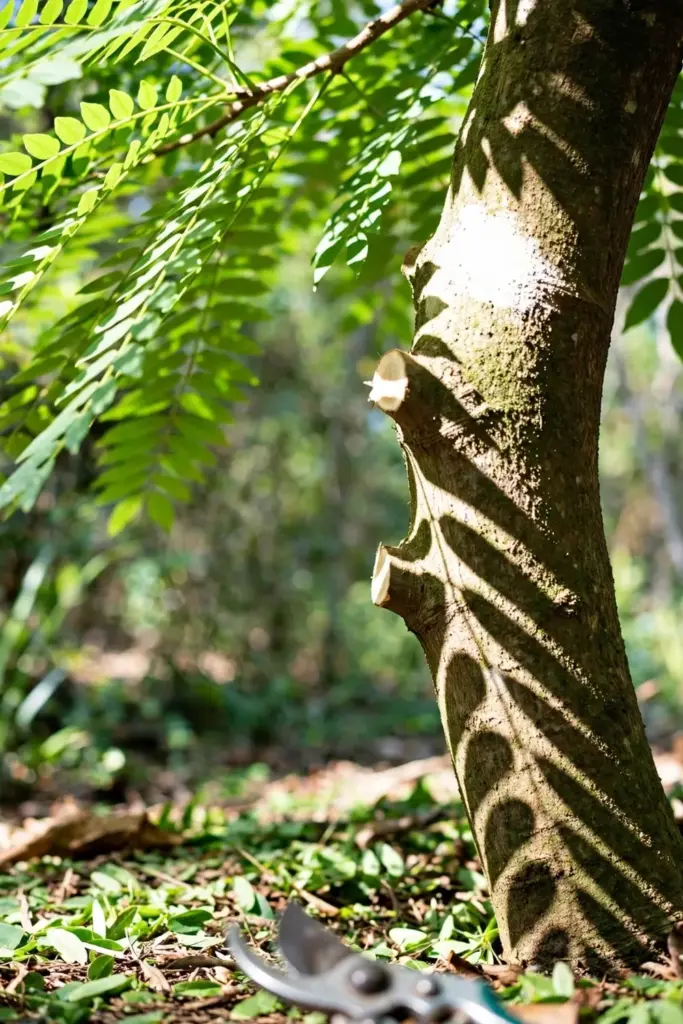
Do the main shaping right after a harvest flush, when the tree has finished a fruiting cycle. Heavy pruning can suppress flowering, so take branches, not the tree: cut back to a fork, leave the scaffold, and step back to look before the next cut. A bilimbi that never fruits in good light is usually a bilimbi that was cut too hard.
Keep the tree at a pickable height. The species can reach 15 m (50 feet) in the ground, but every grower keeps it shorter to harvest without a ladder. For a potted tree, tip new shoots at 1 to 1.2 m to force branching and keep the whole plant within arm’s reach of the pot.
9. Move Up to a 20-Gallon Pot Before the Tree Outgrows It
Grow a temperate-climate bilimbi in a 20-gallon (76-liter) pot or larger, and prune the tree to fit the pot. The container is the whole trick to how to grow bilimbi where winters bite: the roots stay mobile, and the tree never faces a freeze it cannot be carried away from.
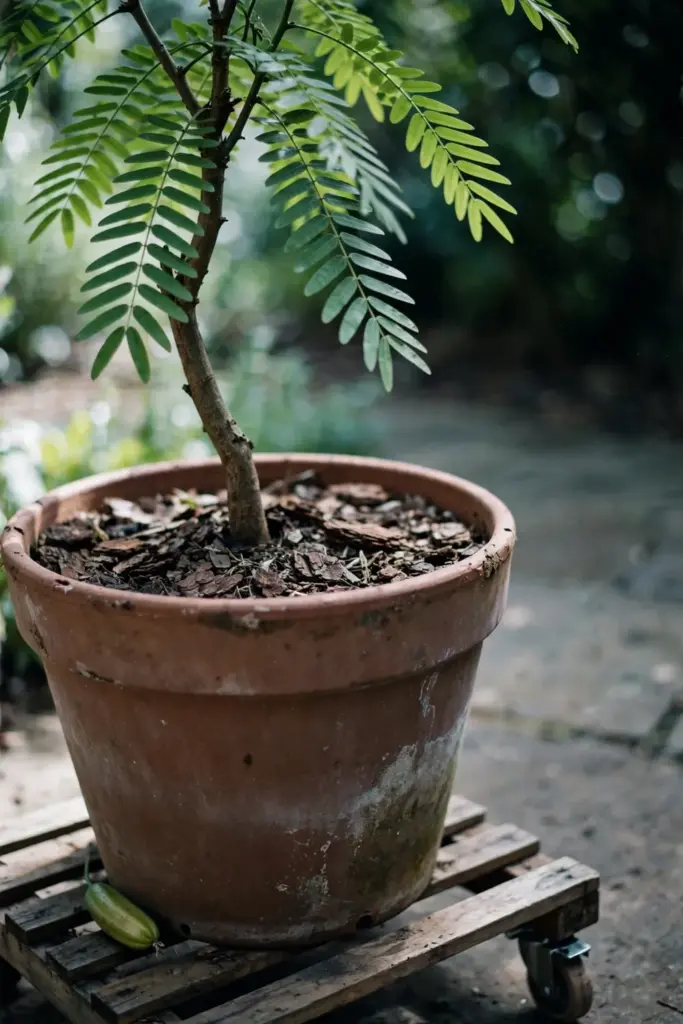
Top Tropicals notes that bilimbi grows in a pot, can be pruned to the size you want, and even trains into an unusual bonsai. (Top Tropicals’ bilimbi encyclopedia entry) That entry also sets the cold rules for the next section: frost sensitive, USDA zones 10 to 11 outdoors, and bright light when kept indoors. Choose a pot with large drainage holes, set it on a wheeled dolly from day one, and use a bark-heavy mix so winter moves stay a one-person job.
Repot when roots circle the inside of the pot, usually every 2 to 3 years. Move up one pot size at a time, tease out the circling roots, and cut the canopy back by a third at the same sitting so the reduced root system can carry the top. A tree that sulks for a month after repotting is normal; a tree that sulks all season was moved up too far.
10. Bring the Pot Indoors Before the First Hard Freeze
Move the potted bilimbi indoors before night temperatures approach 4 °C (40 °F), because the tree is frost sensitive and takes damage below 0 °C (32 °F). The same nursery entry recommends protection below -1 to 4 °C (30 to 40 °F) depending on exposure, with young trees the most tender of all.
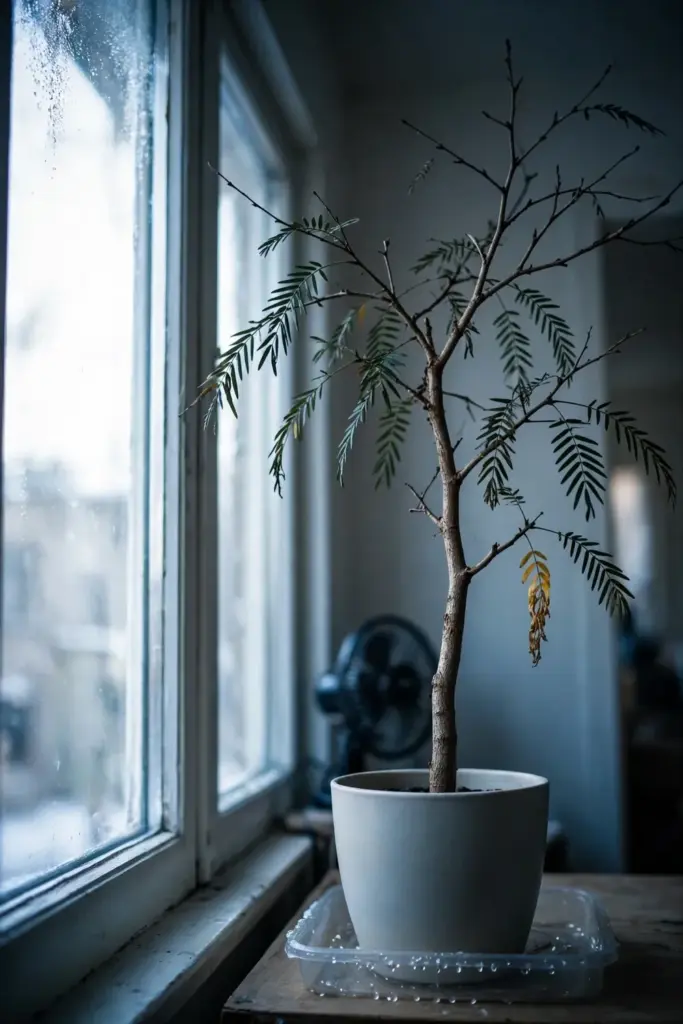
Give the tree the brightest spot in the house. The species entry specifies full sun outdoors or bright indoor light, which in practice means a south-facing window or strong grow lights. Expect some leaf drop in the first weeks indoors; bilimbi sheds leaves under stress and regrows them, and bare winter branches leaf out again in spring.
Water sparingly through winter. Let the top third of the pot dry between waterings, stop feeding entirely, and keep the tree away from heating vents that blast dry air. Move it back outside only after nights stay reliably above 10 °C (50 °F), and harden it off in shade for a week so the indoor leaves do not scorch.
11. Harvest 50 to 60 Days After the Flowers Open
Pick bilimbi fruit 50 to 60 days after flowering, when it turns from deep green to a lighter yellowish-green; the University of Hawai’i’s bilimbi guide records both the 50-to-60-day maturity and the 100-pound seasonal yield of a healthy, well-pruned 10-year-old tree. That is around 45 kg of fruit from one tree in a single season, so a mature tree feeds a neighborhood.
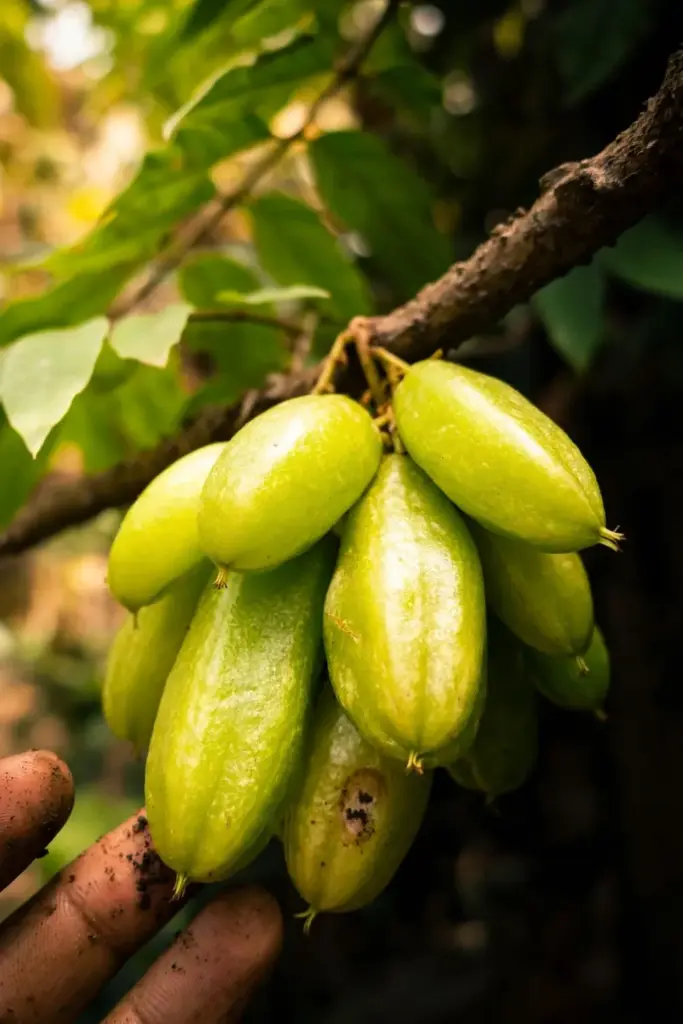
Pick by hand, fruit by fruit or cluster by cluster, and handle gently. The skin is thin and soft, and fruit piled more than a few inches deep in a harvest basket bruises under its own weight. Fresh fruit keeps only 4 to 5 days in the open, so process or chill the harvest the same day. The juice runs at about 44 percent of the fruit weight with a pH near 4.5, which explains both the pucker and the preserving power (bilimbi fruit data).
Papaya rushes from seed to fruit in under a year, and growing papaya from seed in under a year sets expectations that bilimbi will not meet. Treat bilimbi like a citrus timeline with a tropical appetite: years of patience, then buckets of fruit.
12. Plan on 4 to 6 Years from Seed to First Fruit
Seedling bilimbi trees fruit in 4 to 6 years, and top-worked or grafted trees resume production within 1 to 1.5 years, per the University of Hawai’i’s bilimbi guide. Once mature, the tree blooms and fruits more or less continuously, with the main flush starting around February in tropical climates.
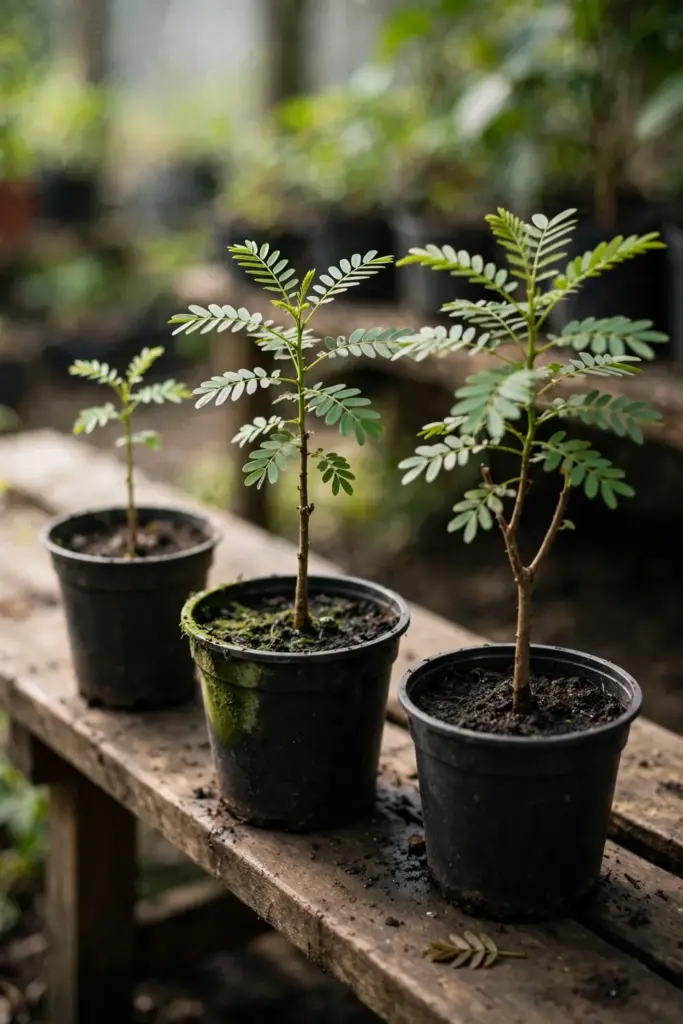
That 4-year wait is long beside any annual vegetable and short beside slow tropicals like mangosteen. Patience is the whole skill in how to grow bilimbi from seed. Set expectations with the household early: the tree spends its first years building wood, and the trunk must thicken before it can carry flower panicles. Flowers are self-fertile, and fruit set follows 15 to 20 days after the flower clusters emerge, so a healthy indoor-wintered tree needs no pollination partner.
Buy time with a grafted tree if the wait stings. A budded tree on young rootstock fruits years earlier than a seedling and repeats the mother tree’s crop exactly. Pot it up on arrival and prune for shape from the first season.
13. Cook with the Fruit: Sambal, Curries, Pickles, and Cooling Drinks
Use bilimbi as a souring agent, never as a fresh snack. The fruit seasons fish curries, sambals, chutneys, and pickles, and its juice makes a cooling drink much like lemonade. The flesh carries about 15.5 mg of vitamin C per 100 g of pulp, per bilimbi nutrition data, so the sourness comes with a nutritional bonus.
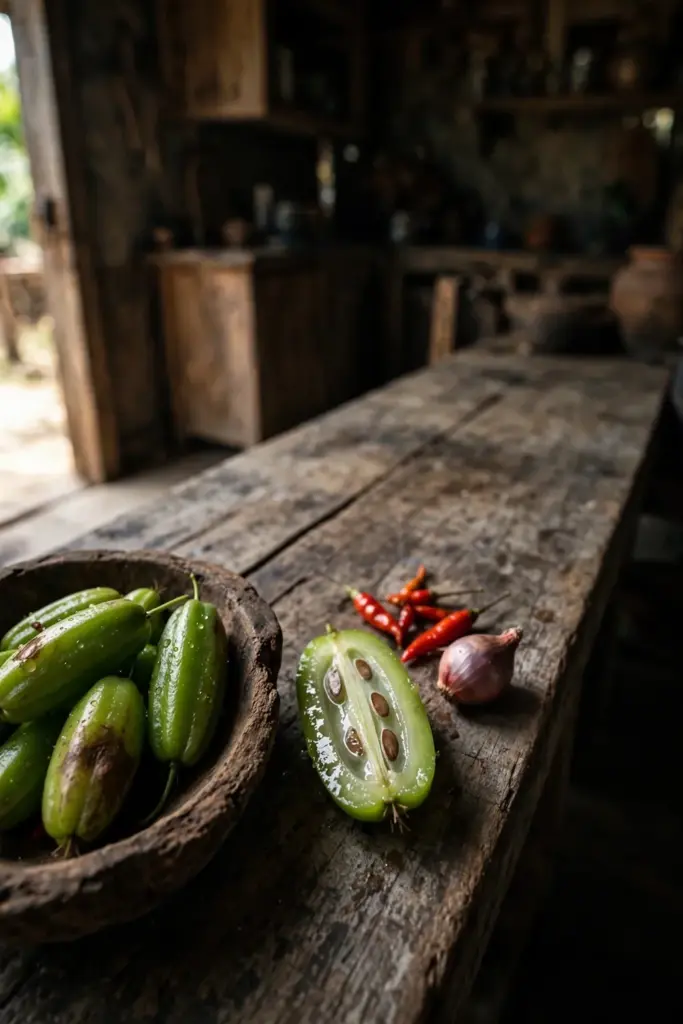
Hawai’i chefs already swap the juice for vinegar in salad dressings and soups, the same job lemon juice does in a home kitchen. In Malaysia the fruit goes into Masak Lemak Ikan, fish in coconut milk, and into Asam Pedas, the hot sour fish dish. Half-ripe fruits salted, sun-wilted, and pickled in brine keep for months, and the quick boiled pickle keeps 4 to 5 days chilled.
In Aceh, sun-dried bilimbi is known as asam sunti, a pantry staple for souring curries through the year. Dry sliced fruit in a dehydrator or low oven until leathery, then store airtight. Dried fruit reconstitutes in cooking liquid and keeps its bite for a year.
14. Respect the Oxalic Acid: 10.5 to 14.7 mg/g in Green Fruit
Green bilimbi fruit carries 10.5 to 14.7 mg of oxalic acid per gram of fruit, dropping to 8.45 to 10.8 mg per gram when ripe, measured in the University of Hawai’i’s bilimbi guide. That is the chemistry behind the pucker, and it is why the fruit works as a condiment rather than a snack.
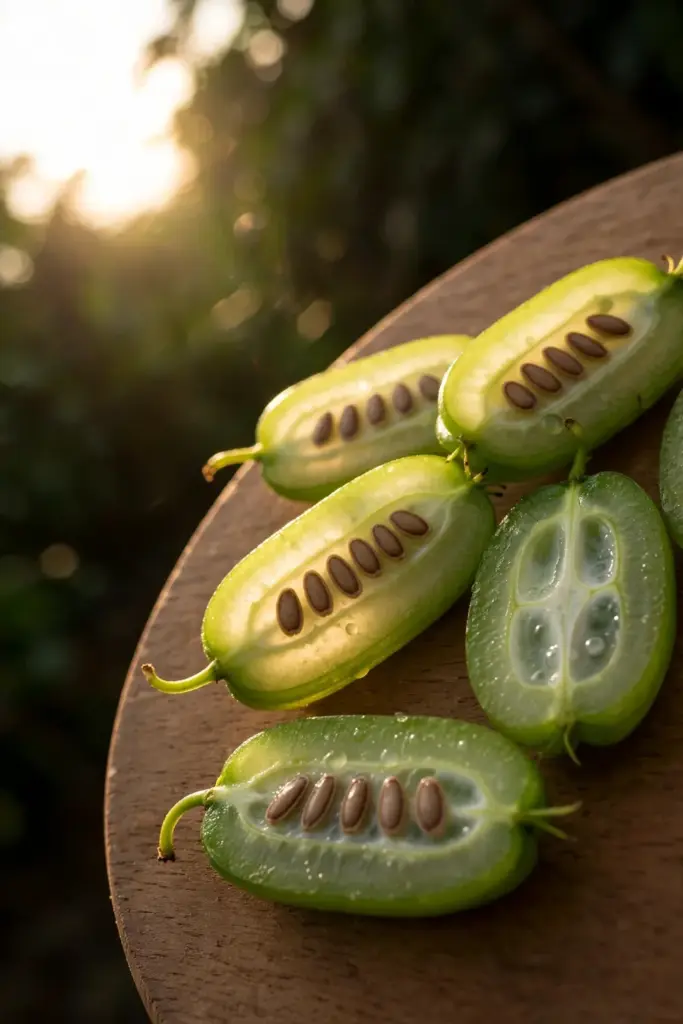
Treat bilimbi the way you treat hot chilies: a little per dish, never a bowlful. People with kidney problems or a history of kidney stones should talk to a doctor before eating bilimbi regularly, since oxalic acid affects calcium balance. This is general information, not medical advice. The conservative move is to enjoy the fruit cooked into food in normal culinary amounts.
Ripe fruit is the gentler choice. Letting fruit color to yellowish-green before picking lowers the acid load and improves the flavor for preserves. Green fruit suits pickling, where salt and time do the taming.
15. Watch for Blossom Blight and Fruit Rots
Bilimbi has no serious insect pests, which is rare luck for a fruit tree. The same university notes name Fusarium decemcellulare as the cause of a serious flower-panicle disorder, and list Penicillium, Phyllosticta, Cercospora, and Colletotrichum as organisms that can attack the tree and fruit.
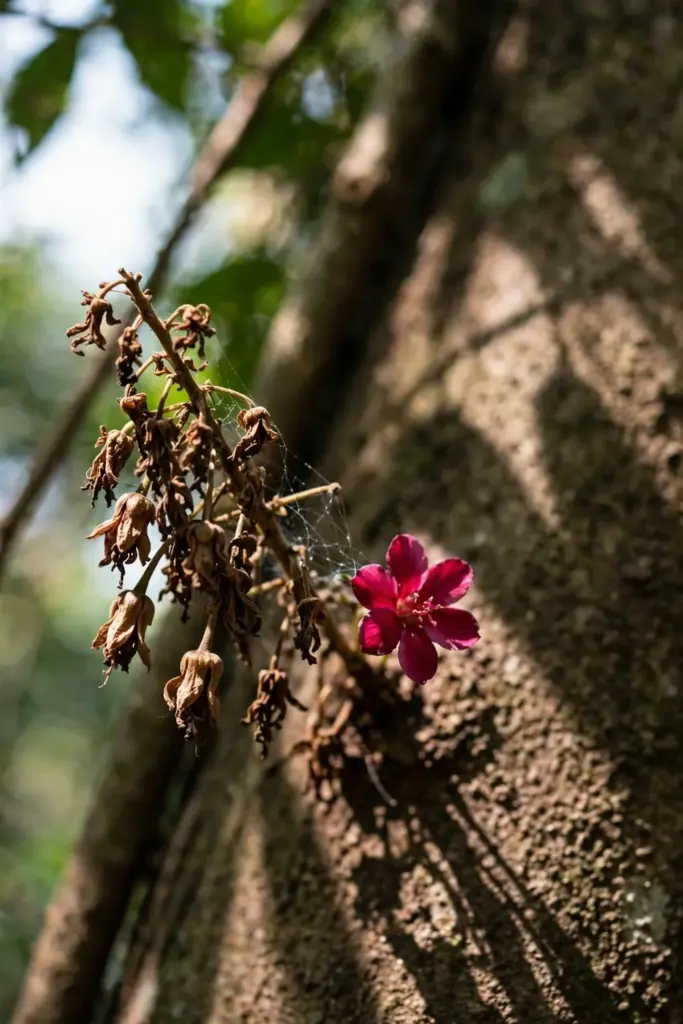
Sanitation does most of the work. Pick up fallen fruit daily during harvest season, prune for airflow so the trunk dries after rain, and avoid overhead watering late in the day. Indoors, the same rots exploit still air and wet foliage, so a small fan on low near the wintering tree pays off.
Check flower panicles as they emerge. Panicles that brown and collapse instead of setting fruit may carry the Fusarium disorder; clip affected clusters into a bag and bin them, disinfect the shears, and watch the next flush. Healthy trees outgrow occasional losses without sprays.
16. Skip the 7 Mistakes That Kill Young Bilimbi Trees
Most bilimbi failures trace to seven avoidable mistakes. Run the list before each season and the tree stays ahead of trouble.
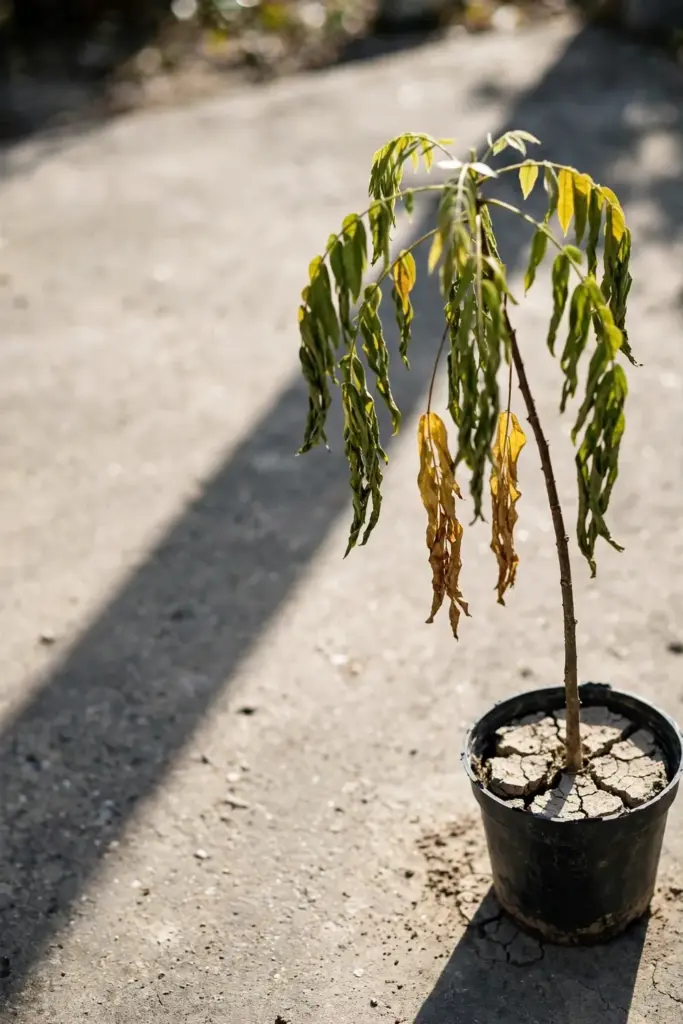
- Planting in shade. Bilimbi grows slowly in shade and fruits poorly. Full sun, always.
- Letting the pot dry out. A dry root ball drops flowers first and leaves second. Check pots daily in summer.
- Confusing it with carambola. Sweet-fruit advice, wider spacing for a bushy tree, and fresh-eating expectations all misfire on bilimbi.
- Expecting sweet fruit. Nobody eats bilimbi fresh twice. Plant it for the kitchen, not the fruit bowl.
- Pruning too hard. Heavy pruning suppresses flowering. Thin, do not top.
- Ignoring wind. The wood is brittle and the tree is wind-susceptible. Shelter the pot behind a wall or fence.
- Leaving it out in frost. One hard freeze below 0 °C (32 °F) can kill a young tree outright. The dolly exists for a reason; use it.
Young trees are the most cold-sensitive of all, so a first-year tree earns the earliest indoor move and the brightest winter window. By year three the trunk has thickened, the routine is habit, and the mistakes above read like someone else’s problems.
Frequently Asked Questions
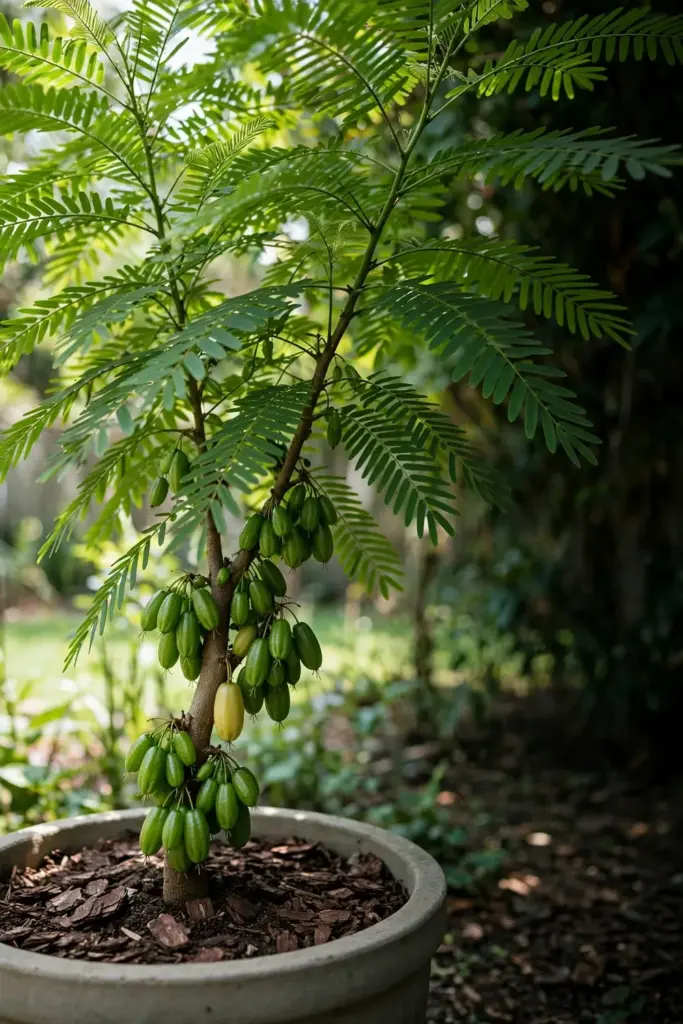
You can, but it will fruit poorly. Bilimbi tolerates a bright indoor winter, yet it needs full sun through the growing season to build the wood that carries flowers. Keep it outside from the last frost to the first, in the sunniest spot you own, and bring it in only for winter. Grow lights help, but no lamp matches real summer sun for fruit set.
Dropped flowers usually mean stress, not sterility. Bilimbi flowers are self-fertile. Check water first, because a dry pot aborts blooms fast, then rule out cold nights, wind battering, and shade on the trunk. Early indoor moves and hard pruning shed buds too. Fix the stress and the next flush of panicles sets normally.
No. Bilimbi is Averrhoa bilimbi and star fruit is Averrhoa carambola, two species in one family. Bilimbi makes small, faintly 5-sided, extremely sour fruit on a sparsely branched tree; carambola makes deeply ribbed, star-shaped, sweet-to-tart fruit on a bushy tree. Bilimbi is also the more cold-sensitive of the pair, so it needs the earlier indoor move.
Slice it into fish curries, sambals, and chutneys where its acid replaces tamarind or lime. Pickle half-ripe fruit in brine for a long-keeping condiment, or juice ripe fruit for a cooling drink with sugar and water. Sun-dried bilimbi, known as asam sunti in Aceh, stores for a year and rehydrates in cooking liquid. Start with small amounts; the sourness is strong.
Bilimbi is very high in oxalic acid, 10.5 to 14.7 mg per gram in green fruit, so anyone with kidney disease or a history of kidney stones should be cautious. This is general information, not medical advice. Enjoying bilimbi cooked into food in normal culinary amounts is the conservative approach, and a doctor can give personal guidance for regular use.