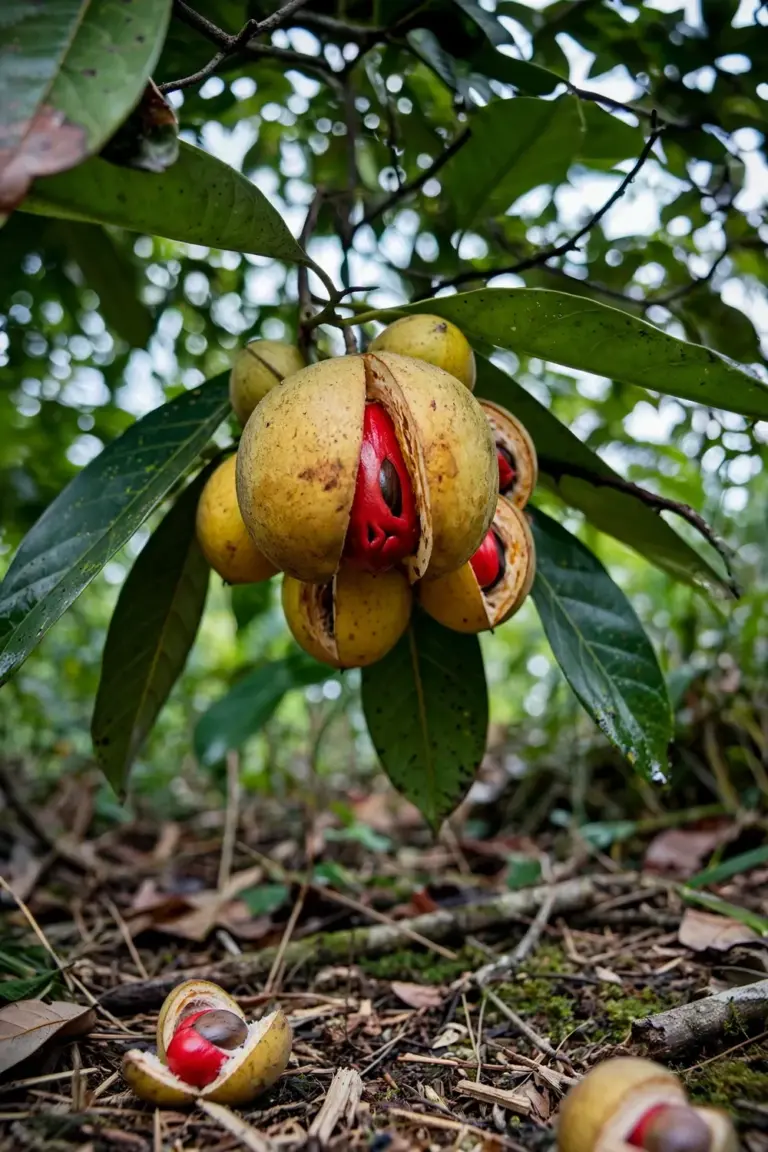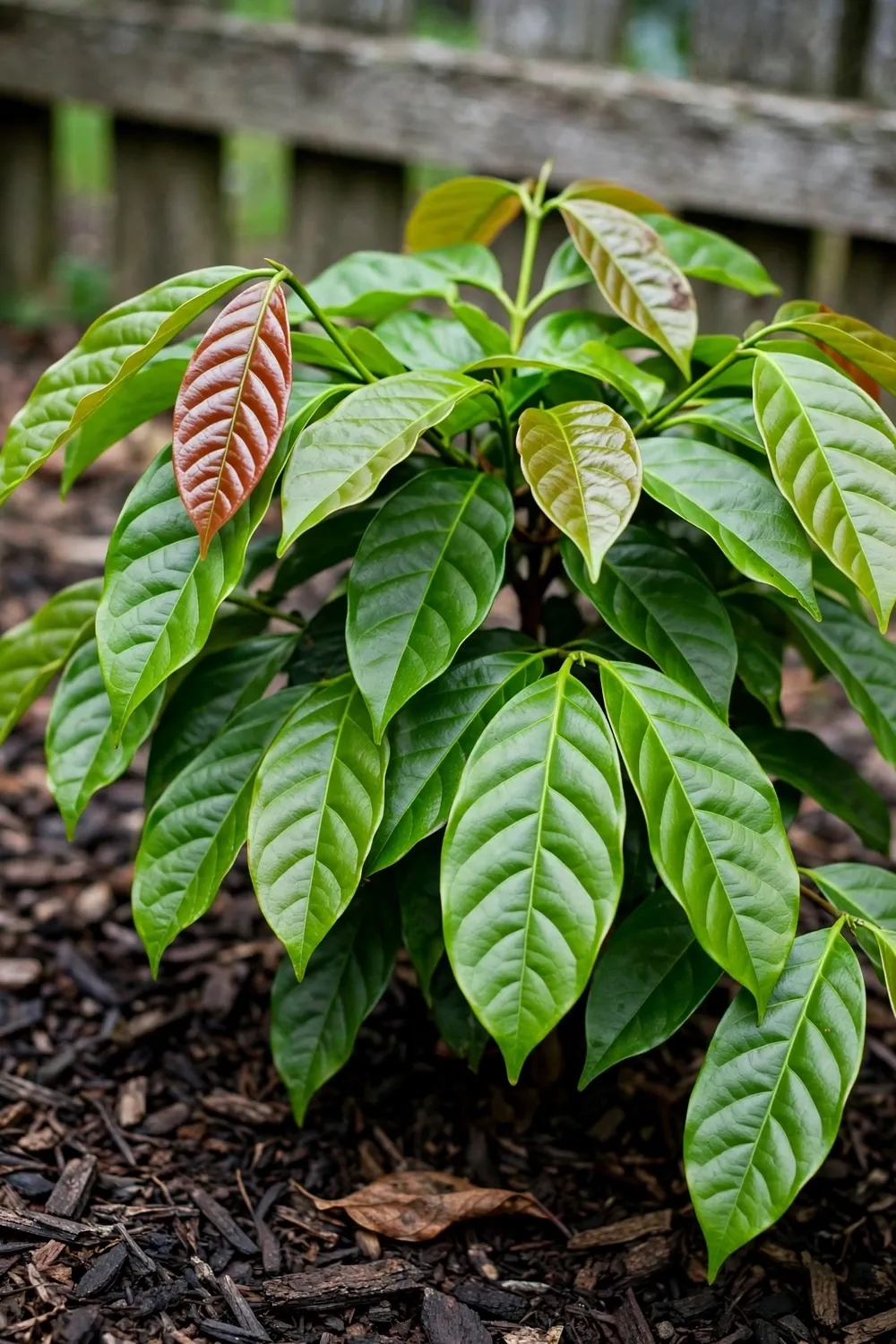

Sow cinnamon seed within 10 days of picking the berries. That is a how to grow Indonesian cinnamon habit, and the rest of this page is 14 steps, from fresh seed to your own bark harvest. Indonesian cinnamon is the tree Cinnamomum burmannii, the Korintje or Padang cassia of the Indonesian spice trade. I sow my seed the same week the berries arrive, because the viability data says waiting costs half the germination. Start with the right species, give it heat and steady moisture, and the tree handles the long wait better than you will.
The hard part is the calendar, not the care. The tree wants 5 years before its first bark harvest, so every early step is an investment in bark you peel later. Readers coming from general seed-starting steps will find the rhythm familiar, with one big difference: cinnamon seed dies fast, and the clock starts at the berry.
1. Check the Species: Burmannii, Not Cassia or Ceylon
Check the label before you buy or sow. Indonesian cinnamon is Cinnamomum burmannii. The bark sold as cinnamon comes from three different trees, and they differ in bark, flavor, and chemistry.
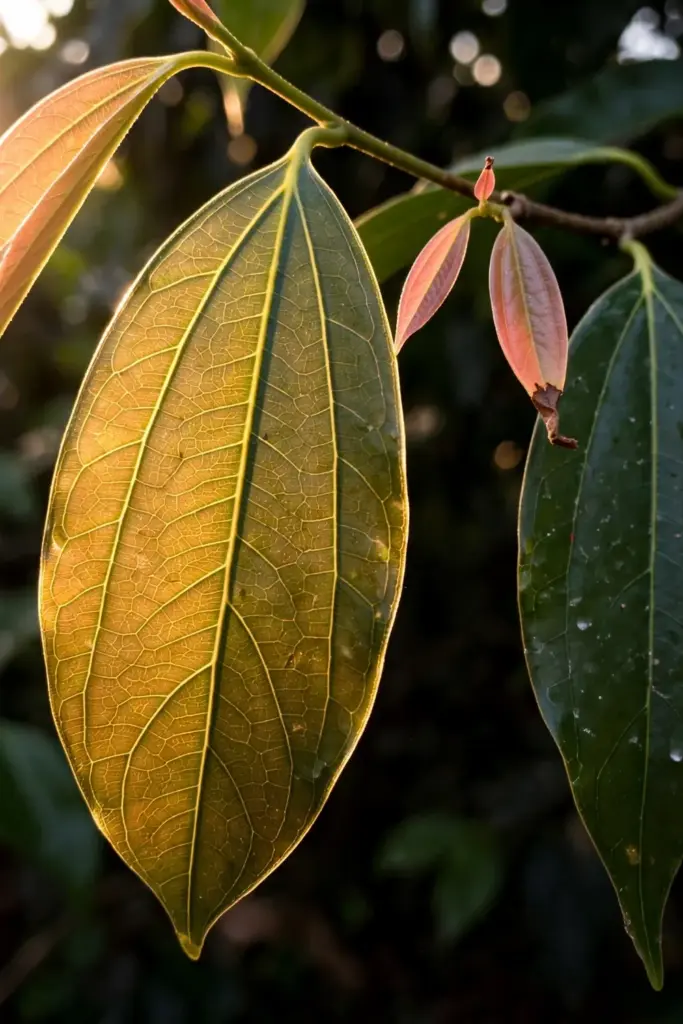
Cinnamomum burmannii is the Indonesian species, traded as Korintje, Padang cassia, or Batavia cinnamon. Cinnamomum verum is Ceylon or true cinnamon from Sri Lanka. Cinnamomum cassia is Chinese cinnamon. One review that compared the species with lab analysis reports coumarin at about 0.017 g/kg in Ceylon cinnamon, 0.31 g/kg in Chinese cassia, and 2.15 g/kg in Indonesian cinnamon, in the journal review on telling true and false cinnamon apart.
| Species | Trade name | Origin | Bark and flavor | Coumarin |
|---|---|---|---|---|
| Cinnamomum burmannii | Indonesian cinnamon, Korintje, Padang cassia | Indonesia | Thick, hard bark; dark reddish brown; spicy | 2.15 g/kg |
| Cinnamomum verum | Ceylon cinnamon, true cinnamon | Sri Lanka | Thin, papery, multi-layer quills; light reddish brown; mild and sweet | 0.017 g/kg |
| Cinnamomum cassia | Chinese cinnamon | China | Thick bark; dark reddish brown; bitter and spicy | 0.31 g/kg |
Coumarin is a natural compound in the bark. Cinnamomum burmannii carries far more of it than Ceylon cinnamon, so people who eat cinnamon by the spoonful daily usually choose the Ceylon species instead. For the home grower the practical takeaway is simpler. Buy seed or seedlings labeled Cinnamomum burmannii if you want the Indonesian tree, and expect a spicy bark rather than a sweet one. This species check is step one of how to grow Indonesian cinnamon done right: plant the tree the spice trade actually calls Indonesian cinnamon, not whichever bark the packet describes.
Nursery stock of the three species looks similar at a glance, so read the tag, not the leaves. Young Cinnamomum burmannii leaves flush reddish before hardening to glossy green, but leaf color alone never proves the species. A seller who cannot name the botanical species is selling you a guess.
2. Mark Year 5 as Your First Bark Harvest
Plan on years, not months. Indonesian cinnamon is a tree crop. The leaves and the shade come early. The bark comes late, and rushing the harvest gives thin, bitter quills with weak flavor.
The Useful Tropical Plants profile for Cinnamomum burmannii lists the first bark harvest at about 5 years, with economic harvests continuing for 20 years after that, and average yields of around 3 kg of stem bark plus 1.5 kg of branch bark. Use the table below to pace yourself, and do not let a fast-growing sapling fool you into peeling early.
| Phase | What happens | When |
|---|---|---|
| Seed to sprout | Germination and first leaves | 15 days to 6 months |
| Nursery year | Shaded seedling growth | Months 1 to 12 |
| Establishment | Trunk thickening, first pruning | Years 1 to 2 |
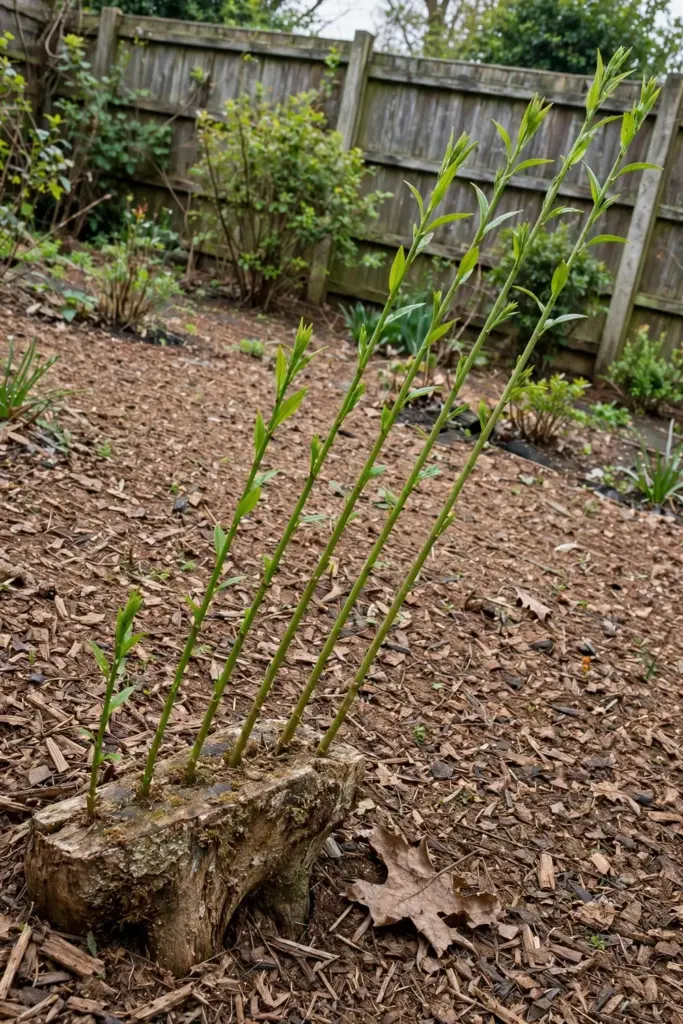
| Coppice stool | Low cut forces a stool of straight shoots | After year 2 |
| First bark harvest | Peel shoots with woody, brown bark | About year 5 |
| Full production | Repeat coppice harvests | Years 5 to 25 |
Seed viability runs on its own clock and it runs fast. Fresh seed germinates at about half, seed stored six months drops to a quarter, and year-old seed does not germinate at all. That is why this page starts with sowing, not shopping for old packets.
3. Match Your Site to 20 to 28°C Days
Put the tree where it stays warm and wet. Cinnamomum burmannii is a moist-tropics tree that reaches 20 m tall in the wild, though a home garden never lets it get there.
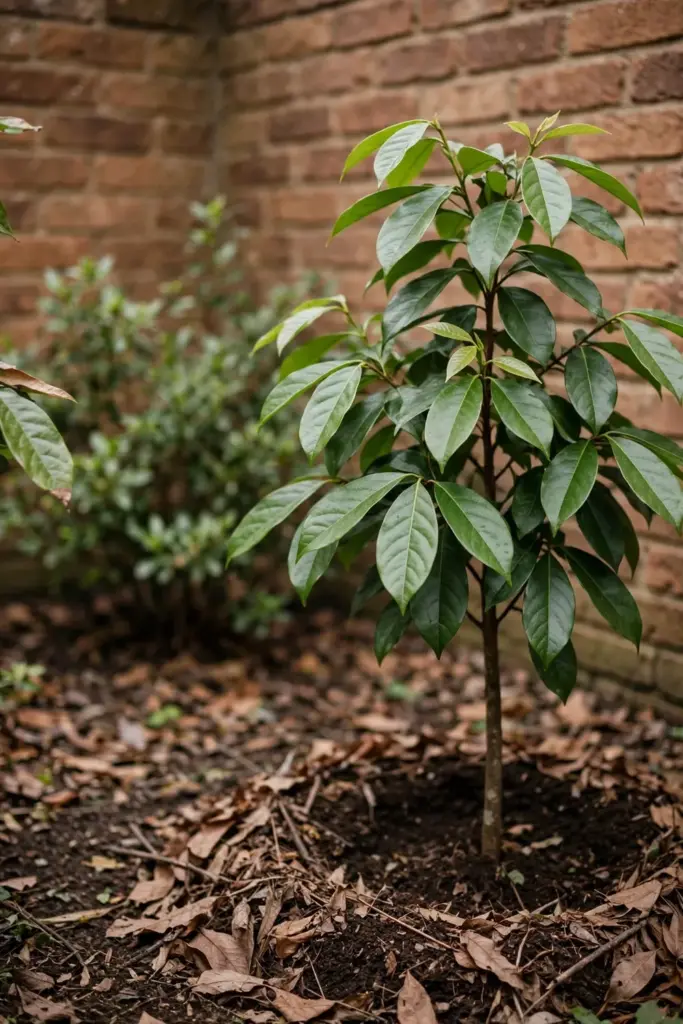
The species grows best where daytime temperatures sit between 20 and 28°C, with 2,000 to 2,500 mm of annual rainfall, in fertile, moisture-retentive but freely draining soil at pH 5.5 to 6, per the Useful Tropical Plants profile for Cinnamomum burmannii. It tolerates dips to 11°C, which makes it a zone 10 to 11 plant in the ground and a container plant everywhere else.
Pick the warmest, most sheltered corner of the garden. Full sun works once the tree is established, but young plants want partial shade, and wind tears the big leaves. If the soil stays soggy after rain, build a low mound and plant into it. Cinnamon roots hate standing water more than they hate a dry week.
Microclimate matters as much as zone. A south-facing wall, a paved courtyard, and a wind-blocking hedge each buy a degree or two of effective warmth. In marginal areas, plant on the warm side of the house and mulch the root zone heavily before the first cold snap. The canopy can take a light chill. The roots cannot.
4. Pot Indonesian Cinnamon When Winter Drops Below 10°C
Grow it in a pot if your winters get cold. A container cinnamon tree gives real bark, just less of it, and the pot is what lets temperate gardeners play at all.
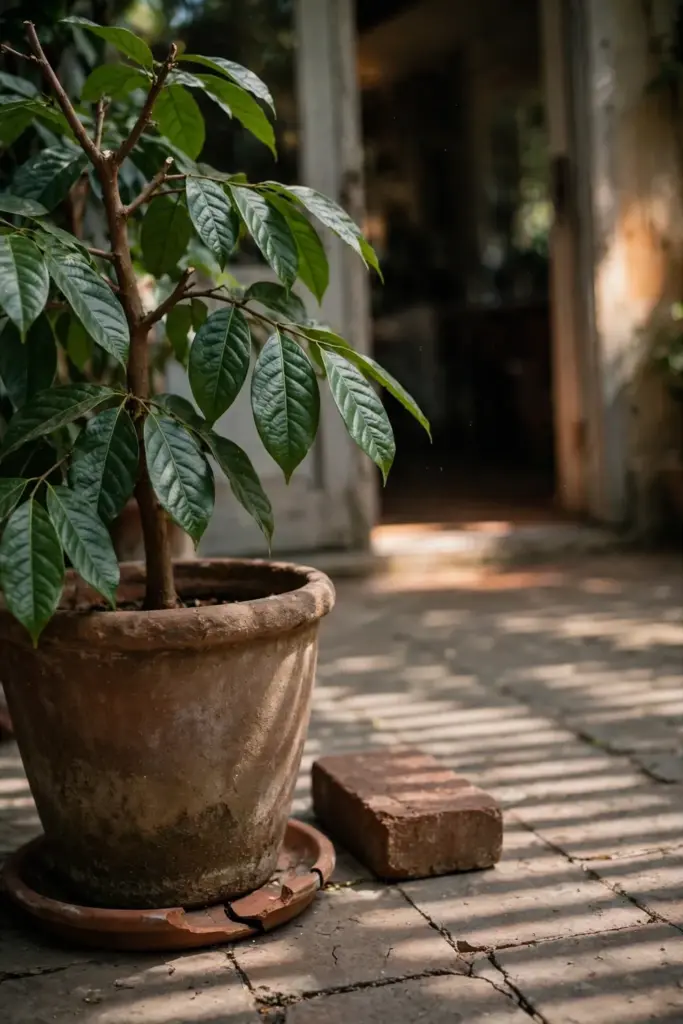
Choose a pot 45 to 60 cm across with big drainage holes. Fill it with a rich, slightly acidic mix: garden soil, compost, and coarse sand in roughly equal parts, with a handful of perlite for drainage. Set the pot where it gets morning sun and afternoon shade in summer. Bring it indoors before nights fall below 10°C, and park it by the brightest window you own.
Winter indoors, water sparingly. The tree barely grows in low light, so wet soil in December is a root-rot invitation. Feed nothing from the first cold month until spring growth resumes. If you already keep tropical trees in pots, the routine matches growing guava in a home garden: big pot, bright spot, dry-ish winter rest.
Repot every 2 to 3 years, stepping up one pot size. A root-bound cinnamon tree stalls, drops leaves, and never thickens the stems you will eventually peel. Prune the top each spring to keep the height under 2 m, which keeps the whole tree manageable indoors.
5. Start With Large, Purple-Ripe Seed
Use the biggest, ripest berries you can get. Cinnamon berries ripen to a deep purple-black, and seed from fully ripe fruit germinates far better than seed from green or half-ripe fruit.
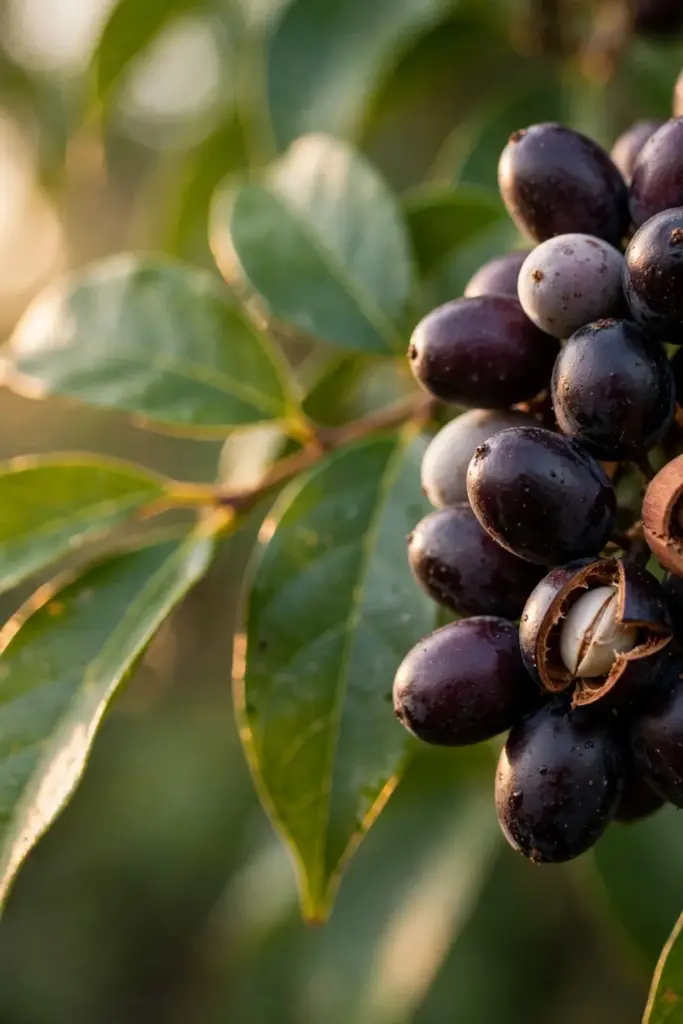
Source berries from a nursery or a grower, never from a spice jar. Spice cinnamon is dried bark, and bark carries no seed. Ask for Cinnamomum burmannii by the full botanical name, and buy only what you can sow within two weeks. Like other tropical tree seed, it behaves like growing mango from seed or grafted stock: fresh is everything, and stored seed is a gamble.
Reject any lot that smells fermented or looks moldy. A few bad berries in the batch are normal; a sour smell across the whole lot means the pulp rotted and the embryos with it. Float-test the cleaned seed in water and discard the floaters. Sinkers go to the soak.
Once your own tree matures, collect berries straight from the branches. Pick them fully purple-black, clean them the same day, and sow them the same week. Home-collected seed beats anything in the mail, because the viability clock never started ticking in a warehouse.
6. Wash the Pulp, Then Soak 24 Hours
Clean the seed the day the berries arrive. The fruit pulp inhibits germination, so seed sown with pulp still on it sprouts slowly or not at all.
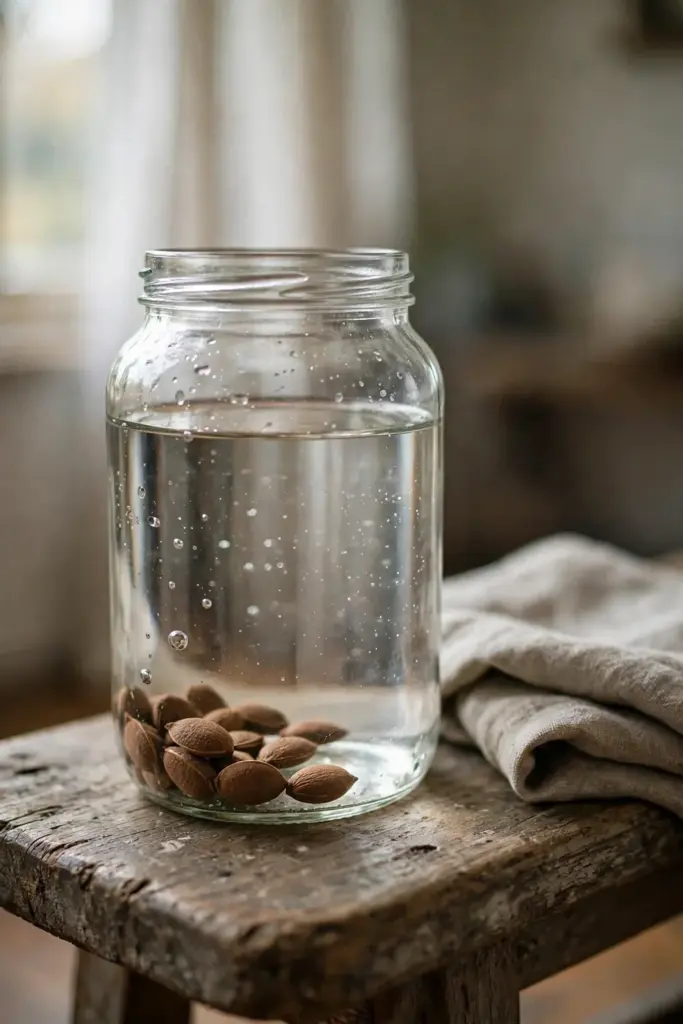
Squeeze each berry and rinse the seed under running water until the flesh is gone. A soft brush helps with stubborn bits. Soak the cleaned seed in lukewarm water for 24 hours. The soak wakes the embryo and evens out germination, which otherwise straggles across months.
Discard any seed that floats after the soak. Sow the sinkers immediately, while they are still damp. Drying cleaned seed between the soak and the sowing tray undoes the whole point of the exercise.
Time the whole job for one session. Clean, soak, and sow on the same day if you can, or start the soak in the evening and sow the next morning. Every dry day between cleaning and sowing shaves points off germination.
7. Sow Shallow in a 3:3:1 Nursery Mix
Sow without delay in a mix that holds moisture but drains. The Kerala Agricultural University planting-material guide sows cinnamon seed in sand beds or bags filled with sand, well-rotted cattle manure, and soil in a 3:3:1 ratio, and it insists the seed goes in without much delay because viability is low.
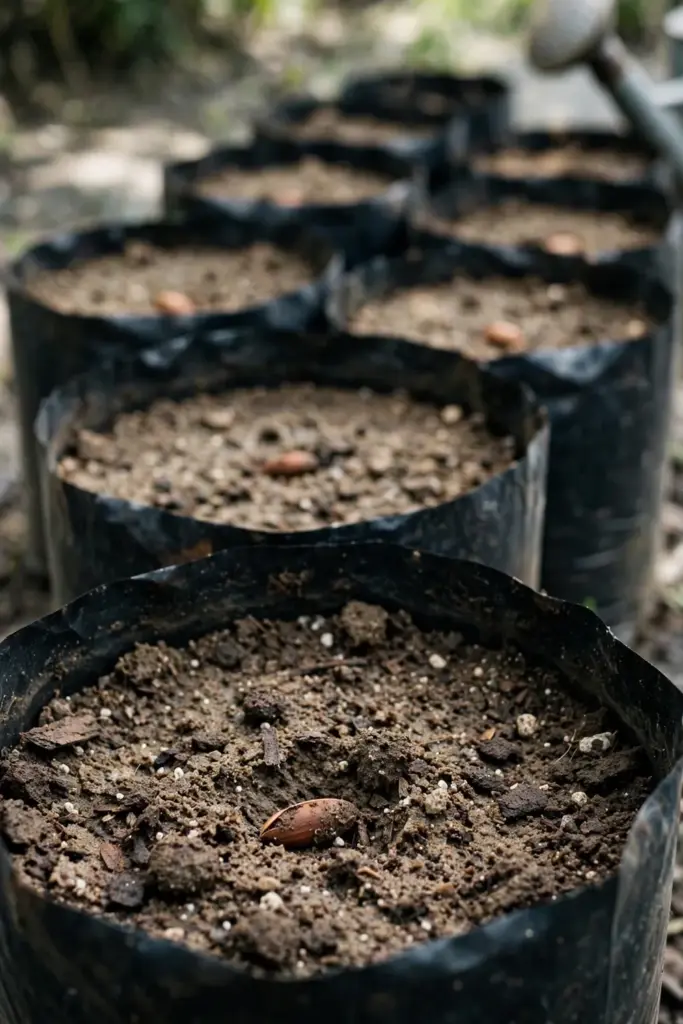
Fill nursery bags or a deep tray with the 3:3:1 mix. Press each seed in about 1 to 2 cm deep and cover lightly. Space seeds a few centimeters apart, or one per bag if you want zero transplant shock later. Water gently until the mix is evenly moist, then set the tray in half shade.
Covering deeper than 2 cm buries the small seedling’s energy reserve. Shallower than 1 cm lets the seed dry out between waterings. The 1 to 2 cm band is the whole trick of this step.
8. Hold Moisture and Wait 15 Days to 6 Months
Keep the mix damp and be patient. Cinnamon germination is uneven by nature, and the same tray can sprout across weeks.
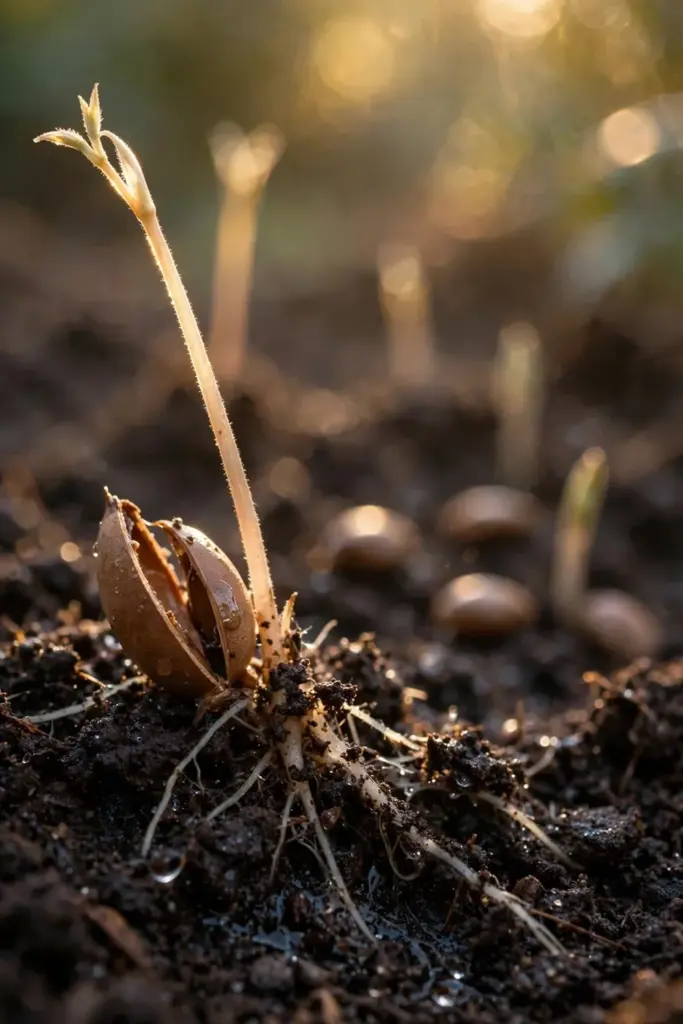
Expect the first sprouts in 15 to 20 days on a warm tray. Seed held at 20°C can take 1 to 6 months, so patience is part of the method.
Mist the surface when it looks dry, and never let the mix crust. A clear plastic dome or a bag over the tray holds humidity, but lift it daily for fresh air. Fungus loves a sealed, wet tray more than seedlings do.
Do not throw the tray out at week six. Mark the sowing date on the tray and give it the full season. The late sprouters often grow into the strongest plants.
9. Shade Seedlings for Their First 6 Months
Give young cinnamon plants artificial shade until they toughen up. Direct sun scorches the soft first leaves and stalls the seedling for weeks.
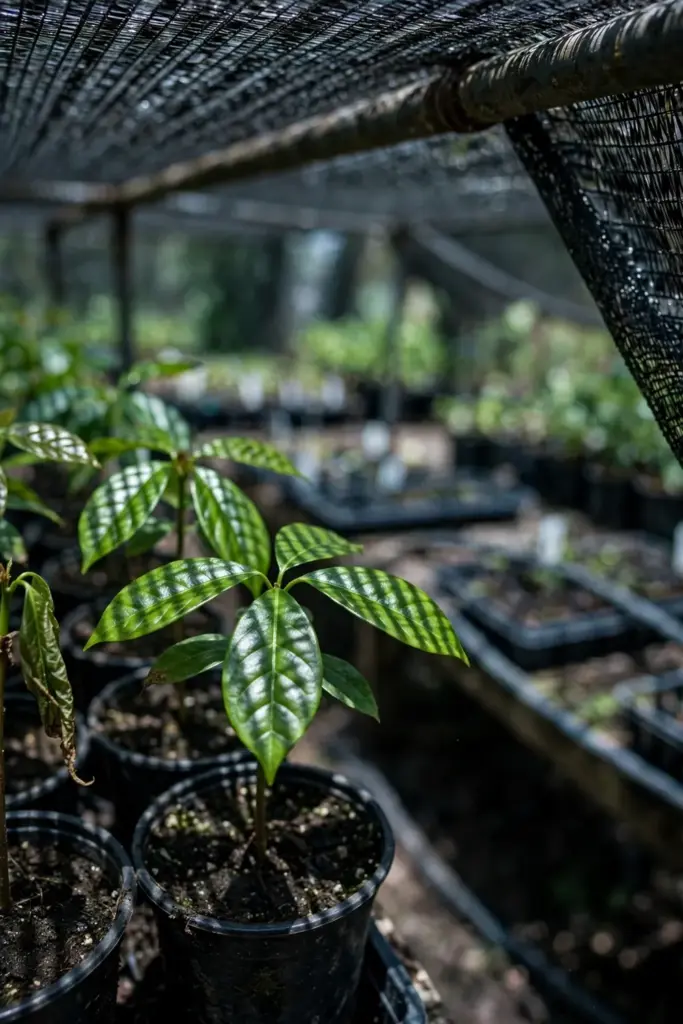
Keep seedlings under 50 percent shade cloth or in bright indirect light for the first 6 months. Water when the top of the mix dries, and feed nothing until the seedling carries four true leaves. Then start a weak liquid feed every two weeks through the growing season.
Prick seedlings out into individual pots once they are big enough to handle, and disturb the roots as little as possible. Cinnamon seedlings sulk after rough handling and sit still for a month. A deep pot beats a wide shallow one, because the young taproot wants to go down, not sideways.
Harden the seedlings off before the shade comes down for good. Give them an extra hour of morning sun every few days across two weeks. Leaves that toughen up gradually take full sun without a single scorched edge.
10. Transplant at 10 cm Into Rich, Acid Soil
Move the tree to its permanent spot when the seedling reaches 10 cm tall. Smaller seedlings dry out or get eaten. Bigger ones resent the move and sulk for a season, so 10 cm is the sweet spot for transplanting cinnamon.
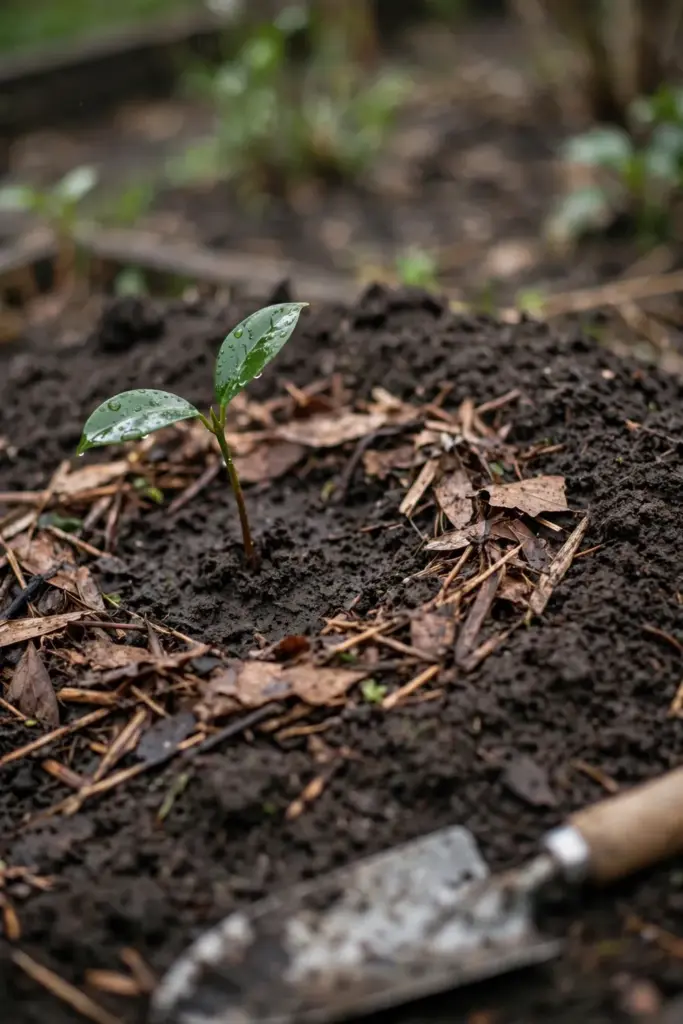
Dig the hole twice as wide as the root ball, and keep it the same depth as the nursery pot. Mix compost into the backfill, set the plant at its old soil line, never deeper. Mulch 8 cm deep with leaves or straw, but keep the mulch a hand’s width away from the stem. One deep watering settles it in; after that, let the top few centimeters dry between waterings.
Stake only if wind is a problem, and tie loosely. A staked-too-tight tree never builds trunk strength, and a cinnamon trunk needs to be sturdy enough to survive the coppice cut coming in year 2.
Space trees 3 m apart if you plant more than one. Cinnamon crowns spread, and crowded trees grow thin, weak shoots that make poor bark. In a garden bed, one tree is usually enough for a household’s bark.
11. Root Cuttings as a Backup in 45 to 60 Days
Take cuttings if your seed fails or you want an exact copy of a good tree. Seed-grown cinnamon varies from plant to plant. A cutting clones the parent, bark quality and all, which matters when you have tasted the parent’s bark and liked it.
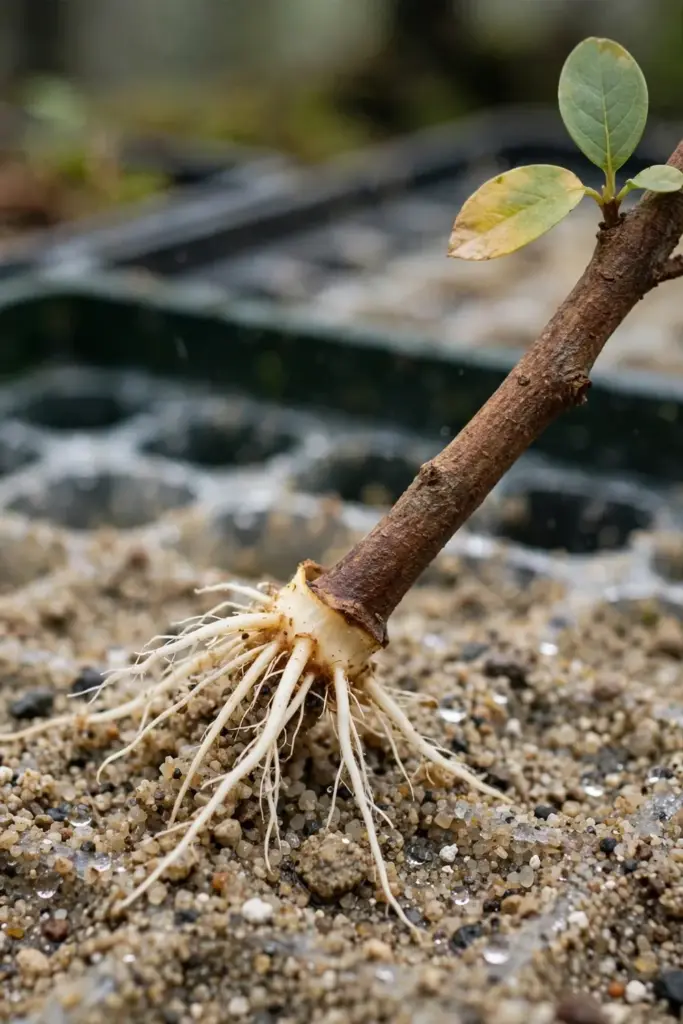
Cut semi-hardwood side shoots 10 cm long with two leaves left at the tip, in spring or early summer. Dip the base in rooting hormone at 2000 ppm IBA and set the cutting in moist sand or a sand and coir mix. Keep it shaded and humid, watering 2 to 3 times a day so it never wilts. Rooting takes 45 to 60 days.
Ventilate any covered propagation box twice a day. Stale, dripping air rots cuttings faster than slight dryness does. A cutting that still looks alive is still in the game, even past the two-month mark; cinnamon roots on its own schedule.
Air layering works too, on the same semi-hardwood wood. Girdle a shoot, pack the wound with moist coir, wrap it in plastic, and wait for roots to show through the wrap before severing. Layers root more reliably than cuttings on old, thick branches.
12. Water and Feed for Bark, Not Show
Water for steady growth and feed with restraint. Heavy nitrogen grows soft, watery shoots. Soft shoots make thin, weak bark.
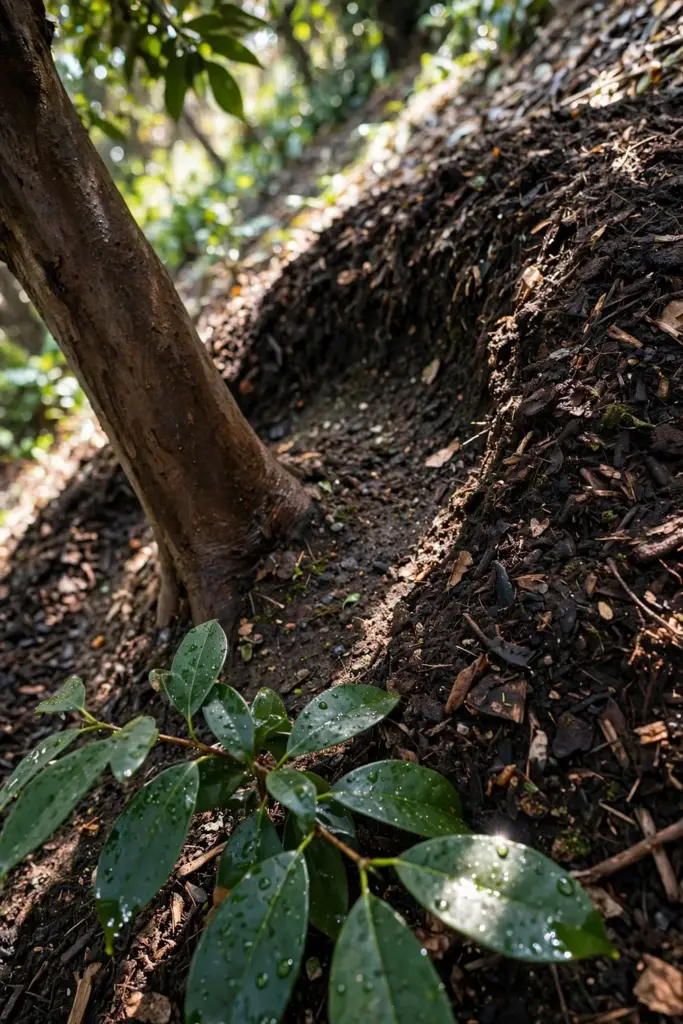
Match the tree’s native rainfall pattern: deep watering in dry spells, backing off when rain does the job. In the tree’s home range the rain falls 2,000 to 2,500 mm a year, evenly spread. Your garden will not match that, so mulch thickly and water the root zone, not the leaves.
Feed twice a year: spring and early autumn, compost plus a modest balanced fertilizer, and nothing heavy in between. Light feeding grows denser bark. Dense bark is the entire point of the exercise, so restraint here pays at harvest. Container trees get the same program at half strength. Their soil volume is small, salts build up fast, and a burnt root tip never grows back.
13. Coppice Low After Year 2
Cut the young tree back low to build a bark factory. Cinnamon bark is harvested from straight young shoots, and coppicing forces the tree to grow exactly those.
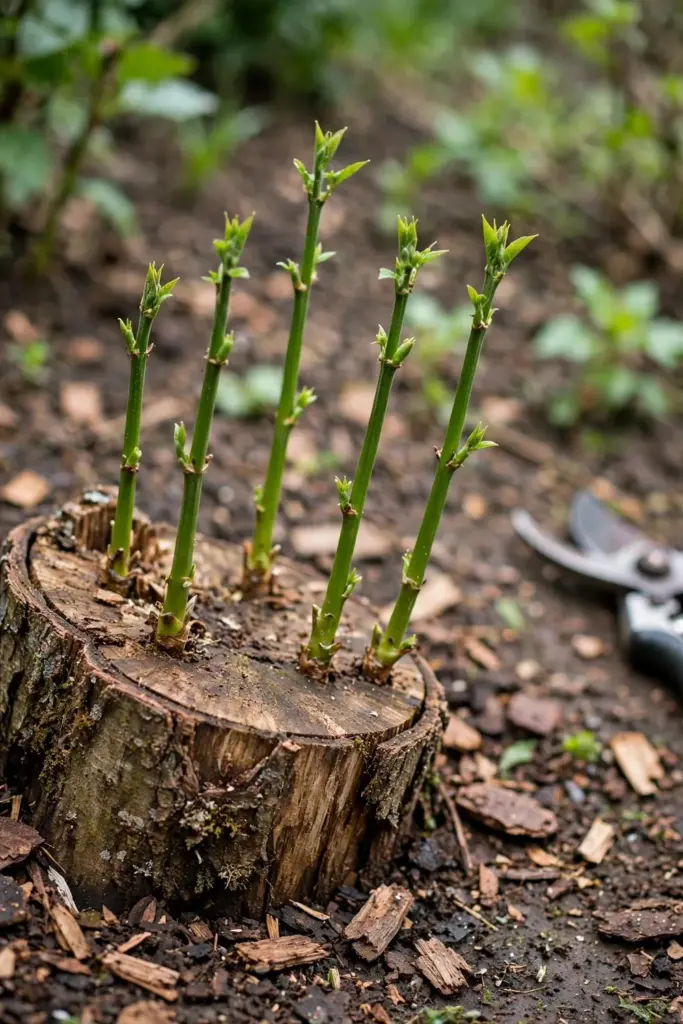
After the second year, cut the main stem down to a low stump 20 to 30 cm tall, in early spring before growth resumes. The stump pushes a flush of straight shoots. Keep the strongest 4 to 5 and rub out the rest. These shoots grow fast, straight, and evenly, which is what peels into clean quills.
Walk the stool once a month through the growing season and rub out new weak shoots while they are small. A stool carrying 4 strong shoots puts its energy into bark; a stool carrying 12 spreads it thin. Thin early, and the keepers thicken twice as fast.
This is the one pruning cut that matters more than all the cosmetic shaping combined. Pair it with basic spring pruning techniques: clean tools, cuts just above a bud, and no stubs left to rot. Repeat the coppice every few years once the shoots have been harvested, and the same stool serves for decades.
14. Peel Inner Bark Into Quills at Year 5
Harvest when the coppice shoots carry woody, brown bark. The inner bark is the spice; everything you do at harvest is about freeing it cleanly.
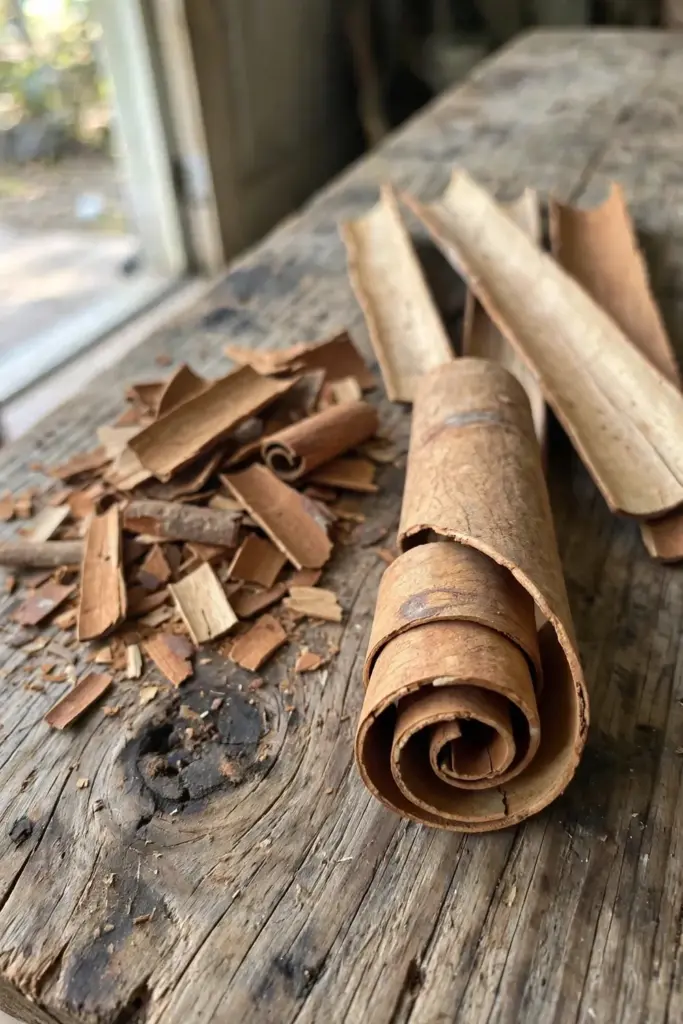
Cut shoots that are 2 to 3 years old and at least as thick as a broom handle. Strip the leaves and scrape off the thin outer bark with a blunt knife. Rub the stem with a smooth rod to loosen the inner bark, then slit it lengthwise and peel it away in long strips. Lay the strips in the shade; as they dry over 4 to 5 days they curl into quills on their own.
Work in dry weather and peel the same day you cut. Bark left on cut stems overnight sticks and tears. Dry quills further out of direct sun until they snap cleanly, then store them in airtight jars. Broken pieces and small curls grind into powder, so nothing is wasted.
Expect a modest first haul. The tree’s bark thickens with each coppice cycle, and the quills from year 7 onward beat the first year’s in both size and flavor.
Grade your quills as you dry them. Whole, unbroken curls are the keepers; short pieces and flakes go straight to the grinder. Both are the same spice, so a first harvest that looks scruffy still fills the jar.
15. Stop Leaf Spot and Root Rot Early
Watch the leaves and the soil line. Cinnamon’s enemies are few, but the two that matter can defoliate a young tree or kill it outright.
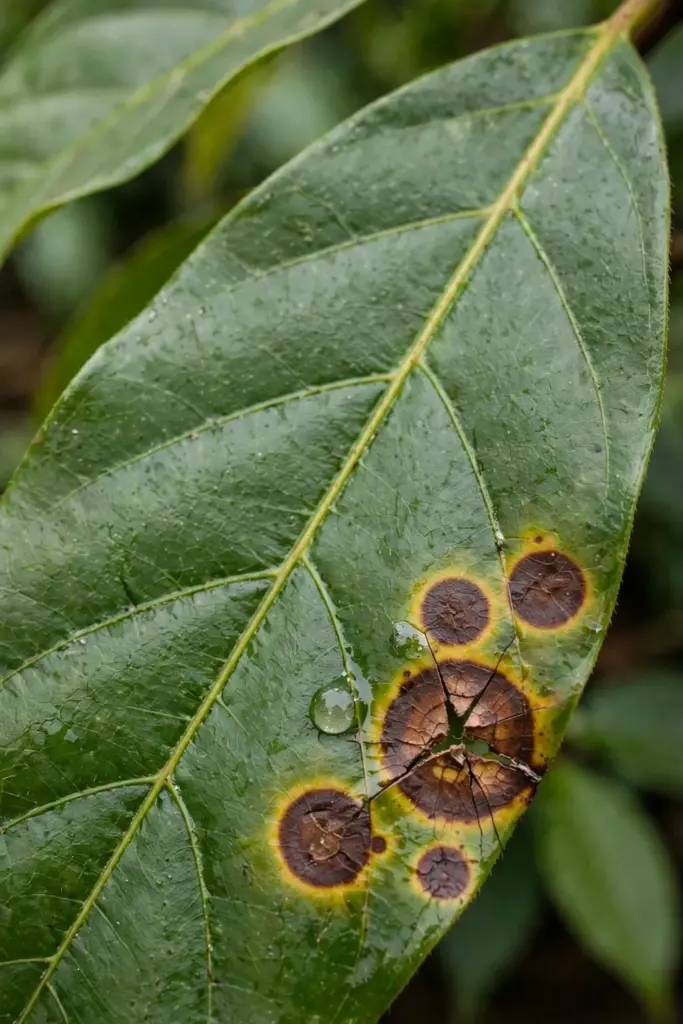
Leaf spot shows as brown, circular marks on the leaves and spreads in wet, crowded canopies. Improve air flow, water the soil instead of the foliage, and remove spotted leaves before they litter the bed. Root rot shows as sudden wilting and yellowing in wet soil, and the fix is drainage, not chemicals: raise the bed, cut back watering, and never let the pot sit in a saucer of water.
Scale insects sometimes cluster on indoor trees, leaving sticky leaves and black sooty mold. Wipe them off with a soapy cloth and check the leaf undersides weekly through winter. A healthy, unstressed tree outgrows minor pest pressure; a stressed one invites it.
Quarantine every new plant for two weeks before it joins the collection. Cinnamon picks up scale and mealybug from nursery neighbors more often than from the garden, and two weeks of watching beats a season of wiping.
16. Six Mistakes That Stall Indonesian Cinnamon
Name the failure, then skip it.
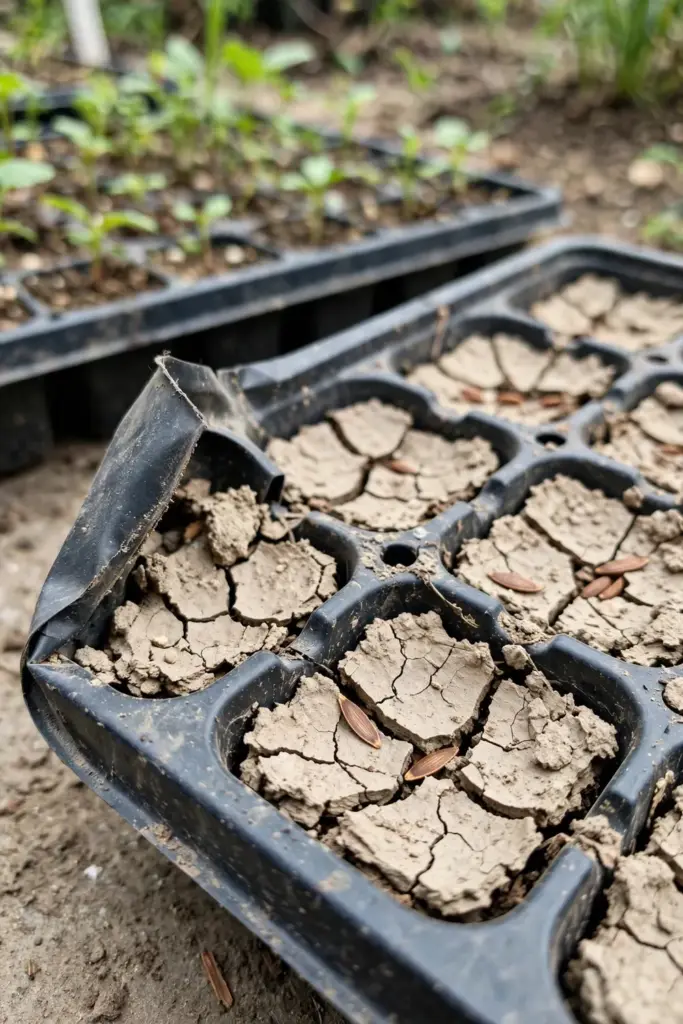
1. Sowing old seed. Year-old cinnamon seed does not germinate. Buy fresh, sow within days, and never trust a packet with no harvest date.
2. Sowing with the pulp on. The fruit flesh inhibits germination. Wash every seed clean before it touches soil.
3. Planting in heavy, wet soil. Cinnamon roots rot in standing water. Mound up, add sand, or choose the pot.
4. Feeding like a vegetable. Heavy nitrogen grows soft shoots and thin bark. Feed lightly, twice a year.
5. Peeling in year 2. Young bark is thin and bitter. Wait for year 5, and let the coppice shoots turn woody first.
6. Drying quills in direct sun. Sun-baked bark warps, cracks, and loses aroma. Shade-dry, then finish in open air.
Frequently Asked Questions About How to Grow Indonesian Cinnamon
Yes, in a large pot by a bright window. Cinnamomum burmannii grows as a container tree to about 2 m with yearly pruning, and it tolerates the dry air of a heated room better than many tropicals. Give it the brightest spot available, water only when the top soil dries, and move it outdoors for the warm months. Expect slower growth and thinner bark than a ground-planted tree.
About 5 years to the first usable bark harvest. The tree spends its first 2 years establishing, then gets coppiced into a stool of straight shoots, and those shoots need 2 to 3 years to grow woody enough to peel. Bark quality keeps improving with each coppice cycle, so the harvests from year 7 onward beat the first one.
They are related but different species. Indonesian cinnamon is Cinnamomum burmannii; Chinese cassia is Cinnamomum cassia. Both have thick, dark, spicy bark, which is why the trade sometimes blurs them. Lab analysis puts coumarin at 2.15 g/kg in Indonesian cinnamon and 0.31 g/kg in Chinese cassia, so they are not interchangeable for heavy daily use.
Old seed is the usual cause. Cinnamon seed loses viability fast: fresh seed germinates at about half, six-month-old seed at a quarter, and year-old seed not at all. Unwashed fruit pulp also blocks germination, and cold soil stalls it for months. Sow cleaned, soaked seed within days of harvest, keep it at 24 to 28°C, and give the tray a full season before giving up.
No. Cinnamomum burmannii sets seed on its own; a single tree produces berries once it matures. The flowers are small and insect-pollinated, and outdoor trees fruit without any help. Indoor trees may set little fruit because pollinators cannot reach them, but that hardly matters, since seed-grown trees vary and most home growers propagate from fresh bought seed anyway.
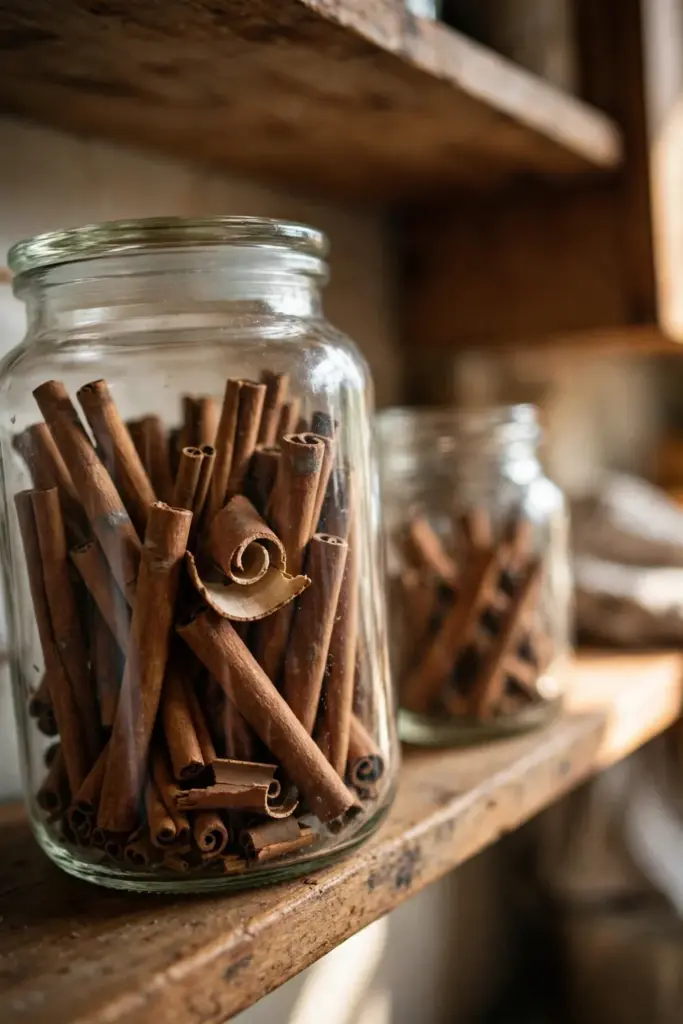
Dry the quills until they snap cleanly, then seal them in airtight glass jars away from light and heat. Fully dried bark keeps its flavor for 2 to 3 years, though the aroma fades after the first year. Grind only what you need, since ground cinnamon loses flavor faster than whole quills. Quills that feel soft or smell musty went into the jar too wet.
Start Your Cinnamon Tree This Rainy Season
Five years is a long wait, and it starts with one tray of seed. Sow fresh Cinnamomum burmannii this season, coppice it in year 2, and peel your first quills in year 5. That is how to grow Indonesian cinnamon without shortcuts: fresh seed, a low stool, and a patient knife. The tree asks for heat, moisture, patience, and not much else. Your spice jar will thank you in 2031.