Read 3 numbers on the fertilizer bag before you buy it. N-P-K is the guaranteed analysis printed on every bag: nitrogen first, phosphorus second, potassium third, always in that order. N-P-K is three percentages by weight that tell you what the bag feeds.
A bag marked 10-10-10 holds equal shares of each nutrient by weight. A bag marked 4-18-38 leans hard on phosphate and potash, with nitrogen low. The numbers never add to 100, because the rest of the bag is carrier, filler, and coating.
The numbers decide the plant response. Nitrogen grows leaves, phosphorus grows roots and fruit, and potassium steadies the whole plant against drought and disease. Match the numbers to the soil test, and the bag does the job. Guess, and the bag feeds the weeds.
| Point | Detail |
|---|---|
| Order on the bag | N, then P, then K |
| What the numbers mean | Percent by weight |
| 10-10-10 | Balanced, 10 percent each |
| 4-18-38 | High phosphate and potash |
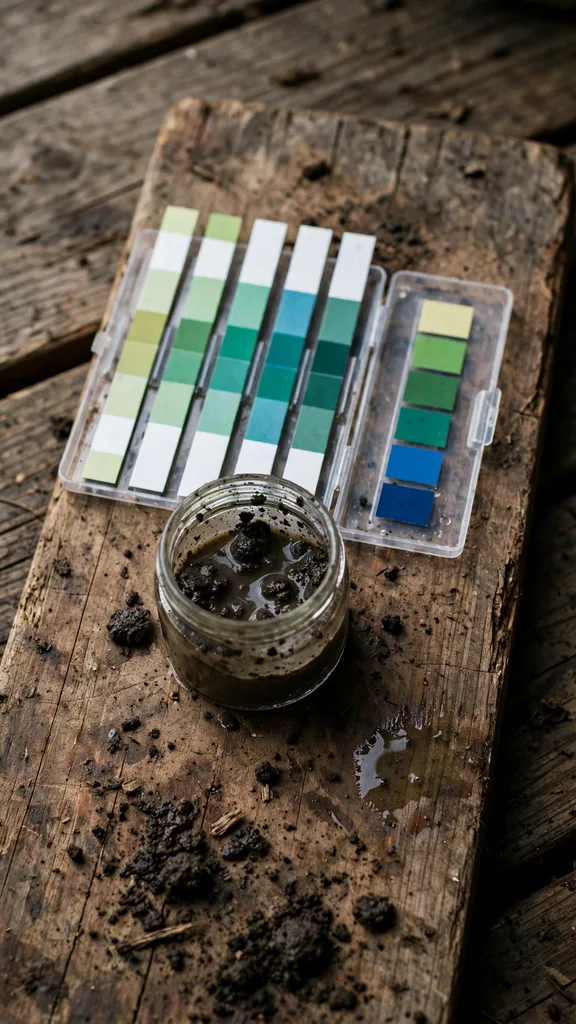
| First step | Soil test, before you buy |
| Worst mistake | Feeding 10-10-10 every season |
What Is N-P-K?
N-P-K is the three-number code on every fertilizer bag, and it stands for nitrogen (N), phosphorus (P), and potassium (K). The three soil nutrients plants need in the highest quantities are nitrogen, phosphorus, and potassium, and the bag numbers state each one as a percent by weight. The order never changes: nitrogen first, phosphorus as phosphate second, and potassium as potash third.
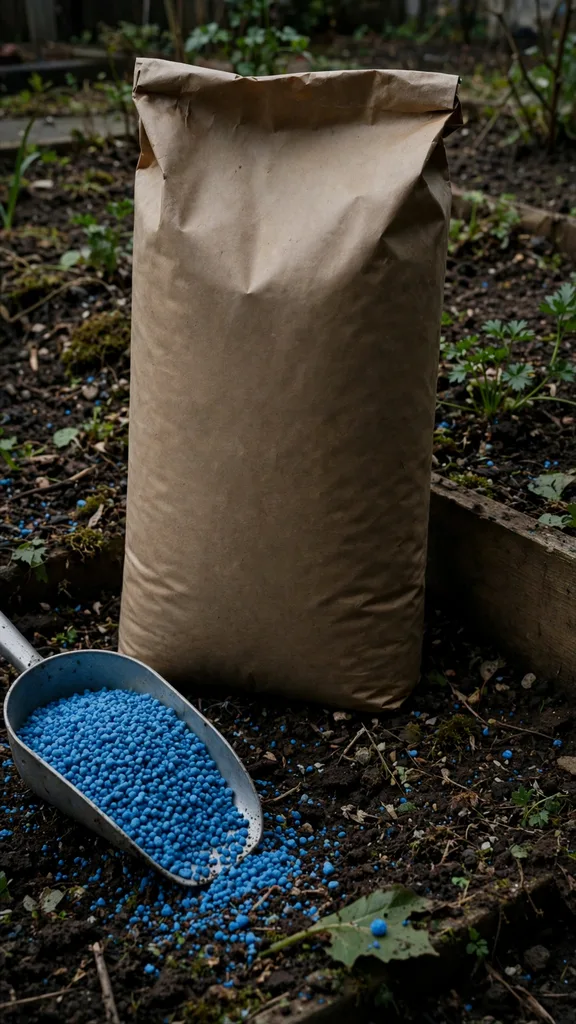
A fertilizer blend made for vegetable growers, marked 4-18-38, contains 4 percent nitrogen, 18 percent phosphate, and 38 percent potash, according to the Mississippi State University Extension fertilizer bag numbers guide. The three percentages do not add to 100, because the bag also holds carrier material that spreads the nutrients. A 40-pound bag of 10-10-10 holds 4 pounds of each nutrient, and the math scales with the bag size.
The same guide notes that a gardener must use twice as much 10-10-10 as 20-20-20 to deliver the same nutrient quantity. The numbers are concentrations, and the dose comes from the soil test. A high number means a concentrated bag, and a low number means more bag per bed.
How N-P-K Works
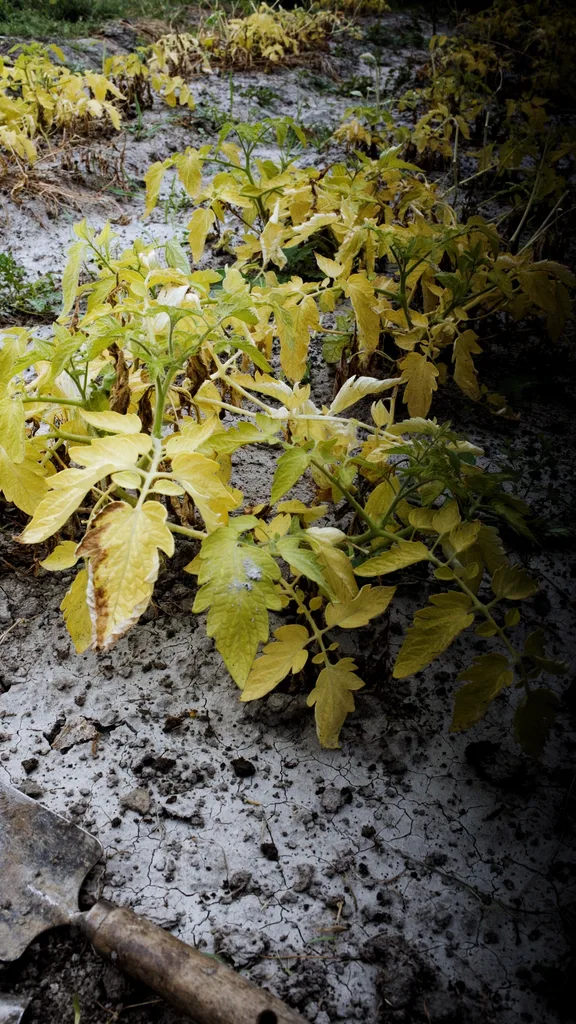
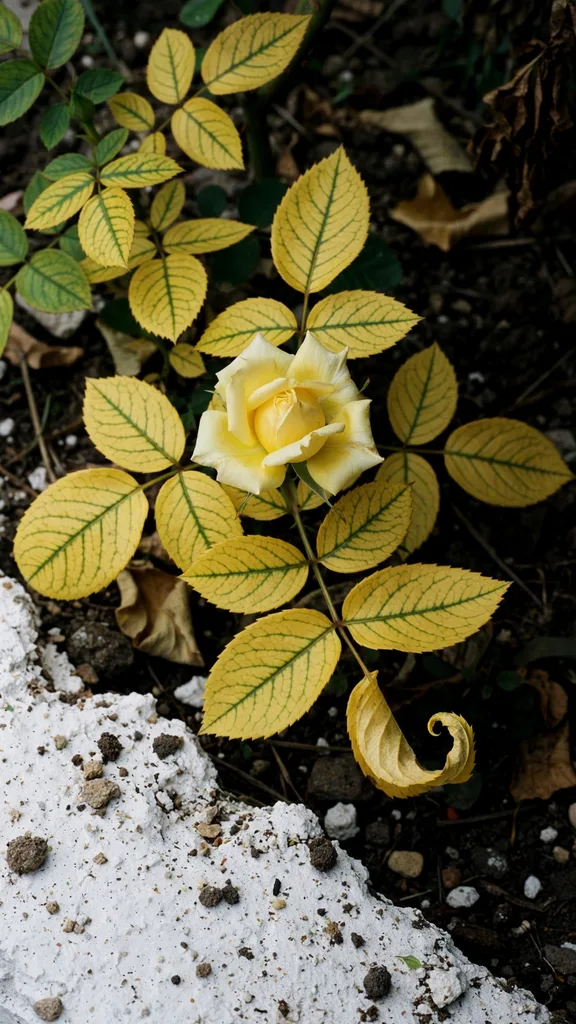
Nitrogen builds leaves and stems. It sits at the center of chlorophyll, the green pigment that catches light, and a plant short on nitrogen turns pale from the oldest leaves first. Nitrogen moves fast in soil, and rain washes it down past the roots within weeks. That is why leafy crops ask for nitrogen in splits through the season, and why a single spring dose never lasts to fall.
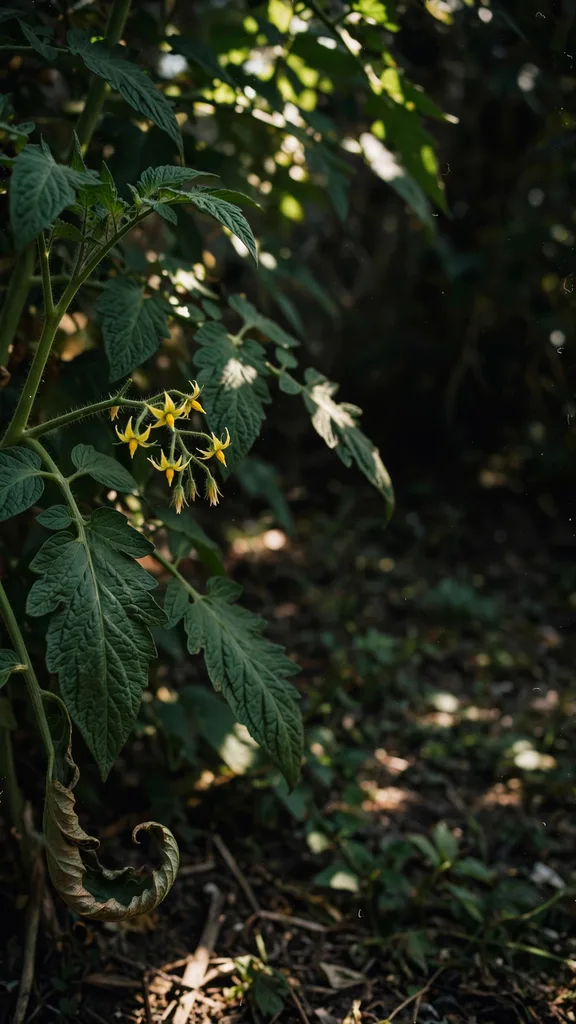
Phosphorus builds roots, flowers, and fruit. It moves slowly in soil, and it binds to clay and iron within days of application. A bed short on phosphorus shows purple stems and slow root growth, and the fix goes in before planting, where roots will find it. Phosphorus stays where you put it, so a fall application still feeds spring roots.
Potassium steadies the plant. It opens and closes the pores on leaves, moves water through the plant, and thickens cell walls against drought and disease. A plant short on potassium shows brown leaf edges and weak stems, and fruit ripens unevenly. Potassium moves a little in soil, and it washes out of sand faster than out of clay. The gardening glossary lists the soil terms that share this ground, and N-P-K is the label that ties feeding to the soil test.
N-P-K vs Compost
| Trait | N-P-K Fertilizer | Compost |
|---|---|---|
| What it is | Concentrated mineral nutrients | Decomposed organic matter |
| Numbers on the label | 3 percentages by weight | No guaranteed analysis |
| Speed | Feeds plants within days | Feeds soil over seasons |
| Soil structure | No effect | Builds crumbs, pores, and tilth |
| Risk | Burns roots at high doses | Almost none, at any dose |
| Worst mistake | Feeding without a soil test | Expecting fast green-up |
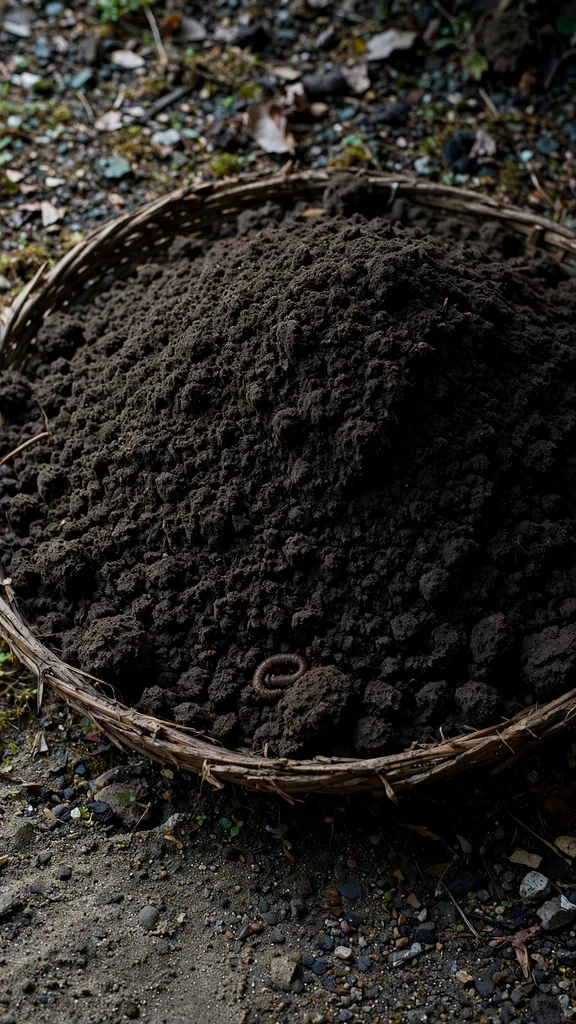
N-P-K fertilizer and compost do different jobs, and a garden needs both. Fertilizer delivers exact nutrients in days, and the numbers on the bag tell you the dose. Compost delivers slow nutrients over seasons, and it builds the soil that holds those nutrients. A bed fed only with fertilizer grows plants and starves the soil. A bed fed only with compost grows soil and starves hungry crops.
The soil test decides the split. A test that shows low phosphorus calls for a high middle number before planting. A test that shows plenty of phosphorus calls for compost and nitrogen only, because extra phosphorus builds up in soil and washes into drains. The bag feeds the plant, and the compost feeds the ground the plant stands in.
How to Read and Measure N-P-K
Read the bag first, and read the soil test second. The bag gives the concentration, and the test gives the dose. A test that calls for twice as much nitrogen as potassium points at a blend with a high first number and a low third number, such as 30-0-10. A test that shows plenty of phosphorus points away from balanced blends, because the middle number adds what the bed already holds.
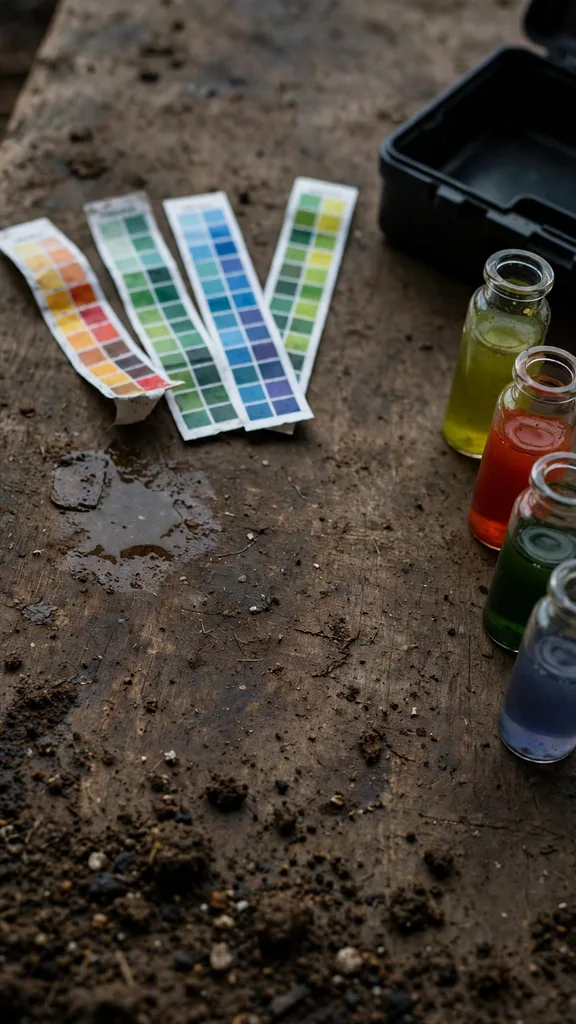
Measure the dose by weight, and spread it by area. A kitchen scale weighs the bag contents, and a bed takes the dose the test lists for that area. Scatter granules evenly, fork them into the top 5.1 cm, and water the bed after. Granules on dry leaves burn, and granules on damp soil dissolve into the root zone.
Watch the plant after feeding, and watch it for 2 weeks. New growth greening up means the dose landed. No change means the problem sits elsewhere, in pH or water or roots. A second dose on a plant that never greened wastes fertilizer and salts the soil. Fix the gate first, and feed second.
Common Mistakes With N-P-K
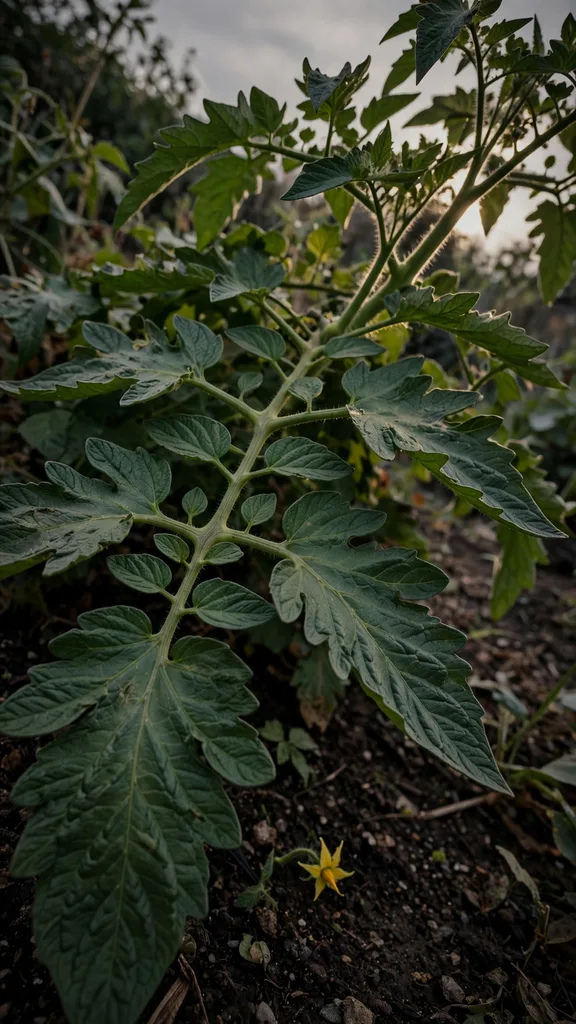
- Feeding 10-10-10 every season without a test. Balanced blends add phosphorus the bed already holds, and the excess builds up and washes into drains. Test first, and buy the numbers the test calls for.
- Spreading fertilizer on dry leaves. Granules burn leaves on contact, and the burn shows as brown edges within days. Water the bed first, spread on damp soil, and water again after.
- Feeding a stressed plant to cheer it up. A dry, wilted, or dormant plant cannot use fertilizer, and the salts burn the roots. Water first, wait for recovery, and feed when growth resumes.
- Using twice the dose for twice the growth. Roots burn at high doses, and the extra nutrients wash past the roots into the drain. The test rate is the ceiling, and more is waste.
- Ignoring the middle number. Phosphorus builds up in soil over years, and a high middle number on a bed that already holds plenty wastes money and pollutes water. Read all 3 numbers, and buy the blend that fits.
When N-P-K Matters in Your Garden
N-P-K matters most at planting time, when the soil test sets the blend for the season. All the phosphorus and potassium go in before planting, along with a third of the nitrogen. The rest of the nitrogen goes in as side dressings while the crop grows, because nitrogen washes out fast and the plant needs it in splits.
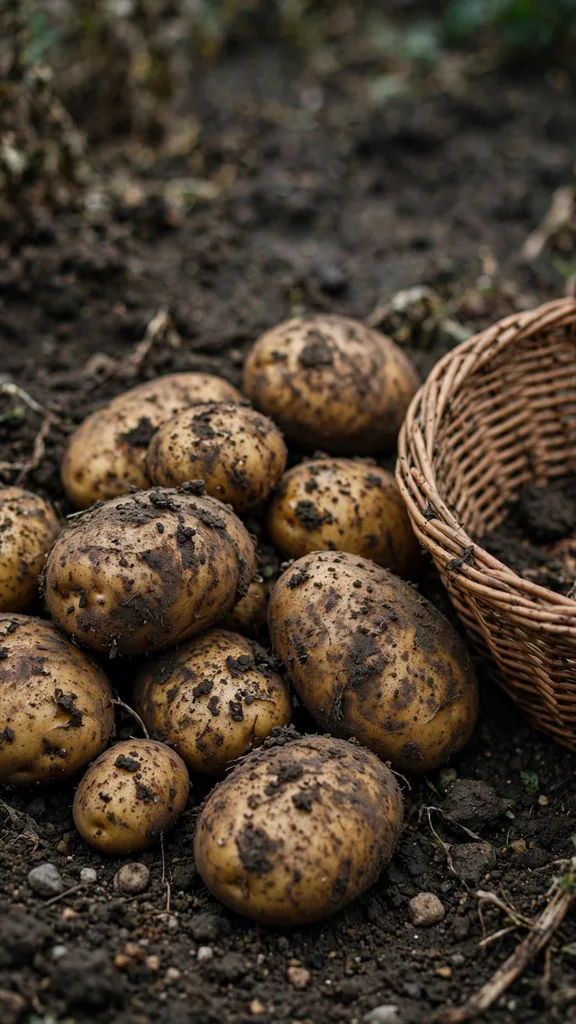
It matters for leafy crops and fruiting crops in different ways. Leafy greens and lawns ask for a high first number, and tomatoes ask for a high middle number once flowering starts. A single blend cannot fit both, so the test and the crop list set the bag together.
Compost changes the math, and it never replaces the test. A bed rich in compost holds nutrients longer, and the microbes release nitrogen slowly through the season. Learn how to set up a compost bin and keep a steady supply, because compost cuts the fertilizer bill while it builds the bed. Fall cover crops also feed the bed between seasons, and cover crops for fall planting fix nitrogen from the air while the beds rest.
FAQ
The 3 numbers on a fertilizer bag are N-P-K: nitrogen first, phosphorus second, and potassium third, always in that order. Each number is a percent by weight, and a bag marked 10-10-10 holds equal shares of each nutrient. The numbers never add to 100, because the rest of the bag is carrier and filler.
A 10-10-10 blend feeds a vegetable garden only when the soil test shows no single shortage. Most beds already hold plenty of phosphorus. A balanced blend adds more each season. A test that shows low nitrogen and high phosphorus calls for a high first number and a low middle number instead. Test first, and buy the blend the test calls for instead of the balanced bag on the shelf.
The soil test sets the fertilizer dose, and the bag numbers set how much bag that dose takes. A test that calls for a given weight of nitrogen needs twice as much 10-10-10 as 20-20-20, because the concentration is half. Weigh the bag contents on a kitchen scale, scatter evenly, fork into the top 5.1 cm, and water after.
Too much fertilizer burns roots, and the burn shows as brown leaf edges within days. Granules on dry leaves burn on contact, and high doses salt the soil and push nutrients past the roots. The test rate is the ceiling. Water the bed before feeding, spread on damp soil, and water again after.