Sow 2 rows of crimson clover in the empty bed after the last harvest. Green manure is a crop you grow to feed the soil, and you dig it in while it is still green. Green manure is plants grown for the ground, and never for the plate.
A cover crop covers the soil, and a green manure crop feeds it. The same planting can do both jobs, and the name changes when you dig it under. Standing plants shield the bed from rain and weeds. Buried plants feed worms and the next crop.
Legumes do the heavy work. Clover, vetch, and peas pull nitrogen from the air through root nodules, and they store it in their leaves and stems. Dig the plants in before they set seed, and that nitrogen feeds the next crop for free.
| Point | Detail |
|---|---|
| Definition | A crop grown to dig into the soil |
| Best nitrogen fixers | Clover, vetch, peas, beans |
| Hairy vetch nitrogen | 3.2 lb per 1,000 square feet |
| Dig in | Before flowering, 2 to 3 weeks before planting |
| Worst mistake | Letting it set seed |
| Feed value | Replaces part of the fertilizer bill |
What Is Green Manure?
Green manure is a crop grown to improve the soil, and the gardener digs it into the ground while it is still green and growing. A cover crop is a vegetative cover seeded to improve soil health, and when the cover crop is tilled into the soil it is called a green manure crop, according to the Colorado State University Extension cover crop guide. The plant is the amendment, and the spade is the application.
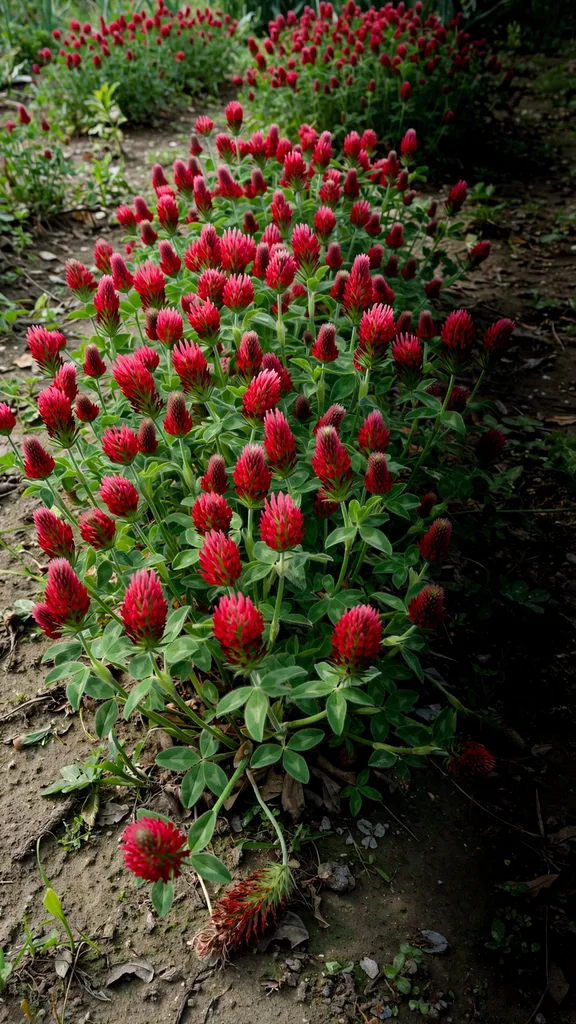
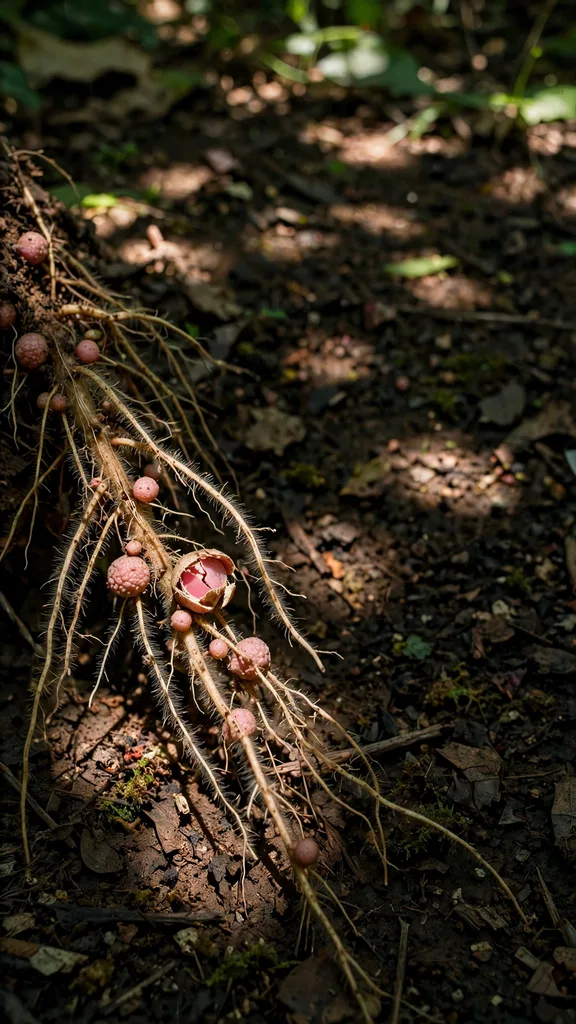
Legumes fix the most nitrogen. Legumes carry Rhizobium bacteria in nodules on their roots, and the bacteria take nitrogen from the air and store it in plant tissue. Most of that nitrogen becomes available when the legume is tilled under as green manure. Grasses add organic matter and catch leftover nutrients, and they fix no nitrogen at all.
Hairy vetch leads the common choices for nitrogen, with crimson clover and Austrian winter pea close behind it. Winter rye trails them on nitrogen, and it adds bulk and weed cover beside the nitrogen. The legume rows carry the feeding. The grass rows carry the cover.
How Green Manure Works
Green manure works in 2 stages: growth, then decay. While the crop grows, its roots hold the soil against rain, its leaves shade out weeds, and its legume nodules fix nitrogen from the air. The roots also feed soil microbes with sugars, and the microbes glue soil particles into crumbs around the roots.
Decay starts the day you dig the crop under. Soil bacteria break the green tissue down, and the carbon-to-nitrogen balance of the tissue sets the pace. Fresh legume tissue has a low carbon-to-nitrogen balance, so bacteria release its nitrogen fast, within 2 to 3 weeks. Straw and mature grass have a high balance, so bacteria borrow nitrogen from the soil to break them down, and the next crop waits longer for its feed.
The nitrogen credit is real, and it is measured. Alfalfa fixes 70 to 200 lb of nitrogen per acre per year, and red clover fixes 60 to 200 lb, according to the University of Minnesota Extension legume guide. A productive alfalfa stand 3 or more years old can meet the nitrogen needs of a following corn crop. Home beds work on a smaller scale, and the same math holds: legume tissue dug in feeds the next planting.
Green Manure vs Cover Crop
| Trait | Green Manure | Cover Crop |
|---|---|---|
| What it is | A crop dug into the soil | A crop grown to cover the soil |
| Main job | Feed the soil with nitrogen and organic matter | Shield soil from erosion, weeds, and rain |
| Timing | Dug in before flowering | Grown through the off season |
| Best plants | Clover, vetch, peas | Rye, oats, clover, vetch |
| End state | Buried and rotting | Standing, mowed, or buried |
| Worst mistake | Letting it set seed | Leaving the bed bare instead |
Green manure and cover crop are the same planting at different moments, and the name follows the ending. A clover bed left standing through winter is a cover crop, and the same bed dug under in spring is green manure. The seed packet rarely says which one you bought, and the spade decides.
The choice matters for timing, and it matters for the next crop. A cover crop can stand all winter and die back on its own. A green manure crop needs digging in 2 to 3 weeks before planting, because fresh tissue ties up nitrogen for a few days while bacteria start the breakdown. Plant into a freshly dug bed, and the seedlings stall. Wait 2 weeks, and they take off. The gardening glossary lists the soil terms that share this ground, and green manure is the one that turns a resting bed into feed.
How to Grow and Dig In Green Manure
Sow the seed after the last harvest, and sow it thick. Broadcast clover or vetch at the packet rate, rake it in lightly, and water until it sprouts. Fall sowings need 6 weeks before the first hard frost to root well, and spring sowings need soil warm enough to sprout. A bed sown thin grows weeds between the plants, and a bed sown thick shades them out.
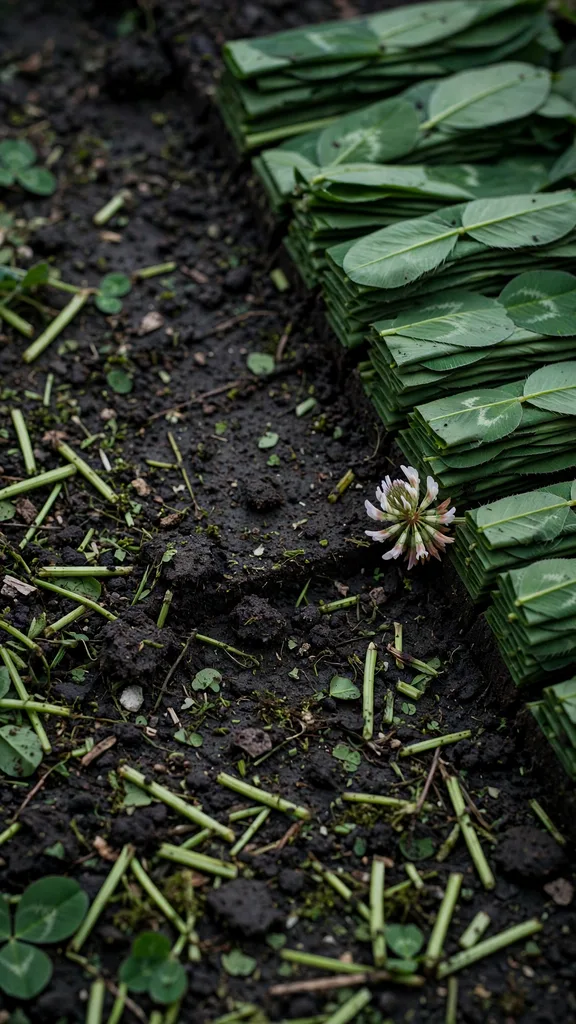
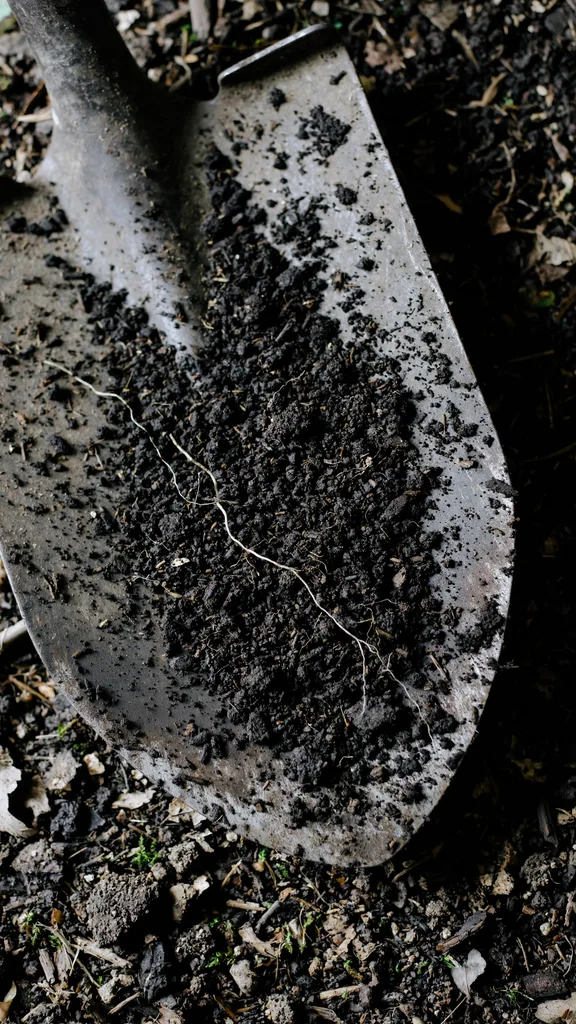
Let the crop grow to knee height, and cut it before it flowers. Flowering shifts nitrogen into seed, and seed in the soil becomes weeds next season. Cut with shears or a mower, leave the cuttings on the bed for a day to wilt, and fork them into the top 15.2 cm. Water the bed after digging, because damp soil starts the decay.
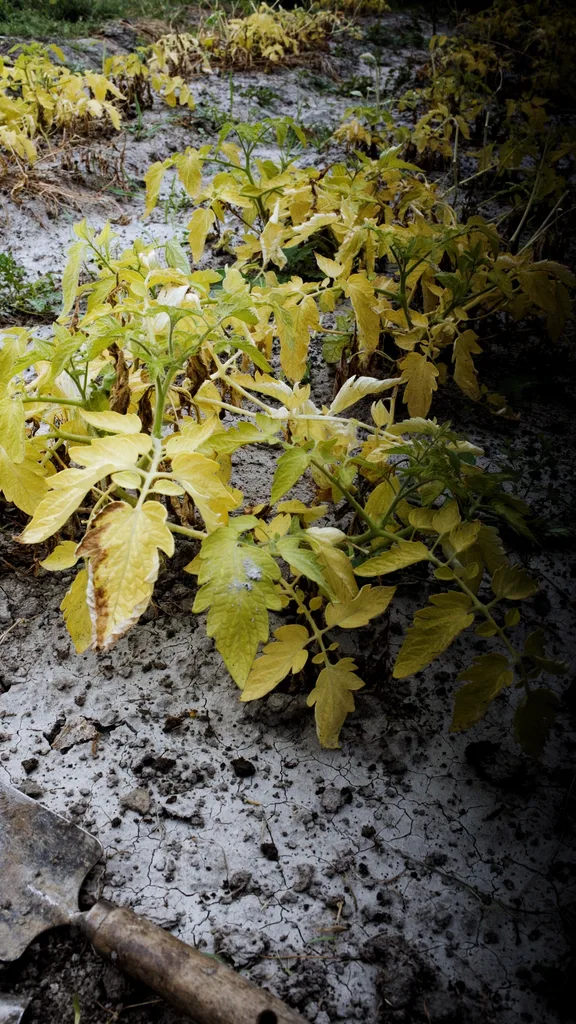
Wait 2 to 3 weeks before planting into the bed. Fresh green tissue ties up nitrogen for a few days while bacteria start work, and seedlings planted at once stall and yellow. A 2-week wait lets the bacteria release the first nitrogen, and the bed is ready. Test the bed with a few lettuce seeds if you doubt the timing: sprouts that green up fast mean the bed is ready.
Common Mistakes With Green Manure
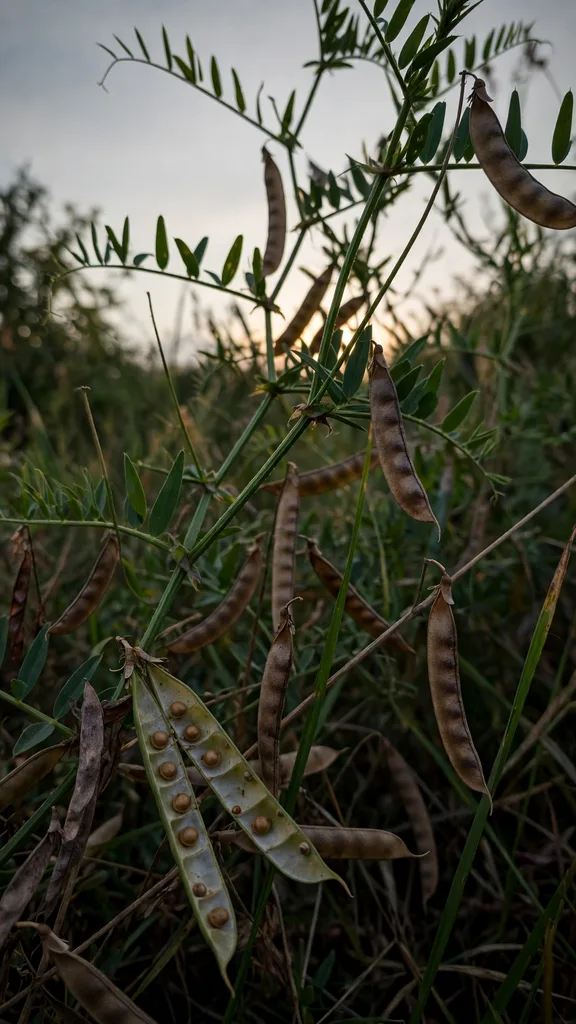
- Letting the crop set seed. Vetch and clover seed freely, and the seeds sprout as weeds in the next crop. Cut before flowering, and never let a green manure crop go to seed in a vegetable bed.
- Planting into a freshly dug bed. Fresh tissue ties up nitrogen for a few days, and seedlings stall and yellow. Wait 2 to 3 weeks after digging, and plant into a bed that has started to release.
- Sowing a grass alone and expecting nitrogen. Rye and oats add bulk and catch leftover nutrients, and they fix no nitrogen. Mix a legume with the grass, and the legume carries the feeding.
- Digging in dry tissue. Dry stems break down slowly, and the bed stays rough for weeks. Water the bed after digging, and keep it damp while bacteria work.
- Skipping inoculant on a new bed. Legumes need their Rhizobium bacteria to fix nitrogen, and a bed that never grew legumes may lack them. Buy inoculant with the seed, coat the seed before sowing, and check the roots for pink nodules.
When Green Manure Matters in Your Garden
Green manure matters most in a bed that grew heavy feeders all season. Tomatoes, corn, and brassicas pull hard on nitrogen, and the bed ends the season empty. A fall sowing of clover or vetch refills the bed over winter, and the spring crop starts on full ground. The seed costs less than a bag of fertilizer, and the bed gains organic matter beside the nitrogen.
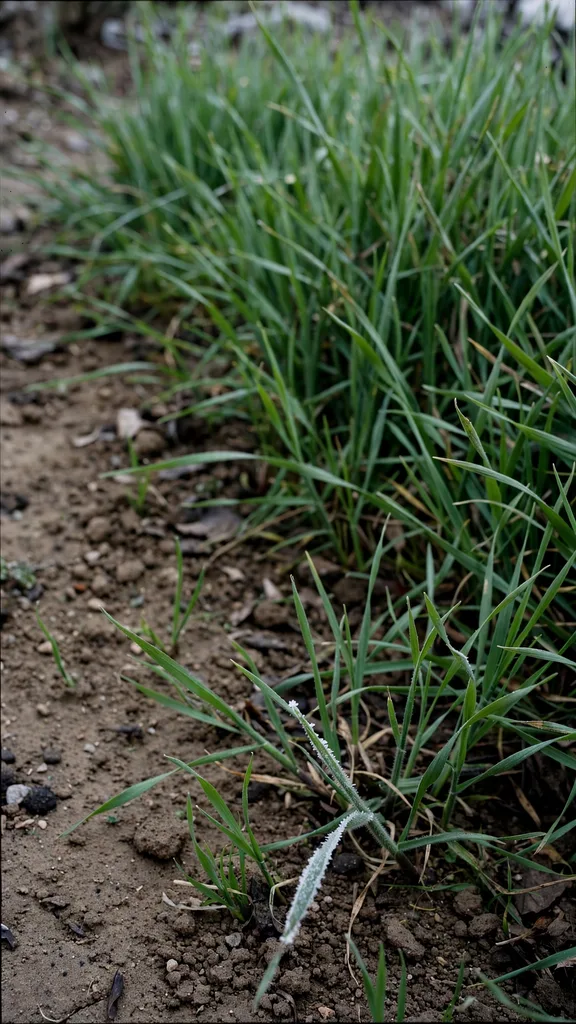
It matters between crops, when a bed would otherwise stand bare. Bare soil loses nutrients to rain, compacts underfoot, and grows weeds. A cover of rye and clover holds the bed through winter, and the spring digging turns the cover into feed. The bed never rests empty, and the soil never stops improving.
Compost and green manure work as a pair, and each covers the other’s gap. Compost feeds the bed at once, and green manure feeds it over the season. Learn how to set up a compost bin and keep a steady supply, because compost on a green manure bed speeds the breakdown. Fall cover crops also feed the bed between seasons, and cover crops for fall planting list the species that suit a home garden bed.
FAQ
Green manure and cover crop are the same planting at different moments. A cover crop stands on the soil to shield it from rain, weeds, and erosion. The same crop dug into the soil while still green becomes green manure, and its decay feeds the next crop. The name follows the ending, and the spade decides which one you grew.
Dig in green manure before it flowers, and 2 to 3 weeks before planting the next crop. Cut the crop at knee height, wilt the cuttings for a day, and fork them into the top 15.2 cm. Water the bed after digging. Fresh tissue ties up nitrogen for a few days, and a 2-week wait lets bacteria release the first nitrogen.
Green manure replaces part of the fertilizer bill, and it never replaces a soil test. A legume crop adds nitrogen and organic matter, and a productive stand can meet the needs of a following crop. Heavy feeders still ask for a side dressing in season. Test the bed, and feed what the test calls for.
Crimson clover, hairy vetch, and Austrian winter pea grow best in a home garden, and all three fix nitrogen through root nodules. Crimson clover cuts easily and rarely turns weedy. Hairy vetch fixes the most nitrogen and tangles hard if left too long. Sow in fall, cut before flowering, and dig in 2 weeks before planting.