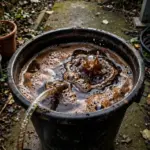
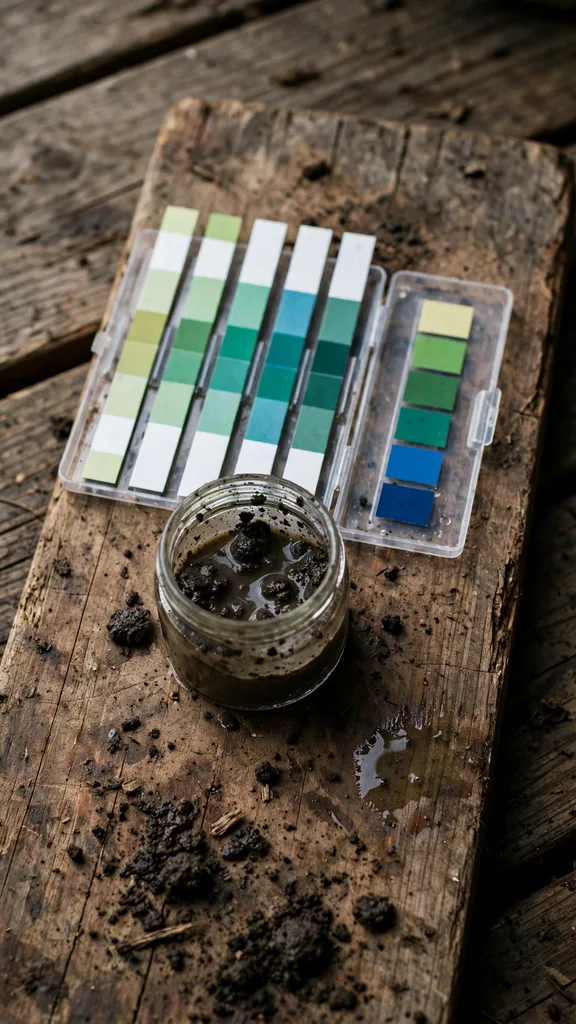
Dip 2 strips of litmus paper in a jar of soil and water, and read the color against the chart. Soil pH is the number that decides whether roots can absorb the nutrients already in the bed. pH is a 0 to 14 scale, with 7.0 neutral, lower numbers acid, and higher numbers alkaline.
A bed at pH 6.5 feeds tomatoes, beans, and brassicas from the same ground. A bed at pH 5.2 starves them while the compost pile sits full. The minerals stay put.
Soil pH matters because it gates every nutrient. Phosphorus, iron, calcium, and magnesium each dissolve best in a narrow band, and the bands overlap near pH 6.5. Test the number before you buy fertilizer, because fertilizer cannot fix a gate that stays shut.
| Point | Detail |
|---|---|
| Scale | 0 to 14, 7.0 neutral |
| Sweet spot for most vegetables | pH 6.0 to 7.0 |
| Acid lovers | Blueberries at pH 4.5 to 5.5 |
| Each step | 10 times more acid or alkaline |
| Test | Lab test, 10 days |
| Fix low pH | Ground limestone |
| Fix high pH | Elemental sulfur |
What Is pH?
Soil pH measures hydrogen ion activity in the soil water, and it reads on a logarithmic scale from 0 to 14. A pH of 7.0 is neutral. Below 7.0 is acid, and above 7.0 is alkaline. Each whole step on the scale means 10 times more acid or alkaline than the step beside it, so a bed at pH 5.0 is 10 times more acid than a bed at pH 6.0, and 100 times more acid than a bed at pH 7.0.
University of Maryland Extension publishes target pH values for vegetable crops, and most vegetables sit in the 6.0 to 7.0 band, according to the University of Maryland Extension target soil pH values. That band keeps the widest set of nutrients in forms roots absorb. Blueberries sit far outside it at pH 4.5 to 5.5, and potatoes sit low at pH 5.0 to 5.5.
Most horticultural crops grow well in soil with pH between 6.0 and 7.5, according to the Kansas State University Extension soil pH handout. The same handout notes that pin oaks suffer iron chlorosis when soil pH passes 7.0, because iron turns insoluble and stays out of reach. The scale looks abstract, and the leaves show it in color.
How Soil pH Works
Soil pH works as a gatekeeper, and the gate swings on hydrogen. Clay and humus particles carry negative charges, and they hold positively charged nutrients on their surfaces. Hydrogen ions compete for those same surfaces, and they win the competition as pH falls. Calcium, magnesium, and potassium wash away, while aluminum and manganese dissolve into the soil water and burn root tips.
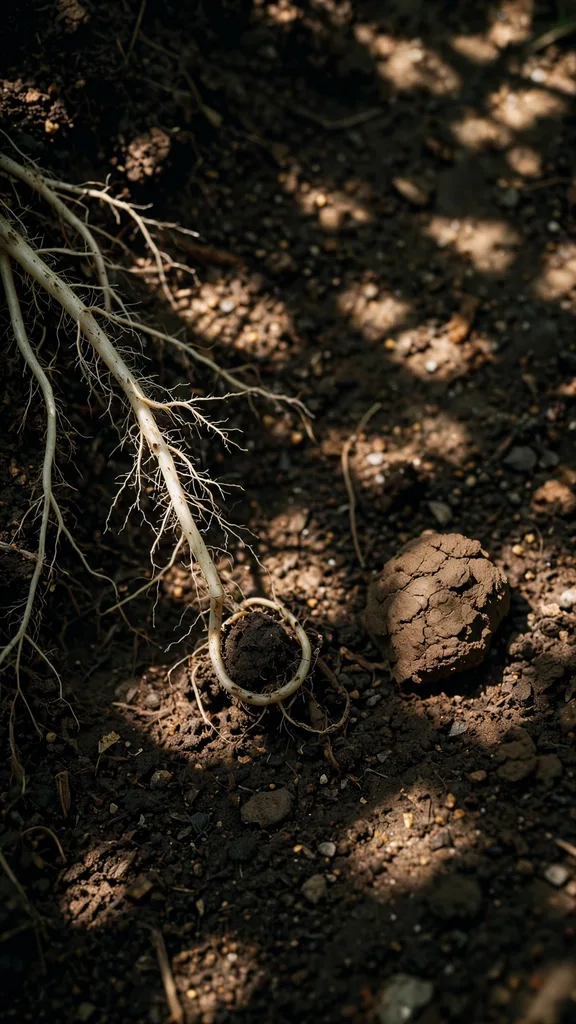
The gate swings the other way above pH 7.0. Carbonate binds iron, manganese, zinc, and phosphorus into solid minerals, and roots cannot pull them free. The plant shows yellow leaves with green veins, the classic sign of iron chlorosis, while a soil test reports plenty of iron in the ground. The nutrient is present, and the chemistry keeps it locked.
Microbes read the same gate. The bacteria that turn ammonium into nitrate work fastest near neutral pH, and their pace drops hard below pH 5.5. Fungi that partner with roots tolerate acid ground better, and they carry some crops through sour beds. A bed at pH 6.5 keeps both groups working, and that balance is why the band matters more than any single nutrient reading. The gardening glossary lists the soil terms that share this ground, and pH is the number that ties them together.
pH vs Nutrient Levels
| Trait | Soil pH | Nutrient Levels |
|---|---|---|
| What it measures | Acid or alkaline balance | How much of each nutrient sits in the soil |
| Scale | 0 to 14 | Parts per million on a lab report |
| Decides | Whether roots can absorb nutrients | Whether the bed holds enough to absorb |
| Fix when wrong | Lime or sulfur | Fertilizer or compost |
| Test | pH meter, probe, or lab test | Lab soil test |
| Worst mistake | Feeding a bed with the wrong pH | Liming a bed that needs fertilizer |
Soil pH and nutrient levels answer different questions, and gardeners mix them up. A lab report can show high phosphorus while the plants starve, because the phosphorus sits locked at pH 5.2. The same report can show low iron while the bed holds plenty, because the iron sits locked at pH 8.0. The pH reading tells you whether the nutrients on the report can reach the roots.
Fertilizer cannot fix a pH problem, and lime cannot fix a nutrient shortage. A bed at pH 5.5 needs lime first, and the fertilizer already in the ground starts to work once pH rises. A bed at pH 6.5 with low potassium needs fertilizer, and lime on that bed pushes pH past neutral for no gain. Read both numbers on the lab report, and fix the gate before you stock the pantry.
How to Recognize and Measure pH
Yellow leaves, short plants, and moss on bare ground all hint at pH trouble, and none of them give a number. Blueberries thriving beside struggling tomatoes hint at acid ground, since blueberries demand it and tomatoes sulk in it. Lavender thriving beside yellowing roses hints at alkaline ground. The hints point at a test, and the test gives the number.
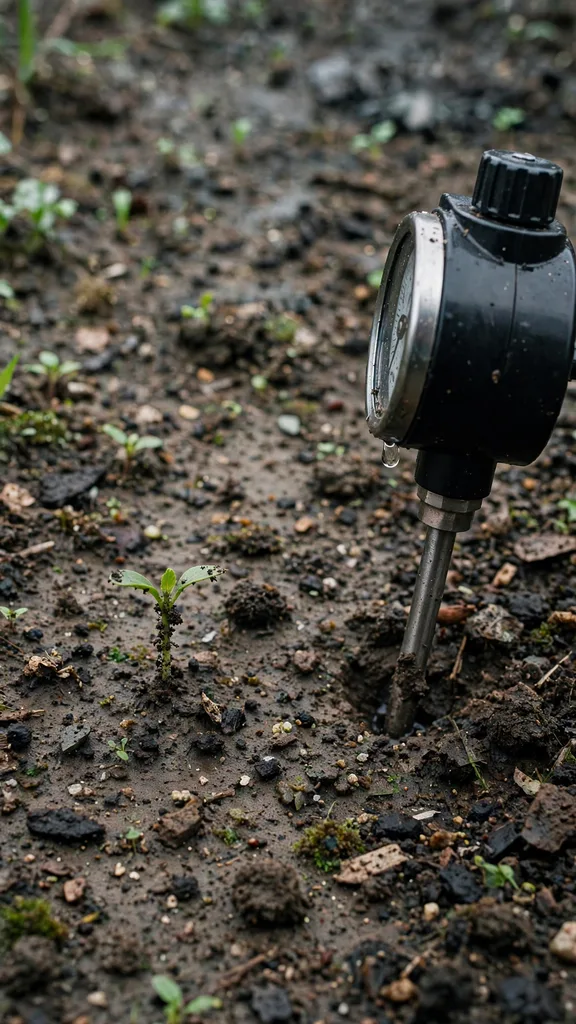
A home probe meter gives a rough reading the same day. Push the probe 15.2 cm into damp soil, wait 60 seconds, and read the dial. Test 6 spots in one bed, because pH varies across a bed. A color kit works the same way: mix soil with water, add the dye, and match the color to the chart.
A lab test gives the number that sets the amendment rate. Collect soil from 6 spots in one bed, dig 15.2 cm down at each spot, and mix the scoops in a clean bucket. Dry the mix on newspaper, fill the lab bag, and send it to the extension lab. The report gives pH, buffer pH, nutrient levels, and the lime or sulfur rate for the bed.
Common Mistakes With pH
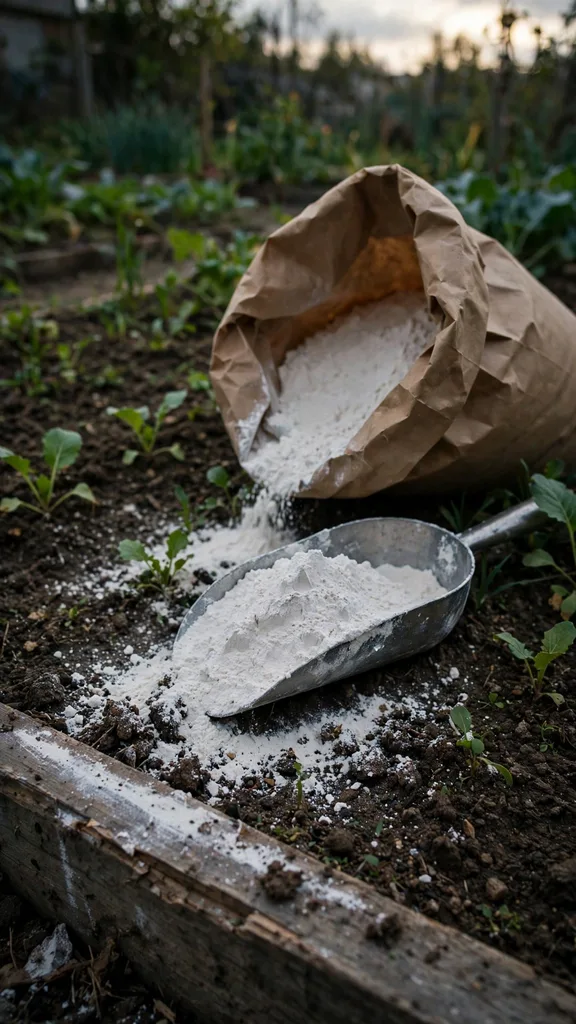
- Testing once and trusting the number for years. Rain, fertilizer, and compost move pH every season. Retest each fall.
- Testing dry soil with a probe meter. A dry probe reads low and lies. Water the bed the day before, test damp soil, and test 6 spots before you trust the dial.
- Adding lime to a bed that never had a test. Lime on a bed already at pH 6.8 pushes it past neutral and locks iron and manganese. Test first, and lime only on the lab rate.
- Chasing a perfect 7.0. Most vegetables grow best at pH 6.0 to 7.0, and a bed at 6.5 feeds them well. Aiming at 7.0 exactly wastes lime and risks overshoot.
- Reading one spot and treating the whole garden. Two beds 3.0 m apart can sit on opposite sides of neutral. Test each bed on its own, and keep the results on paper beside the seed packets.
When pH Matters in Your Garden
Soil pH matters most at planting time, when a wrong reading wastes a whole season. Lime needs 6 to 12 months to react fully in loam, so a fall test sets up spring planting. Sulfur works slower still. A fall application shows in spring, and a test in fall gives the amendment a winter to work, while a test in spring leaves you planting into ground that has not changed yet.
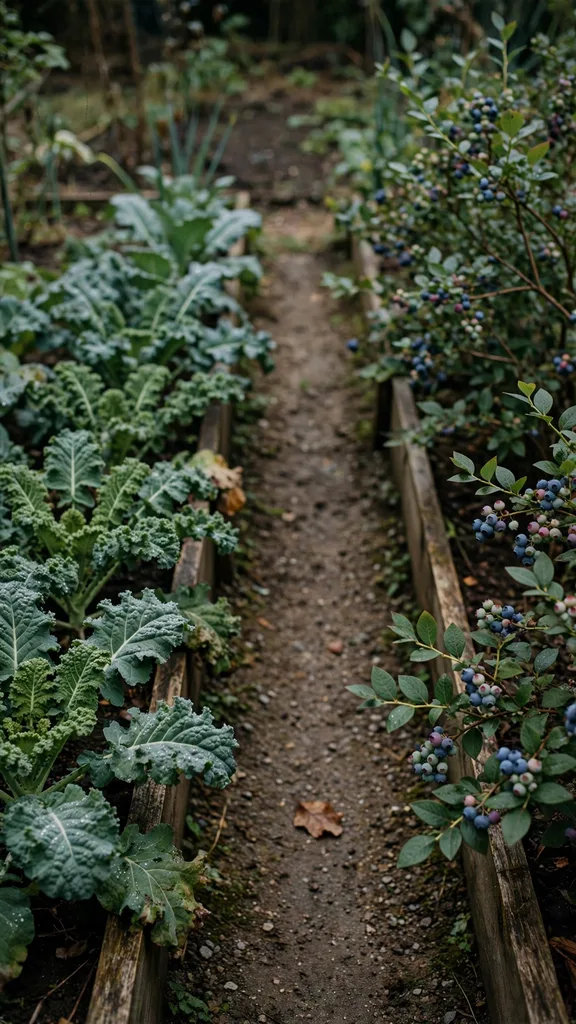
It matters for every crop choice after that. Blueberries need pH 4.5 to 5.5, potatoes grow best at pH 5.0 to 5.5, and brassicas need pH 6.5 to 7.0. One garden can hold all three, and each bed needs its own reading and its own fix. The planting list follows the numbers, and the numbers come from the test.
Compost buffers pH swings, and it never replaces lime or sulfur. A 5.1 cm layer of compost feeds microbes and steadies the reading through the season. Learn how to set up a compost bin and keep a steady supply, because a bed with steady compost holds its pH longer after amendment. Fall cover crops also feed the bed between seasons, and cover crops for fall planting keep roots in the ground while lime or sulfur reacts.
FAQ
Most vegetables grow best at soil pH 6.0 to 7.0, where the widest set of nutrients stays in forms roots absorb. A bed at pH 6.5 feeds tomatoes, beans, and brassicas from the same ground. Blueberries need pH 4.5 to 5.5, and potatoes grow best at pH 5.0 to 5.5. Test each bed, and lime or sulfur only on the lab rate.
Test soil pH once a year, in fall, before the next planting season. Rain, fertilizer, and compost move pH every season, and a yearly test catches the drift while it is small. Test again in spring if you applied lime or sulfur in fall, because the amendment keeps working through winter. Keep each result on paper, bed by bed.
A probe meter or color kit tests soil pH at home, and both give a rough reading the same day. Push the probe 15.2 cm into damp soil, test 6 spots in one bed, and compare the readings before you trust one number. A lab test gives the exact number plus nutrient levels and the lime or sulfur rate. Use the home kit to spot trouble, and the lab to set the dose.
Compost buffers soil pH, and it moves the number a little over seasons. The organic acids in compost nudge alkaline ground down, and the calcium in compost nudges acid ground up. Compost alone cannot move pH a full point, while lime and sulfur can. Use compost to steady the reading. Lime or sulfur sets it.