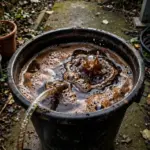
Feed 2 times, and feed the second time beside the row. Side dress is fertilizer placed in a band beside growing plants, halfway through the season, when the first feeding runs out. Side dress is a mid-season top-up, and never a second planting feed.
Plants change what they need as they grow. Seedlings ask for phosphorus to root, and half-grown plants ask for nitrogen to leaf out. A single spring feeding cannot cover both stages, because nitrogen washes out within weeks. Side dress fills the gap.
The band sits 10.2 to 15.2 cm from the stem, and never against it. Fertilizer touching stems and leaves burns them, and the burn shows as brown edges within days. Scatter the band, fork it in lightly, and water the bed after.
| Point | Detail |
|---|---|
| Definition | Fertilizer in a band beside growing plants |
| Distance from stem | 10.2 to 15.2 cm |
| Main nutrient | Nitrogen, most often |
| Best timing | Plants half grown, or first fruit set |
| Broccoli dose | 4 ounces of nitrogen per 250 feet of row |
| Worst mistake | Piling fertilizer against the stem |
What Is Side Dress?
Side dress is fertilizer applied beside a growing crop after it is established, and the name comes from the placement: dressed at the side of the row. Heavy feeding vegetables need extra fertilizer after the plants are well established, because nitrogen applied before planting does not supply all the nitrogen a heavy feeder needs through the season, according to the Mississippi State University Extension fertilizing guide. The pre-plant feed starts the crop, and the side dress finishes it.
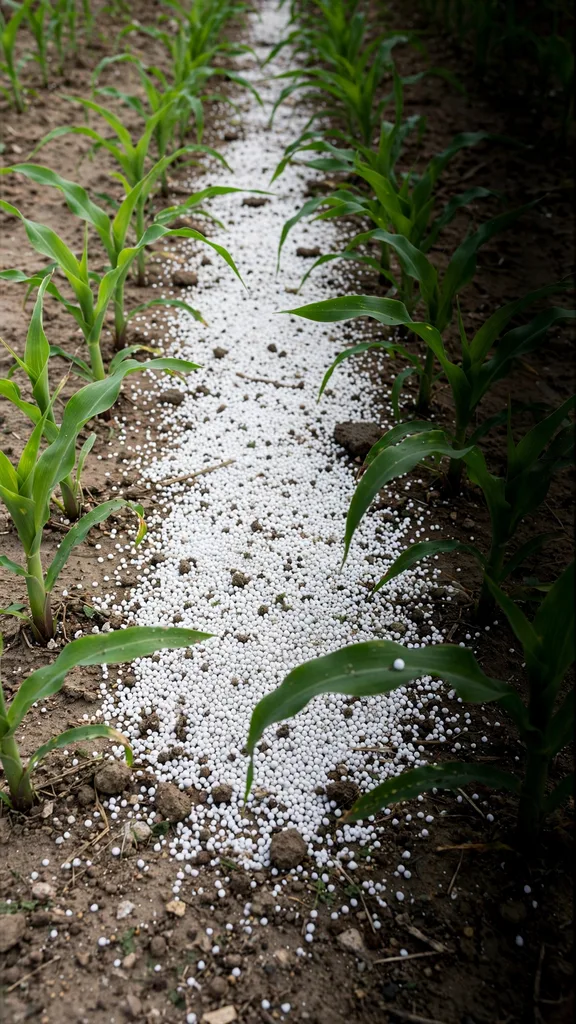
The band goes along the row, 4 to 6 inches from the base of the plants, with care to keep all fertilizer off plant leaves. The distance matters: granules against the stem burn, and granules too far from the row feed the weeds. A band at the drip line of the leaves lands where the feeding roots sit.
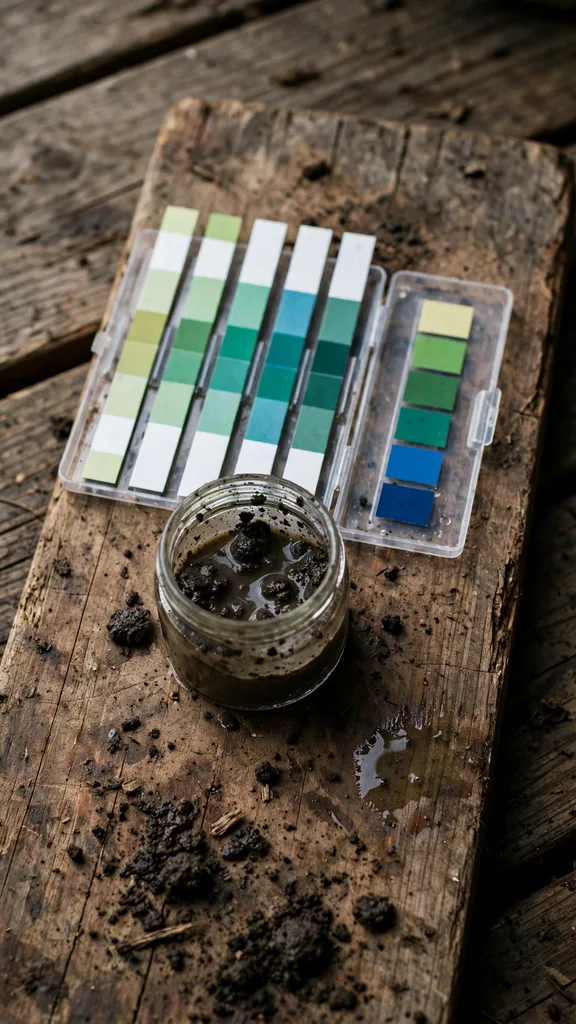
Nitrogen is the nutrient most often side dressed, because it washes out of soil fastest. Phosphorus and potassium go in before planting, where they stay put. Nitrogen goes in twice: once before planting, and once beside the row when the crop hits its hungry stage. A soil test sets both doses, and the test comes first.
How Side Dress Works
Side dress works because roots grow outward as the plant grows. A seedling feeds from a small circle of soil, and a half-grown tomato feeds from a circle 30.5 cm wide. The band beside the row lands on the new roots, and the plant takes the nitrogen up within days. A dose at the stem would burn the crown, and a dose broadcast over the whole bed would feed the paths.
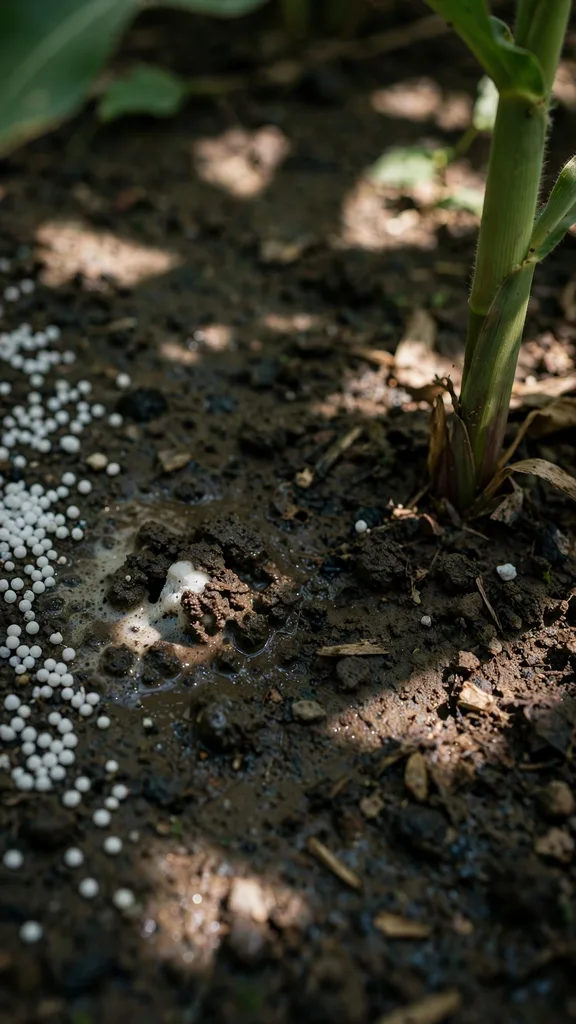
Water carries the band into the root zone. Scatter the granules, fork them into the top 5.1 cm, and water the bed after. Dry granules sit on the surface and scorch leaves in sun, while watered granules dissolve and move down to the roots. A side dress without water is a salt pile, and a side dress with water is a feed.
Timing sets the result. Broccoli takes a side dress of 4 ounces of nitrogen per 250 feet of row when plants are half grown, according to the Colorado State University Extension vegetable nitrogen guide. Cabbage takes 8 ounces per 250 feet of row at the same stage, and carrots take 4 ounces per 250 feet of row 4 to 6 weeks after planting. Each crop has its own hungry stage, and the guide lists the dose per crop. The gardening glossary lists the soil terms that share this ground, and side dress is the timing term among them.
Side Dress vs Top Dress
| Trait | Side Dress | Top Dress |
|---|---|---|
| Placement | A band beside the row | Spread over the whole surface |
| Timing | Mid-season, plants half grown | Any time, often in fall or spring |
| Main use | Feed a growing crop | Feed soil, mulch, or lawn |
| Distance | 10.2 to 15.2 cm from the stem | No distance, covers everything |
| Material | Granular fertilizer, most often | Compost, manure, or fertilizer |
| Worst mistake | Piling it against the stem | Burying crowns under a thick layer |
Side dress and top dress sound alike, and they work differently. Side dress places fertilizer in a band beside the row, aimed at the roots of a growing crop. Top dress spreads material over the whole surface, aimed at the soil, the lawn, or the mulch layer. The band is precise, and the spread is broad.
The timing differs too. Side dress lands mid-season, when the crop hits its hungry stage. Top dress lands in fall or spring, when the bed is empty or the lawn is waking. A top dressing of compost in fall feeds the soil all winter, and a side dressing of nitrogen in July feeds the tomatoes through fruit set. Each one has its season, and neither replaces the other.
When and How to Side Dress
Side dress when the plant shows its hungry stage, and never by the calendar alone. Tomatoes ask after the first fruit sets, and again at 4 to 6 week intervals. Peppers ask after the first flush of peppers sets. Leafy greens ask when plants are a third grown, and lettuce asks 2 weeks after transplanting. The plant stage sets the date, and the soil test sets the dose.
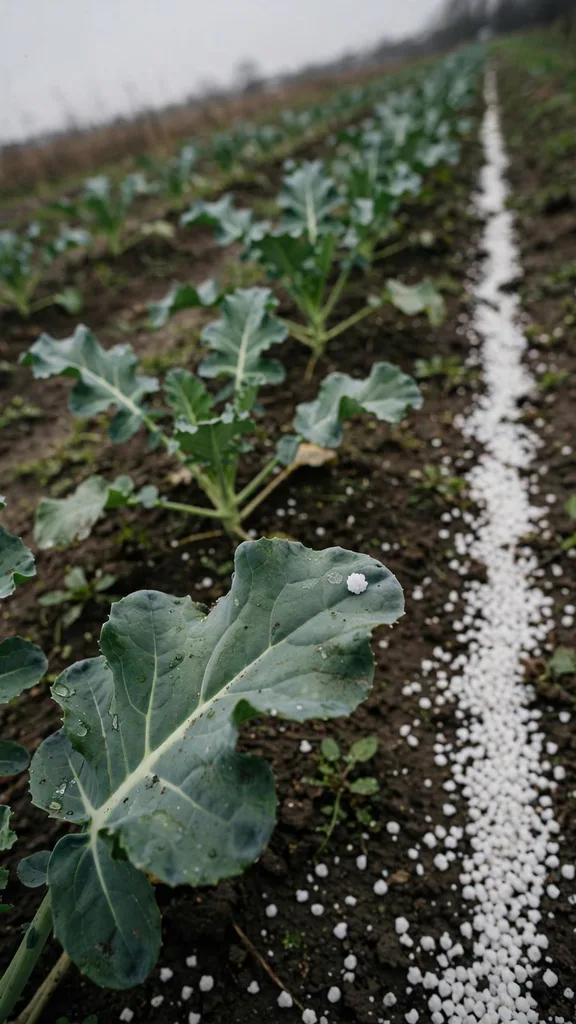
Mark the band with a stick before you scatter, and keep the line straight. Scatter the granules in a band 10.2 to 15.2 cm from the stem, along both sides of the row for heavy feeders, and on one side for light feeders. Fork the band into the top 5.1 cm, and water the bed after. A band left on dry soil burns leaves in sun, and a band watered in feeds roots within days.
Skip beans and peas. Legumes fix their own nitrogen through root nodules, and a nitrogen side dress cuts their yield. Skip onions once bulbs start to form, because late nitrogen grows soft necks that store badly. Skip any plant that looks stressed, dry, or dormant: feed a plant that is growing, and water a plant that is not.
Common Mistakes With Side Dress
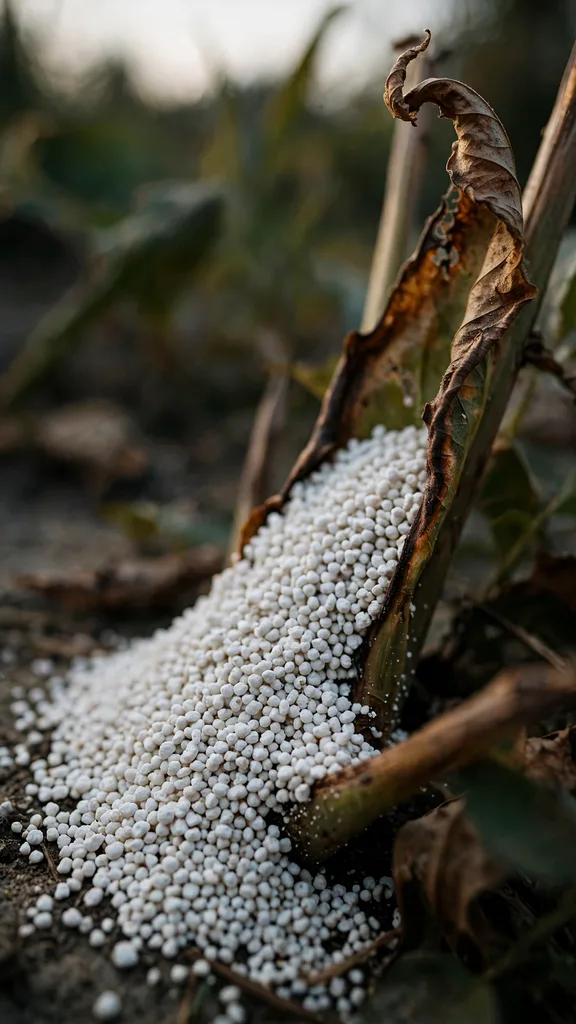
- Piling fertilizer against the stem. Granules touching stems and leaves burn them, and the burn shows as brown edges within days. Keep the band 10.2 to 15.2 cm out, and fork it in lightly.
- Side dressing beans and peas. Legumes fix their own nitrogen, and extra nitrogen cuts their yield. Skip the legume rows, and spend the fertilizer on corn and tomatoes.
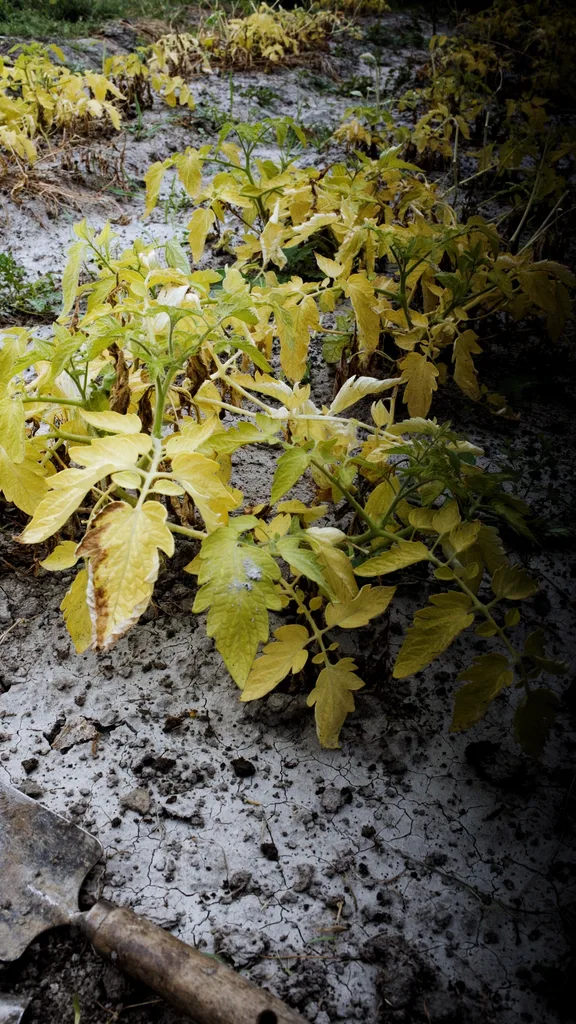
- Feeding on a calendar date instead of a plant stage. A cold spring delays growth, and a July date on a June-sized plant wastes the dose. Watch the plant, and feed at half grown or first fruit set.
- Skipping water after the band. Dry granules sit on the surface and scorch leaves in sun. Water the bed the same evening, and the granules dissolve into the root zone.
- Feeding late nitrogen to onions. Nitrogen after bulbs begin to form grows large necks that cure badly and store poorly. Stop onion feeding once bulbs start to swell.
When Side Dress Matters in Your Garden
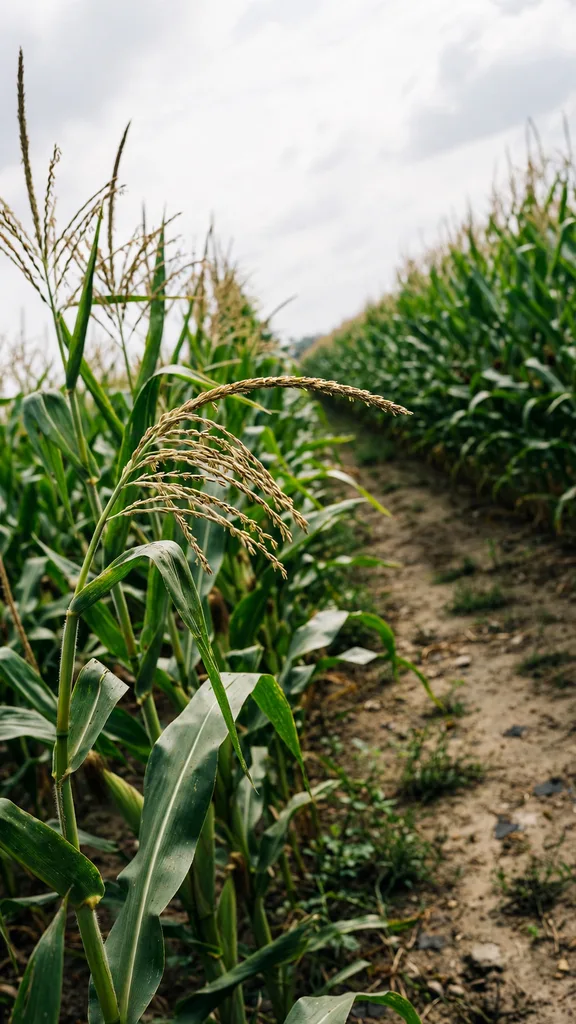
Side dress matters most for heavy feeders in midsummer, when the spring feed runs out and the crop hits its hungriest stage. Corn, tomatoes, cabbage, and squash all ask for a second feeding, and the yield gap between fed and unfed rows shows at harvest. Light feeders such as lettuce and herbs rarely need it, and a single spring feed carries them.
It matters on sandy soil more than on clay. Sand lets nitrogen wash through within weeks, so a sandy bed needs the dose split into 2 smaller bands. Clay holds a single band longer, and one side dressing carries the crop to harvest. The soil texture sets the split, and the soil test sets the dose.
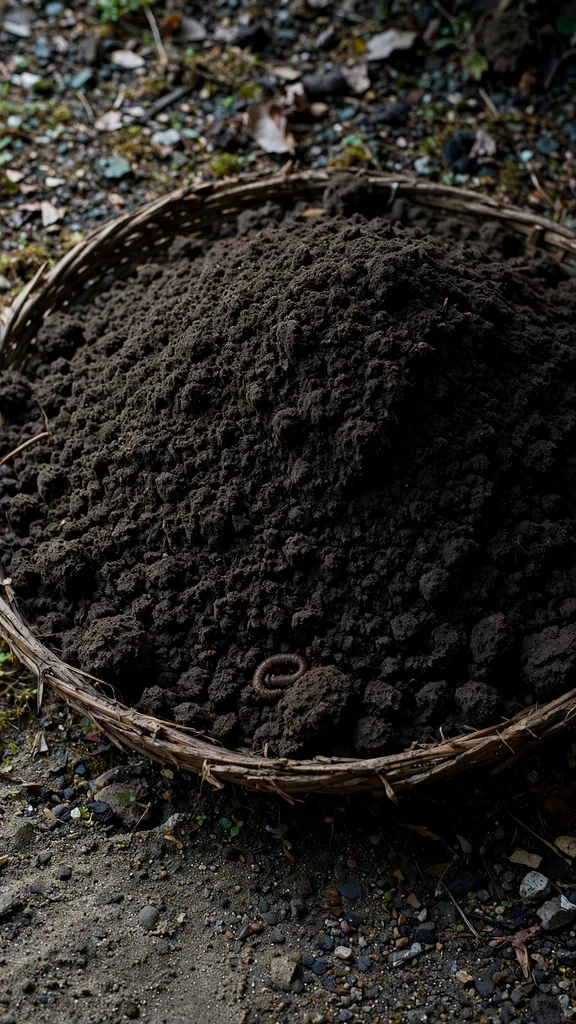
Compost steadies the whole feeding plan, and it never replaces a side dressing. A bed rich in compost holds nitrogen longer, and the microbes release it slowly through the season. Learn how to set up a compost bin and keep a steady supply, because compost cuts the side dress dose while it builds the bed. A mulching guide shows how a mulch layer keeps the band damp and stops the granules from drying on the surface.
FAQ
Side dress tomatoes after the first fruit sets, and again at first harvest. Scatter the nitrogen in a band 10.2 to 15.2 cm from the stem, fork it into the top 5.1 cm, and water the bed the same evening. A tomato fed once in spring runs out of nitrogen by July, right when fruit needs it most. The side dress carries the crop through ripening.
Side dress 10.2 to 15.2 cm from the base of the plant, along the row. Granules against the stem burn leaves and crown, and the burn shows as brown edges within days. A band at the drip line of the leaves lands where the feeding roots sit. Fork the band into the top 5.1 cm, and water after.
Compost works as a side dressing for light feeders, and it feeds too slowly for heavy feeders in midsummer. Spread a 5.1 cm band of compost beside the row, and the microbes release nitrogen over weeks. Corn and tomatoes ask for granular nitrogen at their hungry stage, and compost alone cannot match that pace. Use both: compost for the soil, granules for the crop.
Beans need no nitrogen side dressing, because legumes fix their own nitrogen through root nodules. A nitrogen band on beans cuts yield instead of raising it. Feed beans with compost before planting, and skip the side dress row. Spend the fertilizer on corn, tomatoes, and cabbage, and the beans will feed themselves.