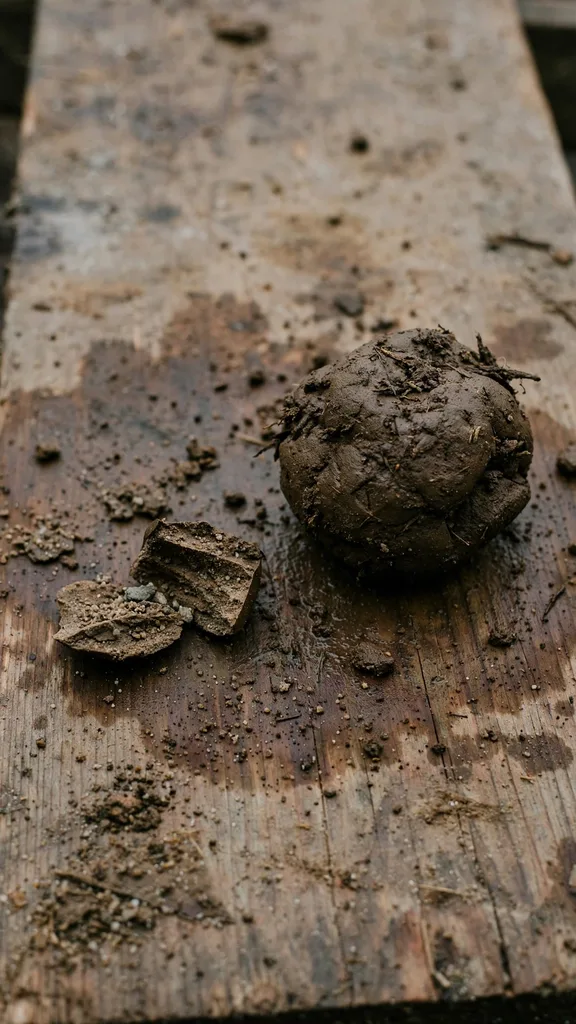
Squeeze 2 handfuls of damp soil into a ball, then poke the ball. Loam holds its shape for a second, then crumbles into crumbs when you poke it. Loam is soil with sand, silt, and clay in balance, draining fast enough for roots to breathe and holding water long enough for roots to drink.
Sand drains, clay holds, and silt sits between them. Loam takes the best of each particle and leaves the worst behind. Roots push through it without a fight, water moves through it without pooling, and nutrients stay put long enough for roots to take them up.
Most garden soil is not loam when you move in. It leans sandy or clayey, and compost moves it toward loam over seasons. The particle mix itself never changes, and the organic matter you add does the work.
| Point | Detail |
|---|---|
| Mix | 40 percent sand, 40 percent silt, 20 percent clay |
| Feel | Gritty, smooth, and sticky at once |
| Drainage | Steady, no pooling, no drought |
| Organic matter | 5 to 10 percent for garden beds |
| Test | Jar test, 3 days to settle |
| Fix for clay | Compost, never sand alone |
What Is Loam?
Loam is soil with roughly equal influence from sand, silt, and clay particles, and it makes good agricultural and garden soil, according to the Washington State University Extension soil science chapter. The balance gives loam a mix of large pores and small pores, so it holds water well and still lets air reach the roots. Sand alone drains too fast, clay alone drains too slow, and loam sits between them.
The name comes from the texture triangle, a chart that names soil by its particle mix. A soil with sand, silt, and clay in near-equal parts sits at the center of that triangle, and the chart calls it loam. Move toward sand and the name changes to sandy loam. Move toward clay and the name changes to clay loam. The center is the target, and the edges are the soil most gardens start with.
Clay particles measure less than 0.002 mm across, while silt runs 0.002 to 0.05 mm, according to the Colorado State University Extension soil texture guide. Sand grains are larger still, and you can see them with the naked eye. The size gap is what makes the mix work: sand opens pores, silt holds water, and clay grips nutrients.
What Loam Is Made Of
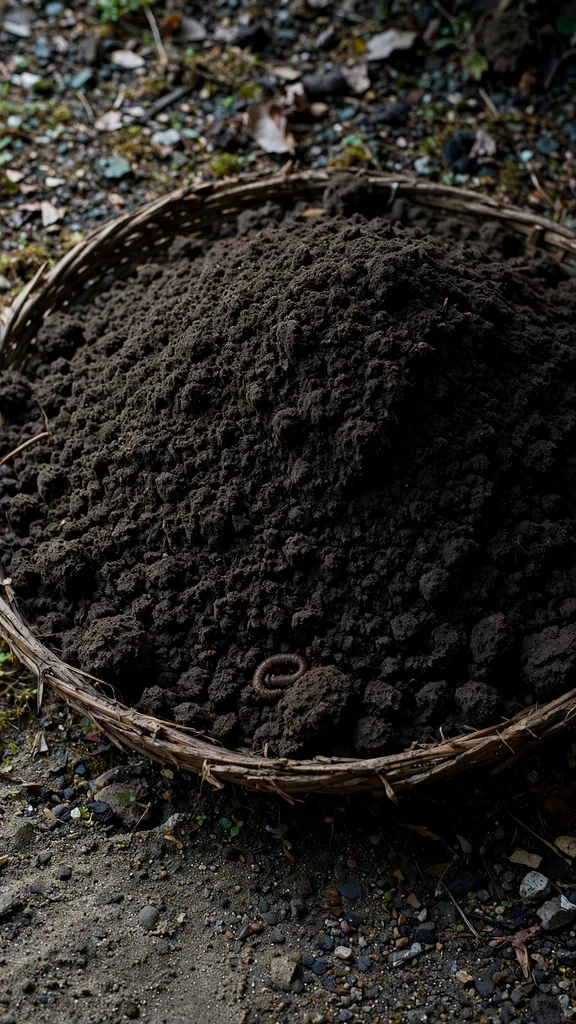
Loam is made of mineral particles, organic matter, water, and air. The minerals are sand, silt, and clay in near-equal parts. The organic matter is humus and fresh residue, and it glues the minerals into crumbs called aggregates. The crumbs hold pores between them, and the pores hold water and air in balance.
Sand gives loam its drainage. Each grain is large, and the pores between grains are large, so water moves through fast after rain. Silt gives loam its smoothness and its water holding. Each particle is flour-fine, and the small pores between them hold water against gravity. Clay gives loam its grip on nutrients. Each particle is a flat sheet with a negative charge, and it holds calcium, magnesium, and potassium on its surface.
Organic matter turns a mineral mix into garden soil. A loam rich in organic matter feeds worms, holds water through dry weeks, and resists compaction under foot. The same mineral mix low in organic matter crusts, cracks, and sheds water. The particles set the name, and the organic matter sets the performance. The gardening glossary lists the soil terms that share this ground, and loam is the texture every other soil is judged against.
Loam vs Topsoil
| Trait | Loam | Topsoil |
|---|---|---|
| What it is | A texture class, by particle mix | A layer, the top soil of a site |
| Mix | 40 percent sand, 40 percent silt, 20 percent clay | Any mix, often unknown |
| Sold as | A named texture, tested | A bulk product, quality varies |
| Organic matter | 5 to 10 percent in garden beds | 1 to 6 percent, often low |
| Use | The target for garden beds | The starting point, needs compost |
| Worst mistake | Calling bagged topsoil loam | Buying topsoil without a test |
Loam and topsoil are different ideas, and garden centers blur them. Loam names a particle mix, and any soil can be loam if its sand, silt, and clay sit in balance. Topsoil names a layer, the upper ground of a site, and its mix can be sand, clay, or anything between. A bag labeled topsoil can hold loam, and it can hold fill dirt low in organic matter.
Buy by test, and buy by feel. A jar test shows the particle mix in 3 days, and a squeeze test shows the texture in 10 seconds. Bagged soil that feels gritty and smooth and sticky at once, in turn, is loam. Bagged soil that feels like dust or like wet pottery is not, whatever the label claims.
How to Recognize and Measure Loam
Rub a moist pinch of soil between thumb and forefinger. Sand feels gritty, silt feels smooth like flour, and clay feels sticky. Loam feels like all three at once: grit under the smoothness, and a little stick at the end. A ribbon test adds a number. Squeeze a moist ball into a ribbon between thumb and forefinger. Loam ribbons less than 2.5 cm before it breaks, while clay ribbons past 5.1 cm.
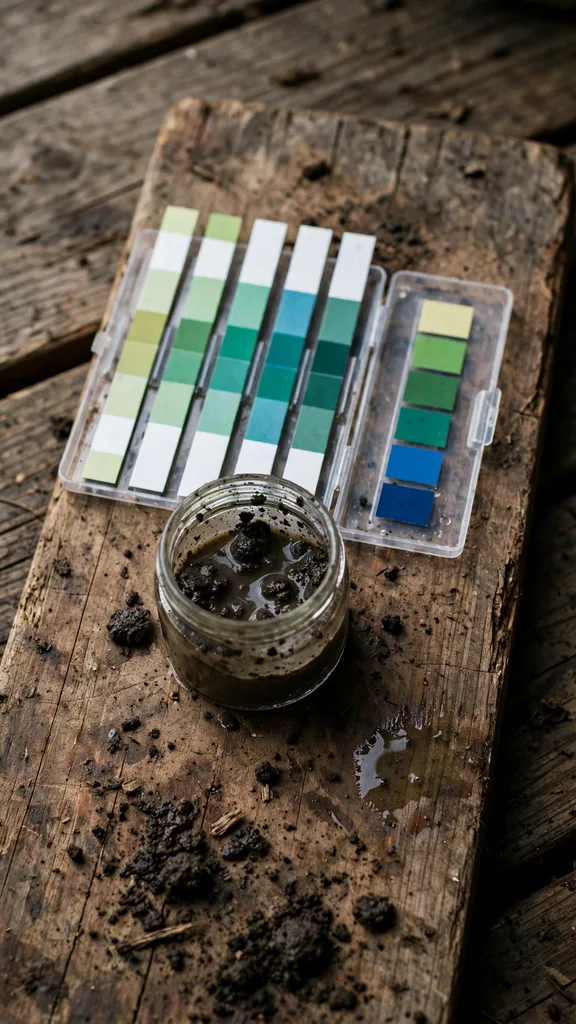
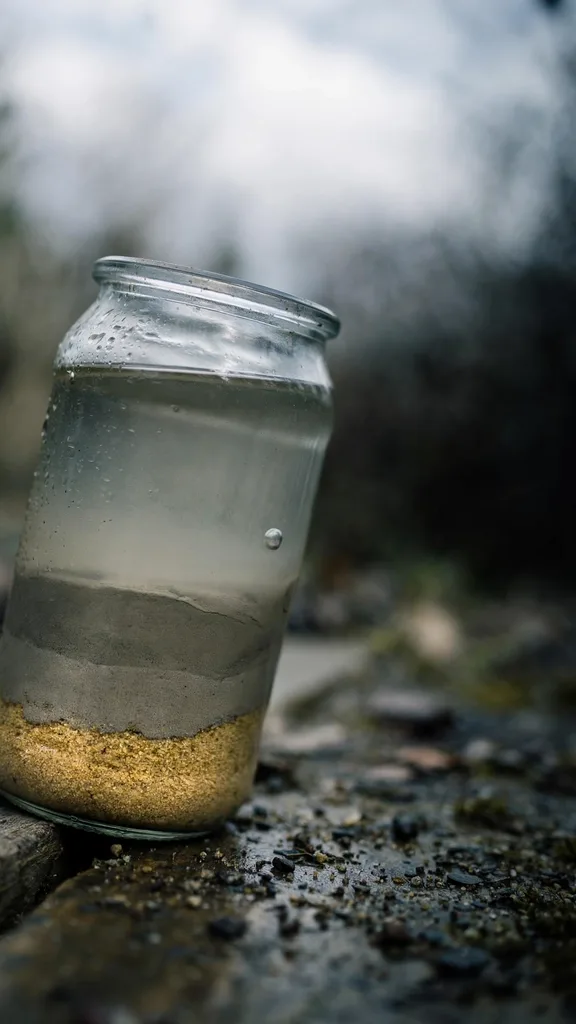
The jar test measures the mix. Fill a jar one-third with soil, add water to near the top, shake hard for 2 minutes, and set the jar down. Sand settles in a minute, silt settles in hours, and clay settles over days. Mark each layer with tape, measure each layer against the total depth, and read the mix off the texture triangle.
A lab test gives the exact mix plus pH and nutrient levels. Collect soil from 6 spots in one bed, dig 15.2 cm down at each spot, and mix the scoops in a clean bucket. Dry the mix on newspaper, fill the lab bag, and send it to the extension lab. The report lists sand, silt, and clay as percentages, and the triangle names the texture from those 3 numbers.
Common Mistakes With Loam
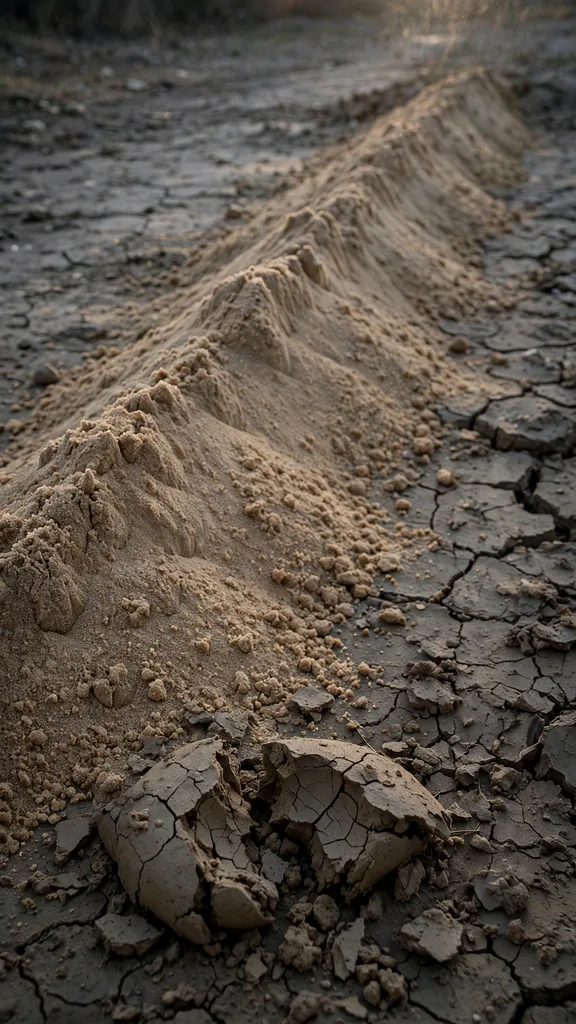
- Adding sand to clay and calling it loam. Sand plus clay plus water sets like concrete, and the bed drains worse than before. Compost opens clay, and sand does the opposite job.
- Buying bagged topsoil and trusting the label. Bagged topsoil varies from loam to fill dirt, and the label rarely lists a particle mix. Run a jar test on one bag before you order a truckload.
- Tilling wet soil into dust. Wet clay smears into bricks under a tiller, and the bricks last all season. Dig only when a squeezed ball crumbles, and fork compost in by hand.
- Walking on wet beds. Foot traffic compacts loam into clay behavior, and the pores collapse under boots. Lay boards on the bed, and keep feet on the paths.
- Skipping compost because the texture reads loam. A loam low in organic matter still crusts and cracks. Feed it 5.1 cm of compost each fall, and the texture starts to work.
When Loam Matters in Your Garden
Loam matters most when you build a new bed, because the texture you start with shapes every season after. A sandy bed dries out in a week, a clay bed ponds after rain, and a loam bed holds water through a dry spell. Raised beds let you set the mix from the start, and a mix of topsoil, compost, and a little grit gives you loam on day one.

It matters for root crops most of all. Carrots, parsnips, and beets need loose ground to grow straight, and clay bends them while sand starves them. A loam bed rich in compost grows roots that run deep and straight, and the harvest pulls clean.
Compost moves any soil toward loam behavior, and it never changes the particle mix. A 5.1 cm layer each fall feeds worms and glues minerals into crumbs, and the crumbs hold pores open. Learn how to set up a compost bin and keep a steady supply, because a bed with steady compost behaves like loam even when the lab still calls it clay loam. A mulching guide shows how a mulch layer keeps the bed damp and stops the surface from crusting, and damp crumbs hold their shape.
FAQ
Loam is the best garden soil texture, because it drains steadily, holds water, and grips nutrients at once. Sand drains too fast, clay drains too slow, and silt alone compacts. A loam bed rich in compost grows most vegetables well. The particle mix sets the name, and the compost you add sets the performance.
Compost turns clay soil toward loam behavior, and sand does the opposite. Fork a 5.1 to 7.6 cm layer of compost into the top 20.3 cm each fall, and let worms do the mixing. The particle mix stays clay, and the crumbs, pores, and drainage behave like loam within 2 seasons. Never add sand alone to clay.
A jar test measures soil texture at home. Fill a jar one-third with soil, add water, shake hard for 2 minutes, and set it down. Sand settles in a minute, silt in hours, and clay over days. Mark each layer, measure each against the total depth, and read the mix off the texture triangle. A lab test gives the exact numbers.
Garden centers sell bagged topsoil, and some of it is loam. The label rarely lists a particle mix, so run a jar test on one bag before you order a truckload. A squeeze test helps too: loam feels gritty, smooth, and sticky at once. Buy from a supplier who lists the mix, and add compost whatever the bag claims.