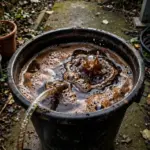
Pour 2 cups of vinegar on a spoonful of dry bed soil and watch it fizz. Alkaline soil reads above pH 7.0, and it locks iron, manganese, and zinc into forms roots cannot absorb even when the bed holds plenty of each. Alkaline soil is ground sweet enough to starve plants of iron.
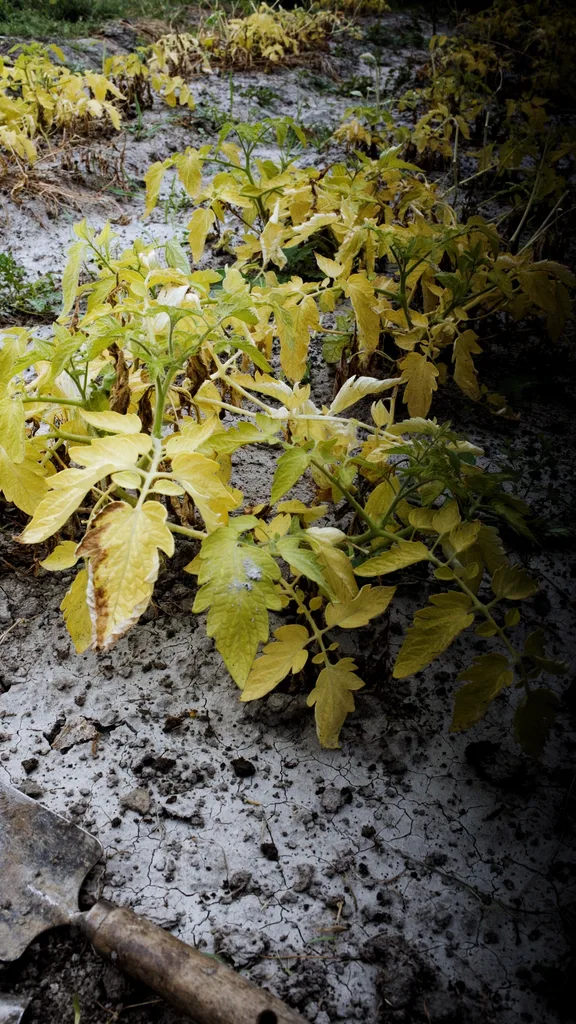
New leaves turn yellow while the veins stay green. Roses stall, blueberries fail outright, and pin oaks fade to a pale yellow-green by midsummer. Those signs point at high pH, and a test reading settles it.
Alkaline soil shows up in dry regions, in beds built on limestone rubble, and in ground limed too hard for too many seasons. It also shows up where irrigation water carries dissolved lime. A lab test costs less than one shrub and settles the question in 10 days.
| Point | Detail |
|---|---|
| Reading | Above pH 7.0 |
| Trouble starts | Above pH 7.5 for most plants |
| First fix | Elemental sulfur, by soil test rate |
| Plants that love it | Lavender, lilac, clematis |
| Worst mistake | Adding wood ash or lime |
| Retest | Each fall, before planting |
What Is Alkaline Soil?
Alkaline soil is soil with a pH reading above 7.0 on the 0 to 14 scale. The higher the number, the more calcium carbonate sits in the soil, and the tighter iron binds into insoluble compounds. A bed at pH 8.0 can hold abundant iron, and the plants in it still show iron chlorosis.
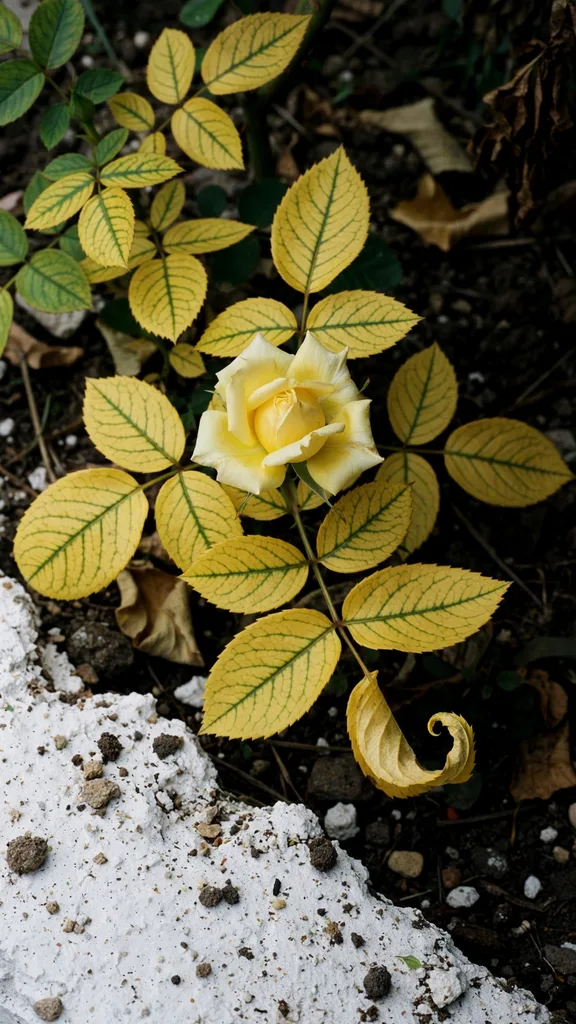
Iron chlorosis shows up in alkaline soil above pH 7.5, where lime is plentiful, according to the University of Arizona Extension iron deficiency guide. Leaves yellow between dark green veins, worst on new growth, while the soil itself tests rich in iron. The iron sits in the ground in a form roots cannot take up, so the plant starves in a full pantry.
High pH is common, and it is easy to miss. In a Penn State Extension survey of 27 high tunnels, 48 percent of the tunnels sat above the optimal pH band of 6.0 to 7.0, according to the Penn State Extension high tunnel soil pH report. The average reading in those tunnels was 6.9, and the commercial vegetable samples averaged 6.6. Half the beds ran high, and most of their owners had never tested.
How Alkaline Soil Works
Calcium carbonate drives alkaline soil. The carbonate buffers the soil water, holds pH high, and binds iron, manganese, zinc, and phosphorus into solid minerals. Roots release acids to free those nutrients, and the carbonate neutralizes the acids on contact. The plant spends energy on a door that never opens.
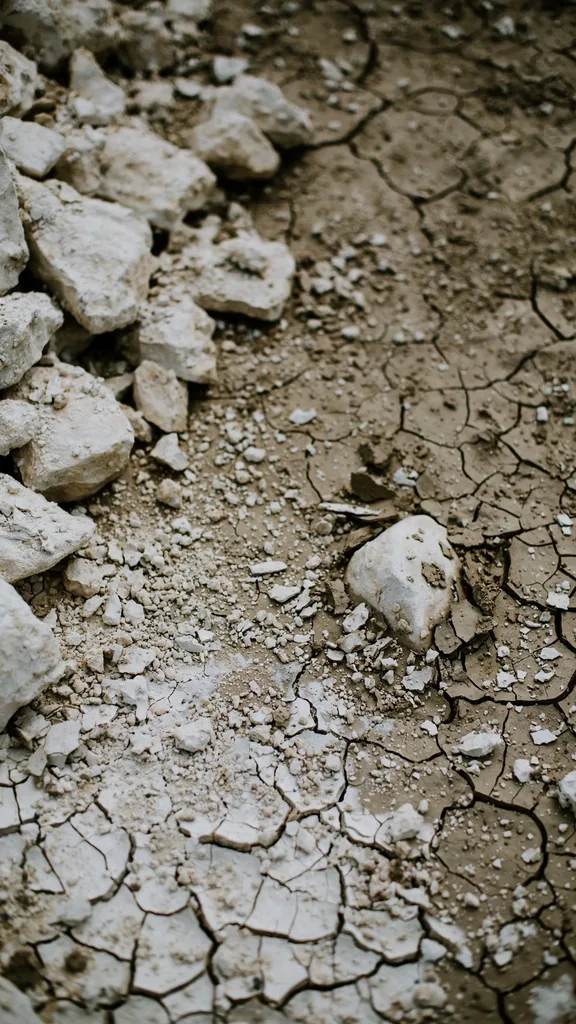
Water makes the lock tighter. Irrigation water in dry regions carries calcium and bicarbonate, and each watering deposits a little more lime in the root zone. Evaporation leaves the minerals behind, so the top 15.2 cm of a bed can read a full point higher than the ground 30.5 cm down. The surface crust turns white in dry weeks, and the white crust is the lime the water left.
Microbes shift with the pH. Bacteria that break down organic matter work well in alkaline ground, while the fungi that feed acid-loving plants fade. The bed still decomposes compost, and it still grows plants, and the plants it grows best are the ones that evolved on limestone. The gardening glossary lists the soil terms that share this ground, and alkaline soil is the one that decides which plants belong in the bed.
Alkaline Soil vs Acidic Soil
| Trait | Alkaline Soil | Acidic Soil |
|---|---|---|
| pH reading | Above 7.0 | Below 7.0 |
| Nutrient locked away | Iron, manganese, zinc | Phosphorus, calcium, magnesium |
| Common fix | Elemental sulfur | Ground limestone |
| Leaf sign | Yellow leaves with green veins | Yellow leaves, stunted roots |
| Plants that love it | Lavender, lilac, clematis | Blueberries, potatoes, rhododendrons |
| Worst mistake | Adding wood ash or lime | Adding sulfur |
Alkaline soil and acidic soil fail in opposite directions, and the fix for one harms the other. Sulfur on alkaline ground lowers pH over seasons as soil bacteria turn it into sulfuric acid. Lime on acidic ground raises pH over seasons as carbonate dissolves. The test reading tells you which side of 7.0 you stand on, and the amendment follows the reading.
A bed can sit alkaline while its neighbor sits acid. Construction rubble, old concrete, and limestone gravel push one bed high, while pine needles and heavy rain pull the next bed low. Test each bed on its own, because a fence line hides a pH change as sharp as a climate change.
How to Recognize and Measure Alkaline Soil
Yellow leaves with green veins on new growth are the classic sign, and the sign has a name: interveinal chlorosis. The veins stay green while the tissue between them fades to yellow, then to white at the edges. Pin oaks show it first, then roses, then blueberries. The pattern starts on young leaves, because iron does not move inside the plant to feed new growth.
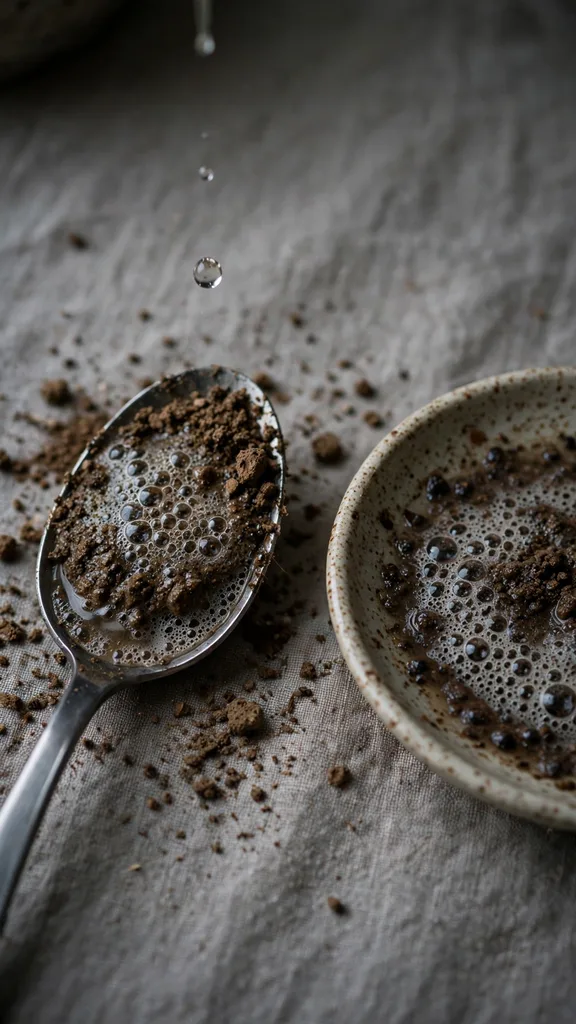
Fizzing soil confirms the hunch before the lab result comes back. Drop vinegar on a dry spoonful of soil, and a strong fizz means free lime is present. A white crust on the surface after dry weeks means the same thing. Neither test gives a number, and both tell you the lab test will come back high.
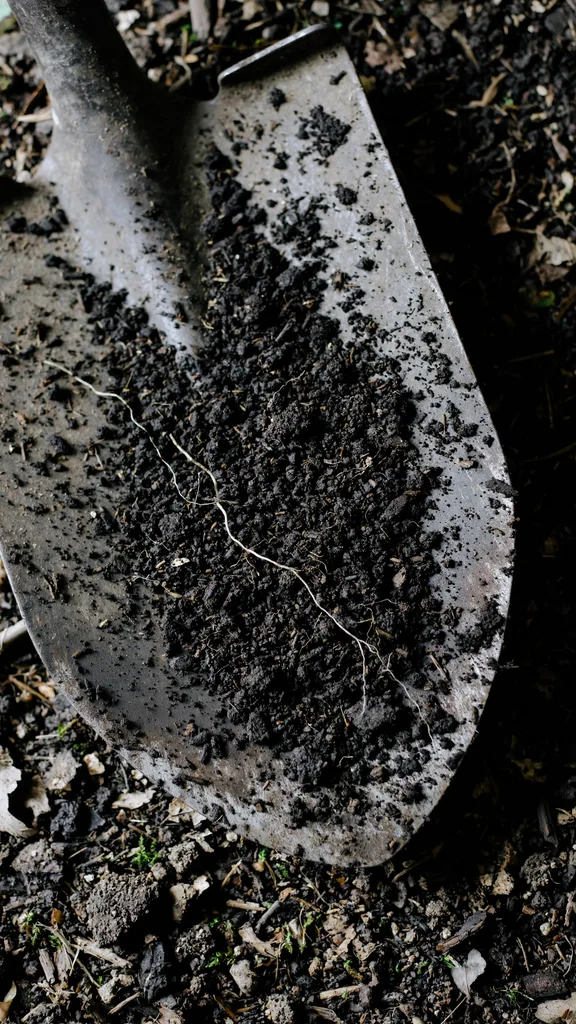
Collect soil from 6 spots in one bed for the lab test. Dig 15.2 cm down at each spot, take a trowel of soil, and mix the scoops in a clean bucket. Dry the mix on newspaper, fill the lab bag, and send it to the extension lab. Ask for pH, buffer pH, and the sulfur rate, because the buffer reading sets how much sulfur the bed needs.
Common Mistakes With Alkaline Soil
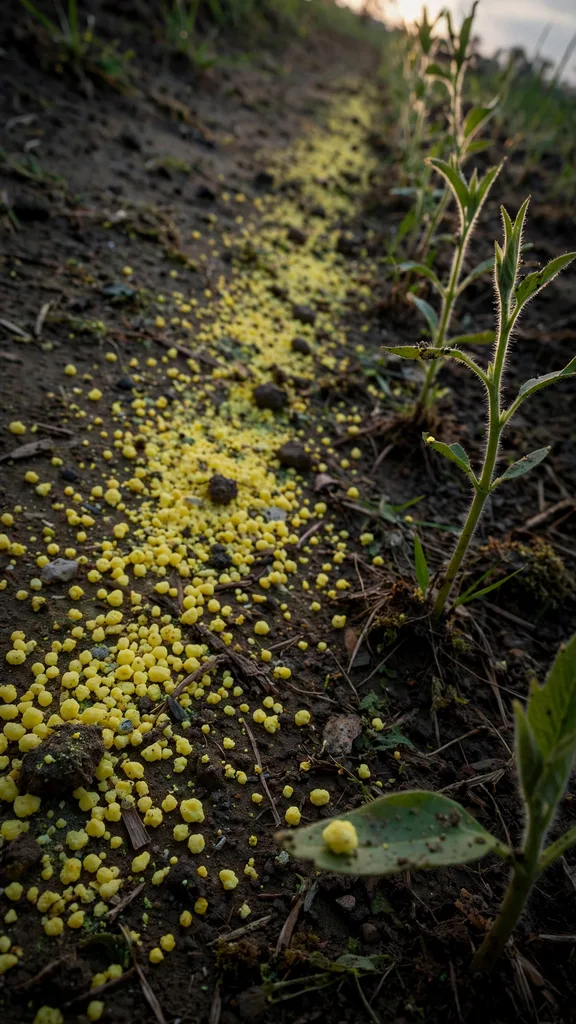
- Adding wood ash to an alkaline bed. Ash is mostly calcium carbonate, and it pushes pH higher. Keep ash for beds that test below pH 6.0, and keep it off alkaline ground.
- Spraying iron and calling the job done. Foliar iron greens the leaves for weeks, and the soil still locks iron away. Spray buys time while sulfur works, and sulfur is the fix.
- Adding sulfur once and expecting a fast change. Soil bacteria turn sulfur into acid slowly, and the reaction needs warmth and moisture. A fall application works through winter and shows in spring.
- Planting blueberries in alkaline ground. Blueberries demand pH 4.5 to 5.5, and no amount of sulfur in one season makes an alkaline bed fit them. Grow blueberries in pots with acid mix, and keep the alkaline bed for lavender.
- Watering with hard tap water and wondering why pH climbs. Hard water carries calcium and bicarbonate, and each watering adds lime. Collect rainwater for acid-loving plants, and test the bed each fall.
When Alkaline Soil Matters in Your Garden
Alkaline soil matters most when you plant roses, fruit trees, or blueberries in ground that reads above 7.5. Roses yellow, fruit trees set small fruit, and blueberries fail outright. Lavender, lilac, and clematis thrive in the same ground, so the reading decides the planting list as much as the fix.
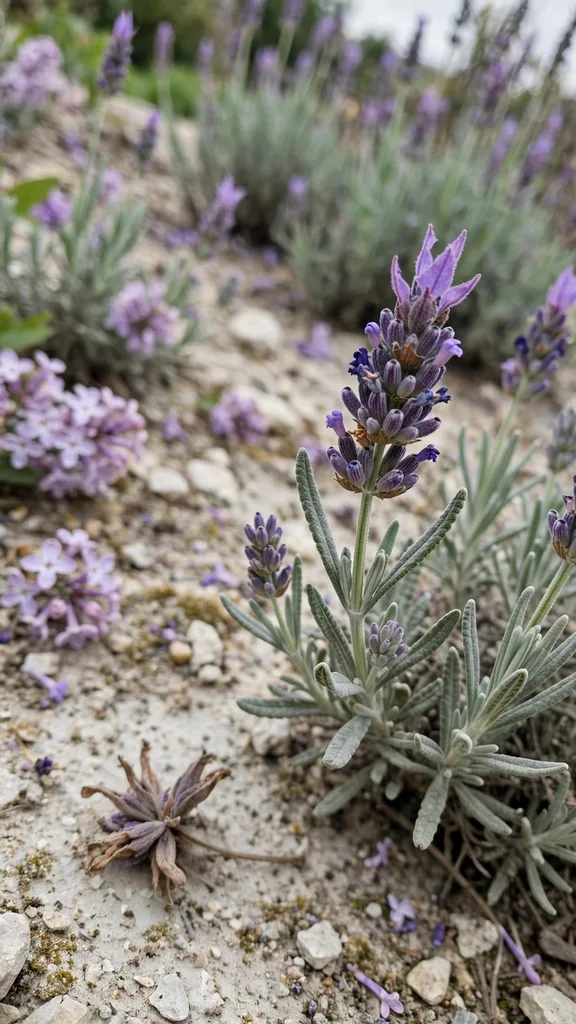
It matters at planting time, when a wrong choice wastes a whole season and a shrub. A pH reading before planting costs little, and it steers the plant list toward ground that fits. A raised bed with imported mix solves the problem for one crop, and the native bed keeps the plants that love it.
Compost helps an alkaline bed, and it never replaces sulfur. A 5.1 cm layer of compost feeds microbes and buffers pH swings, and the organic acids in compost nudge pH down over seasons. Learn how to set up a compost bin and keep a steady supply, because a bed with steady compost holds sulfur longer. A mulching guide shows how a mulch layer keeps the bed damp while sulfur reacts, and damp ground reacts faster than dry ground. Fall cover crops also feed the bed between seasons and keep roots in the ground while the sulfur works.
FAQ
Alkaline soil is bad for most vegetables once pH passes 7.5, because iron, manganese, and zinc bind into forms roots cannot absorb. Most vegetables grow best at pH 6.0 to 7.0, where the widest set of nutrients stays available. Asparagus, cabbage, and cauliflower tolerate higher pH, and lavender and lilac love it. Test the bed, and add sulfur only on the lab rate.
Elemental sulfur lowers soil pH, and soil bacteria turn it into sulfuric acid over months. Spread the lab rate in fall, work it into the top 15.2 cm, and keep the bed damp through winter. Retest in spring before adding more, because sulfur keeps working after application. Acidifying fertilizers help a little, and sulfur does the real work.
Compost buffers alkaline soil, and it cannot replace sulfur. A steady compost supply feeds microbes, adds organic matter, and softens pH swings, and the organic acids in compost nudge pH down over seasons. Compost alone moves pH a little, while sulfur moves it a full point on a lab rate. Use both: sulfur sets the pH, and compost keeps the bed alive.
Lavender, lilac, clematis, asparagus, cabbage, and cauliflower grow well in alkaline soil, and lavender thrives at pH 7.0 to 8.0. Roses and fruit trees struggle above pH 7.5, and blueberries fail outright. Match the plant list to the reading, and save the sulfur for beds that must grow acid-loving crops.