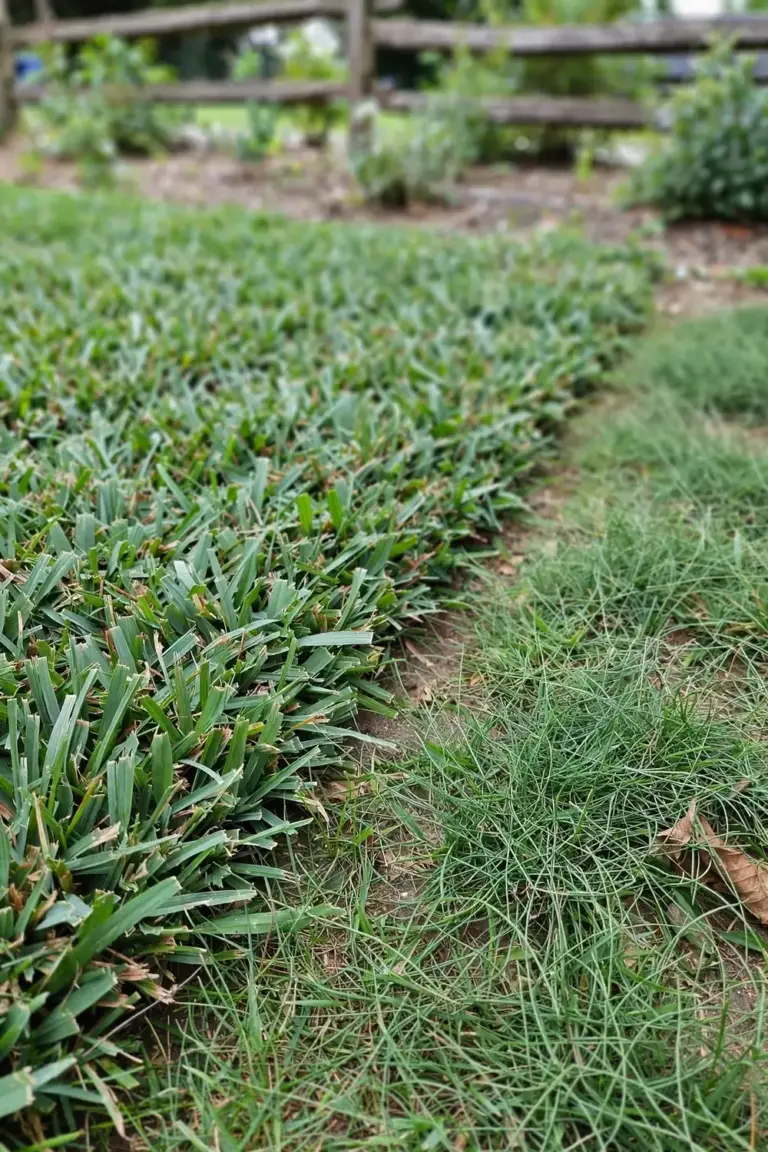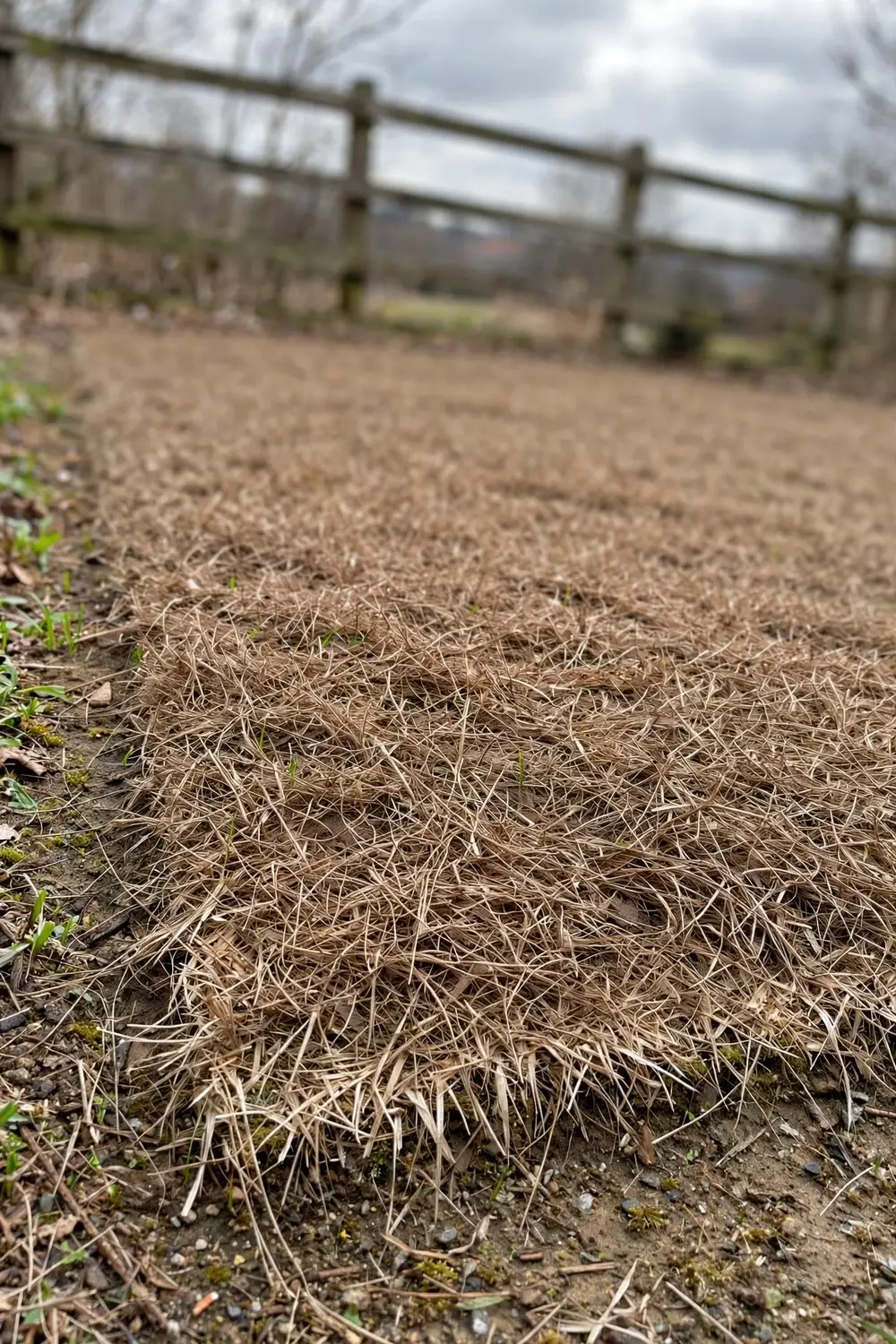

Pull a handful of brown couch grass in early spring. If it resists, your lawn is dormant and waiting for soil temperatures to reach 14 degrees. If it lifts out with no roots attached, that patch is dead. That is the direct answer to why is my couch lawn not greening up. Dormant grass waits for warmth. Dead grass needs replacing.
Couch lawn means a lawn of couch grass, Cynodon dactylon, the warm-season grass Australians also call Bermuda grass. Not greening up means the lawn stays brown after winter when you expect spring growth. Diagnosis plus solusi means this article tells you why it is brown and what to do about each cause, for couch only. The 12 checks below answer why is my couch lawn not greening up, from the tug test to the renovate-or-wait decision.
1. Why Is My Couch Lawn Not Greening Up? Rule Out Death First
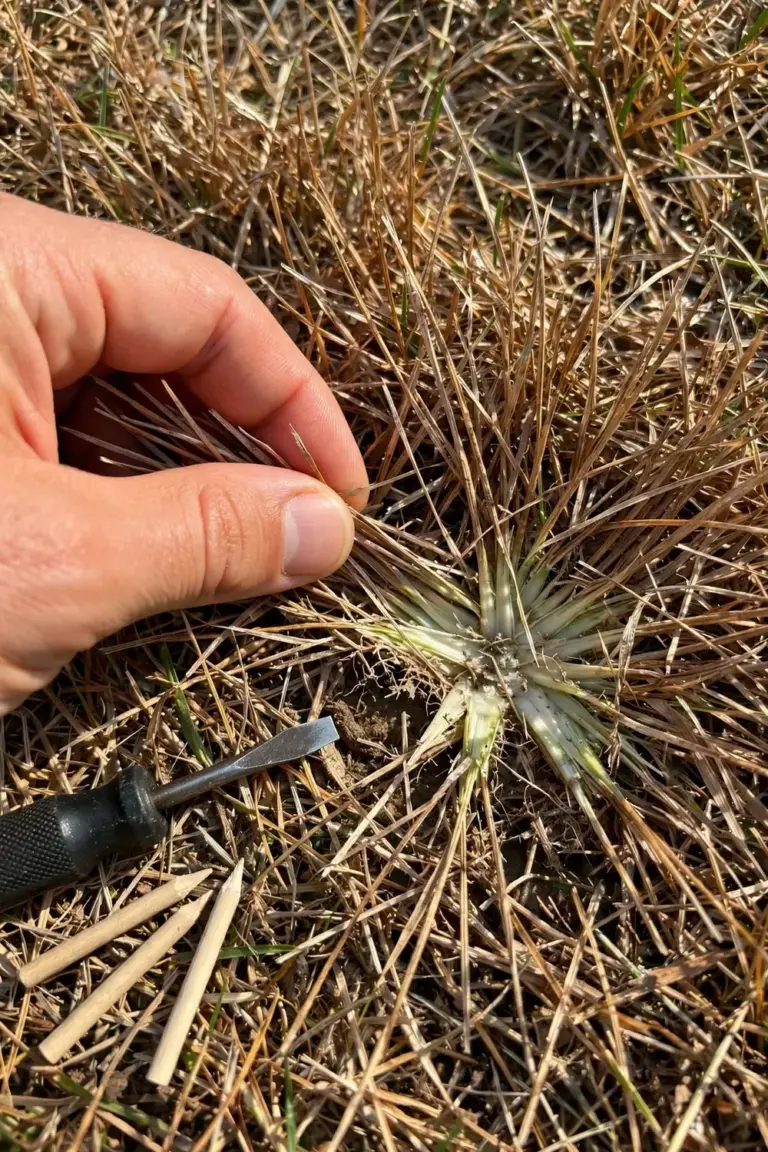
Grab a small handful of brown blades and pull firmly upward. Dormant couch resists the pull because living roots still anchor the crowns to the soil. Dead grass lifts free in your hand with little effort because the roots have let go. Test three or four spots across the lawn, because one corner can be dead while the rest sleeps.
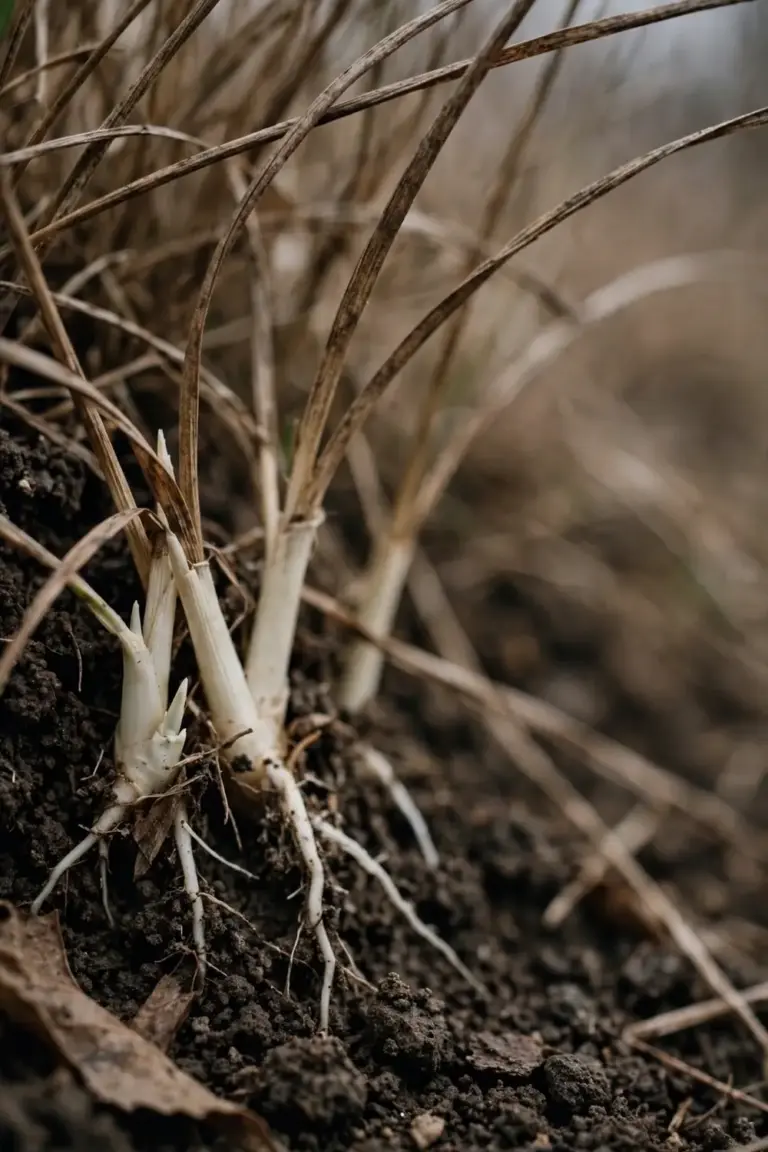
Part the blades with your fingers and look at the crown, the pale nub at the soil line where blades grow up and roots grow down. A firm crown that is white, creamy, or pale green is alive. A crown that is brown, mushy, shriveled, or dry is dead. The crown check is the most reliable of the two tests, because blades brown long before the crown dies. University of Florida extension educator Susan Haddock confirms the pattern: dormant grass browns evenly across the lawn with a firm whitish crown, while dead grass shows a brown, brittle, or mushy crown and pulls out with no resistance, as quoted in LawnStarter’s dormant versus dead grass identification guide.
Check the roots too. Healthy dormant roots are white or pale and firm. Dead roots are brown, brittle, and break apart. If the crown is mushy and smells rotten rather than just dry, the problem may be Bipolaris crown rot in lawns rather than simple winter death. That is a disease, not dormancy, and it needs a different response.
If the whole lawn resists the tug and crowns look pale and firm, skip to check 2. Your lawn is dormant. If patches pull free with dead crowns, mark those spots with a stake. They will not green up on their own.
2. Confirm Dormancy With a Soil Thermometer
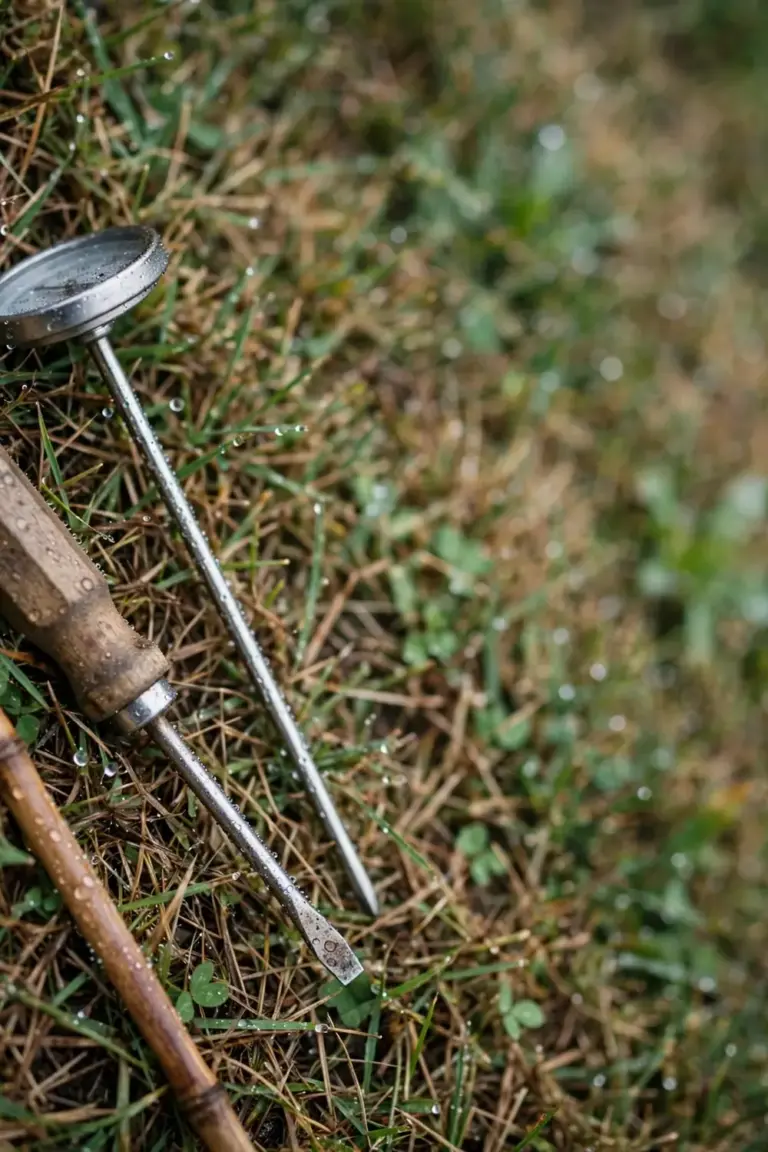
Push a soil thermometer 5 cm into the ground at 9 a.m. and read it three mornings in a row. Couch grass stays dormant until the soil warms consistently. Warm-season grasses become more active when soil temperatures consistently reach 14 degrees or higher, according to Turf Australia chair Alex White, and growth really accelerates above 18 degrees, as Turf Australia’s chair explains in this spring lawn timing report.
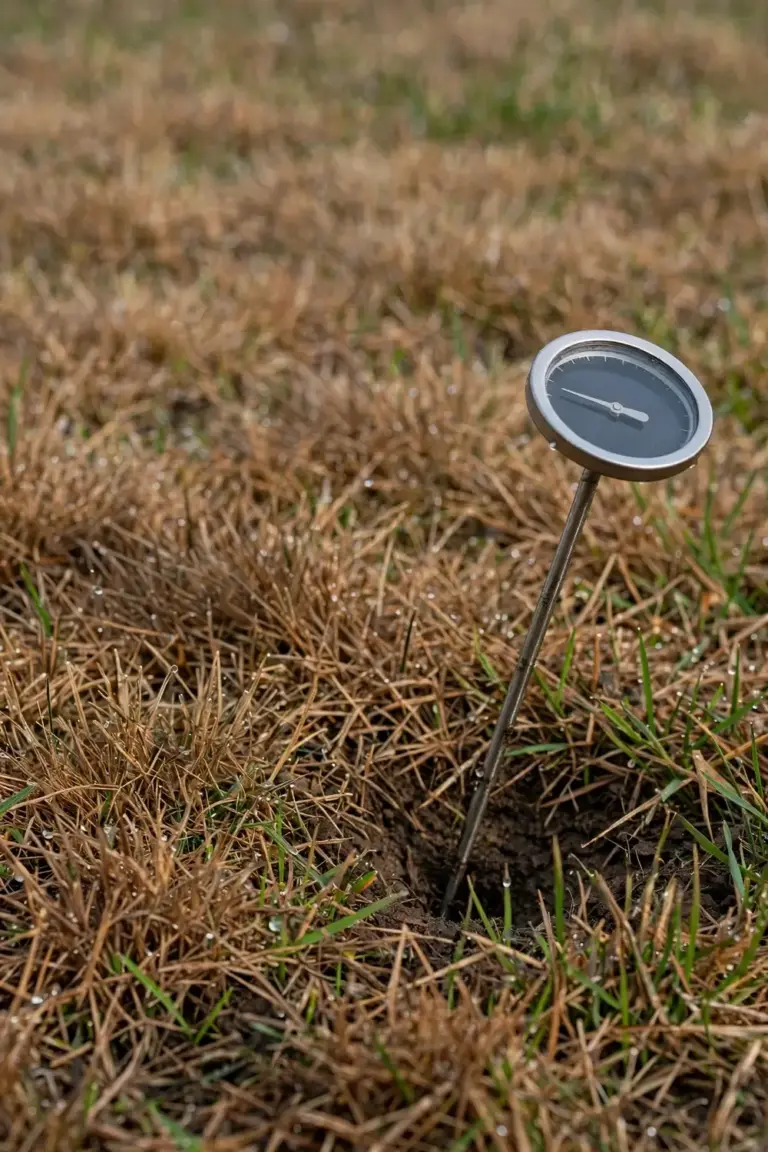
I press a meat thermometer into the soil before I trust the calendar, because the 14-degree trigger decides when my couch wakes up, not the month.
Take the reading at the same time each morning, in the same spot, at the same depth. Soil temperature swings through the day. A reading at 3 p.m. after full sun can be 5 degrees higher than the morning reading at root depth. The morning reading tells you the baseline the grass actually lives with. Three mornings in a row smooths out a single odd day.
A single warm afternoon means nothing. Night temperatures drag the average back down. Wait for three consecutive mornings at or above 14 degrees before you expect green shoots. In cool regions this can land in October. In warm coastal areas it can happen in September. The thermometer settles the argument that the calendar cannot. Healthy soil structure helps the whole lawn warm evenly; compacted or waterlogged patches lag behind.
3. Give Shade and Cold Pockets More Time
Walk the lawn and note which parts are still brown. Shaded areas, south-facing slopes, and low spots where cold air pools stay dormant weeks longer than sunny high ground. The grass in those pockets is not sick. It is cold.
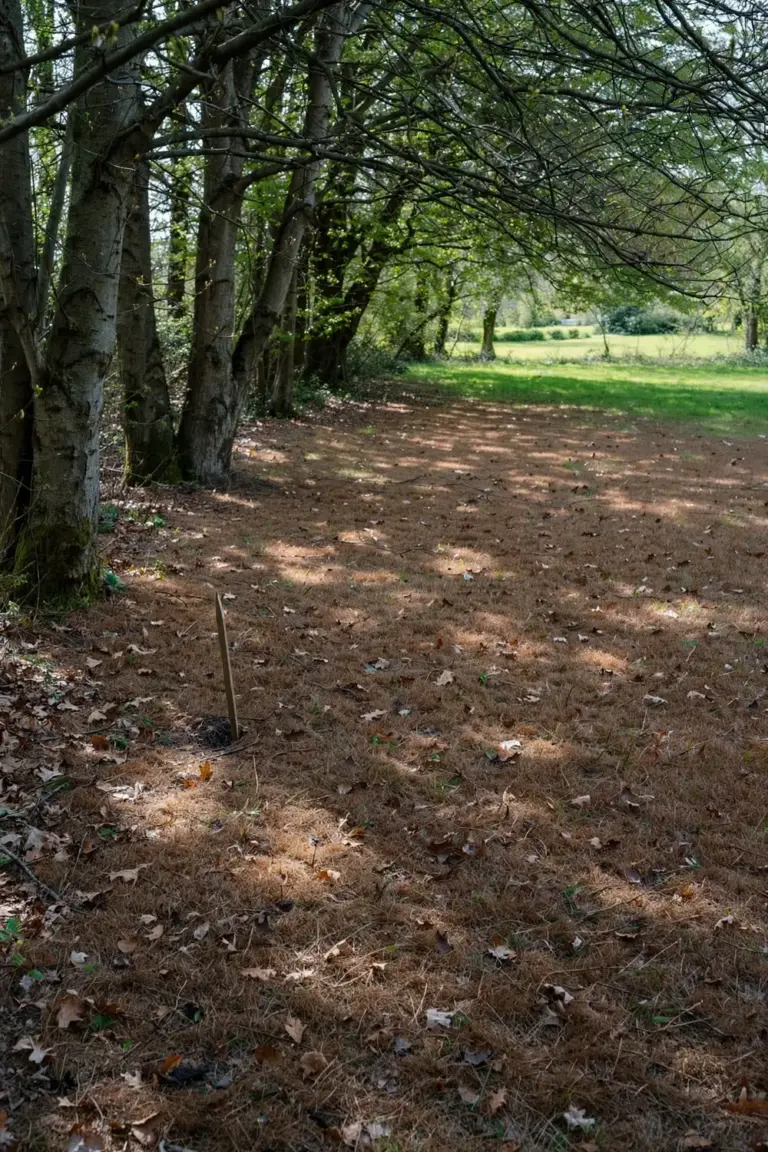
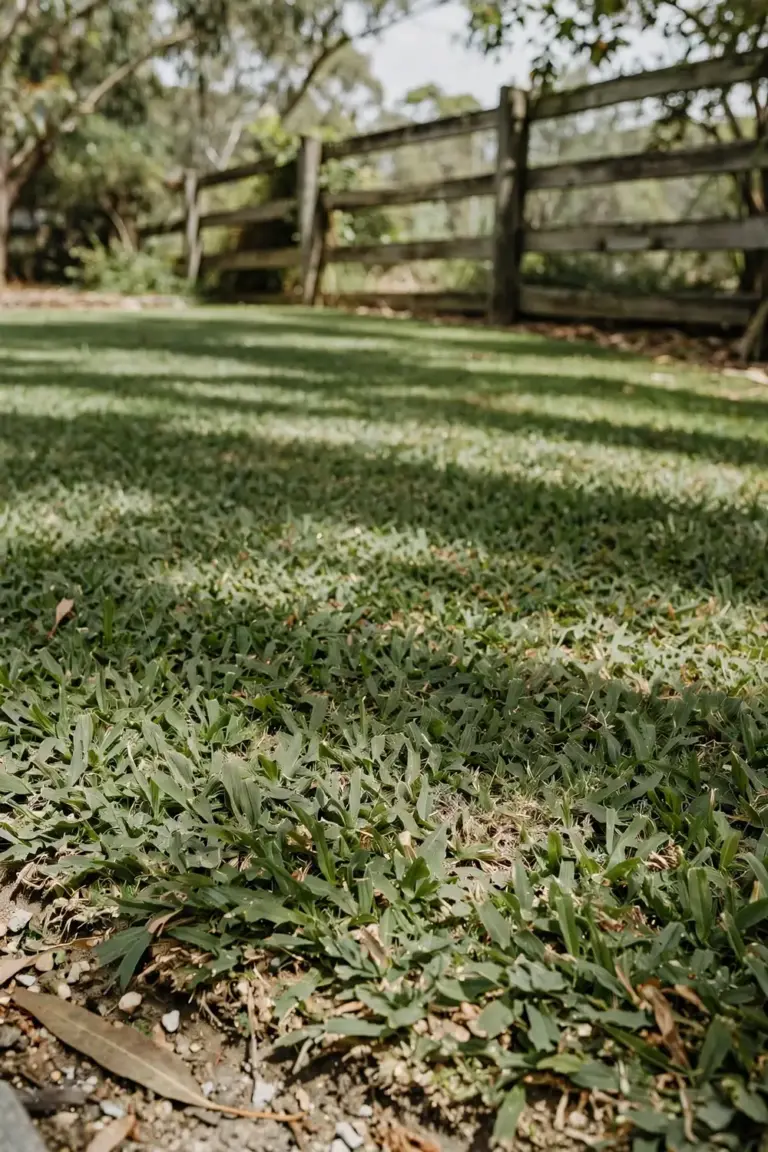
Couch stops growing when soil and air temperatures drop below about 15 degrees, and it grows best when daily temperatures stay between roughly 17 and 35 degrees. Frost or cold nights push it into dormancy. A shaded patch can sit 3 to 5 degrees cooler than the sunny middle of the lawn, which is enough to keep it asleep while the rest greens up.
Cold air behaves like water. It flows downhill and pools in low spots, against fences, and under dense trees. Those frost pockets can be several degrees colder than the rest of the yard on a clear night. The grass there goes dormant first in autumn and wakes last in spring. This is normal microclimate behavior, not a lawn failure.
Do not treat the whole lawn for a problem that lives in one cold pocket. Flag the slow spots with a garden stake. Check them again in two weeks. If the sunny areas are green and the shaded ones are catching up, patience is the whole treatment. If a shaded area never greens up even in midsummer, the problem is lack of light, not temperature, and no amount of waiting fixes that.
4. Read Your Street Before You Diagnose
Look at the other couch lawns on your street. If every lawn is still brown, the season is late and your lawn is behaving normally. If your lawn is the only brown one, something specific to your yard is wrong, and the checks below will find it.
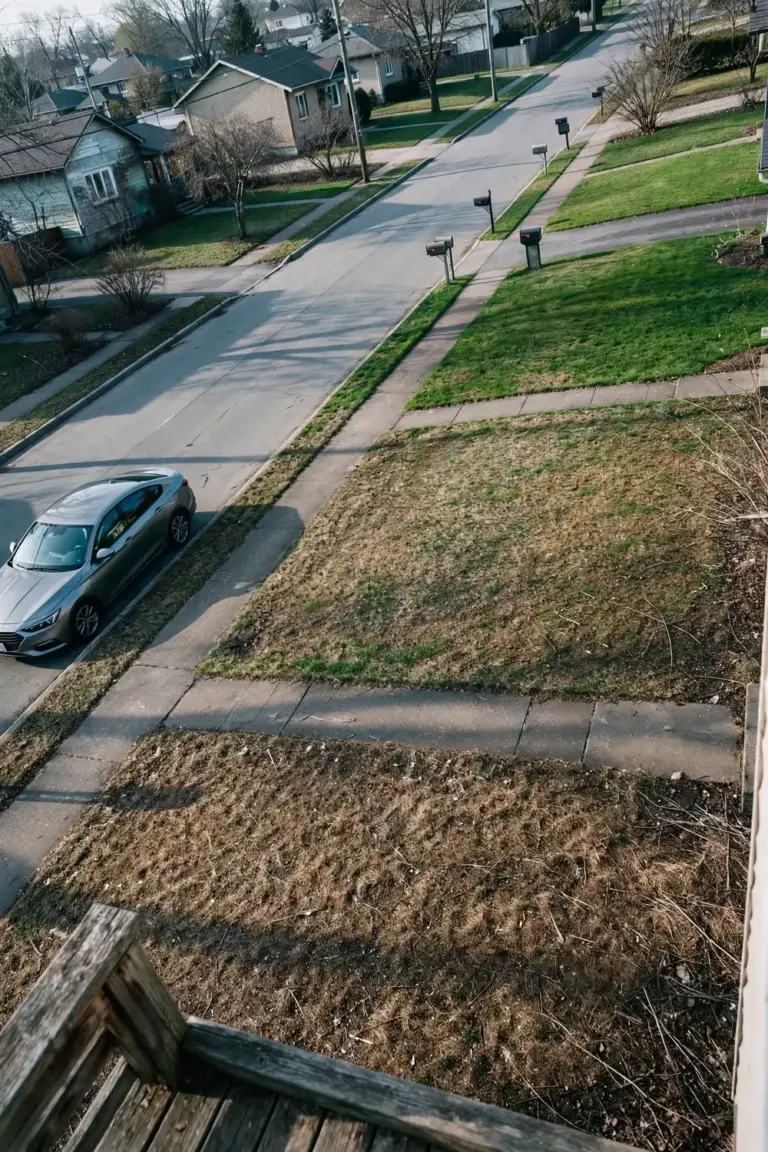
This comparison saves more misdiagnosis than any single test. A whole suburb of brown couch in late September means soil temperatures have not arrived yet. One brown lawn among green ones points to grubs, thatch, compaction, or a watering problem. Your neighbors are running an uncontrolled experiment you can read for free.
Note the grass types too. Kikuyu lawns green up first, often weeks before couch. Buffalo follows couch. If the kikuyu lawns are green and the couch lawns are brown, that is the normal sequence, not a problem with your lawn. Paul Munns notes that kikuyu lawns awaken first as soil approaches 13 degrees, with couch following within weeks and buffalo trailing into late September.
5. Dig for Curl Grubs Where Brown Meets Green
Cut a 30 cm square of turf at the edge where a brown patch meets green grass. Peel it back and look at the roots. Curl grubs are C-shaped white larvae with brown heads that chew through grass roots. Where they feed heavily, the turf lifts like a loose carpet because the roots are gone.
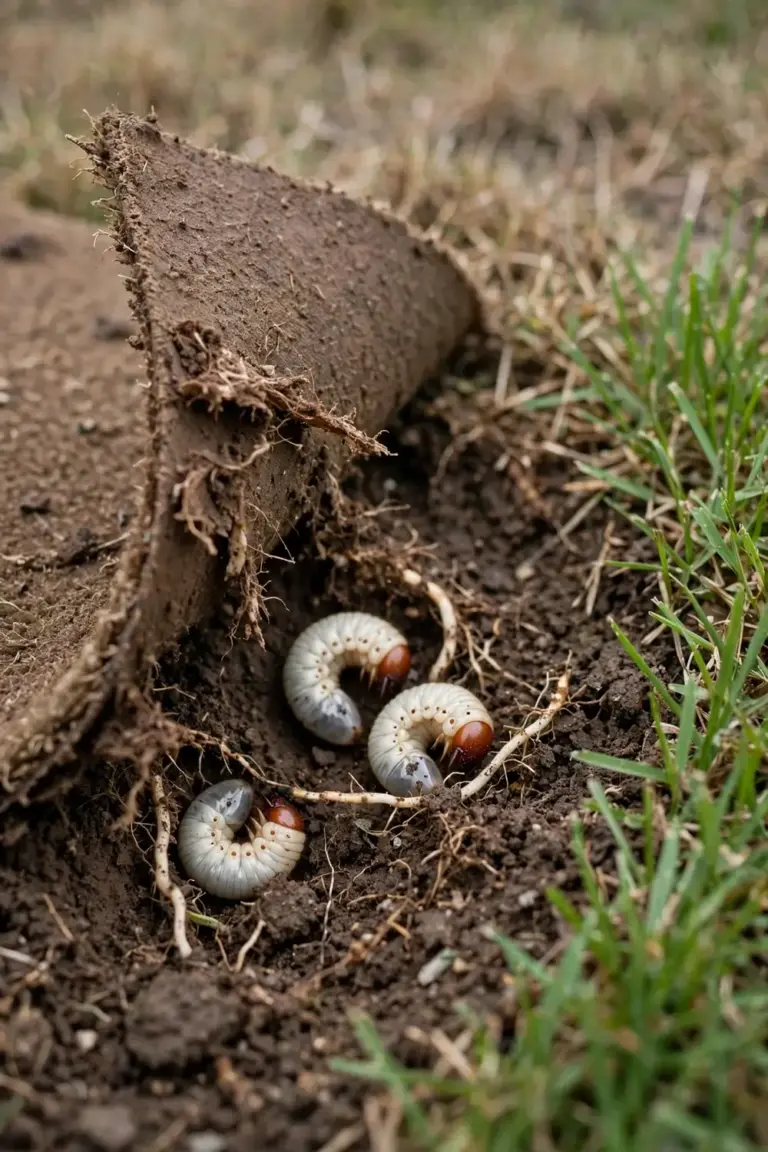
Grub damage looks different from dormancy. Dormancy browns the lawn evenly. Grub damage creates irregular patches that spread outward, and the grass in the middle of the patch pulls up with no resistance while the surrounding lawn holds firm. Birds digging at the lawn in autumn and winter are another clue. They hear the grubs moving under the surface.
Adult beetles lay eggs in summer, and the larvae feed through autumn and winter. By spring, large grubs have done their worst damage. That is why grub-killed patches show up as dead areas in a lawn that should be greening up. The surrounding healthy grass cannot spread into the patch because there are no roots left to support new runners.
If you find grubs, the dead patches will not recover on their own. The living grass around them will spread back over summer once the grubs are gone, because couch spreads by runners. For grub control, check the label of a registered lawn grub treatment in your state and apply when grubs are small and feeding near the surface. Preventative treatments applied in late summer target the next generation before it does damage.
6. Lift the Thatch and Check for Scalping
Push your fingers down through the grass to the soil. The spongy mat of dead stems and roots between the green blades and the soil is thatch. A thin layer is normal and healthy. A layer thicker than your thumb blocks water and air from reaching the roots, and the lawn greens up slowly and unevenly in spring.
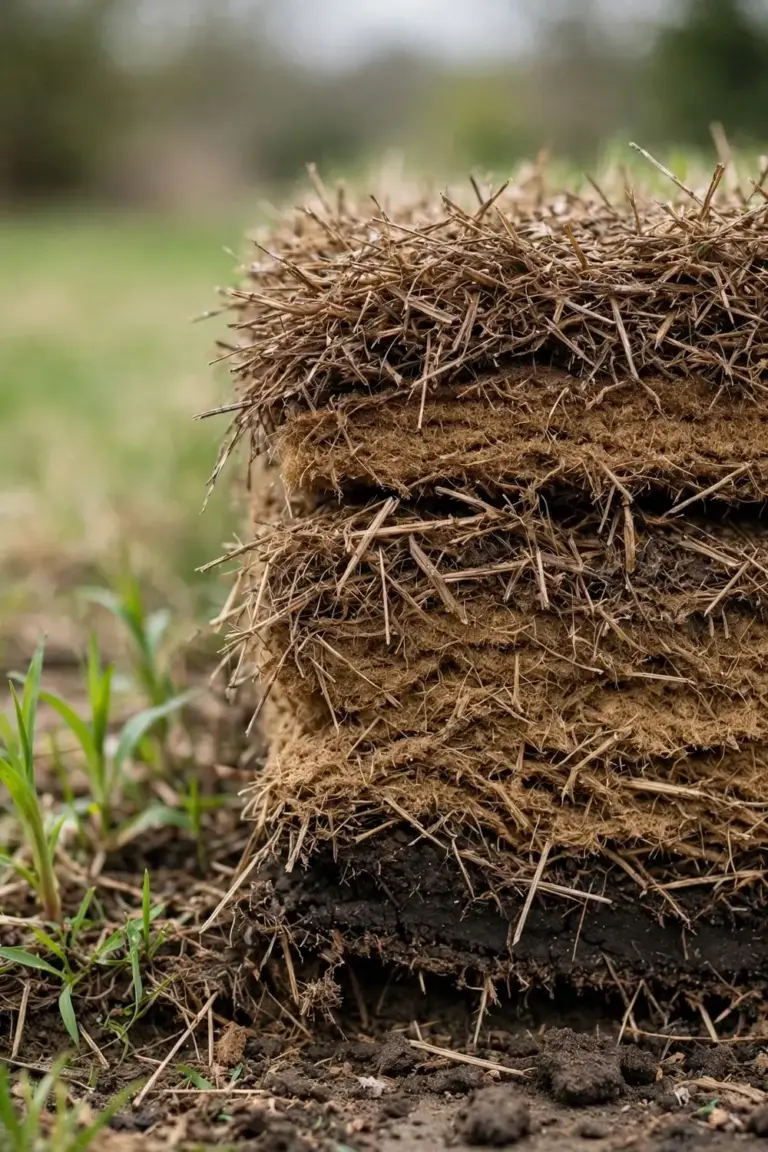
Thatch builds up when the lawn grows faster than old material breaks down. Heavy nitrogen feeding, frequent shallow watering, and mowing without catching the clippings all accelerate it. Couch is a vigorous grower, so thatch accumulates faster in couch than in slower grasses like buffalo.
Scalping is the other side of the same problem. It happens when the mower cuts so low that it removes all the green blades and exposes the brown stems underneath. Those brown swirl marks stay visible for weeks because the lawn cannot grow new blades fast enough in cool weather to cover them. Scalping in early spring is especially damaging because the grass has no energy reserves to push new growth.
If thatch is thick, plan a dethatch once the lawn is actively growing and soil temperatures are consistently warm. Use a dethatching rake for small areas or hire a machine for large lawns. Do not dethatch a dormant lawn. The grass cannot recover until it is growing, and you will leave it bare and exposed for longer.
7. Push a Screwdriver to Test Compaction
Push a screwdriver into the soil in a green area, then push it into a brown area that should have greened up by now. If the screwdriver slides in easily in the green spot but hits resistance in the brown spot, the brown area is compacted. Compacted soil squeezes out the air pockets that roots need, and water runs off instead of soaking in.
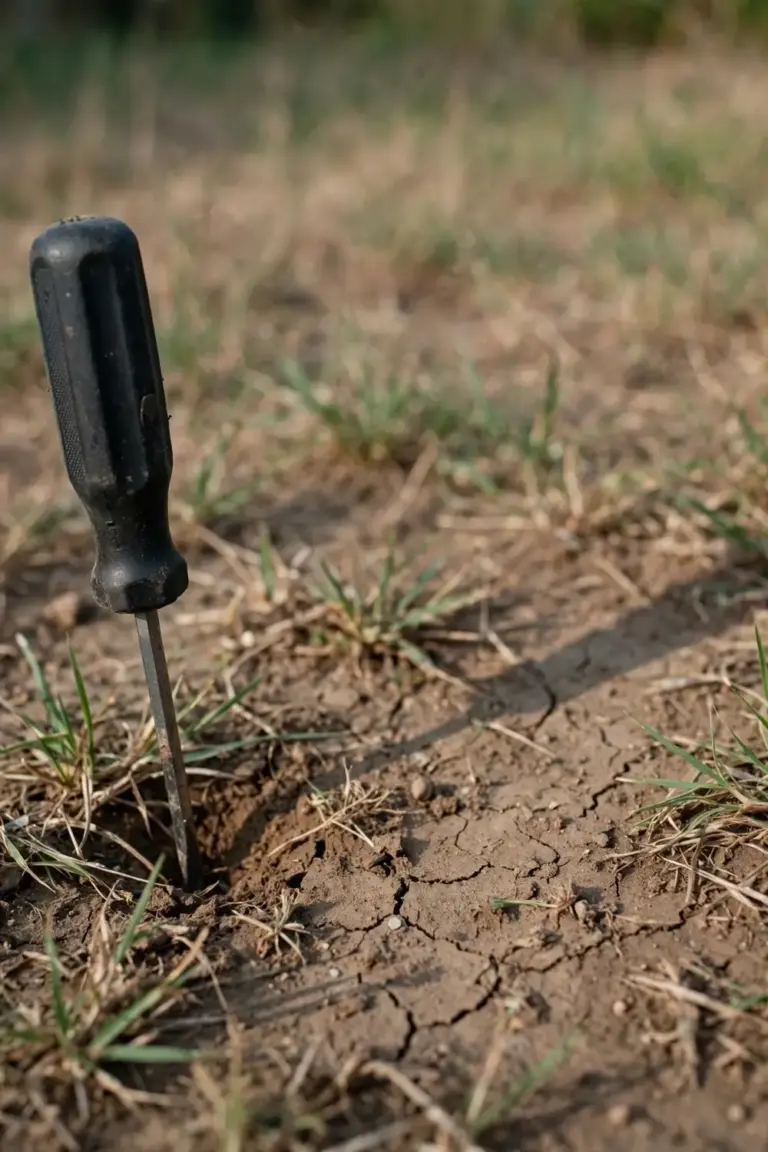
Foot traffic, parked cars, children playing, and paths across the lawn cause compaction. So does mowing the same pattern every week, which presses the same wheel lines into the soil. The grass in compacted areas greens up late because the roots cannot breathe or drink properly. The blades may also be thinner and paler than the surrounding lawn.
Clay soils compact worse than sandy soils. If your lawn sits on heavy clay, compaction is a recurring problem, not a one-time fix. Regular aeration becomes part of the annual routine, not an emergency measure.
Aerate compacted areas once the lawn is growing strongly. A garden fork works for small spots: push it in 10 cm deep every 15 cm across the area and rock it gently to open channels. For large areas, hire a core aerator that pulls out soil plugs. Leave the plugs on the surface to break down. Do not aerate dormant grass. Wait for active growth so the lawn heals the holes quickly.
8. Identify the Winter Weeds Filling the Gaps
Look closely at the green bits in your brown lawn. Some of them are not couch. Winter grass, broadleaf weeds, and cool-season invaders germinate in autumn, grow through winter, and die off in spring. They leave bare patches exactly where your couch should be greening up.
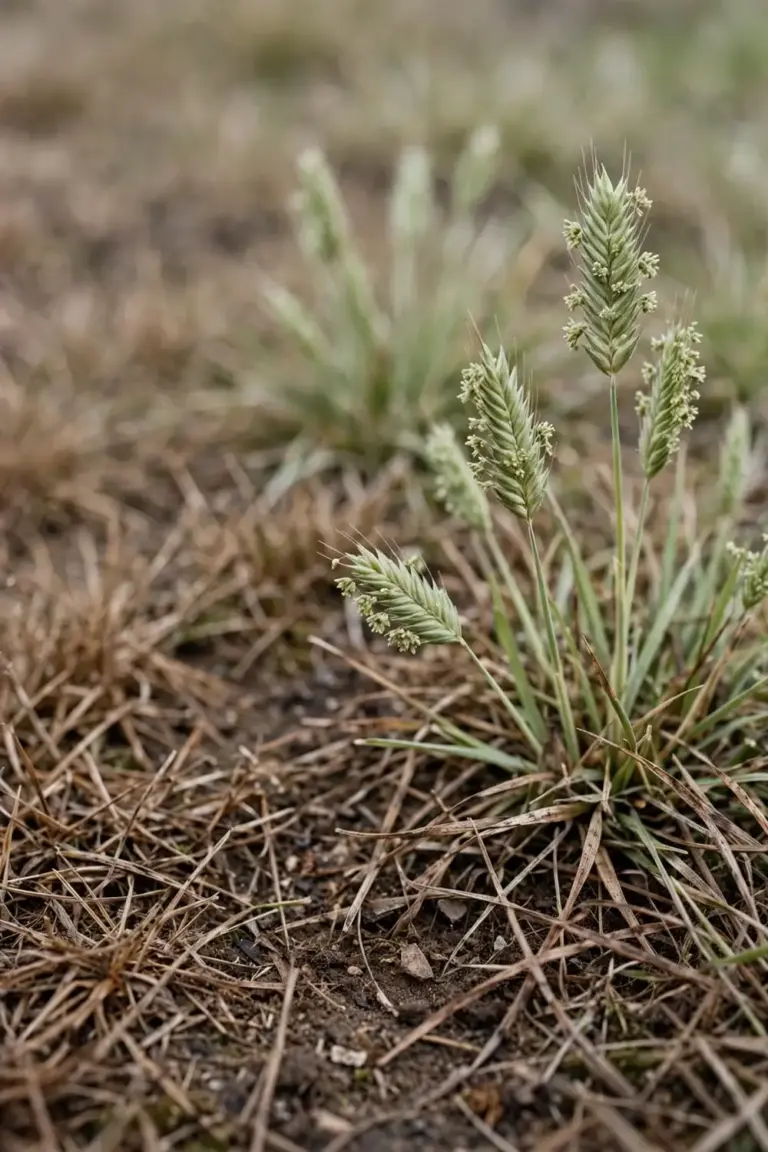
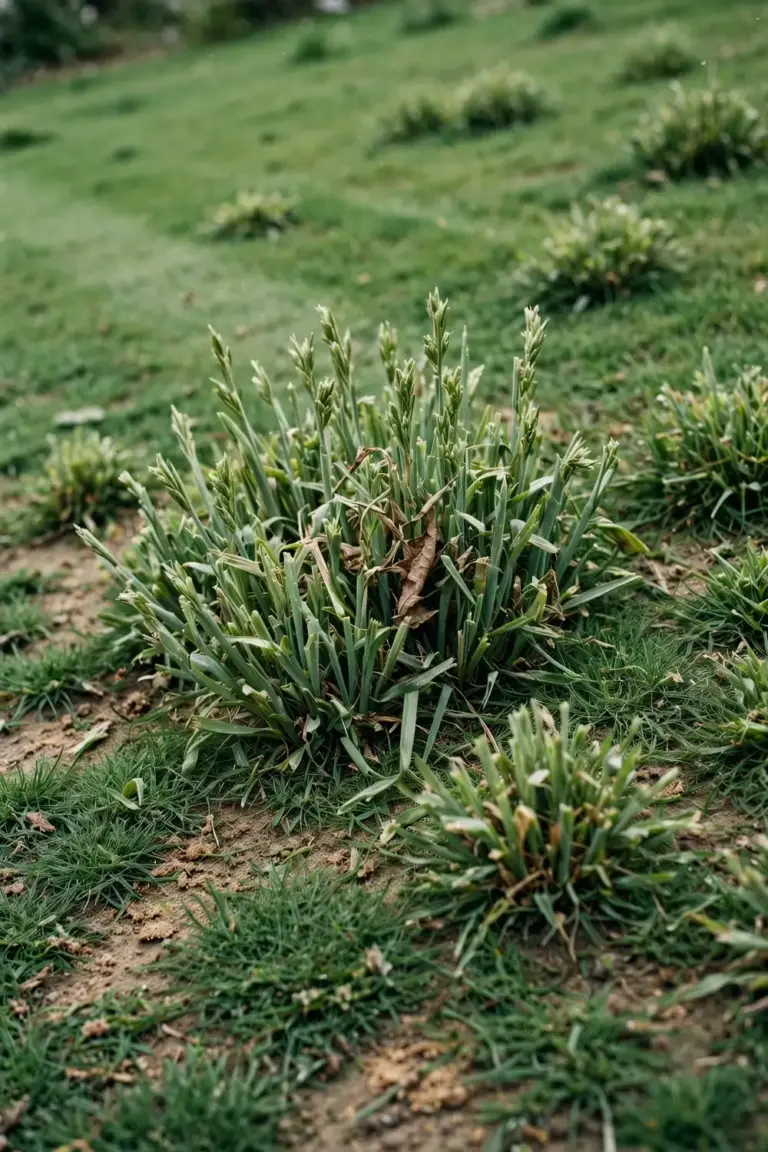
Winter grass forms pale green tufts with a distinctive seed head that looks like a tiny boat. It thrives in the cool months when couch is dormant, then collapses as temperatures rise. The bare soil it leaves behind is not dead couch. It is empty space where a weed used to be. Many gardeners mistake this for patchy couch death.
Broadleaf weeds like bindii, clover, and dandelion also exploit the dormant season. They grow while the couch sleeps, then leave gaps when summer heat kills them or when you spray them out. A lawn full of winter weeds looks green in August and brown in October, which is the opposite of what couch does.
Pull winter weeds by hand when the soil is moist, or spot-spray with a selective herbicide labeled for your grass type. Do this before the weeds set seed. A thick couch lawn in summer crowds out most winter weeds on its own, so the long-term fix is a healthy dense lawn, not a chemical program. Prevent the next generation by feeding and mowing correctly through the growing season.
| Cause | Sign | What to do |
|---|---|---|
| Still dormant | Whole lawn brown, tug test resists, crowns pale and firm, soil below 14 degrees | Wait for consistent warmth; do nothing yet |
| Dead patches | Grass pulls free, crowns brown and mushy | Mark the spots; plan to re-turf or re-seed in warm weather |
| Shade or cold pocket | Only shaded or low areas still brown | Give it two more weeks; flag with a stake |
| Curl grubs | Irregular patches, turf lifts like carpet, birds digging | Confirm by digging; treat per label when grubs are feeding |
| Thatch or scalping | Spongy mat thicker than a thumb, brown mower swirl marks | Dethatch once actively growing; raise mower height |
| Compaction | Screwdriver resists in brown areas, easy in green areas | Aerate once the lawn is growing strongly |
| Winter weeds | Pale tufts with boat-shaped seed heads, bare soil after they die | Hand-pull or spot-spray before seed set |
9. Feed Only After Growth Restarts
Do not fertilize a dormant lawn to force it green. Once couch is dormant, there is little you can do to encourage greening or growth, because the grass has almost stopped growing until spring. Fertilizer applied to dormant grass sits unused, and the first heavy rain washes it away. The trigger for green-up is heat, not nutrients.
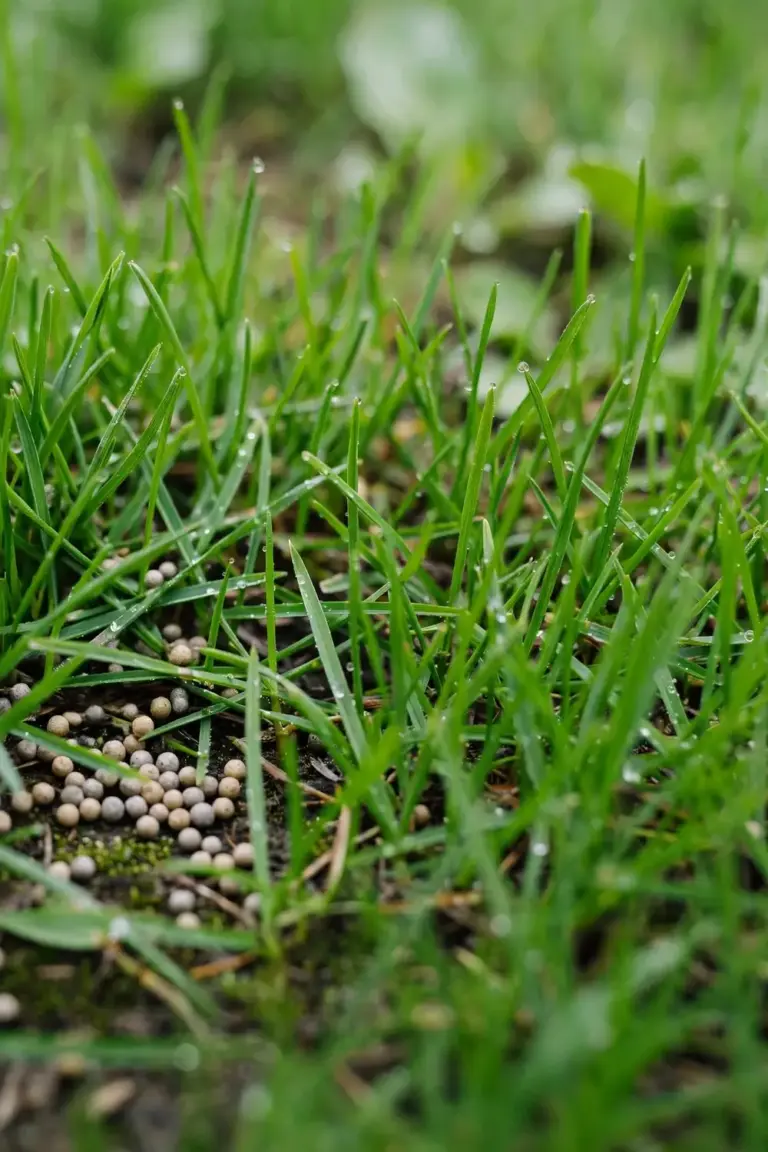
Wait until you see active new growth and you are mowing regularly. Then feed. Paul Munns recommends holding off on spring fertilizing until early to mid-October for better results, because the grass takes up nutrients efficiently only once it is growing strongly, as explained in his spring lawn care guide.
The feed that matters most for spring green-up is the one you applied last autumn. An autumn fertilizer applied in April gives the lawn stored nutrients to draw on when it breaks dormancy. Paul Munns notes that the lawn stores some of the applied nutrients over winter, which makes a real difference in spring. If you missed the autumn feed, do not compensate with a heavy spring dose. Feed at the label rate once growth starts. A slow-release granular fertilizer is the safest choice for spring, because it feeds steadily as temperatures rise.
For timing details, see the site’s guide on the best time to fertilize your lawn in spring. That guide covers the soil temperature triggers and the difference between quick-release and slow-release products.
10. Raise the Mower Height for Spring
Set your mower one notch higher than your summer setting for the first month of spring growth. Paul Munns advises raising the mower height by one notch before winter and keeping it there until the end of September, then lowering it gradually as warm weather arrives, as detailed in his winter preparation guide.
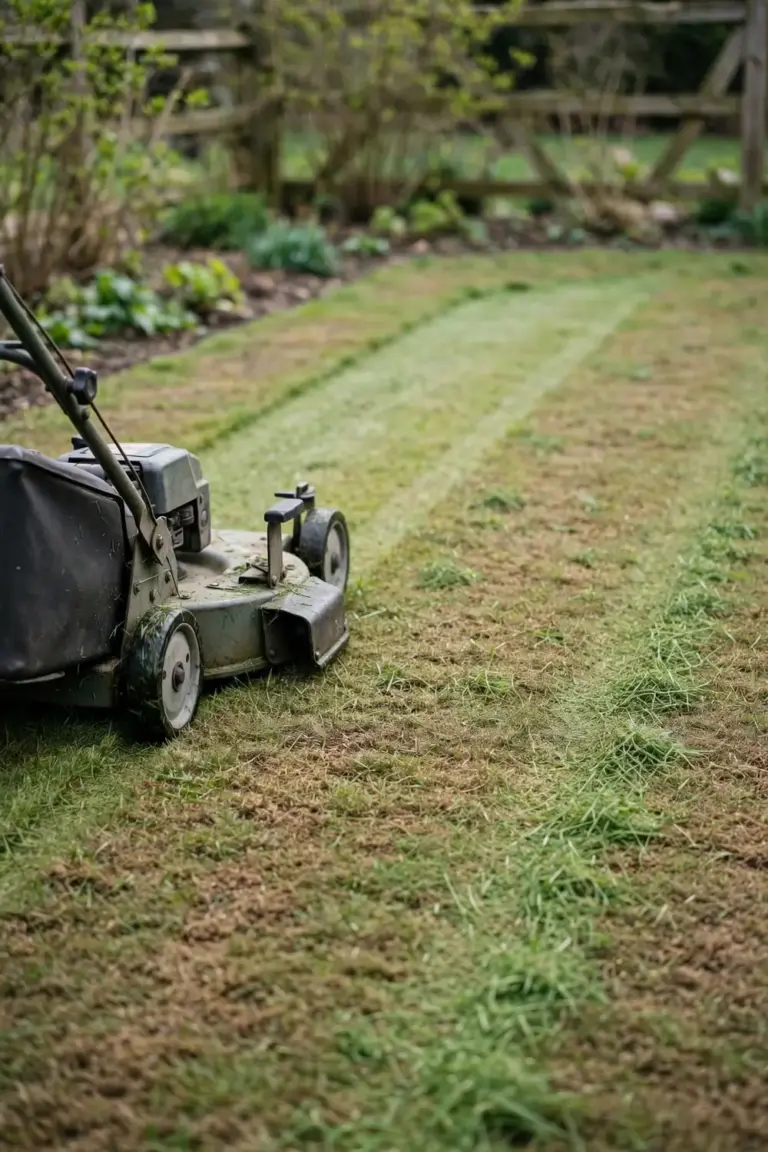
Longer blades do two jobs in spring. They shade the soil, which keeps the crowns a fraction warmer on cold nights. They also give the plant more leaf area to photosynthesize, which speeds up the green-up once temperatures allow growth. Scalping the lawn low in early spring exposes the brown stems and sets back recovery by weeks, because the plant has to rebuild leaf area before it can power new growth.
Lower the height gradually over several mows as growth accelerates. Never remove more than one-third of the blade length in a single mow. The lawn tells you when it is ready for a lower cut: it starts growing fast enough that you need to mow weekly. If you are catching clippings, return them to the lawn occasionally. They break down and feed the soil.
Keep your mower blades sharp. A blunt blade tears the grass instead of cutting it, leaving ragged tips that brown off and make the whole lawn look dull. Sharpen or replace the blade at the start of the growing season.
11. Water Deep and Infrequent Once Warm
Once soil temperatures are consistently warm and the lawn is growing, water deeply and less often. Deep watering pushes roots down into the soil. Shallow daily watering keeps roots near the surface, where they suffer first in heat and dry spells.
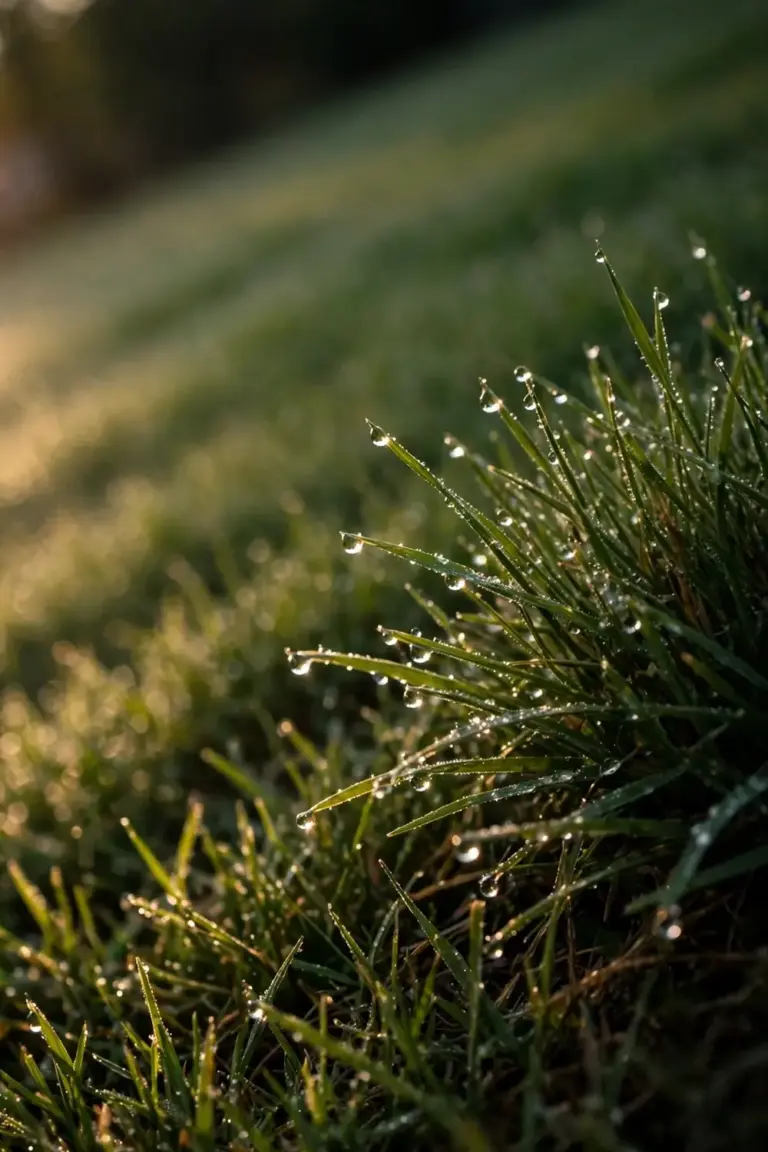
Water early in the morning to reduce evaporation. The grass dries quickly as the sun rises, which also reduces disease pressure. Evening watering leaves the lawn wet overnight, which encourages fungal problems.
If the lawn is still dormant, do not water to force green-up. Dormant couch needs very little water, and overwatering a dormant lawn causes waterlogging that the grass cannot use. Paul Munns advises monitoring rainfall through winter and turning irrigation off in most cases, because dormant lawns do not appreciate sitting wet.
Check whether water is actually soaking in. Push a screwdriver into the soil after watering. If it only penetrates a few centimeters, the soil may be hydrophobic or compacted, and the water is running off instead of reaching the roots. A soil wetting agent helps hydrophobic soil absorb water. Aeration helps compacted soil. Address the underlying problem rather than just adding more water.
12. Decide When to Renovate Instead of Waiting
Renovation means re-turfing or re-seeding dead areas. It is the right call when the tug test and crown check show large areas of dead grass that will not recover. It is the wrong call when the lawn is merely dormant and the soil is still cold.
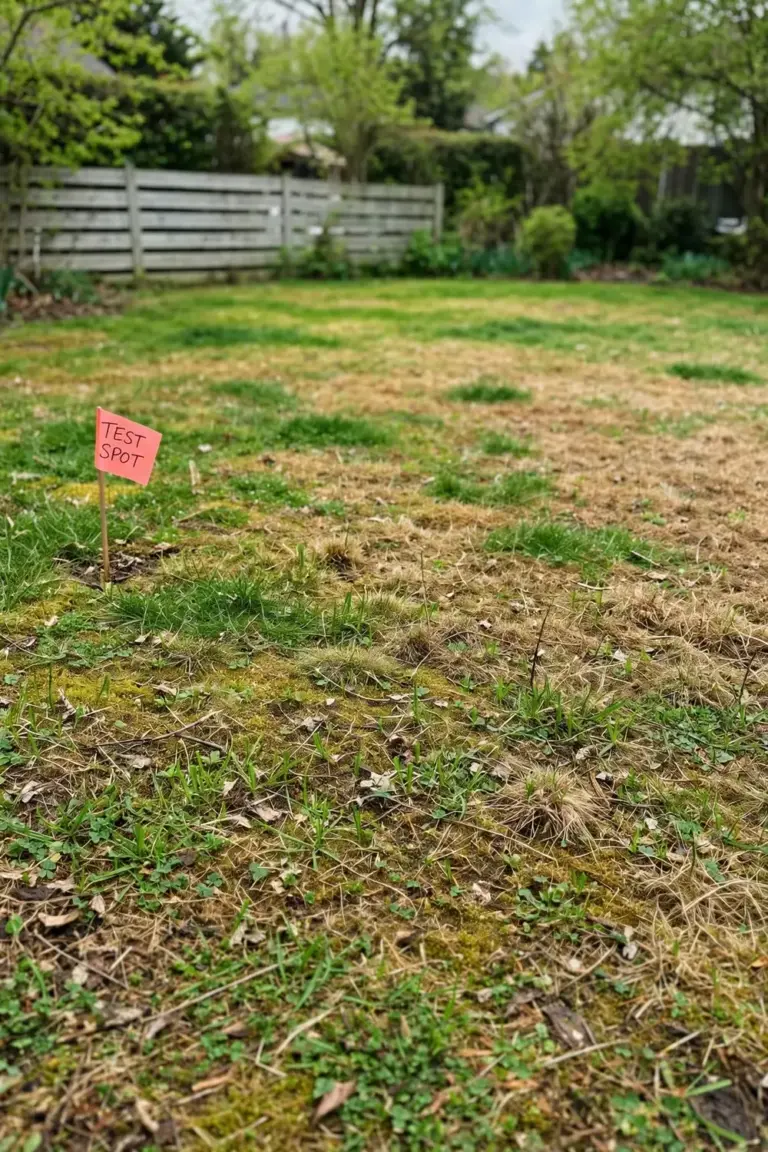
Give a dormant lawn until soil temperatures have been consistently above 14 degrees for three weeks before you declare patches dead. Some couch varieties green up slowly, and shaded areas lag further behind. Rushing to re-turf a dormant lawn wastes money on new turf planted into cold soil that will not establish properly.
When you do renovate, do it in warm weather when couch grows fastest. Remove the dead material. Level the soil. Lay the turf tightly with no gaps, or sow seed at the recommended rate and keep it consistently moist until germination. Water new turf or seed daily until established, then transition to deep infrequent watering.
A renovated lawn planted at the right time covers in weeks. The same job done too early sits and sulks, and you will be diagnosing the new turf the same way you diagnosed the old lawn. Timing is the difference between a quick fix and a repeated problem.
Frequently Asked Questions
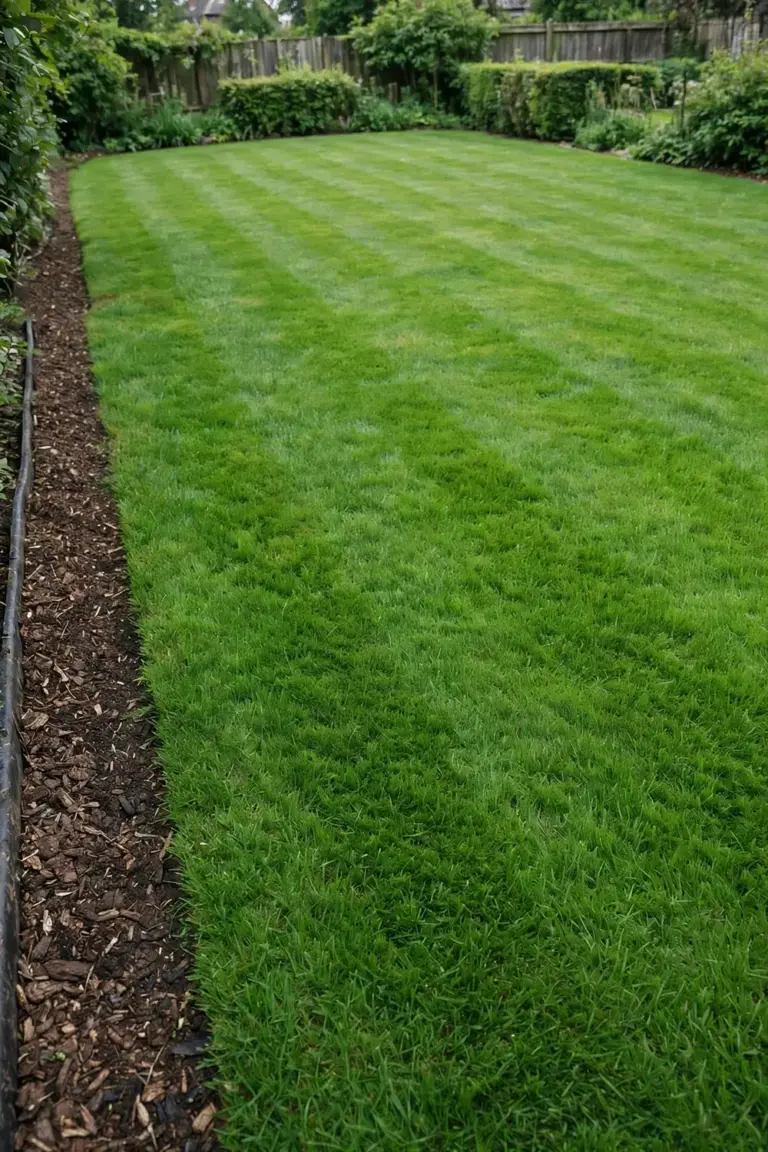
Couch grass typically goes dormant from mid-May and stays dormant until spring, when soil temperatures warm consistently. In warm coastal areas this can mean green-up in September. In cooler southern regions it can stretch into October. The exact timing shifts every year with the weather, so trust a soil thermometer over the calendar. Paul Munns confirms that couch, kikuyu, and buffalo all settle into winter dormancy from mid-May in South Australia.
September brownness is normal in cool regions and shaded spots. Soil temperatures may not have reached 14 degrees consistently yet, especially overnight. Kikuyu lawns often green up first, with couch following a few weeks later and buffalo trailing into late September. If your whole street is still brown, the season is late. If only your lawn is brown, run the tug test and check for grubs, thatch, or compaction.
No. Once couch is dormant, there is little you can do to encourage greening or growth. Fertilizer, extra water, and low mowing do not wake a dormant lawn. The trigger is soil warmth, consistently above 14 degrees. The fastest honest path is to make sure nothing else is wrong: confirm the crowns are alive, clear thatch, aerate compaction, and wait for warmth.
No. Wait until you see active new growth and regular mowing is needed. Fertilizer applied to dormant grass goes unused and washes away with rain. The most useful feed for spring green-up is the autumn fertilizer applied in April, which the lawn stored over winter. Feed at the label rate once growth restarts, preferably with a slow-release product.
Pull a handful of brown grass firmly. If it resists, the roots and crowns are alive and the lawn is dormant. Part the blades and check the crown at the soil line: firm and pale means alive, brown and mushy means dead. Dormancy browns the lawn evenly across the whole yard. Dead patches are irregular, often with grubs or disease as the cause, and they pull up with no resistance.
Re-turf when the tug test and crown check confirm large dead areas after soil has been consistently above 14 degrees for three weeks. Do not re-turf a dormant lawn into cold soil, because the new turf will not establish. Renovate in warm weather when couch grows fastest. Prepare the soil properly first, and water consistently until the new turf or seed is established.
Walk Your Lawn This Weekend
Take a soil thermometer, a screwdriver, and ten minutes this weekend. Run the tug test in three different spots across the lawn, choosing one sunny area, one shaded area, and one spot that looks the worst. Read the soil temperature at 9 a.m. three mornings in a row and write down each number so you can see the trend. Push the screwdriver into every brown area that should have greened up by now. Glance at the neighbors’ lawns on your way back inside. Those five checks tell you whether your couch is dormant, dead, or held back by grubs, thatch, compaction, or weeds. Act on what you find. Then let warmth do the rest.