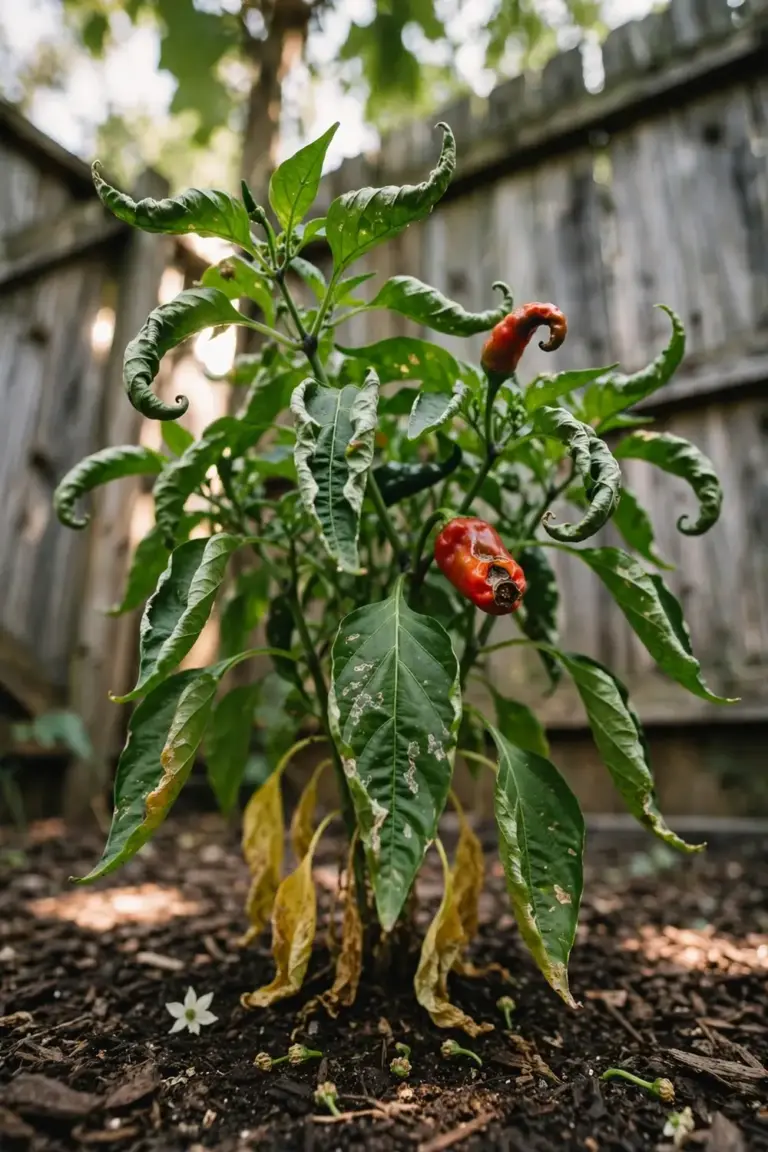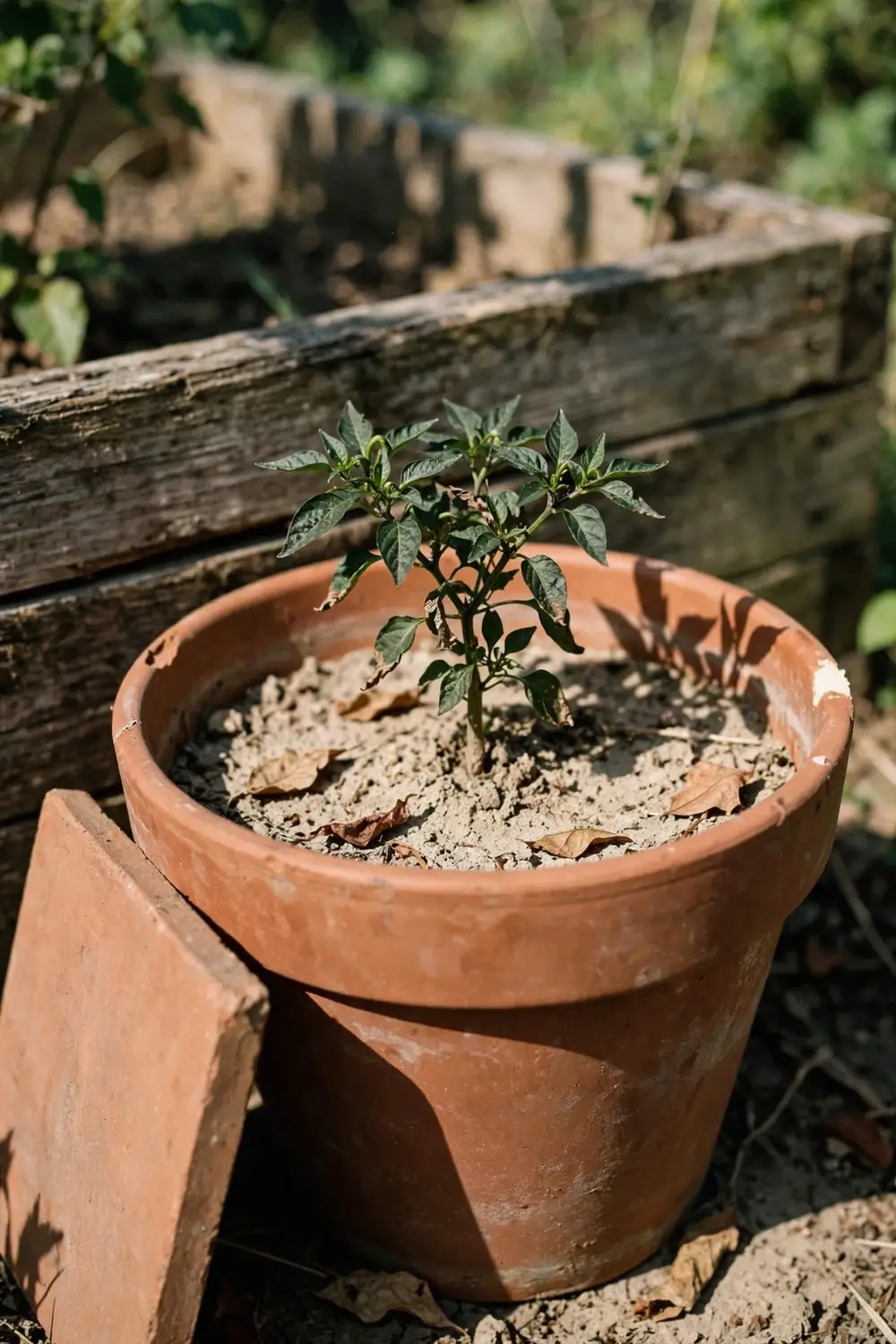

A chilli that has not grown a centimetre or pushed a new leaf in two weeks is stalled, and the cause is almost always the environment rather than a disease. Chilli means Capsicum here: the same genus as cayenne, jalapeno, habanero, and sweet capsicum. These heat-loving plants stop when conditions fall short: nights below about 16°C (60°F), fewer than six hours of direct sun, or a pot that no longer fits the roots stall most plants in Australian gardens.
That is the question behind “why is my chilli not growing well”: a growth stall, and the plant is not sick. The rest of this page runs 11 checks in the order a plant usually fails them, starting with light and heat and ending with the variety itself. Each check names the stall sign, the mechanism behind it, and the fix, so you can jump straight to the H2 that matches your plant.
If your plant is still in its first month, the stall often started on sowing day. The seed starting guide covers the warm-start routine that prevents half the problems below.
Once your chilli is growing strongly and you want the complete seasonal routine, that is a separate job, and the site’s pepper growing guide walks through it start to finish. This page stays with the stalled plant: the check, the cause, and the fix.
1. Rule Out a False Alarm: Is Your Chilli Actually Slow?
Check the seed packet’s days to maturity before you diagnose anything. A habanero can need 90 to 100 days from transplant to ripe fruit, according to UF IFAS pepper variety notes, so a plant that looks stalled in week six may be exactly on schedule. Days to maturity are counted from transplant, not from the day you sowed the seed, which catches out most first-time growers.
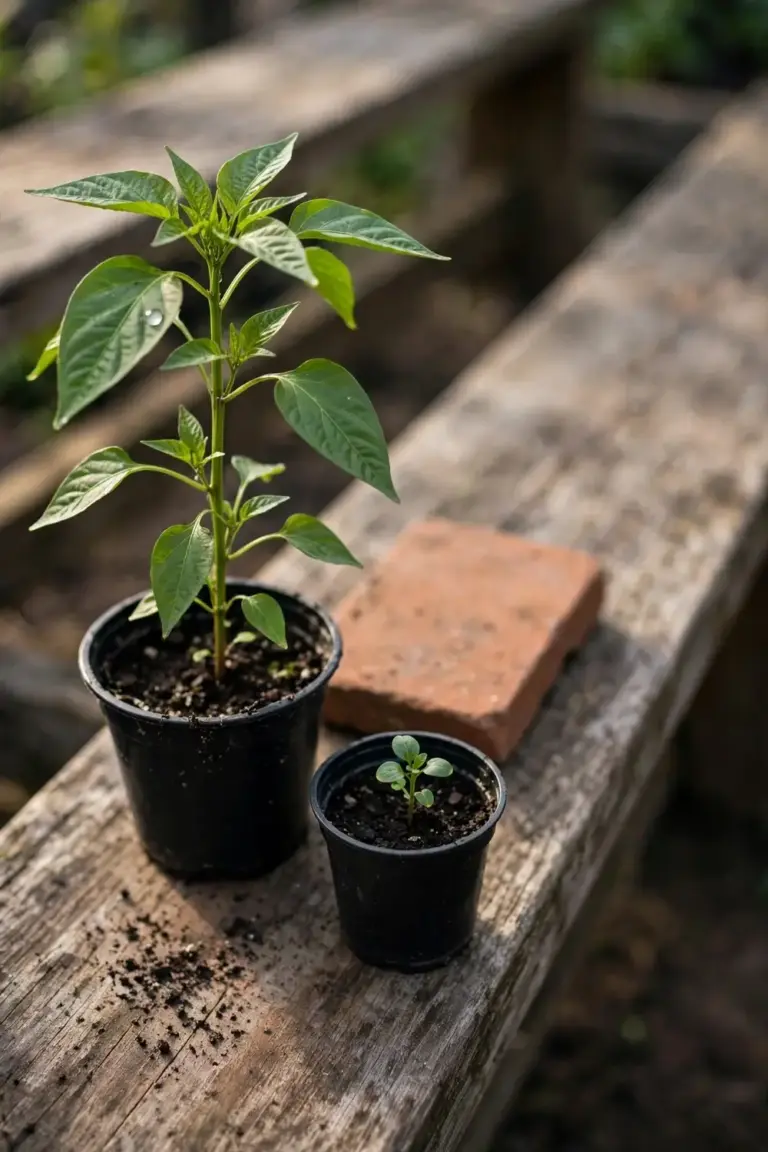
Species matters as much as the packet. Capsicum chinense types such as habanero, scotch bonnet, and ghost pepper ripen weeks later than Capsicum annuum types such as jalapeno, cayenne, and bird’s eye. A chinense seedling that sits small while the neighbour’s jalapeno races is not failing. It is running a longer race.
Run the four checks in the table before you change water, feed, or position. A plant that passes all four is growing at its own correct speed, and the fix is patience.
Packets print the maturity figure near the variety description, and it always assumes a warm season without checks in growth. A cool spring stretches every figure on the packet, so allow a few weeks of grace in the southern states before you call the plant slow. Write the transplant date on the packet with a pen. Memory lies about dates, and the written date keeps the diagnosis honest.
| Check | What to Measure | Slow Is Normal When |
|---|---|---|
| Days since transplant | Count from the day it went outside, not sowing day | The packet lists 90-plus days and you are under day 60 |
| Species | Chinense or annuum, printed on the packet | Chinense types ripen weeks later than annuum types |
| Night temperature | The lowest overnight reading near the plant across a week | Cold nights are slowing every warm-season plant, not just yours |
| New growth | Any new leaf, bud, or stem tip in the last 14 days | Zero new growth for a full fortnight means a real stall |
2. Give the Plant Six Hours of Direct Sun, Minimum
Move the plant, or the pot, to a spot that gets at least six hours of direct sun a day. UC ANR’s pepper growing notes set six hours as the minimum and pair it with daytime temperatures of 75 to 85°F (24 to 29°C) and nights of 55 to 65°F (13 to 18°C). Under that light budget the plant cannot make enough energy to grow, and it shows it by sitting still with small, dark leaves.
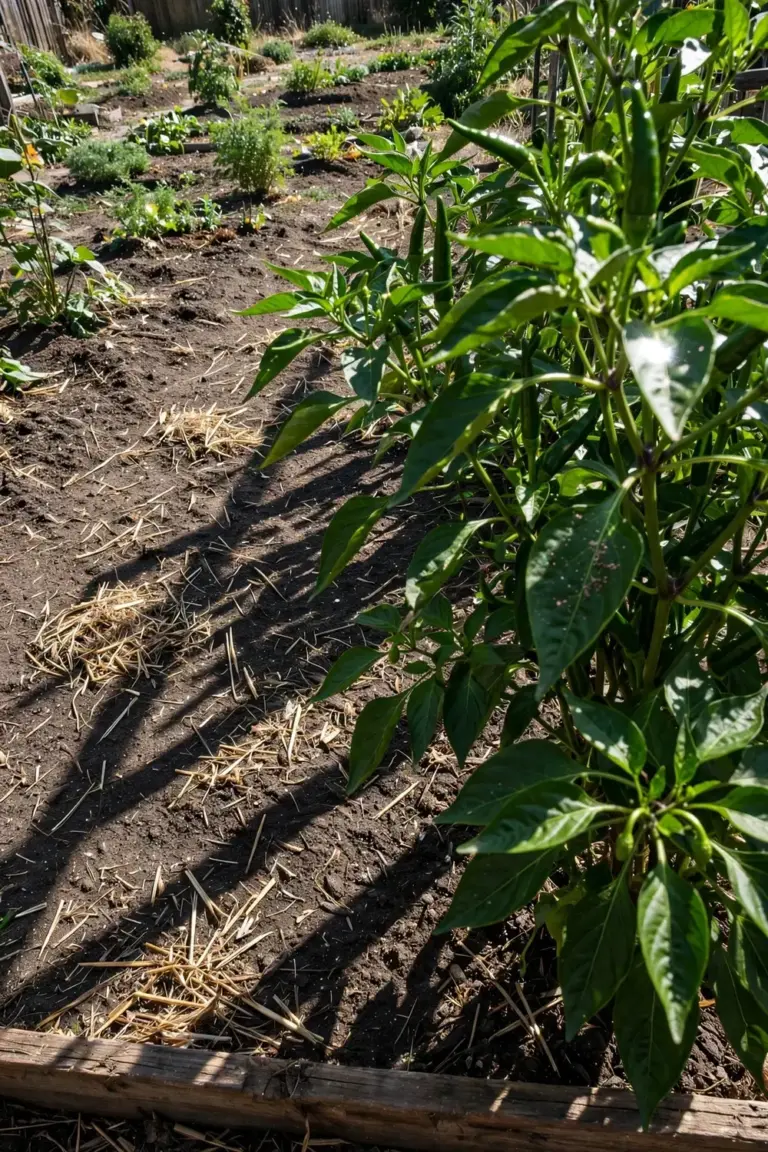
Shade stalls show up slowly, which is why they get misread. A chilli under an eave or behind a fence keeps its color, drops no leaves, and never gets bigger. Morning sun counts fully toward the six hours. In the southern states, where winter and early spring sun sits low, a spot that was full sun in January can be half shade by June, so re-check the light on the plant rather than trusting your memory of the bed.
Pots earn their keep here. A chilli in a container moves to the sun in one lift, while a chilli in the ground needs the sun to come to it. Prune back the overhanging branch that stole the light, or shift the pot two metres toward the morning sun.
Judge the six hours by watching the plant through a day, not by guessing. Note when direct sun first hits the leaves and when shade takes it, then add up the sunny stretches. Reflected light off a pale wall helps, but it does not replace direct sun on the leaves. If the total falls short, the plant will not argue. It sits still until the light improves.
3. Keep Night Temperatures Above the Stall Point
Chillies grow fastest when nights sit between 60 and 70°F (16 to 21°C), and blossoms may fail to set when nights drop below 60°F (16°C) or days push past 90°F (32°C), according to NMSU’s Chile Pepper Institute. Growth stalls before flowers ever appear: cool roots take up phosphorus poorly, new leaves stay small, and the whole plant waits.
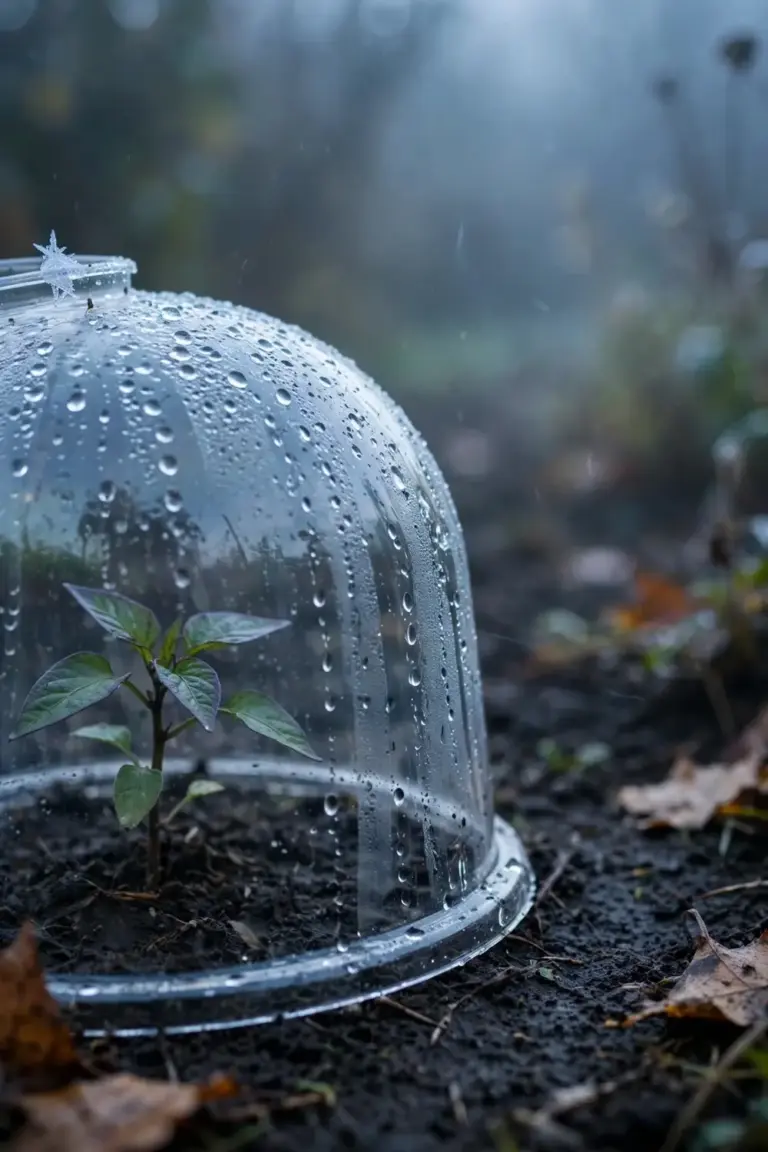
This is the number-one stall in the southern states. Melbourne, Adelaide, and Hobart all serve up spring nights in the low teens while gardeners are already planting out, and a chilli transplanted into 12-degree nights sits motionless for a month. Soil holds the cold longer than air, so a bed that feels fine at noon can still be too cold at root depth at dawn.
Warm the root zone and the plant restarts. Black plastic or a dark mulch over the bed for a week before planting banks daytime heat. Pots move against a north-facing brick wall that radiates warmth after sunset.
A max-min thermometer by the bed ends the guessing. One glance at the overnight minimum tells you whether cold is the cause, and a week of readings shows the pattern better than any single night. They cost little, last for years, and settle more garden arguments than any other tool. A simple cloche over a young transplant buys several degrees on a cold night, and the plant spends that warmth on new leaves.
Do not feed a cold-stalled plant into growing. Fertilizer cannot warm roots, and salts in cold, wet mix burn the few working root hairs the plant has left. Warmth first, food later. When new leaves emerge after a warm stretch, that is the signal the roots are working again and feeding is useful.
4. Start Seeds Only When the Air Is Warm Enough
Sow chilli seed when air temperatures reach about 77°F (25°C) or higher, as UC ANR advises, and expect six to eight weeks from sowing to a transplant-ready seedling, per NMSU’s growing guide. Seed sown into cold mix germinates slowly or rots, and the seedlings that do emerge start life behind and never catch up.
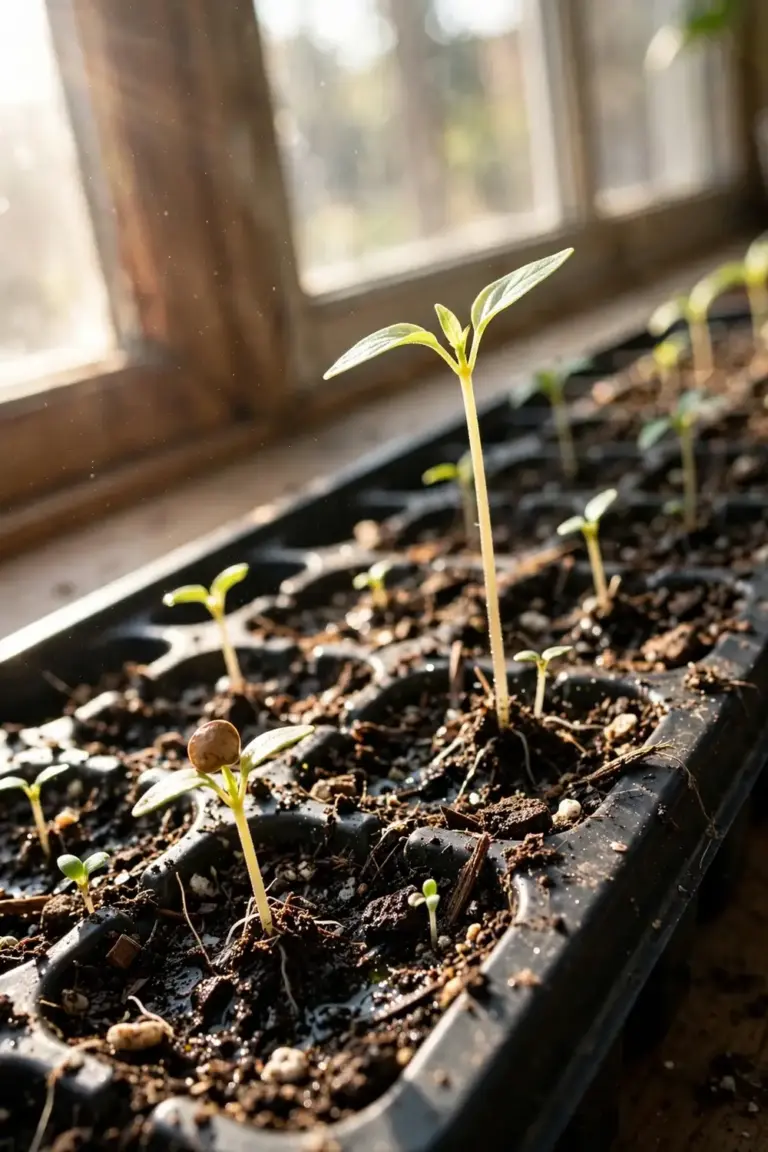
Count backwards from your transplant date. If your district plants out in late October, sowing in early September on a heat mat gives the seedling its six to eight weeks of warm indoor growth. Sowing in July because the packet arrived early gives you a seedling that sits in cold mix for a month, and that lost month reads as a stall in November.
Keep the seed tray where the warmth actually is. The top of the refrigerator, a heat mat under the tray, or a sunny indoor sill that holds warmth through the night all beat a cold laundry bench. Once the seedling has true leaves and the nights outside hold above the mid-teens, it is ready for the hardening-off routine in section 10.
Seedlings started too early indoors without strong light stretch tall and pale reaching for the window. That legginess is a light stall wearing a different costume, and those seedlings transplant poorly. Sow later with strong light rather than earlier in gloom. A short, stocky seedling started at the right time overtakes a tall, pale one within weeks of transplanting.
5. Water Deep Enough to Reach the Full Root Zone
Water less often but deeply enough to wet the whole root zone, because pepper roots run 20 inches (51 cm) deep and UC ANR recommends deep irrigation that keeps the root zone evenly moist. A daily sprinkle wets the top few centimetres, the deep roots dry out, and the plant rations water by stopping new growth.
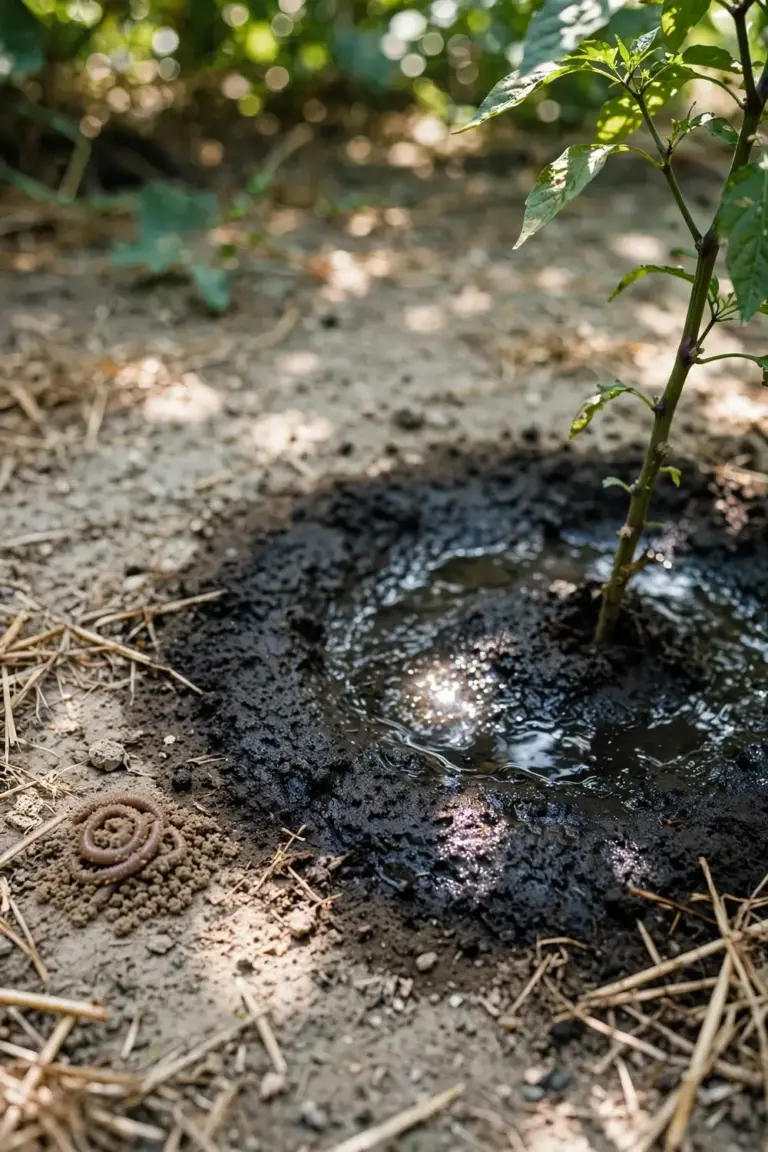
The stall sign is a plant that perks up after watering and sags again within a day. That cycle means water never reached the lower roots. Push a finger or a trowel into the soil after watering: if the mix is dry a hand-span down, the watering was too light. One long soak that drains freely beats three shallow sprinkles.
Mulch buys consistency between waterings. A 5 cm layer of straw or cane mulch over the bed cuts surface evaporation and keeps the root zone temperature even, which matters as much in a heatwave as in a cool spring. In pots, water until it runs from the drainage holes, then wait until the top of the mix dries before watering again. Soggy mix rots roots, and rotted roots cannot drink at all.
Pots and beds drink on different schedules. A pot in full sun can need water daily in a heatwave, while a mulched bed holds for days. Judge each planting by its own soil, not by one routine for the whole garden. Lift a small pot to feel its weight: a light pot is a dry pot. The hand learns the difference faster than any schedule.
6. Feed Light and Steady Once Flowers Appear
Mix organic fertilizer into the soil at planting, then hold off until blossoms appear and feed lightly every two to four weeks until harvest ends, following UC ANR’s pepper fertilizer schedule. A chilli that has exhausted its starter feed stalls with pale new leaves and thin stems: the plant has run out of raw material.
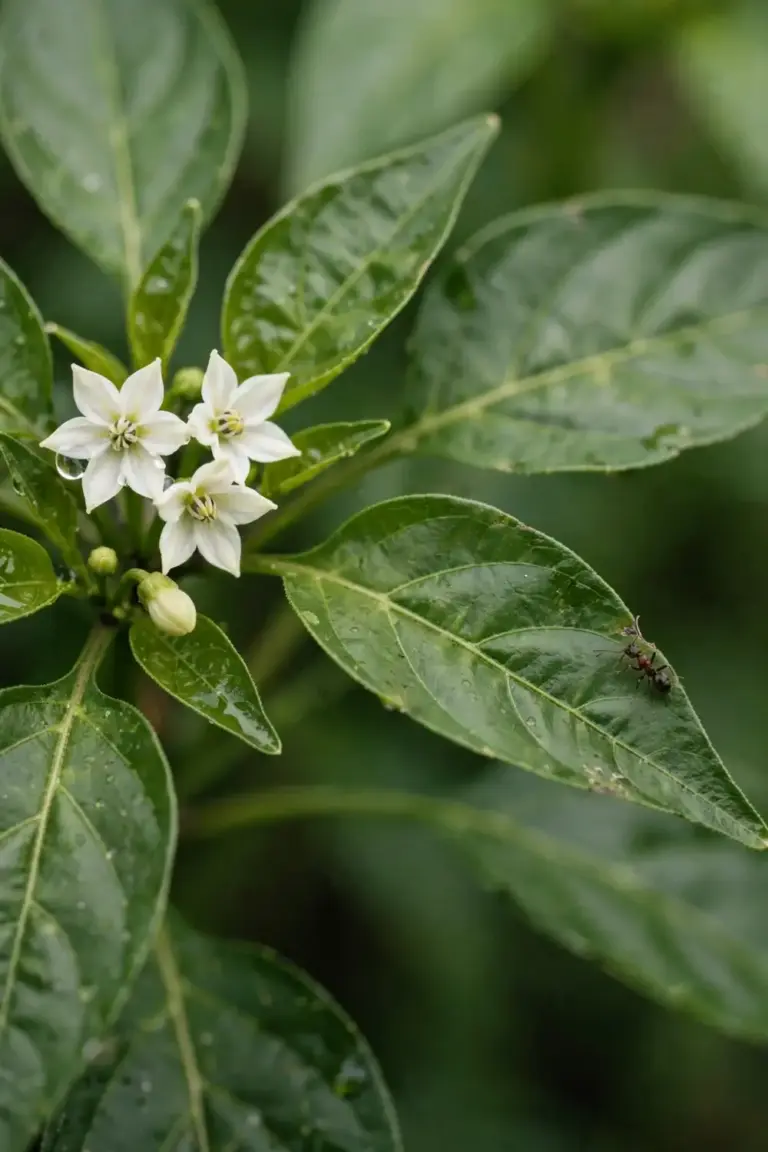
Starvation looks different from overfeeding, and the fix differs too. A starved plant is pale all over, with new leaves smaller than the old ones. An overfed plant is dark green and leafy with soft growth that flops. Most stalled chillies in home gardens are underfed rather than overfed, because potting mix nutrients wash out within weeks and garden beds get none at all.
Feed the plant, not the calendar. A liquid seaweed or balanced vegetable fertilizer at half the label rate, applied to moist soil every few weeks from first flower, restarts growth within a fortnight on a hungry plant. Skip the feed on a plant that is dark green and leafy but flowerless: that plant has nitrogen to spare and needs sun and warmth instead. When in doubt, the smaller dose is the safer correction.
Time the first feed to the plant, not the month. The first open blossom is the signal that the starter nutrition is spent and the plant is building flowers it must feed. Feeding weeks before that moment pushes soft leafy growth that the plant cannot support. One light feed at first flower, then the steady rhythm every few weeks, matches supply to demand.
7. Move a Stalled Plant Into a Bigger Pot
Pot up any chilli whose roots circle the base or push through the drainage holes. UGA Extension lists two to three gallons (about 8 to 11 litres) of mix per pepper plant as the working minimum, and a chilli trapped in a one-litre nursery pot has no room to build the root system that feeds new growth.
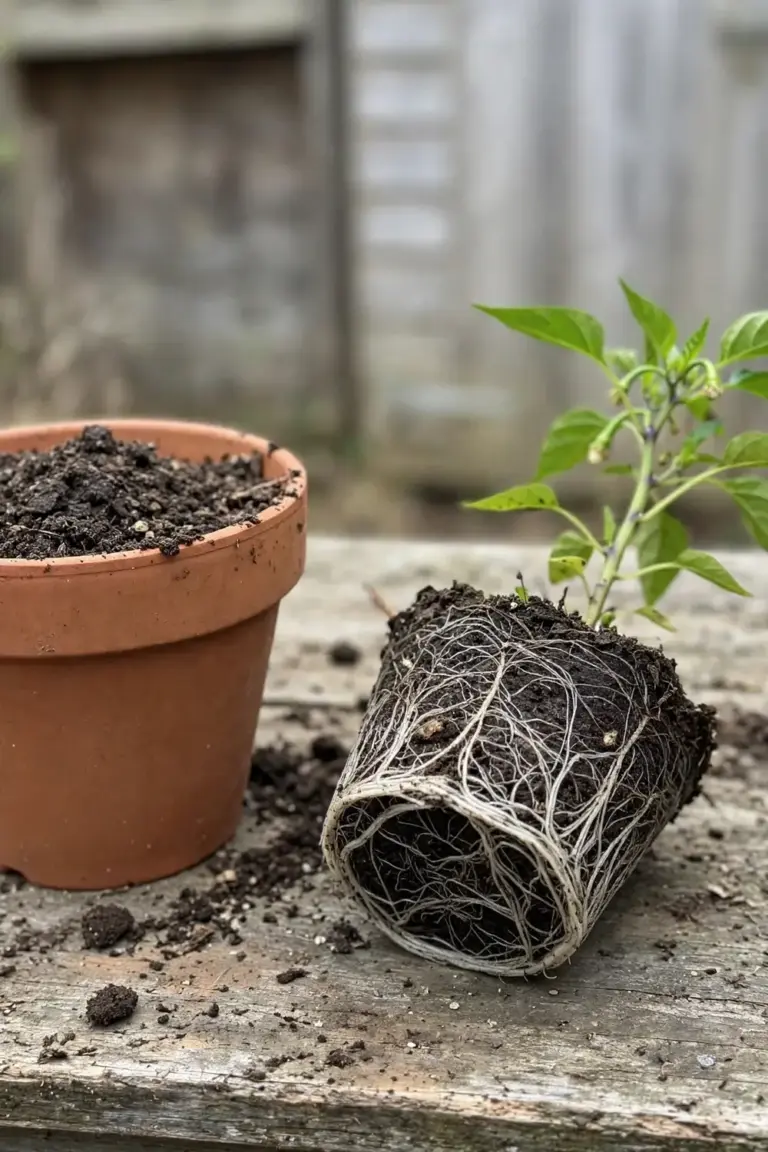
I check the pot before I reach for the fertilizer, because UGA Extension lists two to three gallons of mix per pepper plant and roots with nowhere to go cannot take up enough water and nutrients to grow. Tip the plant out and look: white roots circling the edge in a solid mat mean the plant is root-bound, and no amount of feeding fixes a root system that has run out of room.
Repot into the bigger container with fresh mix, teasing the circling roots outward so they grow into the new space. Water the plant in well and keep it out of harsh afternoon sun for two or three days while the roots settle. Growth usually resumes within two weeks, starting with a flush of new leaves from the top.
Pick the new pot for drainage first and size second. One wide drainage hole, or several small ones, matters more than a decorative shape, because chillies forgive a tight pot longer than they forgive a soggy one. Fill it with fresh potting mix, not garden soil: garden soil compacts in containers and strangles the roots you just freed.
8. Loosen Compacted Soil So Roots Can Push Through
Chilli roots stall in heavy, compacted, or waterlogged soil. UC ANR’s pepper notes observe that peppers grow in most soils provided drainage is good, and recommend working compost through the soil for better results. Roots cannot push through a brick, and they drown in a bathtub: both conditions read above ground as a plant that refuses to grow.
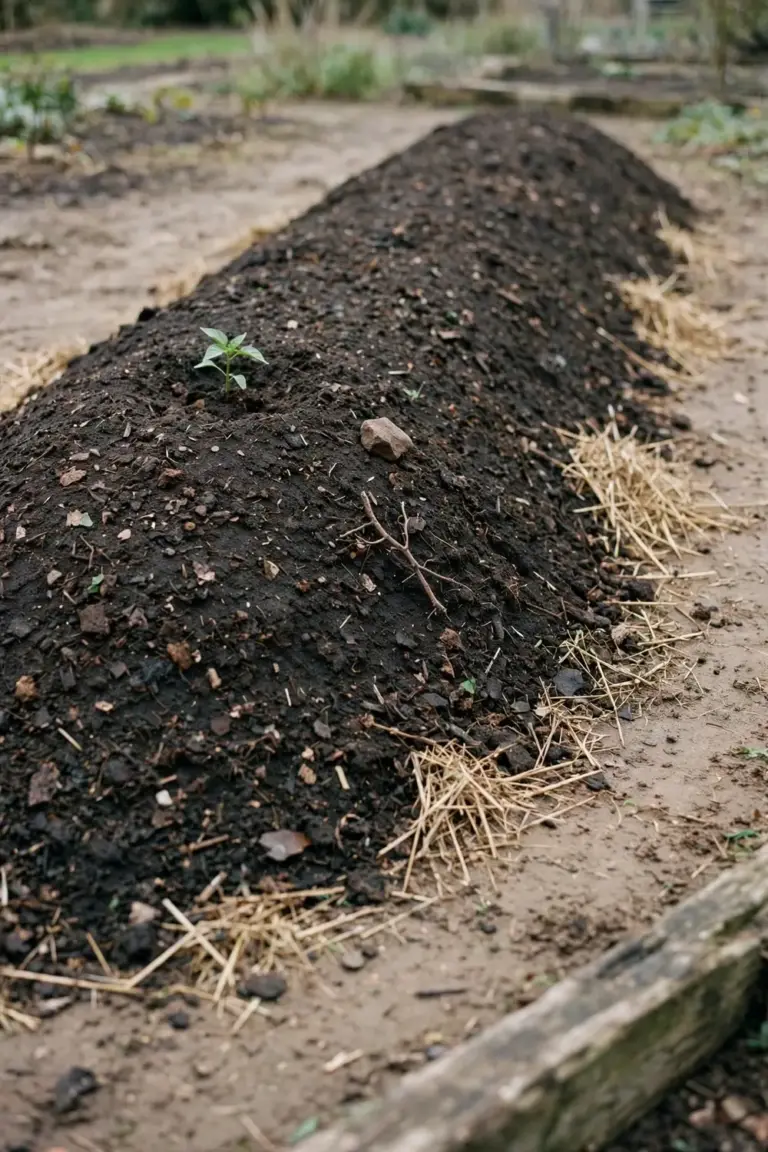
Dig a test hole before you blame anything else. Fill it with water and watch: if it drains within an hour or two, the structure is workable. If water still sits there the next morning, the bed needs drainage work before it needs anything planted in it. Fork compost through the top 20 to 30 cm of a heavy bed, and consider a raised mound or raised bed for clay soils that never drain.
Build the bed up rather than digging down into trouble. A broad, low mound of compost-rich mix lifts the roots above the wettest layer and warms faster in spring. Shape it wide enough that the mature plant’s drip line stays on the mound, and mulch it like any other bed.
The soil health guide walks through building living soil that holds both water and air. One season of compost and mulch changes a compacted bed more than any fertilizer, because roots follow air and moisture, and compacted soil offers neither.
9. Look Under the Leaves for the Pests That Steal Growth
Turn over the leaves and check for aphids, mites, and thrips before you blame the weather. Sap-sucking insects drain the energy the plant would spend on new growth, and they feed on the undersides of young leaves, so inspect there first.
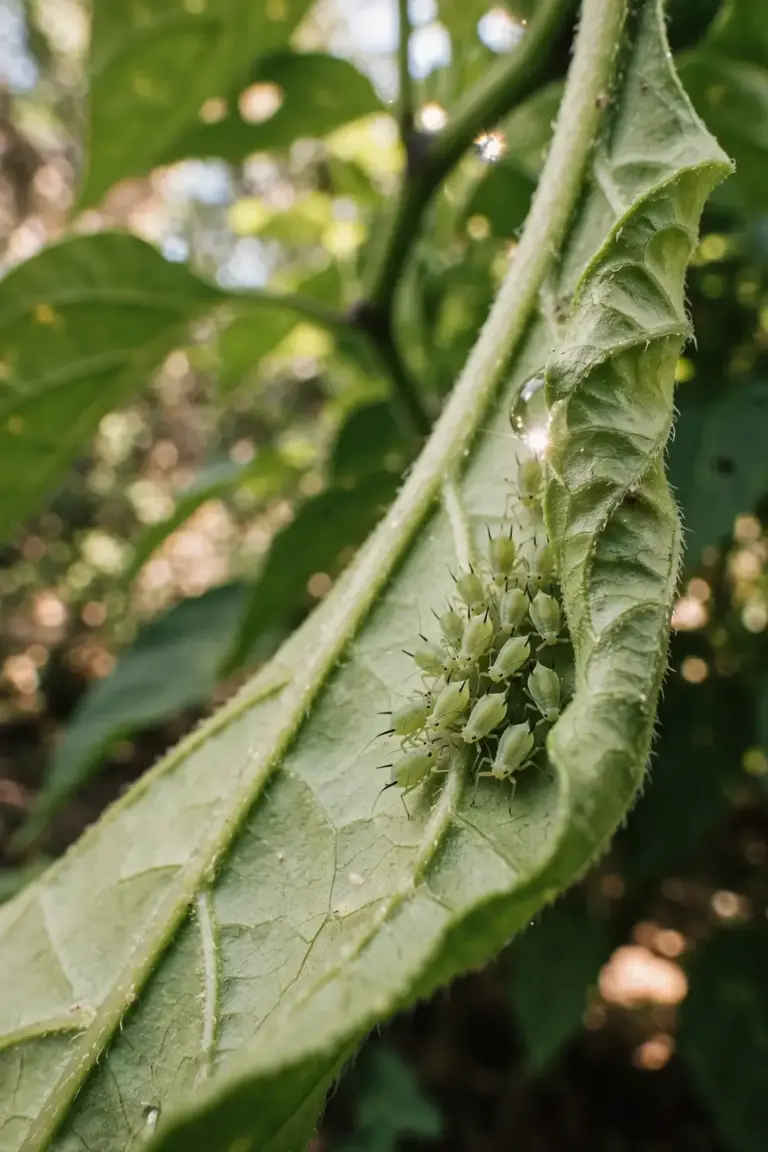
Aphids cluster on soft new tips and leave sticky residue. Mites are specks that stipple the leaf surface, visible with a hand lens. Thrips scar young growth and spread with a rasping feed that distorts each new leaf as it opens. Catch them early and the plant outgrows the damage; catch them late and the growing tips are ruined for the season.
Blast light infestations off with a firm jet of water, aiming up under the leaves where the insects sit. Repeat every few days for two weeks to break the breeding cycle. For thrips specifically, the site’s chilli thrips guide covers identification and control in detail. A plant freed of sap-suckers puts its energy back into leaves within days.
Resist spraying the whole garden at the first aphid. Broad sprays kill the ladybirds and lacewings that were already eating the pests, and the rebound infestation is worse than the first. Target the infested plant, repeat the water blast, and let the predators hold the line elsewhere. A garden with resident predators rarely sees a stall-level outbreak.
10. Harden Off Seedlings Before They Meet Real Weather
Give indoor-raised seedlings a week of gradually longer outdoor days before transplanting. A seedling moved straight from a windowsill to full sun and wind stalls for weeks: sunburned leaves stop feeding the plant, wind tears the soft growth, and cold nights finish the job. The stall looks like a soil problem, but the cause was the move.
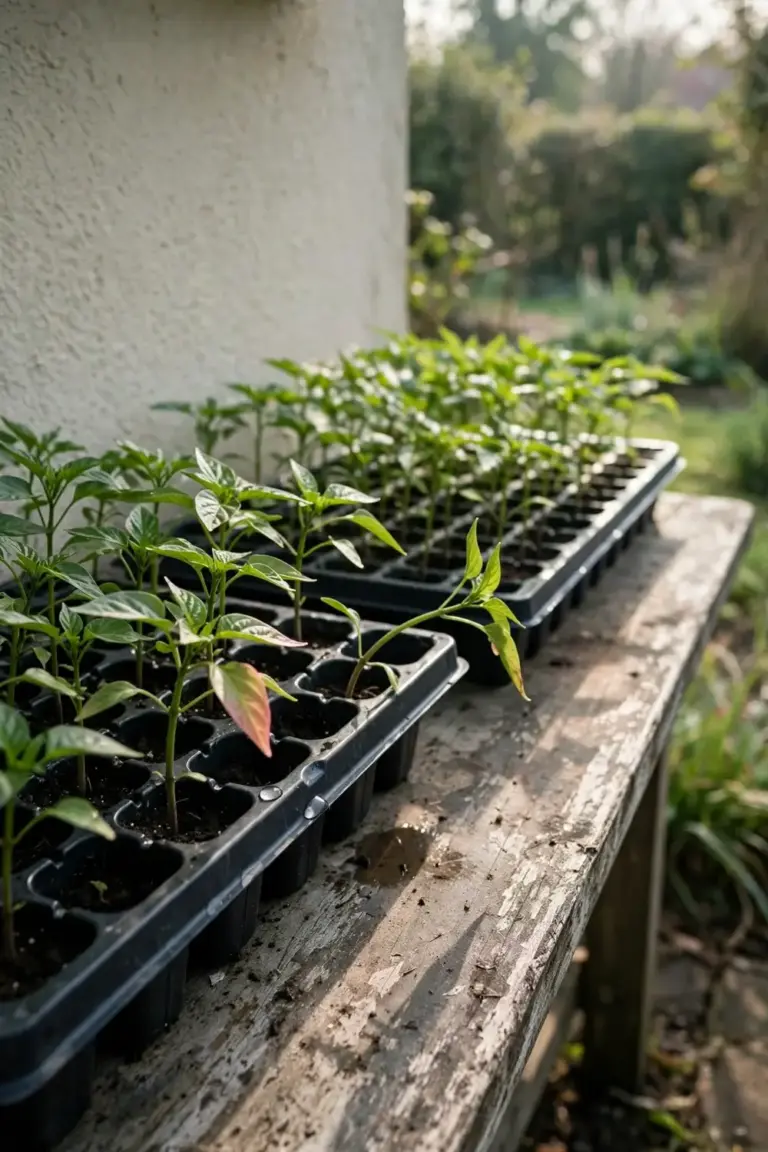
Start with two hours of sheltered morning sun, then add an hour or two each day. Bring the trays in if a cold night threatens, and skip the windiest afternoons in the first few days. By day seven the seedling stands in full sun without wilting, and its leaves have thickened enough to handle real weather.
Transplant on a calm, overcast afternoon or in the early evening so the roots settle overnight. Water the hole before the seedling goes in, firm the mix gently, and mulch after a day or two once the plant shows it has taken. A hardened seedling doubles in size within a fortnight of transplanting; an unhardened one spends that fortnight recovering.
Watch the seedling’s leaves during the hardening week: they tell you the pace. Leaves that hold flat and firm are coping; leaves that wilt by noon need a shorter day outside tomorrow. There is no prize for rushing the week. A seedling hardened properly never stalls after transplanting, which makes this the cheapest week in the whole season.
11. Match the Variety to the Season You Actually Have
A habanero needs 90 to 100 days from transplant to ripe fruit, per UF IFAS, and NMSU notes that mature green fruit takes 45 to 55 days after pollination under ideal conditions. In a short cool season that calendar fails: the plant grows fine all summer, then runs out of warm weeks before a single fruit ripens.
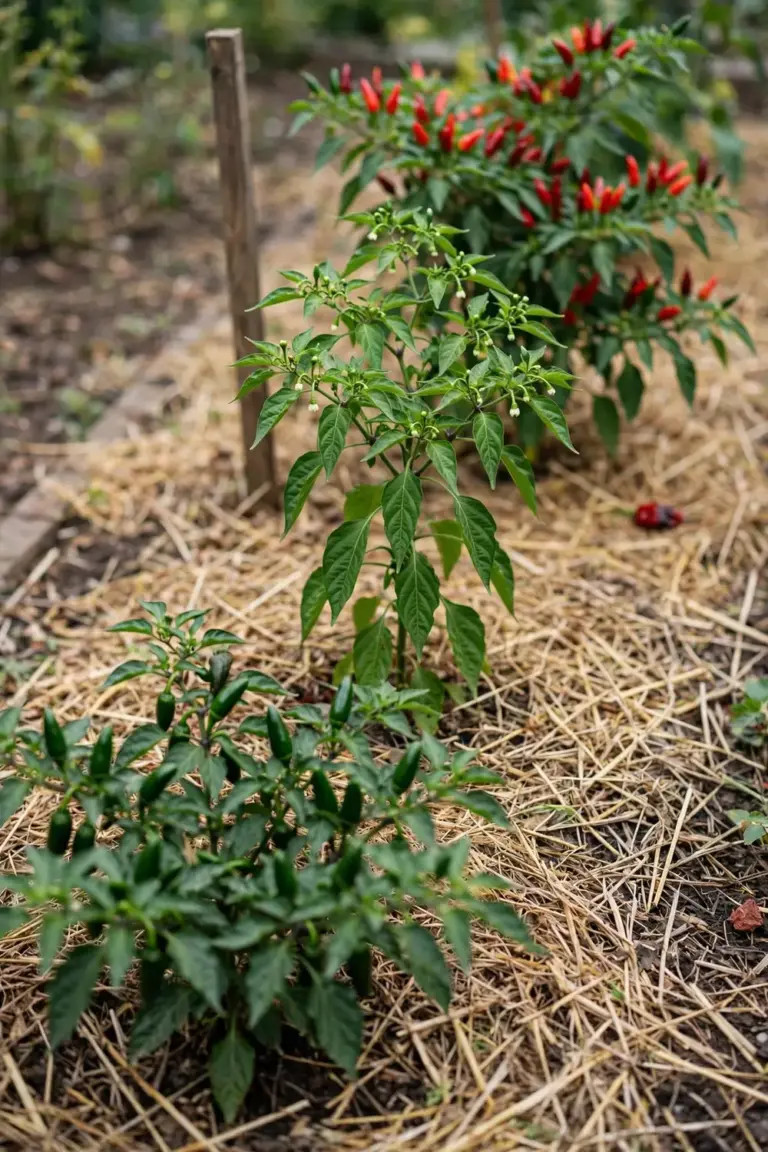
Count your warm weeks honestly. Hobart and the southern highlands may offer barely four months of reliable warmth, while Brisbane and the Top End offer eight or more. A chinense super-hot belongs in the long-season garden; in a short season it will always read as “not growing well” when the real problem is a variety fighting the calendar.
Choose speed for short seasons. Jalapeno, cayenne, serrano, and bird’s eye ripen weeks earlier than habanero types and suit the southern states. Start chinense types indoors earlier, grow them in black pots against warm walls, or accept green fruit at season’s end. The site’s pepper growing guide covers variety choice across climates in more detail. The right variety in the right district never looks stalled.
Read the packet for the maturity figure and count forward from your transplant date, not from today. If ripe fruit lands after your district’s first expected frost, the variety is a gamble regardless of how well you grow it. Frost dates shift a little year to year, so leave a margin. A variety that ripens with weeks to spare beats a hotter variety that never ripens at all.
12. Chilli Growth Stall FAQ
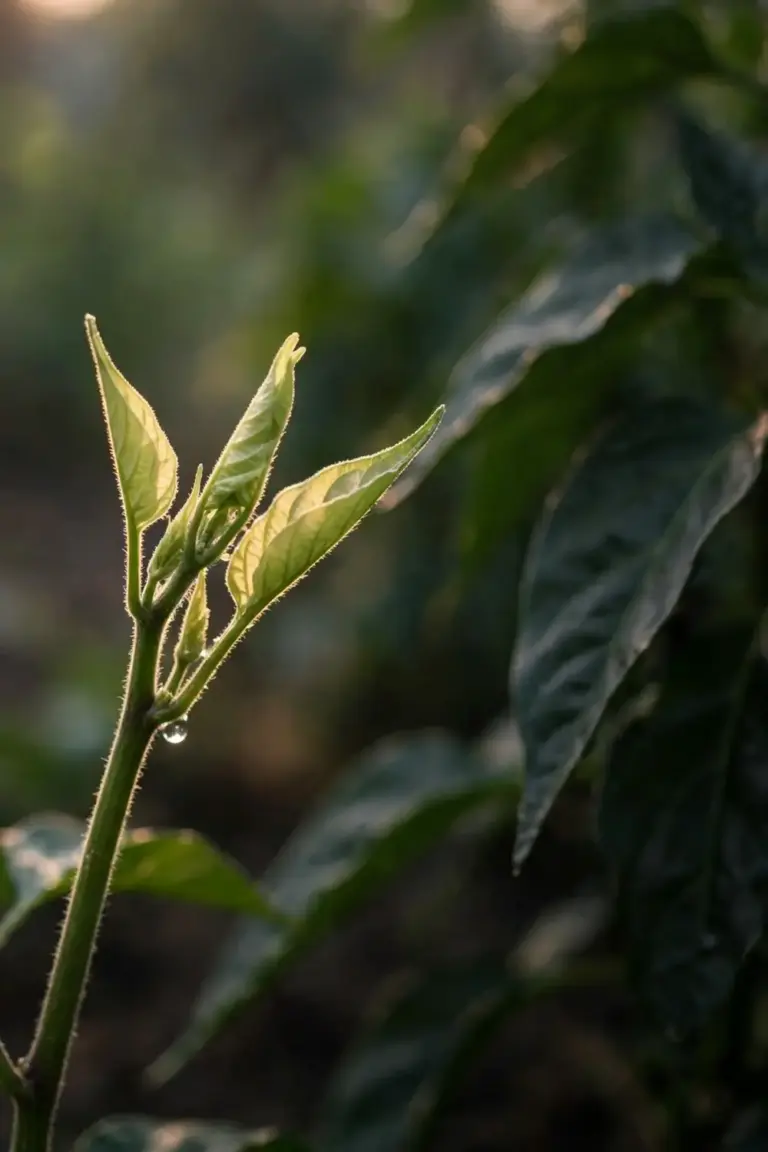
Give a transplanted chilli a full fortnight with zero new leaves, buds, or stem growth before you call it stalled. Less than that is transplant shock, which resolves on its own. Mark the tallest stem tip with a twist tie on day one so you can see even a few millimetres of growth. If nothing has moved in 14 days, work through the checks above starting with night temperatures.
Yes, once nights warm up and stay warm. Chillies stalled by cold spring nights resume growth when overnight temperatures hold above about 16°C (60°F), though they rarely make up the lost weeks. Protect young plants with a cloche through cold snaps rather than replanting. A plant that sat still for a month in a cold spring often fruits normally once summer arrives.
Leafy growth with no flowers usually means excess nitrogen, too little sun, or nights too warm for fruit set. Cut back high-nitrogen fertilizer and check the plant gets six hours of direct sun. NMSU notes blossoms may fail to set when nights stay above the 60 to 70°F band or days push past 90°F. Flowers follow once light and temperature land in range.
Only in a pot of at least two to three gallons (8 to 11 litres) of mix per plant, per UGA Extension. Smaller pots dry out between waterings and cramp the roots, and both stall growth. Choose a compact variety, use quality potting mix rather than garden soil, and water when the top of the mix dries. A big enough pot on a sunny balcony outgrows a small pot in a perfect garden bed.
Completely normal. Habanero is Capsicum chinense, which needs 90 to 100 days from transplant to ripe fruit according to UF IFAS, while jalapeno is Capsicum annuum and ripens weeks earlier. The habanero also wants more heat at every stage. Grow chinense types only if your warm season runs long enough, start them indoors earlier, and judge them against other chinense plants, never against annuums.
13. The One-Morning Recovery Plan
Walk out with a thermometer, a trowel, and this order of operations. Check night temperatures first: if the last week sat under 16°C (60°F), warmth is the whole answer and nothing else needs changing yet. Check the light second: fewer than six hours of direct sun means moving the pot or pruning the shade. Check the pot third: roots circling the base mean potting up into two to three gallons of fresh mix today.
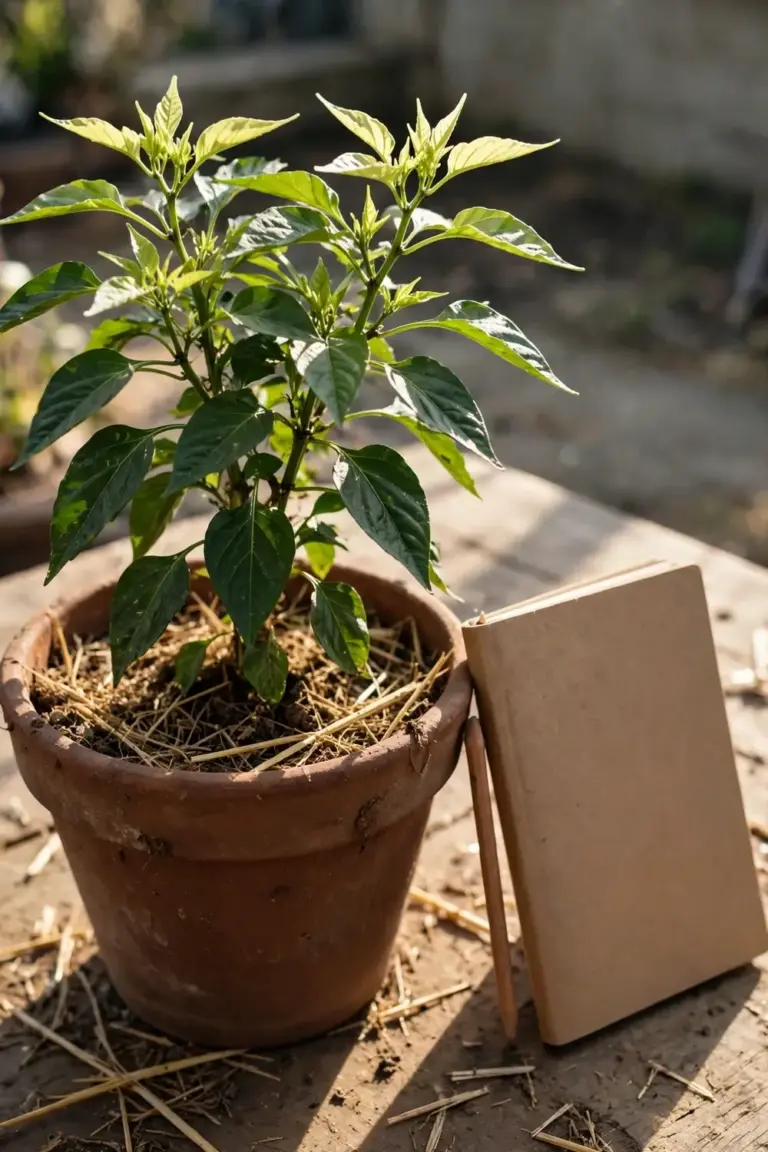
Then water deeply, mulch, and leave the plant alone for a fortnight. Most stalls are environmental, and environmental fixes work on the plant’s schedule rather than yours. New leaves from the top mean recovery is under way; nothing at all after 14 days means working back through the checks for the cause you missed. The plant tells you what it needs. Your job is to read it in the right order: heat, light, roots, water, food, pests, variety.
Change one thing at a time. A plant moved, repotted, fed, and sprayed in a single weekend cannot tell you which change helped, and the stress of four changes at once can stall it further. Fix the most likely cause, wait the fortnight, then move to the next check. Patient diagnosis beats frantic treatment every season.
Keep a one-line log while you wait. Date, what you changed, and what the plant did. Two lines a week is enough, and the log stops you changing the same thing twice or forgetting what worked. Next season the log becomes the planting plan.