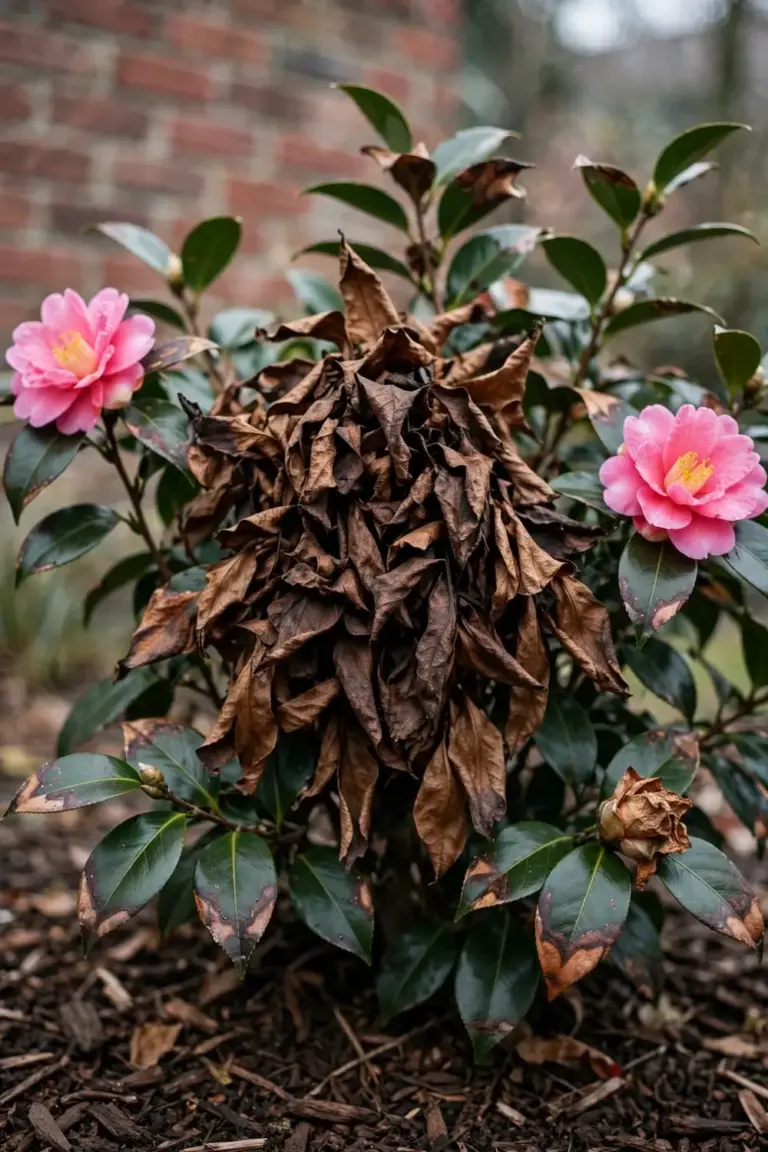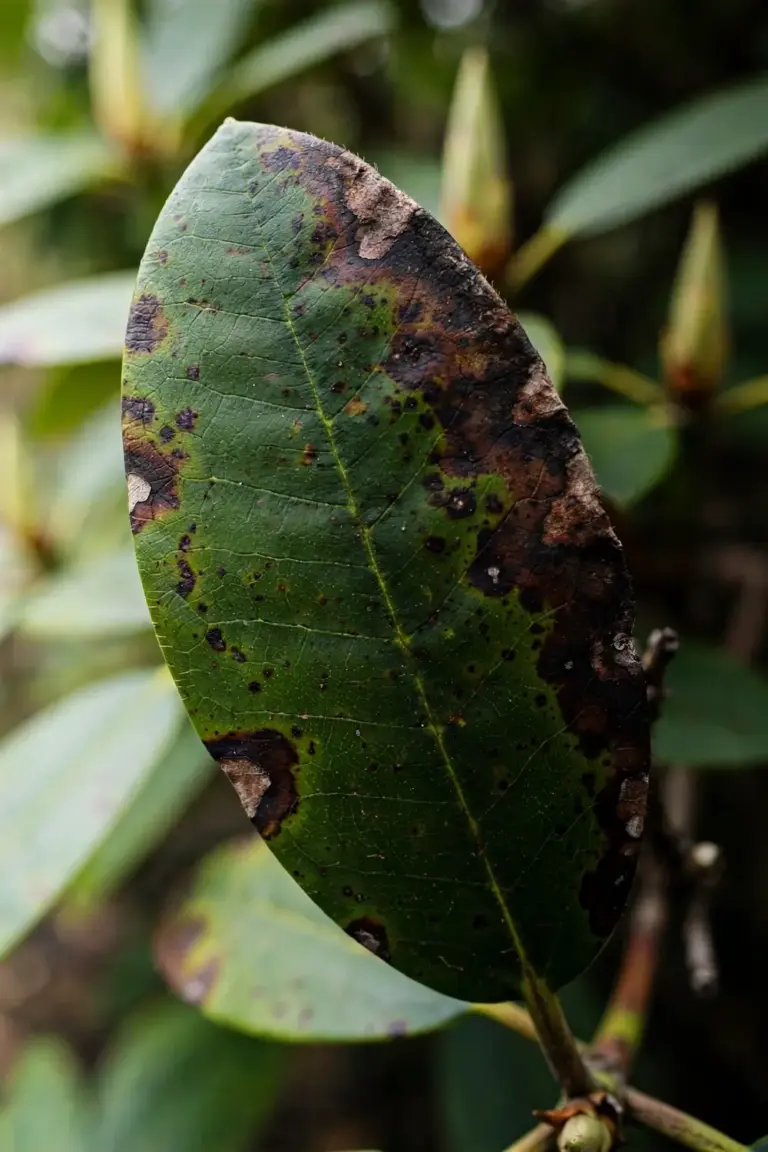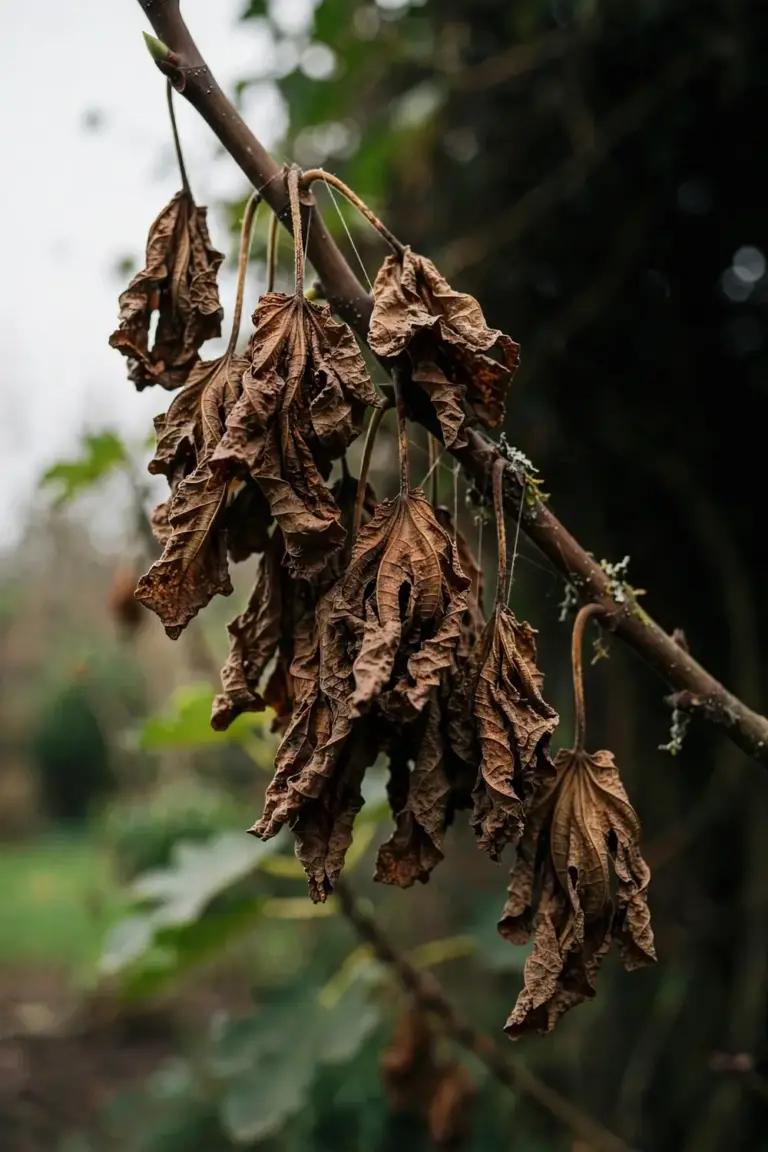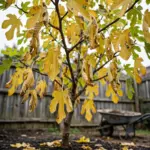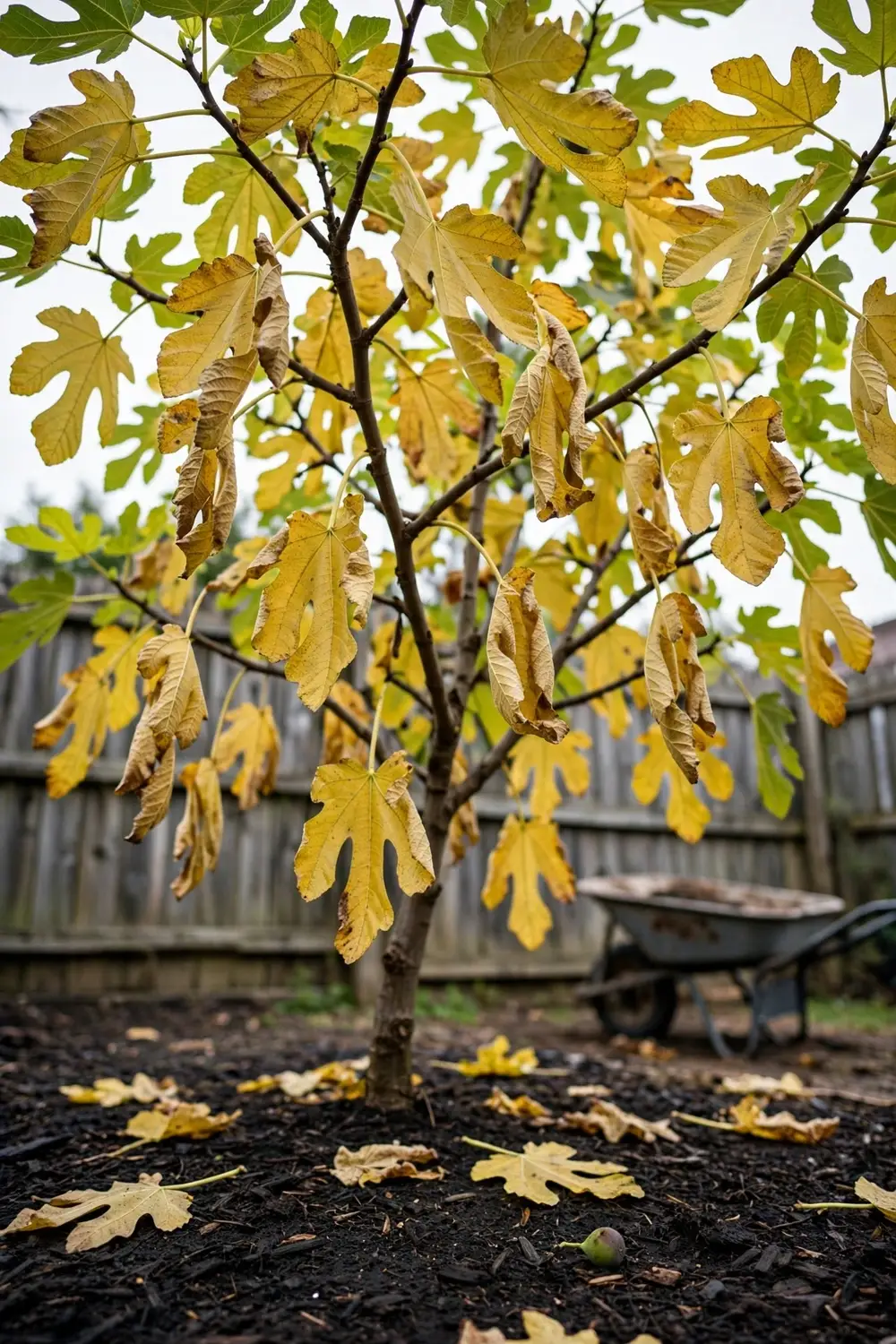

Fig tree root rot in Australia kills edible figs from the roots up. Wet soil starves the roots of air, water moulds move in, and the roots turn soft and dark. Dig one side 15 cm down and check the roots. Firm white roots mean something else is wrong. Soft brown roots that smell sour mean root rot, and the fix starts with stopping the water.
I have learned that the fig I leave alone after fixing its drainage recovers faster than the fig I keep watering to help it. Root rot is a disease, not a thirst. More water feeds the disease. The rest of this page runs signs, then the root check, then treatment by severity, then prevention.
1. Which Fig Is This Article About?
This article covers the edible fig, Ficus carica, and no other fig. The edible fig grows in home gardens across Australia for its soft fruit. Its roots need air as much as water. Soggy soil suits no edible fig.
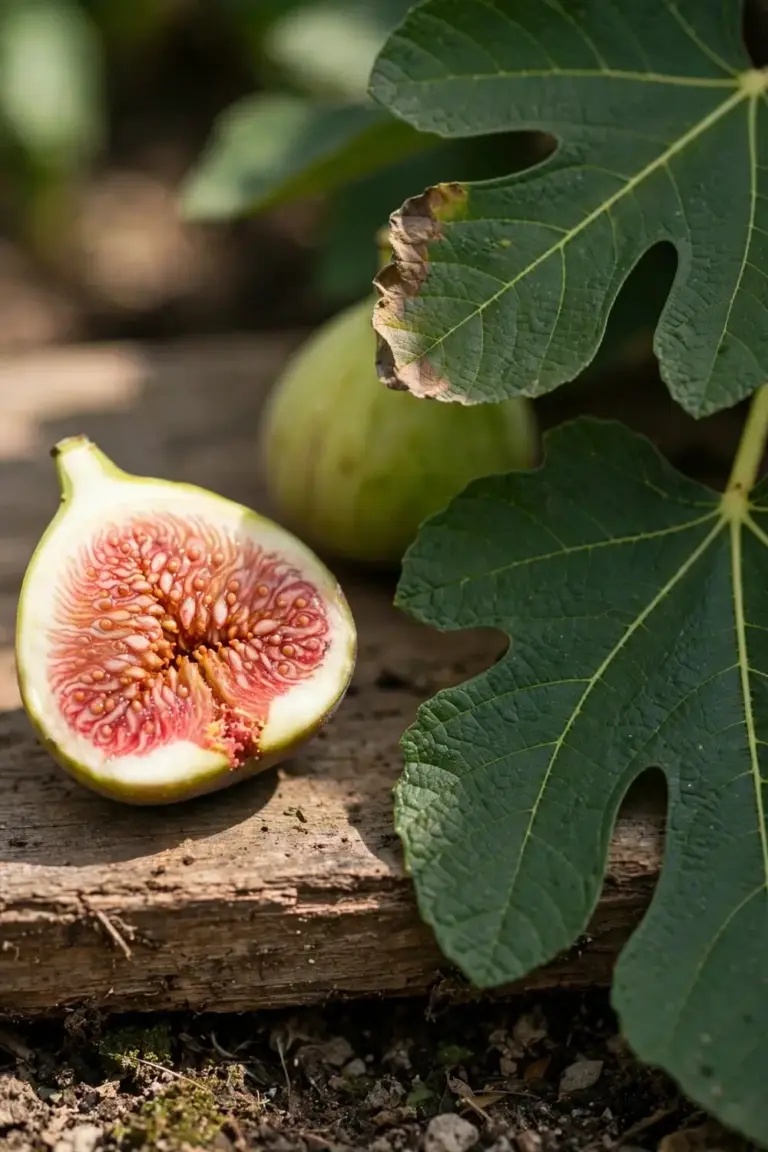
Other figs share the name and confuse the search, because nurseries, street trees, and houseplants all carry figs that look related but behave differently. The weeping fig is Ficus benjamina, a street tree and houseplant, while the Moreton Bay fig is Ficus macrophylla, a giant street tree. The Hills fig is Ficus hillii, another street tree. The fiddle-leaf fig is Ficus lyrata, an indoor plant. None of those figs is this article. Their root problems follow different rules, and a treatment that saves one fig can kill another.
Brown root rot is also a different disease. Brown root rot killed a heritage weeping fig on Woongarra Street in Bundaberg, and the killer was Phellinus noxius, a fungus that attacks street figs and does not respond to home treatment. Home-garden fig root rot comes from water moulds in wet soil. The two diseases share a name and little else.
Root rot and overwatering are not the same thing. Overwatering is a cause. Root rot is the disease that follows. A fig can sit in wet soil for a week and recover if the roots stay firm. A fig with rotted roots stays sick after the soil dries. The root check in section 9 separates the two.
2. Read the Signs Table First: Root Rot in One Page
The table below runs the whole diagnosis. Find the sign, read where it sits, and run the first check. One sign alone proves little. Two or three signs together point hard at root rot.
| Sign | Where | Means | First Check |
|---|---|---|---|
| Yellowing leaves and leaf drop | Old leaves first, then the whole canopy | Dead feeder roots stopped feeding the canopy | Dig one side and check root color |
| Wilting in wet soil | Whole canopy, leaves limp | Roots cannot move water even though water is present | Push a finger 5 cm into the soil |
| Soft, dark roots | Below the soil line | Rot has reached the root tissue | Lift a few roots and squeeze gently |
| Sour smell | Soil around the roots | Rotted tissue and stagnant water | Smell the soil on the dug side |
| Fruit drop and no fruit | Fruit on the tree | A failing root system sheds its load | Check roots before feeding the tree |
| Stunted growth and dieback | Shoot tips and branch ends | The canopy grows only as far as the roots allow | Compare this season’s shoot length with last season’s |
| Trunk and collar rot | Trunk base at the soil line | Rot reached the crown | Pull mulch back and look at the bark |
Work the table from the top. Yellowing leaves alone can mean many things. Yellowing leaves plus wilting in wet soil plus soft roots mean root rot. The root check settles it.
3. Yellowing Leaves and Leaf Drop Mean the Roots Stopped Feeding the Canopy
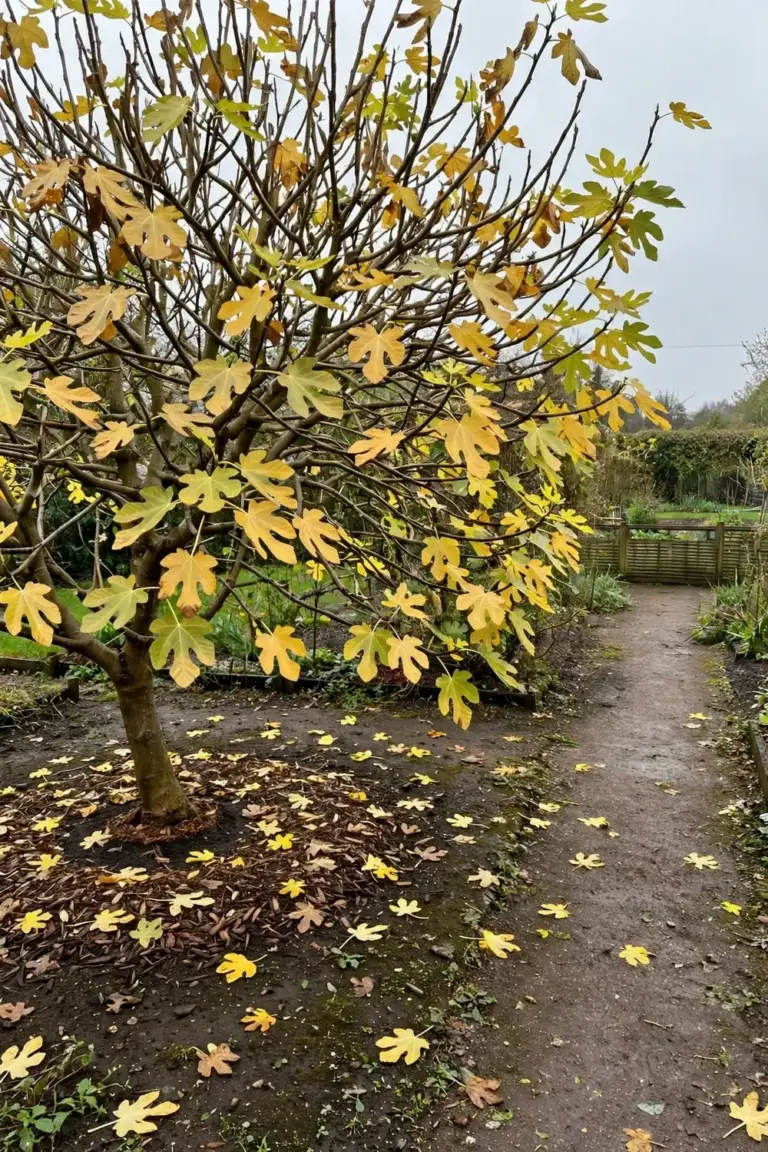
Yellow leaves on a fig with root rot start on the older leaves. The leaves turn pale, then yellow, then drop. The canopy thins from the inside out. New growth slows or stops. The tree looks hungry because it is hungry. Dead feeder roots cannot take up water or nutrients, so the canopy starves while the soil sits wet.
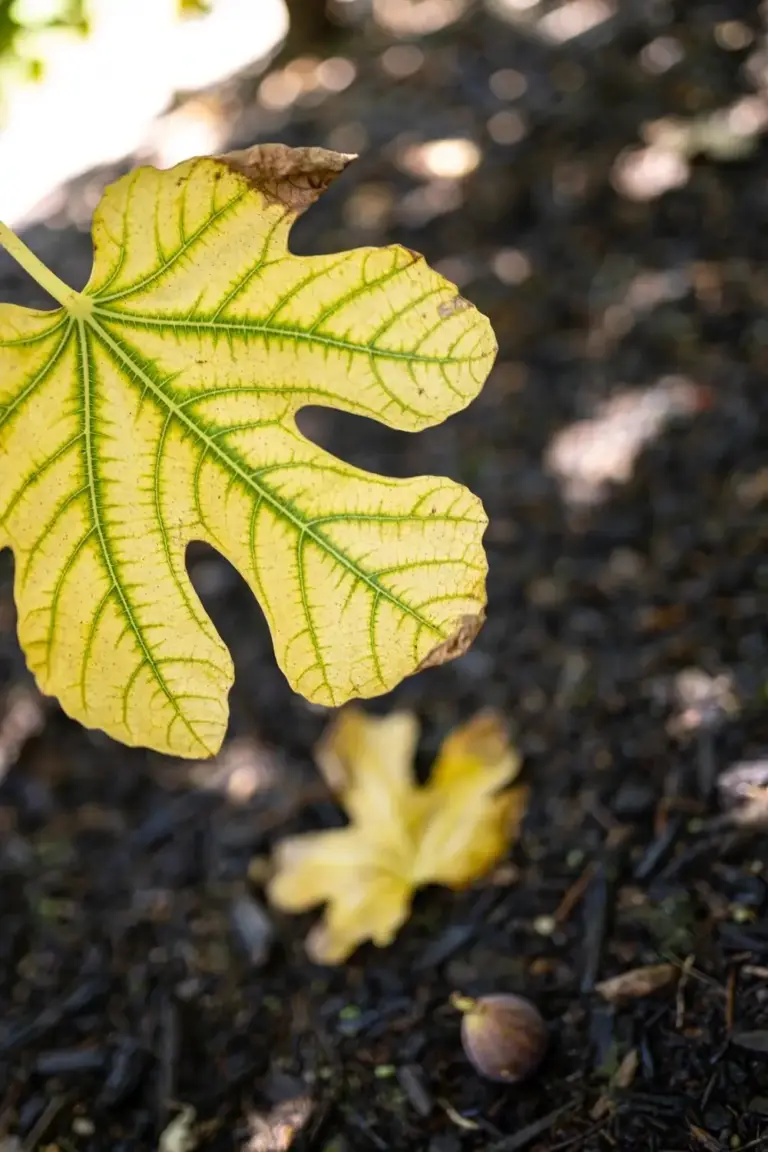
Phytophthora root and crown rot causes loss of older foliage, chlorosis, decline in vigor, branch dieback, and wilting, according to NC State Extension’s Phytophthora root and crown rot guide. The same guide notes that Phytophthora species persist in soil for several years. A fig planted in soil that held a rotted plant faces the same pathogen again.
Yellow leaves also follow nutrient deficiency, drought, and fig rust. The difference sits below ground. Nutrient deficiency yellows leaves while the roots stay firm and white. Drought yellows leaves while the soil sits dry. Root rot yellows leaves while the soil sits wet and the roots turn soft. Check the soil before feeding the tree. Fertilizer cannot fix dead roots, and extra fertilizer in wet soil feeds the problem.
Leaf drop follows the same logic. A fig drops leaves to shrink the canopy its roots can support. A few dropped leaves after a hot week mean little. Steady leaf drop through a wet month means the roots are failing. Count the drop over two weeks. A handful of leaves is weather. A carpet of leaves is a root problem.
4. Wilting in Wet Soil Is the Root Rot Tell
A fig that wilts in wet soil carries the clearest root rot sign. The leaves go limp in the middle of the day. The soil feels damp 5 cm down. Watering changes nothing. The plant looks thirsty because its roots cannot move water. Dead roots move no water at all.
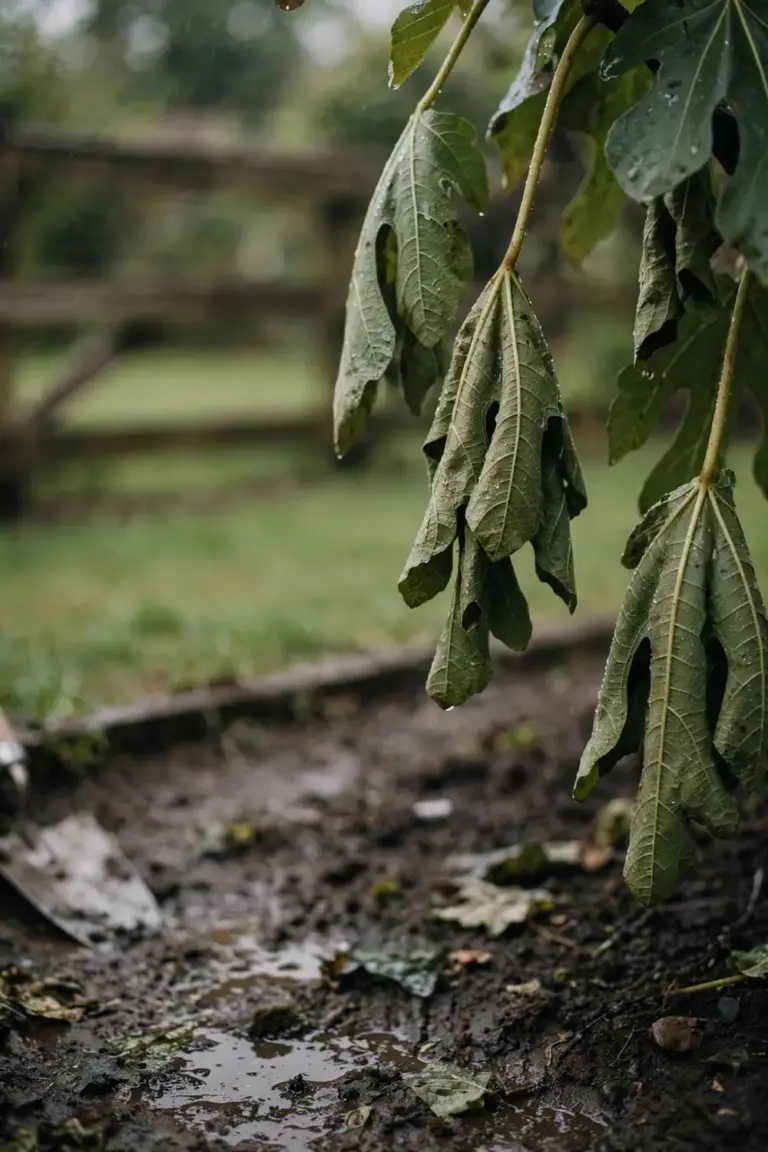
Phytophthora root and crown rot makes leaves wilt and turn dull green, yellow, red, or purplish, and unlike plants suffering from water stress, affected plants do not recover when irrigated, according to UC IPM’s Phytophthora root and crown rot guide. That failure to recover is the test. A thirsty fig perks up within hours of watering. A rotted fig stays limp.
Run the finger test before reaching for the hose. Push a finger 5 cm into the soil near the trunk. Damp soil plus limp leaves points at roots, while dry soil plus limp leaves points at thirst. The two cases need opposite fixes, since water helps the second case and harms the first.
Morning wilt that lifts by evening means heat. All-day wilt that holds through a cool evening means roots. Watch the tree at dusk. A fig that still droops at dusk, in damp soil, needs the root check the next morning. Do not wait for the canopy to thin further. Each week of wet roots kills more feeder roots.
5. Soft, Dark Roots and a Sour Smell Confirm the Problem
Healthy fig roots are firm and pale. Healthy roots run white to tan, with white growing tips. They resist a gentle squeeze. They smell like soil. Rotted roots turn brown to black. Rotted roots feel soft and mushy. The outer layer slips off the inner core when pinched. The soil around them smells sour and stagnant.
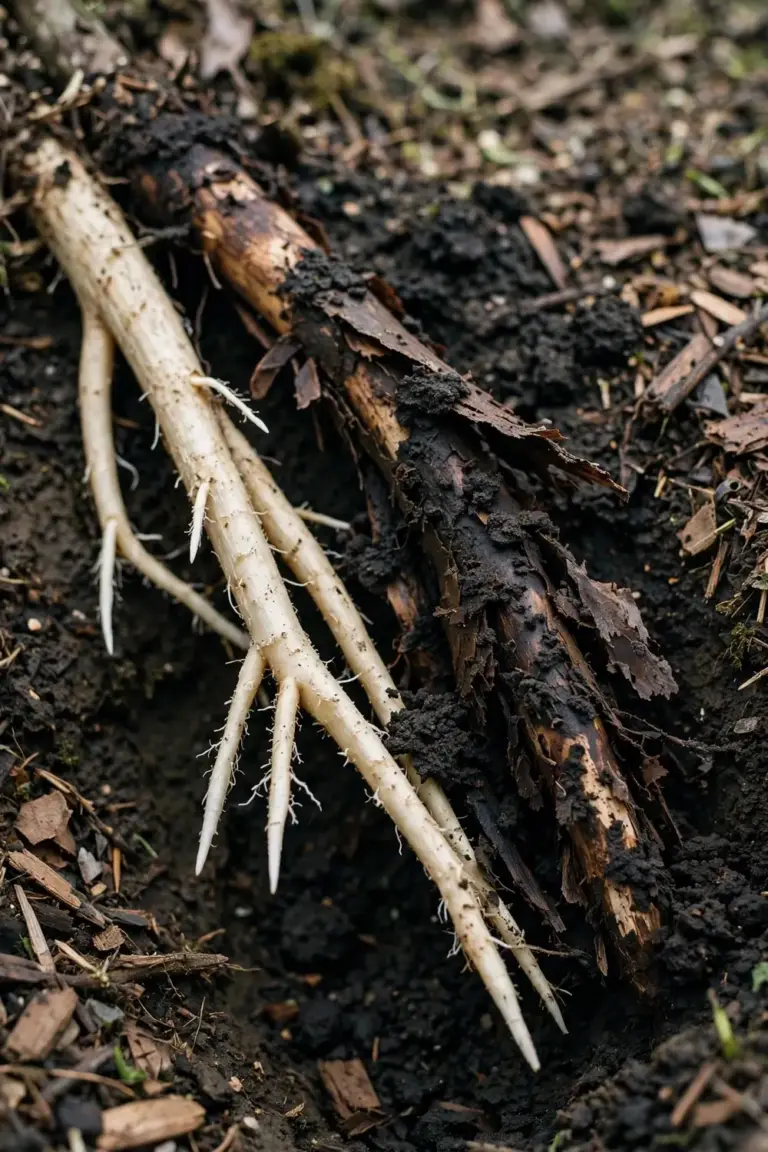
The color change tells the story. White tips mean the root still grows, but brown mush means the root is dead tissue. A fig can lose some feeder roots and recover. A fig that lost most of its feeder roots cannot feed its canopy. The share of dead roots decides the treatment in section 10.
Smell the dug soil. Sour soil means stagnant water and decay. Healthy soil smells earthy. The sour smell alone proves nothing, but sour soil plus soft roots plus wilting leaves close the case. Wash your hands after handling rotted roots. Clean the digging tool before using it on another plant. Soil from a rotted root zone carries the pathogen to the next hole.
Do not dig up the whole tree to look. Dig one side only, about 15 cm deep, near the drip line. Lift a few pencil-thick roots. Check color, firmness, and smell. Fill the hole back in. A full excavation damages the roots that still work. One side gives the answer. Mark the spot with a stick so you check the same side next time. A second check a month later shows whether the rot is spreading or stopping. New white tips on the dug side mean recovery. More mush means the treatment needs to step up.
6. Fruit Drop and No Fruit Follow Failing Roots
A fig with failing roots sheds its fruit first. The tree drops fruit it cannot ripen. Fruit falls small and hard, and fruit that stays on the tree ripens slowly or not at all. A healthy fig holds its crop through summer. A rotted fig drops its crop in waves.
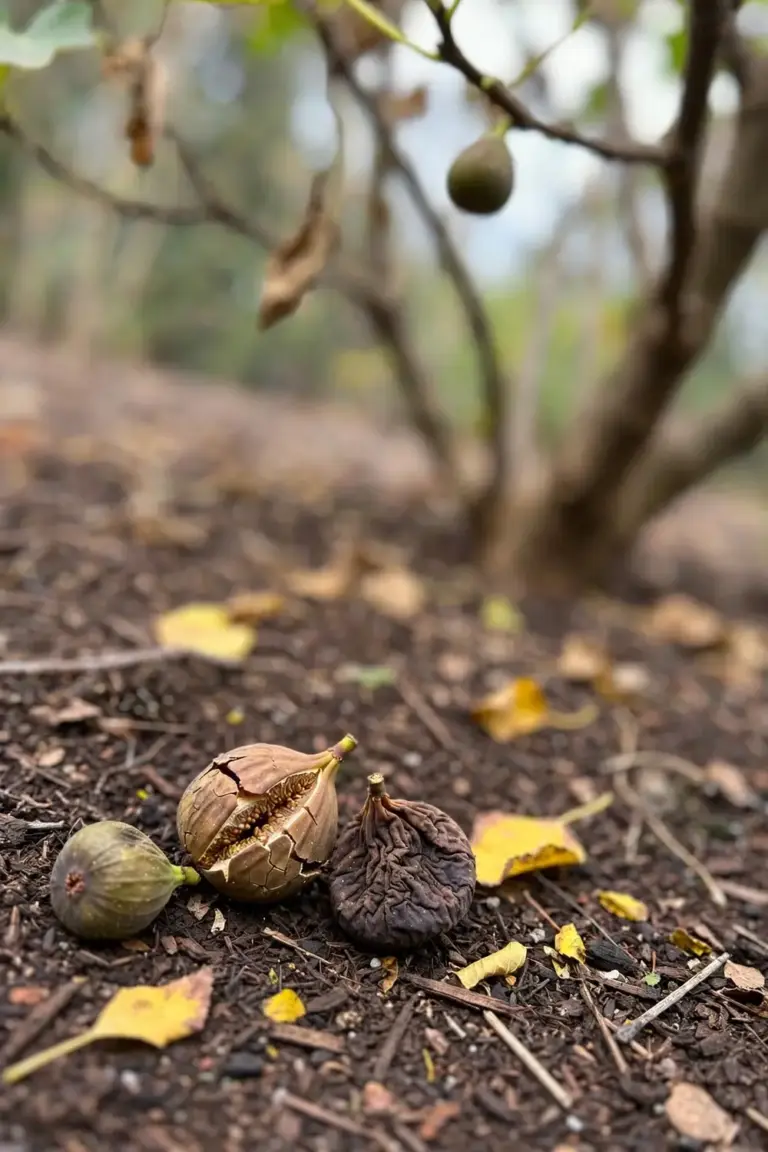
The mechanism is simple. Fruit needs water and sugars from the canopy. Dead roots cut the water supply. The canopy closes down. The tree sheds fruit to match the smaller supply. Feeding the tree cannot reverse this, because fertilizer travels through living roots and these roots are dead. Fertilizer reaches no fruit through dead roots. Fix the roots first, then judge the crop next season.
No fruit at all carries the same message when the tree leafed out. A fig that leafs out, then drops every figlet, signals a root problem or a pollination failure, yet edible figs in Australia set fruit without pollination. Pollination rarely explains a full fruit drop on a common fig, so check the roots before blaming the season.
Fruit drop also follows drought and heat. The difference is the soil. Drought drops fruit from dry soil with firm roots, while root rot drops fruit from wet soil with soft roots. Run the finger test and the root check together, since two checks beat one guess.
7. Stunted Growth and Dieback Show a Canopy Shrinking to Match Dead Roots
A fig with root rot grows short shoots. New shoots reach a few centimetres and stop. Leaves stay small. The canopy thins year by year. Branch tips die back from the ends. The tree shrinks to the size its roots can support.
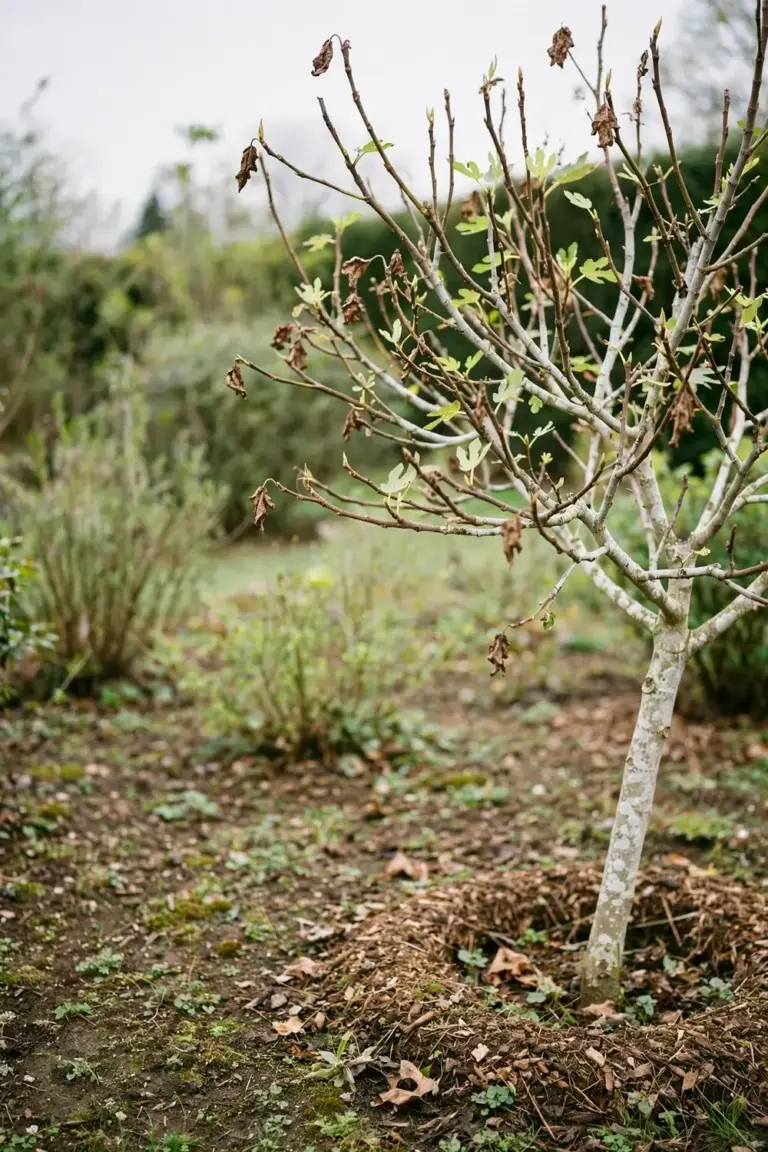
Compare this season with last season. A healthy young fig adds strong shoots each year. A rotted fig adds weak shoots or none. Measure one shoot against last year’s growth. Short shoots plus yellow leaves plus wet soil mean roots, while short shoots alone can mean shade, cold, or a hungry soil. The pattern decides, not one sign.
Dieback starts at the shoot tips. Tips brown and dry. Dieback moves inward as more roots die. Dieback on one branch can mean a borer or a canker. Dieback across the whole canopy means roots. Walk around the tree and compare every side before deciding what the pattern means. Dieback on every side points below ground. Dieback on one side points at that side’s branch.
Stunted growth also follows root-knot nematodes and poor soil. Nematodes knot the roots into galls, and poor soil starves the tree while the roots stay firm. The root check separates all three. Firm roots with galls mean nematodes, while firm roots in poor soil mean feeding and soil work. Soft roots mean rot, and one dig answers three questions.
8. Trunk and Collar Rot at the Soil Line Means the Crown Is Under Attack
Collar rot shows at the trunk base, right at the soil line. The bark darkens. The bark feels soft and wet. Gum may ooze from the dark patch. The rot girdles the trunk. A girdled trunk starves the whole canopy even if some roots survive.
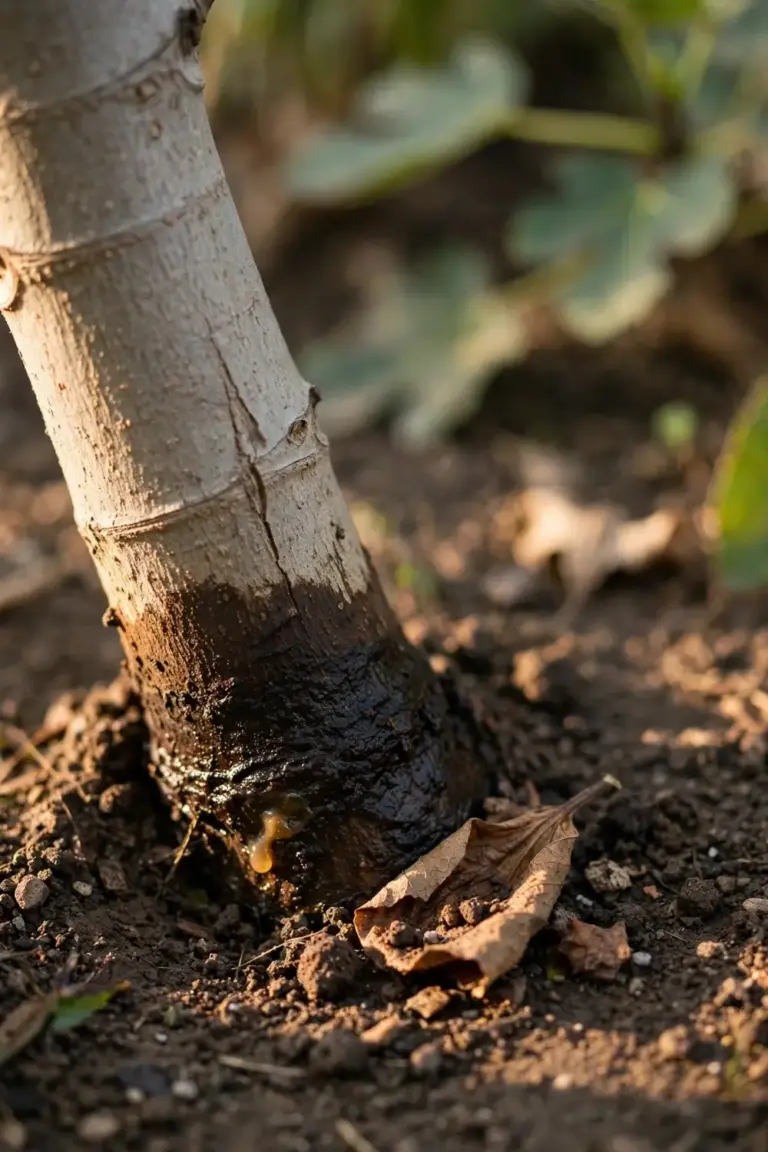
Mulch piled against the trunk invites collar rot. Mulch holds moisture against bark. Bark stays wet and softens, and pathogens enter through softened bark. Keep mulch 10 cm clear of the trunk. A mulch volcano looks tidy and rots the collar, while flat mulch kept back from the bark feeds the soil without wetting the trunk.
Planting depth matters too. A fig planted too deep buries the crown. The buried crown stays wet. Collar rot follows. The trunk flare should sit at the soil surface, visible above the mulch. A trunk that dives straight into the soil like a post sits too deep. Pull soil back to expose the flare.
Darkened areas in the bark around the crown and upper roots often develop with Phytophthora, sometimes with gumming, per the same UC IPM notes. Reddish-brown streaks can show in the inner bark. Peel a small patch of bark on a suspect trunk and look. Brown streaks under the bark mean the rot reached the crown. Green tissue under the bark means the trunk still lives. Keep the peeled patch small and clean the knife after.
9. Confirm It With the Root Check and Rule Out the Lookalikes
Dig one side of the tree, about 15 cm deep, near the drip line. Lift a few pencil-thick roots. Check three things: color, firmness, and smell. White to tan, firm, earthy smell means healthy roots, while brown to black, soft and mushy, sour smell means rotted roots. The root check settles the question in five minutes.
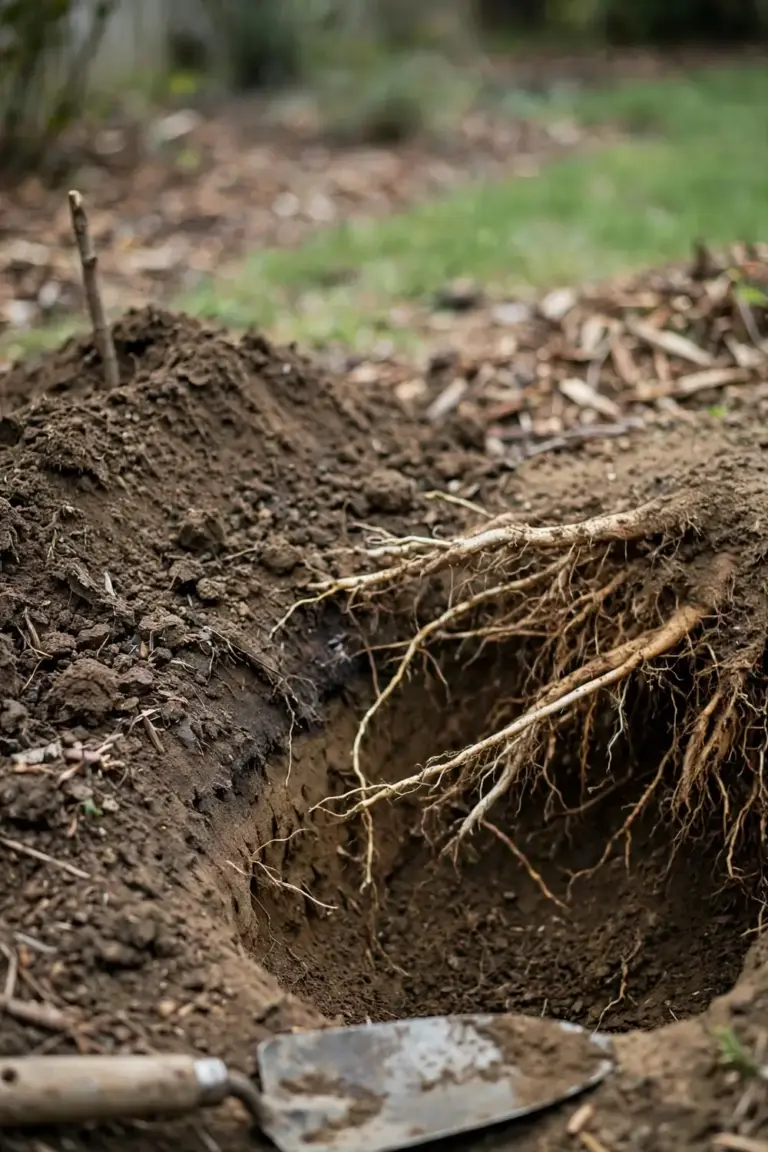
Rule out drought first. Drought wilts leaves in dry soil. Drought roots stay firm and pale. A drought-stressed fig recovers within hours of watering, but a rotted fig does not recover. The finger test plus the root check separate them in one visit.
Rule out nutrient deficiency next. Nutrient deficiency yellows leaves in a pattern. Nitrogen shortage yellows old leaves first. Iron shortage yellows young leaves between green veins. Deficiency leaves the roots firm and white, while root rot leaves the roots soft and dark. Feed a deficient tree, and drain a rotted tree. The two fixes differ completely.
Rule out fig rust next. Fig rust spots the leaves with orange to brown pustules. Fig rust defoliates the tree in wet weather. Fig rust leaves the roots firm. Rust is a leaf disease, and root rot is a root disease. A tree can carry both, but rust alone never softens roots. Treat rust as a leaf problem. Treat rot as a root problem.
Name the pathogen honestly. Fig root rot in home gardens usually comes from water moulds in the genera Phytophthora and Pythium, with Fusarium and Rhizoctonia as secondary causes. Phytophthora cinnamomi is widespread in coastal forests of New South Wales and contributes to plant death where waterlogging and other stresses are present, according to the NSW Environment final determination on Phytophthora cinnamomi. Only a laboratory test names the exact pathogen in one tree. The home gardener treats the condition, not the species name. The treatment in section 10 works across the water-mould group.
One more distinction protects the tree. Armillaria root rot shows mushrooms at the base and white fungal sheets under the bark. LSU AgCenter notes that fig is moderately resistant to Armillaria root rot, so honey-colored mushrooms at a fig base point toward Armillaria rather than water moulds. Armillaria needs a different response. If mushrooms cluster at the base, stop and get a local diagnosis before treating for water moulds.
10. Treat Fig Root Rot by Severity: Mild, Moderate, and Severe
Start with severity. Mild rot means a few soft feeder roots and a canopy that still holds most leaves. Moderate rot means many soft roots, steady leaf drop, and a thinning canopy. Severe rot means the crown is rotted through, most roots are mush, and the trunk bark is dark and soft at the soil line. The treatment follows the severity.
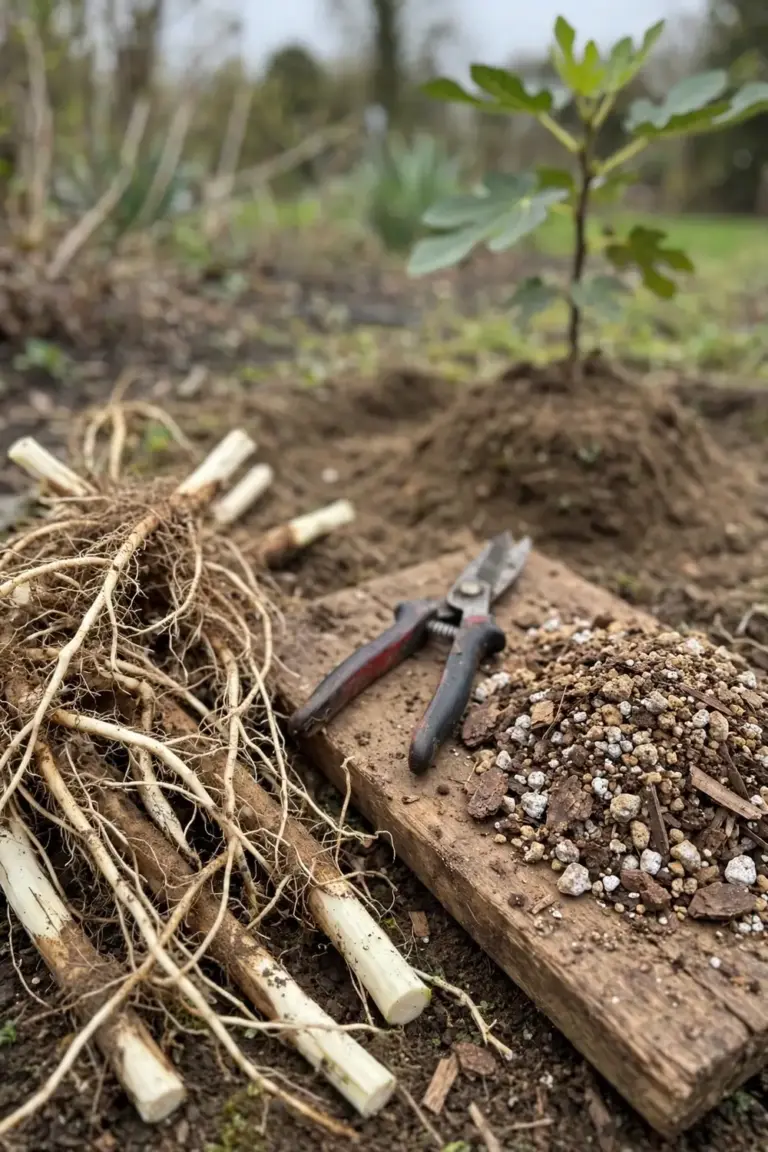
Mild rot needs water control and drainage. Stop watering. Let the top soil dry between waterings. Clear mulch away from the trunk. Open the soil surface so air reaches the roots. A fig with mild rot often recovers on drying alone. Watch for new leaves over the next month, since new leaves mean the roots are growing back.
Moderate rot needs surgery plus drainage. Unpot a potted fig and shake off the wet mix. For an in-ground fig, dig one side wider and lift the root ball edge. Trim dead roots with clean secateurs. Cut back to firm, pale tissue. Sterilize the blades between cuts with rubbing alcohol or a 1 to 10 bleach solution, then rinse. Clean secateurs matter, and spring pruning techniques cover the sterilizing habit that keeps one sick plant from infecting the next. Repot in fresh, free-draining mix, or replant high on a mound. Water once, then wait for the soil to dry.
Severe rot means removal. A fig with a rotted-through crown and no firm roots left will not recover. Remove the tree. Do not replant a fig in the same spot. Phytophthora persists in soil for several years, per the same NC State Extension notes. Move the replacement fig to fresh ground with better drainage. If the only spot is the old spot, replace the soil in the hole and plant on a mound.
Never bury the trunk deeper when replanting. Set the trunk flare at the soil surface. Plant on a mound 15 to 20 cm high on clay soil. Water once to settle the soil. Then water by the finger test, not the calendar. A replanted fig needs damp soil, not wet soil. Wet soil kills the new roots as fast as the old ones.
Skip the fungicide bottle. No spray rebuilds rotted roots. Chemical control of Phytophthora in a home landscape is costly and generally impractical, per the same NC State Extension notes. Drainage, root trimming, and replanting high do the work. A fungicide label may promise control, but the label cannot drain the soil.
11. Prevent the Next Case: Drainage First, a Mound, and Water by Soil
Prevention starts with drainage. Figs need well-drained soil, and a site with well-drained soil prevents root rot, according to Clemson Extension’s fig growing guide. The same guide sets a minimum of 8 hours of sunlight daily during the growing season. Sun dries the soil surface and powers the canopy. Shade keeps soil wet and slows the tree.
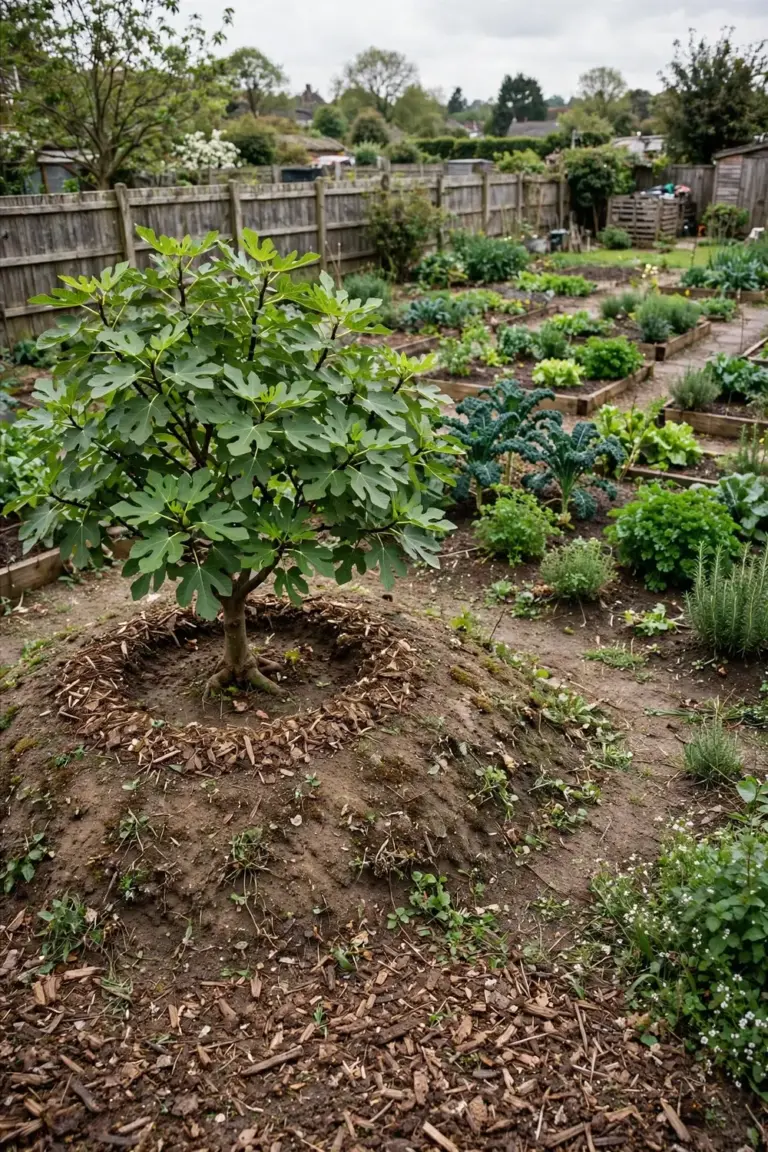
Clay soil needs a mound. Clay holds water after rain. A fig in a clay hollow sits in a pond after every storm. Build a mound 15 to 20 cm high and plant the fig on top. The mound sheds water away from the crown. A raised bed works the same way, and fall garden bed prep covers building beds that drain. On heavy clay, a mound beats a flat hole every time.
Pots need drainage holes and no saucer pond. A pot with one hole and a saucer full of water rots roots as fast as clay. Empty the saucer after watering. Lift the pot onto pot feet so water runs clear. In summer rain, move potted figs under cover during long wet spells. A potted fig on a saucer in a week of rain is a root rot case waiting to happen.
Water by soil, not by calendar. Test the soil with a finger. Dry soil means water now, and damp soil means wait another day. A weekly watering schedule ignores rain, heat, and soil type. The finger test reads the actual soil, so trust it over the calendar. Figs tolerate short dry spells, but figs do not tolerate long wet spells, so err toward dry.
Wet seasons test every fig. A wet east-coast summer or a tropical wet season keeps soil damp for weeks. During a long wet spell, skip scheduled watering entirely and check the soil after each rain. If the soil stays damp for days, dig a shallow channel to carry surface water away from the trunk. A fig survives a wet month when the crown stays high and the water keeps moving. Standing water around the trunk for days is the danger sign, not rain itself, so watch the base after heavy falls.
Feed the soil, not the disease. Organic matter opens clay and holds air in the mix. Compost and mulch improve drainage over seasons. Building soil health pays off in root air, and root air is the root rot defense. Avoid heavy fertilizer on a sick tree. Extra fertilizer in wet soil stresses roots further. Feed a recovering fig lightly, once it shows new growth.
Frequently Asked Questions
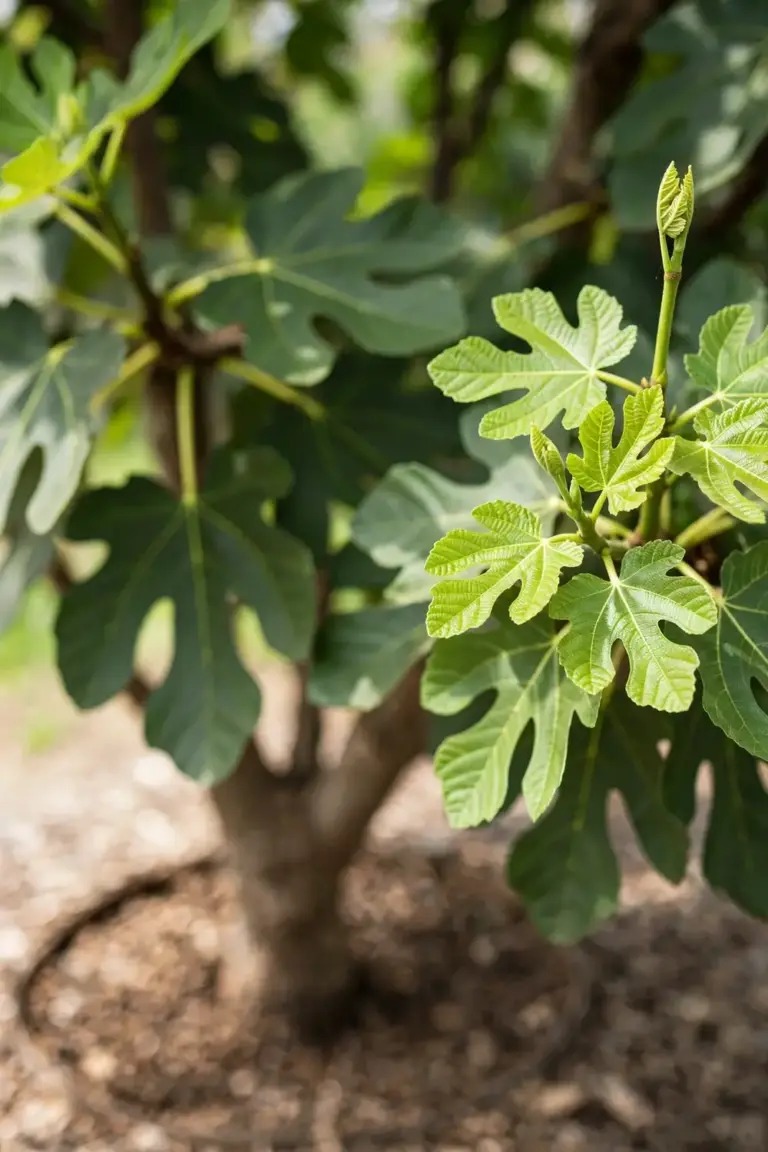
Yes, when the rot is mild or moderate and the crown still holds firm tissue. Stop watering, improve drainage, trim dead roots, and replant high. New leaves over the next month signal recovery. A fig with a rotted-through crown and no firm roots left will not recover. Remove that tree and replant in fresh ground.
Cultural control comes first. Drainage, root trimming, and replanting high do the work. Chemical control of Phytophthora in a home landscape is costly and generally impractical. No spray rebuilds rotted roots. A fungicide label cannot drain the soil. Fix the water first, then judge the tree over the following month.
Water by the finger test, not the calendar. Push a finger 5 cm into the soil. Water only when the top soil feels dry, and water once after replanting to settle the soil, then wait. Damp soil grows new roots, while wet soil kills them. Empty saucers under potted figs after every watering.
No. Phytophthora persists in soil for several years. A new fig in the same hole meets the same pathogen in the same wet soil. Move the replacement to fresh ground with better drainage. If the old spot is the only spot, replace the soil in the hole and plant on a mound.
No. Overwatering is a cause. Root rot is the disease that follows. A fig can sit in wet soil for a week and recover if the roots stay firm. A fig with rotted roots stays sick after the soil dries. The root check separates the two. Dig one side, check color and firmness, then act.
Start With Drainage, Then Dig One Side
Root rot on an edible fig starts with wet soil and ends with dead roots. The signs read yellow leaves, wilting in wet soil, soft dark roots, fruit drop, stunted growth, and collar rot. The root check settles the question in five minutes. Treatment follows severity: dry mild rot, trim moderate rot, remove severe rot. Prevention means drainage, a mound on clay, pots that drain, and water by soil.
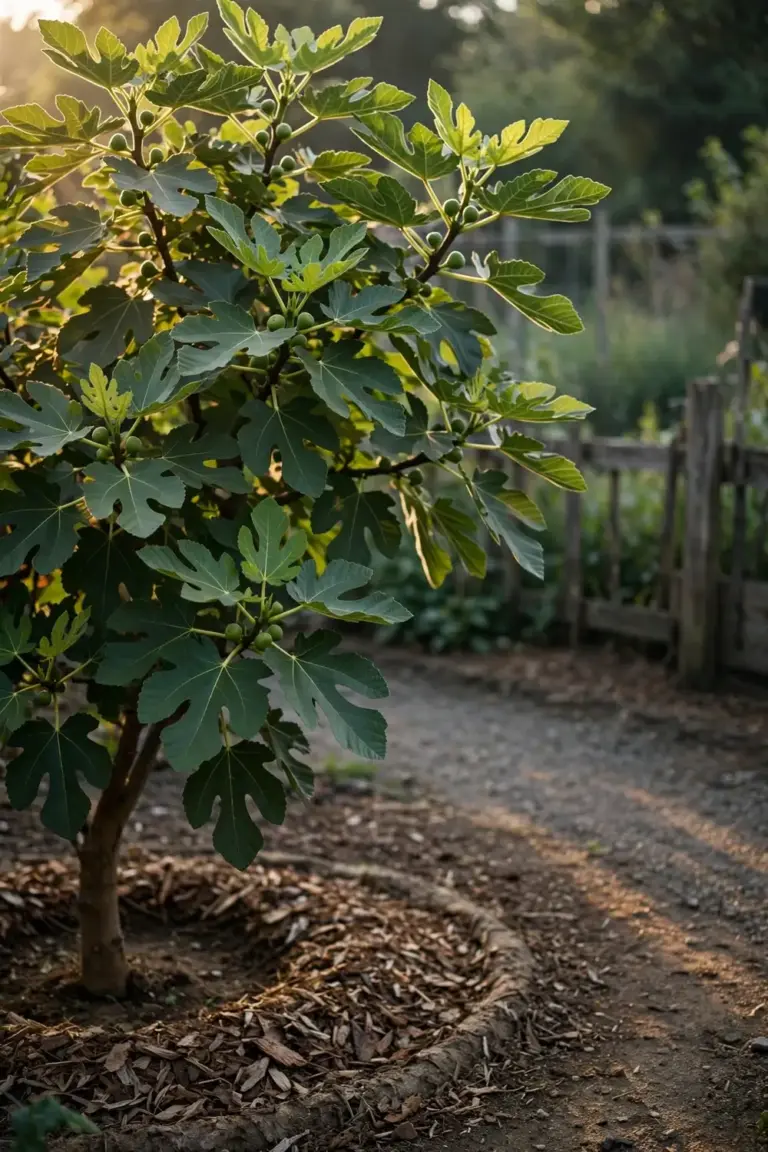
Walk out to the fig now. Push a finger 5 cm into the soil. Damp soil plus limp leaves means dig one side tomorrow morning. The roots will tell the truth.