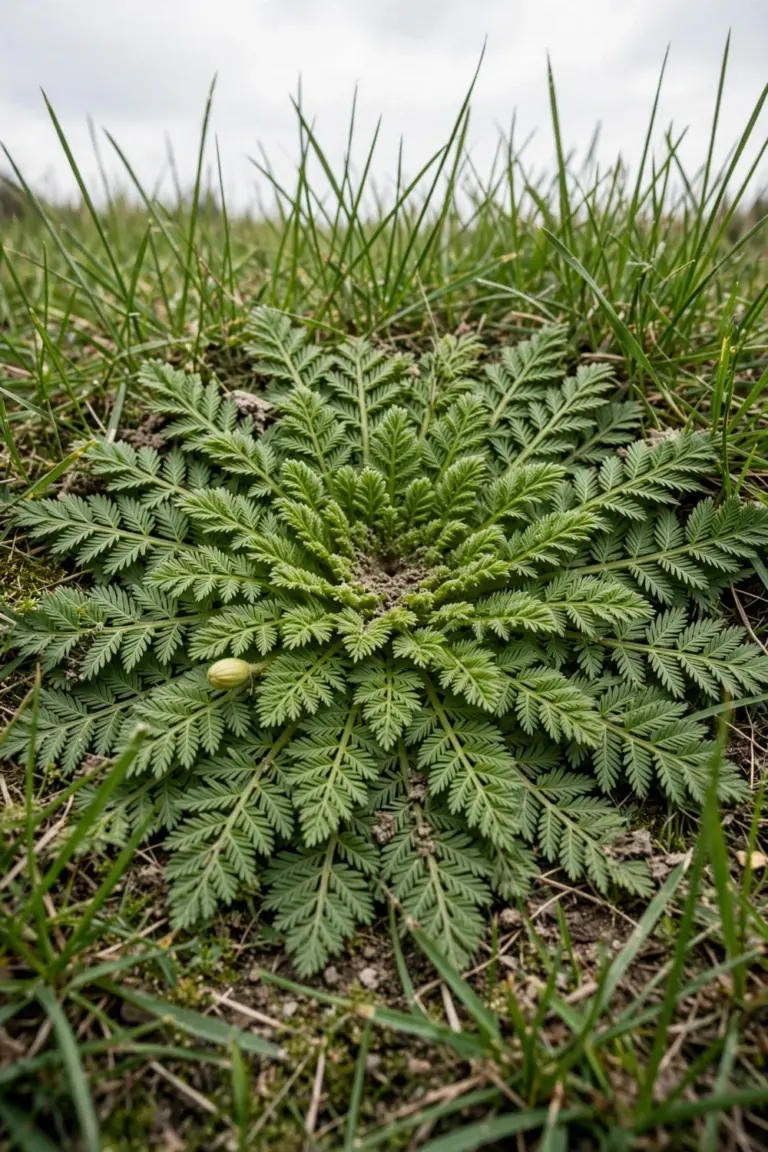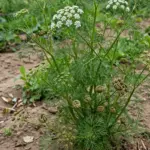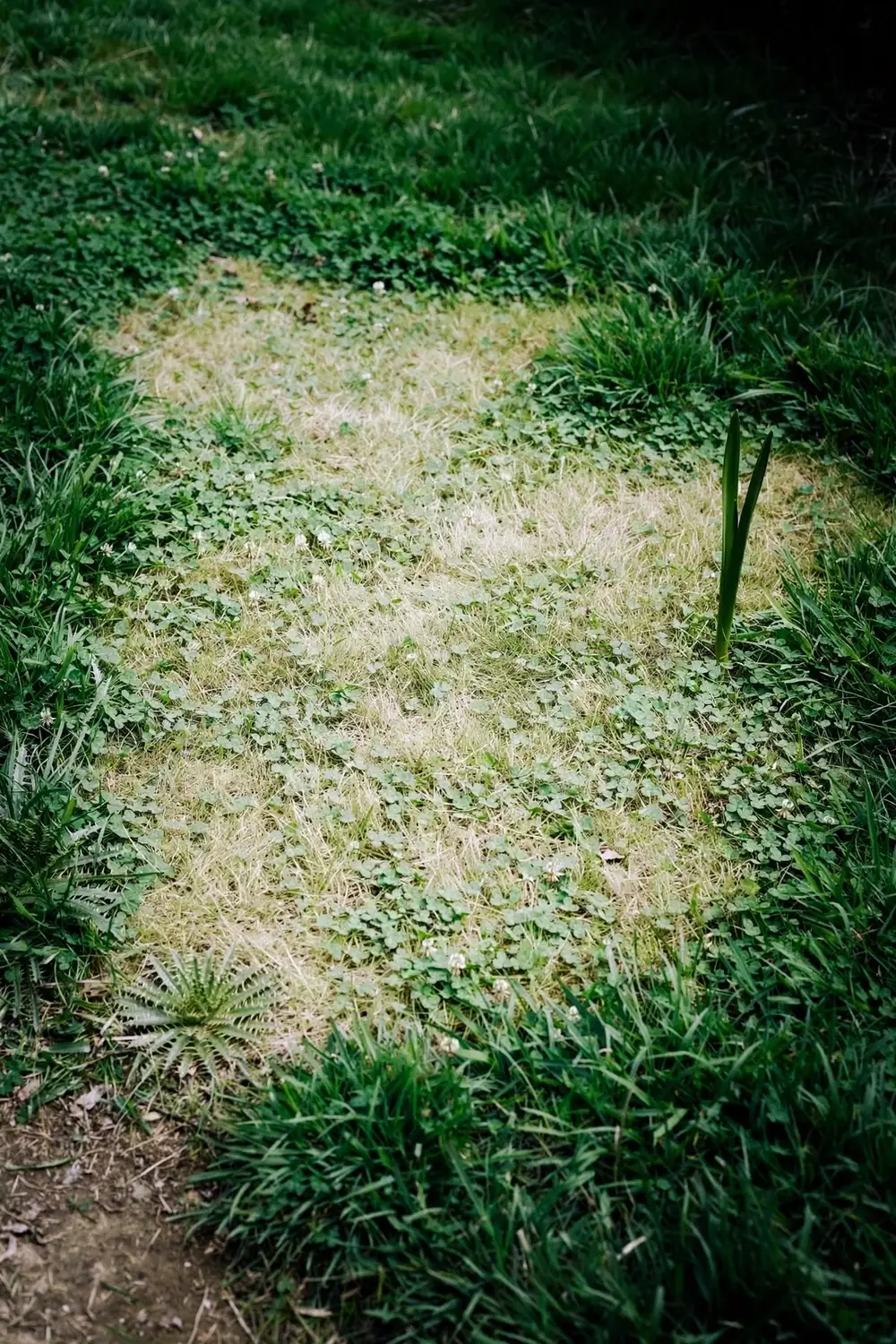

Name the weed before you reach for the bottle. Buffalo tolerates fewer herbicides than couch or kikuyu, so the wrong spray kills the lawn along with the weed. The 9 weeds invading buffalo lawns each carry their own removal rule.
I have learned that the weed I name before I spray beats the weed I spray on a guess. The rest of this page names all nine, then gives the buffalo-safe rules for removing them: read the label, test-spray first, and never use a standard weed-and-feed.
1. Confirm It Is Buffalo Before You Spray Anything
Buffalo is Stenotaphrum secundatum, a broad-leafed warm-season turf with wide soft leaves and thick stolons that run across the soil surface. Couch and kikuyu carry narrower leaves and finer runners. The leaf width decides the spray rules, because buffalo reacts to herbicides that couch shrugs off.
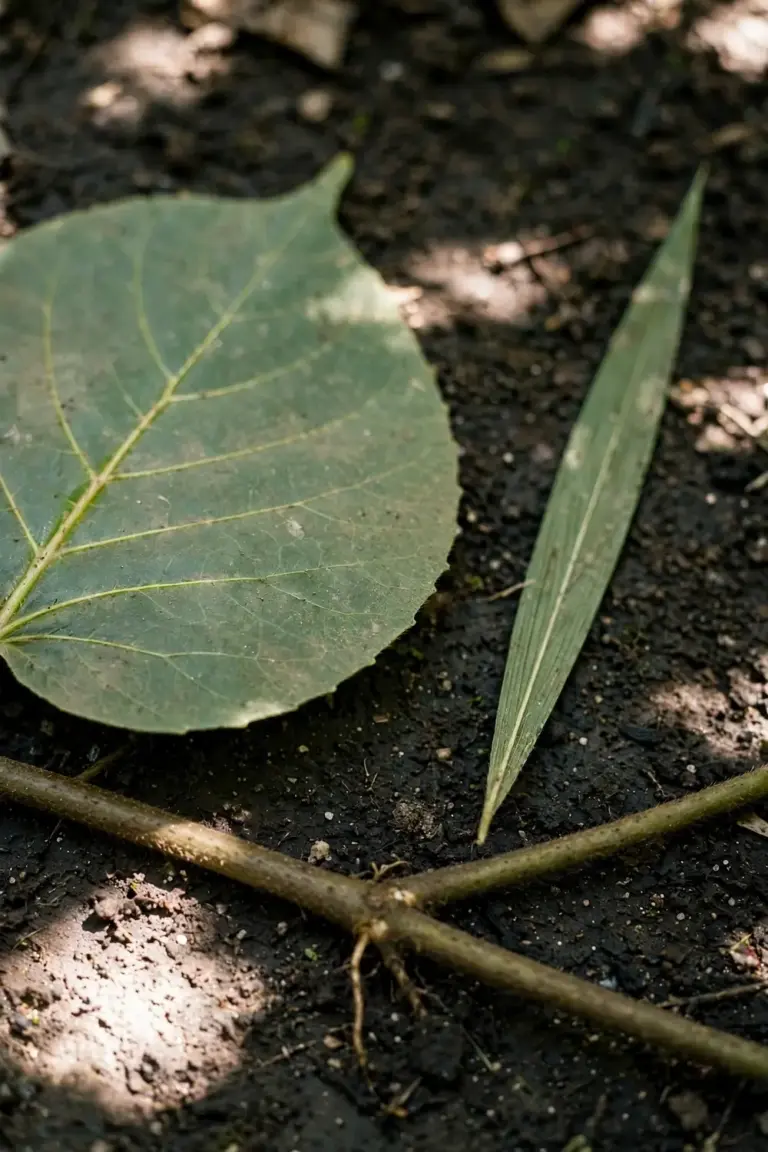
Buffalo is not buffel grass. Buffel grass is Cenchrus ciliaris, a different plant entirely, and nothing in this page applies to it. Buffalo is also not the American prairie plant called buffalograss, which is Bouteloua dactyloides. Advice written for that prairie species never transfers to an Australian buffalo lawn. Buffalo turf in Australia is laid as rolls, not sown from seed.
Three checks confirm buffalo before any spray. The leaves feel broad and soft between finger and thumb. Stolons creep across the soil and root at the nodes, forming a mat that resists a firm tug. The lawn holds color in shade where couch thins and fades. When all three checks pass, the buffalo rules below apply. When they fail, stop. Identify the turf first, because the wrong turf ID leads to the wrong spray.
Buffalo and some other soft-leaf types run more sensitive to herbicides than couch or kikuyu, so they need products specifically labelled as safe for that grass, according to the BioWeed lawn weed-killer guide. The same guide names bindii, clover, creeping oxalis, dandelions, thistles, plantain, capeweed, and cudweed among the broadleaf weeds most home lawns battle. That list overlaps this page’s nine almost exactly, which is why the type-first approach works.
2. Name the Weed by Type: The 9-Weed Table
Weeds split into three types, and the type decides the removal method. Broadleaf weeds answer to buffalo-safe selective sprays. Grassy invaders have no selective option in buffalo. Sedges need sedge-specific treatment. A weed named by type gets the right treatment on the first attempt.
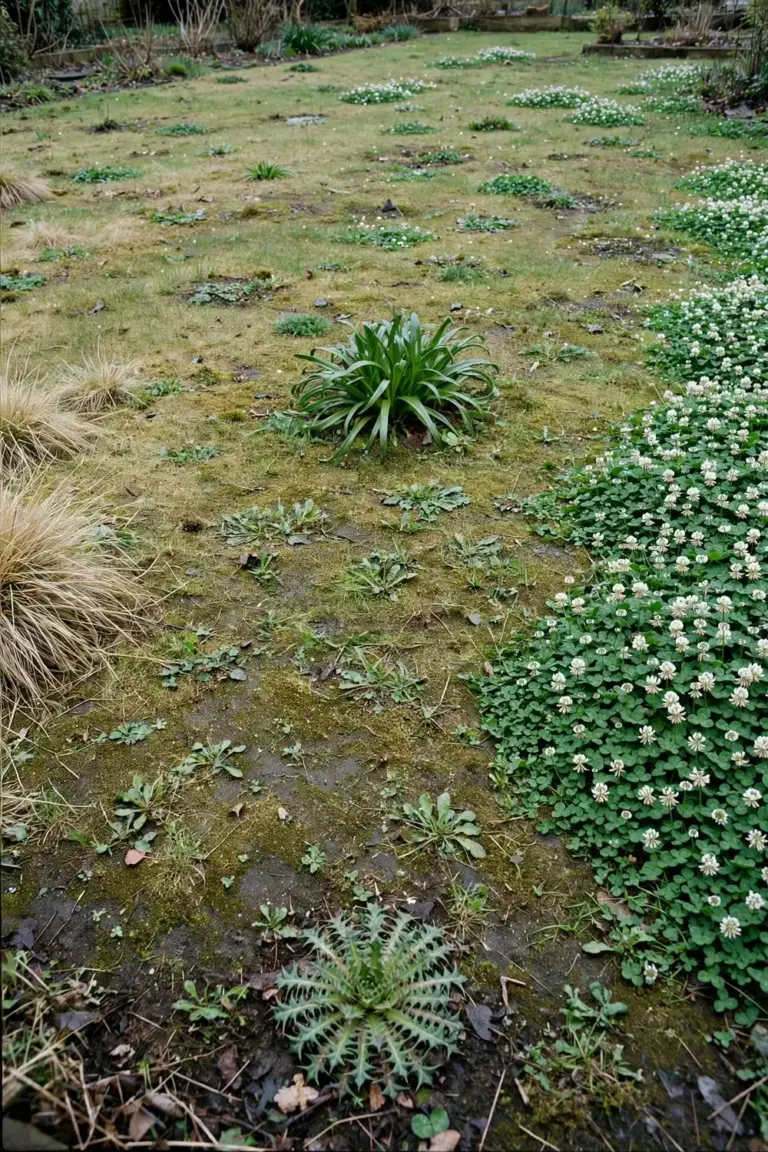
| Weed | Type | Leaf Clue | Flower or Seed Clue | Buffalo-Safe Removal |
|---|---|---|---|---|
| Bindii | Broadleaf | Flat rosette, feathery divided leaves | Tiny burrs with sharp spines | Hand-pull small patches; buffalo-safe selective spray for large patches |
| White clover | Broadleaf | Trefoil leaves, pale crescent mark | White ball flower heads | Buffalo-safe selective spray; feed the lawn to thicken it |
| Creeping oxalis | Broadleaf | Shamrock leaves, often purple-tinged | Small yellow five-petal flowers | Buffalo-safe selective spray; pull creeping stems |
| Winter grass | Grassy | Pale green tufts, boat-shaped leaf tips | Seed heads even when mown low | Hand-pull; pre-emergent for next season |
| Nutgrass | Sedge | Glossy leaves, triangular stem | Brown spikelets on a stalk | Sedge-specific herbicide; dig out the nutlets |
| Paspalum | Grassy | Coarse wide leaves, clumping habit | Sticky seed heads with several branches | Hand-dig clumps; glyphosate spot-paint for large clumps |
| Cudweed | Broadleaf | Gray-green woolly leaves | Small clustered heads | Buffalo-safe selective spray; hand-pull small patches |
| Onion weed | Bulb | Strap leaves, onion smell when crushed | White star flowers on a stalk | Dig out the bulbs; buffalo-safe selective spray for leaves |
| Summer grass | Grassy | Low spreading stems rooting at nodes | Finger-like seed heads | Hand-pull; pre-emergent for next season |
The table gives the first move for each weed. The sections below add the detail that decides whether that move works: how to tell the weed apart from its lookalikes, when to act, and what to avoid. A weed that matches no row in the table needs a photo and a second look, not a spray. Guessing the type wastes product and risks the lawn.
3. Bindii (Soliva Sessilis): Flat Rosettes, Sharp Seeds
Bindii is Soliva sessilis, known as jo-jo or Onehunga. It grows as a flat rosette pressed against the soil, with feathery divided leaves that look delicate until the seed burrs form. Each burr carries sharp spines that pierce bare feet. The rosette shape plus the burrs names bindii at a glance.
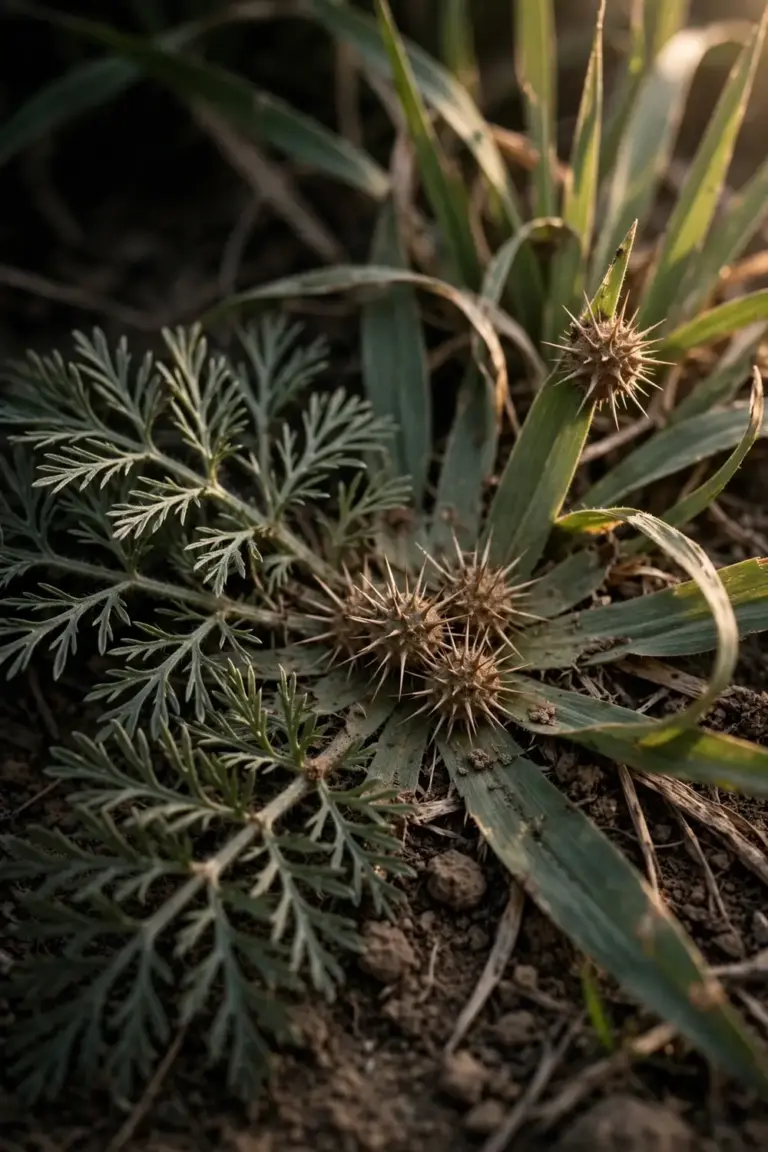
Bindii is not caltrop. Caltrop is Tribulus terrestris, a different weed with larger spiny burrs and a sprawling stem. The two weeds share the sharp-burr complaint and nothing else. Bindii sits flat against the lawn. Caltrop sprawls across bare ground.
Act in winter, while bindii is low and before it sets seed in spring. Small patches come out by hand, roots and all, because a pulled rosette with its root attached never regrows. Large patches answer to a buffalo-safe selective spray applied while the weed grows actively. Spraying after seed set wastes the effort, because the burrs already wait in the soil for next winter. A single bindii plant drops dozens of burrs, and each burr holds seeds that germinate across several winters, so one missed season seeds several more.
4. White Clover (Trifolium Repens): Trefoil Leaves, White Ball Flowers
White clover is Trifolium repens, a creeping perennial with trefoil leaves and white ball flower heads. Each leaf carries three rounded leaflets, and many leaves show a pale crescent mark across them. Stems creep along the soil and root where they touch it. The trefoil leaf plus the ball flower head names clover without doubt.
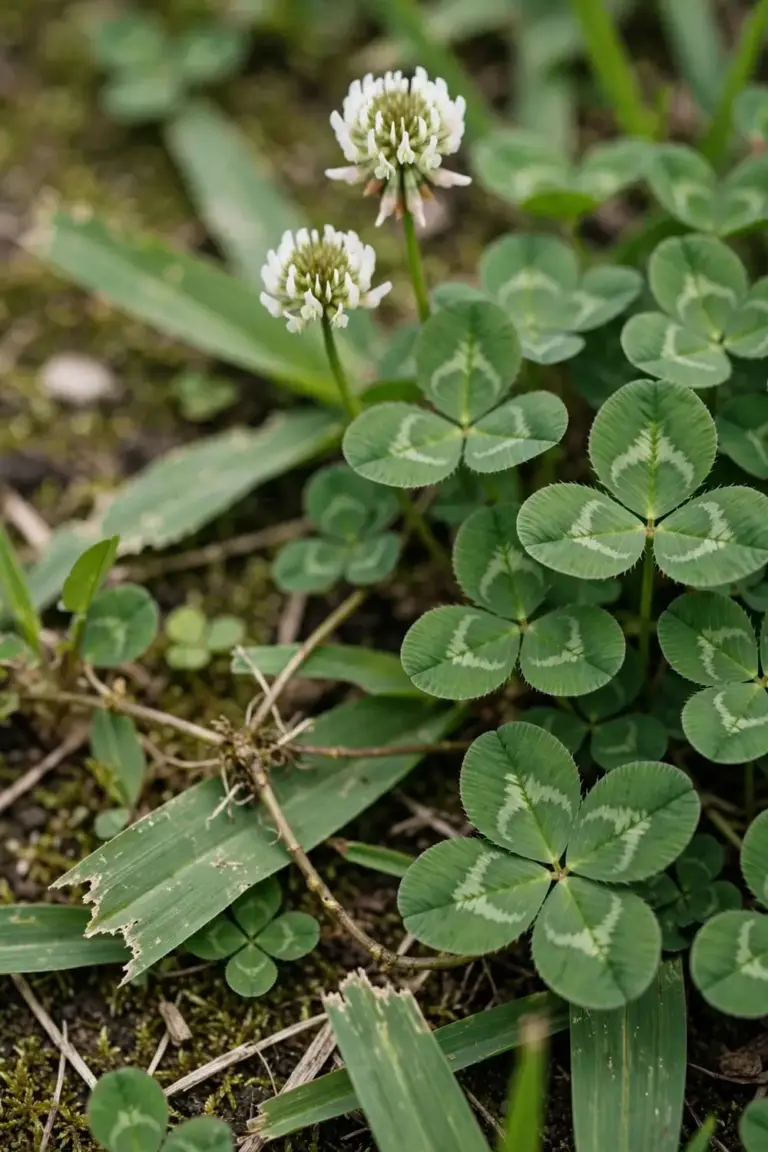
Clover thrives where nitrogen runs low, because clover fixes its own nitrogen from the air while buffalo cannot. A lawn dotted with clover often signals a hungry lawn rather than a weed invasion. The fix pairs two moves: a buffalo-safe selective spray knocks back the existing clover, and feeding the lawn helps buffalo thicken and shade out the next wave.
Pulling clover by hand rarely finishes the job. Creeping stems snap and leave rooted nodes behind, and each node regrows. Spraying beats pulling for clover, as long as the product label lists buffalo as a safe turf. The label decides, not the shelf tag.
5. Creeping Oxalis (Oxalis Corniculata): Shamrock Leaves, Yellow Flowers
Creeping oxalis is Oxalis corniculata, a low creeping weed with shamrock-shaped leaves and small yellow five-petal flowers. The leaves fold into three heart-shaped leaflets, often flushed purple underneath. Stems creep and root at the nodes, so one plant becomes a mat. The shamrock leaf plus the yellow flower names creeping oxalis.
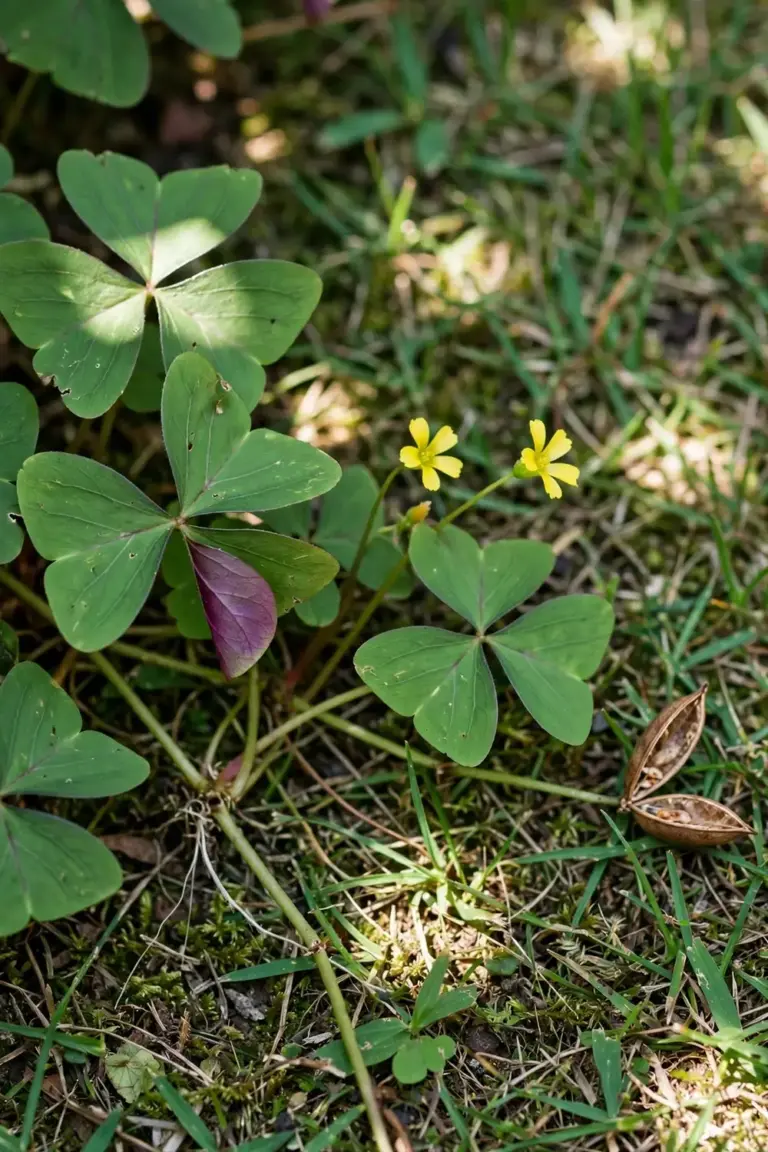
Oxalis spreads two ways at once. Creeping stems root at every node, and ripe seed pods burst open and fling seed across the lawn. Hand-pulling must lift the whole creeping stem, nodes and all, or the plant regrows from the rooted pieces left behind. A buffalo-safe selective spray handles larger mats more reliably than pulling.
Oxalis seed pods ripen fast in warm weather. Pulling or spraying before pods split cuts the next generation. Pods that already split have already seeded the lawn, so the next round of control starts with pre-emergent thinking rather than another spray.
6. Winter Grass (Poa Annua): Pale Tufts, Seed Heads in Winter
Winter grass is Poa annua, an annual grass that appears as pale green tufts in an otherwise dark buffalo lawn. The leaf tips fold into a boat shape, a trait that separates Poa annua from buffalo leaves at close range. Seed heads rise even when the lawn is mown low, so a tuft that flowers at mowing height is winter grass until proven otherwise.
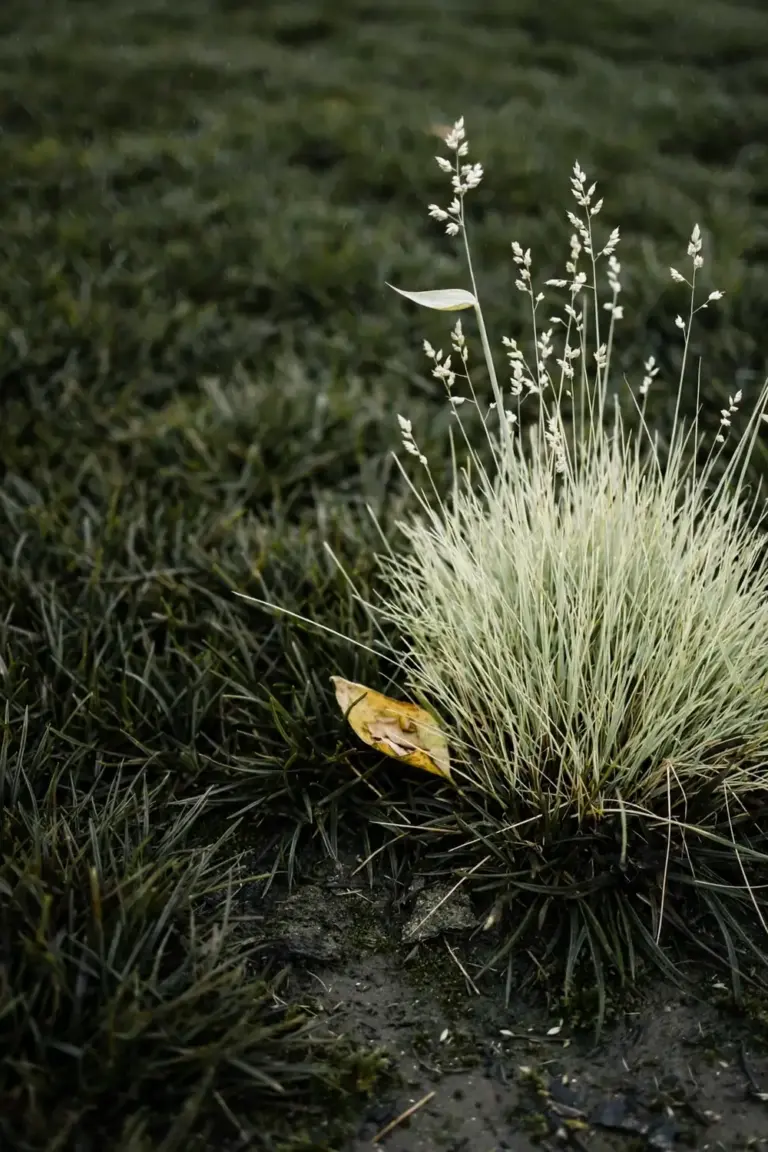
Winter grass lives one season. It germinates in autumn, flowers through winter and spring, then dies as summer heat arrives. That short life shapes the control plan. Hand-pulling removes the tuft and its seed heads before they shed. A pre-emergent applied before autumn germination stops next season’s crop.
No selective herbicide removes winter grass from buffalo safely, so the spray bottle stays on the shelf for this weed. Pulling plus pre-emergent beats spraying here. A tuft left to seed in spring becomes dozens of tufts next winter.
7. Nutgrass (Cyperus Rotundus): A Sedge, Not a Grass
Nutgrass is Cyperus rotundus, a sedge, not a grass. The stem gives it away: roll it between finger and thumb and it feels triangular, with three flat sides. Grass stems feel round. The leaves shine glossy green and grow faster than the surrounding buffalo, so nutgrass patches stand taller a few days after mowing. Brown spikelets top a bare stalk in summer.
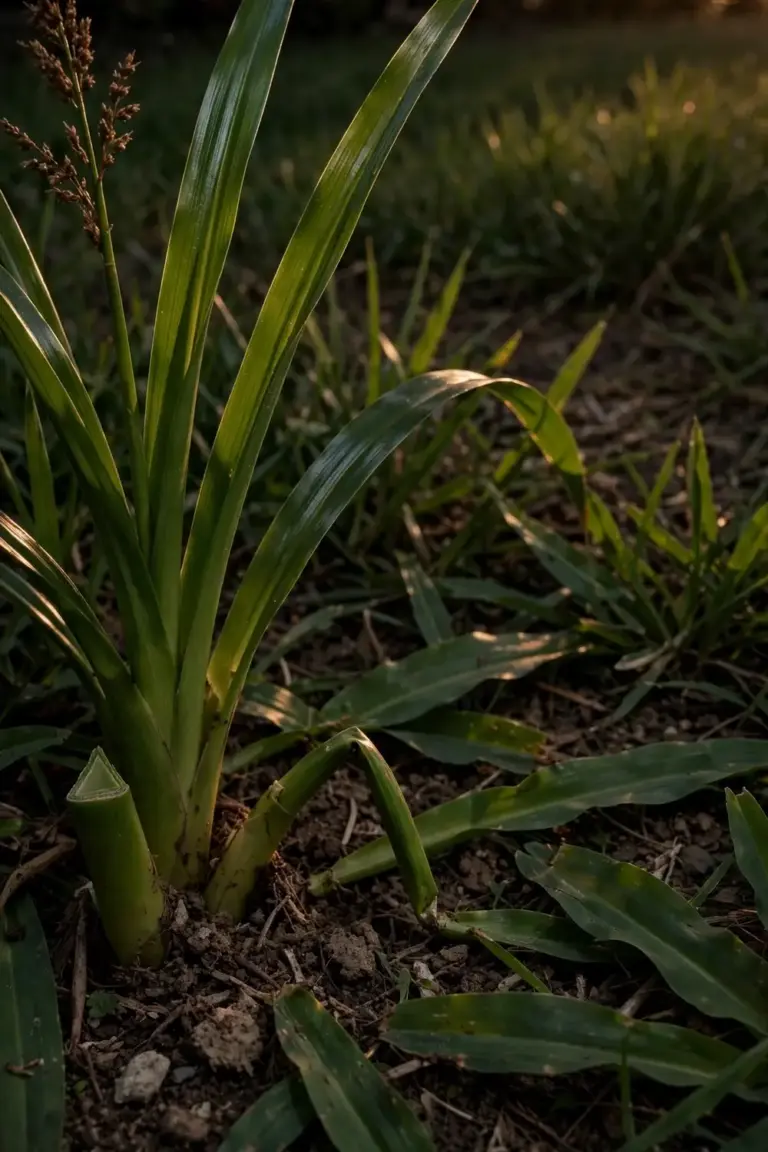
Pulling nutgrass leaves the problem underground. Each plant grows a chain of small tubers called nutlets, and a pulled stem leaves the nutlets behind to sprout again. Digging must lift the nutlets with the plant, which means a trowel and a wide scoop, not a quick tug.
Sedge-specific treatment handles nutgrass where digging cannot. Herbicides with halosulfuron-methyl as the active ingredient carry both post-emergence and pre-emergence activity on yellow and purple nutsedge, according to the LSU AgCenter sedge guide. Young nutsedge plants form no new tubers until they carry 5 to 6 leaves, so repeatedly hoeing or removing young plants helps prevent nutsedge from spreading. The same guide notes that these products must be carefully directed to the weeds, since they can injure desirable plants too. Read the label for buffalo safety before spraying, and follow it exactly.
8. Paspalum (Paspalum Dilatatum): Clumps and Sticky Seed Heads
Paspalum is Paspalum dilatatum, a coarse perennial grass that grows in clumps and spreads by seed and short rhizomes. The leaves run wide and coarse next to buffalo, and the clumps stand taller than the lawn between mows. Seed heads carry several branches with sticky seeds that cling to shoes, socks, and mower wheels. The coarse clump plus the sticky seed head names paspalum.
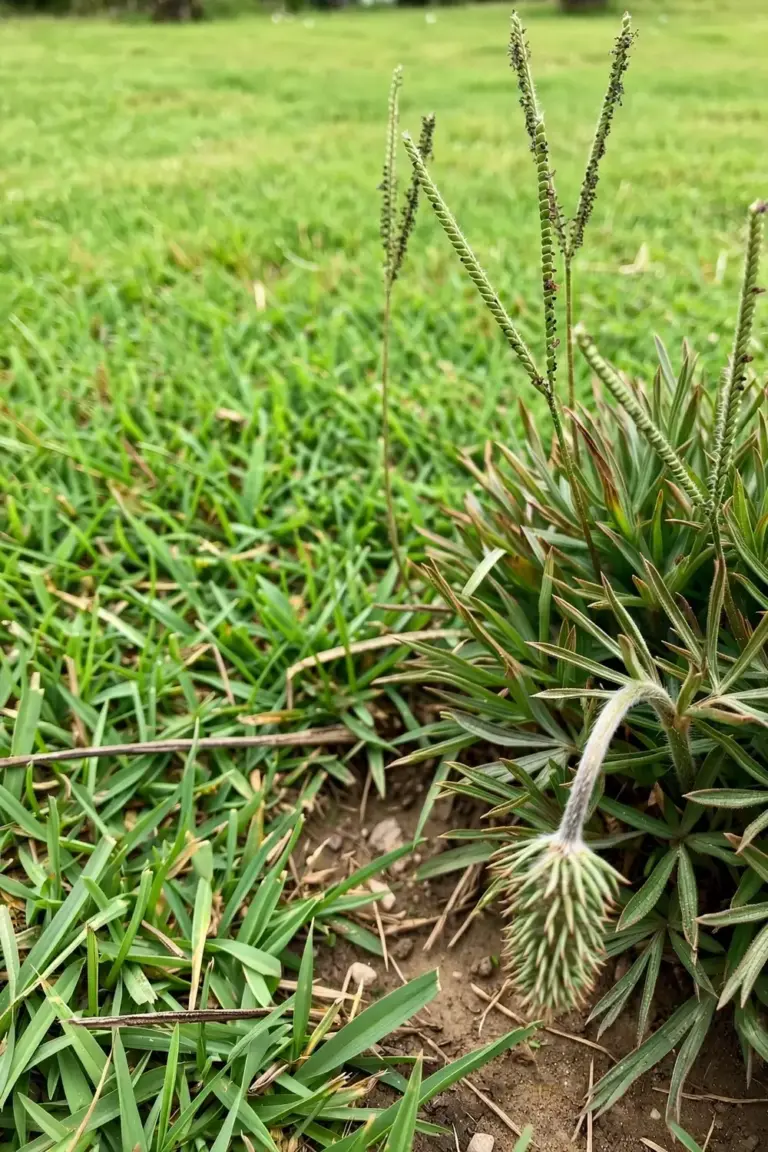
Hand-digging works on young clumps. The trowel must lift the whole crown and its roots, because a crown left in the soil regrows. Older clumps root deep and resist pulling, so digging them out leaves a hole that needs a buffalo runner or a turf patch to fill.
Large clumps answer to glyphosate spot-painting. A brush or weed wand paints the paspalum leaves and nothing else, because glyphosate kills buffalo on contact. Shield the surrounding buffalo with cardboard while painting. The painted clump yellows and dies, and the bare patch gets a buffalo runner or turf piece to close it. Never broadcast-spray glyphosate across a buffalo lawn.
9. Cudweed (Euchiton Species): Gray Woolly Leaves
Cudweed is a low rosette weed with gray-green woolly leaves that feel soft and dry to the touch. The woolly coating separates cudweed from every other lawn weed at a glance. Small clustered flower heads rise on short stalks. The rosette sits flat against the lawn and spreads slowly outward.
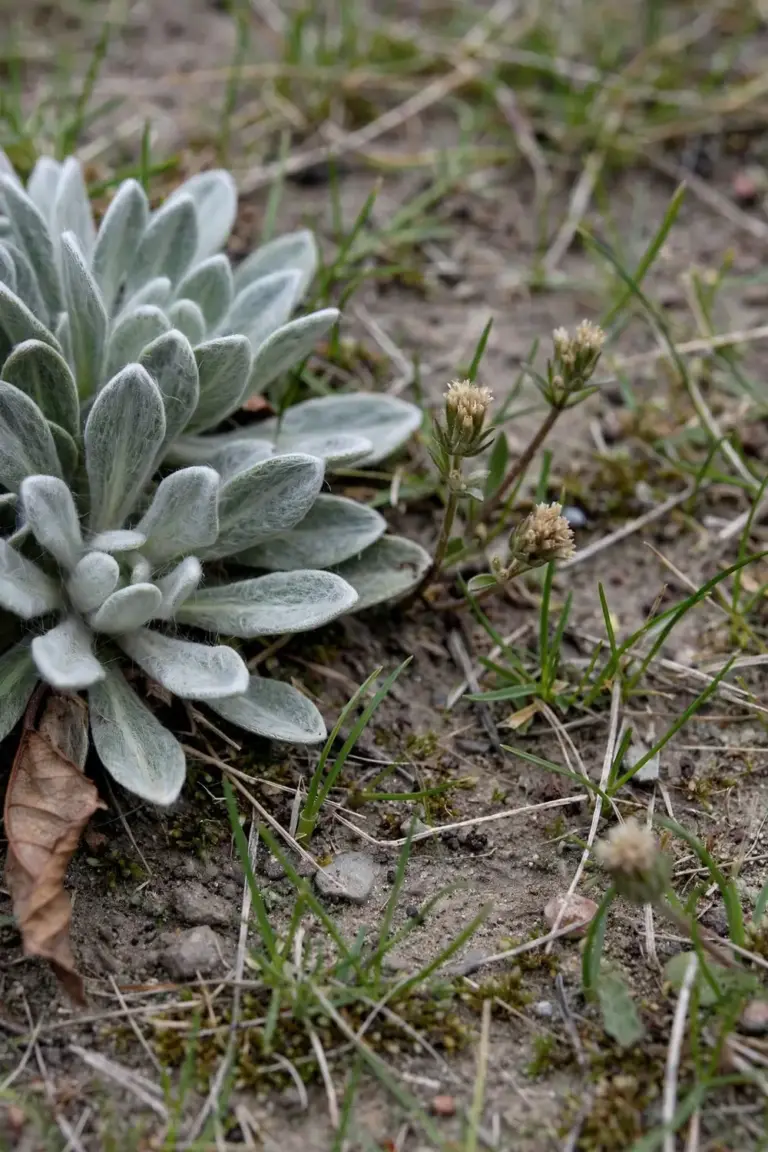
Cudweed favors thin, dry patches where buffalo coverage runs weak. A lawn with cudweed often has bare soil between buffalo runners, and the weed fills the gaps. Small patches come out by hand with a trowel, roots and all. Larger patches answer to a buffalo-safe selective spray.
Thickening the lawn after removal matters as much as the removal itself. Bare soil invites the next cudweed seed to settle. A buffalo runner pressed into the bare patch, plus water and feed, closes the gap faster than the weed can reclaim it.
10. Onion Weed (Nothoscordum Inodorum): Onion Smell, White Star Flowers
Onion weed is Nothoscordum inodorum, a bulb weed with strap leaves and white star flowers on a bare stalk. Crush a leaf and the onion smell hits at once. The smell plus the strap leaf names onion weed, even before it flowers. Underground, each plant grows a cluster of small bulbs.
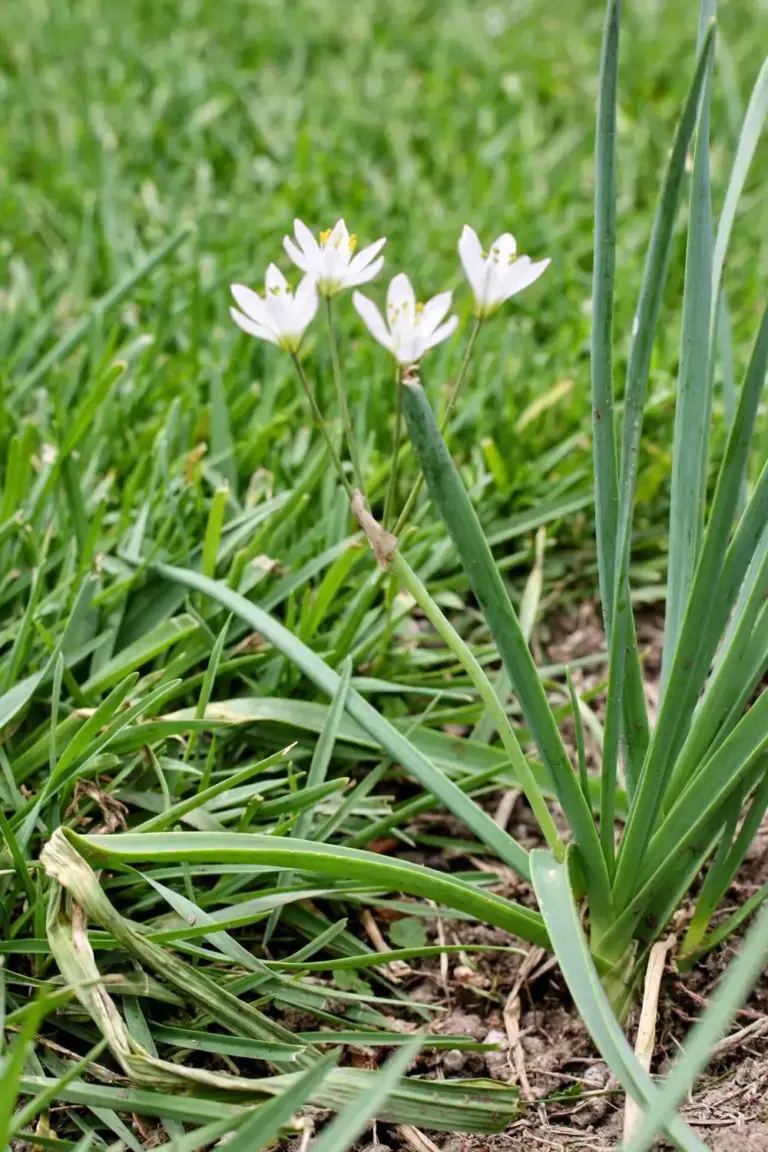
Digging out onion weed means lifting the whole bulb cluster. A trowel slides under the cluster and lifts it in one piece. Bulbs left behind sprout again, so the digging must be thorough. Small patches yield to digging alone.
A buffalo-safe selective spray handles the leaves on larger patches, but spray alone rarely finishes onion weed. The bulbs sit below the spray’s reach and regrow after the leaves die. Pair spraying with digging for the bulbs that survive. Gardeners also call three-cornered garlic (Allium triquetrum) onion weed, and the same removal approach applies to it.
11. Summer Grass (Digitaria Sanguinalis): Low Spreaders, Finger Seed Heads
Summer grass is Digitaria sanguinalis, an annual grass that sprawls low across the lawn with stems that root at the nodes. The seed heads spread like fingers from the top of a stalk, a trait that names summer grass at a glance. It germinates in warm soil, grows fast through summer, and dies at the first frost.
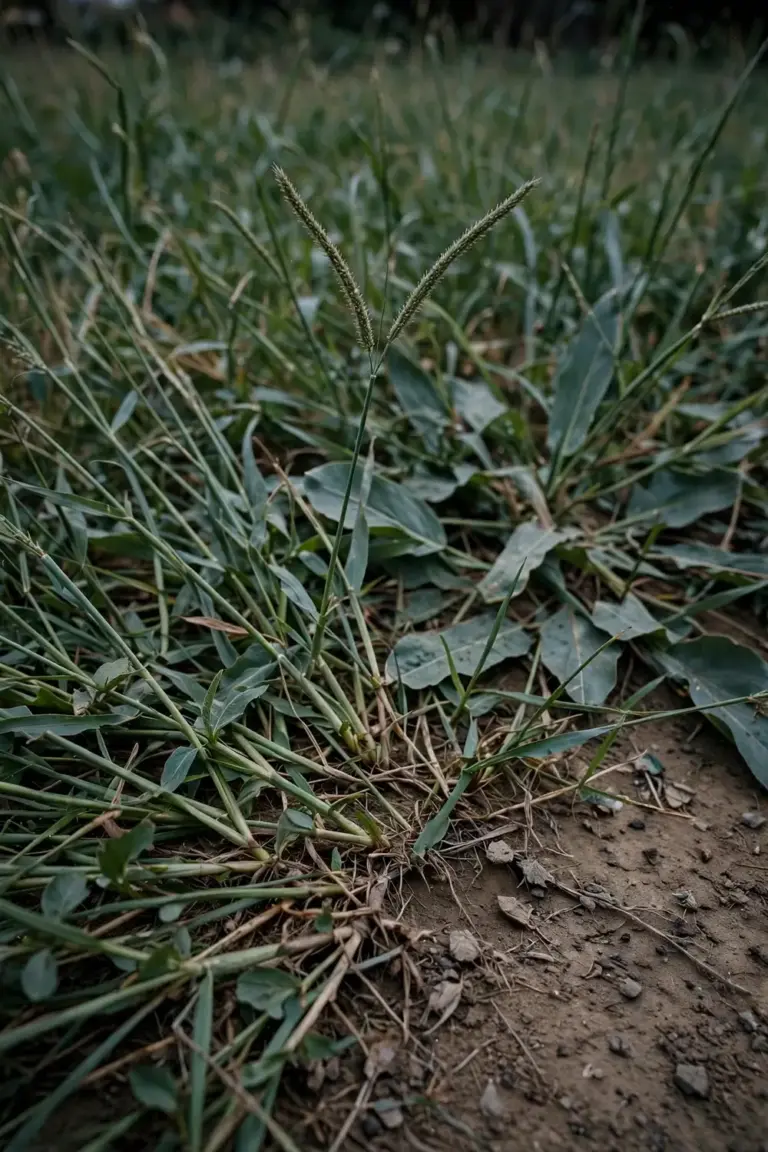
Hand-pulling works while patches stay small. The stems root at every node, so the pull must lift the whole mat, not just the top growth. A mat torn in half leaves rooted nodes that regrow within days.
Pre-emergent stops next summer’s crop. The product goes down before soil warms in spring, and it must be reapplied each season to hold the line. A summer grass plant left to seed drops hundreds of seeds into the lawn, so pulling before seed heads ripen matters as much as the pre-emergent itself.
12. Buffalo-Safe Herbicide Rules: Read the Label, Test-Spray, Then Spray
Buffalo tolerates fewer herbicides than couch or kikuyu, so the label decides every spray. Products specifically labelled as safe for buffalo earn a place in the shed. Standard weed-and-feed products and generic broadleaf herbicides do not. The label lists the turfs the product covers, and buffalo must appear on that list by name. A product that says “safe for lawns” without naming buffalo stays on the shelf.
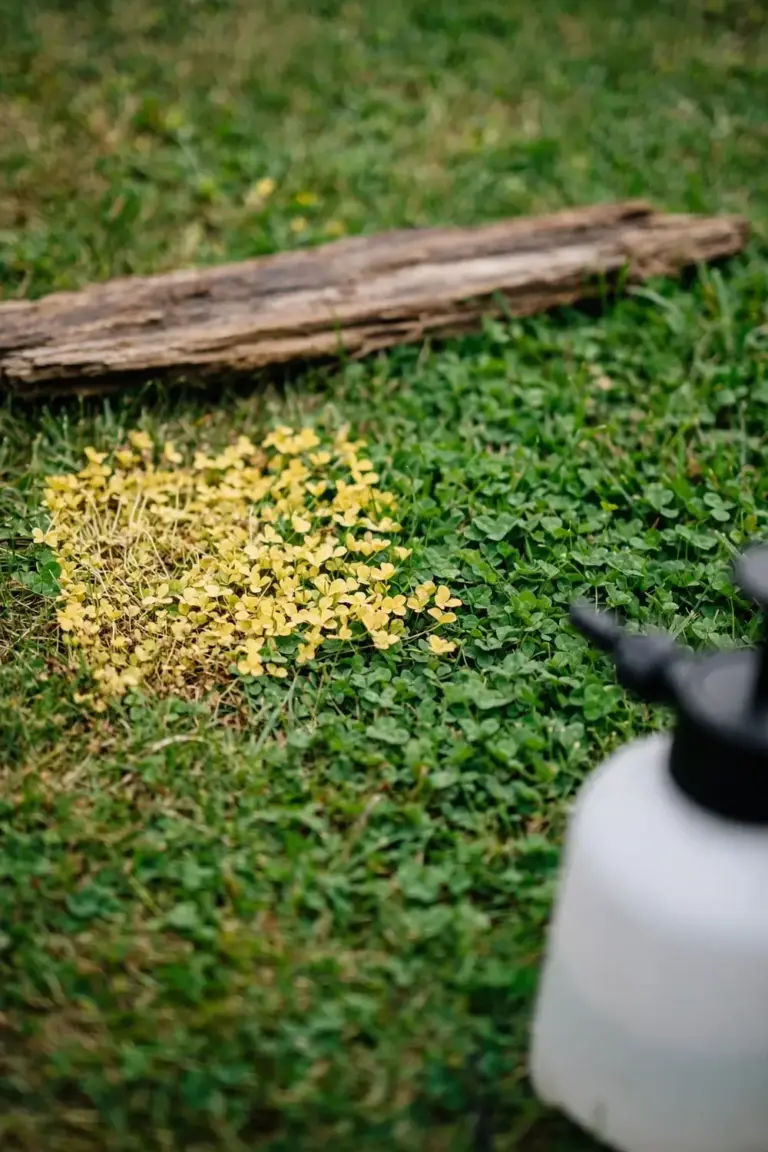
Bow and Arrow is a buffalo-safe selective herbicide that controls many broadleaf weeds without harming the surrounding grass, according to the Specialist Sales Bow and Arrow guide. The same guide names its three active ingredients as MCPA, clopyralid, and diflufenican, and states that the product suits couch, buffalo, and kikuyu grasses. Reapply according to the time intervals recommended on the label, typically 3 to 4 weeks after the first application, and do not mow the area for at least a few days after spraying so the weeds absorb the product fully.
Dicamba is the active to avoid. Dicamba M blends MCPA and dicamba, and it must never go on buffalo. The Lawn Shed Dicamba M page states plainly that the product must not be applied to buffalo lawns, as it will damage the lawn significantly. The same page notes that weeds curl, yellow, and die over 7 to 14 days, that spraying should avoid mowing 2 days before and after application, that rain should hold off for 6 hours after spraying, that a repeat application may be needed after 4 to 6 weeks for persistent weeds, and that pets and children must stay off the lawn until the spray has dried, usually 2 to 4 hours. Those timing rules apply to couch and kikuyu lawns, where Dicamba M is safe. For buffalo, the only dicamba rule is to skip it.
Some buffalo varieties react worse than others. Turf contractor Lawngreen’s buffalo spraying protocol names ST26, ST85, and ST91 as the three buffalo varieties that do not tolerate the broadleaf herbicides registered for buffalo. The same protocol recommends test-spraying a few patches first, then revisiting the lawn 2 to 3 weeks later to check for damage before spraying the whole lawn. Test-spraying costs one afternoon and saves a lawn. Unknown-variety buffalo gets a test-spray too, because a lawn of unknown variety may carry ST genetics.
Grassy invaders have no selective option in buffalo. Couch, kikuyu, paspalum, winter grass, and summer grass all sit outside the reach of selective sprays that spare buffalo. The only chemical move is glyphosate spot-painting with a brush or weed wand, aimed at the weed alone. Hand removal and turf replacement cover the rest. A product that claims to kill grassy weeds in buffalo without harming buffalo deserves a hard look at its label before it earns trust.
Every herbicide mention in this page carries the same three safety rules. Follow the label, because the label wins over any guide. Keep pets and children off the lawn until the spray dries. Never spray in wind or rain, and never spray open flowers, because drift and runoff carry the product where it does not belong.
Pre-emergent herbicide plays a separate role from the sprays above. It stops annual weed seeds from germinating instead of killing weeds that already grow. The product goes down before the germination window opens: before autumn for winter grass, before spring soil warms for summer grass. One application covers one season, so the calendar needs a fresh application each year to hold the line. Pre-emergent never rescues a lawn already full of weeds. It protects a clean lawn from the next seed crop.
13. Keep the Lawn Thick: Prevention Beats Spraying
A thick buffalo lawn crowds out weeds before they establish. Bare soil invites seed to settle, and thin buffalo leaves gaps where weeds take hold. Prevention works through three levers: mowing, feeding, and soil.
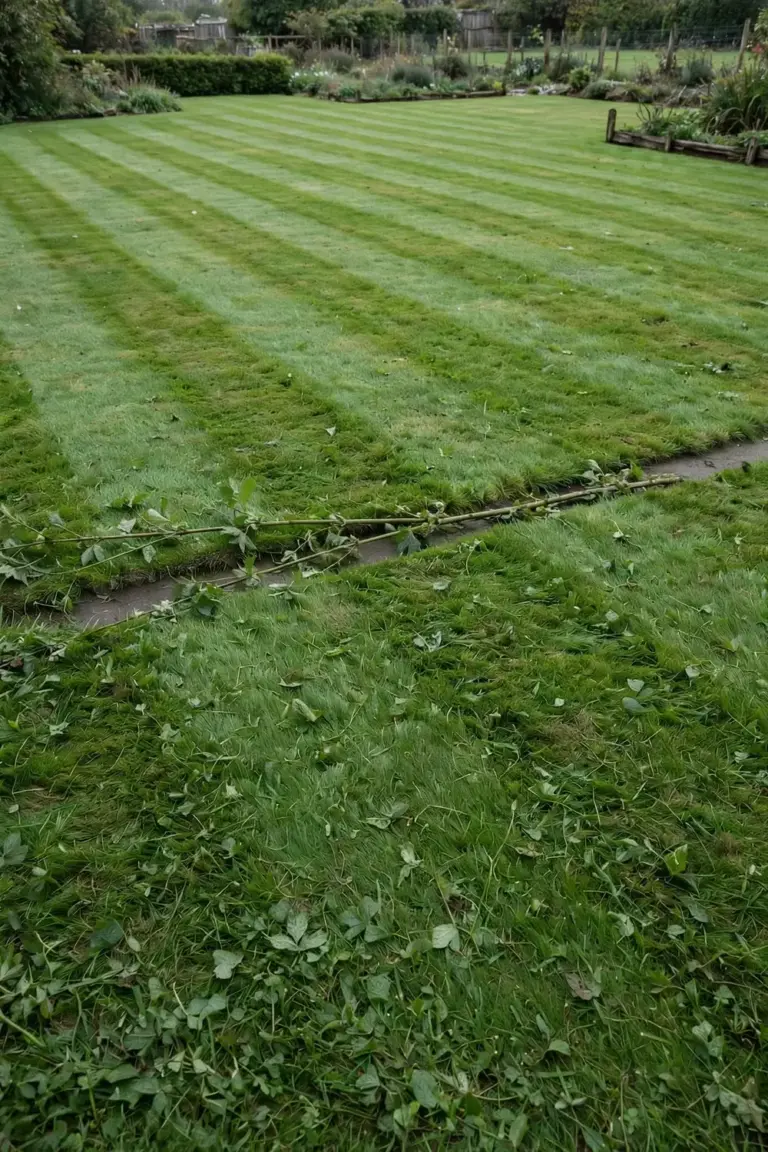
Mow high and never scalp the lawn in winter. A high cut shades the soil surface, and shaded soil keeps weed seeds dormant. Scalping opens the soil to light and hands weed seeds the trigger they need. Buffalo cut high also grows deeper roots, which hold water and nutrients through dry spells.
Feeding helps buffalo thicken and shade out the next weed wave. Timing and rate matter, and the label on the fertilizer bag decides both. The guide to the best time to fertilize a lawn in spring covers the seasonal window. Building soil health covers the longer job of growing a lawn that feeds itself.
Watering plentifully but infrequently pushes buffalo roots deep, which builds a lawn that outcompetes weeds in dry weather. A deep soak once a week beats a daily sprinkle, because shallow watering trains roots to sit near the surface where they dry out fast. Aeration opens compacted soil so air and water reach the roots, and it works best when the lawn grows actively. Compacted soil starves buffalo roots while weeds with tougher roots push through, so a lawn that feels hard underfoot invites invasion. The beginner guide to organic pest control covers the non-chemical side of lawn care for readers who want to cut spraying to the minimum.
14. When to Re-Turf a Weed-Choked Patch
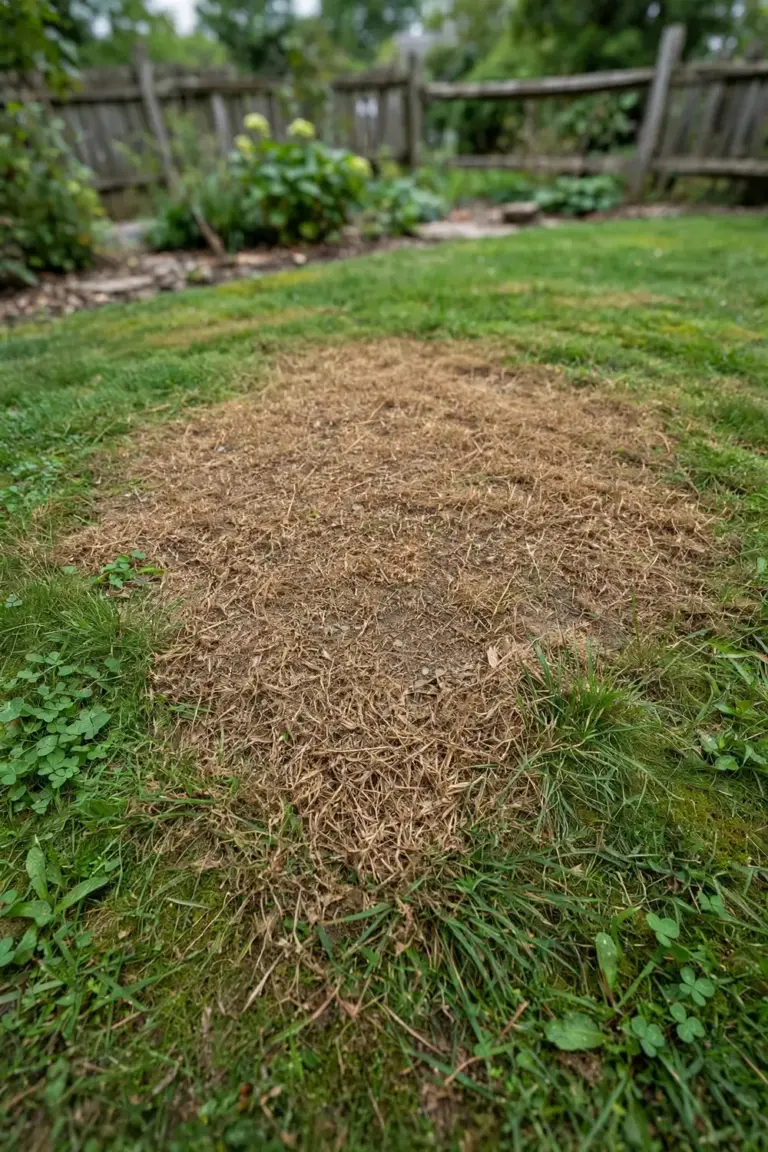
Some patches pass the point where spraying and pulling pay off. A patch where weeds cover more than half the ground, where buffalo runners have vanished, or where the same weeds return three seasons running has earned replacement. Re-turfing costs one afternoon and ends the cycle.
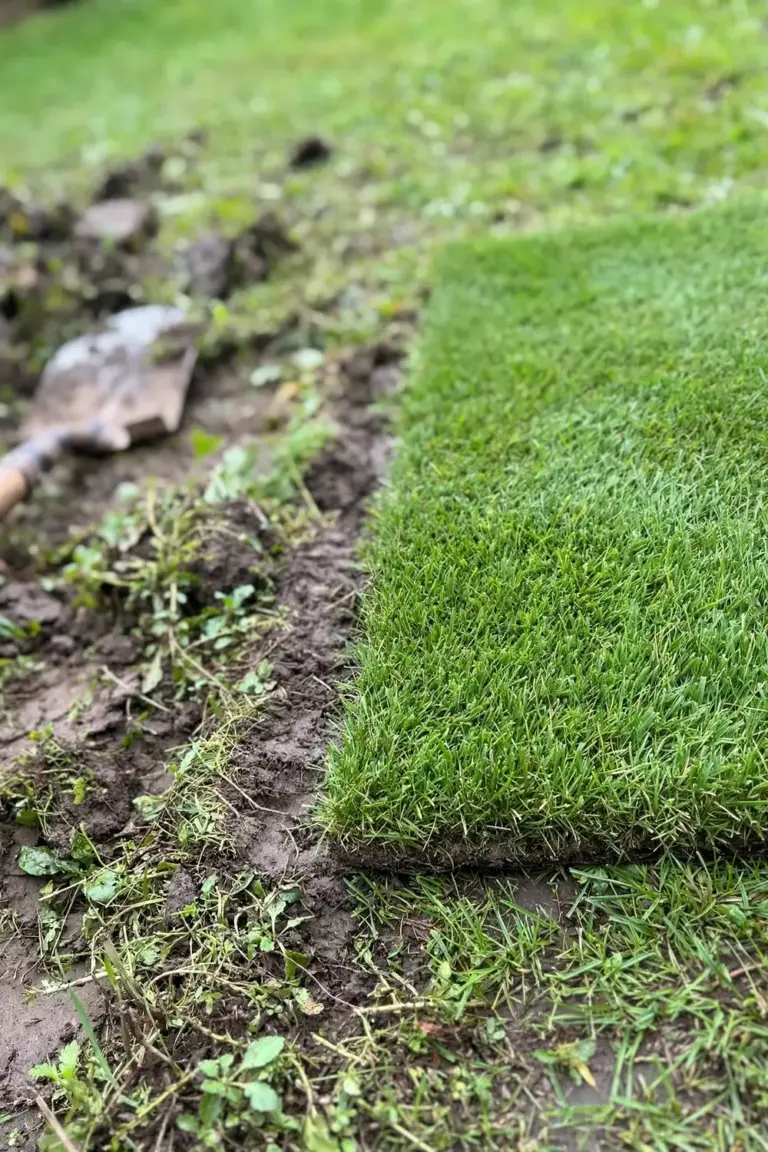
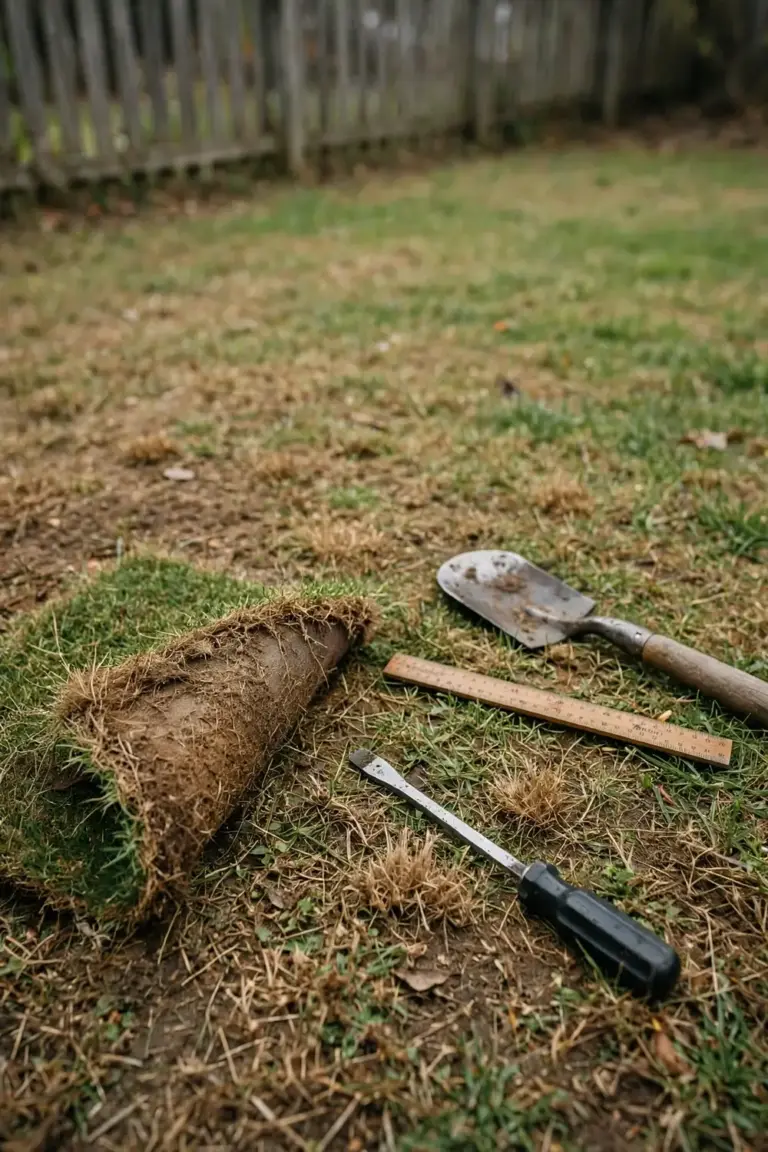
Cut out the weed-choked turf with a spade, roots and all, and lift the whole piece away. Loosen the soil beneath, lay a fresh buffalo turf piece cut to fit, and butt the edges tight against the surrounding lawn. Water the new turf daily until it roots, then settle into the normal watering rhythm. The new piece needs the same test-spray caution as any buffalo lawn when weeds return: the variety on the turf farm tag decides which sprays it tolerates, so keep the tag until the lawn establishes.
Re-turfing is a pointer, not a full laying guide. The steps above cover the decision and the outline. A patch smaller than a dinner plate rarely needs re-turfing, because hand removal plus a buffalo runner closes it. A patch bigger than a doormat with no living buffalo runners left is a re-turfing candidate.
15. Frequently Asked Questions
No. Standard weed-and-feed products mix fertilizer with a broadleaf herbicide that buffalo does not tolerate, and the blend can scorch or kill the lawn. Use a fertilizer-only product for feeding and a separate buffalo-safe selective herbicide for weeds. Check both labels for buffalo by name before buying.
No, when the label is followed. Bow and Arrow lists buffalo as a safe turf, and Sir Walter is one of the tolerant buffalo varieties. Spray while weeds grow actively, hold off mowing for a few days after spraying, and keep pets and children off until the spray dries. Test-spray a small patch first when the variety is unknown.
Use a sedge-specific herbicide with halosulfuron-methyl as the active ingredient, and check the label for buffalo safety first. Digging lifts the nutlets with the plant but leaves holes, and pulling alone leaves nutlets behind to sprout again. Repeat applications may be needed, and young plants pulled before they carry 5 to 6 leaves form no new tubers.
Spray bindii in winter, while the rosettes sit low and before they set seed in spring. May to August covers the main window in most Australian regions. Spraying after seed set wastes the effort, because the burrs already wait in the soil. Hand-pull small patches any time the soil is soft enough to lift the root.
Three causes cover most cases. The spray hit the wrong weed type, so a grassy invader or sedge survived a broadleaf product. The weed seeded before spraying, so the next generation already waits in the soil. The lawn stayed thin, so bare soil invited new seed to settle. Name the weed, match the product to the type, and thicken the lawn after spraying.
16. Weeds Invading Buffalo Lawns: Start With the Name, Not the Bottle
Weeds invading buffalo lawns yield to one sequence: confirm the turf, name the weed by type, match the removal to the type, and check the label before every spray. The wrong spray costs a lawn. The right name costs ten minutes with this page and a walk around the yard.