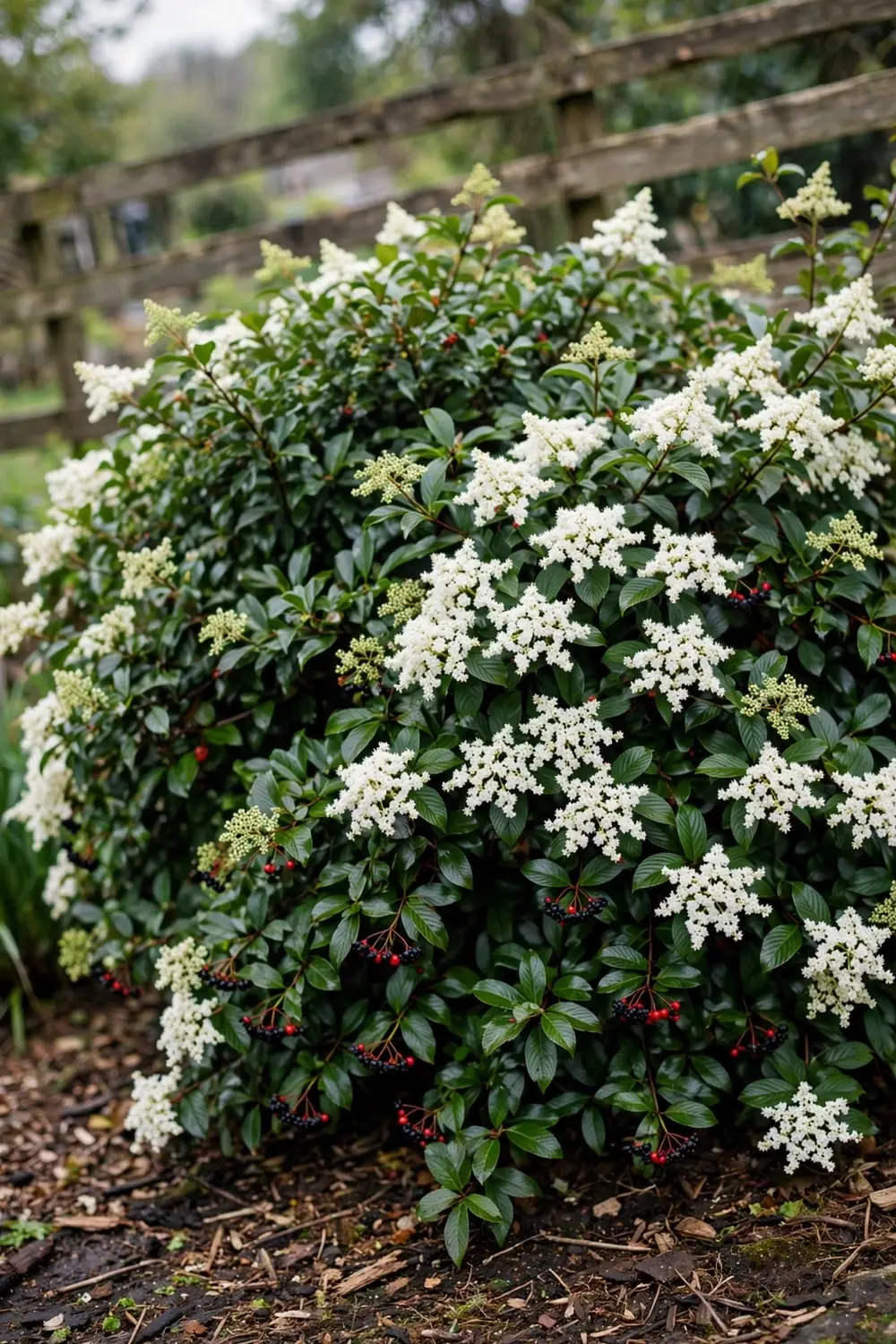

Pick the job first, then the species. Viburnum is a genus of more than 150 species, not one plant, and the species differ in size, leaf type, flower season, and cold tolerance. Growing viburnum in Australia starts with matching one species to one job: screen, fragrance, berries, pot, or cold climate. I have learned that the viburnum I pick for its job outgrows the viburnum I pick for its flower photo.
Viburnum covers evergreen shrubs, deciduous shrubs, and small trees. One species grows into a 6 m screen. Another stays a 1.5 m pot shrub. The genus name on the label tells you almost nothing about the plant in the pot. The botanical name tells you everything. Buy by botanical name, never by the common name alone.
1. Name the Genus First: One Name Covers 150-Plus Plants
Viburnum holds more than 150 species, from low shrubs to small trees, with white or pink flowers and many fruit colors. That count comes from the NC State Extension Gardener review of the genus. The genus spans evergreen and deciduous habits. It spans warm-climate screens and cold-climate feature shrubs. No single care sheet fits all of it.
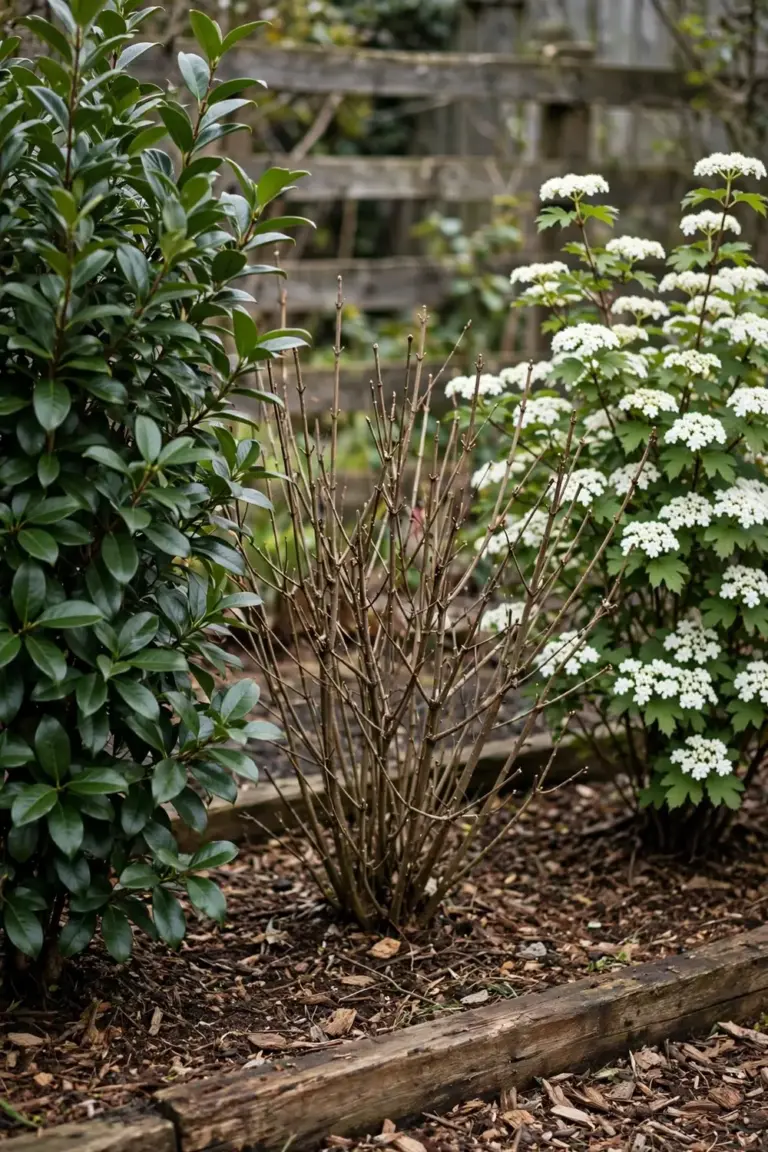
Three facts separate viburnum from the shrubs buyers confuse it with: leaves sit opposite each other on the stem, flowers cluster in flat or domed heads called cymes, and fruit is a drupe, a fleshy single-stone fruit like a small cherry. Those three traits hold across the genus, so learn them once and the label stops mattering.
Common names mislead. “Sweet viburnum” means Viburnum odoratissimum in Australian nurseries. “Snowball” means at least three different plants. “Laurustinus” means Viburnum tinus. Two plants sold as “snowball” can differ in height by 2 m and in fruit by sterile versus fertile. Check the botanical name on the tag before you pay. A tag that lists only “Viburnum” with no species name is a tag to walk away from.
Read the tag the way a nurseryman reads it. The first word is the genus, Viburnum. The second word is the species, such as odoratissimum or tinus. A name in single quotes after the species is the cultivar, such as ‘Roseum’ or ‘Mrs Schiller’s Delight’. A cultivar name tells you the exact plant. A species name alone tells you the species, and seedlings of that species vary. Buy the cultivar when the job needs a known size.
2. Pick by Job: Screen or Hedge With Sweet Viburnum
Sweet viburnum builds the fastest evergreen screen in the genus. Viburnum odoratissimum grows 4.6 to 6.1 m tall and equally wide when left unpruned, according to the UF/IFAS Extension sheet on sweet viburnum. Its leaves run 7.6 to 15.2 cm long, thick, glossy, and dark green. Its spring flowers are small, white, and fragrant, carried in pyramid-shaped clusters. Its fruit turns red, then black.
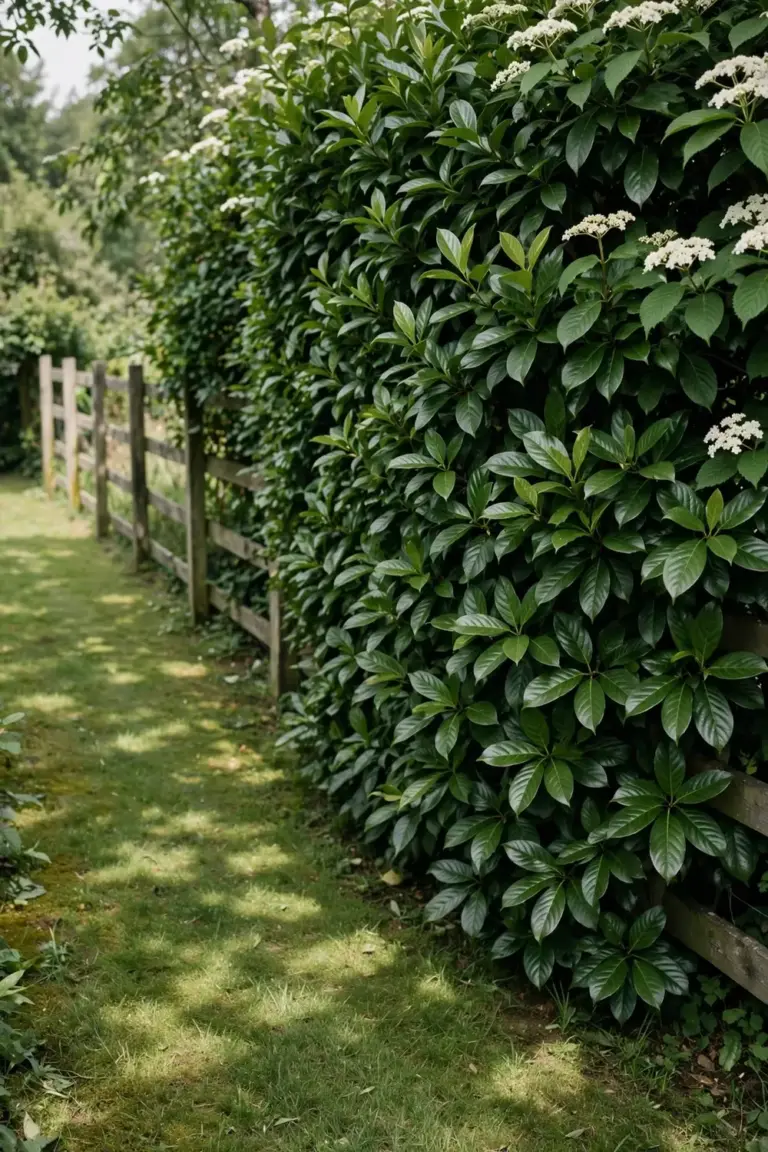
Australian nursery guides put formal hedge spacing at 60 to 80 cm apart, and screen spacing at 1 to 1.5 m apart. Tight spacing closes a formal hedge fast. Wide spacing suits a loose screen that you prune once a year. Plant a screen in full sun for the densest growth. Shade thins the lower branches and opens gaps at the base.
Sweet viburnum suits warm temperate, subtropical, and tropical gardens, handles light frost once established, and dislikes cold wind and hard frost. In cold-climate gardens, laurustinus does the screening job instead, because sweet viburnum planted where winter frost bites hard burns at the tips and the screen never fills.
3. Pick by Job: Flowers and Fragrance From Burkwood and Koreanspice
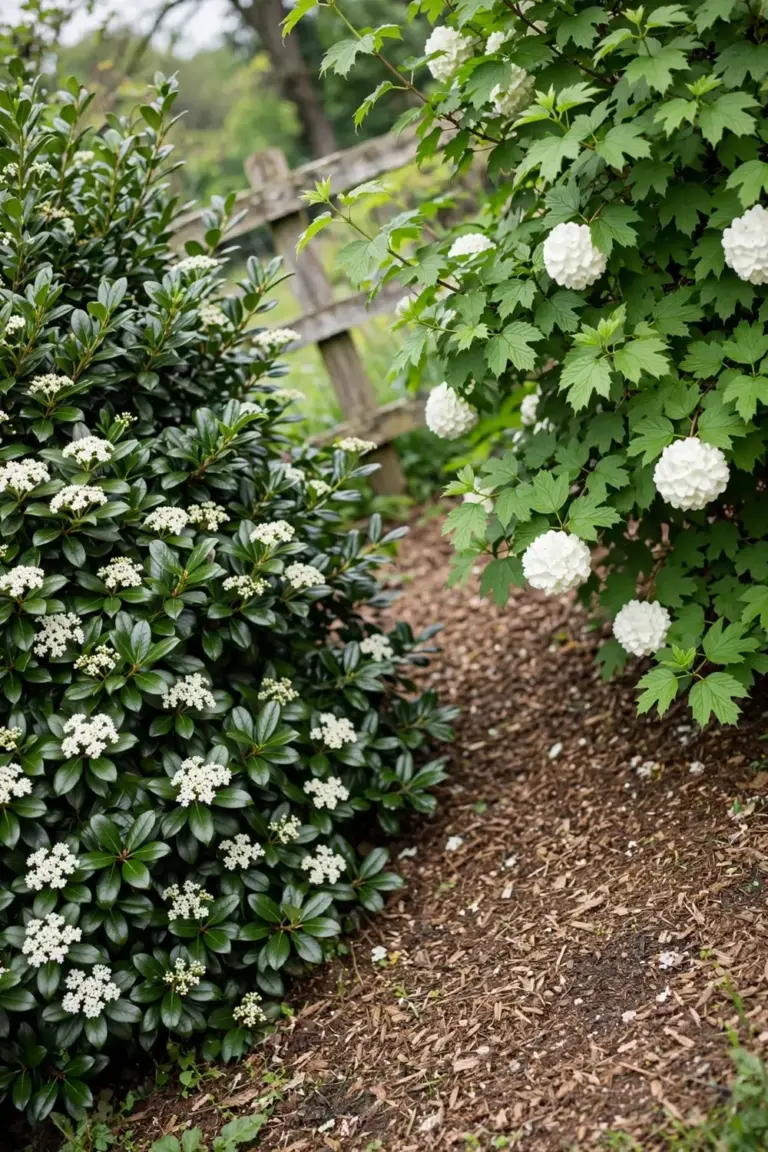
Fragrant viburnums earn their place near a path, a door, or a window. Burkwood viburnum (Viburnum x burkwoodii) opens white flowers with a sweet, spicy scent in spring. Its leaves hold semi-evergreen through mild winters. Its fruit turns red, then black. It fits mixed borders and cottage gardens where fragrance matters more than size.
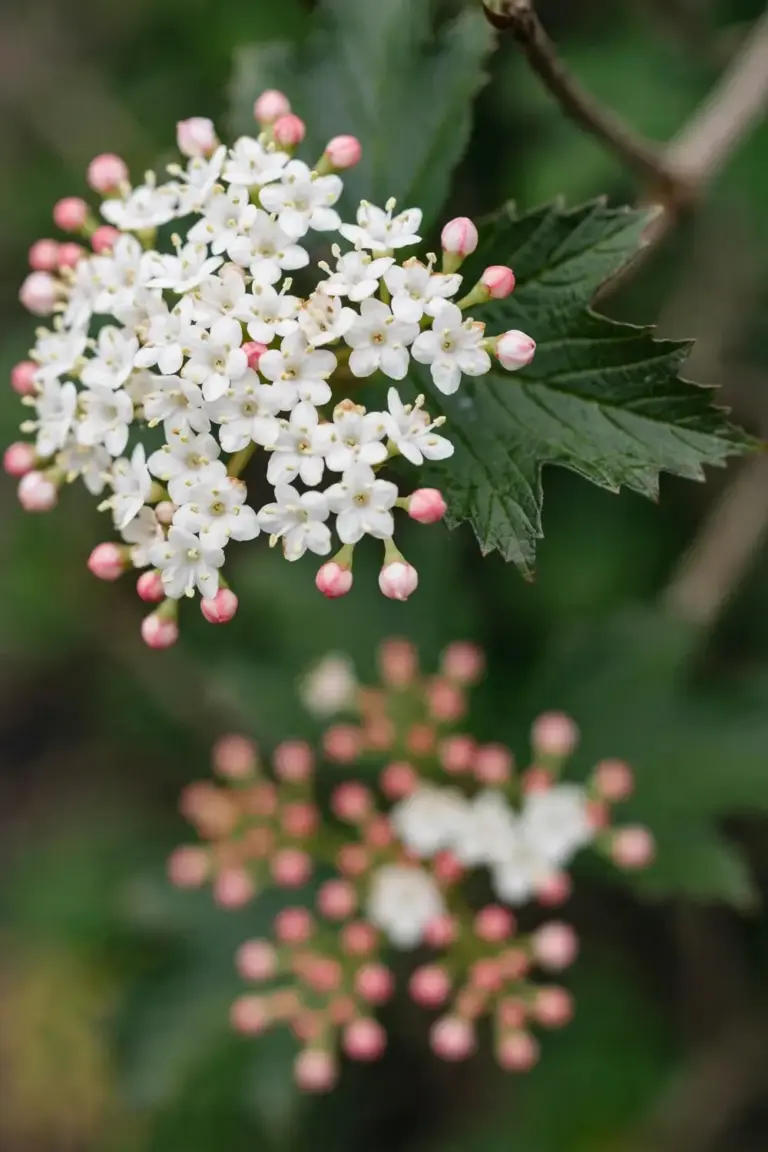
Koreanspice viburnum (Viburnum carlesii) carries the strongest fragrance in the genus, and Fine Gardening lists it at 0.9 to 1.8 m tall and wide, a compact deciduous shrub. Its pink buds open to white or pink-flushed flowers in domed clusters, its scent reads as spice cake, and its leaves turn red in autumn before the berries follow. Plant it where you walk past it daily, since fragrance hidden at the back fence wastes the plant.
Bodnantense viburnum (Viburnum x bodnantense) flowers in winter on bare stems, its pink, fragrant clusters opening before the leaves, and suits cold-climate gardens where winter color is scarce. It grows taller than Koreanspice, so give it room and a sheltered spot, since cold wind strips winter flowers before you smell them.
4. Pick by Job: Berries and Birds From Doublefile and Laurustinus
Berry viburnums feed birds and color the autumn garden. Doublefile viburnum (Viburnum plicatum f. tomentosum) carries flat lacecap flower heads in spring, then red fruit that ripens to black. Ohio State University lists it at 2.4 m tall and 3 m wide, with layered horizontal branches. Birds strip the fruit fast. Plant two different cultivars close together to push fruit set heavier. The same Ohio State notes record that cross-pollination between cultivars lifts fruit set.
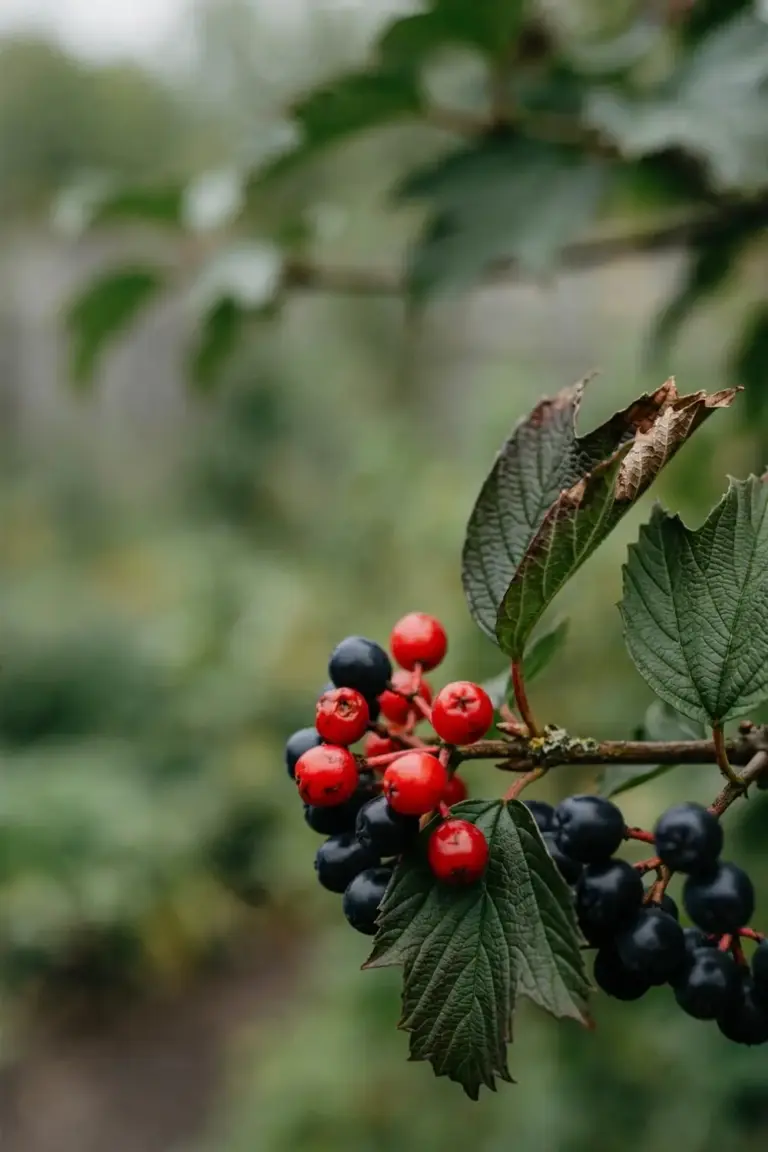
Laurustinus (Viburnum tinus) follows winter flowers with metallic blue-black berries. Smithsonian Gardens lists it at 1.8 to 3.7 m tall and wide, evergreen, with glossy dark leaves. Its berries hang through winter. Birds take them over weeks, not days. The plant holds its shape with little pruning.
Treat viburnum berries as ornamental, not food, since some species carry mildly toxic compounds when raw, and no viburnum berry goes in the kitchen. Children learn the rule fast when you state it plainly: look, do not eat. The berries belong to the birds.
5. Pick by Job: Small Gardens and Pots With Compact Cultivars
Small gardens need viburnums that stay small without constant cutting. Mrs Schiller’s Delight viburnum, a cultivar of Viburnum obovatum, reaches about 1.5 m tall unpruned, per LSU AgCenter notes. Its white flower clusters cover the plant in spring. Its leaves stay evergreen in warm climates. It grows in partial shade to full sun. It fits courtyards, small borders, and large pots.
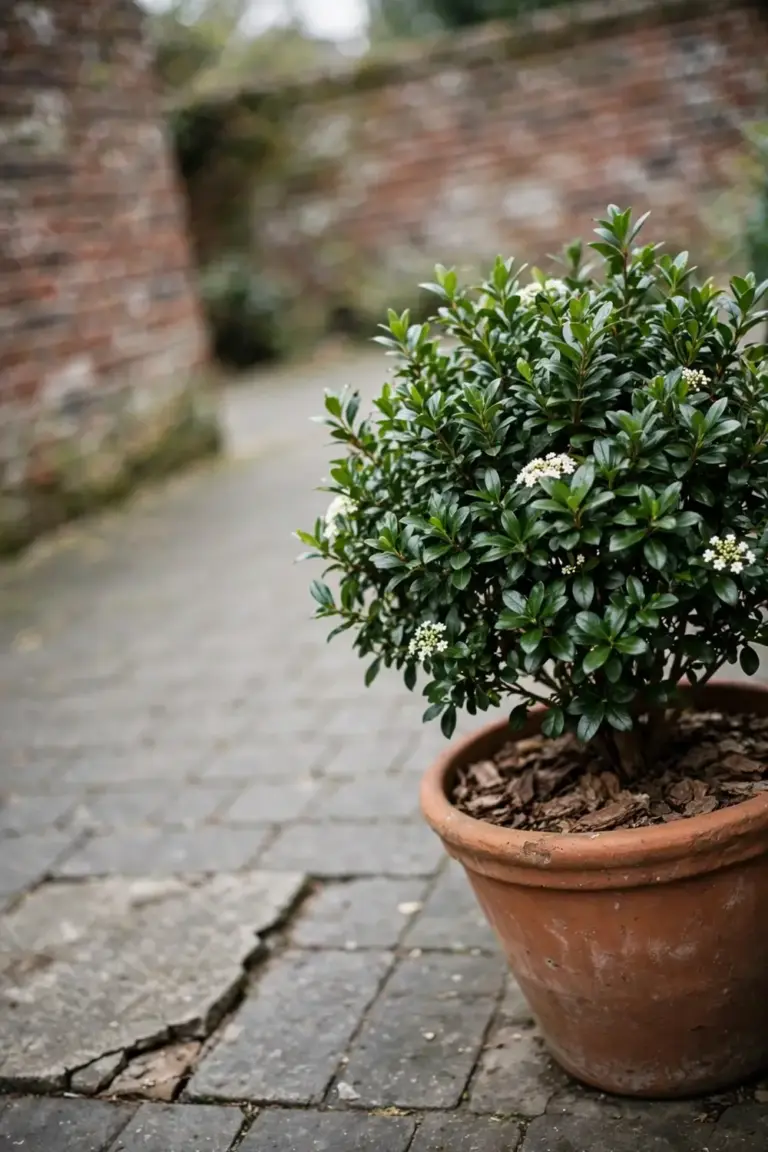
Laurustinus also fits pots. Its compact cultivars hold a dense shape. Its winter flowers show when little else blooms. Its berries follow. Choose a compact cultivar, not the species, for a pot. The species grows to 3.7 m and outgrows a pot in two seasons.
Pots need size: Australian nursery guidance puts viburnum pots at 45 L or larger, because a 45 L pot holds enough soil to carry a shrub through a hot week while smaller pots dry out daily in summer. Use a free-draining potting mix, not garden soil, which compacts in a pot and drowns the roots, and water pots more often than ground plants. Feed pots lightly in spring.
David viburnum (Viburnum davidii) stays low and compact, with leathery evergreen leaves and blue berries. It suits the front of a border and a wide pot. It needs a male and a female plant near each other for berries. One plant alone flowers without fruit.
6. Pick by Job: Cold Climates With Snowball and Doublefile
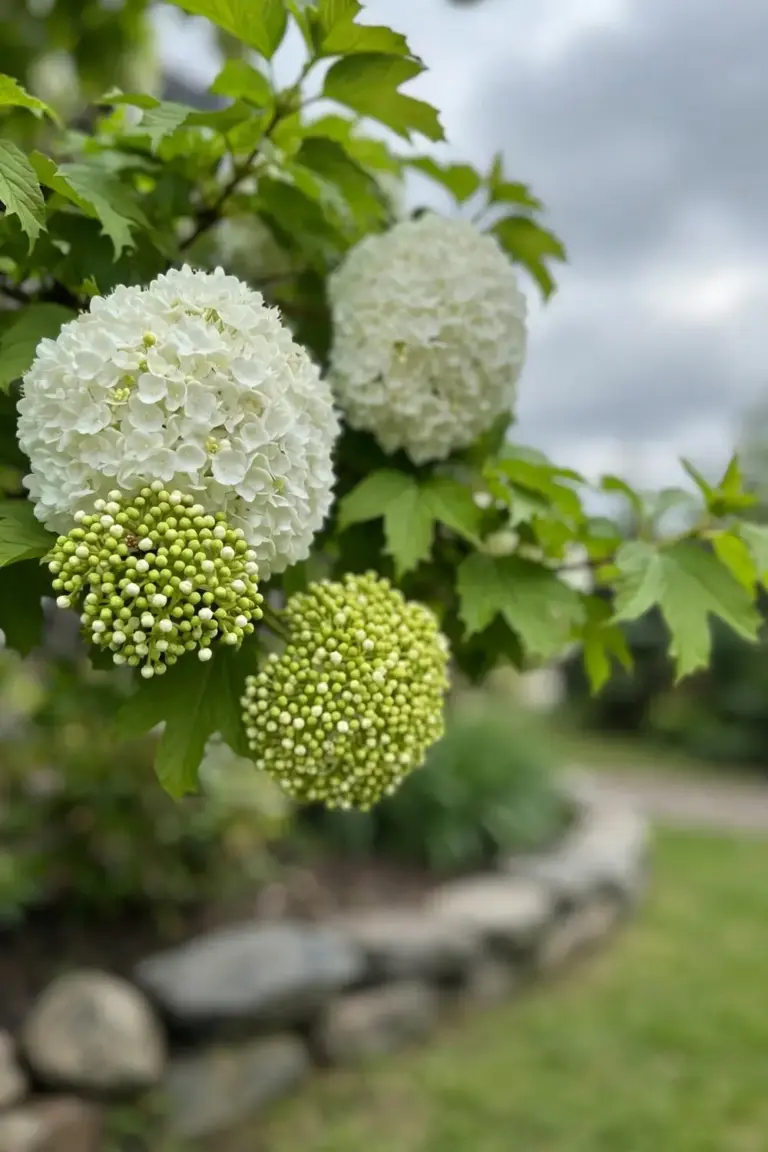
Cold climates suit the deciduous viburnums. Snowball viburnum (Viburnum opulus ‘Roseum’) grows 3 to 3.6 m tall, per Gardenia’s cultivar notes. Its snowball flower heads open lime green, turn white, then blush pink. Its maple-like leaves turn orange and red in autumn. It is a sterile cultivar. It sets no fruit. Its flowers last longer because the plant spends no energy on fruit.
Doublefile viburnum also suits cold climates. It needs winter chill to flower well. It dislikes hot, humid summers. In subtropical gardens it sulks, flowers thinly, and drops leaves early. The same species thrives in cool temperate and cold-climate gardens. Match the species to the climate, not to the flower photo.
Chinese snowball (Viburnum macrocephalum) grows to about 4.6 m, per the LSU AgCenter viburnum notes, with flower heads resembling those of panicle hydrangeas, rounder and larger. Its flowers are sterile, so the plant sets no fruit, and its leaves hold semi-evergreen in mild climates. It suits warm temperate gardens better than cold ones, where the European snowball outperforms it.
7. Read the Species Table Before You Buy
The table below puts the seven species from this guide side by side. Heights are unpruned mature sizes. Pruning holds any of them smaller. The table answers one question: which species fits which job.
| Species | Type | Height Unpruned | Flowers | Fruit | Best Job |
|---|---|---|---|---|---|
| Viburnum odoratissimum (sweet viburnum) | Evergreen | 4.6 to 6.1 m | White, fragrant, spring | Red to black | Screen, hedge, warm climates |
| Viburnum tinus (laurustinus) | Evergreen | 1.8 to 3.7 m | White from pink buds, winter | Metallic blue-black | Compact hedge, pots, cool climates |
| Viburnum plicatum f. tomentosum (doublefile) | Deciduous | 2.4 m tall, 3 m wide | White lacecap, spring | Red to black | Feature, cool climates |
| Viburnum opulus ‘Roseum’ (snowball) | Deciduous | 3 to 3.6 m | White snowballs, spring, sterile | None, sterile | Feature, cold climates |
| Viburnum macrocephalum (Chinese snowball) | Deciduous to semi-evergreen | To 4.6 m | White snowballs, spring, sterile | None, sterile | Feature, warm temperate |
| Viburnum x burkwoodii (burkwood) | Semi-evergreen | Data not available | White, fragrant, spring | Red to black | Fragrance, mixed borders |
| Viburnum obovatum ‘Mrs Schiller’s Delight’ | Evergreen | About 1.5 m | White, spring | Black | Small gardens, pots, warm climates |
Read the table with the job in mind. A screen needs height and density. A pot needs compact growth. A cold garden needs a deciduous species with chill tolerance. The table sorts those needs in one glance. Buy the row that matches your job, not the row with the prettiest flower.
8. Give Viburnum Sun and Drainage
Viburnums flower best in full sun. Most species accept partial shade. Shade cuts flower count and thins the lower growth. A screen in shade opens gaps at the base. A feature shrub in shade flowers thinly. Give the plant 6 hours of direct sun where you can. In hot inland gardens, afternoon shade helps. Morning sun plus afternoon shade suits most species.
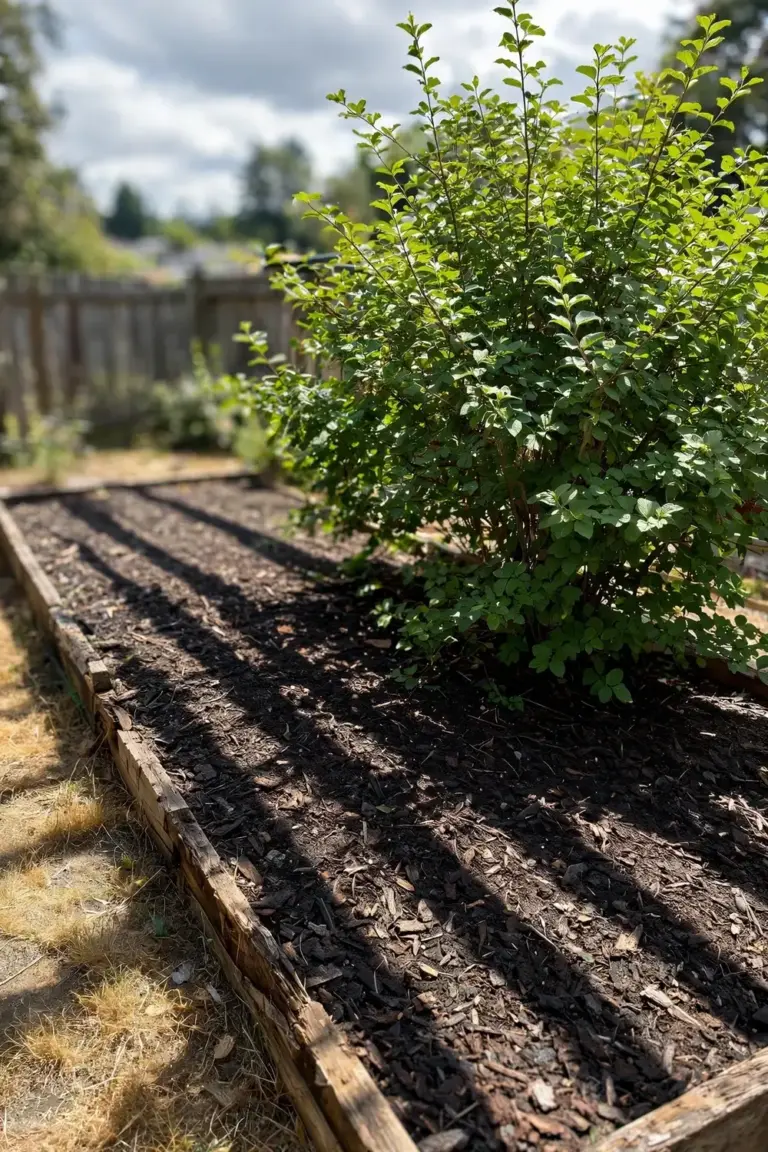
Drainage decides survival: viburnums tolerate clay, sand, and loam, but fail in soil that stays wet, because roots in standing water rot. Dig a test hole before planting and fill it with water. If water still sits after an hour, the spot drains too slowly, so pick another spot or raise the bed 20 cm.
Wind and salt shape the choice too. Coastal gardens suit sweet viburnum and laurustinus, which handle salt-laden wind once established. Inland gardens with hot drying winds suit the same two species, since their thick evergreen leaves lose less water than the thin leaves of deciduous types. Doublefile viburnum wants shelter from hot wind. Its thin leaves wilt by midday in a dry westerly. Plant it where a fence or a larger shrub breaks the wind.
Soil pH matters little. Viburnums accept acid to alkaline soil. Rich soil helps. Dig compost through the planting zone before planting. Compost lifts drainage in clay and holds moisture in sand. Building soil health before planting beats feeding after planting. A shrub planted in good soil needs little feeding later.
9. Plant at the Same Depth and Mulch Wide
Plant in autumn or spring. Autumn suits most Australian gardens. Soil still holds summer warmth. Roots grow before winter. The plant faces its first summer with roots already spread. Spring planting works too. The plant meets summer heat with a smaller root system. Either way, plant in the cool of the day and water deeply on planting day. The same timing logic behind planting shrubs in fall applies here: roots first, top growth second.
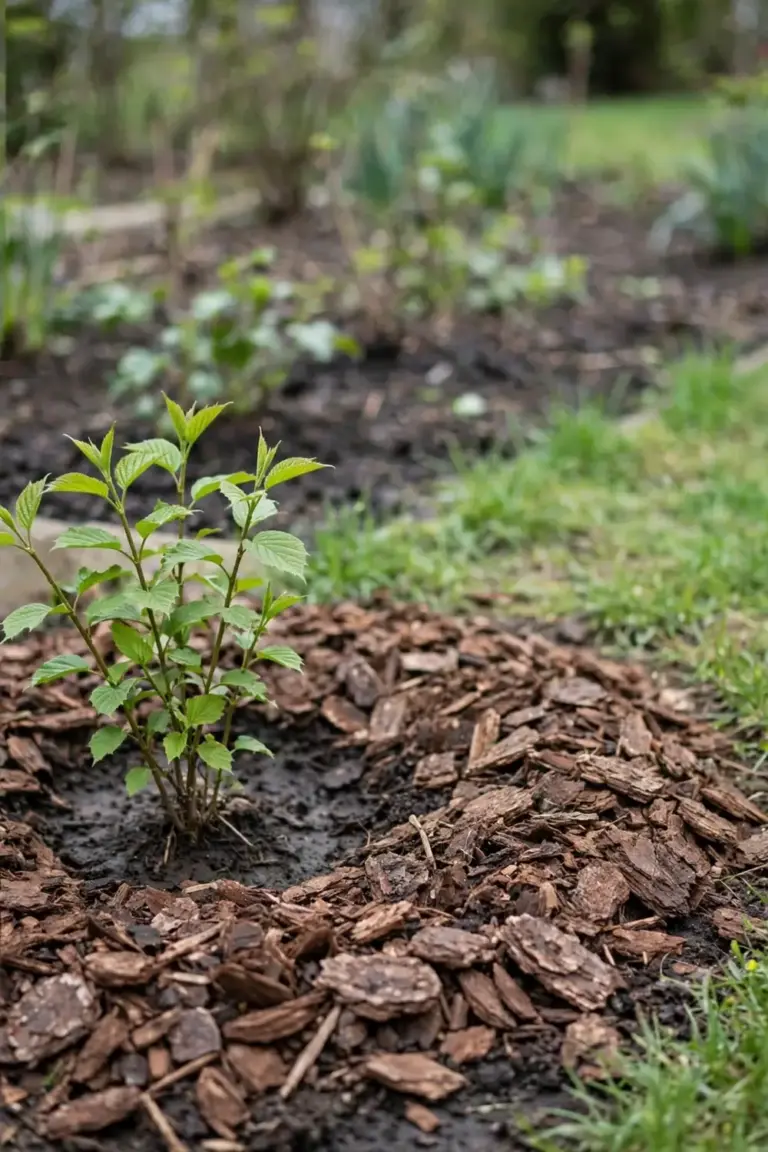
Dig the hole wider than the pot, not deeper. Set the plant at the same depth it sat in the nursery pot. Deep planting buries the stem and rots it. Shallow planting exposes roots to drying wind. The soil line on the stem marks the right depth. Match it.
Space by job. Formal hedges sit 60 to 80 cm apart. Screens sit 1 to 1.5 m apart. Feature shrubs sit at their mature width apart. Pots take one plant per 45 L pot.
Container plants and bare-root plants settle in differently: a container plant carries its root ball with it, so tease the outer roots loose before planting, while a bare-root plant arrives with bare roots and no soil, so soak the roots in a bucket of water for an hour before planting. Both need the same depth and the same deep first watering, though bare-root plants suit winter planting and container plants suit planting in any mild month. Water the plant deeply on planting day and soak the whole root ball, because a dry root ball in a wet hole stays dry. Mulch the root zone with a wide ring of composted bark. Mulch holds moisture and keeps roots cool. Keep mulch off the stem. Mulch piled against the stem holds moisture on bark and rots it.
10. Water Deep While Roots Establish
New viburnums need steady water for the first year. Water deeply once or twice a week in dry weather. Deep water pushes roots down. Shallow daily water keeps roots near the surface. Surface roots dry out fast in summer heat. A deep soak once a week beats a sprinkle every day.
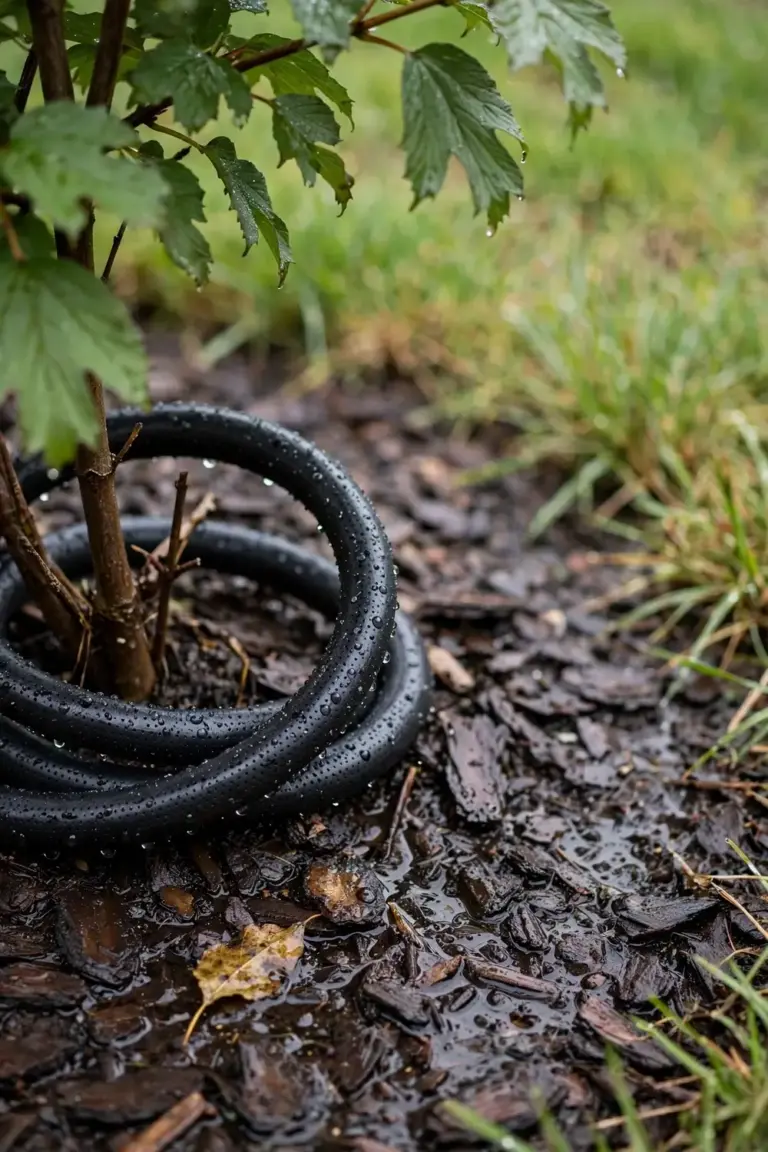
Check soil before watering by pushing a finger 5 cm into the soil: dry soil at that depth means water now, and damp soil means wait. Overwatering kills more viburnums than drought. Yellow leaves on wet soil point to overwatering, while yellow leaves on dry soil point to underwatering, and the finger test separates the two.
Summer heat changes the rhythm. Inland gardens with weeks over 35 degrees dry the top soil fast, so check twice a week in January and February. A deep soak once a week still beats a sprinkle every day. A pot on a hot balcony dries faster than a pot on the ground, so move pots into afternoon shade during heatwaves. The plant tells you when it copes: leaves hold flat and glossy when roots have water, and wilt and curl when they do not.
Established viburnums need little water. Sweet viburnum tolerates moderate drought once established. Laurustinus tolerates short dry spells. Doublefile viburnum needs steady moisture and sulks in drought. Pots need water through summer. A pot dries out faster than the ground. Water a pot when the top 5 cm of mix dries.
11. Feed Lightly in Spring, Then Stop
Viburnums need little fertilizer. A shrub in good soil grows well without feeding. Feed only when growth looks weak or leaves pale. A light feed in spring covers the season. Use a balanced slow-release fertilizer at the label rate. Follow the label. More fertilizer grows soft leaves that pests love.
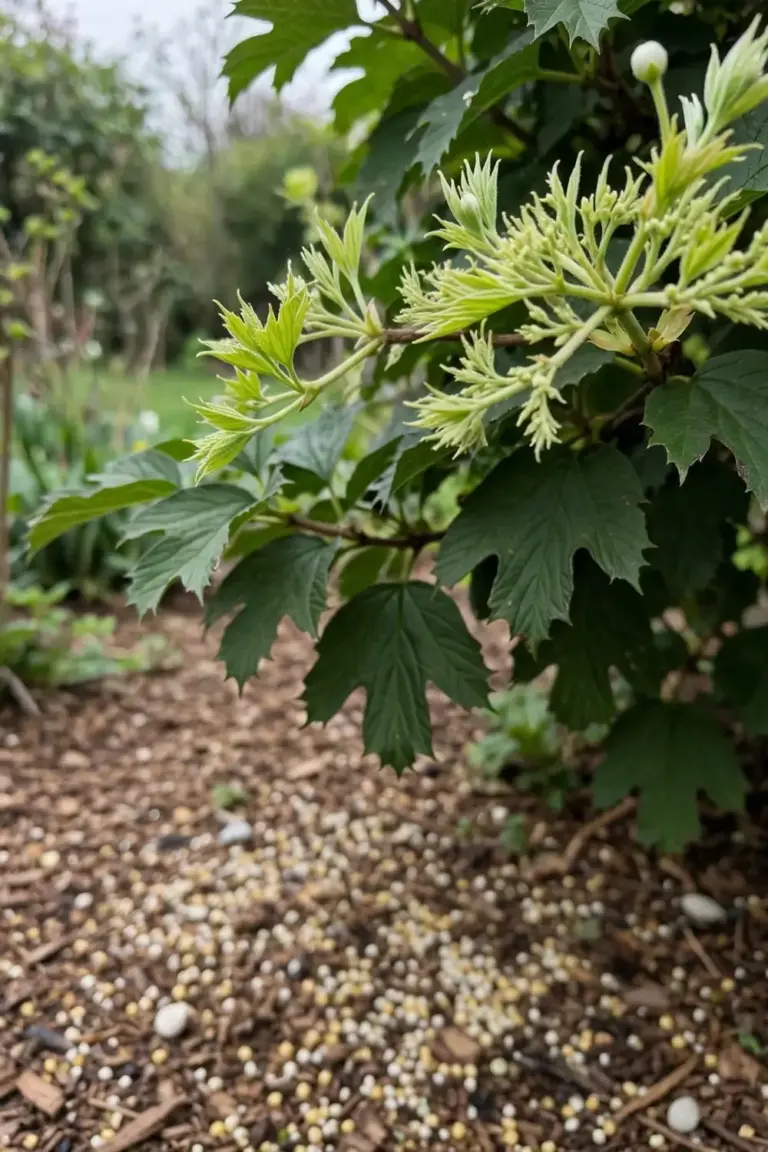
Late feeding hurts cold-hardiness. Fertilizer applied in late summer pushes soft growth. Soft growth lacks cold hardiness. Frost burns it. The LSU AgCenter notes warn against pruning or fertilizing marginally hardy viburnums in late summer for this reason. Feed in spring. Stop by midsummer.
Mulch feeds the soil slowly, since composted bark breaks down, feeds soil life, and soil life feeds the plant. A mulched shrub in good soil rarely needs bagged fertilizer, so skip the fertilizer when the shrub grows well: strong growth and deep leaves mean the soil already delivers.
12. Prune After Flowering, Never Shear
Most viburnums bloom on old wood. The buds form on last season’s growth. Pruning in winter cuts off the coming flowers. Prune straight after flowering. The plant then grows new wood through summer and sets buds for next spring. Gardenia’s Roseum notes give the rule plainly: prune after flowering.
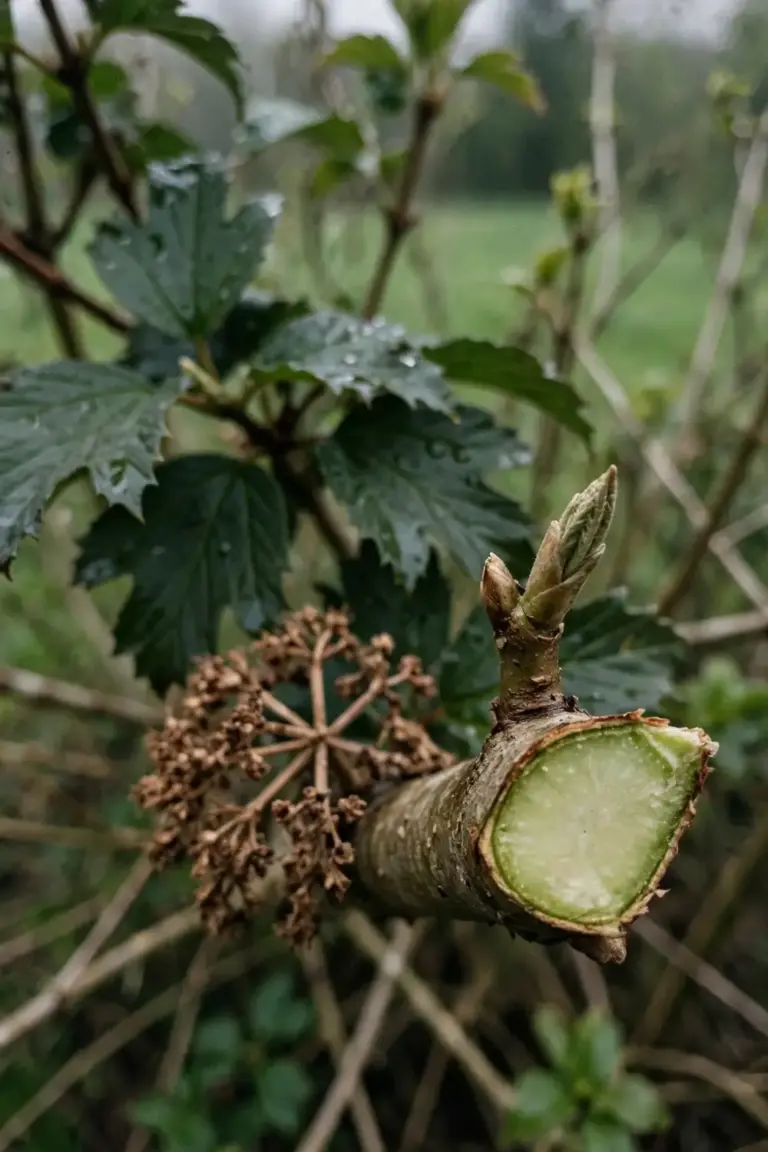
Shape, do not shear. Viburnums are not hedge-clippers plants. Shearing cuts every branch tip at one height. The plant answers with a thicket of weak shoots. The thicket shades the interior. The interior drops its leaves. The shrub goes bare inside and green outside. Thin instead. Cut one branch in three back to a side branch or to the base. Thinning opens the center. Light reaches the interior. The shrub stays leafy inside and out.
Hedge types take clipping. Sweet viburnum and laurustinus accept clipping 2 to 3 times in the warm months. Clip lightly. Never cut into bare wood. Viburnums regrow slowly from bare wood. A hedge clipped hard into bare stems stays bare for a season. Spring pruning techniques cover the thinning cuts in more depth. Thin every viburnum the same way.
An old shrub takes rejuvenation in stages. Cut one stem in three back to the base after flowering, and repeat for three years. The shrub regrows from the base on a rolling cycle. Never cut the whole shrub to the ground in one year. A full cutback kills weak shrubs and leaves strong ones bare for a season. Staged renewal keeps flowers coming every year.
13. Check Pests and Leaf Spot Early
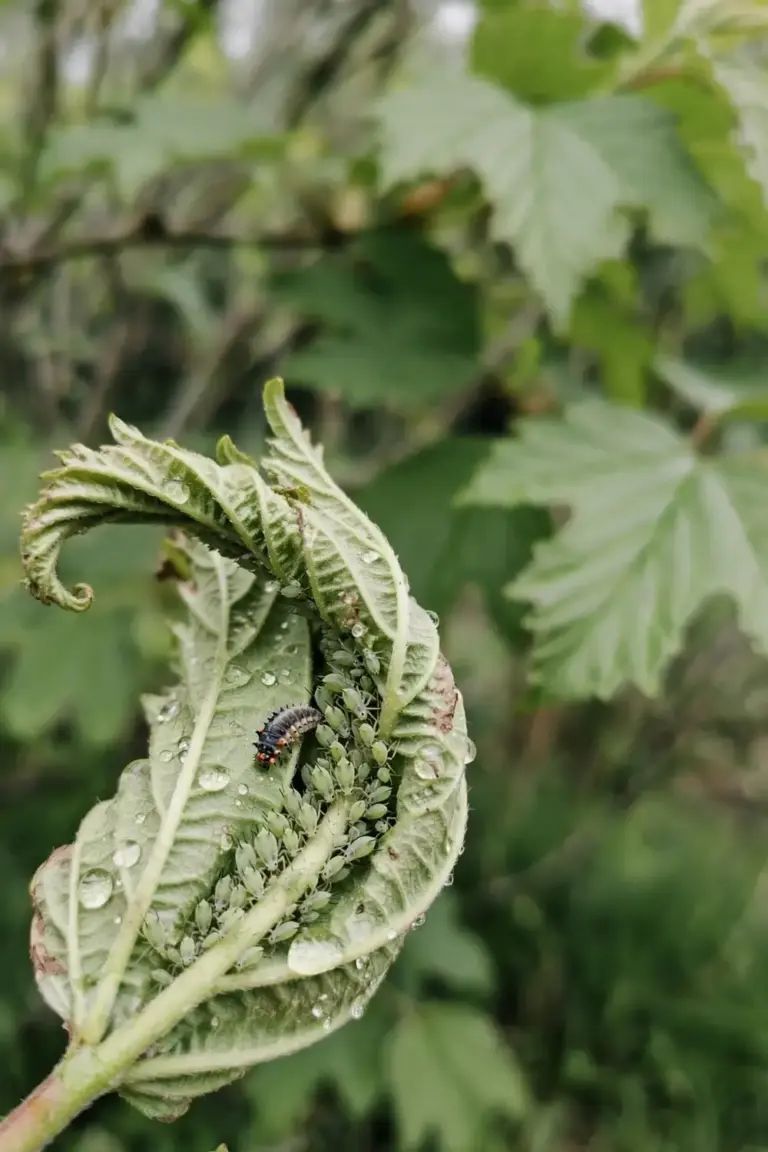
Viburnums carry few serious pests: aphids cluster on new growth in spring, a strong jet of water knocks most off, and ladybirds and lacewings eat the rest. Viburnum beetle chews holes in leaves and can strip a shrub, so hand-pick beetles and larvae, and check the undersides of leaves, where the beetle hides.
Thrips silver the leaves in Australian gardens. Australian nursery notes list thrips as the main viburnum pest here. Silvered leaves look dusty. The damage is cosmetic. The plant survives. Predatory mites and lacewings eat thrips. Broad-spectrum sprays kill the predators and make the thrips worse. Skip the spray. Let the predators work.
Powdery mildew coats leaves white in humid weather, and leaf spot marks leaves brown or black, but both stay cosmetic on a healthy shrub. Clear fallen leaves in autumn, since fallen leaves carry the fungi into next season, and improve air flow with thinning cuts. A shrub with air moving through it dries fast after rain, and dry leaves resist mildew. No spray program belongs in a home garden viburnum article. A healthy shrub outgrows both problems.
Know when to replace a shrub. A viburnum that drops most leaves two years running, grows no new wood, and flowers thinly despite water, mulch, and thinning has run its course. Dig it out in autumn and plant a fresh one in improved soil. A replacement in fresh soil outgrows a struggling shrub within two seasons. Keeping a failing shrub costs more years than replacing it.
14. Fix No Flowers, No Berries, and Bare Bottoms
No flowers has four common causes, and wrong pruning time tops the list, since winter pruning removes the buds, so prune after flowering instead. Wrong climate comes next: doublefile viburnum in a subtropical garden flowers thinly because the species needs winter chill. Too little sun follows, since a shrub in deep shade flowers thinly or not at all, so move the shrub or open the canopy above it. Young plants flower last, spending their first two years on roots, with flowers coming in year three.
No berries has three causes, and the first is sterile cultivars, which set no fruit ever: snowball and Chinese snowball are sterile by breeding. The second is a missing partner, since no second cultivar means no cross-pollination, and doublefile viburnum fruits heavier with two cultivars near each other. The third is missing pollinators, since bees and flies carry the pollen, and a garden with no pollinator plants nearby sets fewer berries.
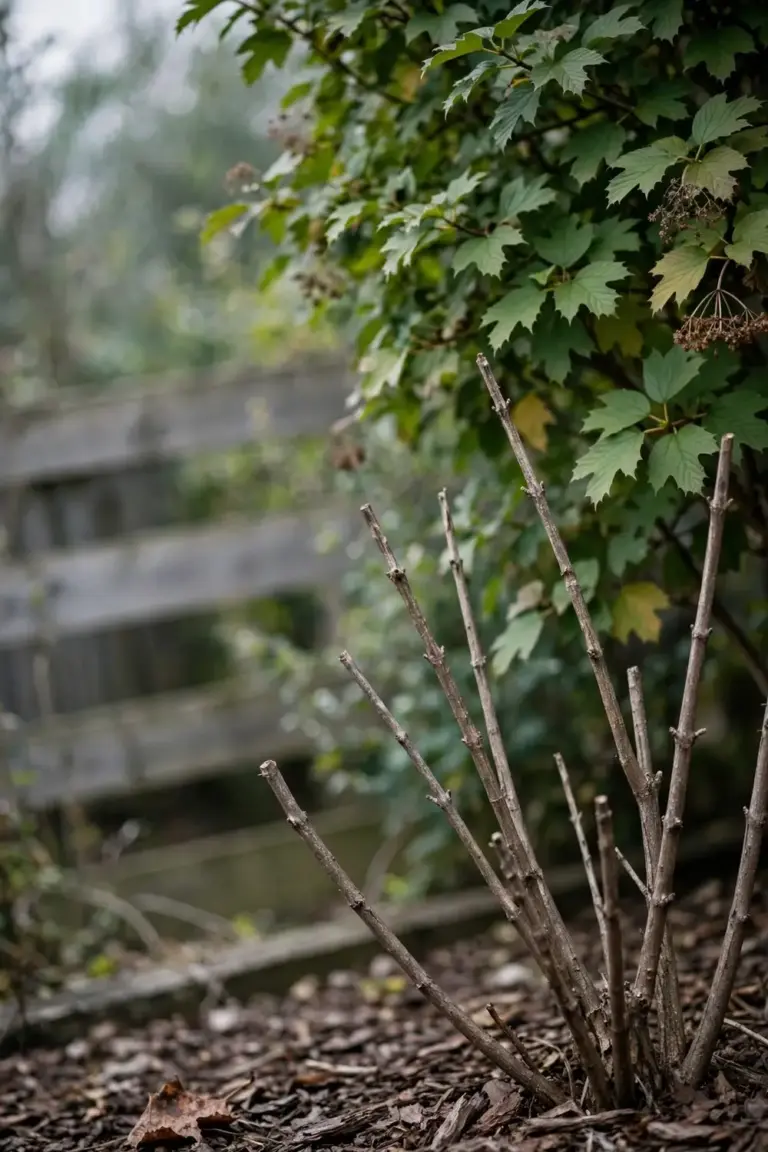
Bare bottoms mean shade or shearing: lower branches drop leaves in deep shade, shearing shades the interior and drops interior leaves, and thinning the shrub by cutting one branch in three back to the base lets the interior leaf out again. Yellowing leaves mean wet soil, dry soil, or hunger, so check soil moisture first with the finger test and fix water before feeding, since feeding a drowning shrub helps nothing.
Frost damage looks worse than it is. Browned leaf edges after a frost night mean the leaves froze, not the shrub. Leave the damaged leaves alone until spring. The damaged leaves shelter the buds below them. Prune the dead tips after the last frost, when new growth shows where to cut. A shrub that leafs out from the base after frost damage recovers in one season.
15. Growing Viburnum in Australia: Frequently Asked Questions (FAQ)
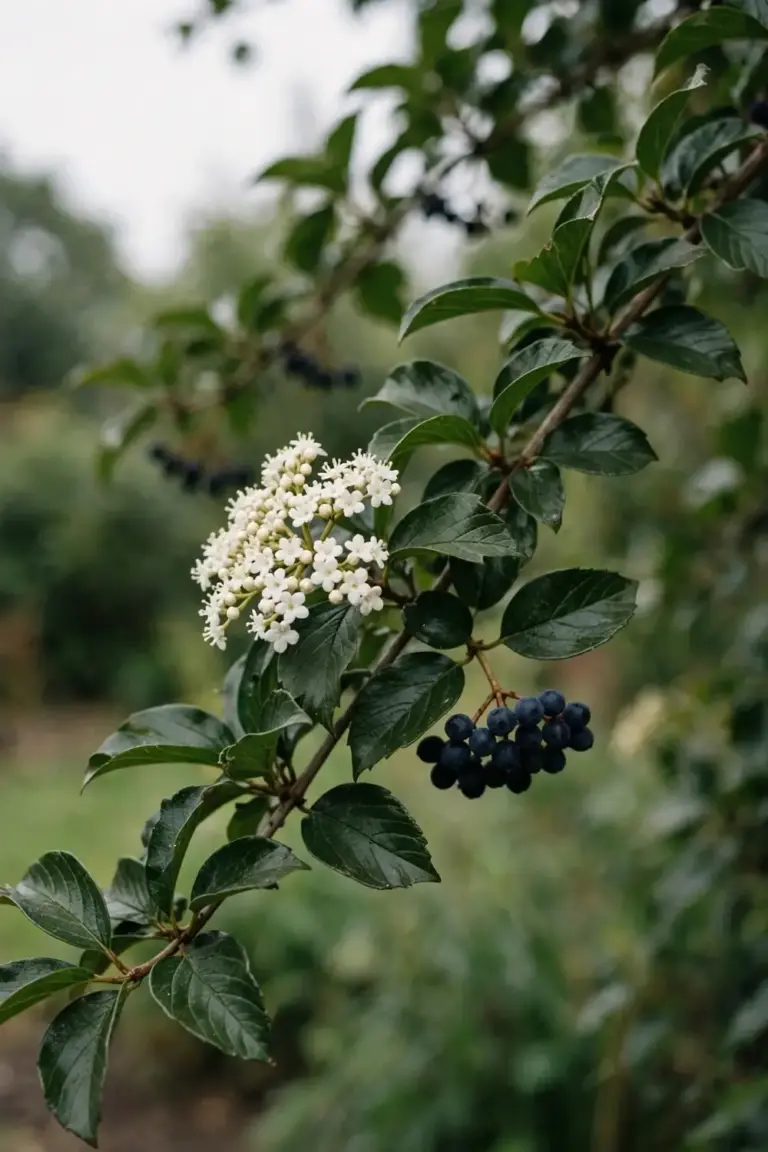
Both, since viburnum is a genus, not one plant: sweet viburnum and laurustinus hold evergreen leaves, while snowball and doublefile viburnum drop their leaves in winter. Burkwood viburnum holds semi-evergreen leaves in mild climates, so check the species, not the genus, because the botanical name on the tag tells you which habit you buy.
Sweet viburnum grows fast for a screening shrub. Australian nursery guides describe it as fast growing. The UF/IFAS sheet lists it at 4.6 to 6.1 m tall when unpruned. A hedge planted at 60 to 80 cm spacing closes within two to three seasons in warm climates. Pruning holds it at any height you choose. Unpruned plants reach small-tree size.
Yes, if you pick a compact cultivar and a pot of 45 L or larger, since laurustinus compact cultivars and Mrs Schiller’s Delight suit pots. Use free-draining potting mix, not garden soil, water pots more often than ground plants, and feed lightly in spring. Repot or root-prune when growth stalls, since a pot-grown viburnum never reaches its ground size.
Wrong pruning time causes most failures. Winter pruning removes the buds that carry spring flowers. Prune straight after flowering instead. Low sun also cuts flowers. A shrub in deep shade flowers thinly. Wrong climate matters too. Doublefile viburnum needs winter chill and flowers poorly in subtropical gardens. Young plants spend their first years on roots. Flowers arrive in year three.
No. Treat viburnum berries as ornamental, not food. Some species carry mildly toxic compounds when raw. Birds eat the berries safely. Humans should not. Teach children the rule plainly: look, do not eat. The berries belong to the birds. The flowers and foliage carry the garden value.
16. Start With the Job, Then the Species
Viburnum rewards the gardener who picks by job: a screen needs sweet viburnum, a pot needs a compact cultivar, a cold garden needs a deciduous species, and a fragrance garden needs Koreanspice or burkwood. The species table above sorts those choices in one glance.
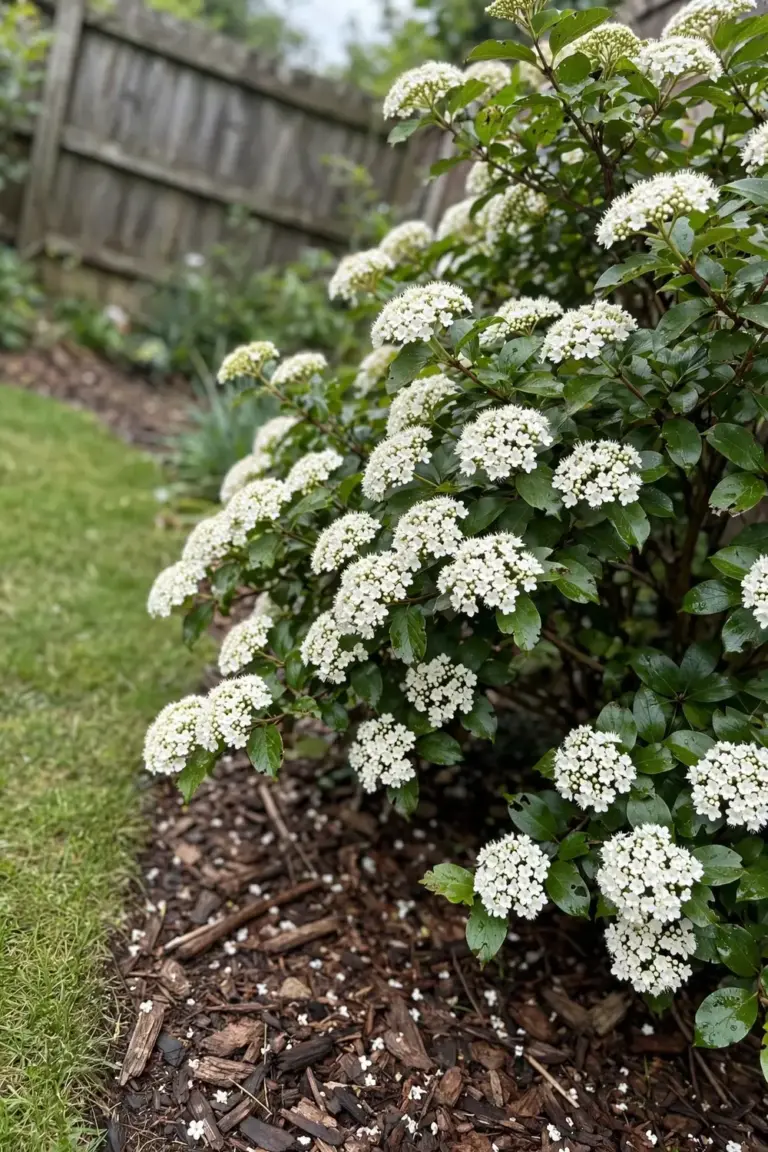
Buy by botanical name, plant at the right depth, water deep while roots establish, and prune after flowering. Thin, never shear, and the shrub does the rest: a viburnum planted for its job grows into the plant the label promised.