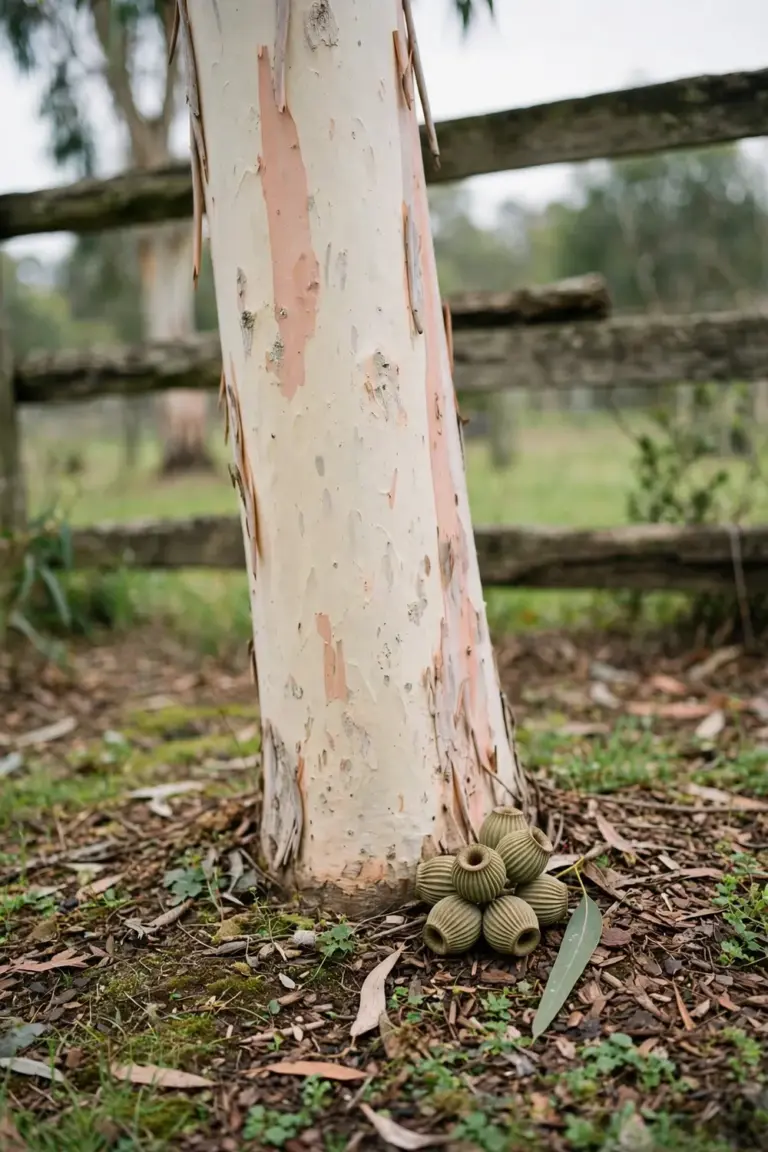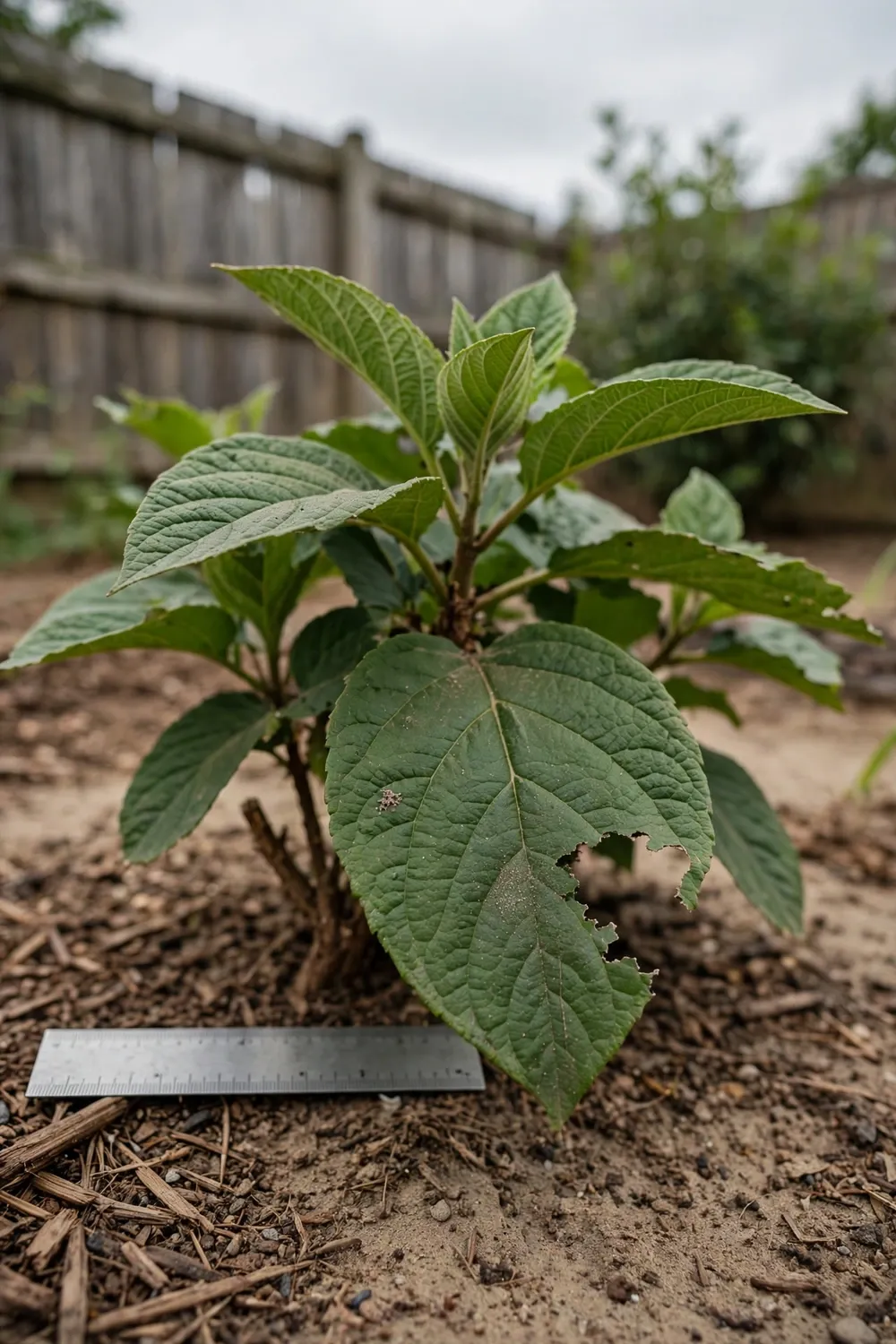

Photograph 4 views of the plant before you pick a leaf or pull a stem. That is Australian plant identification at its most reliable. The rest of this page is 16 moves, from the first photo to the final check.
I have learned that one sharp leaf photo beats ten guesses.
Work from the top when the plant stands in front of you. Shoot in daylight. Keep the plant where it grows until the name settles.
Australian plant identification names an unknown plant from habit, leaf, flower or fruit, bark, and habitat. A photo set plus one state flora authority settles a garden ID without a guess. An app gives a lead. A flora record gives the verdict.
1. Photograph the Whole Plant Before You Touch One Leaf
Photograph the whole plant first because habit narrows the field before leaf detail misleads you.
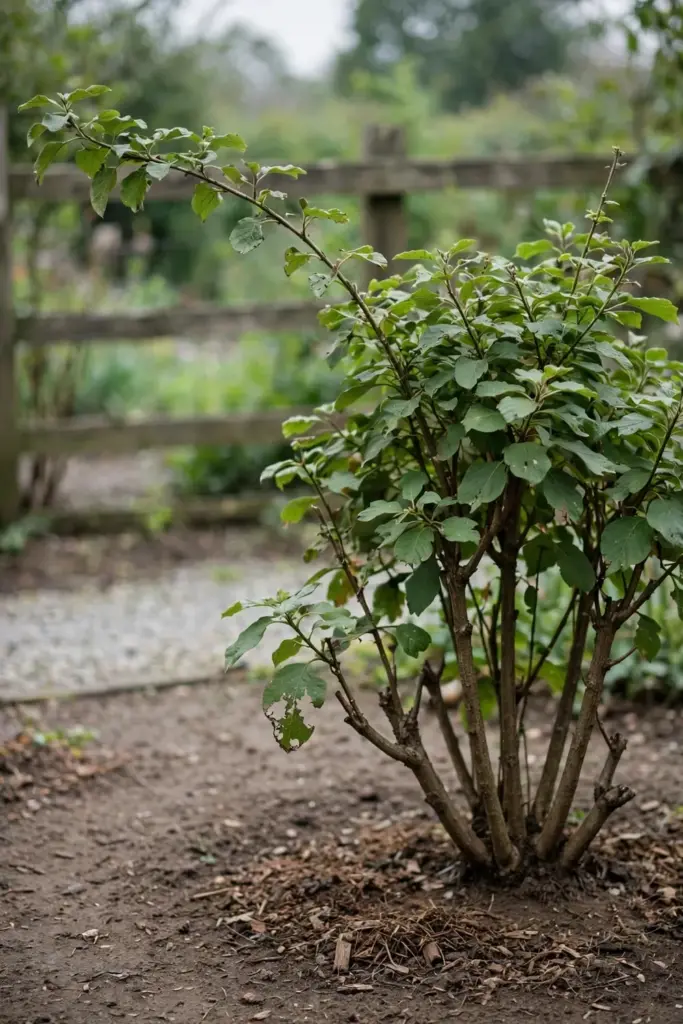
Stand back and frame the whole plant with the ground at its base and the top growth in view. Include a fence, a path, or a pot edge for scale when the plant grows near a structure. Shoot one wide frame in soft daylight so leaf color stays true and shadows stay open. A wide frame fixes the plant in its place. A close frame without the wide frame leaves the next reader with no sense of size or shape.
Take 4 views before you move on. Shoot the whole plant, one leaf with its stem, one flower or fruit cluster, and one bark or stem close view. Add one habitat frame when the plant grows in a distinct spot, such as a damp gully, a coastal dune, or a dry ridge. Lay a ruler or a coin beside the leaf for scale. A coin gives a fast size cue. A ruler gives a measurement that holds up in a later check. Keep the camera level with the leaf. Tilted leaf shots bend the shape and hide the margin.
Check each frame on the screen before you leave the plant. A blurred leaf edge ruins the one view that carries the ID. Reshoot the blurred frame at once. A second visit costs time. A reshoot at the spot costs seconds. Delete nothing until the name settles. A frame that looks dull at the spot can hold the one detail that separates two close matches.
2. Read Habit First to Narrow Every Unknown Plant to One Group
Habit sorts an unknown plant into tree, shrub, climber, herb, grass, or fern before leaf detail enters the work.
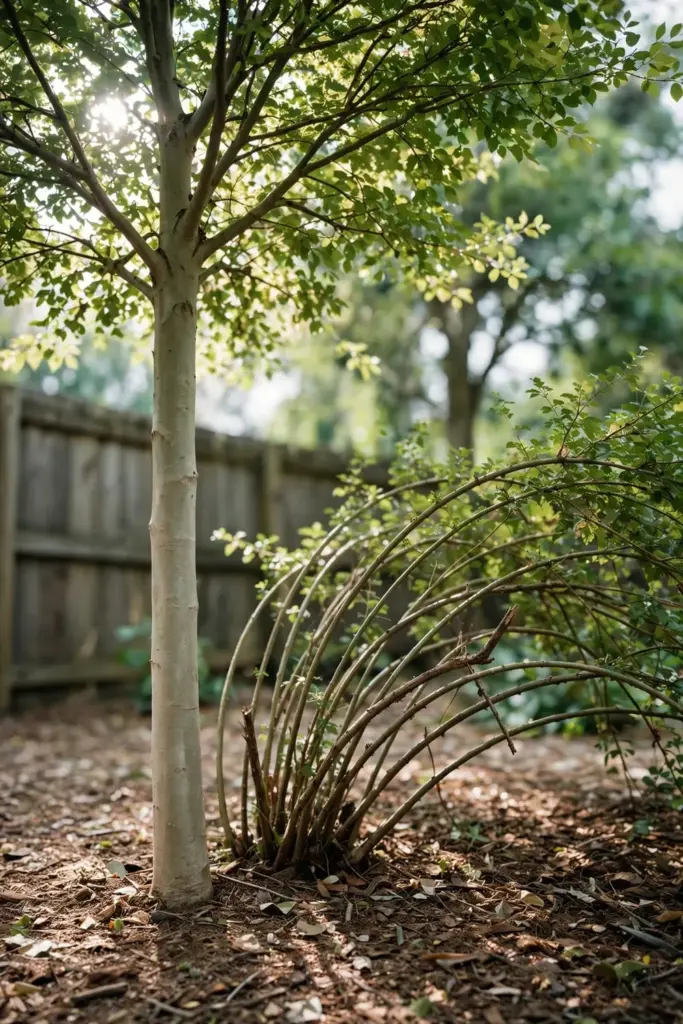
Start with the growth form. A tree carries one main trunk and a canopy above head height. A shrub carries several stems from near the base and stays below the canopy line. A climber leans on a fence, a trunk, or a trellis and throws long stems across the support. An herb stays soft stemmed and dies back or regrows from the base. A grass carries narrow blades from a basal clump. A fern carries fronds that uncoil from a central crown. Habit gives the first split. Leaf detail gives the second split.
Record height and spread in meters. Measure height against a known marker, such as a 1.8 meter fence, when no tape sits in your pocket. Record whether the plant stands upright, spreads low, scrambles, or climbs. Record whether the stems feel woody or soft. A woody stem points toward tree or shrub, while a soft stem points toward herb or young growth. A hollow stem with joints points toward grass or a grass lookalike. These notes take a minute and remove whole groups from the search.
Use habit to stop a common error. A young tree looks like a shrub in its first year. A pruned shrub looks like a small tree after a hard cut. A climber looks like a shrub when its support stays hidden behind foliage. Photograph the base, the support, and the full spread, because the base shows stem count, the support shows climbing, and the spread shows the true form. Three frames settle habit. One frame leaves habit open to a wrong read.
3. Read Leaf Arrangement and Shape to Cut the Field in Half
Leaf arrangement and shape cut the candidate set fast because leaf form stays steady across seasons.
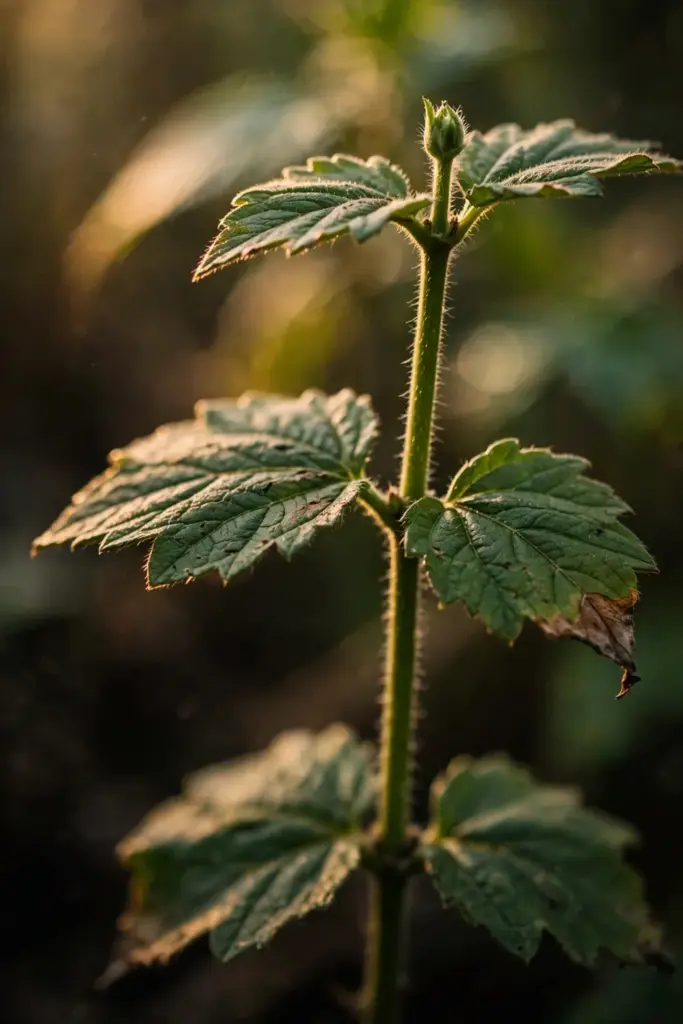
Check arrangement first. Leaves sit opposite each other in pairs, alternate along the stem in a staggered pattern, or whorled in a ring of three or more around one node. Arrangement repeats along the stem. One node can mislead when a leaf has dropped. Three nodes settle the pattern. Photograph three nodes with the stem in view. A stem view proves arrangement, and a single leaf view does not.
Check shape next. A simple leaf carries one blade on one stalk, while a compound leaf carries several leaflets on one shared stalk. A needle leaf carries a narrow blade with a thick skin. A phyllode carries a flattened leaf stalk that acts as a leaf, and a frond carries divided leaflets along a central rib. Shape plus arrangement gives a strong pair. The pair points toward a family. The family points toward a genus.
| Arrangement | What You See | Common Australian Examples |
|---|---|---|
| Opposite | Two leaves leave one node, one on each side | Rosemary, mint, many garden shrubs |
| Alternate | One leaf leaves each node in a staggered pattern | Eucalyptus, banksia, many wattles |
| Whorled | Three or more leaves ring one node | Oleander, some native shrubs |
Opposite Leaves
Opposite leaves leave the stem in pairs. One pair sits at one node. The next pair sits at the next node, often turned a quarter turn from the pair below. Rosemary shows this pattern with narrow leaves. Mint shows this pattern with broad toothed leaves. Check three nodes. A missing leaf can fake an alternate pattern. A full stem view restores the pair.
Alternate Leaves
Alternate leaves leave the stem one at a time, with each leaf at its own node and the nodes staggered up the stem. Eucalyptus shows this pattern with adult leaves that hang from slender stalks. Banksia shows this pattern with toothed leaves set along the stem. Many wattles show this pattern with phyllodes in place of true leaves. Check the stalk. A phyllode feels flat and stiff. A true leaf feels thin and veined.
Whorled Leaves
Whorled leaves ring one node in a group of three or more. Oleander shows this pattern with long narrow leaves in groups of three. Some native shrubs show this pattern with small leaves packed around the stem. Count the leaves at one node. Count again at the next node. A ring of three at two nodes settles the pattern. A single ring can come from crowded growth. Two rings confirm it.
4. Read Flower Structure to Name the Family in 60 Seconds
Flower structure names the family fast because petal count, symmetry, and cluster form repeat inside one family.
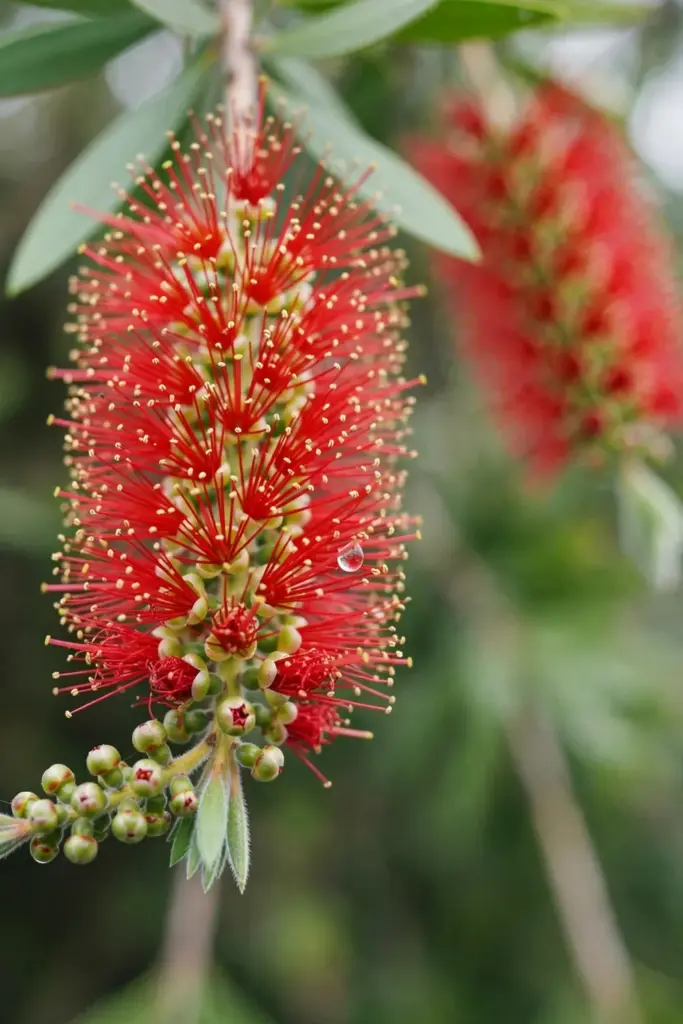
Start with the flower head. A single flower carries one bloom on one stalk. A cluster carries several blooms on one shared stalk. A brush head carries a dense spike of small flowers along a central axis. A daisy head carries a dense disc of tiny florets ringed by ray florets. A pea flower carries a banner petal, two wing petals, and a keel. A bell flower carries fused petals that form a tube or a cup. Flower form gives the family. Leaf form confirms it.
Learn the false flower trap. Wattle heads, bottlebrush spikes, and banksia spikes look like single flowers. Each head is a dense cluster of tiny flowers. Each tiny flower carries its own petals and stamens. Counting the head as one flower breaks the key, while counting the tiny flowers inside the head fixes it. Pull one head apart with care when the plant grows in your own garden. Look at one tiny flower under a hand lens. The tiny flower shows the true petal count. The head shows only the display.
Record flower color, petal count, symmetry, and season. Color fades in a photo, yet petal count holds through the season and symmetry holds with it. A five petal radial flower points one way. A pea flower with a banner points another way. A brush spike with long stamens points a third way. Note whether the flower sits alone or in a cluster, and note whether the cluster sits at the stem tip or in a leaf axil. Note the month the flower opened. These four notes narrow the family. The family narrows the genus.
5. Read Fruit, Seed, and Bark to Confirm a Close Match
Fruit, seed, and bark confirm a close match because these parts carry traits that leaves alone cannot settle.
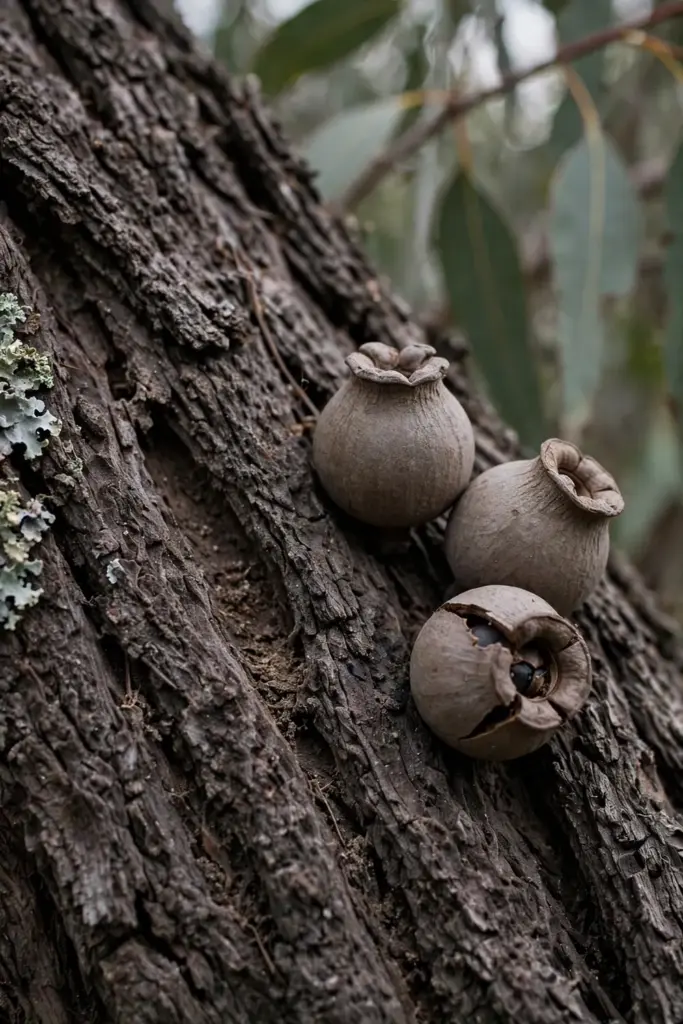
Start with fruit and seed. A berry carries soft flesh around seeds. A capsule splits open to release seeds. A pod splits along seams to release seeds in a row. A nut carries a hard shell around one seed. A gum nut carries a woody cap with valves at the top. A cone carries scales that shelter seeds. Photograph the fruit with a scale object. Photograph a cut fruit when the plant grows in your own garden and the fruit feels firm enough to cut. A cut view shows seed count and seed placement. Seed count separates close genera. Seed placement separates close species.
Use the seed starting steps as a reminder that seed shape carries ID weight. A flat winged seed points toward a wind dispersed tree. A round hard seed points toward a pod bearer. A tiny dust seed points toward an orchid or a fern spore case. Record seed size, seed count, and seed coat texture. Record whether the fruit splits, drops whole, or stays on the plant. Record whether birds or insects visit the fruit. A fruit that birds eat spreads far from the parent. A fruit that drops whole stays near the parent.
Read bark next. Bark shows smooth, stringy, fibrous, tessellated, furrowed, flaky, or papery patterns. A smooth bark feels cool and sheds in patches. A stringybark pulls away in long fibrous strips. An ironbark feels hard and deeply furrowed, and a paperbark peels in thin pale sheets. A tessellated bark cracks into small rough blocks. Photograph bark at chest height and at the base. Bark at the base often runs rougher than bark higher up. Bark on young stems often runs smoother than bark on old trunks. Two bark frames cover the change. One bark frame can mislead when age shifts the texture. Bark thickens with age. How trees add a new ring of wood each year explains why an old trunk reads rougher than a young stem on the same plant.
6. Record Habitat, Soil, and State to Remove False Matches
Habitat, soil, and state remove false matches because a plant that cannot grow in a place cannot be the plant in front of you.
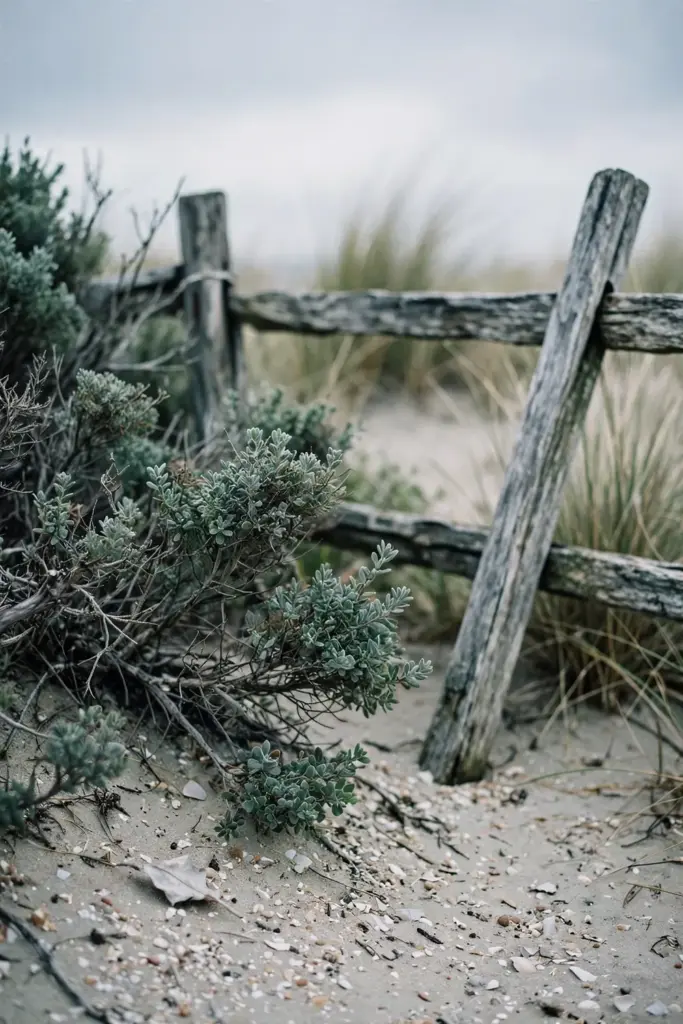
Record the habitat in plain words. Note whether the plant grows in a garden bed, a lawn edge, a bush track, a coastal dune, a creek bank, a dry ridge, or a wetland margin. Note sun exposure. Note shade from a fence or a canopy. Note whether the ground stays damp after rain or dries fast. Note whether the plant grows alone or in a patch. A lone plant in a bed points toward a planted garden species. A patch along a creek points toward a self sown local, and a patch on a dune points toward a coastal specialist. Habitat gives the first filter. Soil gives the second filter.
Record the soil. Note whether the soil feels sandy, loamy, or clay heavy. Note whether water drains fast or pools on the surface. Note whether mulch covers the bed. Note whether the bed sits raised or flat. Soil sets the plant list. A plant that needs free drainage will not thrive in a boggy clay hollow. A plant that needs steady moisture will not thrive on a dry sand ridge. Building soil health sets out how soil structure shapes what grows well in a bed. Use that soil lens to test a candidate name. A candidate that needs soil your bed cannot offer fails the test. A candidate that fits your soil passes the first screen.
Record the state and the local area. A plant that grows wild in south west Western Australia may grow in a Sydney garden only as a planted specimen. A plant that grows wild in tropical Queensland may grow in Hobart only under glass. State narrows the wild list. Local area narrows it further. A coastal suburb and an inland suburb in the same state can host different wild plants. Write the suburb or the nearest town. Write the state. Write the habitat. Three lines of place data remove candidates that look right on a screen and fail on the ground.
7. Run One Free App Check Without Trusting One App Answer
One free app check gives a fast lead because an app compares your photo against a large photo set in seconds.
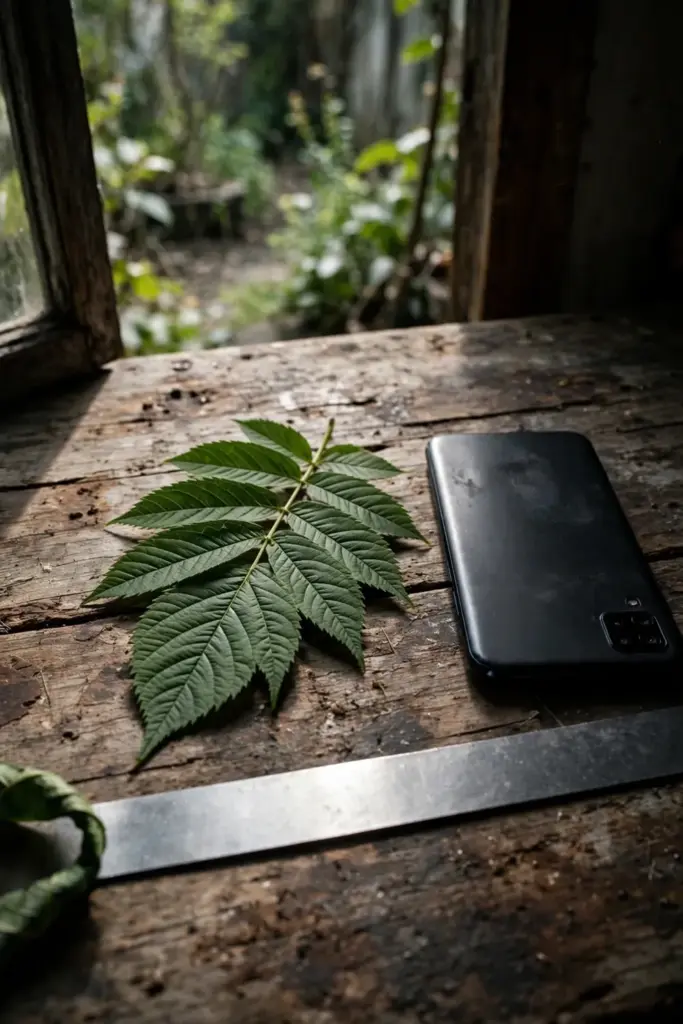
Run the app check after you shoot the 4 views. Feed the app the whole plant frame first. Feed the app the leaf frame next and the flower or fruit frame last. A whole plant frame gives context. A leaf frame gives detail, and a flower frame gives the family cue. Three frames give the app three chances to land on the same name. One frame gives the app one chance to drift. Compare the three results. A name that repeats across three frames earns a closer look. A name that changes with each frame earns no trust.
Treat the app result as a lead, because an app names the closest photo match. A photo match is not a botanical verdict. Light shifts color, and a young leaf looks unlike a mature leaf on the same plant. A faded flower looks unlike a fresh flower. A single app can land on a close lookalike and report it with high confidence. Two apps can land on two different names from the same photo set. A lead needs a flora check. A flora check needs a state authority. The next move turns a lead into a name.
Record the app suggestion in your note with the date. Write the suggestion as a candidate, not as a verdict, and write the photo set that produced it with the plant parts the app used. A note that says the app named a candidate from a leaf frame carries more weight than a note that says the app named a plant. A note with no photo record carries no weight. Keep the candidate list short, because three candidates give a workable shortlist. Ten candidates give noise.
8. Confirm Every Match in One State Flora Authority
One state flora authority confirms a match because a state flora lists the plants that grow in that state with keys, descriptions, and distribution notes.
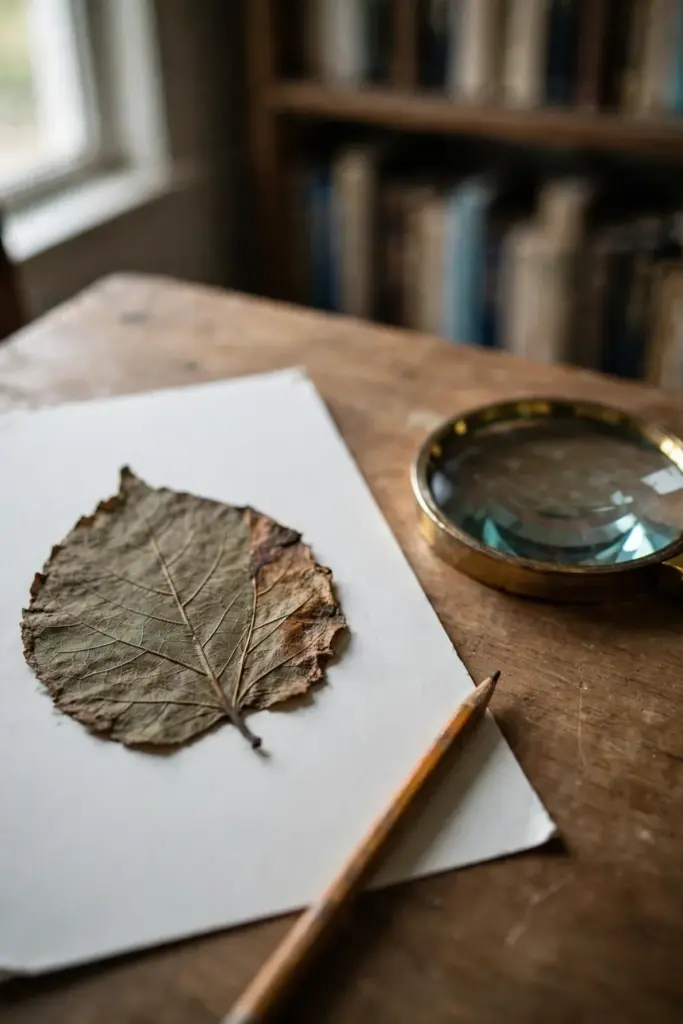
Pick the authority for the state where the plant grows. Use the table below. Open the species profile for your candidate name. Read the description against your photos. Check leaf arrangement, flower form, fruit form, and habitat. Check the distribution notes. A candidate that fails on two traits fails the ID. A candidate that passes on all traits earns the name. A candidate with no profile in your state flora needs a second look. A garden plant may grow in your state without a wild profile. A wild plant will carry a profile.
| State or Territory | Authority to Check First |
|---|---|
| New South Wales | PlantNET FloraOnline from the National Herbarium of New South Wales |
| Victoria | VicFlora from Royal Botanic Gardens Victoria |
| Western Australia | FloraBase from the Western Australian Herbarium |
| Queensland | Queensland Herbarium flora resources |
| South Australia | State Herbarium of South Australia flora resources |
| Tasmania | Tasmanian Herbarium flora resources |
| Northern Territory | Northern Territory Herbarium flora resources |
| Australian Capital Territory | Australian National Herbarium flora resources |
Read the profile with care. A flora profile uses botanical terms. A botanical term carries one meaning. A glossary inside the flora site defines each term. Look up each term you do not know. A leaf described as lanceolate runs narrow with a pointed tip, and a leaf described as ovate runs broad at the base and narrow at the tip. A flower described as actinomorphic shows radial symmetry. A flower described as zygomorphic shows one plane of symmetry. Terms settle traits. Traits settle names.
Compare your photos against the profile line by line. Match habit first. Match leaf arrangement next. Match flower or fruit form next, because flower form carries the family cue. Match habitat last. A match on habit plus leaf plus flower plus habitat gives a firm ID. A match on leaf alone gives a lead. A match on flower alone gives a lead. A profile that lists your candidate only in a distant region needs a harder look. A garden plant can grow outside its wild range. A wild plant will sit inside its mapped range. Write the profile link in your note. Write the traits that matched, and write the traits that differed as well. A note with a profile link and four matched traits holds up. A note with a bare name does not.
9. Separate a Native Plant From a Naturalised Garden Escape
A native plant belongs to the local flora because it grows wild in Australia without human planting.
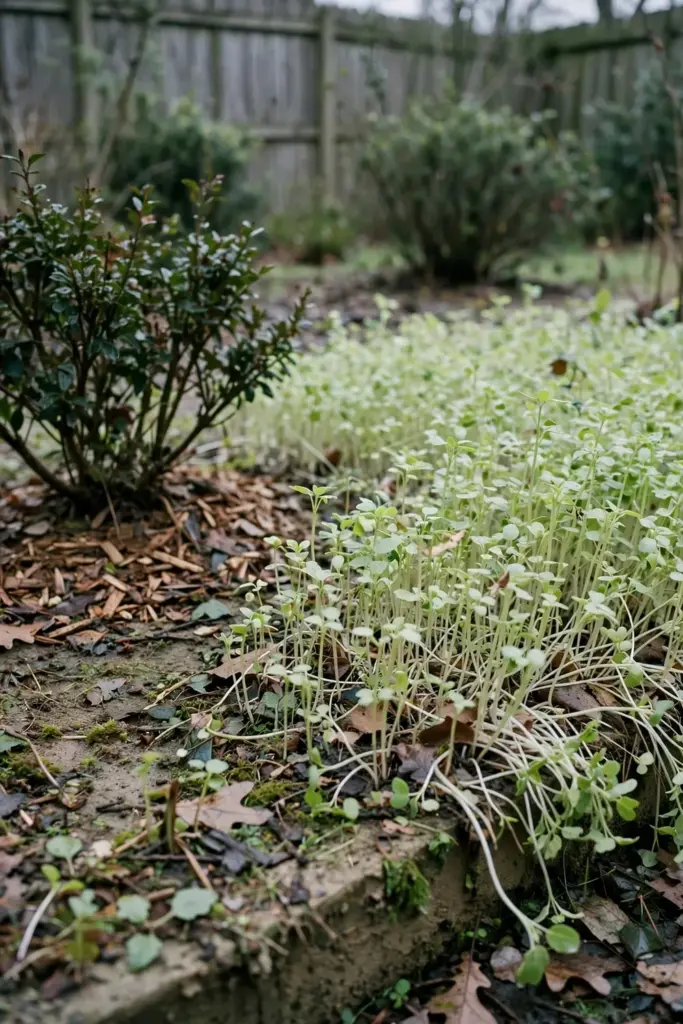
Check origin in the state flora profile. A native profile lists the plant as indigenous to Australia. A naturalised profile lists the plant as introduced and self sown outside gardens. A garden profile lists the plant as cultivated only. Origin sits at the top of the profile. Read it first. A plant can look native and grow as an escape. A plant can look exotic and grow as a long settled native. Looks mislead. Origin records settle it.
Check the habitat cue. A native plant in a bush reserve with no garden nearby points toward a wild local. A native plant in a garden bed points toward a planted local. A naturalised plant along a creek below gardens points toward an escape. A naturalised plant in a bed points toward a planted exotic. Habitat plus origin gives the split. Habitat alone gives a hint. Origin alone gives a label. The pair gives a verdict.
Check the spread pattern, where a native plant in its home range grows with its usual companions and a naturalised plant spreads along tracks and garden edges. A naturalised plant often forms a dense patch where no gardener planted it. A native plant in a patch can also form a dense stand after fire or rain. Patch density alone does not settle origin. Patch density plus origin plus habitat settles it. Record all three. A note that says a plant grows in a creek patch and carries a naturalised profile gives the reader a firm answer. A note that says a plant looks native gives no answer.
10. Separate a Declared Weed From a Harmless Lookalike
A declared weed carries legal duties because a state or territory lists it for control.
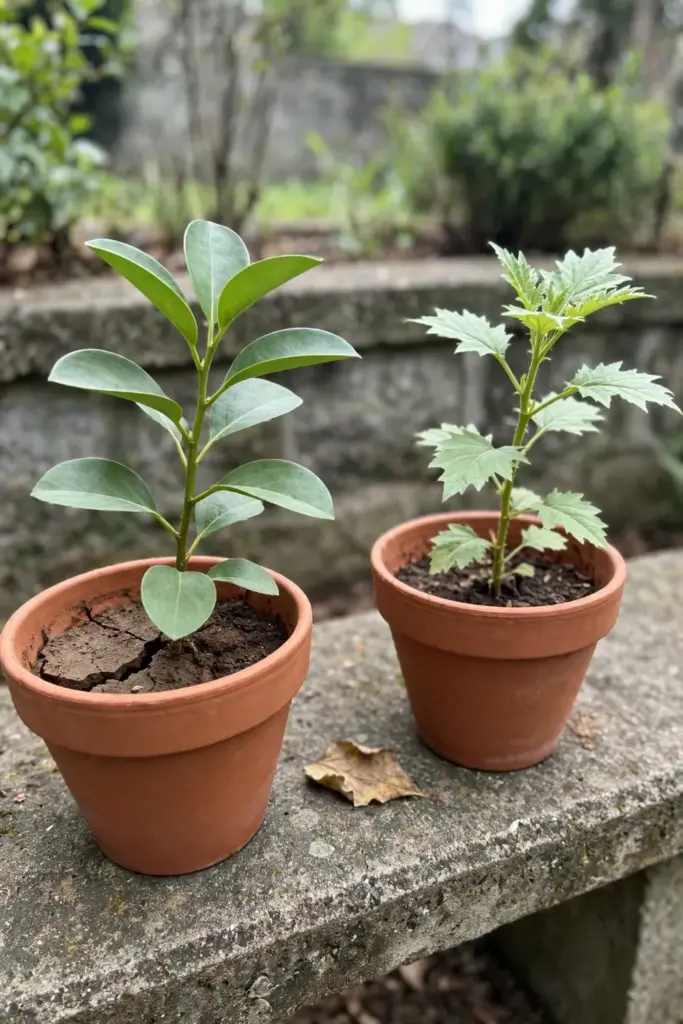
Check the weed status in your state. A declared weed list sits with the state agriculture or environment department. A weed profile names the plant, the regions where it is declared, and the control duty. A harmless lookalike carries no listing. A lookalike can share leaf shape, flower color, or growth form with a declared weed. Shared traits cause false alarms. A declared listing causes action. Check the listing before you pull a plant, because pulling a native by mistake removes a local and leaving a declared weed in place lets it seed.
Compare the pair trait by trait. Check leaf arrangement and flower form. Check fruit form and stem texture. Check habitat against the listing. A declared weed and its lookalike often differ on one trait that stays steady. One trait can be leaf margin or flower count. One trait can be fruit shape or bark pattern. Photograph the trait that differs and the trait that matches, because two frames settle the pair. One frame leaves the pair open.
Record the weed verdict with the listing source. Write the state. Write the listing name. Write the trait that separated the pair. Write the date. A note with a state listing and one separating trait holds up. A note with a bare weed label does not. Report a declared weed to the local council or the state department when the listing asks for a report. A report with photos, place, and date helps the department act. A report with a bare name helps no one.
11. Test 5 Common Lookalike Pairs Before You Settle a Name
Five common lookalike pairs test your method because each pair shares one strong trait and differs on one steady trait.
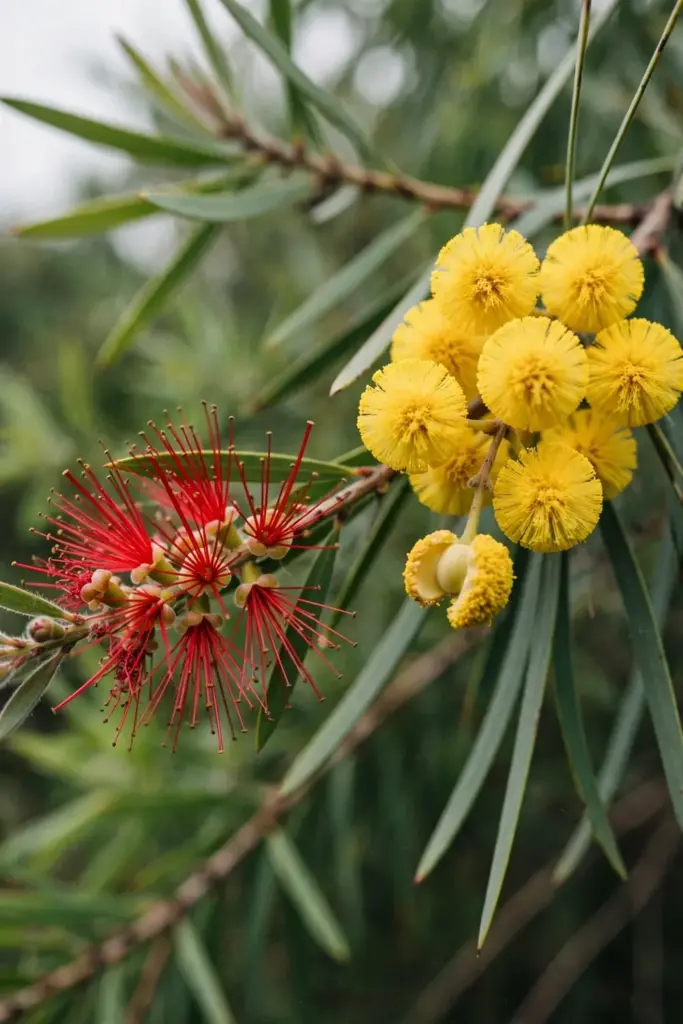
Work each pair in the same order. Photograph habit. Photograph leaf arrangement. Photograph flower or fruit. Photograph bark or stem. Check the state flora profile for each candidate. Write the trait that separates the pair. A pair that passes this test earns a firm name. A pair that fails this test needs an expert check. The table below sets out the five pairs and the trait that separates each pair.
| Pair | Shared Trait | Separating Trait |
|---|---|---|
| Wattle vs other yellow flowered shrubs | Yellow flower heads | Wattle heads are dense clusters of tiny flowers with phyllodes or bipinnate leaves |
| Bottlebrush vs grevillea brush flowers | Brush flower spikes | Bottlebrush spikes carry stamens around a woody stem that holds fruit capsules |
| Eucalyptus vs other smooth barked trees | Smooth shedding bark | Eucalyptus carries gum nuts with valves at the cap |
| Banksia vs other cone flowered shrubs | Dense cone flower spikes | Banksia spikes set woody follicles that hold seeds in the old cone |
| Oleander vs other narrow leaved shrubs | Narrow whorled leaves | Oleander carries milky sap and paired seed pods |
Start with wattle. Wattle flower heads look like yellow balls. The heads are clusters of tiny flowers. The leaves are phyllodes or bipinnate leaves. A shrub with yellow petals in a single open flower is not a wattle. A shrub with yellow pompom heads and phyllodes fits wattle. Check the phyllode. Check the head. Two traits settle wattle.
Move to bottlebrush. Bottlebrush spikes look like red brushes, and grevillea spikes look like brushes in red, pink, orange, or cream. Bottlebrush spikes carry a woody stem that holds round fruit capsules after flowering. Grevillea spikes carry follicles that split to release seeds. Check the old spike. A woody stem with round capsules points toward bottlebrush. A spike with split follicles points toward grevillea.
Move to eucalyptus. Eucalyptus bark sheds in smooth patches on many species. Other trees shed bark too. Eucalyptus fruit settles the pair. A gum nut with a cap and valves at the top marks eucalyptus. A fruit without a cap and valves marks another tree. Growing a eucalyptus tree from seed shows the gum nut form that marks the genus. Check the fruit. Check the bark. Two traits settle eucalyptus.
Move to banksia. Banksia spikes look like cones, and other shrubs carry cone like spikes too. Banksia spikes set woody follicles in the old cone. The follicles stay shut until fire or age opens them. Check the old cone. Woody follicles in rows mark banksia. Soft seed heads mark another shrub.
Close with oleander. Oleander leaves sit whorled in groups of three. Other narrow leaved shrubs sit alternate or opposite. Oleander sap runs milky when a stem breaks. Oleander pods grow in pairs. Do not break a stem to test sap on a plant you cannot name. Use leaf arrangement and pod form first. Use sap only with gloves on a plant you already suspect, and wash your hands after. Leaf whorls plus paired pods mark oleander. Leaf arrangement plus pod form settle the pair.
12. Build a 4 Photo Set That an Expert Can Name From a Screen
A 4 photo set lets an expert name a plant from a screen because the set carries habit, leaf, flower or fruit, and bark in one packet.
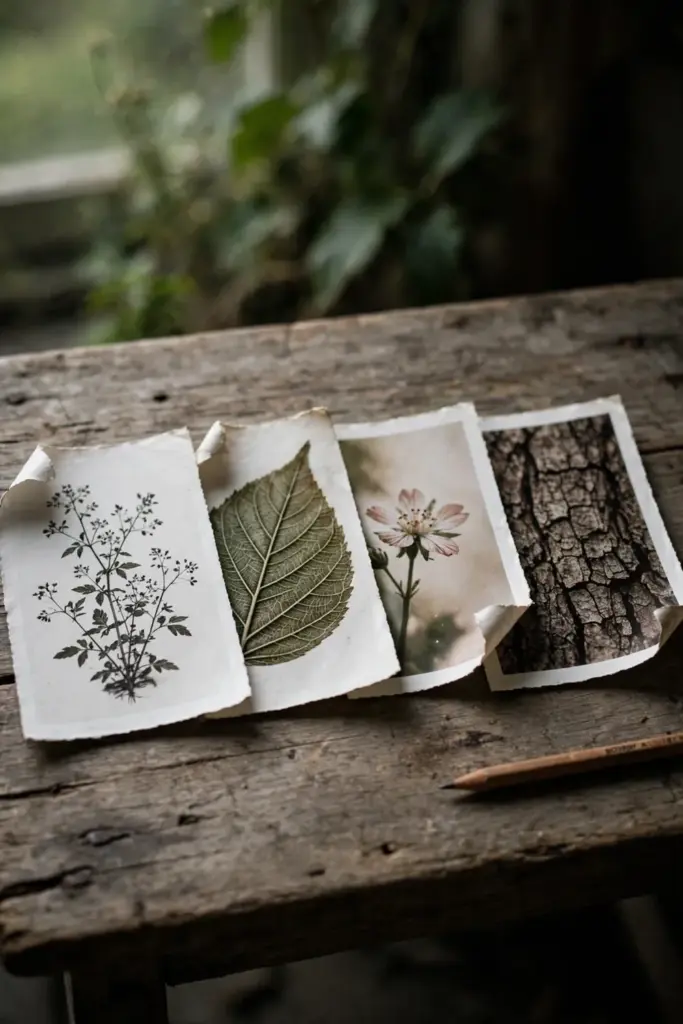
Build the set in this order. Frame one shows the whole plant with its base and its surroundings. Frame two shows one leaf with its stem and three nodes. Frame three shows one flower or fruit cluster with a scale object. Frame four shows bark or stem at chest height. Add a fifth frame for habitat when the plant grows in a distinct spot. A set with four frames answers most expert questions. A set with one frame raises more questions than it answers.
Label each frame in your note. Write the date and the suburb and state. Write the habitat and the plant height. Write the candidate name when you hold one, with the traits that matched the flora profile and the traits that differed. A labeled set with place, date, and trait notes lets an expert answer in one reply. An unlabeled set with no place or date forces the expert to ask for the missing facts. Time spent on labels saves a round of messages.
Keep the set sharp. A sharp leaf edge shows the margin, and a sharp flower shows the petal count. A sharp fruit shows the seed form, and a sharp bark frame shows the pattern. A blurred frame wastes the expert check. Reshoot a blurred frame at the spot. A reshoot takes seconds. A second visit takes a trip. Keep the original files, because cropping can enlarge a detail. A cropped file cannot restore a blurred edge. Keep the wide frame and the close frame.
13. Ask a Herbarium, Council, or Botanic Garden for a Verdict
A herbarium, council, or botanic garden gives a verdict because staff there compare your plant against pressed specimens and flora records each day.
Pick the right door. A herbarium names a plant from photos or a pressed specimen. A council names a plant when the question touches a weed listing, a street tree, or a local reserve. A botanic garden names a plant when the question touches a garden specimen or a local native. A nursery names a plant when the question touches a plant it sells. A nursery guess carries less weight than a herbarium verdict. A herbarium verdict carries the flora record behind it.
Send the 4 photo set with a short note. Write the date. Write the suburb and state. Write the habitat. Write the plant height. Write the candidate name when you hold one. Write the traits that matched the flora profile. Write the traits that differed. A short note with place, date, and trait notes earns a fast answer. A long note with no place or date earns a request for the missing facts. Keep the note short. Keep the photos sharp. Keep the place data exact.
Press a specimen only when the herbarium asks for one. A pressed specimen needs a full leaf with stem, a flower or fruit, and a label with date, place, habitat, and collector name. Press the specimen flat between paper sheets under a heavy book. Dry the specimen before you post it. A damp specimen molds in transit. A moldy specimen loses the traits the herbarium needs. A photo set settles most garden IDs, and a pressed specimen settles the hard cases.
14. Apply the No Eat No Rub Rule to Every Unknown Plant
The no eat no rub rule protects you because an app ID can land on a lookalike with toxic leaves, sap, or seeds.
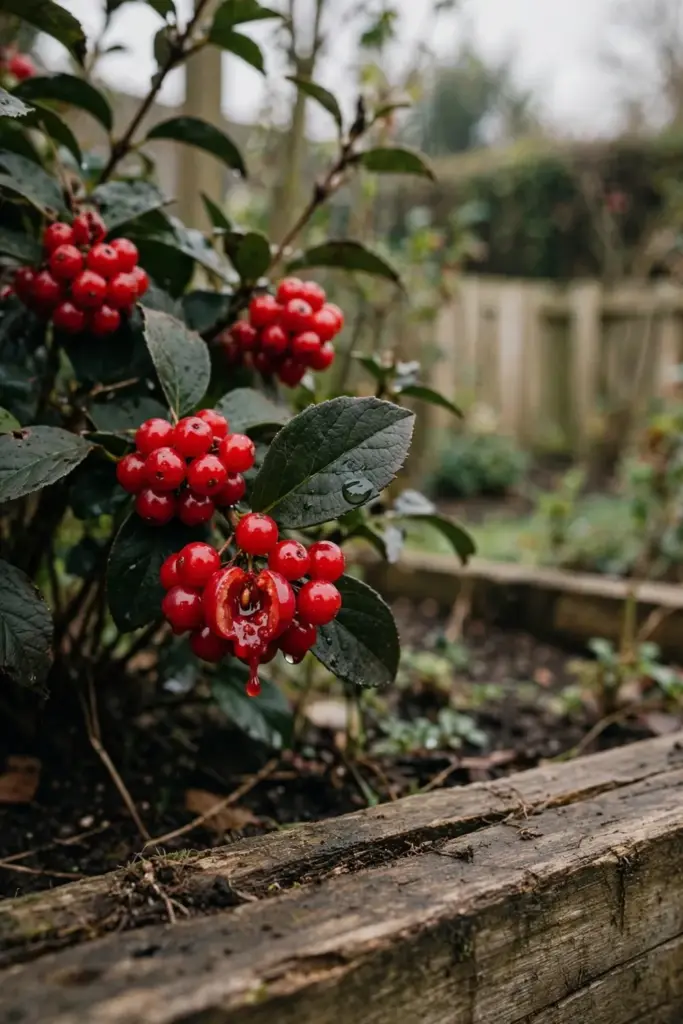
Never eat any part of an unknown plant. Never rub sap on skin to test a plant. Never brew leaves from an unknown plant. Never feed an unknown plant to a child, a pet, or livestock. A plant ID from an app is a lead. A lead cannot clear a plant for eating. A flora profile cannot clear a plant for eating, and a herbarium verdict on a name cannot clear a plant for eating either. Eating needs a separate safety check from a qualified source. A name alone never makes a plant safe to eat.
Keep gloves on when you handle an unknown plant. Wash your hands after you handle it. Keep children and pets away from an unknown plant until the name settles. Keep the plant where it grows until the name settles. A plant that causes a rash on contact can cause a worse reaction when chewed. A plant with milky sap can irritate skin and eyes. A plant with bright berries can tempt a child. Distance plus gloves plus hand washing keeps the ID work safe.
Call for help at once when someone eats an unknown plant or reacts to contact. Call the poisons advice line on 13 11 26 for advice when someone may have been poisoned. Call Triple Zero on 000 when someone struggles to breathe or loses consciousness. Keep a photo of the plant and a sample of what was eaten for the medical team when it is safe to do so. A photo with place and date helps the medical team. A bare name without a photo helps less.
15. Log Your ID in One Note That Future You Can Reuse
One note per plant saves the next ID because a logged ID with photos and traits beats a memory of a name.

Open one note per plant. Write the final name with the botanical name when the flora profile confirms it. Write the date. Write the suburb and state. Write the habitat. Write the traits that matched the profile. Write the traits that differed. Attach the 4 photo set. Attach the flora profile link. A note with a name, a date, a place, a trait list, and a profile link holds up. A note with a bare name fades in a month.
Add the next steps to the same note. Write whether the plant stays, moves, or goes. Write whether the plant needs water, pruning, or feeding. Write whether the plant needs a weed check or a second expert check. A note with next steps turns an ID into a garden decision. A note without next steps turns an ID into a trivia answer. Review the note when the plant flowers again. A second flowering confirms the first ID. A second flowering that breaks the first ID reopens the case. A logged ID welcomes a correction. A memory resists one.
16. Run the 10 Minute Final Check Before You Act on a Name
The 10 minute final check stops a wrong name from turning into a wrong action because a wrong ID can lead to a wrong prune, a wrong feed, or a wrong removal.
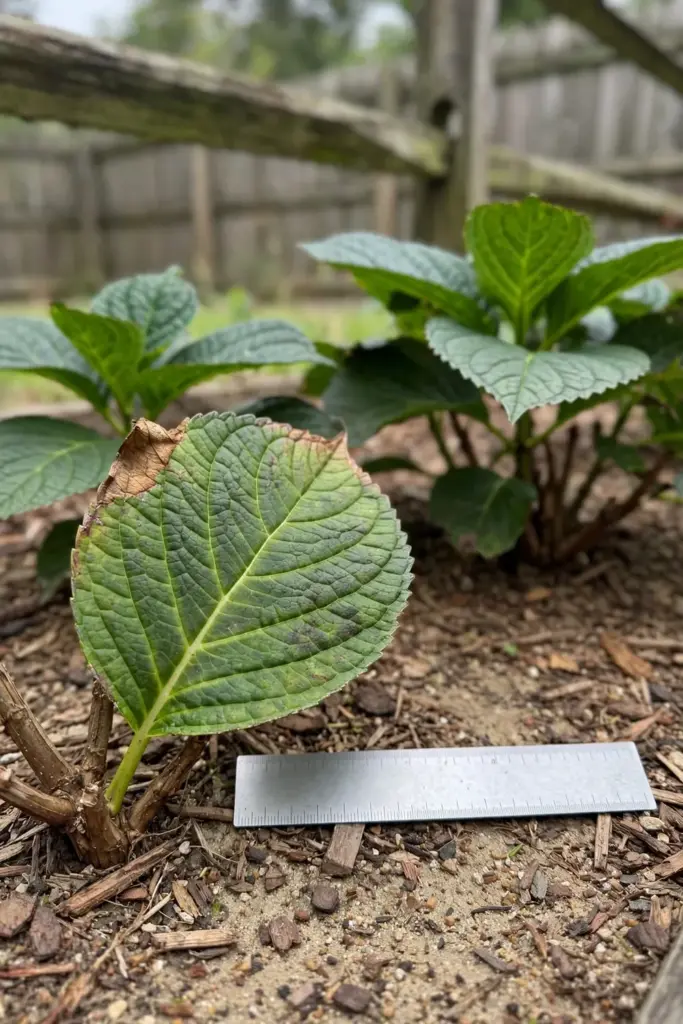
Run the check in this order. Read your note. Read the flora profile. Compare the photos against the profile line by line. Match habit and leaf arrangement first. Match flower or fruit form next, then match habitat and state distribution to close the check. A match on all five traits earns action. A match on four traits with one open trait earns a pause, and a match on three traits earns an expert check. A name with no profile match earns no action.
Check the safety line next. Read the no eat no rub rule again. Check whether the plant sits near a play area, a pet run, or a vegetable bed. Check whether the plant carries a weed listing or needs gloves for handling. A plant near a play area needs a faster verdict. A plant with a weed listing needs a report, and a plant with irritant sap needs gloves. Safety sits before pruning, feeding, or removal. A fast prune on a wrong name costs a plant. A fast removal on a wrong name costs a native. Ten minutes of checking protects the plant and the gardener.
Frequently Asked Questions About Australian Plant Identification
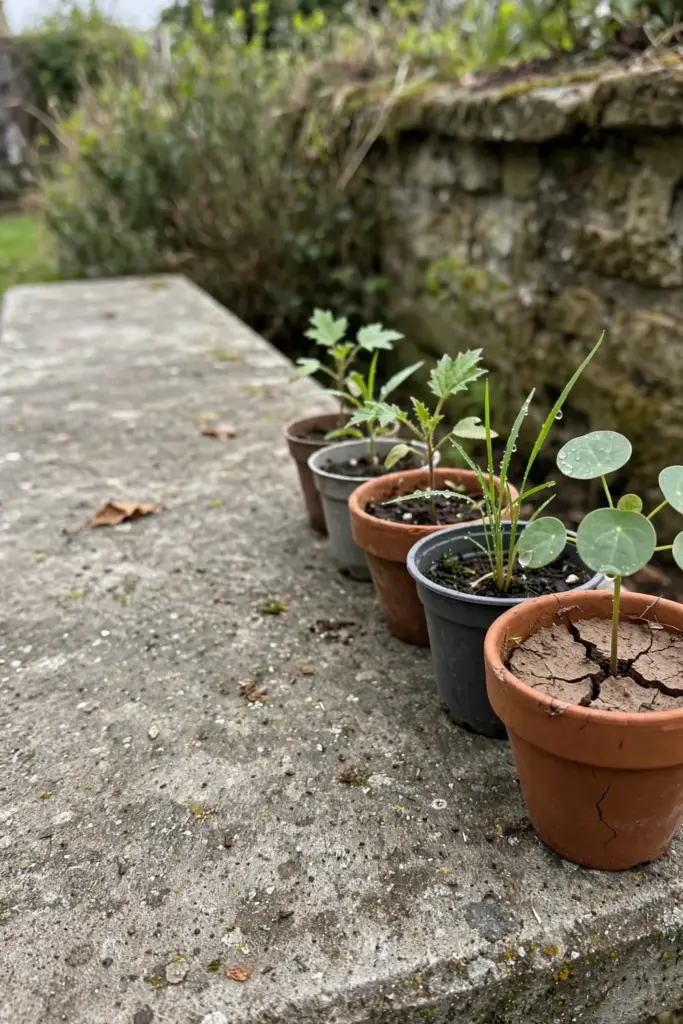
One leaf photo gives a lead in many cases, but it rarely settles a name on its own. Leaf shape repeats across genera, and a young leaf can look unlike a mature leaf on the same plant. Shoot the whole plant, the leaf with its stem, the flower or fruit, and the bark. Compare the set against one state flora profile. A full set plus a profile check beats one leaf photo every time.
Shoot a 4 photo set in daylight, run one free app check for a lead, then confirm the lead in one state flora authority. Use PlantNET FloraOnline in New South Wales, VicFlora in Victoria, and FloraBase in Western Australia. Match habit, leaf, flower or fruit, and habitat against the profile. A flora profile gives the verdict. An app gives the lead.
Read the origin line in the state flora profile first. A native profile lists the plant as indigenous to Australia. A naturalised profile lists the plant as introduced and self sown outside gardens. Check the weed listing for your state next. A declared weed carries legal duties. Check habitat and spread pattern last. Origin plus listing plus habitat gives the split, and looks alone never settle it.
Do not taste any part of an unknown plant. Do not rub sap on skin to test it. Wear gloves when you handle it, wash your hands after, and keep children and pets away until the name settles. An app ID is a lead, not a safety clearance. Call the poisons advice line on 13 11 26 when someone may have eaten an unknown plant. Call Triple Zero on 000 when breathing fails.
A herbarium needs the whole plant with its base and surroundings, one leaf with its stem and three nodes, one flower or fruit cluster with a scale object, and bark or stem at chest height. Add the date, suburb and state, habitat, and plant height. Add the candidate name and the traits that matched the flora profile. A labeled set with place and date earns a fast verdict.
Apps compare your photo against different photo sets, and each app weights traits in its own way. Light shifts color, a young leaf differs from a mature leaf, and a faded flower differs from a fresh flower. A single photo gives one chance to drift. A 4 photo set plus a flora profile check settles the conflict. Trust the flora profile over any app result.
Name the Plant, Then Decide What Comes Next
Name the plant with the 16 moves above. A name with a flora profile behind it carries weight. A name from one app guess does not. A name with photos, place, date, and matched traits holds up when the plant flowers again. A name without those anchors fades.
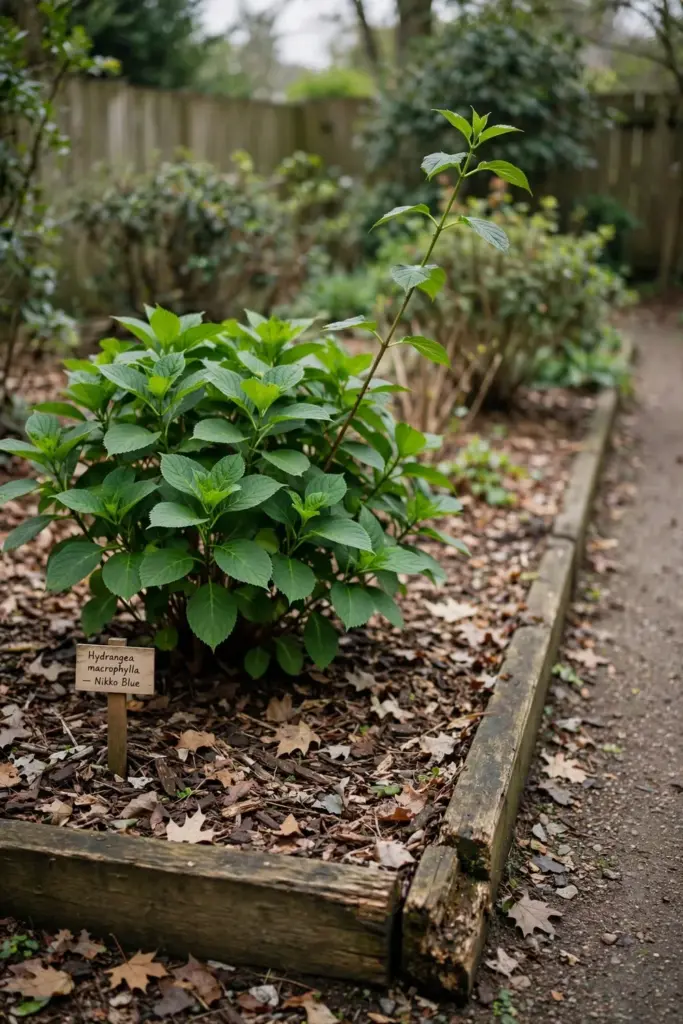
Act on the name with care. Keep a native where it grows when it fits the place. Move a garden plant when the place suits it better. Report a declared weed when the listing asks for a report. Remove a hazard only after the safety check. A name is the start of the decision, and the decision still needs the plant, the place, and the safety line in view.