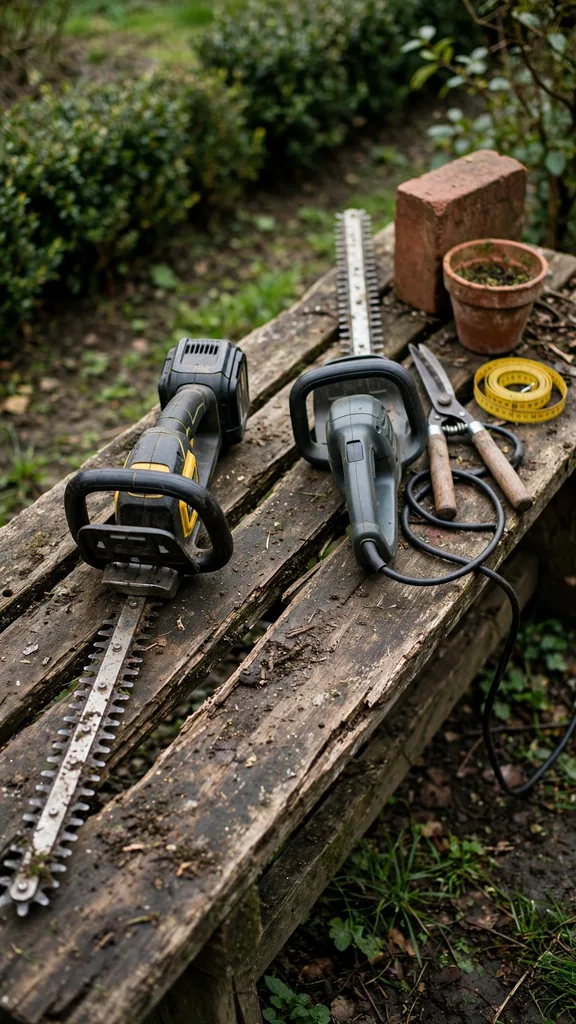
Buy one cordless trimmer with a 41 to 56 cm blade and a 19.1 mm tooth gap, and it trims every hedge a small garden holds. That is the short list for the best hedge trimmers for small gardens: five tools, each matched to one job, with no petrol engine, no spare battery, and no blade longer than the hedge it cuts.
A small garden punishes an oversized trimmer. A 66 cm bar swings past the hedge and into the fence, the path, and the roses beside it. A short bar stays inside the cut and leaves the shape under your control.
Trim in the morning, after the dew dries. Cut the sides first, then the top. Rake the clippings into a bucket before lunch.
| Option | Best For | Skip If |
|---|---|---|
| Cordless hedge trimmer | One tool for a whole small garden | Your hedge sits beside an outlet and never moves |
| Corded electric hedge trimmer | Light trimming near the house | The hedge runs past 30 m of cord |
| Manual hedge shears | Boxwood balls and precise shaping | The hedge runs longer than 6 m |
| Pole hedge trimmer | Tall hedges without a ladder | Every hedge stands below chest height |
| Compact hedge trimmer | Patio pots and low edging shrubs | You cut thick stems above 1.27 cm |
What to Look for in the Best Hedge Trimmers for Small Gardens
Blade length decides the cut before power does. A 41 to 51 cm blade suits a hedge below shoulder height and turns inside a tight bed without clipping the fence. A 56 to 61 cm blade covers a long straight run in fewer passes and still stores in a shed corner. Measure the longest straight face of your hedge, then buy the shortest blade that spans it in two passes.
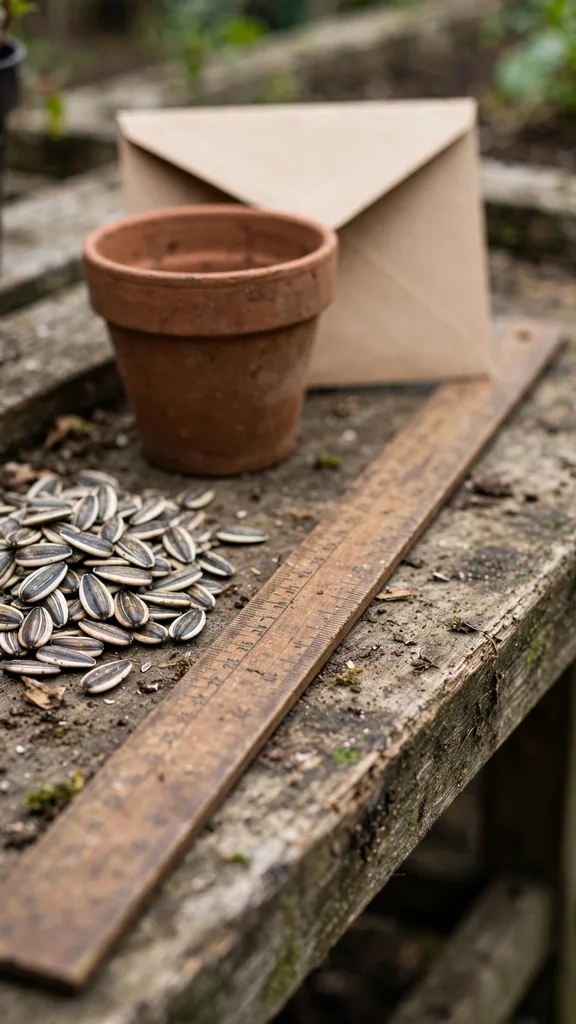
Tooth gap decides the thickest stem the trimmer swallows. A 9.5 mm gap slices soft new growth and leaves a clean edge on boxwood. A 19.1 mm gap takes woodier stems on privet and laurel without stalling the blades. Measure the thickest stem on your hedge with a ruler. If stems pass 1.27 cm, a trimmer is the wrong tool and loppers take over.
Weight decides whether your arms last to the end of the hedge. Hold the trimmer at chest height for 30 seconds in the shop. If the nose drops, the tool is too heavy for your hedge. A small garden needs a trimmer you lift with one arm and steer with the other, not a machine that steers you.
Power source decides the running cost and the noise. Cordless trims anywhere and stops when the pack stops. Corded trims as long as the outlet holds and weighs less. Manual shears make no noise at all and cut nothing thicker than a pencil. Gas trimmers belong on large properties and stay out of this guide: a small garden never needs the weight, the fumes, or the fuel mixing.
Prices move by season and retailer, so this guide uses bands and no dollar figures. Budget covers manual shears and short corded trimmers. Mid range covers cordless trimmers with one pack and a charger. Upper mid range covers pole trimmers and long cordless bars. Check the band on the day you buy. A price band from last season is a guess, and this guide prints no guesses.
A trimmer joins the rest of your kit, so check it against the essential garden tools for beginners before you buy a second tool that does the same job. One sharp trimmer, one pair of loppers, and one pair of shears cover a small garden.
Best Cordless Hedge Trimmer for Small Hedges
A cordless trimmer is the single pick for a small garden. It carries a 41 to 56 cm double-sided blade, a lithium pack, and a two-switch safety grip, and it trims a full hedge line without a cord trailing through the beds. It starts with a button press and stops the instant you release the grip. That control matters on a narrow bed where the blade passes close to stems you want to keep.
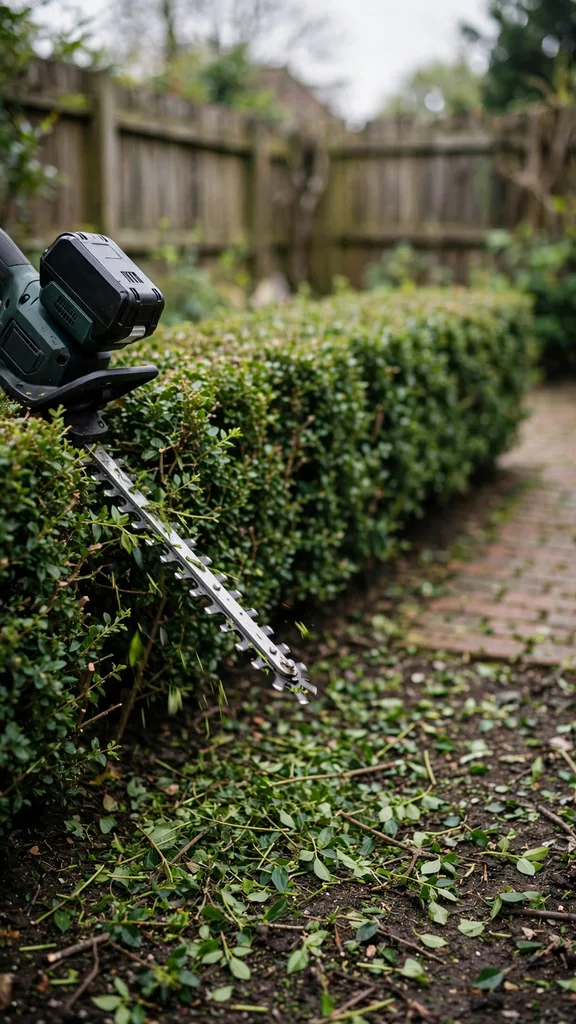
Cordless suits hedges up to 6 m long and below 2 m tall. It cuts privet, boxwood, laurel, and yew at the pace of a slow walk. Buy the pack size that matches your hedge: one pack trims one small garden in one session when the blades are sharp and the stems are green. A dull blade drains a pack fast, so sharpen before you blame the battery.
The weakness is runtime on a neglected hedge. Thick, woody stems stall a small motor and eat the charge. Skip the cordless pick if your hedge has not been cut in 2 years and the stems run past 1.27 cm. Cut the thick stems with loppers first, then let the trimmer shape the new growth.
New shrubs need shaping from the first season, and the same shaping rules apply whether the shrub went in this spring or last fall. Read the planting shrubs in fall notes on spacing before you plant a hedge that a 41 cm blade cannot reach around.
Best Corded Electric Hedge Trimmer for Tight Beds
A corded trimmer is the lightest powered option and the cheapest way into clean cuts. It plugs into an outdoor outlet, runs without pause, and weighs less than any cordless tool with the same blade. The motor sits in the grip, the blade runs 41 to 56 cm, and the whole tool hangs on a hook when the job ends.
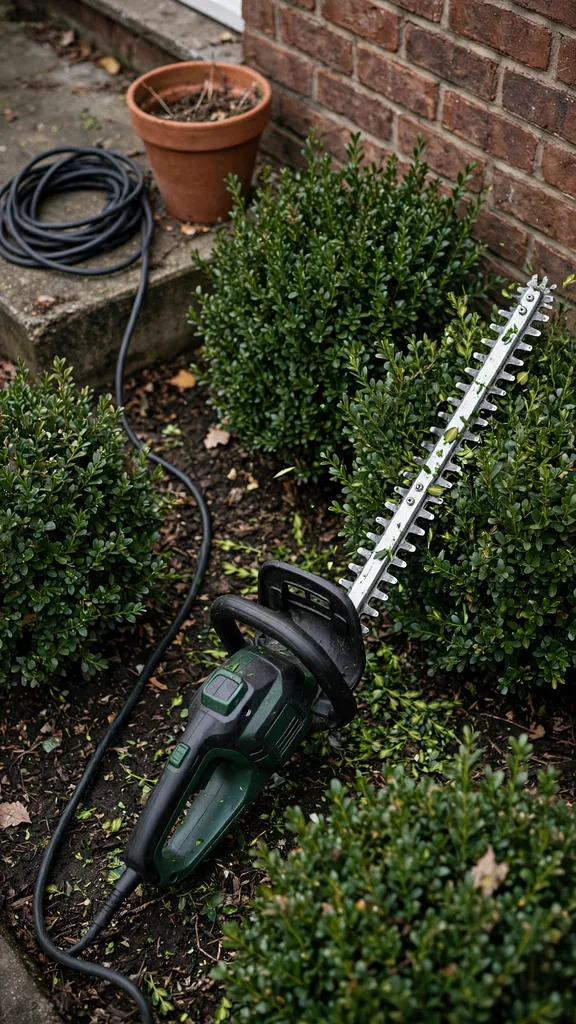
Corded suits one hedge beside the house and a short run of foundation shrubs. It trims boxwood, privet, and small laurels in minutes. Keep the cord behind you and over your shoulder while you cut. A cord underfoot pulls the blade toward your feet, and a cord across the cut ends the session.
The weakness is reach. A 30 m extension cord tangles in shrubs, snags on pots, and turns a 30 minute job into an hour of cord management. Skip the corded pick if the hedge stands past the back fence or across a lawn with no outlet nearby. Buy cordless there and leave the cord in the shed.
Best Manual Hedge Shears for Precise Shaping
Manual hedge shears are two blades, two grips, and no motor. They cut boxwood balls, low edging shrubs, and topiary shapes with a control no powered blade matches. Each cut closes on one stem at a time, so the shape stays in your sight from the first snip to the last. They make no noise, need no charge, and fit in a bucket with the rest of the kit.
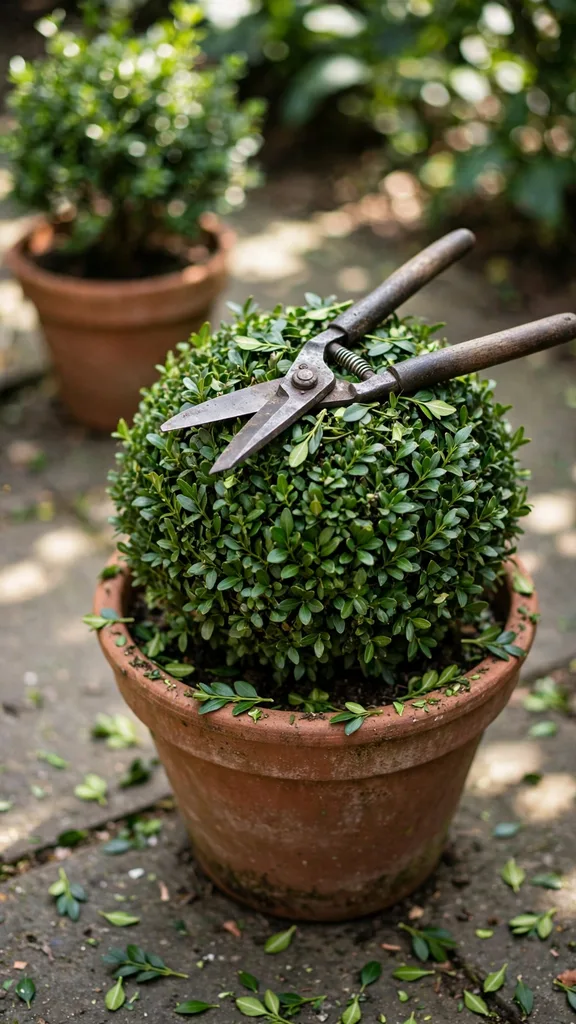
Shears suit hedges under 6 m and stems under 1.27 cm. They shape a boxwood ball in 15 minutes and tidy a low lavender edge in less time. Wipe the blades dry after use and oil the pivot once a season. A dry blade rusts in a week in a damp shed, and rust drags through the next cut.
The weakness is speed on a long hedge. Shears cut one stem per squeeze, and a 10 m privet run takes an afternoon by hand. Skip shears as the only tool if the hedge runs the full boundary. Keep them as the second tool for shaping after the powered trimmer does the bulk cut.
Best Pole Hedge Trimmer for Tall Hedges
A pole hedge trimmer puts the blade on the end of a long shaft and lifts the cut above your head without a ladder. The blade runs 41 to 51 cm, the shaft telescopes to reach a hedge top at 3 m, and the motor sits near the grip where the weight stays low. It trims the top face of a tall privet or laurel hedge from the ground, with both feet on the path.
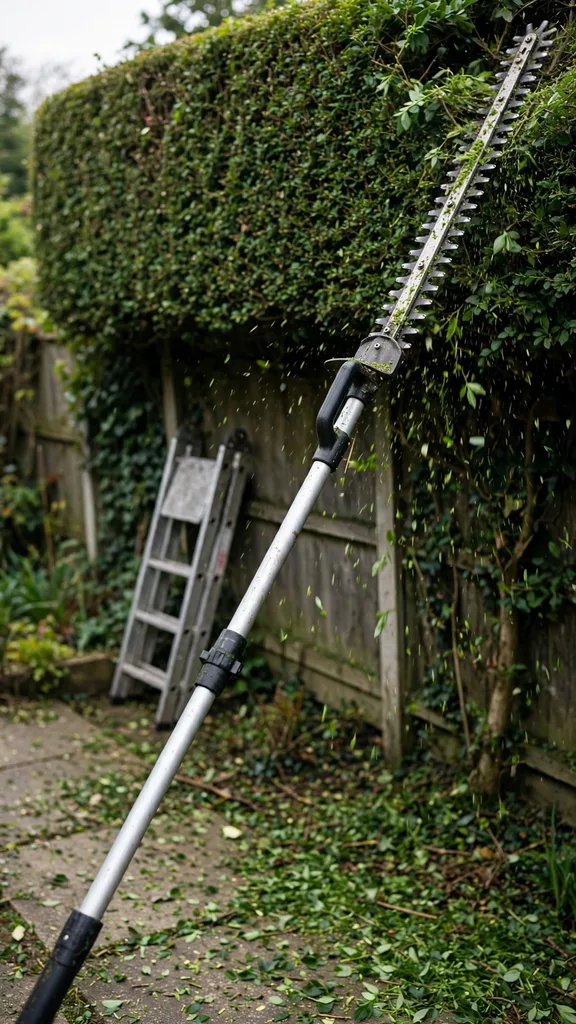
Pole trimmers suit small gardens with one tall boundary hedge. They cut the top flat and the upper sides in slow passes. Work from one end to the other and let the blade do the cutting. Forcing the bar through thick stems bends the teeth and stalls the motor.
The weakness is balance. A long shaft with a blade at the far end pulls forward, and tired arms drop the nose into the hedge face. Skip the pole pick if every hedge stands below chest height. A standard trimmer cuts a low hedge faster and with less strain on your shoulders.
Best Compact Hedge Trimmer for Patio Gardens
A compact trimmer is a short cordless tool with a 41 cm blade and a grip sized for one arm. It trims patio pots, low edging shrubs, and the boxwood balls beside the door. It stores in a kitchen cupboard or a balcony box, charges from a small pack, and weighs little enough to use with one arm while the other steadies the pot.
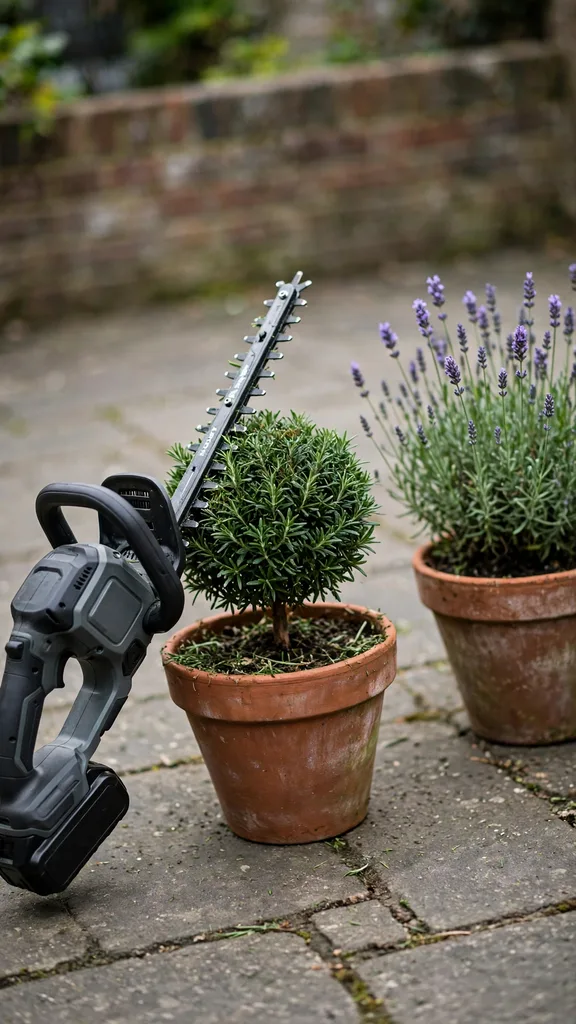
Compact suits gardens measured in pots rather than beds. It shapes a rosemary ball, tidies a lavender edge, and cuts the stray shoots on a potted olive. The short blade turns inside a tight corner where a full-size bar would hit the wall. Keep the blade clean between pots so disease does not travel from one pot to the next on the teeth.
The weakness is capacity. A compact trimmer stalls on stems past 1.27 cm and crawls along a hedge longer than 3 m. Skip it as the only trimmer if the garden holds a boundary hedge. Buy it as the second tool for pots and edges, and let a full-size trimmer own the boundary.
Compare the Five Trimmers Side by Side
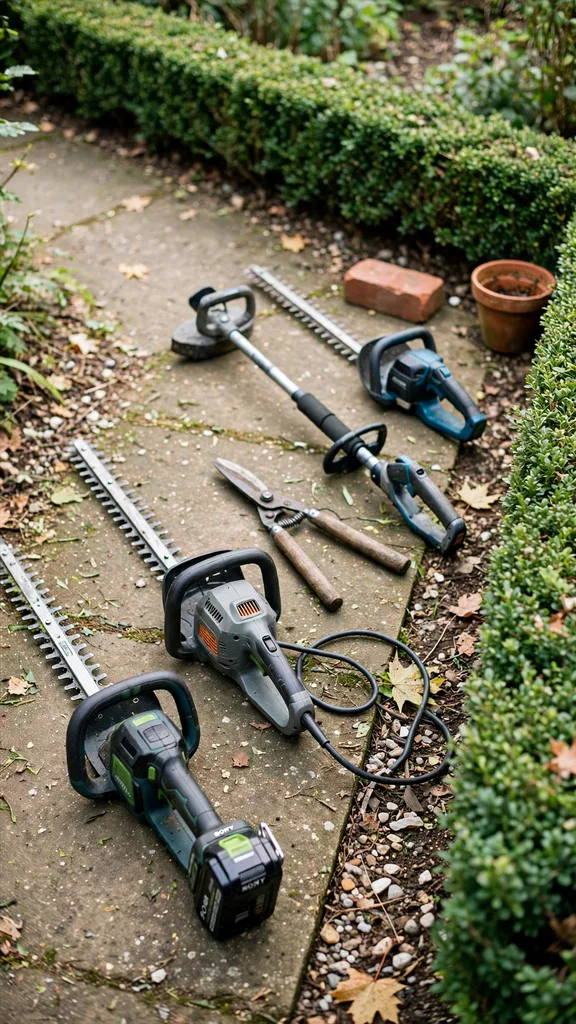
| Option | Blade Length | Power | Weight Class | Price Band | Best For |
|---|---|---|---|---|---|
| Cordless hedge trimmer | 41 to 56 cm | Lithium pack | Medium | Mid range | Whole small garden, one tool |
| Corded electric hedge trimmer | 41 to 56 cm | Mains outlet | Light | Budget | Hedge beside the house |
| Manual hedge shears | 20 to 25 cm | Hand power | Light | Budget | Boxwood balls and shaping |
| Pole hedge trimmer | 41 to 51 cm | Lithium pack or mains | Heavy | Upper mid range | Tall hedge tops |
| Compact hedge trimmer | 41 cm | Small lithium pack | Light | Budget to mid range | Patio pots and low edges |
Start from the hedge, then find its row. A hedge below 2 m and under 6 m long points at cordless. A hedge beside an outlet points at corded. A hedge you shape by eye points at shears. A hedge taller than you points at a pole trimmer. A garden of pots points at compact. Two tools cover every small garden on this page: a cordless trimmer for the boundary and shears for the shaping.
Cut a Small Hedge in 30 Minutes
Walk the hedge first and pull out dead stems with loppers. Dead wood dulls a trimmer blade and hides in the cut until the shape shows gaps. Mark the thickest stems with a ribbon and cut those by hand before the trimmer starts.
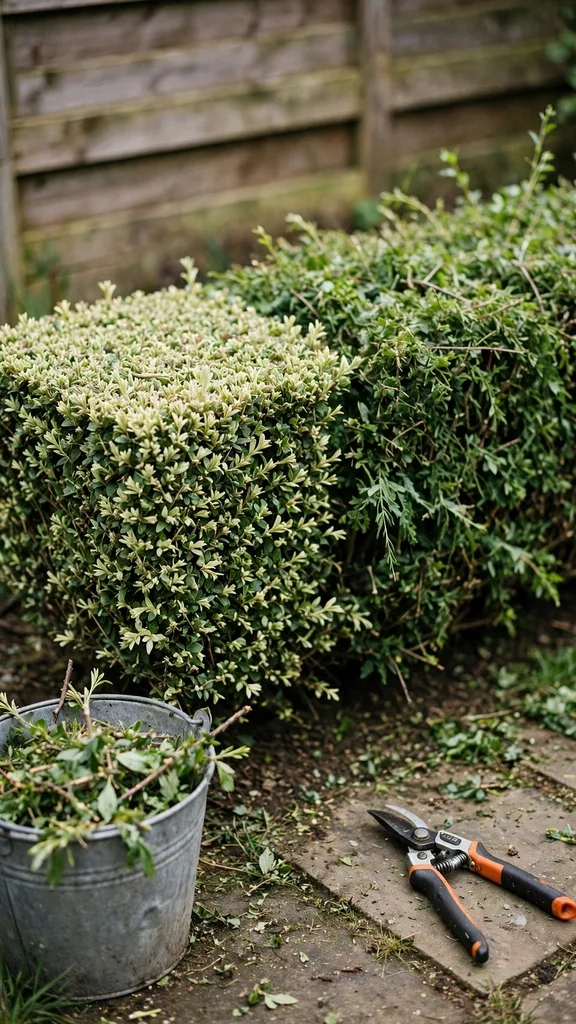
Cut the sides first, from the bottom up, in slow passes. Hold the blade flat against the face and let the teeth meet the stems. The bottom of the hedge stays wider than the top so sunlight reaches the lower leaves. The University of Florida guidance on pruning shrubs and hedges states the same rule: trim a hedge so the top is narrower than the bottom, or the lower branches thin out and die from lack of sunlight.
Cut the top last, in one level pass from end to end. Stand back every 2 m and check the line against the fence or the roof edge. A top cut twice is a top cut too low, and a hedge grows back slowly from a hard top cut. Step back, look, then cut the next section.
Rake the clippings into a bucket and wipe the blade dry. Oil the teeth lightly before the tool goes back on the hook. A clean blade cuts the next hedge in half the time of a blade left dirty, and a dry blade stays sharp through the season.
Timing sits inside the wider pruning calendar. The spring pruning techniques page sets the season for the first cut, and this page stays on the tool and the 30 minute pass.
Mistakes That Ruin a Small Hedge
Cutting the hedge into a box shape starves the bottom. A box top shades the lower leaves, and the base thins until bare stems show through the middle. Cut the sides on a slight slope, top narrower than bottom, and the whole face keeps its leaves.
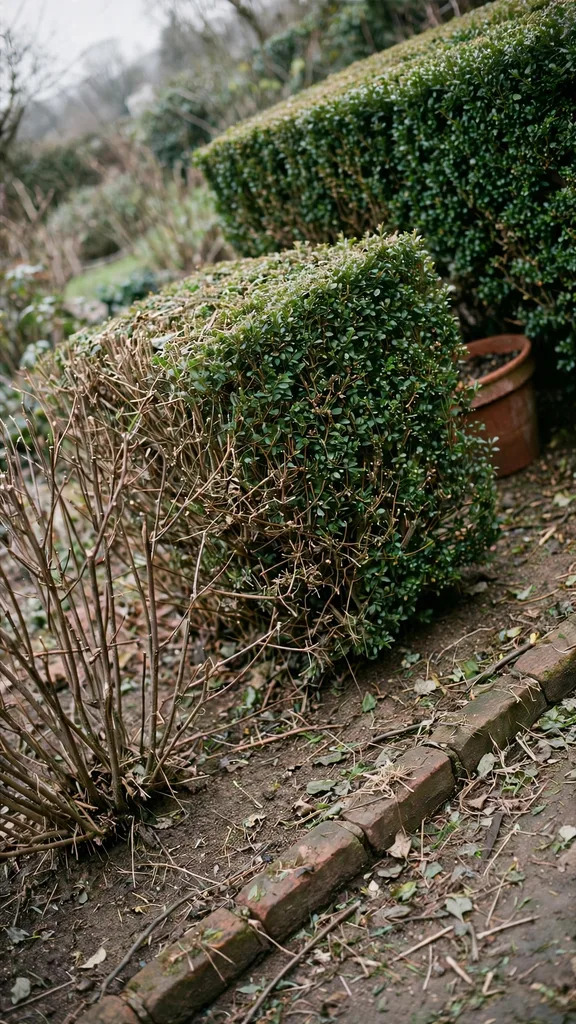
Cutting stems past 1.27 cm with a trimmer bends the teeth and tears the bark. Torn bark opens a wound. The stem dries back past the cut, and the gap shows for a season. Cut thick stems with loppers first. Let the trimmer take only green growth.
Shearing a narrowleaf evergreen too hard kills the branch. Narrowleaf evergreens hold a dead zone on older wood with no buds to regrow, and Mississippi State Extension notes on pruning landscape plants warn never to remove more than one-third of the foliage of a narrowleaf evergreen in one pass. Cut a third, wait a season, then cut the next third.
Trimming a flowering hedge before it blooms cuts off the buds. Spring bloomers carry their flowers on last season wood, so a March trim removes the May show. Prune flowering hedges after they bloom, and let the flowers set the date.
Planting the wrong shrub for the space creates a hedge the trimmer cannot save. A fast grower in a narrow bed outgrows the blade in one season and needs cutting every month. Pick a slow shrub for a small bed first. The bushes to plant in fall page lists shrubs that stay in bounds, and a shrub that fits the bed needs half the trimming of one that fights it.
Frequently Asked Questions
Buy a blade between 41 and 56 cm for a hedge below 2 m tall and under 6 m long. A shorter blade turns inside a tight bed and stays clear of the fence. A longer blade suits a straight run and still stores in a shed corner. Match the blade to the longest straight face of the hedge.
Cordless wins for most small gardens because it trims anywhere without a cord trailing through the beds. Corded wins when the hedge stands beside an outlet and you want the lightest tool at the lowest price band. Pick cordless if the hedge runs past the back fence. Pick corded if the hedge sits within 10 m of the house.
A trimmer with a 19.1 mm tooth gap cuts green stems up to 1.27 cm, but thick stems stall small motors and tear the bark. Cut stems past 1.27 cm with loppers first, then shape the new growth with the trimmer. A clean lopper cut heals faster than a torn trimmer cut on the same stem.
Trim a fast grower such as privet 3 times in a growing season: late spring, midsummer, and early fall. Trim a slow grower such as boxwood once a year in late spring. Cut only green growth each time and stop before the first frost so new shoots harden before cold weather arrives.
Buy a pole trimmer only when a hedge stands taller than you can reach from the ground. A small garden with hedges below chest height needs no pole tool, and a standard trimmer cuts a low hedge faster with less strain. Rent a pole trimmer for one tall boundary hedge before buying one for a single annual cut.