
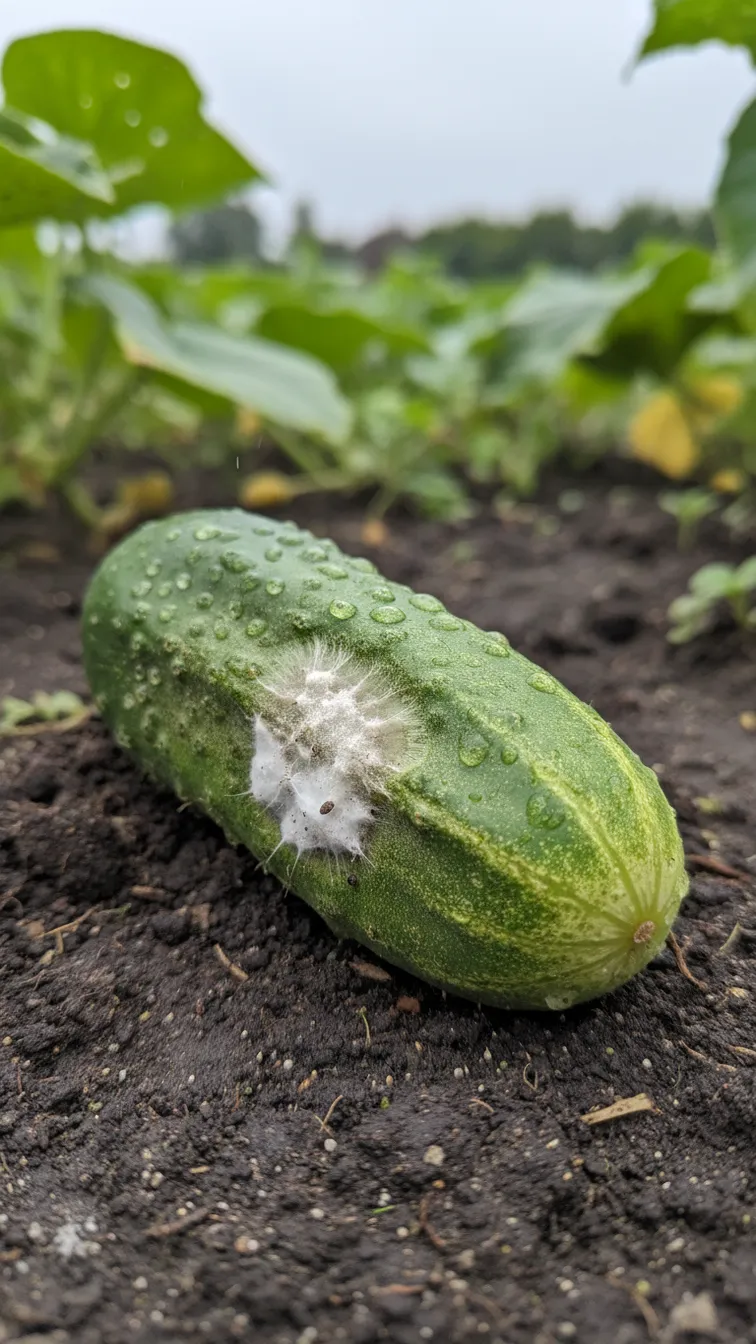

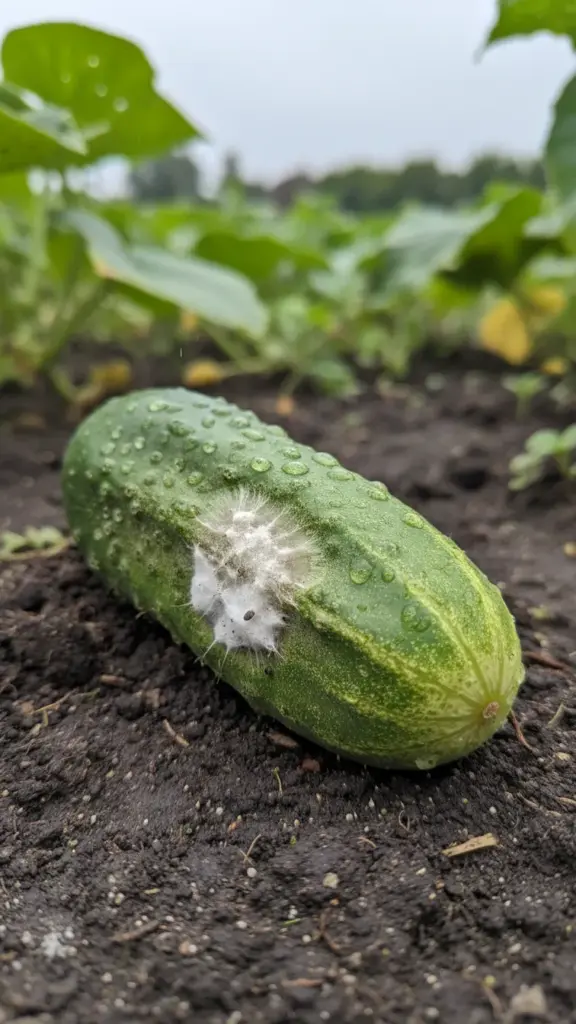
Cottony leak is a fast-moving fruit rot that can turn a healthy cucumber, squash, or melon into a mushy, water-soaked mess within days, especially after a stretch of wet weather. If fruit resting on damp soil in your garden has suddenly developed soft, collapsing lesions with a white, fluffy growth, this guide covers what causes it and how to keep it from spreading. For background on growing the crops most at risk, see our squash growing guide.
What Cottony Leak Is
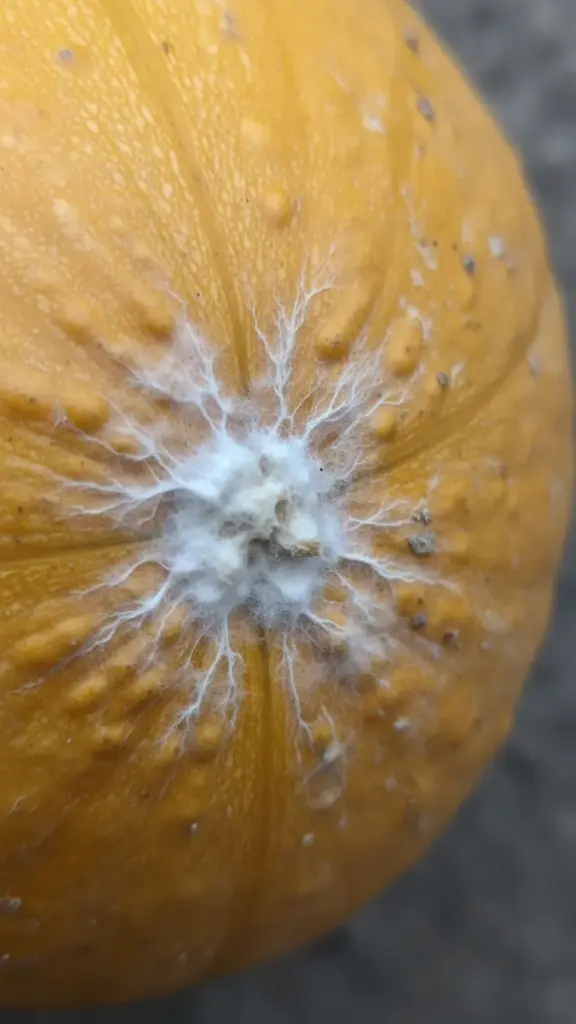
Cottony leak, also called Pythium fruit rot or Pythium cottony leak, is caused by several species of the water mold Pythium, most commonly Pythium aphanidermatum. It is a common disease of cucurbits, and cucumber is generally considered the most susceptible crop, though squash, melons, pumpkins, and watermelon can all be affected as well, according to Mississippi State University Extension.
The disease is most severe in soil that stays wet for part of the growing season, since the pathogen needs free moisture to produce the spores that infect fruit tissue.
How to Identify Cottony Leak
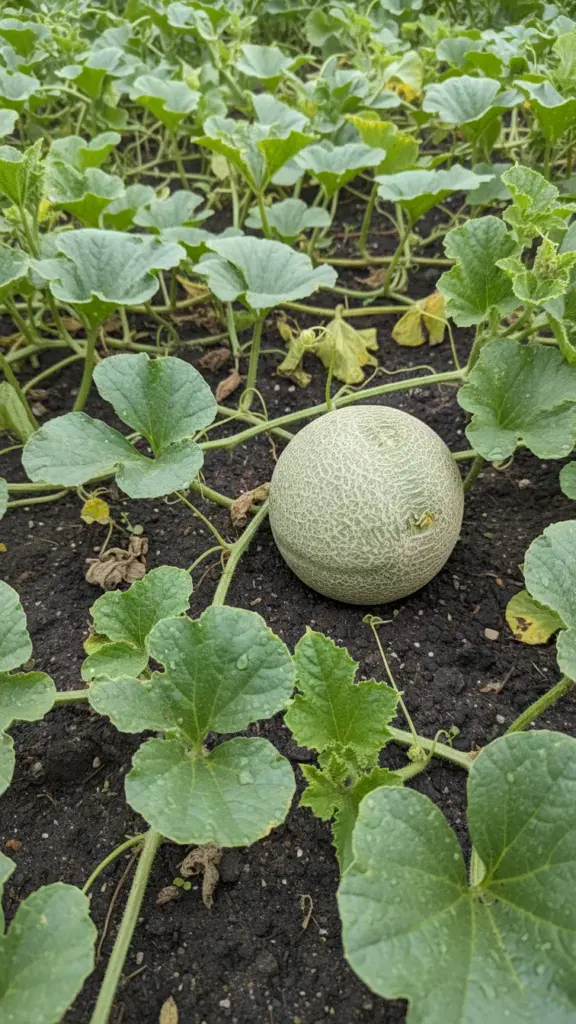
Cottony leak almost always starts on the portion of the fruit that touches the soil. The first sign is a small, water-soaked spot that can expand rapidly, sometimes involving the entire fruit within about 72 hours under warm, wet conditions, according to UMass Extension. As the lesion spreads, the fruit’s skin ruptures and the tissue collapses into a soft, necrotic rot.
When humidity is high, a profuse white fungal growth resembling tufts of cotton develops on the rotted surface, which is where the disease gets its name. This cottony growth can sometimes be mistaken for other white-mold diseases, so confirming that the rot started at a soil-contact point on the fruit, rather than on a wound or blossom scar, helps distinguish cottony leak from lookalike problems.
Which Crops Are Most at Risk
Cottony leak affects fruit of most cucurbit crops, but susceptibility varies noticeably by species.
| Crop | Relative Susceptibility | Typical Infection Point |
| Cucumber | Most susceptible | Fruit resting on soil |
| Squash | Common | Blossom end or soil contact |
| Melon | Affected, less common than cucumber | Soil contact point |
| Pumpkin, Watermelon | Affected under wet conditions | Soil contact point |
Gardeners growing cucumbers on the ground rather than on a trellis should pay particularly close attention, since direct, prolonged soil contact is the single biggest risk factor across every susceptible crop.
Why Wet Soil Drives Cottony Leak Outbreaks
Pythium species survive indefinitely in soil, either on organic matter or as thick-walled resting spores called oospores that can persist for years between susceptible crops. When free moisture becomes available after rain or irrigation, these resting structures germinate and produce swimming spores called zoospores, which move through water films in the soil to reach fruit in contact with the ground.
This explains why cottony leak outbreaks track so closely with weather and drainage. Poorly drained garden beds, low spots where water collects, and extended rainy periods all create the exact conditions the pathogen needs to complete its life cycle and infect new fruit.
Does Cottony Leak Cause Lasting Damage
Yes, in the sense that infected fruit is a total loss almost every time. Because the whole fruit typically becomes involved within roughly three days once infection begins, there is rarely enough time to salvage affected produce once symptoms appear. The rot also creates a source of new spores that can reinfect other fruit nearby if diseased material is left in the garden.
The pathogen itself does not usually kill the entire plant, since it primarily attacks fruit and seedlings rather than mature root systems, so a plant that loses several fruits to cottony leak can still continue producing healthy fruit elsewhere on the vine once conditions dry out.
Step 1: Keep Fruit Off Wet Soil With Mulch or Trellising
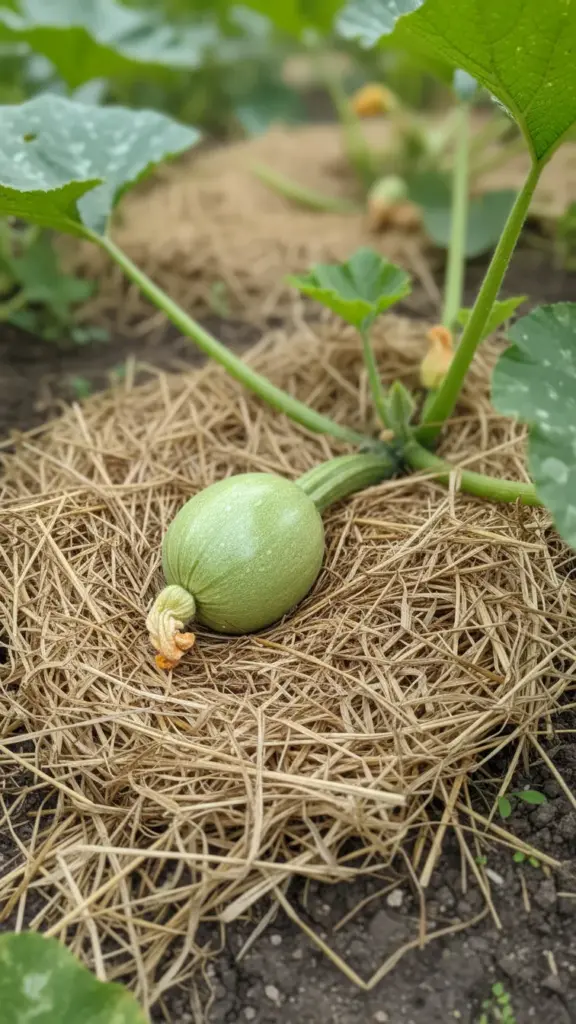
Use a physical barrier such as straw mulch, landscape fabric, or plastic sheeting under developing fruit to prevent direct soil contact, which is the primary infection pathway for this disease. For vining crops like cucumbers and small melons, training vines onto a trellis or cage keeps fruit elevated entirely, removing the risk almost completely.
Even a simple layer of clean straw under squash and melon fruit meaningfully reduces the odds of soil-borne spores reaching the fruit surface during wet weather.
Step 2: Improve Drainage and Manage Irrigation
Address any low spots in the garden bed where water pools after rain, and switch to drip irrigation or soak the soil at the base of plants rather than overhead watering that keeps the whole bed surface wet. Since the disease is most severe where soil stays wet for extended periods, reducing how long the ground around fruit remains saturated directly lowers infection risk.
Raised beds with amended, well-draining soil are particularly effective for cucurbits in regions with heavy rainfall, since they shed excess water faster than flat, compacted ground.
Step 3: Remove and Destroy Infected Fruit Promptly
As soon as you spot a water-soaked lesion or cottony white growth on a fruit, remove it from the plant and dispose of it away from the garden rather than composting it in place. Prompt removal limits the amount of new inoculum available to spread to nearby healthy fruit during the next wet spell.
Check remaining fruit on the same plant and any neighboring plants in the row after removing an infected one, since cottony leak can spread quickly once conditions favor it.
Step 4: Avoid Moving Infested Soil to Clean Areas
Clean tools, boots, and equipment after working in a bed with a known cottony leak outbreak before moving to unaffected areas of the garden, since the pathogen survives readily in soil and can be transported on contaminated material. This is especially relevant if you rotate crops between raised beds or containers using shared soil or equipment.
A two- to three-year rotation away from cucurbits in any bed with a history of the disease gives resting spores time to decline before susceptible crops return.
Step 5: Consider Preventive Fungicide for High-Value Plantings
For gardeners with a history of severe cottony leak or particularly high-value plantings, a fungicide applied before or at planting may provide some disease suppression, though cultural practices remain the foundation of control for home gardens. Fungicide options are more commonly used in commercial production, so most home gardeners can rely primarily on mulching, drainage, and sanitation.
If you do use a fungicide, follow label directions closely and combine it with the cultural steps above rather than relying on it alone, since fungicides work best as prevention rather than as a cure for fruit that is already rotting.
Common Questions
Is Cottony Leak the Same as Pythium Fruit Rot
Yes. Cottony leak and Pythium fruit rot are two common names for the same disease, caused by Pythium species, most often Pythium aphanidermatum.
Can I Eat Fruit Near a Spot Affected by Cottony Leak
Once a lesion appears, the affected portion of the fruit is soft, water-soaked, and unsafe to eat, and the rot typically spreads to involve the whole fruit quickly, so it is best to discard affected fruit rather than trying to salvage part of it.
Which Cucurbit Crop Is Most Susceptible to Cottony Leak
Cucumber is generally considered the most susceptible cucurbit crop, though squash, melons, pumpkins, and watermelon can also be affected under wet conditions.
Does Cottony Leak Spread From Plant to Plant
The pathogen spreads through water movement in soil rather than directly between plants above ground, but wet weather and shared irrigation water can allow it to reach multiple fruit and plants across a bed during the same rainy period.
How Fast Does Cottony Leak Destroy a Fruit
Under warm, wet conditions, the entire fruit can become involved within about 72 hours of the first water-soaked lesion appearing, which is why prompt removal of symptomatic fruit matters.
Where to Go From Here
Cottony leak is ultimately a soil moisture problem that shows up on the fruit, which means the most effective fixes happen below the vine rather than after symptoms appear. Keeping fruit off wet ground, improving drainage, and removing infected fruit quickly address the disease at its source. If you are planning new plantings with better airflow and drainage in mind, our guides to growing melons and watermelon cover the setup choices that help keep cucurbit fruit healthy from the start.








