Watch 1 strawberry plant send out 5 long stems, each ending in a baby plant. A stolon is a horizontal stem that runs along the soil surface, roots at its nodes, and grows a new plant at each rooted point.
Stolons are the plant version of a spare lead. The mother plant spends a little energy on a long stem, and the stem spends it on new plants, each one a clone that can live on its own. Strawberries, spider plants, and many grasses all spread this way, and a gardener who understands stolons gets free plants every summer.
| Item | Detail |
|---|---|
| What it is | A horizontal stem above the soil |
| Key test | Nodes that root and grow plantlets |
| Examples | Strawberry, spider plant, mint, grasses |
| Watch out for | Cutting the stem before roots form |
What Is Stolon?
A stolon is a modified stem that grows horizontally above the surface of the soil. It has the same repeating node and internode structure as any stem, and at its nodes it can form adventitious roots and a new plantlet. Some plants produce branches from nodes on the stem that sit very close to, or right at, the soil surface, and those long, surface-running branches are stolons. Strawberry plants send out stolons which form new plants at the ends, as the University of Minnesota open textbook chapter on shoots describes.
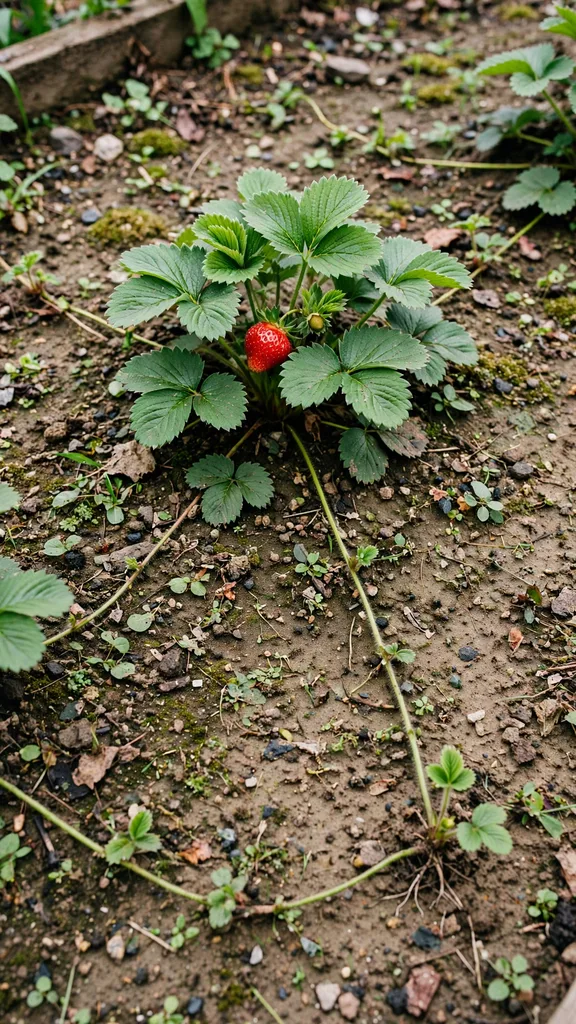
One rooted node becomes 1 new plant, and a single stolon can carry several nodes along its length. The mother plant feeds each plantlet until its roots take hold, and then the gardener cuts the stem between them. The plantlet grows on alone, a clone of its parent, with the same fruit, the same flowers, and the same habits. That is why a strawberry bed renews itself each year without seed, and why a spider plant fills a hanging basket with babies.
What a Stolon Looks Like
A stolon looks like a thin, wiry stem running along the ground, with long gaps between its leaves. At each node sits a tiny plantlet: a tuft of leaves on top and a cluster of pale roots below, reaching for the soil. The internodes, the stretches between nodes, stay bare, and they arch or creep until the plantlet touches soil. Once the plantlet is rooted, you can cut the stolon internode between the plantlet and the main stem and move the plantlet to its own spot.
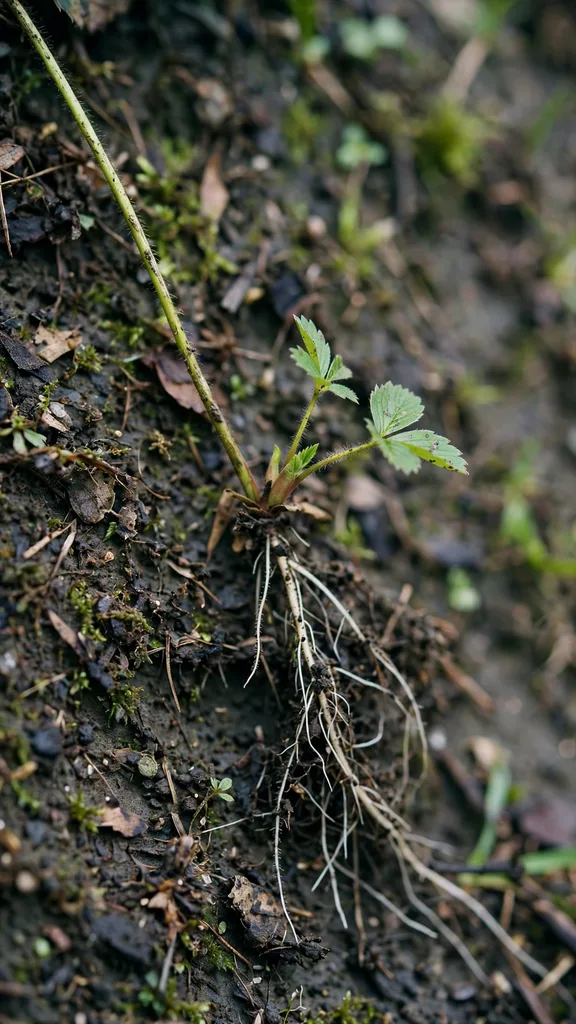
Stolons grow fastest in long days and warm weather, when the mother plant has energy to spare. A strawberry sends its runners out after fruiting, and a spider plant sends them out all summer from a hanging basket. Pin a plantlet to damp soil with a small stone or a bent wire, and it roots in 2 to 3 weeks without any help. Runners of strawberry and spider plants produce roots and develop new plantlets at particular nodes on the runner, and rooted runners can be detached from the mother plant and grown as independent plants, as the Washington State University Extension propagation publication notes. The underground version of the same trick is covered in the rhizome guide.
Stolon vs Runner
Runner and stolon name the same thing in most garden talk, and the confusion comes from the two vocabularies. Botanists say stolon, gardeners say runner, and both mean a horizontal stem that roots new plants at its nodes. The table shows where the words differ, and where they do not.
| Feature | Stolon | Runner |
|---|---|---|
| Word | Botanical term | Gardener word for the same stem |
| Position | Along or just above the soil | Along the soil surface |
| Nodes | Root and shoot at the nodes | Root and shoot at the nodes |
| Example | Strawberry, mint, grasses | Strawberry, spider plant |
| Use | Textbooks and plant keys | Seed packets and garden talk |
How to Recognize and Measure Stolon
Recognize a stolon by its nodes. A thin stem running along the soil, with a baby plant at its tip or at points along its length, is a stolon. A root never carries leaves, and a stolon always carries them at its nodes. Check the plantlet for roots: white threads reaching into the soil mean it has taken hold, and a plantlet with no roots is still living off its mother. Lift a rooted plantlet gently, and it should resist, since its own roots now anchor it.
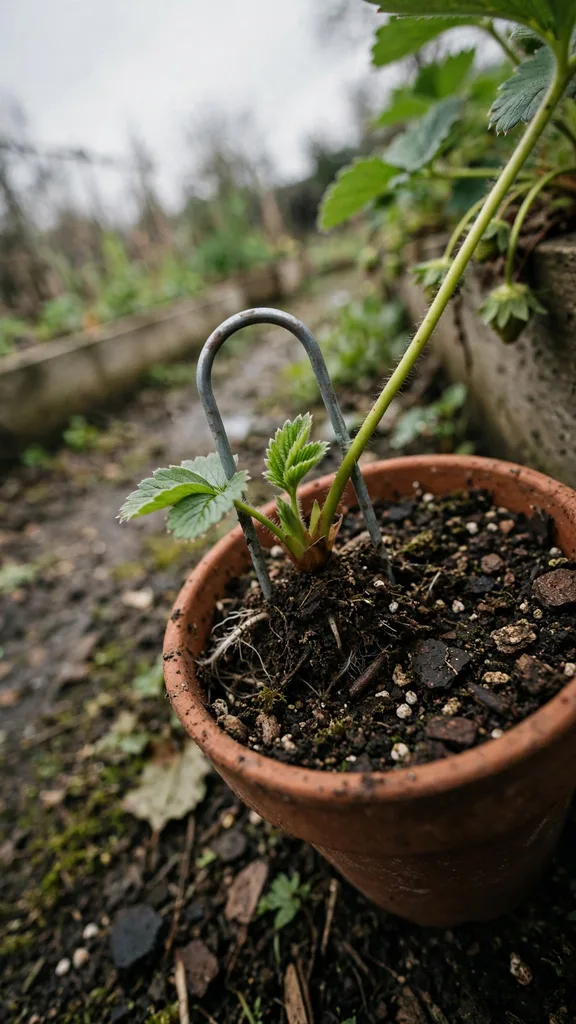
Measure the wait before you cut. A strawberry plantlet needs 2 to 3 weeks pinned to damp soil before its roots hold on their own. Cut the stem between the plantlet and the mother only after the plantlet resists a gentle tug. Count the runners per mother: 2 or 3 rooted daughters keep a bed young without starving the fruit, while a dozen runners drain the plant and shrink the crop. Snip the extra runners at the base, and the mother puts its strength back into fruit.
Common Mistakes With Stolon
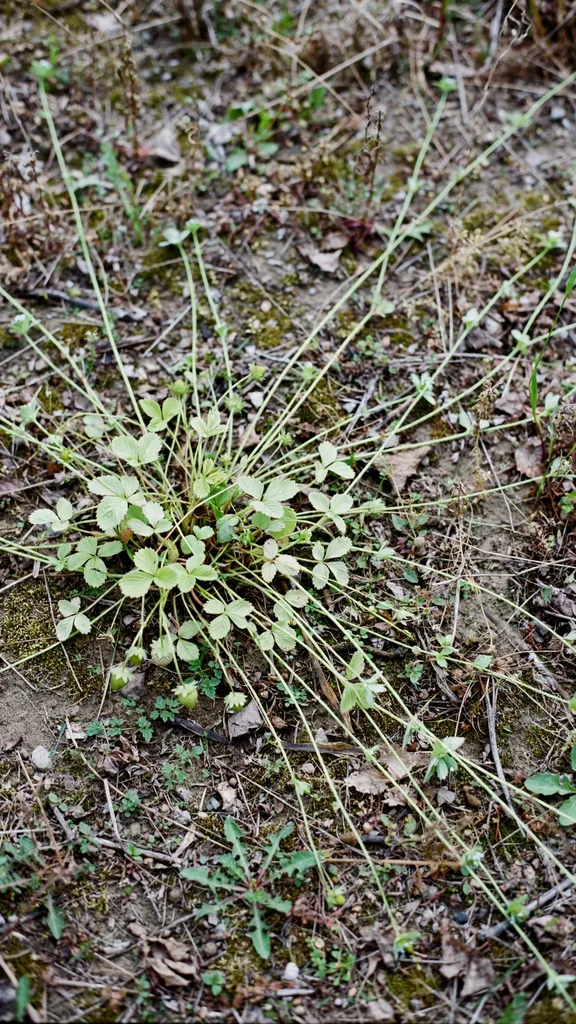
- Cutting before roots form. A plantlet cut free with no roots wilts within days. Wait until it resists a gentle tug, then cut the stem between it and the mother.
- Letting the plantlet dry. A baby plant on dry soil cannot root, and its leaves crisp in the sun. Pin it to damp soil, and water the spot until roots hold.
- Keeping too many runners. A mother feeding a dozen runners crops poorly, with small fruit and weak growth. Keep 2 or 3 runners per plant, and cut the rest at the base.
- Planting the plantlet too deep. A plantlet buried to its leaves rots at the crown. Set it at the same depth it grew, with the crown clear of the soil.
- Mixing stolon and root. A stolon is a stem, and it carries leaves at its nodes, while a root never does. Cutting a true root in the hope of a plantlet wastes a healthy plant.
When Stolon Matters in Your Garden
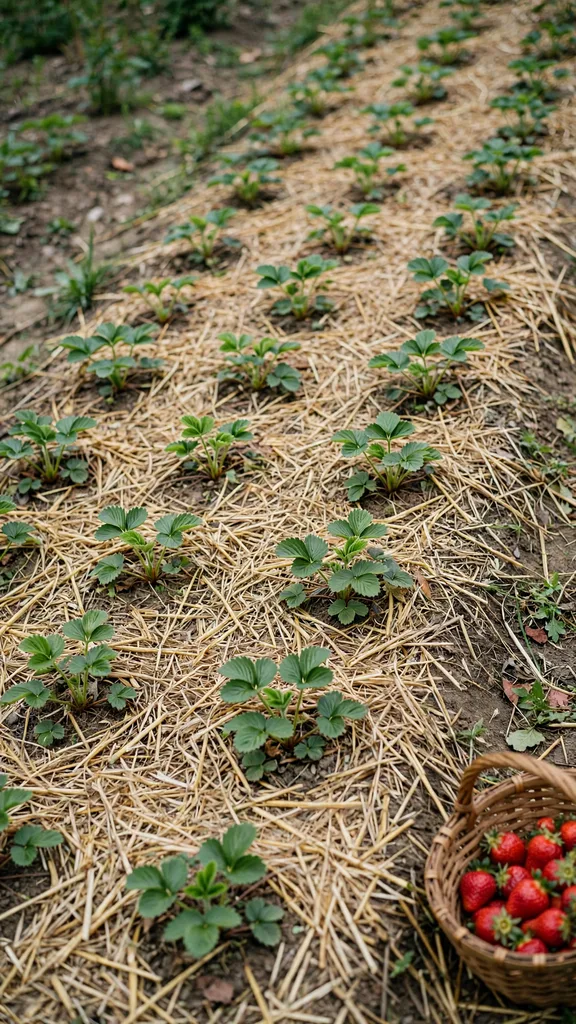
A stolon matters most after fruiting, when the strawberry bed sends out its runners and the gardener decides the next generation. Pin the strongest plantlets into pots, cut them free once rooted, and the bed renews itself without a single purchase. Clump-forming plants multiply the same way, covered in the division guide.
It matters too for groundcover and lawns, where stolons do the spreading work for free. Creeping grasses and mint fill bare ground by stolon, and a gardener who wants coverage lets them run, while one who wants control cuts them back. For the full picture of the terms in this series, see the gardening glossary.
FAQ
Yes, in garden talk. Runner is the common name for a stolon, and both mean a horizontal stem that roots new plants at its nodes. Botanists prefer stolon, and seed packets and gardeners usually say runner. The plant does not care which word you use, and the stem behaves the same either way.
Cut a runner once its plantlet has rooted and resists a gentle tug, usually 2 to 3 weeks after pinning it to damp soil. Cut the stem between the plantlet and the mother, and move the young plant to its own spot. Cut unneeded runners at the base any time, so the mother keeps its strength for fruit.
Yes. Spider plants grow stolons that dangle plantlets in the air, and each plantlet roots in water or damp mix within 2 weeks. Pin the plantlet into a small pot while it still hangs on the mother, wait for roots, then cut the stem. The baby plant grows on alone, a clone of its parent.
Yes, when there are too many. Each runner draws water and food from the mother, and a plant feeding a dozen runners crops poorly. Keep 2 or 3 runners per strawberry plant, and cut the rest. A mother with few runners fruits better and lives longer than one left to run wild.