Cut 1 apple across the middle and count 5 seed chambers in a star. A pome fruit is flesh outside, papery core inside, several seeds in the core, and the star you see when you cut one across the middle is the whole definition.
Pome fruit is the quiet half of the orchard. Apples and pears feed the household for months, and they ask for less fuss than peaches while they do it. Learn the core once and the whole group falls into place: apple, pear, quince, and a few wild cousins you will never plant.
| Point | Detail |
|---|---|
| Definition | Fleshy fruit with a papery core holding several seeds |
| Family | Rose family, apple subtribe Malinae |
| Members | Apple, pear, quince, loquat, medlar |
| Core | 5 seed chambers in a star, papery walls |
| Bloom | Later spring than stone fruit, safer from frost |
| Storage | Weeks to months in cool storage |
What Is Pome Fruit?
Pome fruit is a fleshy fruit with a papery core at its center, and the core holds several seeds in chambers. A pome is the expanded tissue around the ovary, and in plain terms we call the ovary the paper-like core of the apple or pear, according to the Purdue Extension guide to gardening terms. The same guide lists apple, pear, and quince as the pome fruits, and sets stone fruits apart as any fruit with a pit.
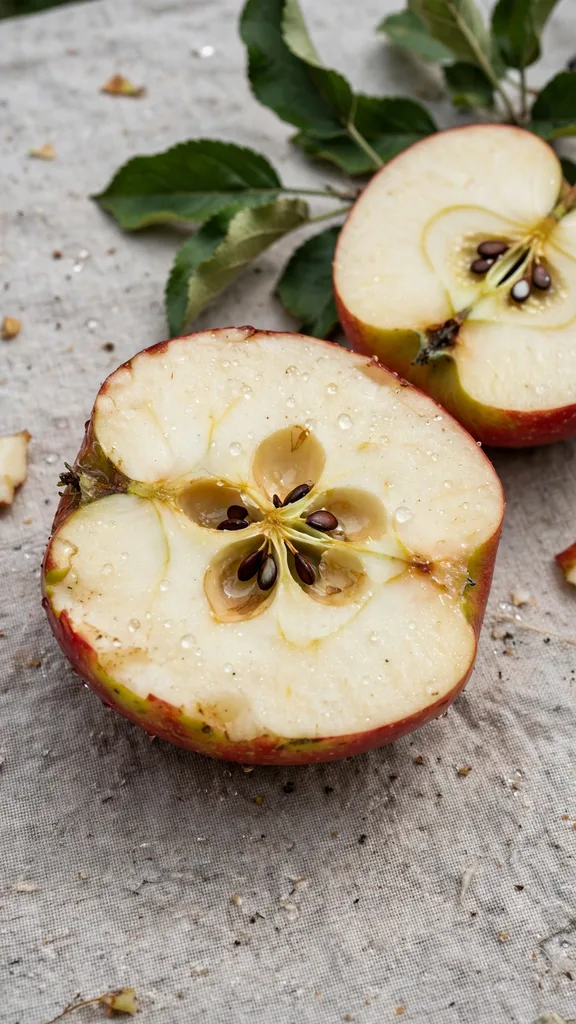
The flesh you eat is not the ovary. It is the flower base, swollen and sweetened around the true fruit in the middle. That makes a pome an accessory fruit: the edible part comes from flower tissue outside the ovary, while the core is the ovary itself. A strawberry works the same way, with its seeds on the outside. The apple hides the trick inside.
The core test is simple. Cut the fruit across the middle, through the equator, and look at the star. Five chambers, five seeds or fewer, papery walls between them. Cut it top to bottom and the star hides. The cross cut shows it every time.
What Pome Fruit Is Made Of
A pome has 3 parts, and the middle one is the giveaway. The skin wraps the fruit thin and smooth. The flesh fills most of the fruit, crisp or soft by cultivar, sweet or tart by ripeness. The core sits in the middle, a star of papery chambers holding the seeds. The Michigan State University Extension fruit pies guide states the shape plainly: an apple is a pome, a fruit that has seeds in a papery core in the center of the fruit, and pears are pomes too.
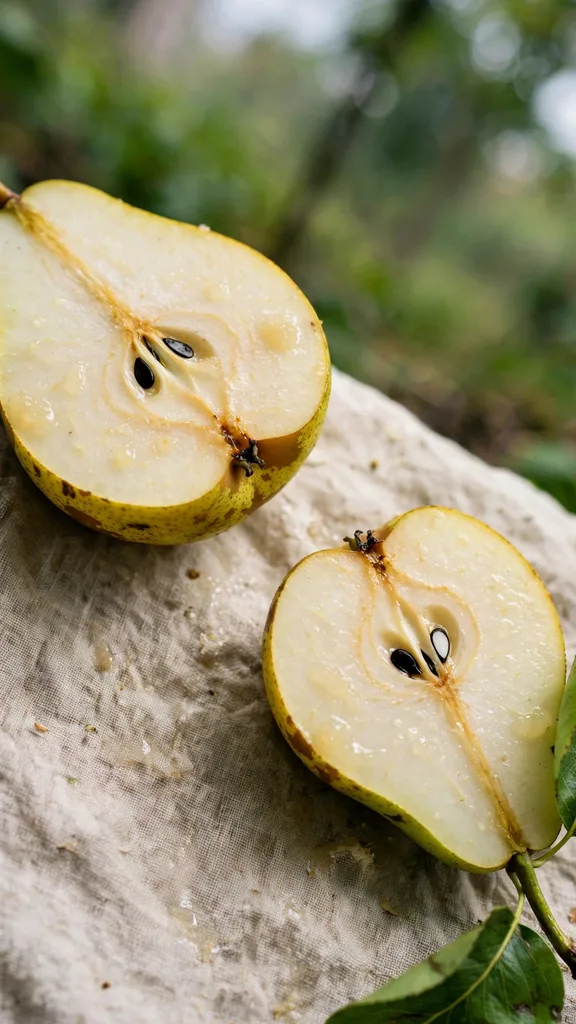
The flesh carries the flavor, and the core carries the seed. The seeds hold a bitter compound, and the papery walls keep them apart from the flesh you eat. Spit the seeds out or swallow them whole; the walls pass through, and the seeds pass with them. Chewing a mouthful of seeds is the only way the bitter compound escapes, and no cook does that by accident.
The skin decides the storage. A thin smooth skin breathes slowly, which is why an apple keeps for months in a cool shed while a peach softens in days. Wax on the skin slows the breathing further, and a bruise breaks the seal and starts the rot. Handle the fruit by the body, never by the stem alone, and the skin stays whole.
The flesh changes with the cultivar, not with the group. A Granny Smith stays sharp and crisp for months. A Bartlett pear turns soft and sweet in a week on the bench. Both are pomes. The group sets the structure. The cultivar sets the eating.
Pome Fruit vs Stone Fruit
Pome fruit and stone fruit split the temperate orchard in half, and the middle of the fruit tells you which half you hold. One hides a core. The other hides a stone. The split decides bloom time, storage life, and the pruning calendar.
| Point | Pome Fruit | Stone Fruit |
|---|---|---|
| Center | Papery core, several seeds | One hard pit, one seed |
| Cut across | 5-chamber star | Solid flesh to the pit |
| Members | Apple, pear, quince | Peach, plum, cherry, apricot |
| Bloom | Later spring | Very early spring |
| Frost risk | Lower, bloom dodges late frost | Higher, bloom meets late frost |
| Storage | Weeks to months | Days to 2 weeks |
| Learn more | This page | Stone fruit |
Bloom timing is the practical split. Stone fruit opens first and meets the last frosts head-on, while pome fruit opens later and misses most of them. A gardener in a frost pocket loses the peach bloom in most years and keeps the apple bloom in most years. The fruit in the basket follows the bloom that survived.
Storage is the second split. An apple picked in autumn eats well at Christmas, and a pear picked firm ripens on the bench for weeks. A peach picked in summer eats this week or not at all. The pome harvest feeds the winter. The stone harvest feeds the summer. Grow both and the fruit year runs long.
How to Recognise / Measure Pome Fruit
The cross cut is the first check. Slice the fruit across the equator and look for the star: 5 chambers, papery walls, a seed or two in each. A stone fruit cut the same way shows solid flesh around one pit. The cut takes 5 seconds and no book helps more than the knife does.
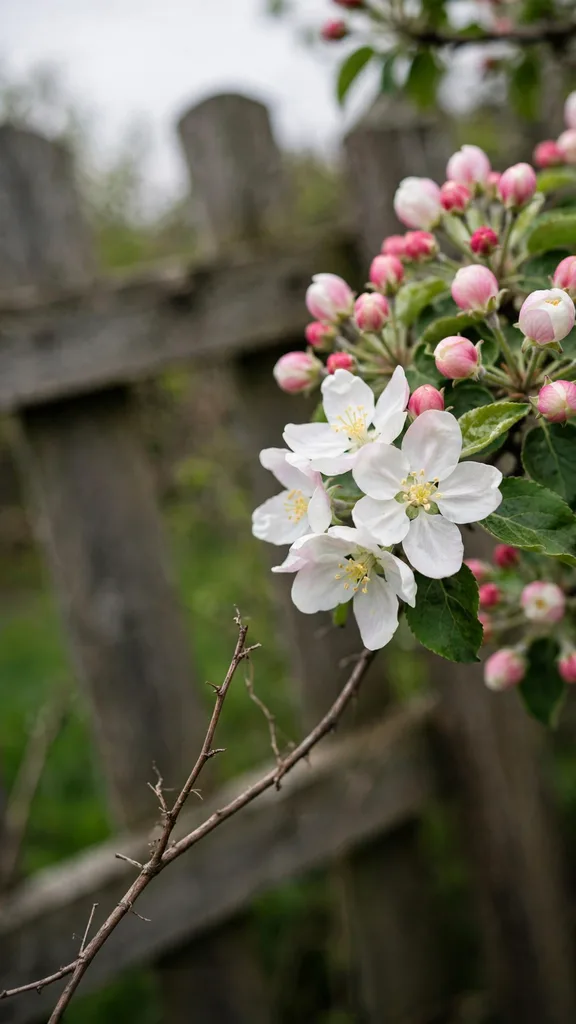
The flower test is the second check. Pome flowers open in clusters of 5 or 6 with the leaves, pink in bud and white when open, and the cluster sits at the tip of a short spur. Stone fruit flowers open in clusters of 1 to 3 on bare wood before the leaves show. The cluster size separates the groups a month before fruit forms.
Measure the chill need before you buy. Apples and pears both need winter cold to break dormancy, and the range runs wide by cultivar, so read the label, check the station total, and buy under your number. The chill hours tally that governs peaches governs them too.
Measure the crop load at thinning time. Thin apples to one fruit per cluster, spaced well apart on the branch, and the tree sizes the fruit that stays and sets buds for next year. Leave the clusters crowded and the tree grows small fruit this year and skips bloom next year. The ruler and the calendar do more for the crop than the fertilizer bag does.
Common Mistakes With Pome Fruit
The first mistake is eating the core. The core is papery and bitter, and the seeds inside it carry a bitter compound that no cook wants in a pie. Core the fruit before you cook, and slice around the core before you eat fresh. The flesh is the food. The core is the packaging.
The second mistake is picking pears like apples. An apple ripens on the tree, and a pear ripens off it. A pear picked ripe from the tree turns mealy at the center, while a pear picked firm and ripened on the bench turns buttery all the way through. Pick pears when they part from the spur with a lift and a twist, and ripen them in a bowl on the bench.
The third mistake is planting one apple and expecting a crop. Apples need cross-pollination, and a lone apple blooms hard and sets almost nothing. Plant 2 cultivars with overlapping bloom, or plant one apple beside a flowering crabapple. Partners and bloom overlap decide the crop, and the partner rules are the same ones that govern pears.
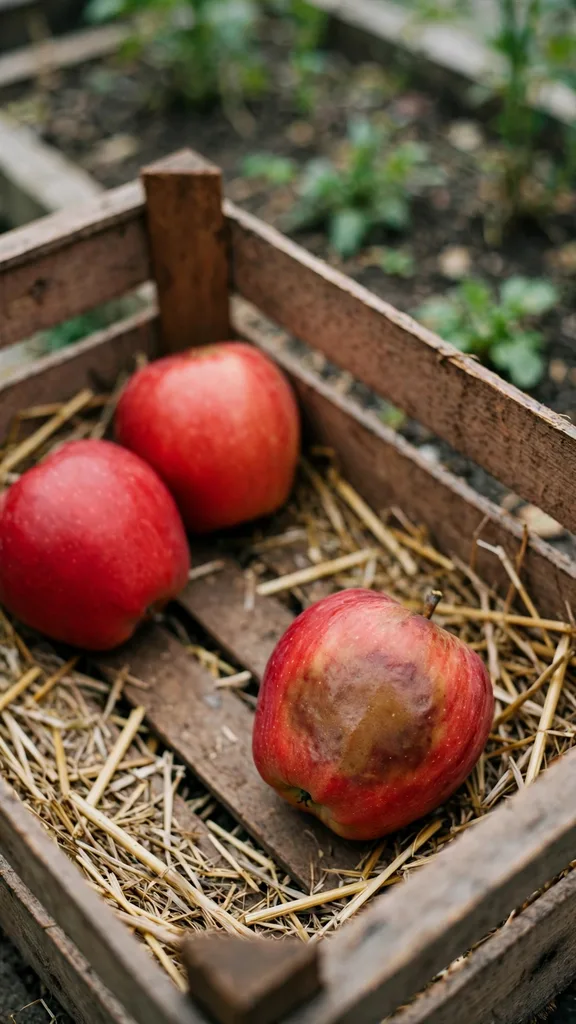
The fourth mistake is storing bruised fruit with sound fruit. One bruised apple breathes out the gas that ripens its neighbors, and the whole box turns soft in a week. Sort the harvest at picking: sound fruit to storage, bruised fruit to the kitchen. Check the stored boxes weekly and pull any fruit that softens.
The fifth mistake is pruning like a stone fruit tree. Apples and pears fruit on spurs that live for years, and a hard annual prune that suits a peach strips the spurs off an apple. Prune pome trees lightly: remove dead wood, crossing branches, and water shoots, and leave the fruiting spurs alone. The spurs are the crop.
When Pome Fruit Matters in Your Garden
Pome fruit matters most in a cold or frost-prone yard. Apples and pears bloom later than stone fruit, survive colder winters, and store for months, which makes them the backbone of the orchard where peaches gamble every spring. A gardener with one fruit tree plants an apple first.
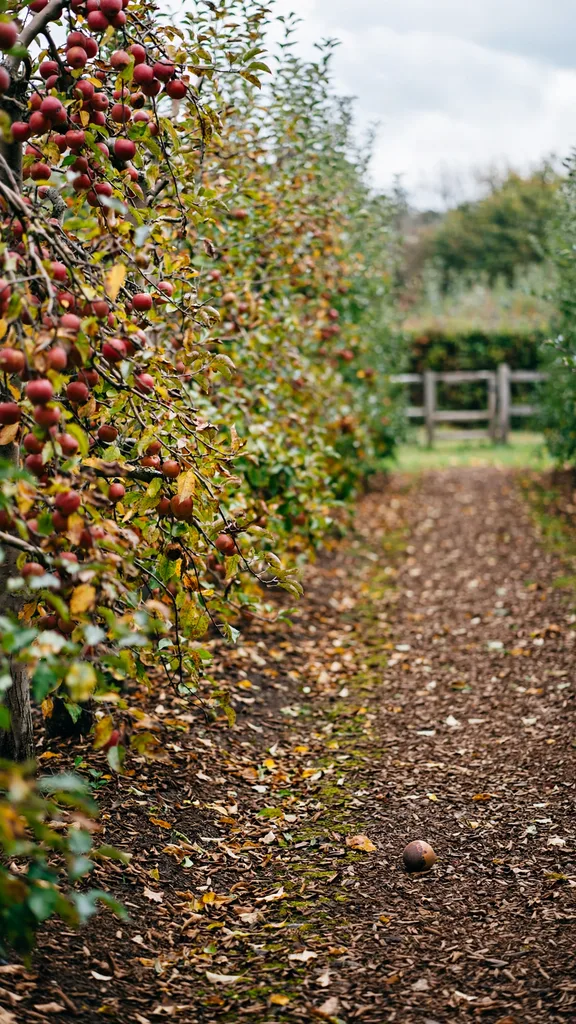
Pome fruit matters again at harvest time. The apple harvest comes in autumn, when the preserving season peaks and the cellar fills for winter. The fruit stores without a freezer, a dehydrator, or a jam pot, and a cool shed holds it for months. The storage is the feature, not the afterthought.
Pome fruit matters least in a warm frost-free yard. A gardener there grows peaches, plums, and citrus that a cold yard never ripens, and the apple is one tree among many rather than the main crop. The pome still fruits, and it still stores, but it stops being the backbone.
Pome fruit never matters as a quick crop. An apple on a standard rootstock takes years to fruit, and even a dwarf apple needs a season or two to settle. A gardener who wants fruit this year plants a peach or a berry. A gardener who wants fruit for decades plants an apple. The gardening glossary gathers every fruit term on this site in one place.
FAQ
Yes. Pears are pomes, with the same papery core and seed chambers as apples. European pears and Asian pears both belong to the group, along with quince, loquat, and medlar. The flesh texture differs: pears turn soft and buttery when ripe, while apples stay crisp. The structure is the same.
An apple core holds 5 chambers, and each chamber holds 1 or 2 seeds. Most apples carry 5 to 8 seeds in total, and some chambers sit empty. The seeds carry a bitter compound, so spit them out or swallow them whole rather than chewing them, and keep them out of the pie filling.
Yes, almost always. Apples need cross-pollination, so one apple tree with no partner sets very little fruit. Plant a second apple cultivar with overlapping bloom, or a flowering crabapple, close by. A few kinds, like Golden Delicious, set a partial crop alone and a full crop with a partner.
Pears ripen from the inside out, so a pear left to ripen on the tree turns mealy at the center before the outside softens. Pick pears while they are still firm, when they part from the spur with a lift and a twist, and ripen them on the bench. Check daily and eat them when the neck gives slightly.
Yes, with low-chill kinds. Apples and pears both need winter cold, and the range runs wide by cultivar, so pick kinds at the low end of the range. Check your station total first, and buy under your number for a safety margin.