Leave kale out through a 28-degree night and it stands while basil blackens by morning. A frost hardy plant is one that takes a hard frost without injury.
Frost hardy does not mean frost proof. A hardy plant takes cold that kills tender plants, and it still has a limit, a duration, and a condition that breaks it. Cold, wet, and wind together kill plants that cold alone would spare, and a hardy label never covers a plant that went into winter soft and unprepared.
The first frost of autumn tests the label, and that date lives in first frost date. This page stays on the plants, the cold they take, and the line where they stop taking it.
| Detail | What It Means |
|---|---|
| Frost hardy | Withstands a hard frost below 28°F |
| Frost tolerant | Withstands a light frost, 28 to 32°F |
| Tender | Injured or killed by frost, 28 to 32°F |
| Hard freeze line | 28°F or lower |
| Sweetest after cold | Root crops, when soil drops below 40°F |
What Is Frost Hardy?
A frost hardy plant withstands a hard frost, and South Dakota State University Extension puts light frost tolerance at 28 to 32 degrees Fahrenheit for beets, carrots, lettuce, and spinach, moderate freezes at 24 to 28 degrees for cole crops, with broccoli and cauliflower standing 26 degrees, and root crops growing sweeter when the soil drops below 40 degrees. The numbers draw the lines, and the plant lists fill them in.
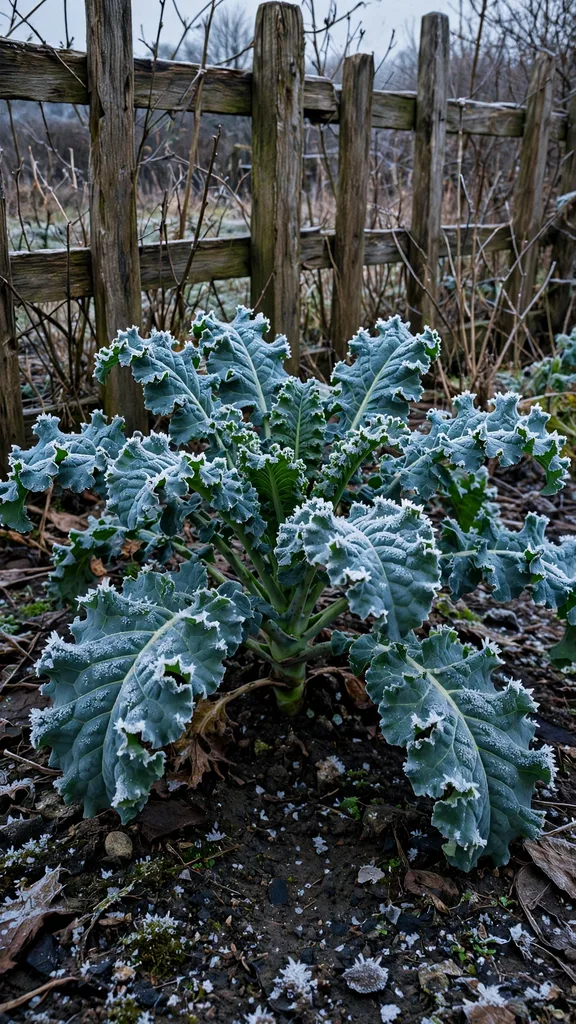
The Nebraska Extension frost guide sorts vegetables into three groups, with very hardy crops withstanding a hard frost below 28 degrees for short periods, frost tolerant crops withstanding light frosts from 28 to 32 degrees without injury, and tender crops injured or killed by frost from 28 to 32 degrees, while apples start freezing at 28 to 28.5 degrees. One thermometer reading sorts the whole vegetable garden into three fates.
Frost hardy is a property of the plant, not of the night. The same 28-degree night that kills basil leaves kale standing, and the same kale that stands in a sheltered bed can fail in an open windy one. Read the label, then read the spot.
How Frost Hardiness Works
Cold hardy plants protect themselves with sugar. As nights cool, the plant stores sugars in its cells, and the sugar lowers the freezing point of the cell sap the way salt lowers the freezing point of water. A leaf full of sugar freezes later than a leaf full of plain water, and that delay is the whole trick.
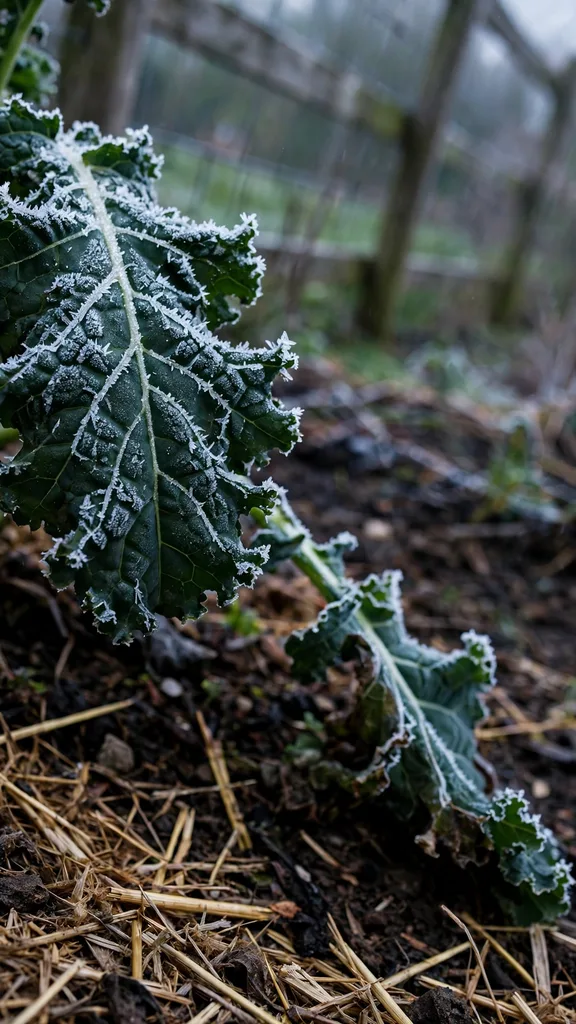
The plant also hardens off. Gradual autumn cold triggers changes in the leaves and roots, and the plant that cools slowly through fall takes far more cold than the same plant shocked by a sudden freeze. A hardy plant that never hardened, because it grew soft in a warm greenhouse, dies at a temperature its hardened twin would shrug off.
Roots run colder than tops in one way and warmer in another. Soil holds heat, so roots in the ground stay warmer than leaves in the air, and a root crop can survive a night that kills its tops. A plant in a pot loses that shelter, because the pot walls freeze through and the roots freeze with them. The same plant hardy in the ground can die in a pot on the same night.
Frost Hardy vs Frost Tender
| Detail | Frost Hardy | Frost Tender |
|---|---|---|
| Cold it takes | Hard frost below 28°F | None, damaged by light frost |
| Typical crops | Kale, spinach, broccoli, cabbage, Brussels sprouts | Tomatoes, peppers, basil, beans, squash |
| After a light frost, 28 to 32°F | Stands, keeps growing | Blackened leaves, dead plants |
| After a hard freeze, below 28°F | Stands for a short spell, slows down | Dead to the roots |
| Flavor after cold | Often sweeter, as sugars rise | No flavor left to save |
| Season | Fall and winter garden | Summer garden only |
The table is the decision. A frost hardy crop belongs in the fall garden, and a frost tender crop belongs in the summer garden, and the first frost date is the line between the two seasons. The gardening glossary lists frost hardy beside frost tender and first frost date, so the cold terms stay straight. Planting a tender crop into the hardy season wastes the seed, and pulling a hardy crop at the first frost wastes weeks of harvest.
Variety moves the line a few degrees either way, and age moves it too. A young seedling takes less cold than a mature plant of the same variety, and a plant that grew fast and soft takes less than one that grew slow and firm. The table gives the group. The plant in front of you gives the rest.
How to Recognise Frost Hardy Plants
Read the tag first. A tag that says hardy, frost hardy, or cold hardy names the group, and a tag that says tender names the other one. Seed catalogs list the group beside the variety, and the group is the first thing to check before the days to maturity.
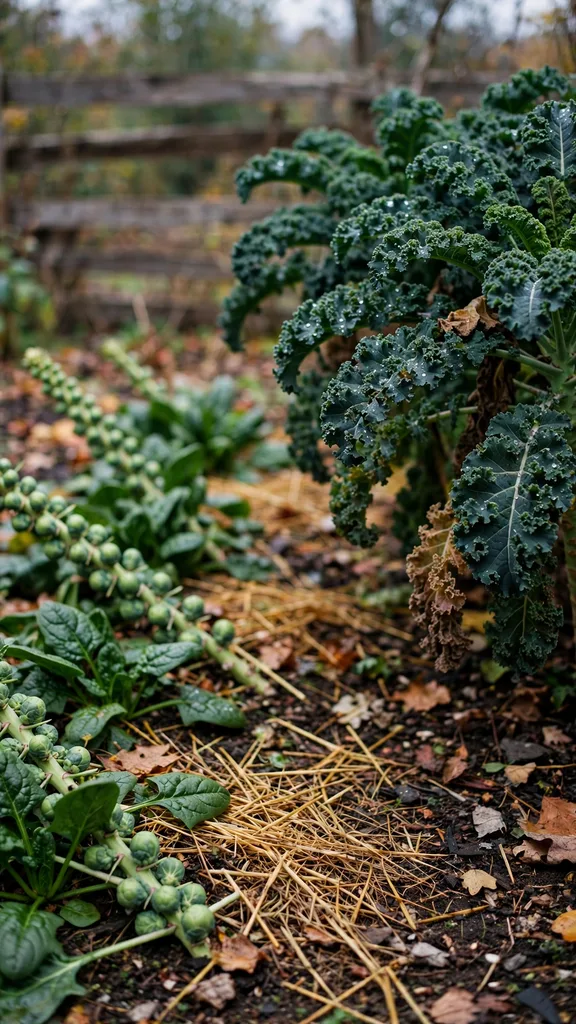
Look at the leaves. Hardy greens grow thick, waxy, or low leaves that shed cold air, and tender plants grow thin, soft, watery leaves that blacken at the first frost. The leaf tells the story before the thermometer does.
Watch one plant through the first frost. A hardy plant stands the morning after a 28-degree night with its leaves up, and a tender plant hangs black and limp by breakfast. One frost night teaches more than a catalog page, and the plants that stand are the ones to plant again.
Common Mistakes With Frost Hardy
Assuming hardy means immortal is the first mistake. A hardy plant takes a hard frost for a short spell, and a long deep freeze still kills it. Duration matters as much as temperature, and a plant that survives one cold night can die in a cold week.
Skipping the hardening is the second. A plant moved straight from a warm house to a freezing garden dies at a temperature its hardened twin would take, because the sugars never built up. Harden plants off with gradual cold, and the label starts to mean something.
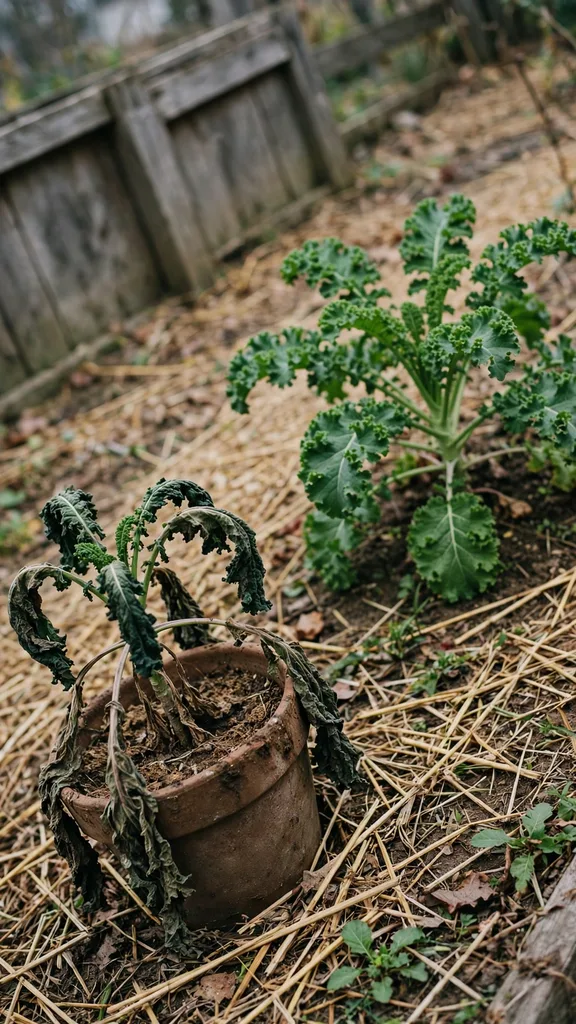
Forgetting the pot is the third. Roots in the ground stay warmer than leaves in the air, and roots in a pot freeze through on the same night. A kale that stands in the ground can die in a pot beside it, and the gardener blames the variety instead of the container.
Harvesting wrong after the freeze is the fourth. Some hardy crops sweeten after frost and keep for weeks, and some turn soft and spoil once thawed. Harvest root crops before a deep freeze if you plan to store them, and leave the standing greens to pick through the cold.
When Frost Hardy Matters in Your Garden
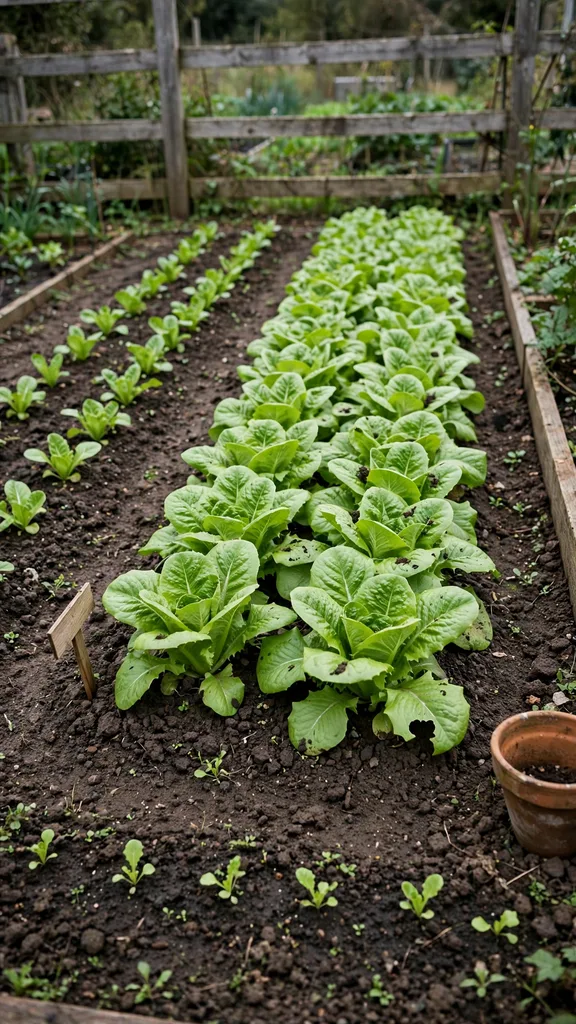
Frost hardy matters most in the fall garden. Kale, spinach, broccoli, cabbage, and Brussels sprouts keep growing after the first frost, and they turn the end of summer into the start of a second season. A garden with hardy crops harvests for months past the date tender crops die.
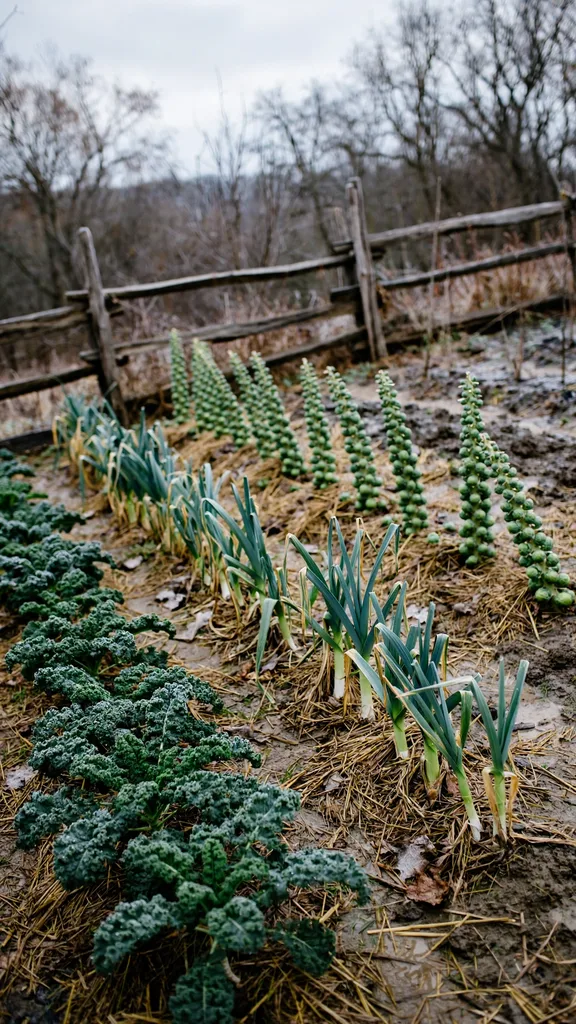
It matters when winter comes early. A sudden cold snap kills tender plants overnight, and the hardy crops beside them stand through it and keep the garden alive. The hardy bed is the insurance policy, and it pays out on the first cold night.
It matters when you push a zone. A plant rated for a colder zone than yours survives your winter, and a plant rated for a warmer zone needs your warmest pocket to live. Cold hardiness and hardiness zone answer different questions, and a plant needs both answers to be right.
FAQ
A hard frost below 28 degrees Fahrenheit slows hardy plants without killing them, and a long deep freeze below that line will kill even the toughest kinds. Cole crops like broccoli, cabbage, and kale stand moderate freezes from 24 to 28 degrees, and the very hardiest keep going into the low 20s. Duration matters as much as temperature, and a cold week kills plants that a cold night spares.
Yes. Snow insulates, and a blanket of snow holds the soil near freezing while the air above it drops far colder. Hardy greens under snow often come through a hard winter in good shape, and the damage comes from freeze and thaw cycles, not from the snow itself. Clear the snow gently if you need to pick, and let the rest lie.
Sometimes. A row cover or a cold frame on the coldest nights keeps hardy crops growing longer, and mulch around the roots holds soil warmth through a freeze. Protection stretches a hardy one further. A covered kale bed can harvest weeks past an uncovered one.
Kale, spinach, collards, Brussels sprouts, broccoli, cabbage, leeks, and parsnips rank among the hardiest vegetables, standing hard frosts below 28 degrees and often tasting sweeter after cold nights. Root crops like carrots, turnips, and beets hold in the ground through light freezes, though their tops may die back while the roots survive.
Yes, for many hardy crops. Cold nights push the plant to store sugars in its cells, and the sugar both protects the cells from freezing and sweetens the leaf or root. Kale, Brussels sprouts, carrots, and parsnips all taste sweeter after a frost or two. Tender crops never get the chance, because the same frost kills them first.