Spend 7 days watching one bed from breakfast to dinner before you plant tomatoes there. A full sun spot is the 6-hour line that decides whether fruiting plants set fruit or sulk through summer.
Direct sun means the sun reaches the leaves without a tree, a building, or a fence in the way. Bright shade does not count. A bed can look bright all day and still starve a tomato, because brightness without direct rays never adds up to full sun.
Partial shade is a different job, and that softer light lives in partial shade. This page stays on the bright bed, the hours that clear the line, and the plants that use them.
| Detail | What It Means |
|---|---|
| Full sun | 6 or more hours of direct sun each day |
| Partial sun | 4 to 6 hours of direct sun each day |
| Shade | Under 4 hours of direct sun each day |
| Split hours | Hours can split across the day and still count |
| Best for | Tomatoes, peppers, squash, roses, lavender, most herbs |
What Is Full Sun?
Full sun means a spot receives 6 or more hours of direct sunlight per day, and those hours can split across the day, so 4 hours in the morning plus 2 in the afternoon still clears the line, according to the University of California Master Gardener light definitions. The count is direct sun only. Dappled light through leaves and bright reflected light never enter the total.
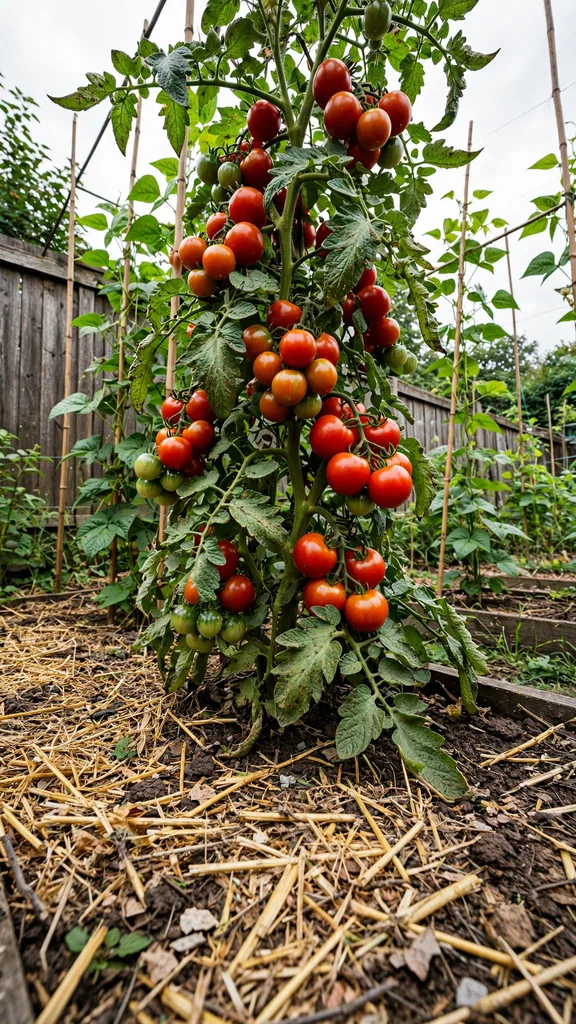
The Alabama Extension sun guide sorts garden spots into three bands, with full sun at 6 or more hours, partial sun at 4 to 6, and shade under 4. That banding is the working rule behind most plant tags. A tag that says full sun asks for the top band, nothing less.
Six hours is a floor, not a target. Many fruiting plants do their best work with 8 or more, and a bed that clears the line by one hour in June can fall short in September as days shorten. The gardening glossary puts full sun beside the other light terms, so the bands stay straight when tags use different words for the same light.
How Full Sun Works
Sunlight drives photosynthesis, the process that turns light, water, and carbon dioxide into plant food. More direct light means more food, up to the point where heat and dry soil start costing the plant more water than the light repays. That trade is why a full sun bed grows fast and dries fast in the same week.
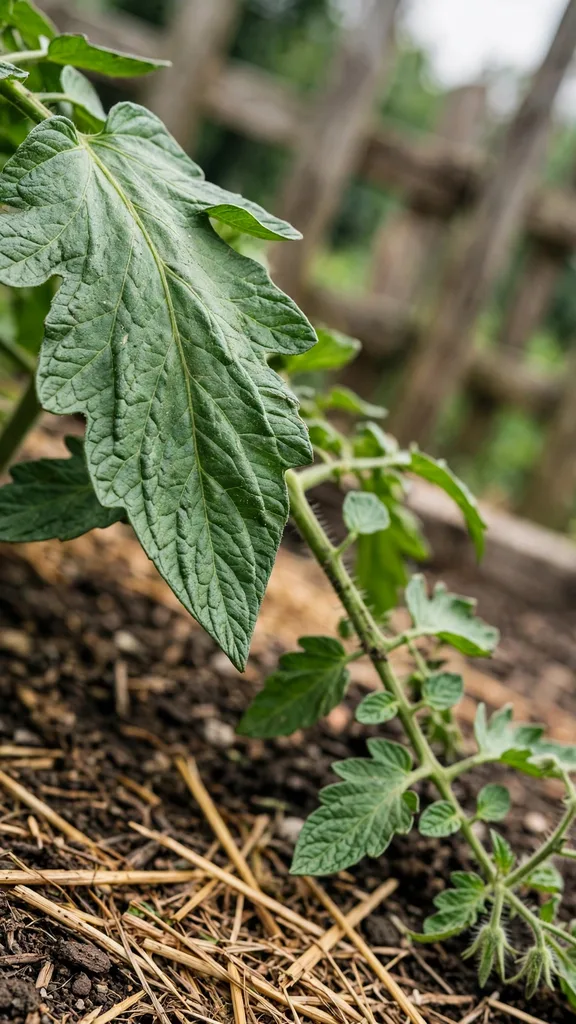
Morning sun arrives cool and gentle. Afternoon sun arrives hot and hard, and it dries soil and scorches thin leaves faster than morning sun at the same hour count. A bed with 6 hours of morning sun grows a different garden than a bed with 6 hours of afternoon sun, even though both clear the line on paper.
The sun path shifts through the season. A bed that catches full sun in June can sit in a fence shadow by September, because the sun rides lower and the shadows stretch longer. Judge a bed in the season you plan to use it, and judge it again when the season turns.
Full Sun vs Partial Shade
| Detail | Full Sun | Partial Shade |
|---|---|---|
| Direct sun hours | 6 or more each day | 3 to 6 each day |
| Best sun timing | Any part of the day | Morning sun, with afternoon protection |
| Best plants | Tomatoes, peppers, squash, roses, lavender | Lettuce, spinach, hostas, ferns, impatiens |
| Failure in the wrong spot | Leggy stems, few flowers, no fruit | Scorched leaves, wilt, stalled growth |
| Soil | Dries fast, needs mulch and steady water | Stays moist longer, needs less water |
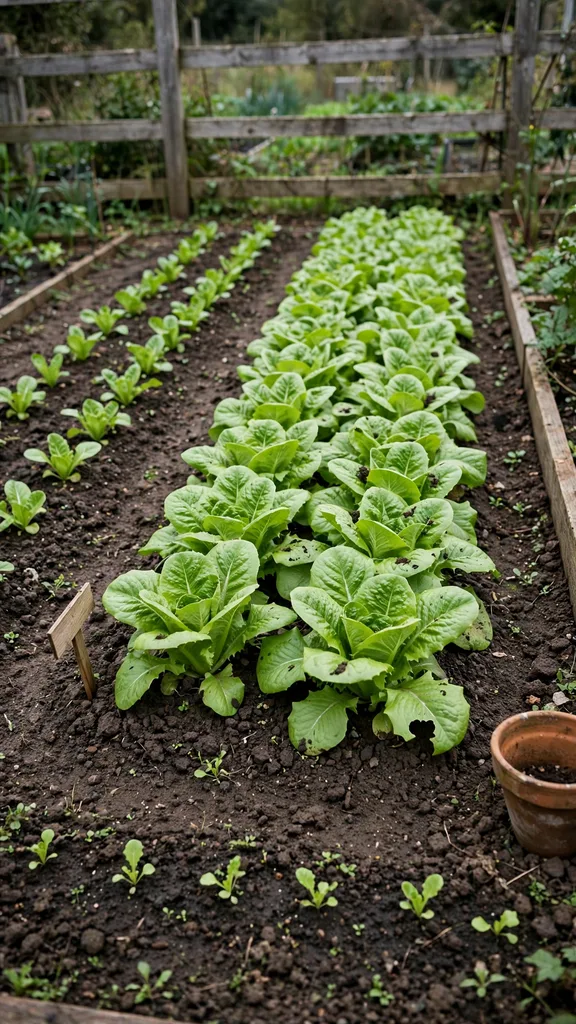
The two terms share a border at 6 hours, and that border is where most mistakes happen. A bed at 5 hours is partial shade, even if it feels sunny at noon, and a tomato planted there will flower and then drop its blooms. A lettuce planted in 8 hours will bolt and turn bitter while the same variety in partial shade stays sweet for weeks.
Read the tag, then read the bed. Tags describe what the plant wants. The bed describes what the plant gets. When the two disagree, the bed wins, and the plant pays.
How to Measure Full Sun in Your Garden
Pick a clear day and watch one bed. Note the hour the sun first strikes the soil, note the hour the shadow returns, and add the hours between. Do the same on a second clear day, because one cloudy morning can cut the count in half and lie about the bed.
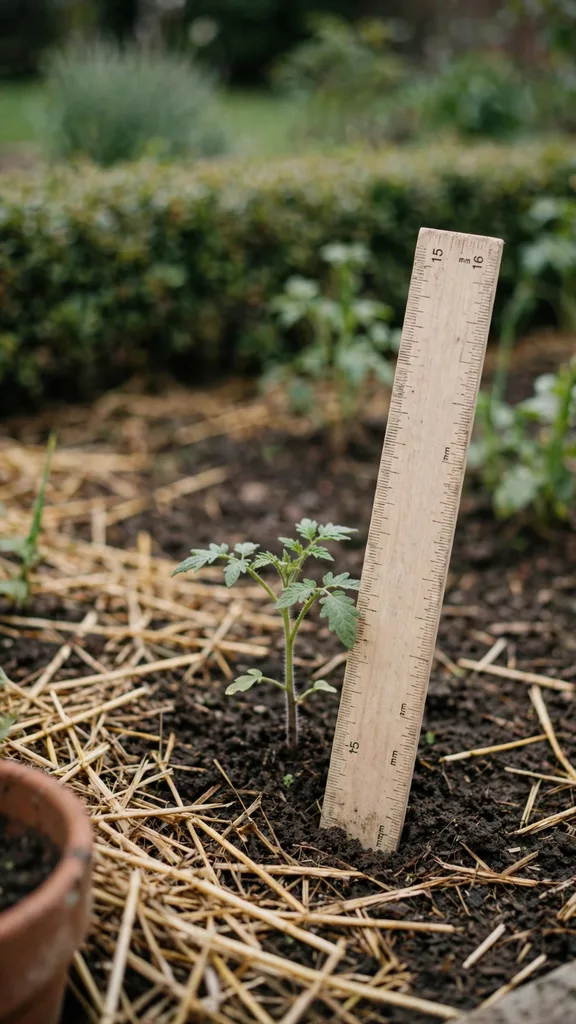
Phone photos with timestamps do the same job without a notebook. Stand in the same spot at breakfast, midday, and late afternoon, and photograph the bed each time. Sun on the soil in the photo means direct sun at that hour. Shade in the photo means the hour does not count.
Measure in the season you will plant. A spring reading flatters a bed that a summer tree shades, and a summer reading flatters a bed that autumn shadows swallow. Two readings, one in the planting season and one a month later, tell the truth about the spot.
Common Mistakes With Full Sun
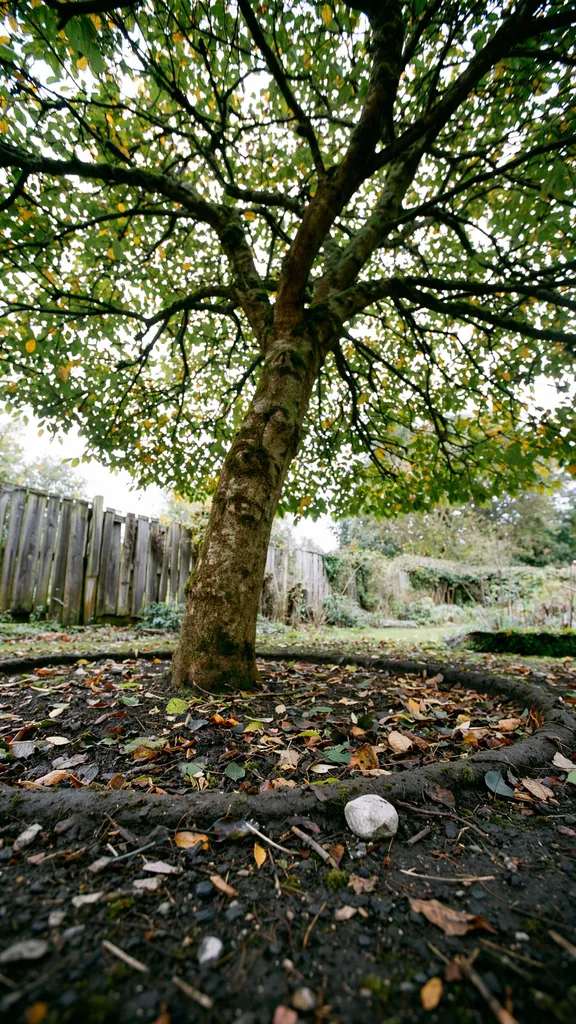
Counting bright shade as sun is the first mistake. A bed under a thin tree canopy looks bright, but the leaves filter the rays, and the hours under that canopy never count toward the 6. Full sun means open sky above the leaves.
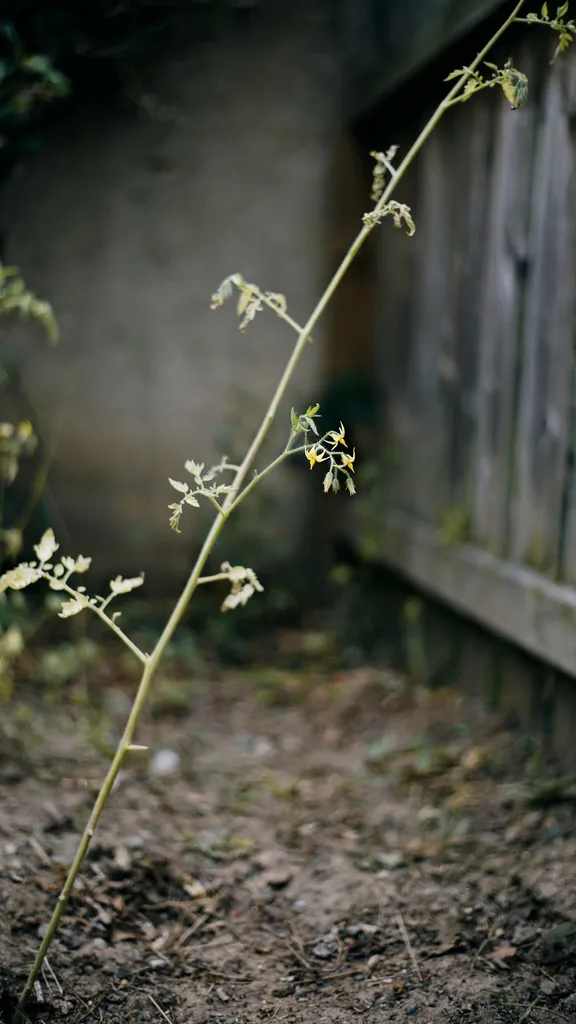
Counting daylight instead of direct sun is the second. A bed can sit in daylight for 12 hours and receive direct sun for only 4, because a house, a fence, or a hedge blocks the rays for most of the day. Daylight is not a measurement. Direct sun is.
Trusting one June reading is the third. The sun rides high in June and low in September, so shadows move. A bed measured once in midsummer can lose 2 hours by the time fall crops go in, and the fall planting pays for the summer reading.
Planting against a hot wall without extra water is the fourth. Brick and concrete store heat and throw it back at the leaves, so a full sun bed beside a wall dries faster than the same bed in open ground. Mulch thick, water deep, and check the soil with a finger before you blame the variety.
When Full Sun Matters in Your Garden
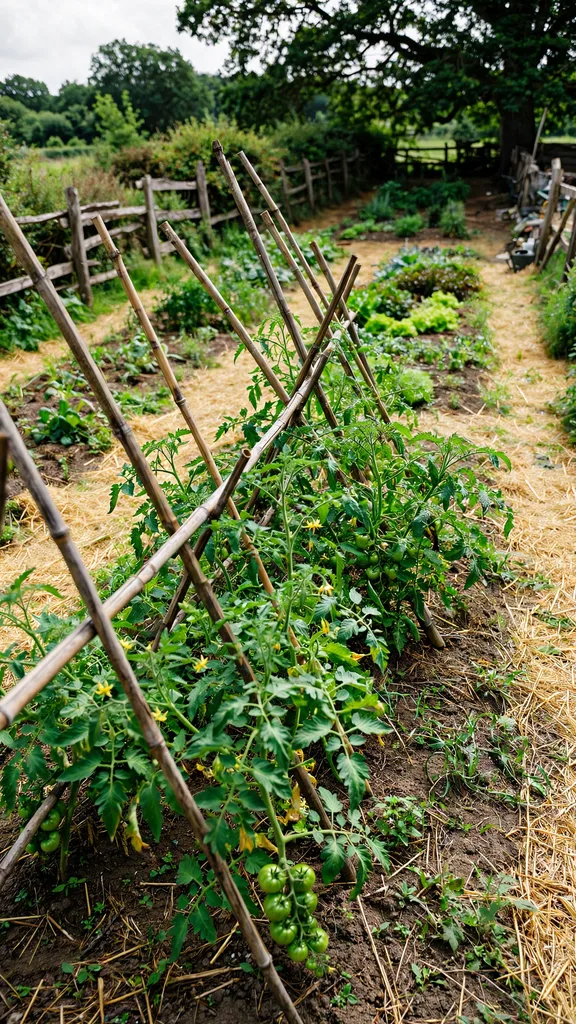
Full sun matters most when you choose a bed for fruiting plants. Tomatoes, peppers, squash, cucumbers, and eggplants set fruit on light, and a short bed gives you leaves and flowers with little to show for them. Give the sunniest bed to the plants that pay in fruit.
It matters when you buy plants, too. A rose or a lavender bought for a 4-hour bed will never reach the size on its tag, and no amount of feed closes a 2-hour light gap. Match the tag to a measured bed before the plant leaves the nursery.
It matters when you lay out a new garden. Put the sun lovers in the open south bed and the leafy greens where the afternoon shade falls, and the same yard grows two gardens instead of one compromise. Sun hours and hardiness zone answer different questions, and a plant needs both answers to be right.
FAQ
No. Full sun means 6 or more hours of direct sun a day, not sun from dawn to dusk. A bed with 4 hours in the morning and 2 in the afternoon clears the line, and many plants do best with 6 to 8 hours rather than a full day of hard sun. All-day sun can scorch leaves and dry soil faster than the plant can drink.
Yes. A full sun plant in a hot, dry, reflective spot can scorch, wilt, and stall even though the light level is right. Brick walls, pale paving, and thin dry soil push heat back at the leaves, and young transplants suffer first. Mulch, deep watering, and afternoon shade for new plants keep a sunny bed from turning harsh.
Morning sun counts toward the 6 hours, and it is gentler than afternoon sun, so a bed with 6 hours of morning light suits many plants well. The catch is heat. Fruiting plants in cool climates often want some afternoon sun too, because morning-only beds stay cooler and ripen fruit more slowly. Count the hours first, then watch the heat.
Watch the bed on a clear day and note the hour the sun first hits the soil and the hour the shadow returns, then add the hours. Phone photos with timestamps at breakfast, midday, and late afternoon do the same job. Repeat the check on a second clear day and in the season you plan to plant, because one reading can flatter the bed.
Tomatoes, peppers, squash, cucumbers, eggplants, roses, lavender, sunflowers, and most herbs grow best in full sun, because they turn strong light into flowers and fruit. Leafy greens, hostas, and ferns prefer less light and bolt or scorch in a hot open bed. Match the plant to a measured bed, and the tag stops being a guess.