Give one bed 3 hours of morning sun and shade from 2 pm, and lettuce stays sweet for weeks. Partial shade is the 3-to-6-hour band between full sun and full shade.
Partial shade means direct sun for part of the day and shelter for the rest. The sun usually arrives in the morning, when it is cool and gentle, and the shade arrives in the afternoon, when the heat would scorch thin leaves. A bed that catches the morning and misses the afternoon grows a different garden than a bed with the same hours in reverse.
Full sun is a different job, and that bright bed lives in full sun. This page stays on the softer bed, the hours that count, and the leafy plants that prefer them.
| Detail | What It Means |
|---|---|
| Partial shade | 3 to 6 hours of direct sun each day |
| Full sun | 6 or more hours of direct sun each day |
| Full shade | Under 3 hours of direct sun each day |
| Best timing | Morning sun, with afternoon protection |
| Best for | Lettuce, spinach, hostas, ferns, impatiens |
What Is Partial Shade?
Partial shade means a spot receives 3 to 6 hours of direct sun a day, with full shade under 3 hours, and hostas hardy in Zones 3 to 9, according to the University of Vermont Extension shade guide. The hours matter more than the label. A bed at 4 hours is partial shade even if the tag on the plant says part sun, and a bed at 2 hours is full shade even if it looks bright at noon.
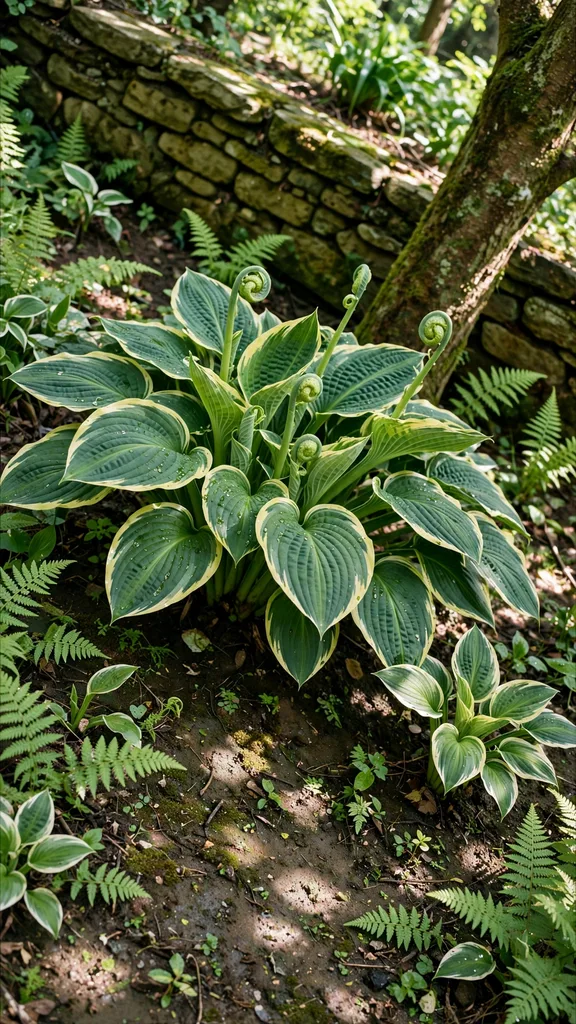
Timing carries its own rule. The University of Florida IFAS Extension answer puts partial shade at 3 to 6 hours of sun each day, preferably morning and early afternoon sun, with protection starting around 2 pm and running through the 5 pm hour. Morning sun feeds the plant. Afternoon shade saves it.
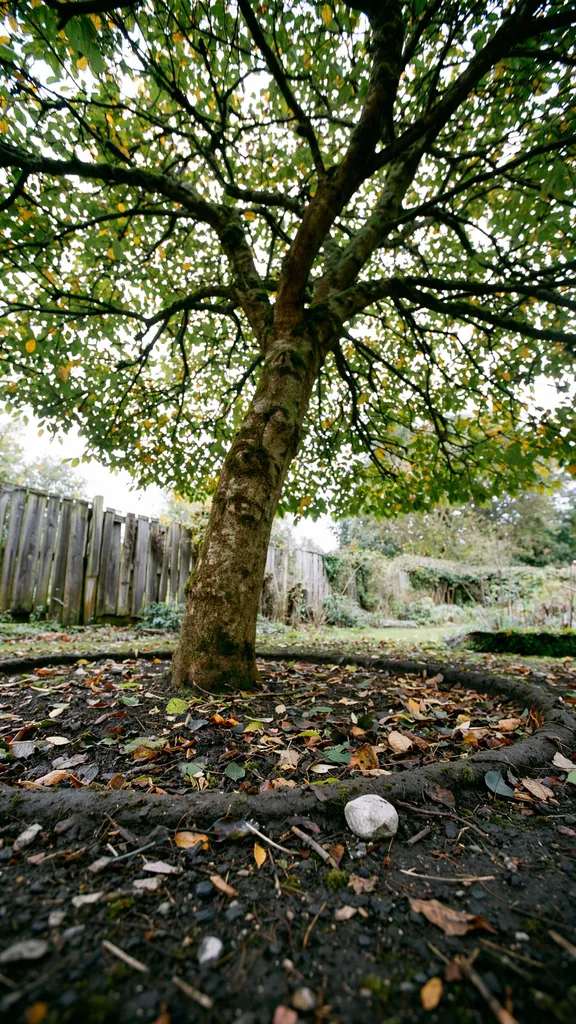
Dappled light counts differently. Sun filtered through leaves all day gives brightness without direct rays, and a plant that needs partial shade may still starve there. Count direct sun only, the hours when the sun strikes the leaves without a leaf, a branch, or a wall in the way.
How Partial Shade Works
Less direct sun means less photosynthesis, so a plant in shade grows more slowly and flowers less than the same plant in full sun. The trade is water and heat. Cooler soil holds moisture longer, leaves lose less water to the air, and a lettuce head stays crisp instead of bolting at the first hot week.
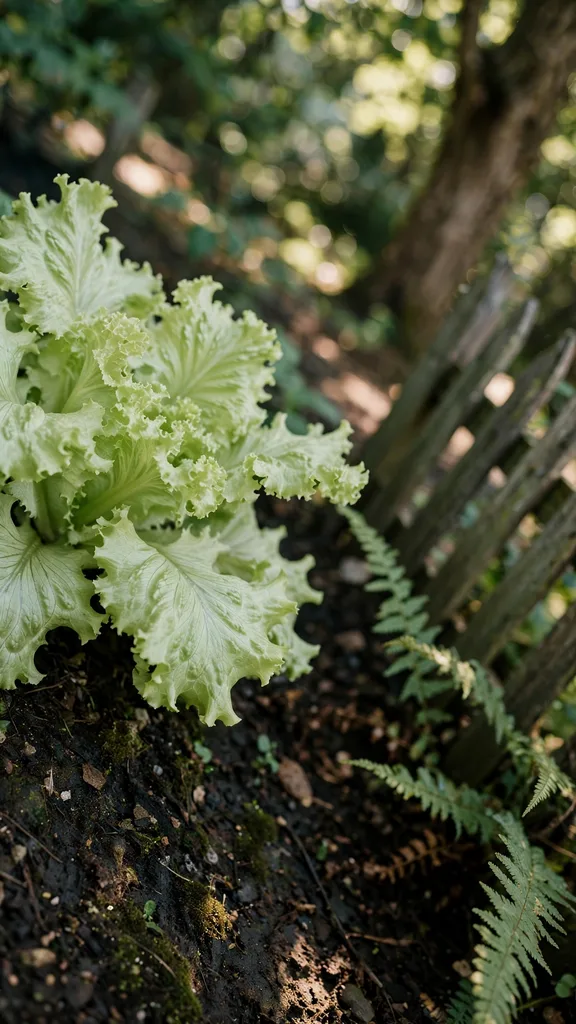
Leaves adapt to the deal. Shade leaves grow broader and thinner to catch what light arrives, and they scorch fast when a hot afternoon breaks through. That is why the afternoon protection matters more than the morning hours. Morning sun builds the plant. Afternoon sun burns it.
Soil stays cooler in partial shade, and cool soil changes the watering rhythm. A shaded bed can go days longer between waterings than a sunny bed in the same yard, and watering it on the sunny bed schedule drowns the roots. Check the soil with a finger before you water a shaded bed.
Partial Shade vs Partial Sun
| Detail | Partial Shade | Partial Sun |
|---|---|---|
| Direct sun hours | 3 to 6 each day | 3 to 6 each day |
| Best sun timing | Morning sun, afternoon protection | Morning sun, tolerates some afternoon sun |
| Shade source | Tree, wall, or building blocks midday sun | Open sky, with shade only at the edges of the day |
| Best plants | Hostas, ferns, lettuce, spinach, impatiens | Heuchera, astilbe, hydrangea, leafy greens |
| Failure in the wrong spot | Scorched leaves, wilt, stalled growth | Leggy stems, few flowers, pale leaves |
The two terms share an hour band and split on timing. Partial shade wants shelter from the hard afternoon sun. Partial sun tolerates some of it. Nurseries use the two labels loosely, and the same plant can carry either label at different nurseries, so read the hours on the tag and read the bed before you decide.
When a tag says part sun and your bed gives afternoon shade, the plant still grows. The gardening glossary lists partial shade beside full sun and full shade, so the bands stay straight when tags use different words. When a tag says partial shade and your bed gives 5 hours of afternoon sun, the plant burns. Timing decides the match, not the label.
How to Measure Partial Shade in Your Garden
Watch the bed on a clear day and note the hours of direct sun. Note the hour the sun first strikes the leaves, note the hour the shade returns, and add the hours between. Three hours clears the floor for the band. Six hours is the ceiling, and a bed past 6 is full sun, whatever the tag says.
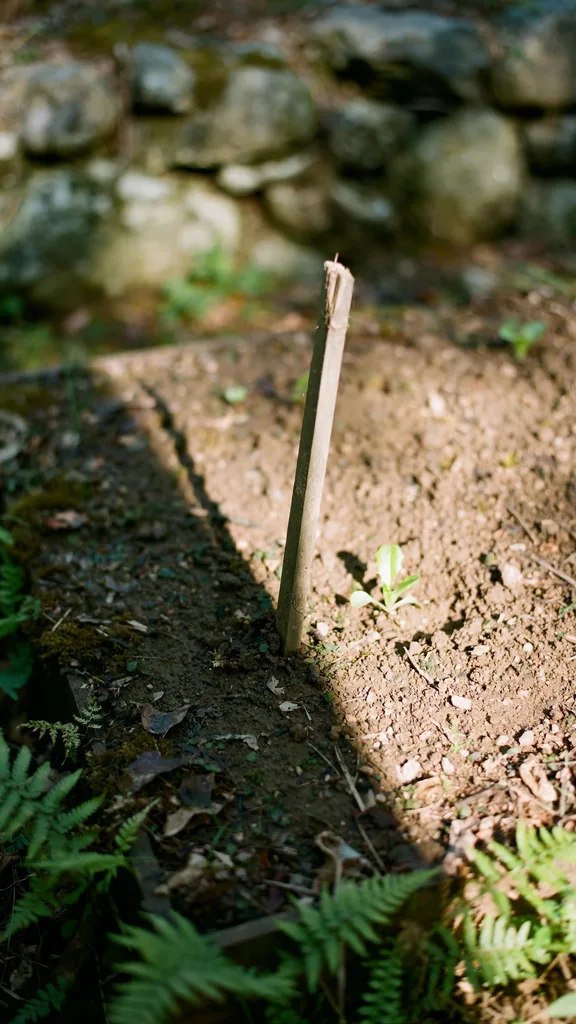
Note which hours those are. Morning sun from 8 am to 11 am suits a shade plant. Afternoon sun from 2 pm to 5 pm punishes it, even at the same hour count. Write down the clock hours, not just the total, because the total hides the timing.
Dappled light needs its own note. A bed under a thin canopy can look lit all day while receiving no direct sun at all, and that bed is full shade, not partial shade. If the sun never strikes the leaves directly, the hours total is zero, and only true shade plants belong there.
Common Mistakes With Partial Shade
Calling dappled shade partial shade is the first mistake. A bed under a tree can glow all day and still give a plant no direct sun, and a hosta planted there thrives while a heuchera planted there fades. Measure direct sun, not brightness.
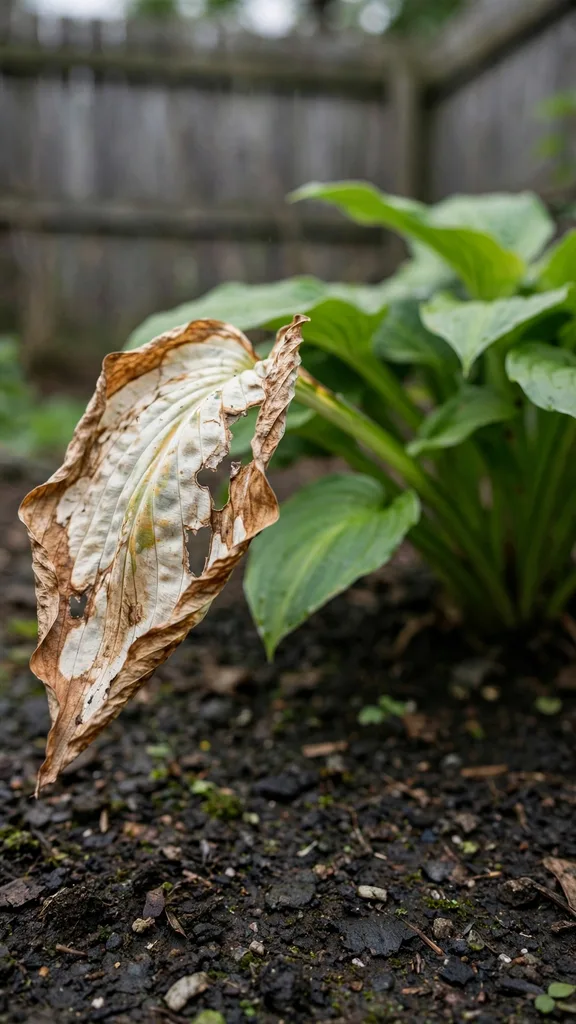
Planting sun lovers in a shaded bed is the second. Tomatoes and roses in 4 hours of light grow tall and thin, flower late, and set little fruit, and no amount of feed closes the light gap. Give the shaded bed to plants that want it.
Watering shade like sun is the third. Shaded soil stays damp longer, and a bed watered on a sunny schedule turns soggy. Soggy soil rots roots and invites slugs, and the plant that looked thirsty was only cool and slow. Check the soil before you water.
Forgetting the afternoon is the fourth. A bed that reads 4 hours in spring can read 6 hours of hard afternoon sun in summer as the sun path shifts, and the shade plants that thrived in May scorch in July. Measure again when the season turns.
When Partial Shade Matters in Your Garden
Partial shade matters most on the north and east sides of a house, where the building blocks the afternoon sun and the morning sun still arrives. Those beds grow the leafy greens and shade flowers that would bolt or scorch in the open, and they turn a dull side of the house into a working garden.
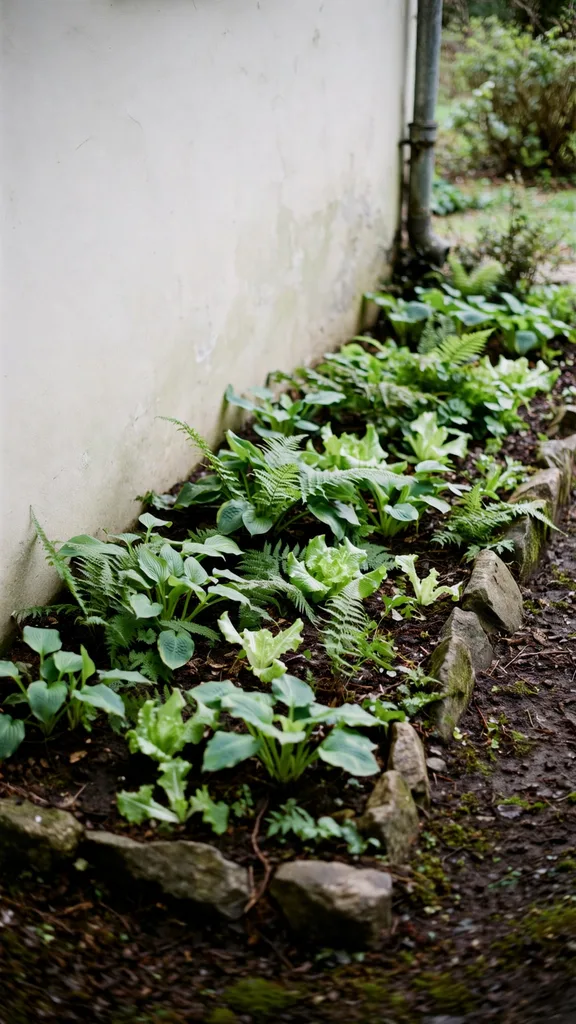
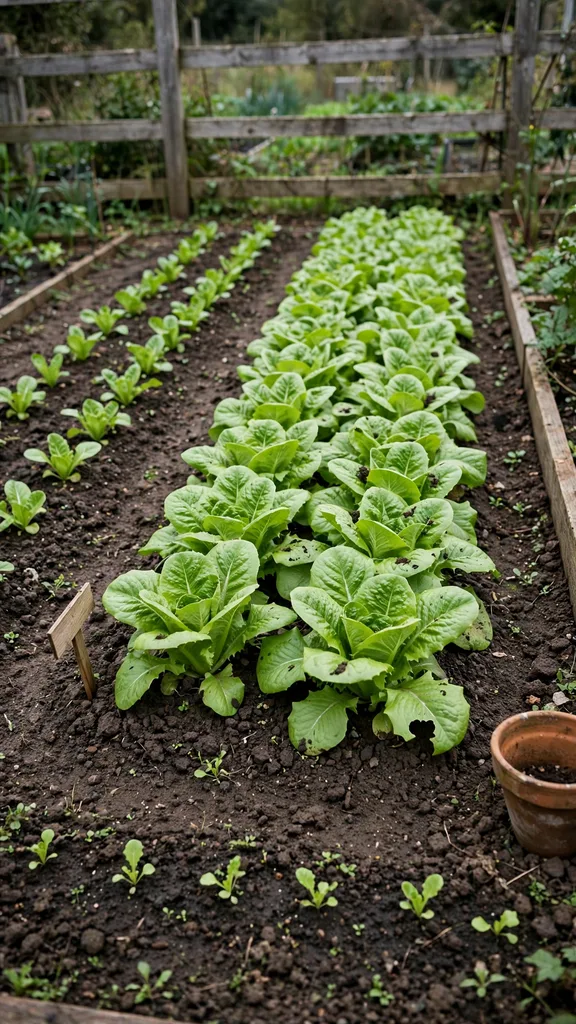
It matters in hot climates, where afternoon shade saves plants that full sun would burn. A lettuce bed with morning sun and afternoon shade keeps producing through summer while the same lettuce in open sun bolts in a week. Shade is a tool for stretching the season, not just a limit.
It matters in a small yard, where every bed has a different light. Map the hours bed by bed, and the yard stops being one garden with one light level. It becomes a set of beds, each with its own plants, and the shade beds earn their keep beside the sunny ones. Light and hardiness zone answer different questions, and a plant needs both answers to be right.
FAQ
Both terms cover 3 to 6 hours of direct sun a day, and they split on timing. That light wants morning sun with protection from hard afternoon sun, usually from around 2 pm. Partial sun tolerates some afternoon sun. Nurseries use the labels loosely, so read the hours and the timing on the tag, then match them to your bed.
Yes. Lettuce, spinach, chard, kale, peas, and many herbs grow well in 3 to 6 hours of direct sun, and leafy greens often taste better there because the shade slows bolting. Fruiting vegetables like tomatoes and peppers need 6 or more hours and will sulk in partial shade. Give the shaded bed to leaves, not fruit.
Partial shade means 3 to 6 hours of direct sun each day. Under 3 hours is full shade, and 6 or more hours is full sun. The hours should fall mostly in the morning, with shelter from the hard afternoon sun. Count direct sun only, when the rays strike the leaves without a tree or wall in the way.
No. Dappled shade is sun filtered through leaves all day, and it gives brightness without direct rays, so it often counts as full shade even though the bed looks lit. Partial shade means real direct sun for 3 to 6 hours, usually in the morning. A plant that needs partial shade can starve in dappled shade, while a true shade plant thrives there.
Hostas, ferns, impatiens, astilbe, heuchera, hydrangeas, and begonias grow well in partial shade, with morning sun and afternoon protection. They flower less than sun lovers, and they trade blooms for foliage and a longer season. Match the plant to the hours your bed actually gives, and check the tag for the light band before you buy.