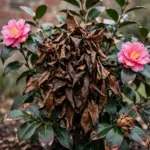

Pink snow mold kills turf outright where gray snow mold only browns leaves. A pink patch at snowmelt can leave bare ground that needs reseeding, while a gray patch usually greens up from the crown on its own. The 10 strategies below start with the one check that tells them apart, then work the fall program that stops pink snow mold before winter.
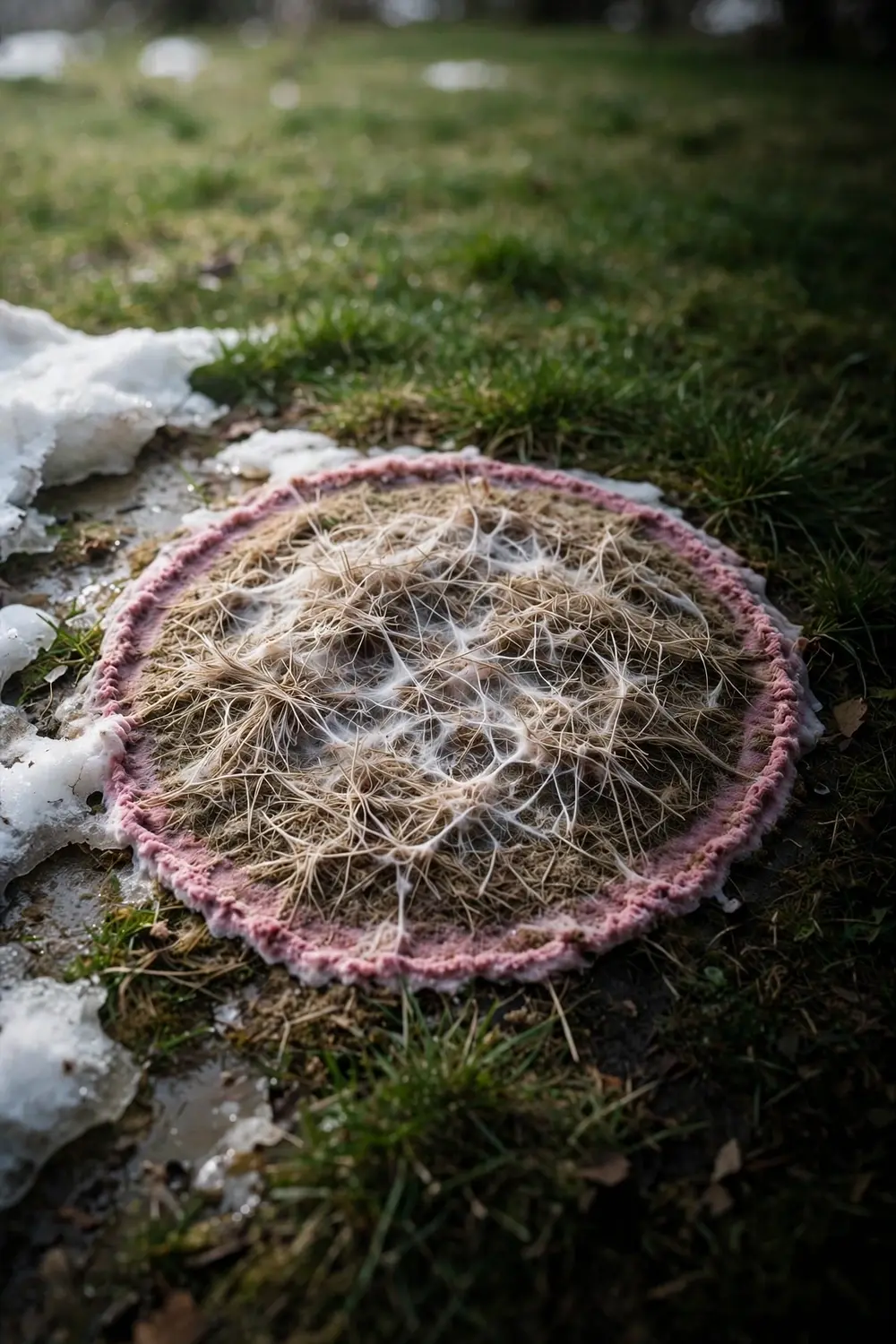
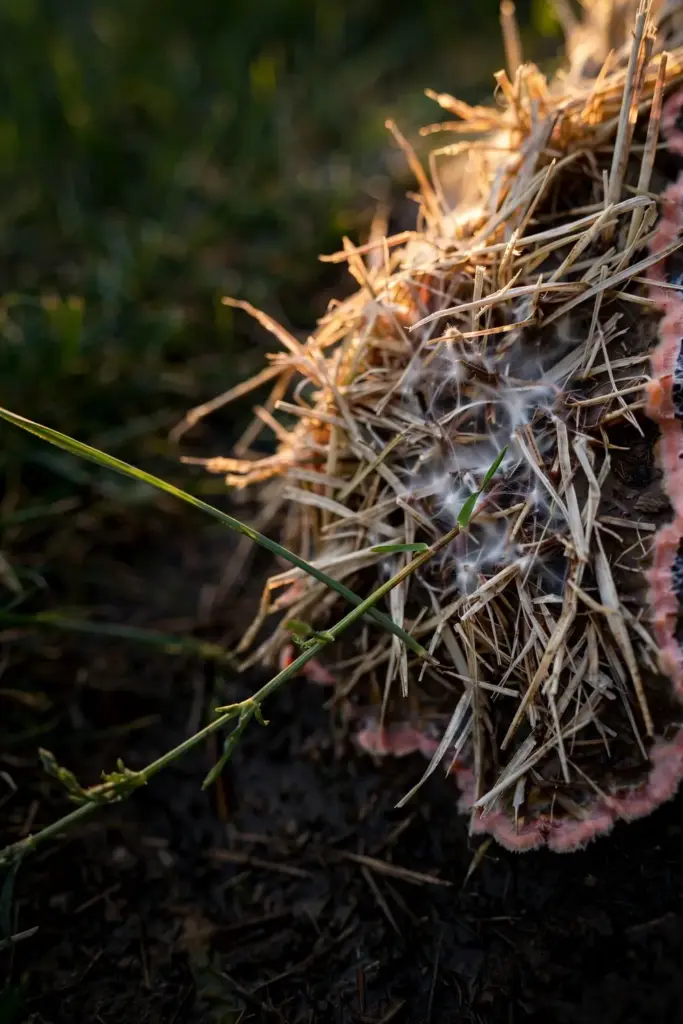
Pink snow mold shows as circular patches of dead turf with pink edges. The grass inside the patch mats down, and white threads grow in the center with pinkish-red threads at the borders. The fungus Microdochium nivale causes pink snow mold. I have learned that the fall fertilizer bag does more damage than the winter snow.
The rest of this page runs the order a lawn owner should follow. Identify the disease first, then decide whether the lawn is worth treating, then work the 10 steps from fall nitrogen discipline to spring reseeding and two-spring tracking.
What Pink Snow Mold Actually Is
Pink snow mold is a fungal disease of cool-season turfgrass. The fungus Microdochium nivale causes pink snow mold.
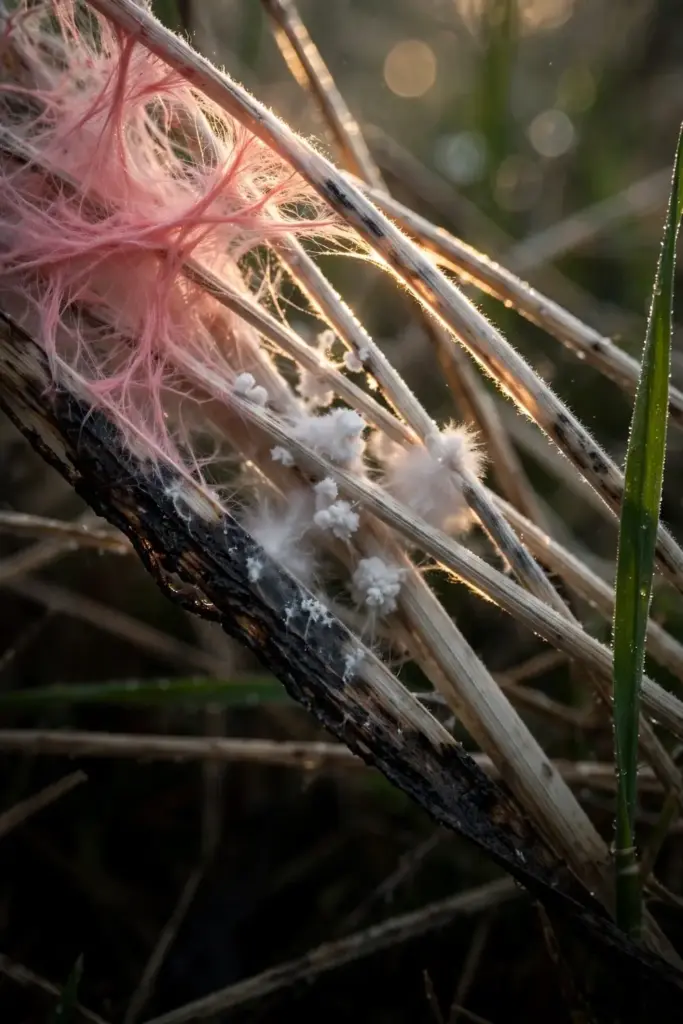
Microdochium nivale carries one former name, Fusarium nivale, and gardeners also meet the disease as Microdochium patch or Fusarium patch. The names stay fixed from here on: pink snow mold means Microdochium nivale, gray snow mold means Typhula incarnata, and speckled snow mold means Typhula ishikariensis, the speckled form.
The fungus survives as threads or spores in infested plant debris. Wisconsin Extension describes Microdochium nivale surviving that way, then growing under snow all winter until the turf warms and dries in spring. It also shows up in damp, cool spring and fall weather.
Pink snow mold needs no snow cover. The University of Massachusetts Extension guide to snow molds states that pink snow mold is not confined to snow-covered turf, and it can occur year-round in cool, humid weather. In the northeastern United States, it most often appears in early spring. Symptoms first show as small water-soaked spots that turn pink to reddish-brown before fading to light gray or tan. The spots usually stay under 8 inches across with a water-soaked, gray-black margin. Under snow cover or in very wet conditions, a fluffy white mycelium covers the spots. As snow melts, the spots look bleached white to tan, often with a pink margin.
Temperature sets the active window. The University of Massachusetts Extension places pink snow mold growth from near freezing to 60 degrees Fahrenheit. Wisconsin Extension calls the disease more severe under cool 30 to 60 degree Fahrenheit wet conditions. The fungus goes inactive during warm, sunny periods and when little surface moisture remains.
Damage runs deeper than color. A severe infection by Microdochium nivale kills the turfgrass, according to Cornell Cooperative Extension. Turf Magazine puts the same point in plain terms: pink snow mold can kill the entire turfgrass, and the dead patches need renovation and reseeding to fill in again. Gray snow mold rarely kills the grass. That difference in damage drives every decision below.
How to Identify Pink Snow Mold at Snowmelt
Walk the lawn as the snow melts. Look for circular patches of bleached, matted turf with pink edges.
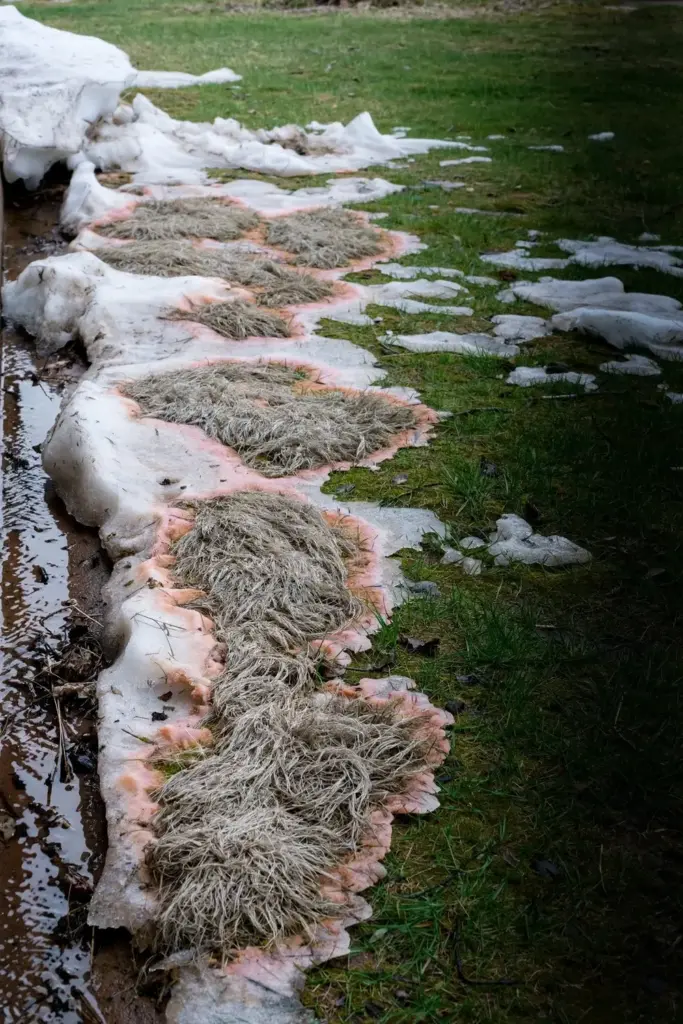
The Wisconsin Extension guide to Microdochium patch describes the snowmelt picture: circular patches of dead turf from a few inches to a few feet across. On short-cut turf under snow, the patches come out bleached and matted. White fungal threads grow in the center of the patches, with pinkish-red threads forming at the borders. On taller grass above 6 inches, the disease shows as yellow blighted patches with diffuse margins instead of crisp circles.
Touch the patch. The grass inside mats down and feels damp and limp. Part the blades at the patch edge and look for the pink margin. A pink rim around a bleached matted circle at snowmelt points at pink snow mold. A gray-white cobweb coating without any pink points at gray snow mold.
Neighboring patches merge. Golf Course Industry notes that individual pink patches may coalesce into extensive damage. A lawn that showed five small circles in March can show one large dead area by May. Early checks catch patches while they still sit apart.
Check the whole lawn, not one patch. Pink snow mold favors low spots where snow sat longest and water pooled. Walk the drainage lines, the shaded north side, and the places where shoveled snow piled up. Patches cluster where snow stayed wet longest.
How to Identify Pink Snow Mold Without Snow Cover
Pink snow mold shows without a single flake of snow. Cool, wet fall and spring weather grows it on open turf.
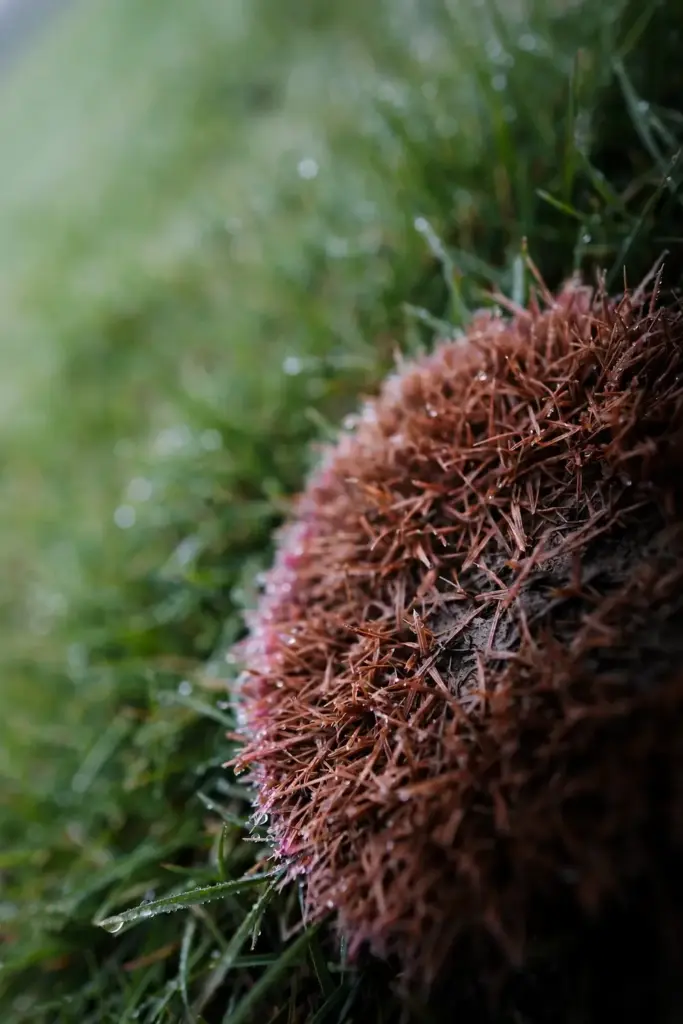
Wisconsin Extension states the no-snow picture directly: when the disease develops on short-cut turf without snow, the dead patches appear reddish-brown. The same fungus, the same patch shape, a different color. A reddish-brown circular patch in a cool wet October or April fits pink snow mold.
The disease stays active through long stretches of cool, wet weather from early autumn to late spring, according to Cornell Cooperative Extension. Cornell places cultural activity just above freezing, in the 32 to 45 degree Fahrenheit band. Golf Course Industry places pink snow mold activity in cold 32 to 50 degree Fahrenheit wet weather with intermittent snow cover under 60 days. The bands overlap. No single number settles the range, and the overlap tells the story: near freezing to 50 degrees Fahrenheit, wet, and cool.
Rain drives the no-snow cases. The University of Massachusetts Extension lists repeated frosts, cold fogs, and slow, drizzling rains among the conditions that favor pink snow mold. A week of cold drizzle in November wets the canopy the same way melting snow does in March. The fungus cannot tell the difference. Neither should the diagnosis.
No snow on the ground never rules out pink snow mold. A reddish-brown patch in fall, a bleached patch with a pink rim at snowmelt, and a pink-edged patch after a cold wet spring all trace to the same fungus. Season and color change. The pathogen does not.
Which Grasses Get Hit Hardest by Pink Snow Mold
Annual bluegrass and bentgrasses take the worst damage. Kentucky bluegrass and fine-leaved fescues take less damage.
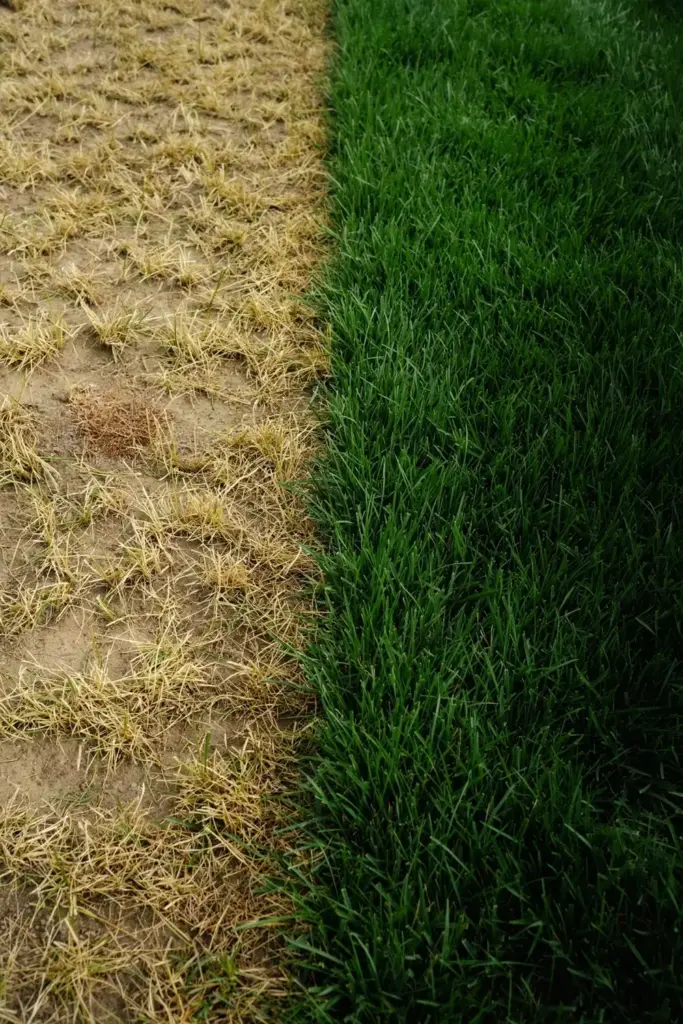
Wisconsin Extension lists the full host set: annual, Kentucky, and rough bluegrass, colonial, velvet, and creeping bentgrass, perennial ryegrass, and fine and tall fescue. These grasses fill the majority of home lawns and golf courses in the Midwest. A home lawn of any cool-season mix can host pink snow mold.
Golf Course Industry states that pink snow mold can affect all cool-season turfgrasses, and it runs more problematic on annual bluegrass and bentgrasses. Cornell Cooperative Extension calls bentgrasses the most susceptible. A bentgrass lawn and an annual bluegrass lawn sit at the top of the risk list.
Kentucky bluegrass and fine-leaved fescues sit at the bottom. The University of Massachusetts Extension notes that Kentucky bluegrass and fine-leaved fescues tend to be less susceptible to damage than other species. Wisconsin Extension calls Kentucky bluegrass and fine fescue the least susceptible grass species. Less susceptible never means immune. A Kentucky bluegrass lawn still shows patches in a bad year. The patches stay smaller and the lawn recovers faster.
Mowing height changes the symptom, not the host. Short-cut turf under snow shows distinct dead patches. Tall grass above 6 inches shows yellow blighting with diffuse margins, per Wisconsin Extension. A lawn left tall into winter hides the circles and still loses turf.
Pink Snow Mold vs Gray Snow Mold vs Speckled Snow Mold
Three fungi cause snow mold. Pink snow mold kills turf outright. Gray snow mold and speckled snow mold usually kill leaves only, and the grass regrows from the crown.
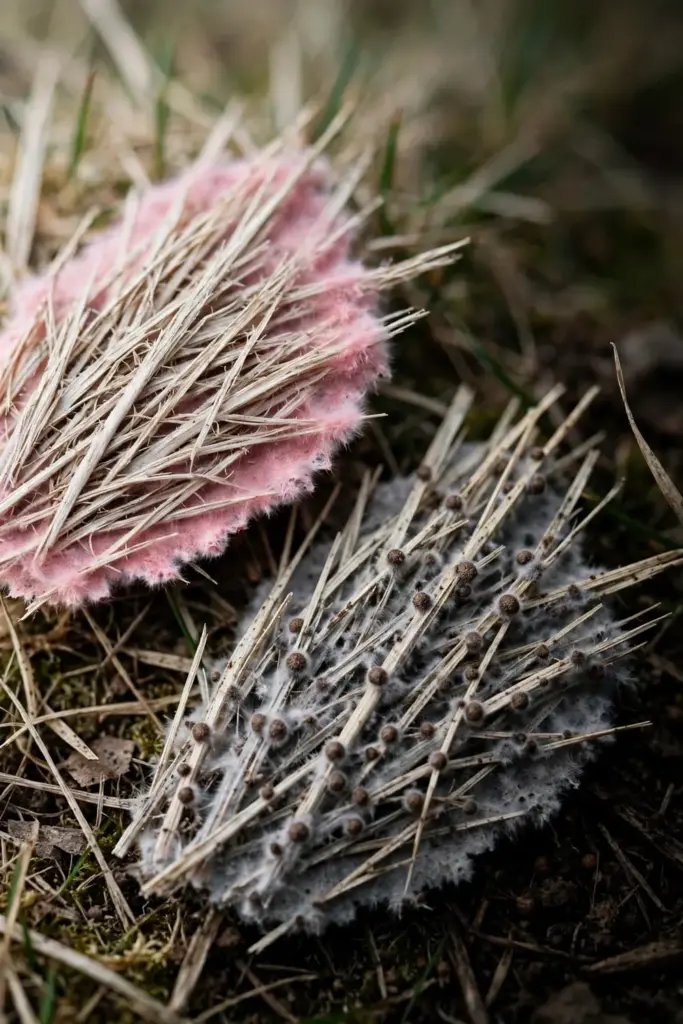
The Cornell Cooperative Extension fact sheet on snow molds of turfgrass draws the central contrast: gray snow mold appears as roughly circular bleached patches up to several feet across, with tiny tan, brown, or black BB-like bodies called sclerotia on or in infected leaves and leaf sheaths. Gray snow mold looks severe, and it rarely kills the grass. Pink snow mold makes similar patches, usually under 1 foot across, with a pinkish cast at the outer margin under wet conditions. No sclerotia grow on pink snow mold tissue. A severe infection by Microdochium nivale kills the turfgrass.
| Sign | Pink Snow Mold | Gray Snow Mold | Speckled Snow Mold |
|---|---|---|---|
| Pathogen | Fungus. Microdochium nivale, formerly Fusarium nivale | Fungus. Typhula incarnata | Fungus. Typhula ishikariensis |
| Also called | Microdochium patch, Fusarium patch | Typhula blight | Speckled snow mold, Typhula blight |
| Snow cover needed | None. Cool wet weather suffices | Prolonged. 45 to 60 days per UMass, over 80 days per GCI | Longest. 75 to 90 days per UMass, over 90 days per Turf Magazine |
| Patch size | Usually under 12 inches, often under 8 inches | 1 to 3 feet, up to several feet | Similar to gray snow mold |
| Color and margin | White mycelium center, pinkish-red threads at borders, pink margin at melt | Gray lint-like mycelium at snowmelt, bleached straw to gray-brown, gray-white halo | Gray mycelium, bleached turf, dark speckling |
| Sclerotia | None. Absence of sclerotia is the key check | Yes. 2 to 5 mm, light to dark brown | Yes. Under 2 mm, dark brown to black |
| Damage | Kills turf outright in severe infections | Leaves killed, crowns survive | Leaves killed, crowns survive |
| Recovery | Dead patches need reseeding | Regrowth from crowns | Regrowth from crowns |
Sclerotia settle the call. Pick at the patch edge and inspect the leaves and leaf sheaths. Hard round bodies the size of BBs mean a Typhula species. No hard bodies, plus a pink margin, mean pink snow mold. The University of Massachusetts Extension notes that Typhula incarnata sclerotia run 2 to 5 mm across and light to dark brown, while Typhula ishikariensis sclerotia run under 2 mm and dark brown to black. Golf Course Industry gives the same color split in plainer terms: chestnut brown for Typhula incarnata and black for Typhula ishikariensis. Pink snow mold shows none of them.
Snow-cover thresholds vary by source, and the table shows the spread. The University of Massachusetts Extension places gray snow mold at 45 to 60 days of snow cover and speckled snow mold at 75 to 90 days. Golf Course Industry places gray snow mold past 80 days of extended snow cover. The two sources agree on the order: pink needs no snow, gray needs weeks, speckled needs the longest cover. The exact day counts differ. Treat them as ranges, not tripwires.
Two lookalikes deserve a short check. Dollar spot makes smaller spots in warm weather and stays a separate problem. Yellow patch hits in similar cool weather and stays a separate problem. Take-all rots roots on warm-season lawns and shows in summer heat, and it stays a separate problem. The guide to brown patch on lawns covers Rhizoctonia patch diseases in full, and brown patch answers to a different fungus and a different season.
Why Cool Wet Weather Drives Pink Snow Mold
Pink snow mold grows while the grass sleeps. Cold, wet, still air lets the fungus work for months without resistance.
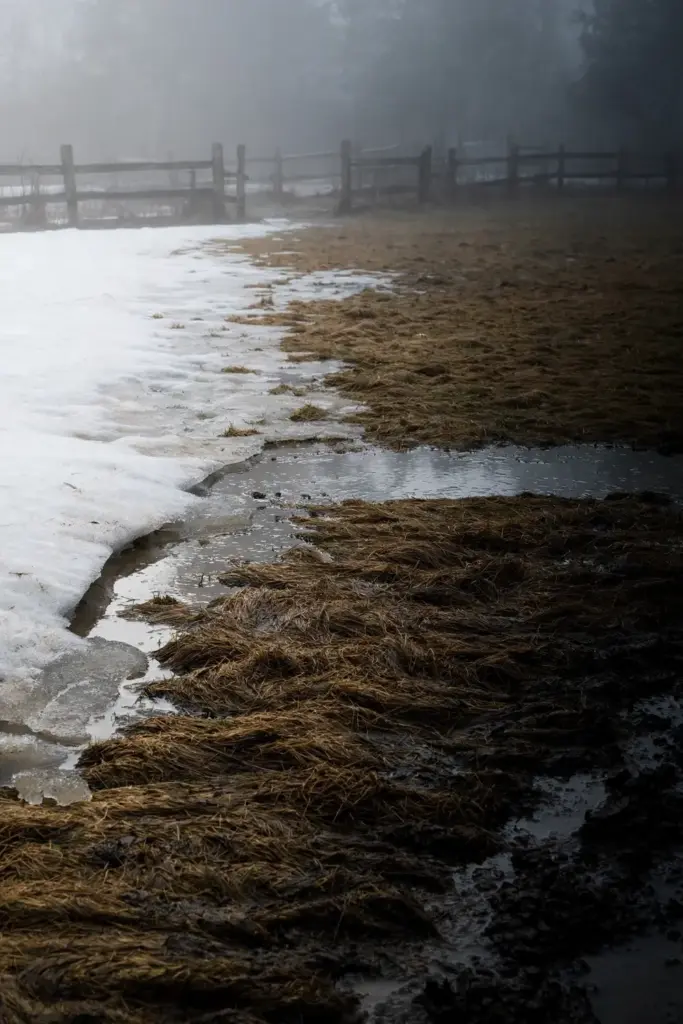
Dormant grass cannot defend itself. Cold weather and dormancy slow growth to a crawl, and the fungus keeps growing under snow through winter until the turf warms and dries in spring, per Wisconsin Extension. The fungus wins the waiting game. Spring warmth ends the game, not the grass.
Snow builds the incubator. The space between the ground and the snow holds steady cold and high humidity. The University of Massachusetts Extension notes that pink snow mold grows rapidly under overcast, wet conditions at temperatures from near freezing to 60 degrees Fahrenheit. The disease becomes inactive during warm, sunny periods and when little surface moisture remains. Sun and dry air shut it down. Cloud and drizzle switch it on.
Debris carries the fungus between seasons. Microdochium nivale survives unfavorable periods in plant debris and infected plants, per the University of Massachusetts Extension. Dead leaves, matted grass, and thatch hold the threads and spores through summer. Fall rain wakes them. The same debris that fed the fungus last spring feeds it again this fall.
Movement spreads the patches. Spores and infected debris travel to healthy areas on equipment and shoes, per the University of Massachusetts Extension. A mower that crosses an infected patch carries the fungus to healthy turf. Clean the mower deck after mowing an infected patch. Clean shoes after walking one. The step costs minutes and breaks the chain.
Fall and spring bring the longest wet spells. Cool rain, cold fog, and slow melt keep leaves wet for days. Wet leaves grow fungus. Dry leaves do not. Every step below works by cutting wet hours, cutting debris, or cutting soft growth.
What Makes Pink Snow Mold Worse in a Home Lawn
Five habits feed pink snow mold. Heavy fall nitrogen, thick thatch, compaction, tall grass into winter, and snow piled on the lawn.
Heavy nitrogen in fall grows soft leaves. The University of Massachusetts Extension lists high nitrogen levels among the conditions that favor pink snow mold, since high nitrogen promotes succulent growth. Wisconsin Extension calls the disease more severe when high levels of nitrogen fertilizer go down early or extremely late in the growing season. Soft growth feeds the fungus all winter. Step 2 cuts this habit first.
Alkaline soil favors the fungus. Wisconsin Extension lists alkaline soils among the conditions that make Microdochium patch more severe. A lawn that sits above pH 7.0 hands the fungus its preferred ground. Step 7 holds pH near neutral.
Thatch holds moisture and inoculum. The University of Massachusetts Extension calls pink snow mold most severe in turf with excessive thatch that grows slowly. Thatch is the mat of roots, stems, and debris at the soil surface. It traps water against the crown and stores the fungus between seasons. Step 4 thins it.
Compaction suffocates roots and holds water. The University of Massachusetts Extension lists compacted soil among the conditions that favor pink snow mold. Foot traffic compacts snow and soil together. A path worn across the lawn through winter compacts the root zone under the snow and stays wet longest in spring.
Tall grass into winter mats down. The University of Massachusetts Extension advises mowing until growth ceases to prevent a tall canopy. A tall canopy falls over under snow, traps moisture, and builds the matted layer the fungus colonizes. Step 3 keeps the canopy short.
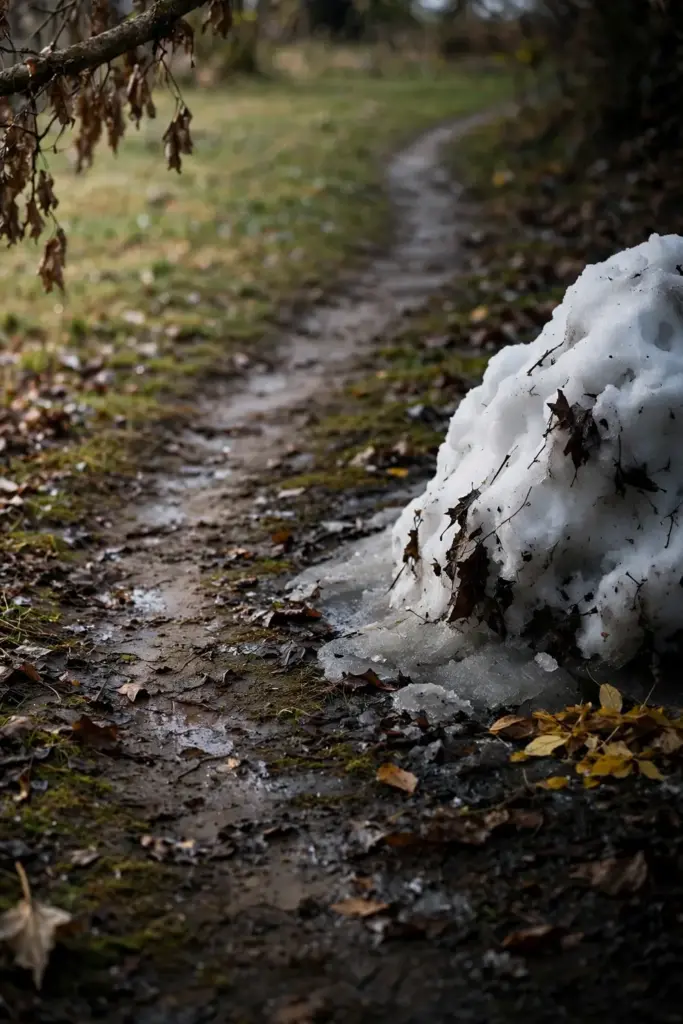
Snow piles extend the wet season. The University of Massachusetts Extension warns against piling snow on the lawn when shoveling walkways and driveways. A plow pile melts weeks after the rest of the lawn dries. The grass under it stays cold, wet, and dark. Step 5 breaks piles up.
Dead leaf mats feed the fungus. The University of Massachusetts Extension lists mats of dead grass leaves among the conditions that favor the Typhula snow molds, and the same mats shelter Microdochium nivale debris. Leaves left on the lawn in fall become the mat the fungus colonizes. Step 4 rakes them off.
Step 1: Decide Whether Treatment Is Worth It
Decide in fall, not at snowmelt. A lawn with a few small pink patches earns the cultural program. A lawn with large dead areas earns reseeding, not fungicide.
Timing traps most lawn owners. Fungicide applications made after snow melt are completely ineffective, per the University of Massachusetts Extension. A spring spray chases damage that already happened. The fungicide decision belongs in late fall, before snow. The reseed decision belongs in spring, after the lawn dries.
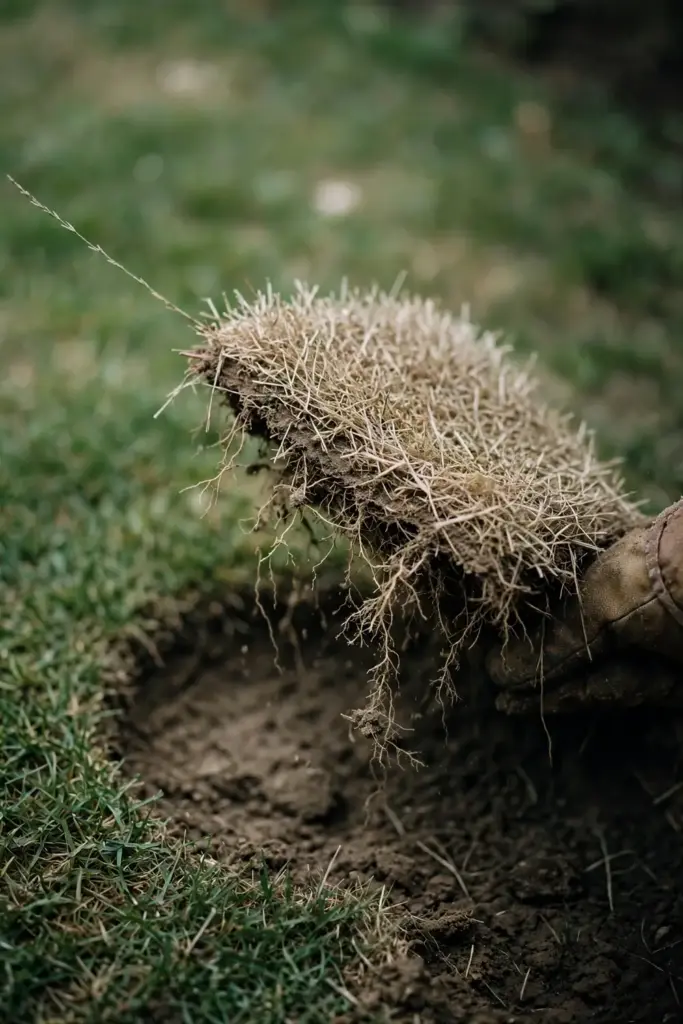
Run the tug test on each patch. Turf Magazine describes the check: tug the straw-colored patches, and if the grass pulls up with ease, the crown has most likely been killed by the mold, so the area needs reseeding. If the roots hold firm, the injury reaches only the leaves, and the grass can still recover. The tug test sorts dead turf from leaf damage in seconds.
Count the damage before spending money. A lawn with scattered patches under 12 inches across keeps enough healthy turf to recover with cultural steps. A lawn with merged dead areas across large sections needs reseeding in spring. A lawn with a history of severe, widespread infection across past years earns a preventive fungicide in fall, plus the full cultural program.
Weigh the fungicide honestly. Wisconsin Extension states that fungicide treatments for Microdochium patch are often not cost-effective. Cornell Cooperative Extension states that fungicides are usually not warranted for snow mold in home lawn situations, and cultural practices provide ample management. Most home lawns never need a fungicide for pink snow mold. The cultural steps below carry the program.
Send a sample to a diagnostic clinic when the call is close. Wisconsin Extension points homeowners to the University of Wisconsin Plant Disease Diagnostics Clinic for a small fee, and a clinic exam settles the pink versus gray question before money goes to fungicide or seed. A local Extension diagnostic clinic does the same job in any state.
Step 2: Cut Fall Nitrogen Before the First Frost
Stop heavy nitrogen in fall. Fall nitrogen grows soft leaves that the fungus eats all winter.
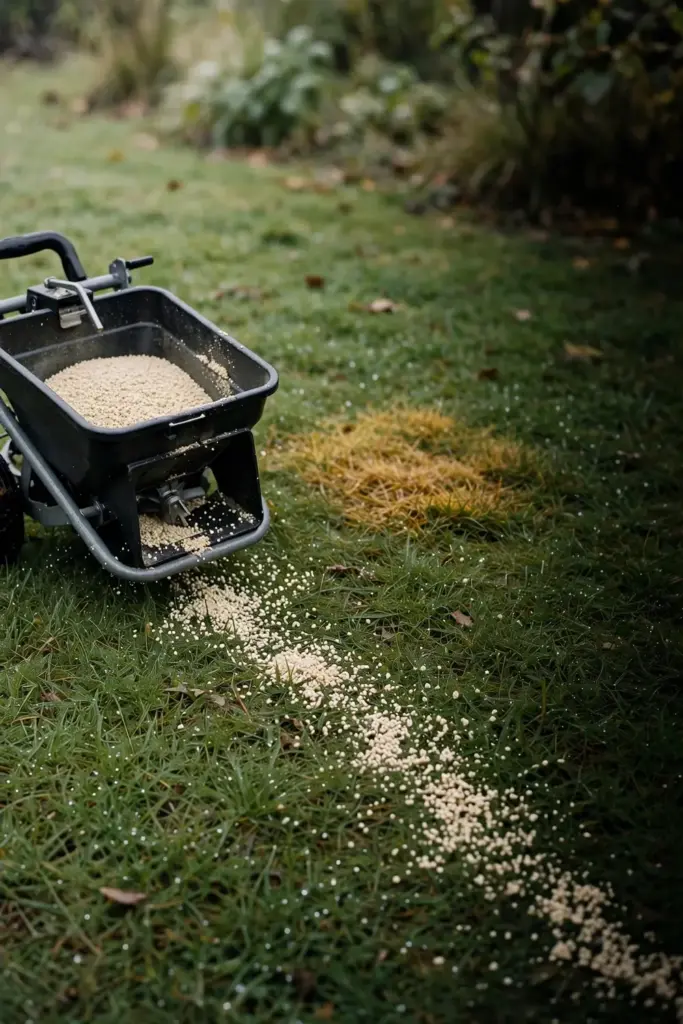
The University of Massachusetts Extension sets the rule: avoid heavy applications of nitrogen in late fall, apply fertilizer a few weeks before dormancy, and use slow-release forms for fall fertilization. The rule of thumb reads plain: nitrogen should not go down after the first frost. Late nitrogen pushes succulent growth into freezing weather, and succulent growth feeds pink snow mold.
Cornell Cooperative Extension sets a calendar line: apply fall fertilizer prior to October 1, and avoid late fall applications that stimulate succulent growth just before freezing weather begins. The October 1 line fits northern lawns. Lawns farther south shift the date later, and the principle holds: feed early in fall, then stop.
Wisconsin Extension bans one form outright in fall: do not apply fast-releasing nitrogen fertilizers such as urea or ammonium nitrate in the fall. Fast-release nitrogen spikes soft growth at the worst moment. Slow-release forms feed steady growth without the flush.
Golf Course Industry gives the same warning: late fall fertilization leads to soft growth that the fungus exploits. The sources agree across the board. Fall nitrogen discipline is the single highest-value habit in the program.
Spring feeding comes later. The University of Massachusetts Extension advises promoting new growth in spring with light fertilization. Spring feeding belongs in Step 6, after raking and reseeding. Fall feeds the fungus. Spring feeds the recovery.
Step 3: Mow Until Growth Stops in Fall
Keep mowing until the grass stops growing. Tall grass into winter mats down and holds moisture against the crown.
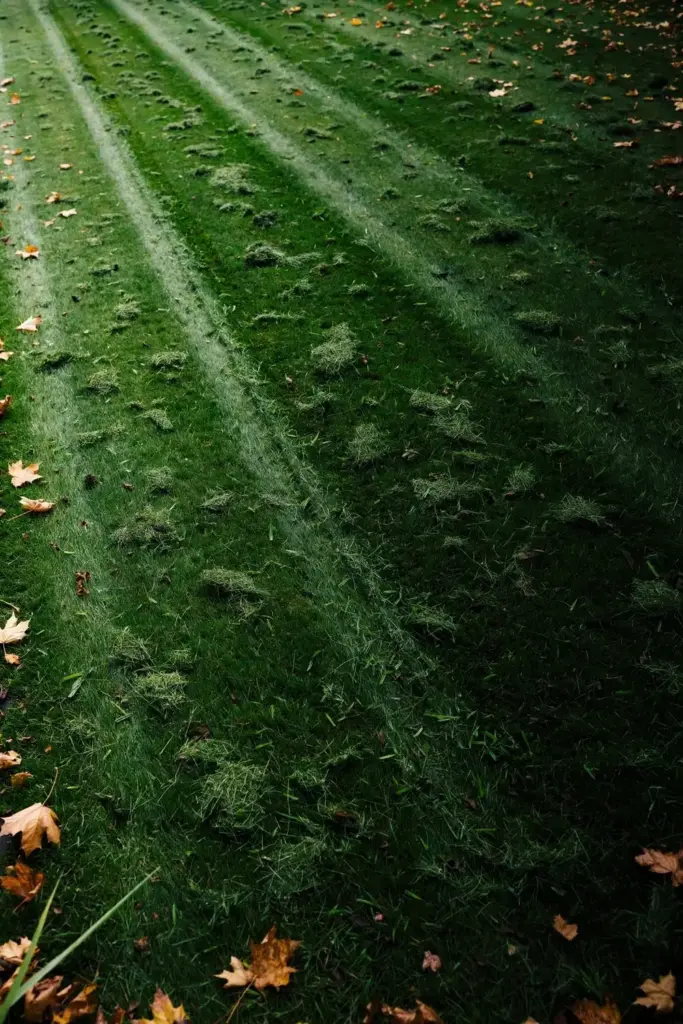
The University of Massachusetts Extension advises continuing to mow the grass until growth ceases to prevent a tall canopy. Wisconsin Extension gives the same instruction: continue to mow grass until it goes dormant. Cornell Cooperative Extension repeats it a third time: continue mowing turf as long as it continues growing in the fall. Three Extension sources, one instruction.
Set the final mow near 2 to 2.5 inches. Turf Magazine sets that height as the final-mow target: enough leaf for the grass to survive winter, short enough to stay upright instead of bending and falling over. Fallen grass builds a dense, moist canopy that grows fungi. Upright short grass dries faster and mats less.
Keep the schedule into late fall. Growth slows, and the interval between mows stretches. A lawn that stopped needing weekly mowing in October may need one more cut in November. That last cut is the one that matters. Skip it, and the lawn enters winter tall.
The final mow also opens the fungicide window for lawns that need one. Golf Course Industry places a final fungicide application after the last mowing of the season and before snow cover. Step 9 covers that window. Mow first, then decide on fungicide.
Step 4: Clear Leaves and Thin the Thatch
Rake leaves off before snow. Cut thatch thicker than 1/2 inch in September or May.
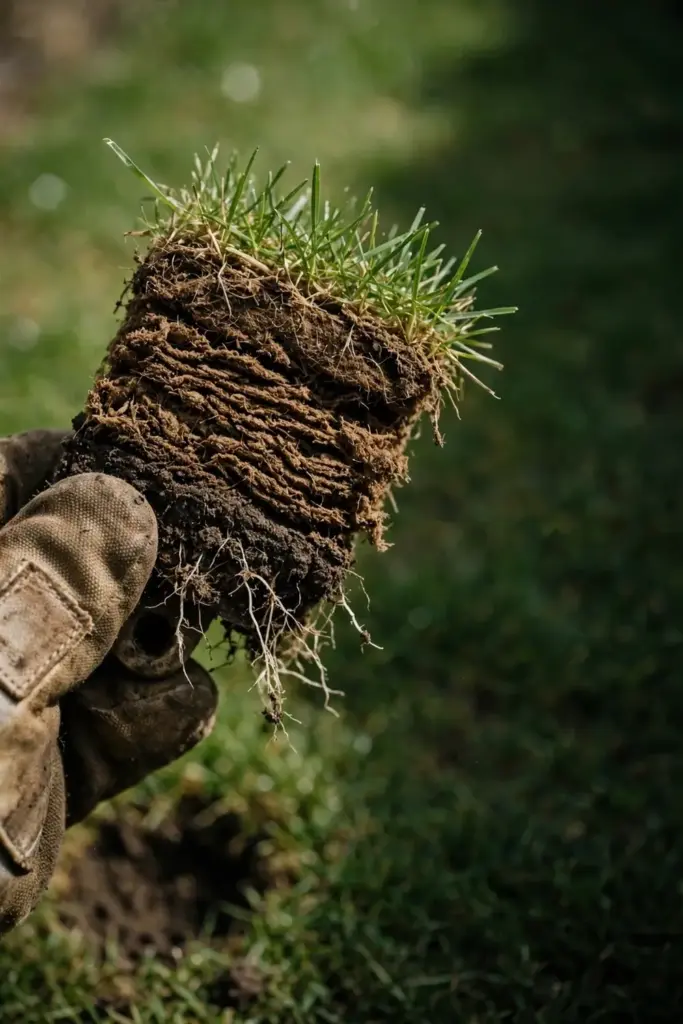
Golf Course Industry lists removing tree leaves from the turf among the management strategies that reduce snow mold severity. Cornell Cooperative Extension advises removing leaves or straw mulch from newly seeded areas before snow covers the ground. Leaves left on the lawn become the mat the fungus colonizes. A leaf rake in November beats a reseed in April.
Thatch needs a number. Wisconsin Extension sets it: remove thatch in September or May if the thatch layer runs thicker than 1/2 inch. Measure thatch by cutting a small plug and reading the brown spongy layer between the green blades and the soil. A layer thicker than 1/2 inch holds water against the crown and stores fungus. A layer under 1/2 inch protects the crown and stays.
Core aeration breaks up thatch. Turf Magazine describes core aeration as a thatch tool: the method breaks up the thatch, releases moisture that starves fungi of dead grass, roots, and other debris, and opens pathways for air, water, and fertilizer to reach the roots. Aerate when the grass grows actively so the lawn fills the holes fast. Aerate the worst patches first, then the whole lawn.
Rake lightly in fall. A leaf rake clears leaves without tearing the turf. A dethatching rake or a rented dethatcher cuts the thatch layer in September. Fall dethatching pairs with fall overseeding in Step 6, since seed meets soil instead of thatch.
Step 5: Break Up Snow Piles and Drain Spring Water
Spread snow piles so they melt fast. Move standing spring water off the lawn.
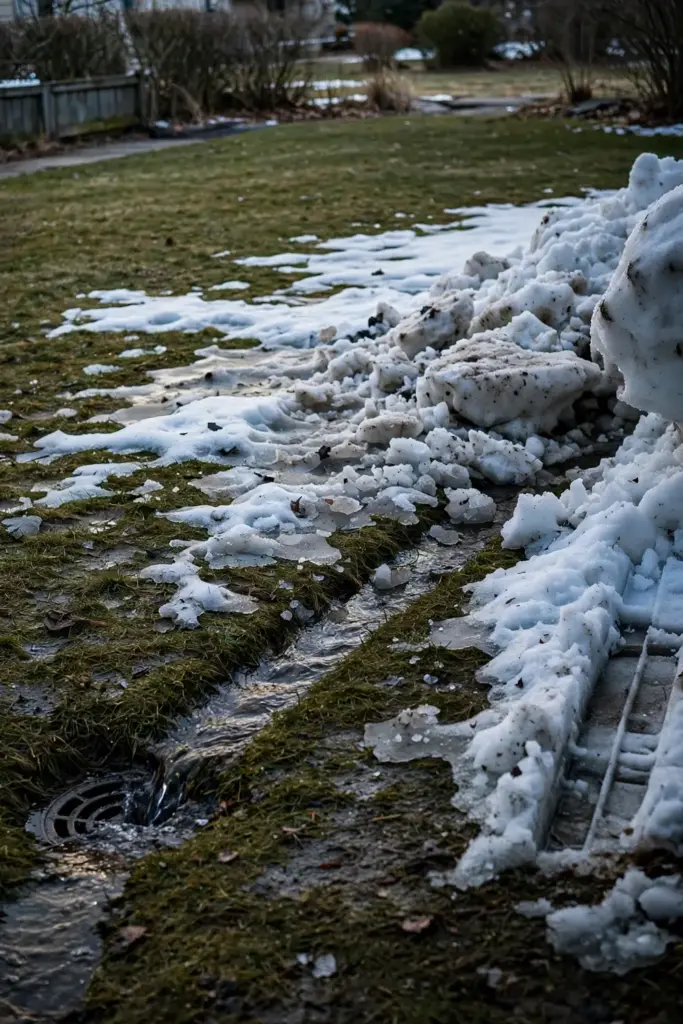
The University of Massachusetts Extension warns against piling snow on the lawn when shoveling walkways and driveways. Shovel onto beds, the driveway, or a path that drains away from turf. A pile on the lawn melts weeks late and keeps the grass under it cold, wet, and dark.
Prevent large drifts before they form. The University of Massachusetts Extension advises preventing large snowdrifts with snow fences, wind barriers, or similar structures. Wisconsin Extension gives the same tool: build a snow fence to minimize snow accumulation, and encourage rapid snow melting. A snow fence upwind of the lawn drops the drift onto a bed instead of the turf.
Break up the piles that form anyway. Plow berms along the driveway edge deserve a shovel. Spread the pile thin so sun and air reach it. Thin snow melts in days. A compacted pile melts in weeks. The difference is weeks of wet canopy for the fungus.
Keep foot traffic off snow-covered turf. The University of Massachusetts Extension advises reducing compaction of snow, and therefore soil, by redirecting foot traffic. A shortcut across the lawn in January compacts the snow and the soil beneath it. Walk the path. Keep sleds and play off the same patch all winter.
Drain spring water fast. The University of Massachusetts Extension advises promoting rapid drying and warming in spring by snow removal and improving drainage. Golf Course Industry gives the same step: remove snow and improve drainage to promote rapid drying in early spring. A low spot that holds meltwater for days needs regrading or a drain, not more fungicide. Dry turf starves the fungus. Wet turf feeds it.
Step 6: Rake Matted Patches and Reseed Dead Turf
Rake matted patches as soon as the lawn dries in spring. Reseed the patches that stay dead.
Wait for dry ground. Turf Magazine advises waiting until the weather warms and the turf dries before working the lawn, since the ground stays wet after spring and heavy equipment harms it further. A leaf rake on dry turf fluffs the grass. A rake on soaked turf tears roots. Patience in April saves seed in May.
Rake the mat apart. Cornell Cooperative Extension advises raking the matted grass to encourage new spring growth where winter diseases caused damage. Use a leaf rake with a light touch. Lift the matted blades, break the mold crust, and let air and sun reach the crown. Raked patches dry faster than matted ones.
Run the tug test again after raking. Turf Magazine gives the spring version of the check: tug the straw-colored patches, and if the grass pulls up with ease, the crown has most likely been killed, so the area needs reseeding. If the roots hold firm, the injury reaches only the leaves, and the grass can still recover. Rake the leaf-damage patches. Reseed the crown-dead patches.
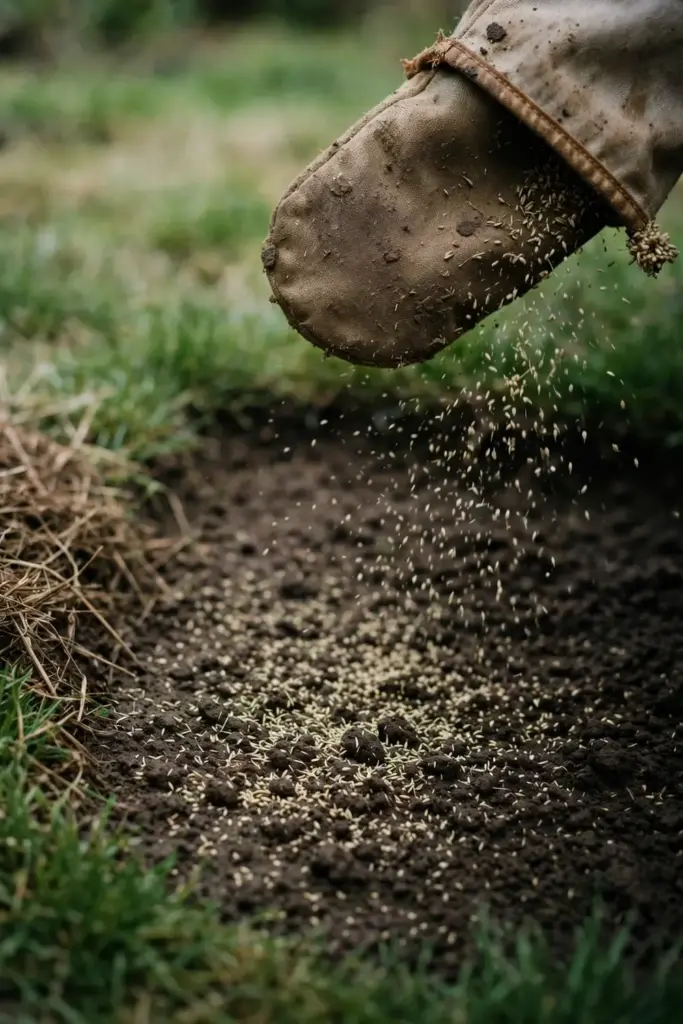
Reseed the dead ones. The University of Massachusetts Extension advises reseeding affected areas if regrowth does not occur. Wisconsin Extension states that severely affected areas need reseeding or replacement with resistant turf. Rake out the dead grass, scatter seed of the same species the lawn already grows, press it into soil contact, and water until it roots. Seed on top of dead thatch fails. Seed on soil grows.
Feed the recovery lightly. The University of Massachusetts Extension advises promoting new growth in the spring with light fertilization. The spring lawn fertilizer timing guide covers seasonal feeding windows for a healthy lawn in full. Light spring feeding pushes new leaves without the soft flush that heavy nitrogen causes.
Step 7: Hold Soil pH Near Neutral and Feed Potassium
Hold soil pH between 6.5 and 7.0. Pink snow mold runs worse in alkaline soil.
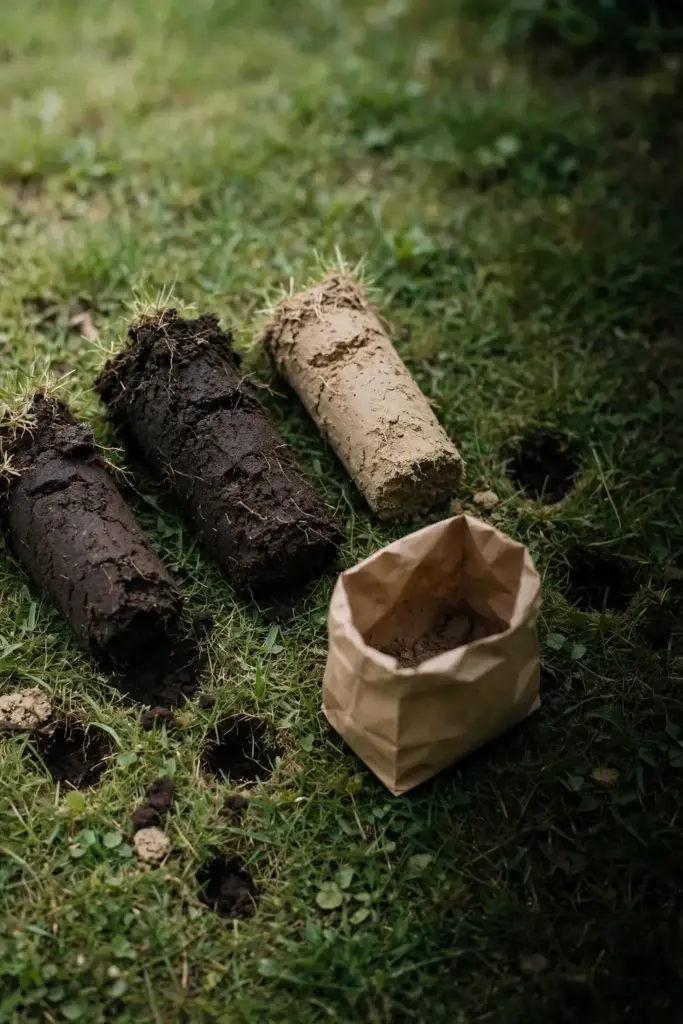
The University of Massachusetts Extension sets the band: maintain a soil pH of 6.5 to 6.9 and adequate levels of potassium to discourage pink snow mold. Wisconsin Extension sets the ceiling: keep soil pH at 7.0 or below, and the disease runs more severe in alkaline soils. The two sources agree. Near neutral discourages pink snow mold. Alkaline soil above 7.0 invites it.
Test before changing pH. A soil test through the local Extension office reports pH and potassium at root depth. A test that shows pH above 7.0 calls for acidifying steps. A test that shows pH inside 6.5 to 7.0 means pH is not the driver, and the fix sits in drainage, thatch, or nitrogen instead. A test costs less than one bag of fungicide, and it answers the question fungicide cannot.
Skip lime unless a test shows acidic soil. Lime raises pH, and pH above 7.0 favors pink snow mold. A lawn that gets lime every spring on habit drifts toward the conditions the fungus favors. Break the habit. Lime only on a test result that shows pH below 6.5.
Feed potassium with the pH program. The University of Massachusetts Extension pairs adequate potassium with pH control to discourage pink snow mold. Turf Magazine adds the fall angle: potassium fertilizers beat nitrogen fertilizers in late fall, since potassium helps regulate the turf water movement and stress tolerance. A soil test sets the potassium rate. A lawn low in potassium and high in nitrogen grows leaves it cannot defend.
Step 8: Choose Resistant Grasses When You Replant
Replant dead patches with Kentucky bluegrass or fine fescue. Both resist pink snow mold better than bentgrass and annual bluegrass.
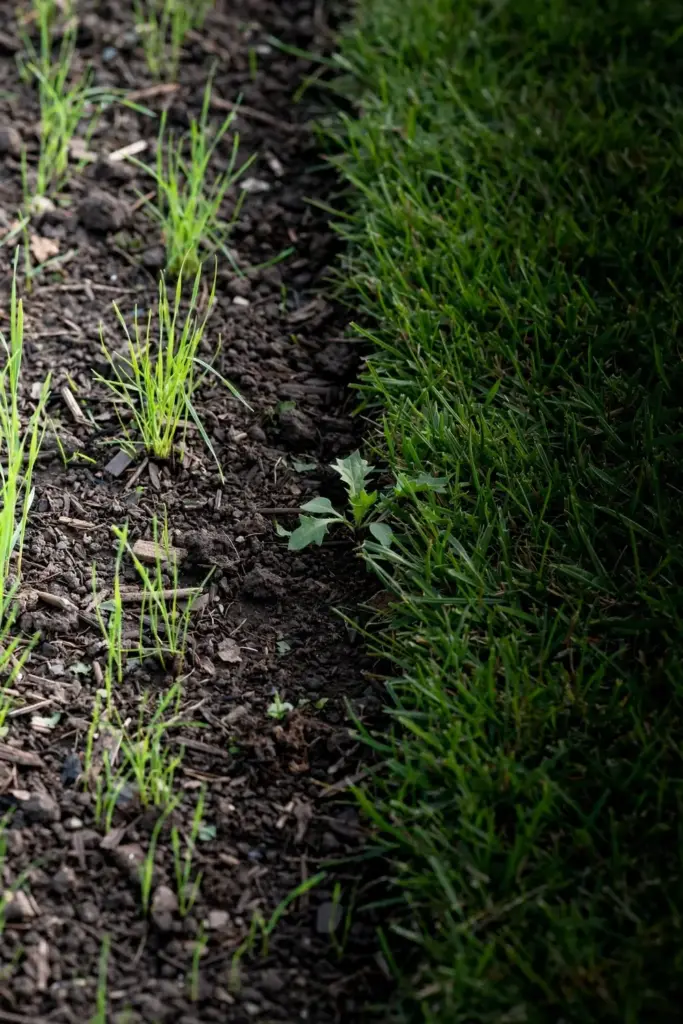
Wisconsin Extension names the least susceptible species: Kentucky bluegrass and fine fescue. The same guide advises planting a Microdochium patch resistant grass variety when establishing a lawn. The University of Massachusetts Extension agrees: Kentucky bluegrass and fine-leaved fescues tend to be less susceptible to damage than other species, and planting resistant turf species or cultivars belongs in the management program.
Match the patch to the lawn. A Kentucky bluegrass lawn reseeds with Kentucky bluegrass. A fine fescue lawn reseeds with fine fescue. A bentgrass lawn with dead patches overseeds the bare spots with fine fescue rather than more bentgrass. The species change cuts next winter’s damage at the same time it fills this spring’s bare ground.
Ask Extension for varieties with resistance. Cornell Cooperative Extension advises contacting the Cooperative Extension office for information on turfgrass varieties that show some resistance to infection when reseeding areas where these diseases caused problems. Resistance varies by cultivar, not just by species. A local Extension list names the varieties that held up in local trials.
No cultivar name earns a claim here. Seed catalogs change every year, and a cultivar that resisted pink snow mold in one trial may not carry the same resistance in another region. Species-level choice plus local Extension variety lists beats a catalog claim.
Step 9: Time Fungicide for Late Fall Prevention Only
Fungicide works before snow, never after melt. Most home lawns never need it.
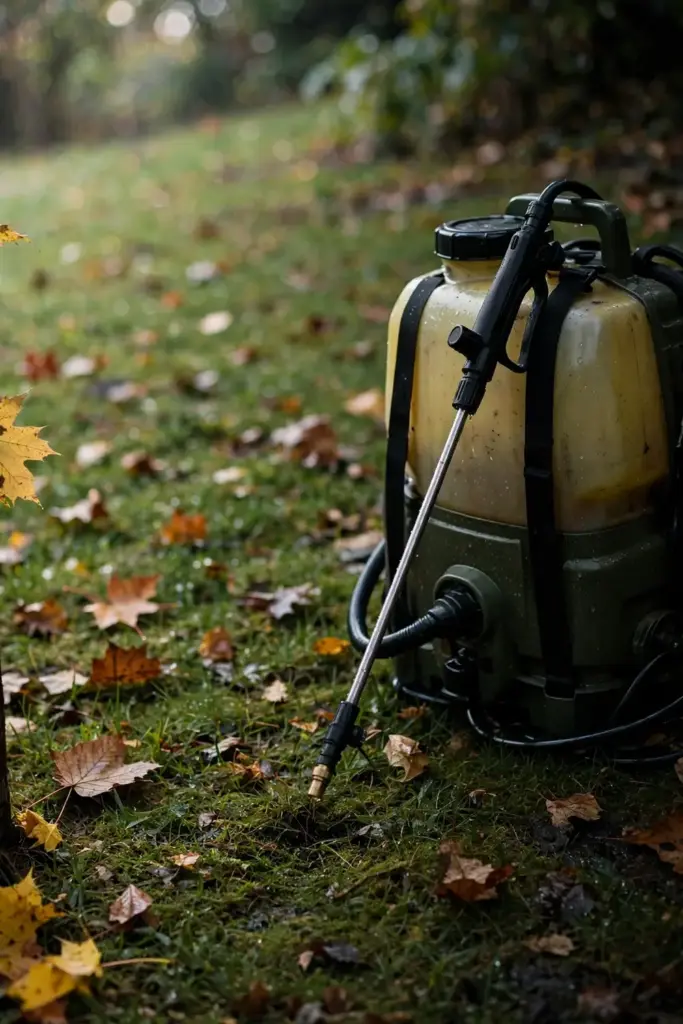
The University of Massachusetts Extension sets the timing rule: fungicides must be applied preventively in late fall before leaf growth ceases completely. Fungicide applications made after snow melt are completely ineffective. A combination of a contact fungicide and a systemic fungicide works best. Apply fungicides in sufficient water volume for thorough coverage. A single application can give winter-long control when the right fungicides are chosen.
Wisconsin Extension sets the fall window: apply in October or November to prevent disease in spring. Wisconsin lists the labeled active ingredients for Microdochium patch control, including azoxystrobin, propiconazole, and myclobutanil. The same guide warns that these treatments are often not cost-effective. Read and follow all label instructions of the fungicide selected.
Cornell Cooperative Extension sets the home-lawn default: fungicides are usually not warranted for snow mold in home lawn situations, and cultural practices provide ample management. A preventive fungicide program earns its place only when winter diseases ran severe or widespread in past years, or when susceptible varieties or species grow on the lawn.
Golf Course Industry’s snow mold guide adds the fall biology behind the window: a pre-snow preventive application is critical for protecting vulnerable turf, and sclerotia begin to germinate in the fall at 50 to 65 degrees Fahrenheit. That germination figure covers the gray snow mold side of the complex, since pink snow mold grows no sclerotia. The timing logic still holds for the pair: after the last mowing of the season and before snow cover, a final fungicide application goes down. Products or mixtures with 2 to 3 different active ingredients gave the strongest control in GCI trials.
Buy homeowner products for home lawns. Homeowner fungicides carry residential lawn labels, and commercial products may not. Follow the product label for rate, timing, and reapplication. The label is the legal instruction for that product on that lawn. A homeowner who sprays without the cultural program buys a weak tool and skips the strong ones.
Step 10: Track Patches Across Two Springs
Photograph each patch from the same spot every spring. Two springs of records show whether the program works.
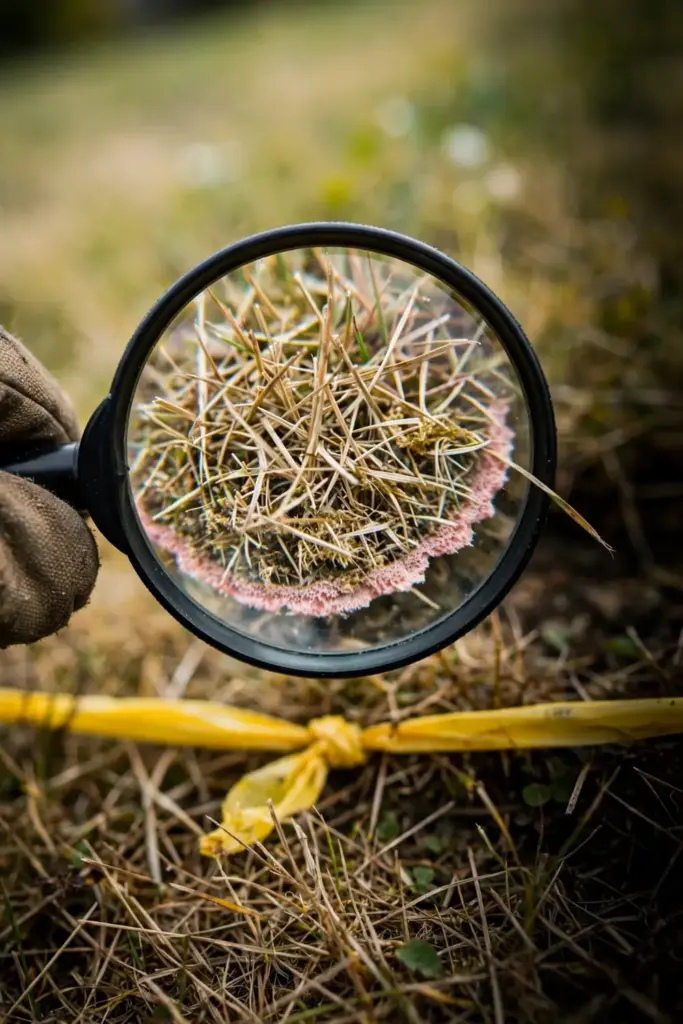
Flag each patch in fall. A small stake or a strip of flagging tape marks the spot before snow buries it. Spring melt reveals the same spots. A flagged patch gets found. An unflagged patch gets forgotten until it merges with its neighbors.
Photograph from one fixed point. Stand at the same corner each spring and shoot the same angle. Photographs show a shrinking patch that memory misses. A patch that shrinks across two springs is a lawn winning. A patch that grows across two springs is a lawn that needs Step 9 or a species change in Step 8.
Keep a short log. Write the date, the patch count, the patch sizes, and the treatment applied. A log shows which patches return every year and which ones healed for good. The log decides the Step 1 triage call next season. A lawn with falling patch counts across two seasons earns patience. A lawn with rising patch counts earns replacement of the worst areas.
Watch the fall habits, not the winter weather. Pink snow mold returns when fall habits slip. One heavy late-fall nitrogen application or one winter of piled snow brings the patches back. The weather stays out of reach. The fertilizer spreader, the mower, the rake, and the shovel stay in reach.
Call the diagnostic clinic when patches keep spreading despite two seasons of cultural work. Wisconsin Extension points homeowners to the University of Wisconsin Plant Disease Diagnostics Clinic for a small fee. A local Extension diagnostic clinic does the same job anywhere: a confirmed identification before another season of spending.
Living With Pink Snow Mold Damage You Cannot Undo
Dead patches stay dead until you reseed. Thin patches fill in with mowing, water, and patience.
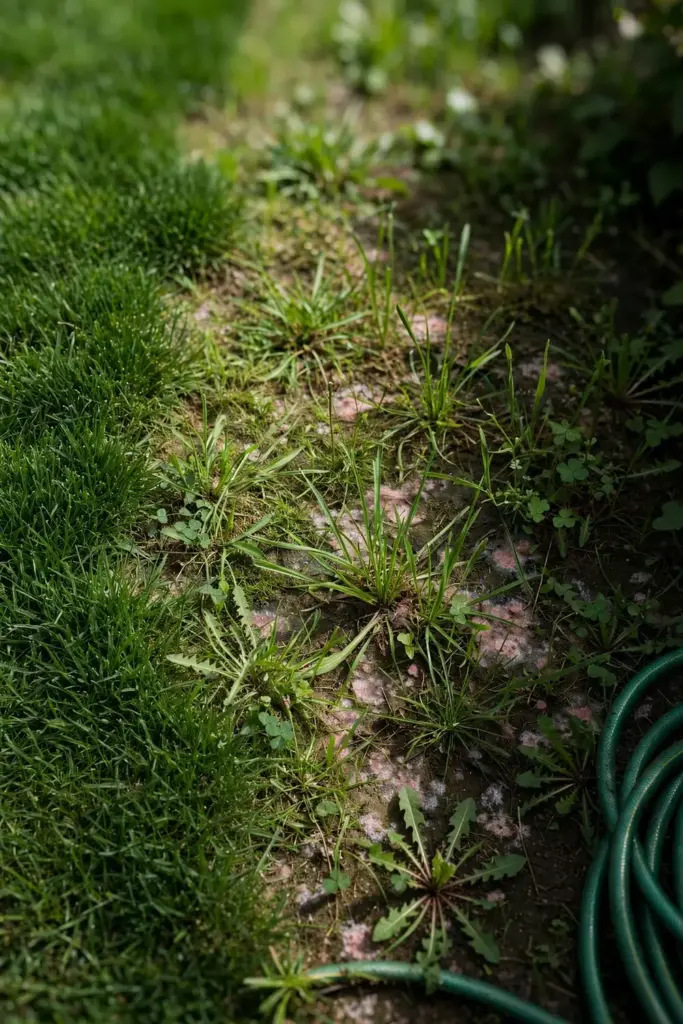
Wisconsin Extension states the recovery split plainly: turf with Microdochium patch will often recover, and severely affected areas will need reseeding or replacement. A patch that tugs firm and shows green at the crown recovers with raking and light spring feeding. A patch that tugs loose and shows bare soil needs seed.
Mow the weeds with the lawn while new seed establishes. Bare patches fill with weeds first, since open soil invites whatever seed lands on it. Mowing keeps weeds short and lets the new grass close the gap. The new grass wins by coverage, not by chemicals, on a stressed lawn.
Keep watering for recovery, not for looks. Water new seed until it roots, then water when the soil dries. A recovering lawn needs steady moisture at the seed, then deep infrequent water as roots grow. A recovering lawn does not need a show-lawn schedule. The grass that survives the first season after treatment builds the root system that carries the second season.
Do not expect a fungicide to erase old patches. Fungicides protect healthy turf from new infection. Fungicides do not regrow turf that already died. A patch that is already bare needs seed, per Step 6, and the fall program, per Steps 2 through 5, to keep the new grass alive. A patch sprayed without reseeding stays bare.
Watch for other turf diseases while the lawn recovers. A thin lawn invites leaf spot and crown rot problems that a thick lawn shrugs off. The guide to bipolaris leaf spot on lawns covers the leaf spot complex that follows thin turf, and the guide to bipolaris crown rot in lawns covers the crown rot side of the same disease family. Pink snow mold stays a cool-weather patch disease. Leaf spots on a recovering lawn are a second problem, not a pink snow mold symptom. Melting out and Curvularia blight also attack thin, stressed turf and stay separate problems.
Frequently Asked Questions
Pink snow mold kills grass in severe infections. A severe infection by Microdochium nivale kills the turfgrass outright, and the dead patches need reseeding. Gray snow mold usually kills leaves only, and the grass regrows from the crown. Run the tug test: grass that pulls up with ease has a dead crown and needs seed. Grass with firm roots has leaf damage only and recovers with raking and light spring feeding.
Check for sclerotia, snow history, and patch size. Gray snow mold leaves hard round sclerotia on leaves and sheaths, needs prolonged snow cover, and makes patches up to several feet across. Pink snow mold grows no sclerotia, needs no snow cover, and usually stays under 12 inches across with a pink margin. Pink snow mold kills turf outright in severe cases. Gray snow mold kills leaves only, and the grass regrows from the crown.
No. Pink snow mold needs cool, wet weather, not snow. It grows under snow in winter, and it also grows in cool, wet fall and spring weather with no snow on the ground. Reddish-brown circular patches in a cool, wet October or April fit pink snow mold. Gray snow mold needs prolonged snow cover. Speckled snow mold needs the longest cover of all. A lawn with no snow history can still carry pink snow mold.
Usually no. Cultural practices provide ample management for home lawns, per Cornell Cooperative Extension. Fall nitrogen discipline, mowing until growth stops, leaf and thatch removal, and snow management carry the program. Fungicide earns a place only when patches ran severe and widespread in past years. Any fungicide must go down preventively in late fall, since applications after snowmelt are completely ineffective.
Reseed in spring after the lawn dries and you rake the matted patches. Reseed the patches that stay dead, where the tug test shows a dead crown, with the same species the lawn already grows, or with Kentucky bluegrass or fine fescue for stronger resistance. Feed the new seed lightly, and water until it roots. Skip reseeding on patches with firm roots. Leaf damage alone recovers without seed.
Pink snow mold returns when fall habits slip. One heavy late-fall nitrogen application, one winter of piled snow, or one season of thick thatch brings the patches back. The disease fades when the fall program holds: nitrogen discipline, short final mowing, cleared leaves and thatch, and fast snowmelt. Track patches across two springs. Falling patch counts show the program works. Rising counts call for resistant replanting or a fall preventive fungicide.
Where to Go From Here
Start with the lawn in front of you. Walk it at snowmelt, tug the straw-colored patches, and mark the dead ones for reseeding.
The order is decide, cut fall nitrogen, mow until growth stops, clear leaves and thatch, break up snow piles, rake and reseed, hold pH near neutral with potassium, replant with resistant grasses, time fungicide for late fall only when history demands it, and track patches across two springs. One next action beats ten good intentions. Rake the matted patches today. Stop the fall nitrogen before the first frost. Break up the snow pile on the lawn before it melts weeks late.