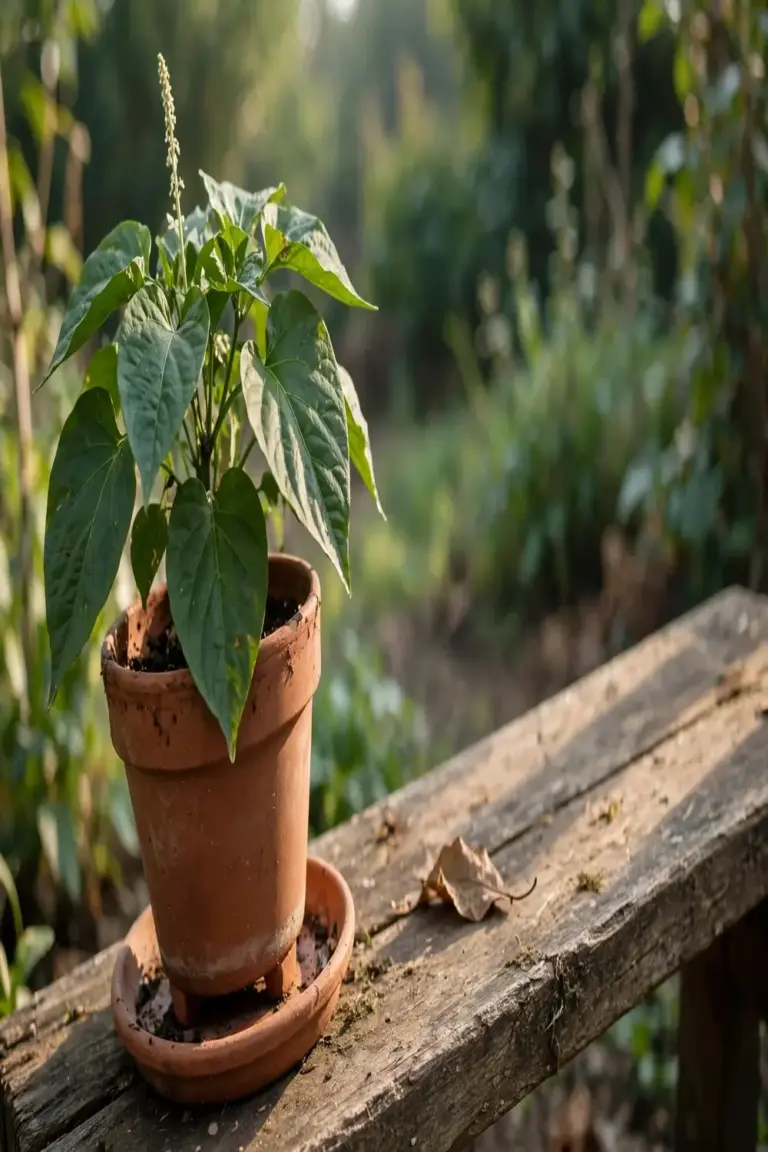

Crush 1 leaf between your fingers. A root-beer scent means you hold Mexican pepperleaf. No scent means you hold something else. That single test settles more pepperleaf arguments than any photo comparison, and it takes 5 seconds.
Mexican pepperleaf is Piper auritum, also called hoja santa, which means sacred leaf in Spanish. It grows as a large-leafed shrub with heart-shaped leaves, narrow white flower spikes, and a scent like root beer or anise. In Australia, grow it in a pot only. Open ground in a frost-free warm area gives its rhizomes room to run, and rhizomes are how this plant turns into a thicket. I have learned that the pepperleaf I keep in a pot stays a kitchen plant, while the one I plant in open ground becomes a thicket.
The rest of this page is 8 moves, from naming the plant to keeping it inside its pot.
1. Identify Mexican Pepperleaf by 4 Clues
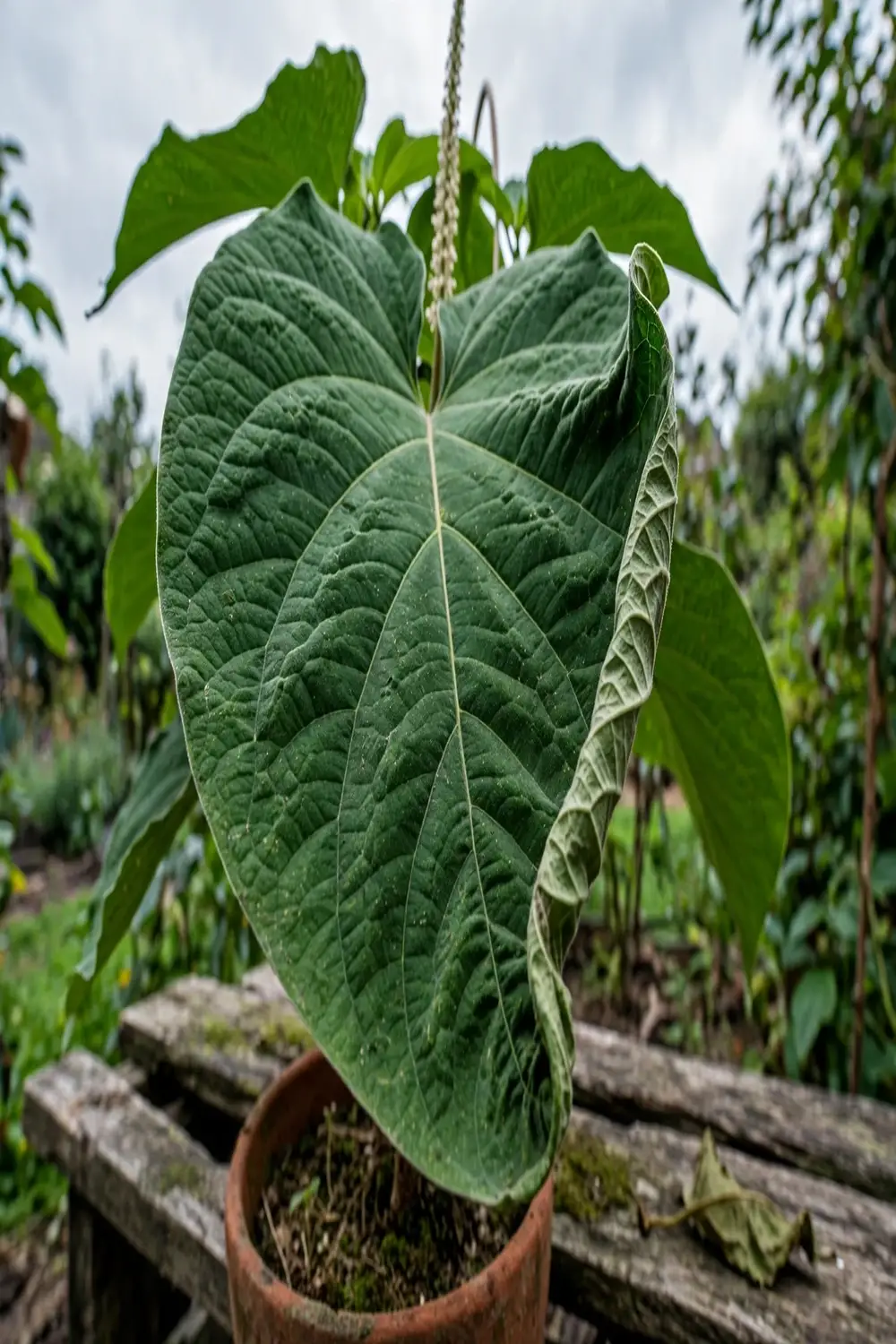
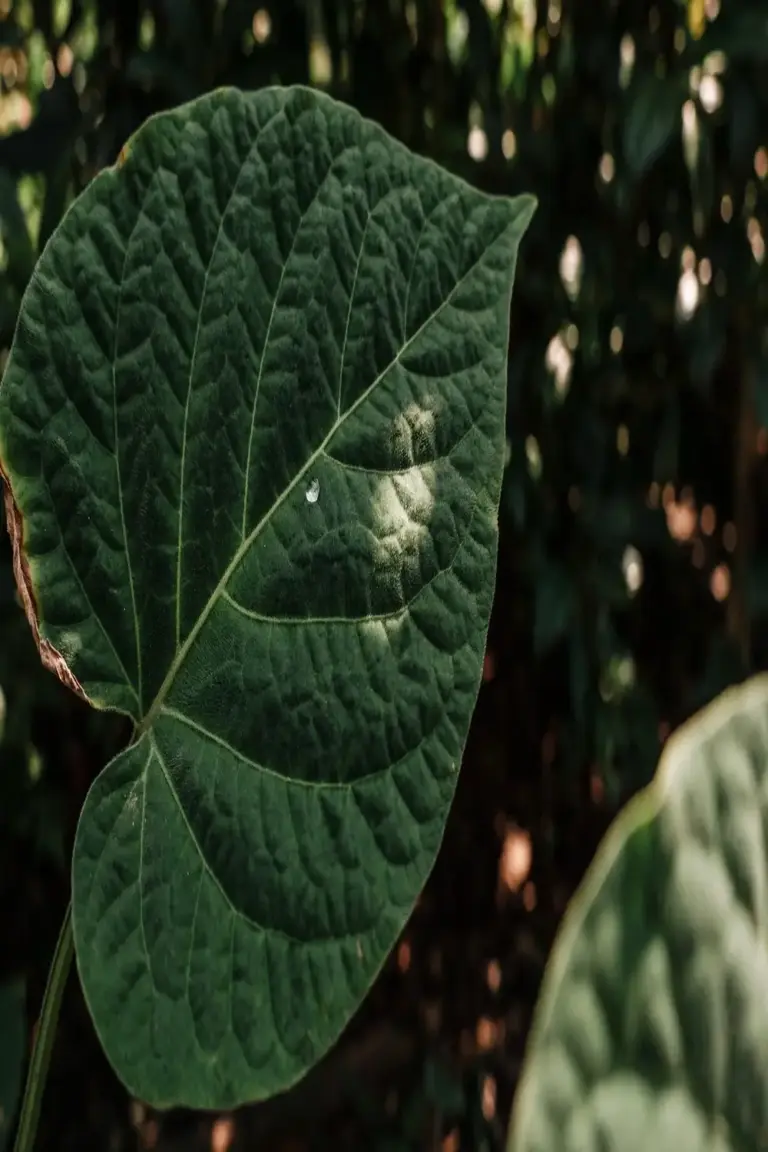
Check leaves first. Mexican pepperleaf carries very large, heart-shaped, velvety leaves. The Royal Horticultural Society describes the plant as a tender shrub with very large, heart-shaped, aromatic leaves and flowers resembling cream rat’s tails in summer, and it lists the plant as Piper auritum. Leaf size alone separates pepperleaf from most garden herbs. A leaf the size of a dinner plate points at pepperleaf. A leaf the size of a coin points elsewhere.
Check the flower spikes second. Pepperleaf flowers carry no petals or sepals. The flowers appear in narrow spikes. The spikes stand upright, stay narrow, and look like pale tails against the big leaves. A plant with showy petals is not pepperleaf. A plant with a broad flat flower head is not pepperleaf.
Check the stem third. Pepperleaf stems carry light green skin with small raised bumps. The plant often grows prop roots near the base. Prop roots are roots that leave the stem above soil level and reach down into the ground. A plant with smooth woody bark and no prop roots deserves a second look.
Check the habit fourth. Pepperleaf grows as a bushy shrub. The same RHS notes list a maximum height and spread of 1 to 1.5 meters in UK conditions, with 2 to 5 years to reach maturity. Warm Australian conditions push growth harder. Plant Pono, a Hawaii risk-assessment project, records a single-stemmed shrub growing up to 5.8 meters tall in warm climates. The gap between those two figures is climate. Cool conditions hold the plant near 1.5 meters. Frost-free warmth lets it run toward 5.8 meters. Measure your plant against your climate, not against a single figure.
2. Smell the Leaf Before You Trust the Label
Crush a leaf and smell it. Mexican pepperleaf releases a root-beer or anise scent from crushed leaves. The same Plant Pono notes record a Ben-Gay or root-beer smell when leaves are crushed. The scent test works because the scent comes from safrole, the compound that gives the leaf its signature aroma. No scent means the plant is not pepperleaf, whatever the label says.
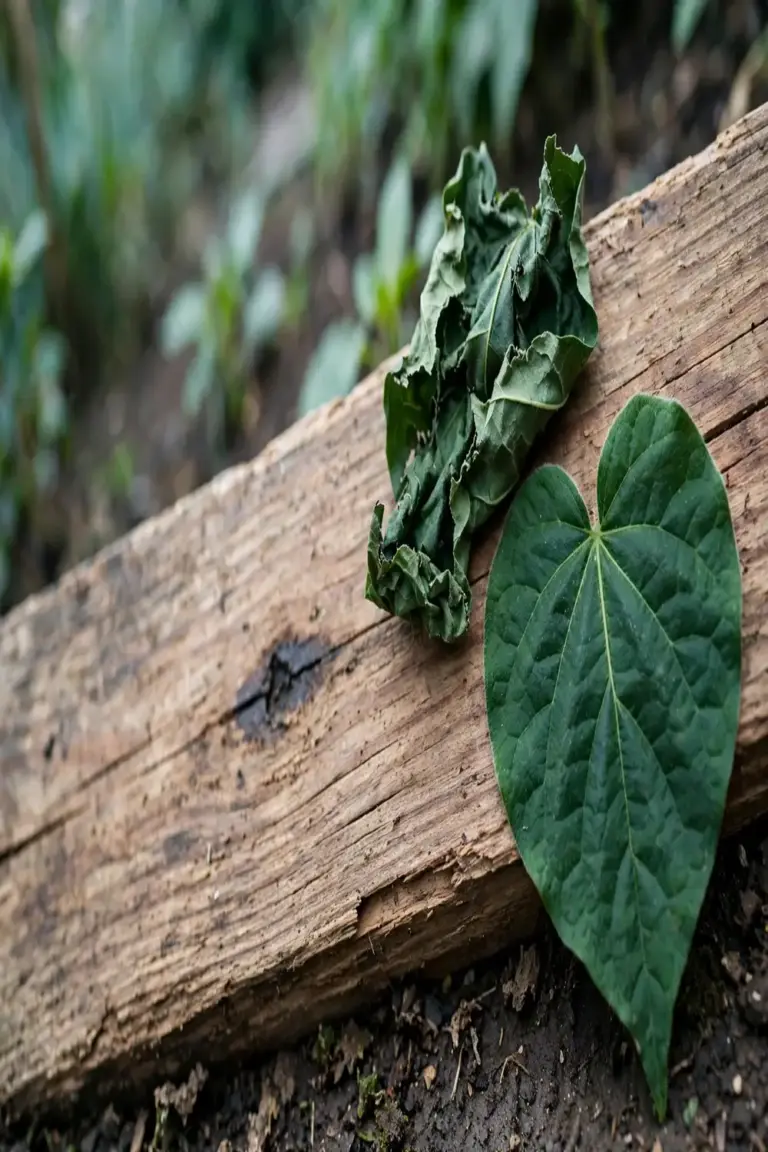
Nursery labels mix this plant up with two others. The first mix-up is kava. Kava is Piper methysticum and pepperleaf is Piper auritum, and both sit in the Piper genus, which is why some markets carry the name pepper for each. The two plants differ in three plain ways. Pepperleaf spreads through suckers and rhizomes. Kava forms non-spreading clumps. Pepperleaf leaves release an anise-like smell when crushed or rubbed. Kava leaves do not. Pepperleaf leaves and kava leaves carry different vein patterns. The University of Florida assessment and Vanderbilt University’s plant database both record the false-kava confusion. Vanderbilt notes that pepperleaf arrived in Hawaii after gardeners mistook it for true kava in the 1990s. If you grow kava already, read the site’s kava growing guide before you buy a plant sold as pepperleaf. The two plants need different handling.
The second mix-up is true pepper. True pepper is Piper nigrum, a vine that produces peppercorns, while pepperleaf is a shrub that produces none. Pepperleaf is a shrub, not a vine. A climbing plant sold as pepperleaf is mislabelled. A plant with peppercorn clusters is true pepper, not pepperleaf.
Buy from a seller who names the botanical name on the label. Piper auritum on the label beats any common name, since common names shift between sellers while botanical names hold still. Ask the seller for the botanical name if the label carries only a common name. A seller who cannot name the species cannot guarantee the plant. Walk away from a market-stall plant with no label at all. An unnamed plant in a pot could be pepperleaf, kava, or something else entirely, and the scent test only works once the plant has leaves worth crushing.
3. Keep Mexican Pepperleaf in a Pot, Never in Open Ground
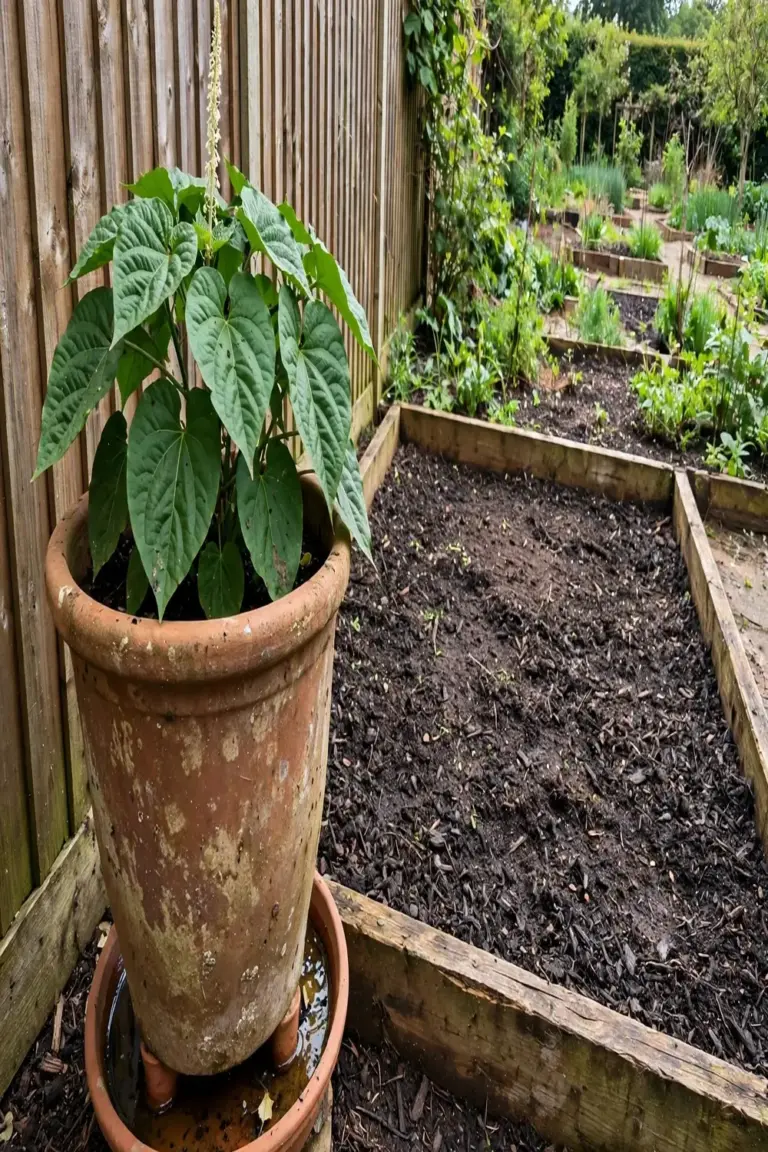
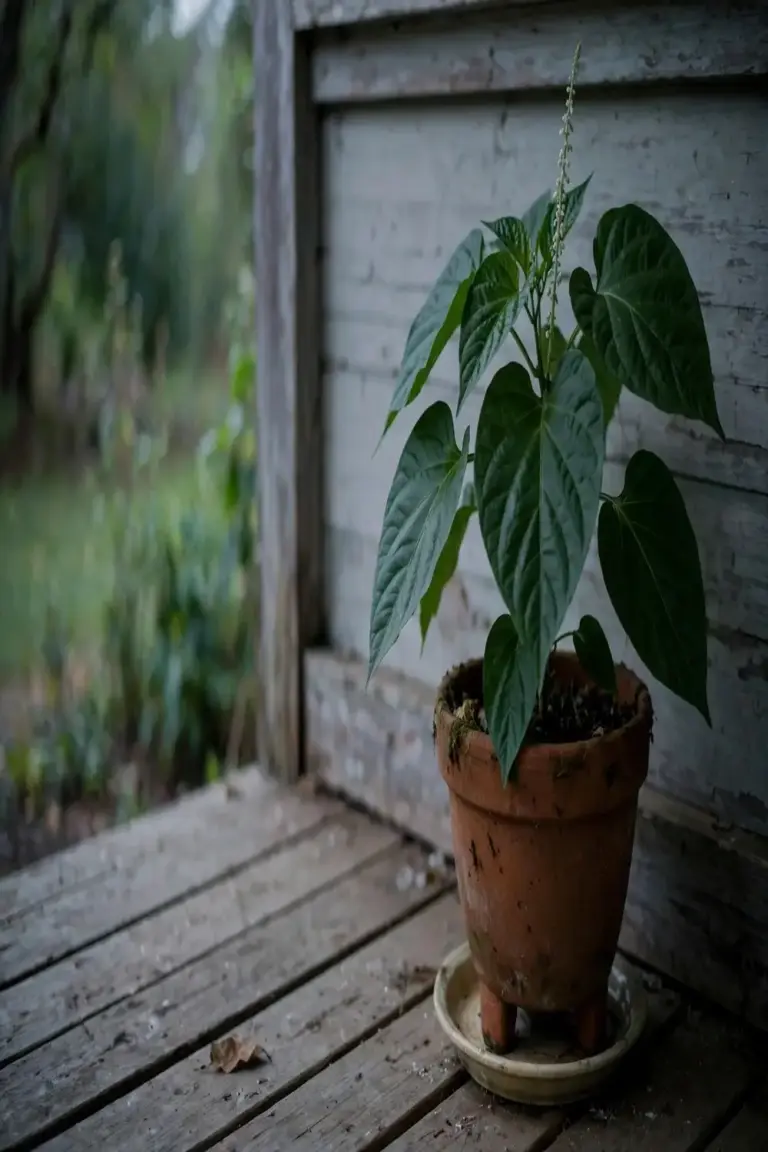
Grow Mexican pepperleaf in a pot only. The rule is simple: a pot holds the rhizomes, while open ground frees them to run. Rhizomes are underground stems. Pepperleaf rhizomes send up new shoots away from the parent plant. Each new shoot grows into a new plant. A single plant in open ground becomes a patch, and a patch becomes a thicket.
The University of Florida Institute of Food and Agricultural Sciences assessed Piper auritum with its predictive tool in 2018 and gave it a score of 16. The assessment concluded High Invasion Risk and stated the species is predicted to be invasive and not recommended by IFAS. That assessment covers Florida, not Australia. Australia has no equivalent published assessment for this species. The Florida result still matters. It tells you the plant carries the traits of an invader: fast growth, rhizome spread, and tolerance of cutting.
The same Plant Pono notes record the same traits from Hawaii and the Pacific. Pepperleaf forms dense monotypic thickets via rhizomes. It reproduces by vegetative fragments, root suckers, and seeds. It grows 4.6 meters in 9 months. It runs a 1-year generation time. It tolerates cutting and resprouts from roots and nodes, and it tolerates shade as well. Any piece of vegetative material left in the ground grows into a new plant. Read that last line twice. It is the reason open ground fails. One missed rhizome piece restarts the patch.
Australia adds its own caution flag. An Australian seller lists the plant with a note that it cannot ship to WA and TAS due to restrictions. Treat that note as a warning, not as a detail. If a seller cannot ship the plant to two states, the plant carries regulatory attention. Do not plant it in open ground near bushland anywhere in Australia. Do not dump prunings or potting mix in green waste bins that go to bushland. Do not give rhizome pieces to neighbours without the pot-only warning.
Frost changes the picture but does not remove the rule. In frost-free warm areas, pepperleaf stays evergreen and vigorous all year. In areas with frost, the top growth dies back and the plant regrows from the roots. The Australian seller calls the plant drought and frost tender and warns that it grows vigorously in frost-free climates. Frost knocks the plant back. Frost does not kill the rhizomes. A pot still wins in frost areas because the pot lets you move the plant under cover before a cold night.
4. Set Up the Pot So Rhizomes Stay Inside
Start with a pot at least 45 cm across and 40 cm deep. A pot this size holds enough soil to keep the plant watered through a hot day. A smaller pot dries out by midday in summer. A larger pot holds more soil and buys you more time between waterings. Use a pot with drainage holes in the base. Drill extra holes if the pot has only one small hole. Water must leave the pot freely. Standing water rots pepperleaf roots.
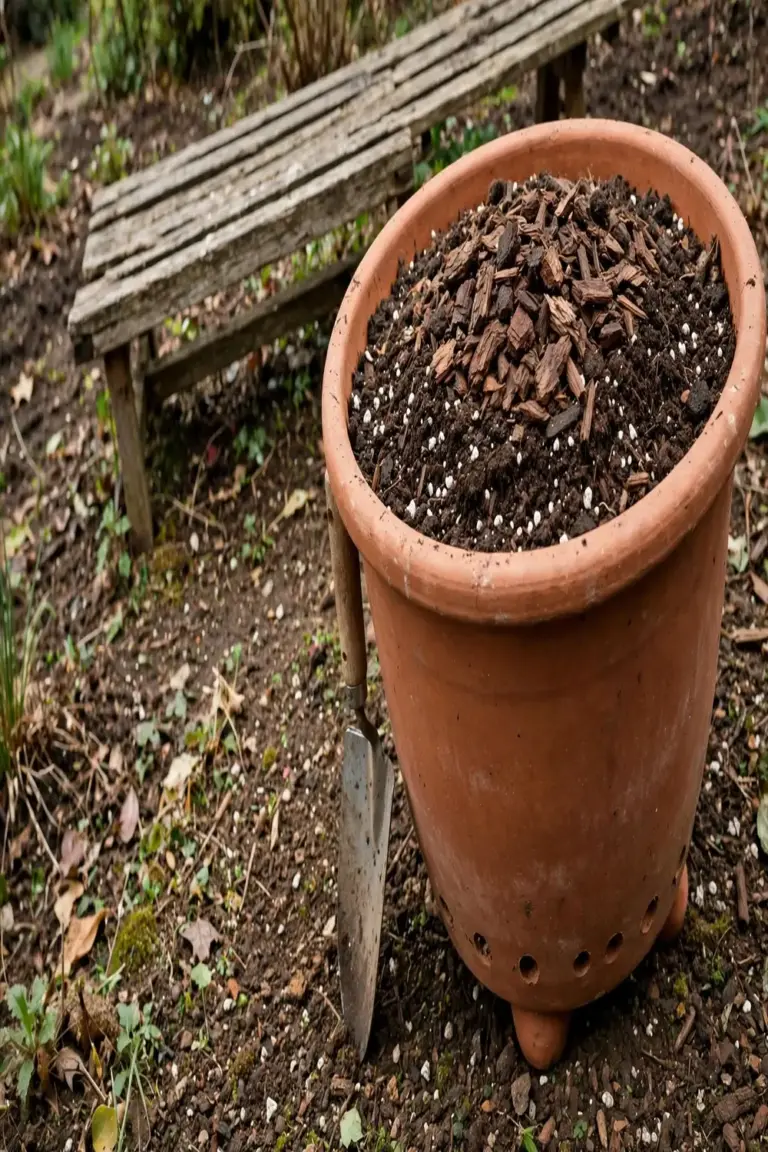
Set the pot on feet or a stand. Feet lift the pot off the ground, which improves drainage and also stops rhizomes from leaving through the drainage holes and rooting into the soil below. A pot sitting flat on soil invites rhizomes to escape through the holes. A pot on feet keeps the escape route closed. Check the feet every season. Cracked feet let the pot sit flat again.
Fill the pot with rich, moist, well-drained mix. The Australian seller recommends rich moist soil, and the same RHS notes recommend moist but well-drained soil, so those two descriptions agree. Build the mix from a quality potting mix with added compost. Add a handful of coarse sand or perlite per bucket of mix to keep drainage open. The mix should feel damp after watering and should not hold a puddle on the surface. A mix that stays wet for days suffocates roots. A mix that dries to dust within hours starves them.
Site the pot in partial shade, since the Australian seller recommends partial shade and the same RHS notes list partial shade with a sheltered position. Morning sun with afternoon shade suits pepperleaf in most Australian gardens, while full afternoon sun scorches the big leaves, and deep shade slows growth and thins the leaves, so a spot under a tree canopy or beside an east-facing wall gives the plant what it wants.
Mulch the surface of the pot with a 5 cm layer of coarse organic mulch. Mulch slows surface drying. Mulch keeps the soil temperature even. Mulch stops the mix from splashing onto the leaves during watering. Read the site’s mulching guide for the full method. Keep the mulch clear of the stem by two finger widths. Mulch piled against the stem holds moisture against the bark and invites rot.
| Pot Setup Item | Spec | Why It Matters |
|---|---|---|
| Pot size | At least 45 cm across, 40 cm deep | Holds moisture through a hot day |
| Drainage | Holes in the base, pot on feet | Stops waterlogging and rhizome escape |
| Mix | Rich potting mix with compost, plus coarse sand or perlite | Moist but well-drained, per RHS and the AU seller |
| Light | Partial shade, morning sun, afternoon shade | Full afternoon sun scorches big leaves |
| Mulch | 5 cm coarse organic mulch, clear of the stem | Slows drying, keeps soil temperature even |
5. Water, Feed, and Prune a Potted Pepperleaf
Water when the top 3 cm of mix feels dry. Push a finger into the mix. Dry mix at finger depth means water now. Damp mix means wait a day. Pepperleaf wants steady moisture without wet feet, so water until water runs from the drainage holes. Empty the saucer after 30 minutes. A saucer left full keeps the roots sitting in water. Roots sitting in water rot.
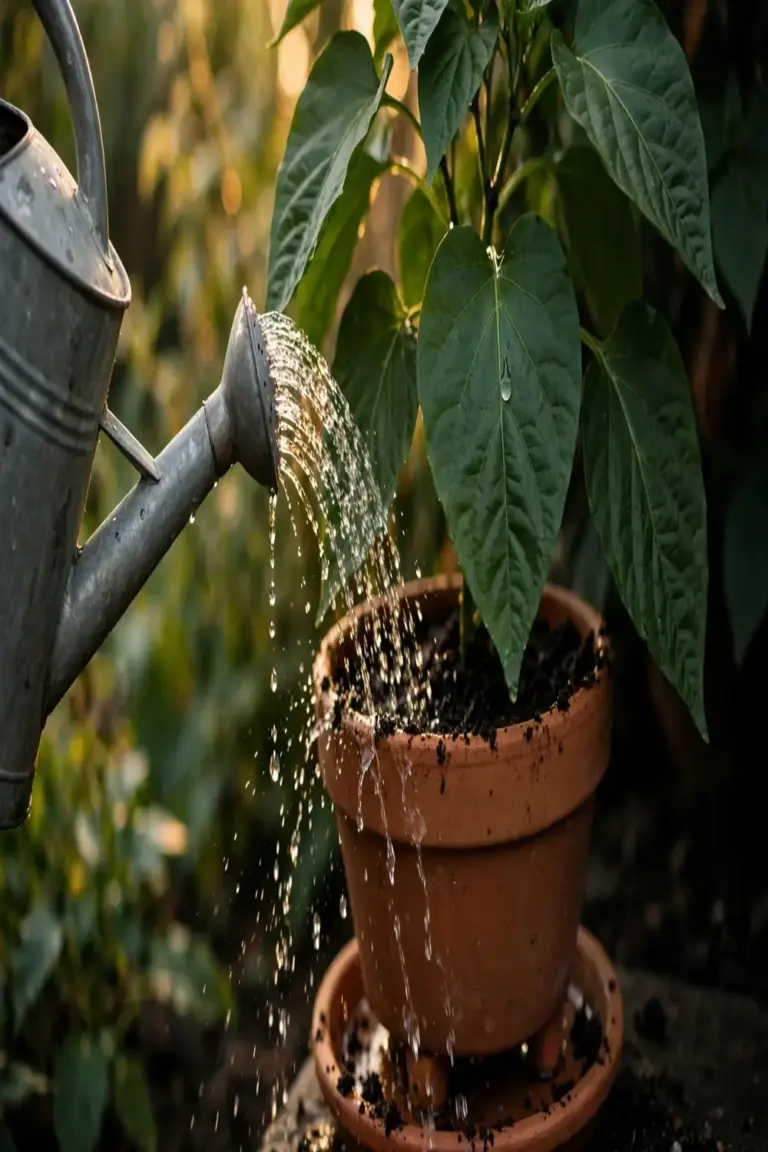
Summer watering runs daily in hot inland areas, while winter watering drops to weekly or less because the plant slows down in cool weather and cool soil dries slowly. A winter watering schedule that matches summer watering drowns the plant. Adjust by feel, not by calendar. The finger test beats any schedule.
Feed lightly through the growing season. A balanced slow-release fertilizer applied at the rate on the packet feeds the plant for months. A liquid feed at half the packet rate once a month during spring and summer also works. Stop feeding in late autumn. Feeding in winter pushes soft growth that frost damages. Do not feed a dry plant. Water first, feed second. Fertilizer on dry roots burns them. Watch the leaves for feeding feedback, since pale new leaves with green veins point at hunger while leaf edges that brown and curl after feeding point at excess. A plant that grows fast with deep green leaves needs no extra feed. A plant that stalls despite steady water and light wants one measured feed, not a double dose.
Prune to keep the plant manageable. The Australian seller warns that the plant needs pruning to stay manageable, so cut the tallest stems back by one third in early spring. Cut out any stem that leans out of the pot or shades the center. Pruning keeps the plant bushy. Pruning also keeps leaves within reach for kitchen use. A plant left unpruned grows leggy and drops its lower leaves. A leggy plant looks thin and offers few good leaves.
Check soil health once a year. Tip the plant out of the pot in early spring. Look at the roots. White root tips mean a healthy plant. Brown mushy roots mean overwatering. A solid mat of roots circling the pot means the plant needs a bigger pot or a root prune. Read the site’s soil health guide for the full picture. Repot into fresh mix every two years. Fresh mix restores drainage and nutrients that old mix loses.
6. Run the Monthly Escape Check
Walk around the pot once a month and look for shoots outside the pot, since shoots in the soil beside the pot mean rhizomes escaped through the drainage holes. Shoots in a nearby bed mean a rhizome piece landed there during pruning. Shoots in the lawn mean the pot sat flat on soil and rhizomes rooted through the holes. Every shoot outside the pot is a plant you did not plan. Pull it the day you see it.
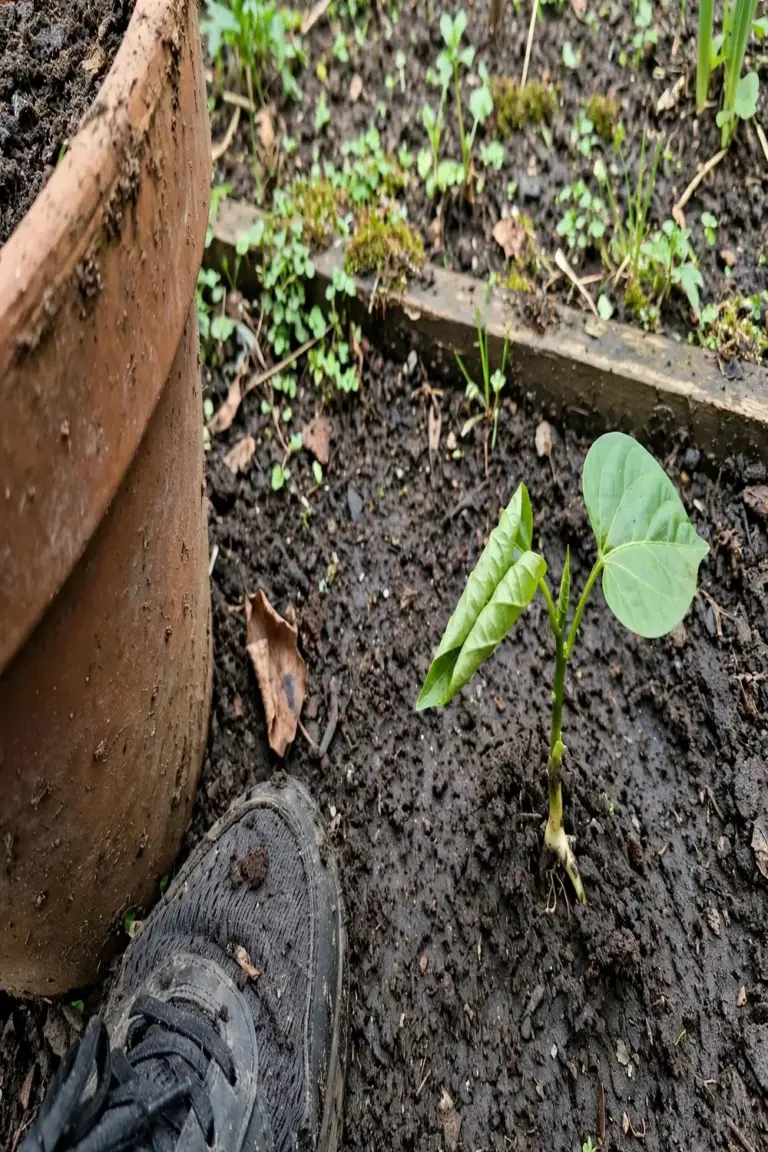
Lift the pot and look under it. Roots or rhizomes poking out of the drainage holes mean the plant is pressing against the pot walls. A pot-bound plant pushes rhizomes out of every opening. Repot into a larger pot or root-prune the plant when you see roots leaving the holes. A root prune means cutting away the outer 3 cm of root mass and repotting into fresh mix. Do the root prune in early spring when the plant starts active growth.
Check the saucer. A saucer full of soil and roots means the plant dropped material through the holes. Empty the saucer. Wash it. Put the pot back on its feet. A clean saucer shows you the next escape early. A dirty saucer hides it.
Check prunings before they leave your hands. Pepperleaf grows from fragments. A stem piece dropped on soil roots, and a rhizome piece in green waste grows at the tip. Bag prunings and bin them. Never compost pepperleaf prunings. Home compost does not heat evenly enough to kill every fragment. A compost pile with live pepperleaf pieces spreads the plant when you spread the compost.
Check the fence line and the neighbour side twice a year. Rhizomes travel under fences. A shoot on the neighbour side is your plant. Tell your neighbour what it is. Offer to dig it out. A neighbour who knows the plant watches for it. A neighbour who does not know it waters it.
7. Dig Out Escapees Before They Form a Thicket
Dig out any escapee the week you find it. Small escapees come out with a hand fork. Loosen the soil around the shoot, pull gently, and follow the rhizome back to its source. Pull the full rhizome piece out. A rhizome piece left in the ground grows into a new plant. Plant Pono states this plainly: any piece of vegetative material left in the ground grows into a new plant. Dig wide. Dig deep. Check the hole for white rhizome tips before you fill it.
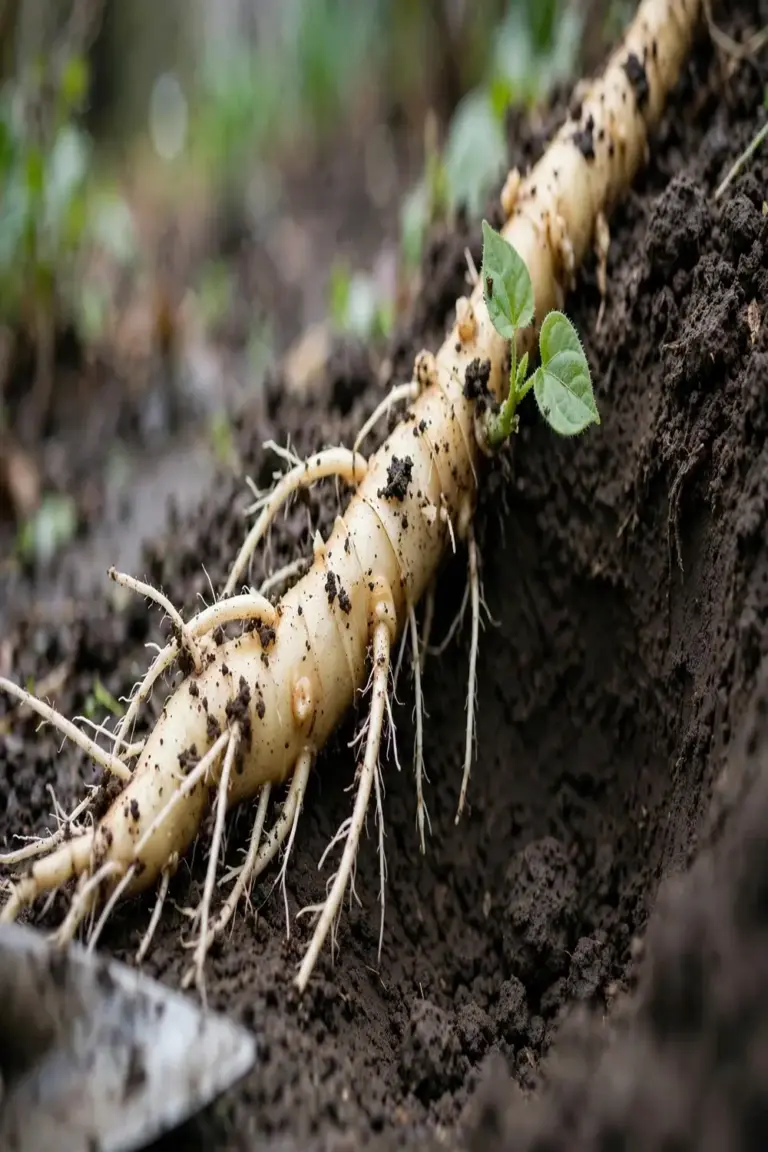
Large escapees need a spade. Cut the patch into sections. Lift each section with its rhizome mass. Bag every piece. Do not shake soil off the rhizomes over an open bed. Shaken soil carries rhizome fragments. Shaken soil drops them into clean ground. Carry the bagged material to the bin. Wash the spade before you use it elsewhere. A spade with rhizome pieces on the blade plants the next patch.
Do not reach for herbicide first. Herbicide on a single shoot is overkill. Herbicide near a pot risks the parent plant. Hand digging removes the rhizome. Hand digging shows you how far the patch spread. A sprayed shoot dies above ground while the rhizome below stays alive. A dug shoot leaves nothing behind. Read the site’s organic weed control guide for the full method. Reserve chemical control for a thicket you cannot dig. A thicket means a patch wider than your arm span with stems too thick to pull. A thicket needs professional advice. Call your local council weed officer before you spray near bushland or waterways.
Replant the gap with a plant that competes. A thick groundcover shades the soil and slows pepperleaf regrowth. A bare patch invites the next escapee. Fill the gap the same week you dig. Mulch the gap with 10 cm of coarse mulch while the new plant settles. Check the gap monthly for a year. One year of checks catches regrowth from missed fragments.
8. Use Leaves as Wraps, Not as Medicine
Pick leaves for the kitchen. Pepperleaf leaves wrap food. Mexican cooks wrap fish, chicken, and tamales in pepperleaf leaves. The leaves add a root-beer and anise flavor to the food inside. Pick young leaves from the middle of the plant. Young leaves are tender and aromatic, while old leaves turn tough and lose scent. Wash each leaf before use. A rinse under running water removes dust and soil.
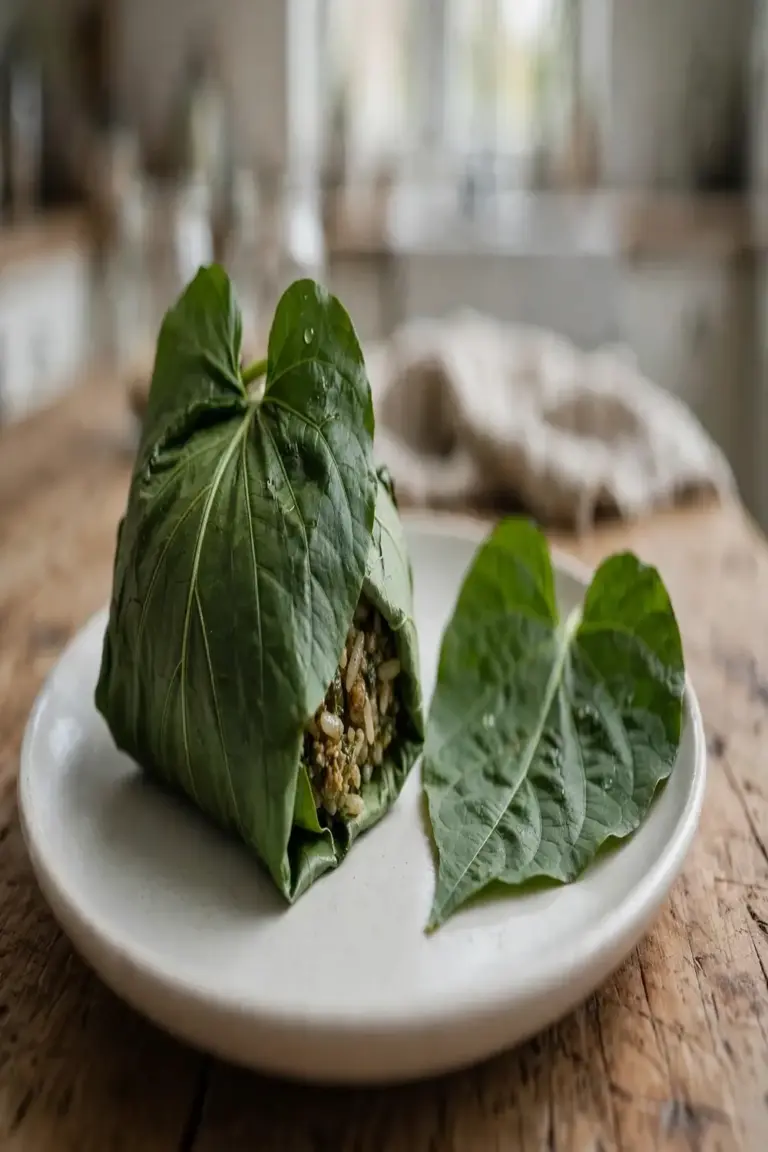
Use leaves fresh. Fresh leaves wrap best. Dried leaves crack and split. A fresh leaf bends around food without tearing. A dried leaf shatters. Pick leaves the day you cook. A leaf picked in the morning still wraps well at dinner. A leaf picked last week does not.
Do not use pepperleaf as medicine. Pepperleaf leaves carry safrole. Safrole gives the leaf its signature scent. Safrole is also a compound that regulators restricted as a food additive after animal studies linked it to liver effects. Whole-leaf culinary use in small amounts differs from concentrated extracts or daily medicinal use. The gap between a leaf in a tamale and a daily extract is wide. Stay on the culinary side of that gap. Do not brew strong pepperleaf teas. Do not take pepperleaf extracts. Do not use pepperleaf daily as a health tonic.
Tell guests what they eat. A guest with a liver condition should know the leaf carries safrole. A guest who takes medication should know the leaf is an active plant, not a neutral wrapper. Honest labelling costs one sentence. Hidden ingredients cost trust.
| Clue | Mexican Pepperleaf | Kava | True Pepper |
|---|---|---|---|
| Botanical name | Piper auritum | Piper methysticum | Piper nigrum |
| Growth form | Bushy shrub | Non-spreading clump | Climbing vine |
| Leaf | Very large, heart-shaped, velvety | Large, heart-shaped, no anise scent | Smaller, glossy, oval |
| Scent when crushed | Root beer or anise | No anise scent | Peppery, not root beer |
| Spread | Rhizomes and suckers, aggressive | Clump-forming, stays put | Climbs, does not sucker |
| Kitchen use | Leaves as wraps | Roots as a drink in Pacific cultures | Dried peppercorns |
Frequently Asked Questions
No published Australian assessment calls pepperleaf an established invasive inside Australia. The University of Florida assessment gives it a High Invasion Risk rating in Florida. Plant Pono lists it as invasive in Hawaii, Micronesia, Tonga, and Florida. An Australian seller cannot ship it to WA and TAS. Treat the plant as a containment-first plant in Australia. Grow it in a pot only and never plant it in open ground near bushland.
Cold areas slow the plant but do not make open ground safe, since frost kills top growth while rhizomes survive underground and regrow in spring. A pot still wins in cold areas because the pot lets you move the plant under cover before frost. Open ground in a cold area still risks a spring thicket from surviving rhizomes. Keep the plant in a pot everywhere in Australia.
Crush a leaf. Pepperleaf releases a root-beer or anise scent. Kava leaves carry no anise scent. Pepperleaf spreads through suckers and rhizomes. Kava forms non-spreading clumps. Pepperleaf and kava leaves also carry different vein patterns. Vanderbilt’s plant database records the confusion and notes that pepperleaf reached Hawaii after gardeners mistook it for true kava in the 1990s.
Start with a pot at least 45 cm across and 40 cm deep. That size holds enough soil to keep the plant watered through a hot day. Smaller pots dry out by midday in summer. Set the pot on feet so rhizomes cannot leave through the drainage holes and root into the soil below. Repot into a larger pot or root-prune when roots push out of the drainage holes.
Use leaves as wraps for food, in the Mexican tradition. Pick young leaves, wash them, and use them fresh. Do not use pepperleaf as medicine. The leaves carry safrole, a compound regulators restricted as a food additive after animal studies linked it to liver effects. Whole-leaf culinary use in small amounts differs from concentrated extracts or daily medicinal use. Tell guests what they eat.
Melbourne winters knock the top growth back. The plant dies back to the roots in a cold snap and regrows in spring. Move the pot under cover before the first frost. A sheltered wall, a verandah, or a cold greenhouse all work. Do not leave the pot in an exposed frost pocket. Frost does not kill the rhizomes, so a pot left out still regrows, but the plant starts spring smaller and weaker.
Start With One Pot, Not One Bed
Buy one plant and name it from the botanical label. Crush a leaf and smell the root-beer scent. Pot it in a 45 cm pot on feet and site the pot in partial shade. Water by the finger test and check for escapees every month. Pick leaves for the kitchen and leave medicine claims alone. One pot gives you every leaf you need, while one bed gives you a thicket you did not plan. Start with the pot.