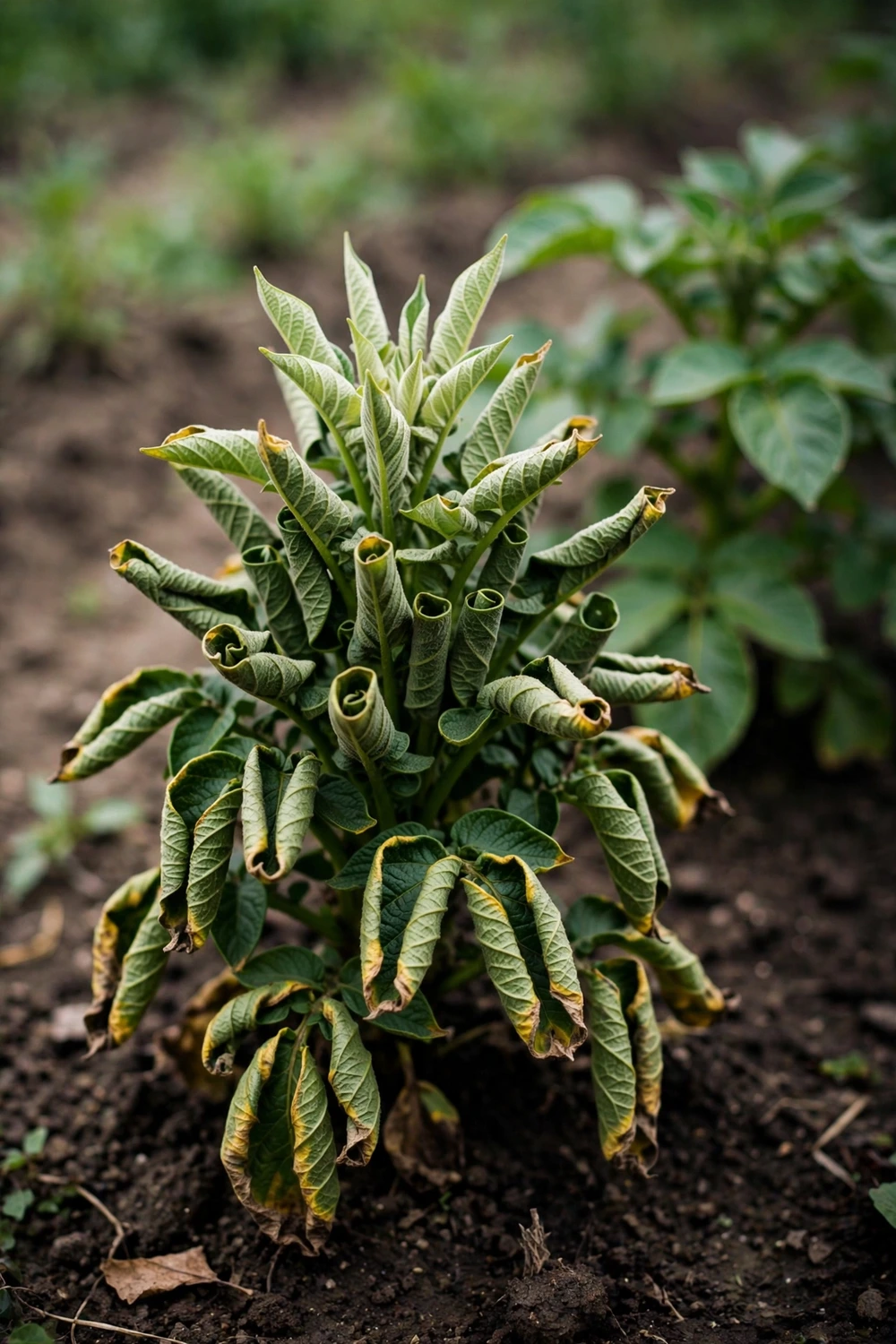

Potato leafroll virus has no cure, and it hides in the one place gardeners trust most. A plant grown from an infected tuber can look almost normal early on, then roll its lower leaves upward into stiff, leathery tubes while the tubers inside carry the virus into next year. The 10 strategies below start with identification, then give the prevention playbook that actually works: certified seed, rogueing, aphid control timed to how this virus travels, and sanitation that removes every hiding place.
I have learned that a gardener who buys certified seed every year beats every spray on the shelf. The spray can slow this virus, and clean seed stops it at the source, and that order matters more than any product choice.
The rest of this page walks through identification on leaves and tubers, the potatoes hit hardest, a compiled differential table against Potato Virus Y, the persistent-transmission mechanism behind every control decision, and the 10 strategies in order. Potato leafroll virus belongs to the same no-cure family of problems as the alfalfa mosaic virus guide, where prevention carries the whole load because treatment cannot.
What Potato Leafroll Virus Actually Is
Potato leafroll virus is a virus disease of potato plants. The pathogen is Potato leafroll virus, shortened to PLRV. Current taxonomy places it in the genus Polerovirus, family Solemoviridae. Older references call it a luteovirus, and that older name still shows up in indexes and fact sheets. This guide uses Polerovirus PLRV throughout, because that is the current placement.
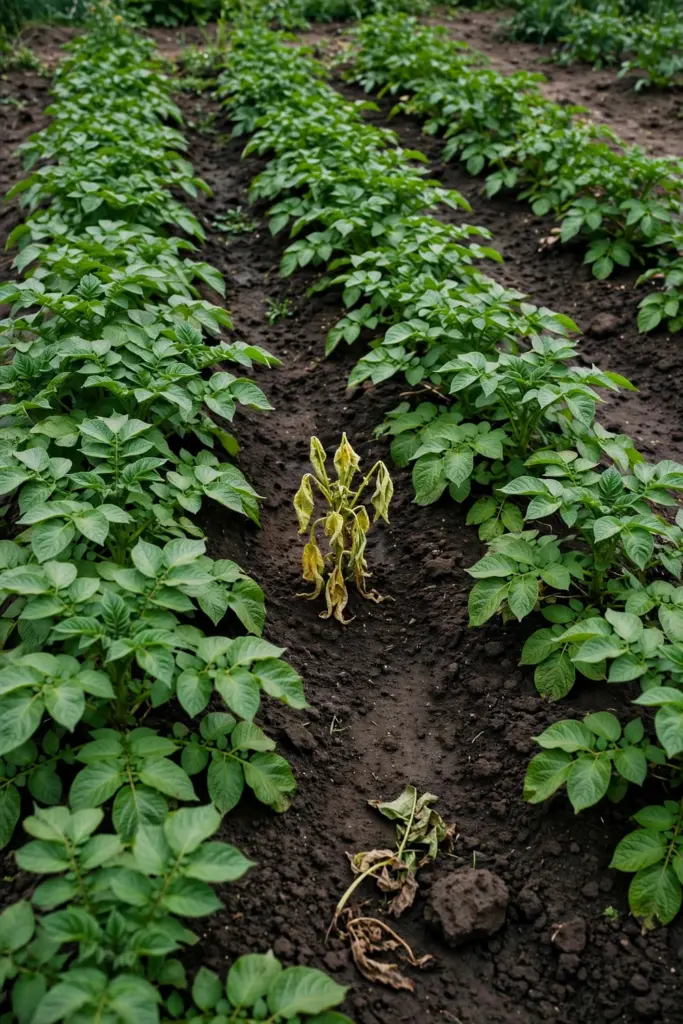
PLRV lives in the phloem, the food-conducting tissue of the plant. Aphid feeding introduces the virus into the phloem, where the virus multiplies and spreads, as the University of California IPM garden page on potato leafroll explains. A phloem-limited virus cannot be washed off a leaf, cannot be pruned out of one branch, and cannot be reached by a spray that sits on the leaf surface. The whole plant carries it once infection takes hold. That fact explains why every strategy below is prevention, rogueing, or vector control, and why none of them is a cure.
The virus travels two ways, and only two ways. Aphids carry it from plant to plant, and infected tubers carry it from season to season. Potato leafroll virus is not transmitted mechanically by machinery or contact with leaves, according to the same UC IPM page. Cutting tools, hands, and boots do not spread it. That fence matters, because it tells you where to spend effort. Tool disinfection helps against other potato problems. It does nothing against PLRV. Aphid control and clean seed do the work here.
Grapevine leafroll is a different virus on a different crop, and the two share nothing but a word. A potato grower who reads grape advice by mistake will chase the wrong vector, the wrong host, and the wrong fix. Keep the crops separate. This guide covers potato only.
PLRV also infects other solanaceous plants and weeds, including tomato, tobacco, and jimsonweed, as Cornell Extension describes on its virus diseases of potato fact sheet. Those hosts matter in Step 8, because a weed patch can hold the virus between potato crops. The virus does not live in soil on its own. It lives in living plants and in living tubers, and it moves when aphids move or when a gardener plants an infected tuber.
How to Identify Potato Leafroll Virus on Leaves
Potato leafroll virus on leaves splits into two patterns, and the pattern tells you how the plant got infected. Primary infection happens when an aphid inoculates a healthy plant during the current season. Secondary infection happens when the plant grows from an infected tuber. Cornell Extension draws that line directly, and the leaf symptoms follow it.
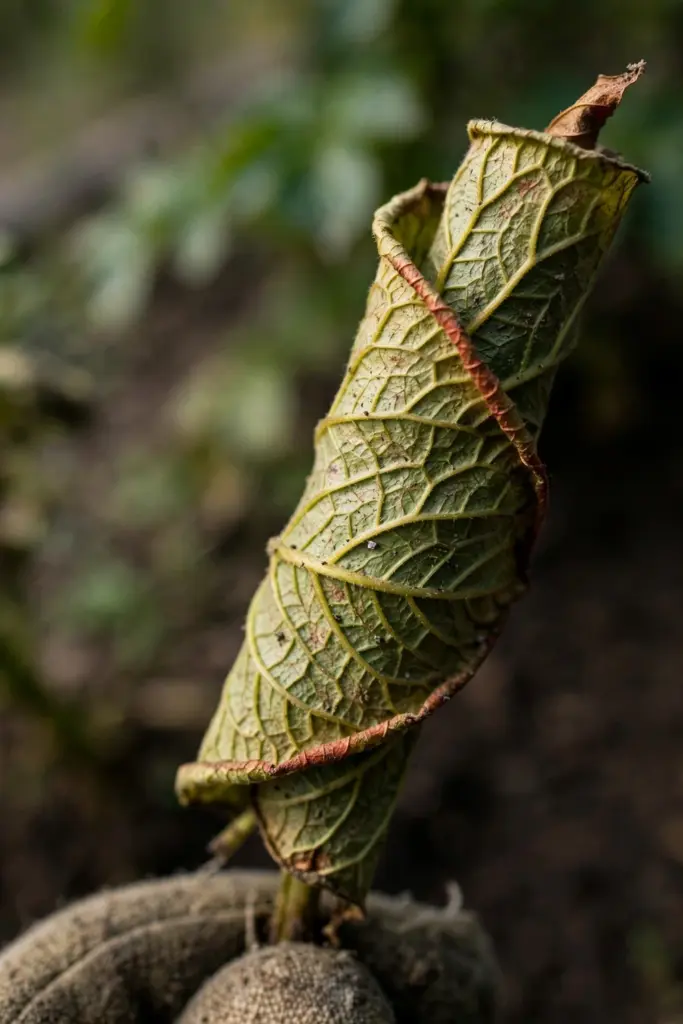
Primary infection shows in the upper leaves first. The upper leaves become pale, upright, and rolled, and they show some reddening of the tissue around the leaf edges, according to Cornell Extension. The lower leaves may or may not show symptoms. A plant infected late in the season may show little at all. Sometimes nothing shows. A clean-looking plant in August can still carry an infection that shows up in its tubers, which is why visual checks alone never clear a crop.
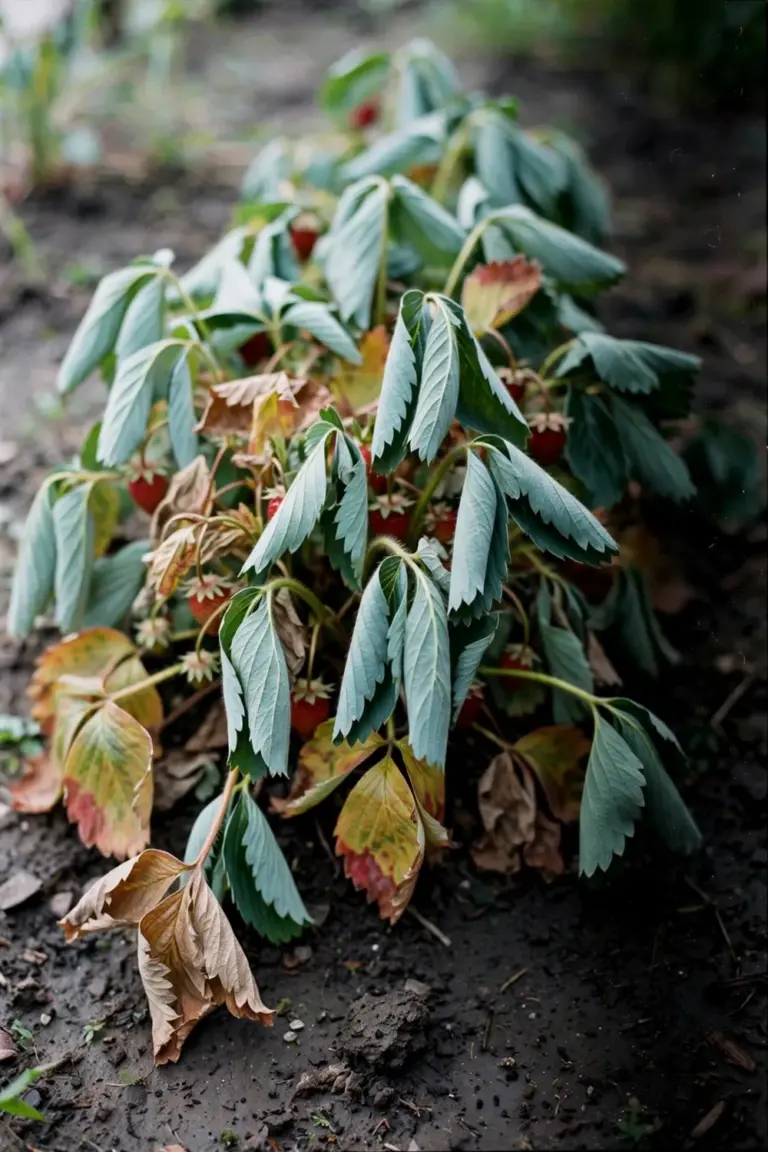
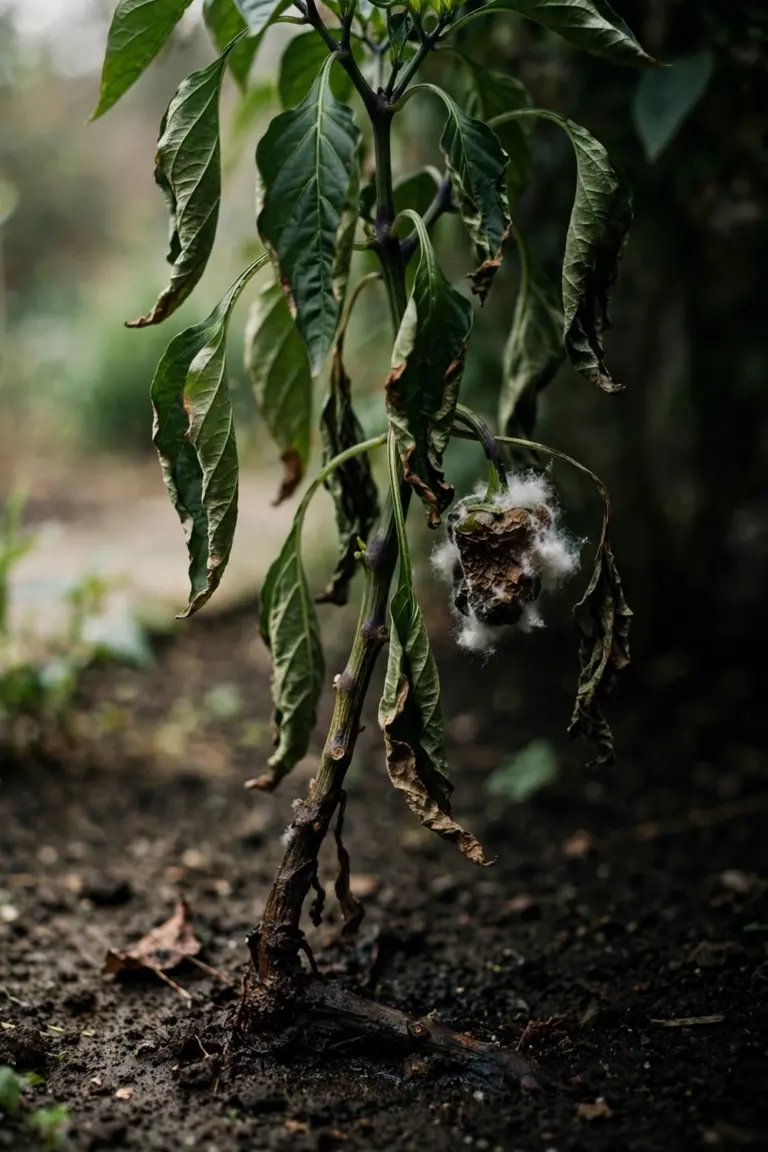
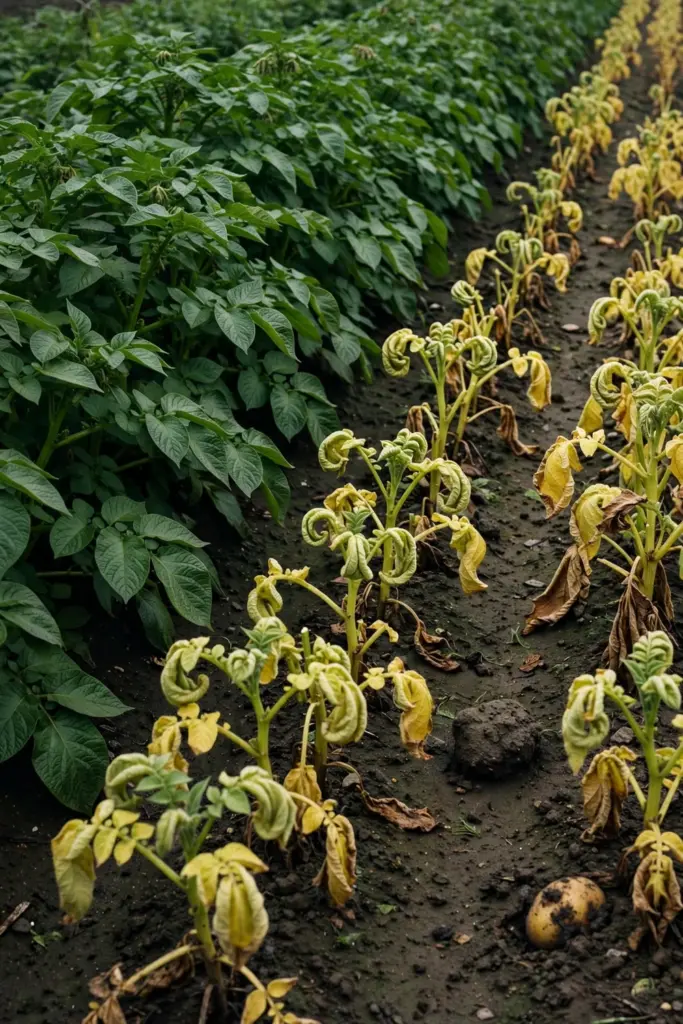
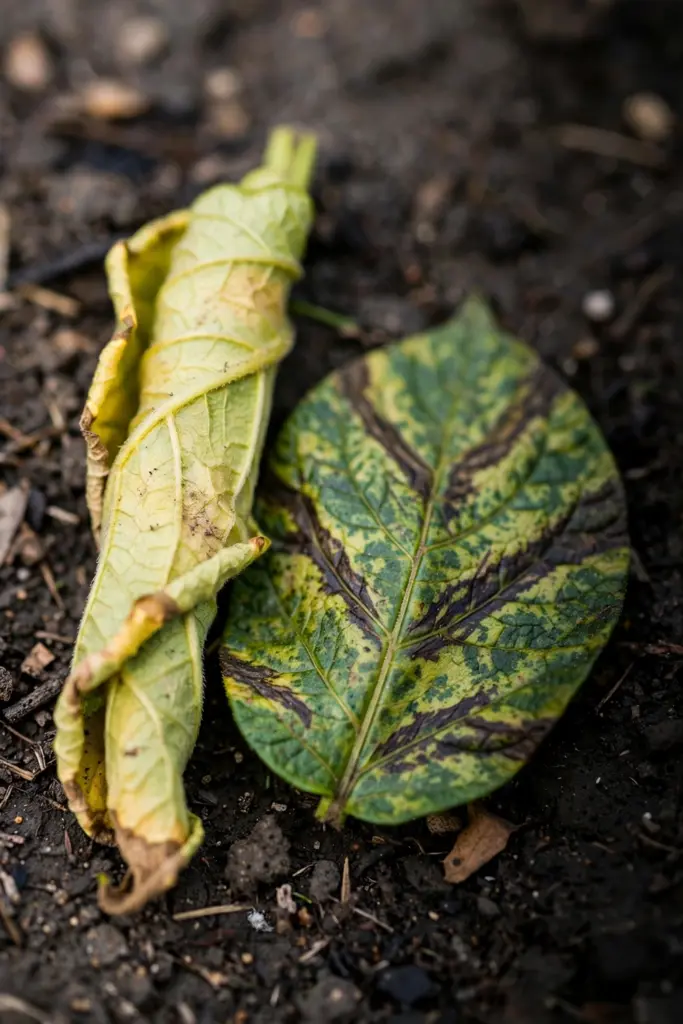
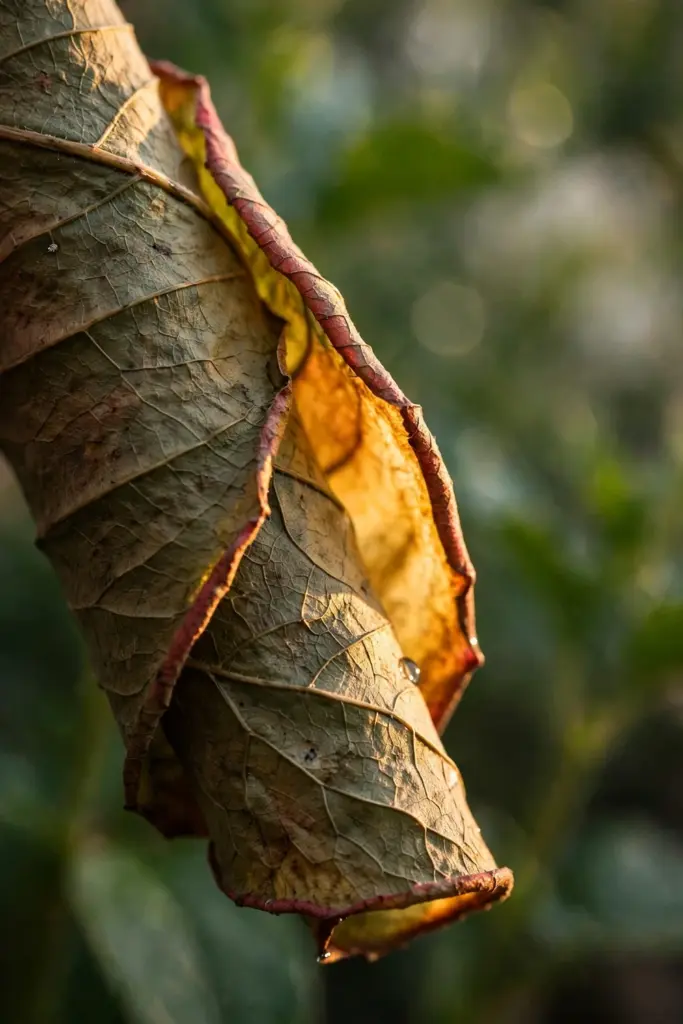
Secondary infection shows in the lower leaves first, and it hits harder. The lower leaves roll severely and turn leathery to the touch. The plant takes on an overall stunted, upright, chlorotic appearance. The oldest leaves may show reddening on the margins or yellowing. The upper leaves may not show obvious symptoms. Washington State University Hortsense describes the same sequence in home-garden terms: leaves of plants grown from infected seed pieces show a distinctive upward rolling of the leaf margins with a brittle or leathery texture, symptoms first appear at the base of the plant and progress upward, and the plants run slightly stunted and yellowish, as the WSU Hortsense potato leafroll page explains.
Touch the leaf. A healthy potato leaf feels soft and flexible. A PLRV leaf feels stiff, thick, and brittle, and it holds its rolled shape when you let go. The roll goes upward at the margins, which separates it from wilting, where leaves droop downward and soften. Upward roll plus leathery texture plus a stunted, upright plant is the field signature. One sign alone proves little. The three together point hard at PLRV.
Symptom-free infection is the trap in this disease. Cornell Extension states that PLRV can be difficult to detect because foliar symptoms are not always obvious, and that infected tubers may come from plants without visual symptoms. Some varieties show no foliar symptoms at all. A plant that looks healthy can still grow infected tubers, and those tubers grow infected plants next year. Field identification is presumptive. Laboratory testing settles it. When the stakes are high, such as a seed-saving decision, a lab result beats a visual guess.
How to Identify Potato Leafroll Virus on Tubers
Potato leafroll virus on tubers hides behind a normal skin. Infected tubers appear normal on the outside, according to WSU Hortsense. No spot, no scab, and no smell marks them. The damage sits inside, and you find it only by cutting.
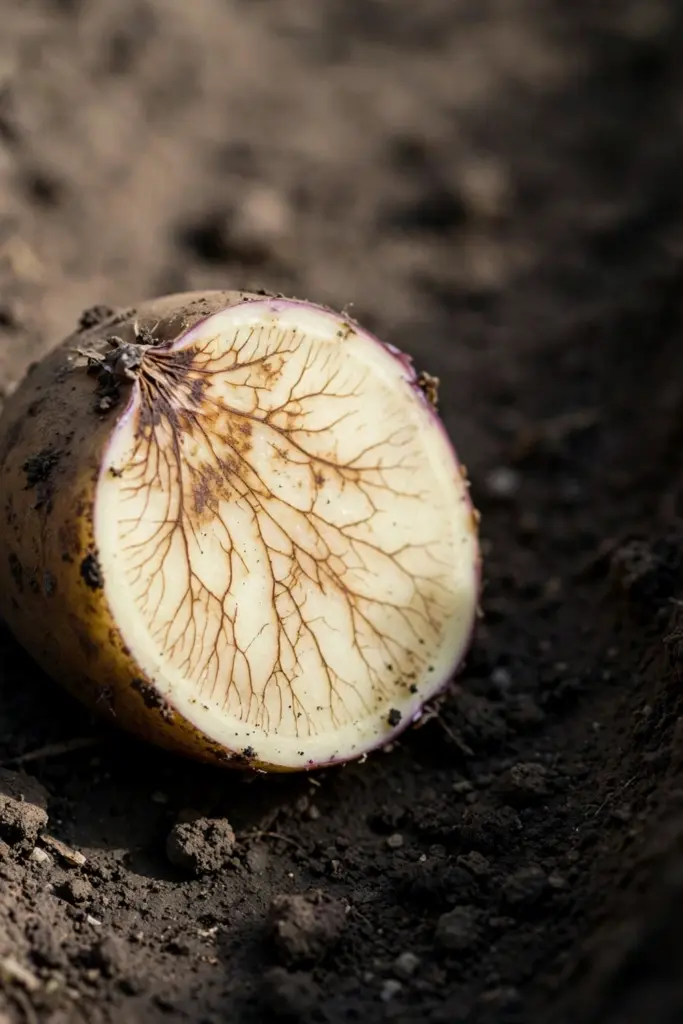
Cut the tuber lengthwise from the stem end. Look for net necrosis, a brownish network of fine lines at the stem end, inside the flesh. WSU Hortsense describes exactly that pattern, and adds that net necrosis often develops in storage. A tuber that looked clean at harvest can show net necrosis weeks later on the storage shelf. The variety Russet Burbank is highly susceptible to net necrosis, while many varieties never show it even when infected. A clean cut does not prove a clean tuber.
Net necrosis ruins the tuber for storage and for seed, and it ruins it for market. The brown netting runs through the vascular tissue, the same phloem the virus used in the plant. UC IPM notes that PLRV can cause necrotic netting in the tuber vascular tissue of some varieties, including Russet Burbank. Cut away brown areas before eating, if desired, per the same UC IPM page. Eating is a separate question from planting, and Step 9 keeps them separate.
Tuber symptoms follow the infection pattern the same way leaf symptoms do. A plant grown from an infected tuber produces infected tubers. A plant infected by aphids during the season can produce tubers that carry the virus, and net necrosis can develop in those tubers during storage. The tuber is both the harvest and the next planting, and that double role is what makes this virus so persistent in home gardens. Every tuber you save is a bet on the health of the plant it came from, and the plant may have shown no symptoms at all.
Check tubers at harvest and again during storage. Cut a sample from each batch, not one tuber from the whole crop. Cut five or six tubers from different plants, and cut them from the stem end where net necrosis starts. A sample that shows net necrosis condemns the batch for seed, even if the rest of the tubers look fine. The batch still feeds the family. It never goes back into the ground.
Which Potatoes Get Hit Hardest
Potato leafroll virus hits potato, and potato is the crop that carries the loss. Every potato variety can host the virus. The practical difference is symptom severity and net necrosis, not immunity. No popular variety carries complete resistance, and the variety lists below reflect reduced susceptibility, not a shield.
Russet Burbank sits at the high-risk end. Cornell Extension names Russet Burbank as very susceptible to PLRV and to tuber symptoms of internal net necrosis. WSU Hortsense agrees, calling the variety highly susceptible to net necrosis. A gardener growing Russet Burbank in an area with aphid pressure should expect net necrosis to show up in storage when the virus is present. The variety still grows well, and it still yields, but its tubers condemn themselves visibly, which is almost a favor. A variety that hides the damage is harder to manage than one that shows it.
Other solanaceous crops and weeds host the virus without carrying the same loss. Tomato, tobacco, and jimsonweed appear on the Cornell host list. Nightshade and ground cherry hold related potato viruses, and the same weed logic applies here. A tomato plant with PLRV shows little that a gardener would act on, and a weed patch shows nothing at all, yet both can supply the virus to aphids that then move into potatoes. Step 8 covers the weed side of that bridge.
Variety susceptibility also shifts with the season. A variety that shows mild leaf symptoms in a cool year can show severe symptoms in a warm year, because symptom severity depends on the virus strain, the variety, the environment, and the time and source of infection. That four-way dependence comes from UC IPM, and it explains why one gardener’s report never settles another gardener’s question. Your variety, your season, and your infection source decide your symptoms. The management stays the same across all of them.
Seed-borne infection hits hardest of all, because it starts at planting. A plant grown from an infected tuber carries the virus from day one, shows secondary symptoms on the lower leaves, stays stunted, and produces infected tubers in turn. Current-season aphid infection starts later, shows milder symptoms, and may show nothing at all. The seed is the bottleneck. Every strategy that protects the seed protects the whole crop, and every strategy that ignores the seed chases aphids around a field that was already infected at planting.
Potato Leafroll Virus vs Potato Virus Y
Potato leafroll virus and Potato Virus Y both attack potatoes, both travel in aphids and tubers, and both have no cure. Gardeners confuse them because both can roll, mottle, stunt, and cut yield. The two viruses differ in how fast an aphid passes them on, in what the leaves show, in what the tubers show, and in what aphid control can do about them. The table below is compiled from parallel Extension sources. No published head-to-head comparison of the two viruses exists, so the table carries that compiled status openly. The PLRV side comes from Cornell Extension, the Pacific Northwest Handbook, WSU Hortsense, and UC IPM. The PVY side comes from Cornell Extension and the same Extension literature on nonpersistent transmission.
| Feature | Potato Leafroll Virus (PLRV) | Potato Virus Y (PVY) |
|---|---|---|
| Pathogen group | Polerovirus, phloem-limited RNA virus | Potyvirus, a different virus genus entirely |
| How an aphid carries it | Persistent and circulative: the virus passes through the aphid gut into the body, reaches the salivary glands, and the aphid stays infective for life | Non-persistent: the aphid carries the virus on its mouthparts, passes it on in a brief probe, and loses it after one transmission |
| How fast an aphid passes it on | Slow: several minutes to hours of feeding are required for the aphid to acquire the virus | Fast: a brief probe is enough, and no waiting period is needed |
| What aphid control does | Can help, because the slow transfer gives control a window to kill the aphid before it passes the virus on | Has little effect on spread, because the aphid transmits the virus before any spray kills it |
| Leaf symptoms | Upward leafroll, stiff leathery texture, stunting, upright growth, yellowing, reddening at leaf edges | Mosaic or mottling in light and dark green, vein banding, crinkling, necrotic streaks on veins and shoots, leaf drop in severe strains |
| Tuber symptoms | Internal net necrosis, a brown network of fine lines at the stem end, often developing in storage | Tuber necrosis in some strains, including necrotic ringspots on the tuber surface that extend into the flesh |
| Spread by tools or touch | No, not transmitted mechanically by machinery or contact with leaves | Yes, PVY can spread on contaminated tools and by handling, in addition to aphids |
| Seed-tuber carryover | Yes, infected tubers grow infected plants with secondary symptoms | Yes, infected tubers grow infected plants |
| What stops it | Certified seed, rogueing, aphid control, sanitation | Certified seed, rogueing, sanitation; aphid sprays help little |
The management fork is the reason the table matters. Aphid control earns its place against PLRV and loses it against PVY. A gardener who sprays for aphids expecting to stop PVY wastes the spray, and a gardener who skips aphid control because it fails against PVY leaves PLRV free to spread. The differential decides the spray. Potato Virus Y gets its full treatment in its own companion article, and this guide covers only what the comparison requires.
Two more distinctions deserve one line each. PLRV keeps a narrow, slow lane: few aphid species carry it well, and each one needs hours of feeding. PVY keeps a wide, fast lane: many aphid species carry it, and each one needs only a probe. A garden with light aphid pressure can still lose plants to PVY, while the same pressure may barely move PLRV. Pressure alone never tells you which virus you have. Symptoms plus the table do.
Why Persistent Transmission Changes Everything
Persistent transmission changes everything because it sets the clock for every control decision. An aphid that feeds on a PLRV-infected plant needs prolonged feeding to pick the virus up. The virus then crosses the aphid gut, circulates through the body, and reaches the salivary glands. Only then can the aphid pass the virus to a healthy plant. That journey takes hours, not seconds. The delay is the whole management opportunity.
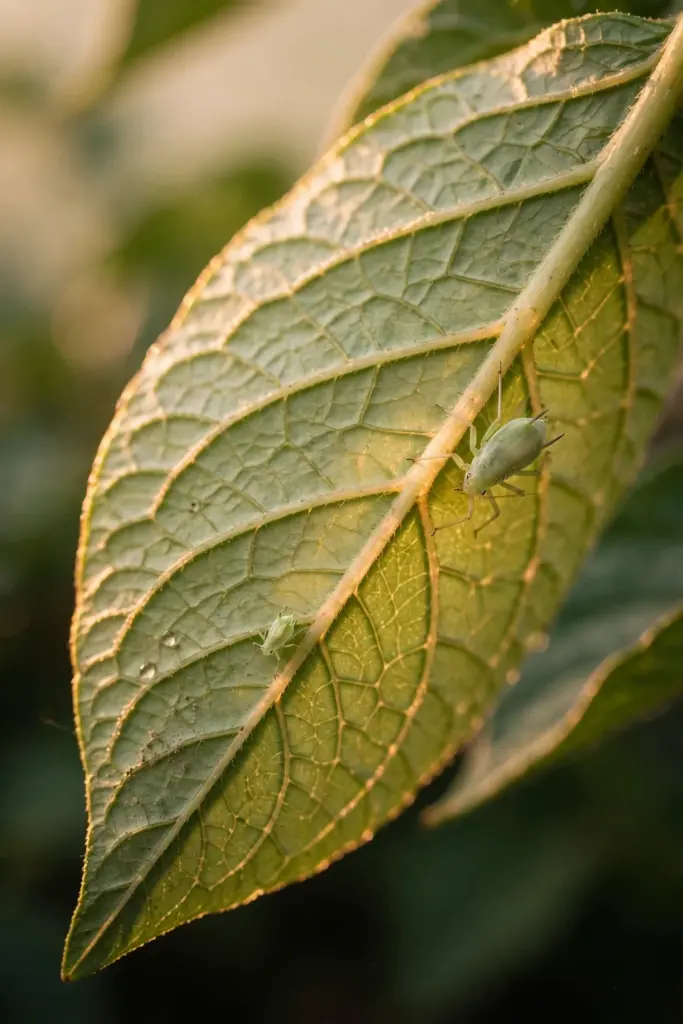
UC IPM states the timing plainly. Several minutes to hours are required for the aphid vector to acquire the virus, and once the virus has been acquired, the aphid carries the virus for life. The aphid that picks up PLRV on Monday stays infective for the rest of its life. The aphid that feeds for a few seconds on an infected plant and moves on does not pick it up at all. Feeding time is the gate, and the gate stays open for hours.
That gate explains the PNW position on insecticides. The Pacific Northwest Handbook states that this virus is easily controlled by the use of insecticides, and that early- and mid-season vector control is most crucial to prevent virus spread, as the PNW Handbook potato leafroll virus page explains. An insecticide that kills an aphid during that hours-long acquisition window stops a transmission that would otherwise run for the aphid’s lifetime. The same spray against PVY arrives too late, because PVY crosses in a probe. The spray did not fail. The clock was different.
The home-garden limit is real, and UC IPM states it directly. Although leafroll is transmitted by aphids, control of aphids once present will not prevent disease. A spray that kills aphids after they have already fed and transmitted changes nothing for the plants they already infected. Aphid control reduces future spread. It never undoes an infection. A gardener who sprays after symptoms appear is spraying the past. The spray belongs early, before aphids settle, and it belongs alongside rogueing and clean seed, never instead of them.
Persistence also explains why one infected plant matters so much. A single infected plant feeds aphids for weeks, and each aphid that feeds long enough carries the virus for life. The plant is a reservoir. Rogueing removes the reservoir. Aphid control without rogueing leaves the reservoir open and kills only the current batch of couriers. Rogueing without aphid control leaves the couriers free to feed on the next reservoir. The two moves work as a pair, and the mechanism is why.
What Makes Potato Leafroll Virus Worse in a Home Garden
Infected seed is the top risk factor. A home garden that plants saved tubers, grocery-store potatoes, or seed of unknown origin starts the season with the virus already in the ground. Certified seed is the only planting material with a virus check behind it. Every other source is a guess, and the guess runs against you, because infected tubers look normal on the outside. The seed decision happens once a year, and it outweighs every later decision combined.
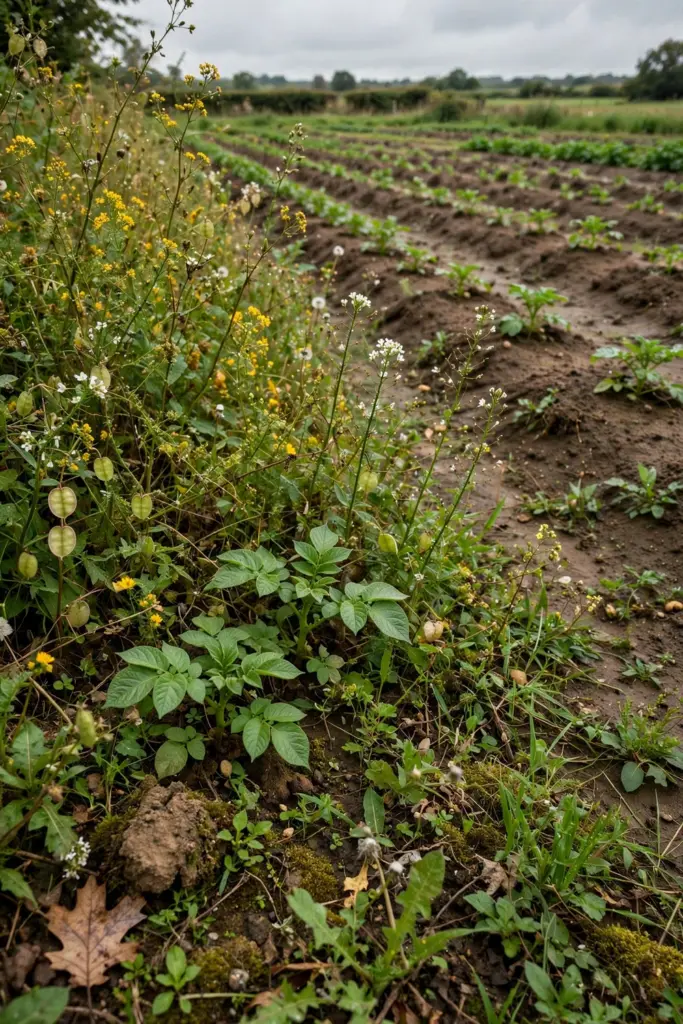
Aphid pressure is the second risk factor. Winged aphids ride air currents between fields and gardens, and wingless aphids move plant to plant once they land. Green peach aphid is the most efficient vector, and it colonizes potato crops readily. A garden downwind of an infected potato patch, a weedy lot, or a neighbor’s saved-tuber bed faces steadier aphid traffic than an isolated garden. You cannot fence out a winged aphid. You can check leaf undersides early, rogue fast, and keep reservoirs out of the neighborhood.
Volunteer potatoes and cull piles are the third risk factor. A tuber missed at harvest sprouts next spring as a volunteer, and a cull pile left at the field edge sprouts a whole colony of them. Volunteers carry the virus through winter in living tubers, and aphids feed on them in spring before the new crop even emerges. PNW lists control of volunteer potato plants and elimination of cull piles among its cultural controls. A garden that cleans up volunteers removes the bridge between seasons. A garden that leaves them builds it.
Weed hosts are the fourth risk factor. Winter annual weeds such as mustard and shepherd’s purse can harbor the virus in field borders, according to PNW. Solanaceous weeds hold it too. A weedy border around a potato bed is not just untidy. It is a reservoir with roots. The weed side of the problem costs nothing but a hoe and a few minutes, and it pays off across every virus that uses those weeds.
Warm, aphid-friendly weather is the fifth risk factor. Aphids build fast in warm weather, and a mild spring brings winged aphids in early. A gardener cannot change the weather, and should not try to outguess it. The response to a warm spring is earlier checks, faster rogueing, and no delay on the seed decision. The virus does not care about the forecast. It cares about feeding time, and warm weather gives aphids more of it.
Step 1: Decide Whether Action Is Worth It
Potato leafroll virus has no cure, and that fact sets the decision. No spray, no feed, and no soil treatment removes the virus from an infected plant. The decision is never about curing a sick plant. The decision is about how much of next year crop you protect by acting now. A gardener who accepts that frame spends effort where it pays, and stops spending it where it cannot.
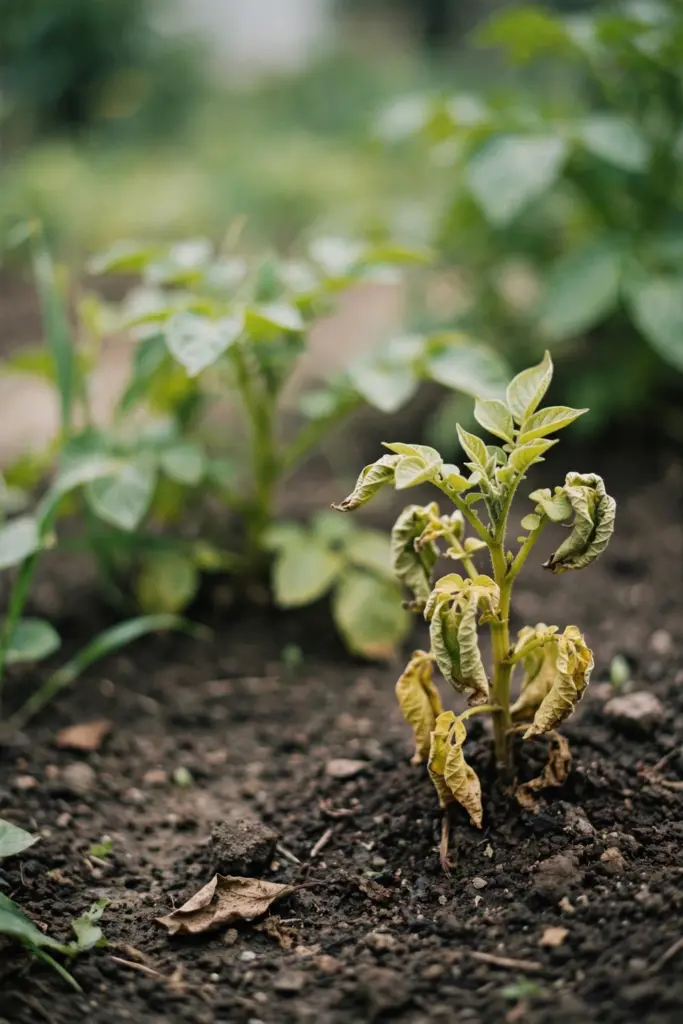
Act fast when the pattern points at seed-borne infection. Several plants with lower-leaf roll, leathery texture, and stunting, all in one batch of saved seed, means the seed carried the virus. Rogue those plants, trash the tubers, and buy fresh certified seed next year. The action costs one planting and saves every planting after it. Delay costs another season of reservoirs feeding aphids.
Act fast when aphids are building and healthy plants still stand. Rogueing one infected plant while aphids are still scarce protects the healthy plants around it. The same rogueing a month later, after aphids have fed for weeks, protects far less. Timing is the treatment here, and early is the dose.
Do nothing to a plant you have already decided to rogue except remove it. Feeding a PLRV plant, watering it extra, or spraying it with a tonic wastes effort on a plant that stays infected. The plant is not stressed. It is infected. Care does not change that. Remove it, and put the care into the healthy plants that can still use it.
Weigh the harvest honestly. A light infection in a home garden still yields eating potatoes. The tubers are safe to eat, and WSU Hortsense says infected tubers are safe to eat but are best used when fresh. Harvest the crop, eat it fresh, cut away any brown netted areas, and never replant a tuber from it. The honest cost-benefit call is rarely to destroy the harvest. It is to eat the harvest and break the cycle at the seed.
Step 2: Confirm the Identification Before You Act
Confirm the pattern before you rogue, because rogueing is irreversible. Check the leaf pattern first. Primary infection shows in the upper leaves. Secondary infection shows in the lower leaves and hits harder, with severe roll, leathery texture, stunting, and an upright, yellowish plant. Match the pattern to the source. Upper-leaf roll on a plant from certified seed points at current-season aphid infection. Lower-leaf roll across a batch of saved tubers points at seed-borne infection. The pattern names the source, and the source names the fix.
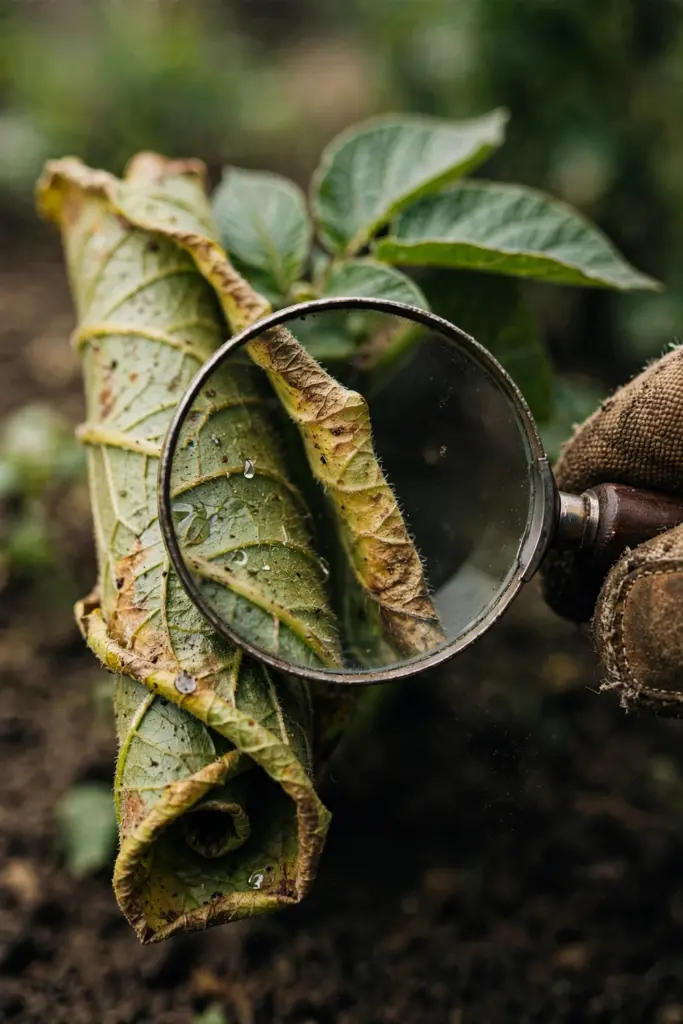
Cut tubers to confirm the tuber side. Slice five or six tubers from different plants, lengthwise from the stem end, and look for the brown network of fine lines that marks net necrosis. A positive cut confirms the virus in that batch. A negative cut proves nothing, because many infected tubers never show net necrosis. Use the cut as a confirm, never as a clearance. A batch with net necrosis is condemned for seed. A batch without it stays suspect until a lab says otherwise.
Run the differential before you settle on PLRV, and compare your plant against the PLRV vs PVY table above. Upward roll plus leathery texture plus stunting points at PLRV. Mosaic mottling plus vein banding plus necrotic streaks points at PVY. Mixed infections happen, and a plant can carry both viruses at once, which blurs every field sign. A mixed infection looks like neither parent and like both at once, and that is exactly when field identification stops being enough.
Send a sample to a lab when the decision matters. Seed-saving decisions, repeated failures, and mixed-symptom plants all justify testing. Laboratory tests such as ELISA or PCR settle the identification that field signs only suggest. The cymbidium mosaic virus guide shows the same testing logic on a different crop: when a virus has no cure and the decision is irreversible, a lab result beats a visual guess. Test the plant, not the hope.
Step 3: Rogue Infected Plants and Tubers at Once
Rogueing is the removal of an infected plant, roots, tubers, and all, from the garden. It is the only move that takes a reservoir out of the field. Pull the plant when you confirm the pattern, and pull it whole. A stem left in the ground regrows. A tuber left in the soil sprouts as a volunteer. Rogueing means the whole plant leaves the garden, not the top half.
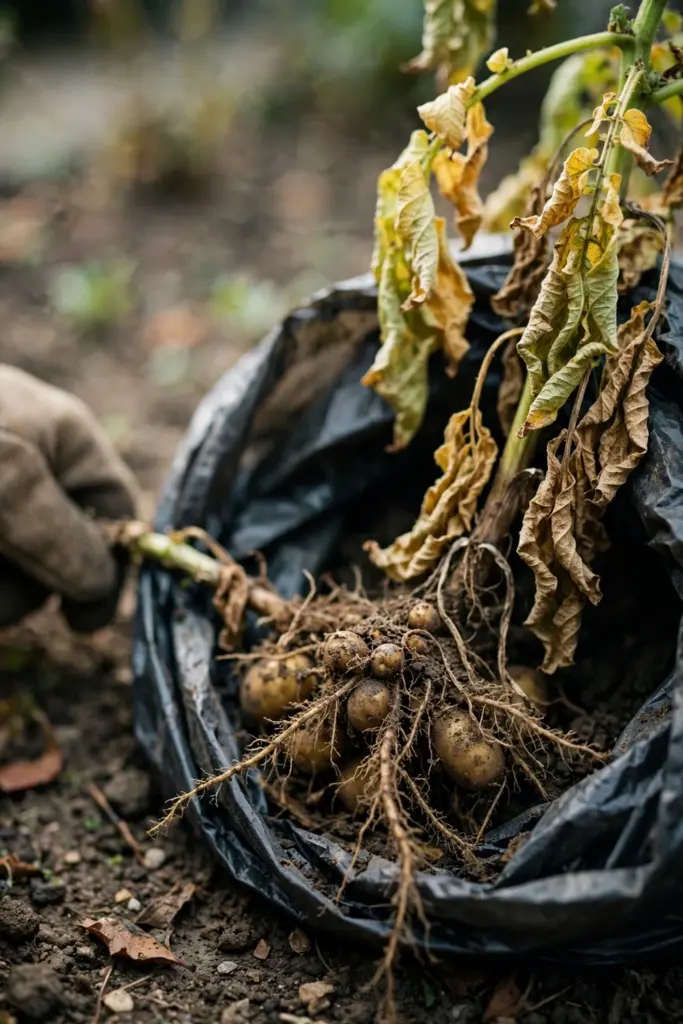
Bag the plant before you carry it across the garden. Aphids ride on foliage, and a plant carried uncovered drops aphids and debris across healthy rows. Slide a bag over the plant, pull it, tie the bag, and carry the bag out. The bag costs seconds and keeps one rogueing pass from becoming a delivery route. Work when the foliage is dry, because dry foliage drops fewer aphids and less debris than wet foliage.
Trash the bagged plant. Never compost infected plants or tubers. Compost keeps the tubers in the garden, and a sprouting tuber keeps the virus in the garden. A sealed bag in the trash breaks the cycle with the least fuss for a home gardener. The same rule covers the tubers from a rogued plant. Dig them, bag them, trash them. A rogued plant with its tubers left in the soil is a volunteer colony with a head start.
Rogue neighbors too. PNW notes that plants may be infected but not show symptoms, which is why commercial seed fields rogue plants around an affected plant as well. A home gardener need not copy a commercial rogueing radius, and this guide does not present one as home advice. The home version is simpler: check the plants on either side of a rogued plant closely, and rogue any of them that shows even mild roll or yellowing. Symptom-free neighbors stay, and they go on the watch list for the next check.
Wash hands and tools after rogueing. PLRV does not travel on tools, and the wash is not about this virus. The wash is about every other problem that does travel on tools, including the black leg guide, where sanitation carries real weight on potato. One wash covers both, and it costs a minute.
Step 4: Plant Certified Seed Potatoes Only
Certified seed potatoes are the single most effective prevention step. Certified seed comes from inspected crops with a virus check behind it, and it is the only planting material that starts the season with evidence rather than hope. WSU Hortsense lists planting only certified, virus-free seed potatoes as its first non-chemical management step. PNW lists certified seed potatoes with the lowest virus level first among its cultural controls. Two independent Extension sources put the same step first, and this guide follows them.
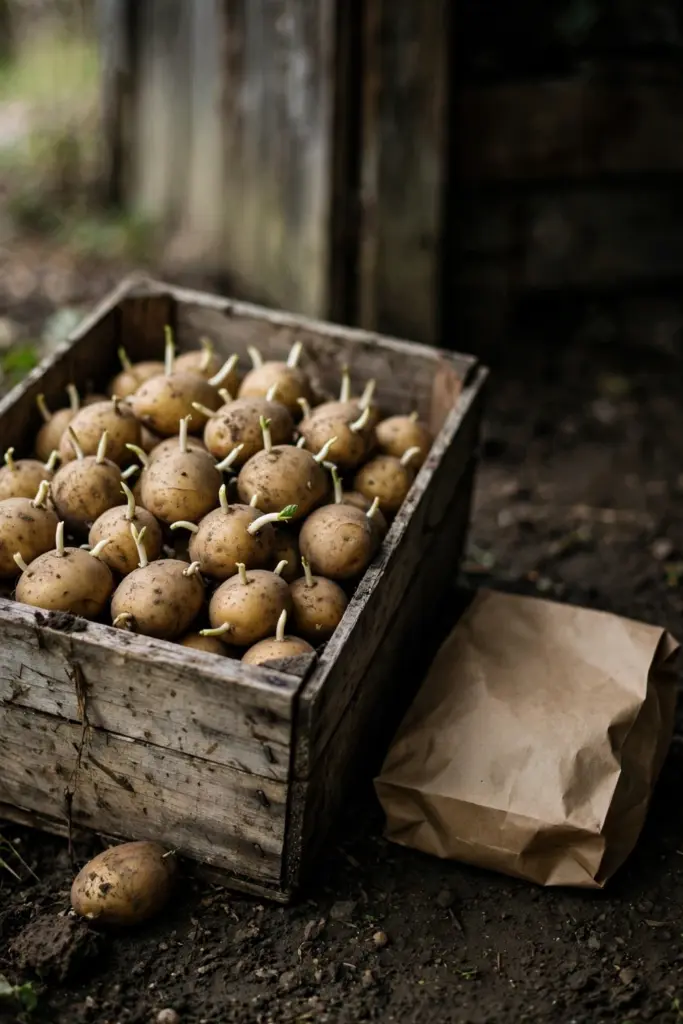
Buy seed from a certified supplier, and keep the tag. The tag names the supplier, the variety, and the certification, and it is your only proof of what you planted. A bag of potatoes with no tag is not certified seed, whatever the seller claims. A reputable supplier labels the bag. If the bag has no label, the potatoes are eating potatoes, and eating potatoes belong in the kitchen, not in the soil.
Never plant grocery-store potatoes. Grocery-store potatoes are grown for eating, not for planting. They carry no virus certification, they may carry PLRV with no visible sign, and they may have been treated to suppress sprouting. A grocery-store potato that sprouts in your garden is a virus gamble with no upside. The price looks low because the check was never done. Buy certified seed, and keep the grocery bag for dinner.
Never plant tubers saved from a garden that showed PLRV. A saved tuber from an infected crop carries the virus into next year, and a saved tuber from a healthy-looking crop may still carry it, because infected plants can show no symptoms. The save feels thrifty. It is the most expensive habit in potato growing, because it re-plants the disease every year. Break the habit once, and the garden resets.
Check the seed on arrival. Certified seed should look firm and healthy, with no soft rot, no mold, and no shriveling. Reject a bag that smells sour or feels soft. Certification checks for virus, not for storage rot, and a rotten seed piece grows nothing. Good seed plus good storage grows a clean crop. Either half alone fails.
Step 5: Control Aphids With the Persistence Clock in Mind
Control aphids early and in mid-season, because that window decides spread. PNW states that early- and mid-season vector control is most crucial to prevent virus spread, and that mid- to late-season control matters when growing varieties susceptible to net necrosis. Check leaf undersides weekly from emergence onward, and start checking before you see damage. Aphids feed on the undersides first, and a colony that is easy to miss in week one is a reservoir by week three.
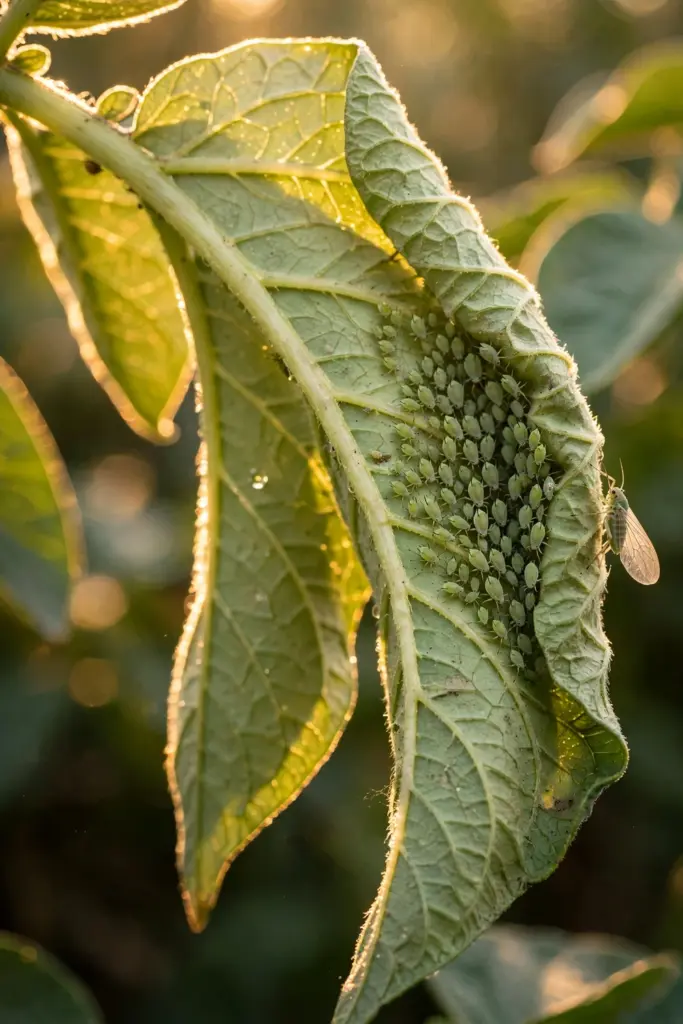
Use the persistence clock. An aphid needs hours of feeding to acquire PLRV, and that delay gives control a window that PVY never offers. A spray, a wash-off, or a physical removal that breaks feeding before the virus crosses the gut stops a transmission. The same action against PVY arrives too late, because PVY crosses in a probe. The clock is the reason aphid control earns its place against PLRV and loses it against PVY. Match the tactic to the virus you have, not to the insect you see.
Start with non-chemical moves. Reflective mulches may help repel aphids, according to UC IPM. A reflective mulch confuses landing aphids and cuts the number that settle on the crop. It is not a cure, and it does not replace checking. It is a cheap early-season cut in aphid landings, and it pairs well with weekly checks. Remove heavily infested leaves by hand when a colony is small and contained, and bag them the same way you bag a rogued plant.
Treat aphids as a spread problem, not a feeding problem. A small aphid colony does little direct feeding damage to a potato plant. The damage is the virus the colony carries and spreads. That reframe changes the threshold. A gardener who tolerates a few aphids for their predators tolerates a virus vector on a PLRV-suspect crop. On a clean crop with certified seed and no reservoirs, a few aphids matter less. On a crop with a known infection, a few aphids matter a lot. The threshold follows the infection, not the insect count.
Respect the home-garden limit. UC IPM states that control of aphids once present will not prevent disease. Aphid control reduces future spread, and it never undoes an infection already in a plant. A gardener who sprays a symptomatic plant expecting a cure wastes the spray. Spray early, spray to protect healthy plants, and pair every spray with rogueing, because a spray that kills couriers while the reservoir stands leaves the next batch of couriers a full meal.
Step 6: Choose Resistant Varieties With Open Eyes
Variety choice shifts the odds, and it never removes the risk. Extension sources disagree on variety lists, and this guide follows one list rather than merging lists that conflict. The PNW Handbook names resistant varieties, moderately resistant varieties, and varieties to avoid, and the lists below come from PNW alone. WSU Hortsense names a different list, and the two lists do not match. Merging them would present a settled answer that does not exist. One list, one source, stated openly, is the honest version.
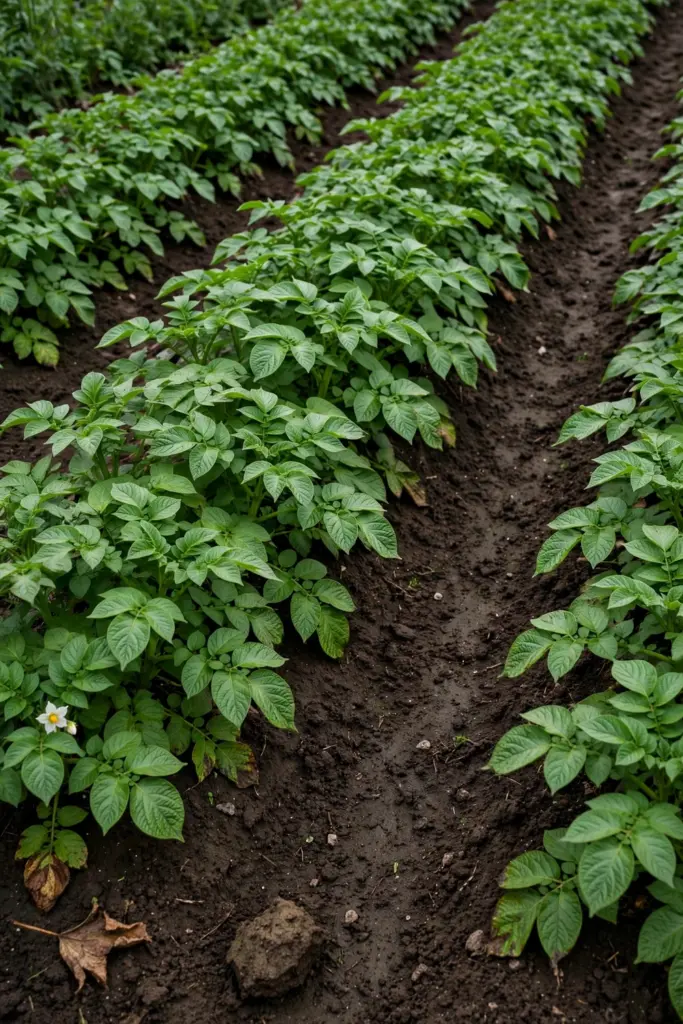
PNW names these varieties as resistant: Abnaki, Atlantic, Cascade, Chieftain, Chippewa, Penobscot, and Sebago. PNW names these varieties as moderately resistant: Katahdin, Kennebec, Norland, Ranger Russet, Red Pontiac, Sangre, Shepody, and Yukon Gold. PNW names these varieties to avoid for PLRV pressure: Green Mountain, Russet Burbank, and Russet Norkotah. Resistance here means reduced field spread and reduced net necrosis, not immunity. A resistant variety can still carry the virus, and it still needs certified seed, rogueing, and aphid control.
Match the variety to your kitchen and your climate before you match it to the virus. A resistant variety that cooks badly, stores badly, or fails in your summer solves nothing. Chill, day length, rainfall, and cooking quality decide whether a variety earns a bed. Virus resistance is one trait among several, and it should never outrank a variety that fails on the traits you actually eat. A moderately resistant variety you love beats a resistant variety you will not cook.
Avoid susceptible varieties where PLRV pressure is known. A gardener who lost Russet Burbank to net necrosis last year and replants Russet Burbank this year has chosen the repeat. The same gardener who switches to a resistant or moderately resistant variety from the PNW list cuts net necrosis risk at planting, with no extra work all season. The switch costs nothing but a different bag of seed. It is the cheapest variety decision available, and it pays off at harvest and in storage.
Do not replant a healthy bed to chase resistance. A bed of healthy plants from certified seed, with no PLRV history, needs no variety change. Resistance matters when you plant a new bed, when you replace a failed variety, or when you garden in an area with steady aphid pressure and a PLRV history. For the bed already in the ground, Steps 1 through 5 carry the load.
Step 7: Remove Volunteers and Destroy Cull Piles
Volunteers are potato plants that sprout from tubers missed at harvest. Cull piles are heaps of discarded tubers left at the field edge. Both are living tubers, and both carry PLRV through winter into spring. PNW lists control of volunteer potato plants and elimination of cull piles among its cultural controls, and WSU Hortsense lists removing and destroying volunteer plants and culled potatoes in the same breath as rogueing. The two sources agree, and the job is simple.
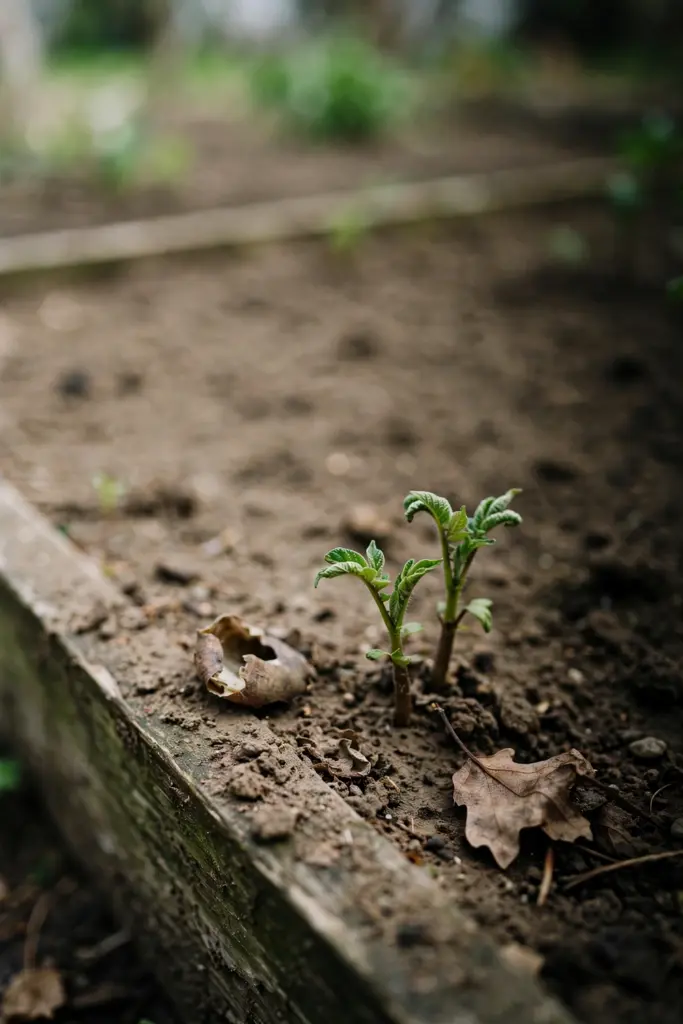
Walk the old potato bed in spring before planting, and pull every volunteer. A volunteer that sprouts early feeds aphids before the new crop emerges, which means the virus gets a head start on the season. Pull volunteers roots and tubers together, bag them, and trash them with the same rule as a rogued plant. A volunteer pulled late, after aphids have fed on it for weeks, is a volunteer pulled too late. Early is the whole point.
Destroy cull piles outright. A cull pile is a volunteer colony with a roof. Never leave culled tubers in a heap at the garden edge, and never toss them onto an open compost pile, where they sprout in place. Bag culled tubers and trash them. The pile costs nothing to leave, and it costs a season to keep. The bag costs a minute, and it ends the colony.
Check beyond the bed. A tuber dropped on a path, a missed tuber in a border, and a sprouting potato in a compost heap all count as volunteers. Walk the paths and the compost area in spring, and pull what sprouts. A garden is bigger than its beds, and the virus does not respect bed edges. The spring volunteer walk takes ten minutes, and it belongs on the same calendar line as planting day.
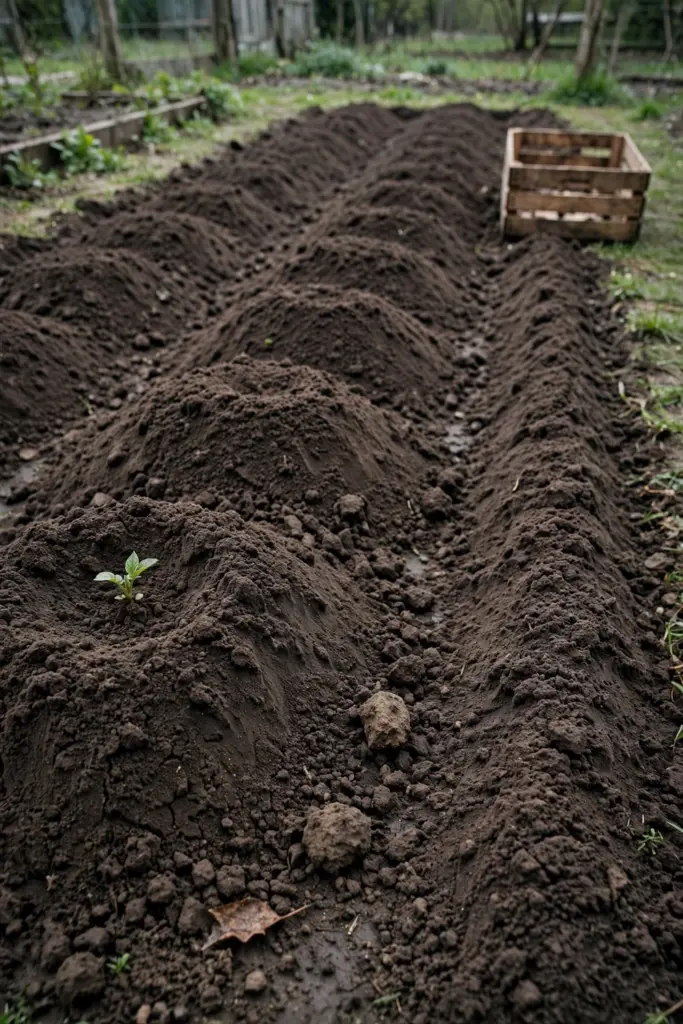
Rotation alone does not clear this virus. PLRV does not live in soil, so resting a bed for a year starves nothing. Rotation helps when the tubers are gone, and it does nothing while a single volunteer tuber remains. Clean the volunteers first, then rotate for the other soil problems that rotation actually solves. The order matters, and volunteers come first.
Step 8: Clear Solanaceous Weeds and Winter Annuals
Weeds carry this virus between potato crops, and the weed list is specific. PNW names winter annual weeds such as mustard and shepherd’s purse as virus hosts in field borders. Cornell names solanaceous weeds and crops, including tomato, tobacco, and jimsonweed, as PLRV hosts. A border of mustard and shepherd’s purse beside a potato bed is a reservoir with roots, and a patch of nightshade behind the shed is another. The weeds show no symptoms, and they need none. Aphids feed on them, pick up the virus, and carry it into the potatoes.
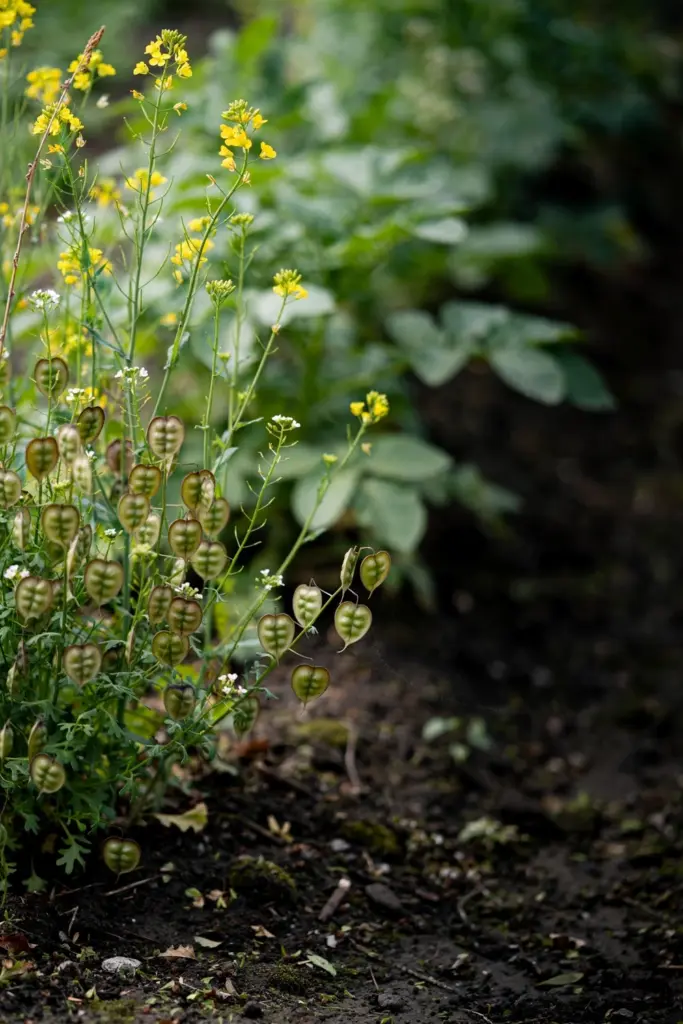
Hoe the borders before planting, and keep them clean through the season. The border is the strip most gardeners ignore, because it grows no crop. It grows the virus instead. A clean border costs a hoeing pass a month, and it removes the reservoir that sits closest to the crop. Start with the border on the windward side, where winged aphids arrive first, and work outward from there.
Pull solanaceous weeds wherever they appear in the garden. Nightshade, ground cherry volunteers, and jimsonweed all belong on the pull list. A tomato volunteer from last year counts too, because tomato hosts PLRV. Pull the weed, bag it if it shows any sign of virus or aphid colonies, and trash it. A weed pulled early is a reservoir removed. A weed pulled after aphids have fed on it for a month is a reservoir removed too late.
Keep the cleanup going after harvest. A potato bed that stands weedy through autumn feeds aphids until frost, and aphids that feed late carry the virus into weeds that overwinter it. A clean bed in autumn starts clean in spring. The last hoeing of the season matters as much as the first, because it closes the bridge that winter annuals would otherwise hold open.
Step 9: Check for Net Necrosis at Harvest and in Storage
Check tubers at harvest, and check them again in storage, because net necrosis often develops in storage. Cut a sample from each batch at harvest, five or six tubers from different plants, sliced lengthwise from the stem end. Look for the brown network of fine lines inside the flesh. A positive cut condemns the batch for seed. The batch still feeds the family. Mark the batch, eat it fresh, and never plant from it.
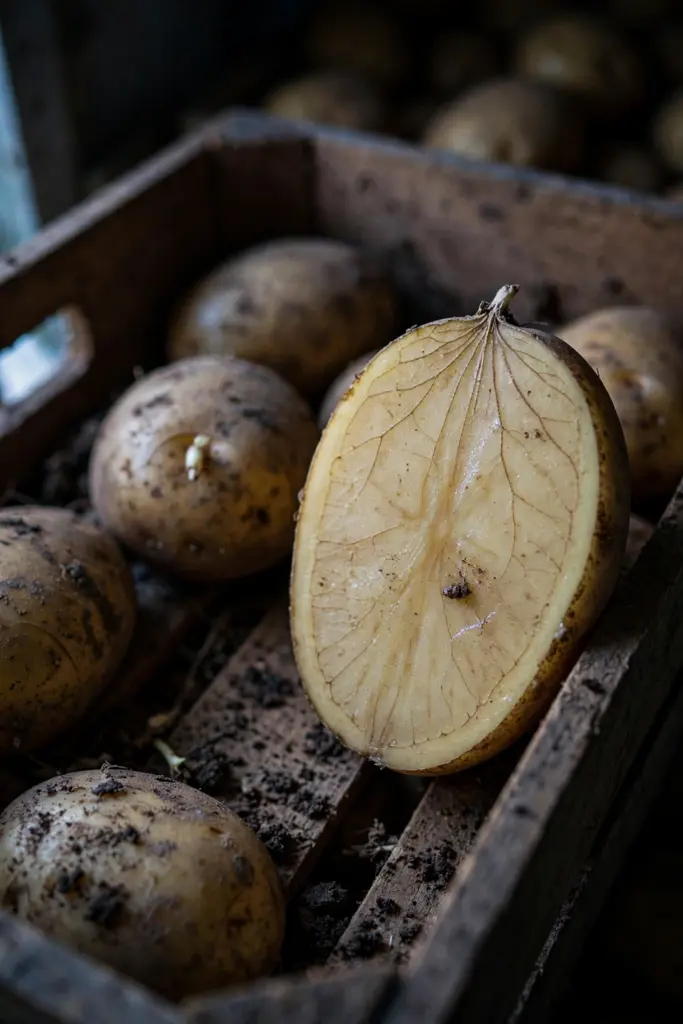
Do not store tubers with net necrosis for long periods. PNW states the rule directly: do not store potatoes subject to net necrosis for long periods, more than 40 days. Net necrosis worsens in storage, and a batch that looked marginal at harvest looks worse by week six. Eat net-necrosis tubers early, cut away the brown areas before eating, and keep them out of the seed pile entirely. Storage is not a cure. Storage is a waiting room, and the damage grows while it waits.
Store clean batches cool, dark, and dry, and check them monthly. A storage check means cutting one or two tubers from each batch and looking at the stem-end flesh. A batch that develops net necrosis in storage moves to the eat-now pile, never to the seed pile. A batch that stays clean through storage still needs certified-seed discipline next year, because a clean cut never proves a clean tuber. Storage checks catch damage. They never certify seed.
Keep seed and eating potatoes physically apart. A seed pile and an eating pile in the same crate mix within a week, and a mixed pile plants itself by accident in spring. Label the crates, keep the seed crate empty unless it holds certified seed, and never top up the seed crate with eating potatoes. The separation costs a label and a second crate. The mix-up costs a season.
Step 10: Buy Fresh Certified Seed Every Year
Buy fresh certified seed every year, and never replant from your own crop. This is the strategy that closes the loop, and it is the one gardeners resist most, because saving seed feels thrifty. A saved tuber from a crop that showed PLRV carries the virus. A saved tuber from a crop that looked clean may still carry it, because infected plants can show no symptoms. The saving is an illusion. The cost is a replanted disease.
UC IPM states the rule for home gardens directly. Use certified seed pieces, and avoid saving seed potatoes from gardens. That sentence is the whole strategy, and it leaves no exception for a good-looking crop, a healthy-looking plant, or a careful gardener. The virus does not respect careful. It respects certified. Buy the seed, keep the tag, and start clean.
Treat a garden with a PLRV history as a fresh-start garden. A bed that grew infected plants last year grows clean plants this year only if the seed is clean, the volunteers are gone, the cull piles are destroyed, and the weeds are cleared. Fresh certified seed is the first of those four, and it is the only one that money buys. The other three cost labor. All four together reset the garden. Any one missing leaves a bridge open.
Budget for seed the way you budget for any other input. Certified seed costs more than saved tubers, and it costs less than a lost crop. A home garden needs a small bag, not a truckload, and the price difference is a few dollars. The gardener who buys certified seed every year spends a little every spring and never spends a season fighting a virus that arrived in a saved tuber. That trade is the best deal in potato growing.
Living With Potato Leafroll Virus Damage You Already Have
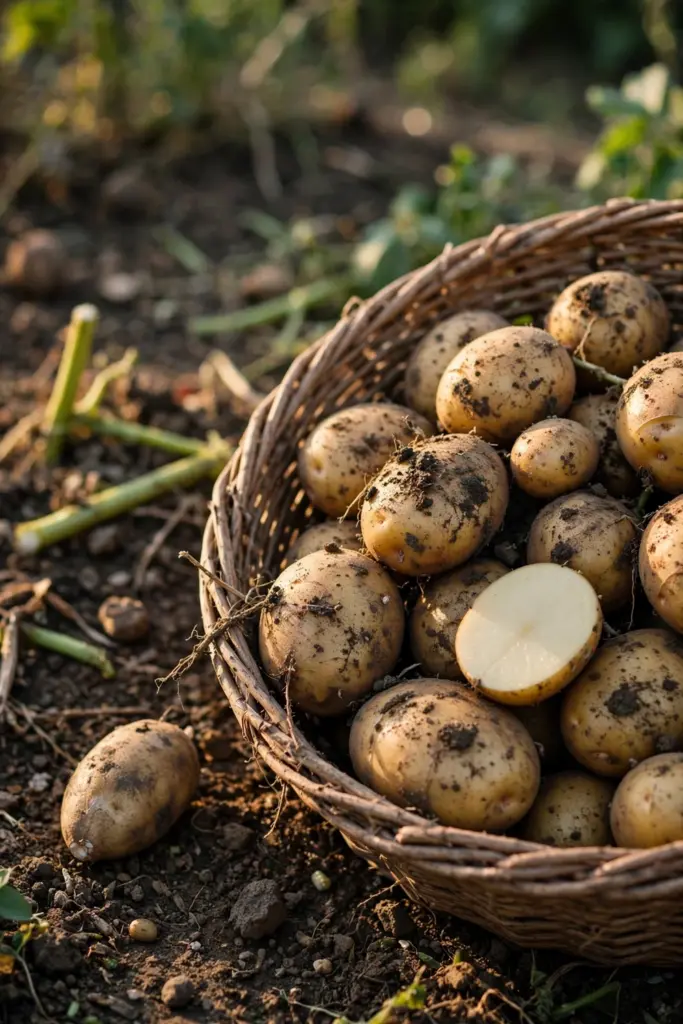
Damage from potato leafroll virus does not reverse, and the season is already decided when you see it. The work left is harvest, cleanup, and a fresh start. Harvest the crop, eat it fresh, cut away any brown netted areas, and keep every tuber out of the seed pile. The crop still feeds the family. The seed cycle ends here, and that ending is the victory.
Do not strip healthy leaves to punish the disease. The plant needs its leaves to fill its tubers, and removing healthy foliage weakens the plant without removing the virus. The virus lives in the phloem of the whole plant, not in one leaf, so leaf stripping removes vigor without removing inoculum. Leave the healthy leaves alone, and let the plant finish its season.
Do not compost infected plants, tubers, or volunteers. Bag them and trash them, per Step 3 and Step 7. A compost pile keeps tubers in the garden, and a sprouting tuber keeps the virus in the garden. The compost pile will survive without one bag of potato trash. The garden will not survive another year of replanted virus.
Expect variation year to year. A warm spring with early aphids brings more PLRV. A cool spring with late aphids brings less, on the same seed, in the same bed, with the same gardener. That variation is weather and aphid timing, not gardener skill. Judge your management across several years, not one season. Two clean years after certified seed, rogueing, and sanitation means the program works. One bad warm year after the same program means the weather won that round, and the program still stands.
Frequently Asked Questions
Yes. Infected tubers are safe to eat, and WSU Hortsense says they are best used when fresh. Cut away any brown netted areas before cooking, as UC IPM advises for necrotic netting. The virus infects plants, not people, and cooking destroys nothing you need to worry about here. Eat the harvest fresh, enjoy it, and keep every tuber from that crop out of next year seed pile.
No. Avoid saving seed potatoes from gardens, as UC IPM advises, because infected plants can show no foliar symptoms at all. A healthy-looking plant can still grow infected tubers, and those tubers grow infected plants next year. The saving feels thrifty, and it replants the disease. Buy fresh certified seed every year, keep the tag, and start each season with planting material that carries a virus check.
No. No spray cures a virus infection, and aphid control once present will not prevent disease in plants already infected, as UC IPM states. Aphid control reduces future spread, because the slow persistent transfer gives control a window to kill aphids before they pass the virus on. Spray early to protect healthy plants, rogue infected plants, and pair every spray with sanitation. Spraying a symptomatic plant expecting a cure wastes the spray.
Use the differential table above. Potato leafroll virus rolls leaves upward, stiffens them into a leathery texture, stunts the plant, and causes internal net necrosis in tubers. Potato Virus Y shows mosaic mottling, vein banding, and necrotic streaks, with tuber necrosis in some strains. PLRV travels slowly through aphids, so aphid control can help. PVY travels in a brief probe, so sprays help little. The table, not one symptom, settles it.
No. Rogue infected plants only, and keep the healthy plants growing. Pull each infected plant whole, roots and tubers included, bag it, and trash it. Check the plants on either side closely, and rogue any that show even mild roll or yellowing. A bed with a few rogued plants still yields eating potatoes from the healthy plants. Removing the whole bed wastes healthy plants, and the virus does not require it.
Where to Go From Here
Potato leafroll virus has no cure, and the playbook is short: buy certified seed every year, rogue infected plants at once, control aphids early with the persistence clock in mind, clear volunteers, cull piles, and weed hosts, and check tubers for net necrosis at harvest and in storage. Those moves cover most home gardens. The rest of the strategies handle varieties, neighbors, and missed windows.
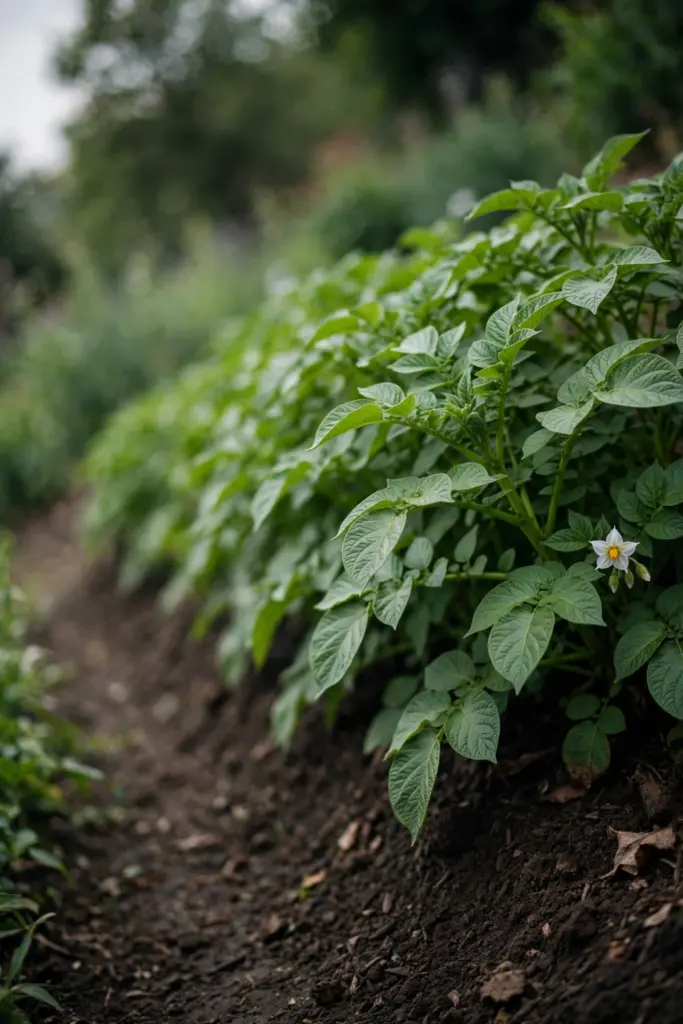
Start this week with a walk through the potato bed. Check leaf undersides for aphids, look for upward roll and leathery texture on the lower leaves, and cut a sample tuber from the stem end if you have any doubt. If the pattern matches PLRV, rogue the plant, bag it, trash it, and mark the batch as eating only. Then buy fresh certified seed for next year, and let the reset begin.
Potato Virus Y gets its full treatment in its own companion article, and the differential table above covers what the comparison requires. Keep the two viruses separate in your head, and the spray decision follows. Certified seed, fast rogueing, and early aphid control carry both viruses the same way. The persistence clock is what sets them apart, and now you know how to read it.