
Order 1 soil and root assay before you buy any product labeled for lesion nematode. Lesion nematode feeds inside roots, so no spray reaches it and no eye can confirm it. The assay count decides whether the bed needs work or patience.
Lesion nematode is Pratylenchus spp., a genus of microscopic roundworms that enter roots, feed inside the root tissue, and move from cell to cell. Each worm carries a needle-like stylet that punctures cortical cells and drains them. The feeding leaves dark, sunken lesions on the root surface. The lesions merge, feeder roots die, and the plant starves above ground while the soil looks normal.
The rest of this page is 9 strategies, from the honest cost call to the professional referral. Read the identification sections first when plants still stand. Start at Step 1 when plants already stunt in patches.
What Lesion Nematode Actually Is
Lesion nematode is a plant-parasitic roundworm in the genus Pratylenchus. It lives in soil and roots, enters the root, and feeds as a migratory endoparasite. The worm moves in and out of roots through its life, feeding on cortical cells as it goes. That moving habit sets it apart from root-knot nematode, which settles in one spot and stays.
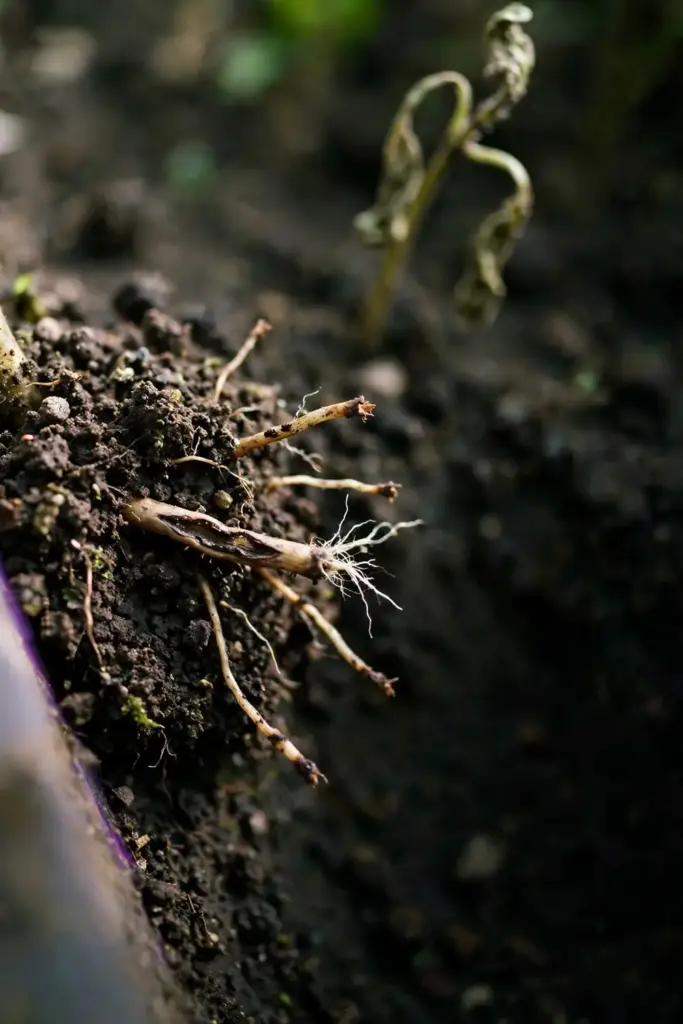
The genus holds more than one hundred described species. Nematologists count more than four hundred crop species among their hosts. A few species carry most garden damage. Pratylenchus penetrans ranks as the most common and most damaging lesion nematode in temperate gardens. Pratylenchus vulnus hits walnut, stone fruit, and other woody plants. Pratylenchus coffeae attacks coffee, banana, and citrus. Pratylenchus neglectus and Pratylenchus brachyurus round out the usual suspects in vegetable ground.
Lesion nematode belongs to the animal kingdom. It is no fungus, no insect, and no microbe. Every life stage except eggs and first-stage juveniles can enter and leave roots. Penetration starts in the root hair and elongation zones, and the worm then migrates between cells, puncturing walls with its stylet and feeding on the contents. That intracellular travel is what paints the lesion trail across the root.
The worm overwinters wherever it happens to be. North Carolina State Extension notes that lesion nematodes overwinter in infested root tissue, in weed hosts, or in the soil at any life stage. Cold does not clean a bed. A bed that held lesion nematode in fall holds it in spring, and the same weeds that sheltered it all winter feed it again at planting time.
The University of Illinois Extension lists Pratylenchus penetrans and other Pratylenchus species as the pathogens behind root-lesion nematode, and notes that infested fields generally remain infested indefinitely because the worm holds so many crop and weed hosts, according to the University of Illinois Extension root-lesion nematode page. That permanence shapes the whole plan below. You manage the population down and keep it down. You do not eradicate it with one treatment.
Beneficial nematodes belong to different genera and do opposite work. Cornell University turf specialists name Heterorhabditis bacteriophora and Steinernema feltiae as grub killers that attack soil insects and leave plants alone. A bag of grub-control nematodes will not treat lesion nematode, and lesion nematode will not kill grubs. Check the genus on the label before you buy.
How to Identify Lesion Nematode Damage Above Ground
Above-ground symptoms never confirm lesion nematode. Stunting, yellowing, patchy decline, and wilting under stress all point underground, and all of them also point at drought, hunger, or root rot. The eye can narrow the suspect list. Only the roots and the assay name the worm.
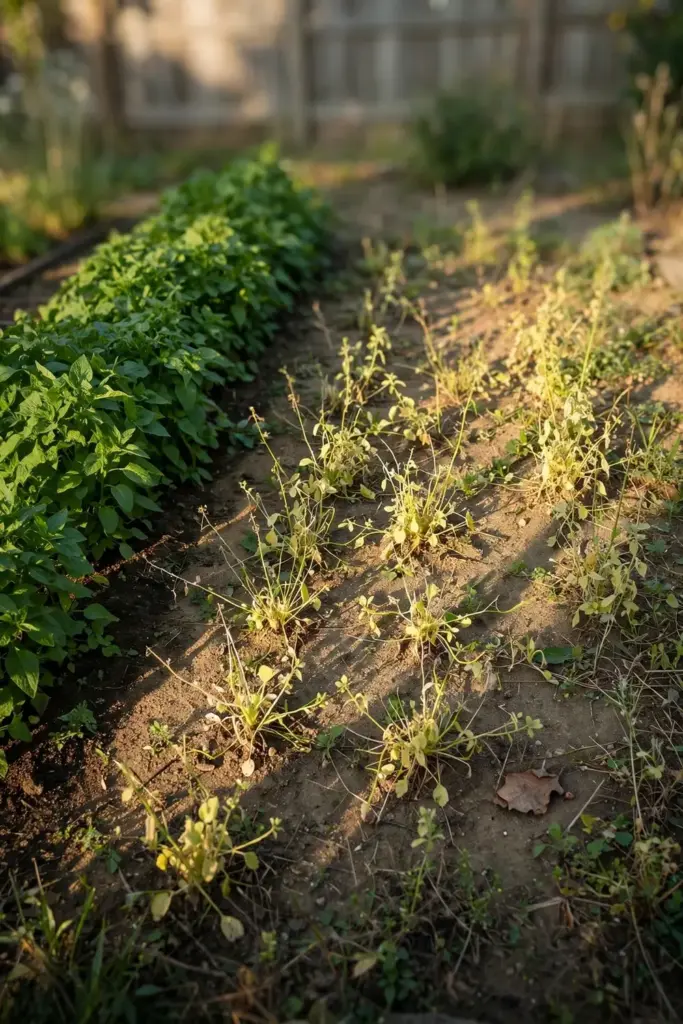
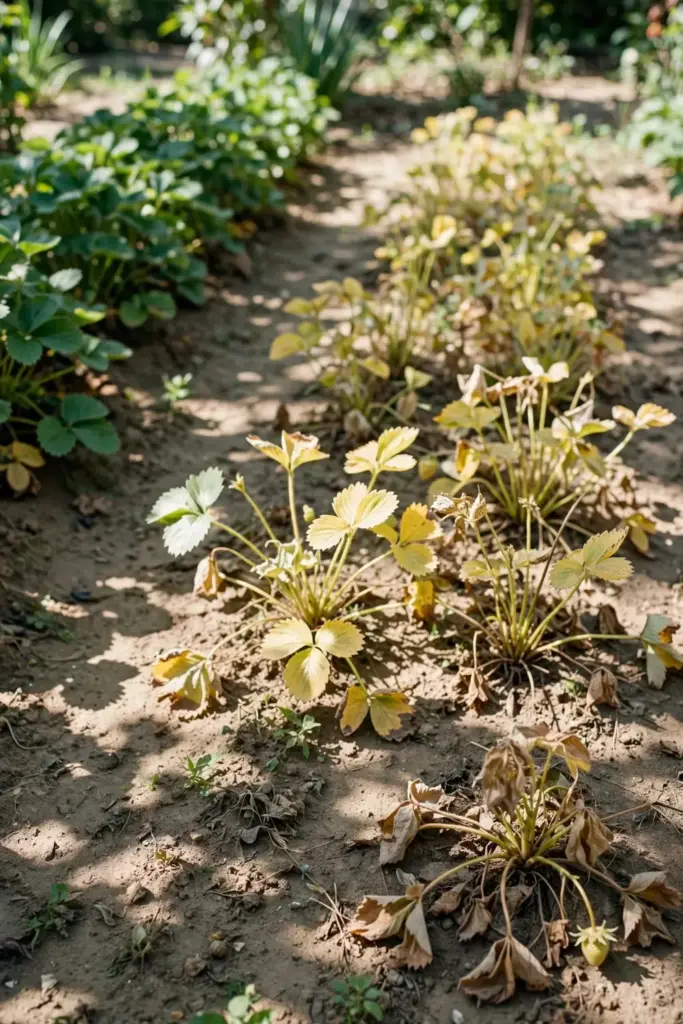
Seedlings show the damage first and worst. Infected seedlings stall, yellow from the base up, and die in patches. Older plants stunt and thin in scattered patches while neighboring plants look normal. Weeds move into the gaps. The same spots return year after year, and the patch widens slowly across the season. A patch that appears overnight points to something else.
The University of Illinois Extension notes that plants infected with root-lesion nematodes do not typically show clear diagnostic symptoms, and that infected plants may be stunted in scattered patches with reduced stand density. Fine fibrous roots and nitrogen-fixing nodules may go missing, which cuts nutrient uptake even when fertilizer sits in the soil. That is why a sick plant ignores feeding. The roots that would carry the nutrients are gone.
Fruit and flowers tell the same story late. Infected plants set few fruit, and the fruit that sets stays small. Roses hit by lesion nematode bear small flowers or no flowers at all. Fruit trees drop yield before they drop leaves. A plant that wilts on a hot afternoon and recovers at night may be short of feeder roots. A plant that wilts and stays wilted has lost more than water.
Compare sick ground with healthy ground before you decide anything. Dig one plant from the edge of a bad patch and one from a healthy area. Wash both root systems in a bucket. The comparison tells more than one plant alone. If both root systems look the same, the cause sits above ground. If the sick plant shows lesions and pruned feeder roots, the worm moves to the top of the list.
How to Identify Lesion Nematode Damage on Roots
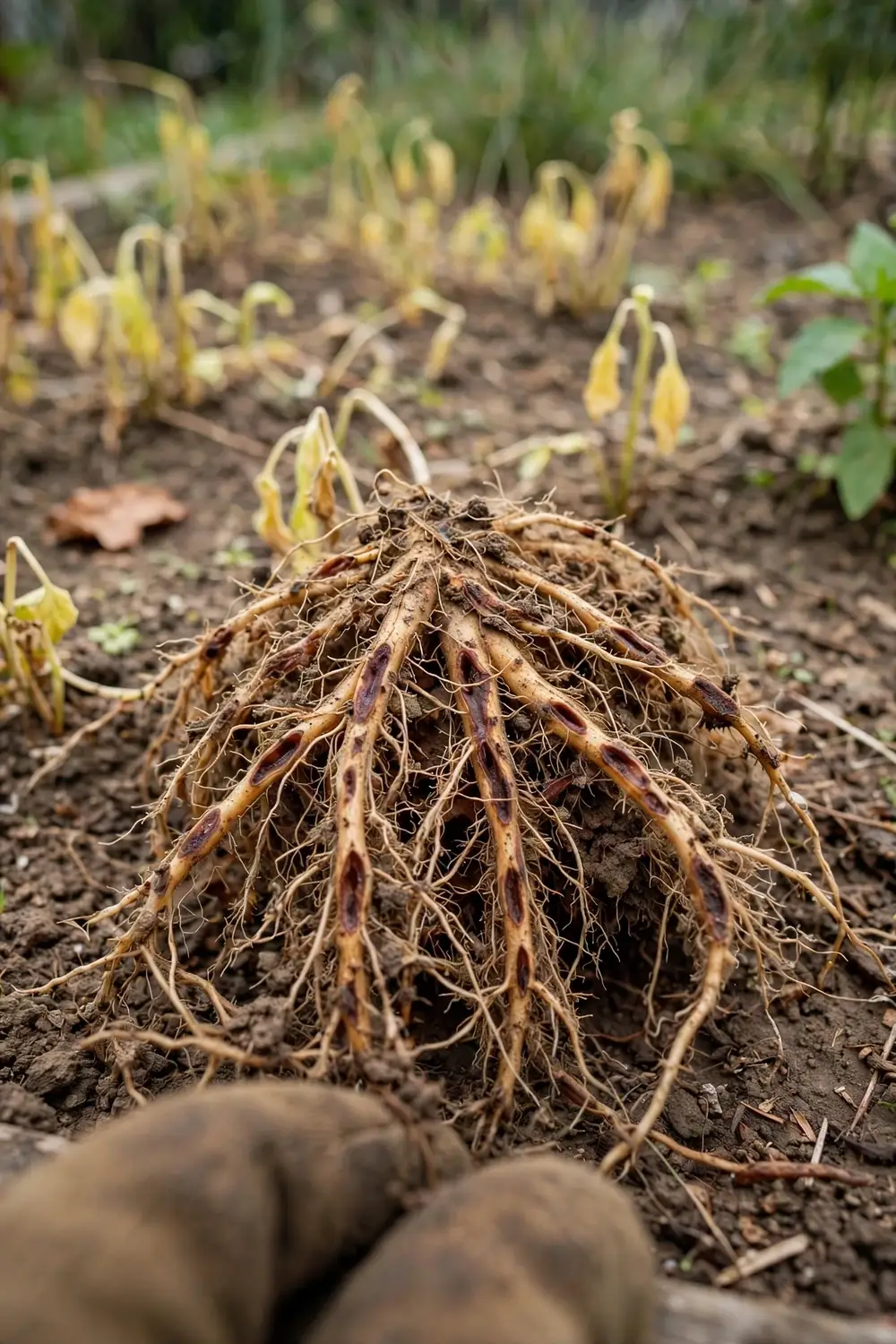
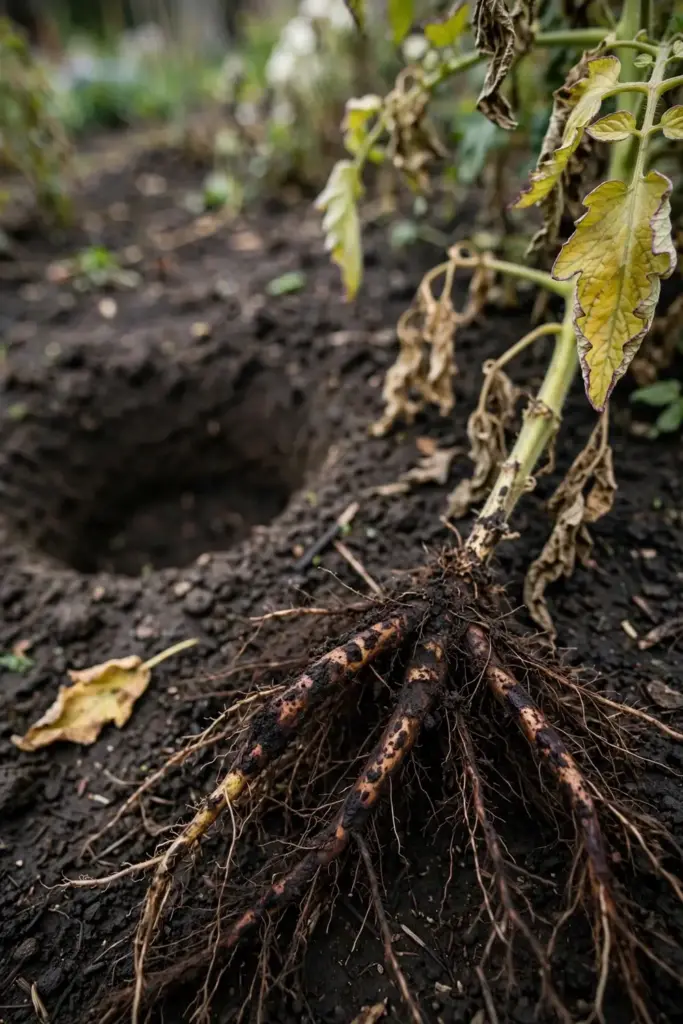
Lesion nematode damage on roots shows as dark reddish-brown to black lesions on the root surface. The lesions start spotty. As feeding continues, they merge into large necrotic areas that can girdle the root. The fine feeder roots die first, and the root system shrinks back to thick, stubby mains with few branches. Wash the roots before you judge them. Soil hides the lesions.
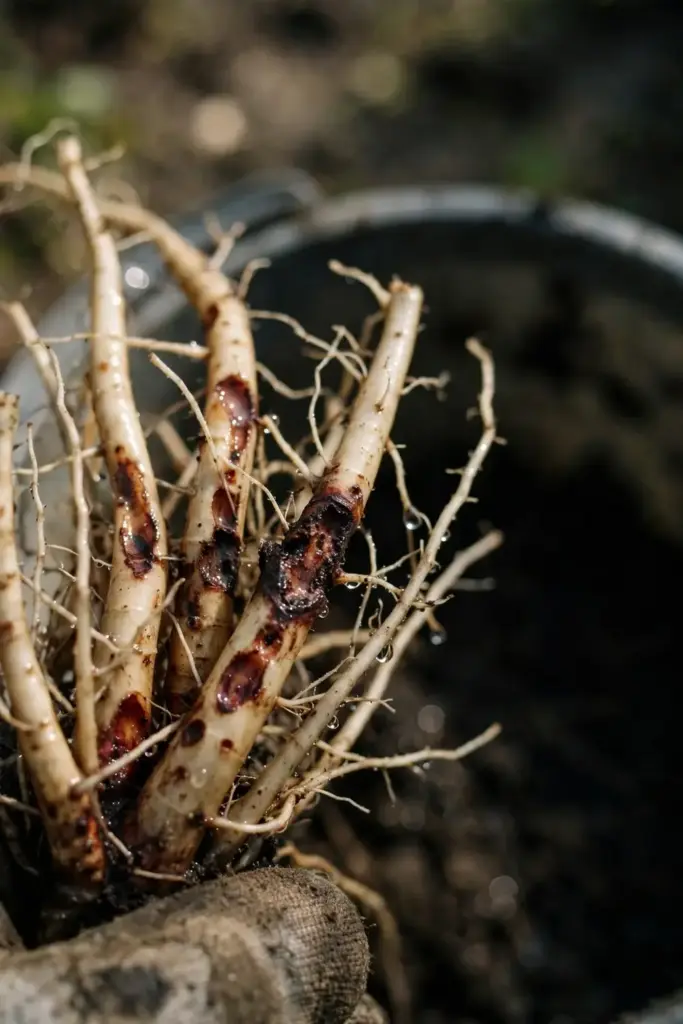
The University of California IPM program notes that lesion nematodes feed and migrate inside roots causing black lesions, and that the lesions can sometimes be seen in large roots by scraping off a thin layer of the outer covering, according to the UC IPM walnut nematode guide. That scrape test works on woody roots. On soft vegetable roots, skip the scrape and look at the washed surface under good light. Dark sunken patches on pale roots stand out.
Feeder root loss drives every symptom above ground. The plant loses water uptake first and nutrient uptake second. Raspberry shows the pattern clearly. Small elongated discolored lesions appear on new roots, fine feeder roots die as damage increases, and the plant answers by pushing out masses of fine roots with a witches broom appearance. Without feeder roots, the thicker roots cannot take up water and nutrients, and secondary fungi move into the weakened tissue.
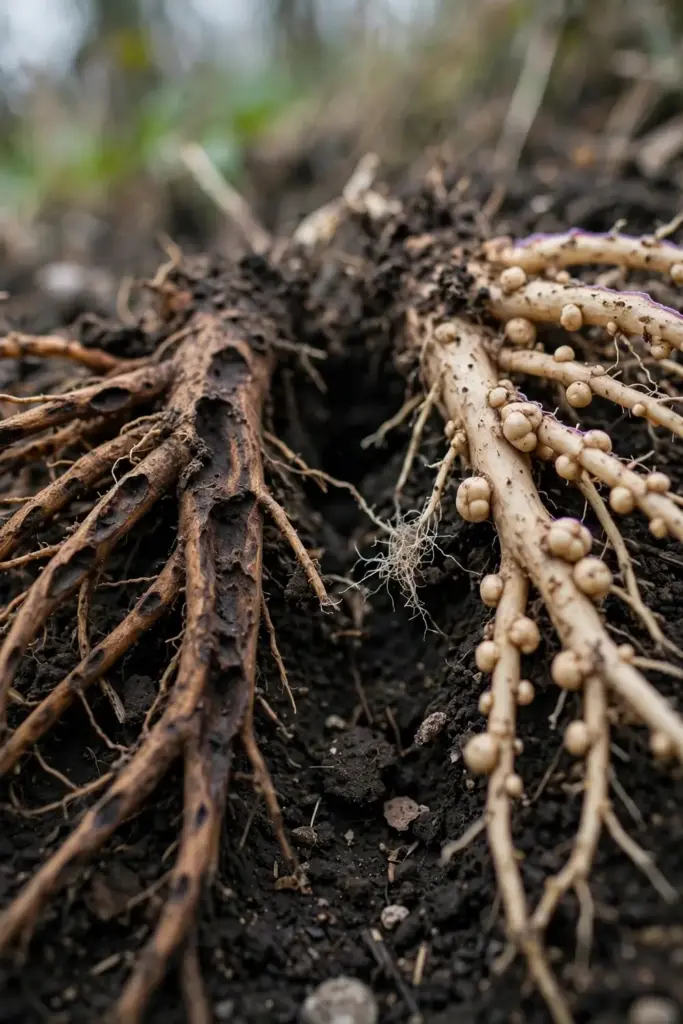
Lesion nematode never forms galls. A root with swellings or knots points to root-knot nematode, and the differential section below spells out that split. A root with lesions and no swellings points to lesion nematode. A root with both lesions and swellings can carry both worms, which is why the lab report must separate genera.
The lesions also open the door to rot. Lesion nematode feeding raises susceptibility to Fusarium wilt and bacterial wilt, and it increases the severity of winter and drought damage, according to the University of Illinois Extension. Potato shows the costliest version of that partnership. Pratylenchus penetrans teams with Verticillium dahliae to cause potato early dying, a collapse far worse than either organism causes alone. A potato bed with a history of early dying deserves an assay before the next planting, not after.
Which Plants Get Hit Hardest by Lesion Nematode
Almost any garden plant hosts lesion nematode, and the hardest hit are the plants that live or die by fine feeder roots. Potato, strawberry, raspberry, onion, carrot, tomato, roses, and young fruit trees sit at the top of the risk list. A plant that needs a dense mat of feeder roots to feed fruit or flowers feels every lesion. A plant with a coarse, deep root system tolerates the same population with less visible damage.
Pratylenchus penetrans alone carries a host list that runs past one hundred sixty recorded hosts, including apple, cherry, conifers, roses, tomato, potato, corn, onion, sugarbeet, and ornamentals such as Narcissus. Wheat, oat, field pea, faba bean, and chickpea count as susceptible hosts, while barley and canola sit a notch lower as moderately susceptible. A bed that rotates among susceptible hosts never starves the worm. It only changes the menu.
Potato takes the clearest economic hit in home gardens. Of the ten lesion nematode species associated with potato, Pratylenchus penetrans counts as the most damaging. The worm does not blemish tubers directly. It cuts vigor, cuts yield, and opens the roots to the Verticillium partnership behind early dying. A potato bed that collapses early two years running needs an assay, not a new variety.
Strawberry and raspberry carry the clearest cane and crown warning. Infected raspberry shows reduced cane number and diameter, stunting, and off-color leaves. Strawberry plants stunt, yellow, and thin in patches, and the bed declines year by year. It never holds its vigor. Both crops are perennials, so the worm builds in the same soil season after season while the grower blames age or weather.
Onions suffer at densities that leave other crops untouched. A low population that a corn plant shrugs off can cut onion root and top weight at harvest. Roses count as the ornamental most affected by parasitic nematodes, and a rose bed that keeps failing in the same spot deserves a root wash before another replacement goes in.
Young plants die fastest. Seedlings and new transplants hold few roots, so a small lesion load girdles them. Mature trees tolerate higher numbers because they hold root reserves and can regrow feeder roots through the season. The University of California IPM program notes that young walnut trees replanted into heavily infested ground suffer severe root damage and stunting, while mature trees tolerate somewhat higher numbers. Never replant a young tree into a bed that just killed one. Test first, or plant elsewhere.
Sandy soil raises the risk. The University of Illinois Extension notes that damage runs worst in fields with sandy soils that let nematodes move freely. Sandy beds warm fast, drain fast, and stress plants fast, and all three tilt the balance toward the worm. A sandy bed with a history of patchy decline is the first bed to assay.
Lesion Nematode vs Root-Knot Nematode
Root-knot nematode is the closest lookalike for lesion nematode. Both worms feed on roots, both stunt plants, and both produce yellowing and thinning above ground that no eye can separate. The roots split them. Lesion nematode migrates inside the root and leaves dark lesions with no galls. Root-knot nematode settles inside the root, sets up a permanent feeding site, and forces the root to grow galls around it. A washed root with knots means root-knot. A washed root with dark sunken lesions and no knots means lesion nematode.
| Clue | Lesion Nematode | Root-Knot Nematode |
|---|---|---|
| Pathogen | Pratylenchus spp. | Meloidogyne spp. |
| Feeding site | Inside the root, migratory endoparasite, moves in and out | Inside the root, sedentary endoparasite, permanent feeding site |
| Root sign | Dark reddish-brown to black sunken lesions, no galls | Swellings and galls on roots |
| Above-ground symptoms | Stunting, yellowing, patchy decline, wilting under stress | Stunting, yellowing, wilting, poor response to water and fertilizer |
| Illinois preplant threshold | One to ten per one hundred cubic centimeters not significant, eleven to twenty-five minor, twenty-six to fifty moderate, fifty-one to one hundred severe, above one hundred very severe | One to ten per one hundred cubic centimeters not significant, eleven to forty minor, forty-one to eighty moderate, eighty-one to one hundred fifty severe, above one hundred fifty very severe |
| Damage style | Subtler symptoms, needs higher counts to injure most crops | More aggressive at lower counts |
| Lab test | Soil assay plus root inspection for lesions | Soil assay plus root inspection for galls |
| Management difference | Rotation of limited value, wide host range blocks most rotations | Rotation to non-hosts works better, narrower host limits help |
The threshold gap carries the practical lesson. Root-knot nematode injures crops at counts that lesion nematode tolerates, so a mixed assay needs a genus-by-genus read. One total worm count hides the split. Ask the lab to report each genus separately, and treat the report as one bed, one genus, one decision.
Root-knot nematode also carries its own management article as a companion, and that article stays separate because the two worms answer to different plans. Spiral, stubby root, ring, and sting nematodes each need their own identification and management too. Match the treatment to the genus on the assay, and the bed gets the right plan.
Why Lesion Nematode Feeding Opens the Door to Root Rot
Lesion nematode kills roots twice. The worm eats cortical cells, and the wounds it leaves let rot fungi and bacteria into tissue they could not enter alone. The first damage is mechanical. The second damage is infectious, and the second damage usually finishes the plant.
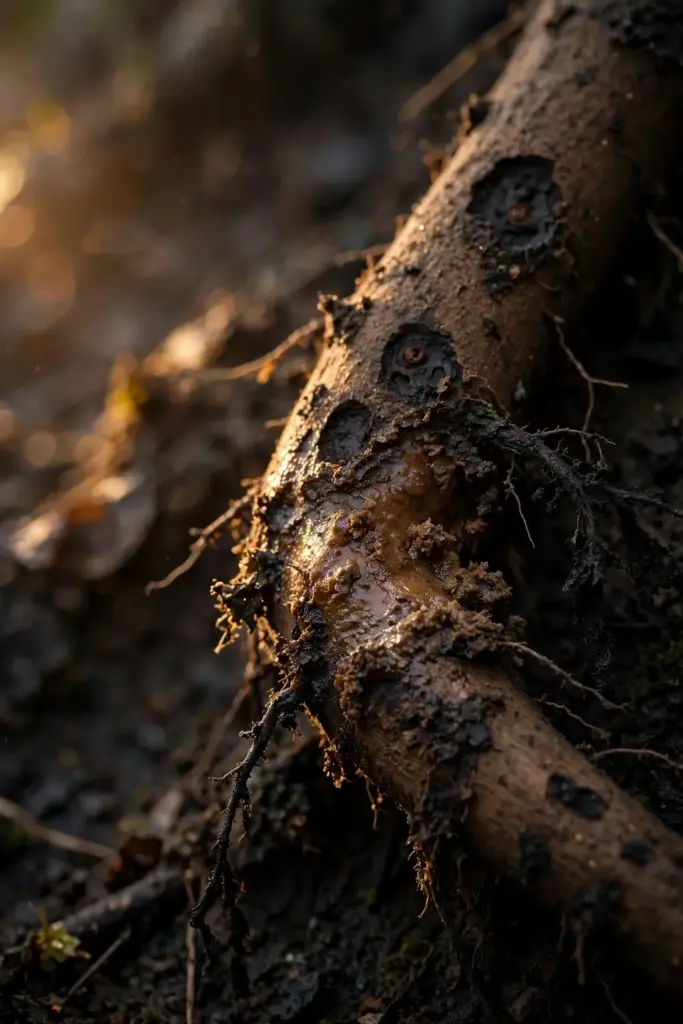
The worm feeds by puncturing cell walls with its stylet and releasing enzymes that break the walls down. It migrates between cells, feeding as it goes, and leaves a trail of dead cortical tissue behind it. Nematology research describes that migration as intracellular travel through the cortex, with lesions, necrosis, and impaired root function following the path. The endodermis blocks the worm from the vascular cylinder, so the water pipes stay open while the cortex rots around them. That is why lesion nematode damage looks like drought even when the pipes work.
Dead tissue invites rot. Fungi and bacteria colonize the lesions, and the rot spreads past the feeding trail into healthy tissue. The bacterial wilt guide covers the ooze test that separates bacterial wilt from nematode wounds, and the test matters because the two problems need different answers. A root with lesions and milky ooze carries both. A root with lesions and no ooze carries the worm alone.
Root residues carry the worm forward. At least half of the lesion nematodes in a field survive inside dead root residues from previous crops, according to nematology research. Pulling a sick plant and leaving its roots in the ground leaves half the population behind. Pull the whole root system, bag it, and keep it out of the compost. The sanitation step below exists because of this number.
Feeder root loss then compounds every stress. The plant loses water uptake, so heat and drought hit harder. The plant loses nutrient uptake, so fertilizer sits unused in the soil. Winter damage grows worse on weakened roots. The worm does not need to kill the plant outright. It strips the roots until weather, rot, or a second pathogen finishes the job.
What Makes Lesion Nematode Worse in a Home Garden
Warm, sandy, low-organic-matter soil with stressed plants grows the worst damage. The worm moves freely in sandy soil, feeds hardest in warm soil, and meets little resistance from a plant already short of water or nutrients. Fix the stress and the same worm count does less harm. Ignore the stress and a moderate count flattens the bed.
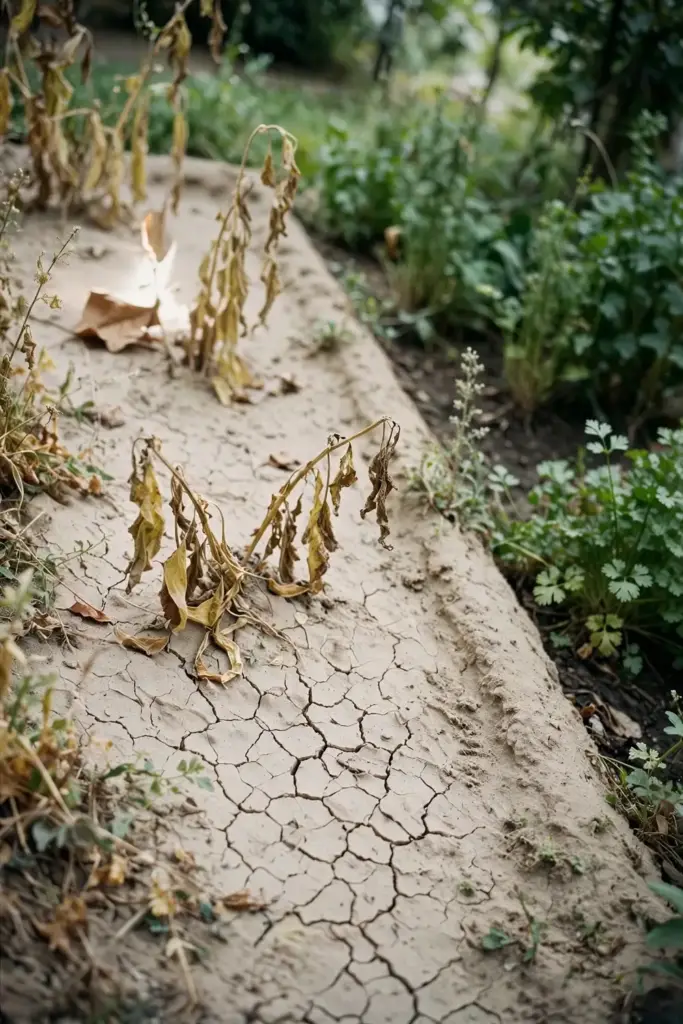
Sandy soil sits first on the risk list. The University of Illinois Extension ties the worst damage to sandy soils that enhance nematode movement. Sandy beds also dry fast, so the plant faces drought stress on top of root loss. A sandy bed with a history of patchy decline is the bed to assay first and the bed to mulch heaviest.
Warm soil speeds the worm. Lesion nematodes slow sharply in cool soil and feed hardest once the soil warms. Spring plantings into cool soil get a head start. Summer plantings into warm soil meet the worm at full speed. That timing gap is one reason fall-planted perennials often establish better than summer-planted ones in infested ground.
Continuous host cropping feeds the population year after year. A bed that grows tomato after tomato, or strawberry after strawberry, never breaks the cycle. The worm holds hundreds of hosts across dicots and monocots, so even a rotation among susceptible vegetables keeps the table set. Only a confirmed non-host, a weed-free fallow, or a suppressive crop like marigold breaks the cycle.
Weeds feed the worm through the off season. Many lesion nematode species reproduce and survive on common weeds, according to North Carolina State Extension. A fallow bed full of weeds is no fallow at all. It is a nursery. Weed the resting bed as carefully as the planted bed, or the resting bed restores the population while it looks empty.
Dirty tools, infested transplants, and moved soil spread the worm faster than the worm spreads itself. Lesion nematodes move only short distances under their own power. A wheelbarrow of infested soil, a shared shovel, or a nursery plant with lesions on its roots moves the population across the garden in one trip. The sanitation step below is the cheapest control in this whole plan because it stops the fastest form of spread.
Step 1: Decide Whether Treating Lesion Nematode Is Worth It
Treat the bed, not the plant. A plant with girdled roots and dead feeder tissue will not recover, and no product heals dead cortex. The decision starts with the assay count and the value of what grows in the bed. A low count in a bed of annual vegetables calls for patience and soil work. A high count in a bed of perennial fruit calls for a full season of suppressive crops.
The University of Illinois Extension handbook sets preplant thresholds for lesion nematode at one to ten worms per one hundred cubic centimeters of soil as not significant, eleven to twenty-five as minor, twenty-six to fifty as moderate, fifty-one to one hundred as severe, and above one hundred as very severe. Thresholds shift with species and crop, and North Carolina State Extension notes that action thresholds vary among Pratylenchus species and crops. Use the handbook numbers as a guide and the lab’s own threshold for your crop as the verdict.
Below the threshold, feed the plant. Water deep, mulch, and keep the bed weed-free. The plant outgrows a light population when the soil supports it. Above the threshold, work the plan below in order. Sanitation first. Then a suppressive crop or solarization. Then clean stock. Skip straight to nematicides and the population rebounds from the roots and residues left behind.
Weigh the plant before you weigh the product. An annual tomato in a big bed costs little to replace, and pulling it protects the rest of the bed. A perennial raspberry cane or a young fruit tree costs a season or more, and it justifies a full suppressive season. One sick seedling in a tray justifies a cull, not a treatment. The assay tells you the count. The plant tells you the stakes.
Step 2: Confirm Lesion Nematode With a Soil and Root Assay Before You Spend
Send soil plus roots. Lesion nematodes live in both, so a soil-only sample misses the half of the population feeding inside roots. A root-only sample misses the worms resting in soil between feedings. The lab needs both to give a count you can act on.
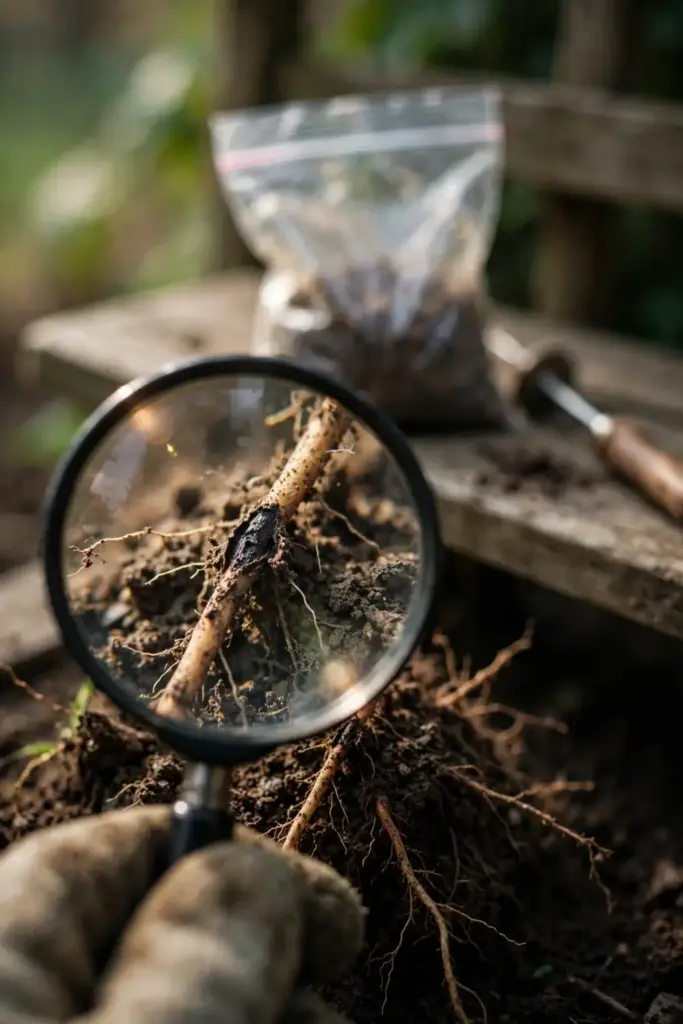
Collect at least twenty soil cores to a depth of four to eight inches, following the North Carolina Department of Agriculture sampling guidance. Walk a zigzag across the bed, probe through the root zone, and mix the cores in a clean plastic bucket. Add washed roots from four to six plants dug at the edge of the worst patch. Bag soil and roots separately, keep the sample cool and moist, and ship early in the week so live worms reach the lab.
Sample the edge of the hotspot, not the dead center. The center holds dead roots and few live worms. The edge holds live roots with live worms feeding in them. Take a second sample from a healthy area for comparison. The comparison sample tells the lab what normal looks like in your soil, and it tells you whether the whole bed or one patch needs work.
Time the sample to the question. Fall sampling after harvest gives the best overview of population density, since populations peak by season end. Diagnostic sampling during the season works best while plants are small, about four to eight weeks after planting, when roots sit shallow and the probe reaches the feeding zone. Either way, keep the sample out of sun and heat. Nematodes must arrive alive for an accurate count.
Ask the lab for three things. First, a genus-by-genus count, so lesion nematode separates from root-knot, spiral, and stubby root. Second, a species identification if the lab offers it, because the species decides which rotation crops are true non-hosts. Third, the lab’s own threshold for your crop, because published thresholds shift with species, soil, and crop value. A report with one total worm count answers nothing. A report with genera, species, and a threshold answers everything.
Step 3: Sanitize Tools and Keep Infested Soil Out of Clean Beds
Work infested beds last. Move through healthy beds first, then the infested bed, so shoes and tools never carry soil from sick to healthy. Change gloves between beds if you wear them. Clean the tools again before you put them away. The habit costs minutes and saves beds.
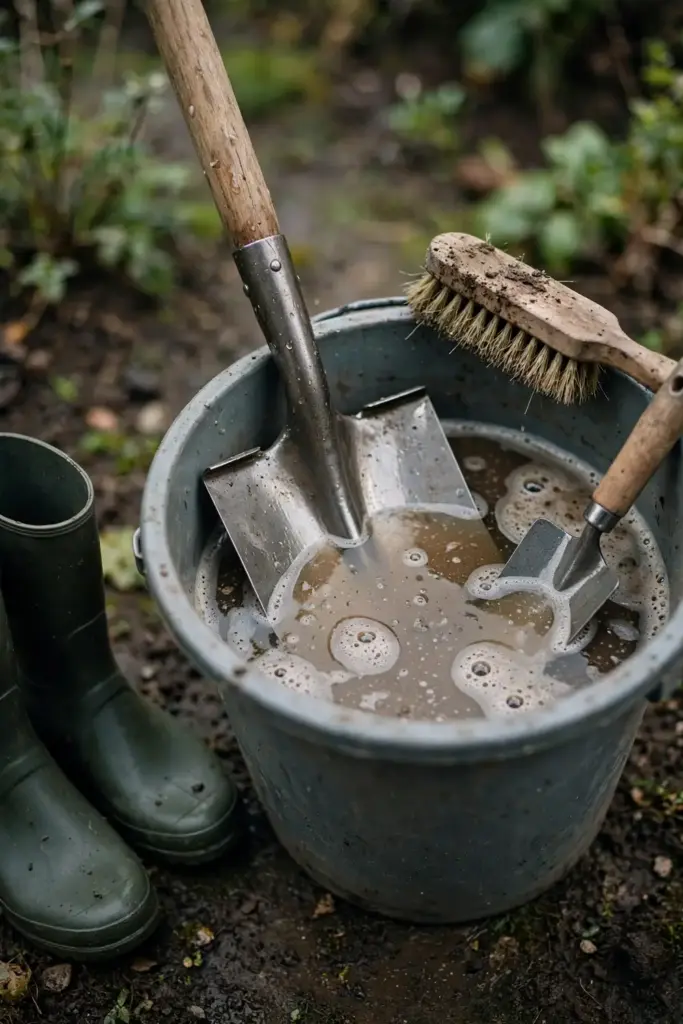
North Carolina State Extension gives the sanitation recipe: wash tools with a 10 percent household bleach solution, remove any stuck soil, rinse with clean water, and air dry before moving to unaffected ground, according to the North Carolina State Extension lesion nematode guide. One part household bleach to nine parts water makes the solution. Use it on shovels, trowels, pots, stakes, and wheelbarrow tires. Soil on a tire moves the worm as surely as soil on a shovel.
Pull infested plants whole, roots and all. Bag them for municipal waste. Home compost piles rarely sustain the heat that kills nematodes and their eggs, so composting a sick plant seeds next season’s beds with the same worm. At least half the population rides inside dead root residues, so roots left in the ground keep the infestation alive after the tops go.
Buy clean stock and keep it clean. Inspect every nursery plant before it leaves the store. Wash roots and look for lesions. A plant with dark sunken patches on its roots goes back on the shelf. Seed and harvest infested beds last, and clean equipment between beds, following the University of Illinois Extension guidance. A clean plant in clean soil stays clean only when the tools that touch it stay clean too.
Step 4: Starve Lesion Nematode With Rotation and Weed Control
Rotation helps only when the next crop is a true non-host for your species. Get the species identification first. Without it, rotation is guesswork, and guesswork usually plants another host. The worm holds hundreds of hosts across dicots and monocots, so a rotation among susceptible vegetables never starves it.
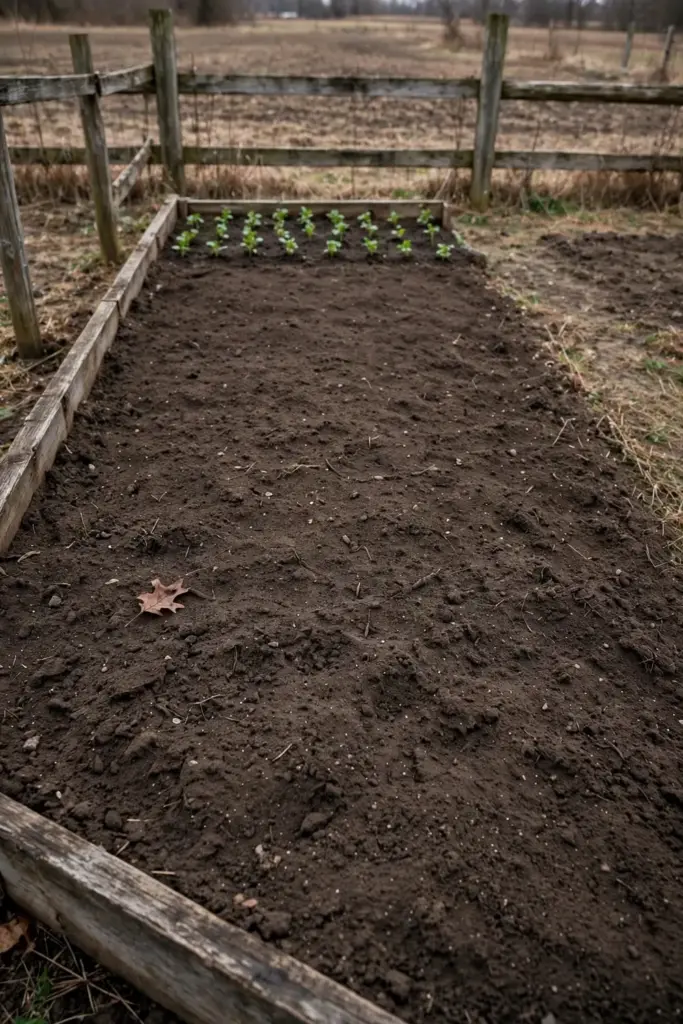
The University of Illinois Extension calls crop rotation of limited value against root-lesion nematode for exactly that reason, and notes that infested fields generally remain infested indefinitely. That sounds hopeless. It is not. It means rotation alone never finishes the job, and rotation paired with weed control, suppressive crops, and sanitation does.
Fallow the bed when the count runs high. The University of California IPM program advises fallowing or planting green manure cover crops for one to two years before replanting orchard ground, and three to four years when lesion nematodes are present. A home garden rarely needs the full orchard fallow. One weed-free season of marigold or mustard, covered in Step 5, does the work of a bare fallow while it also suppresses the worm.
Weed the resting bed like a planted bed. Many lesion nematode species reproduce on common weeds, so a weedy fallow feeds the population it was supposed to starve. Pull weeds before they set seed. Keep the bed edges clean too. A clean fence line starves the worm at the border where it would otherwise wait.
Choose cover crops from the assay, not from habit. A cover crop that hosts your species feeds the worm all winter. A confirmed non-host cover starves it. The cover crops for fall planting guide covers establishment and timing in practical detail. The species identification decides which cover on that list is safe for your bed. Deep plowing to expose soil to drying for a month before planting adds another starvation tool in warm climates, since drying kills worms near the surface.
Step 5: Grow Marigolds and Mustard to Cut Lesion Nematode Numbers
Grow French marigold or African marigold for a full season, then work the plants into the soil. Marigold is a non-host that poisons the worm. The roots release alpha-terthienyl, a compound lethal to nematodes that enter the roots or the soil around them. The worm cannot feed on marigold, and the marigold ground turns hostile to the worm.
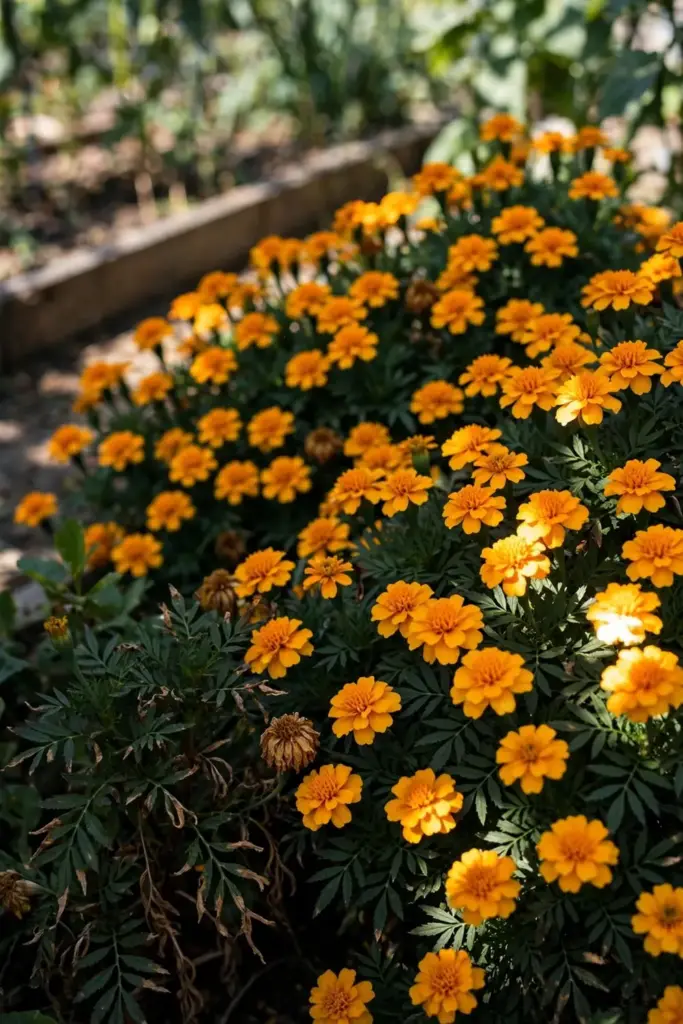
Duration decides the result. Field research reviews report that marigold stands grown for sixty-five to one hundred five days cut plant-parasitic nematode populations and lifted the yield of the following crop. In one reported trial, nine weeks of French marigold cut lesion nematodes by ninety-nine percent, while bare fallow cut them by forty-three percent and wheat, a suitable host, raised the population by two hundred sixty percent. Marigold beat fallow because it actively kills the worm. Fallow only starves it.
Density decides the result too. Plant marigolds no more than fifteen centimeters apart, and grow them for about three months before working them into the soil. A thin row of marigolds along the bed edge decorates the bed. It does not suppress the worm. A dense stand across the whole bed does the work.
Species and variety matter. African marigold, Tagetes erecta, significantly suppressed lesion nematode populations inside neighboring apple roots in Stellenbosch orchard research. French marigold, Tagetes patula, also cut populations, with the variety Tangerine named as effective against Pratylenchus penetrans. Buy named seed of Tagetes patula or Tagetes erecta. Tagetes minuta, the weedy khakibos, is a different plant and not the control marigold.
Mustard adds a second suppressive crop. Brassica cover crops such as mustard and radish cut Pratylenchus penetrans when chopped and incorporated at flowering, according to biofumigation research. Chop the mustard at full flower, work it into moist soil, and water the bed. The chopped tissue releases compounds that knock the worm back. A mustard season followed by a marigold season gives the bed two different modes of attack.
Suppression lasts. In Canadian tobacco ground, a single marigold crop matched or beat soil fumigation, and the results persisted for two or more years. Expect the same pattern at garden scale. One dense marigold season buys two or more seasons of lower pressure, and a repeat season every few years holds the line.
Step 6: Solarize the Bed in the Hottest Weeks
Solarize the bed in the hottest stretch. Wet the soil, lay clear plastic edge to edge, and bury the edges so heat cannot escape. Black plastic will not work. Sunlight must pass through the sheet and trap heat underneath. The bed cooks under its own sun.
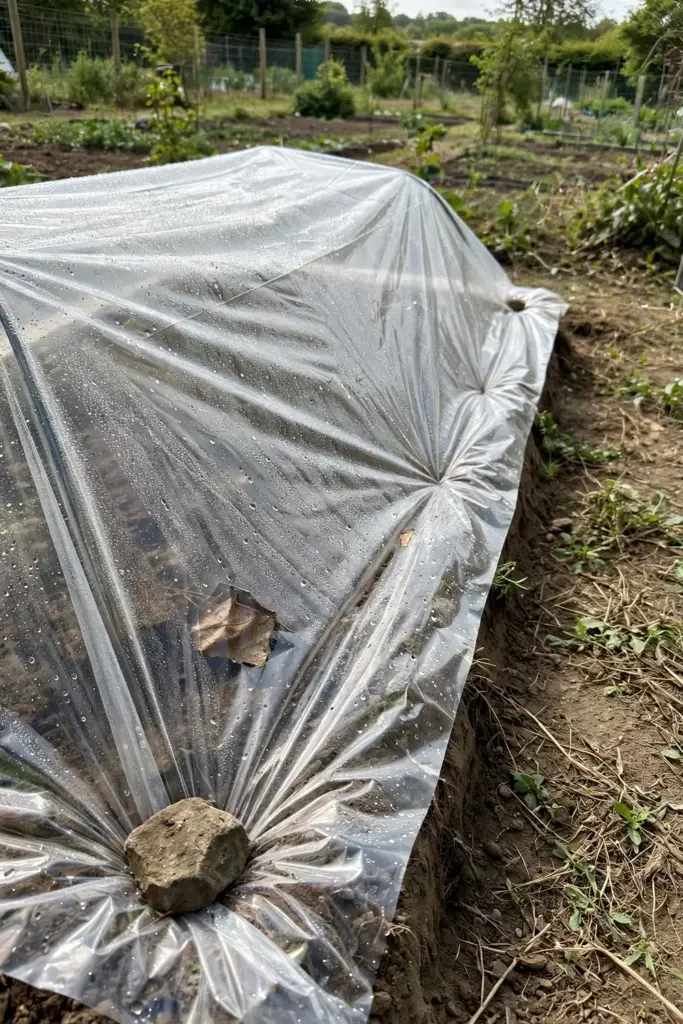
Six weeks does the job in most summers. The Alabama Cooperative Extension System reports that the top six to eight inches of covered soil reach one hundred to one hundred thirty degrees Fahrenheit, hot enough to knock down fungi, nematodes, and weed seed. The highest heat sits in the top two to three inches. Deep worms survive, so solarization cuts the population. It does not sterilize the bed.
Prepare the bed before you lay the plastic. Pull weeds, pull old roots, and rake the surface smooth so the sheet sits flat against the soil. Water the soil deep. Wet soil conducts heat better than dry soil, and worms in wet soil cannot escape the heat by going dormant. Bury the plastic edges in a shallow trench so wind cannot lift the sheet and vent the heat.
Leave the soil alone after you pull the plastic. Do not till. Tilling drags up weed seed and surviving worms from below the heated layer. Let the bed cool for a few days, then plant into the undisturbed surface. Solarize an annual vegetable bed between crops. Skip solarization around living perennials, since the plastic and heat will cook their roots too.
Step 7: Plant Clean Stock and Resistant Varieties Where They Exist
Never plant infested stock into clean soil. One infested transplant seeds a bed that then punishes every crop after it. Inspect every plant before it goes in the ground. Wash the roots, look for dark lesions, and reject any plant that shows them. A returned plant costs a trip. A planted one costs the bed.
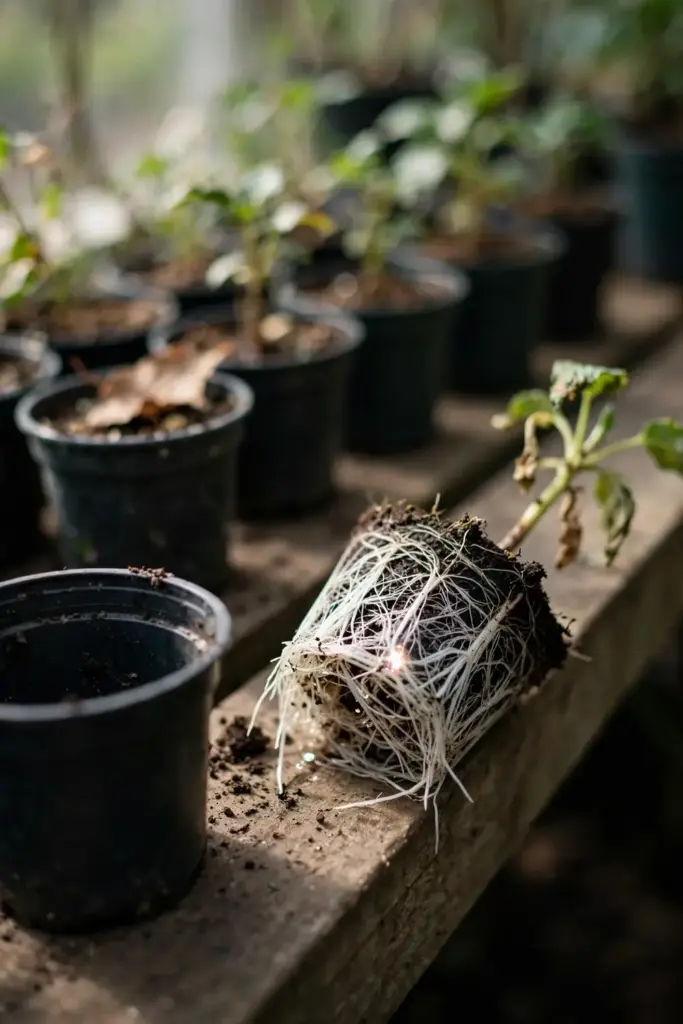
Bulbs deserve the strictest check. Lesion nematode travels in bulbs, and amaryllis growers face the clearest version of the problem. The University of Florida IFAS advises that using clean bulbs is critical to avoid spread, and that removing the roots and submerging bulbs in hot water at one hundred twenty-two degrees Fahrenheit for twenty minutes should eradicate most, if not all, of the nematodes present. Buy certified clean bulbs. Hot-water treat any bulb you doubt.
Resistance is thin but real. Moderate resistance to lesion nematodes is presently limited to only a few cultivated crops, including forage legumes and potato, according to nematology reviews. Potato breeding reports name Peconic and Hudson as varieties showing some resistance. Read the variety description before you buy. A variety with partial resistance still hosts the worm, but it yields through a population that flattens a susceptible variety.
Certified stock matters most for orchards and perennials. The University of California IPM program advises planting certified nematode-free rootstocks or seedlings when establishing new orchards. A fruit tree lives in the same soil for decades, so a clean start pays for decades. A vegetable transplant lives one season, and clean seed in fresh mix pays the same way at smaller scale.
Start seed in fresh sterile mix. Never fill seed trays with bed soil, even soil that looks fine. The seed starting guide covers clean technique from sowing to transplant. One scoop of infested bed soil seeds the tray, and the tray seeds every bed the seedlings go into.
Step 8: Build Root Vigor With Water, Mulch, and Compost
You cannot sterilize a bed, but you can grow roots faster than the worm prunes them. Water deep, mulch the surface, and feed the soil. A plant with a deep, vigorous root system outgrows a moderate worm population. A plant with a shallow, stressed root system loses to the same count.
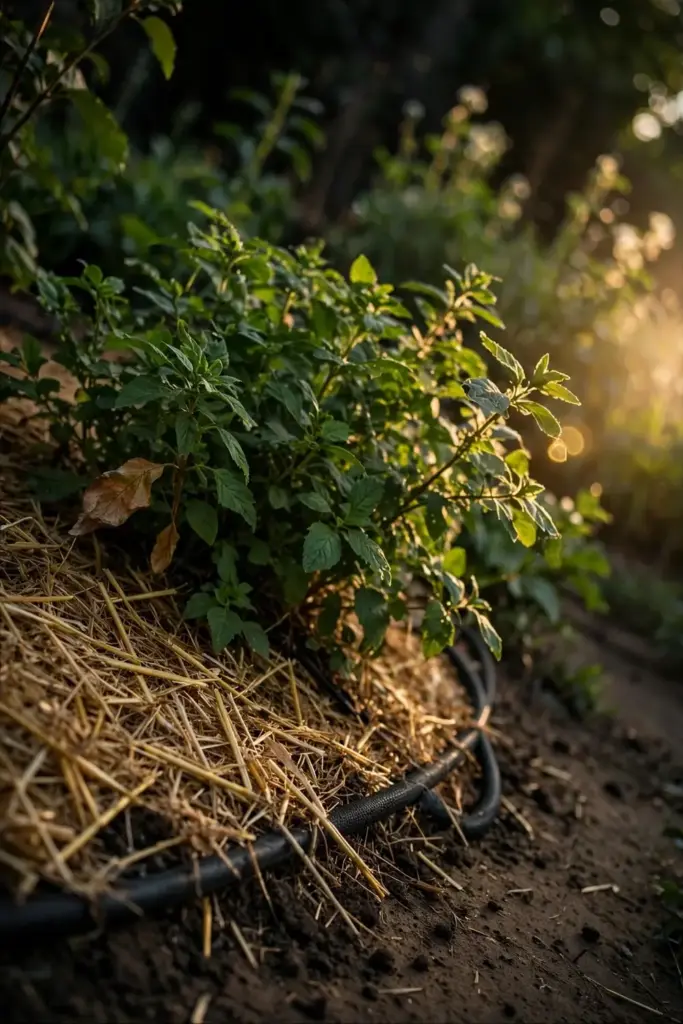
Water deep and less often. Soak the root zone, then let the top inch dry before watering again. Deep roots sit where soil stays cooler and moister, and the plant keeps drinking through hot afternoons. Shallow daily watering grows shallow roots that the worm prunes first. Water in the morning at the root zone, and keep water off the stems.
Mulch the surface. Spread two to three inches of straw mulch around the plants, keeping it a finger width off the stems. Mulch shades the surface, holds moisture, and stops soil splash onto lower stems. Cool, moist, shaded soil grows feeder roots. Bare, hot, crusting soil loses them.
Feed the competition. Well-made compost adds the microbes that compete with lesion nematode for root space and food. Work compost into the top layer of the bed between seasons. The soil health guide walks through structure, organic matter, and drainage in practical detail. Finished compost only: dark, crumbly, earthy-smelling. Unfinished wood chips and fresh manure tie up nitrogen and feed the wrong microbes.
Add biological help with honest expectations. Early greenhouse work reports that Trichoderma koningii cut root-lesion severity on peanut seedlings. Treat that as a promising background tool, not a cure. Biological products need living soil, so skip harsh chemical drenches in the same bed. Compost, Trichoderma, and steady watering lower pressure season after season. They do not cure an infected plant and they do not sterilize a bed.
Skip excess nitrogen. Overfed top growth on pruned roots wilts first in heat. Feed for steady growth, not a flush. A soil test before planting tells you what the bed actually needs, and it costs less than a season of wrong fertilizer.
Step 9: Know When to Call a Professional and Skip Home Nematicides
Home nematicides are a last resort, not a first move. Most home gardeners should never apply one. The cultural steps above carry the plan for annual beds and small perennial plantings. The chemical step belongs to high-count beds, orchard replants, and cases where a professional reads the assay and holds the license.
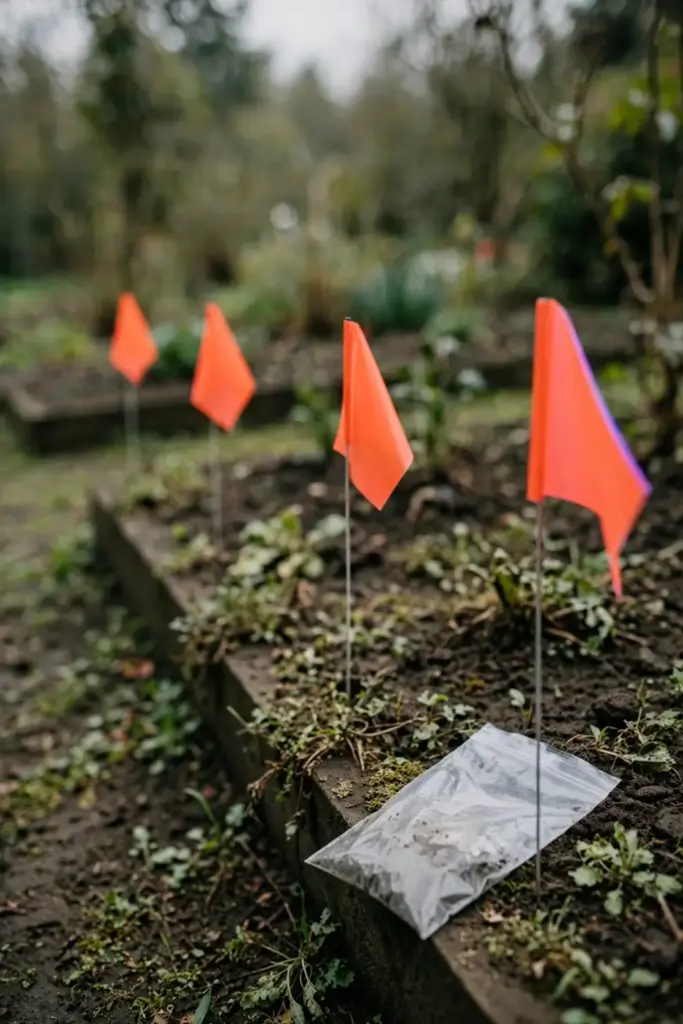
Mississippi State Extension notes that Nimitz, with fluensulfone as the active ingredient, may control lesion nematodes in home gardens, applied 7 to 30 days before transplants go in, never below 60 degrees Fahrenheit, and with no unlisted crop planted into treated ground for 365 days after application, according to the Mississippi State Extension home-garden nematode guide. The product goes on ground that will receive transplants, never on seed beds, and it cannot be used on all vegetables. The product is rarely on garden-center shelves and may need a special order. Hiring a commercial applicator is recommended. The label is the law.
Fumigants sit one rung higher and fully out of home-gardener hands. Pre-plant soil fumigation with products such as 1,3-dichloropropene and metam sodium can cut lesion nematode populations below economic thresholds, according to North Carolina State Extension. Fumigants are professional-only tools with waiting periods, buffer rules, and safety gear no home gardener should improvise. A licensed applicator reads the label, sets the rate, and sets the replant date.
Seed treatments exist for some crops, but North Carolina State Extension warns that they should not be the only management strategy in high-pressure fields. Treat them as a bridge while the cultural plan takes hold, not as a substitute for it.
Call a professional when the case outgrows the garden. A high assay count in an orchard or vineyard replant, a perennial bed that keeps failing after two suppressive seasons, or any fumigation decision all belong to a licensed applicator or a cooperative extension diagnostic lab. Bring the assay report. The professional reads genera, species, and thresholds, and the visit costs less than a season of wrong products.
Living With Lesion Nematode in a Bed You Already Own
A bed with lesion nematode is not a dead bed. It is a managed bed. Plant tolerant crops there as the default. Grow marigolds or mustard between susceptible crops. Solarize between seasons when the calendar allows. Keep sanitation, watering, and weed discipline every season, because the worm waits longer than any gardener’s memory.
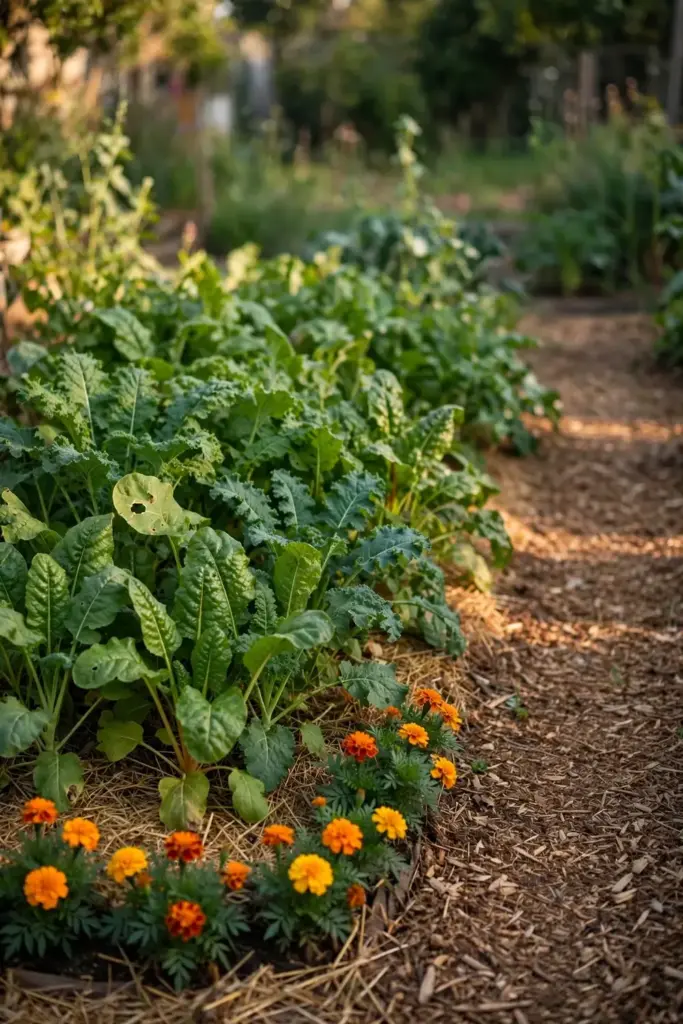
I have learned that a bed with lesion nematode rewards patience more than products.
Stop three habits. Do not plant susceptible perennials in that bed to test it. Do not reuse its soil in seed trays. Do not compost its sick roots. Keep a bed map on paper. Write down which bed held lesion nematode, which suppressive crop grew there, and which year. The map stops next spring from repeating this spring.
Swellings on the roots point to root-knot nematode, and that companion article carries its own plan. Keep the two worms separate in your head and in your soil. The plan for one does not automatically fit the other.
Frequently Asked Questions
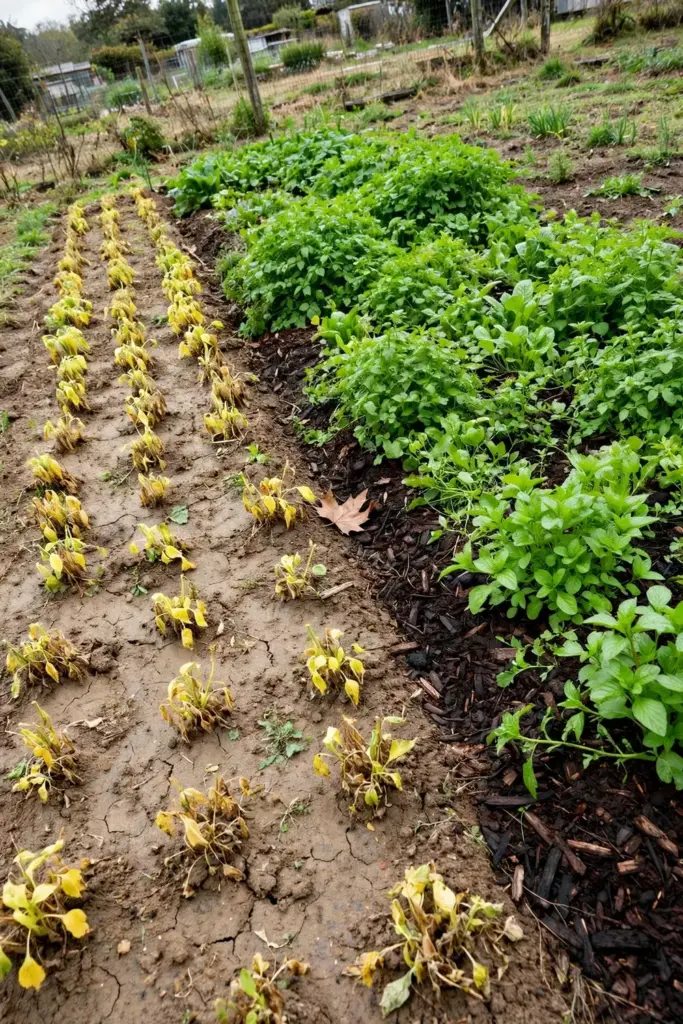
No. Lesion nematode overwinters in infested root tissue, in weed hosts, and in soil at any life stage. A bed left alone keeps its population through winter and feeds it again in spring. What can change is the pressure. Sanitation, suppressive crops, solarization, and clean stock push counts down far enough that plants outgrow the worm. The worm itself does not leave.
Yes, if the produce looks sound. Lesion nematode is a plant pest, not a human one. Harvest vegetables from infested beds and wash them as usual. Discard rotted or moldy produce. The real loss is yield, not safety. A plant that loses its feeder roots stops feeding fruit, so pick what ripens before the canopy fails.
No. Nematicides reduce populations. They do not heal dead cortex, and they do not erase the worm from the bed. Home options are narrow, and the one labeled home-garden product goes on transplant ground only. That is why the plan above leads with sanitation, suppressive crops, and solarization. Chemicals sit at the end, under a professional’s reading of the assay.
The worm survives indefinitely in any bed where hosts or weeds keep feeding it, season after season. At least half the population survives inside dead root residues from previous crops, so roots left in the ground carry the infestation forward. A weed-free fallow, a suppressive crop, and clean stock break the cycle. Plan as though the worm never leaves. Every other decision in this plan gets easier once you accept that.
Not for susceptible crops, and not in seed trays. The worm rides in that soil and in root fragments for seasons. You can reuse it for confirmed non-host crops, or solarize it first and still plant tolerant varieties. For containers and seed starting, use fresh sterile mix instead. One bag of infested soil can seed the worm into every pot it touches.
Yes, with conditions. Grow named Tagetes patula or Tagetes erecta in a dense stand for a full season, about three months, then work the plants in. A thin decorative row does nothing. The suppressive effect persists for two or more seasons in field research. Marigolds cut the population. They do not sterilize the bed, so pair them with sanitation and rotation.
Where to Go From Here
Lesion nematode rewards fast diagnosis and steady soil work. Confirm the dark lesions on washed roots and the genus on the assay. Make the honest triage call in Step 1. Then work the sequence: sanitize, starve with rotation and weed control, grow marigolds or mustard, solarize, and plant clean stock.

Next season, start clean. Fresh sterile mix, inspected transplants, and morning watering will prevent more lesion nematode damage than any product treats. Order the assay now, while the bed still shows its worst patches, and let the count set the plan.