
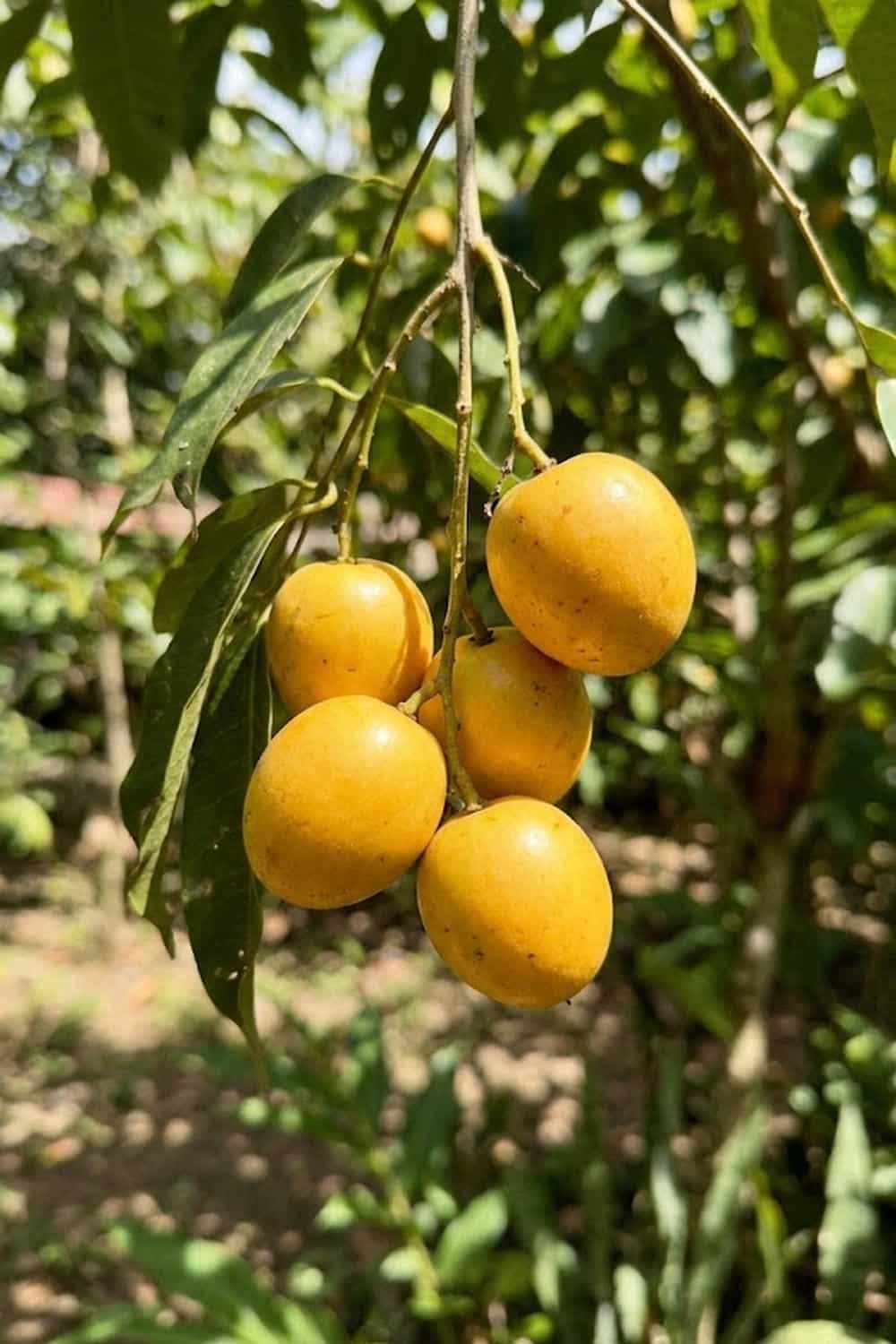

You’ve likely searched everywhere for that unique, pungent, and bittersweet flavor of Byrsonima crassifolia only to find it’s impossible to buy fresh near you. It’s incredibly frustrating when you want to make traditional pesada de nance or chicha but can’t find the primary ingredient. I understand that feeling of missing out on a cultural staple or a new gardening challenge. But don’t worry, I have the solution. You can actually successfully grow this tree yourself, even if you only have a sunny patio, and I’m going to show you exactly how to do it based on my experience.
Selecting the Ideal Tropical Site for Growth
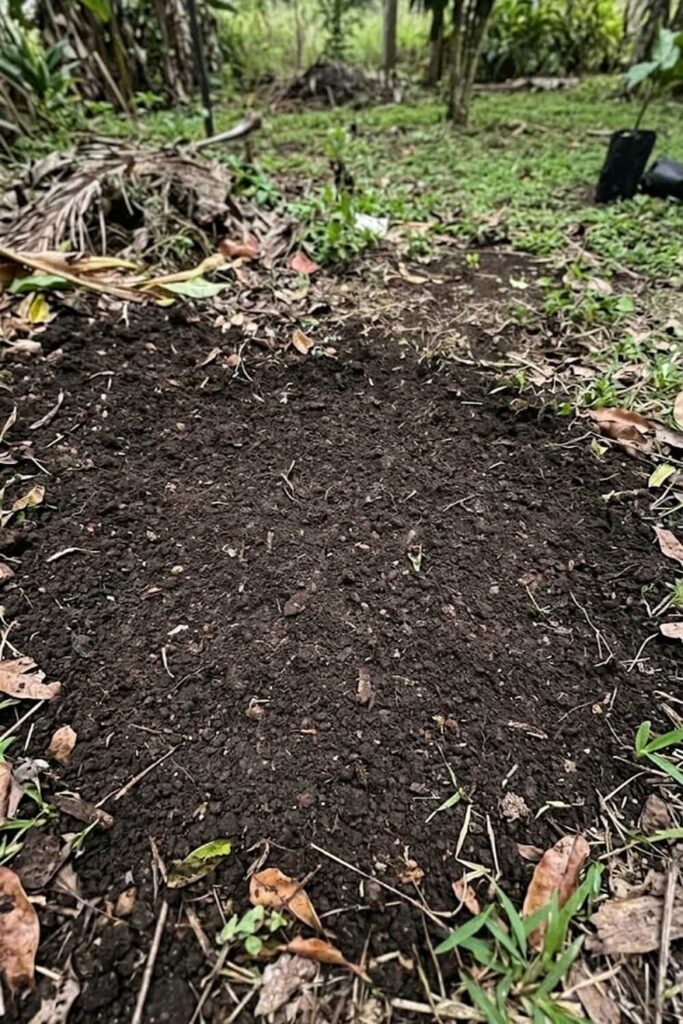
When I first decided to plant a Nance tree, I didn’t realize how massive they could get. You must select a spot that anticipates a tree reaching 10 meters in height with a significantly wide canopy. The primary requirement is light. Your tree needs at least 8 to 12 hours of direct, powerful, bright sunlight daily to develop a strong structure and maximum fruit production. I made the mistake of planting one near a fence that cast a shadow in the afternoon, and its growth was severely stunted. You should look for an expansive, open space. Keep it away from structures or other large trees that might compete for resources. If you have the space, a full tropical savanna-like setting is perfect. While they are naturally fire-resistant, that’s not a condition we want to test in a home garden!
Soil Mix Requirements for Acidic Ground
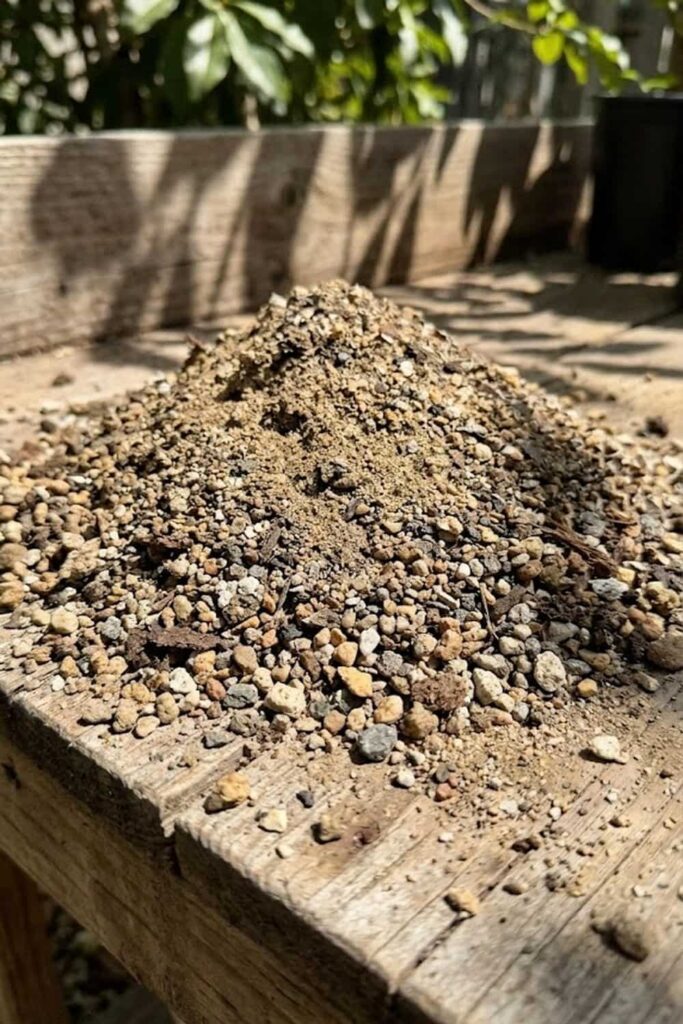
Getting the soil right is absolutely essential. In my experience, Nance is not overly picky, but it desperately needs good drainage. It tolerates poor ground, rocky soil, and even alkaline-sandy conditions. However, for a healthy tree that produces lots of fruit, you should aim for a sandy loam that is rich in organic matter. This tree prefers an acidic ground, with a ideal pH ranging from 5.5 to 7.0. If you have heavy clay soil like I do in parts of my garden, you must amend it heavily or grow the tree in a raised bed. When I didn’t amend the clay, the roots simply couldn’t penetrate, and the water just sat there, which is a recipe for disaster. My preferred soil mix for Nance (especially in containers, which I’ll discuss later) includes one part native soil, one part coarse sand, and one part well-rotted compost or peat moss. This combination ensures the water drains rapidly while still retaining enough moisture and nutrients for the deep roots. A layer of mulching with organic materials like wood chips or straw will further protect the soil and retain moisture without compacting it.
Propagation from Seed Methods
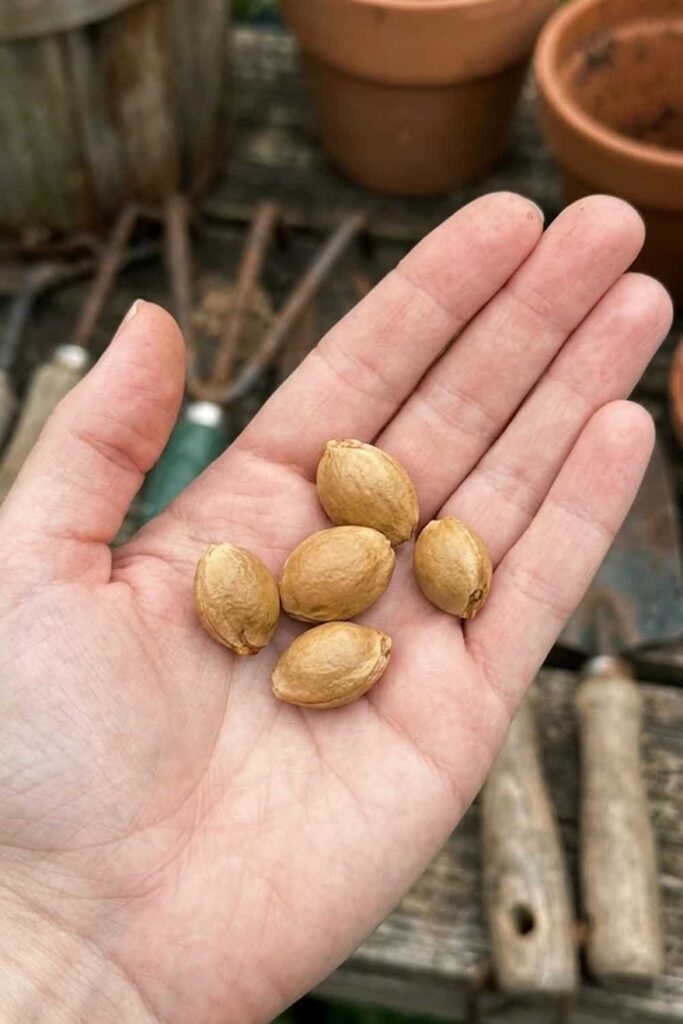
Propagation of Nance is most successful from seed. You will rarely find grafted Nance trees for sale. I have learned that the seeds (the hard stone or pit) lose their viability extremely fast once they are removed from the fruit. You cannot just save them in a drawer and plant them months later. To grow from seed, you should consume the fruit, clean the stone completely of all flesh, and plant it immediately into a pre-moistened, sandy soil mix. I recommend planting the stones about 1 inch deep in a shared nursery pot. Keep the soil warm (above 75°F/24°C) and consistently moist, but never soggy. Ventilation is crucial to prevent fungal issues like damping-off, which I have sadly experienced with many tropical seeds. Be patient. Germination is slow, often taking weeks or even months. You should monitoring the pot daily, ensuring it never dries out. Once the saplings develop their first true leaves, they can be carefully repotting into individual containers. From my experience, a shared pot helps manage soil moisture better than multiple small pots for very slow-germinating seeds. While some gardeners try propagation from cuttings, success rates are exceptionally low. Focus your efforts on fresh, viable seeds.
Repotting Container-Grown Nance
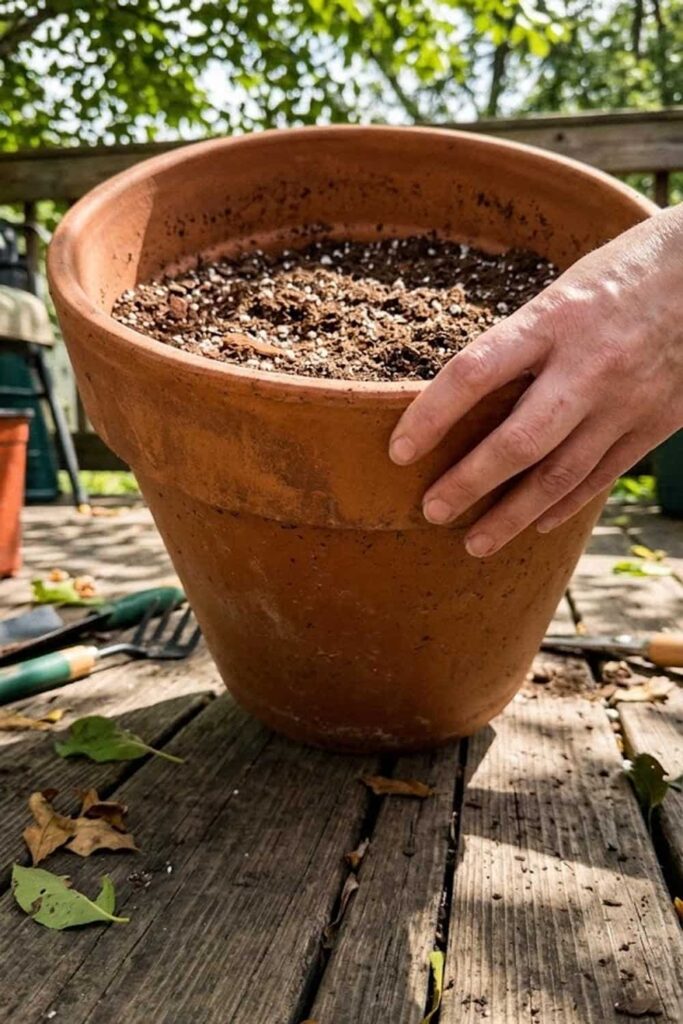
I must admit, grow Nance in a pot is surprisingly easy, provided you are meticulous with repotting. The slow growth rate makes it a great patio plant, and its natural drought tolerance is extremely useful in a container environment. However, you cannot ignore its vigorous, deep root system. I learned this the hard way when a favorite specimen became severely pot-bound, stopped fruiting, and dropped its leaves. You should plan on repotting your container-grown Nance tree every 2 years, minimum. When I notice roots circling the surface or protruding from the drainage holes, I know it’s time to act. You must move the tree to a container that is at least 2 to 4 inches wider and deeper. When repotting, always check for girdling roots and prune them away. A well-placed potting mix, similar to the sandy loam blend mentioned earlier, is essential for adequate moisture and nutrient protection. A large terracotta pot, while heavy, provides superior stability and root ventilation. This regular maintenance ensures your patio tree stays healthy and continues to produce the fruit you desire.
Watering Schedules for Young Saplings
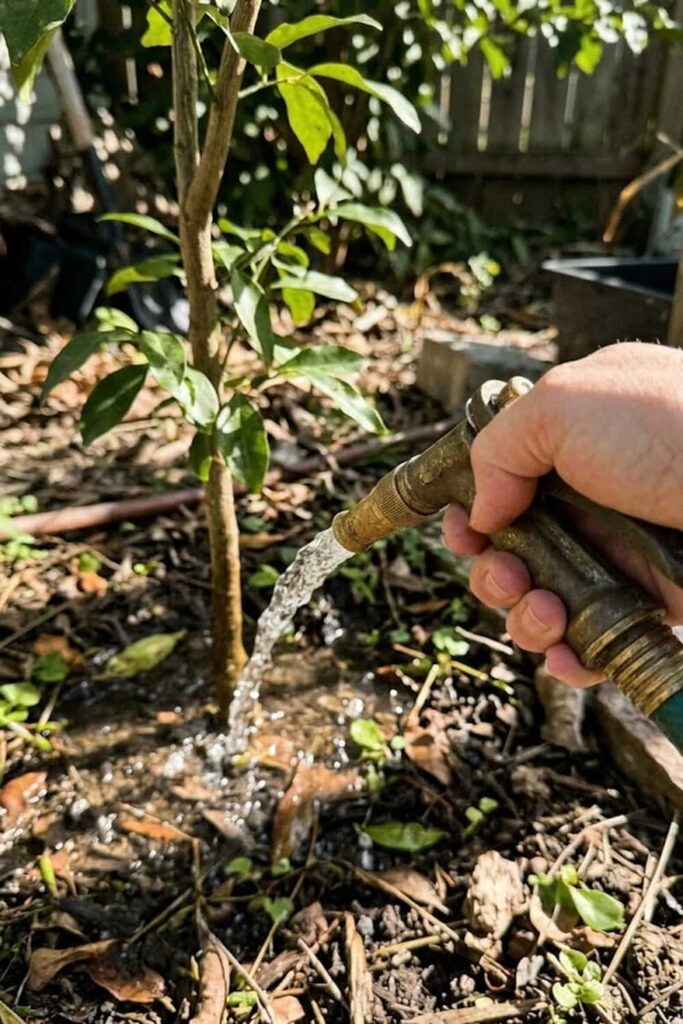
Mastering watering is a tricky balance. I’ve found that Nance trees follow two distinct life stages: the established phase and the establishment phase. Once your Byrsonima crassifolia tree is established (after 2-3 years), it is extremely drought tolerant and can go weeks without water. However, as a young sapling, it requires incredibly consistent and careful hydration. You must ensure the soil remains evenly moist. I watered my first sapling on a rigid schedule (every three days) but learned that weather is the true guide. During hot, breezy weeks, it needed water every other day; during humid, overcast weeks, once a week was plenty. You must monitoring the soil moisture daily by poking your finger about an inch into the soil mix. If it’s dry, water deeply until you see it stream from the drainage holes. If it’s still moist, wait. Overwatering is just as lethal to young roots as underwatering. I always keep a shared water source (like a large bucket) specifically for the tender tropicals, allowing it to reach ambient temperature and avoid cold shock to the roots. Proper moisture protection ensures rapid development, helping the sapling reach maturity.
Drainage Solutions to Prevent Root Rot
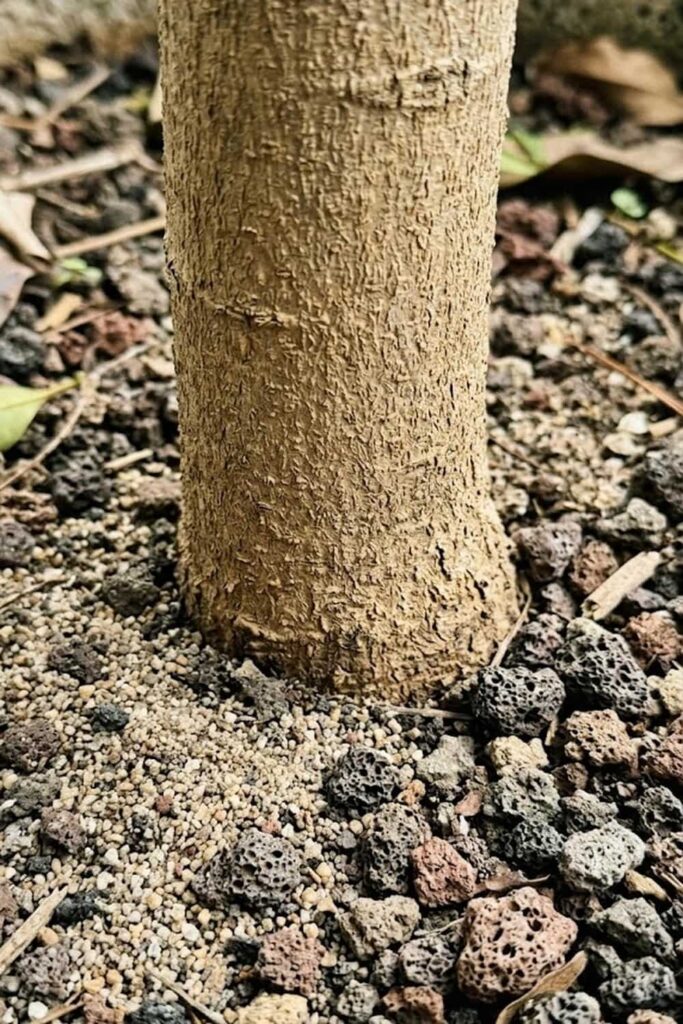
The single fastest way to kill a Nance tree is by letting it sit in soggy soil. I cannot emphasize this enough: you must ensure absolute, rapid drainage. The native environment of Byrsonima crassifolia is the tropical savanna, where torrential rains drain away almost instantly through sandy or rocky ground. In my experience, even if you are meticulous with your watering schedule, heavy clay will trap moisture and cause lethal root rot. I learned this painful lesson when I lost an expensive, hard-to-find sapling that I planted directly into unamended ground near a downspout. If your garden soil doesn’t drain well, you must plant on a slight mound or a raised bed. If you choose to grow it in a container, select one with large, multiple drainage holes and use a sandy soil mix like I described in an earlier section. I prioritize prevention by keeping my trees elevated above any potential standing water.
Fertilizing for Nutrient-Rich Berries
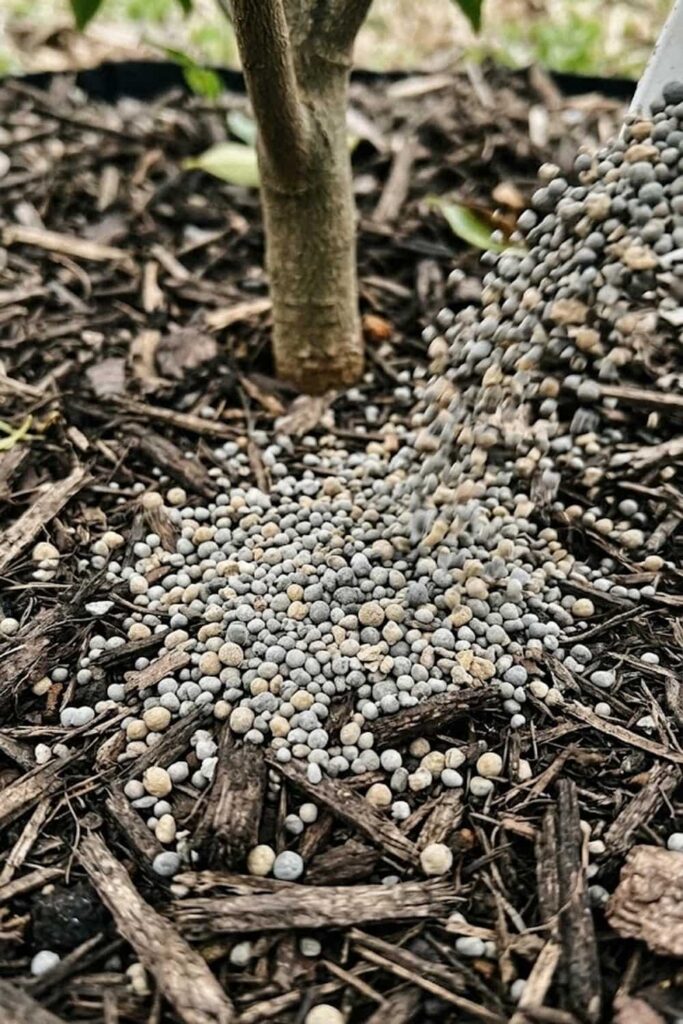
Fertilizing your Nance tree properly is the key to achieving that perfect bittersweet flavor and a bountiful harvest. While these trees tolerate poor ground, you must provide adequate nutrition for them to develop nutrient-rich, pungent berries. If you want results, you cannot ignore this step. My strategy is simple but effective: I apply a balanced fertilizer (like a 10-10-10 NPK) twice a year, once at the start of the spring and again in early fall. When you apply granular fertilizer, you should broadcast it along the “drip line” of the tree—the imaginary circle on the ground directly below the outermost circumference of the branches. I learned early on that placing fertilizer right against the trunk can burn the bark and roots, a serious pain point to avoid. The nutrients must filter down through the outer root zone. For young trees, I use a diluted fertilizing mix more frequently to support growth, but mature trees need that semi-annual boost to manage a large fruit load. Consistent nutrient protection guarantees the best fruit production.
Temperature and Humidity Limits
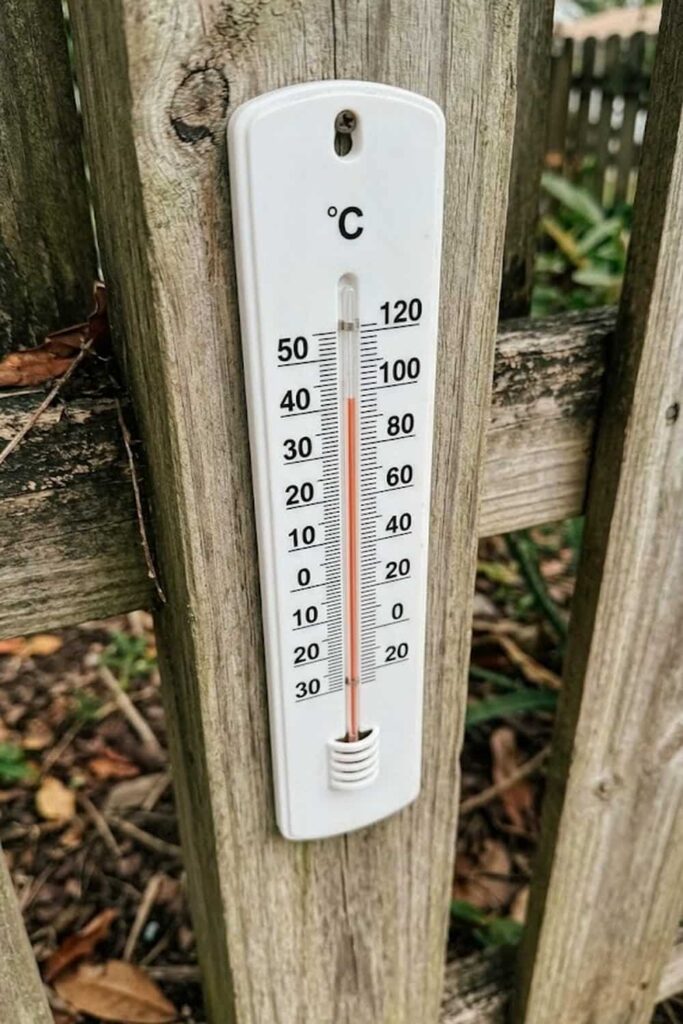
Managing temperature and humidity is crucial for Nance survival, especially if you live outside USDA Zone 9. These trees are strict tropical natives and are severely frost-sensitive. They have absolutely no tolerance for freezing temperatures. You must provide protection if temperatures drop below 32°F (0°C). I have learned that a young tree will suffer cold damage quickly, and a mature tree, while slightly more resilient, can still be killed by a deep freeze. For gardeners in marginal zones, I recommend repotting into containers and moving the tree indoors or into a heated greenhouse for winter. When it comes to humidity, Nance trees love it. They thrive in the heavy, humid air of Central and South America. If you are growing them in a dry climate, regular misting and clustering with other plants can help improve the ambient moisture level. My primary focus during the dry season is to group my tropicals to prevent moisture stress. You should keep a weather station near your trees for accurate monitoring of both temperature and humidity.
Pruning for Structure and Airflow
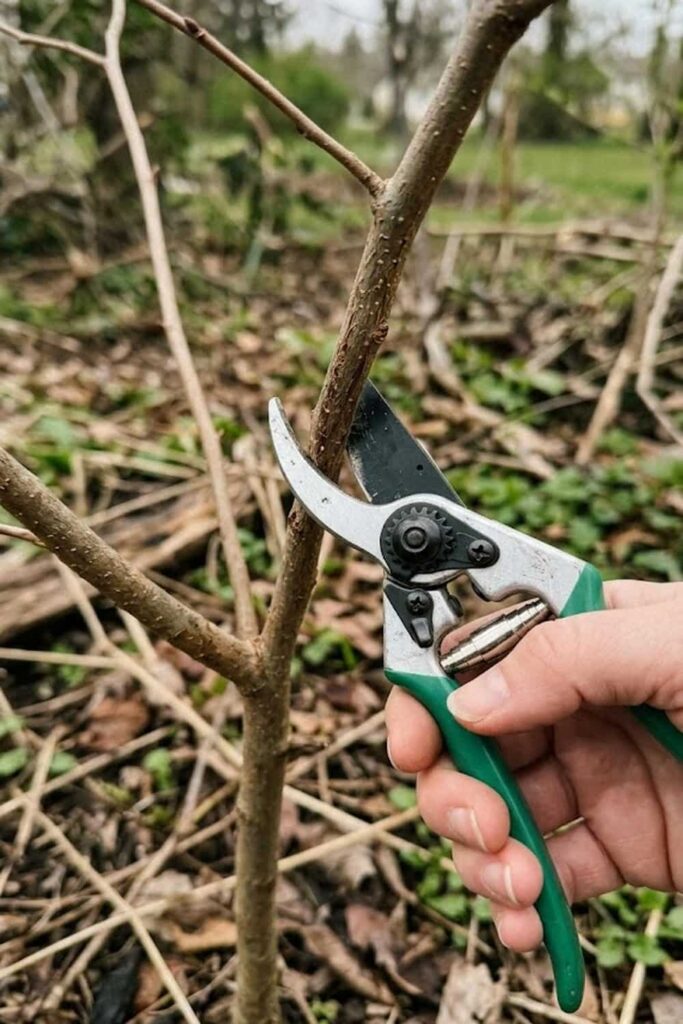
If you want a productive, healthy Nance tree, you cannot avoid pruning. While I often prefer a natural shape for my trees, I have found that structured pruning is absolutely necessary for this species to maintain good ventilation within its dense canopy. Nance tends to grow in a rather haphazard way, with many small, crossing branches that choke out light and airflow. This dense growth creates a perfect breeding ground for fungal diseases and pests like scale. I dedicate time every late winter (while the tree is semi-dormant) to open up the center of the canopy. You should remove any dead, diseased, or damaged wood first. Then, target any crossing branches that are rubbing against each other. By creating a more open structure, you allow the bright sunlight to penetrate all levels, which directly improves fruit production and color. I am strict with monitoring my trees for any signs of sap-sucking pests immediately after I finish a major prune. Good structural integrity is the best long-term protection against disease.
Mulching for Moisture Retention
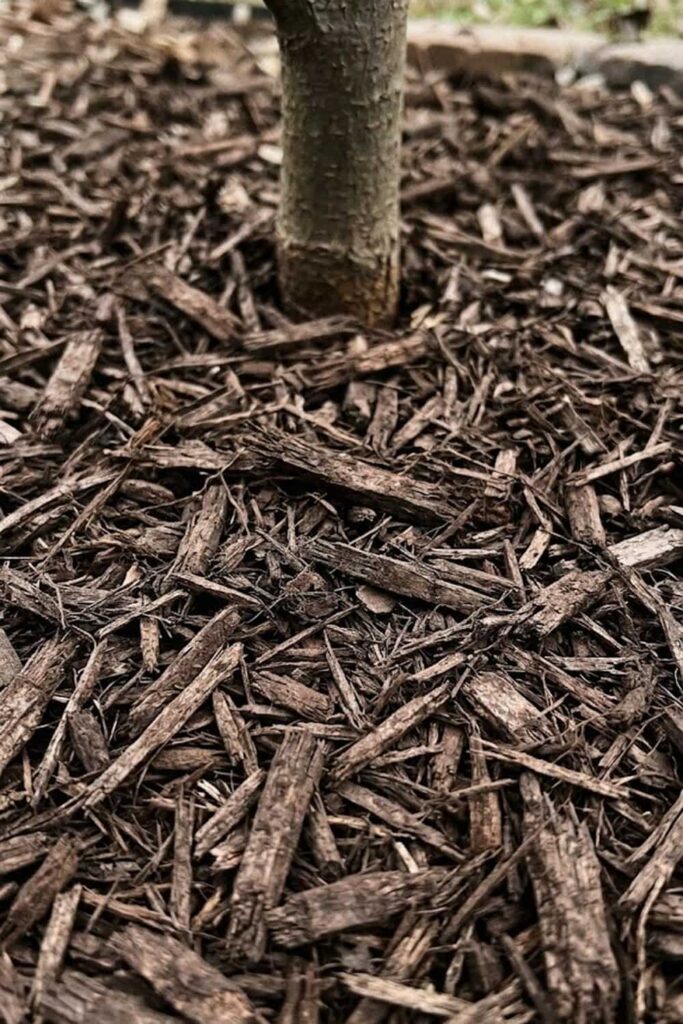
You must start mulching. In my experience, no other simple action provides as many benefits to a tropical tree as a 3-inch layer of organic mulch. A Nance tree has deep taproots but also develops extensive shallow roots that absorb surface nutrients and water. In a hot, open garden setting, the powerful bright sunlight can dry out these surface roots quickly. I apply a thick circle of shredded bark or pine straw around the drip line of all my Nance trees. This mulch acts as a barrier, preventing evaporation, maintaining a consistent root temperature, and suppressing competitive weeds that would steal nutrients. Furthermore, as the organic matter decomposes, it rich compost that slowly improves the soil structure and pH. I prioritize mulching as a primary form of root protection during the intense summer heat. It’s an easy, cost-effective method to support the health of your tree.
Compost Integration for Organic Care
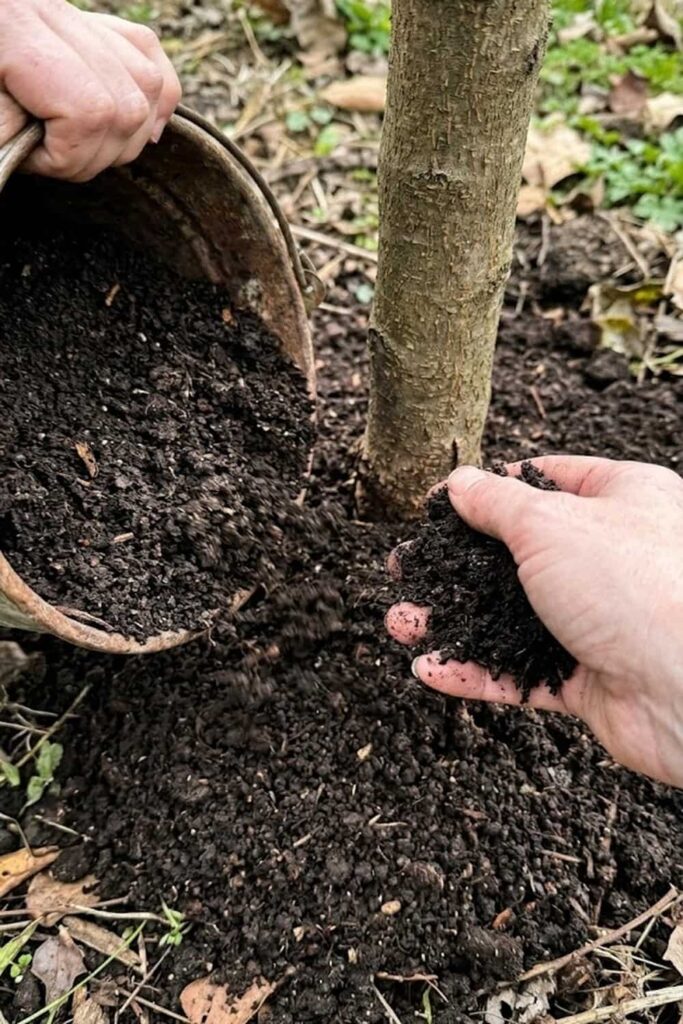
Compost is my secret weapon for sustainable, long-term tropical tree vigor. While synthetic fertilizers provide a quick nutrient boost, only finished compost truly builds the dynamic soil mix your Byrsonima crassifolia needs. I incorporate a 2-inch layer of well-rotted compost (I prefer a blend of cow manure and kitchen scraps) into the top layer of ground every single spring, just as the tree wakes up. I never dig deeply, as I don’t want to damage the shallow surface roots that I worked so hard to protect. This organic addition directly improves soil fertility, aeration, and water-holding capacity, creating a buffet of microbial activity. It also helps manage the pH naturally toward the slightly acidic range this tree prefers. I prioritize compost integration because it provides consistent, low-stress nutrition and long-term protection against soil depletion, which is crucial for a tree you intend to harvest from for decades.
Pest Control Strategies for Yellow Cherry Trees
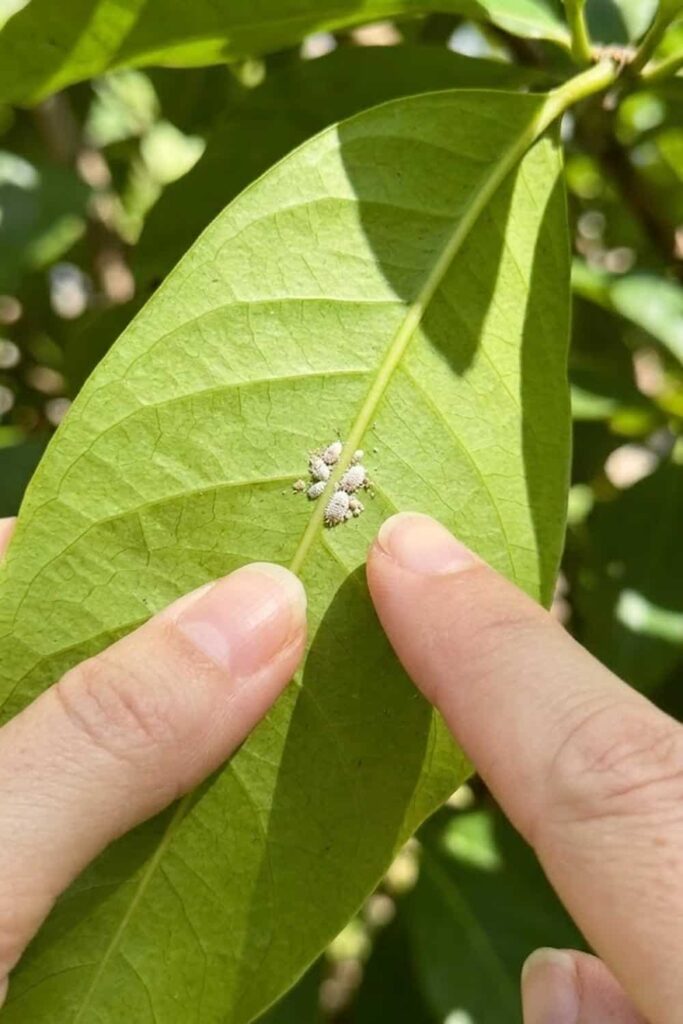
Pest Control for Nance trees primarily targets sap-sucking insects like mealybugs, aphids, and scale. In my experience, while the tree is tough, a severe infestation will stunt growth and cover your future harvest in sticky “honeydew.” You must prioritize monitoring. I inspect the undersides of the leaves and the intersections of branches weekly. I made the mistake of ignoring a few white specks once, and within a month, the entire young tree was covered in scale. If you find pests, my go-to organic prevention is neem oil or an insecticidal soap applied thoroughly, especially to the hidden parts of the leaves. I also focus on prevention by managing ants in my garden setting. Ants will “farm” mealybugs and aphids, protecting them from predators in exchange for honeydew. Keep the ants under control, and the pest control becomes much easier. Consistent protection allows your tree to focus its energy on growing healthy branches and sweet fruit.
Disease Control and Fungal Monitoring
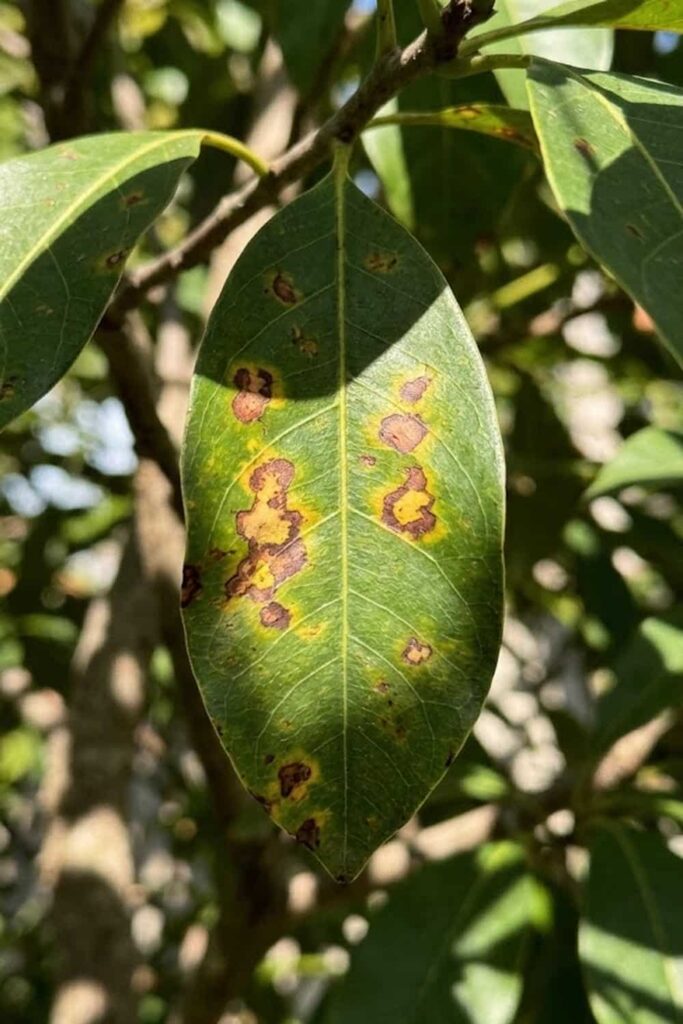
The most dangerous diseases you will face are fungal. Because these trees love humidity, any drop in air ventilation within the canopy creates an environment for pathogens like leaf spot and anthrocnose. You cannot ignore disease control. In my experience, preventing a disease is ten times easier than curing it. My primary method of prevention is structural pruning (as discussed earlier), which ensures that light and air penetrate every part of the tree. This rapidly dries the leaves after a rain, which is essential. You must prioritize monitoring. I regularly check the leaves for any unusual spotting or discolored patches. If I find an infected leaf, I remove it immediately and destroy it; I never put diseased foliage in my compost pile. Keeping the area around the base of the tree clean of fallen debris is also a vital step in prevention. Good sanitation is the best long-term protection against disease outbreaks.
Harvesting the Ripe Golden Fruit
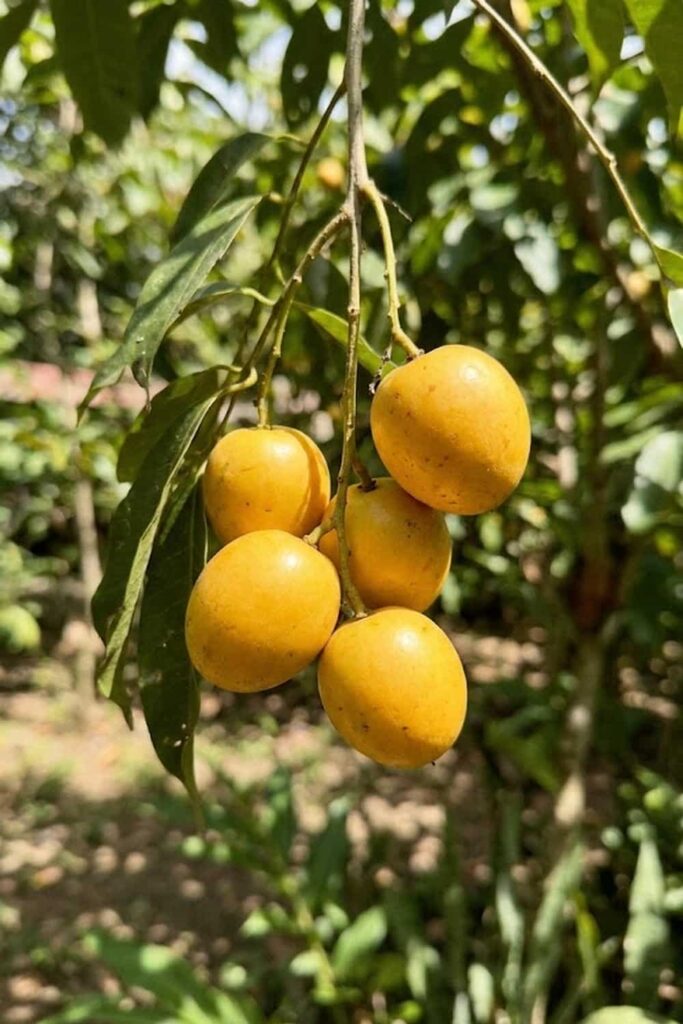
The moment of harvesting is when all your hard work pays off. You’ll know the fruit is ready when the “Golden Spoons” turn from a green-yellow to a rich, deep golden yellow. The primary pain point I hear about is people harvesting too early. The best method is to wait for the fruit to fall naturally. In my experience, ground-harvested Nance fruit is by far the sweetest. I always keep a clean layer of mulching under my trees to provide a soft landing and keep the fruit clean. A single mature tree can produce 2,000 to 4,000 fruits, which gives you plenty of opportunity for harvesting and processing. Once picked (or gathered), the fruits are climacteric, meaning they will continue to ripen and soften. If you harvest from the tree, only pick the berries that pull away with zero resistance. You must have a plan for harvesting because the sheer volume of fruit can be overwhelming if you aren’t prepared for immediate use or storage.
Storage and Post-Harvest Handling
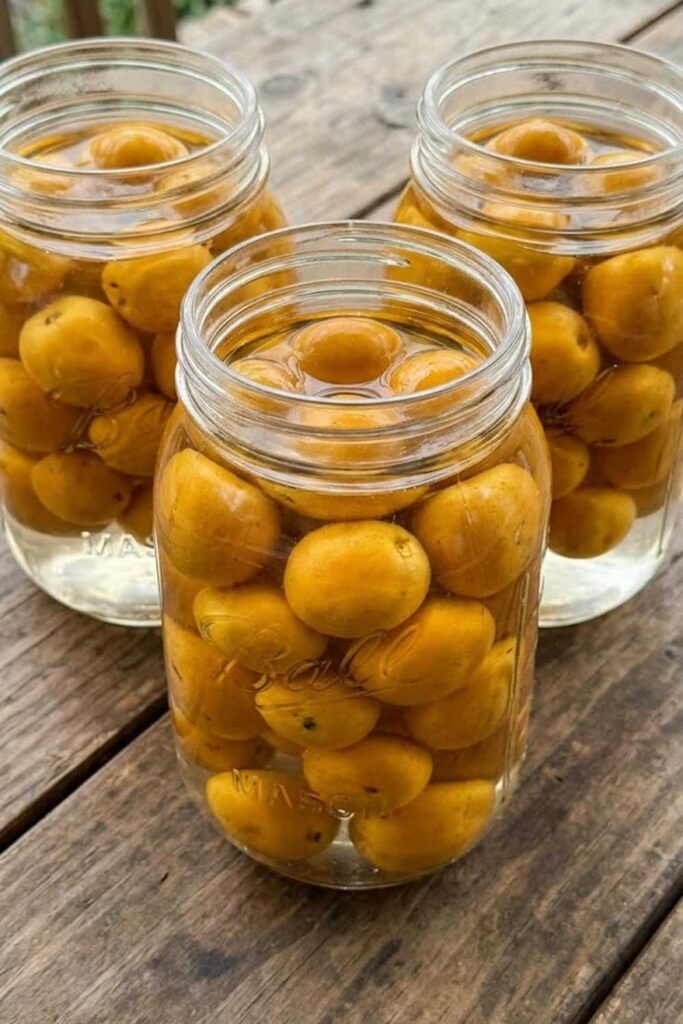
A successful harvesting season inevitably leads to the need for creative storage solutions. Fresh Nance fruit, while pungent and flavorful, has a limited shelf life once fully ripe. In my experience, if you don’t process it within a few days, it will spoil. A unique and traditional method of storage that I love is “bottled nance.” You clean the whole fruits and pack them into glass jars, then fill the jars completely with fresh water. The fruit ferments slightly and takes on a unique, boozy quality that I find fascinating for specific desserts. Alternatively, for long-term storage, I freeze the fruit whole, or I extract the oily pulp and freeze that separately. The frozen pulp retains its classic bittersweet flavor and is perfect for making traditional pesada de nance or ice cream whenever you want it. Having a reliable storage plan makes your harvest much more valuable.
Labeling and Variety Tracking
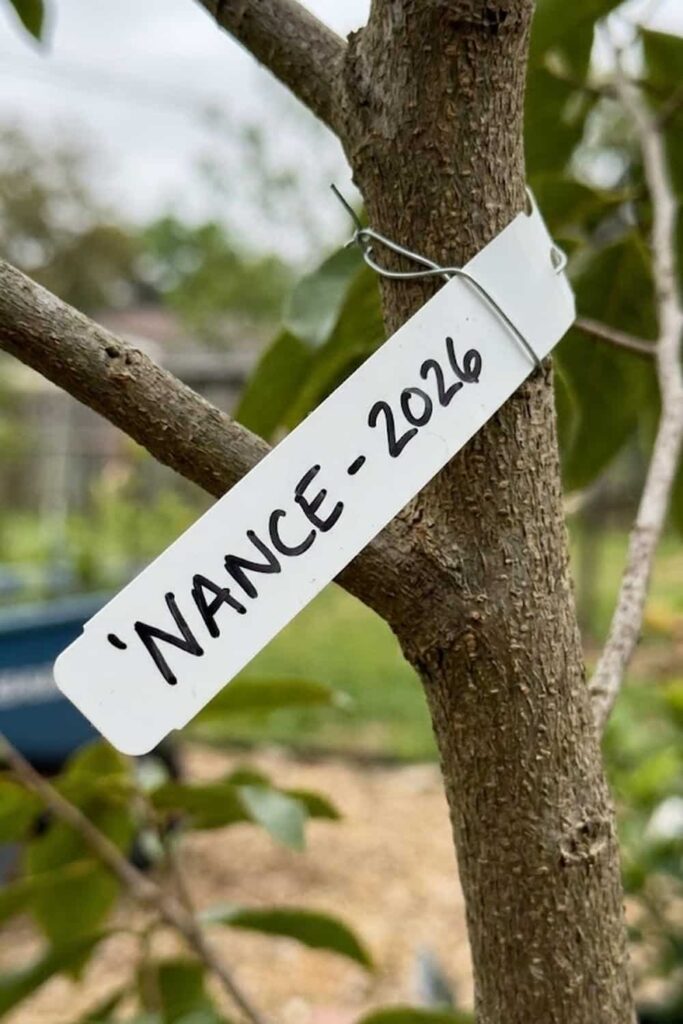
Labeling is a task that I used to ignore, but now I consider it a form of future-proofing my garden setting. In my experience, you will forget when you planted that tree, what the original soil mix was, or which specific variety had that perfect bittersweet profile. You cannot rely on memory alone. I use weather-resistant aluminum tags on all my fruit trees. I record the botanical name (Byrsonima crassifolia), the planting date, and major maintenance milestones like the last significant pruning or application of compost. For container-grown trees, I often use larger pot markers that include pH readings from my last soil test. This simple act of labeling ensures consistent monitoring and provides invaluable data for long-term tree management. If you manage multiple trees, accurate tracking allows you to contrast performance and maximize your future harvests.
Technical Data: Entities, Attributes, and Cultivation Values
When managing the long-term health of a Nance tree, I rely on specific data points to guide my care routines. While general knowledge is helpful, understanding the precise requirements and nutritional composition of Byrsonima crassifolia allows you to optimize growing conditions and appreciate the value of your future harvest. The table below centralizes key botanical and cultivation figures that every serious Nance gardener should have on hand for reference. I use these values to calibrate my soil test kits and finalize my harvest plans, and I recommend you do the same.
Nance Cultivation and Botanical Specifications
| Feature / Attribute | Value / Specification | Context for Gardener |
| Scientific Name | Byrsonima crassifolia | Essential for ordering from reputable nurseries. |
| USDA Hardiness Zones | 9, 10, 11 | Direct indication of frost sensitivity. |
| Ideal Soil pH | 5.5 to 7.0 (Acidic to Neutral) | Vital for nutrient absorption; calibrate your test kits. |
| Growth Habit | Evergreen shrub/tree | Plan for year-round foliage; slow but persistent growth. |
| Typical Mature Height | 10 Meters (33 Feet) | Crucial for site selection and light planning. |
| Fruit Production Window | 2,000–4,000 Fruits per Mature Tree | Expect heavy harvests requiring immediate processing. |
| Primary Nutrient Content | High Vitamin C, Dietary Fiber | Understand the health benefits of your produce. |
FAQ: Definitively Answering Your Common Nance Questions
As I’ve shared my experience growing Nance, I’ve noticed recurring questions from fellow gardeners eager to try this unique tropical. You must enter this challenge with realistic expectations. Providing care for Byrsonima crassifolia means playing a long game. I’ve compiled the most common questions I’m asked, along with definitive, fact-based answers that will help you troubleshoot potential issues and refine your cultivation strategy. I hope my experience saves you from some of the pitfalls I encountered.
How long does it take for a Nance tree to bear fruit from seed?
Nance trees typically take 3 to 5 years (and sometimes 7+ years in cooler climates) to bear their first fruit when grown from seed. Grafted trees, if you can find them, may produce in just 2 to 3 years. You must practice extreme patience while the young sapling establishes its massive root system and builds a framework capable of supporting a full harvesting season. Regular fertilizing and proper moisture protection can help improve this timeline, but you cannot rush a tropical tree’s development.
Is the Nance tree self-pollinating or do I need two?
Yes, the Nance tree (Byrsonima crassifolia) is self-fertile, meaning a single specimen will produce fruit. However, I have learned that having a second tree will consistently increase your overall fruit production. While not required for a harvest, cross-pollination provides natural insurance, ensuring better fruit set and preventing the entire tree’s output from dropping prematurely if environmental conditions aren’t perfect during flowering. If you have the space in your tropical garden setting, I always recommend planting a pair.
What is the ideal pH value for my Nance tree’s soil mix?
The ideal pH for Nance is acidic, ideally between 5.5 and 7.0. In my experience, if your soil mix is too alkaline (above 7.5), the tree will suffer from micronutrient deficiencies (like chlorosis, or yellowing leaves) because the roots cannot absorb nutrients efficiently. I prioritize consistent pH protection by integrating rich compost and applying organic mulching twice a year to gently buffer and lower the pH naturally. You must monitoring your soil pH every spring to guide your soil amendment strategy.
Can I successfuly grow Nance fruit in containers or pots?
Yes, you absolutely can successfully grow Nance in containers, making it a viable option even if you lack ground space. This tree’s naturally slow growth rate works well in a pot, allowing it to serve as a productive patio plant for years. To succeed, you must use a extremely large container (at least 20 gallons for a 3-year-old tree) to accommodate the vigorous, deep roots. Be diligent with drainage and prioritize careful, frequent repotting (as discussed in an earlier section) to avoid root-bound conditions that will stunt growth. My potted specimens have produced consistent, though smaller, harvests.
Why are my Nance fruits dropping prematurely before ripening?
Premature fruit drop is incredibly frustrating and is usually caused by stress. In my experience, the two primary culprits are improper watering or significant temperature fluctuations. If you let the soil dry out completely during the height of fruit development, the tree will abort the harvest to conserve energy. Likewise, if the area experiences sudden cold (below 45°F/7°C) or rapid, severe changes in humidity, the stress can cause lethal drop. You must prioritize stable monitoring and ensure the soil remains evenly and consistently moist, especially through the critical flowering and fruiting phases. Proper moisture and temperature protection are essential to see your fruits reach full maturity.








