
Planting takes one autumn afternoon. At 10 cm spacing, 60 corms need about 6 square feet of bed. Harvest comes the next October. Difficulty is moderate: the planting is easy, the patience and the drainage discipline are not.
Kashmir saffron is the same plant as ordinary saffron, Crocus sativus, grown one specific way: from corms raised on the high plateaus around Pampore, harvested at dawn, dried the Kashmir way. Growit already has a general saffron guide from corm to harvest. This article covers only the Kashmir lane, because that story was missing.
Here is how to grow Kashmir saffron from India in your own garden or pots. It will not be identical to Pampore’s harvest. It will be close enough to taste the difference between real kesar and the dyed threads sold in cheap packets.
1. What Kashmir Saffron Actually Is
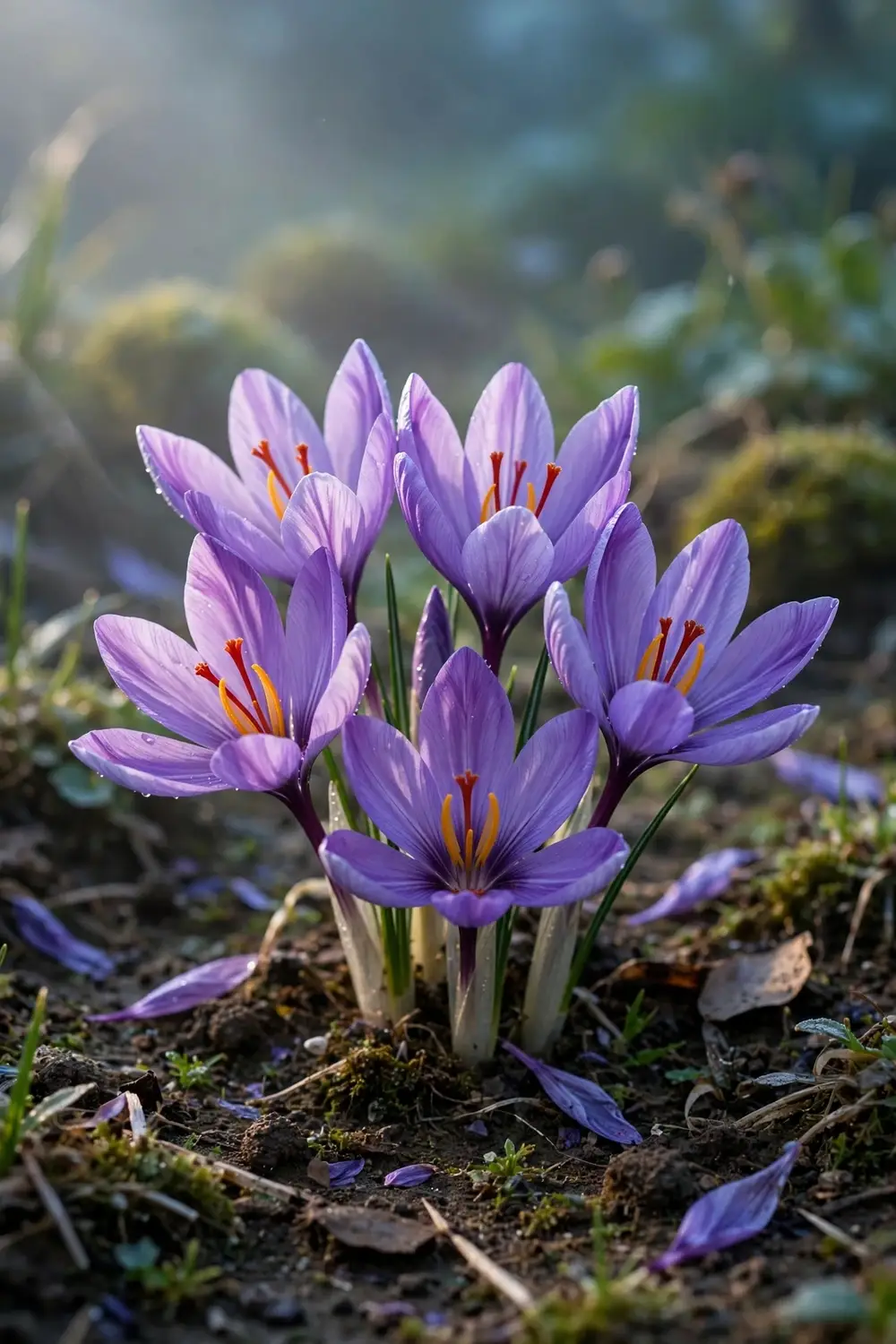
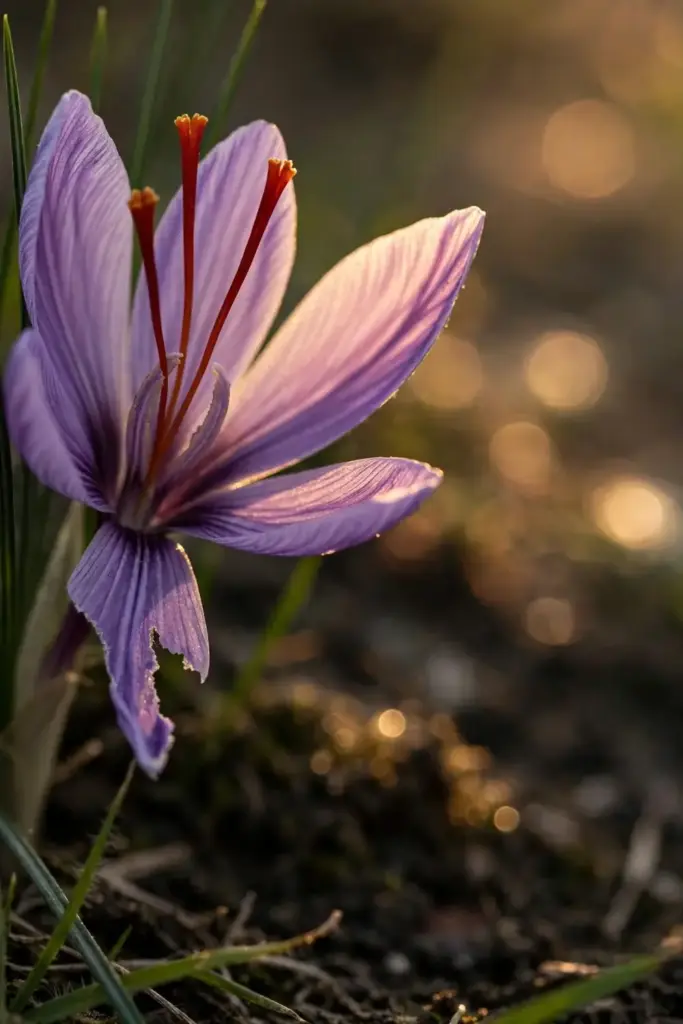
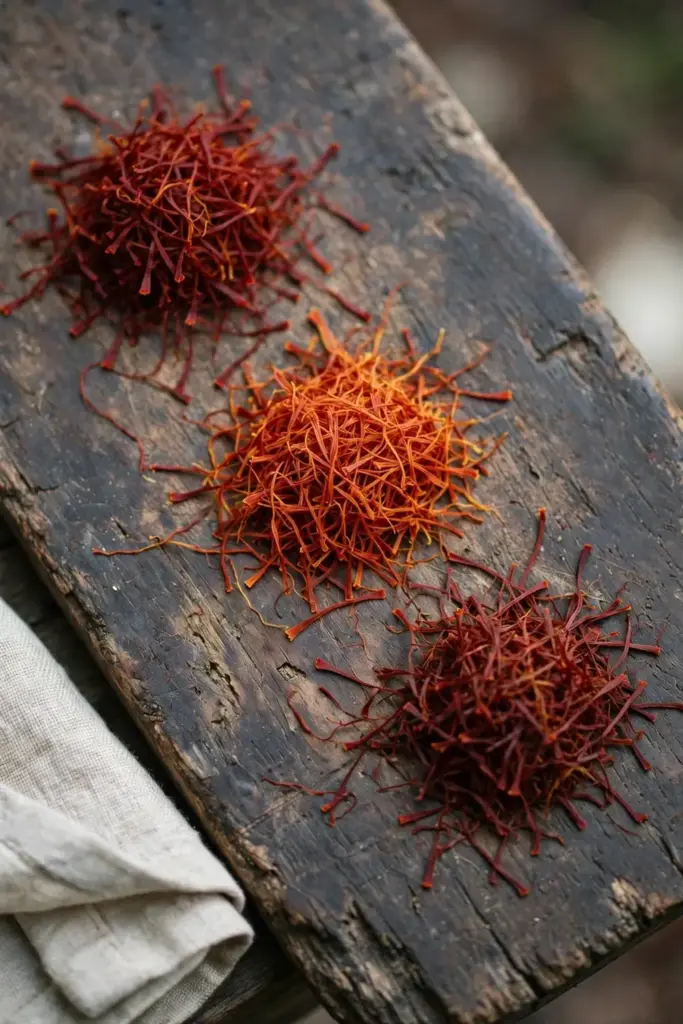
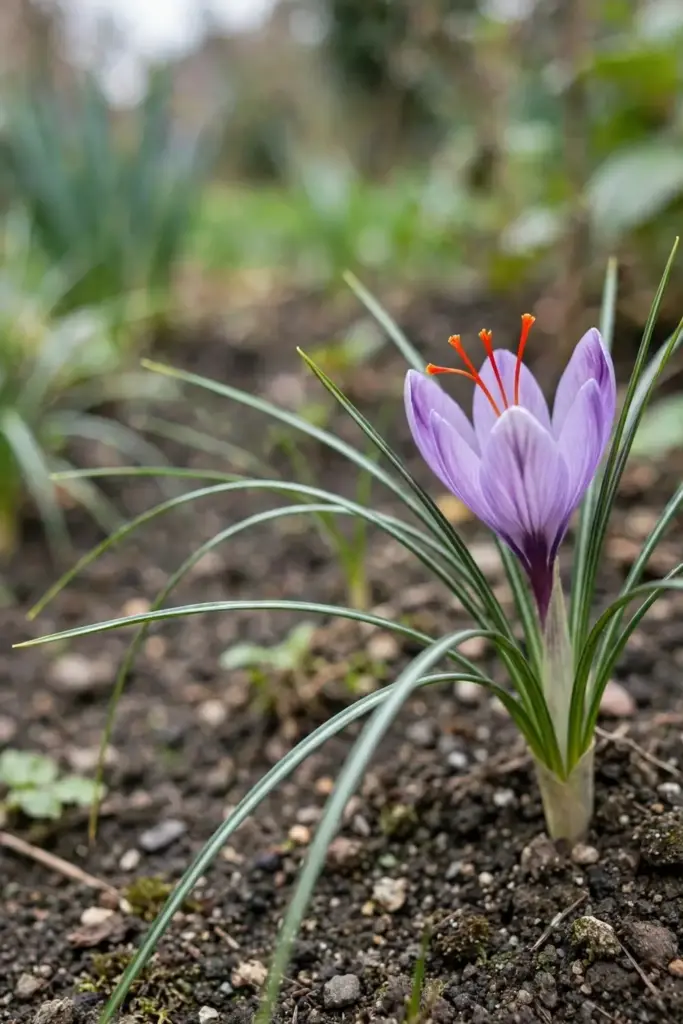
Kashmir saffron is Crocus sativus, an autumn-flowering crocus that grows from a corm, not a true bulb and never from seed. Each purple flower carries three deep-red stigmas. Dried, those stigmas become the spice. One flower yields roughly 5 milligrams of dried saffron, and peer-reviewed horticulture research puts the total at 150,000 to 200,000 flowers per kilogram.
The word you will see on Indian packets is “kesar”. It is the dominant commerce spelling across Indian sellers and farm media. When you buy corms labeled for Kashmir growing, you are buying the same species the world grows, selected and handled the way Pampore farmers handle it.
One more identity point matters before you plant anything. Saffron crocus is a sterile triploid, which means it cannot set seed. Every plant on earth is a clone, multiplied by corm division. Anyone selling “saffron seeds” is selling something else.
2. Pampore: Why Kashmir’s Saffron Is Different
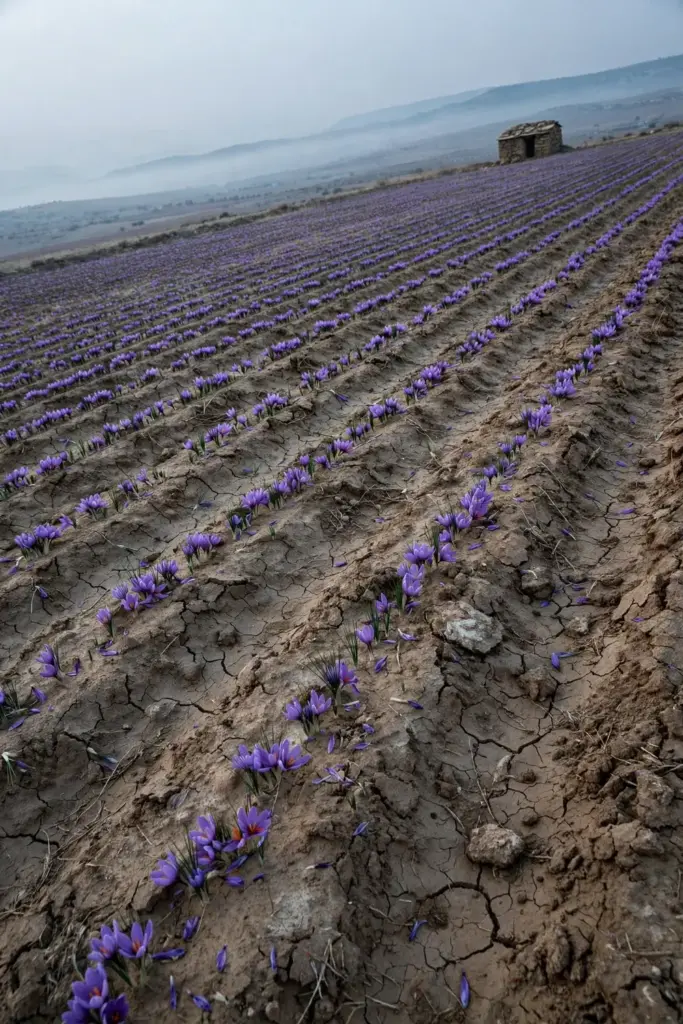
Pampore is a small town on the karewa plateaus of Pulwama district, and it is called the saffron bowl of Kashmir for a reason. Pulwama and Budgam districts grow the bulk of India’s saffron. Indian farm media puts the two districts’ share at 90 percent of national production, with a few pockets in Himachal Pradesh, according to HerZindagi. The plateau soil, the dry summers, and the sharp autumn temperature drop create conditions that few other places copy.
The history runs deep. Saffron is believed to have been first cultivated in Greece and brought to India by Persian rulers, and the Kashmir valley has refined the crop ever since. Three grades are cultivated in Kashmir: Creme, Aquila, and Lacha saffron.
Iran produces most of the world’s saffron, and Spain is the other famous origin. Kashmir’s output is small by comparison, but its reputation for deep color and strong aroma keeps prices at the top of the market. That is the target you are chasing, and the honest version of the target is spelled out in the next two sections.
3. Kashmir vs Spanish vs Iranian Saffron
The three big origins are the same species, but they differ in how the crop is grown, harvested, and sold. Know the differences so you can judge corms and threads honestly.
| Origin | Growing region | Harvest style | What buyers expect |
|---|---|---|---|
| Kashmir (kesar) | Pampore plateaus, Pulwama and Budgam districts, J&K | Hand-picked at dawn, traditionally dried | Deep red color, strong aroma, premium price |
| Iranian | Khorasan province | Hand-picked, machine-assisted drying common | Largest global volume, wide quality range |
| Spanish (La Mancha) | La Mancha plateau | Hand-picked, toasted drying | Mild flavor, protected origin label |
For a home grower, the practical takeaway is simple. You cannot import a plateau, but you can copy the method: certified Kashmir corms, sharp drainage, minimal water, dawn harvest, gentle drying. That method is what this guide follows.
4. The Honest Climate Check Before You Start
Learning how to grow Kashmir saffron from India starts with climate honesty. Saffron crocus wants hot, dry summers and cool, dry autumns, and home-grower guides place it in USDA zones 6 to 9, with colder zones succeeding in pots. The plant needs at least 5 to 6 hours of direct sun, and Indian growers aim for 10 to 12 hours of photoperiod in the early stages.
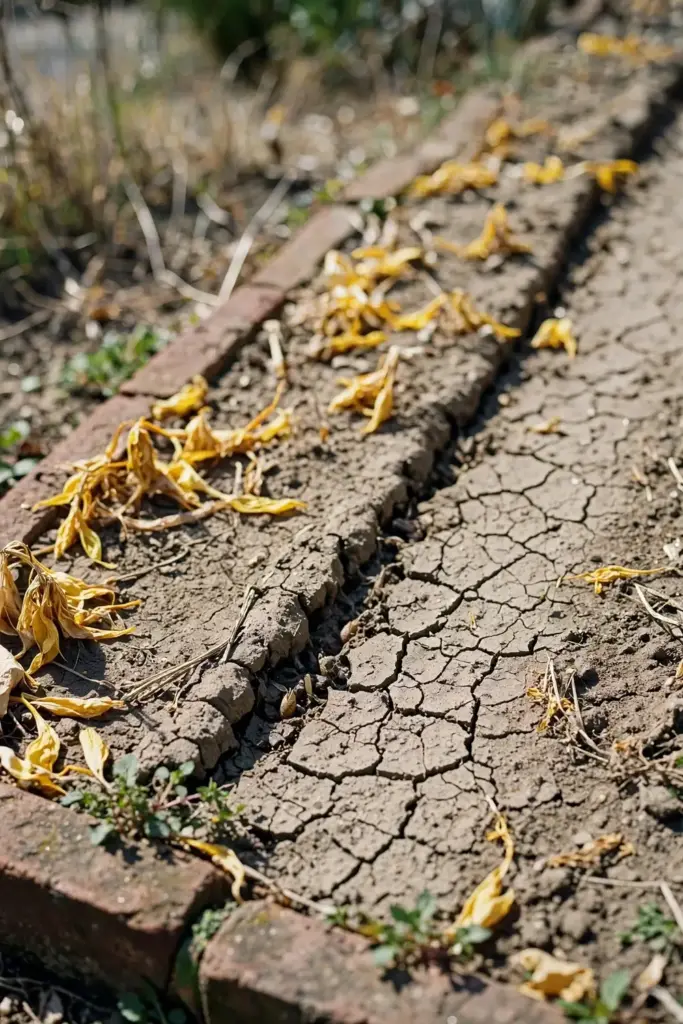
The Pampore pattern looks like this: corms go in during summer, sit through a dry dormancy, then push flowers when autumn nights cool. Winters stay cold enough for dormancy without waterlogging the corms. If your summers are wet, your soil is heavy clay, or your autumn stays warm into December, you will fight the plant’s nature. Pots and raised beds fix the drainage half of that fight. Nothing fixes a climate that never cools.
Cold-climate gardeners have a real option. Corms in pots can be overwintered indoors at 40 to 50°F with no water at all, then returned to sun in spring. That is a container project, not a garden-bed project, and it is covered in section 10.
5. The Toxic Look-Alike You Must Know
Before you buy anything, learn the one plant that makes saffron growing dangerous. Colchicum autumnale, called autumn crocus or meadow saffron, blooms in fall with purple flowers that look like saffron crocus to a beginner. It is poisonous. Southern Living and other grow guides flag it explicitly, and the confusion is common enough that it deserves its own section.
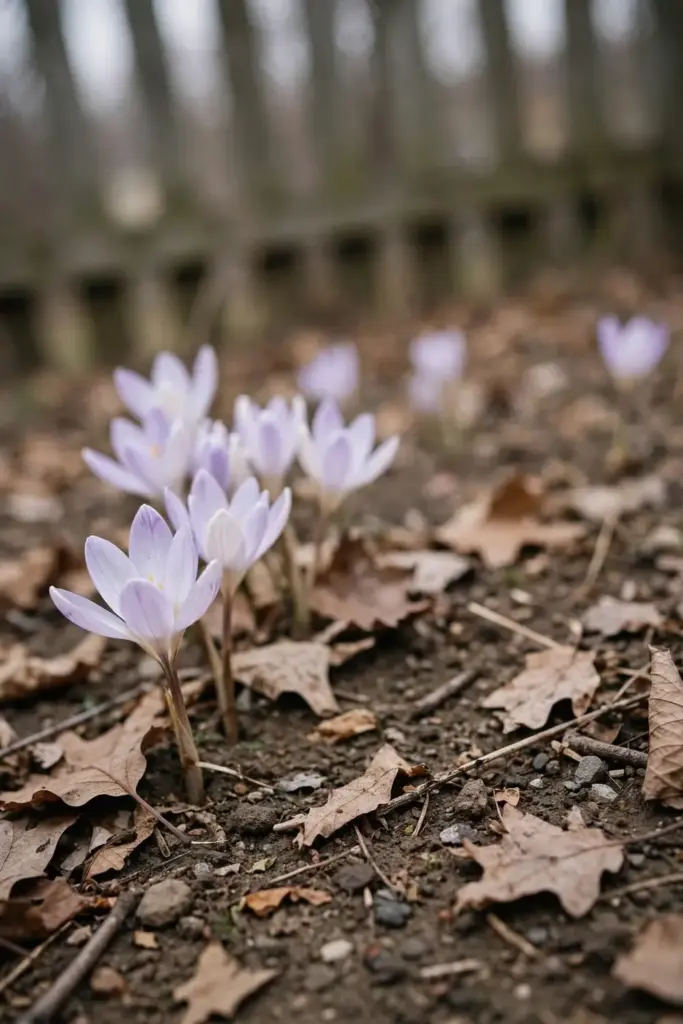
Tell them apart before money changes hands. Real saffron crocus has grassy, narrow leaves and exactly three red stigmas in each flower. Autumn crocus flowers appear without those red threads. Buy corms only from a supplier who names Crocus sativus on the packet. If a listing says “meadow saffron” or “autumn crocus” without the Latin name, close the tab.
Safflower is a different confusion worth one sentence. Growit has a separate guide on growing safflower that explains the saffron mix-up; safflower is a thistle-family dye plant, not a crocus, and its petals are sometimes sold as cheap “saffron”.
6. Buy Certified Kashmir Corms, Not Random Bulbs
Corm quality decides your first season. Buy certified corms from Kashmir or a research institution when you can, and avoid any corm that is soft, moldy, or damaged. Bigger corms flower better: Kashmir farm guides treat corms of 1.5 centimeters diameter and up as the grade worth planting.
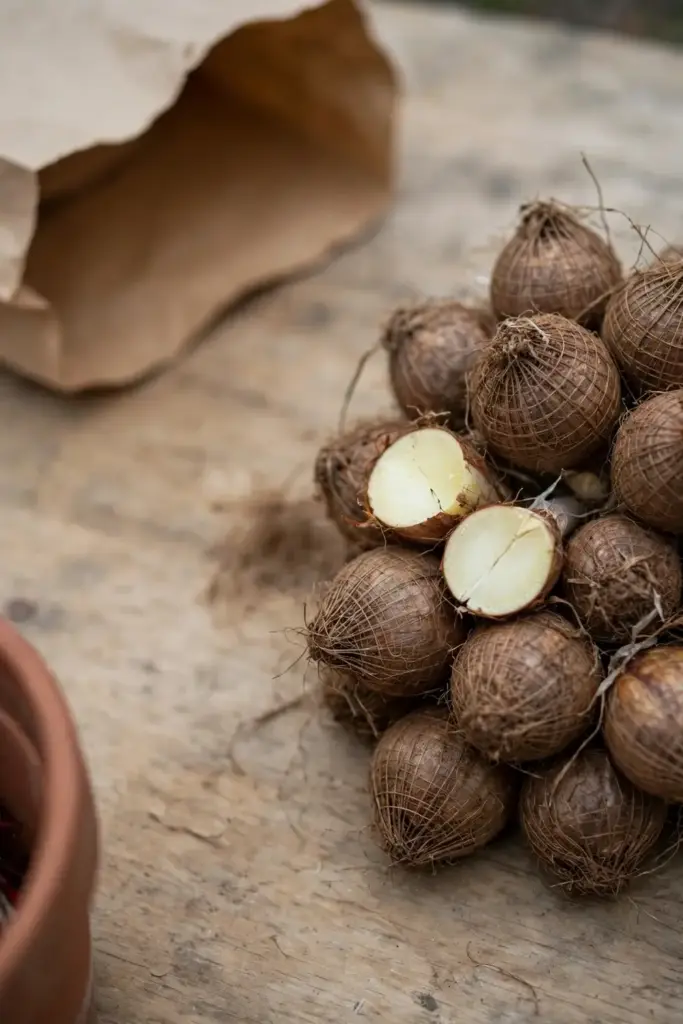
Count on paying between 50 cents and 2 dollars per corm depending on grade. For a home patch, 40 to 60 corms is a sensible start. Forty corms give you enough threads for several dishes once the planting matures. The harvest looks small next to a store jar, and that is exactly what honest home saffron looks like.
Order for late-summer delivery and plant soon after arrival. If you must wait, keep corms in a cool, dry, airy place. Sealed plastic traps moisture and starts rot before planting day.
One more buying rule: match the corm count to your space, not your ambition. Sixty corms need about 5 square feet at proper spacing, and they will double into daughter corms within a few seasons. A small, well-tended patch out-yields a crowded bed where airflow fails and rot spreads. Buy fewer, plant them right, and let multiplication do the scaling.
7. When to Plant Your Corms
In Kashmir, corms go into the ground from June through September, before the monsoon ends. Flowering begins in October. In Western gardens, the window is late summer to early fall, which is when reputable sellers ship corms, usually August through September.
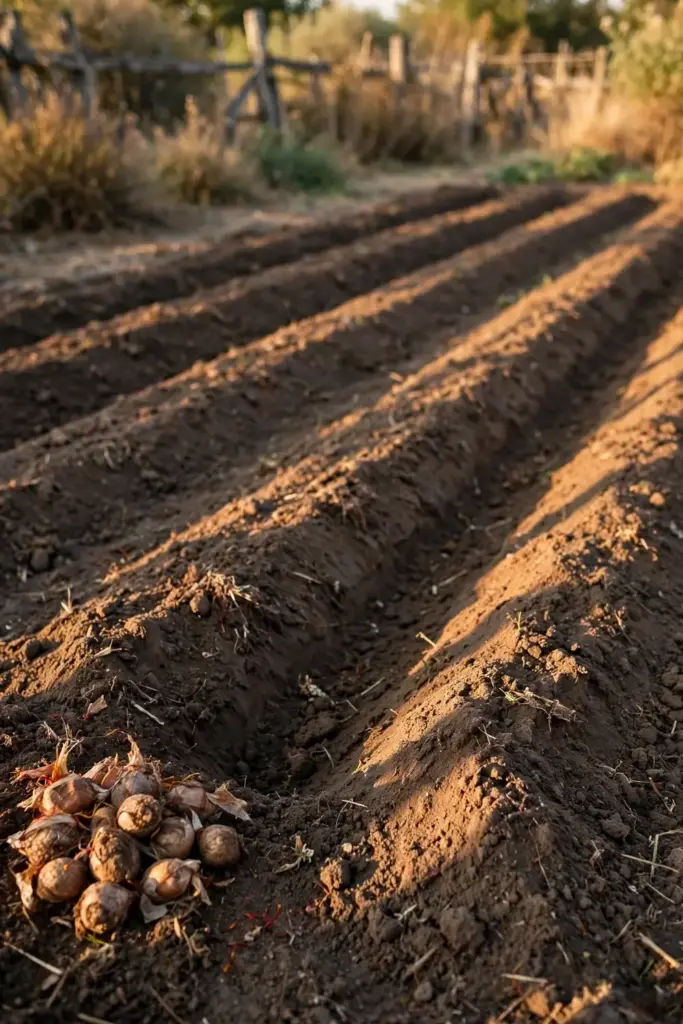
Plant early enough for roots to form before winter, but not so early that corms sit in warm, wet soil. For most temperate gardens, the last two weeks of August through September is the sweet spot. If your autumn rains start early, lean toward the early side of the window and make sure drainage is excellent.
Potted corms follow the same calendar. Plant them when the nights start cooling, then leave the pots where they get full sun through autumn. Our fall planting calendar helps you line up saffron with the rest of your autumn garden tasks.
8. Pick the Sunniest, Best-Drained Spot
Drainage decides everything. Saffron crocus rots in standing water, and summer wetness kills more corms than winter cold. Choose the sunniest spot you have, ideally a slope or a raised bed where water never pools.
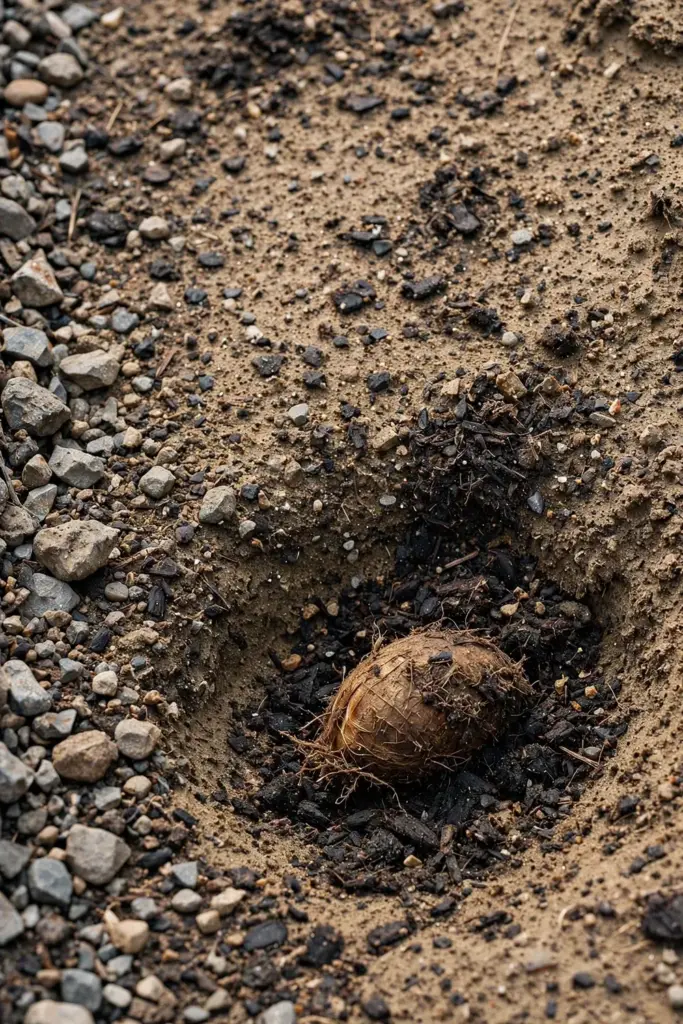
The soil target is sandy, gravelly, or loamy, with pH between 6 and 8. Indian farm guides are blunt on one point: avoid clay soil entirely. If your ground is heavy, amending a small hole is a shortcut that fails every time, because water still pools in the clay walls around your amended pocket. Build a raised bed or switch to pots. Mix coarse sand or fine gravel through the whole root zone so water moves freely past every corm.
Loosen the bed at least 20 centimeters deep before planting. Work in compost if the soil is poor, and test drainage by watering the spot and watching: if puddles stand for more than a few hours, add more grit or raise the bed. The long soil-health guide on building garden soil covers the principles behind every bed you will ever plant.
9. Plant the Corms: Depth, Spacing, First Watering
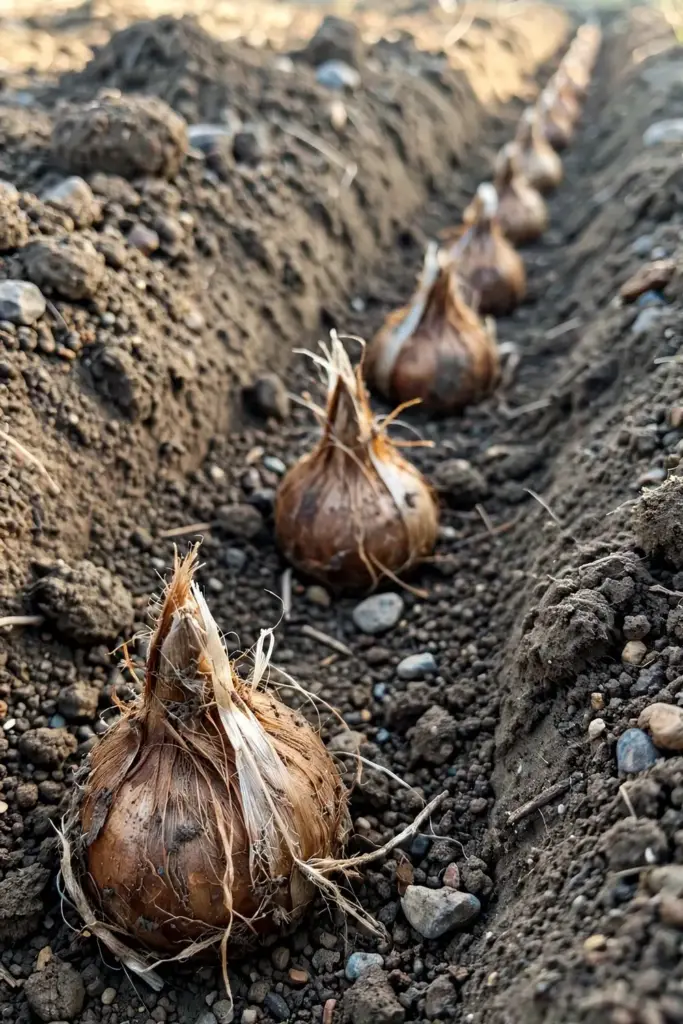
Set each corm with the pointed end up. Kashmiri planting guides set corms about 6 inches deep and 3 to 4 inches apart, which works out to 6 to 12 corms per square foot.
| Step | Action | Timing |
|---|---|---|
| 1 | Loosen bed 20 cm deep, mix in compost and grit | 1 week before planting |
| 2 | Set corms point-up, 10 to 15 cm deep, 10 cm apart | Late Aug to Sep |
| 3 | Cover loosely, never compact the soil over corms | Same day |
| 4 | Water once to settle the soil | Same day |
| 5 | Hold back water until growth appears | Through early autumn |
Water once after planting to settle everything, then stop. Keep the soil on the dry side through autumn unless a real drought hits. Saffron corms join the same autumn-planting rush as other fall bulbs, but they want far less water than any of them. Corms that sit wet before leaves appear are the ones that rot.
10. Grow Kashmir Saffron in Pots
Pots are the honest answer for wet climates, heavy clay, and cold zones. They let you control drainage completely and move the planting under cover during downpours.
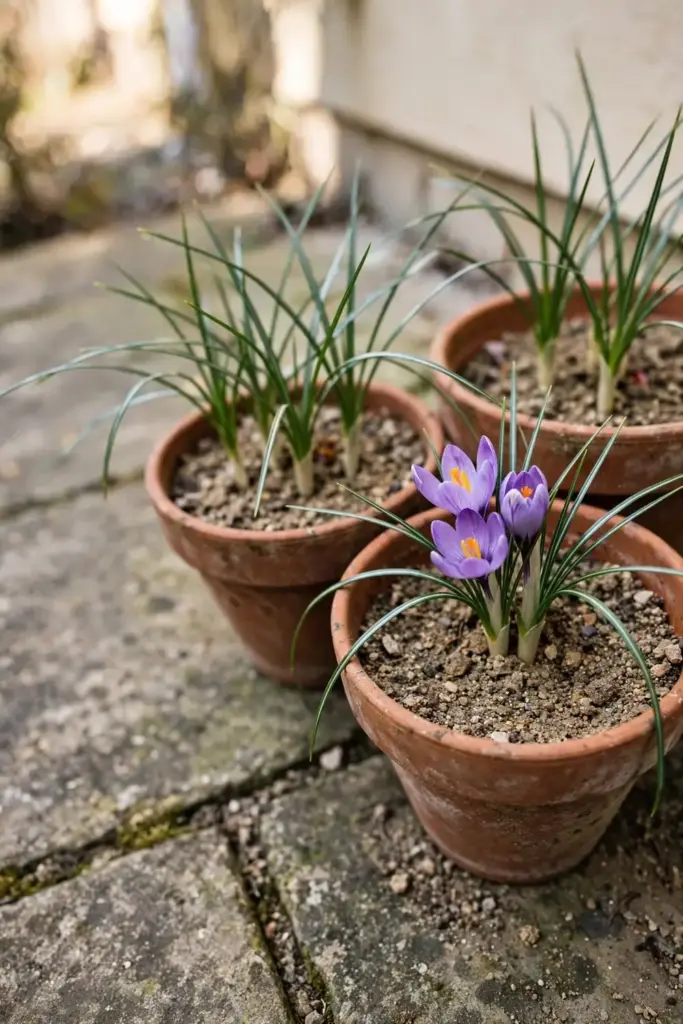
Use a wide, deep container: a tub 25 to 30 centimeters deep with drainage holes gives corms room to multiply. Fill it with a gritty mix, roughly two parts quality potting soil to one part coarse sand or fine gravel. Plant corms point-up at least 7 centimeters deep, closer to 10 centimeters for a planting you will keep for years, with about a corm’s width between each.
Place the pot in full sun through autumn and winter. In summer dormancy, when the leaves yellow and vanish, move the pot somewhere dry and stop watering entirely. Where winters drop below zone 6, bring pots into an unheated garage or shed for the cold months, keep them at 40 to 50°F, and give no water until spring growth starts.
A wide, shallow bowl shape works better than a tall narrow pot, because it gives each corm its own column of gritty mix and lets excess rain run off instead of pooling around the necks. Elevate pots on feet so drainage holes never sit in a saucer of water.
11. Water Less Than You Think
Saffron is a dryland crop wearing a luxury price tag. Kashmir farmers irrigate minimally, watering only in drought-like conditions and never during flowering. Overwatering causes bulb rot, and bulb rot means total crop loss.
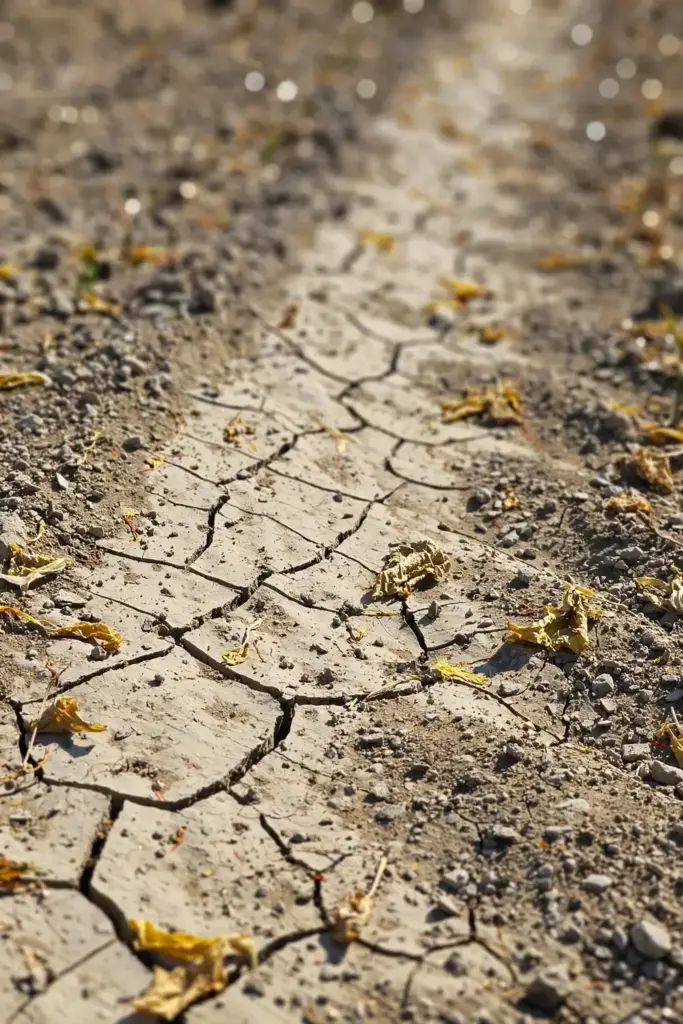
The home rule is simple. After the single settling watering at planting, water only when the top few centimeters of soil are truly dry, and stop entirely once summer dormancy begins. In wet climates, shelter pots from heavy rain rather than reaching for the hose. Leaves yellowing in late spring is the plant going dormant, not a cry for water.
12. Feed the Corms Lightly
Saffron is a light feeder. Kashmir field guides enrich the soil with well-rotted cow dung or compost before planting, and Indian growers add phosphorus, nitrogen, and potassium in a 2:3:2 ratio. For a home patch, a light top dressing of compost in late winter or early spring feeds next autumn’s flowers without overfeeding.
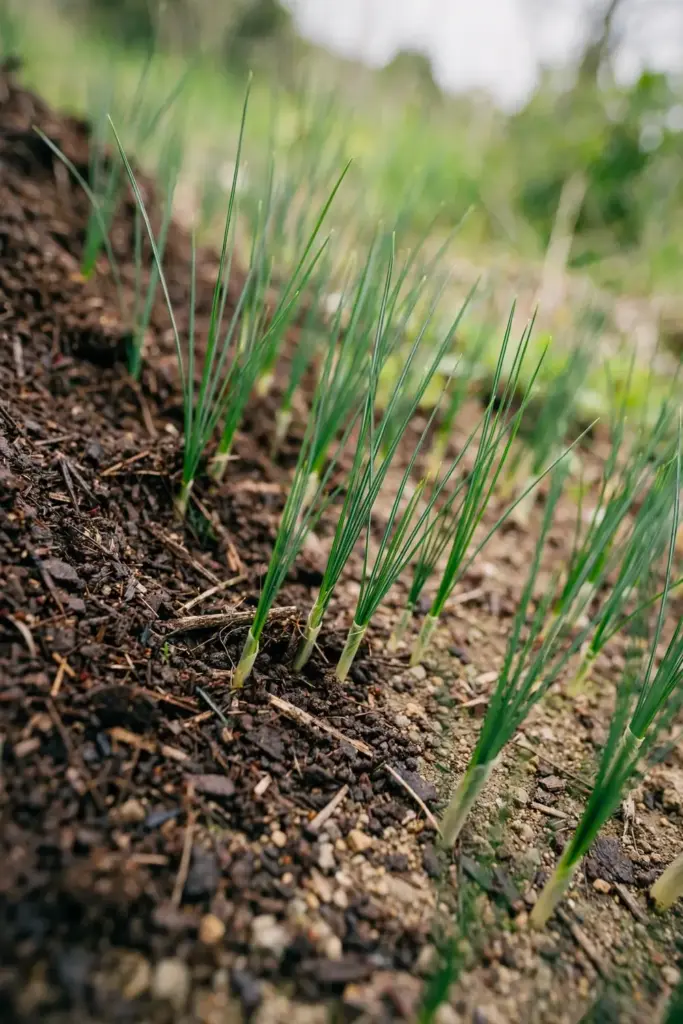
Skip heavy nitrogen. It pushes leafy growth at the expense of flowers and makes corms more vulnerable to rot. One modest feeding a year is enough. The corms store most of what they need inside themselves.
13. Pests and Diseases to Watch
Corm rot is the main killer, and it is almost always a drainage failure, not bad luck. Fusarium and violet root rot (Rhizoctonia crocorum) are the named diseases in Kashmir growing guides. Both thrive in wet soil. Prevention is the whole strategy: sharp drainage, no summer watering, and corms planted deep enough to sit above the wettest layer.
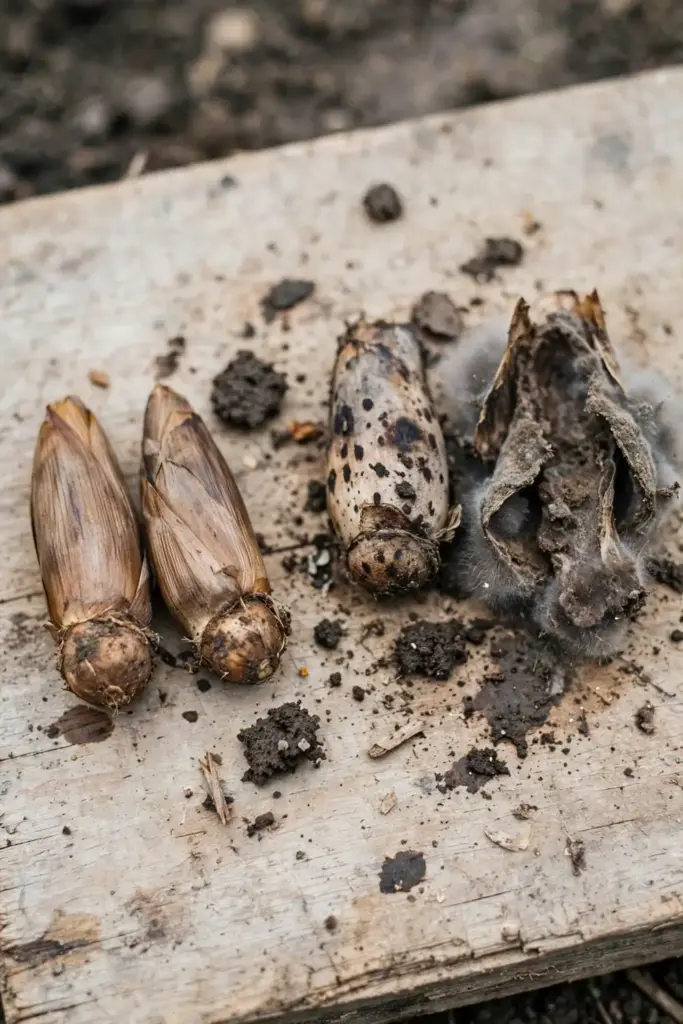
Rodents dig corms. Birds and rabbits take flowers. Wire mesh over the bed, pots on stands, and basic slug barriers cover the common losses. Inspect stored corms before planting and discard any with soft spots or mold, since one rotten corm can infect its neighbors.
If a patch declines after several years, the cause is usually crowding. Corms multiply and the bed gets congested. Lift, divide, and replant every three to four years.
14. Flowering Season: What October Brings
Flowers appear from mid-October, with the main flush lasting about three weeks. The most intense blooming happens over a few days, and flowers that open at night should be picked at dawn the next day for the best thread quality.
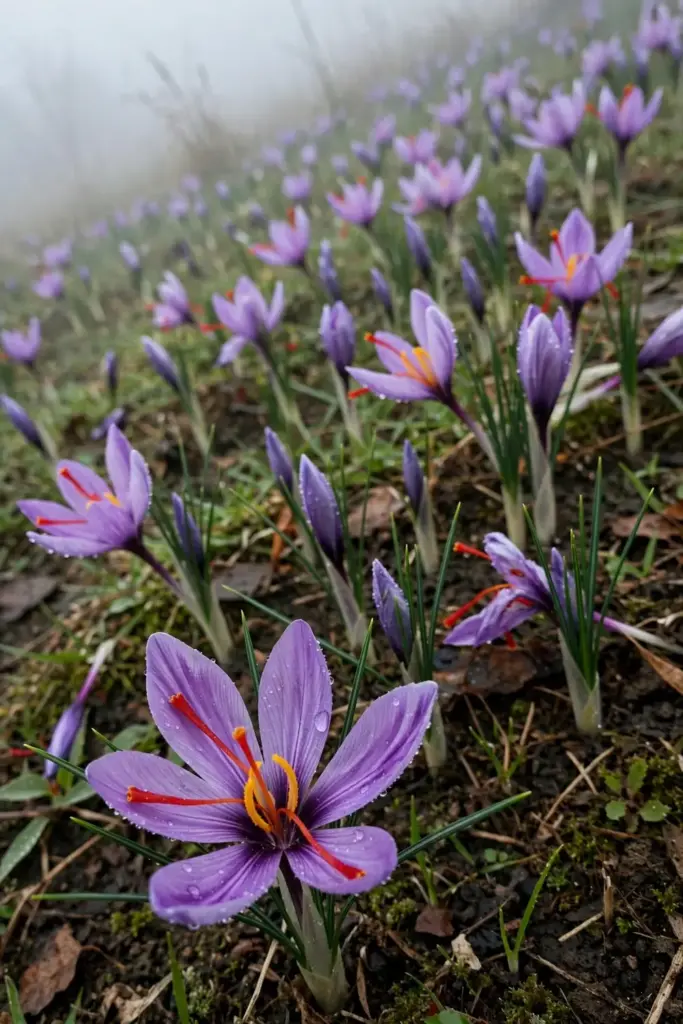
First-year flowering can be sparse or even absent. That is normal. Corms multiply underground, roughly one corm becoming five over three years, and flowering improves as the clump matures. Judge your planting in its third autumn, not its first.
Watch the patch daily once buds appear. Blooms open fast and fade fast, and a missed morning is a missed harvest. This is the labor that makes saffron expensive: in Kashmir, the harvest is done entirely by hand, flower by flower.
15. Harvest the Stigmas the Pampore Way
Pick whole flowers in the morning, ideally between sunrise and 10 am, while the blooms are fresh. Carry them indoors on a tray and separate the three red stigmas from each flower with clean fingers or tweezers. Keep only the red threads; the yellow stamens and purple petals are not saffron.
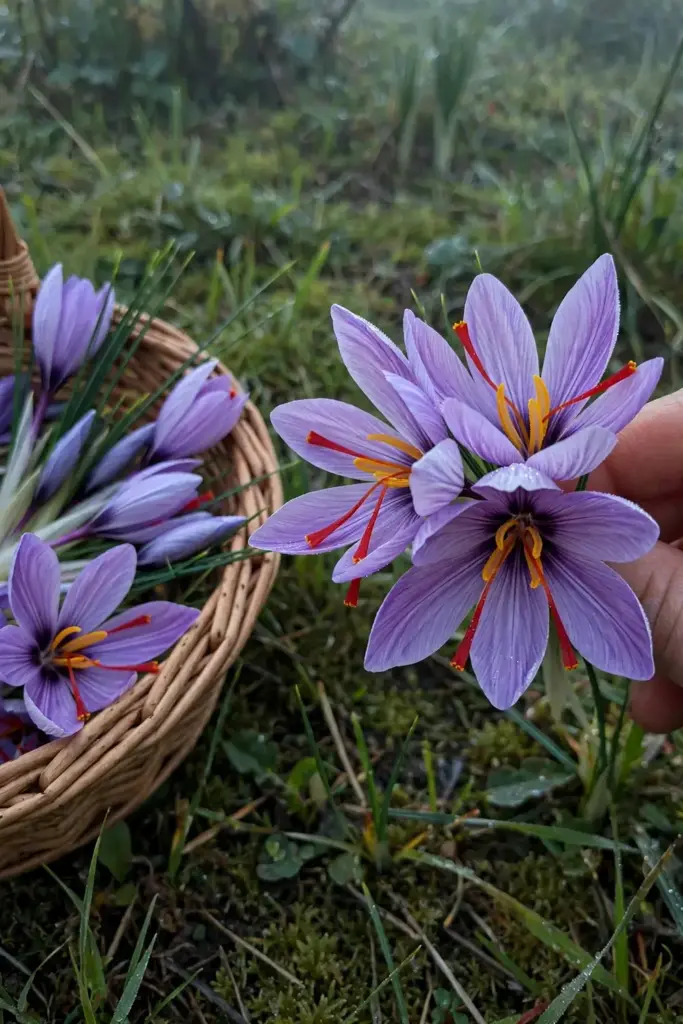
Work the same day the flower opens. Threads picked late lose aroma and color, which is exactly what separates careful home harvests from careless ones. A 40-corm patch in its early years might give you a few dozen flowers, which sounds small until you remember each flower took months to build.
This is the proof-of-concept moment for your planting, and it is where one honest photograph matters most. The visual guide for this article reserves the owner photo for this harvest step.
16. Dry, Grade, and Store Your Kesar
Dry the threads gently. Kashmir practice dries stigmas in the shade for 8 to 10 hours; Indian home-grow guides dry in the sun for 5 to 6 days. Either way, the goal is threads that feel crisp and brittle, with no residual moisture. A food dehydrator on its lowest setting with the door slightly open also works.
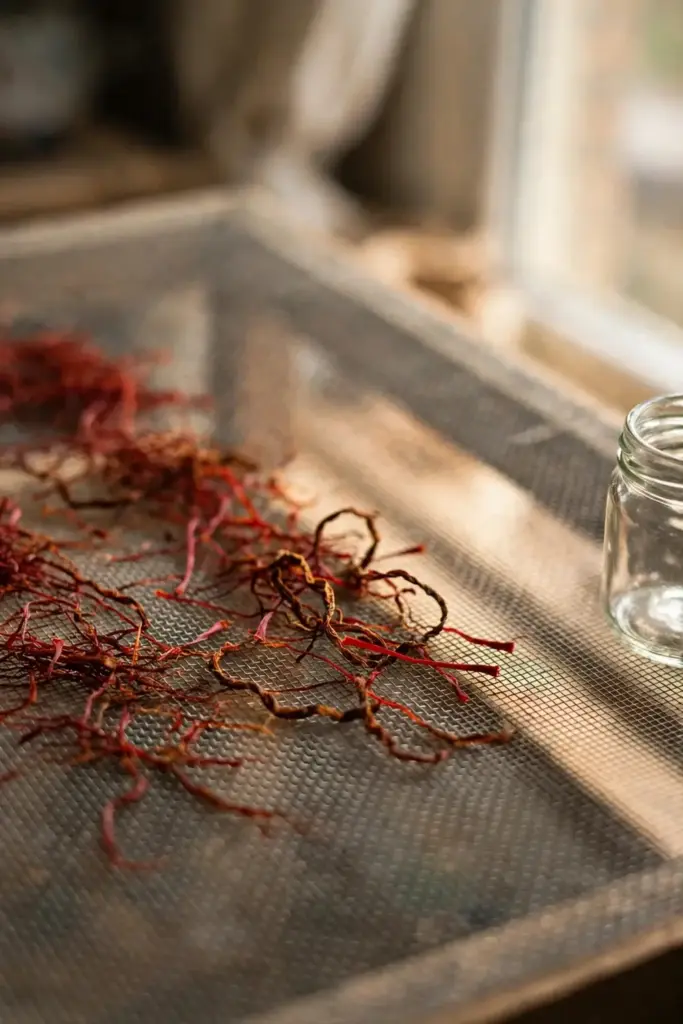
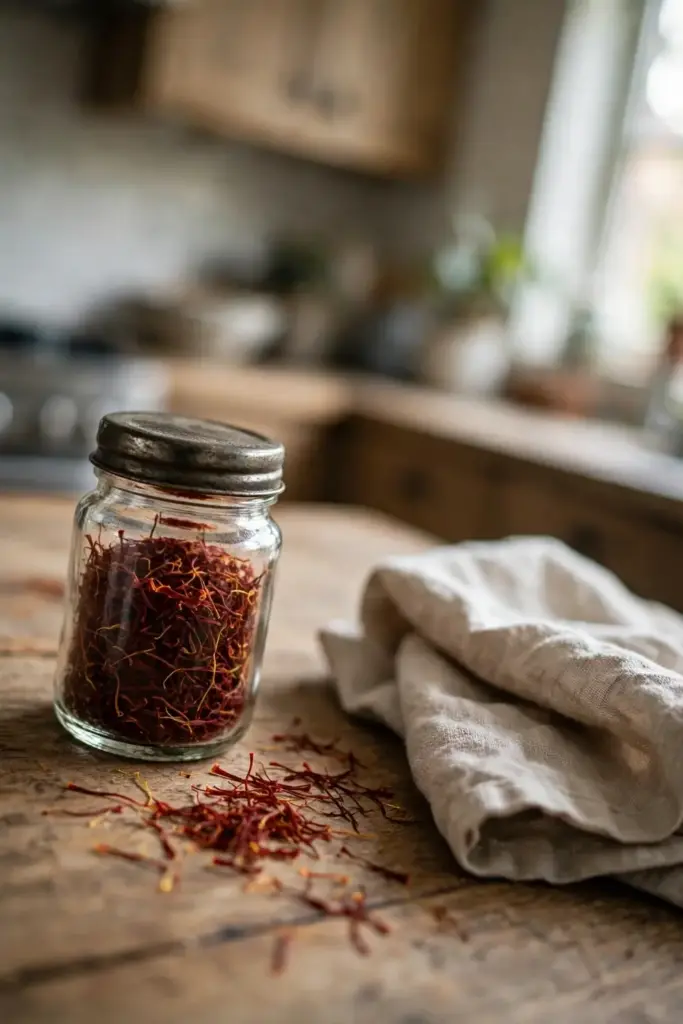
Once crisp, store the threads in a small airtight glass jar away from light and strong odors. Properly dried saffron keeps for 2 to 3 years, and its flavor deepens after a few weeks in the jar. Kashmir grades its saffron as Creme, Aquila, and Lacha. Careful drying puts your threads in the top tier of home harvests, even without a Kashmir grade stamp on the jar.
Judge your own batch by three senses. The threads should be uniformly deep red with no yellow bits, they should snap rather than bend, and a pinch steeped in warm water should release a honey-like aroma within minutes. Pale, limp, or musty threads mean the drying was too slow or the storage too damp, and they are not worth saving.
Use a pinch at a time. Steep the threads in warm water or milk for 15 minutes before adding them to a dish, and add them near the end of cooking so heat does not burn off the aroma. Biryani, kheer, and kesar chai are the classic homes for your harvest.
17. Mistakes That Kill Saffron Corms
Most saffron failures trace to five mistakes, and every one is preventable.
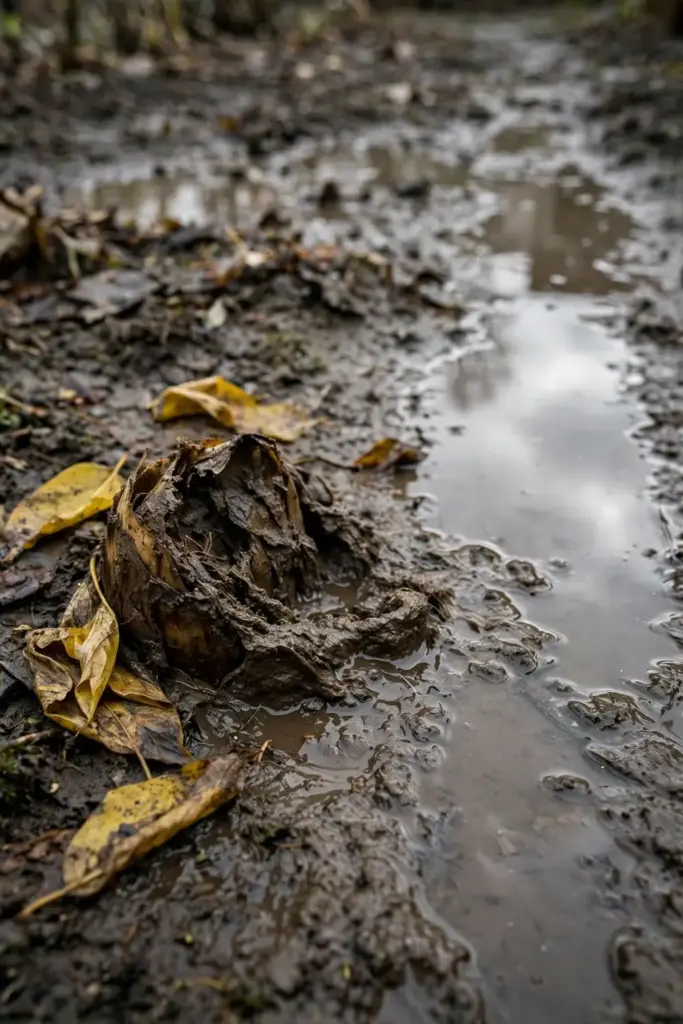
Planting in clay or a low spot is the biggest mistake. Corms drown, rot sets in, and the whole patch is lost by spring. Fix it before planting day: raised beds or pots, gritty soil throughout, and a drainage test with the hose.
Watering through summer dormancy is the second. The corms are asleep and wet soil rots them. When the leaves yellow and disappear, the hose stays off.
Buying mystery bulbs is the third. “Saffron bulbs” from a generic seller may be the wrong species or the toxic autumn crocus. Buy Crocus sativus by name, from a specialist.
Planting too shallow in a cold climate is the fourth. Freeze-thaw cycles heave shallow corms out of the ground. In zones 6 and colder, plant at the deep end of the range or use pots you can shelter.
Harvesting late is the fifth. Threads left on the flower past opening day lose the color and aroma you worked a year to grow. Check the patch every morning in October.
18. Troubleshooting
Leaves appear but no flowers. The usual causes are too little sun or planting too shallow. Move pots to a brighter spot, and plant deeper next time. First-year corms also skip blooming; wait for year two or three.
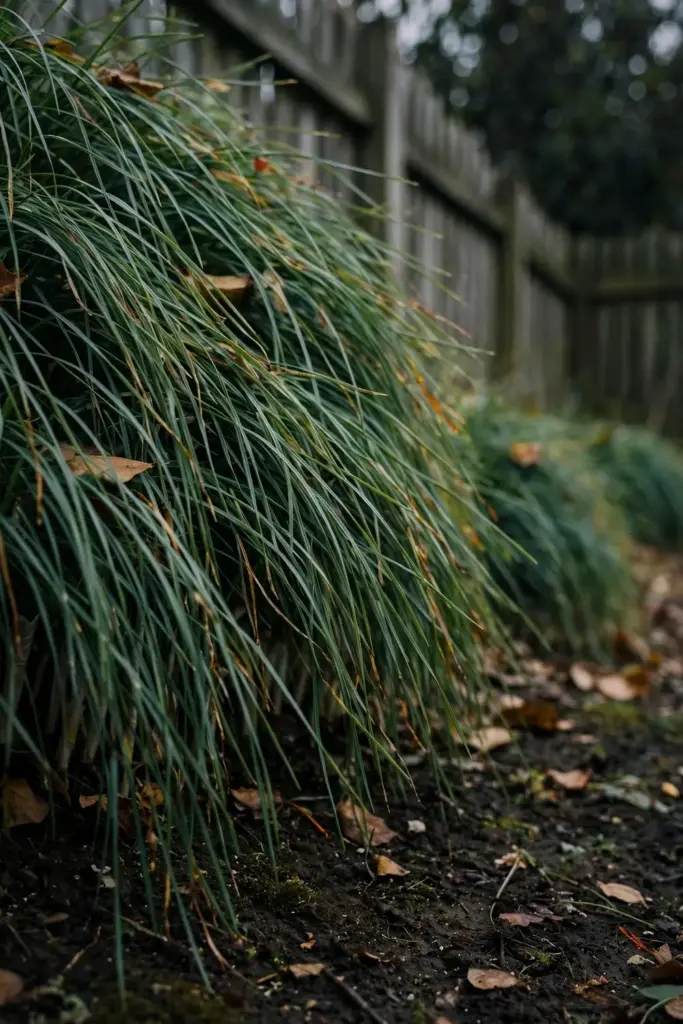
Corms rot in the ground. Drainage failed or summer watering continued into dormancy. Lift survivors, replant in grittier soil, and keep summer bone dry.
Flowers are eaten or dug up. Rodents and birds take both blooms and corms, and a single night of digging can empty a small patch. Cover beds with wire mesh during bloom season. Raise pots on stands where digging paws cannot reach.
Threads lack aroma. Harvest happened too late in the day or drying was incomplete. Pick at dawn, dry until crisp, and store airtight.
Patch was strong, now it fades. Corms are crowded. Lift the clump after the leaves yellow, divide the corms, and replant at proper spacing.
19. Frequently Asked Questions
Yes, as an approximation. The same species grows in zones 6 to 9 wherever summers are dry, autumns cool, and soil drains sharply. No garden copies the Pampore plateau exactly, yet home growers in suitable climates harvest real threads within two seasons. Pots extend the range further, letting cold-climate gardeners shelter corms through winter and return them to full sun for the autumn bloom.
Start with 40 to 60 corms. Each flower gives about 5 milligrams of dried saffron, so a first-year patch yields a small but real amount, enough for several dishes once dried. Corms multiply underground over three years, roughly one becoming five, and the harvest grows with the clump. Patience is the fertilizer here: judge the patch in its third autumn, not its first.
Botanically, no. It is Crocus sativus like all saffron, a sterile triploid grown from corms. The difference is origin and method: Pampore-grown corms, dawn hand-harvest, and traditional drying. That combination commands the premium price and the deep color buyers expect. When you copy the method at home, you are growing the same plant the Kashmir way.
Small or stressed corms often skip their first autumn. They are building roots and daughter corms underground instead of spending energy on blooms. Flowering improves markedly in years two and three as the clump matures. If leaves appeared but no flowers, check sunlight and planting depth too, since shade and shallow planting both suppress blooming.
Not well. It needs a dry summer dormancy and cool autumn nights to trigger blooming, which most homes cannot provide. A bright windowsill fails on both counts. Pots that move outdoors for autumn sun and into an unheated garage or shed for freezing winters are the practical compromise, giving the corms the seasonal rhythm they evolved for.
Real threads are deep red, trumpet-shaped at one end, and turn warm water golden yellow within minutes while keeping their own red color. Threads that bleed red dye into the water immediately are fake, usually dyed corn silk or safflower petals. Buy corms and threads only from sellers who name Crocus sativus on the label.
20. Where to Go From Here
You now know how to grow Kashmir saffron from India the Pampore way: certified corms, sharp drainage, minimal water, dawn harvest, gentle drying. Start with 40 to 60 corms this autumn, plant them deep in your sunniest gritty bed or a wide pot, and mark October on next year’s calendar.
Expect little the first year and more every year after. By the third autumn, your clump will have multiplied and your harvest will taste like the reason saffron costs what it does. That is the whole project: one afternoon of planting, three years of patience, and a jar of kesar you grew yourself.