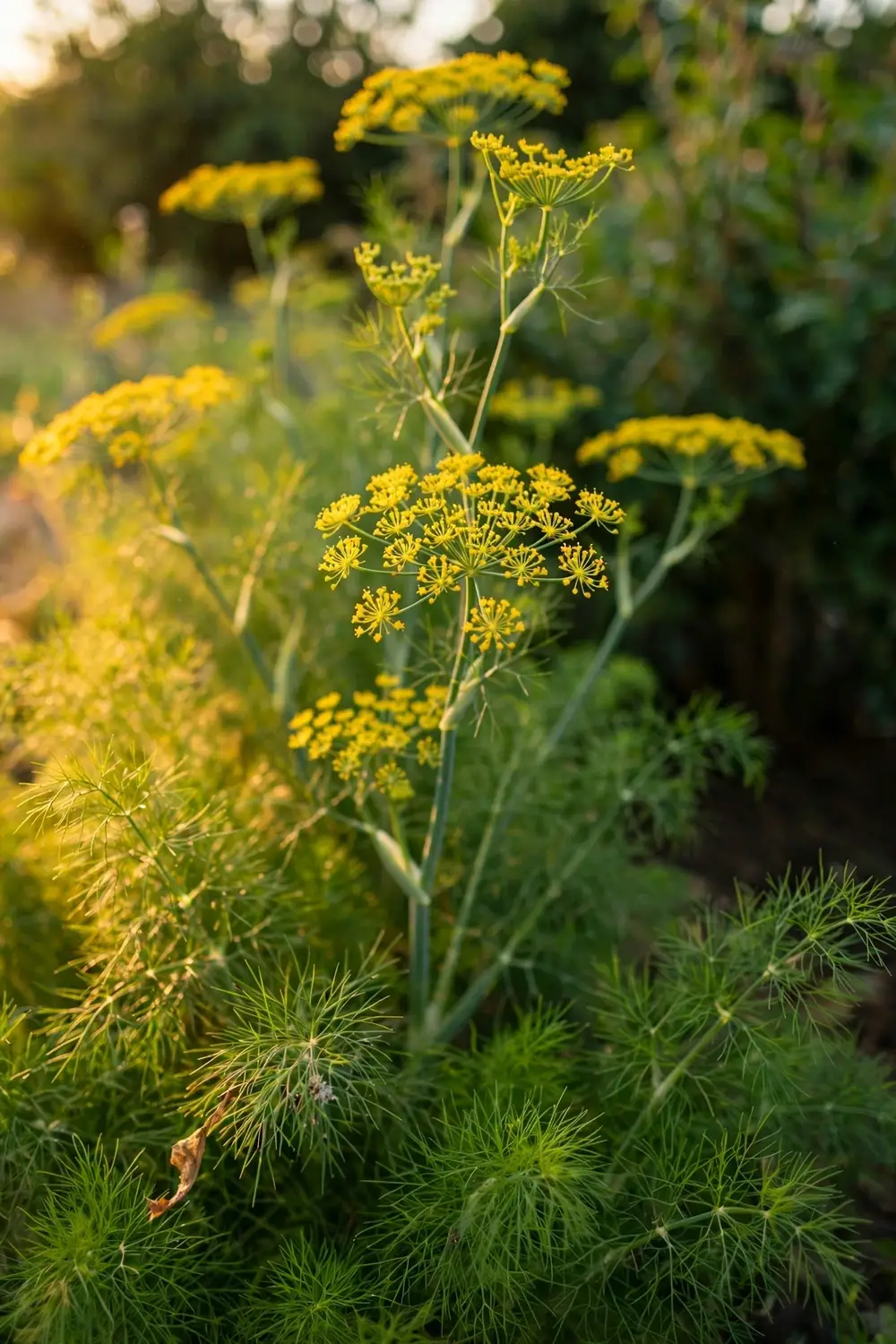

The fennel seed jar in your kitchen did not come from the bulb fennel in the vegetable aisle. That is the first thing to get straight. Indian saunf is the seed of common fennel, Foeniculum vulgare, a tall feathery plant that looks like dill on steroids and grows to 4 or 5 feet before it bursts into yellow umbrella flowers. Learning how to grow fennel from India starts with buying the right plant, because every Western bulb guide you follow will teach you to fight the exact thing you want: flowering.
Seed fennel is a different crop with a different finish line. You sow, you wait, you let the plant bolt, and 100 to 130 days later you thresh fragrant green-brown seeds that taste like sweet anise. If you grow Florence fennel by mistake, you will get a crunchy bulb and zero seed joy. This guide walks the Indian saunf lane from seed selection to the mouth-freshener bowl, with the numbers that matter and the mistakes that actually cost harvests.
The whole process takes 100 to 130 days from sowing to dried seed, costs almost nothing beyond a packet of seed and a bag of compost, and fits a deep pot on a sunny balcony as easily as a garden bed. Read the type distinction below before you buy anything, because that one decision decides the entire season.
1. Climate and Timing: Sow After Last Frost, or After Monsoon
Seed fennel is a cool-to-warm season annual that bolts when days lengthen, and you want that. In the US and other temperate regions, sow 2 to 3 weeks after your last frost date, when soil temperatures sit between 50 and 75 F. Utah State Extension research shows fennel seed germinates in 7 to 10 days in that range, planted a quarter inch deep. In most zones the safe window is March to May, with a second sowing in late summer for regions with mild autumns.
In India the season runs opposite. The traditional saunf season is October to February, the cool post-monsoon stretch when commercial growers sow the crop. Mid September to October is the peak sowing window on Indian farms, and home growers follow the same calendar. Hot summers are the enemy of seed set: heat-stressed plants bolt before they build the frame to carry a big seed head.
Fennel tolerates light frost once established, but seedlings are frost tender, so timing matters more than hardiness. If your growing season is shorter than 110 frost-free days, start seeds indoors 4 to 6 weeks before the frost-free date and transplant while still young. Do not wait until summer heat to sow. A plant sown in July in a hot climate will flower at 2 feet tall and give you a tablespoon of seed.
2. Saunf vs Bulb Fennel: Know Which One You Are Growing
This is the table that saves the season. Nurseries sell both types under the single word “fennel,” and seed packets rarely explain the difference. Read it before you spend a dollar.
| Trait | Seed Fennel (Saunf) | Bulb Fennel (Florence) |
|---|---|---|
| Latin name | Foeniculum vulgare | Foeniculum vulgare var. azoricum |
| What you harvest | Seeds, plus fronds | Swollen bulb base, plus fronds |
| Plant height | 4 to 5 feet | 2 to 3 feet |
| Bolting | The goal | A crop failure |
| Days to harvest | 100 to 130 | 60 to 90 |
| Perennial habit | Often returns from roots | Grown as annual |
| Key honest note | Fewer varieties available | More seed catalog choice |
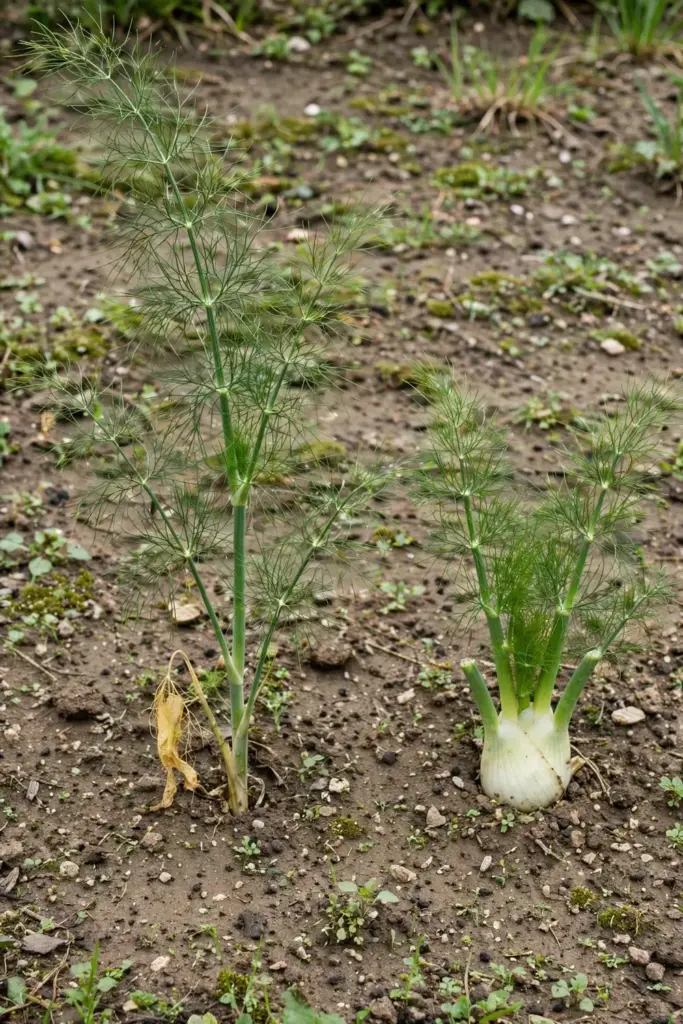
Common fennel is the original species, grown for seed since ancient times, and Utah State Extension notes that varieties of common fennel are grown specifically for seed. Florence fennel is a selected variety bred for its thick, tender leaf bases. They look similar as seedlings, which is exactly how gardeners buy the wrong one. If the packet says Florence, Finocchio, Zefa Fino, or Orion, that is bulb fennel. If it says herb fennel, sweet fennel, or common fennel, you are in saunf territory.
One more warning belongs here. Seed fennel self-seeds aggressively. One neglected seed head will scatter hundreds of seeds, and next spring you will have fennel in the carrot row. Harvest the heads on time or deadhead what you do not need. Bronze fennel is a decorative form of common fennel and makes fine seed too, but its flavor is milder than green seed fennel.
3. Buying Seed: Choose Herb Fennel, Not Florence
Buy packets labeled herb fennel, common fennel, or sweet fennel. Avoid anything with Florence, bulb, or finocchio in the name. Seed fennel has fewer named varieties than bulb fennel, so do not hunt for a perfect cultivar. Freshness matters more than variety. Fennel seed stays viable for 3 to 4 years in cool dry storage, but germination drops each year, so buy this season’s stock.
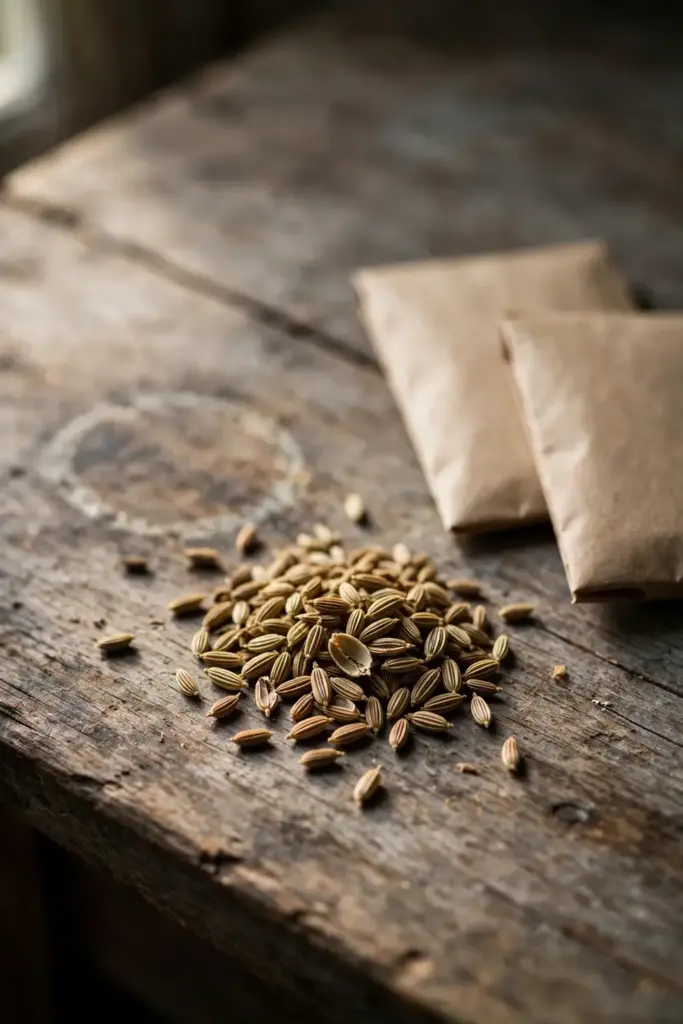
Check the packet weight against your plan. A single home grower needs only a gram or two of seed. Six to ten healthy plants fill a surprising number of spice jars, because each umbel cluster produces hundreds of seeds. Buy from a seed company rather than scooping from the kitchen jar. Kitchen saunf is often heat-treated or old, and germination is unreliable. One packet sows a bed and leaves seed for next year.
Read the packet’s variety line and cross-check it against the table above. If the packet names neither type clearly, assume the worst and ask the seller. A saunf crop grown from bulb-fennel seed is the most common failure in this lane, and it is decided at the checkout, not in the garden.
4. Sow Directly: The Taproot Rule
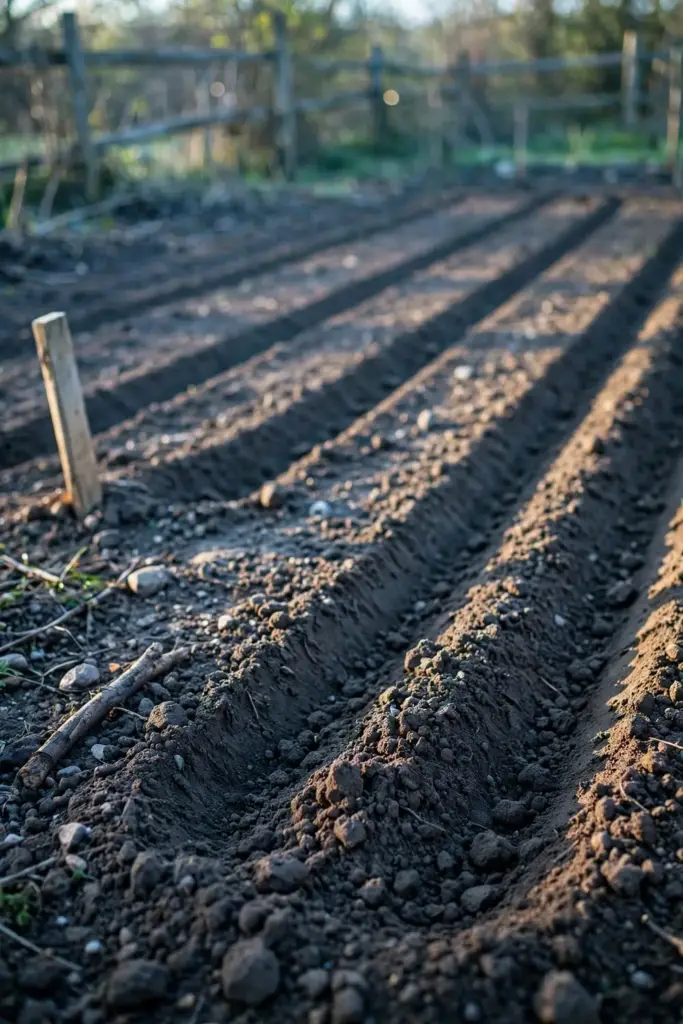
Fennel grows a long taproot fast, and it hates being disturbed. The RHS advises moving young plants before the taproot forms and planting them at the same level without disturbing the roots. Direct sowing skips the problem entirely. Sow where the plant will live, a quarter inch deep, and water gently so the soil settles around the seed.
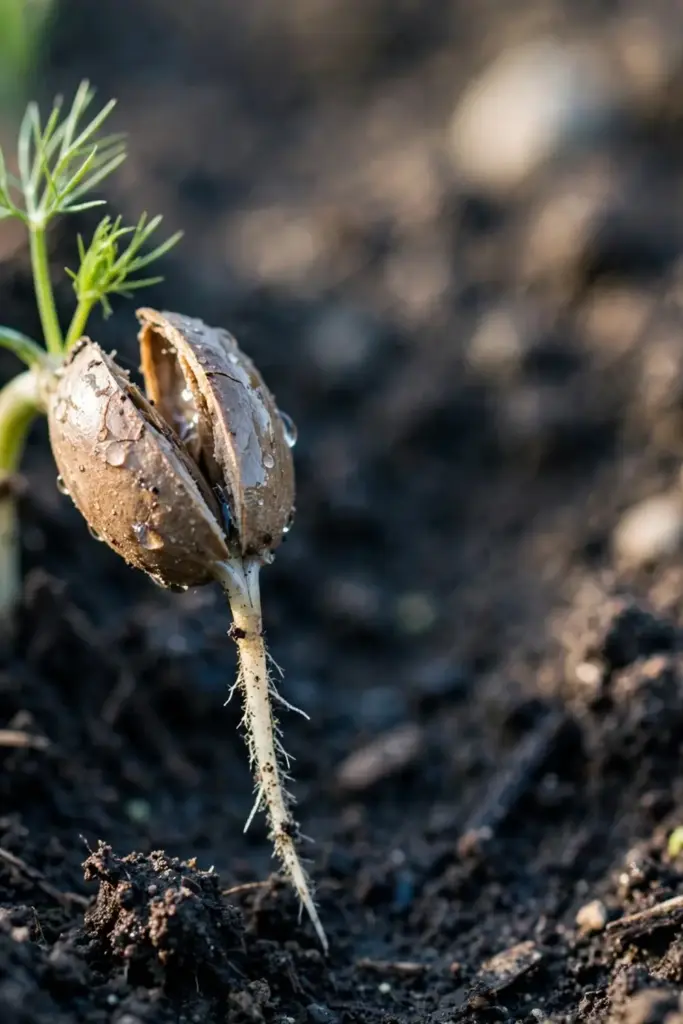
USU Extension spacing guidance is 4 to 6 inches apart in rows 18 inches apart for general fennel, but seed fennel grows bigger than bulb fennel. Give plants 12 inches of final spacing. Sow thickly, then thin. Fennel seed germinates in 7 to 10 days at 50 to 75 F soil temperature, and a little extra seed is cheap insurance against patchy emergence.
If you must start indoors, the seed-starting basics apply with one fennel-specific rule: use one seed per cell in deep modules and transplant the entire cell contents while seedlings are still small, around 3 to 4 inches tall. Water the module first, lift gently, and plant without breaking the root ball. Transplant shock on a taprooted seedling shows up weeks later as a stunted plant that bolts early and yields little. Direct sowing is the safer method for beginners, and for seed fennel it is the recommended one.
5. Growing Saunf in Deep Pots
Seed fennel grows well in pots if the pot respects the taproot. The RHS recommends containers at least 30 cm, about 12 inches, wide and deep, and a heavy stable pot because a 5-foot plant catches wind. Choose the biggest deep pot you own. A 3 to 5 gallon container holds one strong plant; a half barrel holds three.
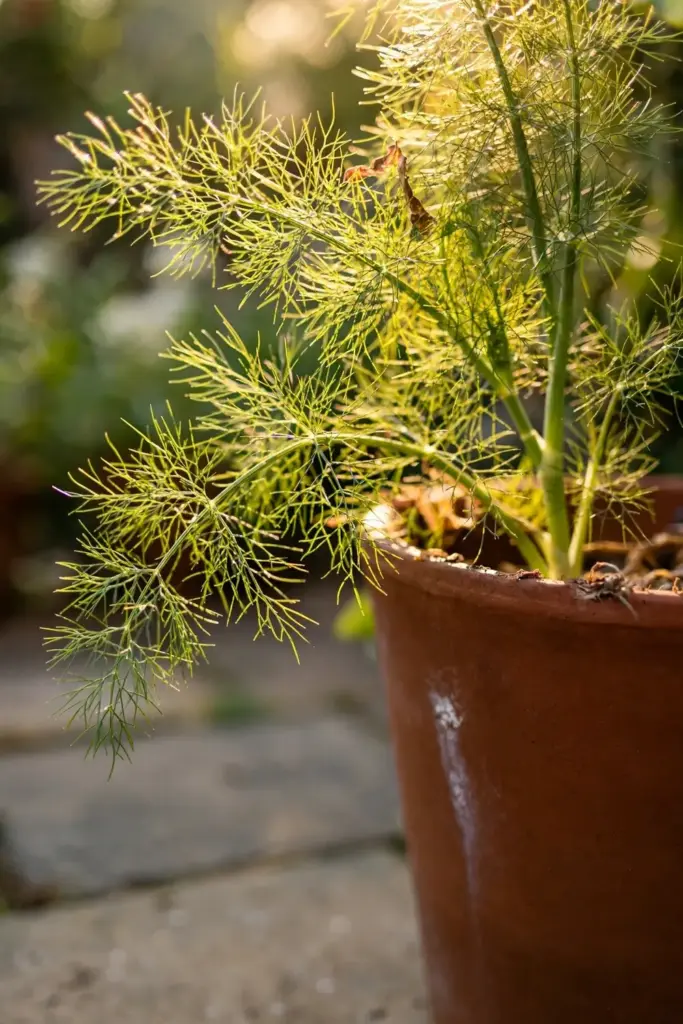
Fill with a peat-free multipurpose mix blended with a third compost. The pot must drain freely, because waterlogged fennel rots at the crown. Set the pot where it gets full sun, at least 6 hours of direct sun daily. Sow 3 or 4 seeds per pot, a quarter inch deep, and thin to the single strongest seedling once they reach 4 inches. One plant per 12-inch pot is the rule. Two plants in the same pot compete, and both underperform.
Water potted fennel more often than in-ground plants. Containers dry fast, and drought stress triggers early bolting before the plant builds enough frame to carry a full seed head. In hot weather a deep pot may need water daily. Mulch the surface with an inch of compost to slow evaporation. Stake tall plants, because a flower-laden fennel in a pot is top-heavy and one storm can snap the stem.
6. Soil: Rich, Free-Draining, pH 6.0 to 7.5
Fennel tolerates most garden soils. Drainage is the one thing it will not forgive. Give it loamy soil rich in organic matter, well drained, with a pH between 6.0 and 7.5. USU Extension notes fennel prefers loamy soil rich in organic matter with a pH of 6.5 to 8, and most garden soils land in the workable range. If your soil is heavy clay, build a raised bed or grow in pots. Soggy roots are the fastest way to lose the crop.
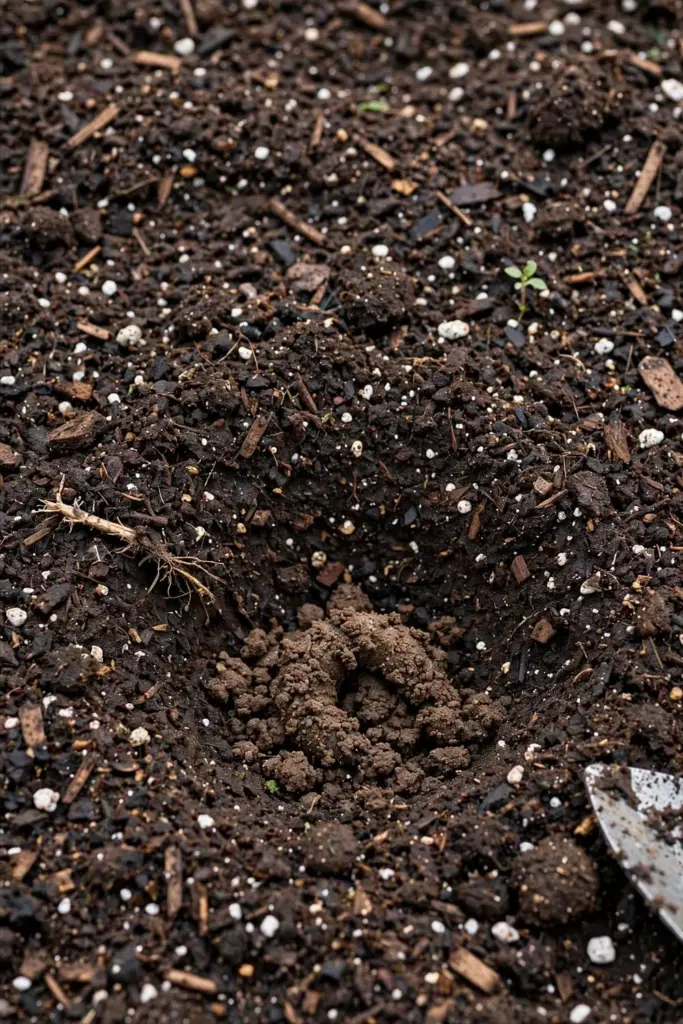
Work 2 to 3 inches of compost into the top 8 inches of the bed before sowing. That single amendment handles most fertility needs. The RHS notes that established fennel needs no feeding at all, and seed fennel is a light feeder compared with hungry vegetables. A soil test tells you more than any bag of fertilizer, but for most home beds compost is enough.
For a full breakdown of building living soil that feeds herbs without synthetic inputs, the soil health guide walks through compost, mulch, and biology in the detail this crop deserves. Fennel rewards that kind of soil with deeper roots and bigger umbels, and the work you do this season pays the next crop too.
7. Watering: Keep It Steady, Never Soggy
Water young and newly planted fennel regularly during dry spells in the first season to establish the root. Once established, fennel is reasonably drought tolerant, but seed fennel is not the crop to test that on. The goal is a big healthy plant, and drought stress at the wrong moment pushes the plant to flower while it is still small. Keep the soil evenly moist through the vegetative months.
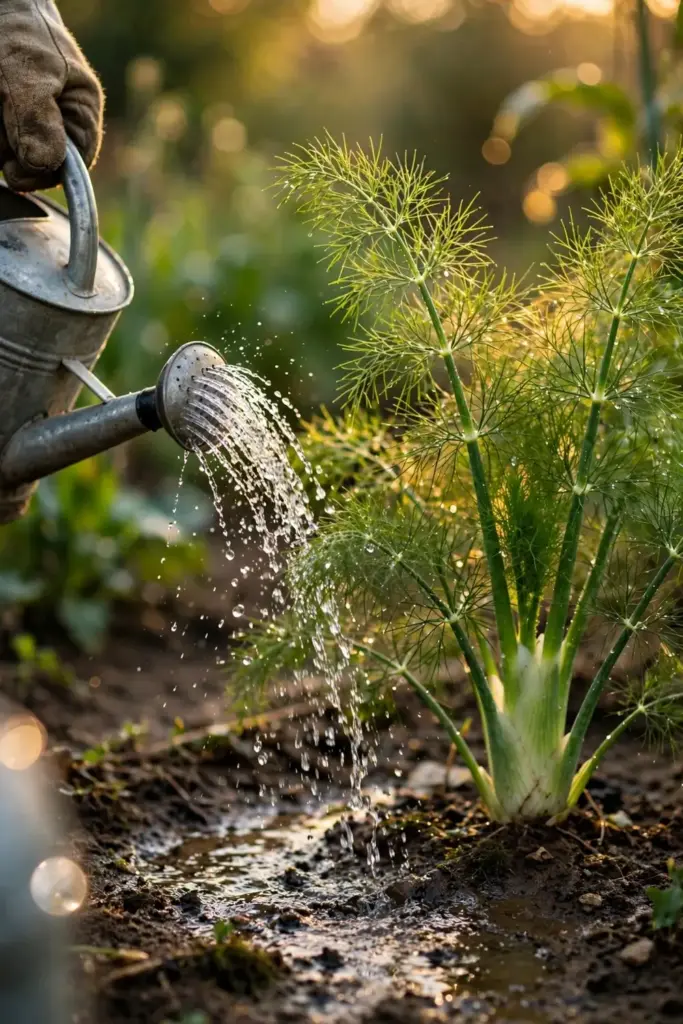
Aim for about an inch of water per week from rain or irrigation, delivered deeply and infrequently rather than as a daily sprinkle. Deep watering trains the taproot downward, which is exactly what a 5-foot plant needs for stability. Water at the base in the morning so foliage dries by evening. Wet foliage invites fungal problems that you do not need on a seed crop.
In containers, check every few days and water when the top inch feels dry. A pot in full sun in July can go from moist to bone dry in a day, and a stressed potted plant bolts early with a thin seed head. Consistency matters more than volume. Mulch helps everywhere: an inch or two of straw or compost around the plants, kept off the crown, holds moisture and suppresses weeds.
8. Thin Ruthlessly: Spacing Decides Seed Yield
Thinning feels wasteful and it is the highest-return job in the saunf calendar. Crowded fennel competes for light and water, and every plant stays thin and produces a small seed head. Thin seedlings to 12 inches apart when they are 4 to 6 inches tall. In pots, thin to one plant. Pull the extras, do not transplant them, because disturbed taproots rarely recover.
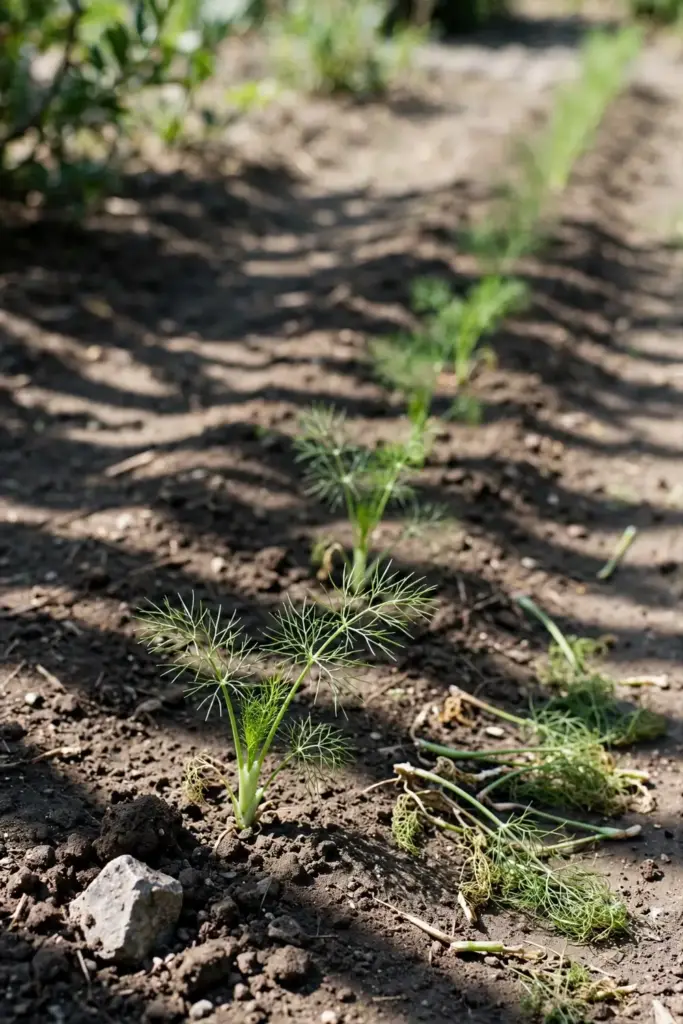
The thinnings are not waste. Young fennel seedlings taste like mild anise and go straight into salads, and the feathery fronds work anywhere dill works. Chop them fresh over fish, potatoes, or yogurt. This is the one moment in the season where crowding pays you back, so sow a little thick on purpose.
After thinning, weed once and mulch. Fennel dislikes root disturbance, so hand-pull weeds near the stems and keep tools away from the root zone. A clean, mulched, well-spaced bed in June is the foundation of a heavy September harvest. Skip thinning and you will learn the lesson the hard way: twenty spindly plants produce less seed than eight strong ones.
9. Let It Bolt: Flowering Is the Goal
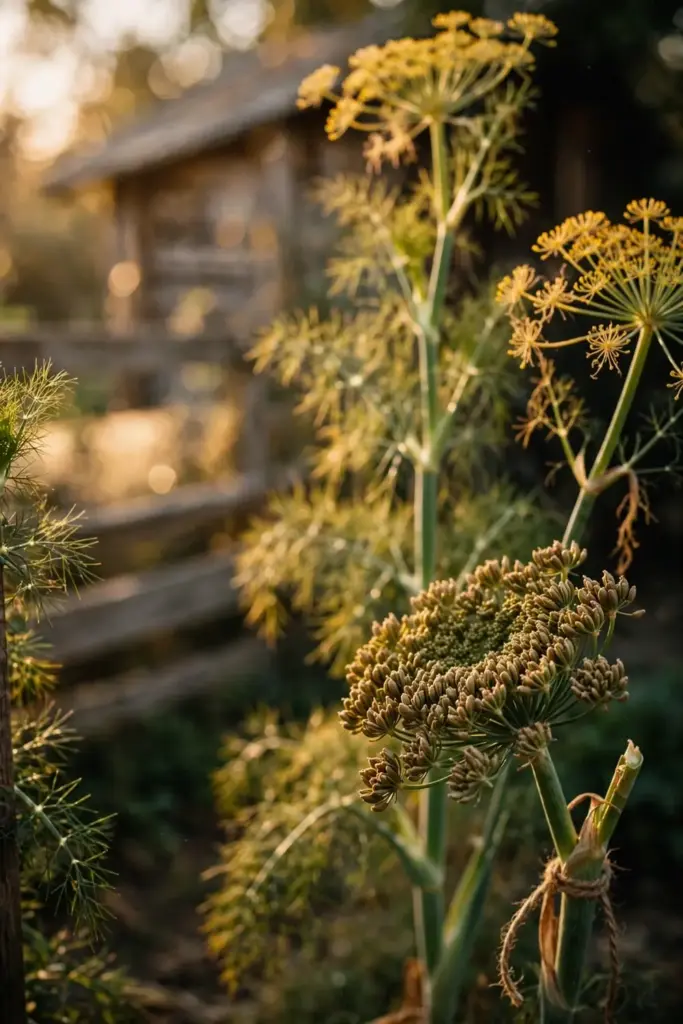
Here is the sentence that separates this guide from every bulb-fennel article on the internet. Gardeners learning how to grow fennel from India sometimes worry when the flower stalk shoots up. When your fennel sends up a flower stalk, celebrate. Bolting is not a failure in the saunf lane. It is the harvest beginning.
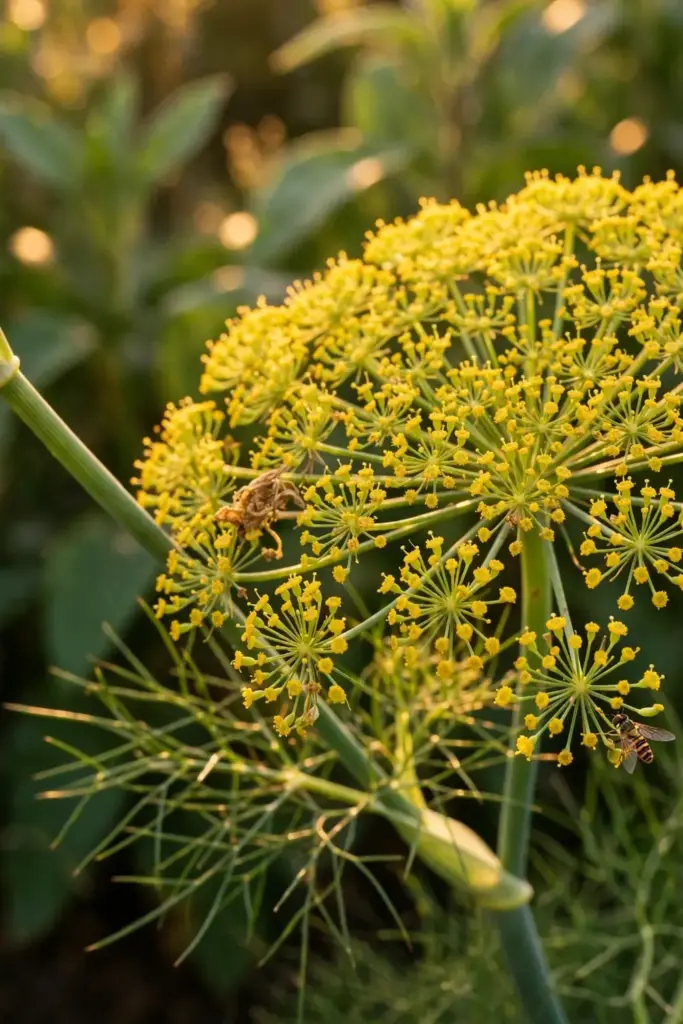
The plant spends its first months building a feathery green fountain 3 to 4 feet tall. Then the central stalk rises, branches, and opens flat yellow umbels that smell of honey and anise. Each umbel is a cluster of dozens of tiny flowers, and each flower becomes a seed. A single strong plant carries many umbels, and the whole display lasts several weeks. Pollinators love it. Leave the flowers alone and let insects work.
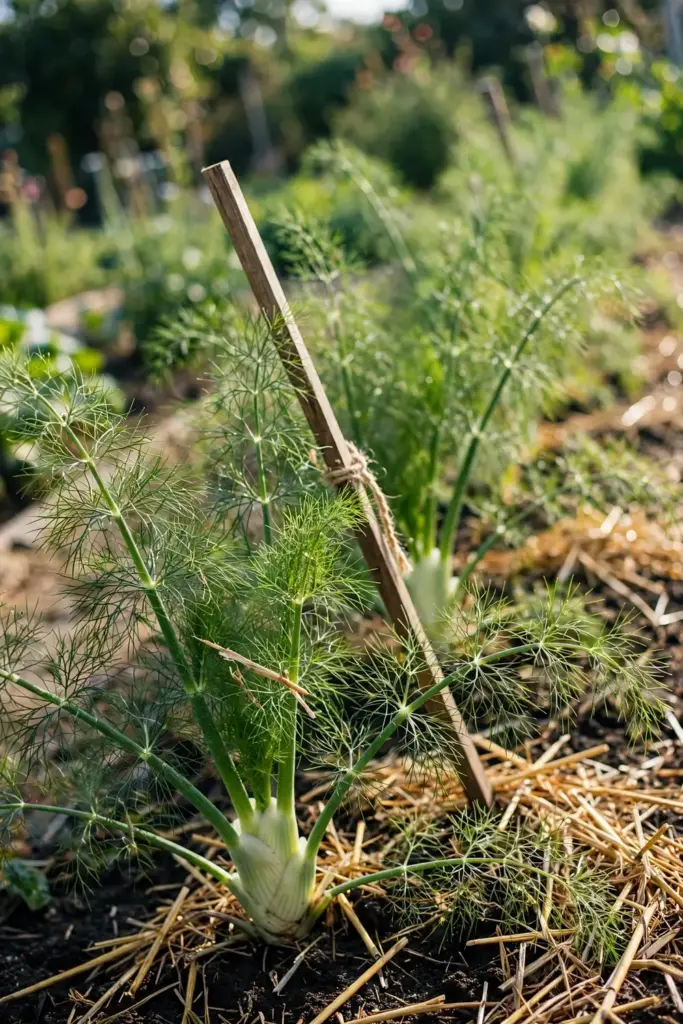
Stake tall plants in windy sites. A 5-foot fennel loaded with seed heads is top-heavy, and a snapped stem at this stage loses the entire head. Tie the main stalk loosely to a 6-foot stake with soft twine. Do not cut the flower stalks, do not deadhead, and do not panic. Everything the plant is doing now is exactly what you planted it for.
10. Keep Dill and Coriander at a Distance
Fennel cross-pollinates with dill, and the seed you save will not breed true. Sow Right Seeds warns that dill and fennel cross-pollinate, which matters if you plan to save seed for next year. Keep dill at least several dozen feet away, or grow only one of the two for seed in a given season. The flavor of this year’s harvest is unaffected. The problem shows up next year in the seedlings.
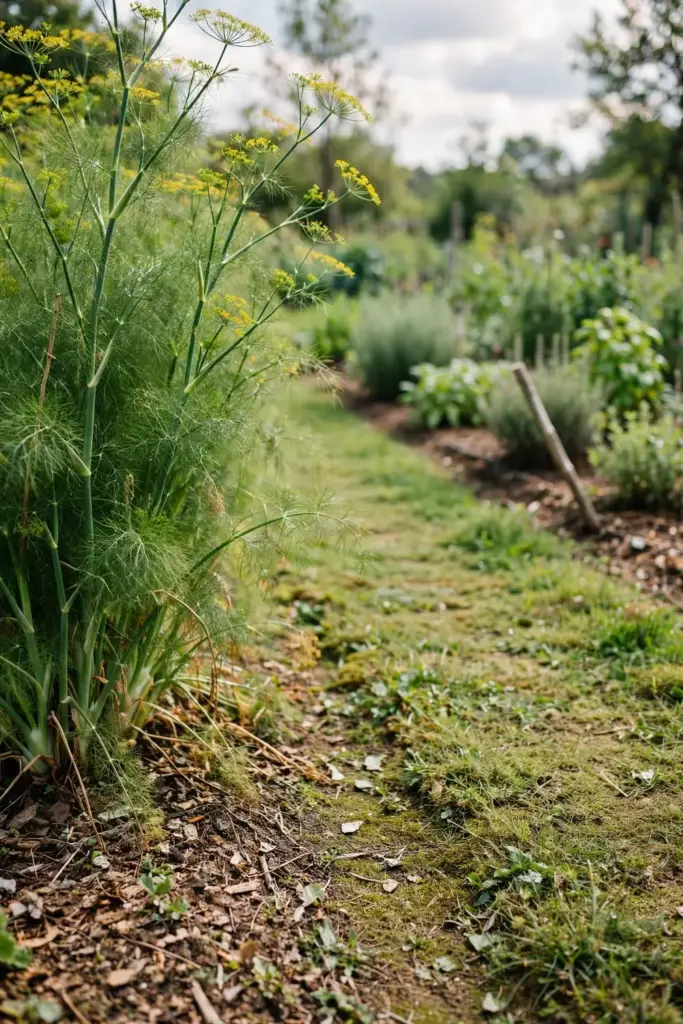
Coriander is the trickier neighbor because most Indian kitchen gardens want both. Coriander bolts fast in heat and its flowers can mingle with fennel bloom. If you grow both for seed, separate them by as much distance as the garden allows, or harvest coriander seed from an earlier sowing before the fennel flowers. For leaf coriander the risk is zero, because you harvest the leaves long before flowers appear. Fast cilantro varieties harvested young never threaten your saunf.
Fennel is also allelopathic, meaning its roots release compounds that suppress nearby plants. Keep it a few feet from tomatoes, beans, and other heavy feeders, and give it its own corner of the bed. Mint, lettuce, and sage are safer neighbors. This is a plant that likes its space in every direction.
11. Pests and Diseases: Aphids Lead the List
Fennel has few enemies, which is part of its charm. Aphids are the main pest, clustering on tender shoot tips and under the umbels. A strong jet of water dislodges most colonies, and ladybugs do the rest. Fennel flowers attract beneficial insects, so the plant partly defends itself. Check the growing tips weekly from midsummer on.
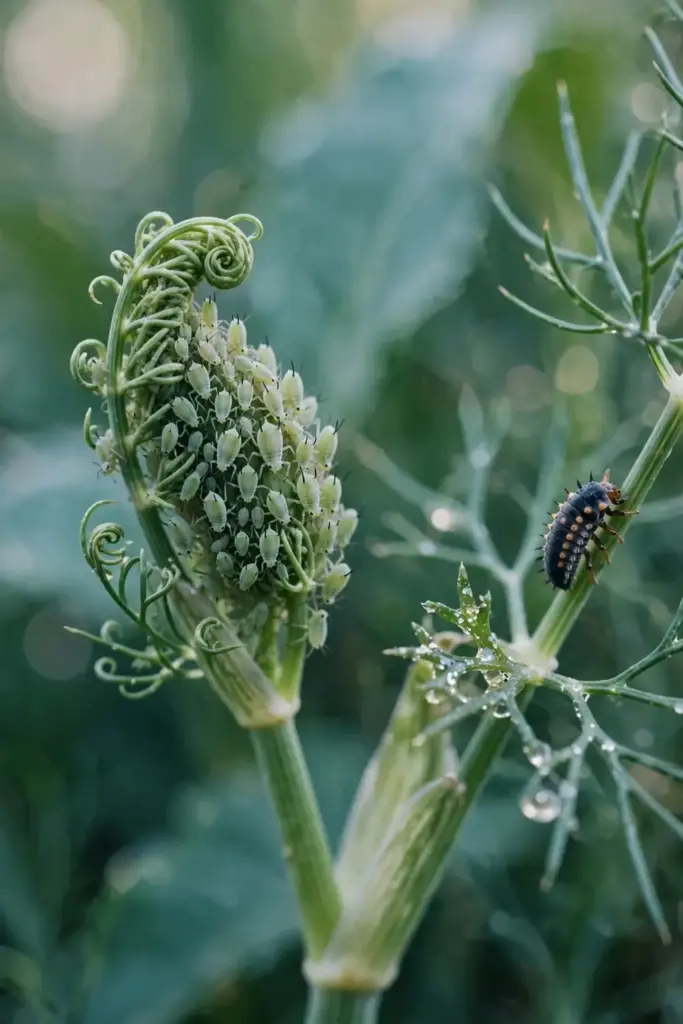
Slugs and snails chew young seedlings, so protect new sowings with the usual defenses until plants are 6 inches tall. Once the stems toughen, mollusks lose interest. Root rot appears only in waterlogged soil, which is a drainage problem, not a fennel problem. Fix the drainage and the disease never arrives.
Because this is a seed crop, avoid spraying anything once flowers open. Residues on umbels end up on the seed you eat. If aphids overwhelm a plant late in the season, soapy water is the limit, applied early morning and rinsed. In practice, healthy well-spaced fennel outgrows its pests, and the beneficial insects the flowers attract keep the balance.
12. Harvest Seed Heads at 100 Plus Days
Patience is the whole skill now. Seed fennel needs 100 to 130 days from sowing to ripe seed, roughly twice the bulb fennel timeline. Watch the umbels. Flowers fade, tiny green seeds swell, and over several weeks the seeds turn from green to grayish brown and the umbels dry. Harvest when most seeds on a head are brown and hard, and a few still show green. Too early and the seed tastes grassy. Too late and the wind threshes them for you.
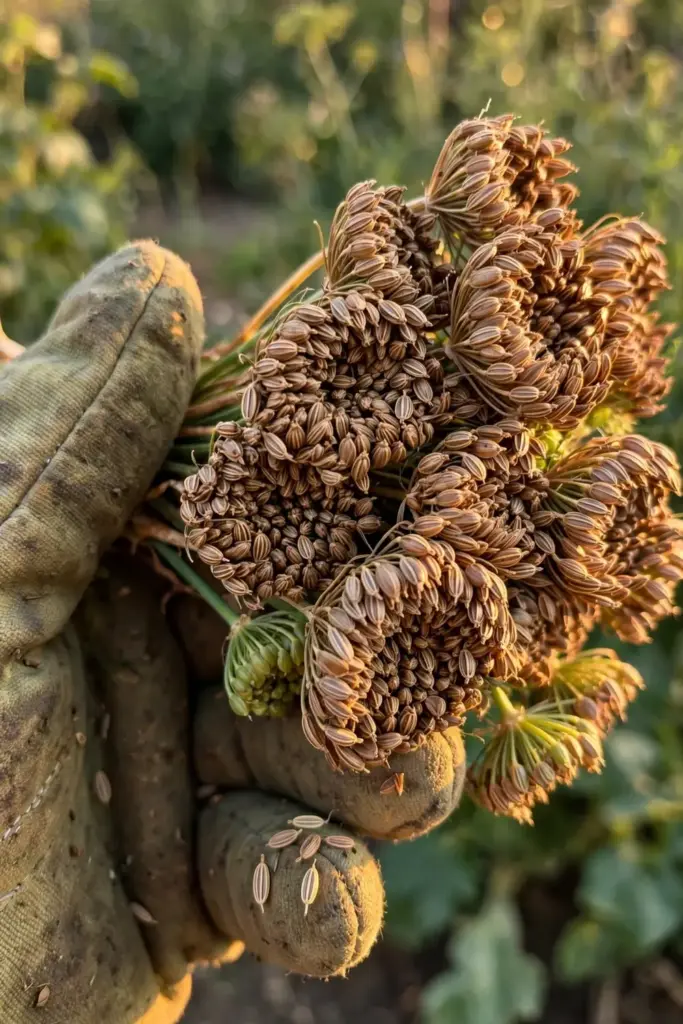
Cut the entire umbel cluster with 6 to 8 inches of stalk, on a dry morning after the dew lifts. Handle the heads gently, because ripe seed shatters at a touch. Carry them in a paper bag or a bucket, head down, straight to the drying area. Do not leave cut heads in the sun. Heat bleaches the flavor.
Harvest in waves, not all at once. Umbels on the same plant ripen over two to three weeks, with the central umbel first and the side branches after. Check every few days during the window. A plant that gave you nothing to pick in July can fill a jar by September, which is why the 100-day number matters more than any calendar date.
13. Drying and Threshing Your Saunf
Tie cut stalks in small bundles and hang them head-down in a warm, dry, airy place out of direct sun. A garage, a covered porch, or a spare room works. Slip a paper bag over each bundle and tie it loosely around the stems. The bag catches every seed that shatters loose during drying, which is a surprising share of the harvest.
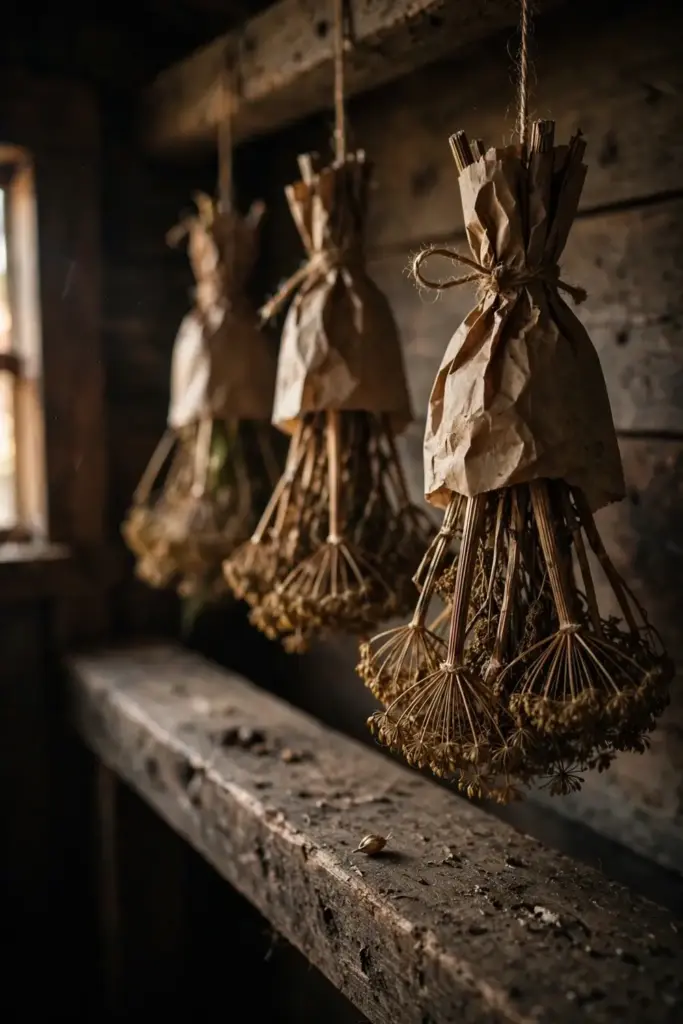
Dry for 1 to 2 weeks until the stalks snap and the seeds rattle. Then thresh: rub the heads between your palms over a tray, or beat the bagged bundles gently against a hard surface. The seeds fall free easily when fully dry. Winnow by pouring the seed slowly from one bowl to another in a light breeze, letting the chaff blow away. A kitchen fan on low does the job indoors.
Expect real numbers. A strong plant yields 2 to 4 ounces of dried seed, and six plants fill a quart jar with room to spare. Taste before you store. Ripe saunf is sweet, aromatic, and distinctly anise-like. If the flavor is flat or grassy, the heads came in too early, and next season you wait another week.
14. Turning Harvest Into Mouth-Freshener
This step turns a seed harvest into the mouth-freshener. Saunf is the classic Indian mouth-freshener, chewed plain after meals, and the homemade version beats anything in a packet. Start with plain dried seed, clean and fully dry. That alone is authentic saunf, the kind served in small bowls at Indian restaurants.
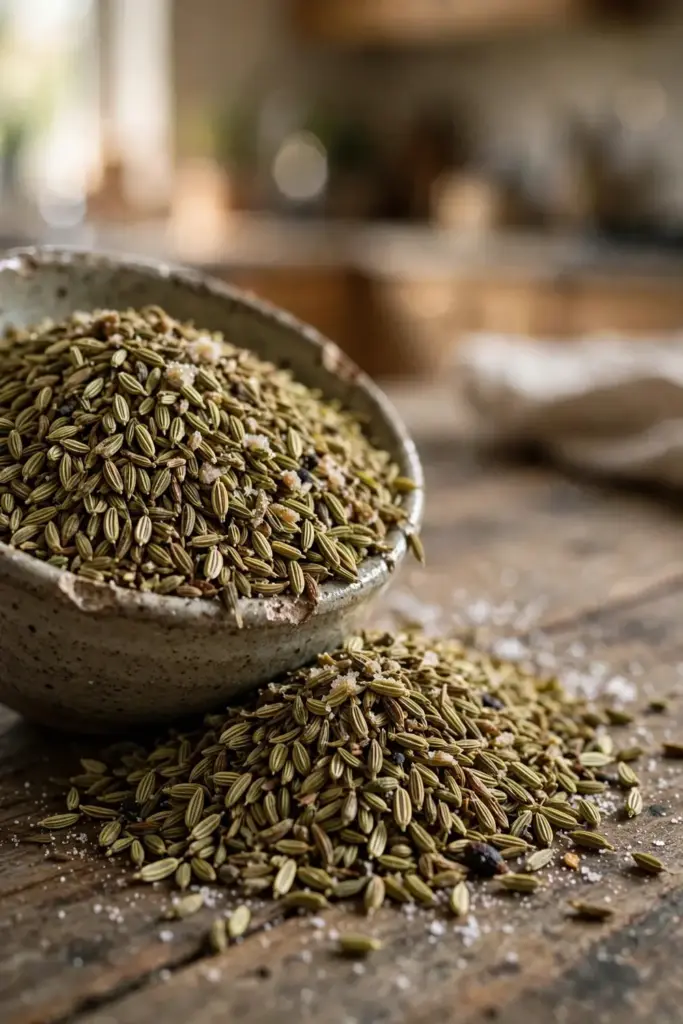
Candied saunf takes one more step. Warm a spoonful of sugar with a few drops of water until it melts into a thin syrup, toss in the seeds, and stir until each seed wears a thin sugar shell. Spread on a tray to cool. Colored saunf, the bright green or rainbow-coated kind, uses food-safe color in the syrup. Keep colors light. A pale green tint looks traditional. Neon shades look like candy and taste like it too.
Flavored variations are endless. A squeeze of lime juice in the syrup makes nimbu saunf. A pinch of menthol crystals makes the cooling minty kind. Fennel seed also goes into masalas, teas, and baking, ground fresh for the strongest flavor. Grind only what you need. Whole seed keeps its aroma far longer than powder.
15. Storing Saunf for a Year
Dry seed keeps a year or more if you store it right. The enemies are moisture, heat, light, and air, in that order. Use glass jars with tight lids, fill them full to minimize air, and keep them in a cool dark cupboard. A desiccant packet in a large jar is cheap insurance in humid climates.
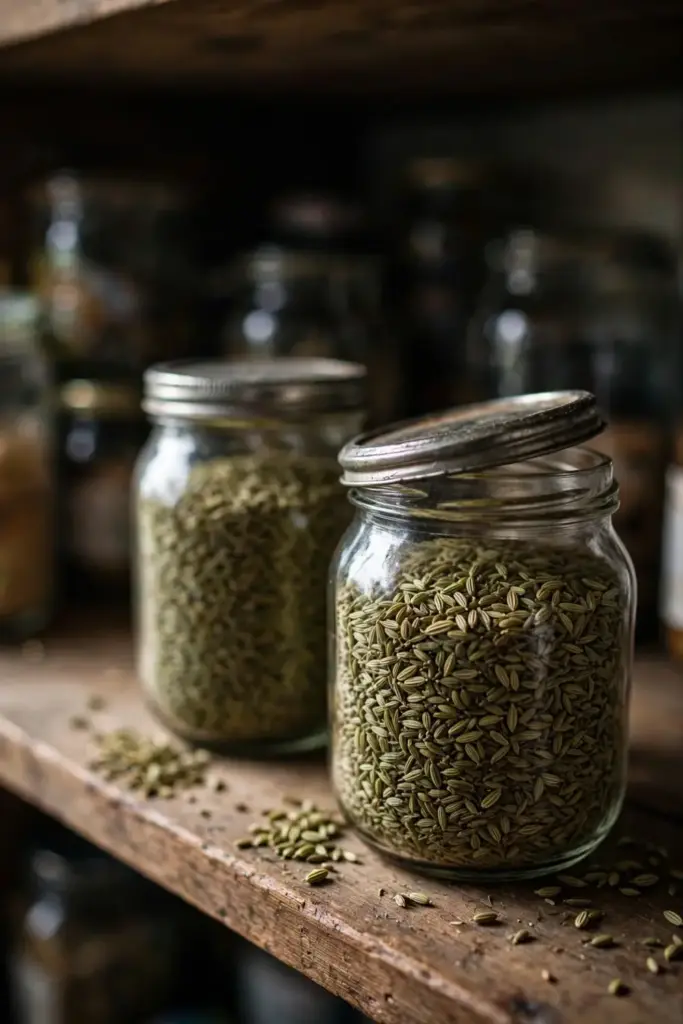
Do not refrigerate. Fridges add moisture every time the jar opens, and condensation is worse than room temperature. Do not store near the stove. Heat bleeds aroma fast. Label each jar with the harvest date and the variety, because next year’s seed looks identical and you will forget.
Test viability if you plan to sow saved seed. Fold ten seeds in a damp paper towel, seal in a bag, and keep at room temperature. Count sprouts after 10 days. Seven or more means the batch sows well. Below five, buy fresh seed. Home-saved saunf sows beautifully for 2 to 3 years when stored dry, which makes this crop nearly free after the first season.
16. How Saunf Lands on the Table
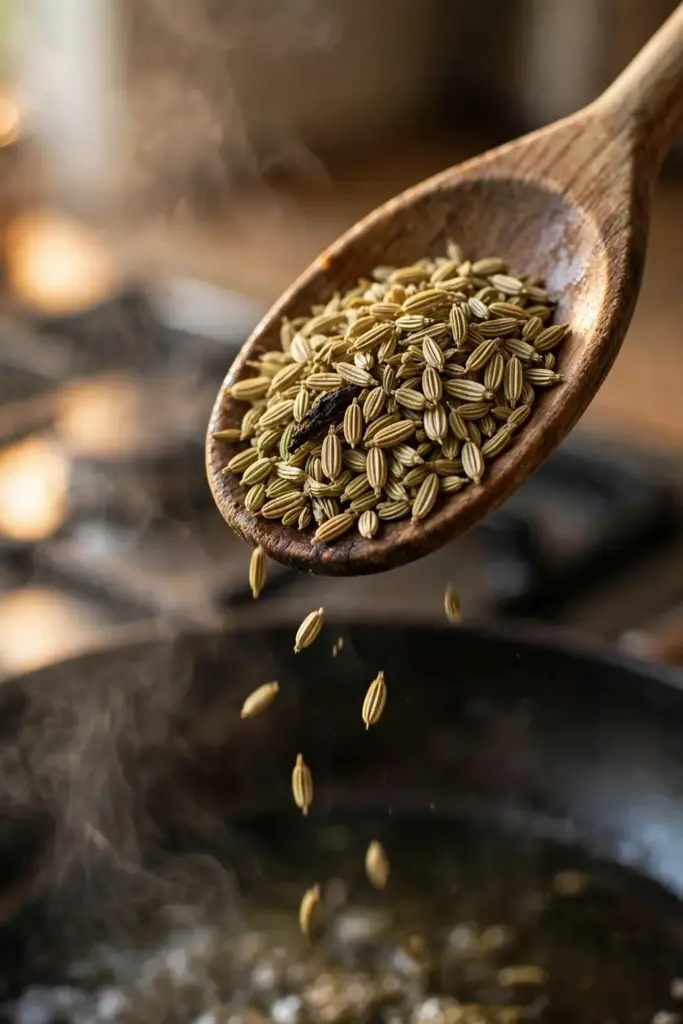
Beyond the mouth-freshener bowl, saunf earns its place across the Indian kitchen. Whole seeds temper in hot oil at the start of a dish, blooming into sweet anise perfume for pickles, curries, and the Bengali five-spice panch phoron. Ground fennel flavors breads, sausages, and sweets. Fennel tea, a teaspoon of crushed seed steeped in hot water, is the traditional after-dinner digestive across South Asia.
The fronds deserve their own mention. Snip feathery leaves all season for salads, fish, and yogurt raita. They taste like a gentler dill with a sweet finish. Flowers are edible too, scattered over dishes as a fragrant garnish. Nothing on the plant goes to waste between sowing and seed.
A note on honesty. Saunf is a flavor and a tradition, not a medicine cabinet. Enjoy it for what it is, a delicious aromatic seed with a long culinary history. If you grow it, grow it for the kitchen first and let the culture around it be the bonus.
17. Common Mistakes That Wreck a Seed Harvest
The same five errors ruin saunf crops every year, and all of them are decided early.
Buying bulb fennel seed. If the packet says Florence or finocchio, you planted the wrong crop. Check the variety name before you sow, every time.
Sowing too shallow or too deep. A quarter inch is the number. Seeds on the surface dry out. Seeds buried an inch deep run out of energy before they emerge.
Skipping the thinning. Twenty crowded seedlings produce less seed than eight well-spaced plants. Thin to 12 inches and do not feel guilty.
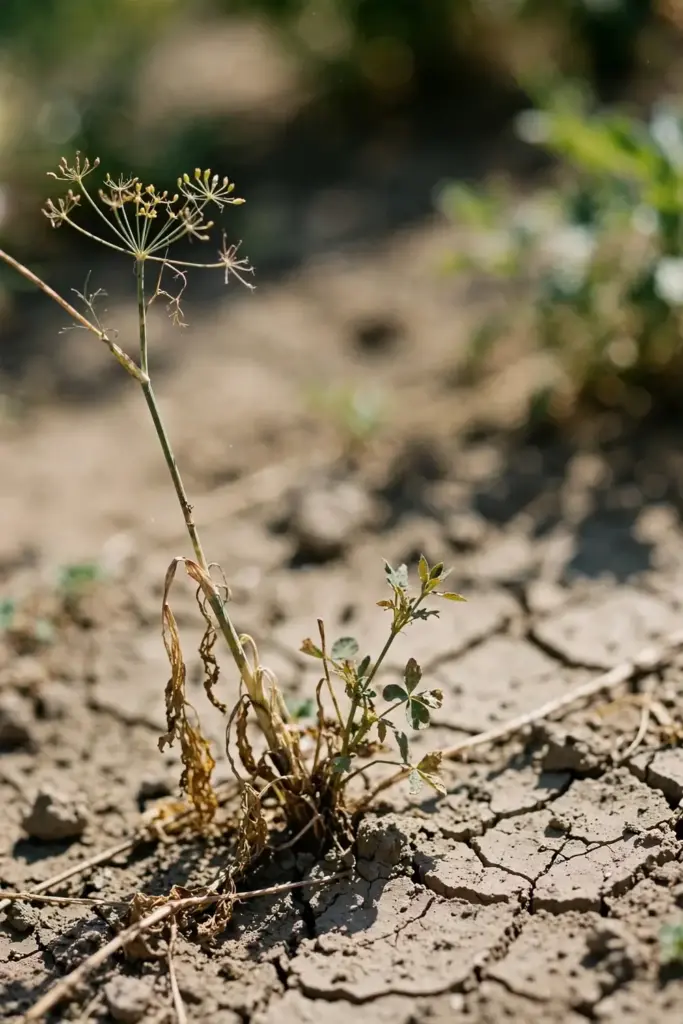
Letting pots dry out. A thirsty potted fennel bolts at 2 feet with a seed head the size of a coin. Water containers consistently through summer.
Harvesting too early. Green seed tastes grassy and stores poorly. Wait for brown, hard seed, and harvest in waves as each umbel ripens.
One more mistake is specific to this lane. Following bulb-fennel advice to prevent bolting. Pinching flower stalks, the standard Florence guidance, destroys a seed crop. In the saunf lane the flower stalk is the product. Let it grow.
18. Troubleshooting
Seedlings emerge patchy. Old seed or cold soil is the usual cause. Fennel germinates in 7 to 10 days at 50 to 75 F soil temperature. Below 50 F it sulks. Resow with fresh seed when the soil warms, and keep the bed moist until emergence.
Plants bolt at 2 feet tall with tiny heads. Drought stress or root disturbance. Water consistently, mulch, and never transplant older seedlings. Direct sow next time.
No flowers by late summer. Sown too late, or too much shade. Seed fennel needs full sun and a long season. In short-season regions, start indoors 4 to 6 weeks early and transplant young.
Seed heads mold before harvest. Wet weather at ripening. Harvest slightly earlier, at the first brown, and finish drying indoors in the paper bag method. Airflow is everything.
Seeds taste bitter or soapy. Two causes. Cross-pollination with dill affects saved seed, not this year’s crop, so the bitterness came from the variety. Wild-type fennel seed is bitter. Next season buy named sweet fennel seed from a reputable company.
Ants farm aphids on the umbels. The aphids are the problem, not the ants. Blast with water, encourage ladybugs, and tolerate a few. Never spray a flowering seed crop you plan to eat.
19. Frequently Asked Questions
Seed fennel needs 100 to 130 days from sowing to ripe seed, roughly twice the 60 to 90 day timeline of bulb fennel. Germination takes 7 to 10 days in warm soil. The plant spends the first two months building leafy growth, then bolts, flowers for several weeks, and ripens seed over late summer. Sow in spring for a late summer to early autumn harvest.
Common fennel is a short-lived perennial in mild climates, often returning from the root crown for 3 to 4 years. In cold regions it grows as an annual. For seed production, treat it as an annual and sow fresh each year anyway. Second-year plants bolt earlier and yield less. Self-sown volunteers appear freely, so you may get free plants whether you want them or not.
Yes, in deep pots. Use containers at least 12 inches wide and deep, one plant per pot, in full sun. The taproot needs depth, so shallow pots fail. Water consistently, because drought in a pot triggers early bolting with a poor seed head. A 5-foot plant in a pot needs staking. Expect a smaller harvest than in-ground plants, but plenty for a household spice jar.
In temperate regions, sow 2 to 3 weeks after the last frost, typically March to May. In India, the saunf season is October to February, with mid September to October the peak commercial sowing window. Match sowing to your cool season, not the calendar month. The plant needs 100-plus frost-free days after sowing to ripen seed.
Yes. Fennel and dill cross-pollinate readily, and saved seed will not breed true. Keep them well separated if you save seed, or grow only one for seed each year. This year’s harvest flavor is unaffected. The same caution applies to coriander grown for seed. Leaf harvests from either plant carry no risk at all.
Sometimes, but it is a gamble. Kitchen saunf is often old or heat-treated, and germination is unreliable. A germination test on a damp paper towel tells you in 10 days whether the batch is alive. For a real crop, buy fresh seed labeled herb fennel or common fennel from a seed company. One packet costs little and removes the biggest variable in the season.
20. A Saunf Jar Is the Finish Line
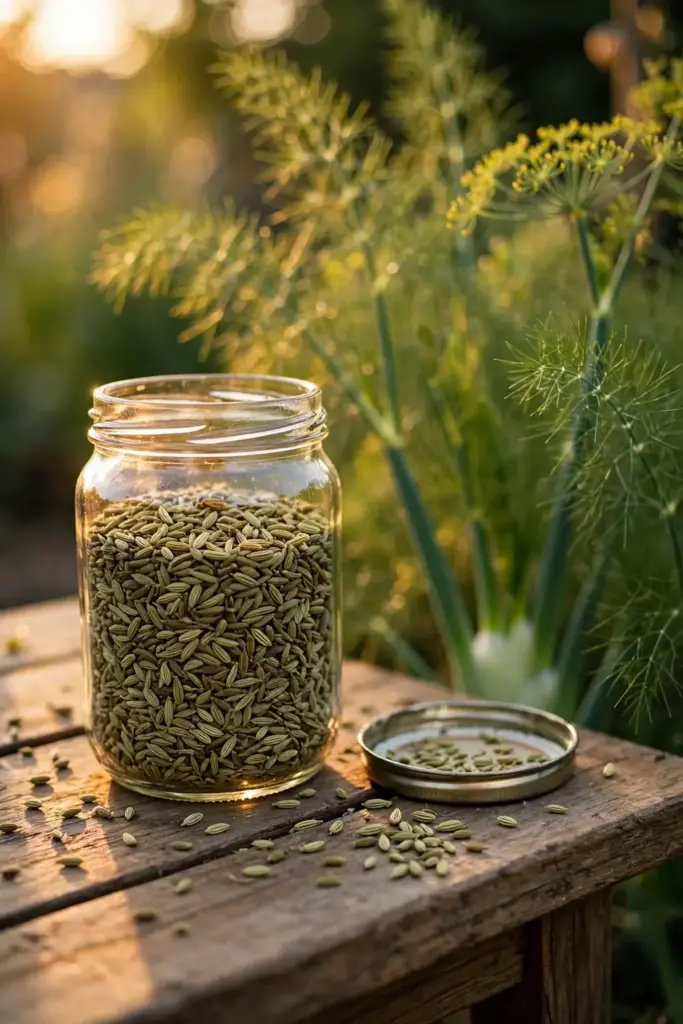
A jar of homegrown saunf on the shelf is a different object from the packet at the store. You know the variety, the season, and the hands, yours, that threshed it. The path is simple once the type confusion is cleared. That is how to grow fennel from India in a single season: sow herb fennel, not Florence, give the taproot depth, thin without mercy, and let the plant flower, because in this lane the flower is the crop. Harvest brown, dry in bags, thresh, and store in glass.
If bulbs are what you want, the vegetable guide covers bulb fennel in full, and this article is the Indian saunf seed method. The two crops share a name and almost nothing else. Grow the right one, give it 100 days and full sun, and the mouth-freshener bowl refills itself every autumn.