
This is how to grow cosmos flowers: sow after the last frost, once the soil has warmed past 18°C (65°F). Seeds emerge in 7 to 21 days, and the first flowers open 8 to 12 weeks after sowing. That timing holds for both garden species, Cosmos bipinnatus and Cosmos sulphureus.
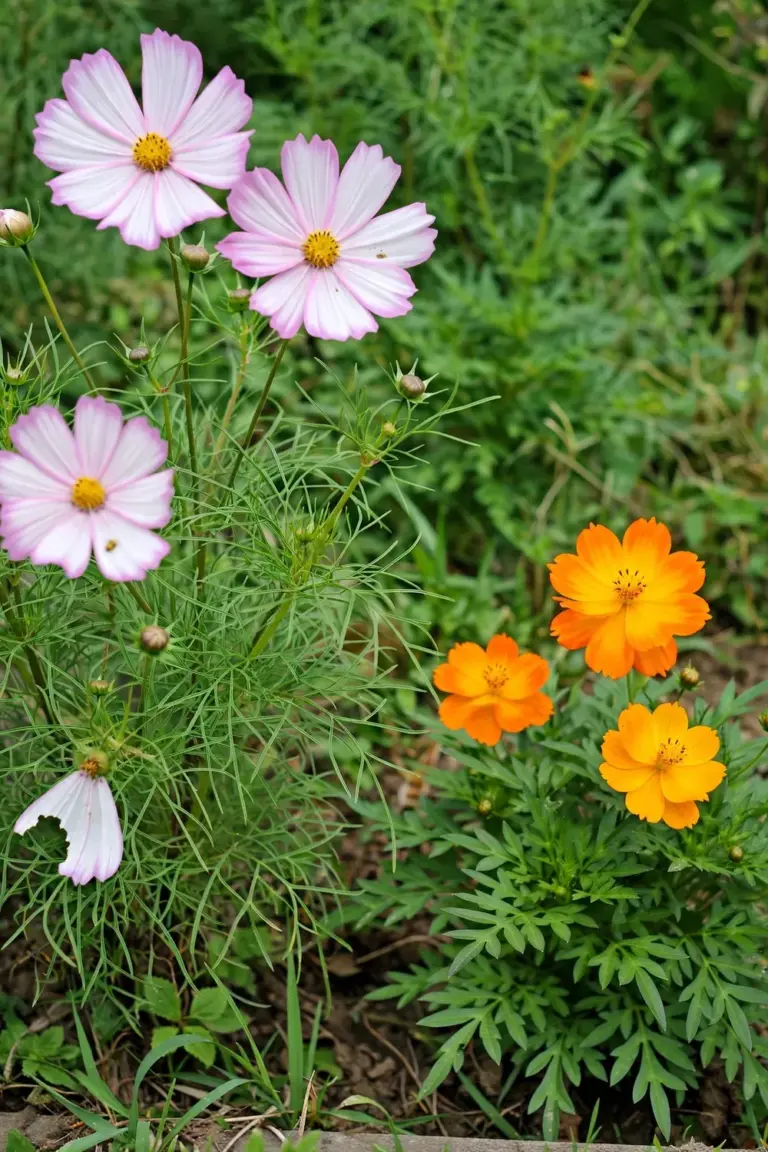
Garden cosmos is a frost-tender annual from Mexico and Central America, and the two species behave differently enough that the choice matters. Cosmos bipinnatus grows 3 to 6 feet tall with large flowers in pink, white, red, lavender, rose, or violet, which is why growers cut it for arrangements. Cosmos sulphureus stays shorter at 1 to 3 feet, carries orange, red, or yellow flowers, and handles heat with less complaint. I have learned to leave the compost bag closed when I plant cosmos, because feeding it the way I feed everything else gave me tall stems and almost no buds.
Sow where the plants will flower. Cosmos dislikes unnecessary root disturbance, so direct sowing usually beats transplanting, though a head start indoors helps where summers run short. For tray work, the usual seed-starting steps for annuals apply.
1. Pick Your Cosmos: C. bipinnatus for Cutting, C. sulphureus for Heat
Decide what you want from the plant before you buy the seed. Both species want the same care, so color, height, and heat tolerance make the call.
| Trait | Cosmos bipinnatus | Cosmos sulphureus |
|---|---|---|
| Common names | Garden cosmos, cut-leaf cosmos | Orange cosmos, yellow cosmos |
| Height | 3 to 6 feet | 1 to 3 feet |
| Flower colors | Pink, white, red, lavender, rose, violet | Orange, red, yellow |
| Foliage | Fine, string-like, feathery | Broader, coarser leaflets |
| Best for | Cut flowers, tall borders | Hot spots, dry beds, pollinators |
| Named series | Sensation, Sonata, Picotee, Sea Shells | Compact mixes sold for containers |
The University of Florida extension service describes both species as similar in characteristics and care, with garden cosmos reaching 3 to 6 feet on finer foliage and orange cosmos staying 1 to 3 feet, in its cosmos growing guide. North Carolina State University lists smaller-growing bipinnatus varieties such as ‘Dwarf Sensation Mix’, ‘Picotee’, and ‘Sea Shells’ for gardeners who want the big flowers without the big height, in its cut-leaf cosmos plant profile.
Match the species to the job. For cutting, tall bipinnatus gives the longest stems, and a row sown just for the vase out-yields plants dotted through a border. For a hot, dry strip along a fence, sulphureus sulks less and the butterflies find it first. Packet dates help too: most packets print days to bloom, and a 70-day variety sown after the last frost flowers a full month before a 90-day one in short summers.
Double-flowered forms exist in both species, and they make poor pollinator plants because the extra petals replace the pollen-bearing disc. If bees are the goal, stick to singles.
Seed packets sometimes print only the word “cosmos”, so check the botanical name before you follow spacing or height advice written for the other species. One more method note: stem cuttings can root from leafy shoots, but seed is the standard way to grow both species, and every method below assumes seed.
2. Sow After the Last Frost, When Soil Passes 18°C
Sow outdoors once frost danger has passed and the soil has warmed to at least 65°F (18°C). Seeds sown into cold soil sit still and rot instead of sprouting.
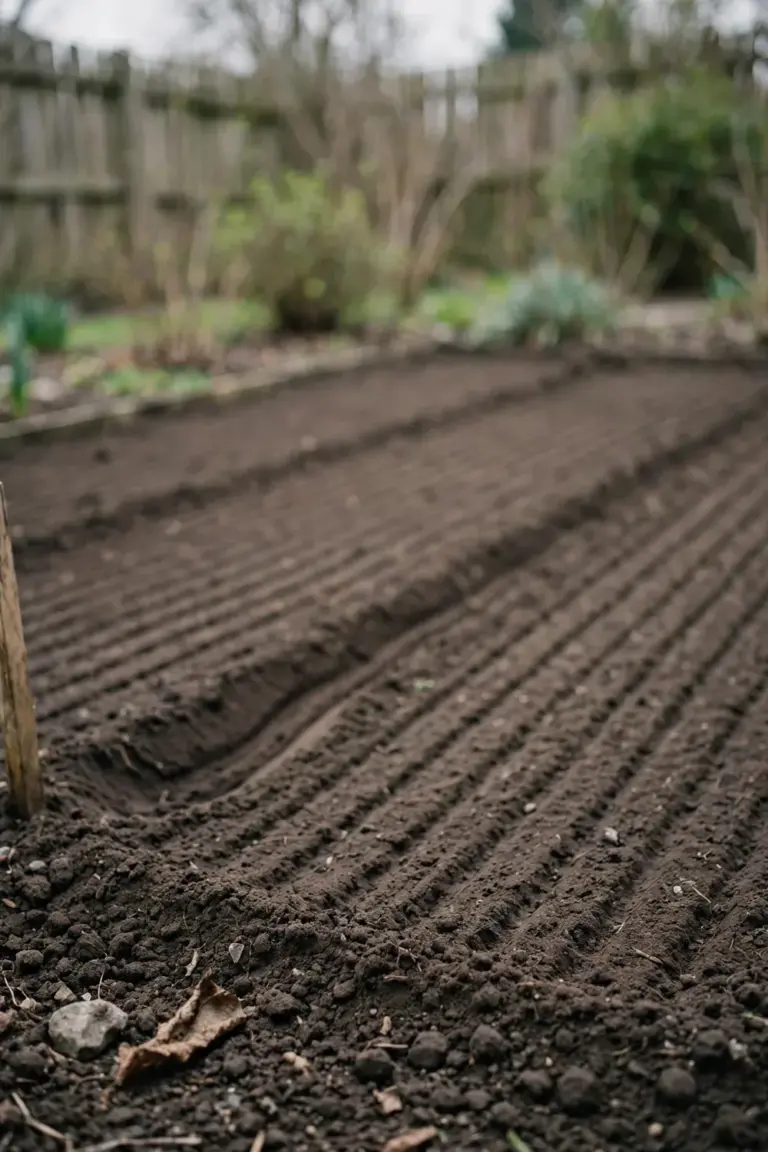
North Carolina State University advises raking seeds into loose soil rather than burying them, because planting too deep hinders germination, and keeping the soil moist for 5 to 10 days after seeding, with emergence in 7 to 21 days, in its cut-leaf cosmos plant profile. The University of Florida’s Charlotte County extension notes that germination can take as little as one week in warm soil and that first bloom follows 8 to 12 weeks after sowing, in its cosmos growing notes.
Sowing calendar for Australia
In the southern hemisphere the months flip, so use this zone guide from the Australian gardening site Aussie Green Thumb, published in its cosmos flowers Australian guide:
| Climate zone | Sowing window |
|---|---|
| Tropical (far north) | May through October |
| Temperate (Sydney, coastal New South Wales, Victoria) | July to late December |
| Cold (Tasmania, tablelands, alpine fringes) | September to mid-summer |
The same guide notes that gardeners in temperate and cold zones can sow as late as January and still see flowers before the cold arrives, since cosmos races from seed to bloom in about two to three months. In warm tropical districts, the dry-season months beat the wettest stretch, when saturated soil invites fungal trouble.
For northern-hemisphere readers the rule is simpler: sow after the last spring frost, and where the summer is short, start trays indoors a few weeks ahead of that date. Soil warms slower than air, so a thermometer in the top few centimeters beats the calendar. When it reads 18°C in the morning for several days running, sow.
3. Plant Seeds 6 mm Deep in Full Sun
Give cosmos a spot that gets direct sun for at least half the day, and press each seed about 6 mm deep into loose soil.
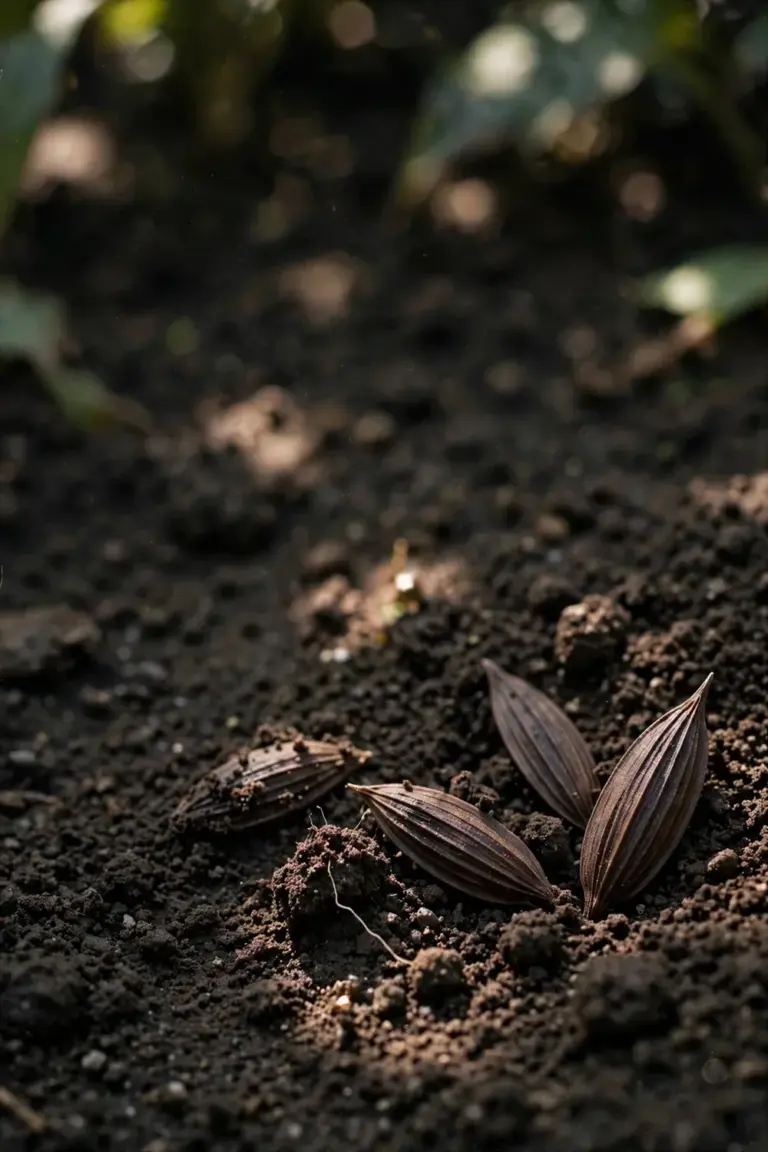
You need little gear: a rake or hand fork, a watering can with a fine rose, and a marker for the row. No heat mat, no grow light. Cosmos germinates fine at room temperature indoors and in warm soil outdoors.
- Choose an open, sunny position away from the shade of trees and buildings. North Carolina State University sets the minimum at a half day of direct sunlight for cut-leaf cosmos, and more sun means more flowers.
- Loosen the top few centimeters of soil and pull the weeds. Skip compost and fertilizer at this stage. The lean-soil rule in section 5 explains why feeding now backfires.
- Sow each seed about 6 mm deep and cover lightly, the depth Aussie Green Thumb recommends in its Australian cosmos guide. The University of Florida puts the depth at 1/8 inch in its cosmos growing guide. Either way, planting too deep hinders germination, so err on the shallow side.
- Water gently with a fine spray and keep the soil evenly moist, never waterlogged, until the seedlings appear.
- Thin or transplant when seedlings carry two to three true leaves. In trays, use one seed per cell from the start and move plants while small, since cosmos resents root disturbance. Crowded seedlings stretch weak and flower late.
Aussie Green Thumb’s Australian cosmos guide suggests sowing a few seeds in clumps about 45 cm apart, then thinning to the strongest one or two seedlings per clump.
4. Space Tall Types 45 cm Apart
Give tall cosmos about 45 cm of space per plant. The University of Florida’s Charlotte County extension recommends planting or thinning cosmos to about eighteen inches apart for best growth, in its cosmos growing notes.
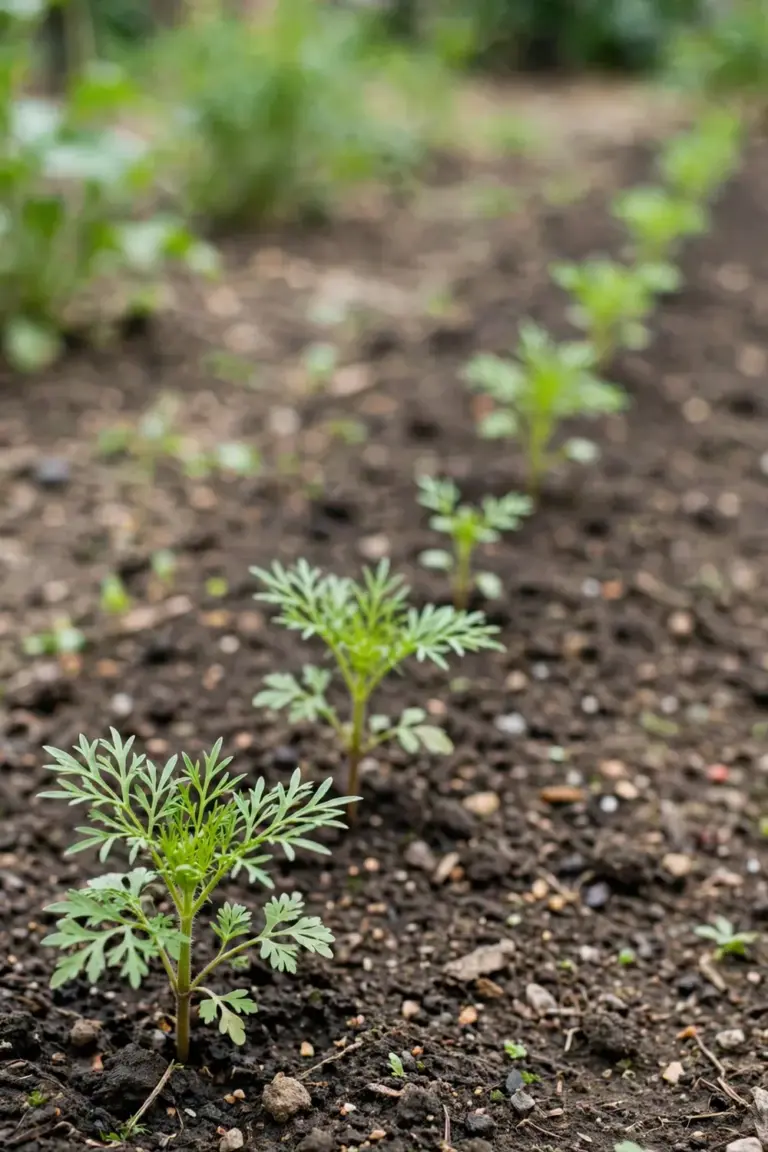
That spacing suits the tall border and cut-flower types: ‘Sensation’, ‘Picotee’, and the full-size sulphureus forms. Air moves between the plants, the stems stay upright longer, and each plant branches into its full width instead of racing its neighbour upward.
Compact varieties take tighter quarters. ‘Dwarf Sensation Mix’ and other short bipinnatus selections fit the front of borders and roomy containers, where a large pot of free-draining potting mix keeps their roots happy. Container plants dry faster than bed plants, so check them daily in hot weather and water before the mix pulls away from the pot walls.
Wind is the other spacing factor. Plants grown shoulder to shoulder prop each other up, which sounds helpful until a storm lays the whole row flat at once. Proper spacing plus early staking keeps each plant standing on its own.
5. Skip the Fertilizer: Lean Soil Makes More Flowers
Do not feed cosmos the way you feed vegetables. Extra nitrogen grows tall, leafy plants with fewer flowers.
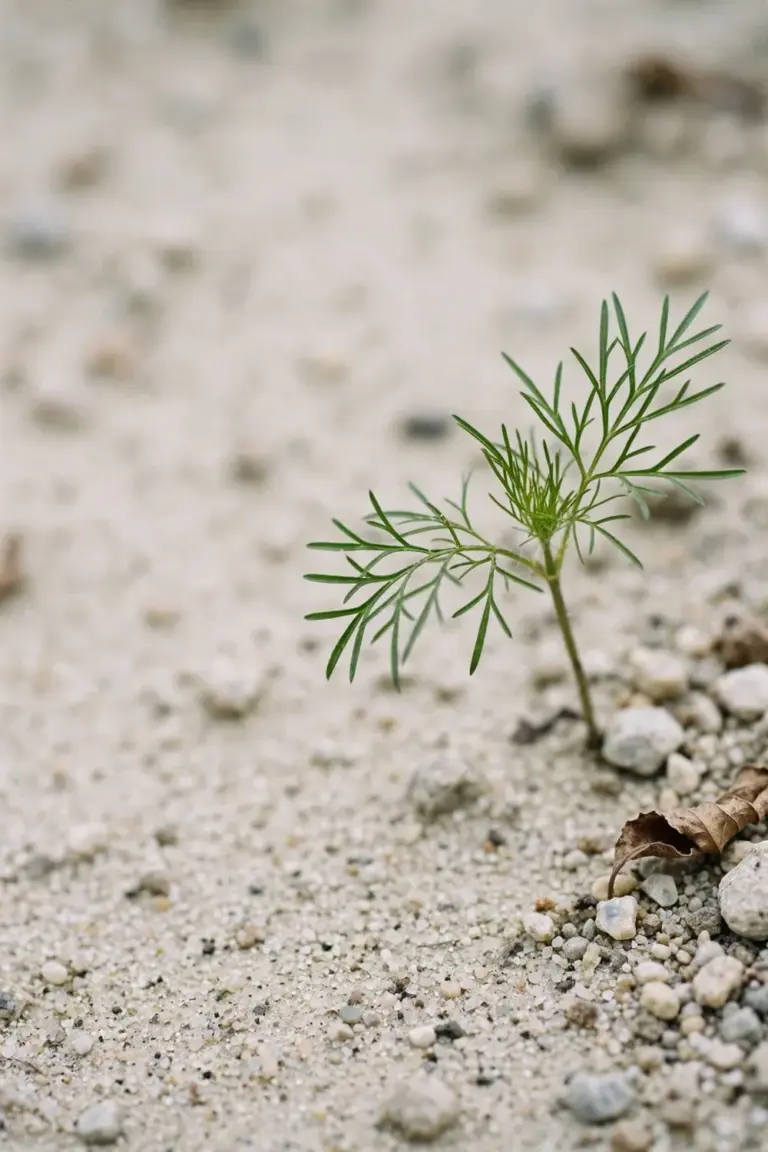
The University of Florida’s Charlotte County extension is blunt about the site: choose soil that is well-drained but of low fertility, because too much fertilizer causes the plant to produce abundant foliage at the expense of flowers, in its cosmos growing notes. This is the central lesson of the whole plant. Beginners enrich the bed out of kindness and harvest stems. Cosmos evolved in the thin soils of Mexico, and it flowers hardest when the soil asks little of it.
The mechanism is simple allocation. Nitrogen feeds leaf and stem growth, so a cosmos swimming in nitrogen spends the season building structure and never gets the signal to pour energy into buds. Lean soil flips the ratio: moderate leaves, heavy bloom. That is why the poorest corner of the garden often grows the best cosmos.
Two mistakes drive most failures here. The first is planting cosmos in the freshly composted vegetable bed. The second is side-dressing with a nitrogen fertilizer when the plants look small in their first month. Small is normal. They are building roots, and the flowers follow on lean rations.
Save the rich beds for hungrier crops. If every bed you own runs rich from years of compost, grow cosmos in the leanest corner, or in a pot of plain potting mix with no added feed. The soil health guide explains how feeding changes what a bed grows, which helps you pick the right spot on purpose.
6. Pinch Tall Cosmos Early to Force Side Branches
Pinch the growing tip of tall varieties once while the plants are young. Each pinched stem answers with side branches, and side branches mean more flower buds.
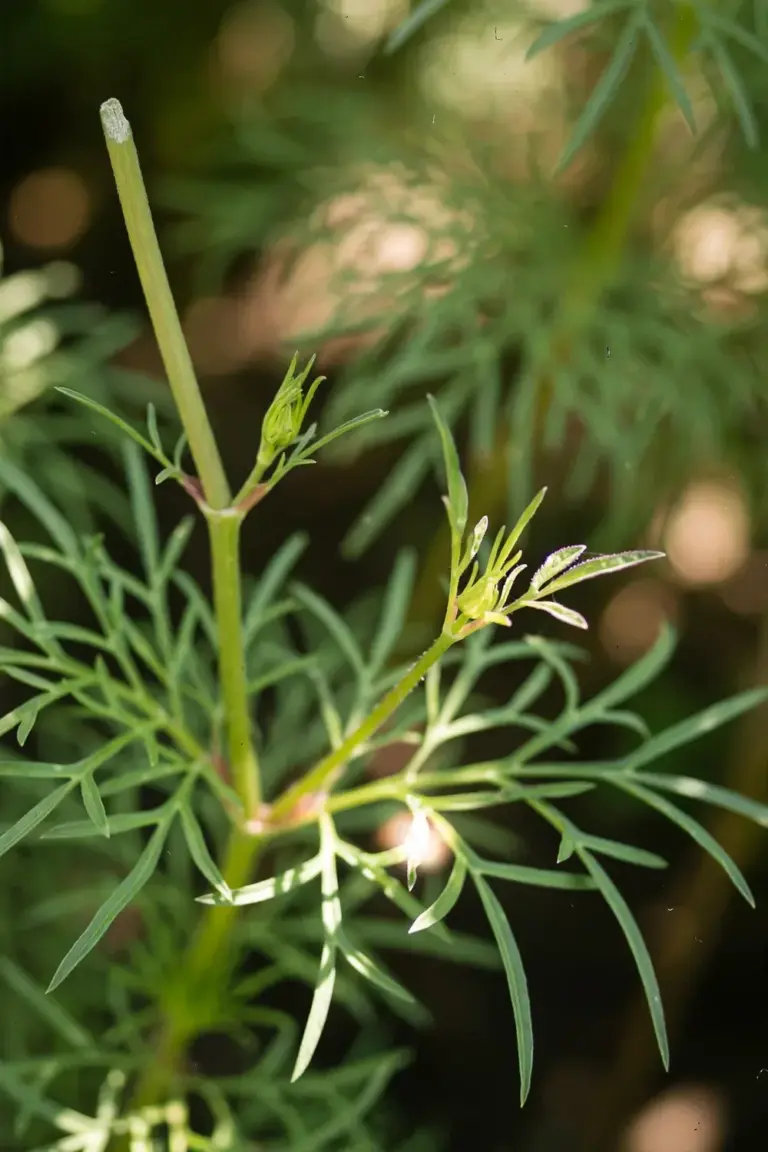
The University of Florida notes that early pinching creates branching and increases plant density, in its cosmos growing guide. Pinch once, above a leaf joint, when the plant is growing strongly but has not yet set buds. Do not pinch if your goal is the earliest possible single stems for cutting, since pinching trades a week of earliness for a bushier plant.
For cutting gardens, run two strategies side by side. Leave one row unpinched for the earliest long single stems, and pinch the second row for a later wave of branched, multi-flower stems. You get early vases and a long season from the same sowing.
Tall cosmos carries its flowers on thin, weak stems, and the same guide warns that taller plants may need support because those stems flop. In windy gardens, push a stake or a short length of bamboo beside each tall plant while it is still small, and tie loosely as it grows. Trying to stake a flattened plant after a storm rarely works. Tie with soft twine in a loose figure eight, so the stem never rubs the stake raw. Shelter from the strongest wind at planting time beats rescue work later.
7. Deadhead Every Few Days or Let Seed Form
Remove spent flowers every few days to keep new buds coming. Leave the last heads standing if you want cosmos to self-sow.
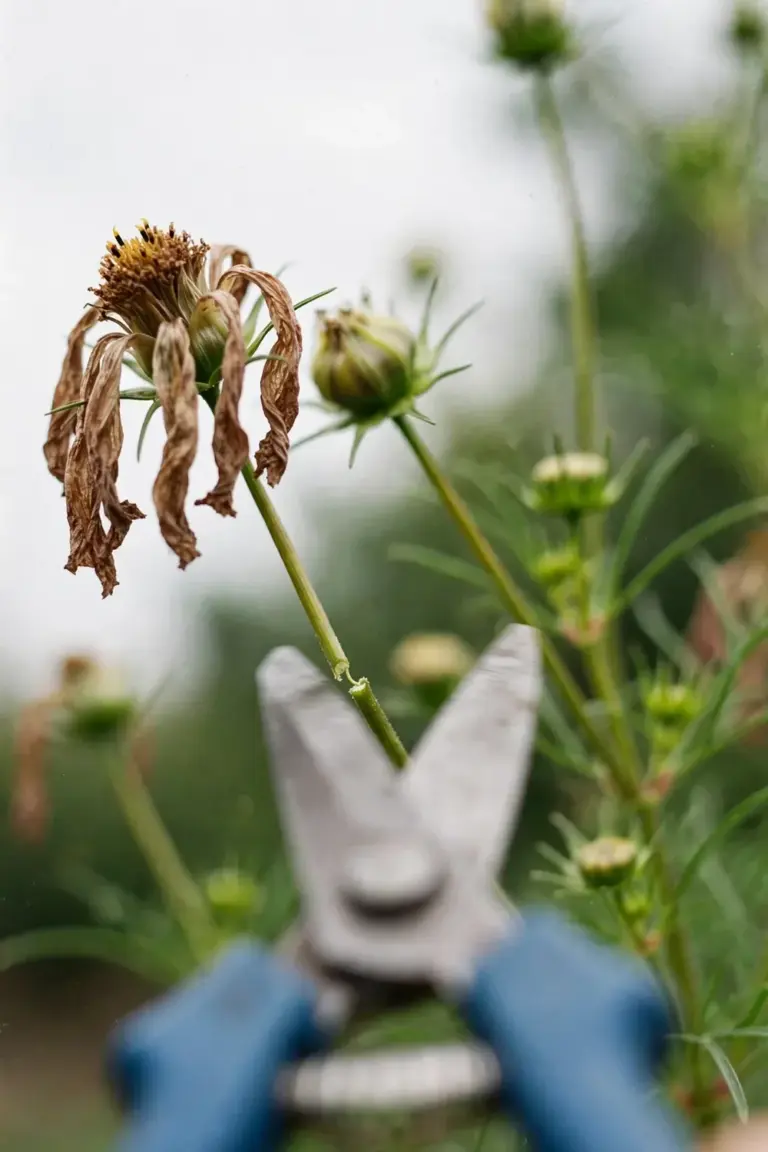
North Carolina State University notes that deadheading promotes further blooms and that the plants reseed readily, in its cut-leaf cosmos plant profile. Snip each faded flower just above the nearest leaf joint. The plant reads the missing seed head as unfinished business and pushes another round of buds.
You have a real choice to make at season’s end. Deadhead everything and the bed stays clean for whatever follows. Or stop deadheading in the last weeks, let the final heads ripen, and allow the seed to fall. The University of Florida’s Charlotte County extension describes the payoff: seed that falls to the ground germinates in the hot soil and increases the density of the planting, in its cosmos growing notes.
Named hybrid series may not come true from saved seed. If you grew a specific color mix you love, buy fresh seed rather than trusting volunteers to repeat it.
To save seed for next year, let a few of the best heads ripen fully on the plant until they turn brown and dry. Snip them into a paper bag, crumble the heads, and shake out the chaff. Store the seed cool and dry, and it stays viable for several seasons.
8. Sow a Second Round for a 3-Month Bloom Window
Sow a second round a few weeks after the first, and the display stretches across about three months of bloom.
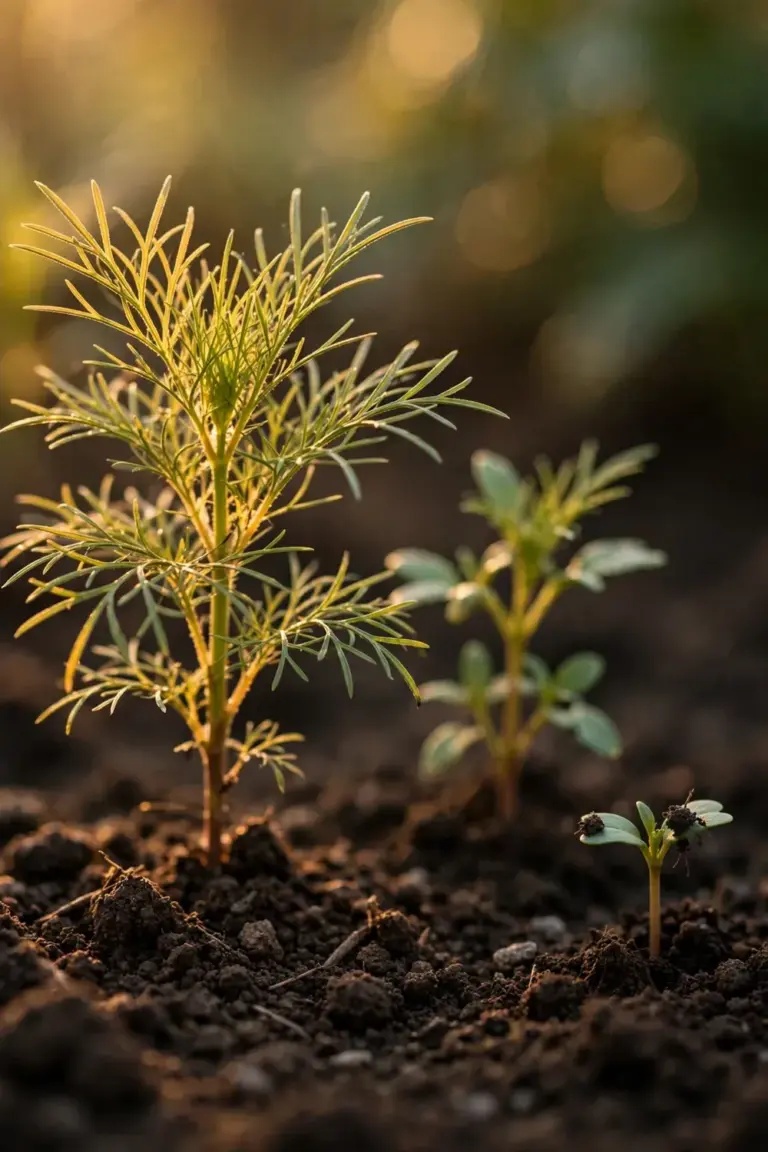
The University of Florida’s Charlotte County extension gives cosmos a three-month bloom period before old plants need replacing, in its cosmos growing notes. One sowing gives one wave. Two sowings, spaced a few weeks apart, overlap their waves so the bed never sits empty.
The same extension page offers a second trick for tired plants, in its cosmos growing notes. When spring-planted cosmos shows an abundance of dried seed heads, cut the whole plant back to 12 to 18 inches high instead of pulling it. The cut stems rebloom in about a month, and the seed you knocked to the ground starts the next generation underneath.
Late sowings still pay off. In Australia’s temperate and cold zones, January sowings flower before the cold arrives. Anywhere else, count back 8 to 12 weeks from your first expected frost and sow no later than that date. Cut-flower growers sow every two to three weeks until midsummer for a continuous supply of long stems.
9. Water Deeply and Infrequently After Establishment
Keep the soil evenly moist from sowing until the seedlings stand up, then back off. Established cosmos tolerates heat and dry spells, and soggy soil causes more trouble than thirst.

North Carolina State University advises keeping the soil moist for 5 to 10 days after seeding, in its cut-leaf cosmos plant profile. The University of Florida adds that the most successful germination happens in warm, moist soil, with seedlings appearing within a week.
Once the plants are growing strongly, water deeply when the top few centimetres dry out, then let the excess drain away. Daily sprinkles keep the surface wet and the roots shallow, which is the opposite of what a tall, thin-stemmed plant needs. Water in the morning so any splashed foliage dries by nightfall. Evening watering leaves leaves wet overnight, which invites the mildew problems section 10 warns about. Container cosmos is the exception: pots dry fast, so check them every day in summer heat.
Yellow lower leaves and a soft, dark stem base signal too much water, not too little. Ease off, let the soil dry between waterings, and the plants usually recover. Cosmos rots faster from kindness with the hose than from a missed week.
10. Scout for Aphids, Powdery Mildew, and Gray Mold
Cosmos is nearly pest-free. Crowded or damp plantings still see a few problems. North Carolina State University lists stem canker, powdery mildew, and gray mold as the common disease issues, in its cut-leaf cosmos plant profile. Among the insects: aphids, aster leafhopper, and the gray looper moth.
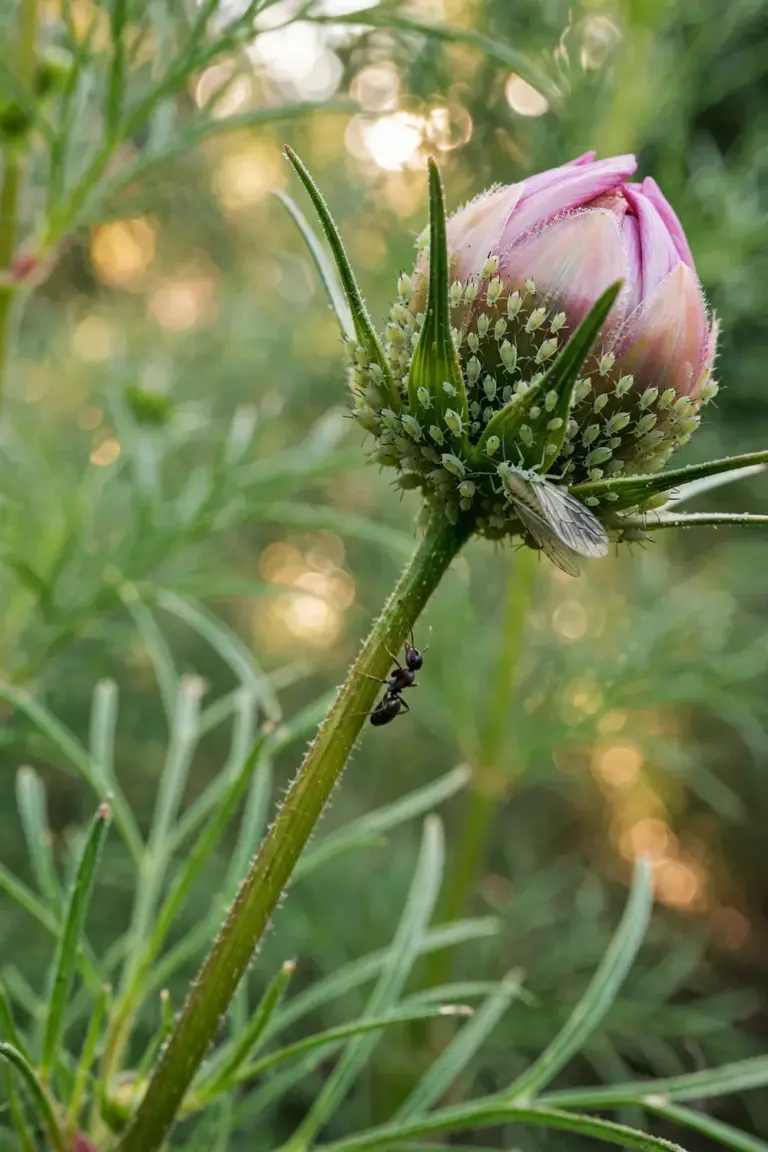
Aphids cluster on buds and the softest new growth, but a strong jet of water knocks most of them off. The spacing in section 4 keeps air moving so colonies struggle to build. Powdery mildew dusts leaves white in humid, still air. Water at soil level instead of overhead. Dry foliage denies the fungus its opening. Gray mold follows the same damp playbook, rotting spent flowers first, which is one more reason deadheading matters.
None of this calls for a spray program. Good spacing, morning watering at the base, and prompt removal of faded flowers prevent nearly every issue cosmos faces.
Make pest checks part of deadheading. You are already at the plant every few days with secateurs in hand, so glance under the buds for aphid clusters and strip any spotted leaves before problems spread. Prevention is the whole program. Cosmos rarely needs anything stronger.
11. Cut Stems in the Cool of Morning for the Vase
Cut cosmos the way you deadhead, only deeper: take long stems, snip just above a leaf joint, and the plant branches and reblooms. Morning cutting gives the freshest stems, before the day’s heat draws moisture out of the petals.

Strip every leaf that would sit below the water line in the vase. Leaves in water rot fast and cloud the water, which shortens the life of the whole bunch. Use clean water and recut the stem ends every couple of days.
Cutting is deadheading with a payoff, so a cutting patch never needs a separate deadheading round. The more you cut, the more the plants branch, which is exactly the response section 6 describes.
For the longest vase life, cut when the outer petals have just opened and the center still looks tight. Buds picked too early may never open indoors. Change the water every two days. Cosmos stems are hollow and foul the water faster than woody stems do. For conditioning stems and getting the longest vase life from summer annuals, the fall cut flowers guide covers the full routine that applies here too.
12. Fix the Three Most Common Cosmos Failures
Three failures explain nearly every disappointing cosmos patch: leaves with no flowers, floppy stems, and bloom that comes too late. Each one traces back to a decision at sowing or feeding time.

Why does my cosmos have leaves but no flowers?
Too much nitrogen, almost every time. Rich soil or a dose of fertilizer pushes leafy growth at the expense of buds, as the University of Florida’s Charlotte County extension documents. Stop feeding immediately. Next season, plant in the leanest bed you have and add nothing.
Why are my cosmos stems flopping over?
Tall varieties grow thin, weak stems that cannot always hold themselves up, especially in shade or after heavy rain. The University of Florida notes that taller plants may need support for exactly this reason. Stake while plants are small, give full sun, and pinch next year’s crop for stockier growth.
Why did my cosmos bloom too late or not at all?
The sowing went in too late for the season, or the seed sat in cold soil and never got going. Sow after the last frost into soil past 18°C, and in short summers start indoors or choose a faster compact variety. Count back 8 to 12 weeks from the first frost and treat that as your last safe sowing date.
13. Tell Garden Cosmos Apart From Its Two Look-Alikes
Two other plants share the cosmos name, and neither grows the way garden cosmos does. Check the botanical name on the packet before following any advice written for a different species.
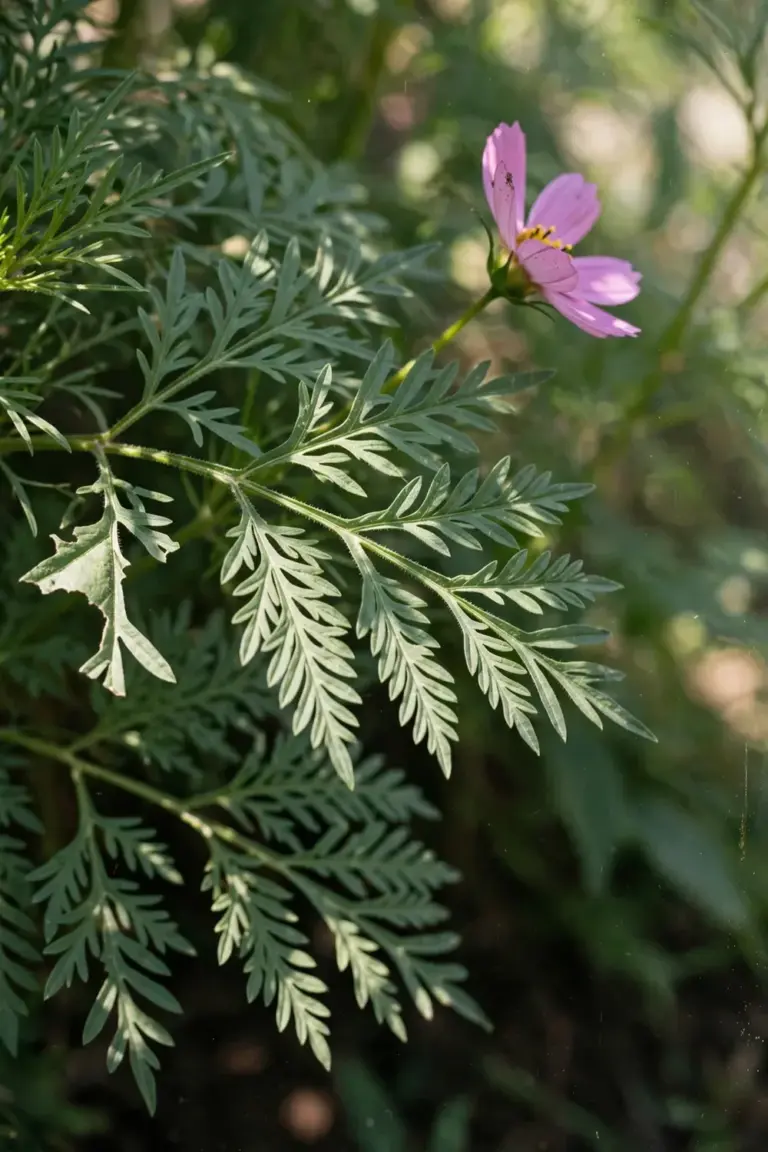
Wild cosmos is a vegetable, not this flower. Cosmos caudatus, known as ulam raja or king’s salad, is a separate species grown across Southeast Asia for its edible leaves and young shoots, which are eaten raw or cooked. It looks similar in leaf but it is not the ornamental flower covered here, and none of the sowing advice targets it.
Wild cosmos leaves smell sharp and resinous when crushed, and its flowers run smaller and simpler than the big garden types, which helps you tell them apart at a nursery. When in doubt, crush a leaf and trust your nose.
Chocolate cosmos (Cosmos atrosanguineus) is a tuberous perennial raised from tubers or division, since its seeds are sterile, so seed-sowing advice written for garden cosmos does not apply to it either. One line is all it needs here: different plant, different method.
Frequently Asked Questions

Yes, and compact varieties suit pots best. Choose a dwarf bipinnatus selection or a short sulphureus mix, and plant it in a large container of free-draining potting mix with no added fertilizer. Pots dry faster than garden beds, so water whenever the top of the mix feels dry. Tall varieties grow leggy in pots and need staking, so save them for open ground.
Cosmos needs direct sun for at least half the day, and more sun means more flowers. North Carolina State University sets the minimum at a half day of direct sunlight for cut-leaf cosmos. In shade the stems stretch, flop, and carry few buds. If your sunniest bed gets only morning sun, choose a compact variety and accept a lighter display.
Cosmos is an annual, so individual plants die with frost. It self-sows freely, and seedlings often appear the next spring where heads were left to ripen. To keep a planting going, stop deadheading in the last weeks of the season and let seed fall. Named hybrid mixes may not repeat their colors from self-sown seed, so buy fresh seed for exact colors.
Expect the first flowers 8 to 12 weeks after sowing in warm soil. Seeds emerge in 7 to 21 days once the soil passes 18°C, then the plants spend about two months building stems before buds open. Pinching for bushier plants adds roughly a week. Sow a second round a few weeks after the first to stretch the display across the season.
Yes. The University of Florida notes that cosmos flowers attract bees and butterflies, which makes them a strong pick for pollinator plantings and children’s gardens. Cosmos sulphureus, with its open orange and yellow flowers, draws particularly heavy butterfly traffic in hot weather. Leave a few heads to set seed and the same planting feeds seed-eating birds in autumn.
In most gardens, no. Cosmos evolved for lean soils, and feeding pushes leaves at the expense of flowers, so the bag stays shut. If your soil is extremely poor sand, one light balanced feed at planting is the most any cosmos ever needs. Put the compost and fertilizer where hungrier crops like tomatoes will use them.
Where to Go From Here
Sow after the last frost into soil past 18°C, give tall types 45 cm of room, feed nothing, and deadhead every few days. That is the whole method, and it works because cosmos wants less help than most garden flowers get.
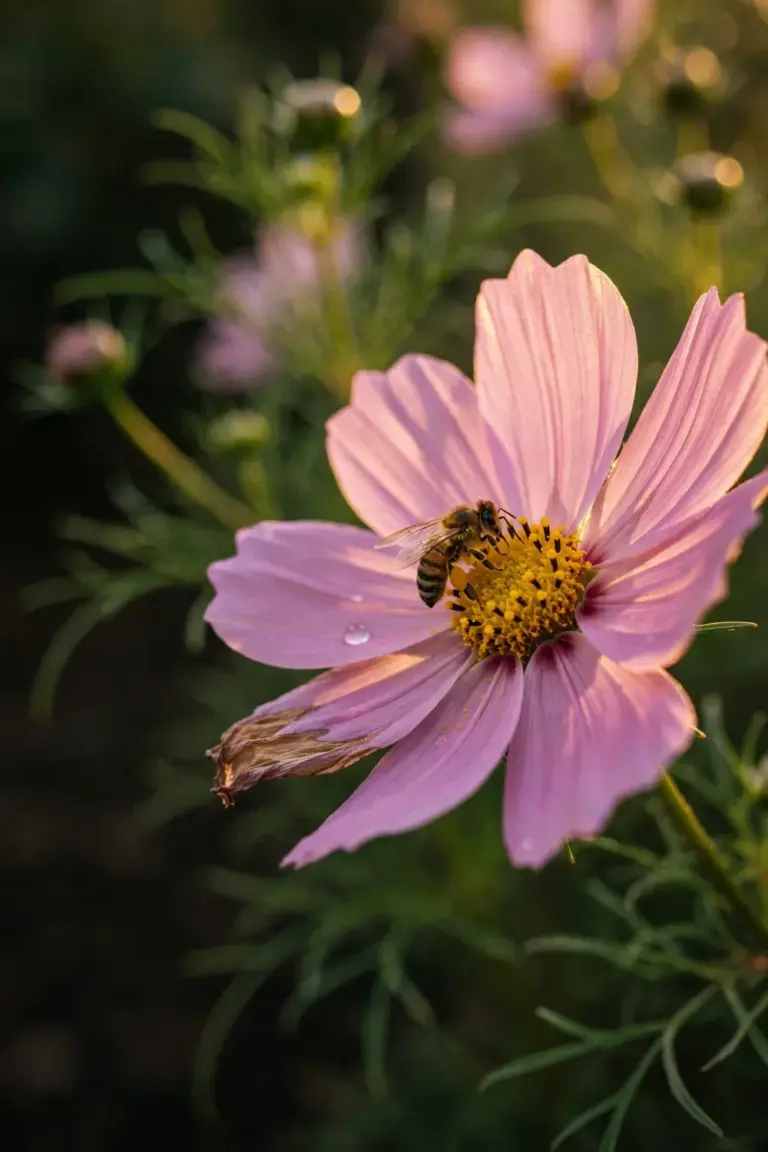
Pick your species by the job: Cosmos bipinnatus for cutting and tall borders, Cosmos sulphureus for heat and pollinators. Then put the fertilizer away and let the lean soil do what rich soil cannot.
Mark the calendar while the season is fresh: note your sowing date, the first bloom date, and which variety earned its space. Three numbers on a seed packet turn next season from a guess into a plan.