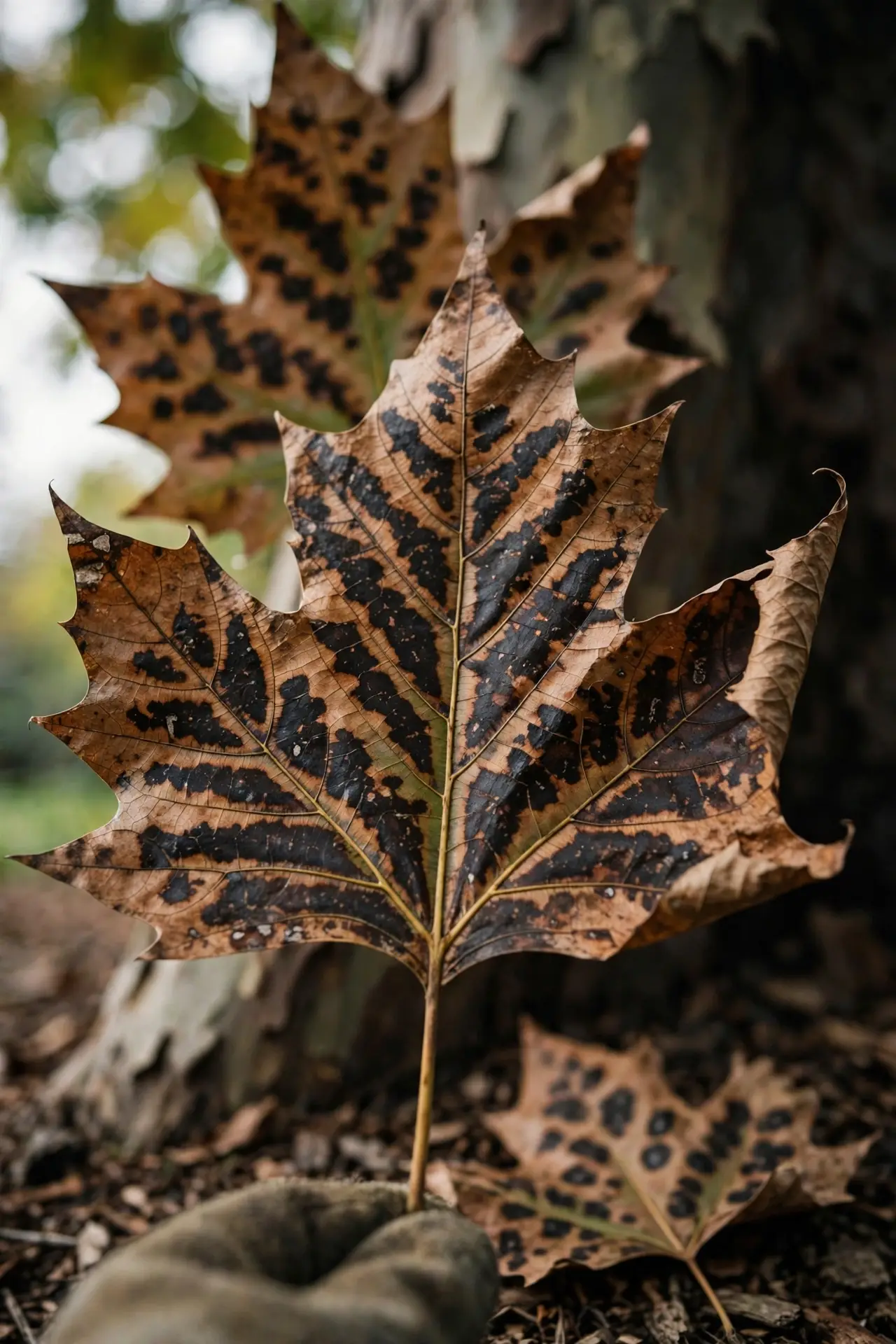

Anthracnose leaf spot on shade trees looks worse than it usually is. Brown blotches spread along the veins, leaves curl and drop, and a healthy-looking tree can look half dead by late spring. Most shade trees releaf by early to mid summer and recover without any spray, and only repeat severe cases earn the 3-application program in Step 5.
The damage follows a pattern. Spots and blotches track the veins. Lower and inner branches show the worst damage because the leaves there stay wet longest. The tree pushes a second flush of leaves once warm dry weather arrives, and that second flush stays clean.
The rest of this page is 8 moves, from the treat-or-skip decision to the planting choice that prevents the next round. I have learned that a shade tree earns patience more than it earns spray.
What Anthracnose Leaf Spot on Shade Trees Actually Is
Anthracnose leaf spot on shade trees is a fungal leaf disease of landscape trees, active in the cool wet weeks of early spring. Several fungi cause it, and each fungus sticks to its own host. The fungus on ash does not spread to sycamore, and the fungus on sycamore does not spread to oak.
Gloeosporium is a historic genus name. Fungi once filed under Gloeosporium now sit in Colletotrichum under modern taxonomy. Older nursery tags and older web pages still carry the Gloeosporium name. A tag that reads Gloeosporium leaf spot and a tag that reads anthracnose leaf spot can describe the same kind of damage.
The shade tree fungi carry different modern names. Ash anthracnose is Apiognomonia errabunda. Oak anthracnose is Apiognomonia quercina. Sycamore anthracnose is Apiognomonia veneta. Maple anthracnose comes from Discula species and Kabatiella apocrypta. The blueberry fruit rot fungus is Colletotrichum acutatum, and it belongs to a different host story told in the blueberry section below.
One naming trap matters. Anthracnose leaf spot on shade trees is a group of host-specific diseases, not one disease with one fungus. That is why a spray that helps a sycamore does nothing for the maple next to it, and why the disease never jumps from the ash to the oak across the street. The general anthracnose overview on this site covers the whole disease family, while this article stays with shade trees.
How to Identify Anthracnose Leaf Spot on Leaves
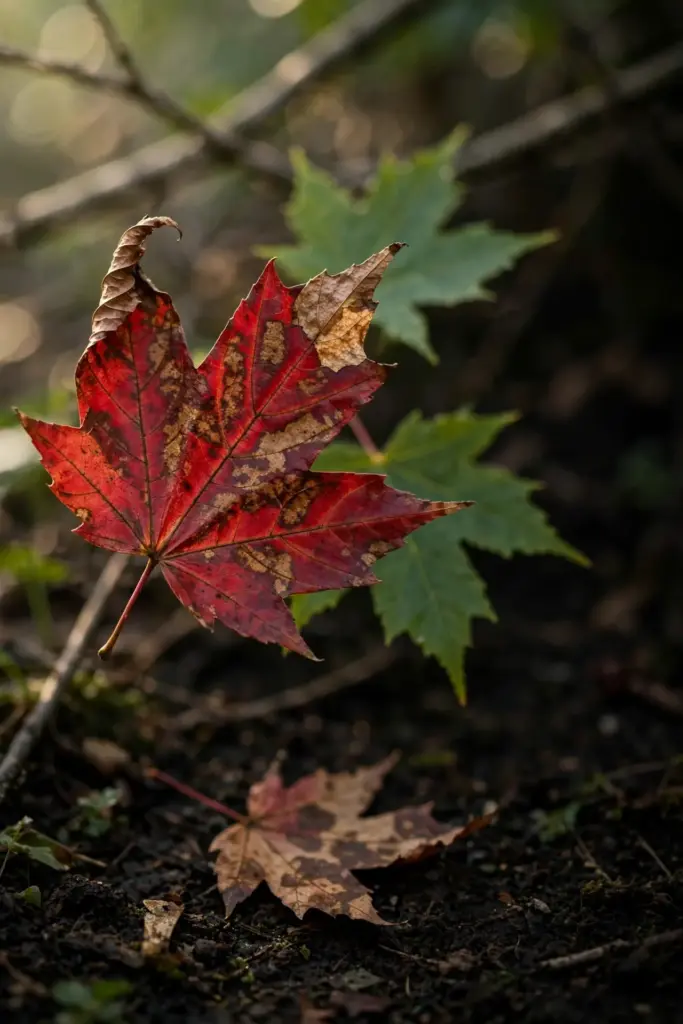
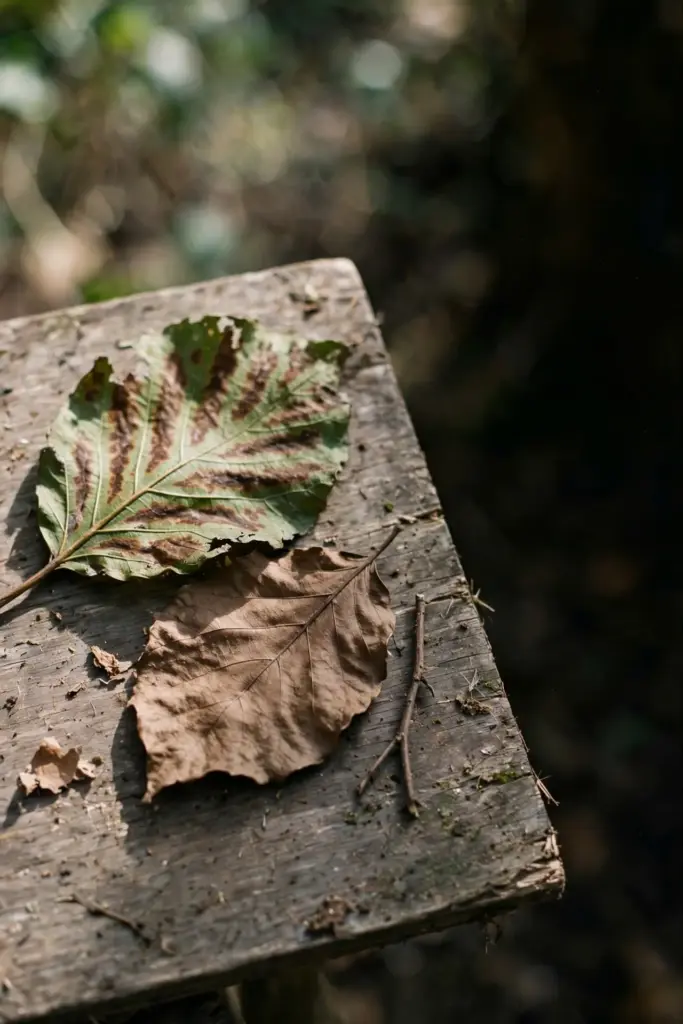
Anthracnose leaf spot on shade tree leaves shows as brownish discoloration along the veins, from discrete spots to irregular patches. Lesions stay bordered by veins on many hosts, which gives the damage a veined map look. In long wet spells, spore masses appear on lower leaf surfaces along the veins.
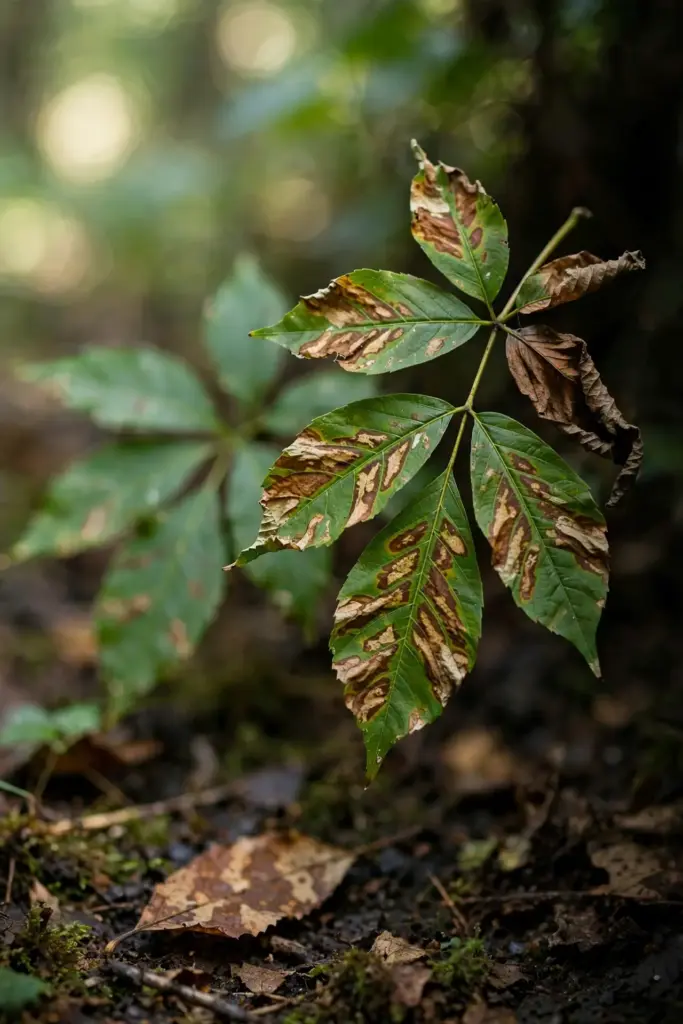
Ash shows the pattern plainly. Leaves develop water-soaked areas first, then large tannish blotches with leaflet distortion. Leaf drop concentrates in the lower canopy, where air moves least. The tree looks thin at the bottom and full at the top.
Oak lesions turn a papery tan color. The leaf shrivels. Lesions often stay strictly delimited by leaf veins, and multiple infection cycles can run in one spring, each cycle adding new blotches to leaves that are still expanding.
Maple anthracnose brings brownish blotches and some leaf drop. The blotches look alarming on a young tree, and a wet spring can strip a large share of the early leaves. Stem infections stay uncommon on maple, unlike sycamore, where the fungus moves into twigs.
Sycamore leaves show purple-brown lesions along major veins, and young expanding leaves can shrivel and turn brown entirely. The leaf damage alone would be cosmetic. Sycamore earns its own section below because the fungus also attacks buds and twigs.
How to Identify Anthracnose Leaf Spot on Twigs and Buds
Twigs and buds tell you whether the disease will stay cosmetic or turn structural. Most shade tree anthracnose stays on the leaves. Sycamore and dogwood are the exceptions, where the fungus moves back into stem tissue and causes real problems.
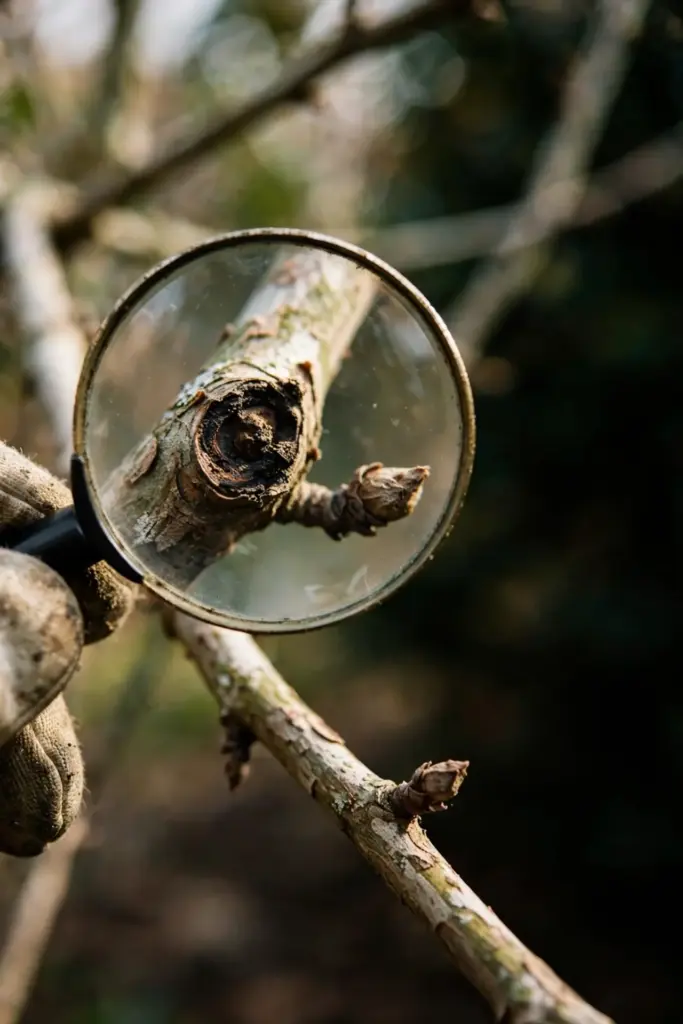
Sycamore carries the worst twig damage. The fungus overwinters on twig tissue, and spores splash to new buds, shoots, and leaves in spring. Shoot blight, leaf blight, twig cankers, and branch dieback can all run together. Repeated infections over the years canker twigs and branches, and the tree grows erratic shoots around dead terminals. That clustering of side shoots around a dead terminal is called witches-brooming. The Missouri Department of Conservation notes that anthracnose infection of terminal buds contributes to American sycamore’s characteristic right-angle branching pattern.
Ash grows small twig cankers, and the fungus overwinters on those twig lesions. Little damage follows from this phase of the disease on ash. The cankers matter as a spore source for next spring, not as a structural threat this year.
Oak twig infections work the same way. Twig infections stay minor except as a source of overwintering inoculum from year to year. Cut a twig canker out during dormant pruning and the tree loses one spore source.
Bud death is the earliest warning on sycamore. Infection of buds in early spring kills the bud before it opens. A branch with many dead buds leafs out in tufts at the branch ends, and the canopy looks ragged all summer. Dead buds on other shade trees usually trace back to frost or winter injury, not anthracnose.
Which Shade Trees Get Hit Hardest by Anthracnose Leaf Spot
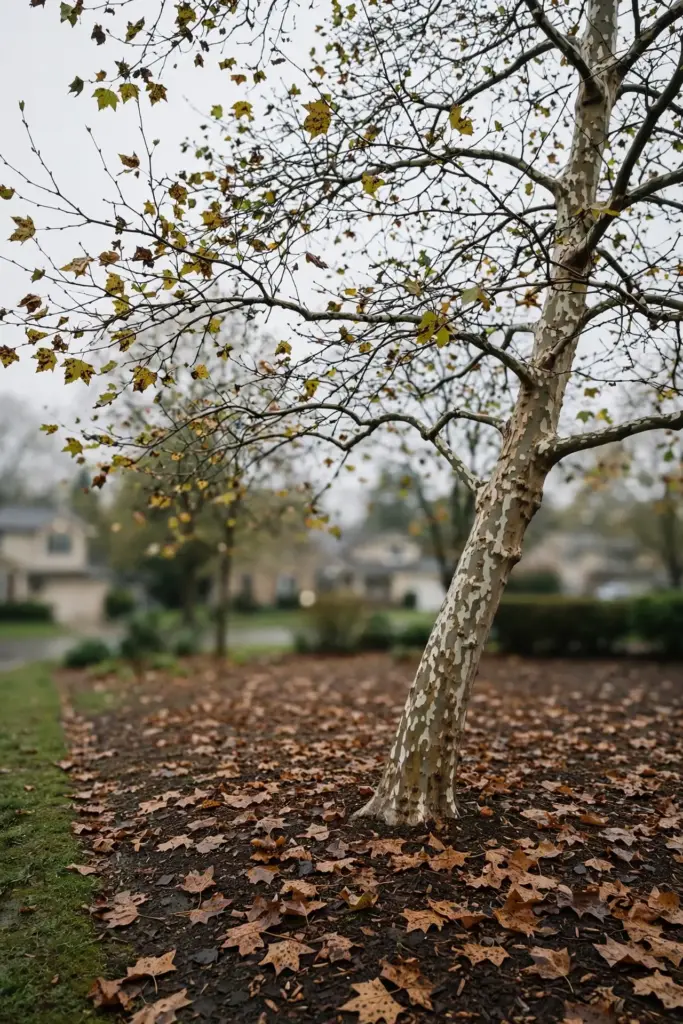
Sycamore sits at the top of the risk list. American sycamore takes the worst damage, and London planetree varies with seed source. Considerable defoliation, sometimes with complete leaf loss, occurs on many sycamores by late spring in bad years. Trees typically releaf by early to mid summer, because warm dry conditions and aging leaves both shut the fungus down.
White oaks are the most susceptible of many oak species to oak anthracnose. Leaves and shoots infect during cool wet spring conditions. Lesion size lessens as leaves near maturity, and once leaves mature they become fully resistant. That built-in deadline is why oak anthracnose fades each year without treatment.
White ash takes more damage than green ash from ash anthracnose. The disease stays mainly a leaf blighting and blotching disease. Considerable leaf drop occurs, especially from lower areas of the canopy, and the litter on the ground in late spring causes more worry than the disease warrants.
Maple anthracnose stays generally mild. The disease can cause considerable unsightliness from brownish leaf blotches, and leaf drop follows when moist weather makes the disease severe. Extensive stem infections stay uncommon on maple.
| Tree | Pathogen | Signature Damage |
|---|---|---|
| American sycamore | Apiognomonia veneta | Shoot blight, twig and branch cankers, dieback, witches-brooming |
| White oak | Apiognomonia quercina | Papery tan lesions delimited by veins, leaf shrivel, lower canopy drop |
| White ash | Apiognomonia errabunda | Leaf blighting and blotching, small twig cankers, lower canopy drop |
| Maple | Discula species, Kabatiella apocrypta | Brownish leaf blotches, some leaf drop, stem infections uncommon |
| Beech, birch, elm, walnut, horsechestnut | Discula and related forms | Irregular brown-black blotches, sometimes paralleling the veins |
Dogwood anthracnose is a different disease and stays out of this table. Its fungus, Discula destructiva, kills twigs and branches and can kill the tree. Shade tree anthracnose rarely kills anything. The differential section below draws that line in full.
Anthracnose Leaf Spot vs Frost Injury vs Leaf Scorch vs Dogwood Anthracnose
The first field check is the vein pattern. Anthracnose blotches track the veins and stay bordered by them. Frost injury browns exposed tissue across species at once, with no vein pattern and no spore masses. Leaf scorch browns leaf margins in hot dry weather, long after the spring infection window closes.
| Condition | First Field Check | What It Means for the Tree | Action |
|---|---|---|---|
| Anthracnose leaf spot on shade trees | Brown blotches along veins, sometimes with spore masses on the leaf underside in wet weather | Cosmetic on most hosts, structural on sycamore with repeated twig cankers | Sanitation and patience, spray only for repeat severe cases |
| Dogwood anthracnose | Purple-bordered blotches, tan undersides, twig dieback, wilted brown leaves clinging into spring | Killer disease, can kill the tree | Early aggressive management, prune dead wood, fungicide from bud break |
| Frost injury | Uniform browning on exposed growth across many species after one cold night | One-time tissue damage, no spreading fungus | No spray, wait for new growth |
| Leaf scorch | Browned margins and tips in hot dry weather, worst on drought-stressed trees | Water stress, not infection | Water deeply, mulch, no fungicide |
Dogwood anthracnose deserves the sharpest line. Shade tree anthracnose is separate from dogwood anthracnose, which comes from a much more virulent fungus and requires early and aggressive management. A dogwood with twig dieback and clinging dead leaves needs a different response than a sycamore with blotchy leaves.
Frost injury confuses gardeners because the timing overlaps. A late frost and an anthracnose outbreak can hit the same week. Frost damage appears overnight across every tender species in the yard. Anthracnose builds over days and weeks, follows the veins, and stays on susceptible hosts only.
Leaf scorch arrives in the wrong season. Anthracnose infects in cool wet spring weather. Scorch follows heat and drought. A tree that browns in a July dry spell is not showing a spring fungus.
Why Anthracnose Leaf Spot Explodes in a Cool Wet Spring
Anthracnose fungi infect only under cool and moist conditions typical of early spring. When the weather warms up and dries out, infection cannot occur. That single rule explains why the disease arrives in waves and why it stops on its own.
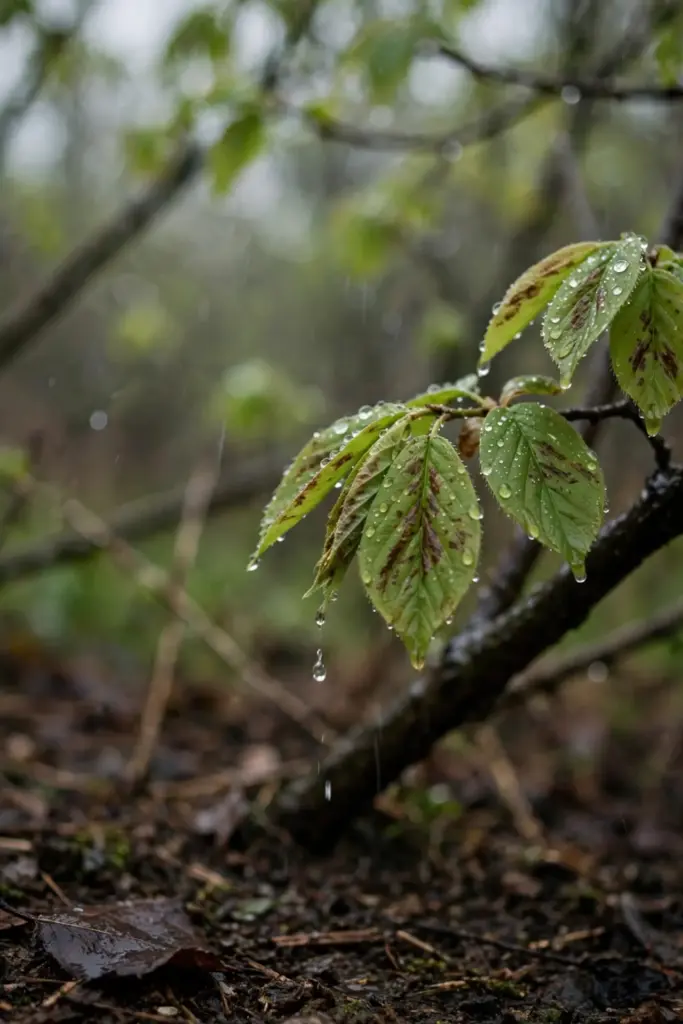
The cycle starts with overwintered inoculum. The fungi pass the winter on dead leaves on the ground, or in cankers on affected twigs. In early spring, spores disperse for reinfection. Rain splash carries spores from fallen leaves and twig lesions to new buds, shoots, and leaves.
Young leaves are the open door. Leaves and shoots infect during cool wet spring conditions, and the fungus spreads from previously infected tissue in spring to new growth. As leaves mature they tend to become more resistant to infection. On oak, leaves become fully resistant once mature.
Wetness duration drives severity. Extended moist conditions let spore masses form on lower leaf surfaces along veins. A spring with week after week of rain gives the fungus repeated infection cycles. A dry spring starves it.
Warmth ends the outbreak. Trees releaf under warmer drier conditions that prevent reinfection by the fungus. The second flush grows into weather the fungus cannot use, so the new leaves stay clean even on a tree that looked bare in May.
What Makes Anthracnose Leaf Spot Worse in a Home Garden
Low air movement makes the disease worse. Lower and inner branches hold wet leaves longest, and infections concentrate there. A tree crowded by a fence, a hedge, or a neighboring canopy dries slowly after every rain.
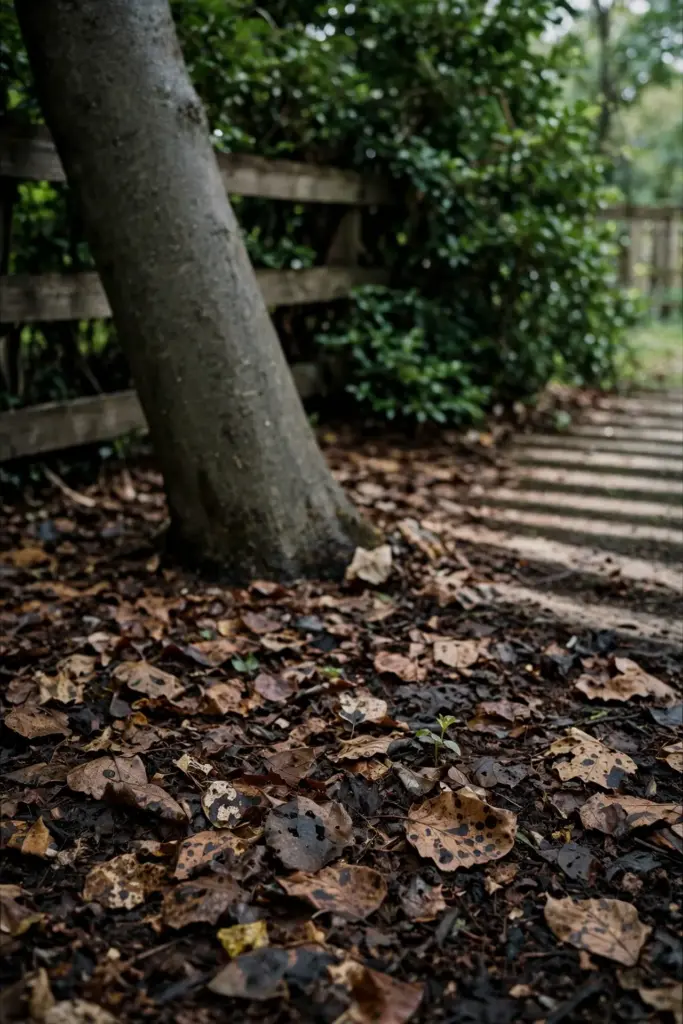
Fallen leaves feed next spring. The fungi overwinter on dead leaves on the ground. A thick mat of infected leaves under the tree is a spore bank waiting for spring rain. Raking removes that bank.
Twig cankers carry the fungus through winter on sycamore and ash. Dead twigs left in the canopy hold inoculum above ground, where spring splash reaches buds fast. Dormant pruning removes that inoculum and opens the canopy at the same time.
Succulent growth invites infection. Soft new shoots from heavy nitrogen feeding or from a hard late pruning stay tender longer. The fungus infects young tissue far more readily than mature tissue. A tree pushed into fast soft growth in spring hands the fungus its best target.
Shade and poor drainage extend leaf wetness. A tree in a low spot where water stands after rain keeps wet leaves for hours longer than a tree on a slope. Morning sun dries leaves fast. Deep shade keeps them wet past noon.
Repeat defoliation weakens the tree over years. One bad spring costs the tree a flush of leaves. Several bad springs in a row drain stored energy, and the tree grows slower and resists other stress poorly. The damage is cumulative, not catastrophic, and that is why the long routine matters more than any single spray.
Step 1: Decide Whether Treatment Is Worth It This Year
Most shade trees need no treatment for anthracnose leaf spot on shade trees. The disease is a minor blemish that rarely affects the overall health of the tree. No control measures are needed in most cases, because the disease stops as the weather turns warmer and drier.
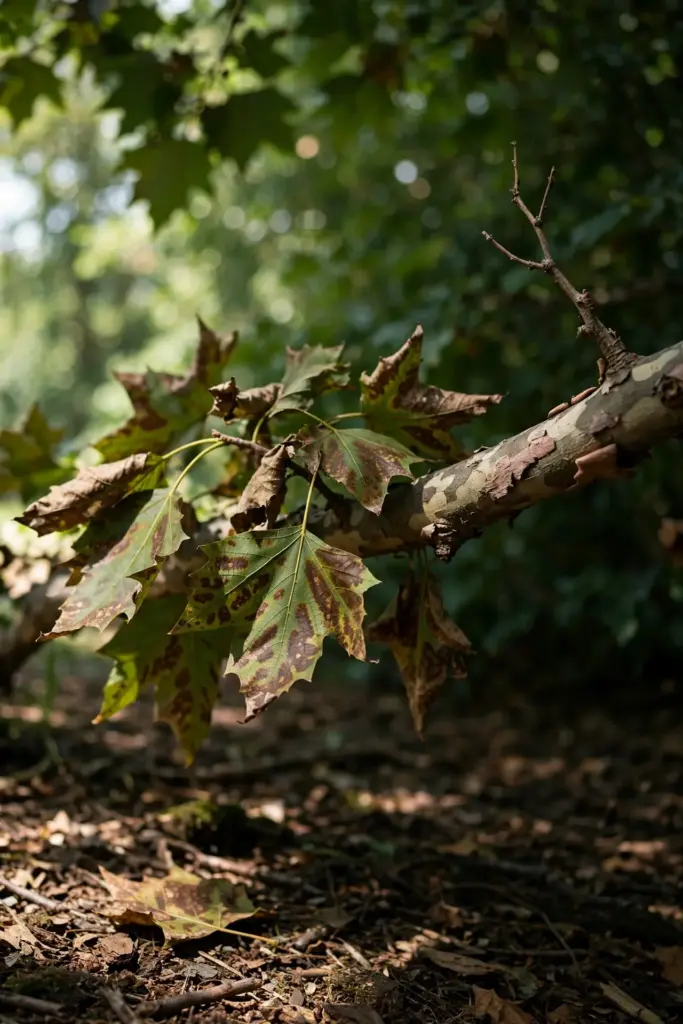
Treat only when three conditions line up. The tree lost a large share of its leaves for two or more springs in a row. The tree is a sycamore with twig cankers and dieback, not just leaf spots. The tree stands on a prominent site where the damage is aesthetically unacceptable to you. One bad spring on a maple meets none of those tests.
Skip the spray when the damage is leaves only. A maple that drops blotchy leaves in May and releafs in June lost time, not health. Spraying after symptoms appear wastes money, because fungicides work before infection, not after.
Call a professional for a large tree. High pressure spray equipment is needed for large tree applications, and that work typically requires hiring a professional tree care service. A homeowner sprayer cannot cover a 40 foot canopy, and partial coverage protects nothing.
Step 2: Rake and Destroy Fallen Leaves Before Bud Break
Raking is the highest-value move in this whole article. The fungi pass the winter on dead leaves on the ground. Remove those leaves and the spring spore load falls hard.
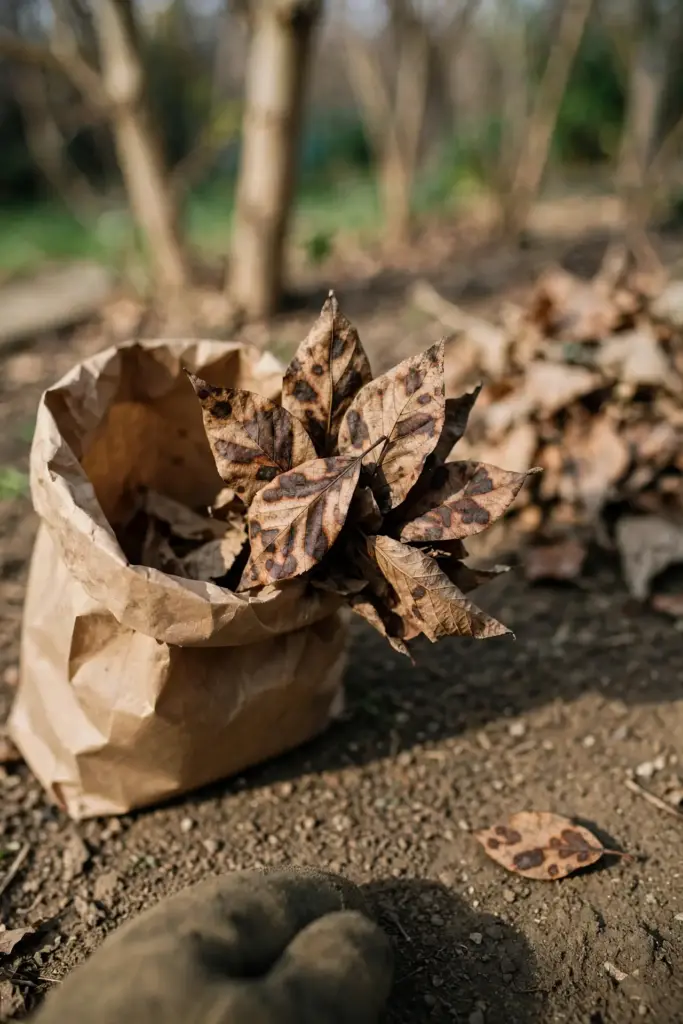
Rake in fall and again in late winter. Fall raking clears the bulk, and a late-winter pass catches the leaves that blew back in. Work before bud break. Spores disperse to new growth as soon as buds open.
Destroy the leaves. Bag them and trash them, or compost them properly in a hot active pile. A cold pile of infected leaves keeps the fungus alive and returns it to the garden with the compost. Do not pile infected leaves under the tree as mulch.
Clean the whole drip zone, not just the trunk. Spores splash from any infected leaf within the canopy footprint. Rake out to the drip line. Clear leaves from groundcover and shrubs under the tree too, since splash reaches them as well.
Step 3: Prune Dead Twigs and Open the Canopy
Prune dead twigs and branches during dormancy. Dead branches should be promptly pruned from the plant. On sycamore, cut out cankered twigs that hold the fungus through winter. On ash and oak, the same cuts remove overwintering twig lesions.
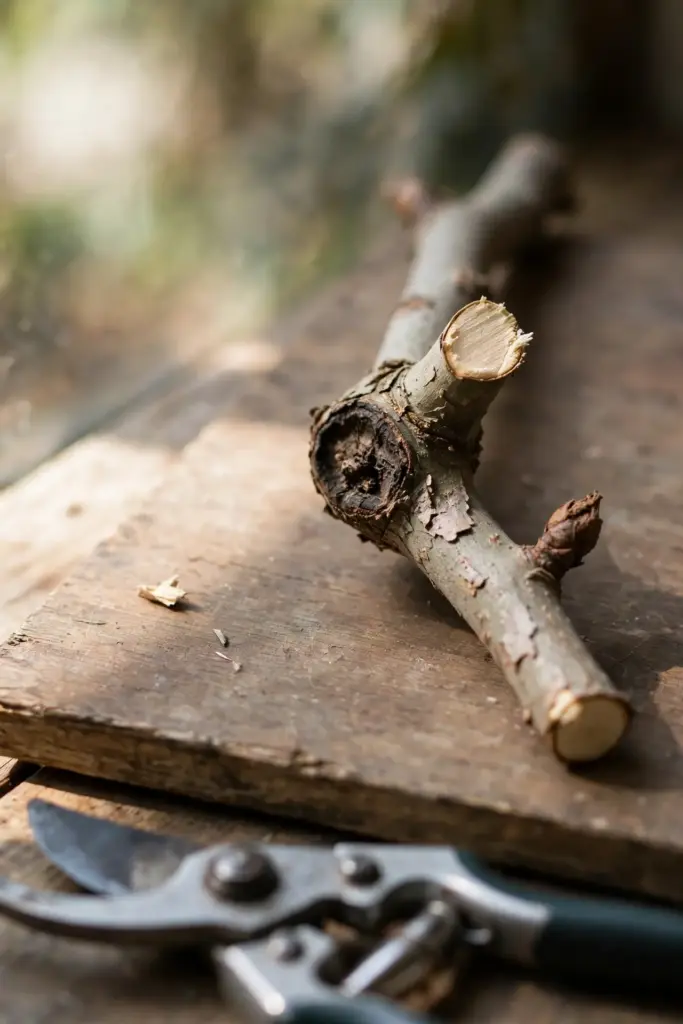
Open the canopy for air. Thinning crowded interior growth lets leaves dry faster after rain. Faster drying means fewer infection hours. Cut to a branch collar, never flush to the trunk, and never leave a stub that rots.
Disinfect tools between cuts on a heavily cankered sycamore. Rubbing alcohol on the blades keeps the pruner from carrying spores to the next cut. Wipe the blades, let them dry, then cut again.
Time the work to dormancy. Pruning in late winter removes inoculum before spring splash starts. Pruning in spring, once buds open, opens fresh wounds during the infection window. The spring pruning techniques on this site cover cut placement and timing for the full routine.
Step 4: Water at the Base and Keep Leaves Dry
Water the soil, never the canopy. Overhead watering and sprinklers wet the leaves and hand the fungus the moisture it needs. A soaker hose or a slow trickle at the drip line delivers water without wetting a single leaf.
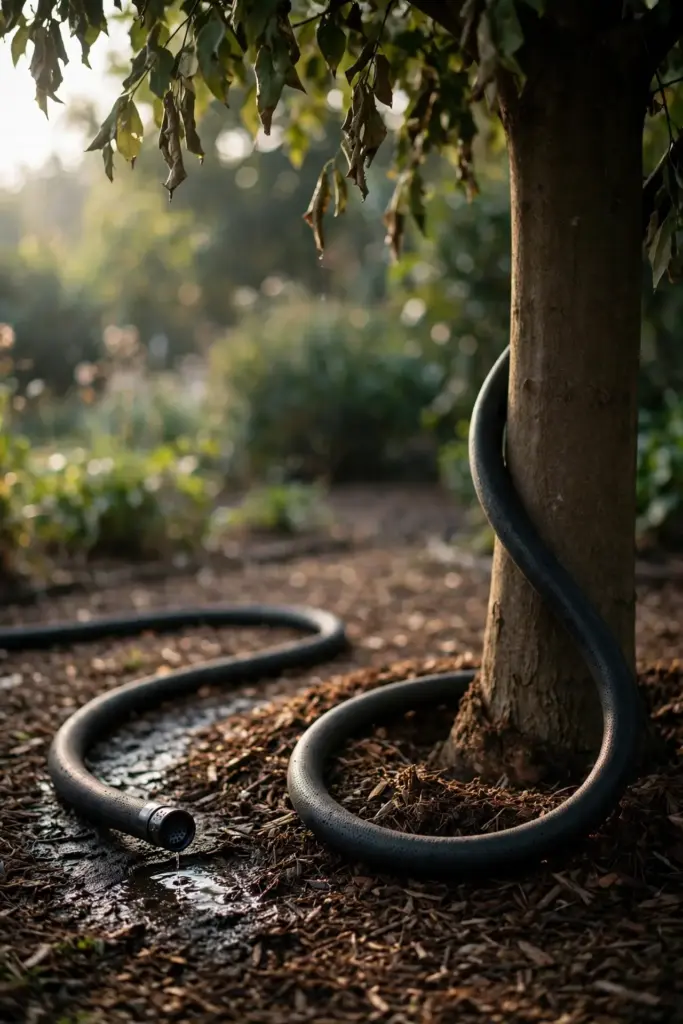
Water in the morning when you must wet leaves. Morning water dries by noon. Evening water keeps leaves wet all night, and a wet night is an infection night. The fungus needs hours of continuous leaf wetness, so drying time is the whole game.
Fix drainage where water stands. A low spot under the tree holds wet leaves and wet soil together. Regrade a small hollow, or extend a downspout away from the root zone. The tree dries faster and the roots breathe better.
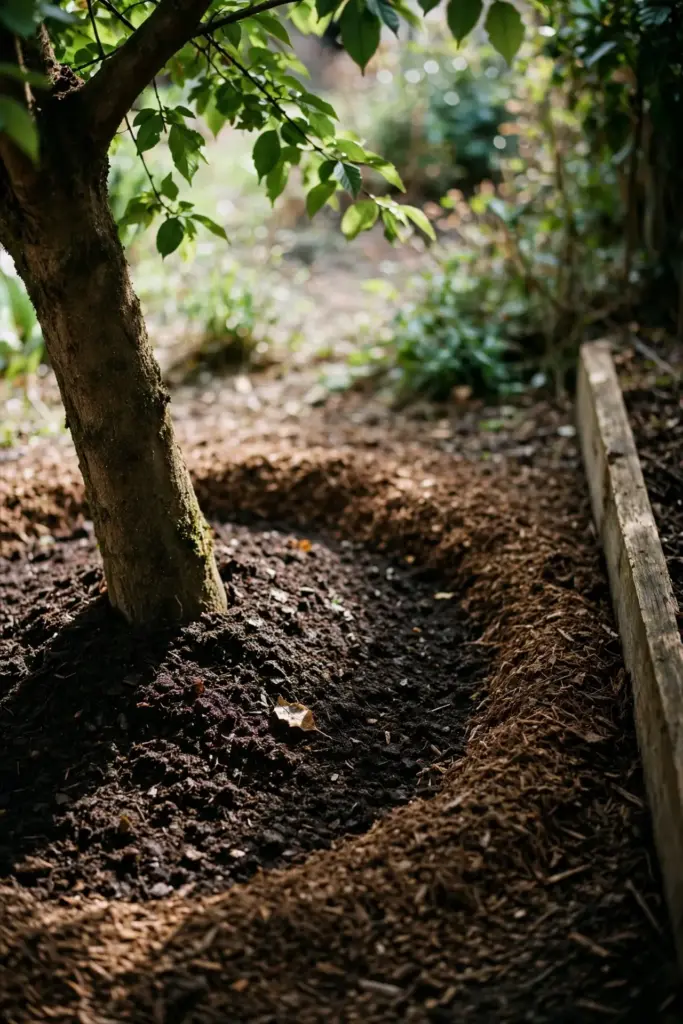
Mulch the root zone to 2 to 3 inches, kept off the trunk. Mulch holds soil moisture steady, which reduces drought stress without wetting leaves. Keep the mulch ring off the trunk bark, since wet bark invites its own problems.
Step 5: Time Protective Sprays to Bud Break Only If the Tree Needs Them
Fungicides prevent infection. They do not cure it. Fungicides will not be effective unless they are applied before and during infection periods. By the time symptoms can be seen, it is too late to treat the fungus.
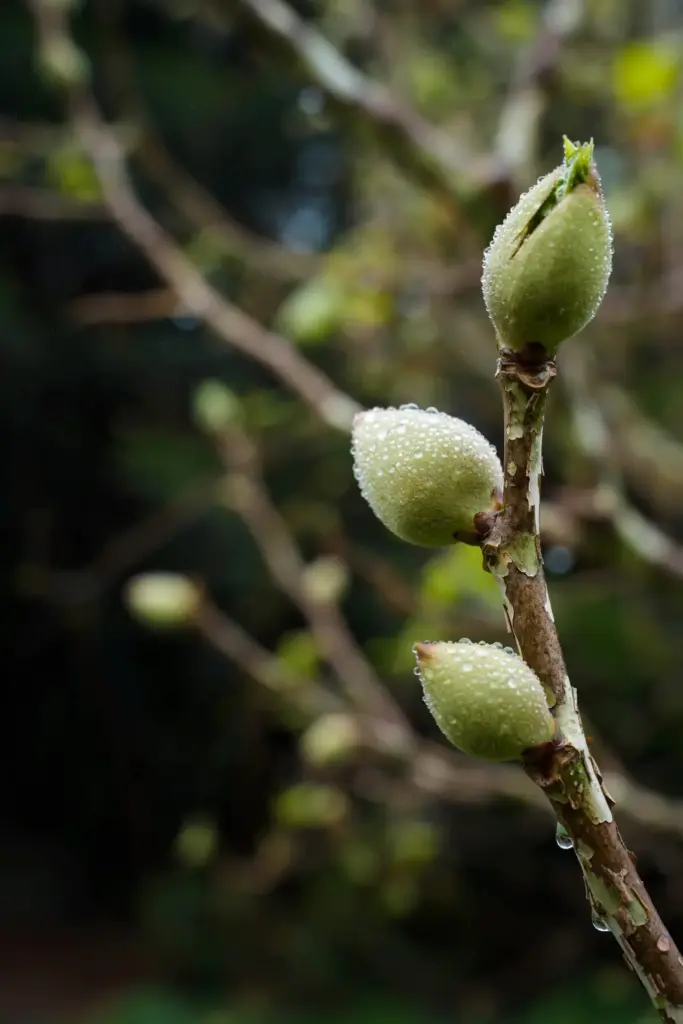
Start before bud break. The first application goes on before leaf buds open. Ohio State University Extension sets the pattern for shade trees: typically 3 applications are necessary, beginning in early spring, with the first application made before leaf buds open, and several repeat applications early in the season.
Use a labeled product with mancozeb, chlorothalonil, or thiophanate-methyl. Dogwood anthracnose calls for propiconazole or mancozeb instead. Read the current label before every application, because labels and registrations change. If the label disagrees with any older advice, the label wins.
Stop when the infection window closes. Applications after leaves mature waste product, because mature leaves resist infection on their own. Fall applications have shown value for sycamore anthracnose control, so a sycamore with repeat severe disease may earn a fall spray too.
Hire the spray work on a large tree. Fungicide injections have also shown promise for sycamore anthracnose control, and those injections must be applied by professional tree care companies. Trunk injection puts the product inside the tree without drift, and it belongs in professional hands.
Step 6: Feed the Tree, Not the Fungus
Use a moderate fertility program. Proper fertilization, pruning, watering, and pest control encourage vigorous plant growth. A vigorous tree tolerates the disease and refoliates fast in years where disease is severe.
Avoid heavy nitrogen in spring. Excessive nitrogen pushes rapid succulent growth, which is more susceptible to infection. Soft new shoots stay tender longer, and the fungus infects young tissue far more readily than mature tissue. A tree fed for a marathon outgrows a tree fed for a sprint.
Soil test before you fertilize. A test tells you what the soil actually lacks, and feeding to the result is the core of building soil health. Guessing leads to nitrogen-heavy feeding on soil that already holds plenty. Test every 2 to 3 years and feed to the result.
Compost beats a fast-release nitrogen spike. A layer of finished compost under the mulch feeds soil life slowly and steadily. Slow feeding grows firm tissue. Fast feeding grows soft tissue that the fungus colonizes first.
Step 7: Watch the Second Flush Before You Panic
Wait for the second flush. Even if defoliation occurs, the tree will put out its second flush of growth under warmer and drier conditions that prevent reinfection by the fungus. The second flush is the tree’s own recovery plan, and it works without any help.
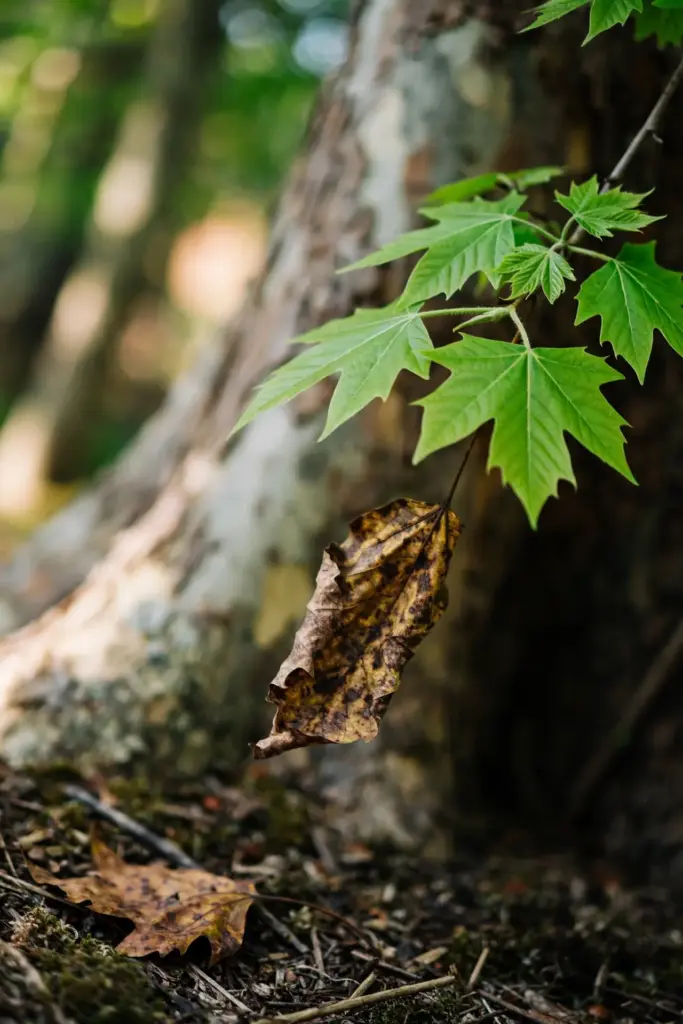
Judge the tree in July, not in May. May shows the worst damage. July shows the recovery. A tree with a full second flush in July is a healthy tree that had a bad spring. A tree with thin sparse regrowth in July has a deeper problem, and that problem is rarely anthracnose alone.
Check the buds on the second flush. Healthy buds are plump and firm. Dead buds are dry and brittle. A sycamore with many dead buds after the second flush carries twig cankers that need dormant pruning, not another spray.
Water through a dry summer after a defoliating spring. The tree spent stored energy on the second flush. A dry summer after that flush drains reserves further. Deep watering every 2 to 3 weeks in a dry spell protects the recovery.
Step 8: Choose Resistant Species for the Next Planting
Plant resistant trees where anthracnose is serious near a new planting site. Resistance is the only control that never needs reapplying. A resistant tree in a wet spring shrugs off the disease that strips its neighbor.
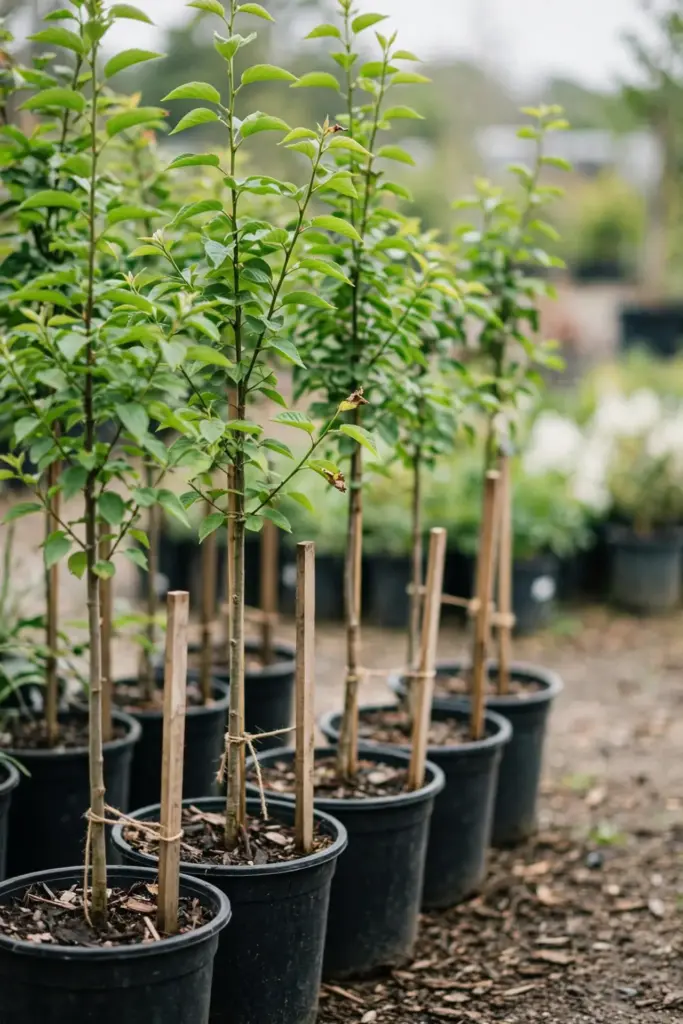
Pick the right species for the site. London planetree varies considerably with seed source in its sycamore anthracnose susceptibility. Ask the nursery about the seed source, not just the species name. A resistant seed source beats a susceptible one of the same species.
Site the new tree for air and sun. A tree in open air with morning sun dries leaves fast after rain. A tree in a walled courtyard with no air movement stays wet. The same species shows different disease pressure in those two spots.
Match the tree to the soil. A tree on soil that drains well grows firm tissue and tolerates a wet spring. A tree with wet feet grows weak and stays wet. Drainage is a disease control tool, even though it looks like a planting detail.
What Anthracnose Leaf Spot Does on Blueberries
Blueberry anthracnose is a different syndrome with the same family name. The shade tree disease attacks leaves in cool spring weather. The blueberry disease rots fruit in warm moist weather, and beyond the shared family name the two have little in common.
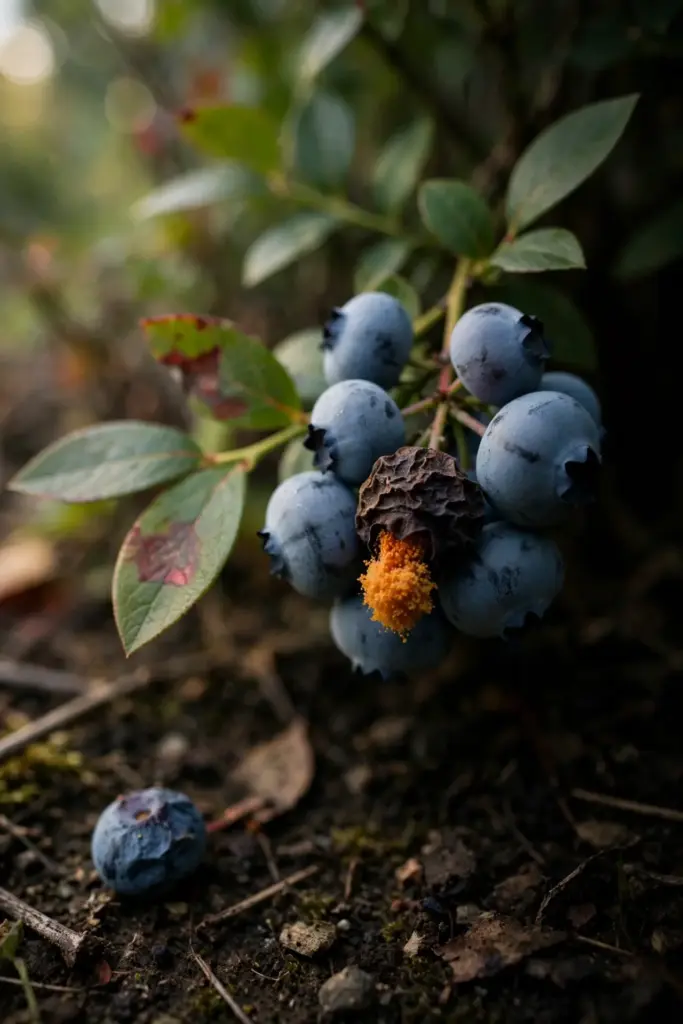
Blueberry anthracnose, also called ripe rot, is a serious preharvest and postharvest disease. Berries decay rapidly and ooze an orange mass of fungal spores. If berries are stored at room temperature, symptoms can develop in as little as 2 days. Dark brown lesions develop on twigs, and reddish brown lesions can occur on infected leaves.
The fungus hides before it strikes. Ohio State University Extension describes the blueberry cycle: Colletotrichum acutatum survives winters in blighted twigs, spores release from blighted twigs during rainy periods, and the fungus causes latent infections on immature green fruit that stay symptomless until the fruit begins to mature. A berry that looks clean at picking can rot in the box.
Warm moist conditions drive the fruit rot. That is the opposite of the shade tree disease, which needs cool wet spring weather. The same word, anthracnose, covers both, and the difference is why this article keeps blueberries in their own section.
Manage blueberries with the same principles, tuned to fruit. Prune out old and infected tissue to reduce inoculum, and space plants for air movement. Avoid excessive nitrogen in spring, since rapid succulent growth is more susceptible to infection. Harvest often, never handle wet berries, and cool picked fruit promptly.
Choose resistant cultivars at planting. Brigitta Blue, Elliot, Hannah’s Choice, Legacy, Little Giant, Morrow, Murphy, and Reveille carry some resistance to anthracnose. Avoid highly susceptible cultivars like Berkeley, Bluecrop, Bluetta, Blueray, Bounty, Chanticleer, Coville, Harrison, Jersey, and Spartan. A cultivar choice made once protects every harvest after it.
Living With Anthracnose Leaf Spot in a Tree You Already Own
Living with the disease means accepting blotchy springs. A mature maple or oak with anthracnose leaf spot on shade trees will show spots in wet springs for as long as it stands. The tree still shades the yard, still grows, and still drops clean leaves in most years.
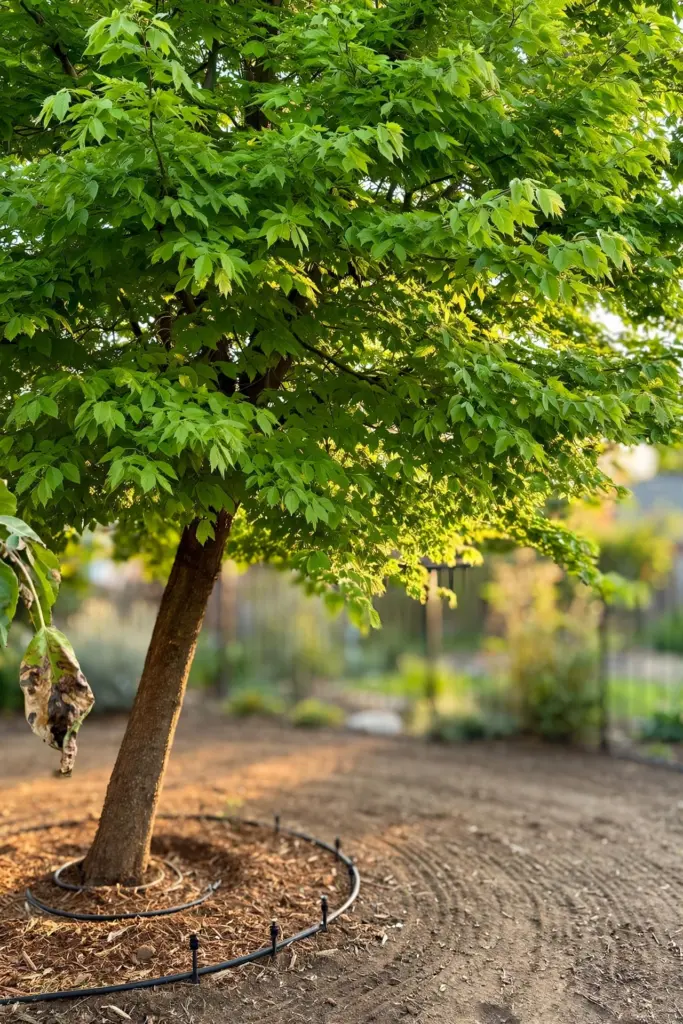
Set a simple yearly routine: rake in fall, prune dead twigs in late winter, water at the base, and watch the second flush in July. That routine costs an afternoon a year and beats any spray program on a healthy tree.
Watch for the sycamore exception. A sycamore with yearly cankers, dieback, and witches-brooming is not living with a cosmetic disease. That tree needs dormant pruning, professional advice, and possibly injections. The line between cosmetic and structural is the twig canker, and sycamore crosses it.
Replace, do not rescue, a tree in steady decline. A tree that loses canopy year after year, grows thin second flushes, and adds no new wood is declining for reasons beyond anthracnose. Root damage, drought, and soil compaction are the usual partners. An arborist visit beats another season of spraying a symptom.
Frequently Asked Questions
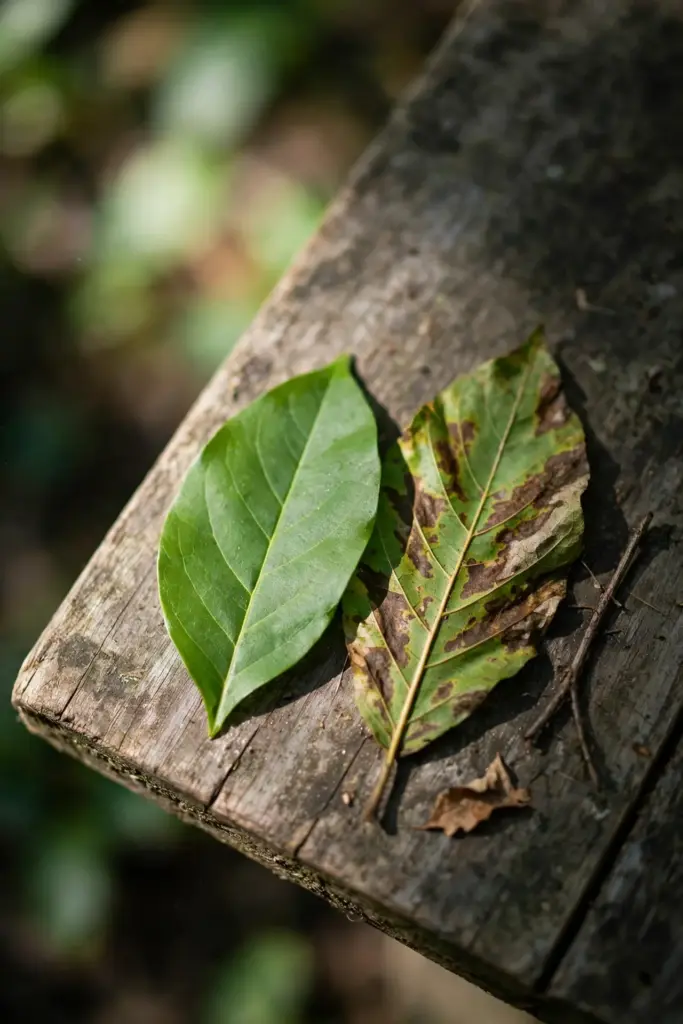
Anthracnose leaf spot on shade trees rarely kills a healthy shade tree. The disease strips leaves in a wet spring, and the tree releafs with a clean second flush. Sycamore is the exception, because repeated twig cankers can distort growth over years. Dogwood anthracnose is a different, more dangerous disease. Judge your tree in July, not May.
Usually no. UMass Extension calls shade tree anthracnose a minor blemish that rarely affects the overall health of the tree, and fungicides are rarely recommended. Spray only for repeat severe defoliation, a prominent specimen tree, or a sycamore with cankers. Any spray must start before bud break, since spraying after symptoms appear is too late.
Cool wet springs drive the disease. The fungi infect only under cool moist conditions, and they stop when warm dry weather arrives. A run of wet springs means a run of blotchy springs. The tree releafs each time. Break the cycle with fall raking, dormant pruning, and base watering, which cut the spore load and the leaf wetness the fungus needs.
No. Anthracnose fungi are host specific. The fungus on sycamore does not infect oak, and the fungus on oak does not infect sycamore. One tree can lose every leaf while its neighbor stays clean. That pattern is normal. Treat each tree on its own record, not on what the tree next to it shows.
The names describe the same kind of damage. Gloeosporium is a historic genus name, and most fungi once filed under it now sit in Colletotrichum under modern taxonomy. Older tags and older pages still carry the Gloeosporium name. Read the host and the symptoms, not the genus on the tag, to know which disease you face.
Rake them and destroy them. Bag and trash the leaves, or compost them properly in a hot active pile. Do not pile infected leaves under the tree as mulch, and do not leave them in a cold pile that keeps the fungus alive. Clearing the drip zone before bud break cuts the spring spore load more than any spray.
Where to Go From Here
Start with the rake. Fall cleanup and dormant pruning cut next spring’s disease harder than any product. Add base watering and a moderate feeding program. Watch the second flush before you decide anything expensive.
Treat sycamore differently from the rest: a sycamore with cankers and dieback earns professional attention, while a maple or oak with blotchy leaves earns patience. The vein pattern tells you the disease. The twigs tell you the stakes.
The next wet spring will bring spots again. That is normal. A tree with a clean second flush in July is a tree that won. Keep the routine, skip the panic spray, and let the warm weather do the work it always does.