
Walk the lawn in the morning and look at the leaf tips before you look at the patches. Curvularia blight fades a lawn from the leaf tip down, and it attacks stressed grass first. The fix runs through 5 steps, and the first step is a decision, not a spray.
I have learned that the lawns that recover fastest are the ones where the owner fixes water and thatch before reaching for a spray. The disease looks worse than it usually is. Dead patches scare owners into buying fungicide on the first day, and the spray rarely earns its price.
The grass in your lawn is the host here. Bluegrass, fescue, bermuda, zoysia, bentgrass, ryegrass, and centipede all show up on the host list. The same fungus shows up on corn and other crops under a different name, and that version needs different advice.
Start with the blade signs. They separate this disease from drought in under a minute.
1. What Curvularia Blight Actually Is
Curvularia blight is a turf disease caused by Curvularia fungi. Eight species of these fungi cause it, and the disease also goes by the name Fading Out in Extension guides.
The fungi are weak and opportunistic. They live as saprophytes on dead plant debris and thatch at ground level, feeding on tissue that is already dead, and they turn on living grass only when the turf is stressed. Heat stress opens the door. A lawn that is vigorous and well rooted usually holds them off without any spray.
The damage starts below ground. The fungi cause root and crown rots, and the dying roots starve the blades above them. That sequence explains the signature look of the disease. The blades fade because the roots beneath them have stopped working, and the lawn thins as individual plants die back.
The disease peaks in warm, wet weather from May to October. It hits hardest where turf stays damp, where thatch holds moisture against the crowns, and where summer heat has already worn the grass down. The Washington State University guide to Curvularia blight records eight species, the May to October window, and the root and crown rot behind the faded blades.
2. How to Identify Curvularia Blight on Grass Blades
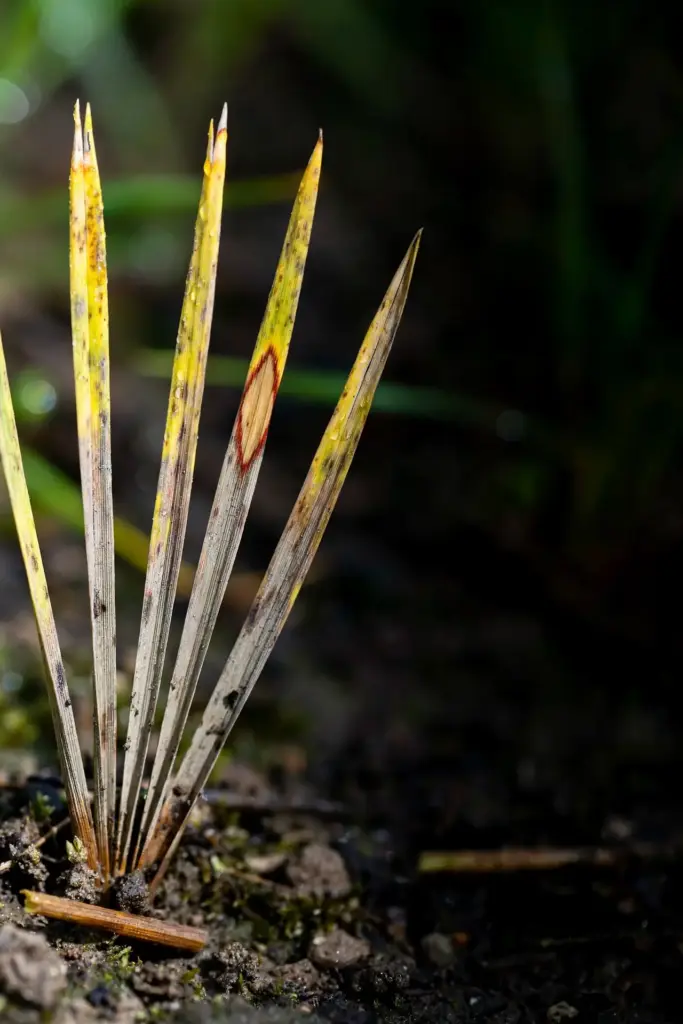
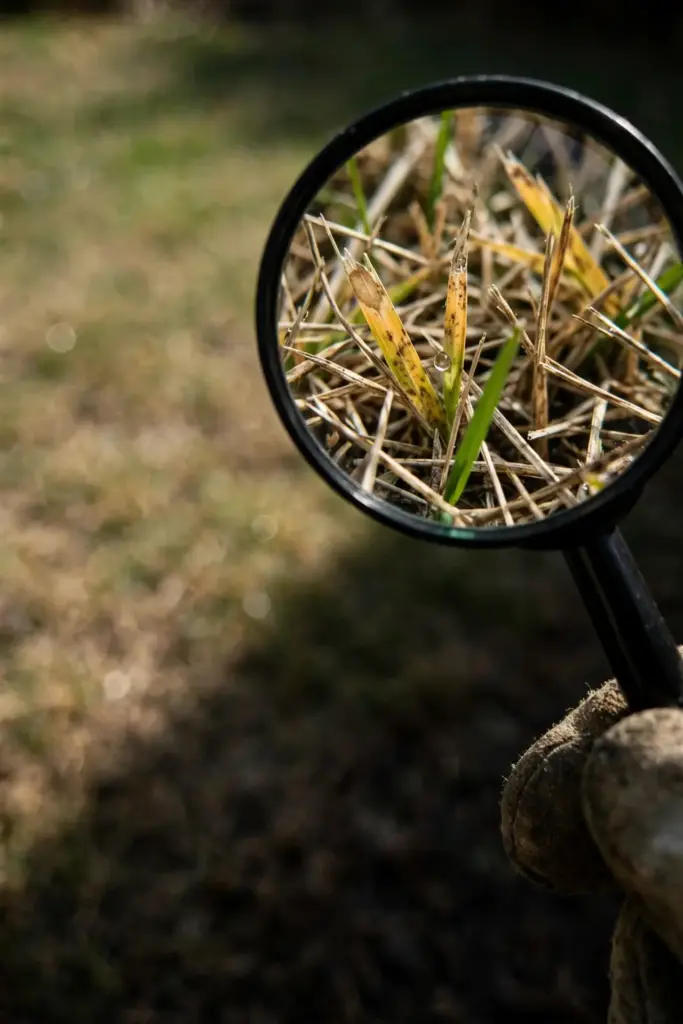
Yellow dappling starts at the leaf tip and moves downward. That tip-down pattern is the single most useful field sign, and it separates Curvularia blight from most other lawn problems at a glance.
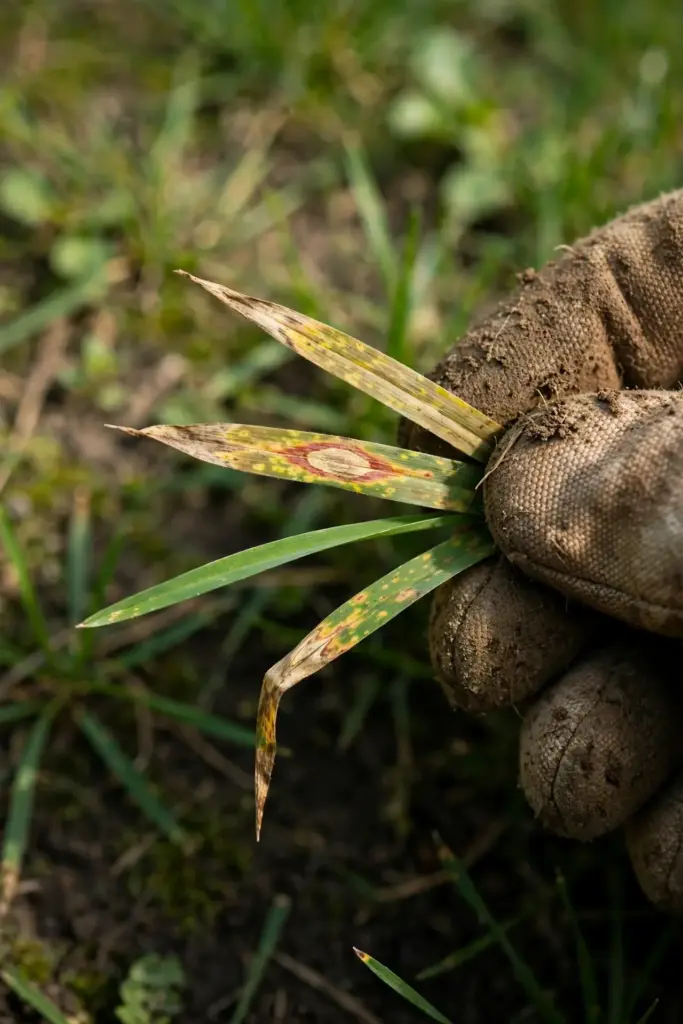
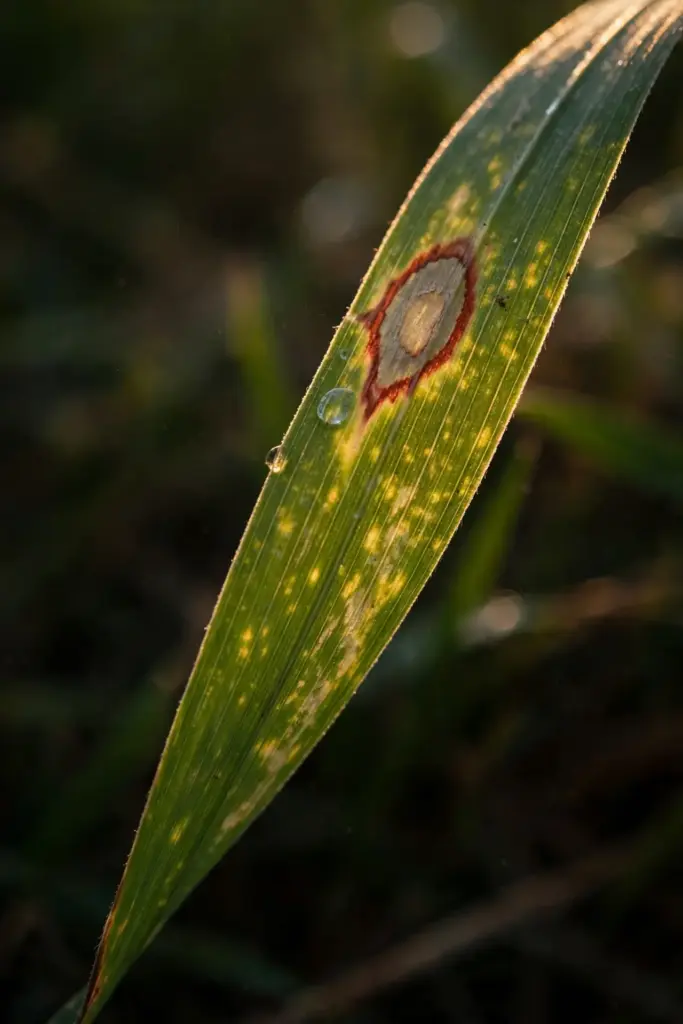
On fescue the pattern shows as an indefinite yellow and green dappled band that extends down from the leaf tip. The affected area turns brown, then gray, then dies. A reddish-brown margin may or may not separate the dead tissue from the healthy tissue below it. On bentgrass the affected parts turn tan instead of brown or gray. On bermudagrass the infection starts as a dappled yellow, and the later leaf spot carries a reddish-brown margin with a gray to straw colored center. The University of Georgia quick reference guide to turfgrass diseases records each of these patterns, grass by grass.
Tan, brown, or gray lesions may also appear on the leaves. Some grass species show a reddish-brown band between diseased and healthy tissue. Lesions at the base of a leaf blade can wilt the blade and kill it outright, which is how a scattering of spots turns into a thinning stand.
Check blades in the morning, when the light is low and the color differences read clearly. Pick a few blades from the edge of a patch, not from the dead center. The edge holds the freshest symptoms. Hold each blade against a healthy blade from a green part of the lawn. The tip-down fade on the sick blade, against the clean green tip on the healthy one, is the comparison that counts.
3. How to Identify Curvularia Blight on Roots and Crowns
The fungi cause root and crown rots, and the above-ground symptoms follow from that underground damage. A lawn that only looks sick on top is easy to misread. The roots tell the fuller story.
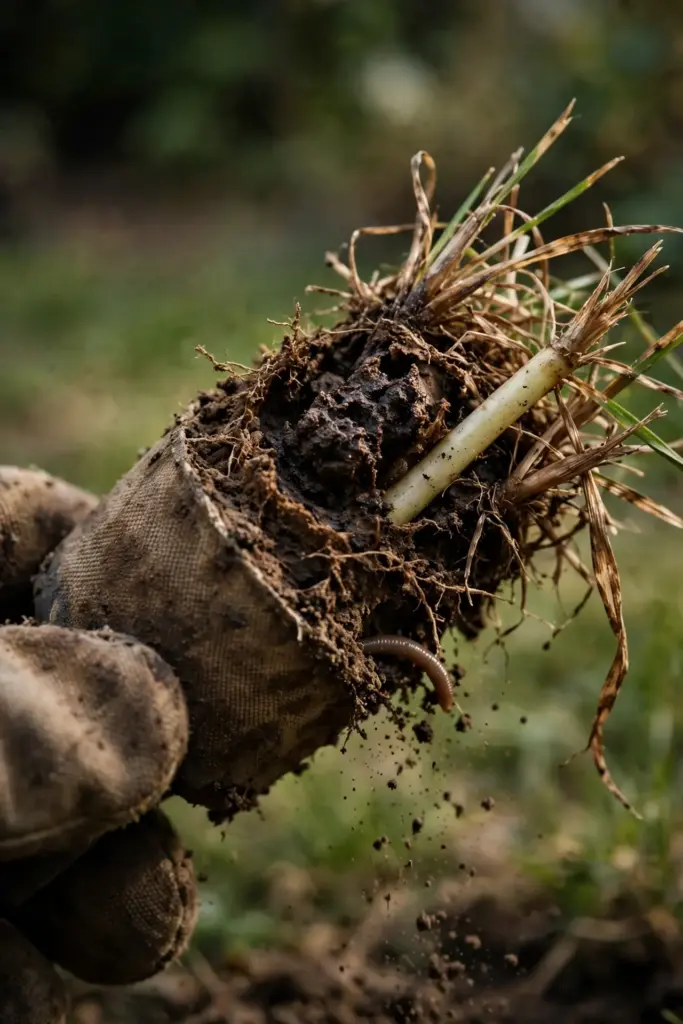
Dig a small plug at the edge of a patch, where the grass is still partly alive. Shake the soil loose and look at the roots. Healthy turf roots run pale and firm. Roots hit by Curvularia blight run brown and soft, and the crown at the base of the plant may show dark, rotted tissue. The plant above a rotted crown cannot pull water, so its blades fade from the tip down even when the soil holds moisture.
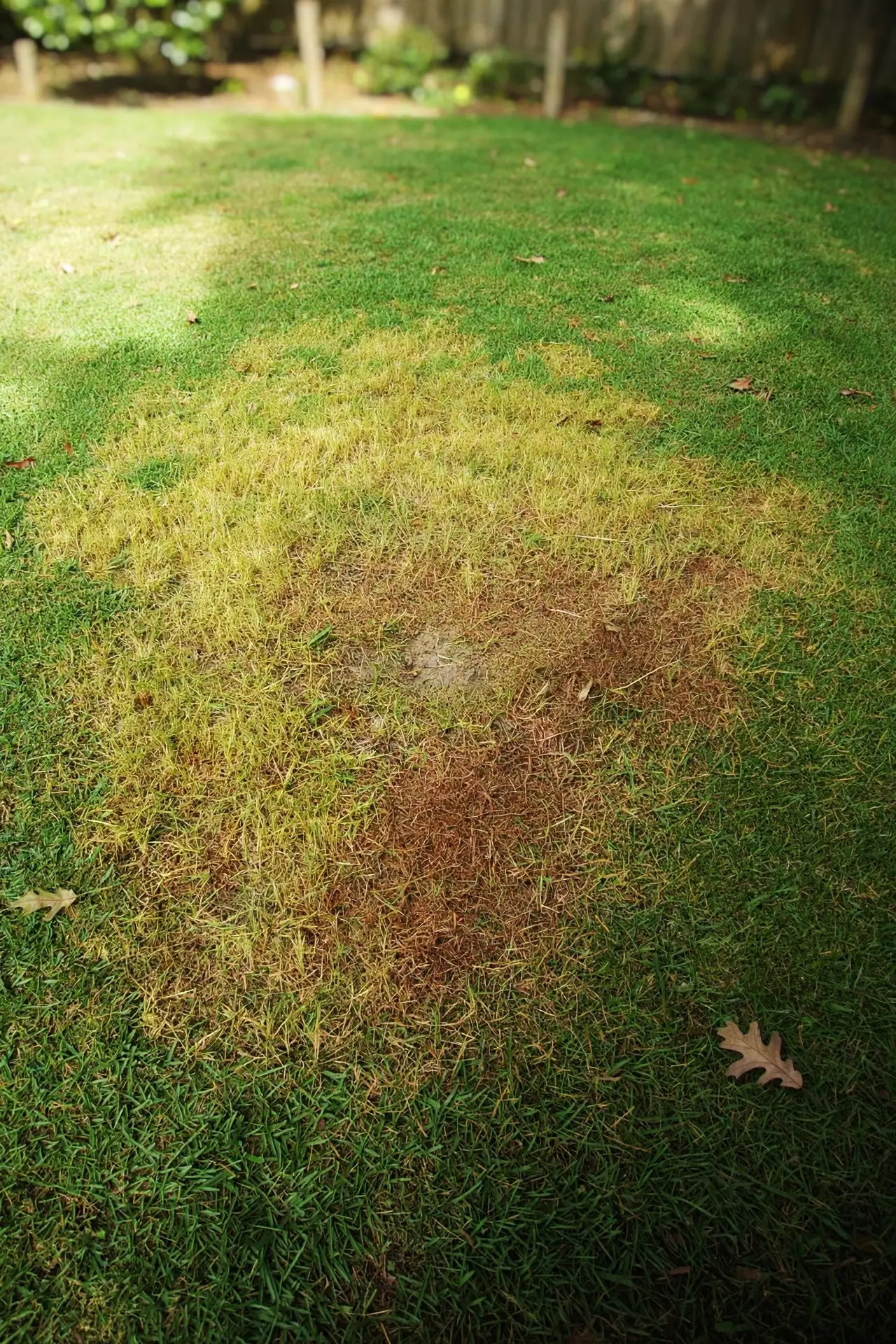
Patches start small. Infected areas develop as yellow or dappled yellow-green patches 5.1 to 7.6 cm across, and the patches later turn reddish-brown. The patches may expand and merge into dead areas 30.5 cm or more across. A lawn with a few small patches is early in the disease. A lawn with merged dead areas has carried it for weeks.
White, firm roots point away from root rot. If the roots look healthy and the blades still fade, drought, heat stress, or a different leaf problem deserves the next look. The plug test takes five minutes and it keeps the owner from spraying a root problem with a leaf treatment.
4. Which Grasses Get Hit Hardest by Curvularia Blight
Bluegrass and fescue get hit most commonly. The disease is most common on those two, and cool-season lawns carry the heaviest pressure in warm, wet weather.
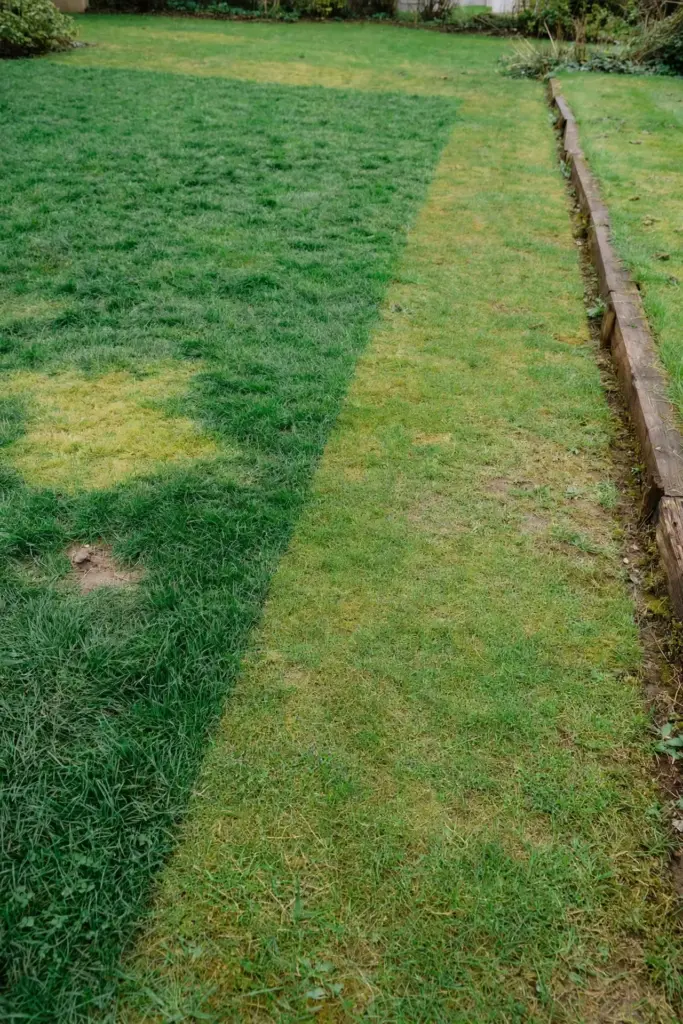
The full host list runs wider. Perennial ryegrass, tall fescue, all varieties of bentgrass, bermudagrass, zoysiagrass, and centipedegrass all sit on it. That list covers the grasses most homeowners grow, which is why the disease shows up in so many regions and so many lawn types.
Warm-season grasses carry their own risk. The leaf blight pathogens in this group rank among the most serious summer diseases of bermuda grass and zoysia grass when they go unmanaged. A bermuda lawn that thins in midsummer heat deserves the same close look as a fescue lawn that fades in a wet June.
Bentgrass shows its own color. Affected bentgrass blades turn tan where other grasses turn brown or gray, so a bentgrass green that goes tan in patches fits the pattern. Bentgrass also grows where mowing runs short and traffic runs heavy, and both of those stresses invite the disease in.
5. How to Tell Curvularia Blight From Drought, Heat Stress, and Other Lawn Problems
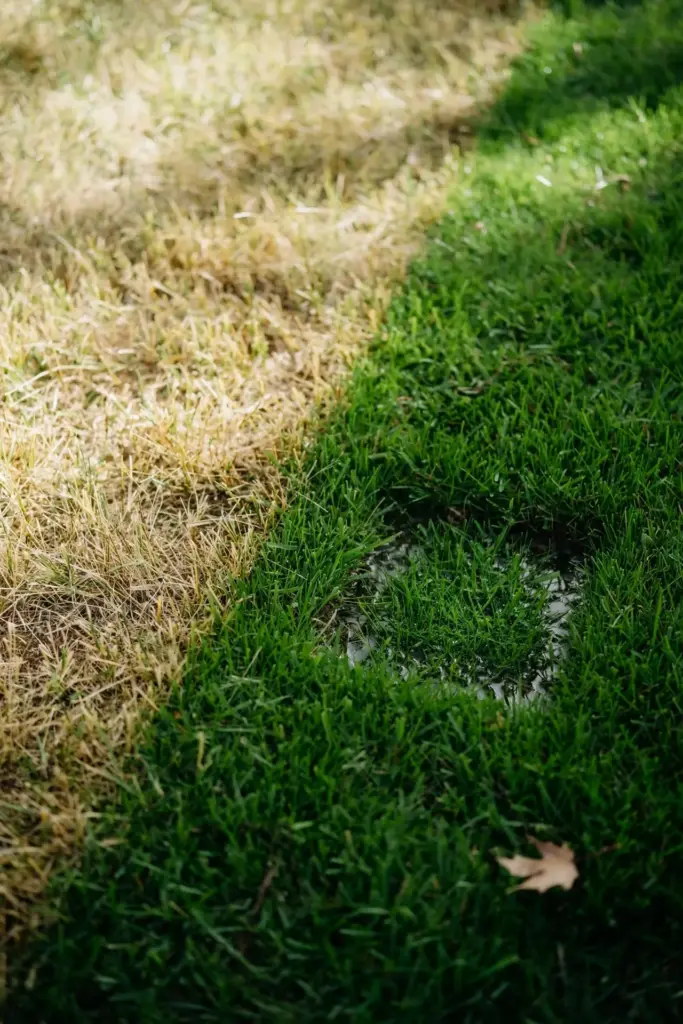
Drought is the closest lookalike. The blade tells them apart. Drought wilts the whole plant at once, and the damage evens out across the lawn. Curvularia blight fades from the leaf tip down in patches, and the patches carry spots and lesions that drought never makes.
| Lookalike | Field check | Why it matters |
|---|---|---|
| Drought and heat stress | Water a small test patch deeply. Drought damage greens up within days, while blight keeps spreading from the patch edge. | Drought needs water. Blight needs stress relief plus time. The test patch separates them without a lab. |
| Melting-out complex members | Bipolaris and Exserohilum share the same field signs. Only lab identification separates the members of this complex. | Management is the same cultural playbook either way, so the name matters less than the fix. |
| Brown patch | Fast-growing circular patches in hot, humid weather. The full picture lives in the brown patch guide. | Brown patch spreads faster and answers to different timing, so the distinction shapes the response. |
| Dollar spot | Small bleached spots on blades, with fine webbing visible in morning dew. The pattern overlaps Curvularia blight enough that a lab sample settles close calls. | A wrong guess here sends the owner after the wrong treatment. |
| Pythium blight | Greasy, matted patches that collapse fast in hot, wet weather. Pythium control needs specific fungicides, so a correct diagnosis matters before any spray. | Wrong chemistry, wasted money. The real problem stays put. |
The melting-out complex deserves a plain explanation. Mississippi State groups Curvularia with Bipolaris and Exserohilum into one Helminthosporium melting-out complex, and the members share field symptoms so closely that even turf pathologists use lab identification to separate them. The Bipolaris leaf spot guide covers the closest member of that complex. The honest move for a homeowner is to treat the complex as one problem. The cultural fixes are the same, and the lab settles the name.
Send a sample when the stakes are high. A diagnostic lab identifies turf pathogens from a submitted sample and recommends management steps. That service costs a fee and takes days, so reserve it for a lawn that keeps spreading after the cultural fixes, or for a case where a fungicide choice hangs on the name.
6. Why Weak Roots Turn Curvularia Blight Into Fading Out
A weak fungus beats a weak lawn. Curvularia blight is usually weakly pathogenic unless the turfgrass is predisposed to high temperature stress, and that single fact drives the whole management approach.
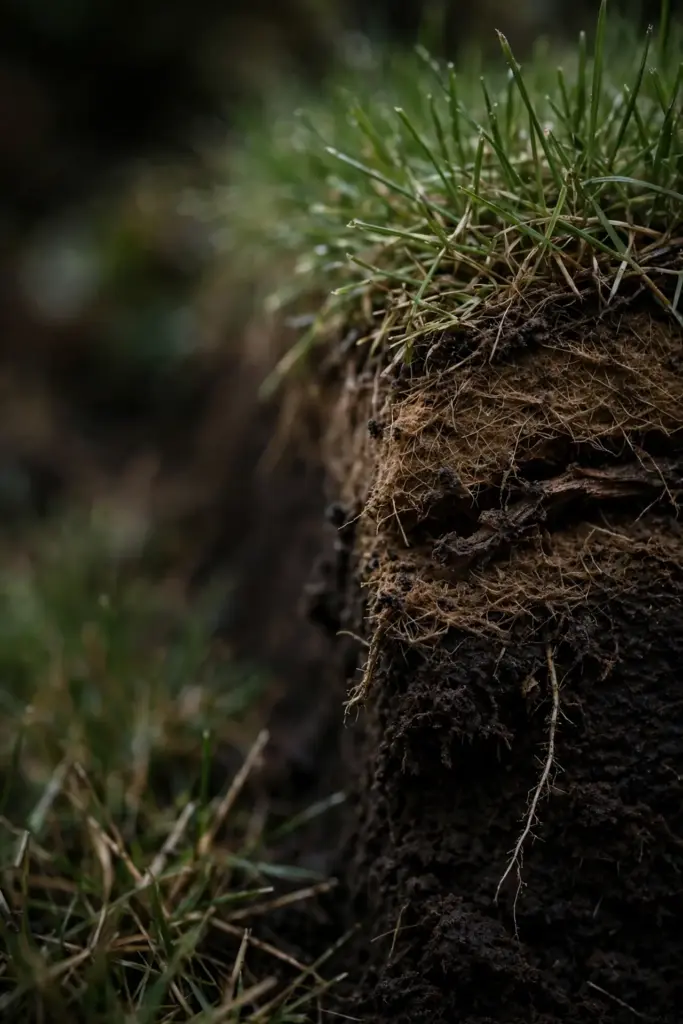
The mechanism runs in a loop. Heat and moisture stress weaken the roots. The fungi, already living on thatch and debris at ground level, move into the stressed roots and crowns. The rotted roots pull less water. The blades fade from the tip down because the tip sits farthest from the damaged root system. The lawn thins. The thinner lawn holds more heat and dries faster, and the stress deepens.
Thatch feeds the loop. Thatch and other dead plant material support growth of Curvularia, sometimes visible as a blackish dust or mold on the thatch itself. A thick thatch layer holds the fungus against the crowns through the season and keeps the canopy damp after rain or irrigation. The University of Georgia guide to Curvularia describes the fungus as mainly an opportunistic leaf spot fungus and a weak pathogen that survives mostly as a saprophyte on debris and thatch.
Leaf wetness sets the pace. The pathogens in this group favor leaf wetness and stressed turf, so any practice that shortens wet hours or eases stress slows the disease. Evening irrigation that leaves foliage wet overnight does the opposite. That is why the watering fix comes before the spray fix. The spray cannot outrun a canopy that stays wet every night.
7. What Makes Curvularia Blight Worse in a Home Lawn
Warm, wet weather from May to October sets the season. The fungi are most destructive in that window, and a stretch of cloudy, rainy days after a heat wave is the classic trigger.
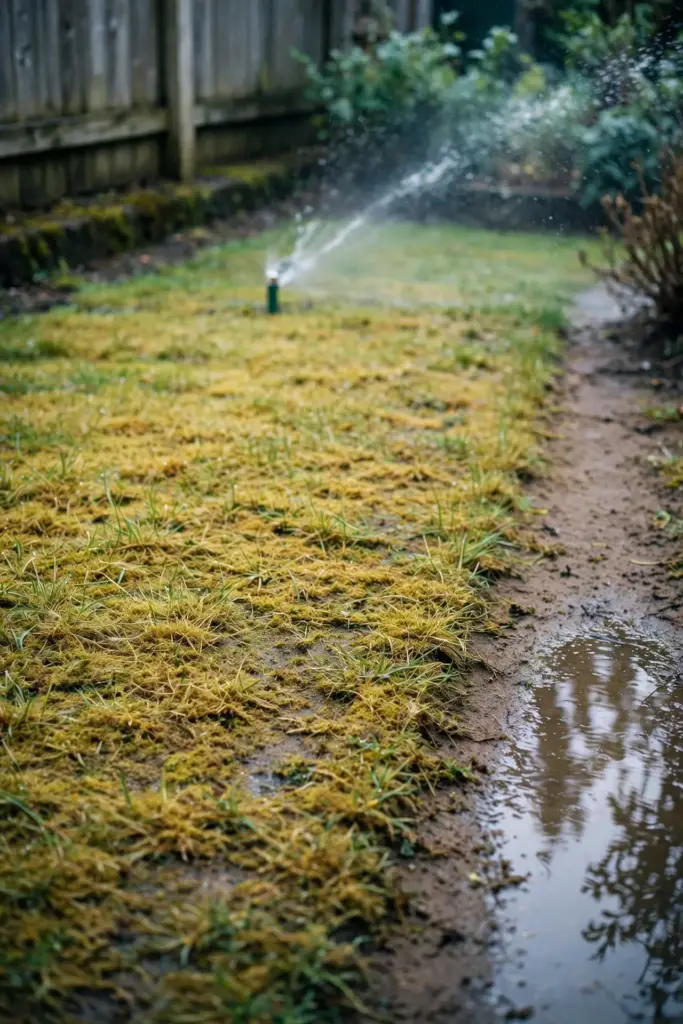
Heat-stressed turf invites infection. A lawn already worn down by summer heat has little resistance left, and the fungus moves into the stressed plants first. The healthiest parts of the lawn hold out longest, which is why the disease opens in patches rather than across the whole yard at once.
Leaf wetness keeps the infection going. Late-afternoon irrigation leaves foliage wet overnight, and the wet hours give spores the time they need. Morning watering lets the blades dry in the first hours of daylight. The timing of the sprinkler matters as much as the amount of water.
Thatch holds moisture and fungus together. A thatch layer that stays damp through the night keeps the crowns wet and keeps the fungus in contact with the plants. Matted grass that never dries out acts the same way. Regular mowing that keeps the canopy open, plus clipping pickup, breaks that contact.
Heavy nitrogen during rainy periods pushes soft growth. The soft blades feed the disease, and the extra growth thickens the canopy and holds more moisture. A balanced feeding program that supports steady growth beats a heavy dose that forces a flush of tender blades in the middle of a wet spell.
Compacted soil starves roots of air and water. Foot traffic, mowing equipment, and settled soil all press the ground tight, and tight soil grows shallow roots. Shallow roots stress first in heat, and stressed roots invite the fungus. Aeration opens the soil again, and the roots follow.
8. Step 1: Decide Whether Treatment Is Worth It
Most home lawns do not need a fungicide for Curvularia blight. The disease is weak, the cultural fixes work, and the spray only shields healthy tissue while those fixes take hold. Start with that assumption and let the lawn argue otherwise.
Weigh three facts. First, dead blades do not recover. No spray greens up tissue that has already died, and a lawn full of dead patches needs regrowth, not chemistry. Second, fungicides prevent further infection while corrective cultural measures are taken. They buy time. They do not cure. Third, the cultural fixes cost little and fix the cause. Water, thatch, and compaction are the disease. The spray is a shield around the healthy grass while the lawn heals.
Skip the spray when the patches are small, the turf is otherwise vigorous, and the cultural fixes have not yet run their course. Give the lawn two to three weeks on the watering, mowing, and thatch steps below and watch the patch edges. Patches that stop expanding are a lawn that is winning on culture alone.
Consider a spray only when the patches keep spreading on a lawn that carries real value, such as a newly sodded area or a lawn under heavy use, and only at the first sign of spread. Early application shields the healthy blades around the patch. Late application, after the patch has merged into a dead area, shields grass that is already gone.
9. Step 2: Fix Watering Before You Reach for a Spray
Water deep, infrequent, and in the morning. That single sentence carries more of the cure than any product on the shelf.
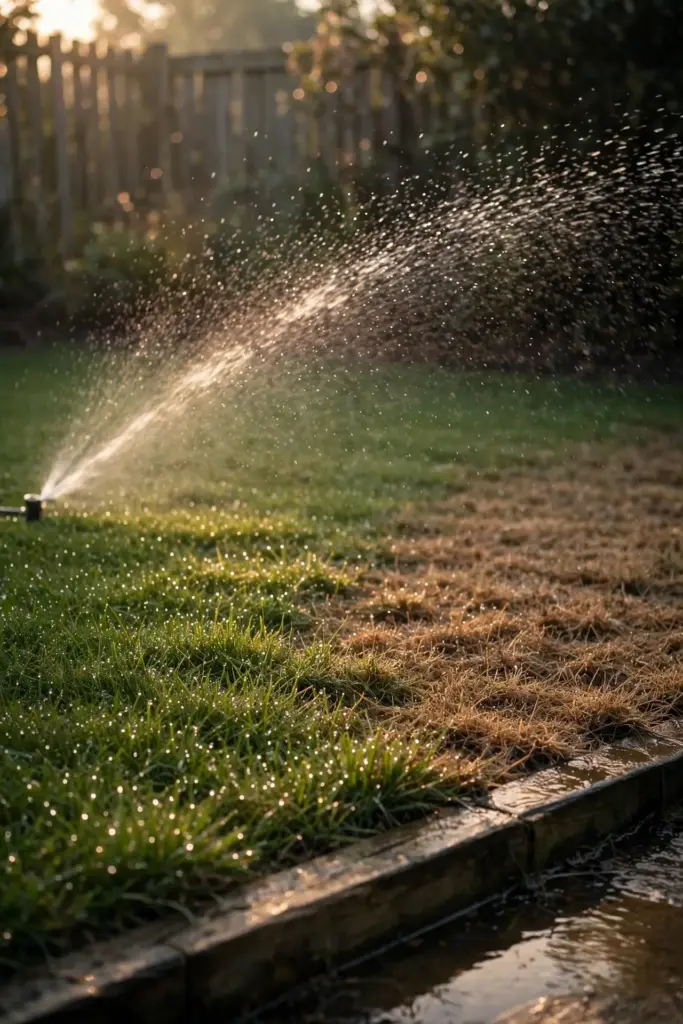
Deep watering pushes roots down. Roots that reach deep soil ride out heat and dry spells without the stress that invites the fungus. Shallow daily watering grows shallow roots, and shallow roots stress first. Let the soil dry between waterings. The drying interval matters. It breaks the wet hours that the fungus needs, and it trains the roots to chase moisture downward.
Morning watering lets the blades dry in the first hours of daylight. Water that sits on the blades overnight is an open invitation. Evening irrigation keeps the foliage wet through the dark hours, and the wet canopy is where infection spreads. Move the sprinkler schedule to the morning and the disease loses its best hours.
Watch the lawn, not the calendar. A lawn that still holds footprints in the late afternoon is thirsty. A lawn that squelches underfoot is overwatered. The owner who reads the turf beats the owner who waters on a fixed schedule. Keep the soil moist enough for steady growth and dry enough at the surface that the crowns breathe.
10. Step 3: Mow Higher, Collect Clippings, and Cut Thatch
Mow regularly and do not let the grass grow matted. A matted canopy stays damp, and a damp canopy feeds the disease. Regular mowing keeps air moving through the blades and lets the surface dry after rain or irrigation.
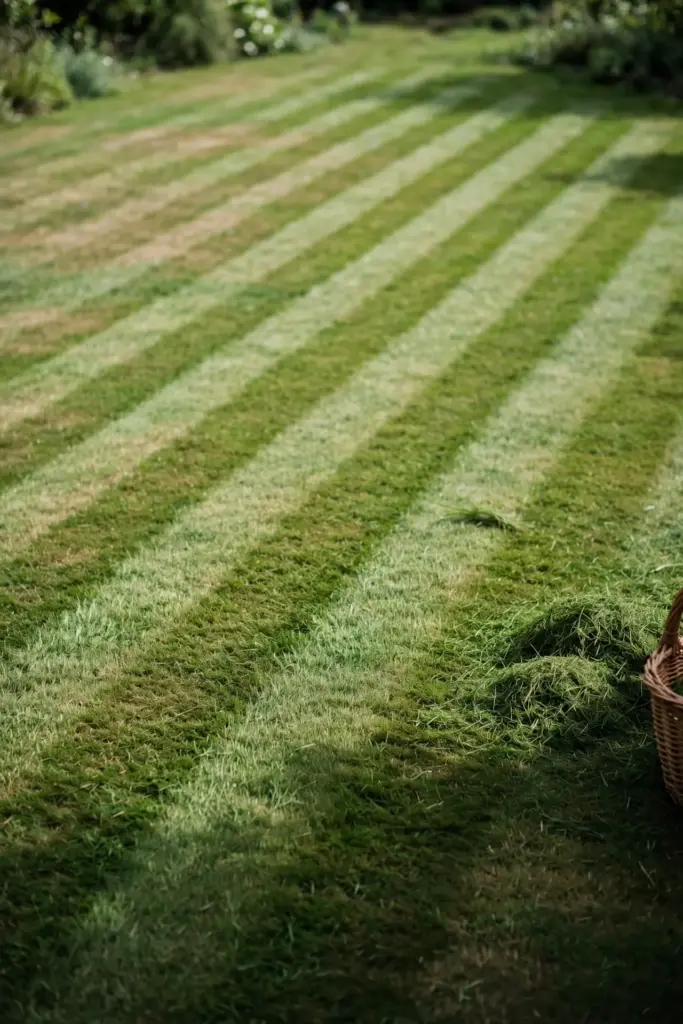
Raise the mowing height through the disease season. Taller blades shade the crowns, hold more leaf area for recovery, and grow deeper roots. Short scalping stresses the plant at the exact moment the fungus is looking for stressed plants. The cut should take a modest share of the blade each time, never a hard chop that shocks the turf.
Collect the clippings. Clippings from an infected lawn carry fungus and debris, and leaving them on the surface adds to the layer the fungus lives in. Bag the clippings from the infected patches first, then from the rest of the lawn, until the patches stop spreading. Mow during dormancy and remove clippings as well, so the fungus does not overwinter in a mat of debris.
Cut the thatch. Thatch is the spongy layer of dead stems and roots between the green blades and the soil, and it is the fungus’s home base. A lawn that feels spongy underfoot carries thatch worth removing. A dethatching pass or a vigorous raking in the right season for the grass type pulls that layer out and exposes the crowns to air. The fungus loses its shelter, and the lawn dries faster after every watering.
11. Step 4: Aerate Compacted Soil and Feed With Balance
Aerate compacted soil and feed with balance. Those two moves rebuild the root system that the fungus attacked, and they do more long-term good than any spray.
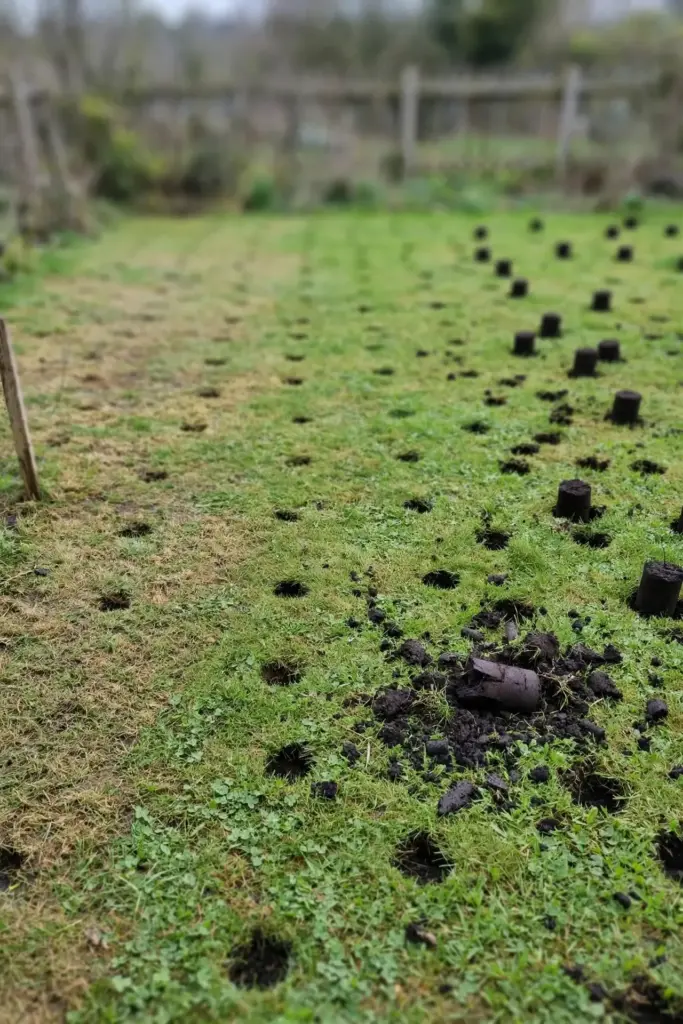
Core aeration pulls small plugs from the soil and opens channels for air and water. Compacted soil grows shallow roots, and shallow roots stress first in heat. Aerated soil grows deep roots, and deep roots resist. Aerify as needed, not on a rigid schedule. A lawn that carries foot traffic, sits on clay, or feels hard underfoot needs it more often than a lawn on loose soil that nobody walks on.
Get a soil test before feeding. A test shows what the soil actually lacks, and it keeps the owner from guessing. The best time to fertilize a lawn in spring guide lays out the timing for the spring feeding window. Outside spring, feed to support steady recovery growth, not to force a flush of tender blades in the middle of a wet spell.
Balance is the point. Adequate, balanced fertilization helps prevent the disease by growing steady, sturdy turf. Heavy nitrogen during extended rainy periods does the opposite. It pushes soft, succulent growth that the fungus colonizes fast, and it thickens the canopy so the crowns stay wet longer. Feed for steady growth. Skip the heavy dose until the patches stop spreading.
12. Step 5: Use Fungicides Only Early and Only as a Shield
Fungicides shield healthy tissue. They do not revive dead blades. That limit decides when a spray makes sense and when it wastes money.
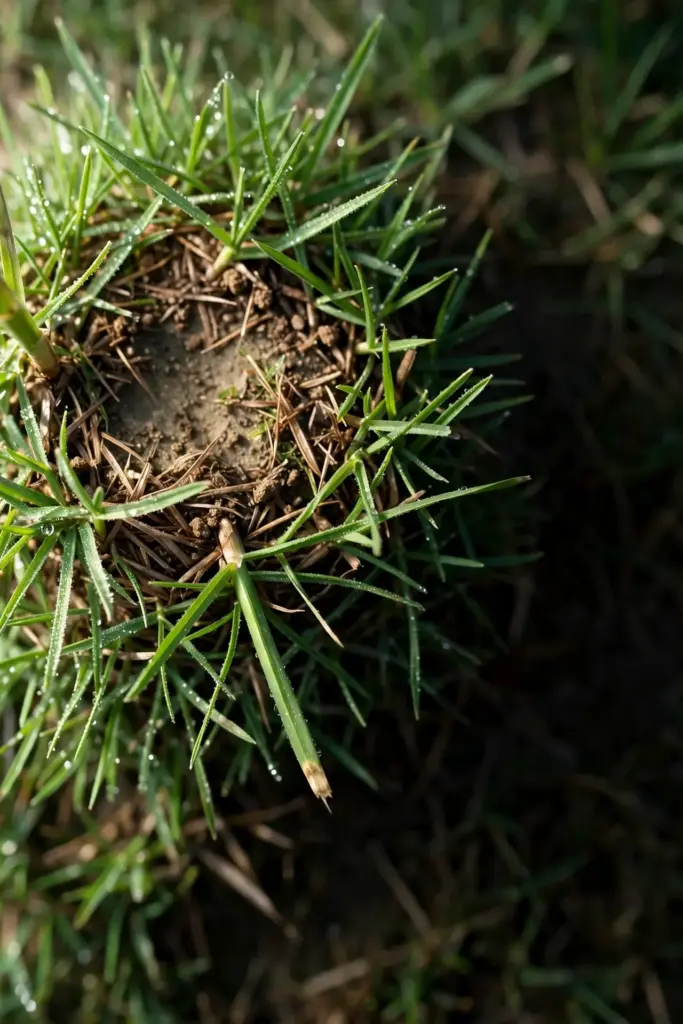
Use a spray only at the first sign of spread, after the cultural fixes are already running. Fungicides help prevent further infection while corrective cultural measures are taken, and that is their whole job. A spray on a patch that has already died protects nothing. A spray on a lawn that still gets evening water and still carries thick thatch protects grass that the fungus will reach anyway once the chemistry wears off.
Extension lists active ingredients that work against the pathogens in this group, including azoxystrobin, fludioxonil, and pyraclostrobin. A homeowner product labeled for Curvularia leaf spot or for the melting-out complex carries one of these or a related chemistry. Read the label for the target disease, the rate, the repeat interval, and the safety directions. The label is the law for that product, and it overrides anything a general guide says.
Follow three rules with any spray. First, treat the healthy ring around the patch, not just the dead center. The dead center holds no grass worth shielding. Second, do not spray the same chemistry all season. Rotate products when the label calls for rotation, and respect the repeat interval the label states. Third, keep the cultural fixes running. The spray buys weeks. Water, thatch, and compaction decide the season.
Skip the spray entirely when the lawn is already recovering on culture alone, when the patches are small and static, or when the label does not list the disease. A spray that does not match the diagnosis is money on the ground.
13. Living With a Lawn That Already Faded Out
Dead blades do not recover. The lawn fills back in from healthy crowns and new growth, and the job now is to give that regrowth clean conditions.
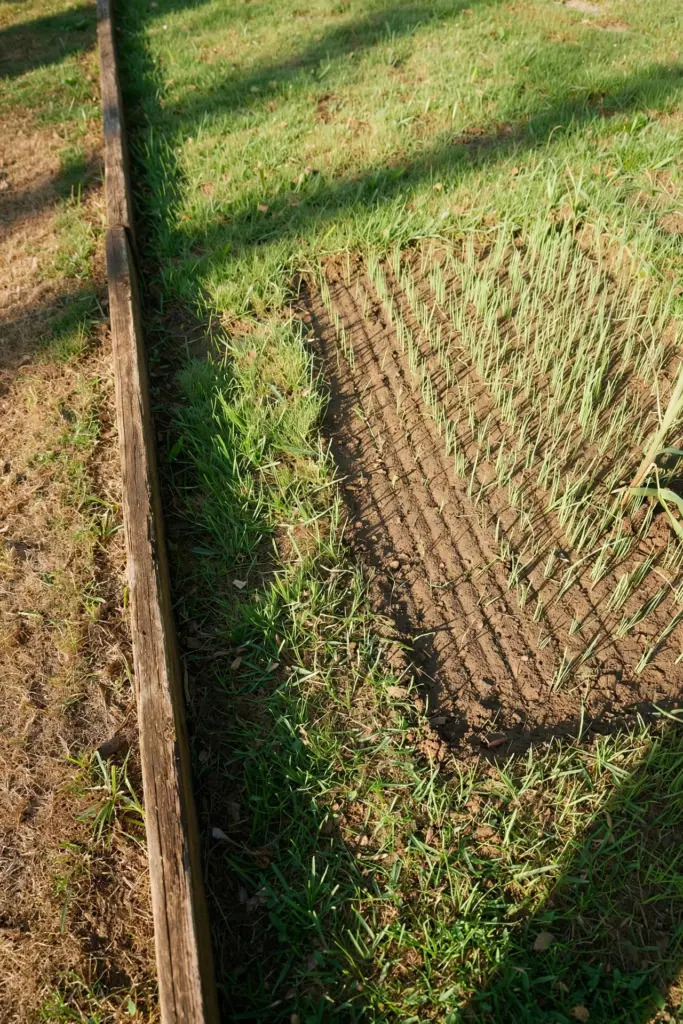
Rake out the dead mat lightly. The dead blades and debris over a faded patch block light and air from the crowns beneath them. A light raking clears the mat without tearing the living plants at the patch edge. Bag the debris. The thatch and clippings carry fungus, and leaving the pile on the lawn moves the problem sideways instead of removing it.
Overseed the thin patches in the normal seeding window for the grass type. Cool-season grasses seed into early fall growth. Warm-season grasses seed into late-spring growth. The seedbed needs steady moisture for the first weeks, and the seedlings need the same morning watering the rest of the lawn gets. Seed that germinates into thick thatch or compacted soil fails, so run the aeration and dethatching steps before the seed goes down.
Expect a slow fill. Crowns push new blades once water, thatch, and compaction are fixed, and the surrounding turf spreads into thin patches over the growing season. A patch that stays bare after a full season of good culture may carry crown rot that went deeper than the blades showed. The Bipolaris crown rot guide covers crown rot damage in lawns and the longer recovery it needs.
Do not chase the dead patch with extra fertilizer. A heavy dose on a thin patch feeds weeds faster than it feeds grass, and the soft growth it forces invites the fungus back. Steady feeding, morning water, and patience fill the patch. The lawn that fades out in July can read green again by fall when the owner fixes the cause instead of the symptom.
14. Frequently Asked Questions
Yes. Extension guides use Curvularia blight and Fading Out for the same turf disease, and the name Fading Out describes the look. The lawn fades from the leaf tip down, thins, and dies back in patches. Use the name Curvularia blight when asking a lab or a garden center for help, since Fading Out also appears as a loose description for other thinning lawns.
Rarely. Curvularia blight is a weak, opportunistic fungus that attacks stressed turf, and it usually thins a lawn in patches rather than killing the whole stand. The worst damage lands on lawns already worn down by heat, wet thatch, and compacted soil. Fix the stress and the spread stops. The dead patches fill back in from healthy crowns and new growth over the season.
Often, yes. Drought wilts the whole plant at once and evens out across the lawn, while Curvularia blight fades from the leaf tip down in patches with spots and lesions. A deep watering test helps. Drought damage greens up within days. Blight keeps spreading from the patch edge. A lab sample settles close calls, especially inside the melting-out complex.
Usually no. Most home lawns recover on cultural fixes alone: morning watering, clipping pickup, thatch control, aeration, and balanced feeding. Fungicides shield healthy tissue and prevent further infection while those fixes take hold, but they do not cure dead blades. Consider a spray only at the first sign of spread on a lawn that carries real value.
Warm, wet weather from May to October sets the season. The fungi are most destructive in that window, and a stretch of cloudy, rainy days after a heat wave is the classic trigger. Lawns that stay damp, carry thick thatch, or sit on compacted soil show symptoms first. Morning watering and open canopies cut the wet hours that drive the disease.
Recovery follows new growth, not the spray schedule. Crowns push new blades once water, thatch, and compaction are fixed, and the surrounding turf spreads into thin patches over the growing season. Overseeding in the normal window for the grass type speeds the fill. A patch that stays bare after a full season of good culture may carry deeper crown damage.
15. Where to Go From Here
Walk the lawn tomorrow morning and look at the leaf tips. The tip-down fade, the small patches, and the soft brown roots add up to a diagnosis the owner can trust without a lab. The fix starts with the sprinkler schedule, the mower, and the thatch. Those three moves cost little and they strike at the cause.
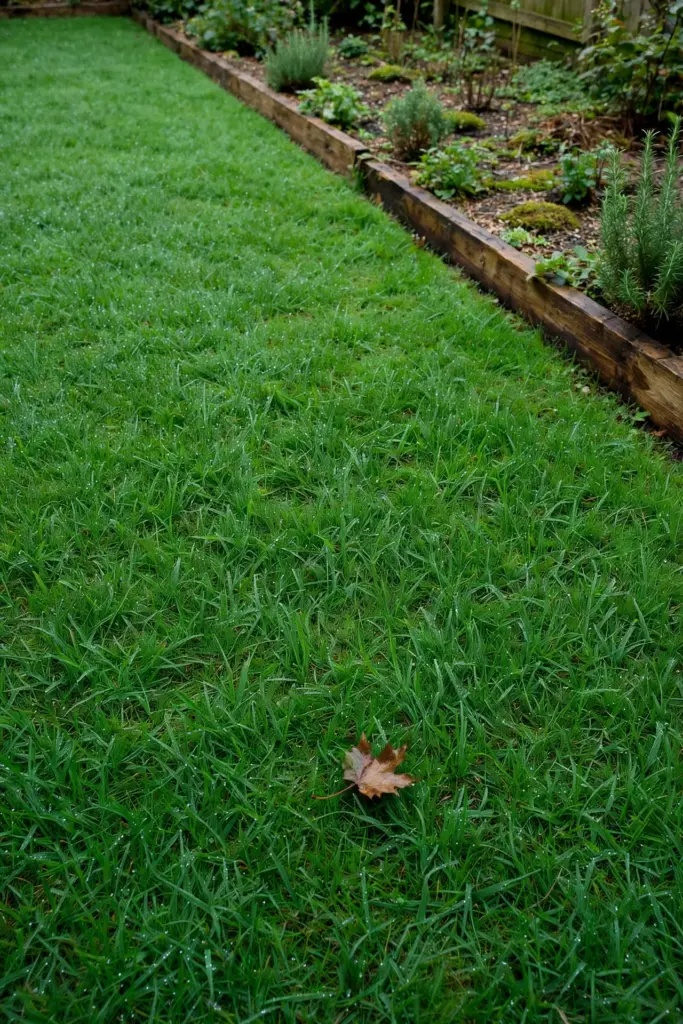
Give the lawn two to three weeks on the cultural steps before judging the result. Patches that stop expanding are a lawn that is winning. Patches that keep spreading on a lawn that carries real value earn a look at an early, label-matched spray. Dead patches earn seed in the normal window, not another round of chemistry.
Curvularia blight looks worse than it usually is. It is a weak fungus on a stressed lawn, and a lawn with deep roots, dry mornings, and thin thatch holds it off. Fix the stress and the lawn does the rest.