
Take middle-stem cuttings with 5 nodes from a mother plant at least 2 months old, root them in moist peat moss or sand, and move them into 3 gallon pots once they carry 6 to 8 leaves. That is how to grow longevity spinach from cuttings, the one method that reliably gives you the true plant. The rest of this page is 15 moves, from checking the label to keeping one cutting rooting for next spring.
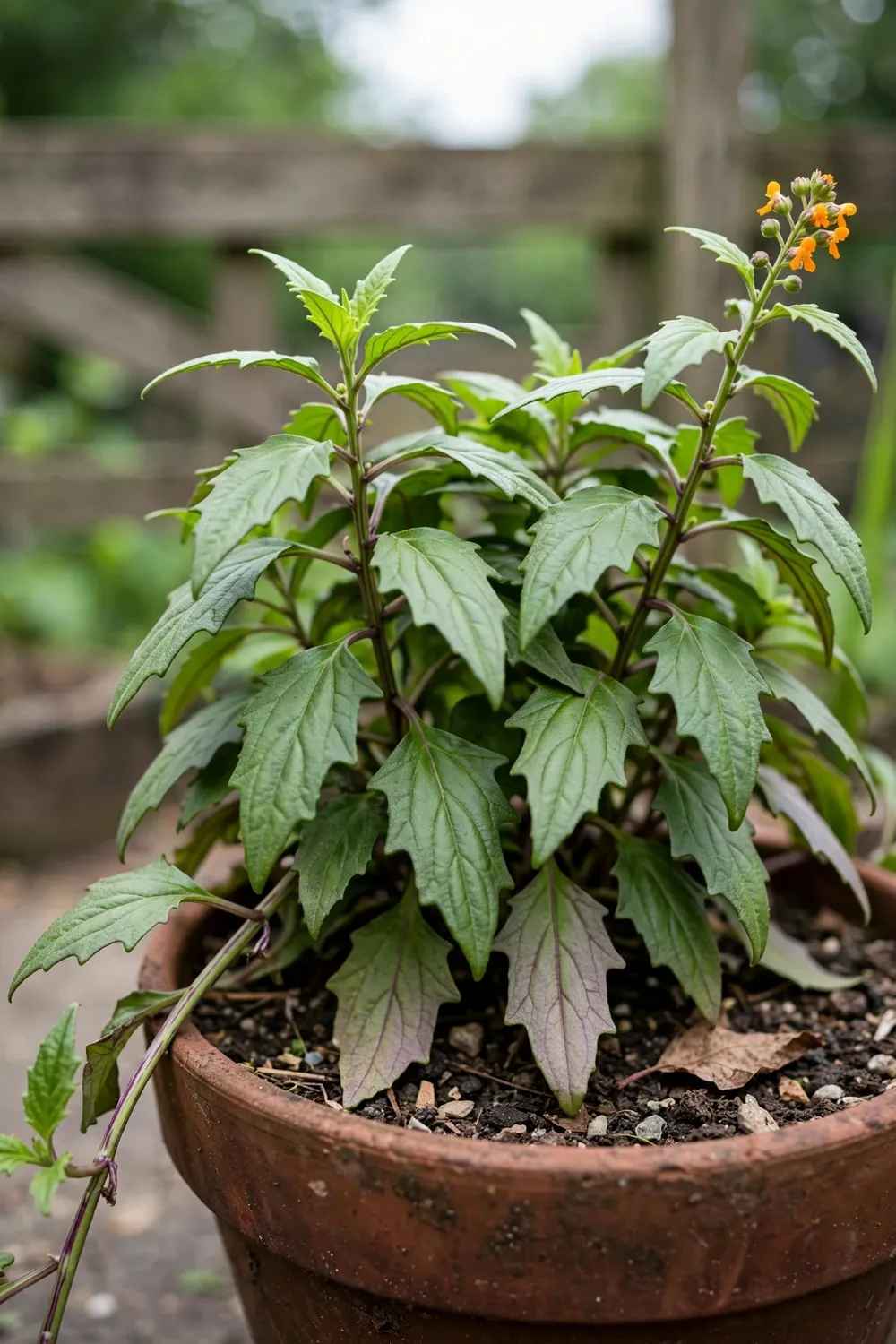
Longevity spinach (Gynura procumbens) is a fast-growing perennial herb from Southeast Asia, known in Indonesia as sambung nyawa. The name means prolongation of life. In the garden the plant scrambles along the ground or climbs into nearby plants for support, with fleshy stems that carry a purple tint and leaves that sit alternate on the stem.
True spinach is a different job. True spinach is a cool-season annual that bolts when summer heat arrives, while longevity spinach thrives in that same heat. That contrast lives in the guide to growing true spinach at home. This page stays on Gynura procumbens: cuttings, pots, shade, and the winter move indoors.
1. Check the Label for Gynura Procumbens Before You Buy
Buy only plants labeled with the full botanical name Gynura procumbens. A label that says only longevity spinach proves nothing, because nurseries apply that name to more than one plant.
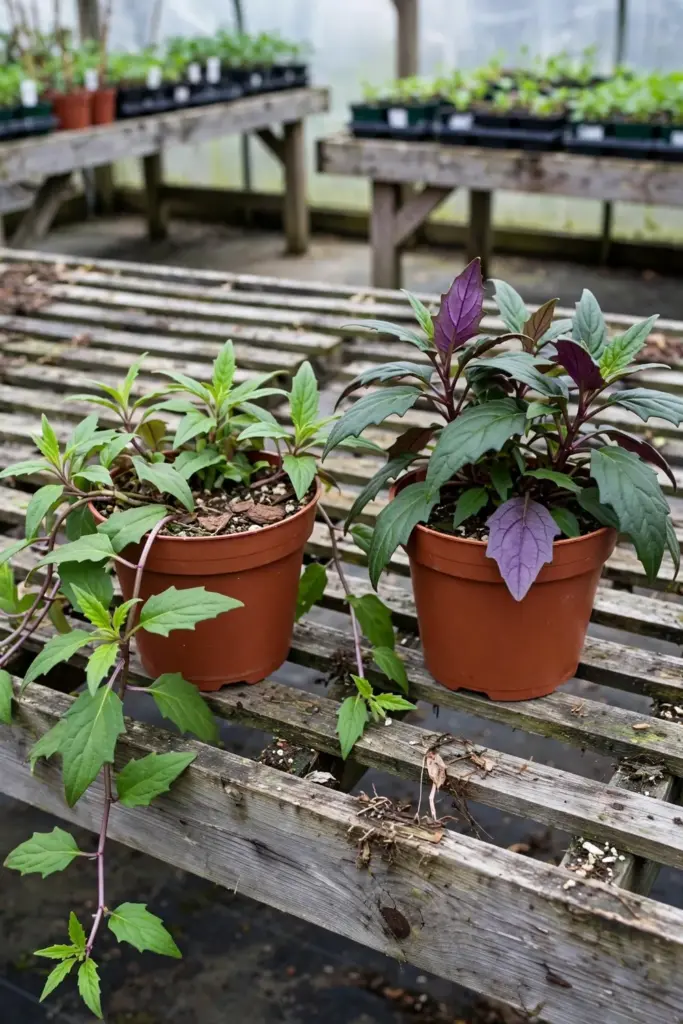
The true plant carries ovate-elliptic or lanceolate leaves 3.5 to 8 cm long and 0.8 to 3.5 cm wide on a fleshy stem with a purple tint, and its flower heads are narrow, yellow, and 1 to 1.5 cm long, according to a review of Gynura procumbens leaves in the International Journal of Pharmacognosy. Learn that leaf shape before you order. A plant with the wrong leaf will never cook like the right one.
One nursery listing carries both Gynura bicolor and Gynura procumbens as the botanical name for a single longevity spinach product, which shows how the two get mixed at the point of sale. Check the leaf and the label together. Okinawa spinach, Gynura bicolor, is the one with the bold purple underside on its leaves. Longevity spinach leaves run green above, and the underside can carry a faint purplish flush, so color alone does not settle it. The label with the full botanical name is the deciding test. Some databases list Okinawa spinach under Gynura crepioides instead of Gynura bicolor, so the Latin name alone can mislead. Trust the label first, and the leaf second.
| Plant | Botanical Name | Leaf Test | Heat and Cold Behavior |
|---|---|---|---|
| Longevity spinach | Gynura procumbens | Green above; underside can carry a faint purplish flush | Perennial in zones 9 to 11; annual elsewhere |
| Okinawa spinach | Gynura bicolor | Bold purple underside on the leaf | Perennial in zones 9 to 11; annual elsewhere |
| True spinach | Spinacia oleracea | Green on both sides; cool-season annual | Bolts in summer heat; grows best in cool weather |
New Zealand spinach is a third namesake green with its own growing rules, covered in the guide to growing New Zealand spinach. It is no closer to true spinach than longevity spinach is. When you buy planting stock, check the label for the full botanical name Gynura procumbens, and check the leaf for green above with at most a faint purplish flush beneath.
2. Match Your Climate to Zones 9 to 11
Grow longevity spinach outdoors year round only in USDA zones 9 to 11. Everywhere colder, grow it as a warm-season annual outdoors or as a potted plant that moves inside for winter.
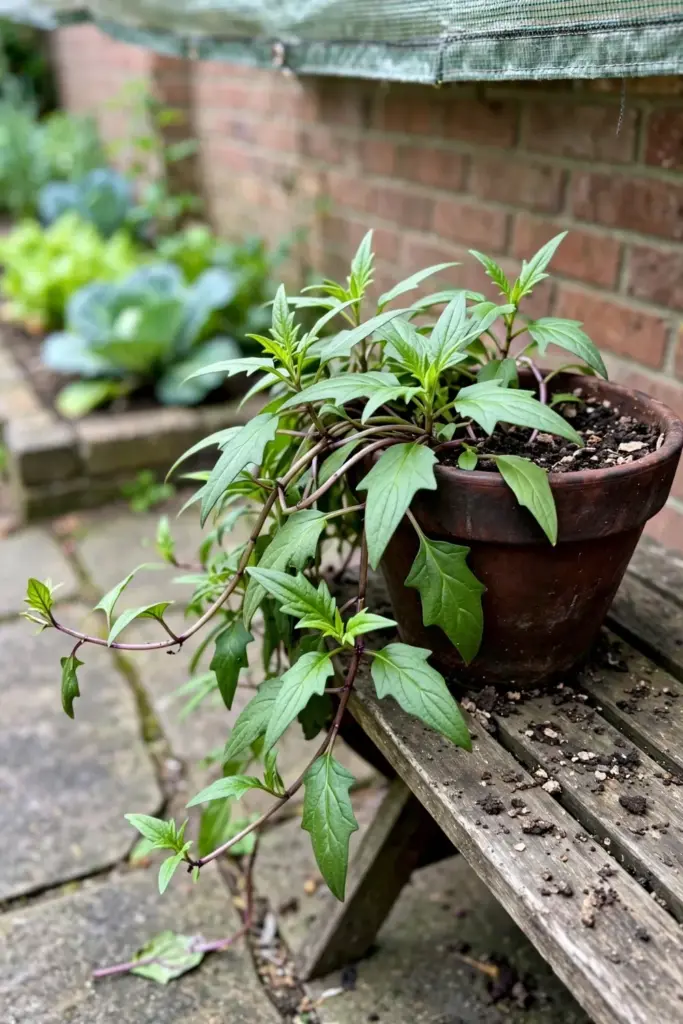
A nursery listing for the plant rates it perennial in zones 9 to 11 outdoors, with frost protection, and patio or greenhouse growing from zone 4 up. That matches the container strategy in the sections ahead. The pot is the climate control.
The plant grows best at 20 to 30 degrees Celsius with annual rainfall of 1,500 to 2,500 mm and medium humidity, according to an agronomic review from Universiti Putra Malaysia. Translate those figures into garden practice. Heat suits this plant. Cold ends the outdoor season. A temperate garden gives longevity spinach the warm months outdoors, then a pot and a windowsill for the rest of the year.
A pot against a sun-warmed wall wakes earlier in spring than a pot in open lawn. Cold air sinks, so keep pots off low hollows where frost settles first. A sheet of shade cloth over a bed through the hottest weeks holds leaf color. Small placement choices decide whether the plant coasts through summer or stalls.
3. Root Middle-Stem Cuttings with 5 Nodes
Take cuttings from the middle of the stem, each with 5 nodes, from a mother plant at least 2 months old. Skip the soft shoot tips. Young tip growth rots in wet mix.
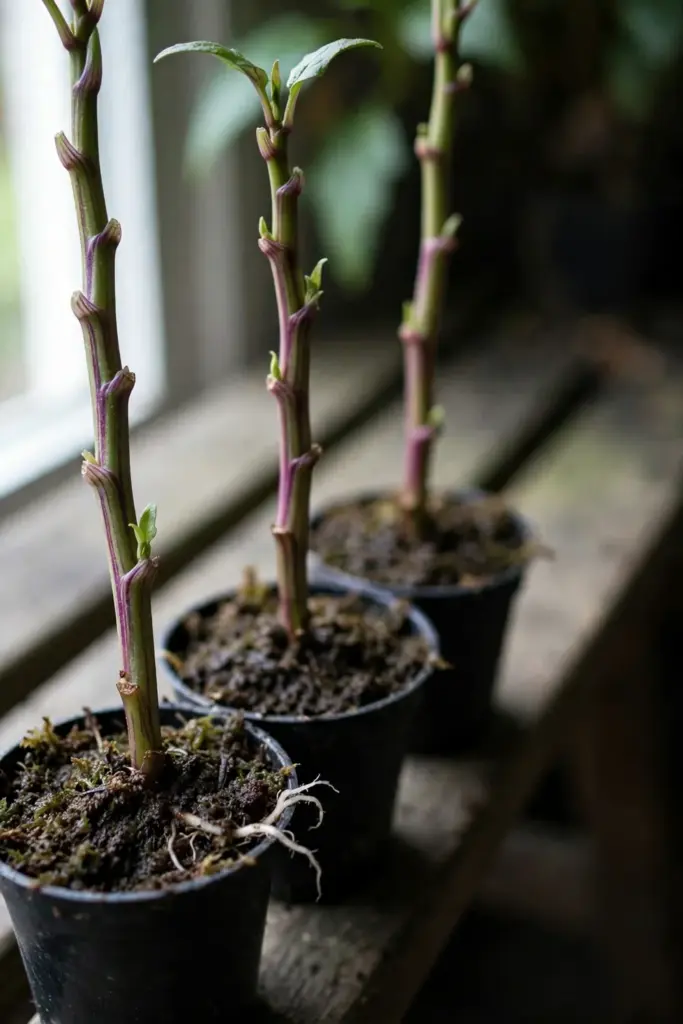
Agronomic guidance from Universiti Putra Malaysia selects middle cuttings with 5 nodes from 2-month-old mother plants, and warns that shoot tips are too young and too sensitive to wet conditions, per the same agronomic review. Cut the stem with clean shears just below a node. Strip the lowest leaves so no foliage sits in the mix.
Rooted cuttings appeared after 3 weeks in the university propagation trial, and cuttings with 6 to 8 leaves at 4 to 6 weeks old were ready to move, per the same trial. Set each cutting in a small cup of sand or peat moss, not a shared tray, so the roots stay intact at transplant. Water sand daily and peat moss every 2 days. The sand drains fast. The peat moss holds water longer. Match the watering to the medium.
The general method matches the guide to propagating plants from cuttings, with one difference: longevity spinach cuttings punish soggy mix faster than woody cuttings do. Rooting hormone can encourage root growth, but it is optional. Clean cuts and a warm, shaded spot matter more.
Pick cuttings with firm stems and clean leaves. Skip stems with soft spots, black marks, or wilting tips. A cutting with 5 nodes gives you room to bury 2 nodes and keep 3 above the mix. Bury the cutting deep enough to stand steady. A cutting that wobbles dries at the base and roots slowly.
4. Skip Seeds and Start from One Starter Plant
Buy one rooted starter plant or a bundle of fresh cuttings. Seeds are not the way to start this plant.
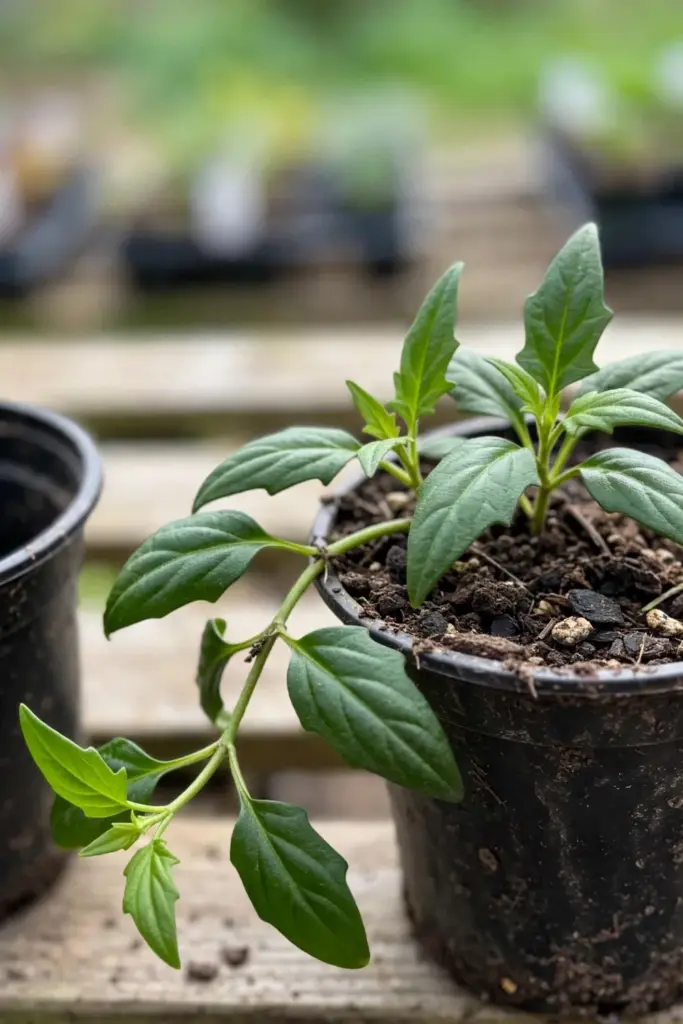
The pharmacognosy review states it flatly: the plant grows from stem cuttings, and seeds are not available, per the review. That absence shapes the whole plan. No seed packet, no germination setup, no thinning. One healthy mother plant gives you every cutting you need for years, because each stem you root becomes a new mother plant.
Buy from a seller who names Gynura procumbens on the label and shows a photo of plain green leaves. Ask for the mother plant age if you buy cuttings. Cuttings from a plant at least 2 months old root better than cuttings from a young seedling, per the agronomic review.
Inspect the plant on arrival. The leaves should look deep green and fleshy, with no yellow patches and no wilt. Check the soil. A pot that arrives bone dry needs water at once. A pot that arrives swampy needs a day on the bench with the saucer off. Repot into fresh mix within a day or two, and keep the plant shaded for a week while it settles.
5. Build a Moisture-Holding Loam at pH 5.5 to 7.0
Mix equal parts garden loam, compost, and perlite or coarse sand into a loose, moisture-holding loam. The mix should hold water without staying soggy.
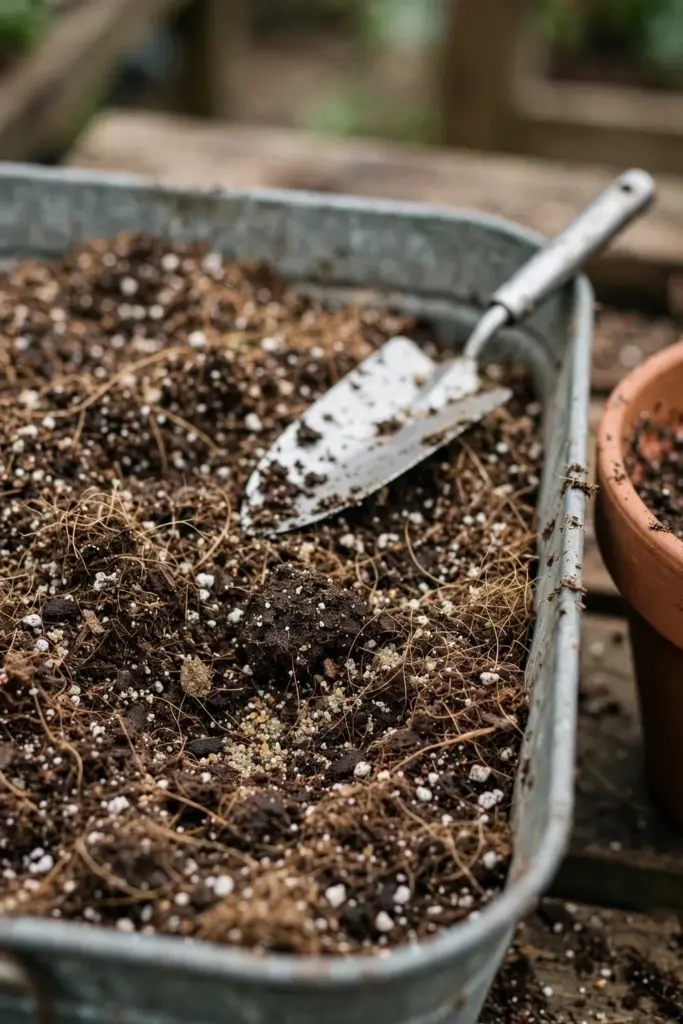
The suitable soil pH sits at 5.5 to 7.0, with air temperature of 20 to 30 degrees Celsius, according to the Universiti Putra Malaysia review. Plants for a Future lists light sandy, medium loamy, and heavy clay soils as workable, with a preference for well-drained soil, and a pH range from mildly acid through neutral to mildly alkaline, per the PFAF plant database.
Drainage decides more than richness. A mix that stays wet after watering rots stems at the soil line. Test the mix by watering a filled pot. Water should run out the drainage holes within seconds, and the surface should look damp, not pooled.
6. Pot Up in 3 Gallon Containers or Larger
Set one plant in a pot of 3 gallons (12 liters) or larger. Small pots dry out fast and choke a plant that wants to sprawl.
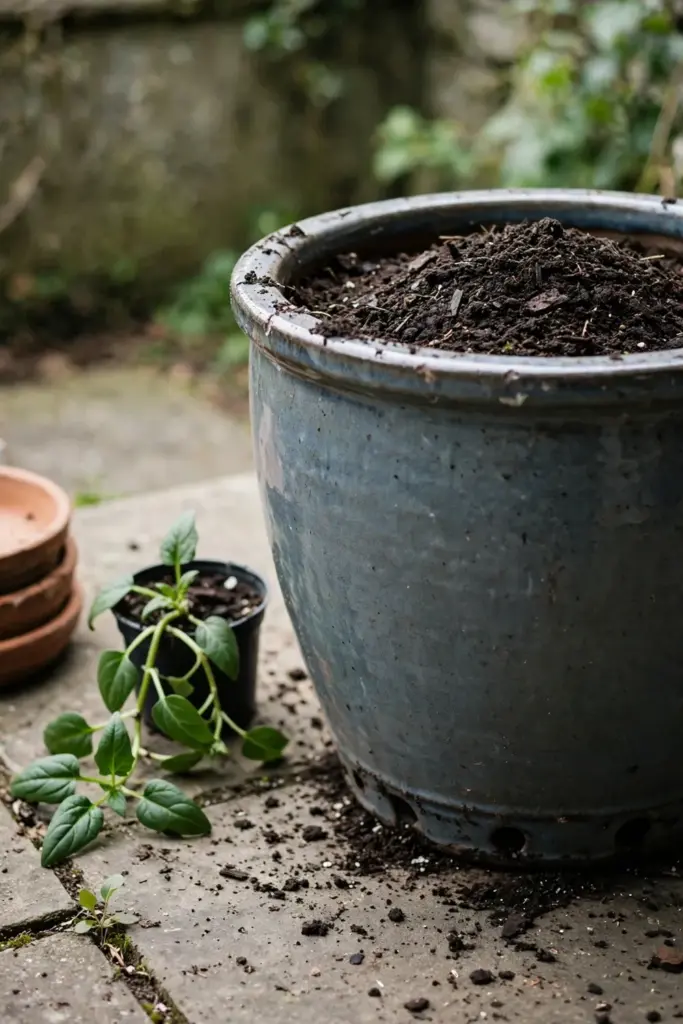
Plants for a Future rates pots as suitable in 3 gallons (12 liters) or larger for this species, per the PFAF plant database. Give each plant room to spread. The plant reaches 1 to 3 feet tall with a spread of 3 to 4 feet, per the Sow Exotic listing. A 3 gallon pot holds one plant. A 5 gallon pot gives the same plant more room to trail over the edge.
In a bed, space plants 20 to 35 cm apart in rows 20 cm apart, with holes 10 cm deep, per the agronomic review. Bed plants sprawl and root where stems touch the soil. Pot plants stay where you put them. In a temperate garden, the pot wins, because the pot moves indoors.
Pick a pot with wide drainage holes and a saucer you can empty. Glazed ceramic holds moisture longer than terracotta. Terracotta dries fast in wind, which suits wet climates and punishes dry ones. Set the pot where you can reach it daily in summer. A pot behind the shed gets forgotten. A pot by the kitchen door gets watered.
7. Give Longevity Spinach Filtered Light, Not Blazing Sun
Grow longevity spinach in filtered light or morning sun with afternoon shade. Full sun works only if the roots never dry out.
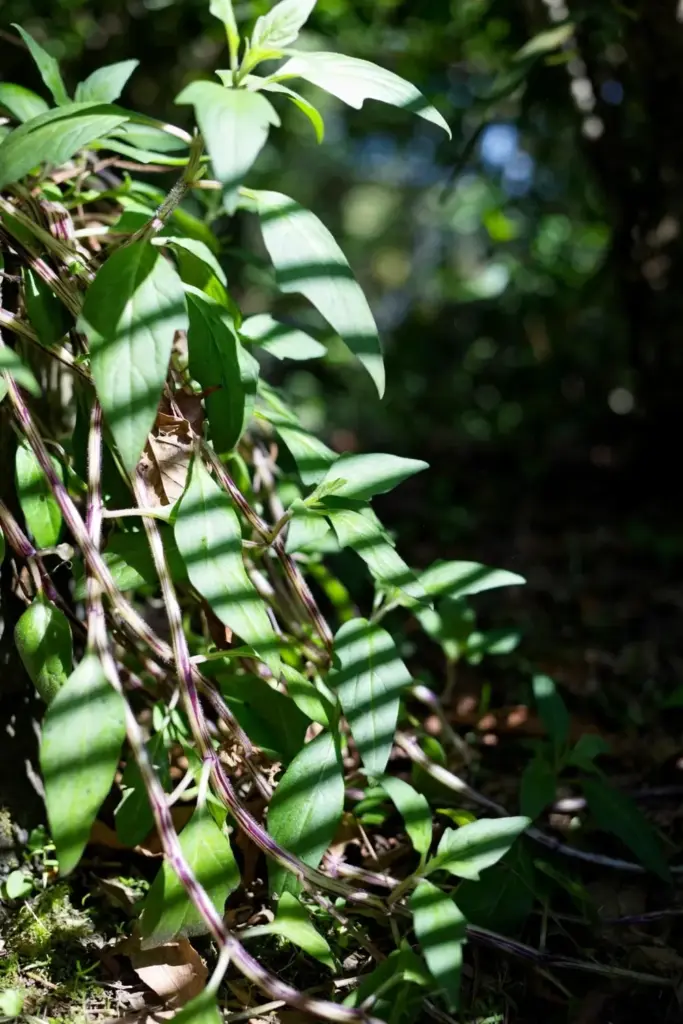
The plant grows well in shady areas with 25 to 50 percent light intensity, per the Universiti Putra Malaysia review. The pharmacognosy review agrees: the plant prefers semi-shade, and it can adapt slowly to full sun if the roots stay moist, but direct sun on a new planting burns leaves and stalls growth, per the review.
The leaves report the light. Pale, stretched stems mean the spot stays too dark through the day. Scorched leaf edges mean the spot is too bright. Move the pot until the leaves stay deep green and the stems stay compact.
Shade cloth solves the hardest spots. A light shade cloth over a sunny bed cuts the harshest midday sun while keeping the light bright. Hang it high. A cloth laid flat on the leaves cooks them. Morning sun with afternoon shade needs no cloth at all.
8. Water Deep and Keep the Soil Evenly Moist
Keep the soil evenly moist from spring to early autumn. Longevity spinach is a water-loving plant, and dry roots stall leaf production.
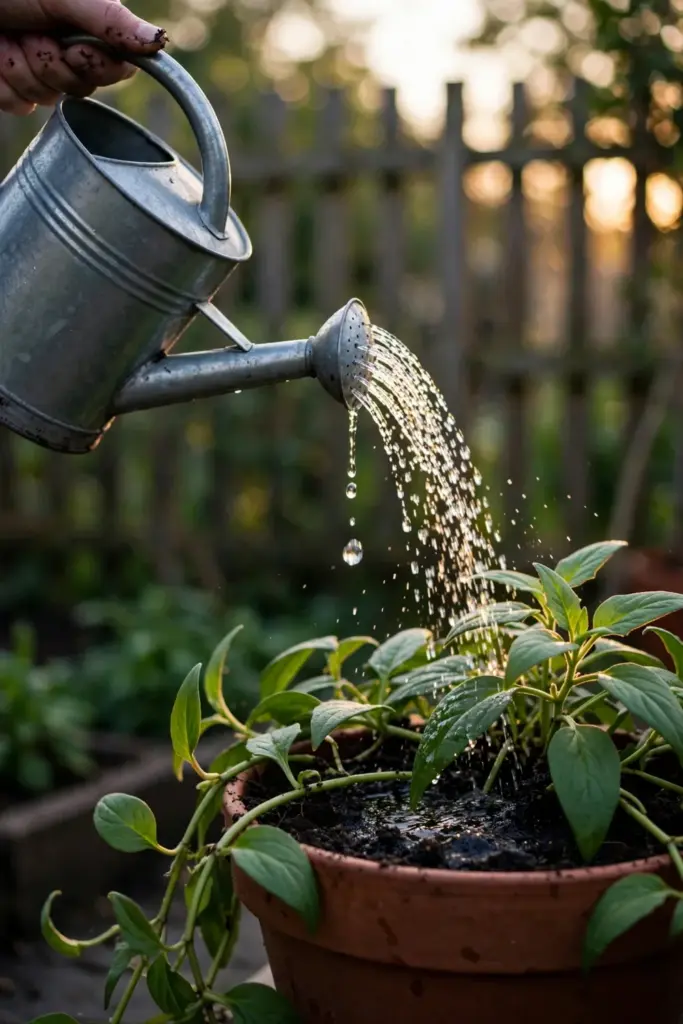
The agronomic review calls the plant water-loving and says optimum soil water content is required for maximum growth, per the review. In pots, water when the top 2 to 3 cm of mix dries, and empty the saucer after watering. The mix should feel like a wrung-out sponge. Soggy mix rots stems. Dry mix wilts leaves within a day in hot weather.
In beds, mulch with 5 cm of straw or leaf mold to hold moisture through hot weeks. Keep the mulch 3 cm clear of the stems so the crown stays dry. Water in the morning so foliage dries before nightfall.
Learn the two water failures by feel. A plant that wilts in the morning with dry mix needs water now. A plant that wilts with wet mix has rotting roots, and more water kills it. Lift the pot and feel its weight. A light pot means the mix has dried out. A heavy pot means the mix still holds water. The hand learns the weight within a week.
9. Feed with Compost at Planting, Then Once Midseason
Work compost through the potting mix at planting, then add one compost top-dressing at midseason. That is the whole feeding plan for a home pot.
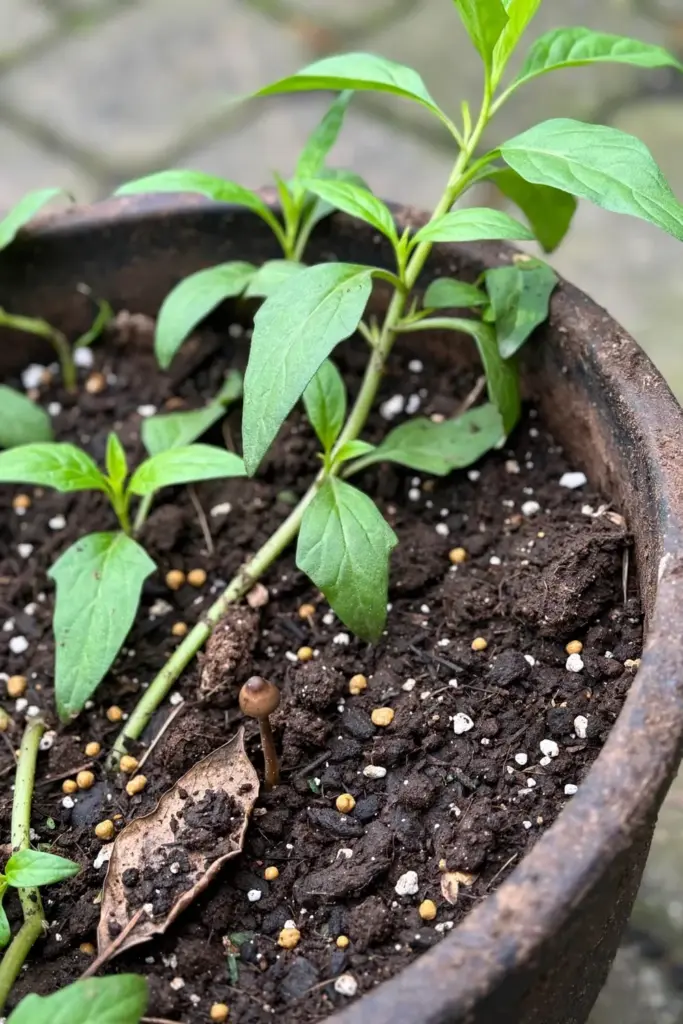
The agronomic review recommends chicken manure as an organic fertilizer for this plant, applied in two parts: half before transplanting and the balance 2 weeks after transplanting, per the review. Translate that field rate into a pot. Compost at planting, one top-dressing 2 weeks after transplanting, and one more at midseason if the leaves pale. Stop feeding when growth slows in autumn.
Pale leaves with green veins point to hunger. Yellow lower leaves on a wet plant point to rot, not hunger. Feed the first. Drain the second.
Pots leach nutrients with every watering, so a liquid feed helps through summer. Use a balanced liquid feed at half strength every few weeks. Stop when growth slows in autumn. Late fertilizer pushes soft growth that the coming indoor move cannot support. Compost does the heavy work. Liquid feed only tops it up.
10. Pinch the Tips to Build a Bushy Plant
Pinch the soft tip off every stem once the plant carries 6 to 8 leaves. Each pinch forces side shoots, and the plant turns bushy instead of trailing away.
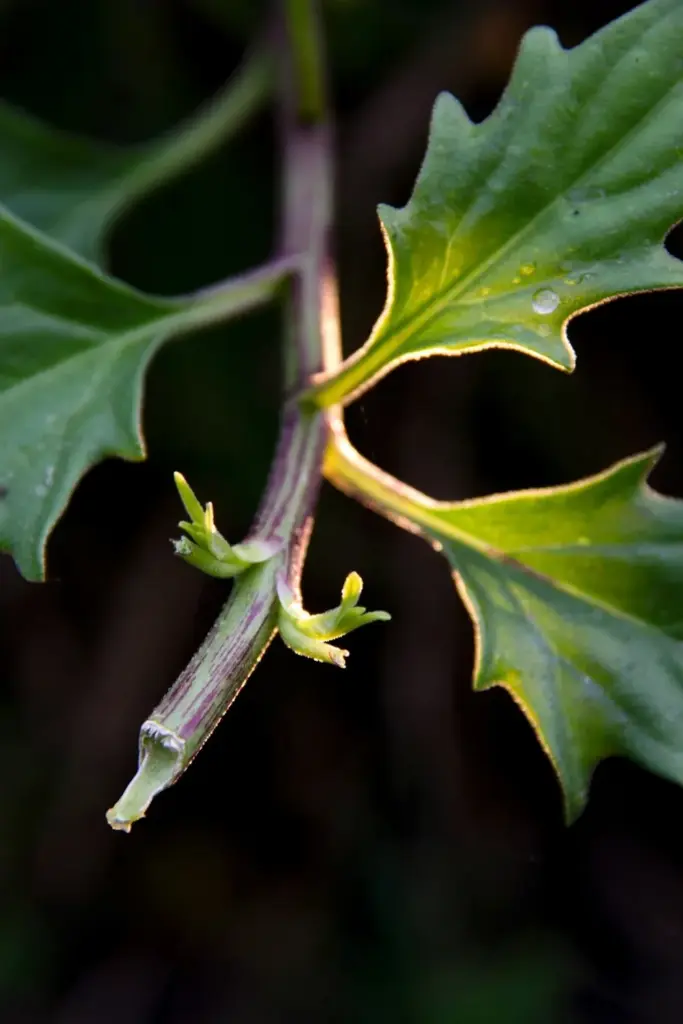
I have learned that a plant pinched weekly stays bushy instead of running away across the bed.
The branches can be trimmed to make a bushy plant or staked, per the PFAF plant database. Left alone, the plant reaches 1 to 3 m tall and scrambles over the ground or into nearby plants, per the agronomic review. Pinching keeps that vigor in a pot-sized shape. Pinch weekly through the warm months. Give the plant 2 weeks without pinching before the indoor move, so new growth hardens.
11. Bring the Pot Inside Before Nights Drop Below 10 Degrees
Move the pot indoors before night temperatures fall below 10 degrees Celsius. Frost kills the foliage, and a cold snap can end the plant.
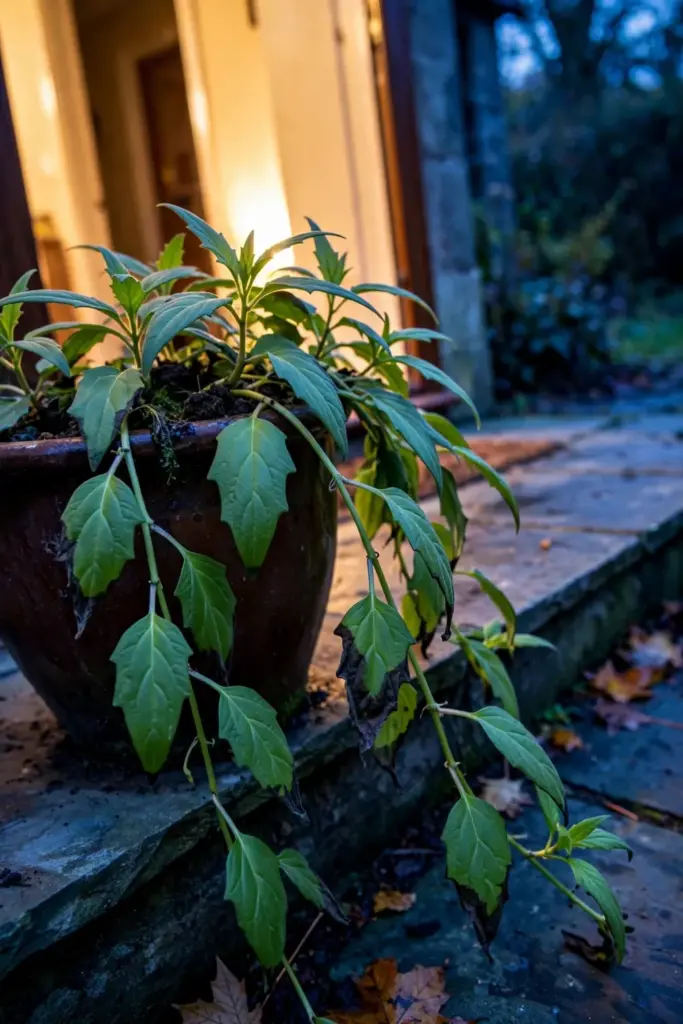
The nursery listing rates the plant perennial outdoors in zones 9 to 11 with frost protection, per the Sow Exotic listing. Below that range, the pot is the winter plan. Set the pot in the brightest spot you own. A south-facing windowsill works. A simple grow light works when the windowsill is weak. Keep the plant away from radiators and cold drafts.
Cut water back indoors. The plant grows slowly in low winter light and needs far less water. Water only when the top 3 cm of mix dries. Wet winter mix rots stems faster than any pest.
Frost-nipped foliage turns dark and soft overnight. Cut the damaged stems back to firm green wood and leave the rest alone. The roots often survive a light nip and push new growth from the crown. A hard freeze that turns the whole plant to mush ends it. That is why the backup cuttings matter.
12. Overwinter on Cuttings and a Bright Windowsill
Take fresh cuttings 2 weeks before the indoor move, and root a backup set on the windowsill. If the mother plant sulks indoors, the cuttings carry the variety through winter.
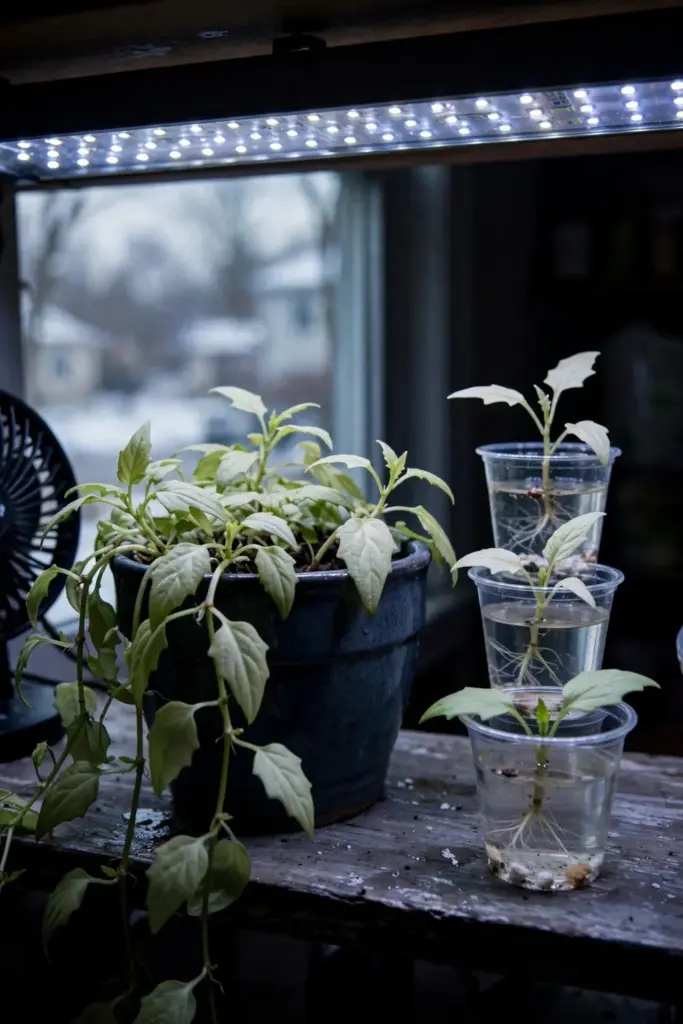
The backup plan mirrors seller advice for cold climates: take cuttings, root them in small pots, and bring them indoors to overwinter in a warm, bright spot. That routine keeps the plant going where outdoor winters would kill it. Root the backup cuttings in the same sand or peat moss cups from the propagation section, and pot them up once they carry 6 to 8 leaves.
Indoor growing follows the same rules as the indoor herb gardens guide: bright light and steady moisture, with no feeding while growth is slow. In spring, move the pots outside only after nights stay above 10 degrees. Harden the plants off over 7 days, starting with a shaded spot. One warm week can fool you. Wait for the second.
13. Harvest Tender Tips from Spring to Early Autumn
Pick young leaves and shoot tips from spring to early autumn, while the plant is growing fast. The young growth tastes mildest and cooks fastest.
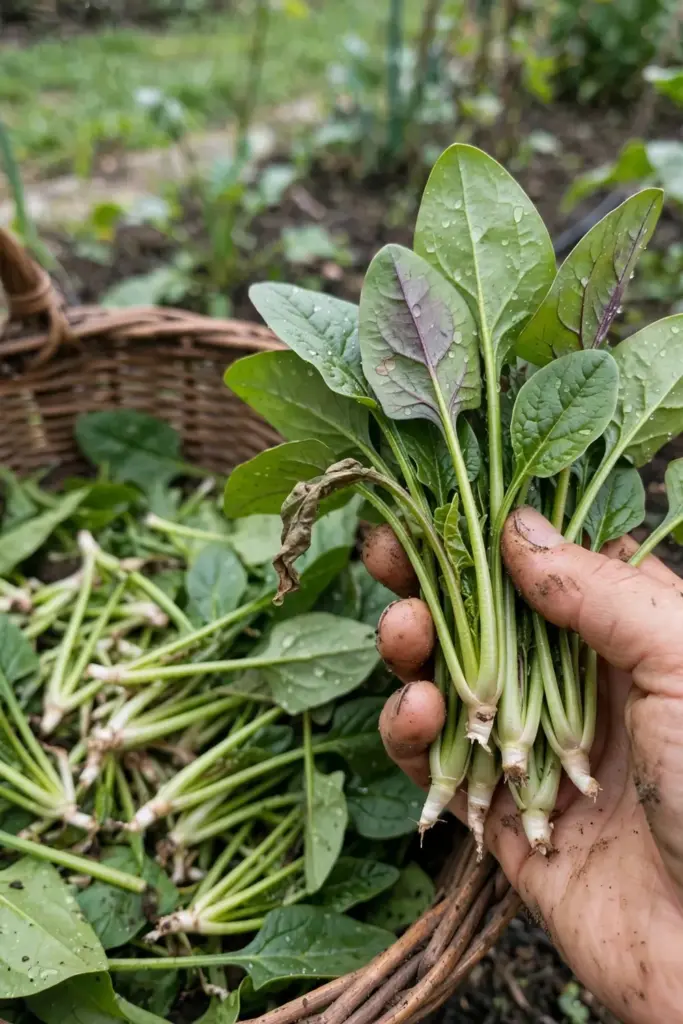
Plants for a Future puts the leaf harvest through the growing season from spring to early autumn, per the PFAF plant database. In frost-free climates the season runs longer. In a temperate garden the pot sets the season.
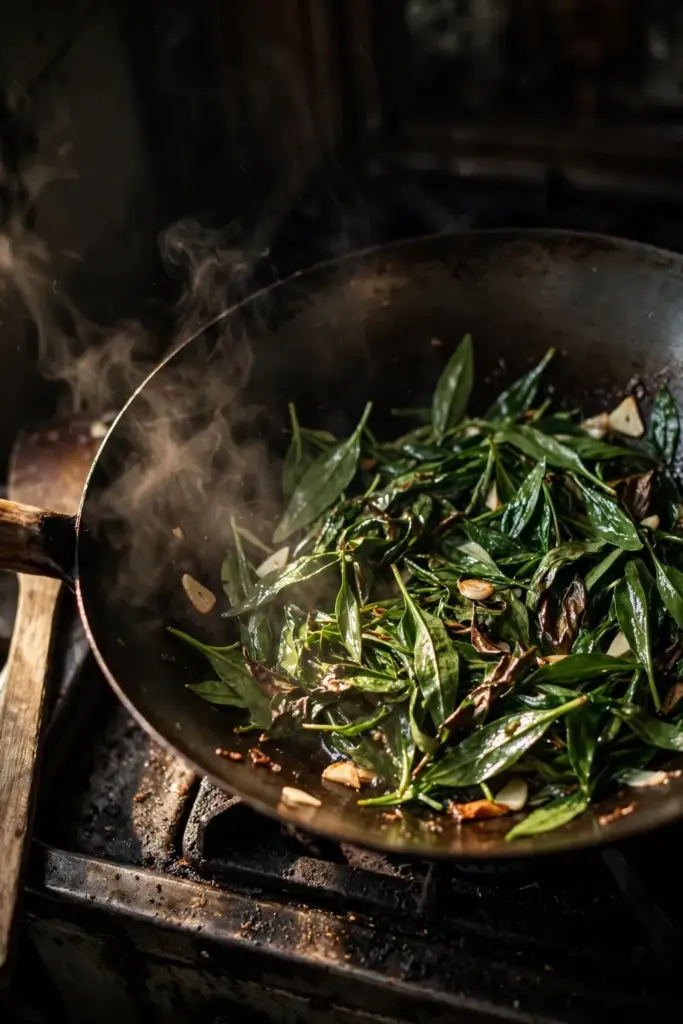
The leaves taste like green beans, per the same database. Young leaves and shoots go fresh into salads and noodle dishes. Older leaves suit cooking. Cook the leaves like spinach: saute in butter or oil with garlic, or add them to soups and stews. Harvest in the morning, after the dew dries. Pinch the tip, not single leaves. Each pinch harvests the tender tip and triggers the side shoots from the pinching section.
Use fresh leaves within 2 days of picking. Wrap them in a damp cloth inside a bag in the refrigerator. Wilted leaves still cook well in soups. Leaves that turn dark and slimy belong in the compost. Harvest only what the kitchen needs that day, and leave the rest growing.
14. Cook the Leaves and Keep Health Claims in Their Place
Eat longevity spinach as food. Cook it like any leafy green. Leave every health promise out of the kitchen.
Traditional use runs long. The review lists traditional use for eruptive fever, rash, kidney disease, constipation, hypertension, diabetes mellitus, migraines, urinary tract infection, rheumatism, and viral diseases of the skin, per the pharmacognosy review. That list is history, not a prescription.
The same review reports conflicting and inconsistent findings across studies, and it offers no human dose, schedule, or treatment claim. This guide gives none of those either. Anyone managing blood sugar or blood pressure should talk to a clinician before changing anything.
The review also notes that research shows the leaf contents are non-toxic. That finding covers the leaves as food in research settings. It does not turn the plant into medicine. Eat modest portions. Cook the leaves. Enjoy the plant as a vegetable.
Data not available on oxalate content specific to Gynura procumbens. The cooking advice here rests on flavor and texture, not on an oxalate figure.
The name itself sells the promise. Sambung nyawa means prolongation of life. A name is not evidence. Grow the plant for its leaves, and let the name stay a story.
One more fence. Sellers sometimes attach blood-sugar and cholesterol promises to this plant. Treat those promises as advertising. The plant earns its place in the garden as a heat-proof green, not as a remedy.
15. Fix the 5 Failures That Stop Longevity Spinach Cold
Most failures trace to cold, water, or the wrong plant. Each one has a fast fix.
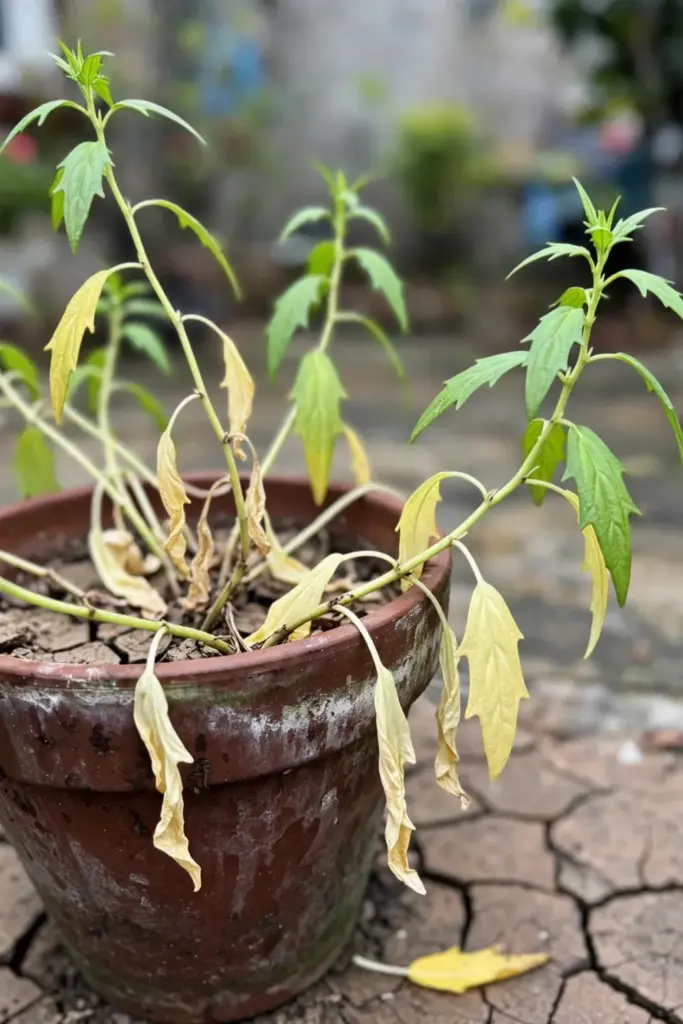
Cuttings rot in the mix. The mix stayed too wet, or you used soft shoot tips. Start again with middle-stem cuttings with 5 nodes, and water sand daily or peat moss every 2 days.
The plant stretches and goes leggy. The light is too weak. Move the pot to filtered light or morning sun. Pinch the tips to force side shoots.
Leaf edges scorch. Direct sun burned a new planting. Move the pot to afternoon shade and keep the roots moist until new growth appears.
Leaves yellow on a wet plant. The roots are drowning. Stop watering, check the drainage holes, and repot into fresh mix if the soil smells sour. Yellow leaves on a dry plant mean hunger, not rot.
The plant dies at the first frost. The pot stayed outside too long. Move the pot indoors before nights fall below 10 degrees, and keep backup cuttings on the windowsill.
Frequently Asked Questions
No. Longevity spinach is Gynura procumbens, a trailing perennial in the daisy family. Regular spinach is Spinacia oleracea, a cool-season annual. Longevity spinach thrives in summer heat that makes true spinach bolt. The two share a name and a cooking role, nothing else. Check the botanical name before following any growing advice.
Yes. Young leaves and shoot tips go fresh into salads and noodle dishes. The leaves taste like green beans. Pick the youngest growth for raw eating, and wash it well. Older leaves suit cooking better. Cook them like spinach in butter or oil with garlic, or add them to soups and stews. Start with a small portion when trying any new green.
The leaves serve as food across Southeast Asia, eaten raw in salads or cooked as a vegetable. Research cited in the pharmacognosy review found the leaf contents non-toxic. That finding covers food use, not medicine. This guide gives no dosages and no treatment claims. Anyone managing a health condition should talk to a clinician before changing diet or medication.
Yes. One plant fits a pot of 3 gallons or larger, with loose, moisture-holding mix and drainage holes. Pots suit temperate gardens because the pot moves indoors before cold nights. Give the pot filtered light or morning sun. Water when the top 2 to 3 cm of mix dries. Pinch the tips to keep the plant bushy.
Move the pot indoors before nights fall below 10 degrees Celsius. Set it in the brightest spot you own, and cut water back while growth is slow. Take backup cuttings 2 weeks before the move, and root them on the windowsill. If the mother plant sulks, the cuttings carry the variety. Move the pots outside again after nights stay above 10 degrees.
Buy from a seller who prints the full botanical name Gynura procumbens on the label and shows a photo of plain green leaves. Flip a leaf in the photo. A bold purple underside points to Okinawa spinach, Gynura bicolor, but longevity spinach can carry a faint purplish flush beneath, so color alone does not settle it. A listing that names both species for one product is a warning sign. Ask the seller to confirm the species in writing before paying.
These are the six questions readers ask before starting a how to grow longevity spinach project.
Keep One Cutting Rooting for Next Spring
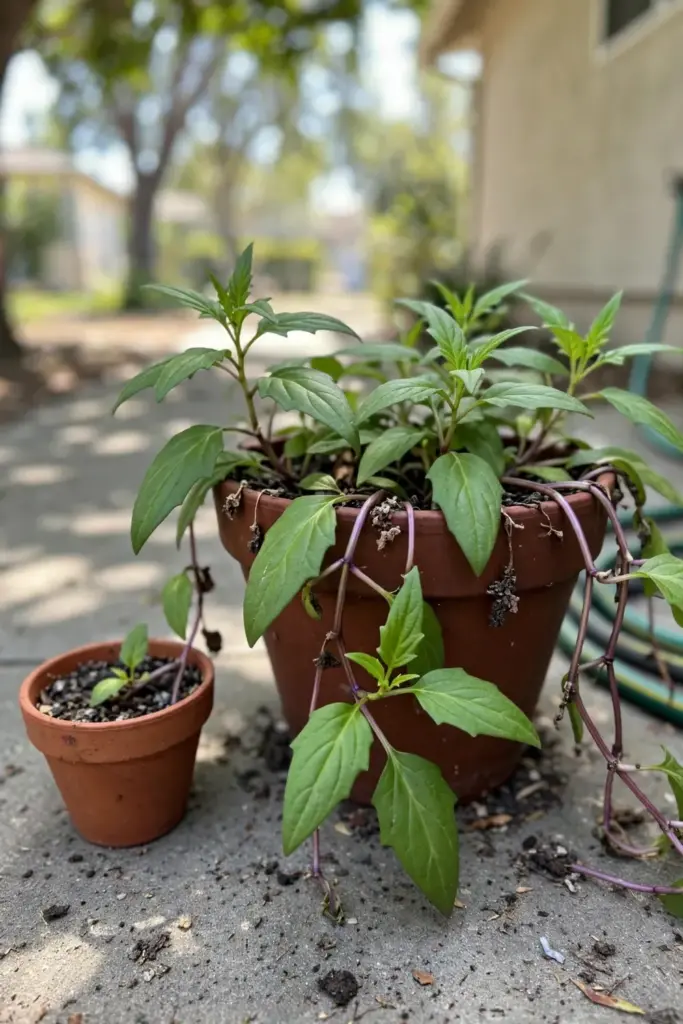
Longevity spinach rewards the gardener who thinks one season ahead. Every autumn ends the same way: one pot moves indoors, one set of cuttings roots on the windowsill, and the variety sleeps through winter in a bright spot.
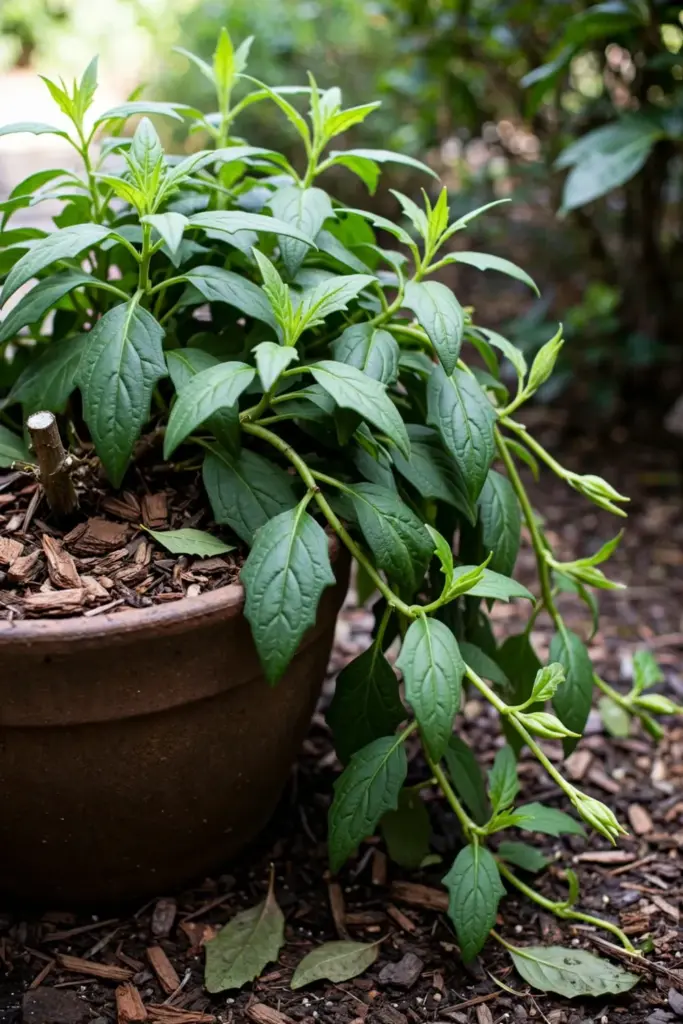
The yearly rhythm is simple once you feel it. Cuttings and shade in spring, steady water and pinching through summer, a pot indoors for winter. Few greens ask so little while giving so much: a heat-proof leaf for salads, a cooked green for soups, and a tropical plant that fits in one pot. Start with the right species, respect the cold, and this becomes a how to grow longevity spinach routine you repeat every year.
The plant costs little to keep. One pot, one bag of mix, one windowsill. The cuttings you root each autumn become next spring’s plants, and the mother plant keeps producing while it lives. Few garden routines pay back this fast.
Order one starter plant with the true name on the label. Root your first cuttings while the plant is young. The second year costs nothing.