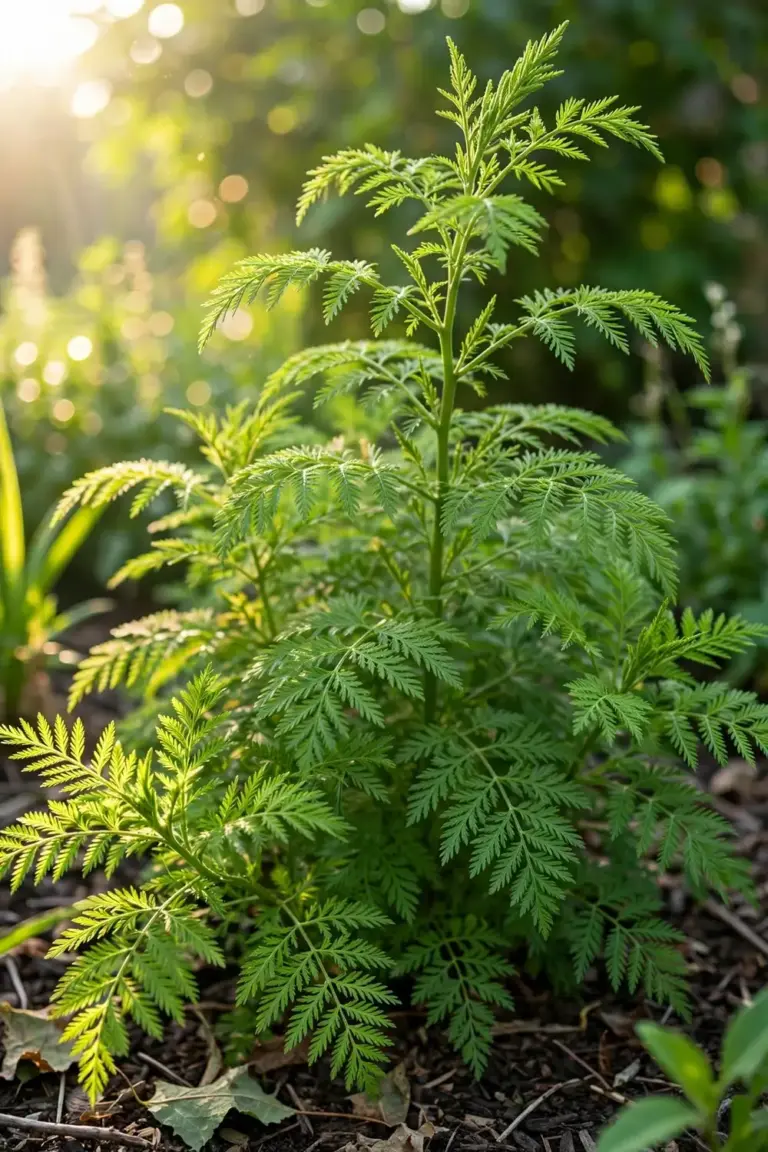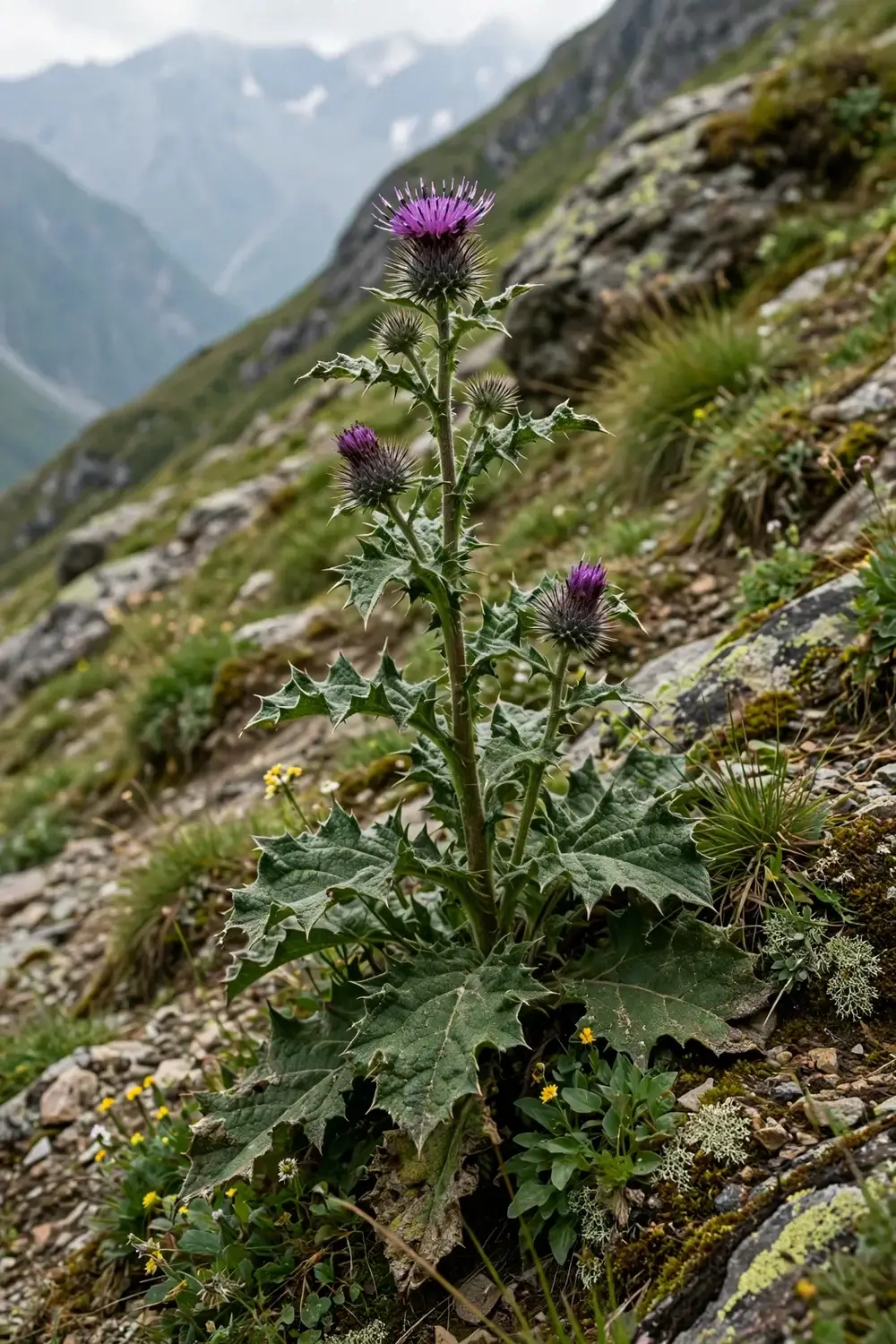

Two to three years. That is the honest answer to how long it takes to grow costus from India into harvestable roots, and if that number surprises you, this article has already done its job. Kuth (Saussurea costus) is a Himalayan root crop with a 2 to 3 year cycle, not a herb you sow in spring and dig up by autumn. Every claim below carries a sourced number, every step reflects the Lahaul valley agronomy where this crop was perfected, and you will know before you finish whether your climate can honestly host it. If you have never grown a plant from seed in a cold climate, read the seed starting guide first for the tray and dome routine this article assumes.
The root is the product. Everything above ground, the tall stems, the thistle-like flowers, the leafy rosette, is annual and dies back each year. The thick aromatic root underneath is what perfumers, Ayurvedic practitioners, and wool merchants have paid for since the 1920s, and it needs at least two full growing seasons to reach a harvestable size. Anyone promising you kuth roots in one season is selling a different plant.
One more thing before the steps. The word “costus” on the internet means three different plants, and most growing guides mix them up. Section 1 untangles that mess in a single table, because everything you read after it only applies to the true kuth of the Himalaya.
1. Untangle the Costus Mix-Up Before You Sow Anything
Spend ten minutes searching for kuth growing advice and you will meet three plants wearing one name. Only one of them is the Himalayan root crop this guide covers, and the wrong one will waste your seasons. The accepted nomenclature (Dolomiaea costus, syn. Saussurea costus, Saussurea lappa) confirms kuth as an Asteraceae thistle relative, not a ginger, and the table below is the fastest way to make sure you are reading the right advice.
| Name you will see | Real identity | What it is |
|---|---|---|
| Kuth, costus root, Qust al-Hindi, kushta | Saussurea costus (syn. Dolomiaea costus, Saussurea lappa) | Himalayan Asteraceae root crop; the subject of this guide |
| Insulin plant, spiral ginger | Costus speciosus or Costus igneus (Costaceae) | Tropical rhizome plant grown for leaves; NOT kuth |
| Oud al-Hindi, Qust al-Hindi | Aquilaria spp. (agarwood) | Aromatic heartwood of a different tree; NOT kuth |
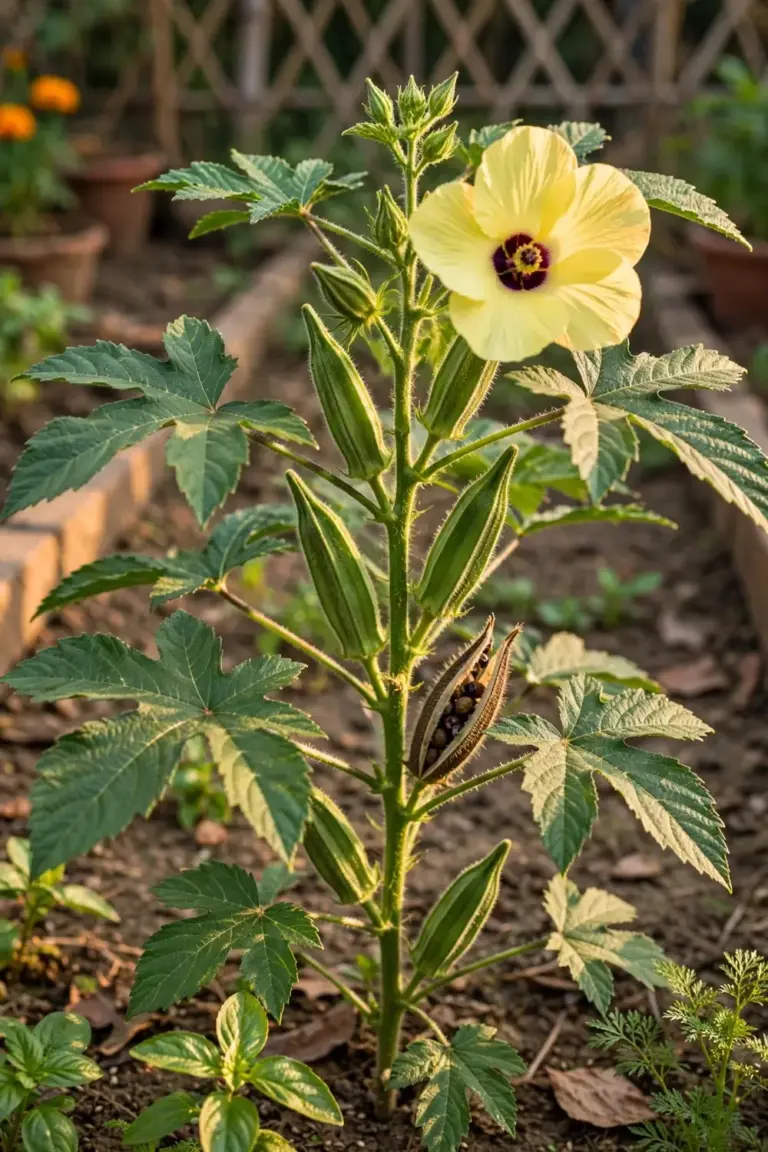
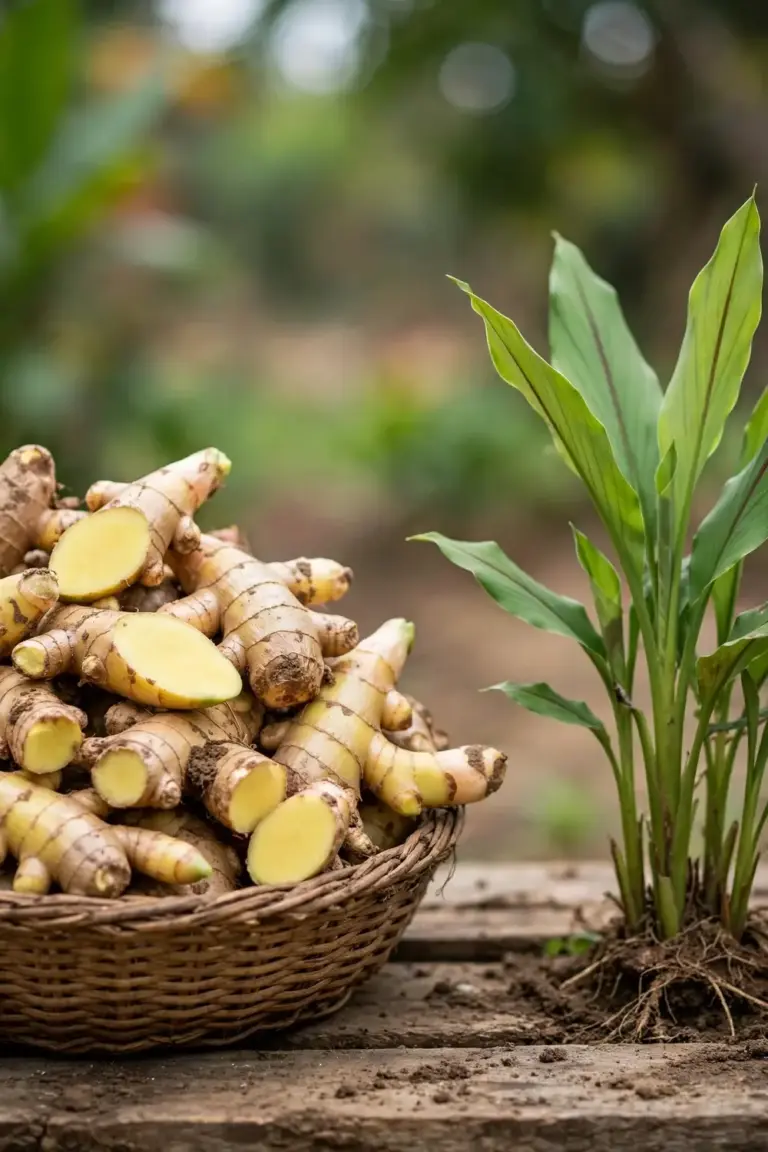
The Costus speciosus confusion is so entrenched that a university medicinal-plants page ranking for “how to grow costus” actually describes the insulin plant, with its 50 by 50 cm rhizome spacing and eye-bud propagation. None of that applies to kuth. If a guide tells you to propagate costus from rhizome cuttings at wide spacing, close the tab. You are reading about the wrong species.
2. The Honest Truth: This Is a Himalayan Mountain Crop
Kuth grows wild on moist slopes of the Suru, Kishenganga, and upper Chenab valleys of Jammu and Kashmir at 2,600 to 4,000 metres, and it has been cultivated since the 1920s and 1930s in the Lahaul valley of Himachal Pradesh and parts of Uttarakhand. That is its home range, and it defines every decision a grower makes here.
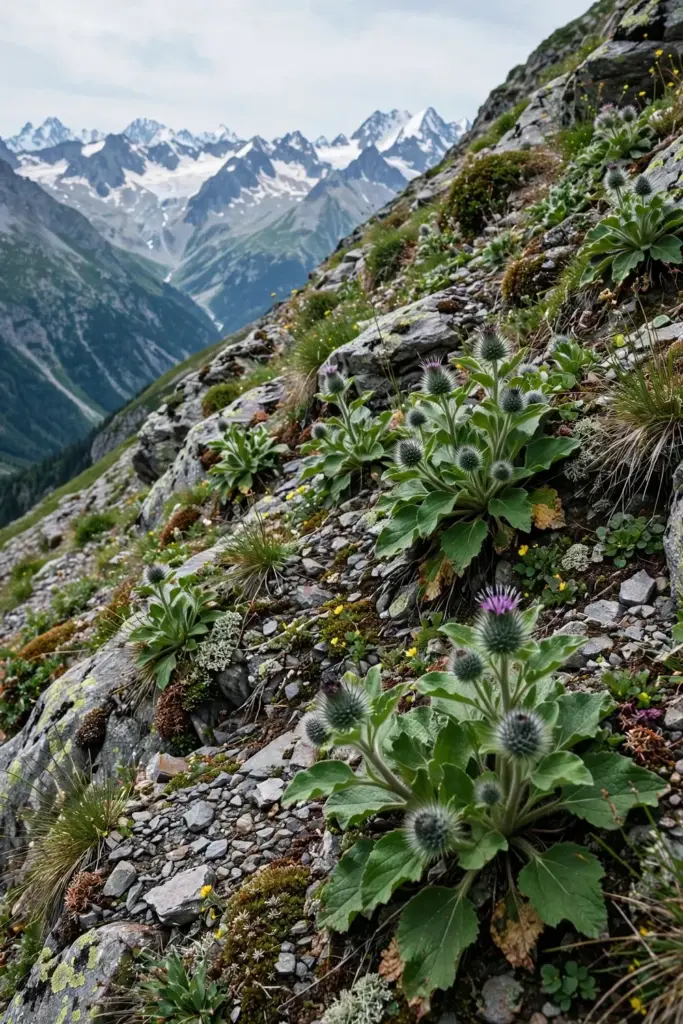
The Lahaul climate tells you exactly what kuth needs. Snowfall of 2 to 4 metres each winter, a growing season from May to October, and cool humid summers are the norm. The plant tolerates the cold desert (dry temperate) zone as long as irrigation covers the dry spell, and experimental plots there recorded a soil pH of 6.6 with sandy loam rich in organic matter. If your winters are mild and your summers are hot, kuth is not your crop. This is a cool-season, high-altitude plant, and it performs best where winter genuinely arrives.
That said, growers in cool temperate regions outside the Himalaya can succeed if they replicate two conditions: a long cold dormancy and a short cool summer. A heated greenhouse will kill the idea. An unheated alpine bed or a cold frame in a zone with real winters gives you a chance. Be honest about your climate before you buy seed.
3. Decide: From Seed or From Root Cuttings
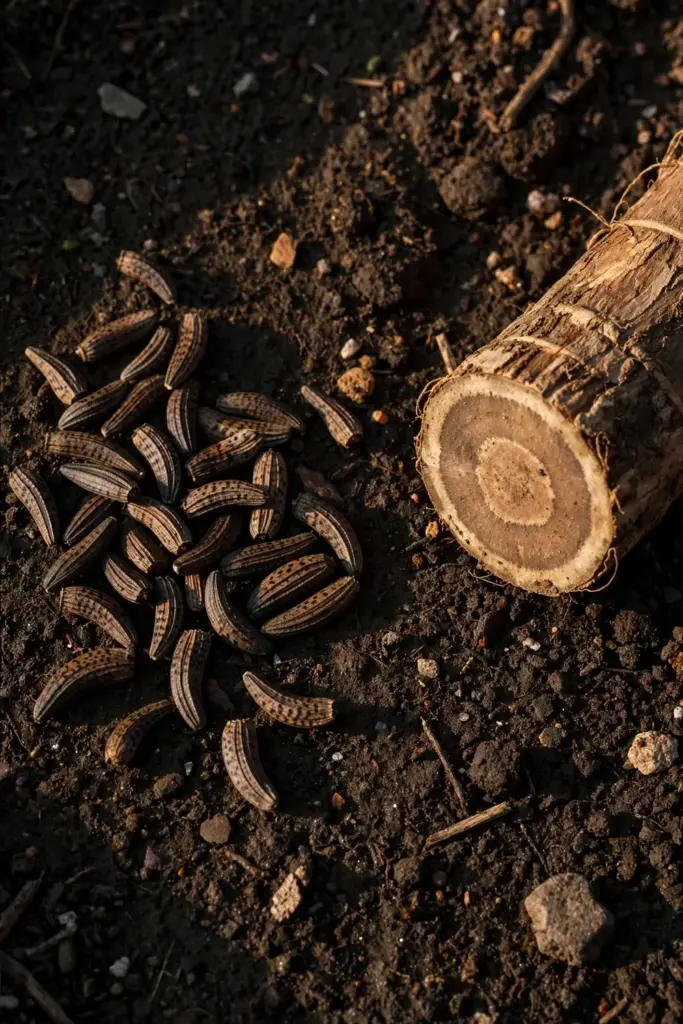
Kuth propagates two ways, and the choice shapes your first year. Seeds are the documented commercial route, with on-farm germination of 70 percent reported in germination studies. Root cuttings work for multiplying a plant you already own but cannot start a crop from nothing. The table below compares them.
| Option | Time to harvestable roots | Cost and effort |
|---|---|---|
| From seed | 2 to 3 years | Cheapest; one packet starts a bed; needs cold timing |
| From root cuttings | 2 to 3 years | Only if you already have mother roots; faster establishment, no germination wait |
The timeline does not shrink with cuttings. The root still needs two full growing seasons to reach harvest size, and the aerial parts die back each year regardless of how you started. Choose seed unless a grower you trust can hand you divisions from cultivated stock. Never buy “wild” kuth roots for planting stock; the species sits on CITES Appendix I, and wild material trade is restricted.
4. Source Real Seed and Respect the Seed’s Clock
Fresh kuth seed is the whole game. Field plots report 70 percent germination with fresh seed, and viability falls sharply after about a year of storage, so sow seed you harvested or bought within the last year. A germination study reported that 18-month-old seed performs best when sown within that window and stored cool, which means old packets from a drawer are a false economy.
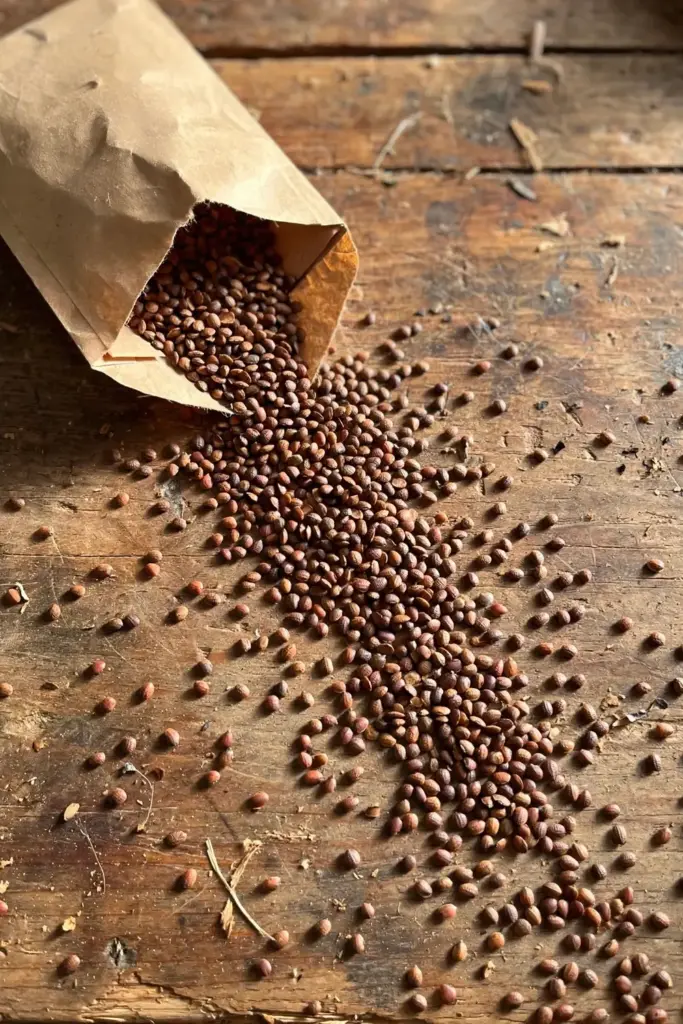
Buy only from sellers who can name the species (Saussurea costus) and the seed lot year. Earthsong Seeds in the UK sells CITES-listed seed as conservation gardening, and the model is the one to follow: collect the seed and multiply it. Generic “costus seeds” listings that cannot confirm the Latin name are almost certainly the insulin plant. Ask before you pay, and walk away from silence.
5. Sow Before the Snow Falls
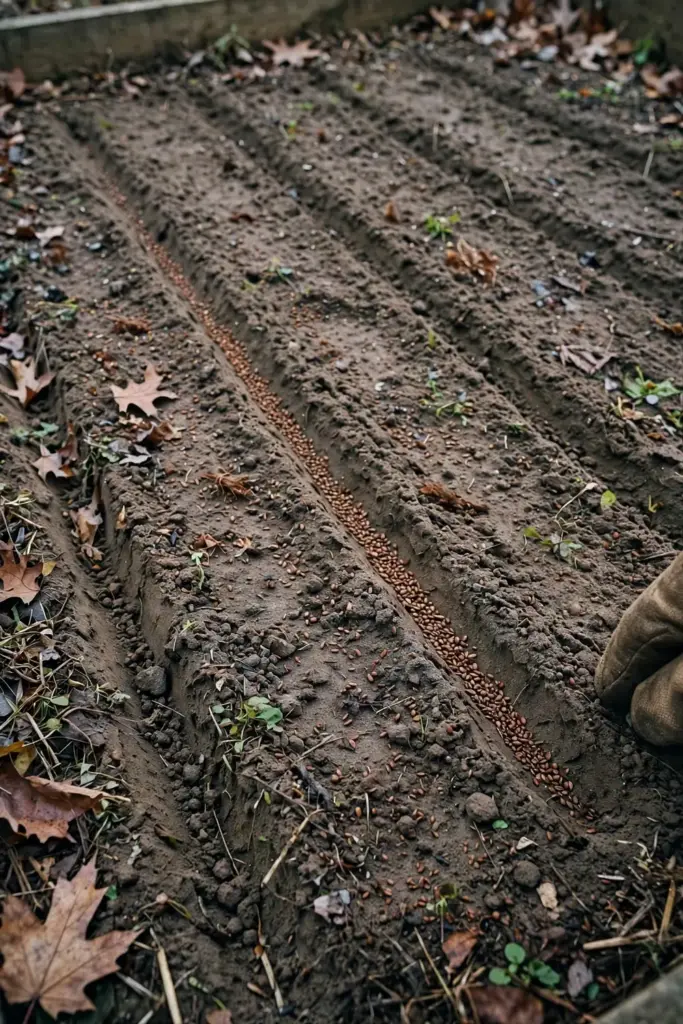
In Lahaul, kuth is sown in October and November, before the snow arrives. That timing is the heart of the method. The seed lies under 2 to 4 metres of snow for months, stratified by real winter, and emerges in the May thaw into a growing season that runs to October. This pre-winter sowing rhythm is the defining practice of how to grow costus from India at field scale, and it is the detail most non-Himalayan guides get wrong. April and May sowing is possible but rare, and it performs worse.
| Step | Action | Time |
|---|---|---|
| 1 | Prepare a fine, level bed of sandy loam, worked deep enough for root penetration | October, before snowfall |
| 2 | Drill seed in lines 20 cm apart, 4 by 6 inches plant-to-plant within the line | Mid to late October |
| 3 | Cover lightly, firm the soil, and water gently to settle | At sowing |
| 4 | Let winter do the stratification; do not disturb the bed | November to April |
| 5 | Watch for emergence as the snow melts | May |
Seed rate in the Lahaul trials ranged from 25 to 45 kg per hectare, with the widely cited working figure of 34 kg per hectare (Thakur et al.). At home-garden scale, translate the 20 cm row spacing and let the bed density land where it lands; thinning is cheaper than re-sowing. The fall planting calendar is useful for fixing your own frost dates if you are adapting the October window to a non-Himalayan cool climate.
6. Germination and Seedling Care
Expect germination in May as soil warms past the melt. Laboratory work shows the seed responds strongly to temperature: in controlled tests, germination started 5 to 14 days after sowing in cooler conditions and within 2 to 3 days in warmer chambers, with near-total germination after 13 days under continuous light at 25 degrees Celsius. In the field, do not panic if emergence is staggered; mountain seed hedges its bets across the thaw. Controlled germination research on Saussurea costus seed confirms the temperature sensitivity behind this advice, so a cold spring is a delay, not a failure.
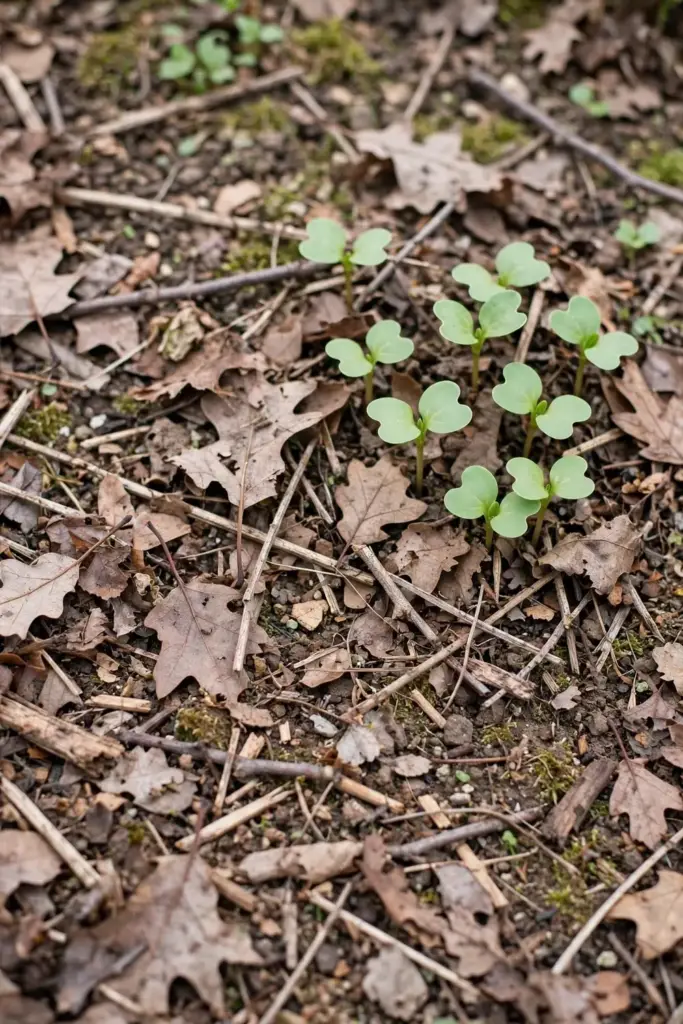
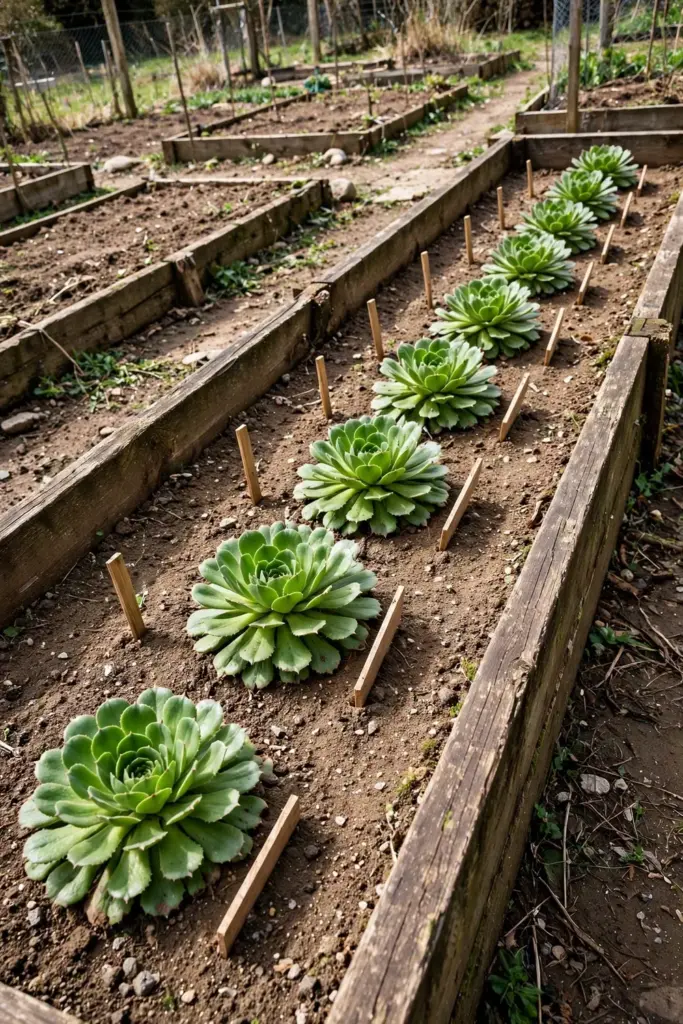
Keep the bed evenly moist but never waterlogged through the first season. The seedlings form a basal rosette in year one, and the aerial parts stay modest. Weed by hand, because the slow seedlings lose every competition. A light mulch of leaf litter mimics the forest floor the species evolved on, but keep it thin enough that the rosette crown stays ventilated.
7. Choose the Site: Sun, Slope, and Space
Give kuth full sun to light afternoon shade on a slope or raised bed that drains freely. The wild plant grows on moist mountain slopes, not in boggy hollows, and the Lahaul plots are alluvial sandy loam with good structure. Flat, heavy, waterlogged ground rots the crown; if your soil is clay, build a raised bed at least 30 cm tall and work in coarse sand and compost.
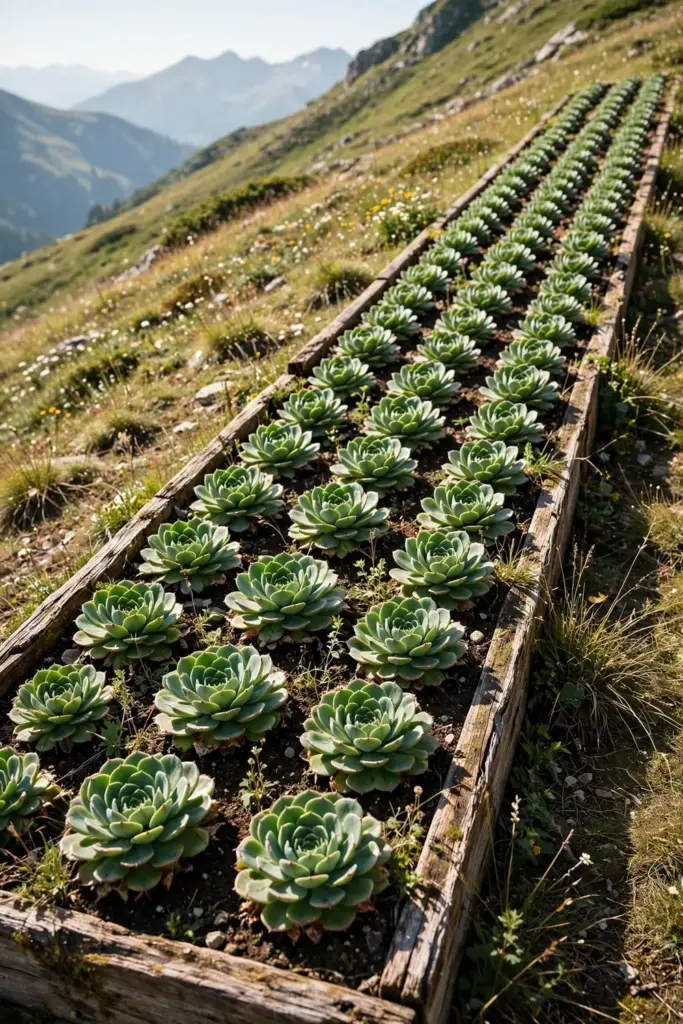
Spacing matters because the roots need room. The trial plots drilled lines 20 cm apart, while Sikkim practice transplants nursery seedlings at 0.9 by 0.9 metres and thins direct-sown stands to 0.6 to 0.9 metres. At home scale, 45 to 60 cm between plants in all directions gives each root the space to thicken without wasting bed area. Crowded roots stay thin, and thin roots are not worth digging.
8. Build the Soil the Lahaul Plots Use
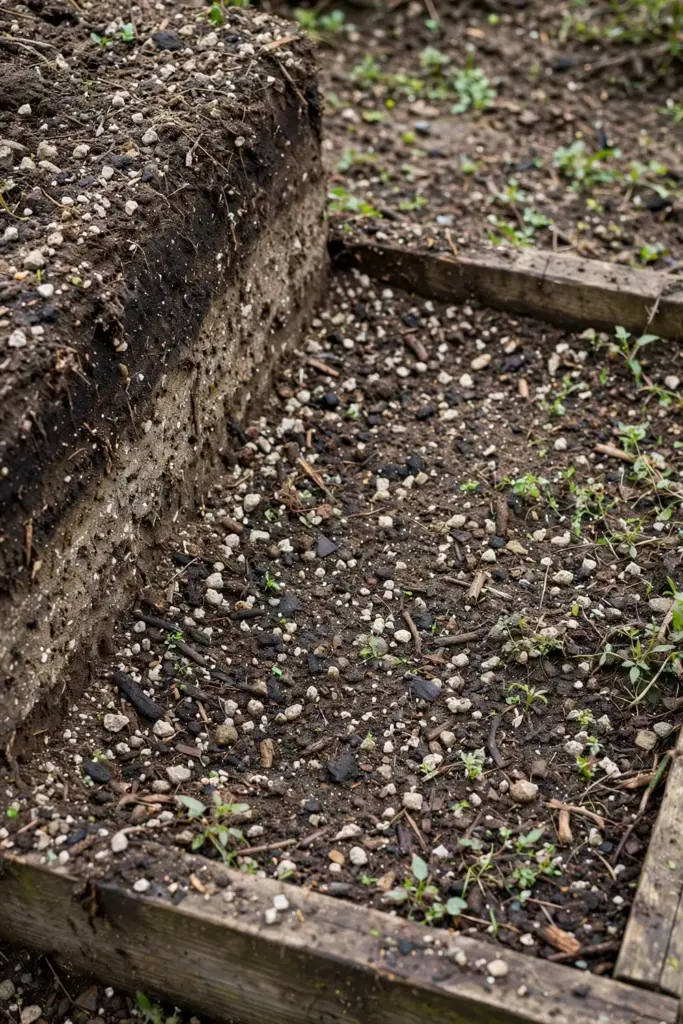
Kuth wants a deep, humus-rich, slightly acidic to neutral loam. The Lahaul experimental plots recorded pH 6.6, organic matter at 2.54 percent, and a sandy loam texture. Replicate that profile and you remove the most common hidden failure.
| Component | Purpose | Proportion |
|---|---|---|
| Garden loam or topsoil | Base structure and mineral content | 50 percent |
| Well-rotted compost or leaf mold | Organic matter and moisture retention | 30 percent |
| Coarse sand or grit | Drainage through the root zone | 20 percent |
Work the bed 40 to 50 cm deep before sowing, because the taproot-style root system drives down and forks against hard pans. Dig in 10 tonnes per hectare equivalent of farmyard manure at bed preparation, the same base dose the Lahaul plots used, and skip fresh manure, which burns young roots. If your soil is already alkaline, kuth is a poor match; the species evolved on mountain loams, and fighting pH for three years is a losing trade. The soil health guide explains the organic-matter routine that keeps a perennial bed fertile across the multi-year wait.
9. Watering Through the Short Growing Season
The growing season runs May to October in Lahaul, and irrigation covers the dry spells of the cold desert. Water deeply once or twice a week in dry weather, letting the top 5 cm dry between waterings, and ease off as the foliage yellows in autumn. The plant is dormant under snow from November to April and needs nothing.
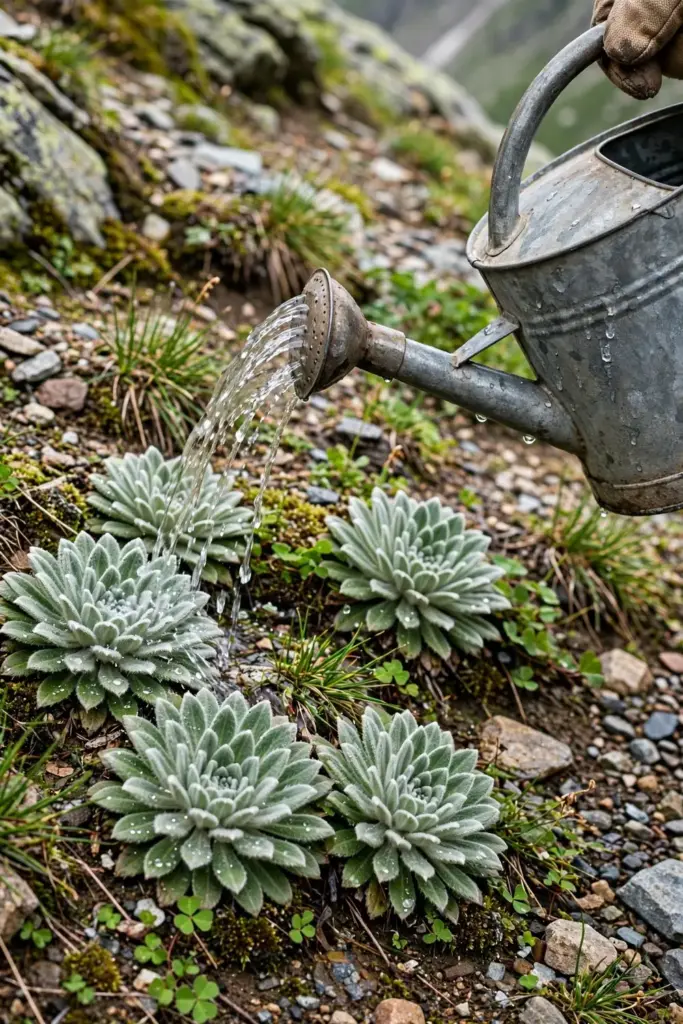
The single biggest watering mistake is summer waterlogging. Kuth comes from moist slopes, not marshes, and standing water in a warm spell invites crown rot. In a wet-summer climate, the raised bed from section 7 is not optional. In a dry-summer mountain climate, mulch with 5 cm of straw after the seedlings are established to hold moisture through the peak growing months.
10. Feeding: What the Lahaul Trials Actually Show
Fertilizer transforms kuth yields, and the numbers come from a 2020 to 2021 factorial trial in the Lahaul valley, not from folklore. Three nitrogen levels (60, 90, 120 kg per hectare), three phosphorus levels (20, 40, 60), and two potassium levels (20, 40) were tested in replicated plots, and the results were unambiguous.
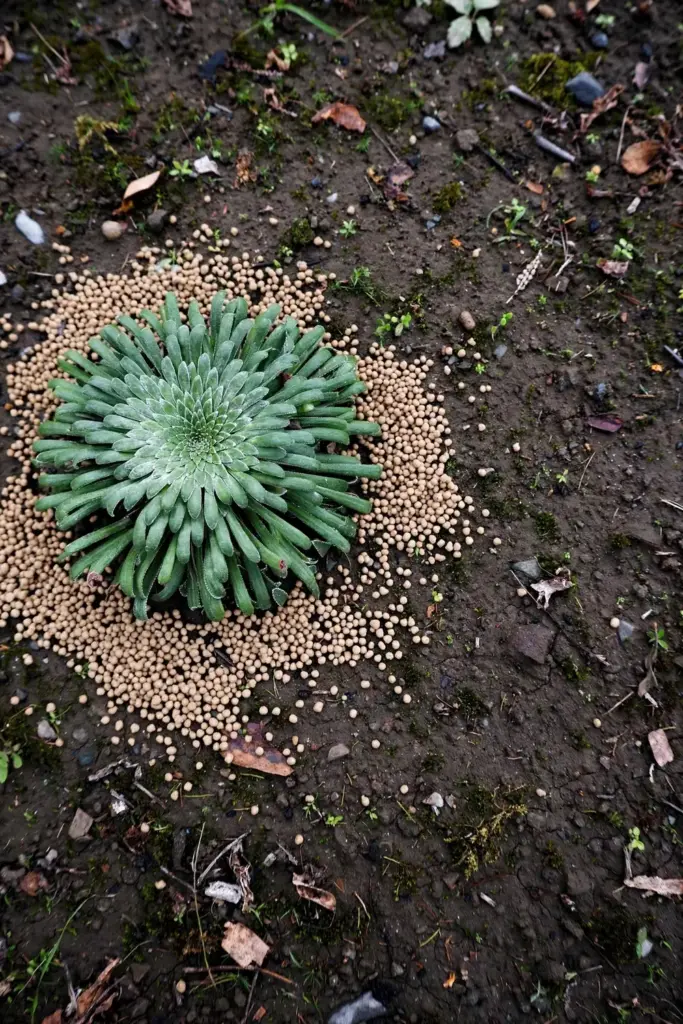
The combination of 120 kg nitrogen, 60 kg phosphorus, and 40 kg potassium per hectare produced the maximum dry root and essential oil yield, statistically at par with 90, 40, and 20. Fertilized plots out-yielded unfertilized ones by 108.9 percent in dry root and 210.3 percent in essential oil. The response curve flattened past the 90-40-20 level, so more is not better.
Translate that to a home bed by scaling down. Roughly 9 grams of nitrogen, 4 grams of phosphorus, and 2 grams of potassium per square metre approximates the 90-40-20 rate, split into a spring application at emergence and a midsummer top-dress. An earlier Lahaul trial testing seed rates of 25, 35, and 45 kg per hectare against nitrogen levels of 0, 20, 40, and 60 kg per hectare, sown mid-October 1990 and harvested September 1992, confirmed the same direction in its published seed-rate by nitrogen results: nutrition, not seed density, is the lever. Organic growers can substitute the farmyard manure base plus a nitrogen-rich top-dress, but expect yields closer to the unfertilized end of the range.
11. Living With a 2 to 3 Year Wait
Here is the timeline the trials measured. Seed drilled in mid-October 1990 was harvested in September 1992, twenty-three months later. Farm practice in Lahaul treats the root as mature at 3 years, and Sikkim records show roots reaching 15 to 35 cm in a single year under nursery conditions, though not yet at harvest quality. Call it 2 to 3 years and plan your bed accordingly, because patience measured in winters is the non-negotiable skill in how to grow costus from India from seed.
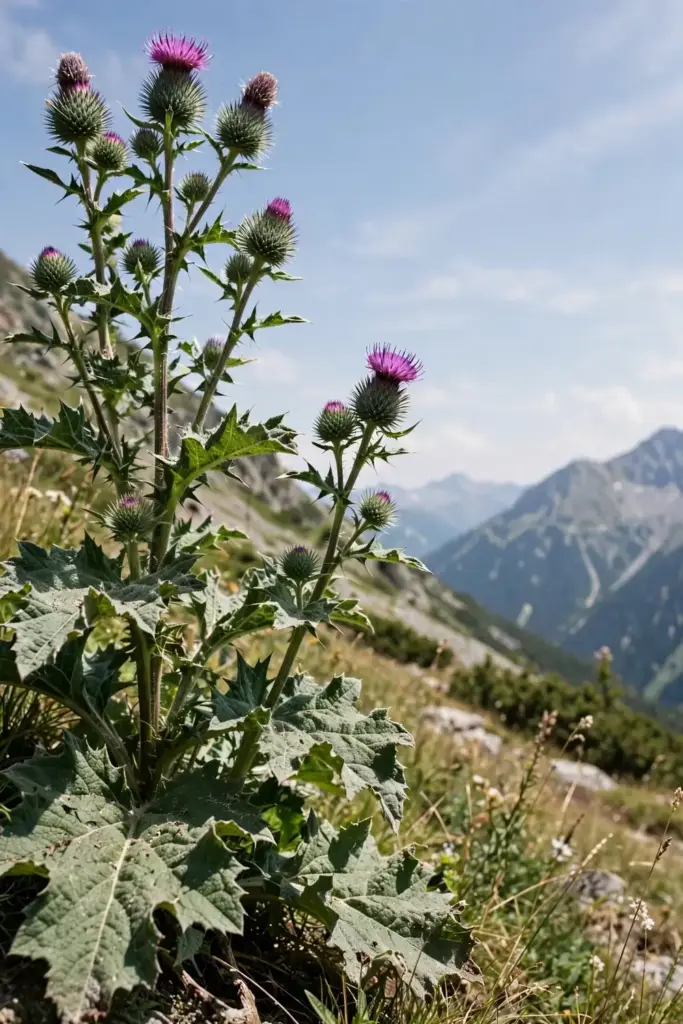
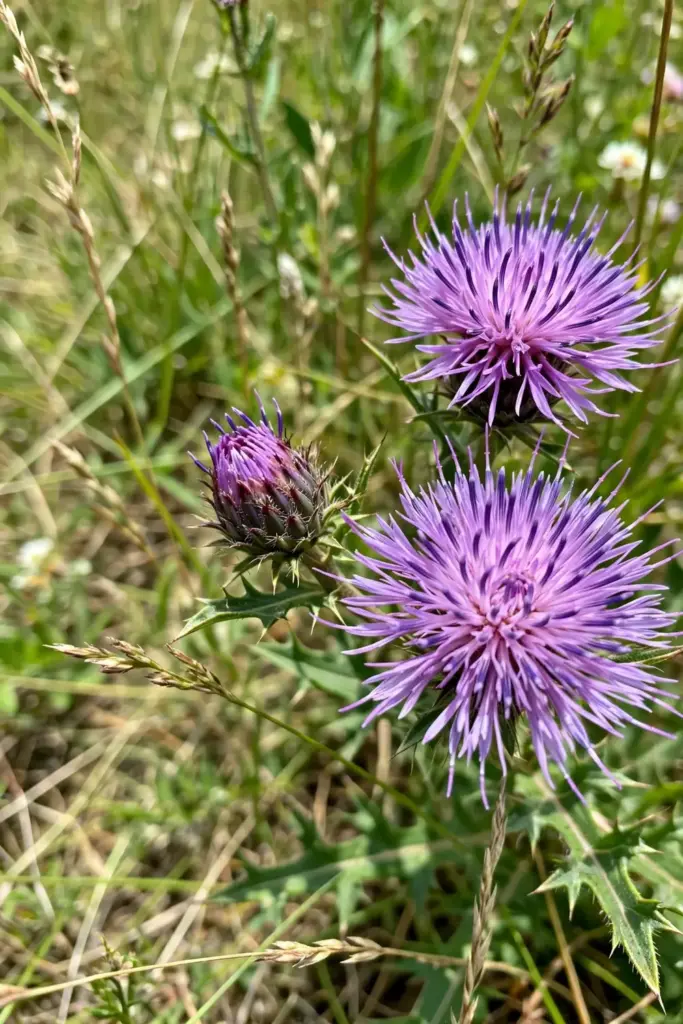
Year one is a rosette. Year two brings tall stems and the thistle-like flowers of July and August, and the root thickens substantially. Year three is the harvest year. The aerial parts are annual and die back each winter; do not mistake the autumn dieback for failure. Mark the bed clearly, because an unmarked patch of dead stems in November looks exactly like a failed crop to anyone who did not sow it. If multi-year patience is new to you, the mangosteen long-term guide is a good companion read on planning around slow plants.
12. Overwintering: Let the Snow Do Its Work
Kuth needs winter, not protection from it. In its home range the bed sits under 2 to 4 metres of snow, and the plant is fully dormant. Do not mulch heavily, do not cover with plastic, and do not bring containers indoors. The cold is a requirement, not a hazard.
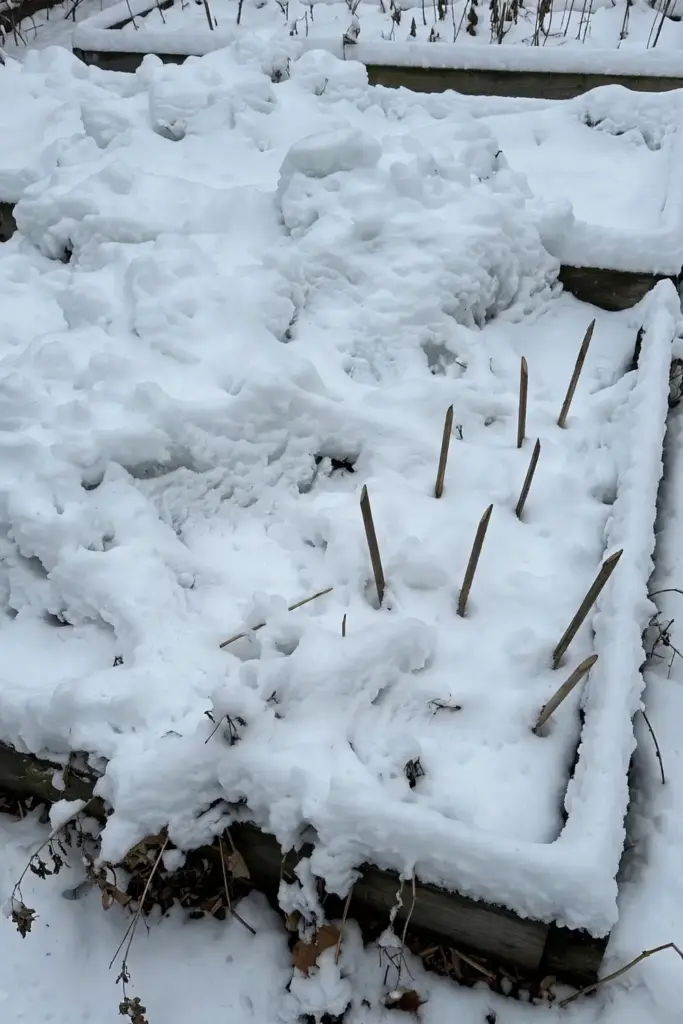
The danger is not cold but winter wet in a snowless climate. In regions with freeze-thaw winters and no reliable snowpack, a breathable straw mulch 10 cm deep keeps the crown from heaving. Remove it at the first sign of spring growth so the rosette gets light. Container growers face the hardest version of this: a pot freezes harder than the ground, so sink the pot into the soil for winter or move it to an unheated cold frame where it still experiences real cold.
13. Pests and Diseases
Kuth has a short pest list, which is one of its virtues. The Lahaul trials and cultivation reviews report no devastating insect complex; the crop’s own aromatic roots double as an insecticide for woolens, which tells you something about its chemistry. Watch for the usual mountain-garden suspects: slugs on young rosettes in wet springs, and aphids on the flower stems in July.
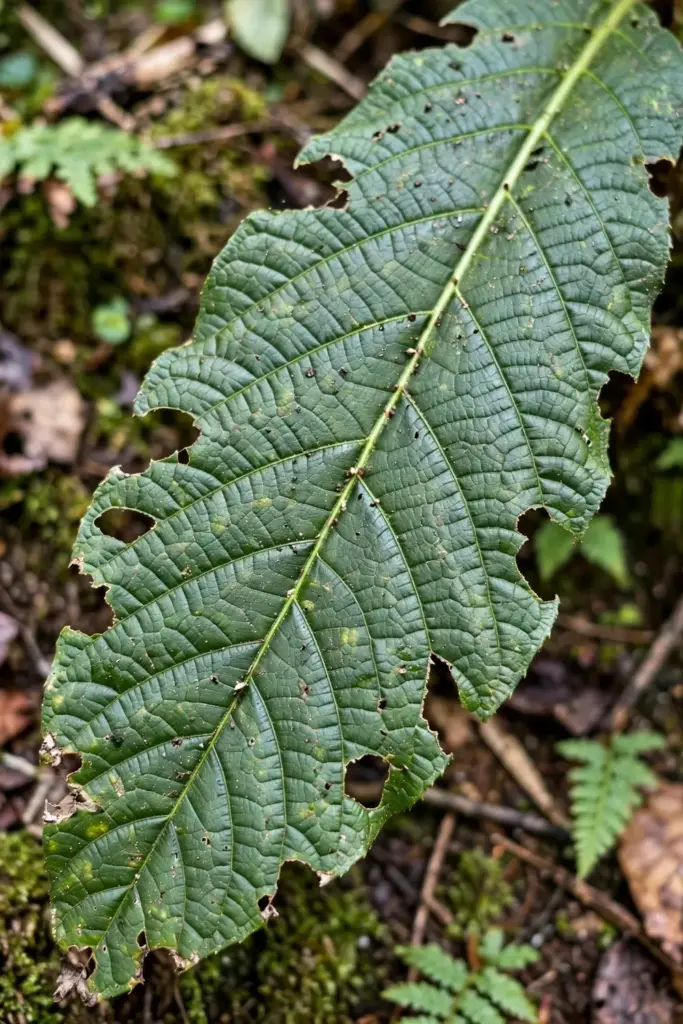
Disease pressure is mostly about drainage. Crown rot in waterlogged soil is the main killer, and the fix is the raised bed from section 7, not fungicide. Leaf spots appear in wet summers but rarely affect the root, which is the crop. Because the harvest is two to three years away, avoid systemic pesticides entirely; residues and a medicinal root crop do not mix.
14. Harvesting the Roots
Harvest in September of the second or third year, when the haulm is dry and the leaves have fallen or yellowed. That is the signal the trial plots used, and it is the most reliable one you will get. Dig with a fork, starting 30 cm from the plant center and working inward, because the roots drive deep and snap if you lever them.
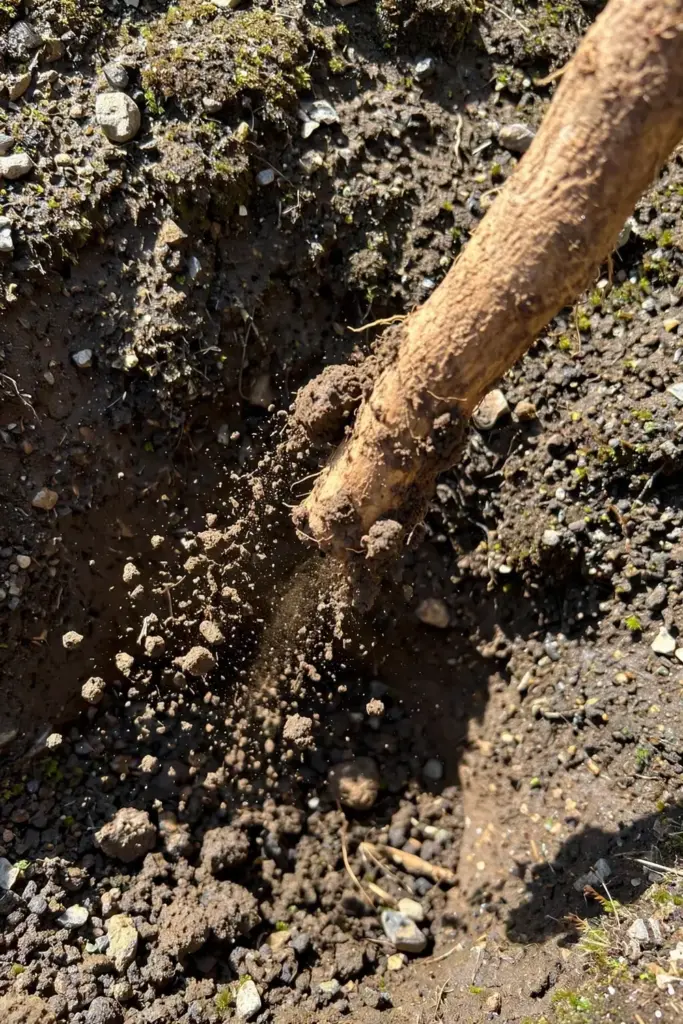
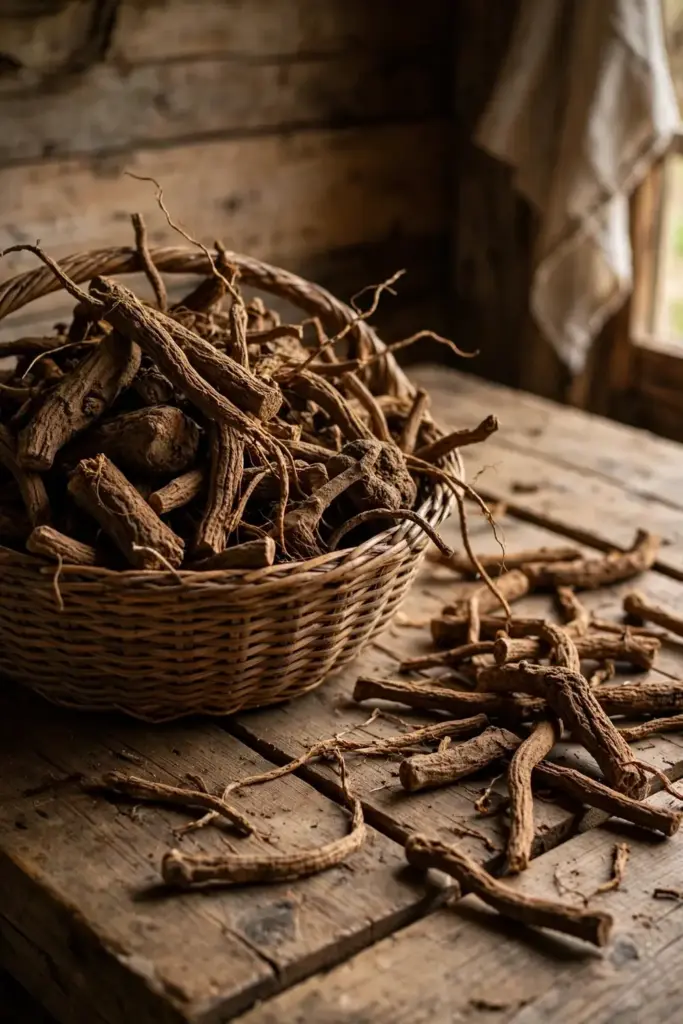
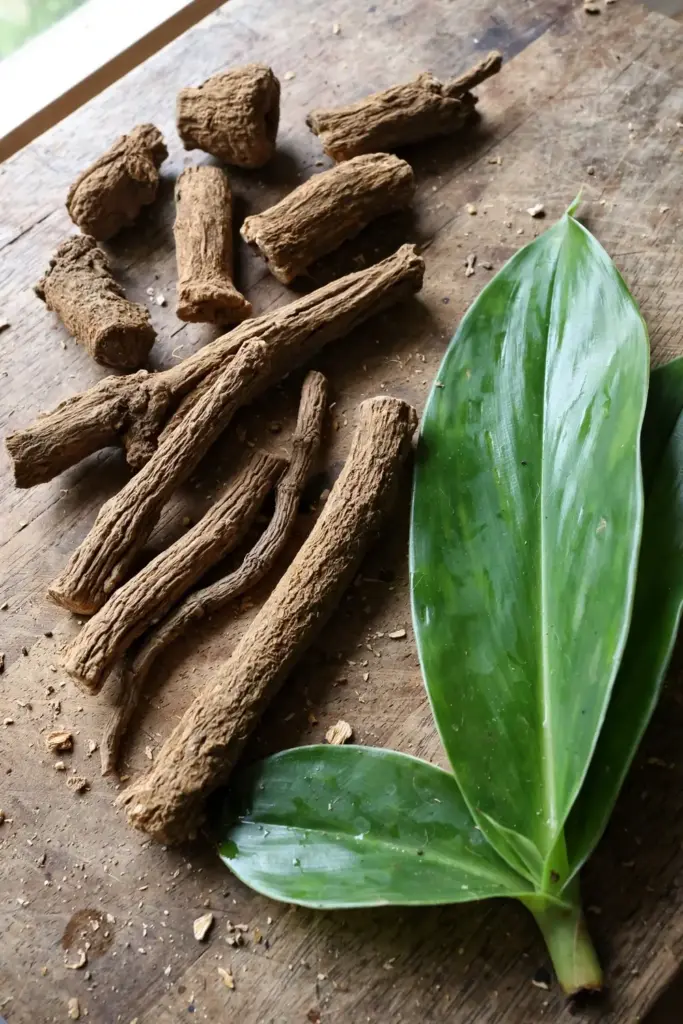
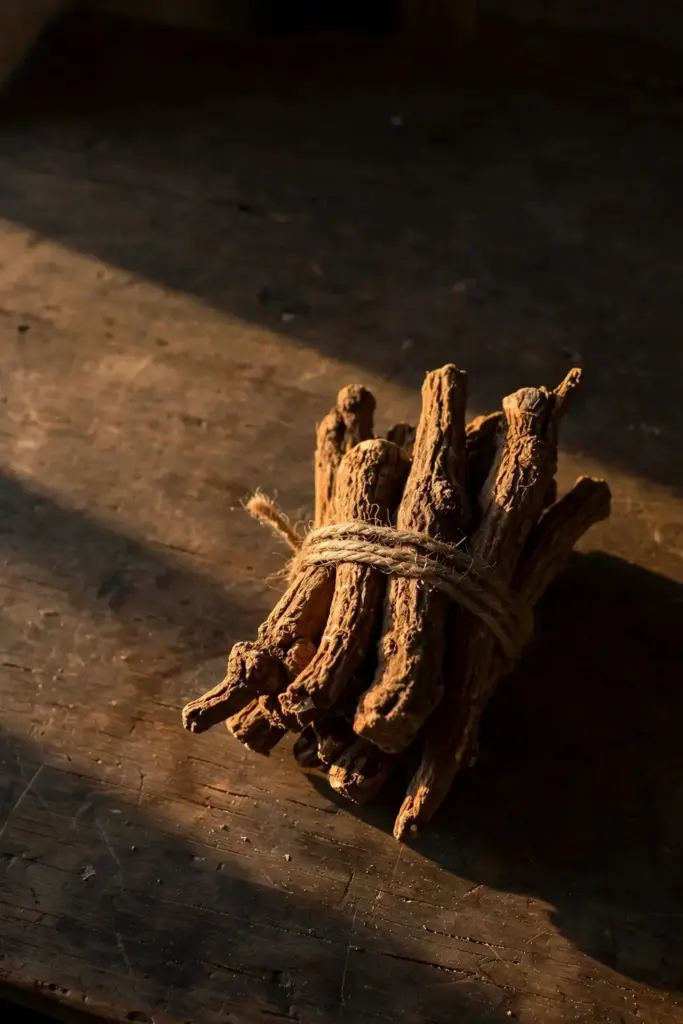
Expect thick, aromatic, brown roots with a sweet-woody scent that intensifies as they dry. First-year roots are thin and not worth the disturbance; if you are unsure whether your crop is ready, sacrifice one plant and check root thickness before committing the whole bed. A root under 2 cm thick at the crown is a plant that should have waited another year.
15. Washing, Drying, and Storing the Roots
Wash the roots the day you dig them, scrubbing off all soil with cold water. Slice thick roots lengthwise so they dry evenly; whole thick roots case-harden, dry on the outside, and mold inside. Dry in shade with good airflow for 2 to 3 weeks, turning daily, until the pieces snap cleanly instead of bending.
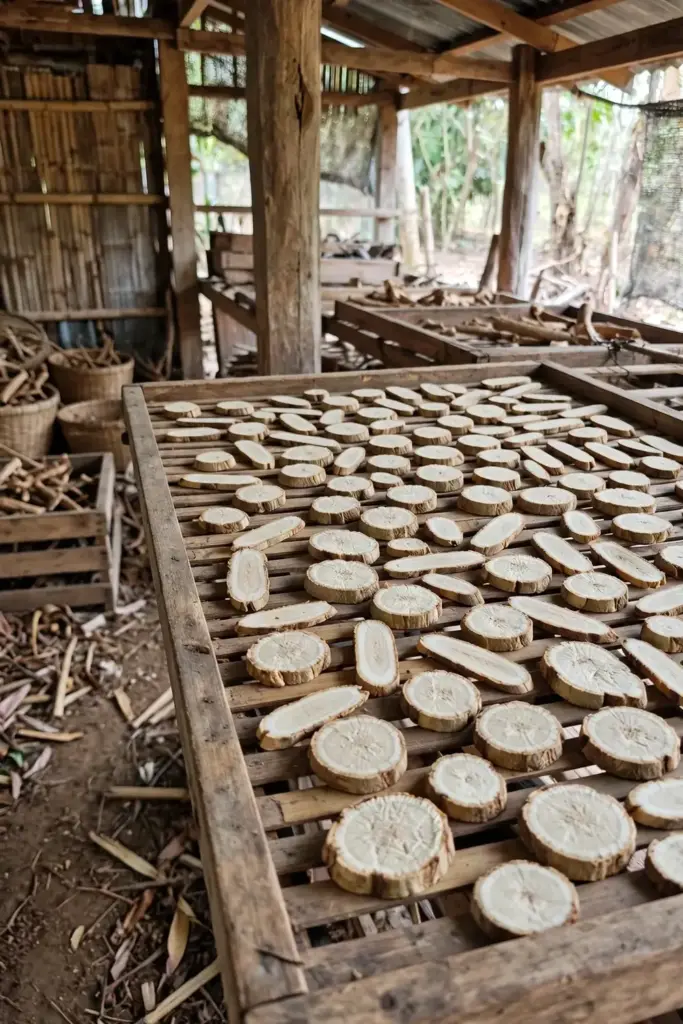
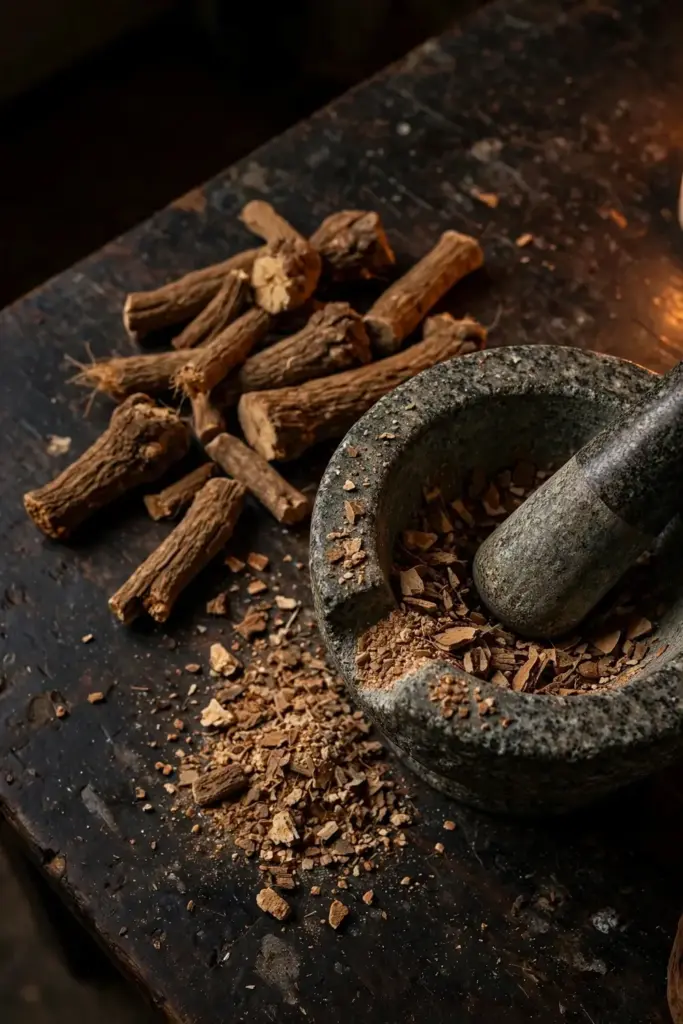
Dried kuth root keeps its aroma for a year or more in airtight jars stored cool and dark. The dried root is the trade article: it is what perfumers buy for costus oil, what Ayurvedic pharmacies grind, and what wool merchants have used for a century to protect shawls from insects. Label your jars with the harvest year, because potency and aroma fade gradually and a date on the lid removes all guesswork.
16. The CITES Story and Your Legal Responsibility
This section is not optional reading. Kuth is listed on CITES Appendix I, uplisted in 1985 after an Appendix II listing in 1975 under the name Saussurea lappa. It is among the most heavily traded Appendix I plant species in the world, driven by demand from Ayurveda, traditional Chinese medicine, Tibetan medicine, and the perfume industry, and wild populations were over-harvested to the point of critical endangerment.
What that means for you is simple. Grow only from cultivated seed sources, never collect wild plants or buy wild-dug roots, and check your country’s CITES rules before moving seed or root across borders. The conservation model that works is the one Earthsong Seeds demonstrates: ordinary gardeners multiplying cultivated seed, which is genuine ex-situ conservation. Your three-year bed is a small act of species preservation, and the paperwork matters as much as the horticulture.
17. Why Kuth Faded and Why It Is Returning
Kuth was a regular commercial crop in the Lahaul valley in the 1920s and 1930s, expanded to more than 600 hectares in the 1950s, and moved 300 to 400 metric tonnes a year in trade. Then the 1962 China-India war collapsed the export market, and high-yielding potatoes, peas, and hops took the fields. Cultivation studies from the period show kuth’s monetary efficiency historically exceeded those HYV crops, but the market shock and the labor intensity of a 3-year root crop did the damage.
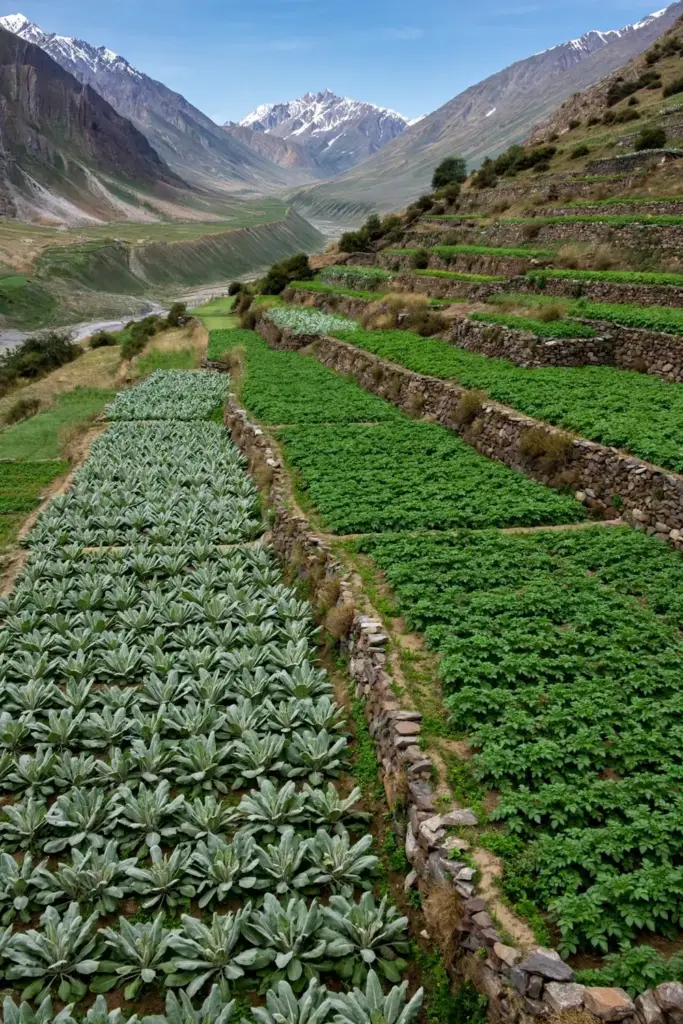
Revival efforts now frame cultivation as conservation. Research papers from the Lahaul valley argue explicitly that bringing kuth back into cultivation is necessary for the species’ protection, and trial budgets showed outputs several times the cultivation costs, with human labor the dominant input. For the home grower, the economics are simpler. You are not competing with potatoes. You are growing a CITES-listed medicinal root that almost nobody else in your region can offer.
18. Traditional Uses, Framed Honestly
Kuth root carries one of the longest documented use records of any Himalayan plant. Ayurvedic, Unani, Tibetan, and traditional Chinese medicine all employ it: as a tonic, stomachic, carminative, and stimulant, for coughs and bronchitis, skin conditions, rheumatism, and digestive complaints. Islamic prophetic medicine knows it as Qust al-Hindi, mentioned in hadith literature for ailments including tonsillitis and pleurisy. The chemistry behind the reputation includes the sesquiterpene lactones costunolide, dehydrocostus lactone, and cynaropicrin, with essential oil around 1.5 percent and inulin near 18 percent.
Two cautions are mandatory. Safety data in pregnancy and nursing are insufficient, so avoid use in those conditions. People with Asteraceae (daisy family) allergies should treat kuth with the same caution as ragweed or chamomile. This article gives no dosing guidance; traditional-use framing is not a prescription, and anyone considering medicinal use should consult a qualified clinician.
19. Common Mistakes and How to Fix Them
Sowing the wrong species. The insulin-plant seed packets labeled “costus” are the most expensive mistake a new kuth grower can make. Fix: confirm Saussurea costus on the packet and buy only from sellers who answer the Latin-name question.
Sowing in spring and expecting the Lahaul result. Spring sowing skips the winter stratification the seed evolved for. Fix: sow in October or November, before your cold season, even if that feels wrong.
Harvesting in year one. The roots are thin, the aroma is weak, and you have destroyed a bed that needed one more season. Fix: wait for the September dieback of year two at the earliest, and check one plant first.
Planting in heavy flat ground. Clay plus summer rain equals crown rot. Fix: raised beds, a grit-heavy mix, and no low spots.
Overfeeding past the trial optimum. The Lahaul data shows yields plateau past the 90-40-20 rate; extra nitrogen buys leaves, not roots. Fix: feed to the trial rate and stop.
20. Troubleshooting
Nothing emerged in May. The seed may be old, sown too deep, or the bed may have waterlogged over winter. Dig a small test patch and look for swollen, ungerminated seed. If the seed is dead, re-sow fresh seed the following October; do not re-sow in summer.
Rosettes are tiny in year one. Normal. First-year kuth is a rosette, not a bush. Check that weeds are not outcompeting it and that the bed drains; otherwise, leave it alone.
Stems flop in year two. Tall flower stems in rich soil can lodge. Stake individual stems or grow through a low support grid. Lodging does not hurt the root.
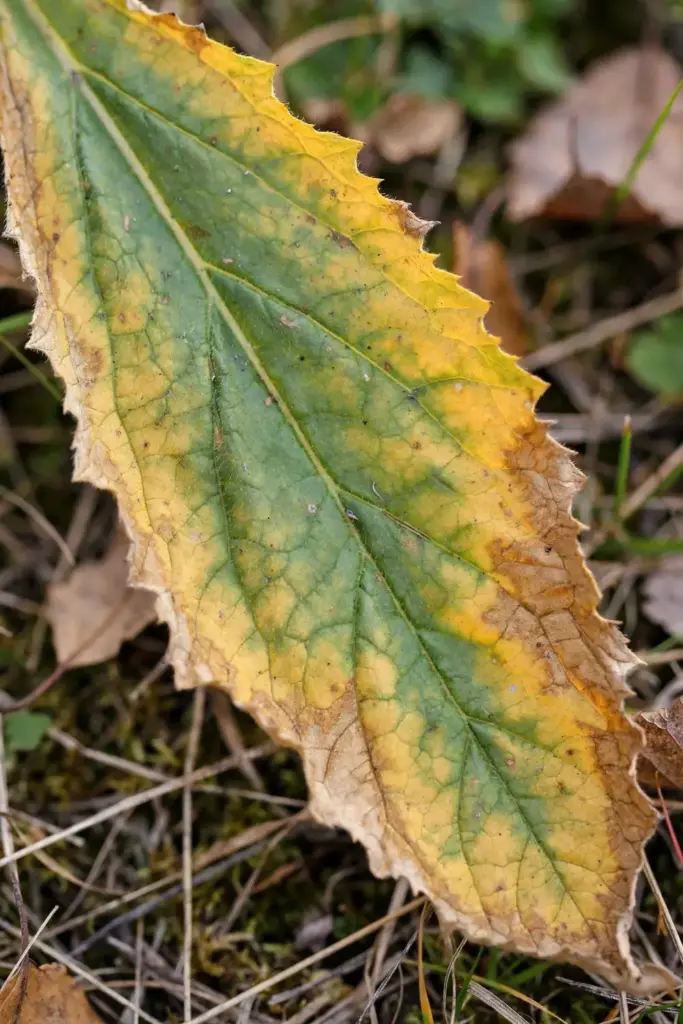
Leaves yellow in midsummer. Usually the start of the natural senescence cycle, especially in dry spells. If the whole bed yellows early and the soil is soggy, suspect drainage, not nutrients.
Roots smell weak at harvest. Harvested too early, dried too fast in heat, or grown from mislabeled seed. Only the first two are fixable; the third is why section 1 exists.
Frequently Asked Questions
Yes, if your climate offers a real winter and a cool summer. Kuth needs months of cold dormancy and performs best where snow or sustained frost arrives. Hot-summer lowland climates, heated greenhouses, and frost-free zones will not work. A cool temperate garden with an unheated cold frame is the realistic non-Himalayan setup.
Two to three years. Seed sown in October emerges the following May, grows as a rosette in year one, flowers in year two, and produces harvestable roots by September of year two or three. Trial plots harvested twenty-three months after sowing; farm practice often waits the full three years for maximum root weight.
Yes, from cultivated seed. Kuth is CITES Appendix I, which restricts trade in wild-collected material, not home cultivation from legal seed. Buy seed from reputable cultivated sources, keep your purchase records, and check national CITES rules before shipping seed or roots across borders. Never wild-collect.
True kuth is Saussurea costus, a Himalayan Asteraceae grown for its aromatic root. The insulin plant (Costus speciosus or Costus igneus) is a tropical Costaceae grown for its leaves, and it is not kuth. Seed packets, growing guides, and even some university pages confuse them, so always verify the Latin name before buying or following advice.
Dried kuth root has a strong, sweet-woody, slightly animalic aroma that perfumers describe as warm and persistent. The taste is bitter and aromatic. The scent intensifies with proper shade drying and fades if roots are dried in direct heat, which is why slow drying matters more than most growers expect.
Three reasons compound. The root needs two to three years in the ground, which ties up land and labor. Wild populations are CITES-protected, so legal supply comes only from cultivation. And demand from Ayurveda, traditional Chinese medicine, and perfumery keeps outpacing the small cultivated area. Growing your own is the only cheap route to a personal supply.
Where to Go From Here
You now have the full Lahaul method: true seed, October sowing, a 2 to 3 year wait, and a legal, conservation-positive harvest. If your climate qualifies, order fresh seed this season and prepare the bed before the cold arrives. If it does not, you have saved yourself three years of disappointment, which is also a successful outcome. To learn how to grow costus from India is to learn patience measured in winters, and the root you finally dig will have earned every month.