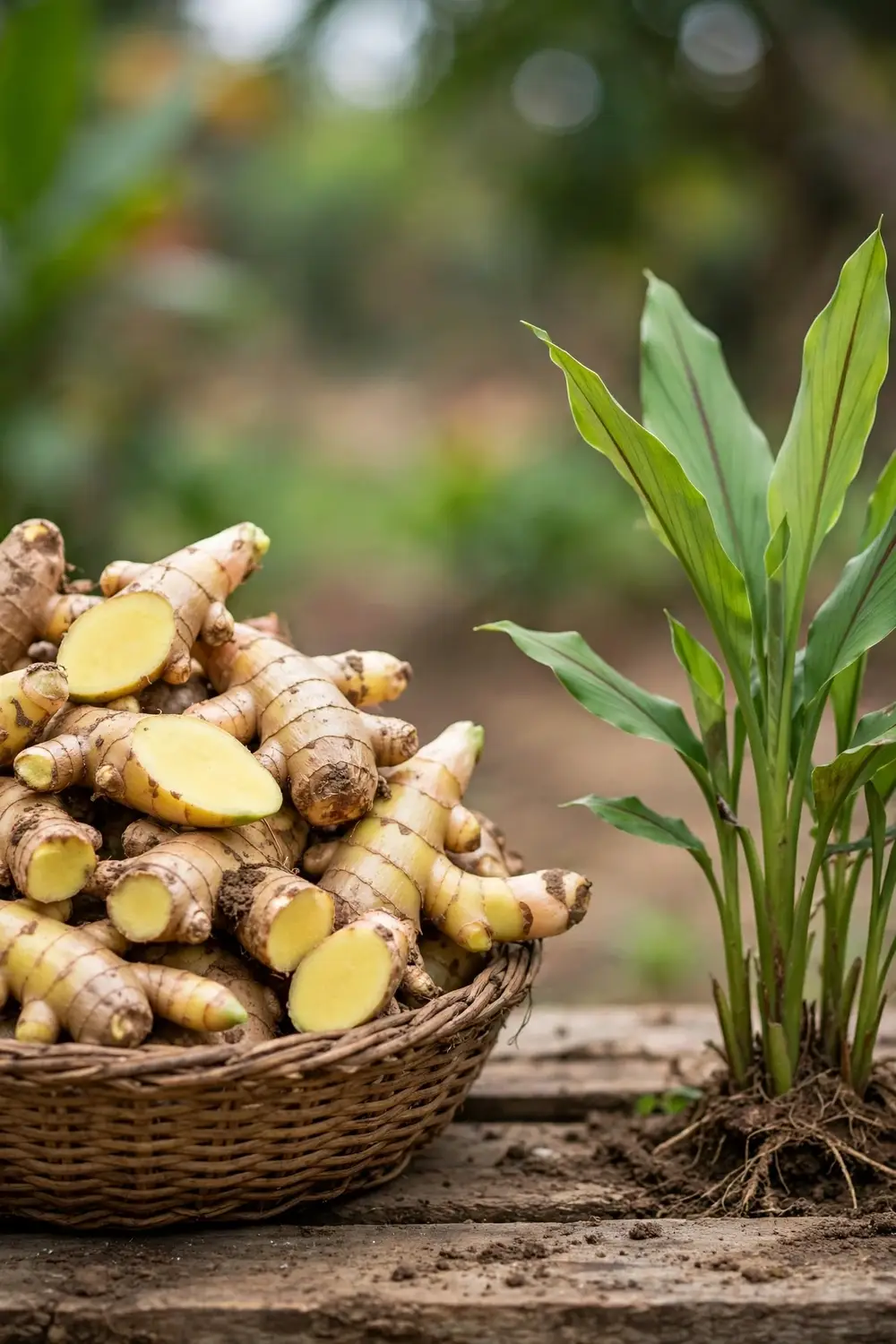

Mango ginger takes about 6 to 10 months from planting to harvest, and every one of those months is easier once you accept a single fact: this plant is a turmeric relative, not a ginger. You plant mango ginger from India the way Kerala growers do, using 15 to 20 gram disease-free finger rhizomes planted in April at the start of the pre-monsoon showers. What follows is the full sequence, the Kerala Agricultural University package, the container method, and the Curcuma family disambiguation that keeps you from buying the wrong rhizome.
The keyword phrase that matters here is how to grow mango ginger from India, and the search is crowded with ordinary ginger content. Mango ginger is Curcuma amada: it looks like ginger, smells like raw mango, and belongs to the turmeric genus. Treat it like ginger and you will underfeed a plant that wants turmeric-style fertility and miss the one trait that defines the harvest, the mango aroma that develops in pale yellow flesh.
Before you buy a single rhizome, read the nursery-starting routine on how to raise seedlings the reliable way so your germination setup is solid. Mango ginger starts from rhizome pieces rather than true seed, but the moisture and warmth discipline is the same.
1. Climate & Zone Reality for Mango Ginger
Mango ginger wants a hot, humid tropical climate with more than 1,500 mm of annual rainfall, according to Kerala Agricultural University. It grows well in open conditions and tolerates partial shade, which is why Kerala growers tuck it into coconut palm groves. The plant rises 60 to 90 cm in a leafy tuft, and in cooler regions it behaves as an annual: the tops die back and you harvest everything before cold weather arrives.
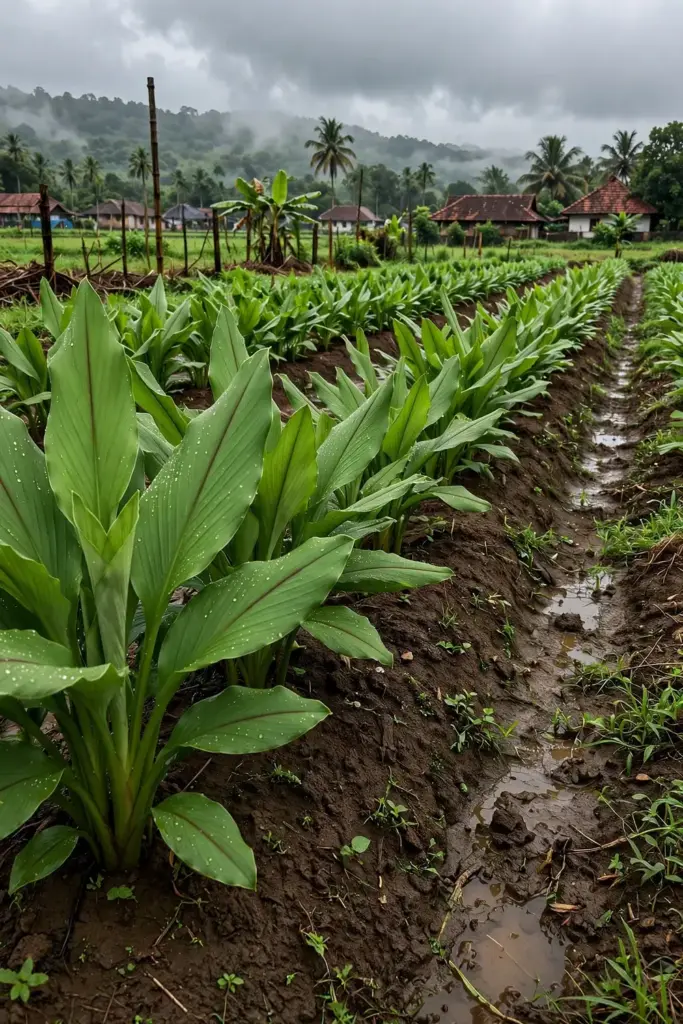
If you live outside the tropics, stop thinking of it as a perennial. Think of it as a single-season crop, planted after the soil warms and dug before the first frost. In USDA terms this is a zones 9 to 11 outdoor plant and a container project everywhere colder.
2. Amada vs Zedoaria vs Longa: the Mandatory 3-Way Table
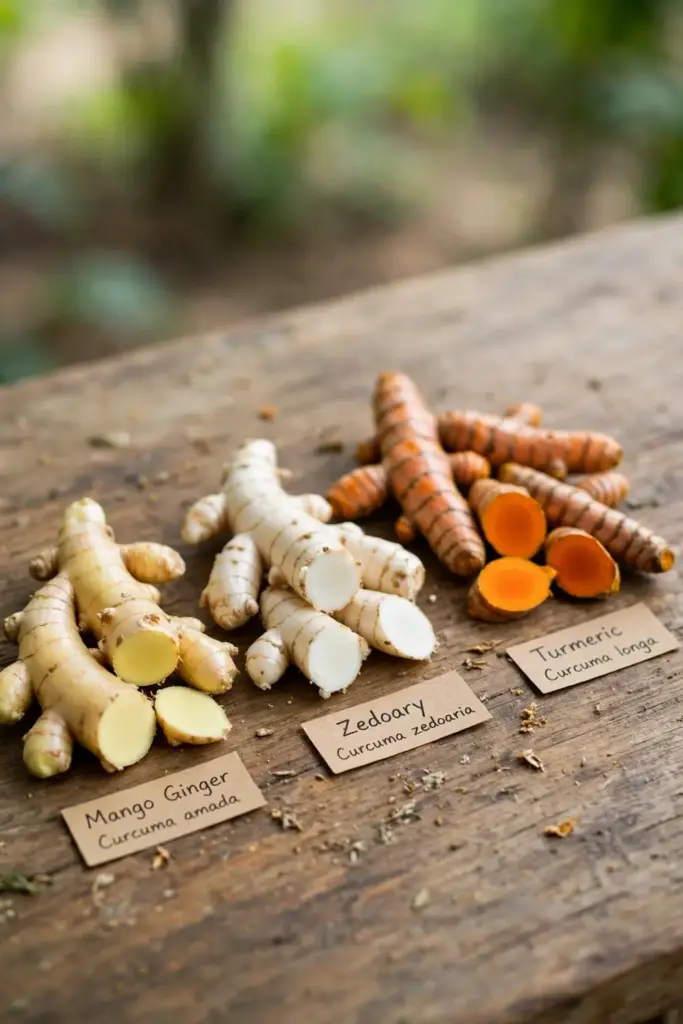
The Curcuma family is where mango ginger growers get cheated, usually at the market stall. Three species share common names, and only one is mango ginger. Read this table before you spend money.
| Species | Common names | Flesh and aroma | What the rhizome is for |
|---|---|---|---|
| Curcuma amada | Mango ginger, amba haldi, amba ada | Pale yellow, mild; raw-mango fragrance, no pungency | Pickles, chutneys, salads, candy |
| Curcuma zedoaria | White turmeric, zedoary, kachur | White, camphor-bitter | Ayurvedic formulations, bitter tonics |
| Curcuma longa | Turmeric, haldi | Deep orange, earthy-bitter | Curries, golden milk, dye and medicine |
The rule that protects you is simple: when you want the mango-scented root, the label must say Curcuma amada. Two more species hover at the edges of the confusion: Zingiber officinale is ordinary ginger (pungent, spicy, no mango note), and Curcuma aromatica is kasturi haldi, a separate wild turmeric that trade terminology sometimes lumps with amba haldi. All five sit in the same ginger family, which is why the folk names overlap. Botanical names are the only reliable label.
3. The Amba Haldi Mislabel: a Documented Error
“Amba haldi” is mango ginger’s legitimate Hindi name, and it is also where the market misleads people. Hawaii Pharm’s Ayurvedic FAQ states explicitly that in many regions the plant actually meant by the folk names “white turmeric” and “amba haldi” is zedoary, C. zedoaria, so those names are not reliable labels for mango ginger. Our Tier 3 white turmeric article documented the same error from the other direction: two web sources named C. zedoaria as “Amba Haldi,” which is exactly the mistake you must avoid when buying planting stock.
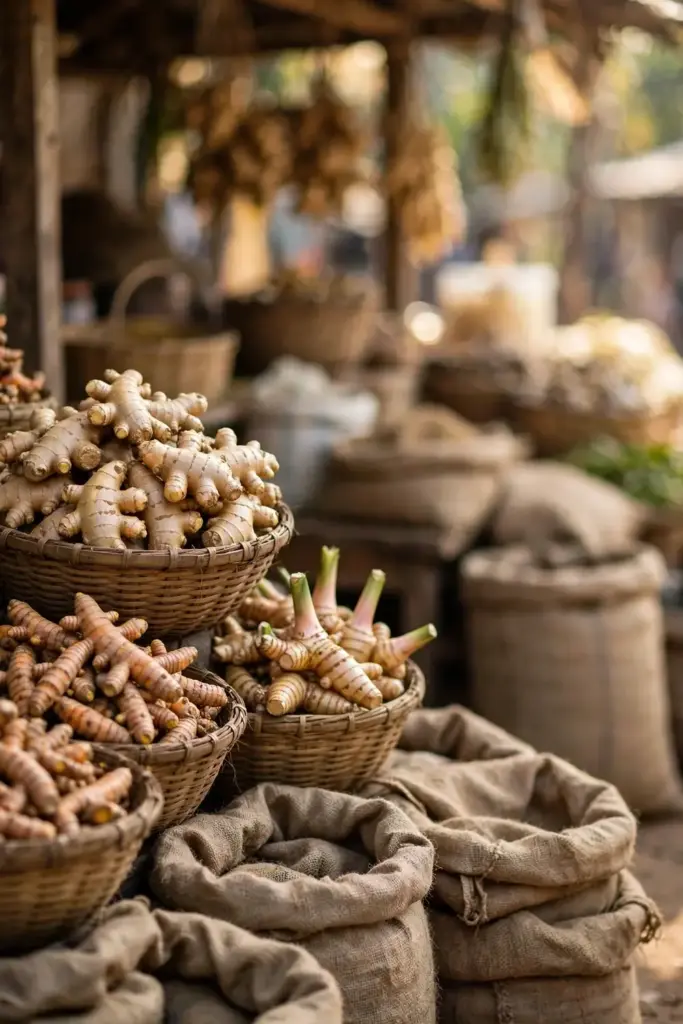
What this means for you is practical, not academic. If a seller offers “amba haldi” rhizomes and the label says C. zedoaria, you are buying white turmeric, and no amount of good gardening will make it smell like mango. Ask for the botanical name every time. If the seller cannot give it, buy elsewhere.
4. Rhizome Is the Prize: Why Seeds Stay Out
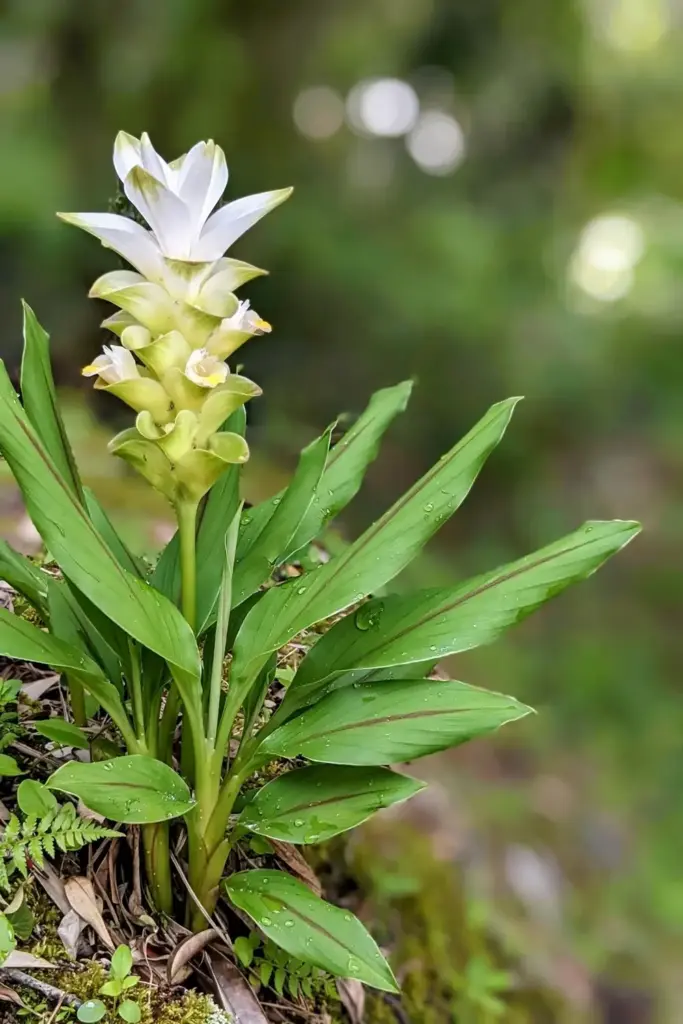
Mango ginger does flower, with white or pale yellow spikes in the center of the leaf tuft, but nobody grows it from seed. The crop is vegetative by design: the harvest is the rhizome, and the only way to get a plant with the right aroma profile is to plant a piece of rhizome. Seeds are irrelevant to the home grower, and any listing that sells you “mango ginger seeds” deserves the same skepticism as the amba haldi mislabel.
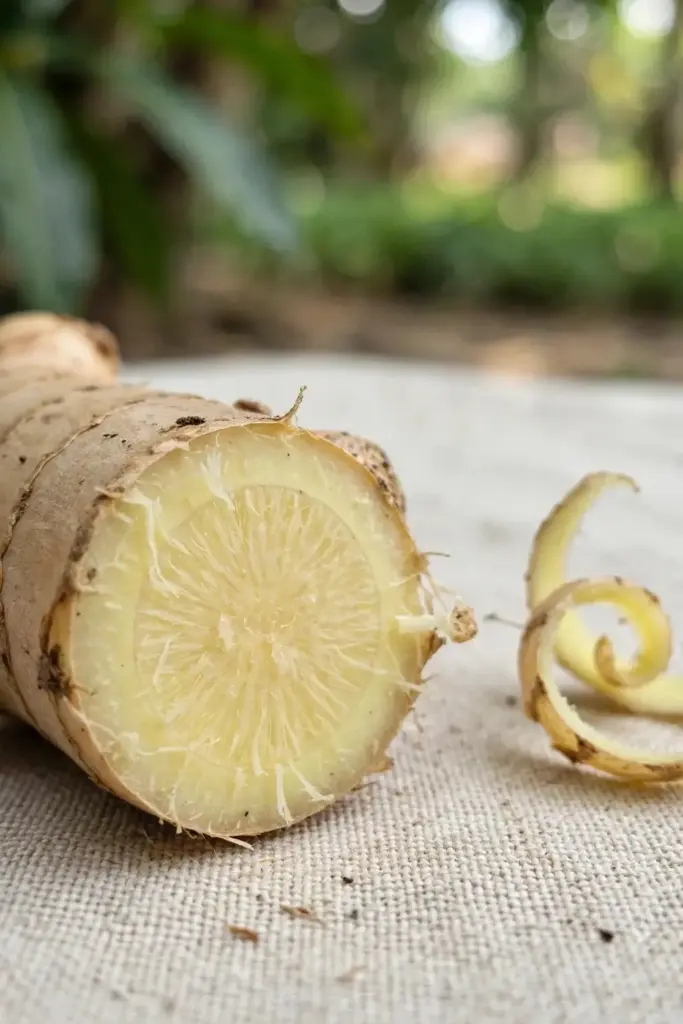
The commercial logic matches the home logic. Kerala Agricultural University’s package prescribes whole or split mother rhizomes, or well-developed healthy finger rhizomes weighing 15 to 20 g. That weight range is the sweet spot: big enough to carry the energy for a strong shoot, small enough that one kilogram of planting stock plants a useful area. Planting stock is roughly 1,500 kg per hectare at commercial density, which tells you this is a crop people plant seriously, not a novelty.
5. Selecting 15–20 g Mother Rhizomes
Buy plump, firm finger rhizomes with visible, unbroken buds. Reject anything soft, shriveled, or smelling of rot, and reject any batch with mold at the cut ends. Disease-free planting stock is the cheapest pest control you will ever buy, because rhizome-borne infections travel with the plant for the whole season.
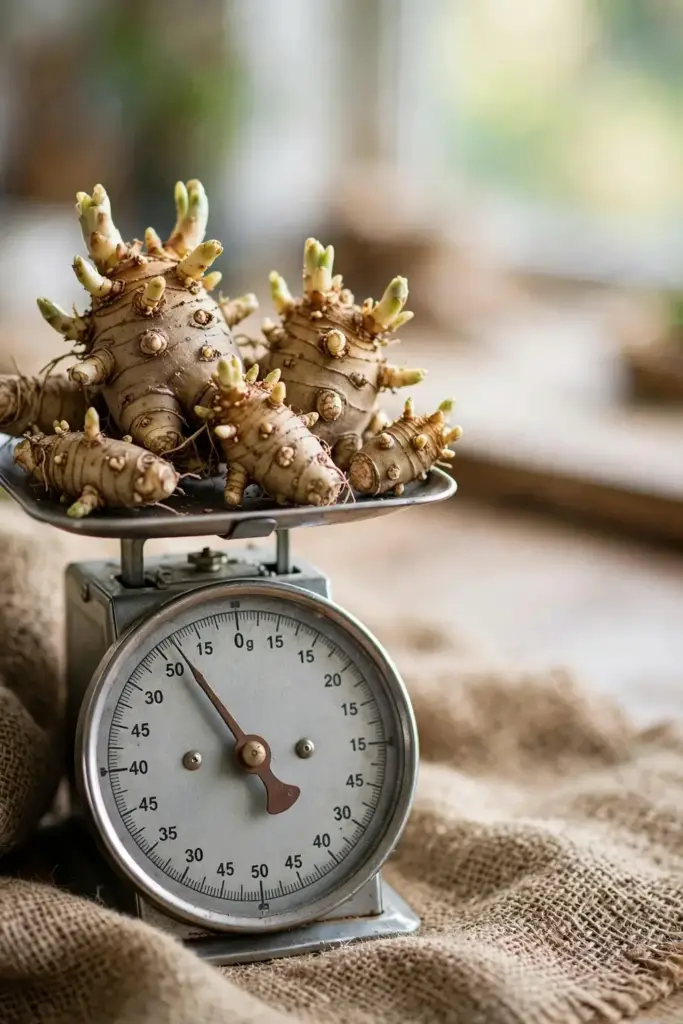
Break or cut large mother rhizomes into pieces in the 15 to 20 g range, each with at least two live buds. Let cut surfaces air-dry in shade for a day so the wound heals before it touches soil. If you can source named planting stock, Kerala growers mostly plant local varieties, while the released variety ‘Amba’ from HARS Pottangi in Orissa is the named cultivar to ask for. This is the single highest-value step in the entire guide: clean stock, healed cuts, correct weight.
6. The KAU Planting Sequence, Step by Step
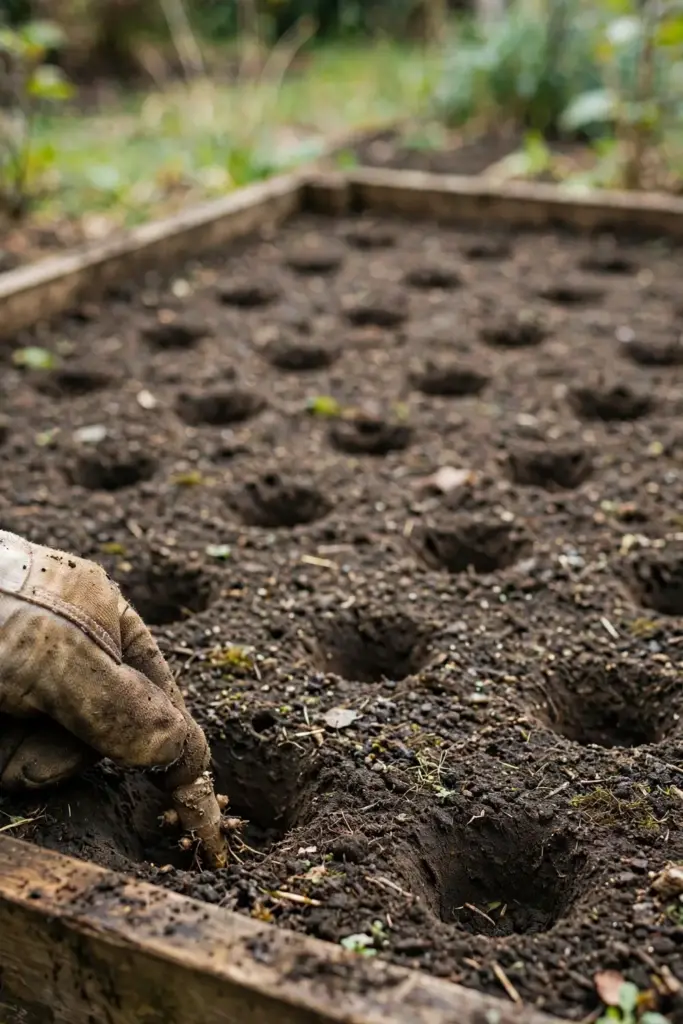
Kerala Agricultural University publishes the complete package, and it reads like a checklist. Follow it in order.
| Step | Action | Time |
|---|---|---|
| 1 | Prepare land to good tilth; make beds 1.2 m wide, 25 cm high, 40 cm between beds | February to March, with pre-monsoon showers |
| 2 | Take small pits in the beds, 25 by 30 cm spacing, 4 to 5 cm deep | Planting day, April |
| 3 | Plant one 15 to 20 g rhizome piece per pit, buds up | April, at pre-monsoon commencement |
| 4 | Apply cattle manure or compost as basal dose over beds and mix in | At planting |
| 5 | Mulch immediately with green leaves | At planting |
| 6 | Remove weeds 45 days after planting; repeat as needed | 45 days after planting |
| 7 | Earth up the crop | 60 days after planting |
| 8 | Repeat mulching with green leaves | 50 days after planting |
Rhizomes germinate within 3 to 4 weeks. If a pit shows nothing by week 5, the piece rotted or dried, and replanting beats waiting. Keep the calendar honest: every date above is anchored to planting day, and planting day is anchored to the pre-monsoon showers, not to a wall calendar. If you garden outside India, use the fall planting calendar to translate these windows to your own frost dates.
7. Growing Mango Ginger in Containers and Grow Bags
Outside the tropics, mango ginger is a container crop, and the method works. For readers learning how to grow mango ginger from India in cooler climates, the pot is the project, and it is a forgiving one. Organic Kerala’s farming guide notes that the plants grow easily in grow bags and sacks, which is as close to an official endorsement of the container lane as you will find. Use a wide pot, at least 12 inches across and 12 inches deep: rhizomes spread sideways, and shallow pots strangle the harvest.
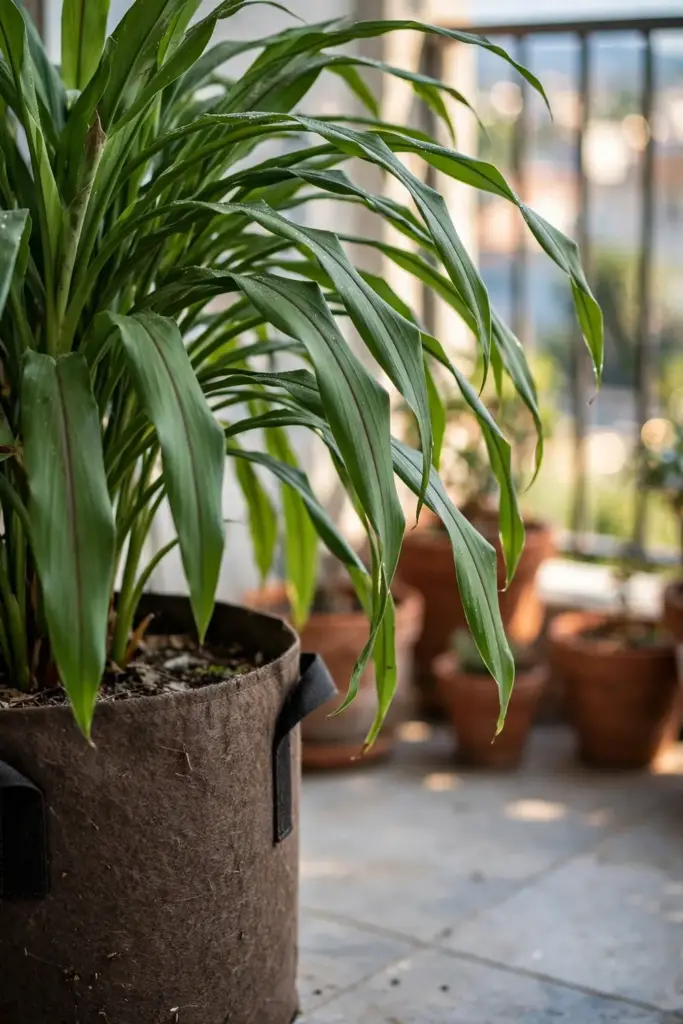
Fill with the soil mix from the next section, plant one 15 to 20 g piece per pot at 4 to 5 cm depth, buds up, and water in. Set the pot where it gets full sun to partial shade. Move pots under cover during violent downpours, because waterlogged rhizomes rot faster than underwatered ones stall. Indoors for winter, keep the pot barely moist and cool; the tops die back, and you either store the dormant rhizomes or harvest everything and start fresh next spring. The indoor herb garden guide covers the light and humidity discipline that keeps overwintered pots alive.
8. Soil: Loamy, Well-Drained, pH 6.0–7.0
Mango ginger wants loamy, well-drained, fertile soil. The nursery trade recommends a pH of 6.0 to 7.0, and sandy loam is the texture to aim for. Heavy clay is the enemy: it holds the monsoon against the rhizome and invites rot.
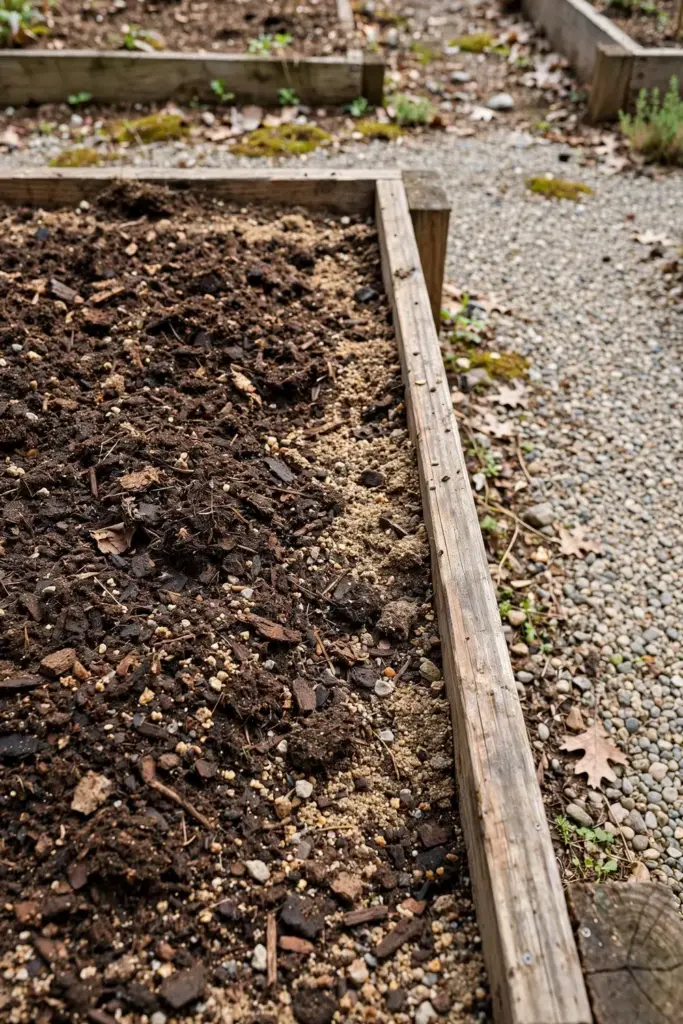
Build the bed before the rains. A practical home mix is one part garden soil, one part well-rotted compost, and one part coarse sand or coco peat, with a handful of leaf mold for the organic matter this crop expects. If you want to understand why the soil biology matters more than the fertilizer bag, read the foundation guide to soil health and pest resistance: a living soil suppresses the very rots that threaten rhizome crops.
9. Watering Through the Monsoon
Mango ginger is a monsoon crop, and its watering logic follows the rain. During active growth, keep the soil consistently moist but never waterlogged. In the Indian planting calendar this means the pre-monsoon showers wake the rhizomes and the monsoon carries them through the vegetative phase. In a garden with irrigation, water deeply when the top 2 to 3 cm of soil dries, then let it breathe.
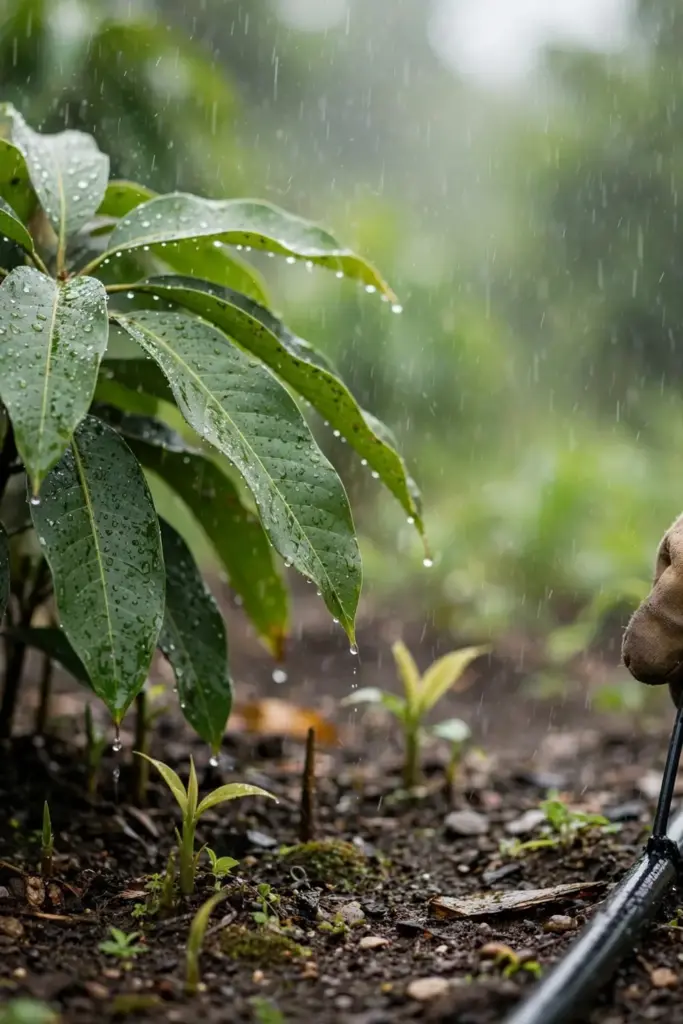
The failure mode is standing water around the rhizome. Raised beds exist for exactly this reason: 25 cm of height buys drainage insurance during the heaviest weeks. In pots, the rule is simpler: water until it runs from the drainage holes, then do not water again until the surface dries. When the leaves begin yellowing at season’s end, taper watering off; the plant is telling you the harvest window is opening.
10. Feeding: KAU NPK and the Per-Cent Schedule
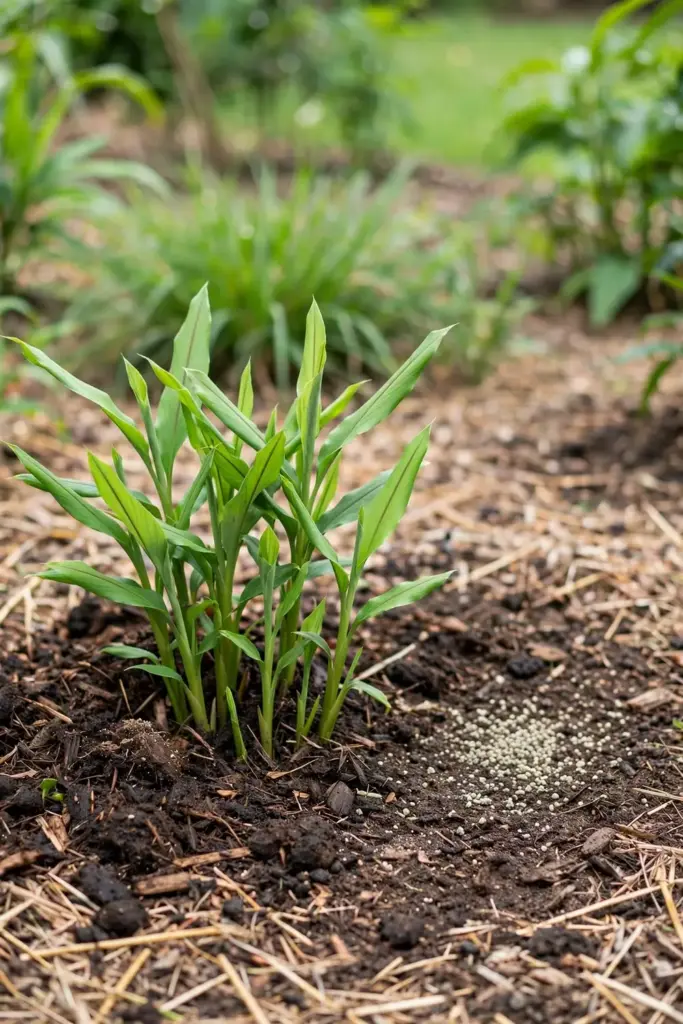
Mango ginger is a hungry crop, and Kerala research gives you two feeding ladders, commercial and homestead. The homestead figures below come from Organic Kerala’s cultivation guide, quoted per cent of land. Pick the one that fits your scale.
| Task | Frequency | Notes |
|---|---|---|
| Basal cattle manure or compost, 30 to 40 t/ha | Once, at planting | Spread over beds and mix in; KAU package |
| NPK 30:30:60 kg/ha; full P and half K at 60 days | Split: basal plus 60 days after planting | KAU package; research optimum 30:30:60 NPK |
| 15 kg organic manure per cent (cow dung powder, chicken or goat manure, compost) | Once, at planting | Per-cent homestead schedule |
| 650 g superphosphate plus 200 g potash per cent | Once, with the organic manure | Inorganic supplement to the homestead schedule |
| 40 g urea per cent | 1 month after planting | First top dressing |
| 20 g urea plus 200 g potash per cent | 2 months after planting | Second top dressing |
| Green-leaf mulch, 15 t/ha | At planting and 50 days after | KAU; feeds soil life and suppresses weeds |
One cent is the Kerala land unit of 40.5 square meters, so scale the per-cent figures down for a home bed. The pattern to notice is that nitrogen arrives in splits, not all at once: this is a 6 to 10 month crop, and front-loading nitrogen invites soft, pest-prone growth.
11. Mulching and Weed Control: the Weed-Free Rule
Mango ginger starts slowly, and slow starters lose to weeds. A 2023 commercial study found that the highest rhizome yields came from plots kept weed-free through the crop life cycle, with the highest profit from weeding at 4, 8, 12, 16, and 20 weeks after planting. The home translation: mulch heavily at planting and weed on schedule, not when you notice the problem.
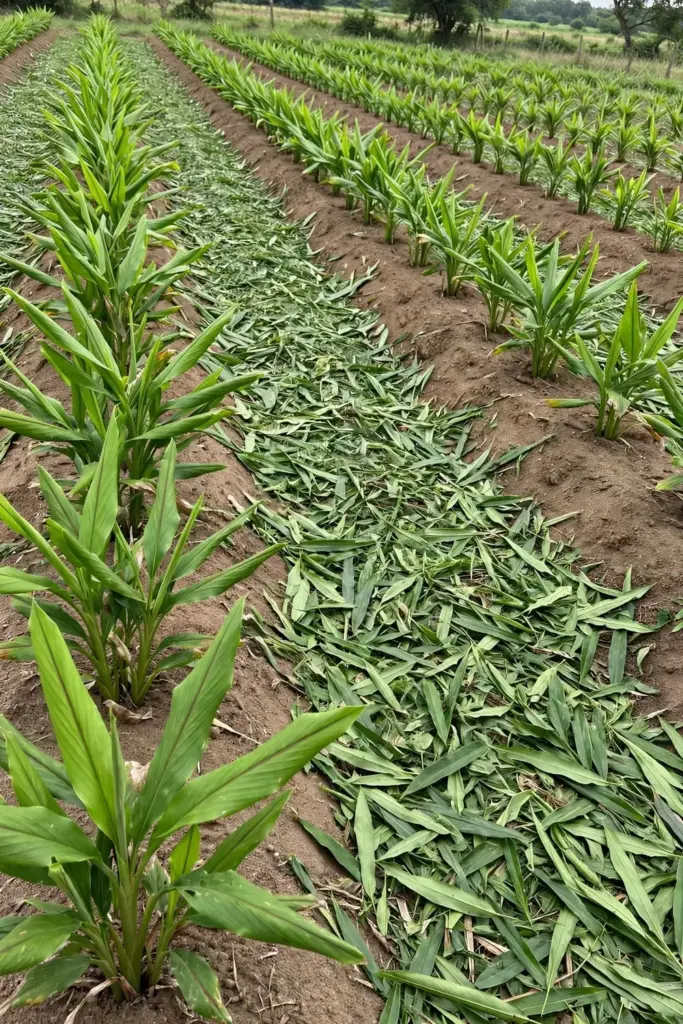
Mulch twice with green leaves, at planting and again around day 50, following the KAU package. Keep mulch a few centimeters away from the emerging shoots so the crown stays ventilated. Add a little sand after each fertilizer application, as the Kerala homestead schedule suggests: it keeps the surface open and discourages the surface crust that sheds water.
12. Pruning and Earthing Up
There is no pruning in the orchard sense; this is a herbaceous rhizome crop. The maintenance move that matters is earthing up at 60 days after planting: draw soil around the base of each plant to cover rhizomes that are pushing toward the surface. Exposed rhizomes green up, dry out, and lose quality.
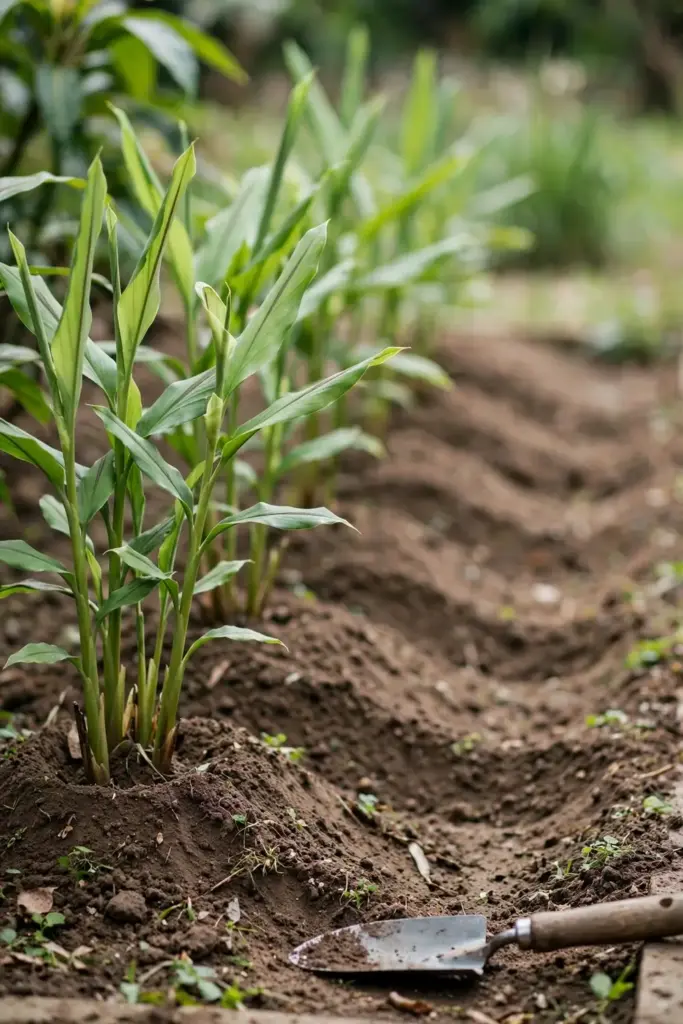
Remove spent, yellowing lower leaves through the season to keep air moving through the tuft, and cut the whole top back after harvest or when frost kills it. Do not cut green tops mid-season for any reason: every leaf is a solar panel feeding the rhizome you intend to dig.
13. Pests and Diseases: Pseudostem Weevil and Shoot Borer
Mango ginger has a short pest list, which is part of its charm for home growers. Organic Kerala reports that bacterial and fungal infections barely touch it. The pest that matters is the pseudostem weevil: the sign is a wilting stem, and the remedy is to uproot and burn the infected plant, because the larvae live inside the stem. KAU adds the shoot borer, whose signature is the “dead heart” in the field: pull out the dead hearts with the larvae inside and burn them.
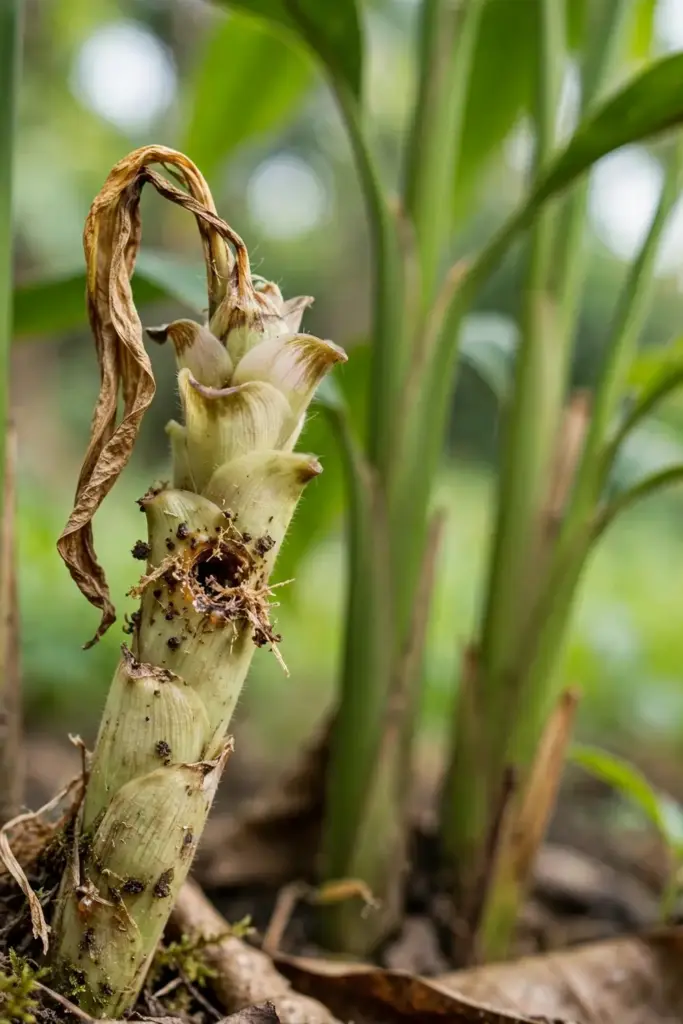
For severe infestations the conventional recommendation is quinalphos at 1 ml per liter of water, or dimethoate at 0.05 percent for shoot borer. Organic growers use a good organic pesticide. Prevention beats all of it: clean planting stock, raised beds, no waterlogging, and a rotation that does not follow another Curcuma in the same bed.
14. Harvest: 6 Months vs 8–10 Months, Fenced Honestly
Here is the one number the sources disagree on, and honesty requires showing both. Kerala sources, including KAU and Organic Kerala, put harvest from the 6th month onward, with KAU’s indicator being drying leaves: lift the entire plant with a spade, cut away the top, and clean the rhizomes. The nursery trade, via Nurserylive’s growing instructions, says 8 to 10 months, once the leaves have yellowed.
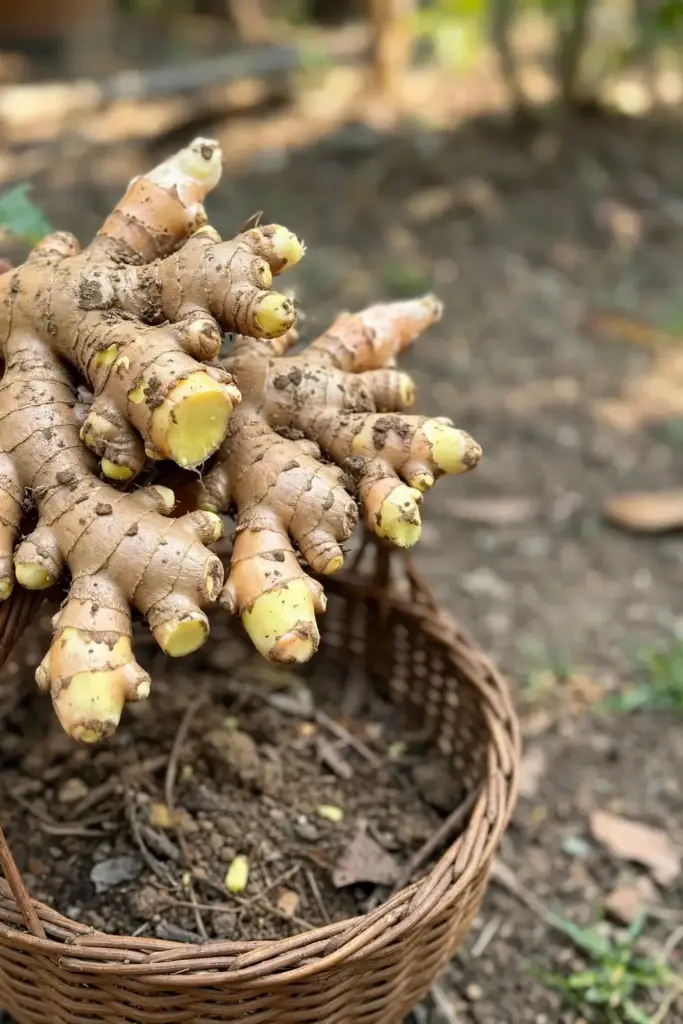
Both can be true. The 6-month figure is the earliest commercial lifting; the 8 to 10 month figure is full maturity with maximum rhizome weight and aroma. For home use, watch the plant, not the calendar: when the leaves yellow and dry, the crop is ready. Dig carefully with a spade or fork, working from the side so you do not slice the rhizomes, and expect up to 40 kg per cent of land in a good Kerala homestead season, per Organic Kerala’s harvest notes. If your season was short or cool, harvest everything before frost and call it a win.
15. Washing, Shade-Drying, and Storing Rhizomes
Wash the dug rhizomes free of soil, trim off the roots and the stem base, and sort by size. KAU advises drying the rhizomes under shade for one day before storage or transport: shade, not sun, because direct sun dulls the aroma compounds that make this crop worth growing.
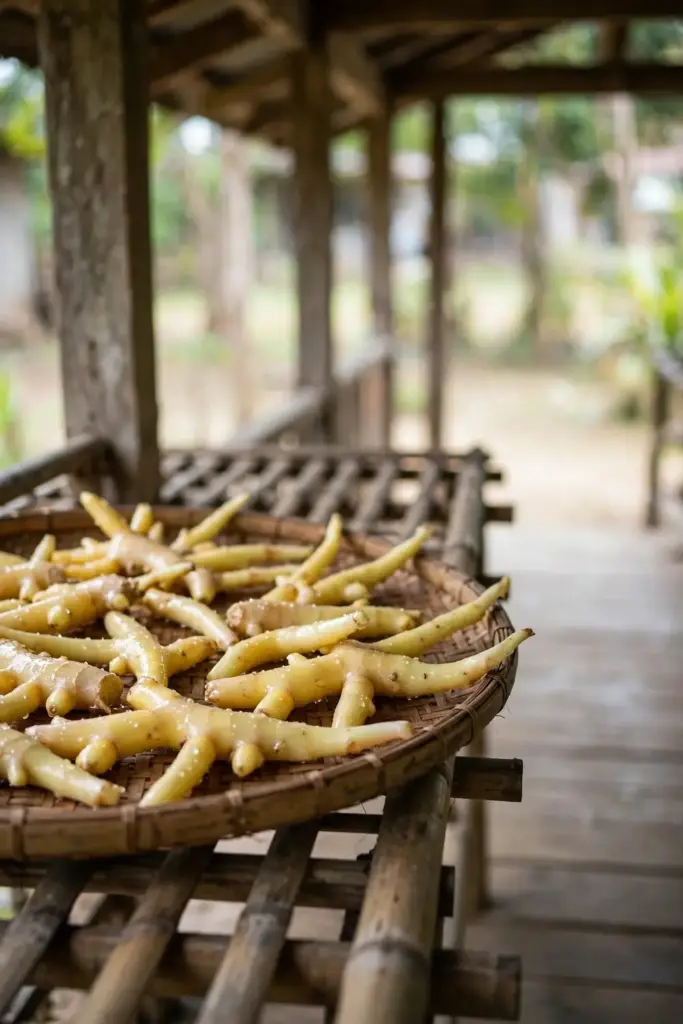
For fresh use, store sound rhizomes in a cool, ventilated spot; for longer keeping, slice and dry them fully, then store airtight. Keep seed stock separate from eating stock, and keep both cool and dry. The 15 to 20 g pieces you set aside for next season are next year’s crop, so store them like the investment they are.
16. Culinary Uses: Pickles, Chutneys, and the Ginger Substitution Trap
Mango ginger’s main use is culinary: the rhizome goes into pickles, chutneys, preserves, candy, sauce, salads, and meat preparations, with Kerala leaning toward pickles and curries and the southern Nepali plains featuring it in community-feast chutneys. Grate it fresh over salads, slice it into stir-fries, or candy it. Winter markets in India sell it alongside fresh turmeric and ginger, and the three are not interchangeable.
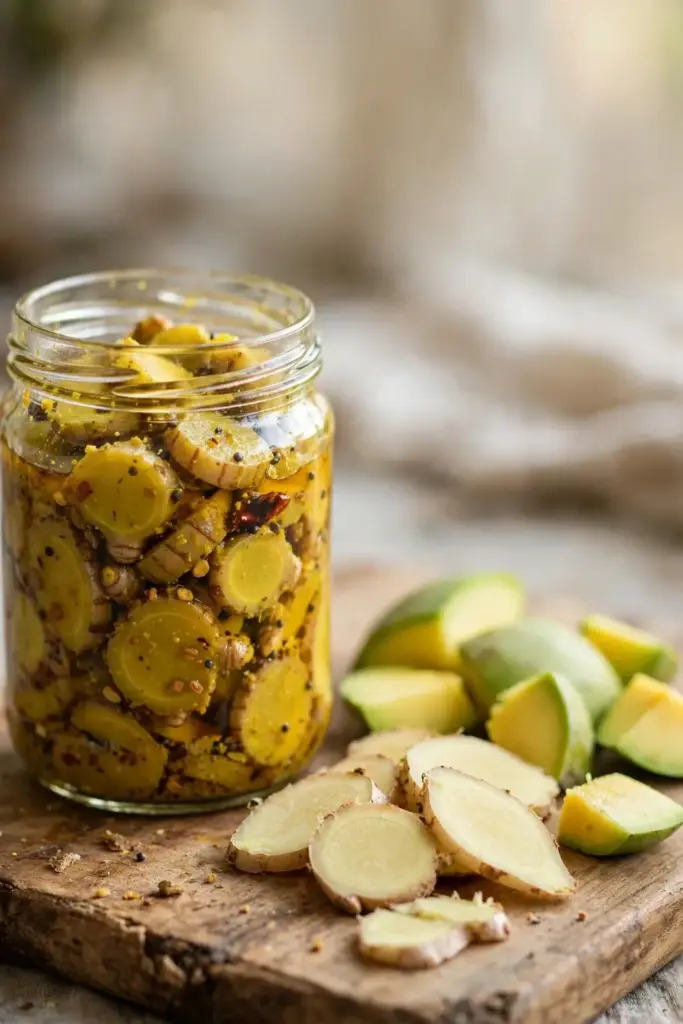
The substitution trap is real: mango ginger cannot replace ginger in curries because it is too mild, and it cannot replace turmeric because it has no color and no bitterness. What it gives you is the raw-mango fragrance, delicate and unmistakable. Cook with it for aroma, not for heat. If your recipe needs pungency, reach for the ginger jar. In India the crop is grown across Gujarat, Uttar Pradesh, West Bengal, Tamil Nadu, Karnataka, the Konkan coast, and the hills of the western coast, so regional kitchens have each worked out their own pickle, chutney, and candy traditions around it.
17. The Ayurvedic Record, Conservatively Framed
The peer-reviewed record is real and worth one section, framed with care. The 2011 Policegoudra review in the Journal of Biosciences, indexed on PubMed as PMID 21857121, documents mango ginger’s standing in Ayurveda and Unani as an appetizer, carminative, digestive, and anti-inflammatory, and lists laboratory-observed activities including antioxidant, antibacterial, antifungal, and platelet-aggregation inhibition, with constituents including starch, phenolic acids, volatile oils, curcuminoids, and terpenoids.
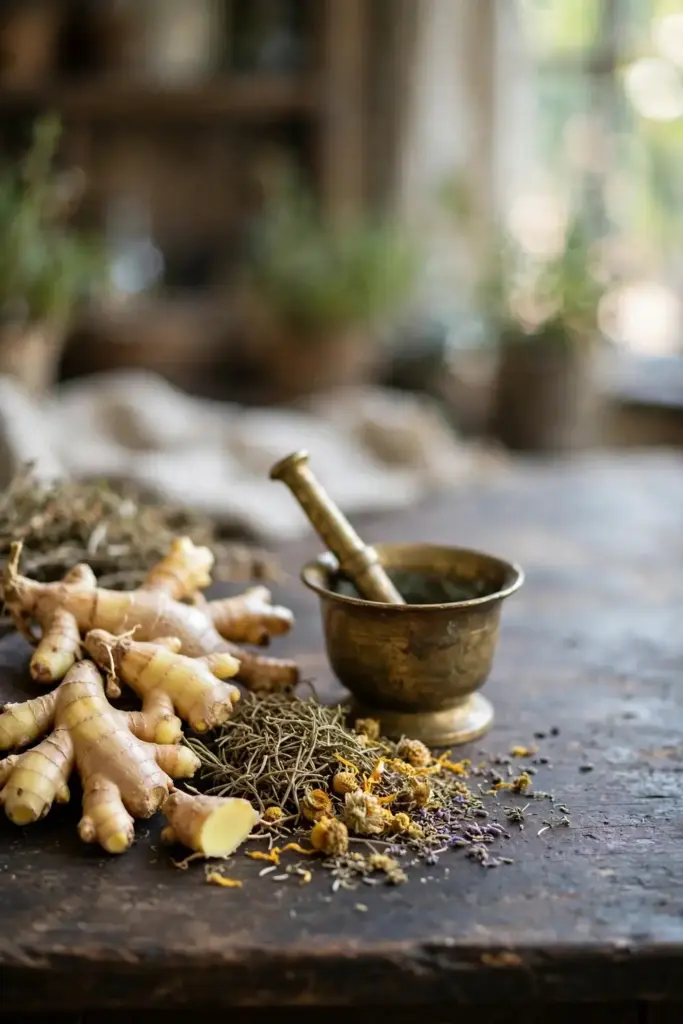
That is a review of published research, not a prescription. The same corpus that supports culinary use carries two cautions you should know: pregnancy data is limited, so culinary use only, and mango ginger may enhance bleeding risk for people on anticoagulant or antiplatelet medication. If you take medication or are pregnant, talk to a clinician before using it beyond the kitchen. This guide is about growing the plant; health decisions belong with a professional.
18. Common Mistakes and Their Fixes
Buying the wrong species is mistake number one, and sections 2 and 3 exist to prevent it. After that, the failures are agronomic. Planting in waterlogged flat ground rots the rhizomes before week 5; the fix is raised beds and the 25 cm height from the KAU package. Planting too deep buries the buds; 4 to 5 cm is the depth, not 10. Skipping the mulch invites the weed competition that the 2023 study proved costs yield; mulch at planting and again at day 50.
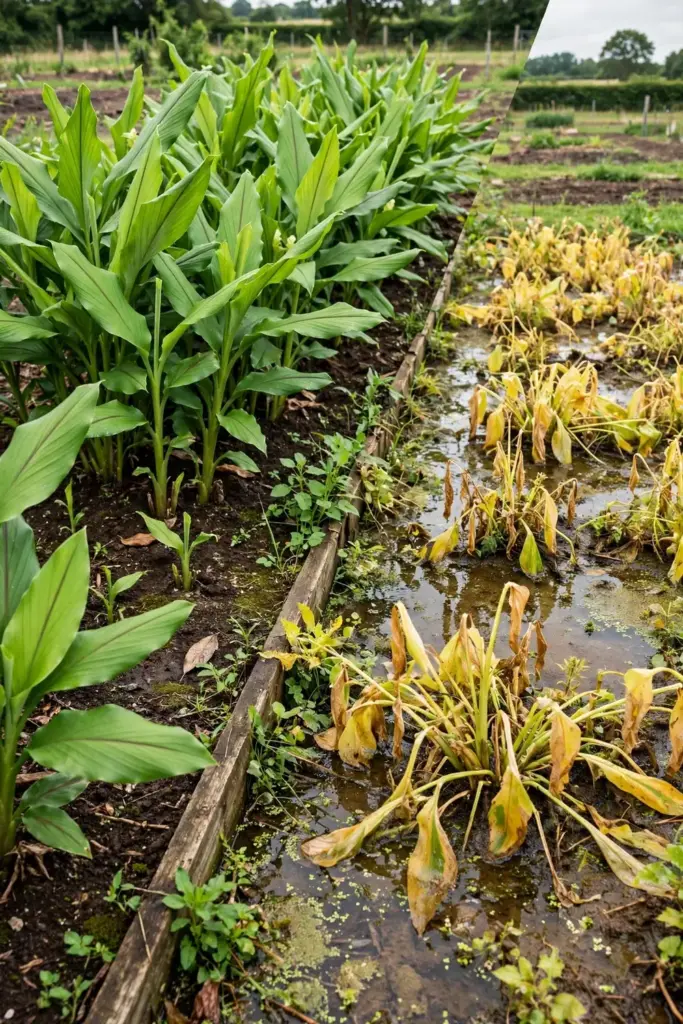
Feeding all the nitrogen at planting produces soft, overgrown tops and weak rhizomes; split it the way the schedule prescribes. Harvesting by the calendar instead of the leaves gives you either underdeveloped or over-mature rhizomes; the yellowing leaf is the signal. And saving the smallest, weakest pieces as seed stock guarantees a weak next season; the 15 to 20 g rule applies to planting stock, not just the first planting.
19. Troubleshooting
Leaves yellowing early, long before harvest time, usually means waterlogging or a weevil-hit stem. Check drainage first, then inspect the base of the wilted shoot for the pseudostem weevil’s damage and remove affected plants. No emergence by week 5 means the rhizome piece failed; dig one up, confirm rot or desiccation, and replant with fresh stock.
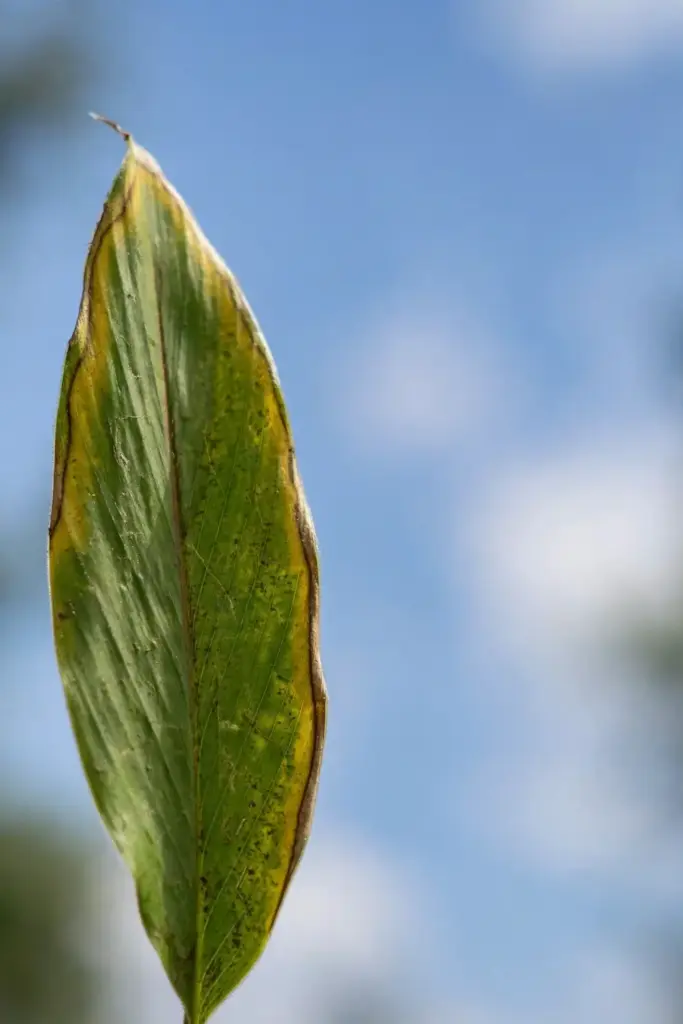
Thin, pale shoots point to nitrogen arriving too late or not at all; the split urea schedule exists for exactly this. Rhizomes surfacing through the soil mean you skipped earthing up; cover them promptly. Weak mango aroma at harvest usually traces back to immature harvest or sun-drying; wait for full leaf yellowing and shade-dry for a day. If the whole bed underperforms in a cool year, the honest answer is that this is a hot-humid crop and your season was short; containers and an earlier start are the fix for next year.
FAQ
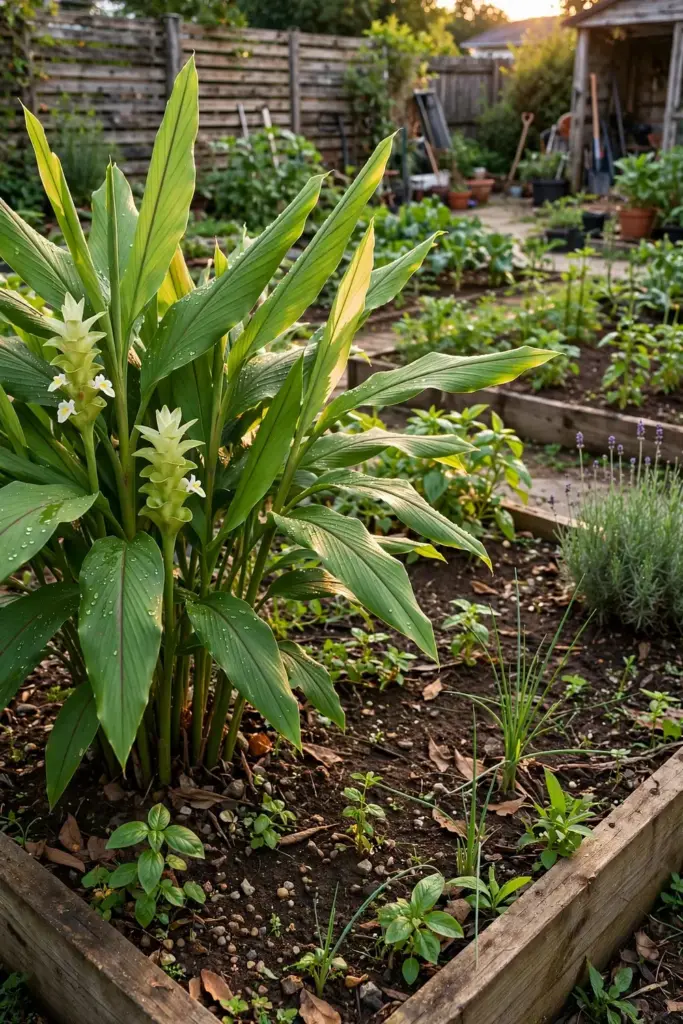
Plant one 15 to 20 g rhizome piece in a pot at least 12 inches wide and 12 inches deep, 4 to 5 cm under a loamy mix, in spring after the soil warms. Give full sun to partial shade, water when the surface dries, and feed on the split schedule. Harvest when the leaves yellow, 6 to 10 months later, before frost.
No. Mango ginger is Curcuma amada with pale yellow, mango-scented flesh; white turmeric is Curcuma zedoaria with white, camphor-bitter flesh. The folk name “amba haldi” gets applied to both in trade, so verify the botanical name on the label before you buy planting stock.
No, and you should not try. Mango ginger is propagated from rhizome pieces weighing 15 to 20 g, each with live buds. Seed-grown plants would not reliably carry the aroma profile, and no serious grower, from KAU to Kerala homesteads, uses seed.
Plant in April with the commencement of the pre-monsoon showers, following the KAU package: beds prepared February to March, pits at 25 by 30 cm spacing and 4 to 5 cm depth. Outside India, plant when soil temperatures are reliably warm, the equivalent of April in Kerala.
The usual causes are harvesting too early, buying the wrong species, or sun-drying the rhizomes. Wait for full leaf yellowing, confirm the label says Curcuma amada, and shade-dry for a day after digging. Immature or mislabeled rhizomes will never develop the full raw-mango fragrance.
Published data is limited, so the conservative guidance is culinary use only during pregnancy, and people on anticoagulant or antiplatelet medication should know it may enhance bleeding risk. These are cautions from the Ayurvedic FAQ corpus, not prescriptions; talk to a clinician about anything beyond kitchen use.
A Final Word on Mango Ginger
Mango ginger rewards the grower who respects its identity: a turmeric relative with a mango soul, planted as a 15 to 20 g rhizome in April, fed in splits, mulched twice, and dug when the leaves say so. The KAU package has carried Kerala growers for decades, and it carries home growers too, whether in a monsoon bed or a 12-inch pot on a balcony.
Buy the right species, plant at the right depth, and keep the weeds off its slow start. Do that, and the first grated slice over a salad will explain why this plant has its own name in half a dozen Indian languages. That is how to grow mango ginger from India, as a Curcuma grown the proper way.