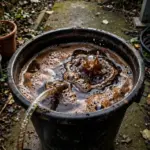
Test 6 spots in one bed before you blame the seed packet. Acidic soil reads below pH 7.0, and it starves plants by locking phosphorus and calcium away from roots even when the bed holds plenty of both. Acidic soil is ground sour enough to change what roots can take up.
Leaves turn yellow between green veins while the stems stay short. Tomatoes set fruit late, beans stall at 15.2 cm tall, and the bed smells sour after rain. Those signs point at chemistry, and chemistry answers to a test.
Acidic soil shows up in rainy regions, in beds fed year after year with ammonium fertilizer, and in ground under pine needles and oak leaves. It also shows up where lime was never applied. A lab test costs less than one bag of fertilizer and settles the question in 10 days.
| Point | Detail |
|---|---|
| Reading | Below pH 7.0 |
| Sweet spot for most vegetables | pH 6.0 to 7.0 |
| First fix | Ground limestone, by soil test rate |
| Retest | 6 to 12 months after liming |
| Acid lovers | Blueberries at pH 4.5 to 5.5 |
| Worst mistake | Liming a bed that never had a test |
What Is Acidic Soil?
Acidic soil is soil with a pH reading below 7.0 on the 0 to 14 scale. The lower the number, the more hydrogen ions sit in the soil water, and the harder roots work for every nutrient. A bed at pH 5.5 holds the same minerals as a bed at pH 6.5, and the plants in the sour bed still go hungry.
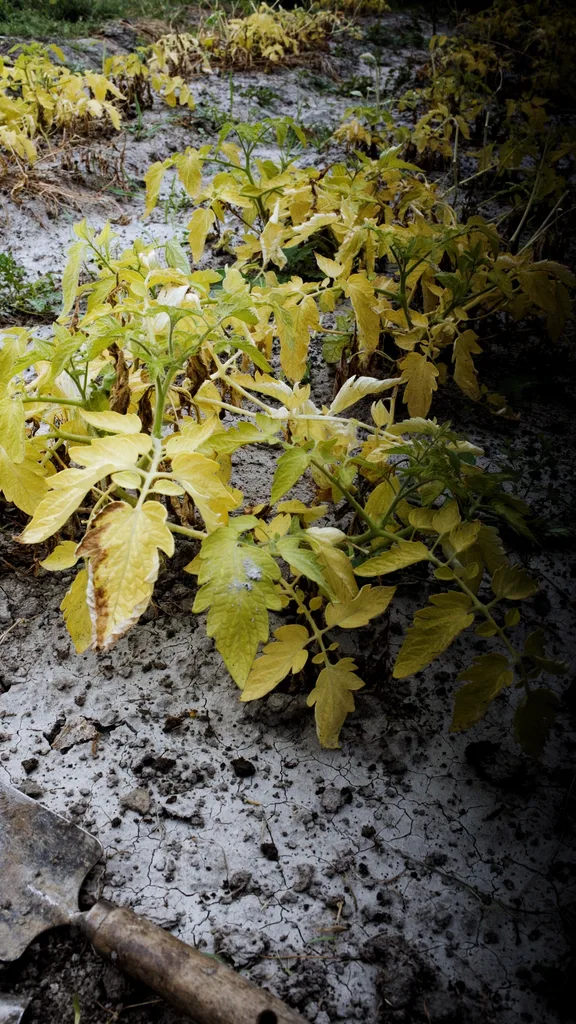
Most vegetable and berry crops grow best with soil pH between 6.5 and 6.8, according to the University of Vermont Extension guide to garden soil pH. That band keeps phosphorus, calcium, and magnesium in forms roots absorb. Drop below pH 6.0 and phosphorus starts to bind with aluminum and iron, while aluminum itself turns soluble enough to burn root tips.
Lime goes on acidic soil below pH 6.0, and only on a soil test recommendation, according to the Iowa State University Extension yard and garden soil page. The test gives the current pH and the amount of lime the bed needs. Ground limestone is calcium carbonate, and dolomitic limestone adds magnesium carbonate beside the calcium.
How Acidic Soil Works
Hydrogen ions crowd the exchange sites on clay and humus particles in acidic soil. Those sites hold nutrients the way a shelf holds jars. Hydrogen pushes calcium, magnesium, and potassium off the shelf, and rain washes the freed nutrients down past the root zone. The shelf stays full of hydrogen, and the plants see an empty pantry.
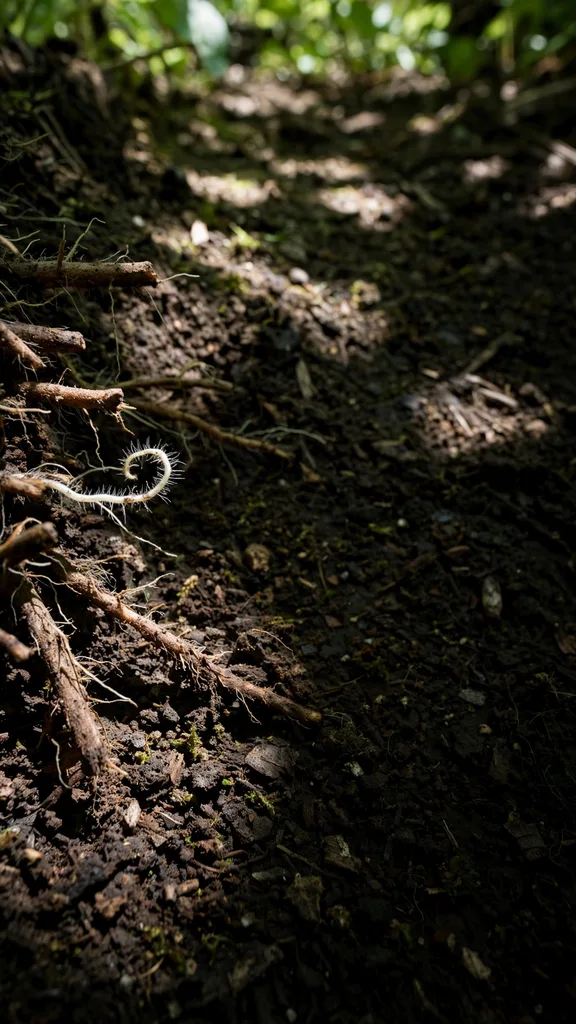
Aluminum adds a second injury. Clay minerals release aluminum as pH falls, and soluble aluminum prunes root tips. Short roots reach less water and less food, so the plant wilts in a dry week even when the soil feels damp 5.1 cm down. Root tips turn brown and stubby, and the plant stops growing while its leaves stay green.
Microbes slow down in the same ground. The bacteria that turn ammonium into nitrate work best near neutral pH, and their pace drops hard below pH 5.5. Nitrogen stays locked in organic matter longer, so a bed can hold plenty of compost and still show pale leaves. The gardening glossary lists the soil terms that share this ground, and acidic soil is the one that decides how fast everything else feeds.
Acidic Soil vs Alkaline Soil
| Trait | Acidic Soil | Alkaline Soil |
|---|---|---|
| pH reading | Below 7.0 | Above 7.0 |
| Nutrient locked away | Phosphorus, calcium, magnesium | Iron, manganese, zinc |
| Common fix | Ground limestone | Elemental sulfur |
| Leaf sign | Yellow leaves, stunted roots | Yellow leaves with green veins |
| Plants that love it | Blueberries, potatoes, rhododendrons | Lavender, lilac, clematis |
| Worst mistake | Liming without a test | Adding wood ash |
Acidic soil and alkaline soil fail in opposite directions, and the fix for one harms the other. Lime on alkaline ground pushes pH higher and locks iron tighter. Sulfur on acidic ground pushes pH lower and frees more aluminum. The test reading tells you which side of 7.0 you stand on, and the amendment follows the reading.
Rain moves soil toward acid over seasons. Irrigation water in dry regions moves soil toward alkaline over seasons. A bed can cross the line in either direction, so a reading from 3 years ago is history. Test each bed on its own, because two beds 3.0 m apart can sit on opposite sides of neutral.
How to Recognize and Measure Acidic Soil
Yellow leaves with green veins, short plants, and moss on bare ground all hint at acid soil, and none of them prove it. Blueberries thriving beside struggling tomatoes prove more, since blueberries demand acid ground and tomatoes sulk in it. The proof comes from a test, and the test takes 15 minutes of digging.
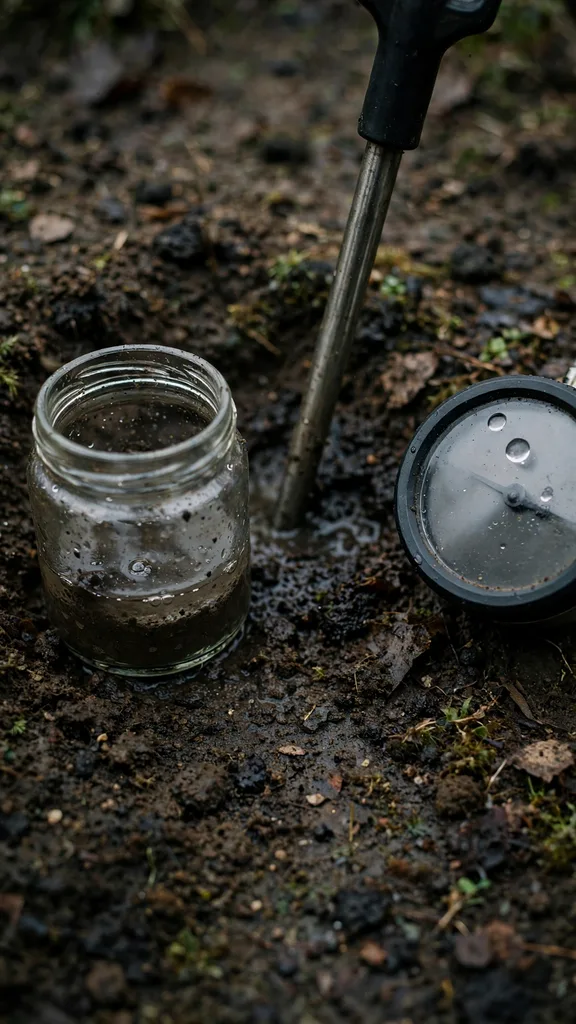
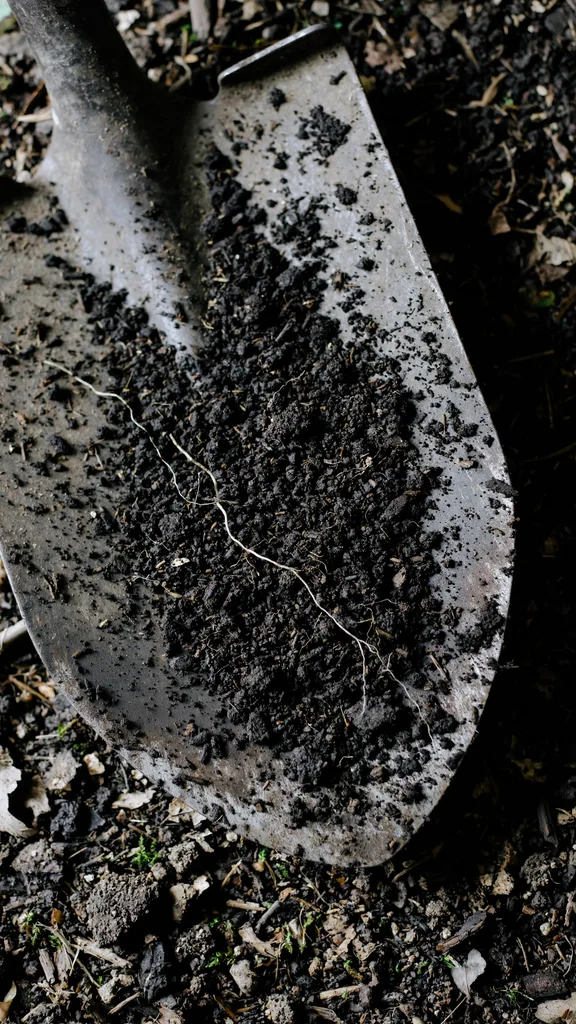
Collect soil from 6 spots in one bed. Dig 15.2 cm down at each spot, take a trowel of soil, and mix the scoops in a clean bucket. Dry the mix on newspaper, fill the lab bag, and send it to the extension lab. A probe meter gives a rough reading the same day, and a lab test gives pH plus nutrient levels and a lime rate.
Read the result against the crop, and read it against the season. A bed at pH 5.8 grows potatoes well and starves brassicas. A bed at pH 6.2 grows brassicas well and leaves blueberries yellow. The same number means a different job for each crop, so the target pH comes from the planting plan.
Common Mistakes With Acidic Soil
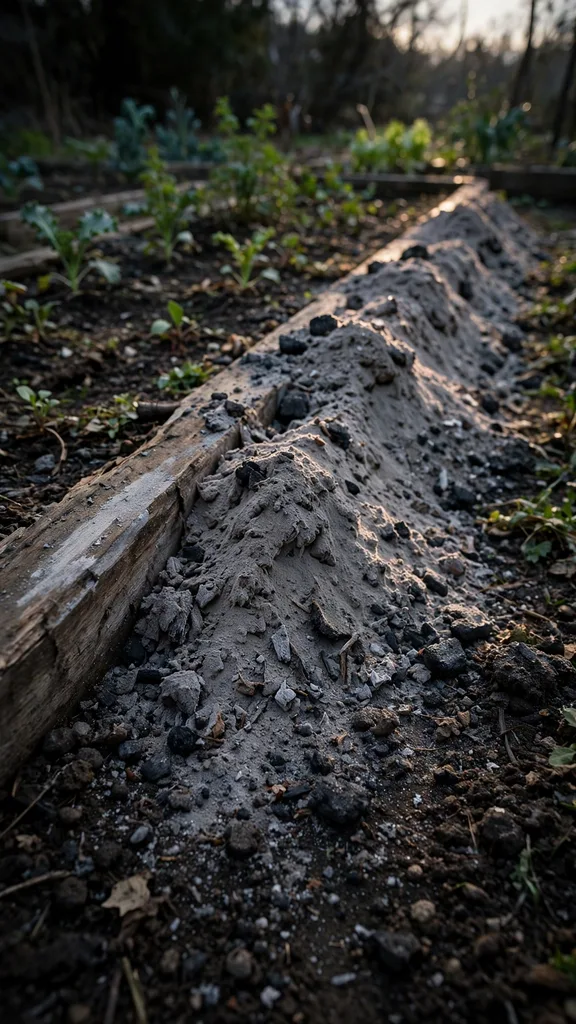
- Liming without a test. Lime on a bed already at pH 6.8 pushes it past neutral and locks iron and manganese. Test first, and lime only on the lab rate.
- Spreading wood ash as a cure. Wood ash holds potash and a large dose of calcium carbonate, and it raises pH fast. Ash on a bed above pH 7.0 makes the problem worse.
- Adding sand to sour clay. Sand plus clay plus water sets like concrete, and the bed drains worse than before. Compost opens clay, and sand does the opposite job.
- Feeding more fertilizer into a sour bed. The nutrients sit in the soil while the roots starve, and the extra salts wash into the drain. Fix the pH first, and the fertilizer already in the bed starts to work.
- Testing once and trusting the number for years. Rain, fertilizer, and compost move pH every season. Retest each fall and catch the drift while it is small.
When Acidic Soil Matters in Your Garden
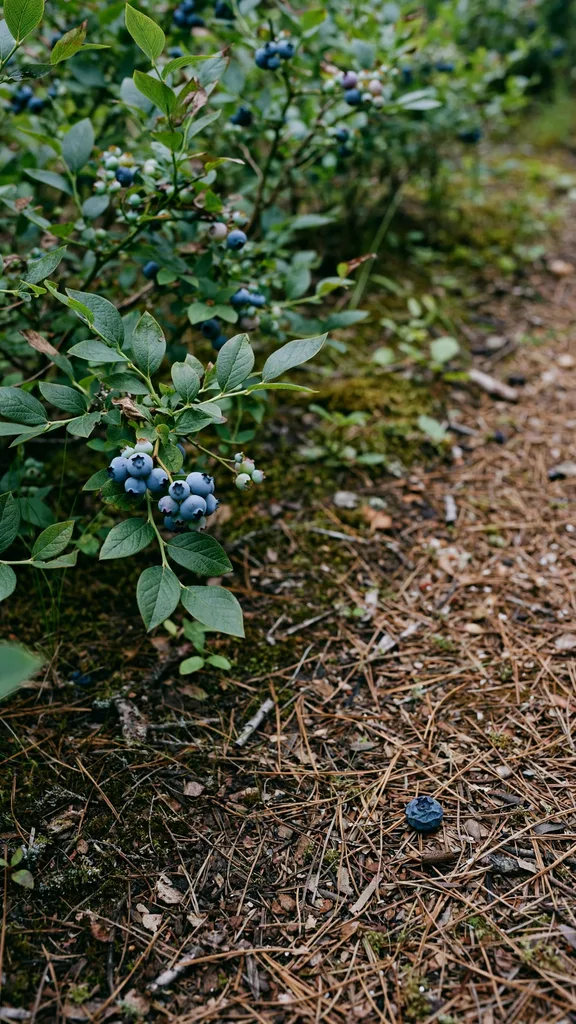
Acidic soil matters most when you plant blueberries, potatoes, or brassicas in the same garden. Blueberries need pH 4.5 to 5.5, and they yellow and stall in neutral ground. Brassicas need pH 6.5 to 7.0, and clubroot spreads fast in sour beds. One garden can hold both crops, and each bed needs its own reading and its own fix.
It matters at planting time, when a wrong reading wastes a whole season. Lime needs 6 to 12 months to react fully in loam, so fall application sets up spring planting. Sulfur works slower still. A test in fall gives the amendment a winter to work, and a test in spring leaves you planting into ground that has not changed yet.
Compost helps an acidic bed, and it never replaces lime. A 5.1 cm layer of compost feeds microbes and buffers pH swings, and the microbes release nutrients as they work. Learn how to set up a compost bin and keep a steady supply, because a bed with steady compost holds its pH longer after liming. A thick mulching guide shows how a mulch layer keeps the bed damp while the lime reacts, and damp ground reacts faster than dry ground.
FAQ
Acidic soil is bad for most vegetables once pH drops below 6.0, because phosphorus binds with aluminum and iron while aluminum turns soluble enough to burn root tips. Most vegetables grow best at pH 6.0 to 7.0, where the widest set of nutrients stays available. Blueberries and potatoes are exceptions, and both prefer ground below pH 6.0. Test the bed, and lime only on the lab rate.
Lime raises soil pH, and no amendment raises it fast. Ground limestone needs 6 to 12 months to react fully in loam, and sandy ground reacts faster than clay. Spread the lab rate in fall, fork it into the top 15.2 cm, and keep the bed damp. Retest the next season before adding more, because a second dose on untested ground overshoots neutral and locks iron.
Compost buffers acidic soil, and it cannot replace lime. A steady compost supply feeds microbes, adds organic matter, and softens pH swings, and a bed with good organic matter holds lime longer. Compost alone moves pH a little over seasons, while lime moves it a full point on a lab rate. Use both: lime sets the pH, and compost keeps the bed alive.
Blueberries, potatoes, rhododendrons, azaleas, and camellias grow well in acidic soil, and blueberries demand pH 4.5 to 5.5. Potatoes grow well at pH 5.0 to 5.5, and that band also suppresses potato scab. Most vegetables, herbs, and lawn grasses prefer pH 6.0 to 7.0, so keep acid beds for the crops that love them and lime the rest.