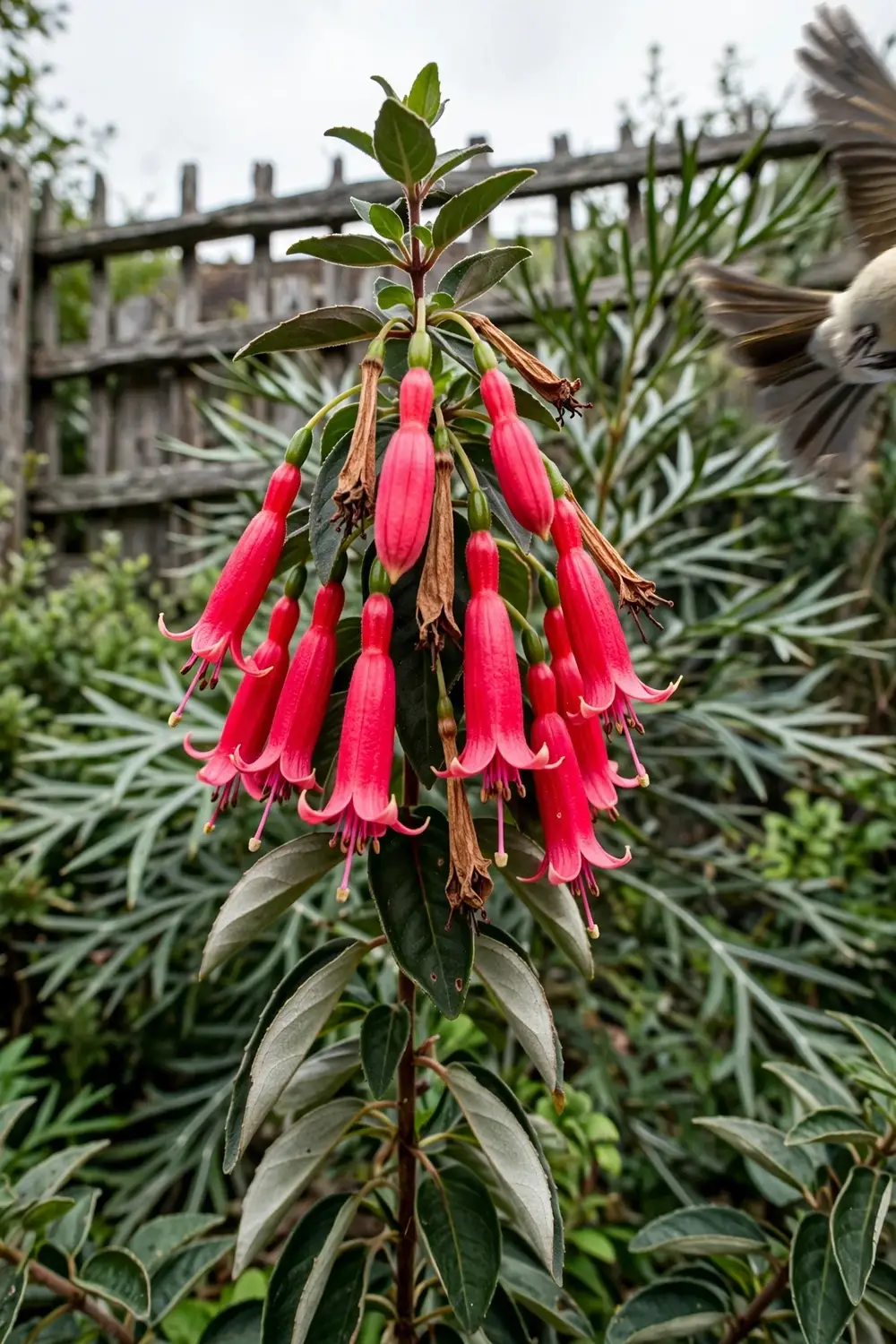

Correa is a genus of 11 Australian species, and only four things actually go wrong with them. If you typed “what’s wrong with my correa” into a search box, the answer is shorter than you fear. Root rot from waterlogged soil kills a new planting within a single wet season. Scale insects feed on the sap and leave sooty mould behind. Standard fertilizer burns phosphorus-sensitive roots. Heat and cold stress curl and brown the leaves. That is the complete list of real problems. I check drainage before I blame the plant, because the Australian Native Plants Society lists root rot in constantly wet situations as the one serious threat to correa.
Correa is a genus of evergreen shrubs in the Rutaceae family, endemic to Australia. Gardeners call it native fuchsia because the tubular flowers resemble fuchsia blooms. The name misleads. True fuchsias belong to a different family entirely, and their diseases do not cross over. A correa never gets fuchsia rust. The rest of this guide walks through the four real problems, the normal behaviors that look like problems, and the name trap that sends growers down the wrong path.
The Short Answer: Correa Has Only Four Real Problems
Correa suffers from exactly four problems worth treating: root rot from constantly wet soil, which kills the plant outright; scale insects, which suck sap and excrete the honeydew that grows sooty mould; phosphorus in standard fertilizer, which burns the roots of this phosphorus-sensitive native; and heat and cold stress, which curl leaves and brown their edges. Every other symptom that alarms growers, from bare branches in summer to dropped leaves after planting, is normal behavior for this genus.
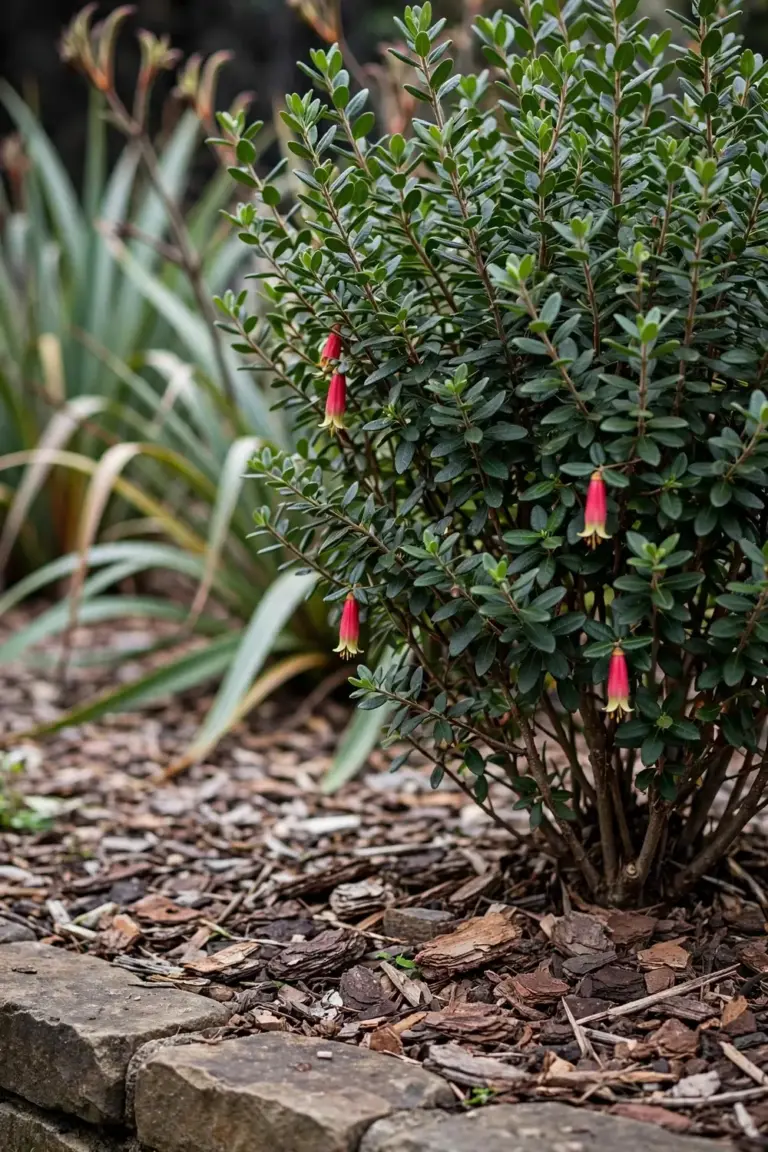
The Australian Native Plants Society describes correa as a plant for well-drained soil and warns that root rot may occur in constantly wet situations. The Royal Horticultural Society lists correa as generally disease-free but notes it may be susceptible to scale insects. Those two sentences from two institutions cover nearly the entire diagnostic space. Correa does not collect the long pest and disease lists that plague roses or citrus. When a correa looks sick, the cause is almost always water, feed, sap-suckers, or weather.
This matters because the temptation is to treat a correa like a fussy exotic. It is not. Correa evolved in Australian soils and handles neglect better than kindness. Overwatering kills more correas than underwatering. Overfeeding kills more correas than starvation. The grower who does less, but does it in the right soil, wins.
The trouble-free reputation is real, not marketing. Correa lacks the pest complexes that define other ornamental shrubs. No correa-specific blight sweeps through plantings. No virus stunts whole hedges. The genus does not offer pathogens many footholds, which is why the diagnostic list stays at four. A longer list would require inventing problems the plant does not have.
That honesty shapes how you should read the rest of this guide. Each of the four problems below earns its place because growers actually encounter it. The fixes are specific and proven. Nothing here is padded to fill a listicle quota.
Problem 1: Root Rot in Waterlogged Soil
Root rot from constantly wet soil is the one problem that kills correa outright. The roots sit in airless, saturated soil. Fungal pathogens colonise the dying root tissue. The plant wilts even though the soil is wet, leaves yellow from the base upward, and whole branches die back. By the time the canopy shows distress, the root system is often too far gone to save.
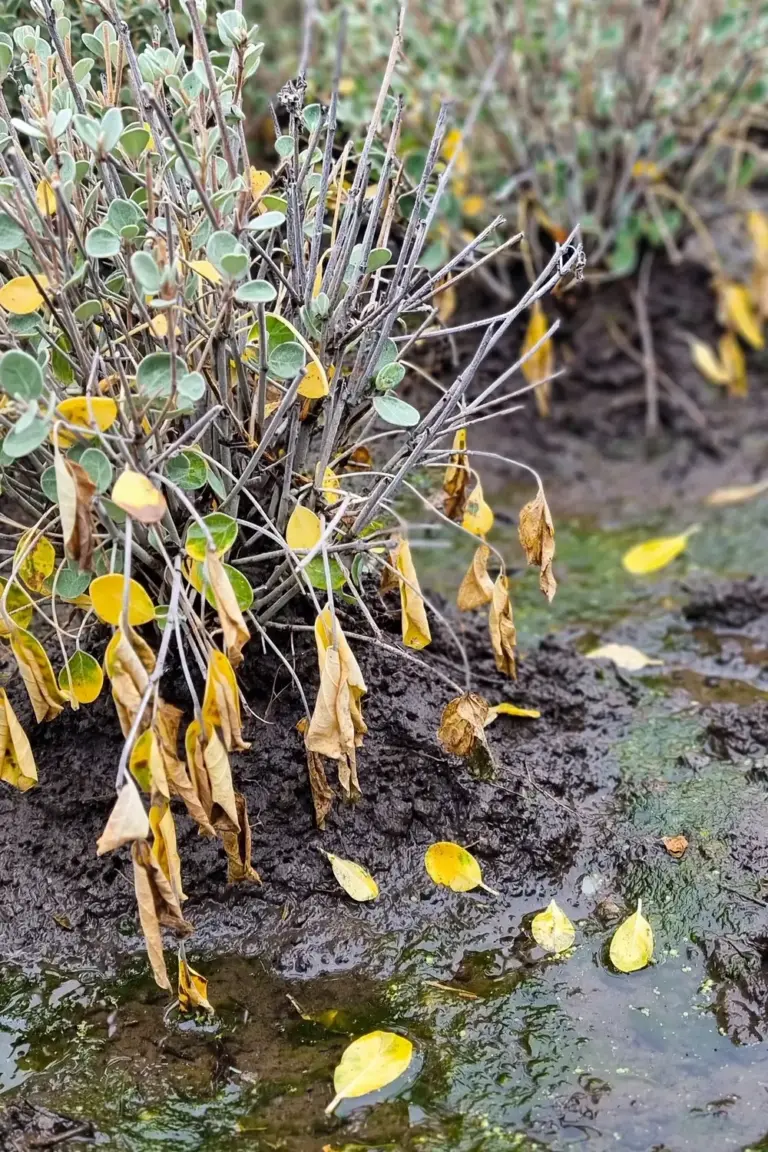
The Australian Native Plants Society states the rule plainly: good drainage is paramount for correa, and root rot may occur in constantly wet situations. Their growers use well-drained red loam with an acid pH of 5.6 and suggest raised beds for heavy soil. The mechanism is simple. Correa roots need oxygen between waterings. Clay soil or a low-lying planting hole holds water against the roots for days after rain. The roots suffocate, then rot.
Test your drainage before you plant. Dig a hole 30 cm deep and fill it with water. If water still stands in the hole after four hours, the site drains too slowly for correa. Mound the planting position 20 to 30 cm above the surrounding soil, or build a raised bed. Mix coarse sand or fine gravel through heavy clay at planting time. These are one-time fixes. A correa planted high in free-draining soil rarely meets root rot.
If your established correa wilts in wet soil, act fast. Stop watering entirely and let the soil dry to the depth of your second knuckle. Pull mulch back from the stem to let air reach the crown. If the plant does not recover within two weeks of drying out, lift it, trim blackened roots back to white tissue with clean secateurs, and replant in a raised mound of fresh, free-draining mix. Severe cases do not recover. Prevention at planting beats every cure.
Soil pH plays a supporting role. The Australian Native Plants Society reports their correas thriving in well-drained red loam with an acid pH of 5.6. Correa tolerates sand, loam, and gravelly soils, provided water moves through freely. Alkaline soils above pH 7.5 can lock up iron and manganese, yellowing the leaves in a pattern that mimics disease. If your correa yellows in limey soil despite good drainage, test the pH before assuming root rot. A soil acidifier or a move to a raised bed of native mix solves the chemistry.
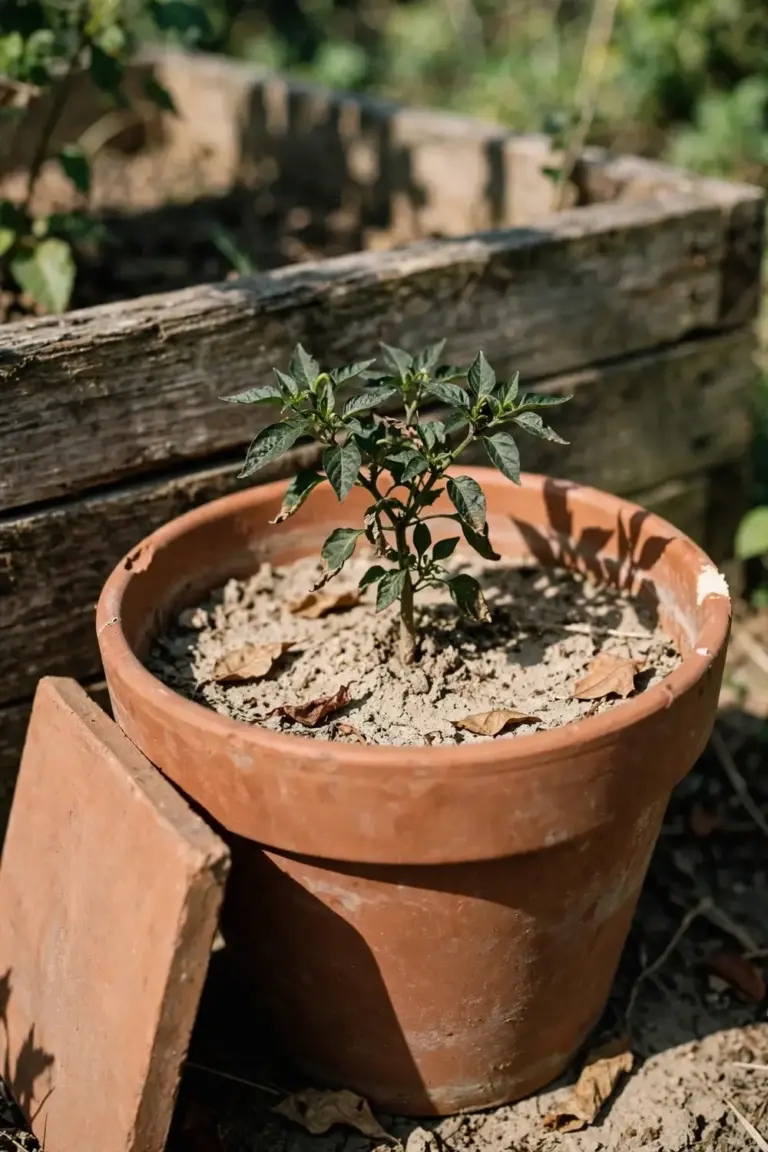
Container growers face the same drainage rule in miniature. A correa in a pot needs a premium native potting mix, never standard potting soil, which stays too wet. Choose a pot with multiple large drainage holes, and raise it on feet so water escapes freely. Empty the saucer after watering. A correa drowned in a saucer of standing water rots just as fast as one in clay.
Problem 2: Scale Insects and the Sooty Mould They Bring
Scale insects are the one pest that regularly troubles correa. The Royal Horticultural Society lists correa as generally disease-free but notes it may be susceptible to scale insects. These small, immobile sap-suckers settle on stems and the undersides of leaves. They look like tiny brown or gray bumps. Heavy infestations yellow the leaves and stall growth.
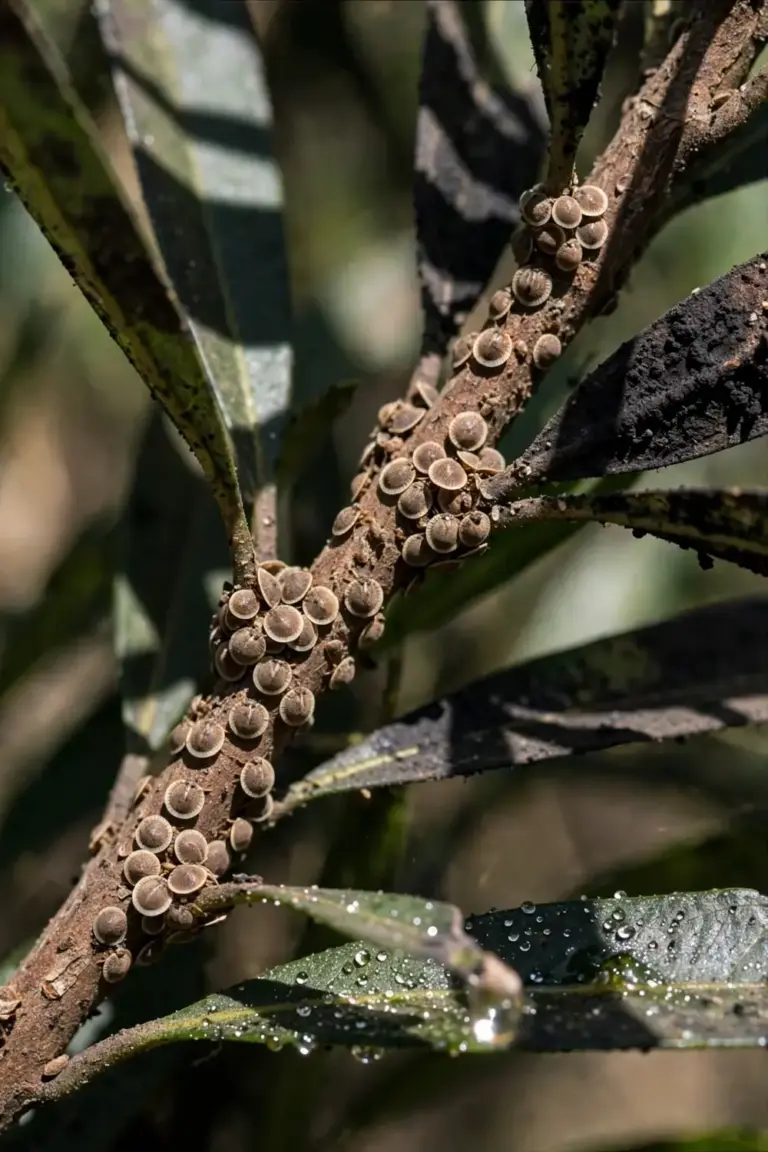
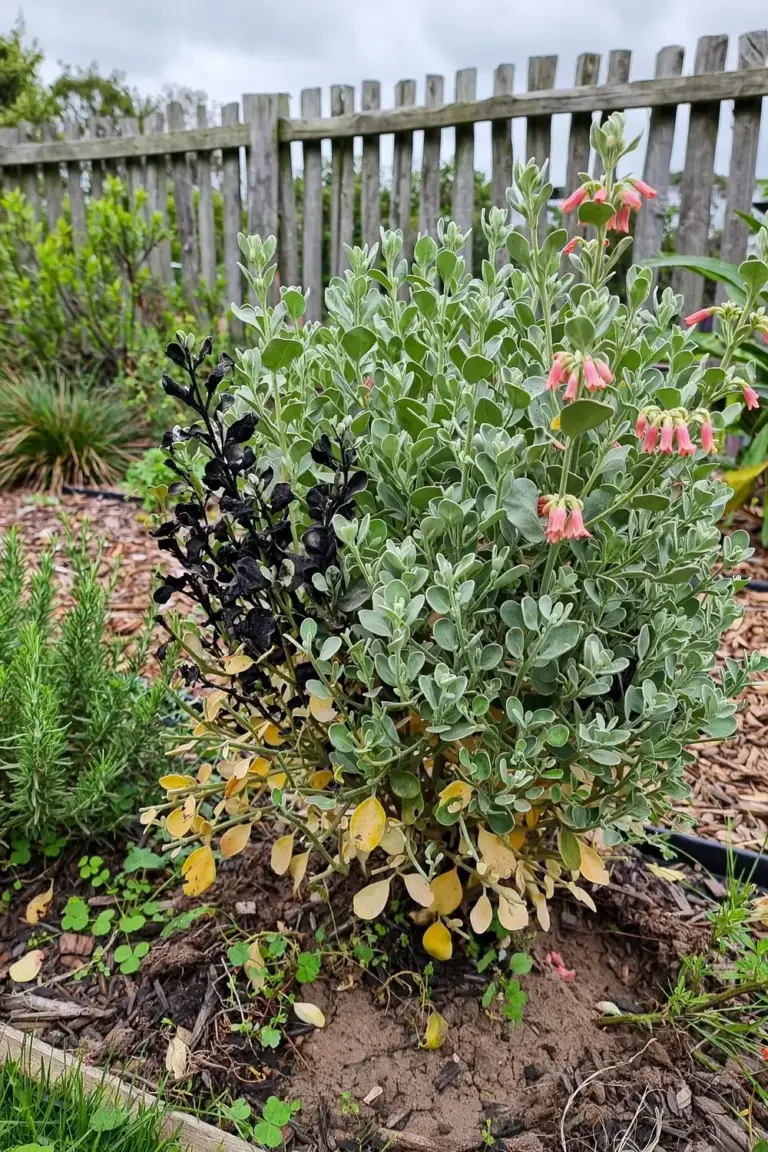
Scale insects excrete sticky honeydew as they feed. Sooty mould fungi colonise the honeydew and coat leaves and stems in a black film. The mould itself does not infect the plant. The black coating blocks light from the leaf surface and weakens the whole shrub. When you see blackened leaves on a correa, look for the scale insects underneath. The mould is the symptom. The scale is the cause.
Control starts with inspection. Check stem joints and leaf undersides in spring, when crawlers emerge and spread. A strong jet of water dislodges light infestations. Horticultural oil smothers scale at all life stages and is the standard treatment Australian nurseries recommend for correa. Apply it in cool weather, never on a hot afternoon, and cover both leaf surfaces. Two applications two weeks apart break the life cycle. For more on identifying the specific scale on your plant, see this guide to managing brown soft scale in the garden.
Ants farming the scale make the problem worse. Ants protect scale insects from predators and move crawlers to fresh growth. If ants stream up and down the stems, deal with them too, or the scale returns within weeks. A band of horticultural glue around the main stem stops ant traffic without chemicals.
Beneficial insects do most of the long-term control for free. Ladybird beetles, lacewing larvae, and tiny parasitic wasps all prey on scale. A garden that avoids broad-spectrum insecticides keeps these allies alive. Planting nectar-rich companions like alyssum or native daisies near your correa feeds adult beneficials and holds them in the area. Chemical shortcuts that wipe out predators guarantee the scale rebounds harder.
Timing matters for oil sprays. Apply horticultural oil when crawlers are active, typically in spring as new growth extends. The settled adult scales with their waxy covers resist contact sprays, but the mobile crawlers have no protection. Two applications timed two weeks apart catch overlapping generations. Winter oil sprays on dormant wood also work, smothering overwintering scales before spring growth begins.
Problem 3: Phosphorus Burn From Standard Fertilizer
Correa is moderately sensitive to phosphorus, and standard garden fertilizer burns its roots. Australian native plants evolved in ancient, phosphorus-poor soils. Their roots absorb phosphorus aggressively. A dose formulated for roses or vegetables floods a correa with more phosphorus than its roots can handle. Leaf tips brown, growth stalls, and severe cases defoliate.
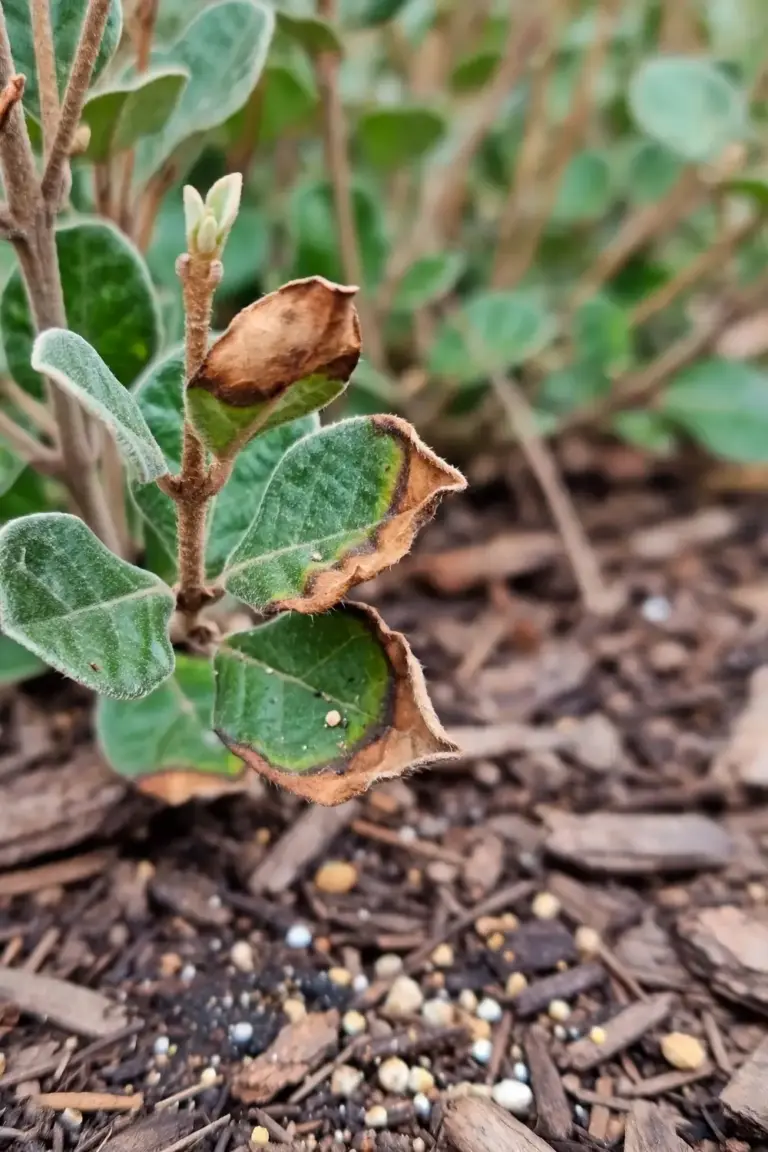
The Australian Plants Society of South Australia urges growers of phosphorus-sensitive natives to keep soil phosphorus low and use specially formulated native fertilizer. Correa sits in the moderately sensitive group, alongside bottlebrush and tea tree. The rule is simple. Use only fertilizer labelled for Australian natives, which manufacturers formulate with low phosphorus. Never use standard rose food, citrus food, or high-phosphorus bloom boosters on a correa.
Manures cause the same damage. Poultry manure and fresh animal manures carry phosphorus spikes that burn sensitive roots. If you mulch with composted organic matter, keep it away from the stem and use it for moisture retention, not feeding. A correa in decent soil needs little fertilizer at all. One light application of native-specific slow-release fertilizer in spring covers the whole year.
If you suspect phosphorus burn, stop feeding immediately. Flush the soil with deep watering to leach excess salts, then leave the plant unfed for a full season. Do not try to fix overfeeding with more products. Correa recovers slowly from root burn, pushing clean growth from the base once the soil chemistry settles. Prevention is a single habit: buy the bag that says native.
The mechanism behind the burn is worth understanding. Australian soils are among the oldest and most phosphorus-depleted on earth. Native plants evolved roots that scavenge phosphorus with extreme efficiency. When a gardener applies a standard fertilizer formulated for European vegetables, the phosphorus concentration overwhelms those efficient roots. The excess disrupts iron uptake first, which is why the leaf tips brown and growth stalls. The plant is not starving. It is poisoned by abundance.
Soil testing takes the guesswork out. The Australian Plants Society of South Australia recommends the Colwell test for available phosphorus, with levels below 30 mg per kg suiting moderately sensitive plants like correa. A basic soil test costs less than a bag of fertilizer and prevents years of mistakes. If your soil already tests high in phosphorus from past feeding, skip fertilizer entirely and let the correa draw on what is there.
Problem 4: Heat and Cold Stress on Leaves
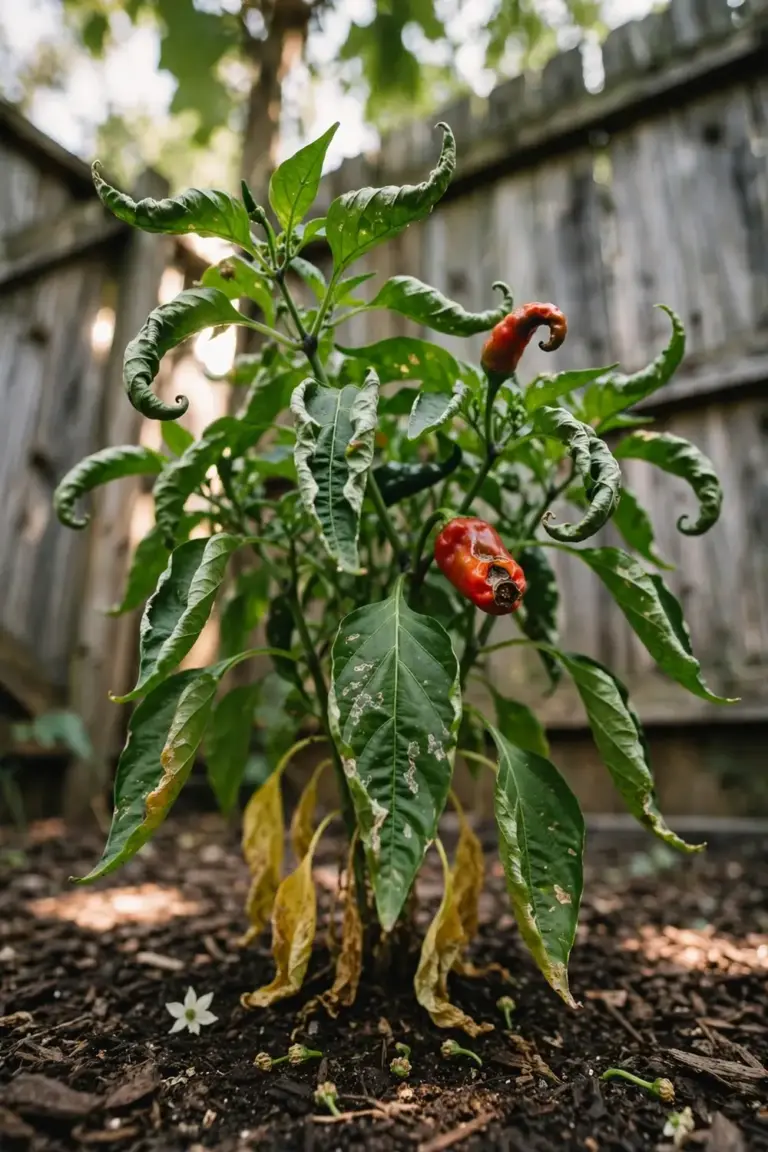
Correa leaves curl, brown at the edges, and drop under heat and cold stress. This is the plant protecting itself, not a disease. In prolonged heat above 35 degrees, correa closes leaf pores to conserve water, and the leaf margins scorch where transpiration outruns supply. In frost, cell water freezes and ruptures leaf tissue, leaving blackened patches that appear days after the cold night.
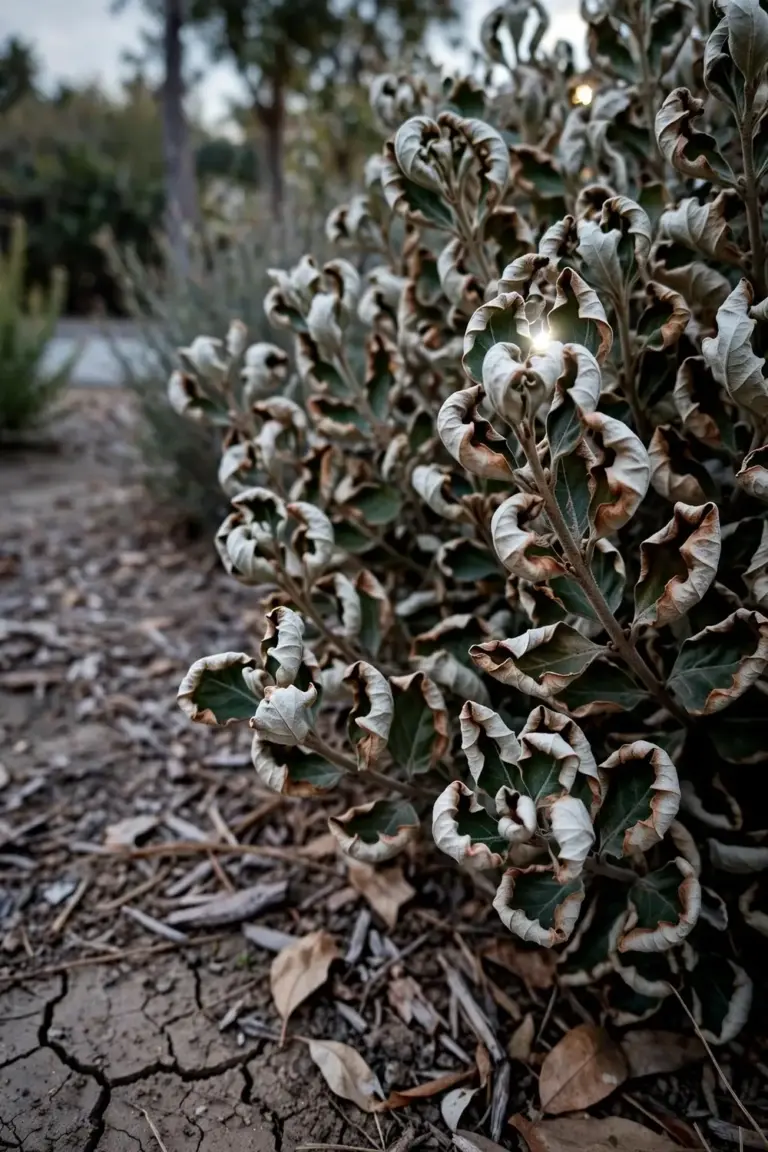
Site selection prevents most of this. Correa tolerates full sun in cool climates but appreciates afternoon shade where summers run hot. Plant on the eastern side of a fence or under high-canopy trees that filter the afternoon blast. In frost-prone inland gardens, plant against a warm wall or under eaves that radiate stored heat overnight. A correa in the right microclimate shrugs off weather that damages one in an exposed position.
Mulch is the cheapest stress insurance. A 5 to 7 cm layer of coarse organic mulch keeps root-zone temperatures stable through heatwaves and cold snaps alike. Keep the mulch clear of the stem to prevent collar rot. Water deeply before a forecast heatwave so the plant enters the stress fully hydrated. For choosing materials, this explainer on what mulch does for weed control, pests, and moisture covers the options.
Do not prune scorched leaves immediately. Damaged foliage still photosynthesises and shelters the buds beneath. Wait until new growth emerges in spring, then trim back to clean wood. A correa that looks half-dead after a brutal summer often reshoots strongly from the base once autumn rain arrives. Patience outperforms the secateurs here.
Wind compounds both heat and cold damage. Hot, dry winds strip moisture from leaves faster than roots can replace it, scorching margins even in mild temperatures. Cold winds freeze-dry foliage in winter, browning the windward side while the sheltered side stays green. A windbreak of hardy shrubs, a fence, or even a hessian screen on the exposed side cuts the damage dramatically. Position matters as much as temperature.
Young plants need more protection than established ones. A correa in its first year has a shallow root system that dries out fast and limited reserves to regrow damaged foliage. Shade a new planting through its first summer with a temporary screen, and wrap it in frost cloth on nights forecast below minus 2 degrees. By the second year the roots run deep enough to buffer most weather. The coddling is temporary, not permanent.
What Looks Wrong But Is Not: Normal Correa Behavior
A correa with no flowers in summer is behaving normally. Correa flowers from early autumn to late spring, according to the Australian Native Plants Society. Summer is the plant’s rest period for blooming. Expecting flowers in January is like expecting roses in a frost. The buds form as days shorten and temperatures cool. If your correa is healthy and leafless of blooms in summer, wait for autumn.
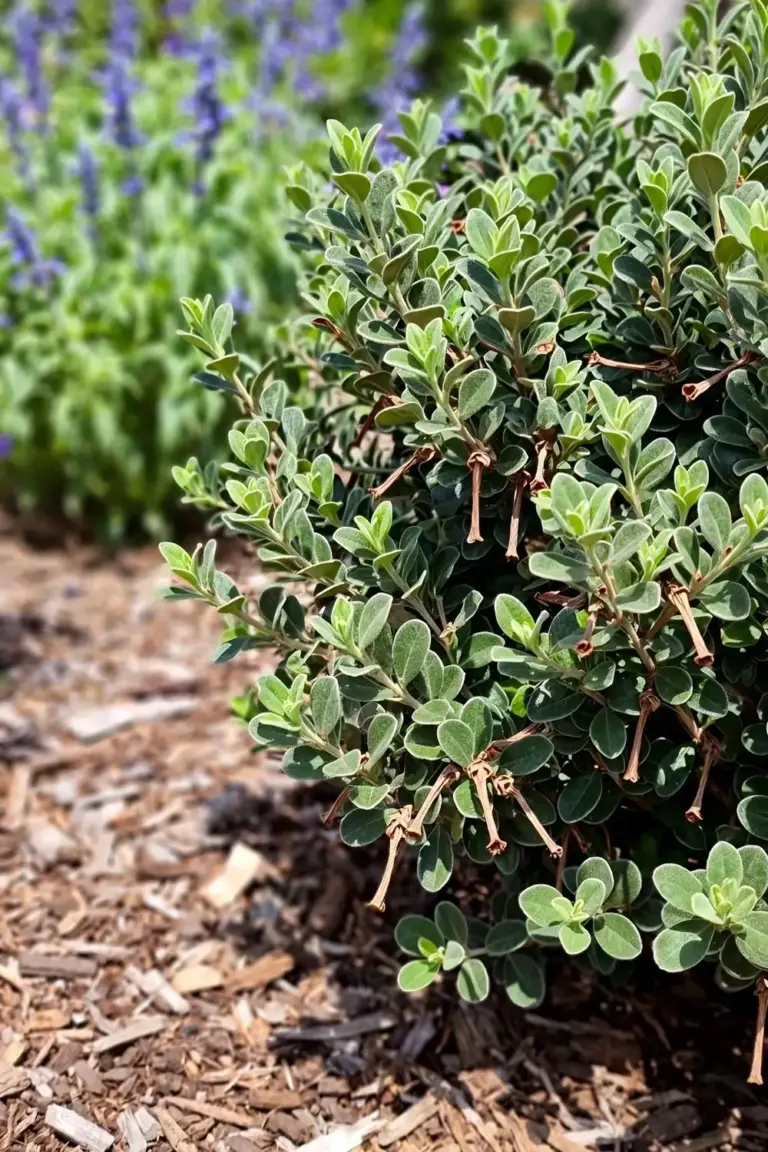
Leaf drop after transplanting is also normal. Correa sheds a portion of its foliage when its roots are disturbed. The plant is balancing its water budget, dropping leaves it cannot support while new roots establish. Keep watering steady, hold off fertilizer, and new growth appears within weeks. Panic-feeding a transplanted correa causes the phosphorus burn described above, turning a normal adjustment into a real problem.
Sparse flowering in deep shade is normal too. Correa tolerates shade but flowers best with good light. A correa under dense evergreen canopy grows leggy and blooms lightly. This is the plant telling you about its position, not a disease asking for treatment. Move it in winter, or prune overhead branches to let in morning sun. Flowering follows light.
Old leaves yellowing and dropping from the interior are normal. Evergreen does not mean immortal. Correa replaces its foliage gradually, shedding the oldest shaded leaves as new growth extends. Yellowing confined to the inner canopy, with healthy green tips, is renewal. Yellowing that starts at the growing tips and spreads inward is a problem worth investigating.
The key distinction is pattern. Normal renewal works from the inside out and the bottom up, affecting only the oldest leaves in the shadiest positions. Problem yellowing starts at the growing tips, appears uniformly across the plant, or follows a feeding or watering event. Learn the pattern and you will rarely misdiagnose. When in doubt, wait a week. Renewal continues at its slow pace. Real problems get visibly worse.
Correa vs True Fuchsia: Why the Name Misleads
Correa is not a fuchsia, despite what the nursery tag implies. The common name native fuchsia comes from the tubular flowers, which resemble fuchsia blooms at a glance. Botanically, correa sits in the Rutaceae family, the citrus family, as both the Royal Horticultural Society and Wikipedia’s taxonomy confirm. True fuchsias belong to an entirely different family. The two genera share a flower shape and nothing else.
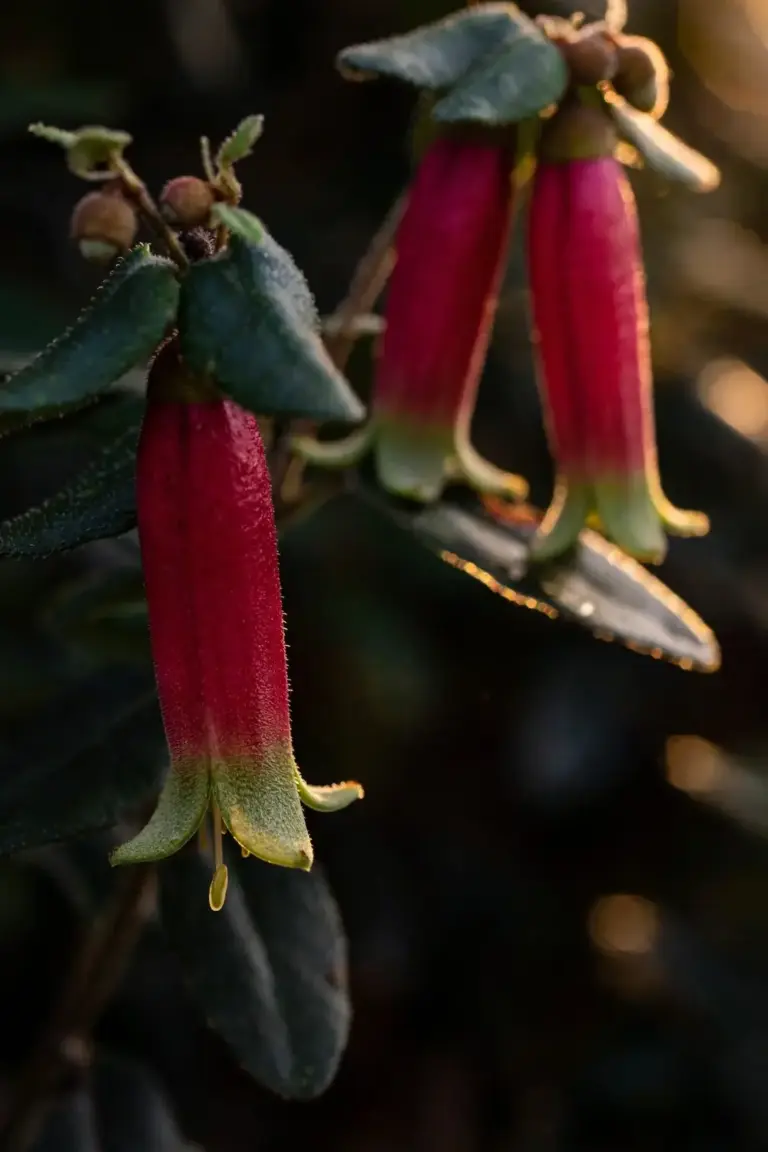
This matters because growers borrow fuchsia advice for correa and cause harm. Fuchsia rust, a serious disease of true fuchsias, does not infect correa. Fuchsia feeding schedules built for hungry exotic bedding plants burn correa roots with phosphorus, and fuchsia watering regimes designed for thirsty container plants waterlog correa into root rot. Every piece of fuchsia-specific advice you apply to a correa moves you further from what the plant needs.
Check the botanical name before following any advice. If the label says Correa, follow native-plant guidance: sharp drainage, low-phosphorus feed, and benign neglect. If the label says Fuchsia, follow exotic bedding-plant guidance. Nurseries sometimes shelve them near each other because the flowers look alike. The plants could hardly be more different in their needs.
The confusion runs one direction. Nobody mistakes a true fuchsia for a correa and underwater it. But correa growers routinely overwater, overfeed, and overtreat their plants on fuchsia logic. When in doubt, do less. Correa rewards restraint.
The name dates to early European settlement, when colonists reached for familiar words to describe unfamiliar plants. Tubular correa flowers reminded homesick gardeners of the fuchsias they knew from English gardens. The nickname stuck through two centuries of nursery catalogs. Botanists have always known better. The genus Correa was named for the Portuguese botanist Jose Correia da Serra, and its placement in Rutaceae reflects real relationships with citrus and boronia, not a passing resemblance to fuchsia.
Quick Diagnosis Table
| What You See | Likely Cause | First Action |
|---|---|---|
| Wilting in wet soil, yellowing from base | Root rot from waterlogging | Stop watering, improve drainage, lift and replant on a mound if severe |
| Brown bumps on stems, black film on leaves | Scale insects plus sooty mould | Horticultural oil in cool weather, two applications two weeks apart |
| Brown leaf tips after feeding | Phosphorus burn | Stop all feeding, flush soil, use native fertilizer only going forward |
| Curled leaves, brown edges after heat or frost | Weather stress | Mulch 5 to 7 cm, afternoon shade, wait for new growth before pruning |
| No flowers in summer | Normal, flowers autumn to late spring | Wait, ensure good light for the coming season |
| Leaf drop after planting | Normal transplant adjustment | Steady water, no fertilizer, wait for new growth |
| Sparse flowers in shade | Low light, not disease | Move in winter or open the canopy to morning sun |
| Inner leaves yellowing, tips green | Normal foliage renewal | Nothing, this is the plant replacing old leaves |
Frequently Asked Questions
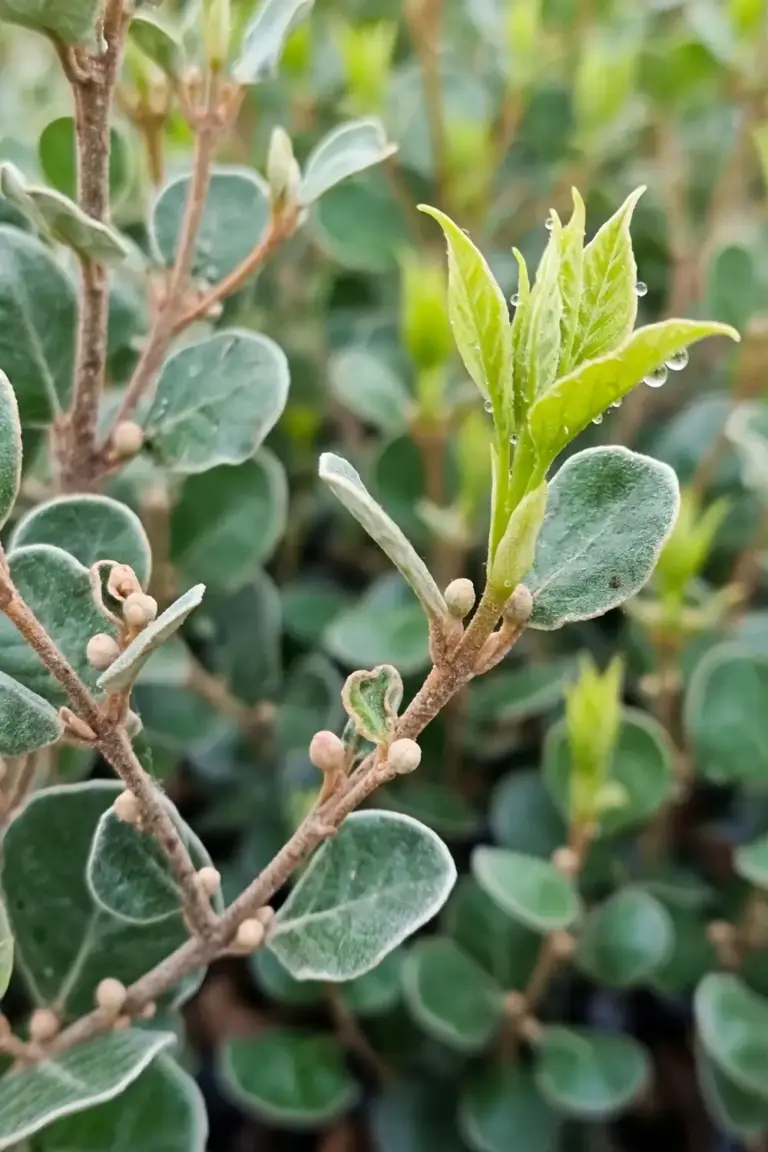
Newly planted correas die from waterlogged soil more often than any other cause. The planting hole in clay acts as a sump, holding water against the roots until they rot. Dig a drainage test hole 30 cm deep before planting. If water stands for more than four hours, mound the planting position 20 to 30 cm high or use a raised bed. Steady moisture with sharp drainage keeps a new correa alive.
Early root rot is sometimes reversible. Stop watering, pull mulch from the stem, and let the soil dry to the depth of your second knuckle. If the plant perks up within two weeks, it will likely recover. If whole branches are dead and the stem base is soft, lift the plant, cut blackened roots back to white tissue, and replant in fresh free-draining mix on a mound. Advanced cases rarely survive.
Use only fertilizer labelled for Australian natives. These products carry low phosphorus, which suits correa’s moderately sensitive roots. Apply a light dose of slow-release native fertilizer once in spring. Never use rose food, citrus food, bloom boosters, or poultry manure on correa. A correa in reasonable soil needs little feeding, and overfeeding causes more damage than skipping a feed.
Spray horticultural oil in cool weather, covering stems and both leaf surfaces. The oil smothers scale at every life stage. Repeat after two weeks to catch newly hatched crawlers. Check for ants farming the scale, and block their path with a glue band on the main stem. Light infestations also respond to a strong water jet. Avoid broad-spectrum insecticides, which kill the predators that keep scale in check.
Black coating on correa leaves is sooty mould growing on honeydew excreted by sap-sucking insects, usually scale. The mould does not infect the plant. It blocks light and weakens growth. Find the insects on the stems and leaf undersides, treat them with horticultural oil, and the mould weathers off over time. Do not scrub the leaves. Removing the insects removes the food source, and the problem ends.
No. Correa is an Australian native genus in the Rutaceae family, while true fuchsias belong to a different family entirely. The name native fuchsia refers only to the tubular flower shape. Their needs differ completely. Fuchsia diseases like fuchsia rust do not affect correa, and fuchsia feeding and watering schedules harm correa. Always check the botanical name before following plant advice.
Where to Go From Here
Walk out to your correa with this guide’s short list in hand. Check the drainage first, because waterlogging is the killer. Look under the leaves for scale, recall what you fed it last, and note whether the damage followed weather or followed you. Most correa problems resolve to one of those four checks.
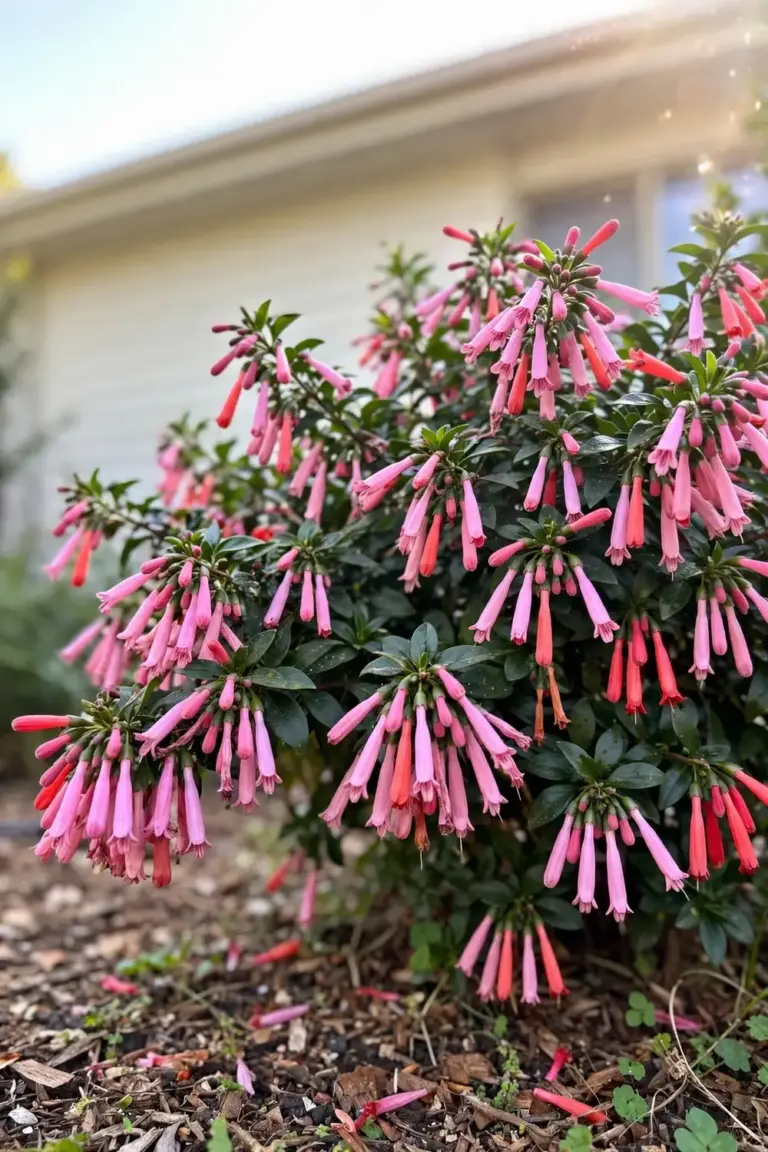
If the plant passes all four checks and still looks odd, it is probably doing something normal. No summer flowers, post-transplant leaf drop, and inner-leaf renewal all look alarming and mean nothing. Correa is a tough, honest plant. Give it drainage, restraint, and time, and it flowers for months from autumn to spring.
Keep a simple record of what you do. Note the planting date, the soil type, and any feed you apply. When a problem appears months later, that record tells you whether the cause was water, feed, pests, or weather. Correa problems develop slowly, and memory fades faster than symptoms. A few lines in a garden notebook turn guesswork into diagnosis. For broader ideas on where correa fits among local species, browse these Australian native plants for container gardens.