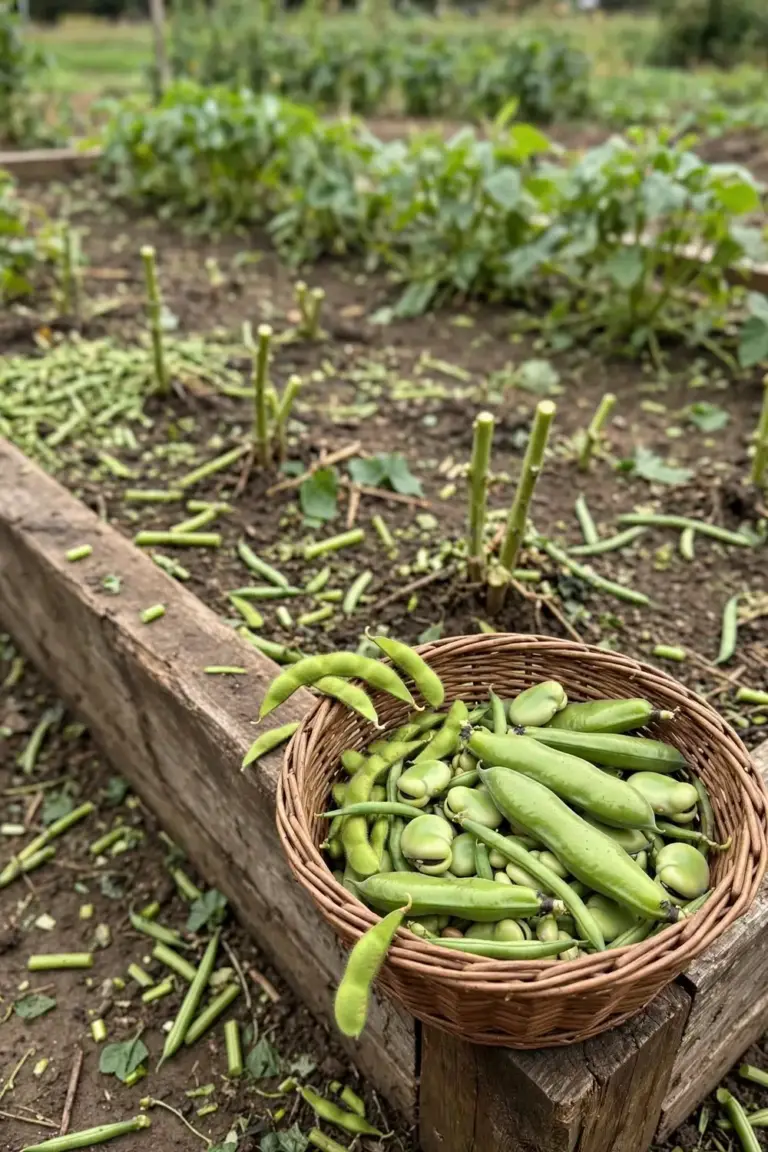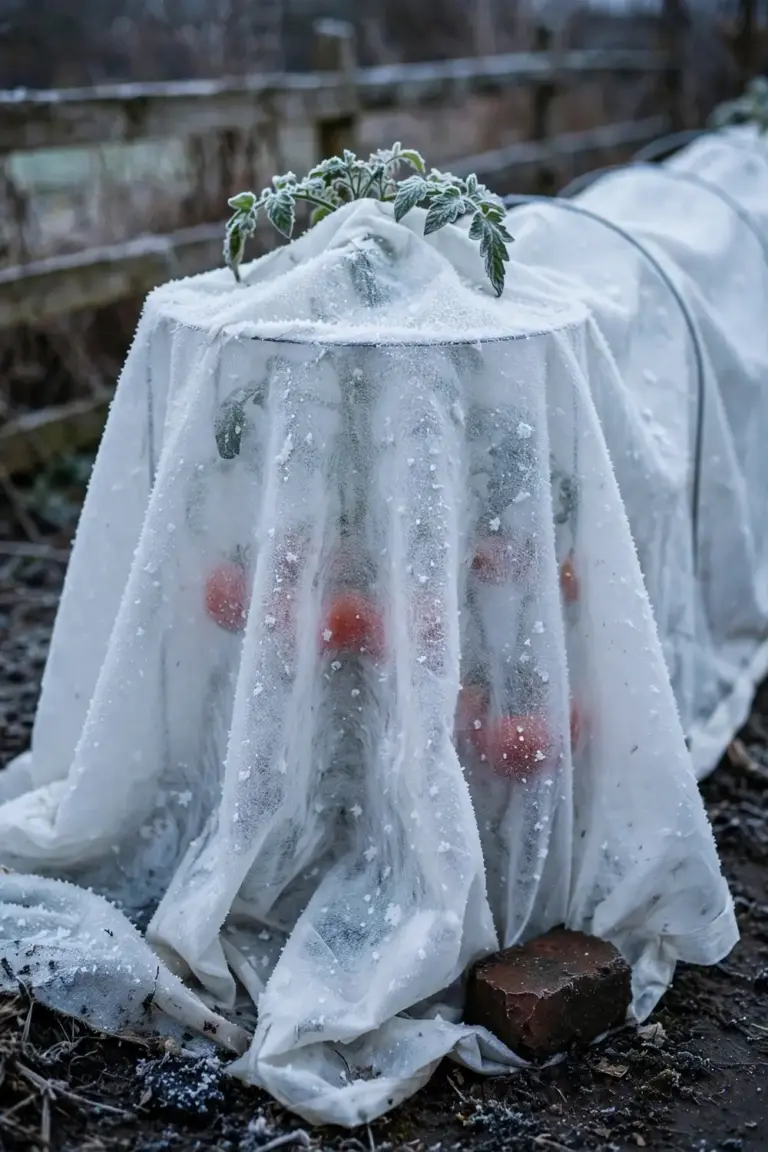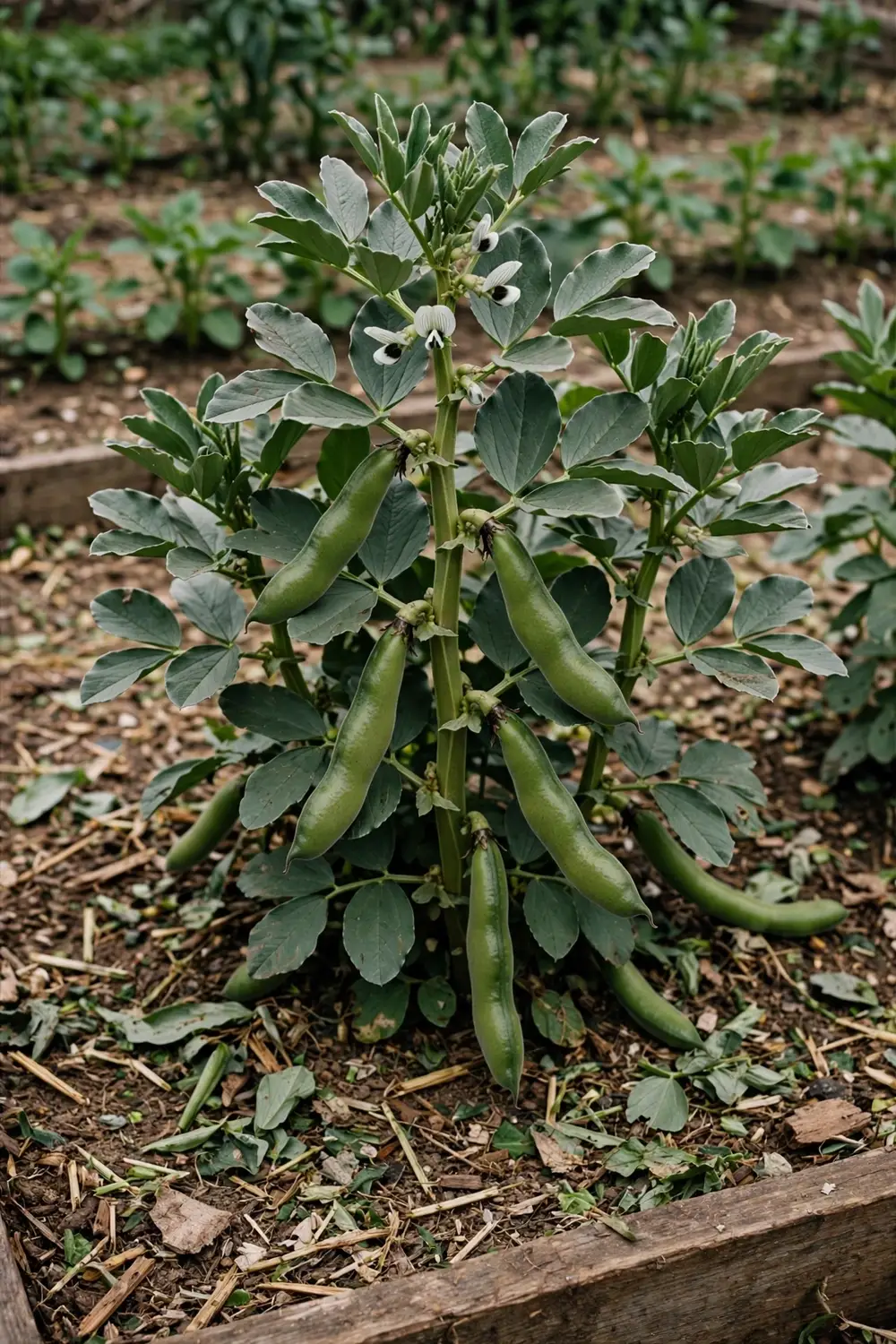

Plant broad beans first. They fix the most nitrogen of any garden legume in Australian GRDC trials, 182 kg per hectare across the whole plant, and they fill a plate through the cool months. These are the best nitrogen-fixing beans and legumes to grow and eat, ranked by dual value: what they feed you, and what they leave in the soil. The honest rule runs through every pick. The beans you eat carry nitrogen off the bed, so the soil benefit comes from the roots you leave and the residue you chop in.
How the Best Nitrogen-Fixing Beans and Legumes to Grow and Eat Were Ranked
Nitrogen-fixing means the plant turns nitrogen gas from the air into a form plants can use, with the help of rhizobia bacteria living in nodules on its roots. More than 78 percent of the air is nitrogen gas, yet plants cannot use that gas directly, according to Colorado State University Extension. The bacteria do the conversion inside the nodules, and the plant takes up the ammonia they produce. That partnership is the whole reason a bean bed feeds the next crop.
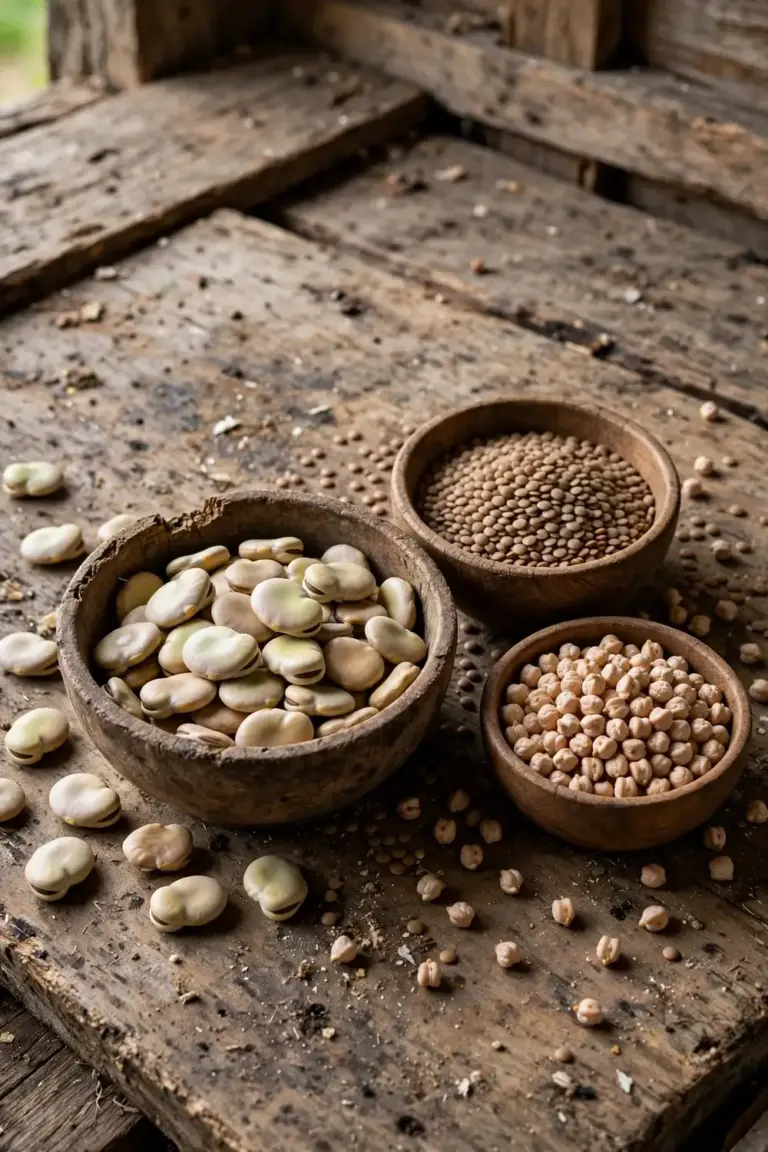
The ranking weighs two things at once. The first is the harvest: how much food the plant gives you, and how easy it is to grow in a home garden. The second is the nitrogen fixed, measured in kilograms per hectare. Fixation figures come from Australian GRDC trials and from Colorado State University Extension, and the two sets do not always line up. Ranges overlap, seasons differ, and a big healthy plant fixes more than a small stressed one. GRDC GroundCover puts it plainly. On average across grain and pasture legumes, 20 kg per hectare of shoot nitrogen is fixed for every tonne per hectare of dry matter, according to GRDC GroundCover. Bigger plants fix more nitrogen. Treat the ranking as a dual-value order, not a laboratory ladder.
Soil nitrate also shapes the result. When soil already holds plenty of nitrate, the plant takes the easy nitrogen from the soil and fixes less from the air. A bed fresh from a hungry crop, with little nitrogen left in it, pushes the plant to fix more. That is why a legume planted after tomatoes or corn often fixes harder than the same legume planted into a freshly fertilized bed.
| Pick | Nitrogen Fixed | Best Eaten As | Soil Move |
|---|---|---|---|
| Broad (fava) beans | 182 kg/ha, whole plant | Fresh shelled beans, soups, stews | Leave roots, chop residue |
| Soybeans (edamame) | 59 to 297 kg/ha | Fresh edamame pods, boiled | Leave roots, chop residue |
| Cowpeas (black-eyed peas) | 49 to 148 kg/ha | Fresh pods, dried peas | Leave roots, chop residue |
| Lentils | 127 kg/ha, whole plant | Dried lentils for soups and curries | Leave roots, chop residue |
| Chickpeas | 100 kg/ha, whole plant | Dried chickpeas, roasted snacks | Leave roots, chop residue |
| French (green) beans | 56 to 168 kg/ha, dry-bean figure | Fresh snapped pods | Leave roots, chop residue |
| Runner beans | Data not available | Fresh pods, shelled beans | Leave roots, chop residue |
| Peanuts | Data not available | Fresh or roasted nuts | Leave roots, chop residue |
| Mung beans | 57 kg/ha, whole plant | Sprouts, stir-fries, soups | Leave roots, chop residue |
The soil move is the same for every pick. Leave the roots in the ground after the last harvest. Chop the stems and leaves and dig them into the bed or leave them as mulch. The roots carry the nodules, and GRDC GroundCover puts 20 to 50 percent of a legume’s nitrogen below ground. Pulling the whole plant out throws that share away.
1. Broad (Fava) Beans: The Cool-Season Nitrogen Leader
Broad beans top this list on both halves of the dual value. They produce a heavy harvest of shelled beans through the cool months, and they fix more nitrogen than any other garden legume in the GRDC trials. Faba beans fixed 130 kg of nitrogen per hectare in above-ground growth, and 182 kg per hectare across the whole plant once roots and nodules were counted, according to GRDC GroundCover. Lupins matched them closely, but lupins are a farm crop, not a garden vegetable. Broad beans are the garden version of that result.
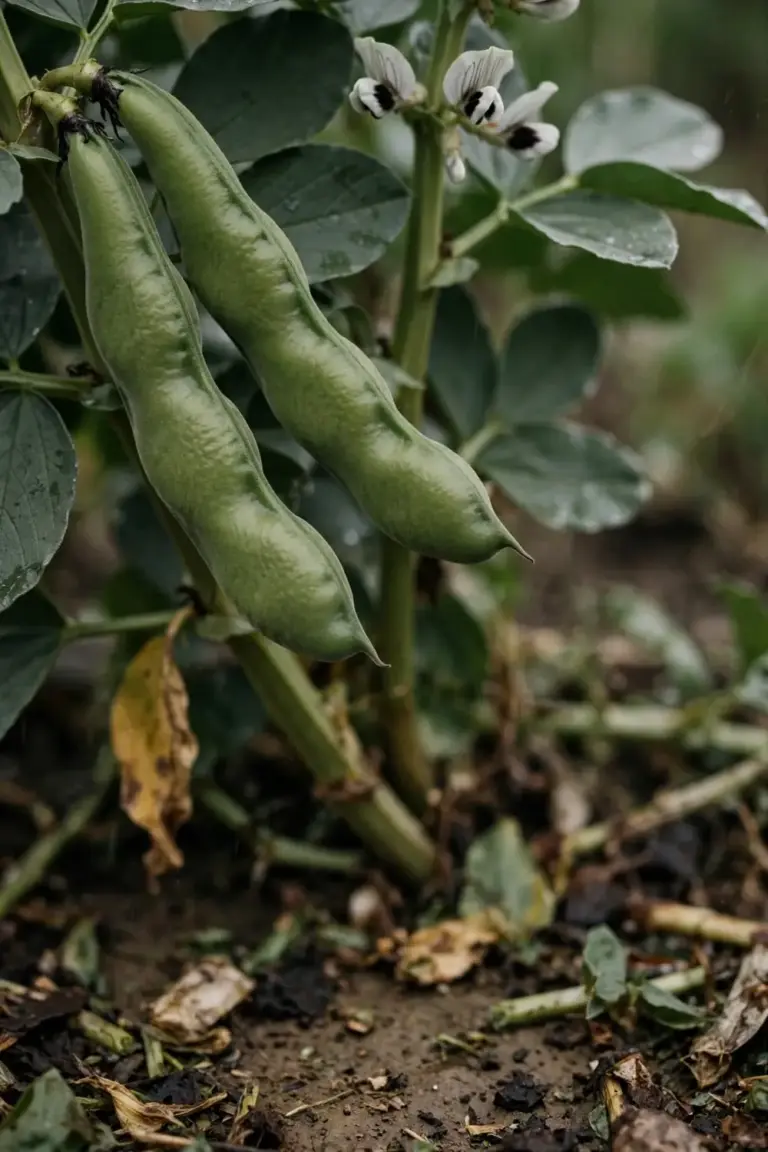
Broad beans are Vicia faba, a cool-season crop. Sow in autumn in most of Australia and harvest through spring. They suit beds that grew hungry crops the previous season, because they occupy the bed when warm-season vegetables have finished. They also suit small gardens. One short row gives enough beans for several meals, and the plants need no trellis when sown in a sheltered spot. For sowing depth and spacing, the broad bean growing guide covers the home-bed detail.
Eat broad beans fresh when the pods swell and the beans inside show through the skin. Shell them, blanch for a minute, and slip the gray skins off if you want the bright green centers. Young pods go into soups whole. Older beans turn mealy when overcooked, so pull them off the heat early.
The soil payoff arrives after the last pick. Leave the roots in the ground. Chop the stems and dig the residue into the bed. Australian garden guides describe broad beans as a green-manure crop for exactly this job: the plant feeds you first, then feeds the bed. If your soil has never grown broad beans, dust the seed with the right inoculant before sowing. Each legume species needs its own rhizobia strain, and a bed without the right strain grows plants with empty nodules.
2. Soybeans (Edamame): The Warm-Season Protein Crop
Soybeans earn second place on protein and fixation together. Colorado State University Extension lists soybeans at 53 to 265 pounds of nitrogen fixed per acre, which converts to 59 to 297 kg per hectare. The wide range reflects real growing conditions. A vigorous, well-nodulated crop in warm soil sits near the top. A thin crop in cool soil sits near the bottom. Pick fresh edamame pods while the beans inside are plump and green, and the plant still leaves its roots and residue behind.
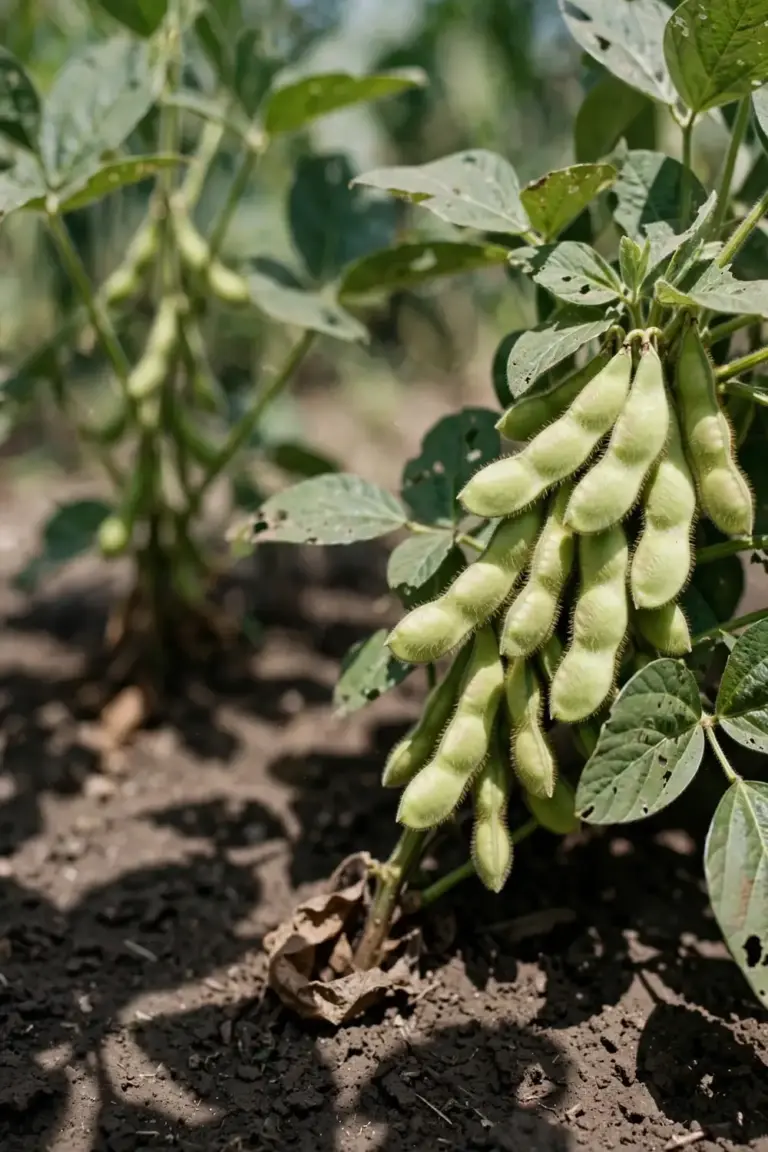
Soybeans are Glycine max, a warm-season crop. Sow after the last frost, when the soil has warmed. They need a full warm season to fill their pods, so they suit the warmer parts of Australia and long summers elsewhere. In cooler districts, choose an early variety and give the plants the sunniest bed you have.
Eat them fresh. Boil edamame pods in salted water for a few minutes, then squeeze the beans out of the pods. The harvest is the main event, and it removes nitrogen from the bed in the pods you carry inside. That is the trade-off in every pick on this page. The soil benefit comes from what stays behind: roots, nodules, stems, and leaves. Leave them all.
3. Cowpeas (Black-Eyed Peas): The Heat-Loving Long Harvest
Cowpeas suit gardeners whose summers run hot and dry. They keep flowering and setting pods when French beans stall in the heat, and they fix a respectable amount of nitrogen while doing it. Colorado State University Extension lists cowpeas at 44 to 132 pounds of nitrogen fixed per acre, which converts to 49 to 148 kg per hectare. The harvest runs for weeks, so one planting feeds the kitchen across the hottest stretch of the season.
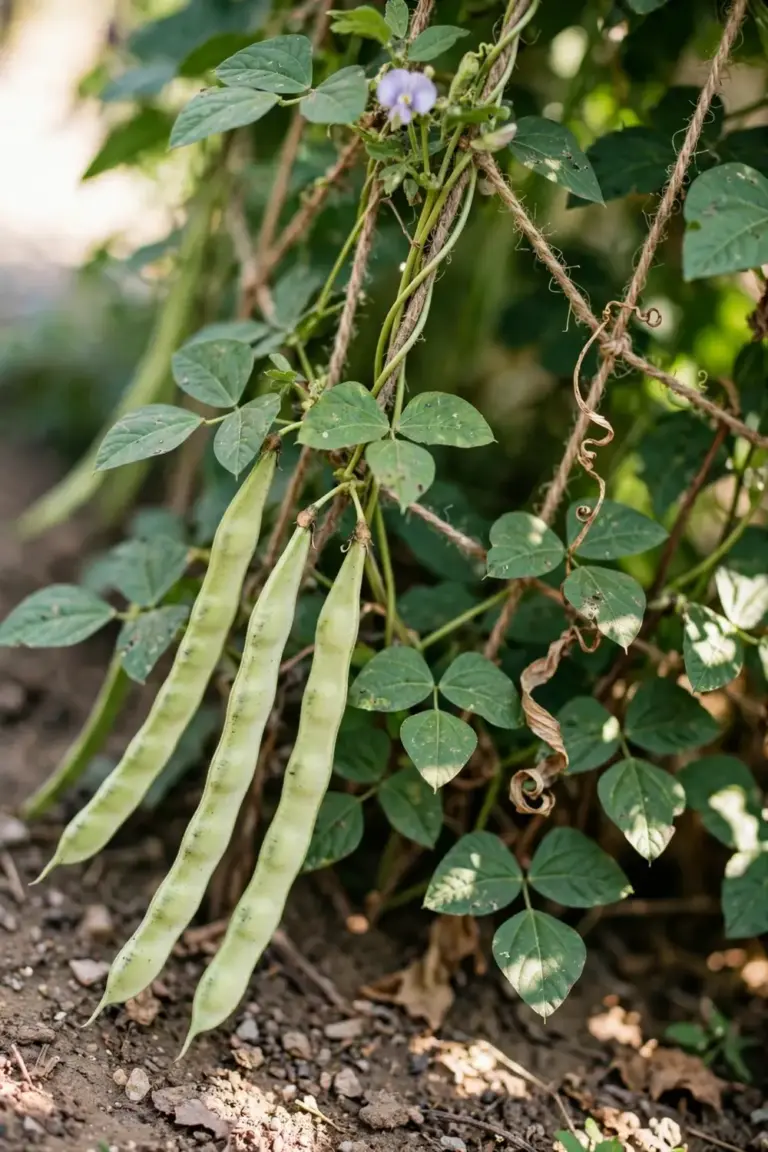
Cowpeas are Vigna unguiculata. Black-eyed peas are one type of cowpea, the kind sold dried in shops. In the garden, pick the pods young for fresh eating, or leave them to dry on the vine for stored peas. Both uses come off the same plant. A bush type needs no trellis. A climbing type needs a trellis and gives a longer harvest.
Dry the pods on the vine for stored peas. Leave them until the pods rattle, then shell by hand and store the peas in a sealed jar. Dried cowpeas cook like any dried bean, soaked overnight or simmered long.
Cowpeas also tolerate poor soil better than most beans on this list. That trait makes them a good first legume for a new bed. They still need the right rhizobia strain to fix nitrogen well, so inoculate seed in a bed that has never grown cowpeas. Water at the base, not over the leaves, and the plants will keep setting pods until the weather cools.
4. Lentils: The Small-Space Cool-Season Pulse
Lentils win on space. A small patch produces a real harvest of dried pulses, and the plants fix 127 kg of nitrogen per hectare across the whole plant in the GRDC trials. That figure sits above chickpeas and mung beans, and it comes from a plant that stands only knee high. Lentils suit a gardener with one spare bed in the cool season and a pantry that already uses dried pulses.
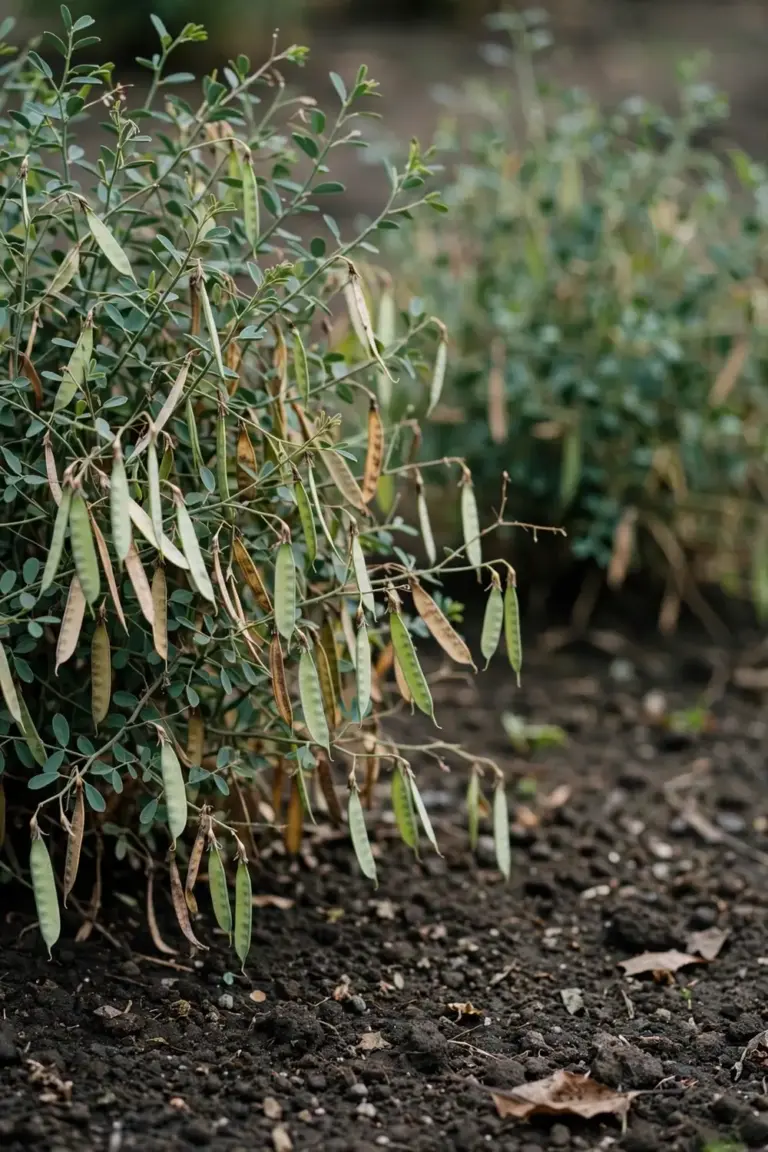
Lentils are Lens culinaris, a cool-season crop. Sow in autumn in most of Australia and let the plants dry down before harvest. They need no trellis and little attention beyond watering in dry spells. Harvest when the pods turn dry and rattle, then thresh the seeds out by hand.
The harvest is small per plant, so sow thickly. A dense patch fixes more nitrogen than a thin one, because fixation tracks biomass. That is the GRDC rule again. More plant growth means more nitrogen fixed. A lentil patch that looks full at flowering has done its soil work before you ever pick a pod.
5. Chickpeas: The Pantry Staple That Fixes Less Than You Think
Chickpeas fix less nitrogen than their reputation suggests. GRDC trials put chickpeas at 51 kg of nitrogen per hectare in above-ground growth and 100 kg per hectare across the whole plant. That is less than half the broad bean figure. Chickpeas drew only 43 percent of their nitrogen from the air in the same trials, against 73 percent for faba beans.
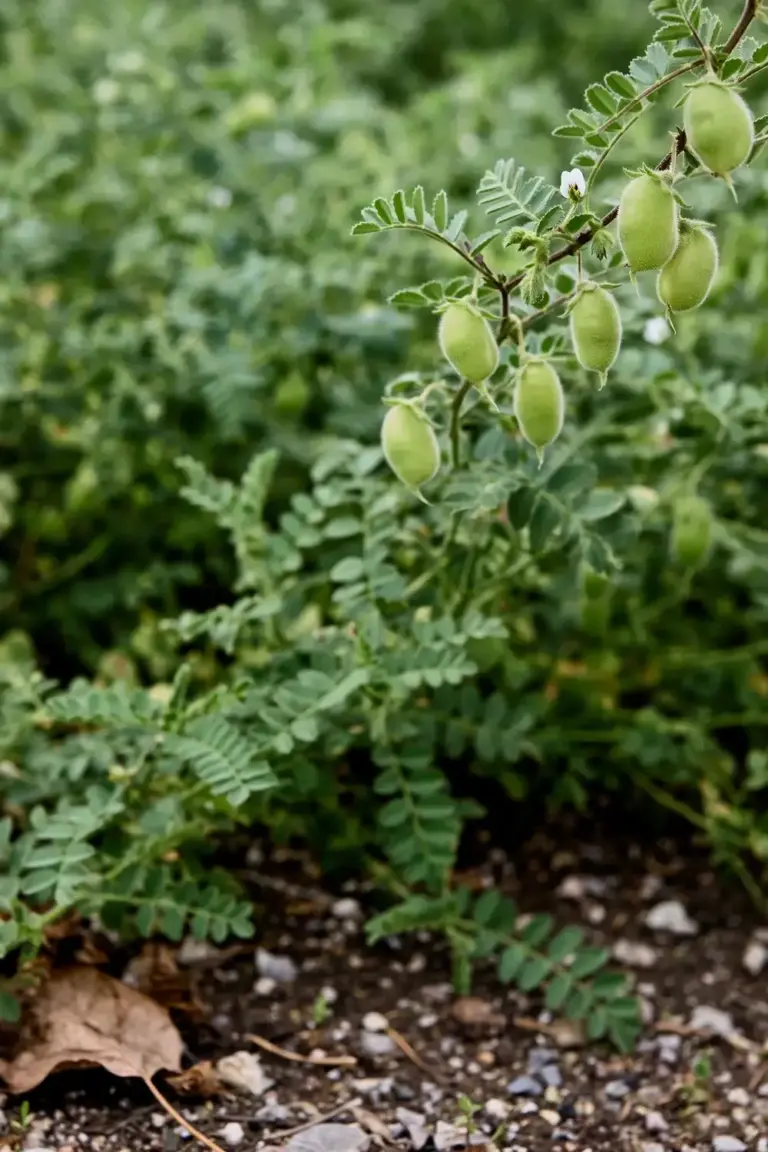
Chickpeas are Cicer arietinum, a cool-season crop. Sow in autumn in most of Australia. They grow into low bushes that need no trellis, and they produce dried chickpeas for roasting, soups, and hummus. Colorado State University Extension lists garbanzo beans, the same plant under another name, at 25 to 81 pounds of nitrogen fixed per acre, which converts to 28 to 91 kg per hectare. The two sources agree on the direction. Chickpeas fix nitrogen, but modestly.
Grow them for the pantry, not for the soil. The soil still gains from the roots and residue you leave behind, and from the rotation break a legume gives a bed that grew brassicas or tomatoes last season. Just do not count on chickpeas to rebuild a starved bed on their own. Broad beans do that job better.
6. French (Green) Beans: The Continuous Picker
French beans earn their place on kitchen value. A short row picked every few days gives fresh pods across the warm season, and the plants keep producing as long as you keep picking. They are the most productive fresh bean per square meter in most home gardens, and they fix nitrogen while they work.
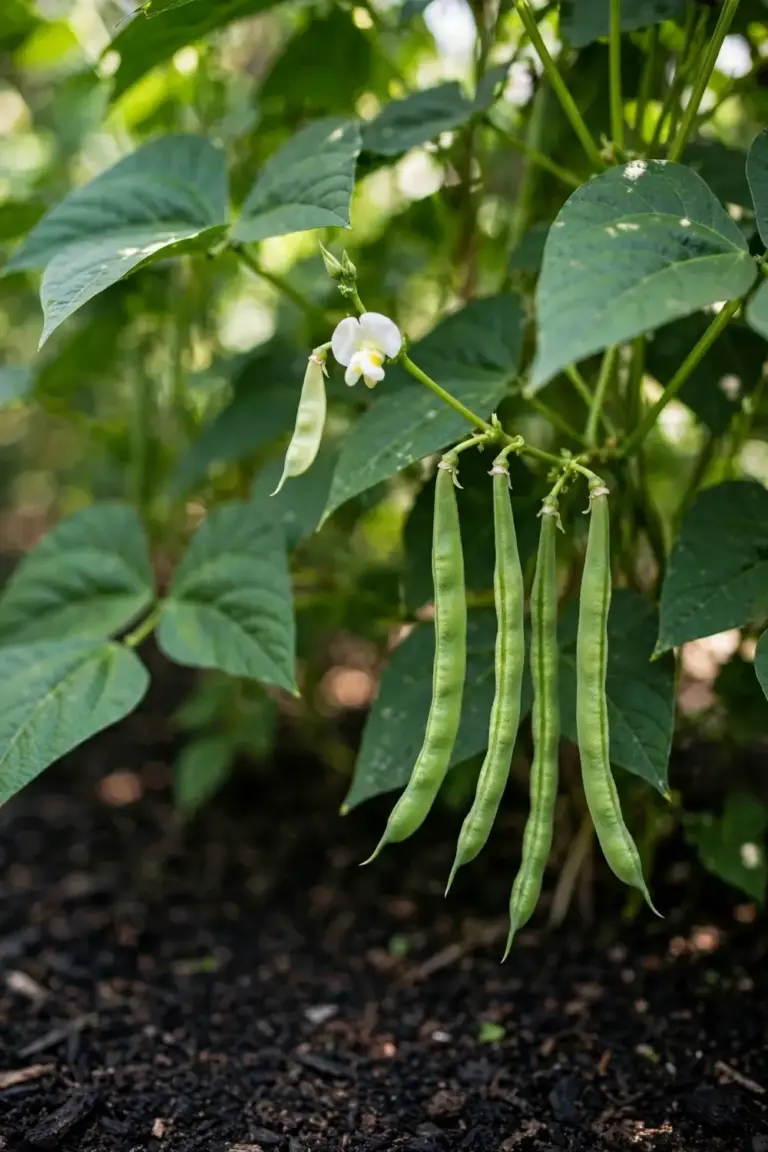
French beans are Phaseolus vulgaris, the same species as dry beans. Colorado State University Extension lists dry beans at 50 to 150 pounds of nitrogen fixed per acre, which converts to 56 to 168 kg per hectare. Treat that figure with care. It covers beans grown to dry maturity. Green beans picked young return less, because the harvest removes pods early and the plants finish sooner. The soil benefit is still real, but it is smaller than the dry-bean figure suggests.
French beans are a warm-season crop. Sow after the last frost, and sow in small batches two weeks apart for a steady supply. Bush types need no trellis and suit pots and small beds. Climbing types need a trellis and give a longer harvest from the same footprint. For the full sowing and trellis detail, the bean growing guide covers beans from seed to harvest. Keep picking, even when the kitchen is full. Pods left to swell signal the plant to slow down, and the harvest thins out.
7. Runner Beans: The Perennial in Mild Climates
Runner beans bring a trait no other pick on this list has. In mild, frost-free climates they live for years, shooting again from the same rootstock each spring. In frosty districts they grow as annuals, and you sow fresh seed each year. That perennial habit makes them the lowest-effort bean on this page once established, and the flowers are large, red or white, and easy to spot across the garden.
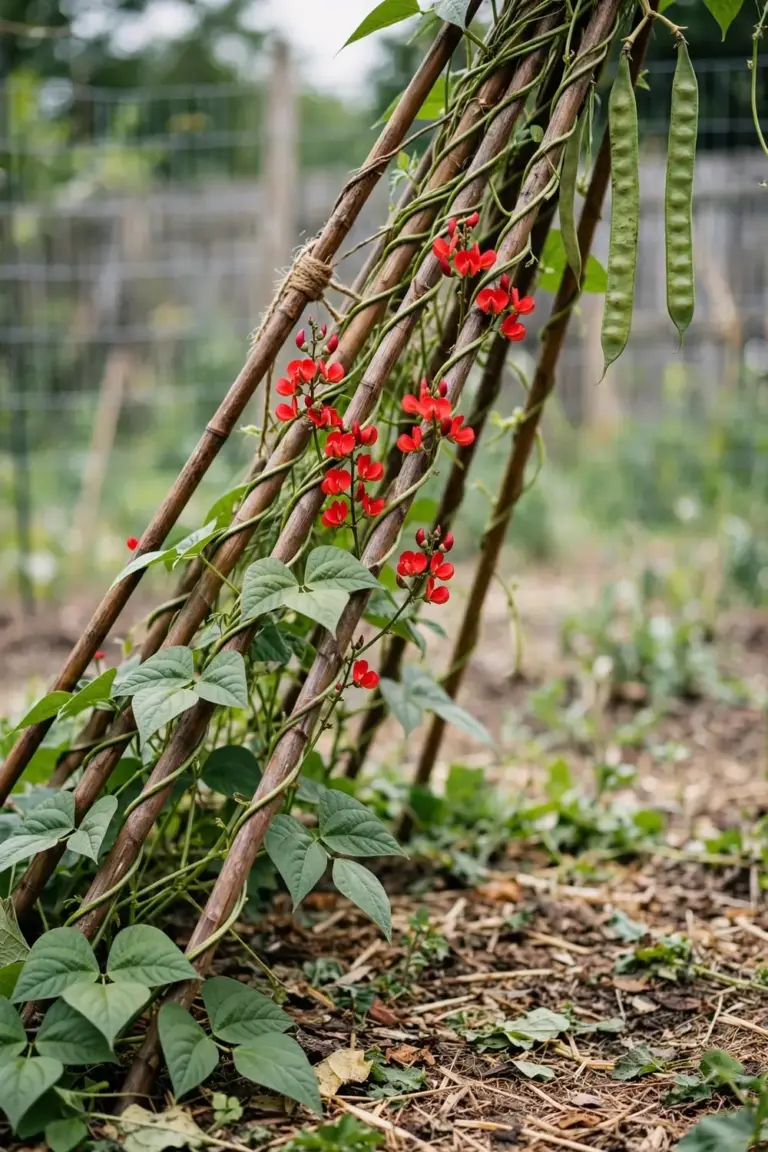
Runner beans are Phaseolus coccineus. They climb, so they need a sturdy trellis or a teepee of canes. Pick the pods young and flat, before the seeds inside swell. Older pods turn stringy, and the plants slow down when pods are left to mature. A teepee of six canes gives enough beans for a household, and the structure looks good while it works.
Runner bean flowers need insect pollination to set pods. Bees do the work, so a teepee near other flowering plants sets more pods than one standing alone in a bare corner. If flowers drop without setting, the cause is usually heat or missing pollinators, not the soil. Keep the plants watered through flowering, and the pods follow.
No published fixation figure turned up in the linked sources for runner beans, so the honest entry is data not available. The plants nodulate and fix nitrogen like other beans, but no trial in the sources used here measured how much. Grow runner beans for the long harvest and the perennial rootstock, and let broad beans carry the soil-rebuilding job. Leave the roots after the last pick either way. A perennial crown left in place shoots again next season.
8. Peanuts: The Warm-Season Novelty
Peanuts are the fun pick. They flower above ground, then push their pegs down into the soil, and the nuts form underground. Children love digging them, and adults do too. They need a long warm season, so they suit the warmer parts of Australia and struggle where summers are short.
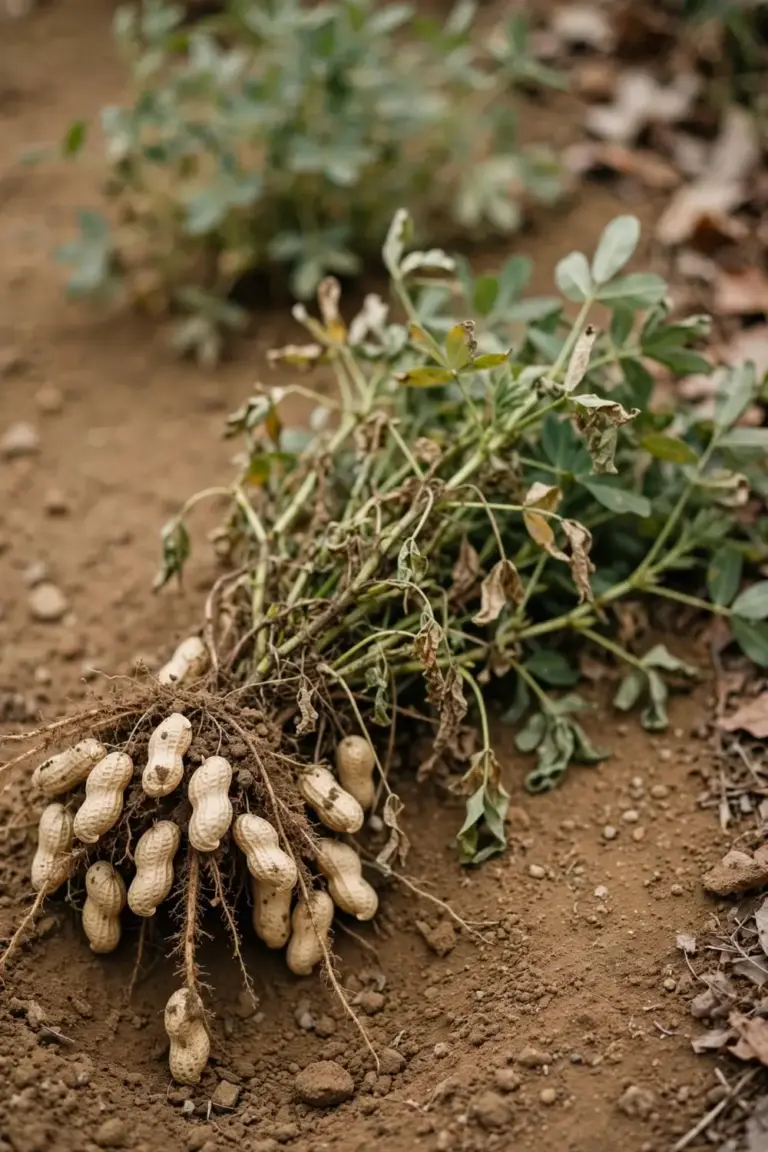
Peanuts are Arachis hypogaea, a warm-season crop. Sow after the last frost into warm soil, and give the plants loose soil so the pegs can push in. Harvest when the leaves yellow, by lifting the whole plant and shaking the nuts free.
Cure the nuts before shelling. Spread them in a single layer in a dry, airy spot out of direct sun, and leave them until the shells turn papery and the nuts rattle inside. Shelling fresh nuts straight from the ground gives damp kernels that mold in storage. Cured nuts keep for months in a sealed jar.
No published fixation figure turned up in the linked sources for peanuts, so the honest entry is data not available. Peanuts nodulate and fix nitrogen, and garden guides describe them as a soil-restoring crop, but no trial in the sources used here measured how much. Grow peanuts for the harvest and the novelty, and keep expectations modest on the soil side. Leave the roots and haulms in the bed after harvest, and the next crop takes whatever the plants left behind.
9. Mung Beans: The Fast Sprout Crop
Mung beans are the fastest pick on this list. They go from seed to harvest in weeks, and they give two different foods: fresh sprouts and dried beans for soups and stir-fries. They fix the least nitrogen of any pick here, and the GRDC trials say so plainly. Mung beans fixed 41 kg of nitrogen per hectare in above-ground growth and 57 kg per hectare across the whole plant, the lowest figure in the GRDC table. They drew only 41 percent of their nitrogen from the air in the same GRDC trials.
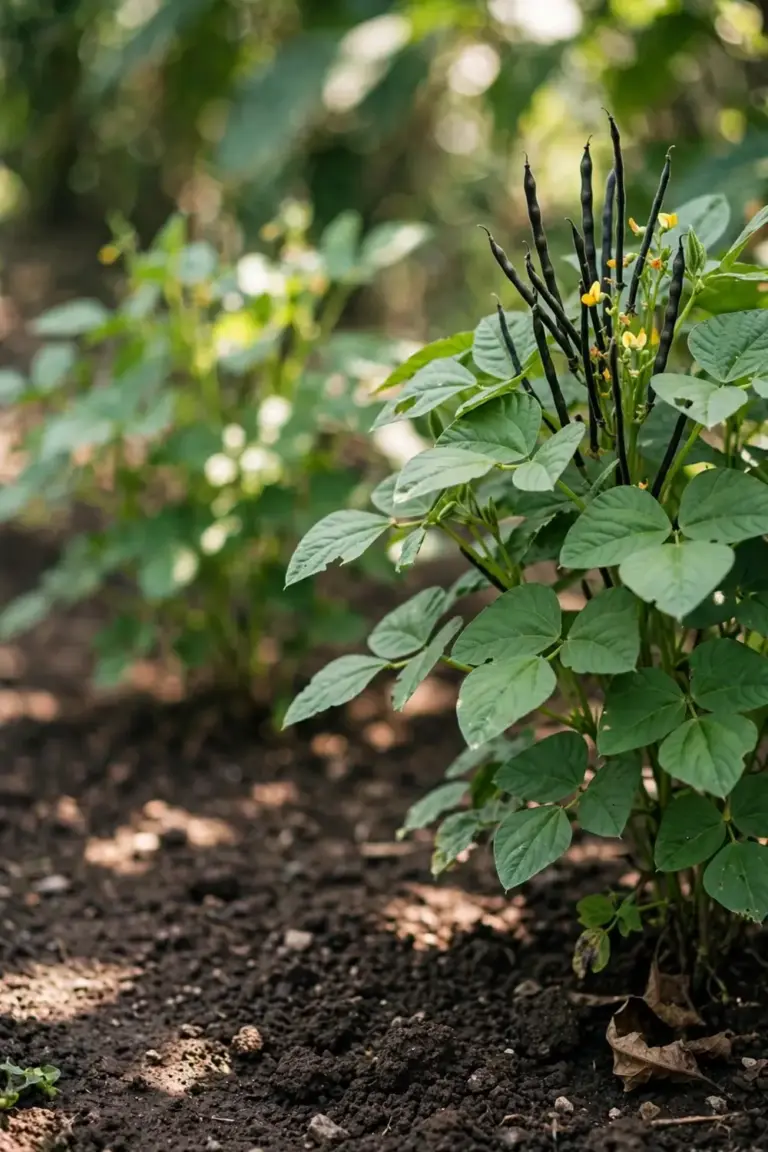
Mung beans are Vigna radiata, a warm-season crop. Sow after the last frost into warm soil. For sprouts, rinse a tablespoon of seed, drain it, and leave the jar tipped in a dark cupboard. Rinse and drain twice a day. The sprouts are ready when the tails run a few centimeters long. Rinse once more, drain well, and store them in the fridge. Eat within two days. The whole job takes less bench space than a cereal bowl. For dried beans, let the pods mature on the plant and pick them as they dry. The plants are small and bushy, so they suit pots and gaps in a warm-season bed.
Grow mung beans for speed and food, not for soil. They still leave roots and residue behind, and any legume in a rotation beats no legume at all. But a bed that needs serious nitrogen rebuilding wants broad beans or soybeans, not mung beans. The ranking puts mung beans last for that reason, even though the kitchen value is real.
Use the Soil Benefit: Leave the Roots and Chop the Residue
The soil benefit of a bean bed comes from three moves after the last harvest. First, leave the roots in the ground. The nodules sit on the roots, and GRDC GroundCover puts 20 to 50 percent of a legume’s nitrogen below ground. Pulling the plants out throws that share away. Cut the stems at soil level instead, and let the roots rot in place.
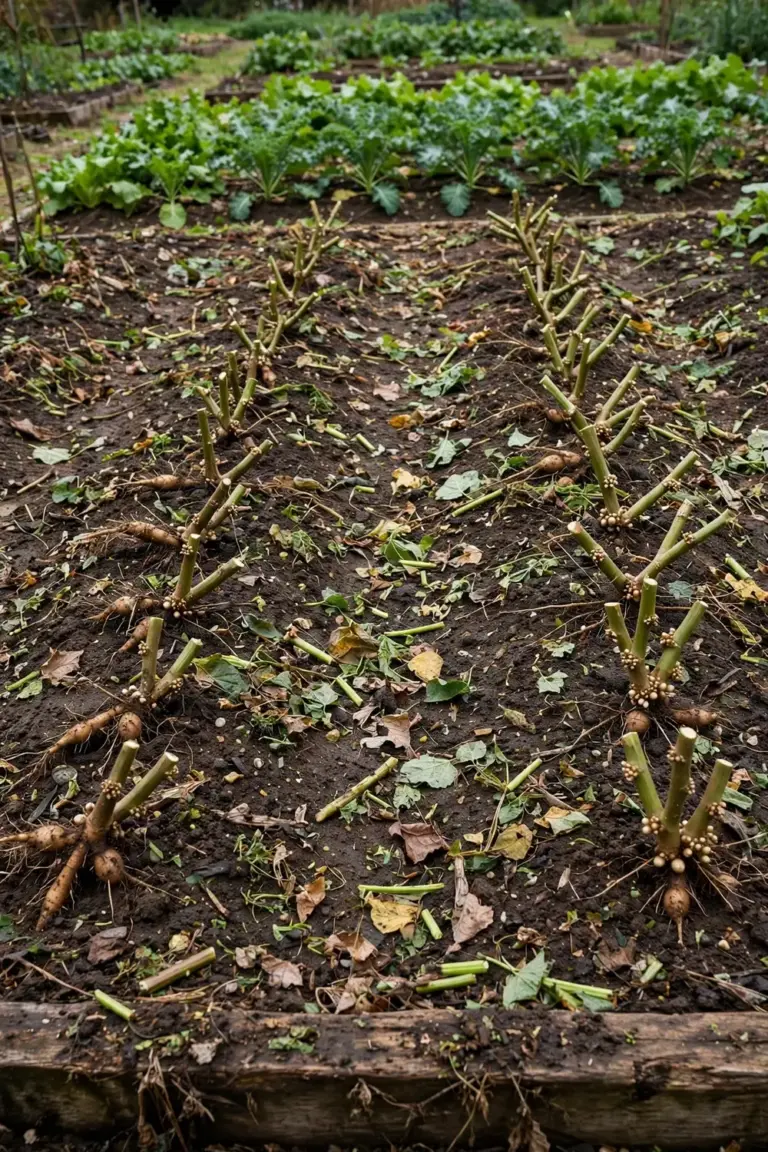
Second, chop the residue and dig it into the bed, or leave it as mulch on the surface. The stems and leaves hold nitrogen the plant fixed during the season. Soil microbes break the residue down and release that nitrogen to the next crop. Digging the residue in speeds the release. Leaving it as mulch feeds the soil more slowly and keeps the surface covered. Chopped residue feeds the soil food web, and building soil health keeps that web working between crops.
Third, skip nitrogen fertilizer on the next legume crop. Penn State Extension states the rule plainly. Do not apply nitrogen fertilizer to established legumes. Legumes fix all the nitrogen they need for growth, and fertilizer nitrogen discourages nodulation and inhibits fixation. A small starter dose of 20 pounds of nitrogen per acre, about 22 kg per hectare, suits a new bed at planting, according to the same Penn State Extension guidance, but established legumes need none. Feed the following crop instead. A hungry leafy crop planted after beans, such as brassicas or corn, uses the nitrogen the beans left behind.
Two more moves lift fixation across the whole season. Inoculate seed with the right rhizobia strain when a bed has never grown that legume. Each legume species needs its own strain, and a mismatched strain forms nodules that fix little or nothing. Keep the inoculant cool and out of sunlight, and check the expiry date on the packet. Beans also work as a living cover crop in a bed that would otherwise sit bare, and the cover crops guide covers the full rotation. Then check soil pH. Penn State Extension recommends liming legume beds to a pH between 6.5 and 7.0, because the rhizobia need molybdenum, and molybdenum turns scarce in acid soil. I leave the roots in the ground after the last pick, because the nodules still hold the nitrogen the next crop needs.
Frequently Asked Questions
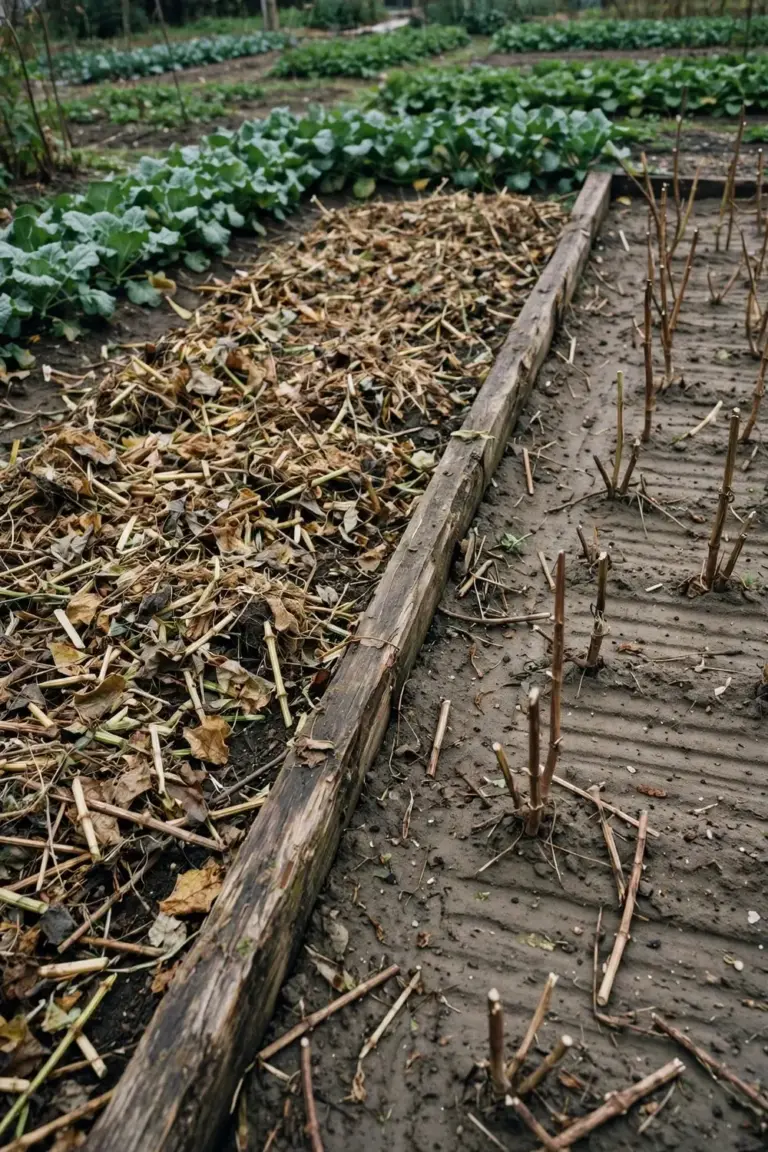
Yes, but less than the headline figures suggest. The beans you carry inside hold nitrogen the plant fixed, so that share leaves the bed. What stays behind is the nitrogen in the roots, nodules, stems, and leaves. Leave the roots and chop the residue, and the bed keeps the share that matters for the next crop. The harvest feeds you, and the leftovers feed the soil.
Yes, when the bed has never grown that legume. Each legume species needs its own rhizobia strain to form working nodules. A bed that grew broad beans may already hold the right strain for broad beans, but it will not hold the strain for soybeans or cowpeas. Buy the inoculant matched to your crop, store it cool and out of sunlight, and check the expiry date. Dead inoculant grows plants with empty nodules.
No. Repeat planting the same family invites soil diseases that build up around one crop type. Rotate beans with unrelated crops, such as brassicas, tomatoes, or corn, so the bed gets a break from bean pests and diseases. The rotation also puts a hungry crop after the legume, which uses the nitrogen the beans left behind. Bare soil lets it wash away over winter.
Established legumes need no nitrogen fertilizer. Penn State Extension states that fertilizer nitrogen discourages nodulation and inhibits fixation, so feeding a nodulated legume works against the plant. A small starter dose suits a new bed at planting. After that, the plant fixes its own nitrogen. Give fertilizer to the hungry crop that follows the beans, not to the beans themselves.
Broad beans, by a clear margin in Australian trials. GRDC measured faba beans at 130 kg of nitrogen per hectare in above-ground growth and 182 kg per hectare across the whole plant, once roots and nodules were counted. Lupins matched them closely, but lupins are a farm crop. Among garden vegetables, broad beans fix the most nitrogen and give a heavy cool-season harvest at the same time.
Plant One Bed for Dinner and the Next Crop
Start with broad beans in the cool season and soybeans or cowpeas in the warm season. Those three cover both halves of the year and both halves of the dual value. Eat the harvest, leave the roots, chop the residue, and let the next crop take what the beans left behind. The rotation keeps working after the beans finish. A hungry crop planted into the same bed, such as brassicas or corn, uses the nitrogen the beans left behind. Follow the beans with a leafy crop, then return to beans next season in a different bed. The bed gets richer each cycle, and the kitchen never goes without.