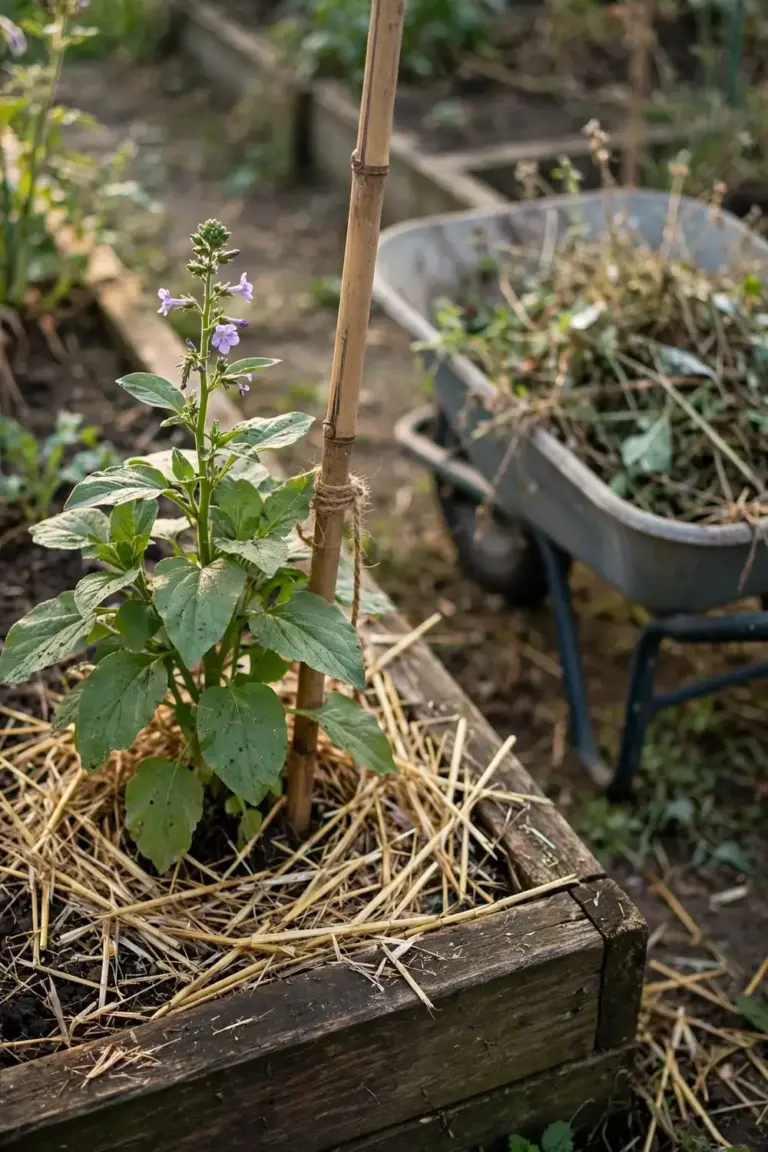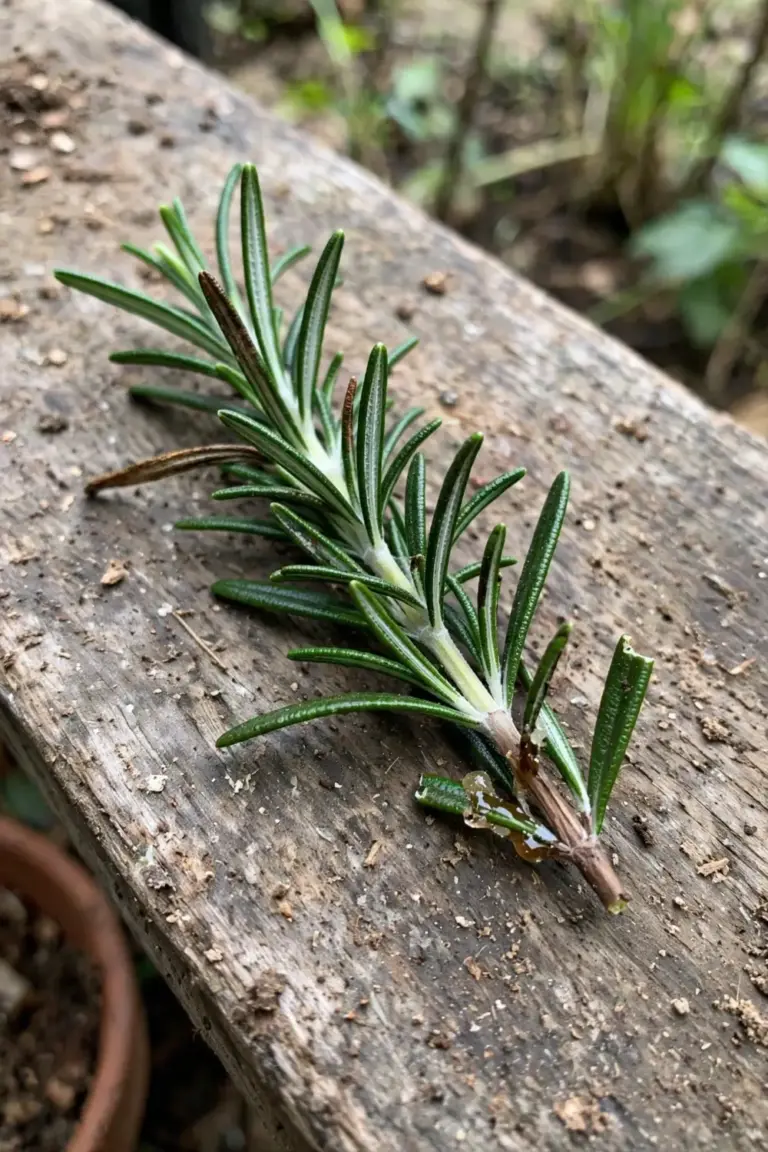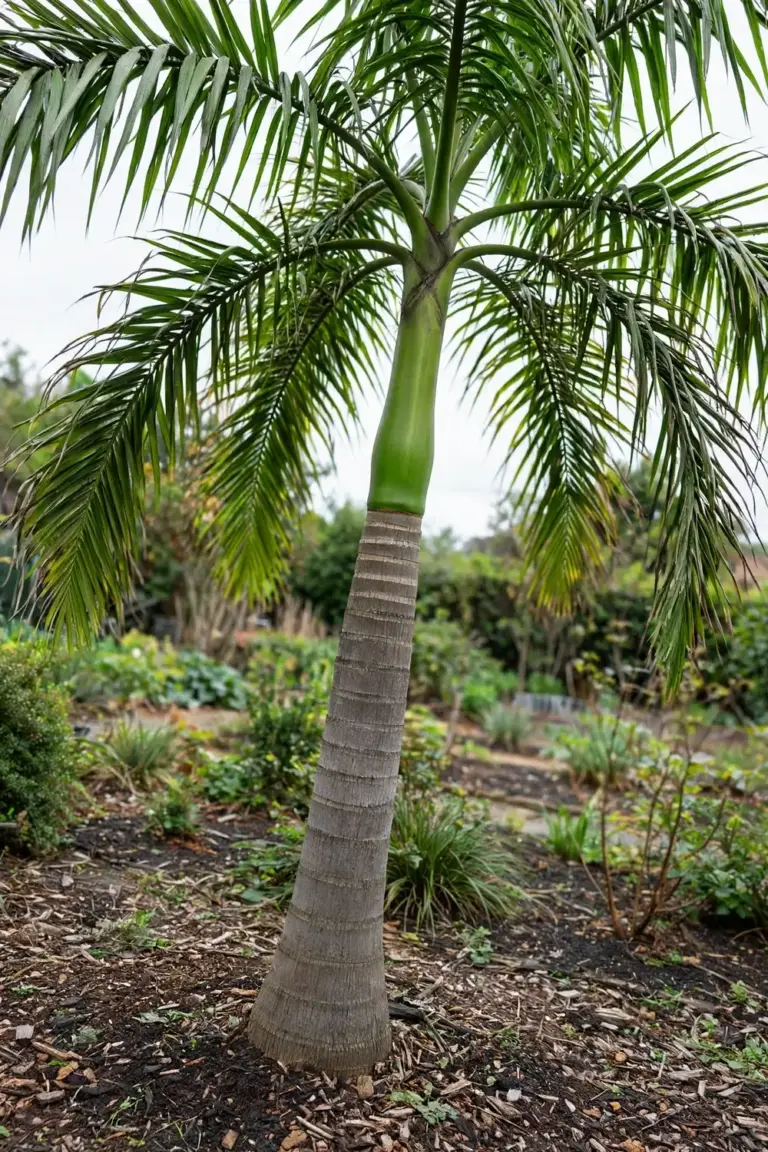

Sort every garden plant into 1 of 4 buckets: native to your patch, exotic and well behaved, invasive, or uncertain. That is the invasive or native question every Australian gardener faces. The bucket decides the action: keep, contain, remove, or report. Australian governments list 32 Weeds of National Significance, and a plant on that list carries the invasive label by assessment, not by opinion. I have learned that the Cootamundra wattle I plant near bushland causes trouble, while the local wattle I plant in its place stays put.
The rest of this page is 4 buckets, 5 checks, and 4 actions, from the first bucket to the report. Work one plant at a time. Photograph the leaves, the flowers, and the whole plant before you touch anything.
1. Sort Every Plant Into 4 Buckets First
Put the plant in 1 bucket before you decide anything. The bucket names the job. A native plant stays. A well behaved exotic stays with a watch. An invasive plant gets contained, removed, or reported. An uncertain plant waits for an expert name.
| Bucket | What It Means | Your Action |
|---|---|---|
| Native to your patch | Grows here naturally, belongs here | Keep |
| Exotic and well behaved | Introduced, stays put, causes no harm | Keep, watch |
| Invasive | Spreads and harms local ecosystems | Contain, remove, or report |
| Uncertain | You cannot place it yet | Do not plant, do not dump, get an expert name |
Origin alone does not settle the bucket. A plant can be native to Australia and invasive in your state. A plant can be exotic and harmless in your garden for 20 years. The bucket comes from origin plus behaviour plus lists, and the 5 checks later in this page run all three.
Write the bucket down before you act. A plant you already named in your head as a weed may be a native doing its normal job. A plant you bought as a pretty groundcover may be a declared weed in your state. The bucket stops both mistakes.
Names alone mislead. One common name can cover several species, and one species can carry several common names across states. The botanical name settles the question. Write it down from the label, the nursery tag, or the identification app, and search that name against the lists. A plant sold as a wattle may be Acacia baileyana, the Cootamundra wattle, or Acacia pycnantha, the golden wattle and national floral emblem. The two wattles sit in different buckets outside their home ranges, and only the botanical name tells them apart.
2. Place Local Natives in Bucket 1
Bucket 1 holds plants native to your patch. Native means the plant grows here naturally, in your region, without human help. Australia as a whole is too wide a line. A plant native to coastal New South Wales can be invasive in Western Australia. Local provenance decides bucket 1, not the country label on the tag.
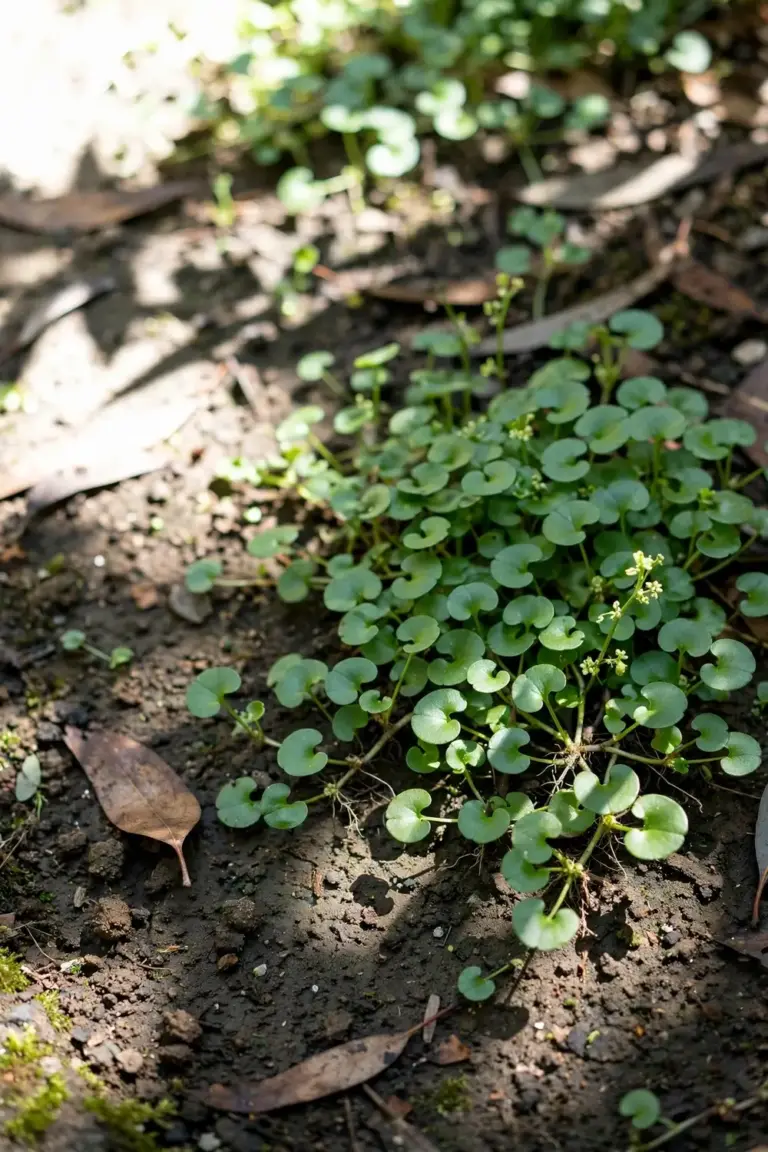
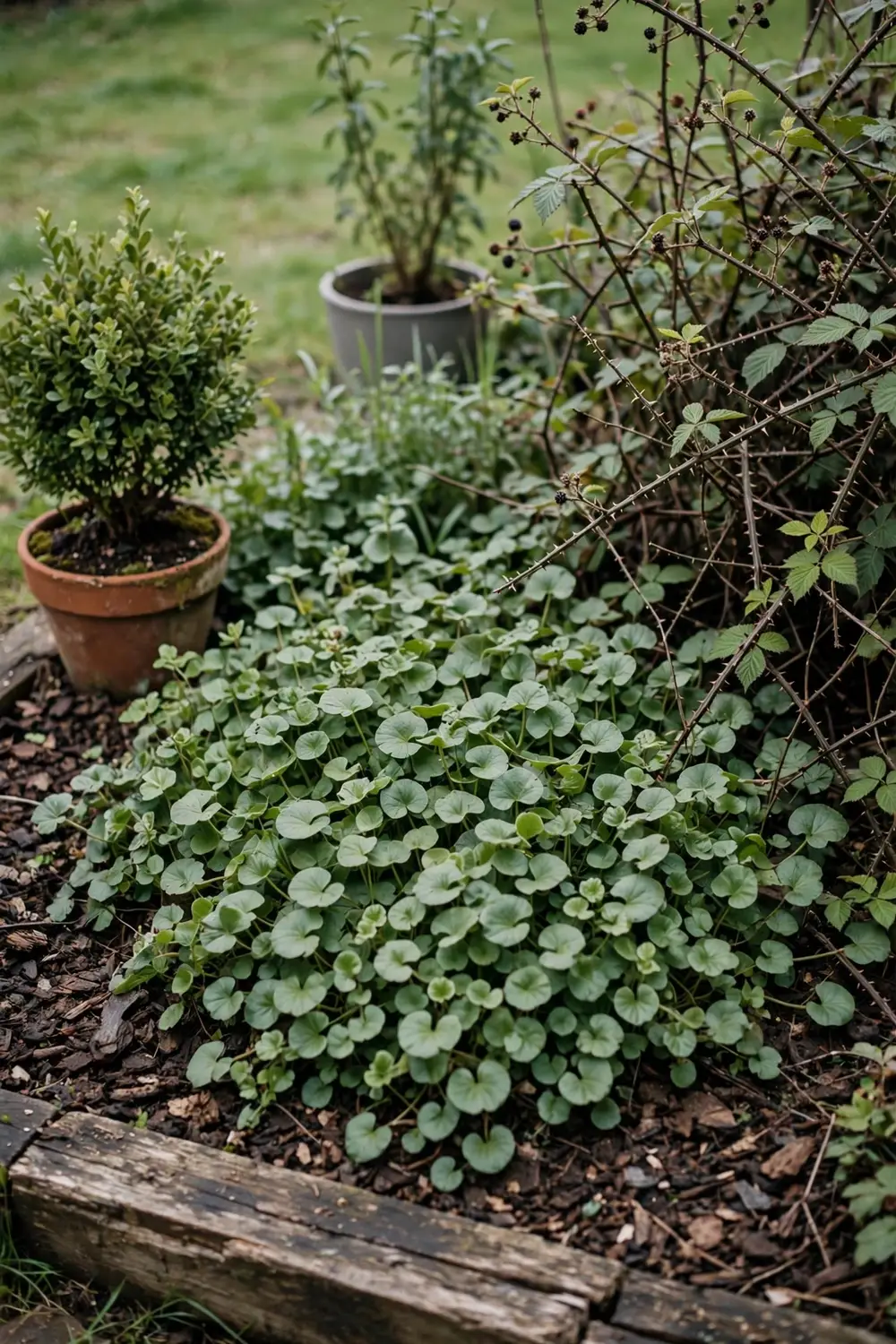
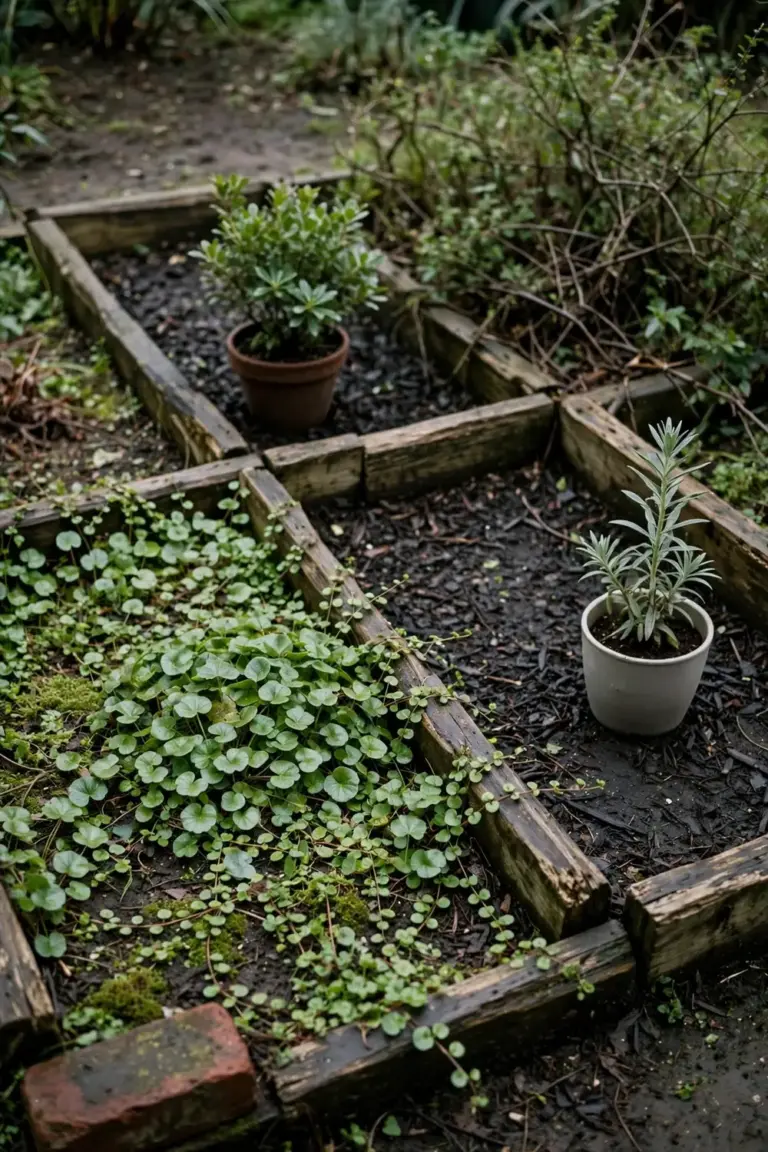
Kidney weed shows why behaviour matters as much as origin. Dichondra repens is a genuine Australian native with kidney-shaped leaves and creeping stems that root at the nodes. It spreads fast across damp ground and fills gaps between pavers. It looks like a weed to a tidy gardener. It is not one. It belongs in bucket 1 in the regions where it grows naturally, and it works as a native lawn alternative in those regions.
Check the local list before you claim bucket 1. Your council weeds officer, your state herbarium, and your local native plant society each hold a list of plants local to your area. A plant on that list sits in bucket 1. A plant missing from it does not, even when the label says Australian native. Local lists beat label claims every time.
Buy local provenance when you buy natives. A seedling grown from seed collected in your catchment carries the local genes and the local timing. A seedling of the same species grown from seed collected three states away carries different genes, and it may flower at the wrong time for local pollinators or hybridise with the local population. Ask the nursery where the seed came from. A nursery that cannot answer sells a country native, not a local native.
When the local list and the nursery tag disagree, the local list wins. Nursery tags follow national stock lines, and a tag that reads Australian native may describe a species whose natural range sits two states away. Photograph the tag, note the botanical name, and check that name against the local list before you plant. A five-minute check beats a five-year removal job.
Look-alikes test bucket 1 harder than any other bucket. Kidney weed gets confused with ivy-leaf violet, a true native with similar leaves. Kidney weed leaves sit on shorter stalks and carry fine hairs on both surfaces. Ivy-leaf violet leaves sit on longer stalks and feel smooth. A hand lens settles the pair in a minute. A guess pulls the wrong plant.
Plant local natives with the same care you give any new plant. The best Australian native plants for container gardens suit pots on a balcony or a courtyard where a garden bed is missing. Pots suit a renter, a small block, and a gardener who wants to trial a plant before it meets the soil.
3. Keep Well Behaved Exotics in Bucket 2
Bucket 2 holds exotic plants that stay put. Exotic means introduced from another country or another continent. Introduced does not mean invasive. Most garden plants live in bucket 2. Most vegetables, most roses, and most herbs sit here for their whole lives without causing harm.
Run the behaviour test on every exotic plant you own. Does it self-seed beyond the bed? Does it sucker into the lawn? Does it survive with zero care beyond the fence? A plant that answers no to all three stays in bucket 2. A plant that answers yes to one moves toward bucket 3 and earns a closer look.
A plant that needs constant cutting back is telling you it wants to spread. Gardeners call these plants thugs: vigorous growers that swallow neighbours, climb fences, and return from root fragments after every pull. A thug in a pot stays a thug in a pot, and the day it escapes the pot it becomes a bucket 3 problem. Treat a thug as a bucket 3 candidate and check it against the lists before it earns bucket 2.
Watch bucket 2 plants once a season. A well behaved plant can change its behaviour after a wet summer, after a neighbour clears a fence line, or after it finds a creek bank. One escape beyond the garden is the signal. A single seedling in the bushland strip behind your fence means the plant no longer belongs in bucket 2.
Garden plants escape through four doors, and three of them run without your help. Birds eat berries and drop the seed in bushland, which is how privet, camphor laurel, and pittosporum travel. Wind carries light seed off a verge planting and into a reserve. Water moves fragments and seed down creek lines after rain. The fourth door is yours: dumped garden waste. Prunings, divisions, and clippings tipped over a back fence carry rhizome fragments and seed into bushland, and the dump site becomes the next infestation. Close that door first, because it is the only one fully in your hands.
Lavender shows the bucket 2 pattern. It comes from the Mediterranean, it stays where you plant it, and it dies rather than invades in most Australian gardens. It needs sun and drainage and a prune after flowering. It earns its place by staying put. The moment it seeds into a reserve, it leaves bucket 2, and the bucket rules change with it.
4. Name Invasive Plants for Bucket 3
Bucket 3 holds plants that spread and harm local ecosystems. Invasive means the plant moves beyond the garden, outcompetes local plants, and damages the living systems around it. The harm is the test. A plant that spreads but harms nothing is a nuisance. A plant that spreads and smothers native vegetation is invasive.
Australian governments list 32 Weeds of National Significance. The first 20 went on the list in 1999. Another 12 joined in 2012. The list names plants chosen for invasiveness, spread potential, and environmental, social, and economic harm. Lantana sits on it. So do blackberry, bitou bush, bridal creeper, and asparagus weeds. A plant on that list is bucket 3 by assessment, and no garden fence changes that.
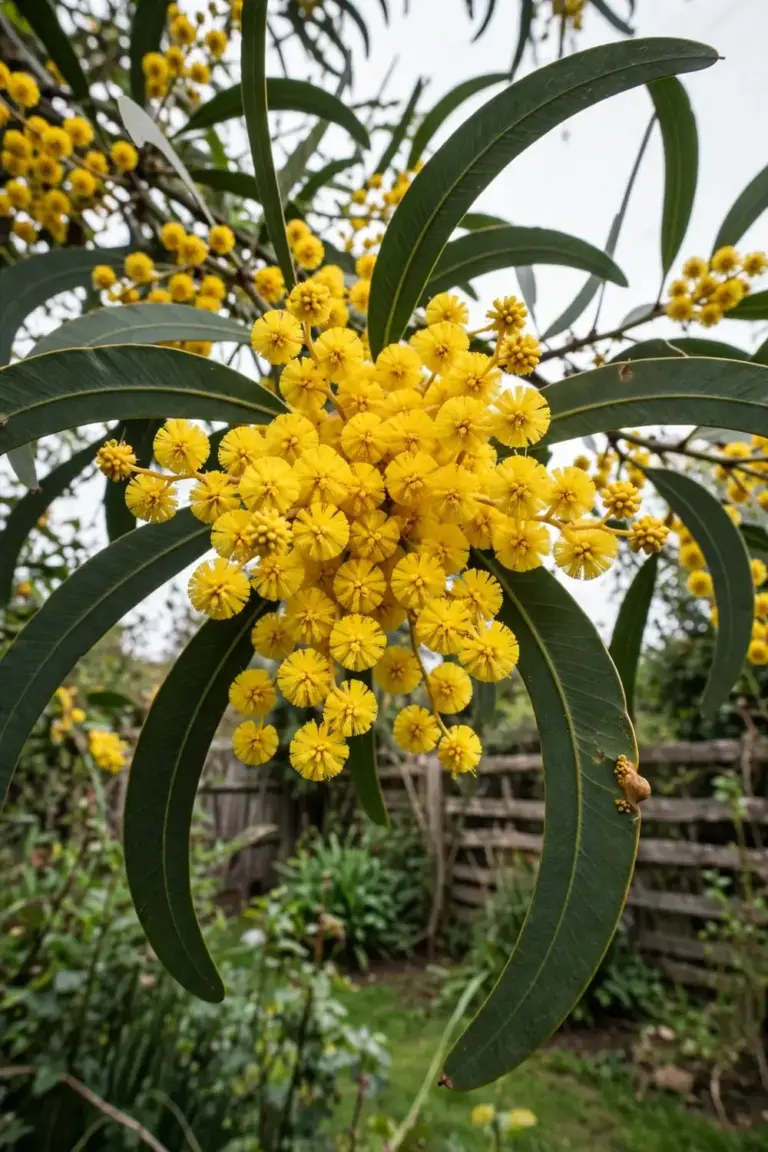
Cootamundra wattle shows the Australian twist. Acacia baileyana is a genuine Australian native, a small tree 3 to 10 metres high with silvery gray bipinnate foliage and globular yellow flower clusters. The Australian Native Plants Society calls it an environmental weed in many areas and warns against growing it anywhere near natural bushland. Its natural home is a small district around Temora, Cootamundra, and Stockinbingal in New South Wales. Outside that district it naturalises, hybridises with local wattles, and crowds out local plants. Native to Australia, invasive in your region. Bucket 3.
Gazania shows the legal edge. Gazania is a declared weed in South Australia, where sale and movement are prohibited. Council records from Alexandrina show gazania seed disperses 1 km or more from the source plant, and established plants spread by rhizomes into a dense carpet that chokes out native vegetation. Sterile gazania varieties sit outside the ban in South Australia. The seeding types do not. Same genus, different bucket, and the label on the pot decides which one you hold.
Three more garden plants sit in bucket 3 across large parts of Australia. Camphor laurel seeds into bushland with bird help, and a single street tree drops enough fruit to start a gully infestation. Privet berries feed birds that drop the seed into reserves, and privet thickets shade out the understorey beneath them. Sweet pittosporum is a native of the east coast that turns weedy in Victoria, South Australia, and Western Australia. The Invasive Species Council puts the share of listed weeds that started as ornamentals at three-quarters. The garden is the main door weeds walk through.
Asparagus weeds show how one genus fills a whole WoNS entry. Bridal creeper, ground asparagus fern, climbing asparagus fern, and foxtail fern all sit under the asparagus weeds listing, and all four escaped from gardens. Bridal creeper smothers ground-layer plants with a mat of tubers and stems. Ground asparagus fern does the same in coastal bushland. The nursery trade sold all of them as pretty foliage plants. The WoNS list now treats them as one national problem.
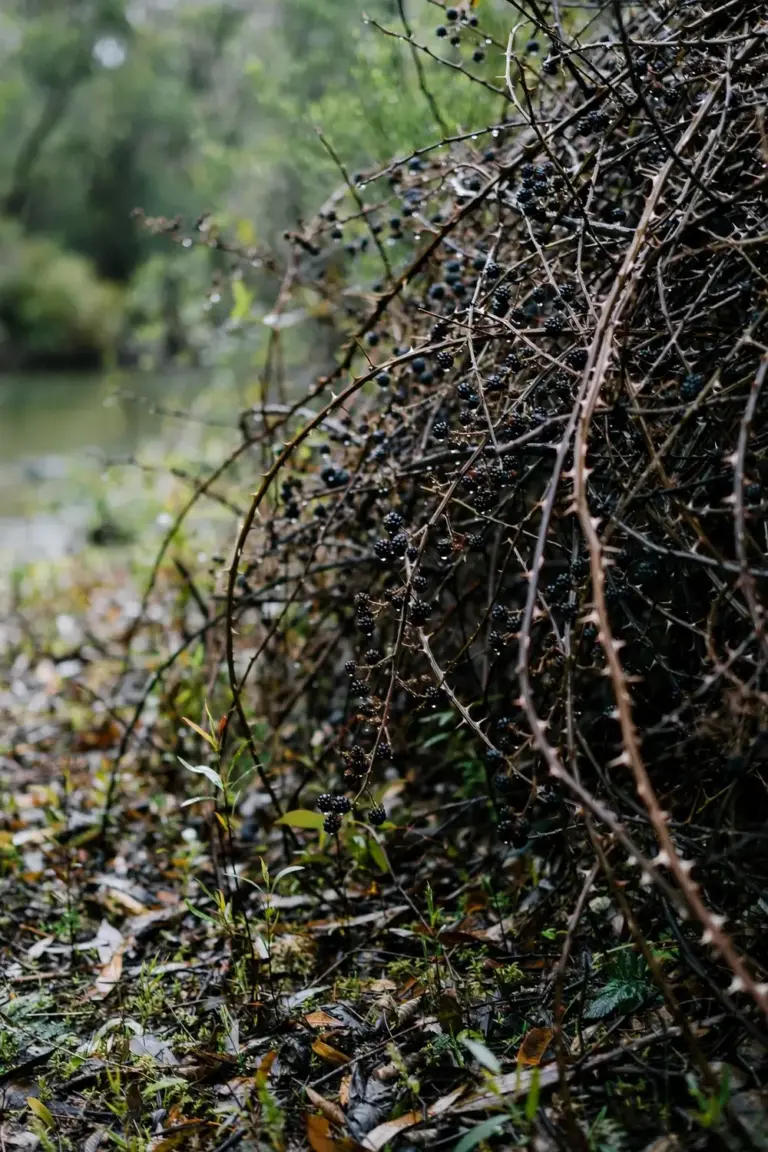
Blackberry shows the scale a garden escape can reach. Rubus fruticosus aggregate arrived as a fruit plant. It now infests about 9 million hectares across temperate Australia, forming thorny thickets that block creek access, shelter rabbits and foxes, and shade out native ground-layer plants, according to NSW WeedWise. Biological control with blackberry leaf rust slows its spread, and it does not eradicate it. A plant that reaches that scale starts as one garden shrub, and the bucket system exists to catch it at that stage.
5. Hold Uncertain Plants in Bucket 4
Bucket 4 holds plants you cannot place yet, because the name is unsure, the type is unsure, or the local status is unsure. Bucket 4 is a holding bay, not a verdict. A plant in bucket 4 gets no action beyond a photograph and a question. It does not get planted, it does not get dumped, and it does not get pulled on a guess.
Agapanthus is the classic bucket 4 plant. Seeding types spread by seed and by rhizome, and they seed into bushland in Victoria, New South Wales, South Australia, Western Australia, and Tasmania. Sterile and near-sterile cultivars set little or no viable seed. Nursery guides list Black Pantha, Agapetite, Snowball, Sea Spray, Thunder Storm, Baby Periwinkle, and Goldstrike among the low-fertility types. A clump with no name on the label sits in bucket 4 until the cultivar is confirmed. A named sterile cultivar sits in bucket 2. A seeding type sits in bucket 3.
Gazania repeats the pattern. The seeding types are declared weeds in South Australia. Sterile trademarked varieties such as Double Gold, Sunset Jane, and Montezuma sit outside the South Australian ban. A gazania with no variety name sits in bucket 4. The name on the pot, not the flower color, decides the bucket.
Bluebell creeper shows the same split from the other side. Billardiera heterophylla is a Western Australian native with blue bell flowers and a scrambling habit. Gardeners in Victoria and South Australia planted it as a screen, and it now invades bushland in both states. A plant native to one side of the continent turns invasive on the other side. The bucket follows the region, not the passport.
Spanish moss shows the ornamental trap. Gardeners hang it from trees as a living curtain, and in warm humid districts it smothers the host canopy, shades the leaves below, and adds weight that breaks branches in storms. It looks soft and harmless in a pot. It behaves as a smothering epiphyte on a tree. A plant that hangs in a pot sits in bucket 2. The same plant draped over a native tree and left to spread sits in bucket 3.
Move a bucket 4 plant out with an expert name. Send a clear photo set to your council weeds officer, with leaves, flowers, fruit, and the whole plant in the frame. Press a specimen for your state herbarium when the officer asks for one, and keep a cutting in a sealed bag until the answer comes back. Post the photos to iNaturalist Australia and let the community weigh in. A photo check settles many plants. Some plants need a specimen, a flower, or a seed to settle. Admit that limit. A wrong bucket is worse than a slow bucket.
6. Run the 5 Checks to Answer Invasive or Native
Run all 5 checks on any plant you cannot bucket on sight. The checks take 20 minutes with a phone and a web search. They beat a guess every time.
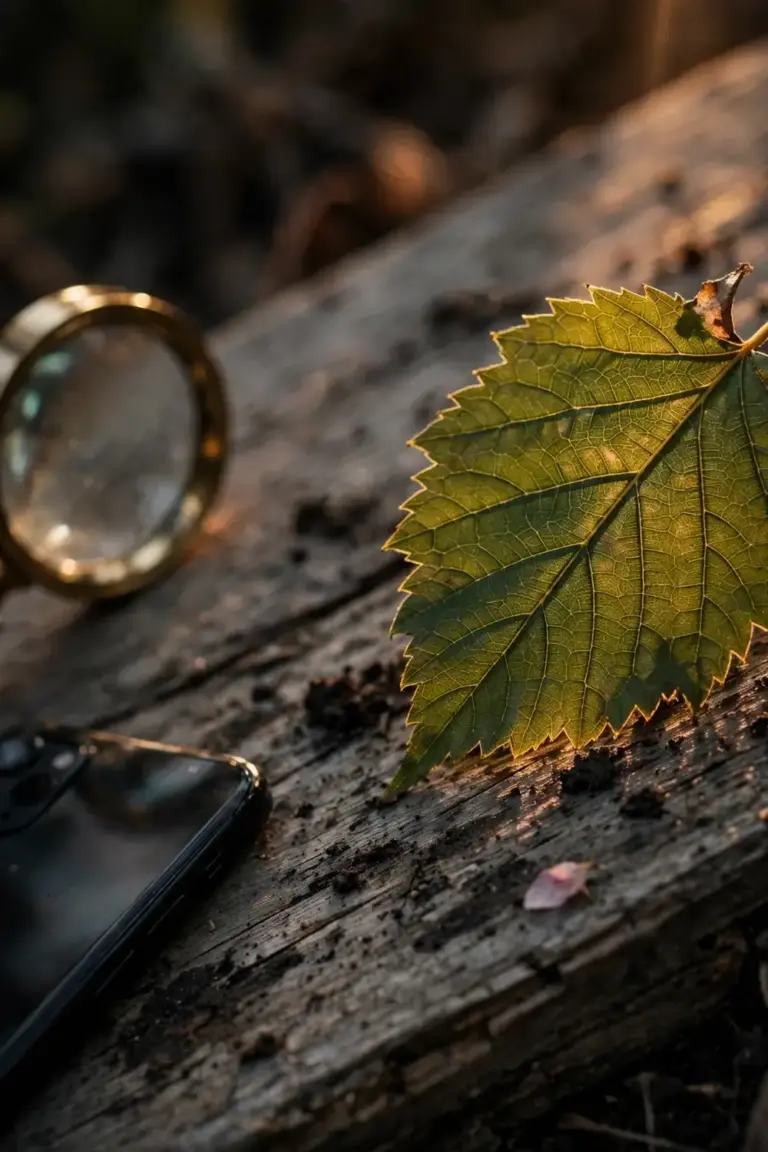
Check 1 is origin. Where is the plant actually from, and is it local to your region? A plant from another continent starts as exotic. A plant from another Australian state starts as exotic to your region. The local list is the authority. The nursery tag is a claim.
Check 2 is spread behaviour. Watch how the plant moves. Self-seeding beyond the bed, runners under a fence, suckers in the lawn, and bird-dispersed berries each push a plant toward bucket 3. A plant that holds its ground for years with no help stays in bucket 2.
Check 3 is look-alikes. Native plants get mistaken for weeds, and weeds get mistaken for natives. Kidney weed gets pulled as a lawn weed by gardeners who miss the kidney-shaped leaves and the tiny greenish flowers. Ivy-leaf violet, a true native, gets confused with kidney weed in the other direction. Check leaf shape, leaf stalk length, and hairs with a hand lens before you pull anything.
Check 4 is official lists. Search your state biosecurity list, your council weeds list, and the national WoNS list. Then open the Grow Me Instead guide for your state. The guides list invasive garden plants with native alternatives, and they name the plants still sold at nurseries and markets that should not be planted. A plant on any of those lists sits in bucket 3.
Check 5 is sale legality. Ask whether the plant is legal to sell, grow, or move in your state. A plant banned in South Australia may still sell in Queensland. A plant legal everywhere may still be a WoNS. Legality and invasiveness overlap, and they are separate questions. Answer both, because a plant can be legal to buy and still wrong to plant near bushland.
Run the checks in order and write the answers down. Origin first, behaviour second, look-alikes third, lists fourth, legality fifth. A plant that passes all five checks with clean answers sits in bucket 1 or 2. A plant that fails one check earns a harder look. A plant that fails two checks sits in bucket 3 or 4 until an expert says otherwise.
| Clue | Native Sign | Invasive Sign |
|---|---|---|
| Origin | Local to your region, on the local list | From another continent or another state, off the local list |
| Spread | Holds its ground, stays in the bed | Self-seeds, suckers, runs under fences |
| Seed and fruit | Few seeds, short-lived, stays near the parent | Many seeds, bird-eaten berries, long-lived soil seed |
| Neighbours | Local insects and birds use it, local plants hold beside it | Smothers nearby plants, forms a single-species patch |
| Lists | Named on local native lists | Named on WoNS, state, or council weed lists |
Tools carry the checks. iNaturalist Australia takes your photo and returns a community identification, and your observations feed the Atlas of Living Australia. Your council weeds officer answers the local-list question. Your state herbarium settles a hard specimen. The Weeds of South East Queensland app covers that region. Grow Me Instead brochures cover the nursery trade.
Shoot a photo set that an identifier can actually use. Photograph the whole plant first, then a close leaf shot showing shape and arrangement, then flowers or fruit when present, then bark or stem, then the site around the plant. A single blurry flower photo wastes the identifier’s time, while a five-photo set with a coin for scale answers most questions on the first pass.
7. Act on the Bucket: Keep, Contain, Remove, Report
Act on the bucket, not on the plant’s looks. Four actions cover every bucket, and each action is one line, with removal detail left to a removal guide.
Keep a bucket 1 plant. Leave it alone. Water it through its first summer and let it settle. A local native that found its own place needs less help than a garden plant, and overwatering hurts it faster than drought.
Keep a bucket 2 plant with a watch. Check it once a season for escapes beyond the bed. Deadhead before seed sets when the plant seeds freely.
Contain a bucket 3 plant you cannot remove yet. Deadhead every flower before seed sets, and cut the spent heads into a bag, not onto the ground. Pot it or barrier it so runners stay inside the pot. Mulch bare soil around it so dropped seed finds no open ground. A contained plant is a holding action, not a solution, and the holding action ends with removal.
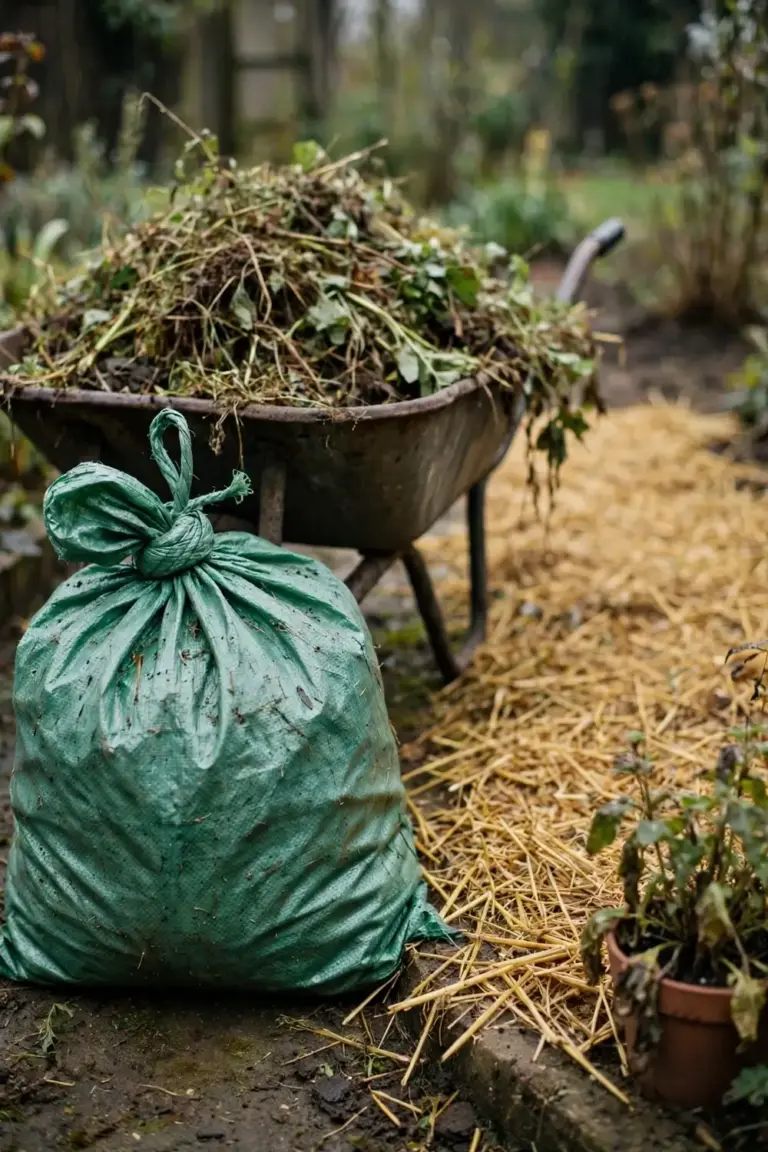
Remove a bucket 3 plant with a plan. Pull it, bag it, and bin it, roots and all. Never dump prunings, divisions, or clippings over a back fence or into bushland. Organic weed control covers removal methods without chemicals. Replant the cleared ground fast so weed seed finds no open soil.
Report a bucket 3 plant on public land or a neighbour’s land. Call your council biosecurity officer. Send the photo set and the address. Do not trespass to pull it. Do not spray a plant on land you do not own.
Report a bucket 4 plant when the expert name comes back as invasive. The officer records it. The record helps the next gardener who meets the same plant.
Frequently Asked Questions
Yes. A native plant turns weedy when it grows outside its natural range or when local conditions change in its favour. Cootamundra wattle is a native of a small New South Wales district and an environmental weed across much of Australia. Sweet pittosporum is a native of the east coast and a weed in Victoria, South Australia, and Western Australia. The local list decides, not the country label.
A pot holds the roots and the runners, and it does not hold the seed. Birds carry berries from a potted privet or camphor laurel into reserves. Wind carries gazania seed 1 km or more. Deadhead every flower before seed sets, and treat a potted invasive plant as a contained risk, not a safe plant. Remove it when a native alternative exists.
Search the plant name on your state biosecurity list and your council weeds list. Open the Grow Me Instead guide for your state. Check the WoNS list for the 32 national priorities. Ask the nursery for the cultivar name in writing, and check whether the cultivar is a sterile type. A plant with no name, no list check, and no cultivar proof stays on the bench.
Bag it and bin it. Never dump prunings, divisions, or clippings over a back fence, into bushland, or into a creek. Seed and rhizome fragments survive in dumped waste and start new infestations. Clean tools, boots, and wheelbarrow tyres after the job so seed and fragments do not ride to the next bed.
Call your council biosecurity officer or weeds officer. Send clear photos of leaves, flowers, fruit, and the whole plant, plus the address and the size of the patch. The officer records the report, confirms the name, and decides the next step. Do not pull or spray plants on land you do not own.
Start With One Plant This Weekend
Pick one plant you are unsure about. Photograph the leaves, the flowers, and the whole plant. Run the 4 buckets and the 5 checks. Send the photo set to your council weeds officer when the plant lands in bucket 4. Act on the bucket, and plant a local native in the space the removal leaves behind. One plant sorted this weekend beats a whole garden guessed at once.