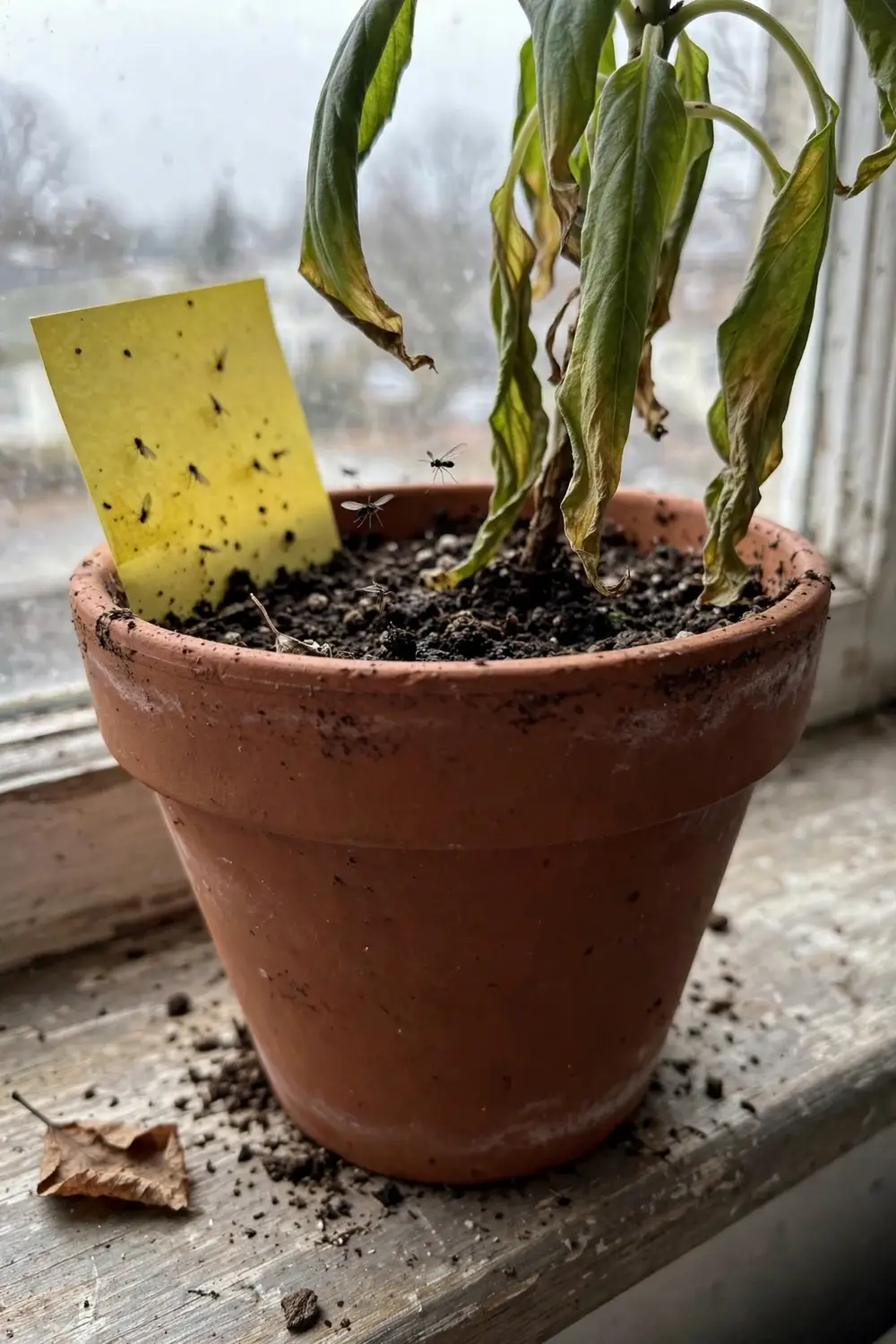

Fungus gnats in potting mix die out when the top 5 cm of mix dries between waterings. Adults live about a week. Larvae live in the top 8 cm of damp mix. Break the 17-day lifecycle for 4 weeks and the pot clears.
A fungus gnat is a small fly whose larvae feed on fungi and organic matter in moist mix. Potting mix is bagged growing medium, not garden soil. The adults annoy. The larvae do the damage, and only when their numbers run high. The fix costs little and uses no harsh chemicals.
The rest of this page is 7 moves, from the ID check to the prevention habits. The first move decides everything. Treat the wrong fly and the gnats stay.
1. Confirm the Fly Is a Fungus Gnat
The fly is a fungus gnat when it is dark, delicate, and hovering near a pot, not near fruit. Adults run 2 to 4 mm long. Larvae run 6 mm long, pale, legless, with a shiny black head.
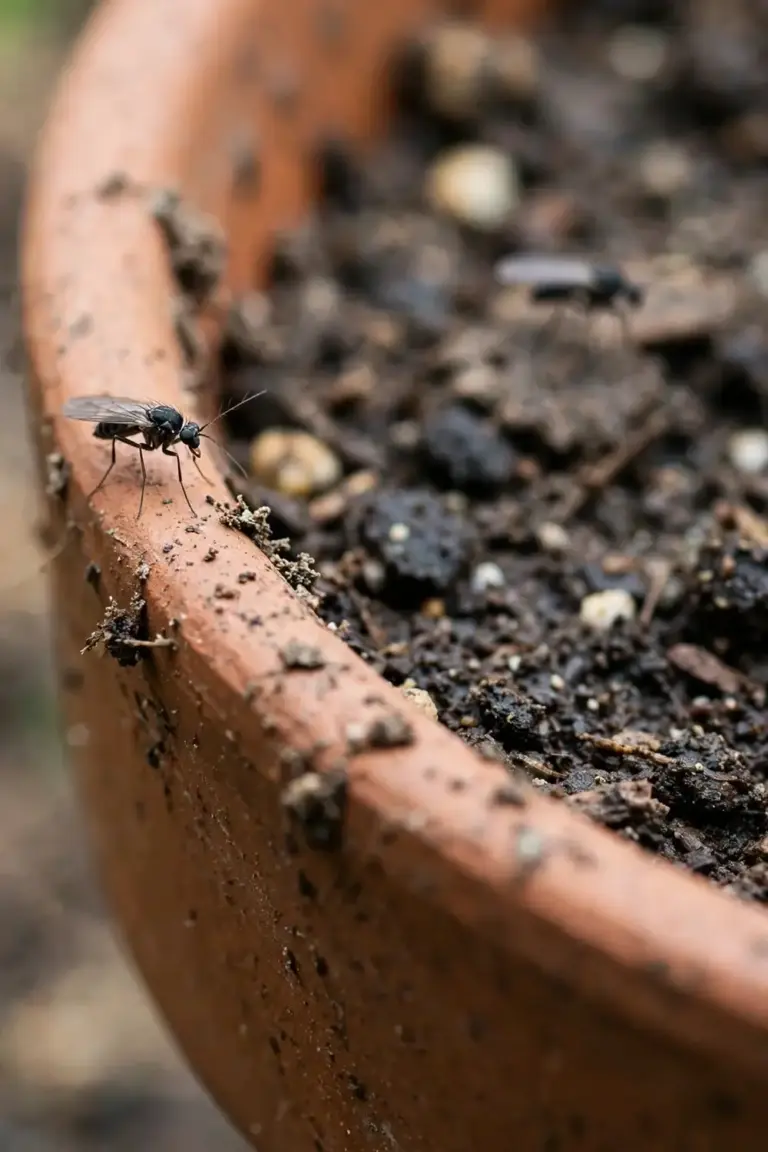
Check the wing. A fungus gnat wing carries a Y-shaped vein near the tip, visible under a magnifying glass, according to Wisconsin Extension fungus gnat notes. That vein separates fungus gnats from the lookalikes. Fruit flies carry red eyes and gather near fruit. Shore flies carry short bristle antennae and gather near algae. Drain flies look fuzzy and gather near drains.
Watch the flight. Fungus gnats fly weakly and stay close to the pot, often running across the mix surface rather than taking long flights. Adults drift toward light and gather near windows, which is where most people first notice them. A fly that crosses the room toward the kitchen bin is probably a fruit fly. A fly that hovers over one pot is probably a fungus gnat.
Tap the pot. Adults lift off the mix when the pot shakes, a check the University of Minnesota Extension recommends. Watch where they settle. Fungus gnats settle back on the mix, the pot rim, and nearby leaves. They fly weakly and stay close to the pot.
Run the potato test when the ID still feels unsure. Press a 6 mm slice of raw potato onto the mix surface, cut side down. Larvae migrate to the slice and feed within a few days, per Colorado State Extension. Lift the slice after 3 or 4 days and look at the underside. Pale worms with black heads confirm larvae in the mix.
Trace where the gnats came from. New plants carry them home from the nursery. Bagged mix carries them when the bag sat open on a damp floor. Outdoor plants carry them indoors in autumn. One infested pot seeds the shelf, because adults fly short distances and colonize the next pot. Finding the source pot matters as much as treating the pot in front of you.
2. Learn the 17-Day Lifecycle That Keeps Them Coming Back
One generation takes about 17 days at 24 degrees Celsius, so a single treatment never ends an infestation. Eggs, larvae, pupae, and adults overlap in one pot. Killing adults today leaves larvae that emerge next week.
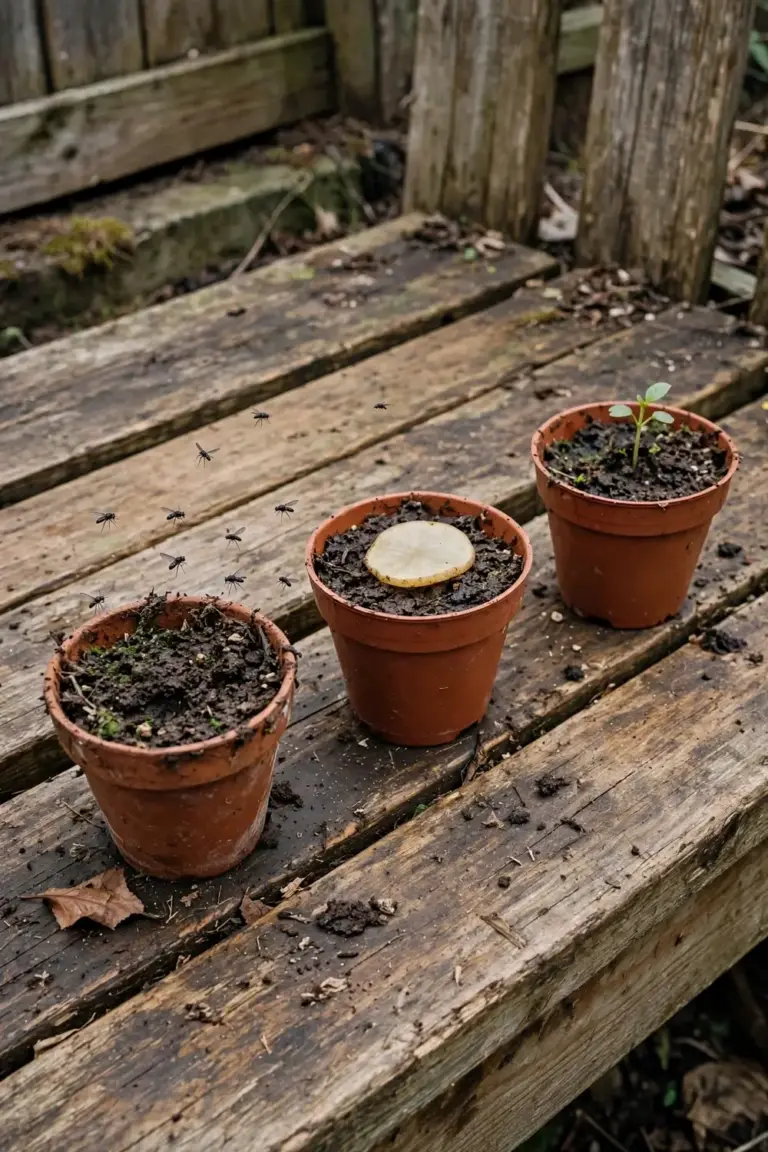
The cycle runs in four stages: eggs hatch in 3 days, larvae feed for 10 days, pupae rest for 4 days, and adults emerge to live about a week. UC IPM measures the full female-to-female generation at about 17 days at 24 degrees. Cooler rooms stretch the cycle. Warmer rooms compress it.
Females lay as many as 200 eggs in cracks and crevices on the mix surface, per Colorado State Extension. One female seeds a whole pot. Two females seed two pots. The eggs sit in the damp top layer, exactly where most watering keeps the mix wet.
Seedlings suffer first. Larvae chew root hairs and tunnel into fine roots. UC IPM notes larvae can damage roots and stunt growth, particularly in seedlings and young plants. A wilting seedling may carry root damage from larvae rather than a water shortage. The seed starting guide covers the watering rhythm that keeps seedlings strong while the mix surface dries.
Australian homes see the same pattern on a southern calendar. Gnats build up when plants move indoors in autumn and stay through winter. Indoor pots breed year-round because the mix stays damp and warm, while outdoor pots breed fastest in the wet months. The cycle never needs a season. It needs damp mix.
Temperature sets the pace. UC IPM notes the warmer it is, the faster gnats develop and the more generations the year produces. A heated room in winter breeds gnats as fast as a warm greenhouse. A cool room slows the cycle and buys time. The 4-week plan holds at any room temperature, because it outlasts the longest cool-room cycle. Every treatment here runs for weeks because the lifecycle demands it. A 4-week plan covers two full generations and breaks the chain.
3. Dry the Top 5 cm of Mix Before You Water Again
Let the top 2.5 to 5 cm of mix dry completely before the next watering. Dry mix kills eggs and larvae. Dry mix also turns egg-laying females away.
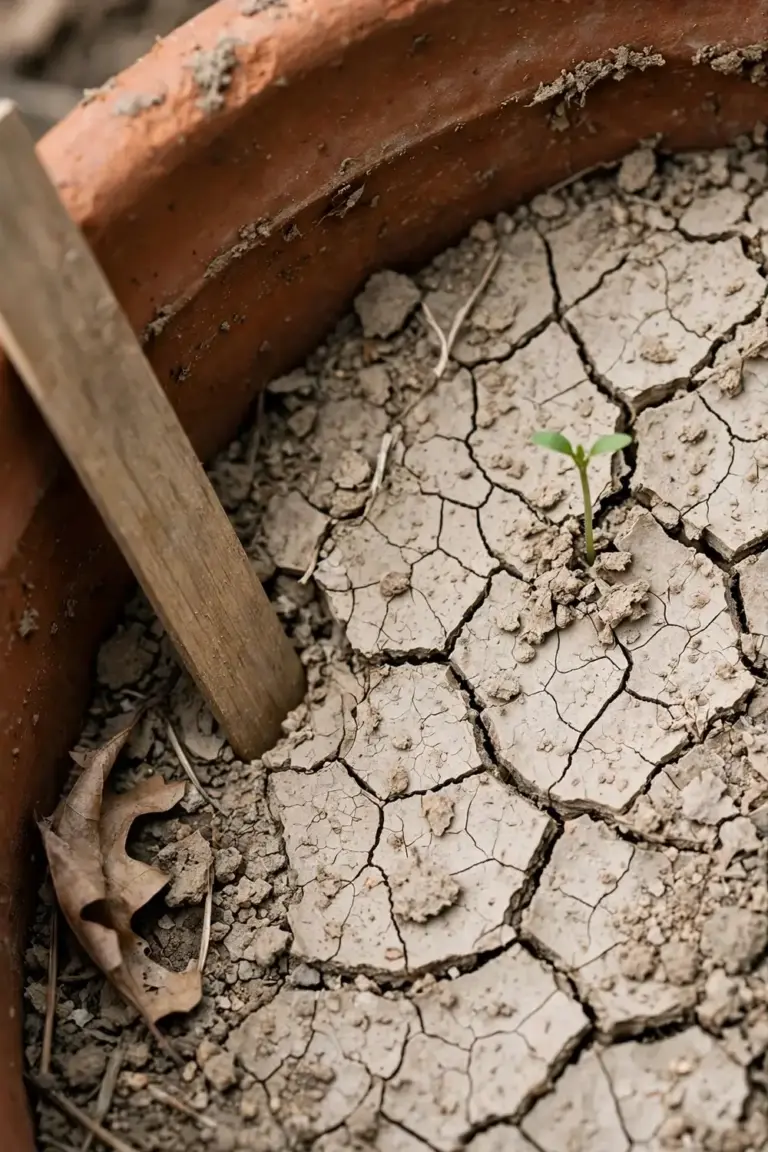
Colorado State Extension drying guidance names drying as the most important strategy for houseplant fungus gnats. The dry top layer cuts survival of eggs and hatched larvae. The dry surface also turns egg-laying females away. No product beats that one change.
I have learned that the pot I let dry on top stays gnat-free longer than the pot I water on a schedule.
Test with a finger, not with a calendar. Push a finger 5 cm into the mix. Water only when the finger comes out dry. Lift the pot too. A light pot holds little water. A heavy pot holds plenty. Both tests beat a fixed watering day.
Water thoroughly when the mix passes the test, soaking until water drains from the base, then empty the saucer. Standing water in a saucer re-wets the mix from below and feeds the next generation. Never leave water standing in pot saucers, per Utah State University Extension guidance.
Water slowly. A fast pour runs down the gap between mix and pot wall and drains out without wetting the root zone. A slow pour soaks the whole mix. Pour, pause, pour again. The mix should feel evenly damp at 5 cm after watering, then dry again over the following days. That wet-dry cycle is the rhythm that starves gnats without starving the plant.
Match the drying to the plant. Succulents and cacti tolerate a fully dry mix. Ferns and calatheas wilt when the mix dries deep. For moisture lovers, dry the top 2.5 cm and water from the bottom, a method covered in the repotting section below. The gnat fix stays the same. Only the depth changes.
Size the drying to the pot. A small pot in a warm room dries in days. A large pot in a cool room holds water for a week or more. The finger test adapts to both. A moisture meter helps in deep pots, where the finger cannot reach the root zone. Read the meter at root depth, not at the surface. When the meter reads dry at 5 cm, water.
Watch the plant while the mix dries. Leaves tell the truth before the meter does. A thirsty plant droops and recovers within hours of watering, while a gnat-damaged plant droops and stays droopy because chewed roots cannot take up water. When droop lingers after watering, check the roots and the potato slice, not the watering can.
4. Trap Adults With Yellow Sticky Cards
Yellow sticky cards catch egg-laying adults and cut the next generation. Cards work as a monitor and as a control in one tool.
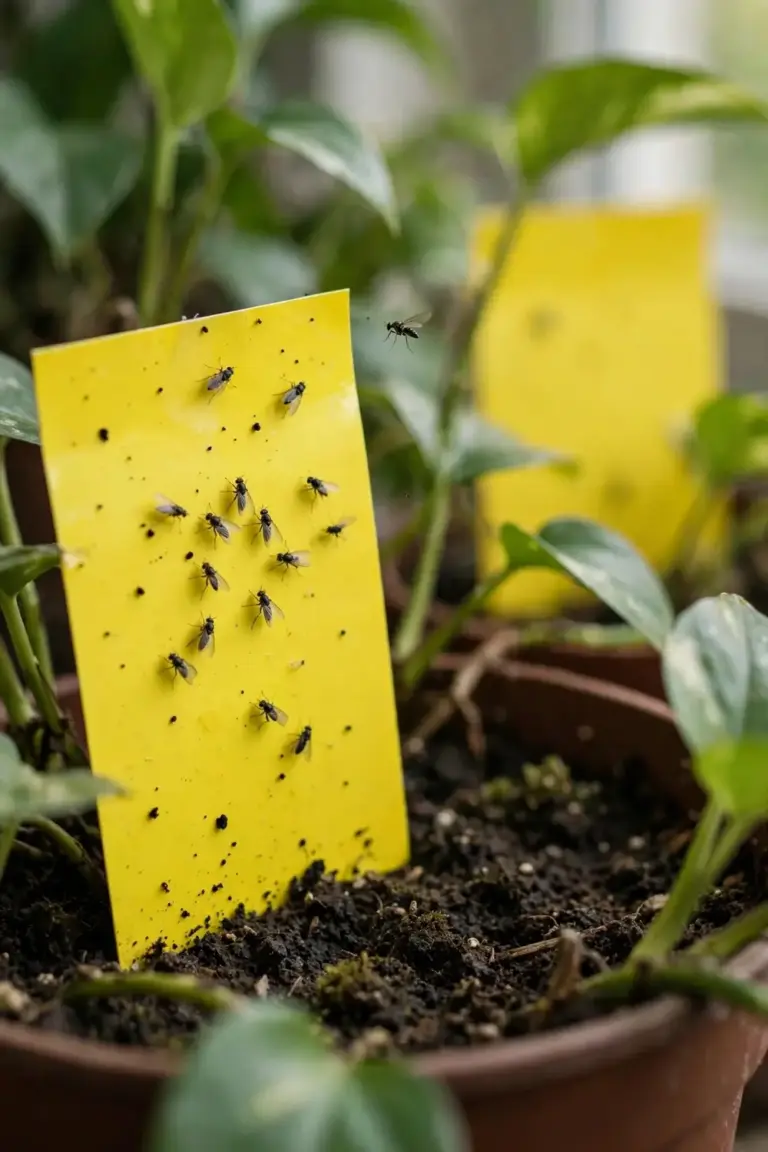
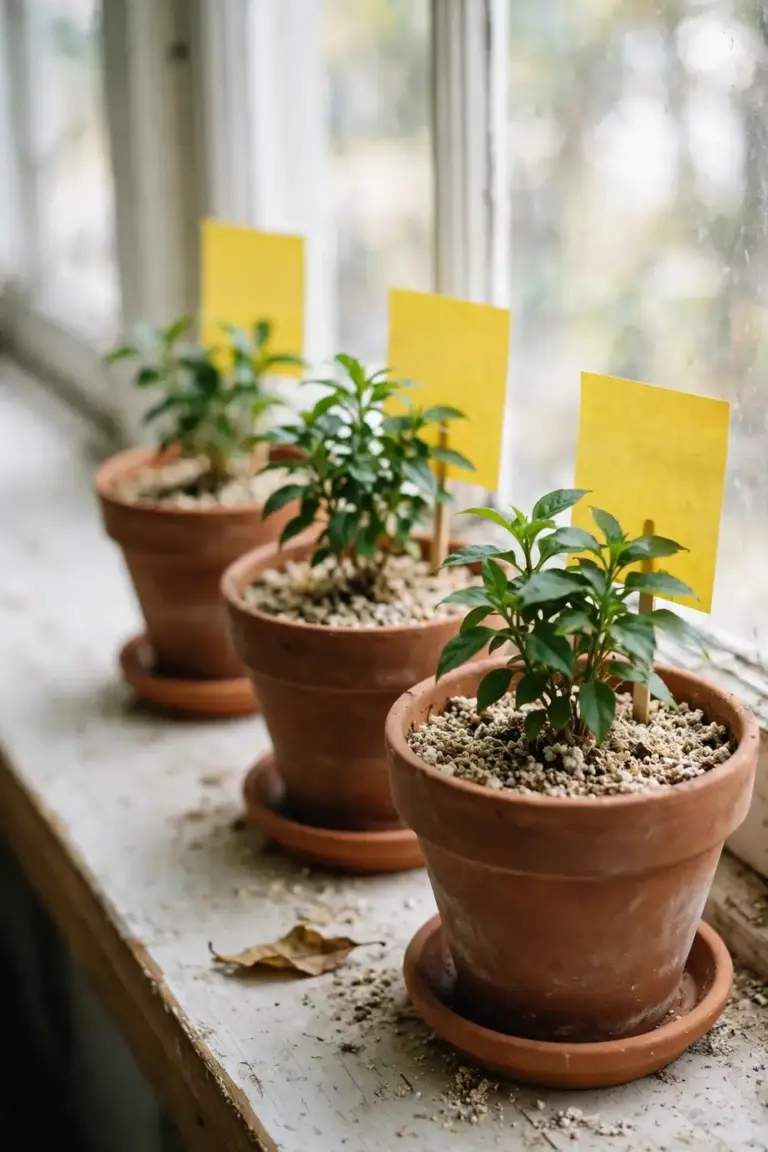
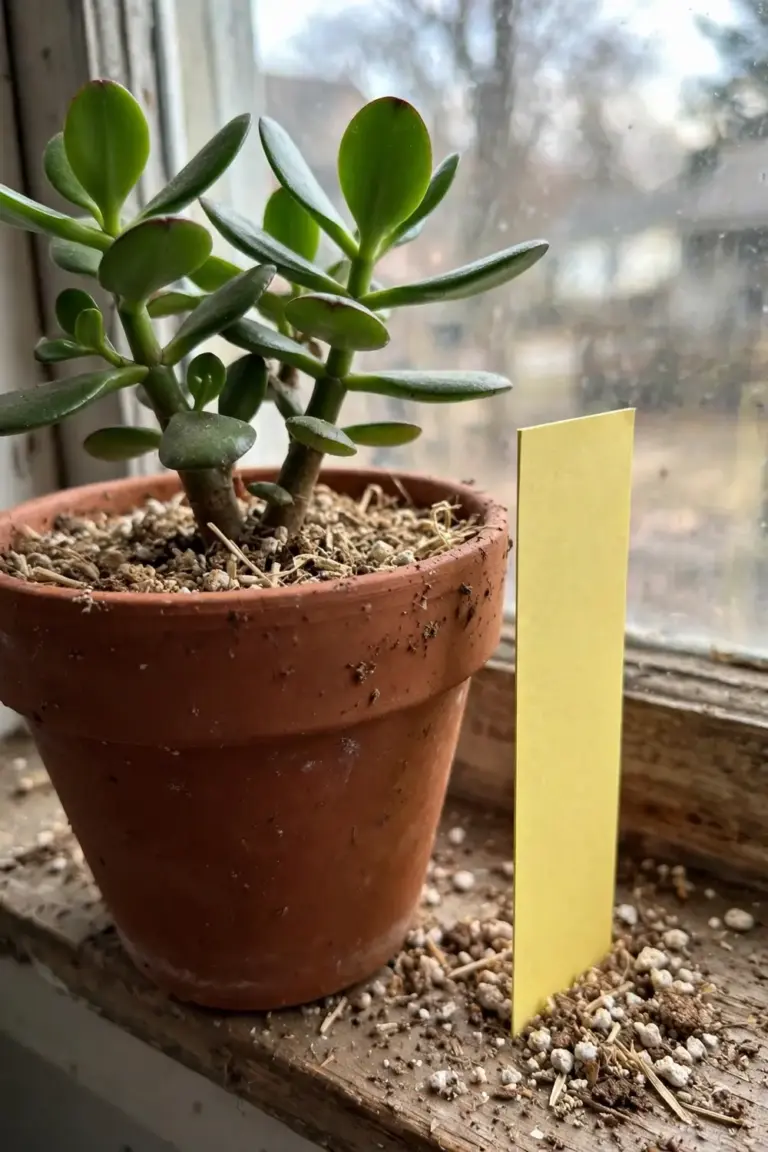
Place cards at canopy level or on the pot edge, where adults fly and rest. Colorado State Extension places cards underneath the plant canopy or on the edge of containers. Adults fly toward yellow and stick. Each trapped female lays no eggs.
One card per pot covers most houseplants. Heavy infestations need two cards, one on each side of the pot, so adults meet a card whichever way they fly. Push the card stake into the mix near the rim, clear of the foliage, because a card buried in leaves catches nothing.
Read the cards like a gauge. Falling counts mean the plan works. Rising counts mean a wet pot still breeds. Replace cards when they fill, since a full card catches nothing.
Keep a simple count. Note the catch each week on a scrap of paper taped near the pots. The numbers show the trend better than memory. A pot that drops from 30 gnats to 3 in 2 weeks is winning. A pot stuck at 20 needs a wetter mix check and a larval drench.
Avoid the two trap mistakes that waste a week. A card laid flat on the mix catches few adults, because adults fly at canopy level. A card left up for a month fills with dust and catches nothing. Stand the card upright at canopy level, and swap it when the surface fills.
Traps alone never end an infestation. Larvae in the mix keep developing and keep emerging. Colorado State Extension states the larvae will not be affected by treatments aimed at adults. Traps cut the egg supply. Drying and larval treatments cut the rest.
Skip vinegar traps. Wisconsin Extension notes vinegar traps and other fruit-fly methods do not work for fungus gnats. Vinegar lures fruit flies. Fungus gnats ignore it. A vinegar jar near the pot catches the wrong fly and leaves the gnats breeding.
5. Drench Larvae With Bti and Nematodes
Bti and Steinernema feltiae nematodes kill larvae in the mix, where traps cannot reach. Larval treatment decides whether the infestation ends in 4 weeks or drags on for months.
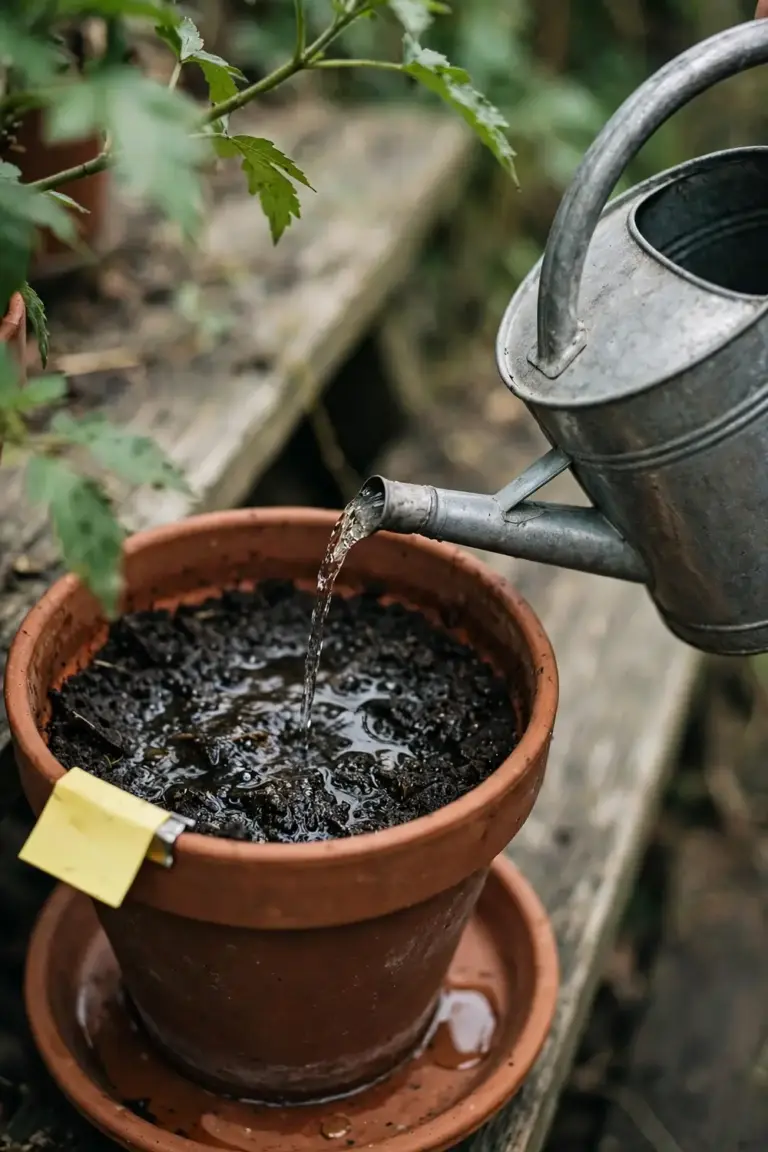
Bti is Bacillus thuringiensis subspecies israelensis, a naturally occurring bacterium that is toxic only to fly larvae. UC IPM biological control notes list Bti as the most convenient biological option for home gardeners. Bti does not reproduce or persist indoors, so repeat applications at about 5-day intervals keep the pressure on each new hatch.
Apply Bti as a soil drench, mixed with water and soaked through the mix, following the label directions. The drench must reach the top 8 cm, where larvae feed, because a light sprinkle on the surface misses them entirely.
Match the subspecies to the pest. Bti kills fly larvae, while the Bt subspecies sold for caterpillars does not kill fly larvae, per UC IPM. Read the label and confirm the product targets fungus gnats. The wrong subspecies wastes a week.
Nematodes hunt larvae that Bti misses. Steinernema feltiae enters larvae through natural openings and kills them within 3 to 4 days, per Colorado State Extension. UC IPM rates Steinernema feltiae as more effective against fungus gnats than other commercial nematode species. Nematodes work best between 15 and 32 degrees Celsius in moist mix. Nematodes reproduce and search for hosts, so several applications can build a population that guards the pot for a season.
Combine the tools. Drying plus traps plus one larval treatment clears most pots. Wisconsin Extension spaces Bti applications 5 to 7 days apart until the infestation sits under control. Keep the schedule for at least 3 weeks. Pupae survive every larval treatment, so adults keep emerging for days after the last drench. That emergence is normal. It is not failure.
Handle live products with care. Nematodes are living organisms in a perishable pack. Buy them fresh, store them cool, and apply them the day they arrive. Mix the drench with cool water, never hot. Apply in the evening or under low light, since direct sun and heat cut their survival. Bti keeps longer on the shelf, but it still loses strength once mixed. Mix only what the day’s pots need.
Buy for the label, not the brand. Australian nurseries stock Bti products under several brand names, and the range changes year to year. Read the active ingredient on the label. The label must name Bacillus thuringiensis subspecies israelensis and list fungus gnats or fungus gnat larvae as a target. A product that names only mosquitoes may still carry Bti, but the label governs the legal use. When the label lists no fungus gnat target, ask the nursery for a product that does.
Skip short-lived sprays as the main weapon. Colorado State Extension notes pyrethrins, soaps, oils, and neem fade fast and need repeat applications at short intervals. They knock down adults for a day or two. They leave larvae untouched. Use them only as a stopgap while drying and larval treatments take hold, and follow the label.
6. Repot or Top-Dress When the Mix Stays Wet
Repot when the mix stays wet for days. Top-dress when the plant is healthy but the surface stays damp. Both moves change the habitat that breeds gnats.
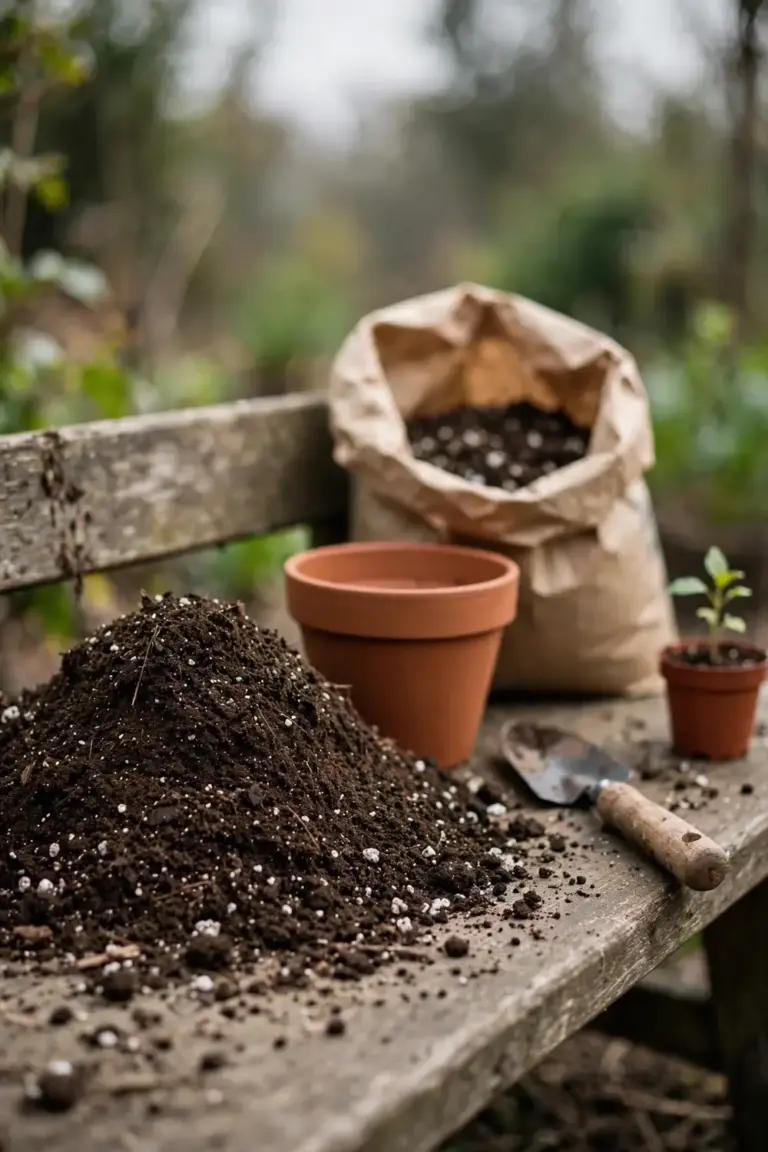
Repot a pot that never dries. Old mix breaks down and holds more water than fresh mix. Colorado State Extension recommends repotting when the growing medium has broken down and retains too much moisture. Fresh mix drains faster and dries sooner. Remove decayed bulbs and roots during the repot. Decaying matter feeds larvae.
Repot in stages. Tip the plant out and shake off the old mix. Trim dead roots with clean shears. Wash the pot with soapy water and rinse it well, since eggs and larvae cling to the pot walls. Refill with fresh pasteurized mix. Water once, drain fully, and let the top dry before the next watering.
Buy pasteurized mix for the repot. UC IPM advises purchasing pasteurized container mix or potting mix only. Australian potting mixes sold at garden centers carry a pasteurized label on the bag. Heat treatment kills flies and the fungi they feed on. Store bagged mix off the ground in closed containers. Open bags on a damp floor invite gnats before the mix reaches a pot.
Solarize old mix when the budget forbids a fresh bag. UC IPM gives the method: moisten the mix, seal it in a bag of transparent or black plastic, keep the pile no deeper than 20 cm, and set the bag on a raised surface in full sun for 4 to 6 weeks. Heat kills flies and the fungi they feed on. Solarized mix works for the next repot. Store it sealed and off the ground until use.
Choose the right pot at repot time. A pot one size up from the root ball suits most plants. An oversized pot holds wet mix the roots cannot reach, and that wet zone breeds gnats. A pot with one drainage hole drains. A pot with several holes drains faster. Terracotta dries faster than plastic, which suits plants that hate wet feet. Plastic holds water longer, which suits moisture lovers. Match the pot to the plant, not to the shelf.
Top-dress the surface with a dry barrier. The University of Minnesota Extension barrier guidance recommends a barrier of sand, diatomaceous earth, or fine gravel at least 1.3 cm thick. Wisconsin Extension puts the layer at 1.3 to 2.5 cm. The barrier keeps the surface dry and blocks females from reaching the mix to lay eggs. Keep the barrier dry. A wet barrier breeds gnats like wet mix.
Water from the bottom when the plant tolerates it. Set the pot in a tray of water for 15 to 30 minutes, then remove the excess, per the University of Minnesota Extension. Bottom watering feeds roots while the surface stays dry. The top 5 cm dries. Females find no damp egg site.
Quarantine every new plant. UC IPM warns against moving infested plants next to healthy ones, since flies emerge and colonize the next pot. Hold a new plant in a separate room for 2 weeks. Watch for adults near the mix. Tap the pot once a week and watch for lifting flies. Treat the new pot before it joins the collection. A clean quarantine saves the whole shelf from a repeat infestation.
Toss a plant only when the infestation runs severe. UC IPM allows tossing severely infested plants. Most pots recover with drying, traps, and a larval drench. A plant with a dead root system and no new growth has nothing left to save. Bag the pot and bin it. Do not compost it indoors.
Good mix structure prevents the whole problem. The soil health guide covers drainage, organic matter, and the watering rhythm that keeps mix open and airy. A mix that drains fast dries fast. A mix that dries fast starves gnats.
7. Prevent the Next Infestation With 4 Habits
Four habits keep gnats from returning: drain, dry, clean, quarantine. Each habit takes seconds. Together they close the gaps gnats exploit.
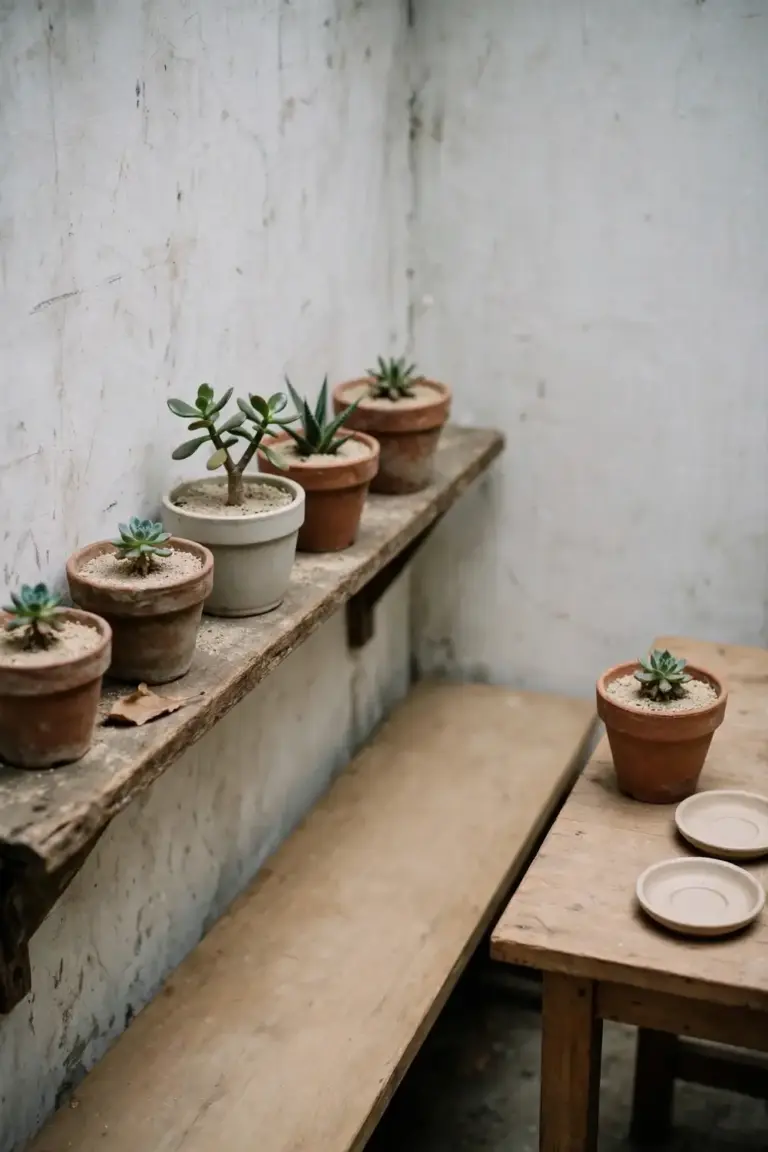
Drain every pot. Use pots with drainage holes. Empty saucers after watering. A pot without drainage holds water at the base and breeds gnats from below. Drill a hole or move the plant to a pot that drains.
Dry the top before every watering. Keep the finger test from the drying step as a permanent habit. Water only when the top 5 cm reads dry. Bottom-water moisture lovers so the surface stays dry. A dry top is the single strongest prevention step here.
Clean the surface. Remove dead leaves and debris from pots. Decaying matter attracts gnats and feeds larvae. UC IPM warns against incompletely composted organic matter in potting media unless pasteurized first. Keep the mix surface bare or covered with a dry barrier. Skip wood-chip mulch on indoor pots.
Quarantine new plants and new mix. Hold new plants apart for 2 weeks. Store bagged mix sealed and off the ground. UC IPM advises storing pasteurized mix in closed containers to stop reinfestation before use. One infested bag can seed a whole shelf.
Treat the whole shelf, not one pot. Gnats fly short distances and colonize neighbouring pots. When one pot shows adults, check every pot within arm’s reach. Dry them all. Trap them all. A single untreated pot restocks the shelf while the treated pots clear.
The organic pest control guide covers the same habits across the whole garden. Fungus gnats are one pest in that system. The habits scale to every pot.
| Method | What It Does | When |
|---|---|---|
| Dry the top 5 cm | Kills eggs and larvae, deters egg-laying females | Every watering, always |
| Yellow sticky cards | Traps adults, cuts the next generation, monitors counts | From day one, until counts fall to zero |
| Bti drench | Kills larvae in the mix | Repeat at 5-day intervals for 3 weeks |
| Steinernema feltiae nematodes | Hunt and kill larvae, build a guarding population | When Bti alone stalls, in moist mix at 15 to 32 degrees |
| Sand or gravel barrier | Keeps the surface dry, blocks egg-laying | After the mix surface dries, kept dry |
| Repot into fresh pasteurized mix | Replaces broken-down mix that holds too much water | When the mix stays wet for days |
| Bottom watering | Feeds roots while the surface stays dry | For moisture lovers, 15 to 30 minutes per soak |
Frequently Asked Questions
Plan on 3 to 4 weeks of steady work. Wisconsin Extension puts the timeline at 3 to 4 weeks of modified watering and sand or gravel cover. Pupae survive every larval treatment, so adults keep emerging for days after the last drench. Keep drying, trapping, and drenching until trap counts fall to zero for a full week. Stopping early lets the next generation rebuild.
No. Adults do not bite people or pets. Colorado State Extension calls the adults harmless insects that do not bite. The harm lands on plants. Larvae chew root hairs and tunnel into fine roots when their numbers run high. Seedlings and young plants suffer first. A cloud of gnats around a pot is a nuisance, not a health risk.
No. Vinegar traps catch fruit flies, not fungus gnats. Wisconsin Extension states vinegar traps and other fruit-fly methods do not work for monitoring fungus gnats. Fungus gnats ignore vinegar. Yellow sticky cards catch them. Place cards at canopy level or on the pot edge. A vinegar jar near the pot catches the wrong fly and leaves the gnats breeding.
Yes, when used per the label. Bti targets fly larvae only. UC IPM calls Bti and nematodes essentially nontoxic to people. Bti does not reproduce or persist indoors, so repeat applications at about 5-day intervals keep the pressure on. Keep treated pots away from food preparation areas. Store the product out of reach of children and pets, like any garden product.
Only when the infestation runs severe. UC IPM allows tossing severely infested plants, though most pots recover with drying, traps, and a larval drench when the roots still show life. A plant with a dead root system and no new growth has nothing left to save, so bag the pot and bin it. Do not compost it indoors. Quarantine the neighbours and check them for adults before the next watering.
Clear Fungus Gnats From Your Potting Mix in 4 Weeks
Dry the top 5 cm. Trap adults with yellow sticky cards. Drench larvae with Bti at 5-day intervals. Repot or top-dress when the mix stays wet. Run all four moves for 4 weeks and the pot clears, because two full generations pass with no safe nursery left.
Check the top 5 cm today. Push a finger into the mix. When the finger comes out dry, water thoroughly and empty the saucer. When the finger comes out damp, wait. That one test starts the whole fix.