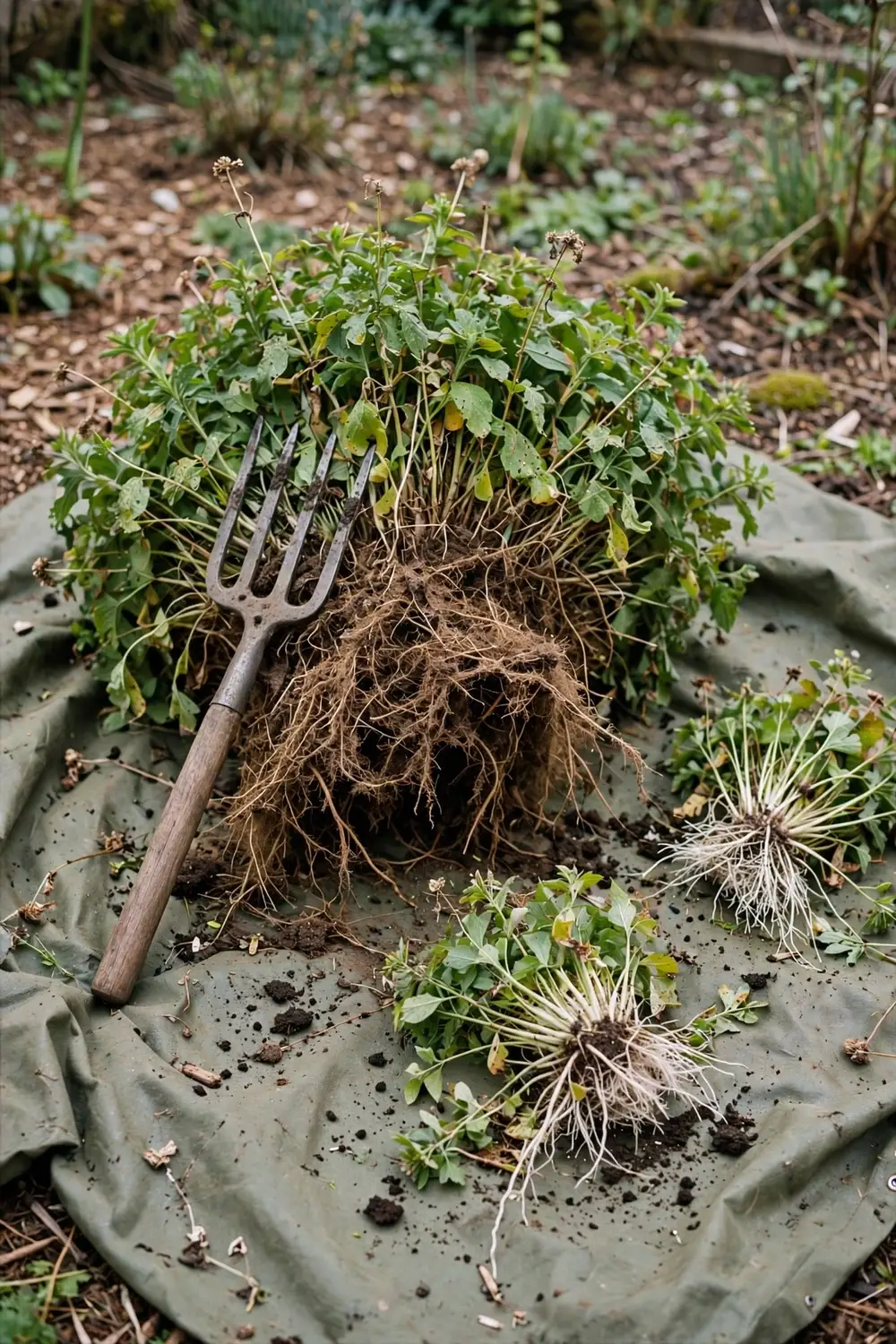

The rule for when and how to divide perennials in Australia is simple. Divide when the plant is not flowering, and give each new piece 3 to 5 vigorous shoots. Spring and summer bloomers split in autumn. Autumn bloomers split in spring. Each new piece also needs a healthy supply of roots.
I have learned that the clump I divide just after flowering settles faster than the one I split in full bloom.
A perennial is a plant that lives more than two years. To divide one is to split a single crown into two or more plants. The rest of this page runs the timing rule first, then the steps by root type, then the plants to leave alone.
1. Divide by Bloom Season, Not by Calendar
Divide by bloom season. A plant that flowers in spring or summer splits in autumn, after flowering ends. A plant that flowers in autumn splits in spring, before new growth starts.
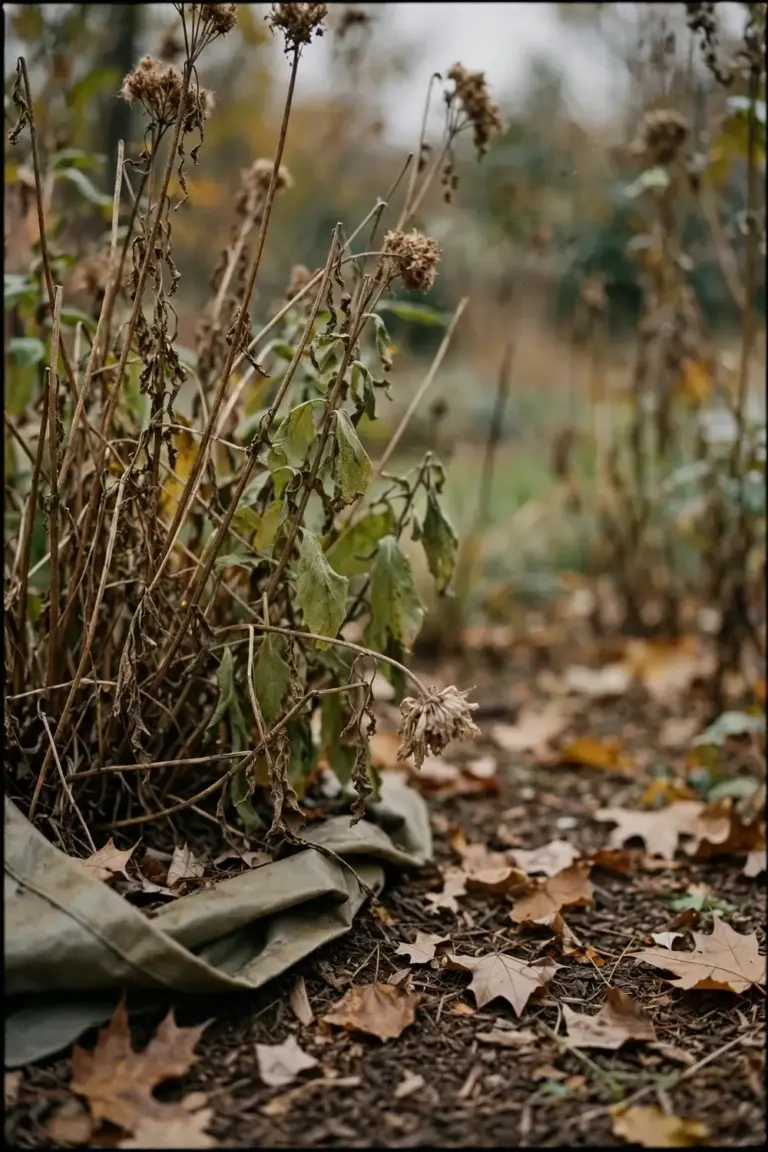
A plant that is not flowering puts its energy into roots. A plant in full flower splits its energy between blooms and repair. Division during bloom costs flowers and slows recovery. Division outside bloom lets roots regrow before the next flowering season.
In most of Australia, autumn is the main window. Flowering is over for spring and summer bloomers. Summer heat has passed. Soil still holds warmth. Roots grow through the mild months before winter. The University of Minnesota Extension sets the timing rule this way: divide spring and summer bloomers in autumn, divide autumn bloomers in spring, and allow four to six weeks of root growth before the ground freezes.
Translate the freeze line to Australian conditions. In frost-free coastal gardens, the rule still holds: give divisions weeks of root growth before cold slows them. In cold districts such as Canberra, Hobart, and the Blue Mountains, count back from your first frost. Four to six weeks of mild weather after division is the target.
Late winter gives a second window for evergreen clump-formers. Agapanthus, kangaroo paw, dietes, daylilies, and irises divide in late winter, shortly before spring growth. Gardening With Angus advises this timing for clump-forming perennials in Australian gardens. The clump wakes, roots, and grows in one motion.
Autumn bloomers such as fall-blooming perennials split in spring, while their flowers are still months away. Prepare the bed before an autumn division with a fall garden bed prep pass: clear spent growth, work in compost, and level the surface.
Signs a clump needs dividing: a dead center, fewer flowers than last season, and a crown that has outgrown its space. A plant that still flowers well and holds a full crown can wait. Division follows the plant, not the calendar.
Australian climate bands shift the window. In the tropical north, divide in the cooler, drier months when growth slows and rain is less likely to rot fresh cuts. In temperate southern gardens, the autumn and spring rule applies cleanly. In arid inland gardens, divide after rain, when the soil holds moisture and the divisions can root before the next dry stretch.
A missed window is not a disaster. A division made a few weeks late still grows if you water it and shade it. A division made at the wrong time of year still grows if the plant is tough. The timing rule raises the odds. It does not decide them alone.
Divide on a cool, overcast day when you can. A cloudy day cuts water loss from cut leaves, while a windy, hot day dries divisions before they reach the ground. Work in the morning when the plant holds its overnight moisture. Keep a bucket of water beside the bed and dip small divisions as you work. Roots left in sun and wind lose fine root hairs in minutes, and those hairs do the drinking.
A division made at the wrong time still teaches something. A spring bloomer split in spring loses its flowers that year and regrows by autumn. A fall bloomer split in autumn flowers weakly and recovers the next spring. The plant rarely dies from bad timing alone. It dies from dry roots, a buried crown, or weeks without water after the split. Timing is the first lever. Water is the second.
2. Match the Timing to Your Bloom Season
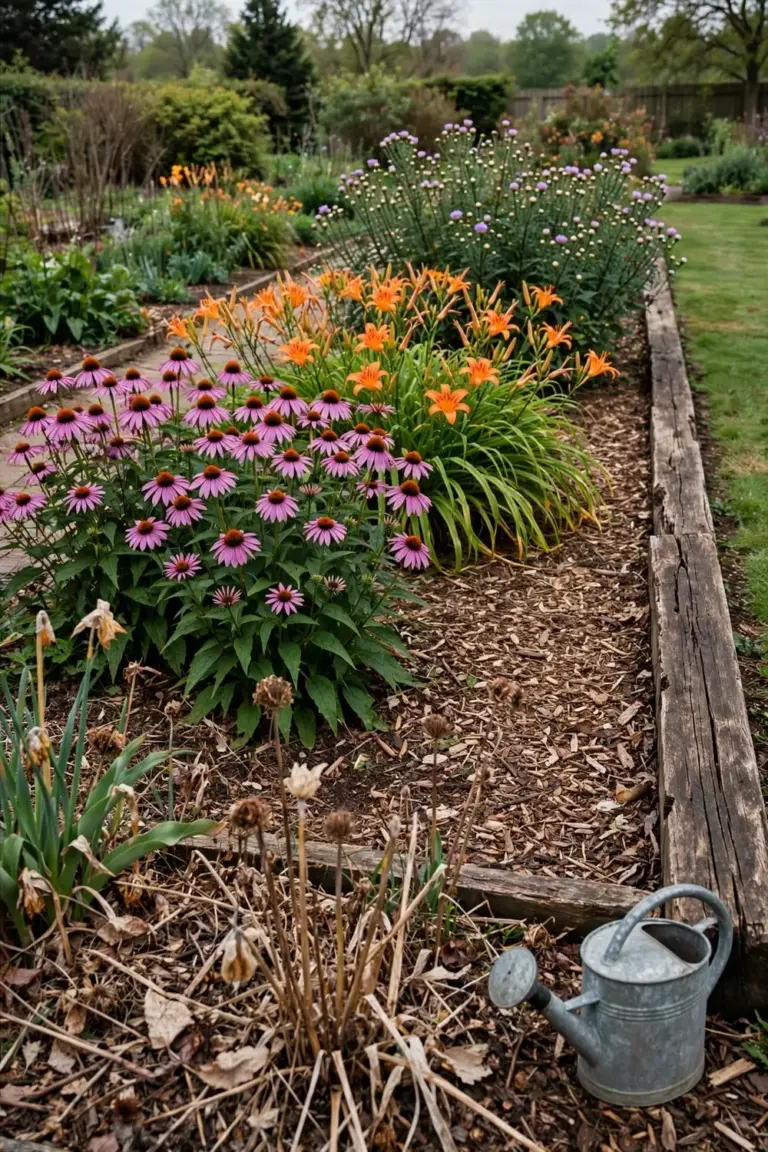
Match the season to the bloom. The table below sets the window for each bloom season in Australian months.
| Bloom Season | When to Divide | Australian Months |
|---|---|---|
| Spring bloomers | Autumn, after flowering ends | March to May |
| Summer bloomers | Autumn, after flowering ends | March to May |
| Autumn bloomers | Spring, before growth starts | September to November |
| Evergreen clump-formers | Late winter, before spring growth | August |
| Tuberous roots | Spring, before replanting | September to November |
Spring bloomers include primula, Brunnera, hardy geranium, and heuchera. Divide them in autumn, once flowering ends and leaves still feed the roots. The leaves keep working after the flowers fade. They rebuild the crown for next spring.
Summer bloomers include Shasta daisy, salvia, alstroemeria, yarrow, and lamb’s ear. Divide them in autumn too, after the last flowers fade. Cut the spent flower stems first. The clump is easier to read without them.
Autumn bloomers include asters, Japanese anemone, and late chrysanthemums. Divide them in spring, before growth starts. A spring division gives them a full season to rebuild before their autumn flowers. An autumn division would cut the display short and leave the plant short on energy.
Evergreen clump-formers stay green through winter. Agapanthus, kangaroo paw, and dietes divide in late winter. August suits most of Australia. The clump wakes with the season. In frost-prone districts, wait until the last frost has passed.
True bulbs need a different method. Daffodils and tulips multiply by offsets. Lift and separate the offsets instead of splitting a crown. Dahlia and canna carry tuberous roots, and those divide like other perennials. The next section covers them by root type.
Rebloomers follow the main flush. Salvia and yarrow flower, rest, and flower again. Divide them after the main flush, not after the last stray flower of the season. The main flush ends when most stems have finished. Cut the spent stems, then divide. A plant divided after its main flush still holds enough season to root before winter.
Read your own plant before you trust any table. A plant label names the bloom season. A garden diary records it better. A clump that flowers in October in Sydney may flower in November in Hobart. The table sets the window. Your plant sets the day.
Sydney and Brisbane gardeners divide most perennials in March to May, while the soil still holds summer warmth and autumn rain arrives. Melbourne and Adelaide gardeners follow the same months, with a sharper eye on the first frost. Hobart and Canberra gardeners count back from an earlier frost and favor spring division for anything tender. Perth gardeners divide after the first autumn rain, when sandy soil finally holds moisture again.
3. Divide by Root Type, Not by Plant Name
Divide by root type. The roots decide the tool and the cut. Fibrous roots pull apart. Crowns need a knife. Rhizomes need a clean cut per fan. Tuberous roots need one bud per piece.
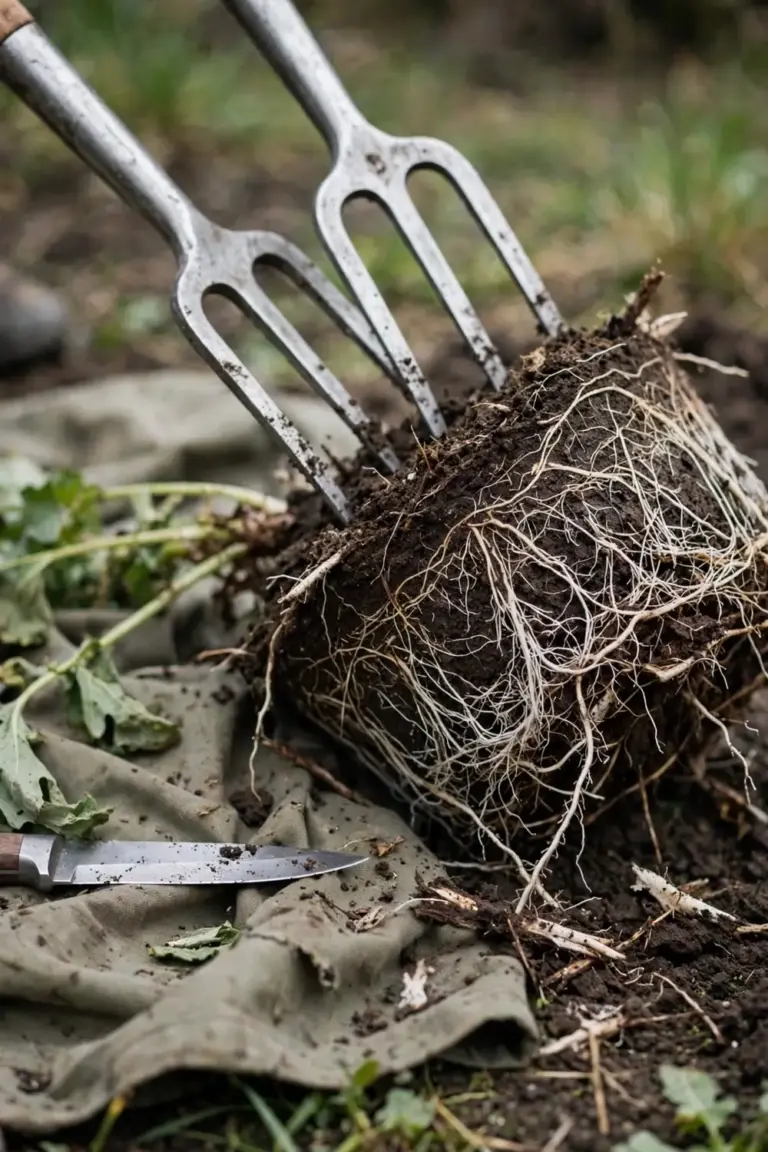
Start every division the same way: water the plant a day or two before dividing if the soil is dry, and saturate the new planting area several days ahead of time. Work compost into the soil, and check soil health in the new spot before the divisions go in. Dig the whole clump with a digging fork, working wide of the crown to keep roots intact, then shake off loose soil so you can see the crown and the roots. Discard the dead center. Keep the divisions shaded and moist until you replant them.
Gather the tools before you lift the clump. A digging fork lifts with less root damage than a spade. A sharp spade cuts a tough crown. A sharp knife or a serrated bread knife cuts clean lines through dense crowns. A pruning saw handles an old woody clump. A tarp or a wheelbarrow holds the clump while you work. A bucket of water keeps small divisions damp.
Clean the blade between plants. A knife that carries crown rot from one clump to the next spreads the problem. Wipe the blade with a cloth dampened in rubbing alcohol, or wash it with soapy water and dry it. The step takes seconds. It saves a bed.
Label every division before it leaves the tarp. A label names the plant and the date. A division without a label becomes a mystery by spring. Write the label at the moment of the cut, not after planting. Memory fades faster than ink.
Work on a tarp when the bed is crowded. Lift the clump onto the tarp and carry it to open ground. The tarp keeps roots off hot concrete and catches the soil you shake off. Work in shade when the day turns hot. A clump on a tarp in full sun dries faster than a clump still in the ground. Move the divisions to their new spots before lunch. Afternoon sun punishes exposed roots.
Cut the foliage back to about 15 cm before you split the clump. Short foliage loses less water and stays out of the way. Oregon State Extension sets the cut at about 6 inches, which converts to 15.2 cm. Replant each division with its crown level with the soil surface. A buried crown rots. A crown set proud dries out.
Fibrous and Spreading Roots
Tickseed, aster, bee balm, lamb’s ear, and purple coneflower carry fibrous, spreading roots. Their roots tangle into a mat. Pull small clumps apart by hand. Cut larger mats into sections with shears or a sharp knife. For a large plant, push two forks back to back into the center of the root ball and draw the handles apart. Each division needs three to five vigorous shoots and a healthy supply of roots. Discard small, weak, woody pieces and the dead center.
Fibrous roots forgive rough handling. The mat tears and regrows. The risk is drying out, not cutting. Keep fibrous divisions damp from lift to replant. A division left on dry concrete for an hour loses fine roots that take weeks to regrow.
Clumping Crowns
Astilbe, daylily, hosta, and many ornamental grasses grow from a central clump with many growing points. Cut through the crown with a sharp knife. Use back-to-back forks for a tough crown. Keep at least one eye, or bud, with each division. Larger divisions with several buds flower sooner. Small divisions with one bud still grow, but they take a season longer to flower.
Daylilies and hostas forgive rough handling. Astilbe sulks if its roots dry out. Keep astilbe divisions shaded and damp until they go back in the ground. Ornamental grasses divide best when the crown is still tight. A grass clump that has spread into a ring has a dead center. Discard the ring center and replant the outer pieces.
Cut Rhizomes Into Fans
Bearded iris grows from rhizomes. A rhizome is a stem that grows horizontally at or above ground level. Cut rhizomes with a sharp knife. Each section needs 8 to 10 cm of rhizome and a fan of leaves. Discard parts damaged by insects or disease. Replant with the top of the rhizome just at the soil surface. A buried iris rhizome rots and skips flowering.
Iris rhizomes show their age. The oldest section sits at the back of the clump and flowers poorly. The newest fans sit at the front and flower best. Replant the front fans. Compost the old back sections. A replanted iris clump flowers the next season when the rhizome sits in sun and air.
Tuberous Roots
Dahlia and canna carry tuberous roots. Slice the root mass into sections with a knife or pruners. Each section needs at least one bud. Sections without a bud never sprout. In cold districts, dahlias lift in autumn and store in a frost-free spot until spring. Divide them in spring, shortly before replanting.
Dahlia tubers bruise easily. Handle them by the stem stub, not by the tuber. Let cut surfaces dry for a day before replanting. A dry cut heals. A wet cut rots. Canna divides the same way, and canna tolerates wet soil better than dahlia.
4. Skip the Plants That Resent Division
Skip plants with a single taproot or a woody base. Division kills them or sets them back for years. Grow them from seed or cuttings instead.
Iowa State Extension names butterfly weed and false blue indigo as the classic taproot cases. Both grow a deep taproot that resents disturbance. Both prefer to stay where they are. Both grow better from seed than from a split clump.
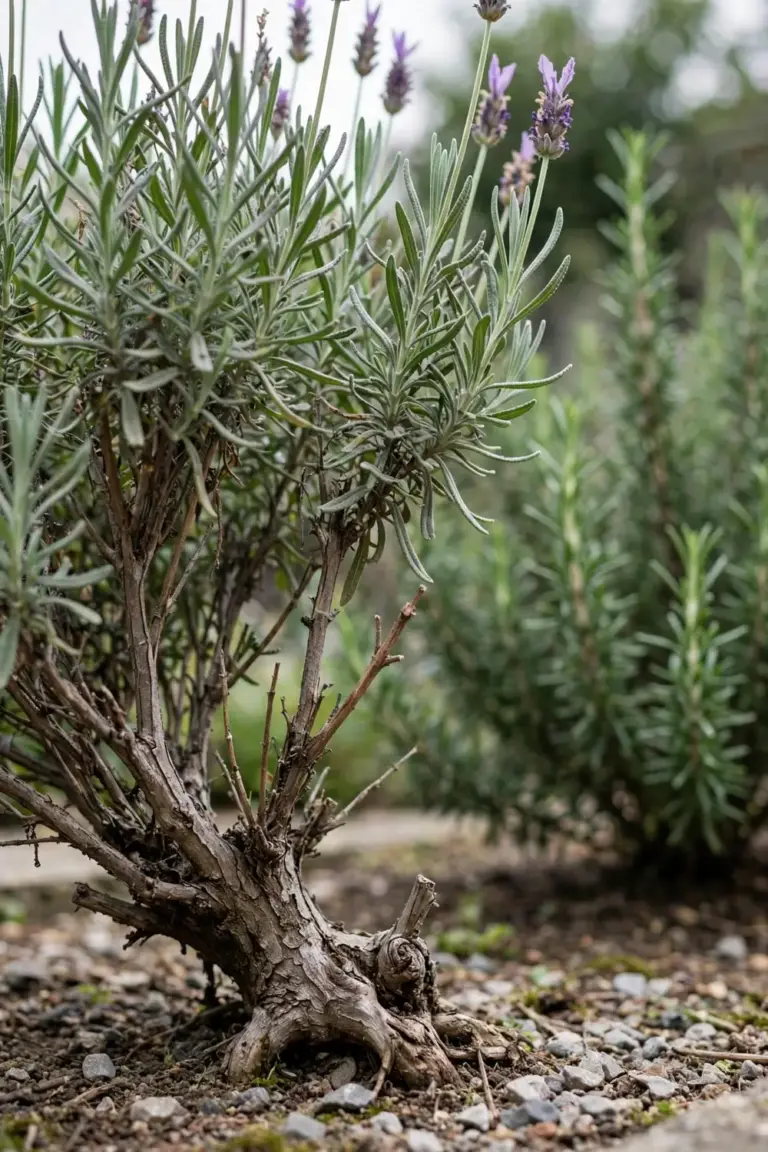
The same rule covers lavender, Russian sage, baby’s breath, columbine, euphorbia, and Oriental poppy. These plants grow from a single woody base or a deep taproot, not from a crown of buds. A spade through the base leaves no growing point. Leave them alone.
Peonies sit in their own class. A peony can stay undisturbed for 50 or more years and flower better for it. Divide a peony only when the clump truly fails, and expect a slow recovery. A plant with a single stem cannot divide at all. No crown means no division.
Culinary herbs split the rule. Sage, thyme, oregano, and marjoram divide well every couple of years and grow back supple. Oregon State Extension notes that regular division keeps these herbs productive. Lavender and rosemary do not divide. They grow from woody stems. Propagate them from cuttings instead.
Hellebores divide, but slowly. A hellebore clump resents a hard split, so slice off outer pieces instead of halving the crown and leave the parent in place. The outer pieces root faster than a halved crown, and the parent keeps flowering.
Self-seeders need no division at all. Foxglove, columbine, and forget-me-not drop seed and raise their own replacements. Let them seed where they stand. A gardener who divides a self-seeder spends effort replacing plants that would have replaced themselves.
When unsure, dig gently and look: a crown with many buds divides, while a single taproot does not. Put the plant back if you guessed wrong. A quick look costs nothing, but a wrong split costs the plant.
5. Water, Mulch, and Wait Two Weeks
Water each division well at planting. Mulch around it. Then wait two weeks before judging it.
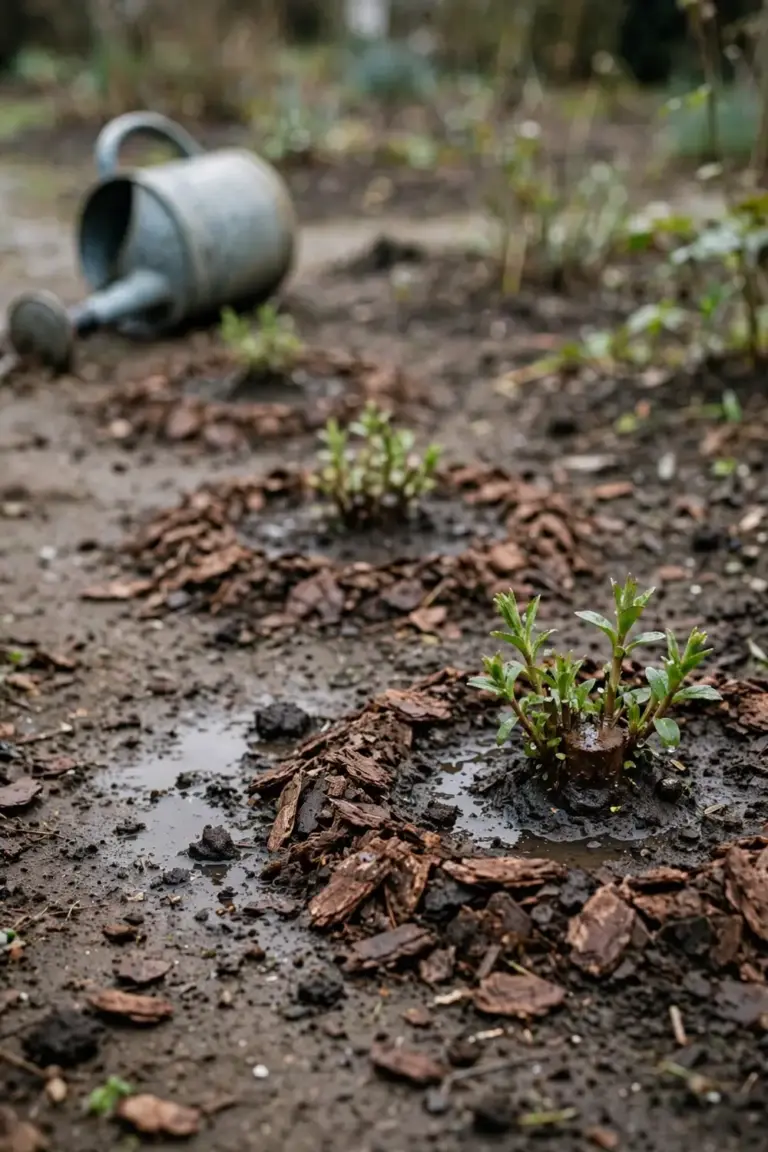
Water the division in at planting. Soak the root zone, not just the surface. A smaller root system takes up less water than the parent clump did, so check the soil often in the first weeks. South Dakota State Extension advises close watering checks for several weeks after dividing, since the smaller root system limits water uptake. Water when the top 3 cm dry out. A division that stays wet rots. A division that dries out stalls.
Morning watering suits new divisions, because the soil warms with the day and leaves dry before nightfall. Wet leaves overnight invite fungal problems. A watering can or a gentle hose setting puts water at the roots without blasting soil off the crown.
Mulch 5 to 8 cm around each division, and keep the mulch clear of the crown. Mulch holds moisture and steadies soil temperature. It also marks the spot, so a slow division does not get dug up by mistake. Straw, bark, or compost all work. Keep the mulch ring a hand span wide and a finger clear of the crown.
Shade a division on a hot day. A sheet of shade cloth, a cardboard box, or a nearby pot cuts the sun for a few days. Remove the shade once new leaves appear. A shaded division loses less water while its roots regrow. An unshaded division in a heatwave wilts before it roots.
Hold the fertilizer. Compost in the planting hole feeds the division at planting. Granular fertilizer waits until new growth shows. Leaves before roots is the wrong order. A division fed early grows soft leaves that its cut roots cannot support. A division fed late grows at its own pace.
Overwatering kills as many divisions as drought. Yellow leaves and a sour smell mean the soil stays too wet. Ease off the watering and let the top 3 cm dry before the next drink. A division in heavy clay needs less water than the same division in sand. Clay holds water for days. Sand drains in hours. Match the watering to the soil, not to the calendar.
Pot-first suits small or slow divisions. Pot the division, keep it moist, and grow it on until roots fill the pot. Plant it out when it holds together. A potted division also makes a gift or a swap. Label the pot. A division without a label becomes a mystery by spring.
A late division in a cold district earns frost protection. A 5 to 8 cm straw blanket over the crown stops frost heave. Frost heave lifts a shallow division out of the soil as water freezes and thaws. Remove the blanket in early spring, when new growth pushes through. A division in a frost-free garden needs no blanket. Mulch alone does the job.
6. Check the Signs That It Worked
New leaves in two to four weeks mean the division took. Firm resistance on a gentle tug means roots are growing.
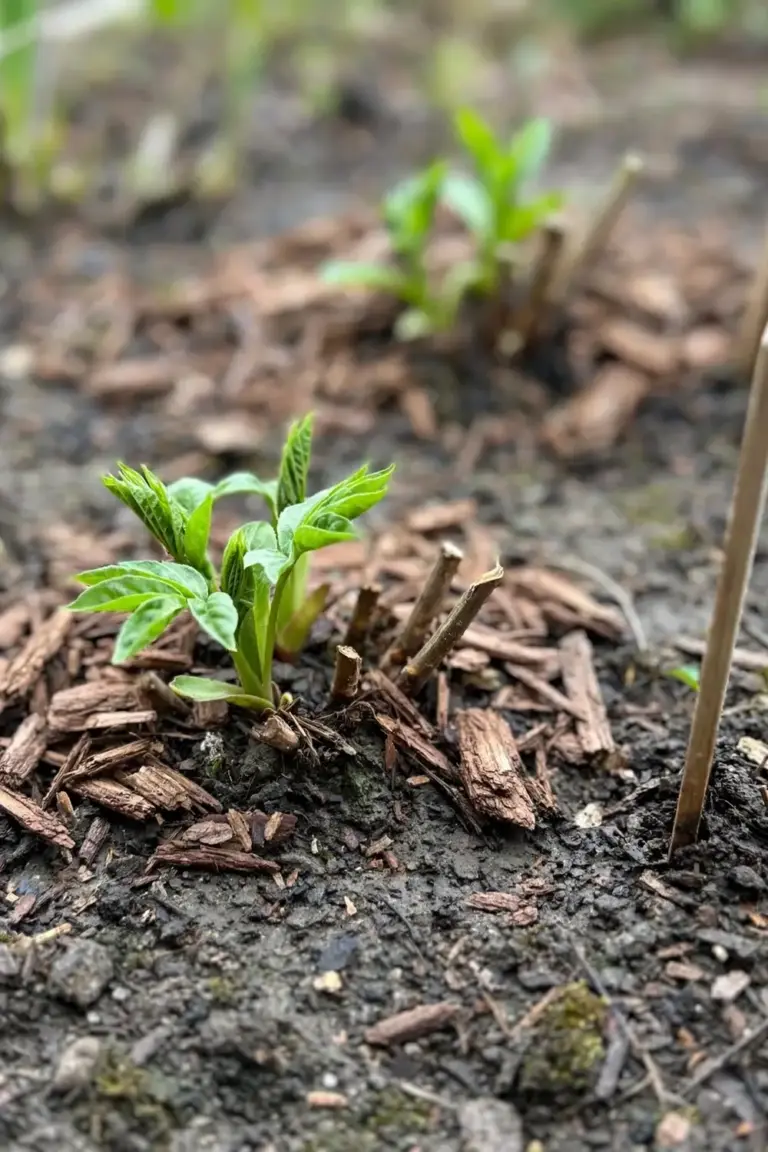
Watch for new leaves from the crown, and watch for a firm tug. A division that resists a gentle pull has rooted. A division that lifts straight out has not. Wilting in the first days is normal, but wilting after a week means the roots still lag behind the leaves. Cut the foliage shorter and shade the plant.
Mushy crown means rot. Lift the division, let it dry for a day, and replant it in freer-draining soil. A crown that smells sour has sat too wet. Move it to higher ground or mix grit into the planting hole. A division that rots in one spot may thrive in a drier one.
No growth after six weeks means the division may still live underground. Wait one more season before digging it up. Some perennials root slowly and show leaves late. A premature dig kills a division that was about to grow. Mark the spot and leave it alone.
Small divisions often skip a season of flowers. That is normal. Size decides bloom speed. A large division with several buds flowers in its first season. A small division with one bud spends its first season building roots and flowers in its second. The plant is not failing. It is growing underground first.
Mark the divisions. A label or a photo saves the plant from a second dig. The clump you divided this year needs no second division next year. Let it grow. A divided clump that flowers well has paid back the work.
Second-season growth tells the full story. A division that limped through its first season often doubles in its second. The roots built in year one fund the leaves of year two. Judge a division after two seasons, not one. A plant that doubles between year one and year two has settled. A plant that shrinks in year two needs a new spot, better drainage, or more sun.
Frequently Asked Questions About Dividing Perennials in Australia
Avoid it. Summer heat pulls water from leaves faster than cut roots can replace it. A summer division wilts, stalls, or dies. If a plant must move in summer, divide on a cloudy day, cut the foliage short, shade the division, and water daily until new leaves appear. Autumn still beats summer for every perennial that can wait.
Divide when the plant shows it needs it: a dead center, fewer flowers, or a crown that has outgrown its space. Oregon State Extension groups perennials into three bands. Fast growers such as Shasta daisy, coral bells, phlox, and bee balm divide every one to three years. Daylily and coneflower divide every three to five years. Hosta and peony divide every five to ten years.
Yes. Slice off an outside chunk with a sharp spade and leave the parent in place. Take pieces from the outer edge, where growth is newest. The parent recovers fast and looks unchanged. This method suits a gardener who wants a few new plants without disturbing a clump that still flowers well.
No. Fertilizer pushes leaves before roots can support them. Compost worked into the planting hole feeds the division at planting. Wait until new growth shows, then feed at half strength. A division that grows leaves on compost alone has rooted, while a division fed early grows soft leaves and stalls underground.
Yes. The same rules apply. Use a pot one size up from the division, with drainage holes and fresh potting mix. Keep the mix moist, not wet. Grow the division on until roots fill the pot, then plant it out. Potted divisions suit slow starters, gifts, and swaps. They also let a gardener hold a division through a heatwave.
Start With One Clump This Weekend
That is when and how to divide perennials in Australia: one clump, one cool morning, one sharp spade. Timing follows bloom season. Steps follow root type. Taproots stay put.
Pick the most crowded clump in the garden. Divide it this weekend. Water it, mulch it, and wait two weeks. The garden gains a plant, and the clump gains room to flower.