
Growing bougainvilleas in Australia starts with one fact: the color is bracts, not flowers. Give a bougainvillea 6 hours of direct sun, sharp drainage, and a hard prune after each flush, and it colors up for months. Pamper it with daily water and rich feed, and it grows leaves with no color at all.
That is the whole method in one paragraph. Bougainvillea is a woody climber from South America that thrives in warm Australian gardens and sulks in shade, wet soil, and heavy feeding. The rest of this page walks through bracts, sun, varieties, planting, water, feed, pruning, pests, pots, and the green-no-color fix, in that order.
1. The Color Is Bracts, Not Flowers
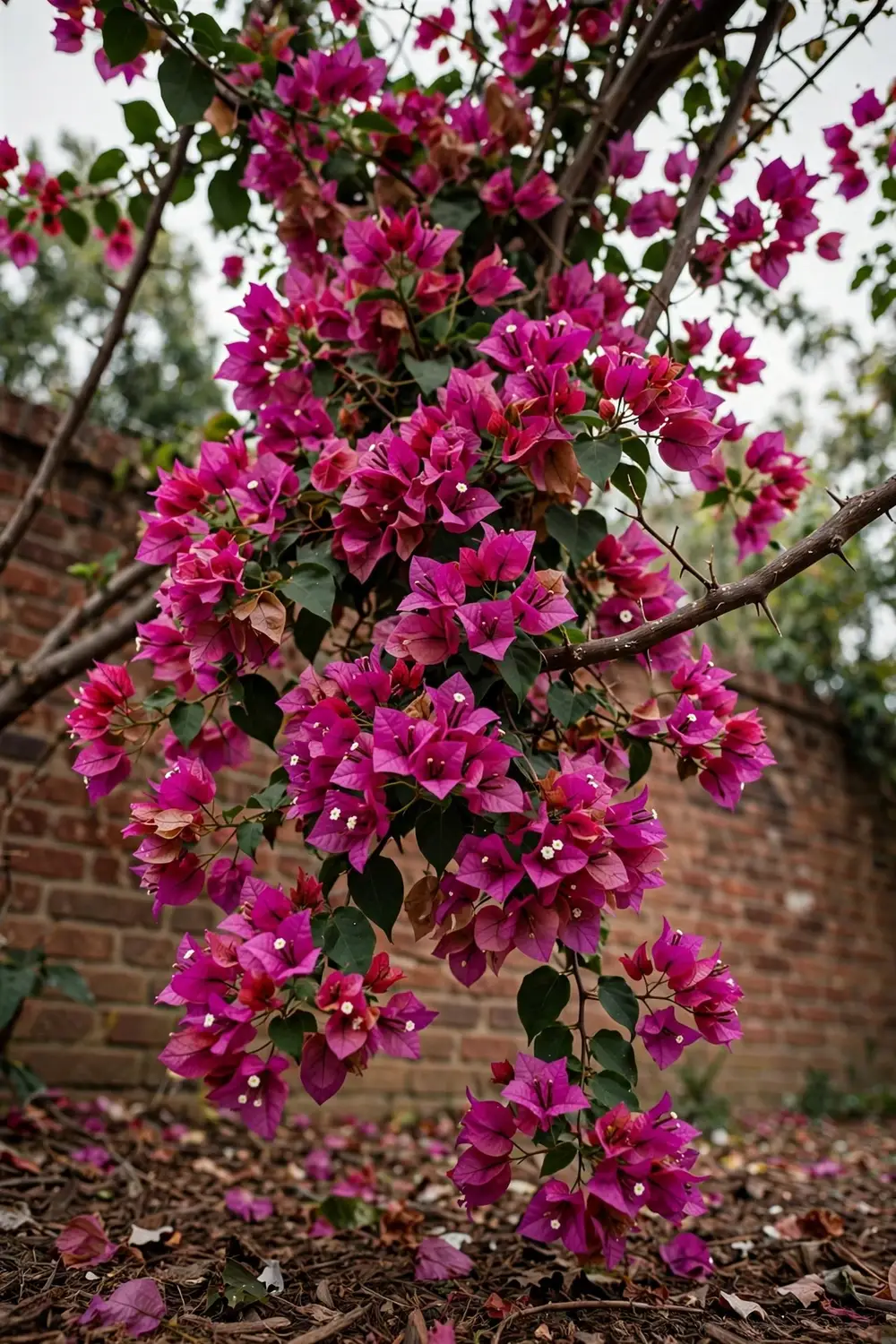
The color on a bougainvillea is bracts, not flowers. Papery bracts surround tiny white flowers, and the bracts carry every shade from magenta and red to orange, yellow, and white, per the University of Florida extension guide to living fences. The true flowers sit inside the bract cluster and last only a short time. The bracts stay colored for weeks.
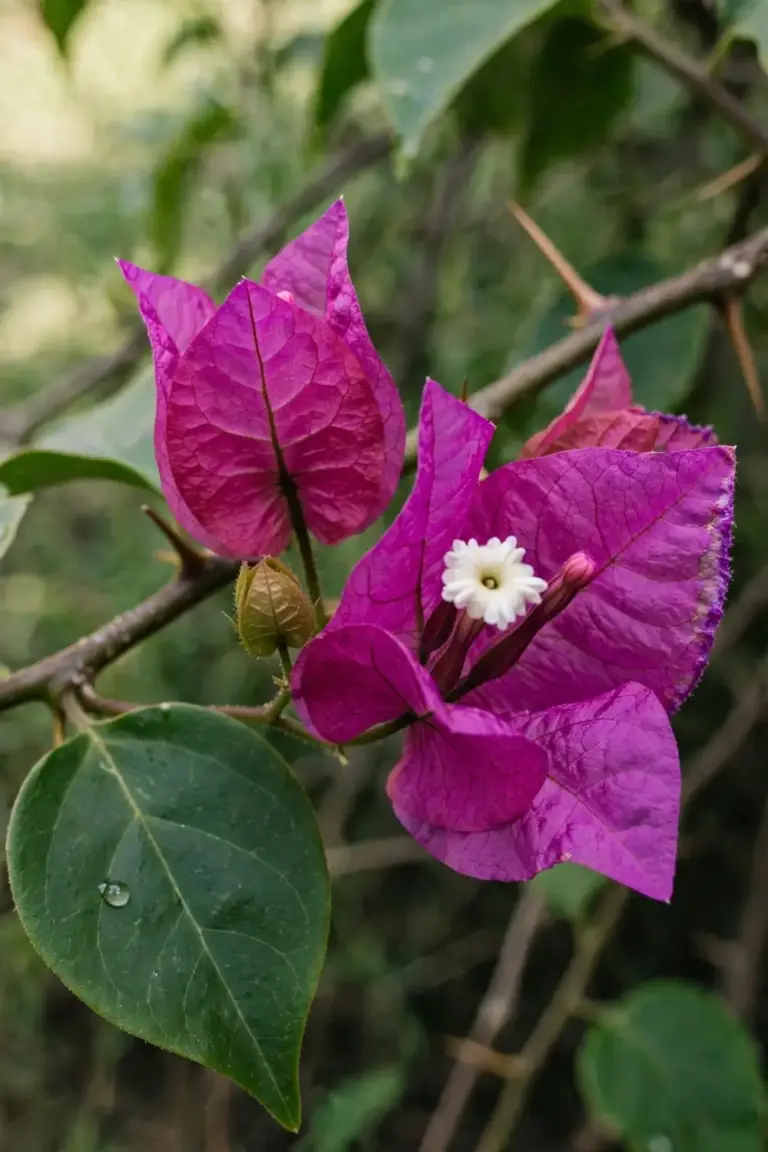
This fact explains the whole plant. Bracts form on new growth, so anything that pushes fresh shoots pushes color. Pruning after a flush forces the new shoots that carry the next display. Feeding that pushes leaves instead of shoots delays color. Shade that slows growth slows bracts too.
Bougainvillea drops leaves after a flowering period. Leaf drop after a flush is a normal part of the cycle, and a fresh growth flush follows it. Do not read bare stems after a flush as a dying plant. Wait for the new shoots before you change anything.
2. Give It Less Water and Less Feed
Bougainvillea flowers best when slightly stressed. Too much irrigation is a common reason plants produce leaves instead of color, and once a plant is established, it does best off regular irrigation, per the same Florida extension notes. Overwatering and heavy feeding grow a big green plant with few bracts. Restraint grows color.
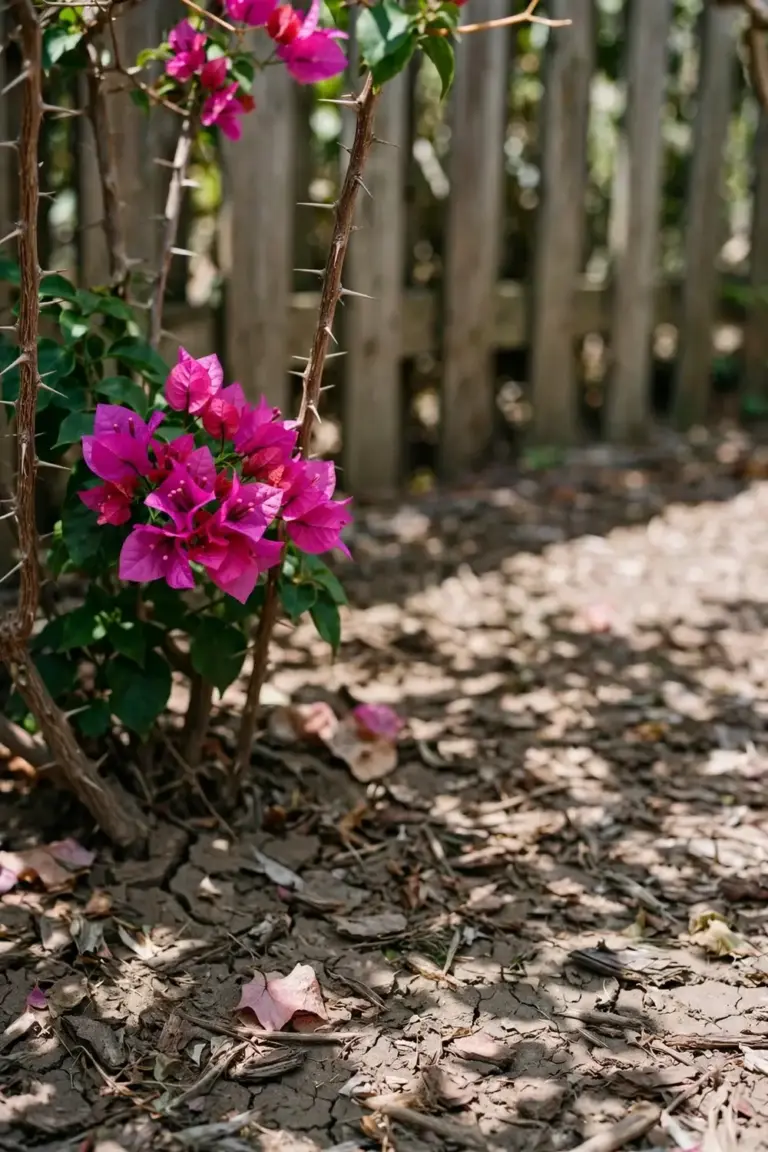
The spine is simple: less water, less nitrogen, and a hard prune after each flush equals more color. Water deeply, then let the soil dry before you water again. Feed lightly, with a low-nitrogen feed, and skip feed entirely when the plant is already leafy and green. Let mild dryness between waterings do its work.
This does not mean torture the plant. A bougainvillea left bone dry in a small pot through a heatwave drops leaves and stalls. The goal is a cycle of soak and dry, not permanent drought. The soil should dry appreciably between waterings, then get a full soak that reaches the whole root zone.
3. Plant It in Full Sun for 6 Hours or More
Full sun decides whether a bougainvillea flowers. A spot with at least 6 hours of direct sunlight daily grows the signature bracts, per the Aumanns Melbourne growing guide. A shady spot grows leaves. A partly shaded spot grows fewer, smaller bracts with larger leaves.
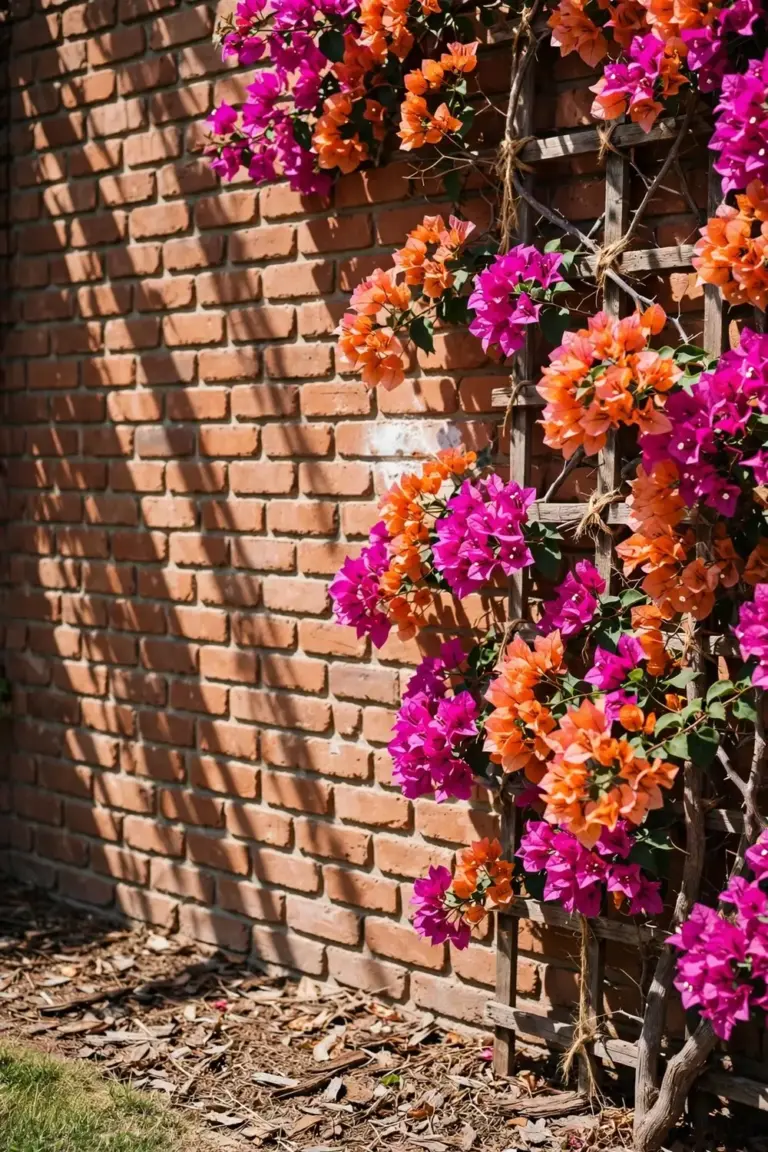
Pick the sunniest spot you have. A north-facing wall in the southern hemisphere holds heat, shelters the plant from cold wind, and bounces light back onto the foliage. A wall also gives a climber something to tie to. Keep the plant away from paths and play areas, because the thorns are sharp and the stems reach outward as the plant grows.
Morning sun plus afternoon sun beats morning sun alone. A plant that gets sun only before noon colors less than a plant that gets sun until late afternoon. If your only sunny spot gets 6 hours, use it. If you can give the plant 8 hours, the color shows the difference.
4. Pick the Variety by Color and Habit
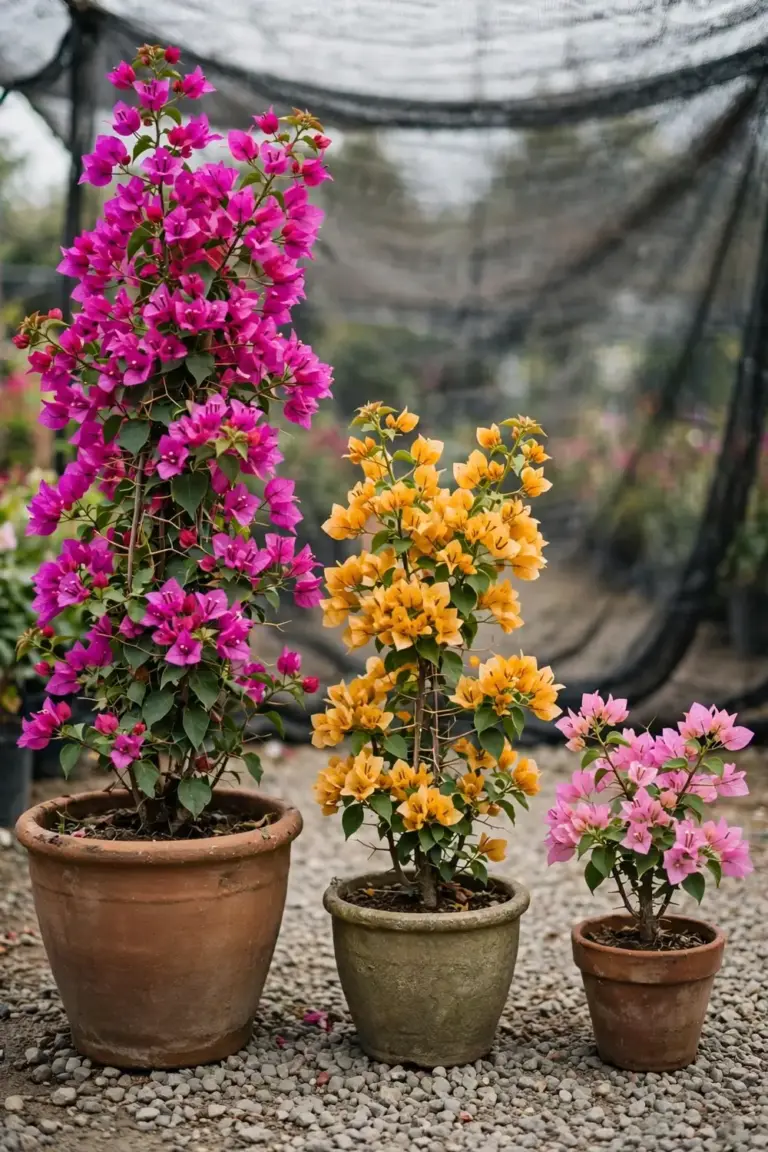
Pick the variety by the job it must do. A climber for a fence needs a vigorous type. A pot on a balcony needs a dwarf. A hedge needs a bushy type that takes shearing. Color comes second, because a plant in the wrong habit fights you for its whole life.
| Variety | Bract Color | Habit | Best Use |
|---|---|---|---|
| Barbara Karst | Red | Vigorous climber | Fences, walls, arches |
| California Gold | Gold to yellow | Vining | Fences, pergolas |
| Miami Pink | Dark pink | Vigorous climber | Large fences, hedges |
| Tropical Bouquet | Orange turning pink | Compact and bushy | Beds, large pots |
| Helen Johnson | Red | True dwarf, compact | Hanging baskets, small pots |
| Raspberry Ice | Red, variegated foliage | Bushy | Feature pots, beds |
| Sweet Dream | Pale lavender, gold leaves | Bushy, spine-free | Paths, near seating |
| Torch Glow | Bracts only at stem tips | Upright, torch-like | Feature pots, accents |
| Bambino series | Mixed colors | Dwarf, bred in Queensland | Pots, small gardens, edges |
Barbara Karst is an old favorite with red bracts in almost constant bloom, and California Gold carries gold to yellow bracts on a vining habit, per the University of Florida extension cultivar notes. Tropical Bouquet starts orange and turns pink. Helen Johnson is a true miniature for hanging baskets. Sweet Dream carries gold leaves and pale lavender bracts and is spine-free, which makes it the pick for paths and seating. Torch Glow looks different from every other bougainvillea, with color only at the tips of each stem.
Bambino dwarfs suit small gardens and pots. The Bambino series was bred in Queensland for compact growth and heavy color on small plants. A dwarf in a pot colors earlier than a vigorous type in the same pot, because the dwarf stops growing sooner and puts its energy into bracts.
5. Match the Planting Window to Your Climate
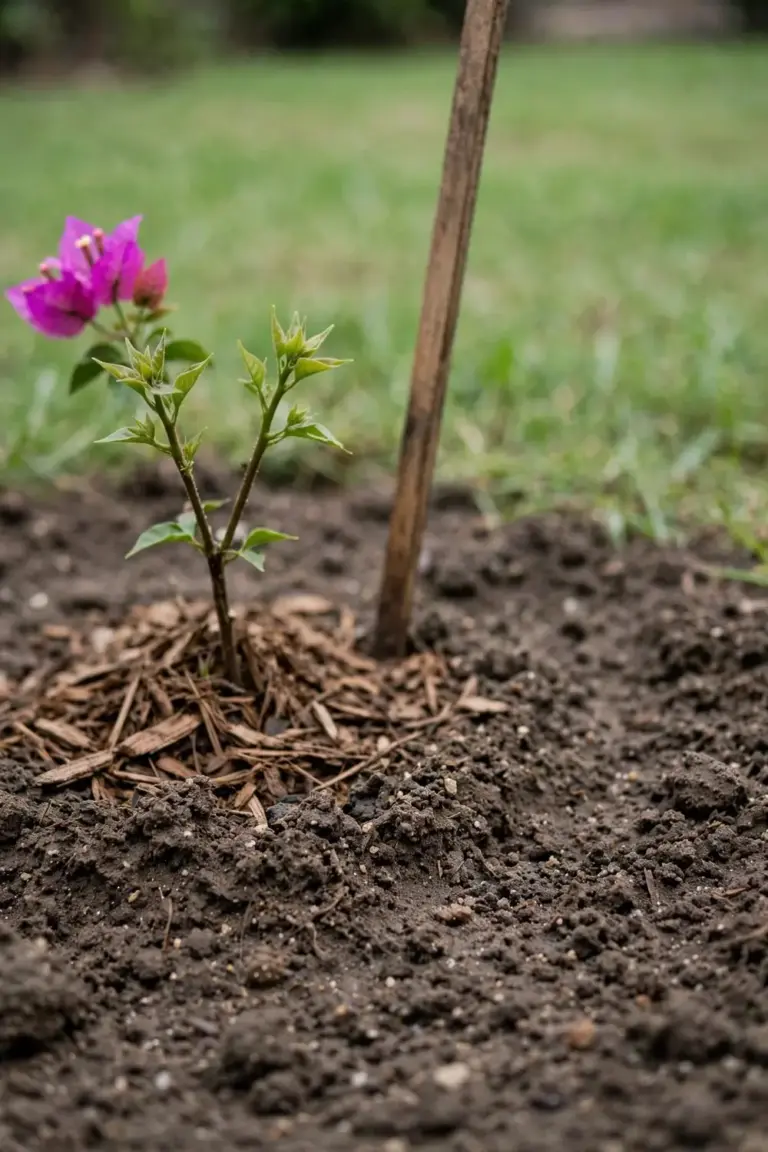
Plant bougainvillea when the soil is warm and frost has passed. Spring planting gives the roots a full warm season to establish before winter. Autumn planting works in frost-free northern zones, where the soil stays warm through winter. Winter planting suits only the tropical north.
| Climate Zone | Planting Window | Winter Behaviour | Frost Plan |
|---|---|---|---|
| Tropical north | Any warm month | Evergreen, flowers most of the year | None needed |
| Subtropical (Brisbane, Sydney) | September to November | Evergreen in warm spots, light leaf drop in cold snaps | Frost cloth on cold nights |
| Temperate (Melbourne, Adelaide) | October to November | Deciduous or semi-deciduous, dies back in hard frost | Sheltered wall or pots under cover |
| Cool (Canberra, Hobart, Tasmania) | November to December | Deciduous, loses leaves in late autumn | Pots under cover, or treat as seasonal |
In warmer parts of Australia, bougainvillea is a reliable evergreen climber, while in cooler parts of the south east and Tasmania it grows as a perennial deciduous climber that loses its leaves in late autumn, per the Aussie Green Thumb Australia guide. The same guide notes that prolonged freezing for more than 7 days at a time kills the plant, and that potted plants are more at risk because their roots freeze first.
A bougainvillea that loses its leaves in a cool winter is not dead. Scratch the bark on a stem. Green tissue under the bark means the plant is alive and waiting for warmth. Brown, dry tissue down to the base means that stem is dead. Wait until spring growth starts before you cut anything, because early cuts remove living wood that would have shot.
6. Give It Drainage First, Rich Soil Never
Drainage decides whether a bougainvillea lives. Bougainvillea needs good drainage above everything else, and planting it in well-drained containers or sandy soil is a must, per the same Aussie Green Thumb guide. Wet feet rot the roots. A plant in soggy soil yellows, drops leaves, and dies from the roots up.
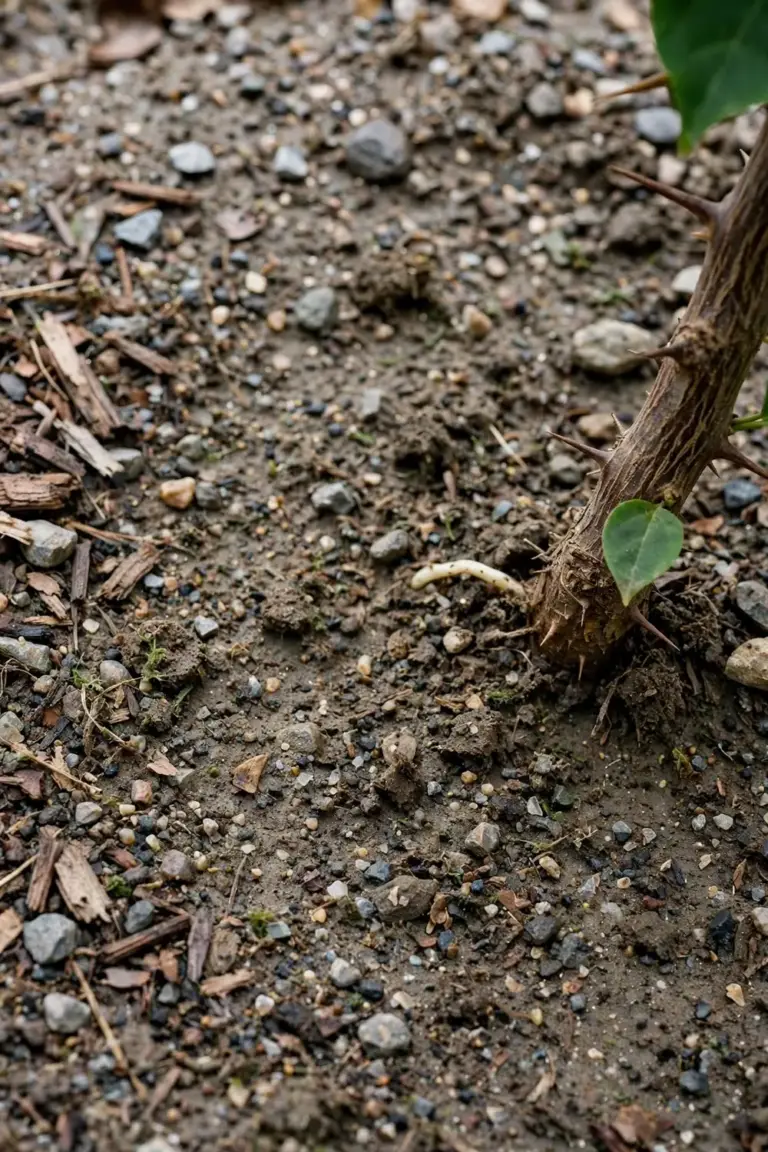
Melbourne clay needs work before planting. Dig the hole wide, and mix coarse sand or fine gravel through the backfill to open the clay. A raised bed lifts the root zone above the wet clay and drains faster than a flat bed. A pot with drainage holes beats a hole in heavy clay every time.
Rich soil is not the goal. Bougainvillea grows in a wide range of soils, and it flowers best in lean soil that drains fast. Skip manure and rich compost in the planting hole. A handful of compost mixed through the backfill is enough. The plant feeds lightly for the rest of its life.
Soil pH matters less than drainage. Bougainvillea prefers slightly acidic, well-drained soil, and on high pH alkaline soils the leaves can yellow because micronutrients lock up, per the same Florida extension notes. A soil test before planting settles the question. Start with soil health if your soil is heavy clay or tired from years of pots. If leaves yellow on alkaline soil, a foliar nutrient spray made for citrus or palms, used per label directions, supplies the missing nutrients.
7. Plant It Shallow and Leave the Root Ball Alone
Plant bougainvillea at the same depth it grew in the pot. Burying the stem invites rot. Dig a hole twice the width of the root ball and no deeper than its height, per the same Aumanns guide. Set the plant in, backfill with the soil you dug out, and water it in once.
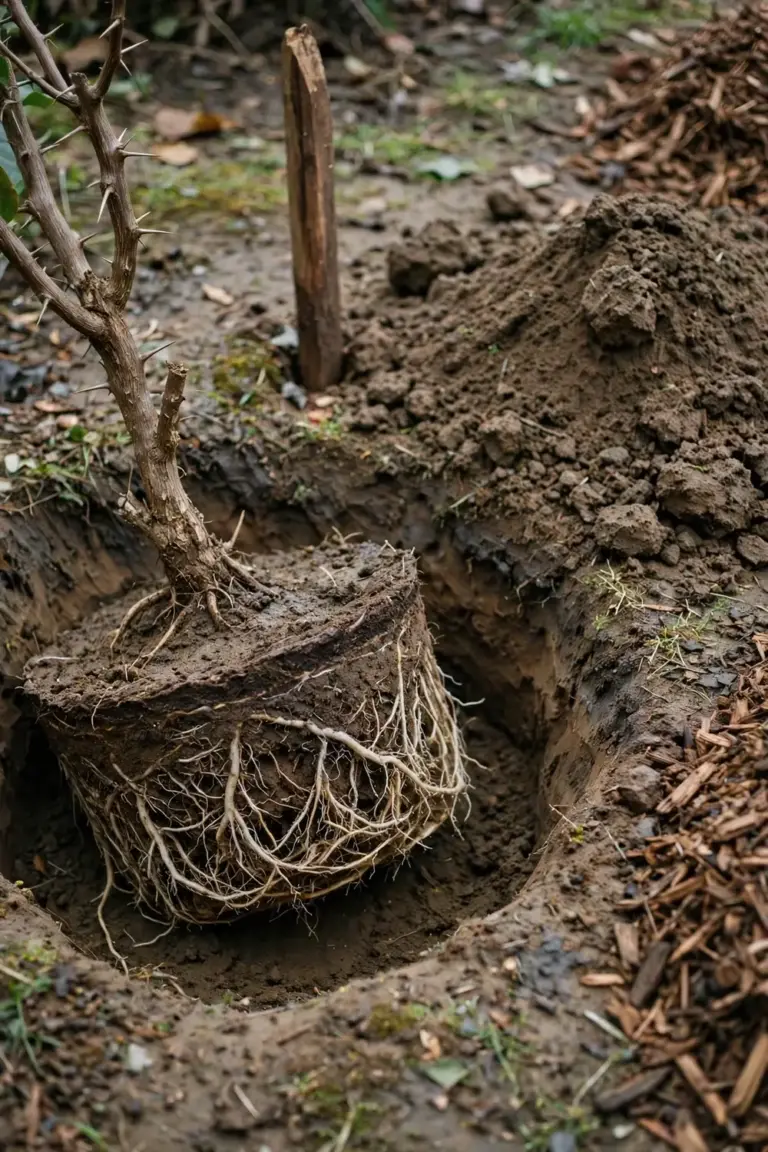
Handle the root ball with care. Bougainvillea roots resent disturbance, and a plant that sulks after transplanting usually had its root ball broken apart. Slide the plant out of the pot without tearing the roots. Loosen only the outer roots that circle the pot. Keep the rest of the ball intact.
Choose a healthy plant at the nursery. Firm stems, green leaves, and no wilt in the middle of the day mark a good plant. Roots circling the pot in a thick mat mark a plant that sat too long. A small plant in a small pot establishes faster than a big plant in a big pot, because the small plant grows new roots into the surrounding soil instead of sitting in its old ball.
Stake a climber at planting time. Drive the stake before you set the plant, so the stake never spears a root. Tie the main stems loosely to the trellis or stake with soft ties. Tight ties cut into the stems as they thicken. Check the ties each season and loosen them as the stems grow.
Water once at planting, then leave the plant alone. A new plant needs a week or two to settle before it needs anything else. New growth from the stem tips tells you the roots have taken hold. No new growth after a month in warm weather means the drainage or the sun is wrong, not the feed.
8. Water Deep, Then Let It Dry
Water deeply, then let the soil dry before you water again. A deep soak reaches the whole root zone and pulls roots downward. A daily sprinkle wets only the surface and grows shallow roots that suffer in the first dry week.
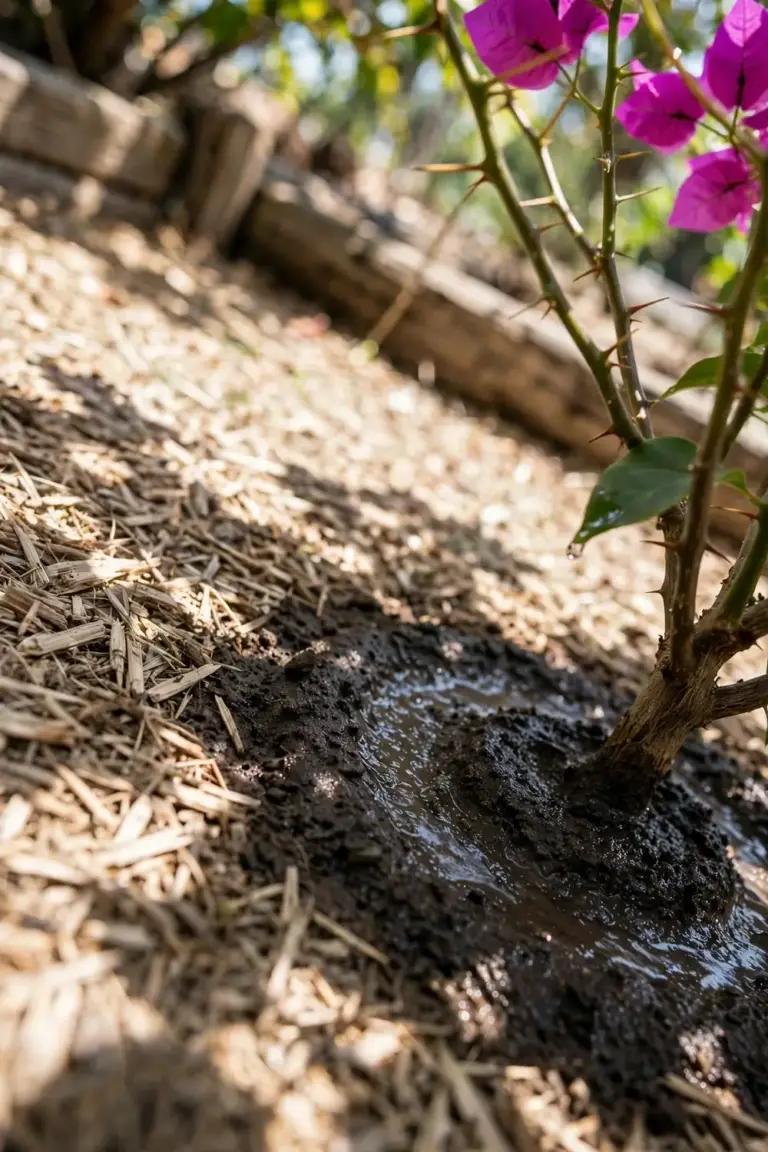
Young plants need steadier water than established plants. Water a new plant when the top 5 cm of soil dries. An established plant in the ground tolerates dry spells and flowers better with a little dryness. A potted plant dries faster than a plant in the ground, so check pots every few days in summer heat.
The finger test settles every watering question. Push a finger 5 cm into the soil. Dry soil at that depth means water now. Damp soil means wait. A moisture meter reads the same test, but a finger costs nothing and never needs batteries.
Winter watering drops to almost nothing. A dormant plant in cool weather uses little water, and wet winter soil rots roots. Water a dormant plant only when the soil dries right through. A plant in a pot under cover in winter may need no water for weeks.
Learn the two failure looks. Overwatering shows as yellow leaves on a plant standing in damp soil, with soft stems and a sour smell from the mix. Underwatering shows as wilted leaves on dry soil, with crisp leaf edges and a light pot. Yellow leaves plus damp soil mean stop watering. Wilted leaves plus dry soil mean soak the pot now.
9. Feed Light and Low in Nitrogen
Feed bougainvillea lightly, and keep nitrogen low. Excess nitrogen pushes leafy growth and suppresses flowering. A lean, low-nitrogen feed supports bracts without turning the plant into a green bush.
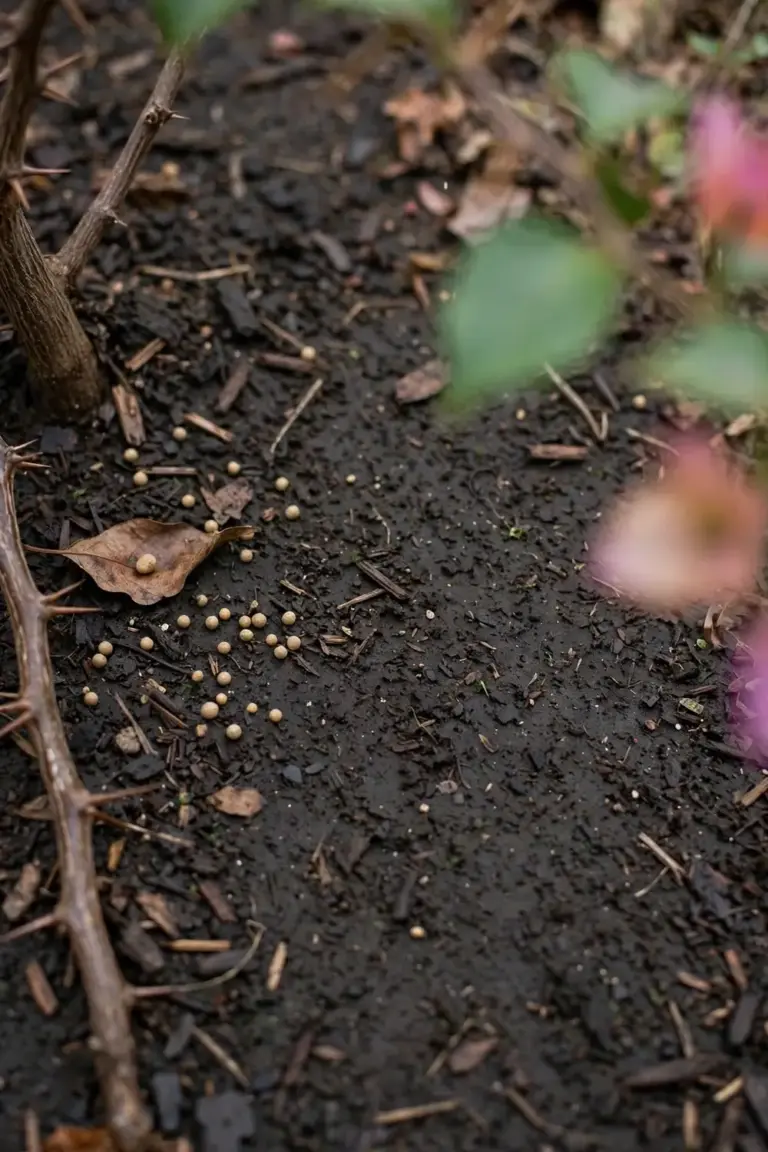
Use a balanced slow-release feed in early spring, and repeat once after a major flowering cycle. That is enough for a plant in the ground. A potted plant loses nutrients faster through the drainage holes, so it takes a half-strength liquid feed once a month through the growing season. Stop feeding in autumn, when growth slows.
Pelleted fertilizer or diluted liquid feed through summer suits Australian gardens, per the same Aussie Green Thumb guide. Apply feed to damp soil, never to dry soil, so the salts do not burn the roots. Water after feeding to carry the nutrients down.
Skip the bloom-booster hype. A high-phosphorus bloom booster does not force a shaded or overwatered plant to flower. Sun, drainage, and a hard prune do that work. Feed supports a plant that already has sun and drainage. Feed never replaces them.
10. Prune After Each Flush and Cut the Water Shoots
Prune bougainvillea after each flowering flush. Bracts form on new growth, so cutting back the spent growth forces the fresh shoots that carry the next display. A plant pruned after every flush flowers in waves through the warm season. A plant left unpruned grows long, woody stems with color only at the tips.
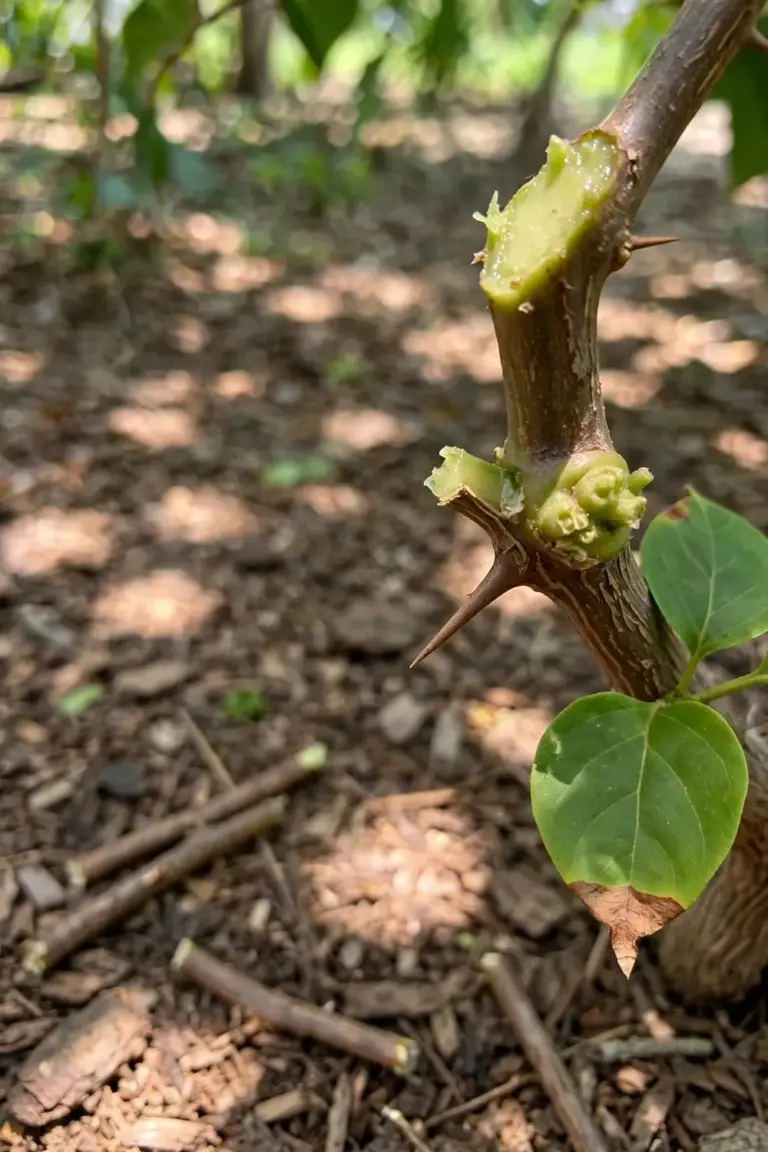
Cut back the growth that has just flowered by about one third. Cut just above an outward-facing leaf node, so the new shoot grows away from the center of the plant. Remove crossing stems and thin crowded spots so air moves through the canopy. Air movement dries the leaves fast after rain and cuts leaf spot problems.
Water shoots are the fat, soft, fast-growing stems that shoot straight up from the base or from old wood. Cut water shoots out completely. They grow fast, shade the flowering wood, and carry few bracts. A plant with its water shoots removed puts its energy into the short flowering shoots that color up.
Wear heavy gloves, long sleeves, and eye protection when you prune. The thorns are long and sharp, and a stem that springs back can flick a thorn into an eye. Long-handled loppers keep your hands clear of the worst of the thorns on a big plant. Prune in late winter or early spring after flowering, or at the start of the rainy season, for the main cutback, per the same Florida extension notes. Light trimming fits any time of year. The same timing suits most woody plants; see spring pruning techniques for the general method.
I have learned that the bougainvillea I leave thirsty colors up, while the one I water on a schedule stays green.
11. Check for Looper Caterpillars, Aphids, and Leaf Spot
Bougainvillea has few pest problems, and most of them stay small. Check the leaves every two weeks through the growing season. Early catches stay hand-pickable. Late catches need spray, and spray always follows the label.
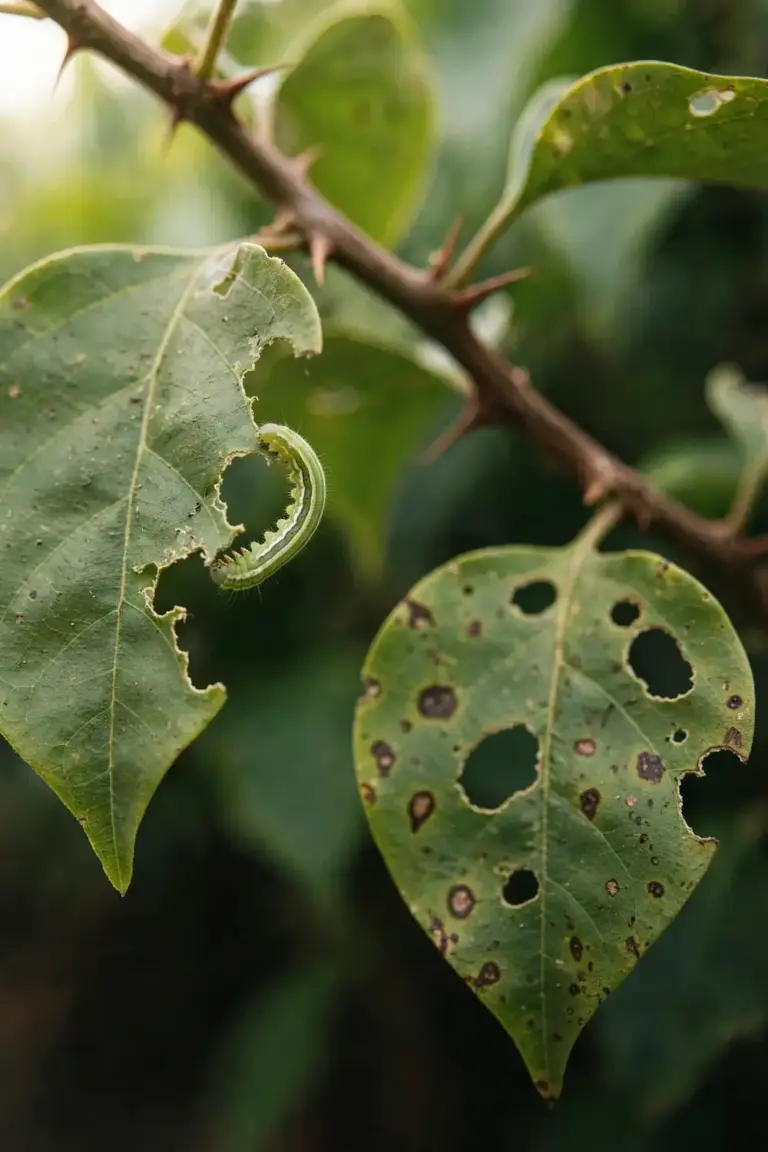
Bougainvillea looper caterpillars chew holes in the leaves and strip a plant fast, so catch them at the first chewed leaf. Pick them off by hand. A Bt spray (Bacillus thuringiensis) handles a heavy infestation and leaves beneficial insects alone. Apply it in the cool of the evening, per label directions.
Aphids cluster on soft new shoots and suck sap, so blast them off with a hard jet of water as soon as you see the first colony. Insecticidal soap handles the stragglers that cling on after the blast. Spray in the cool of the evening to protect pollinators. Repeat the spray after a week if the colony returns to the same shoots. For the full organic toolkit, see organic pest control for beginners.
Leaf spot shows as brown or black spots on the leaves in humid weather. Improve airflow, water at the base, keep leaves dry, and clean up fallen leaves, because the spores overwinter in leaf litter. A copper fungicide is a reserve option for persistent leaf spot in humid weather. Use it per label directions. Humid Sydney and south-Queensland gardens see more leaf spot than dry Western Australian gardens. Rust shows as orange powdery pustules on the undersides of leaves in humid eastern gardens, and the same airflow and dry-leaf habits hold it back.
12. Grow It in a Pot When Frost Threatens
Grow bougainvillea in a pot when frost threatens. A pot moves under cover on a cold night and back into the sun in the morning. A plant in the ground cannot move, and a hard frost kills its top growth to the roots. Pots also suit small gardens, balconies, and rented homes.
Pick a pot with drainage holes and a saucer you empty after watering. A pot without drainage drowns the plant in the first wet week. Use a free-draining potting mix with coarse bark or perlite through it. A medium tub suits most varieties. A dwarf like Helen Johnson flowers in a smaller pot.
Bougainvillea flowers best when slightly root-bound, so do not over-pot it. A plant in a pot three sizes too big grows roots all season and flowers late. A plant in a snug pot fills the pot fast and colors sooner. Repot only when roots circle the pot and water runs straight through.
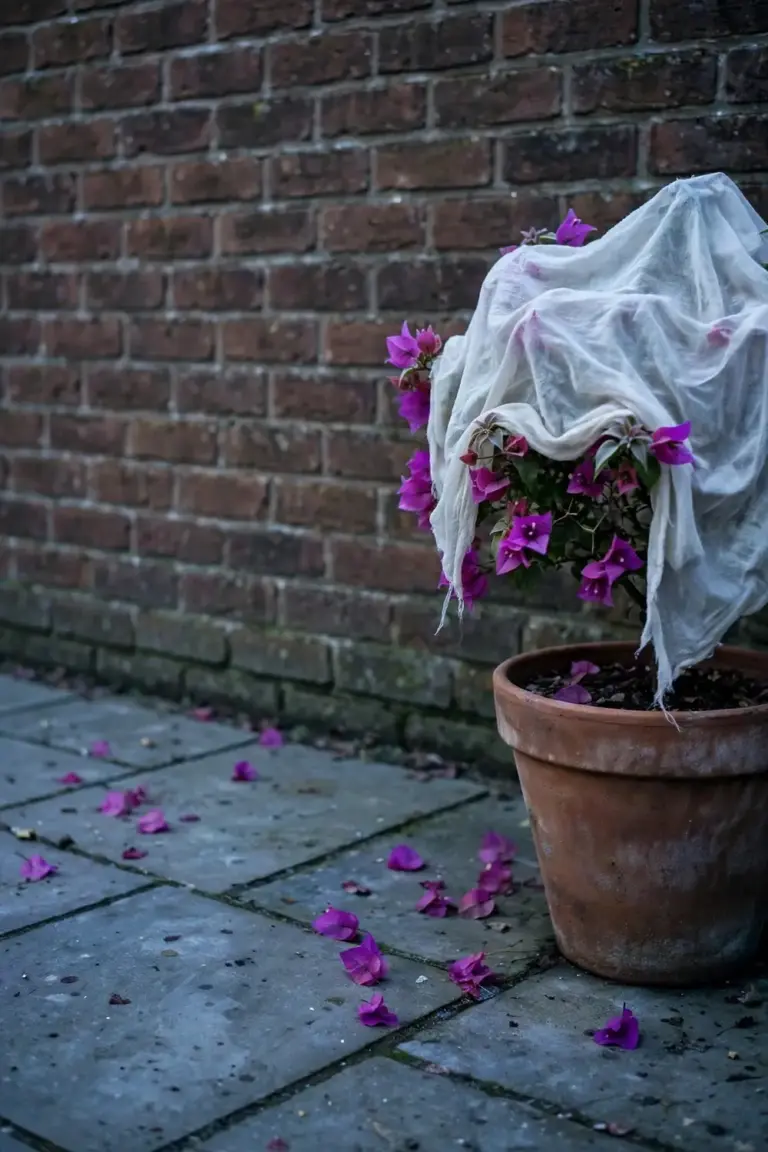
Move pots against a warm north-facing masonry wall for winter. The wall holds daytime heat and releases it at night, which softens frost and can buy a potted bougainvillea several degrees on a clear cold night. Seasol’s growing notes recommend a warm north-facing masonry wall for frost-prone areas. Drape frost cloth over the plant on nights when frost threatens. Remove it in the morning so the plant gets sun.
13. Fix Green Growth With No Color
Green growth with no color is the number one bougainvillea complaint. The plant looks healthy. The leaves are big and dark. No bracts appear. The cause is almost always water, feed, or light, and the fix is almost always subtraction.
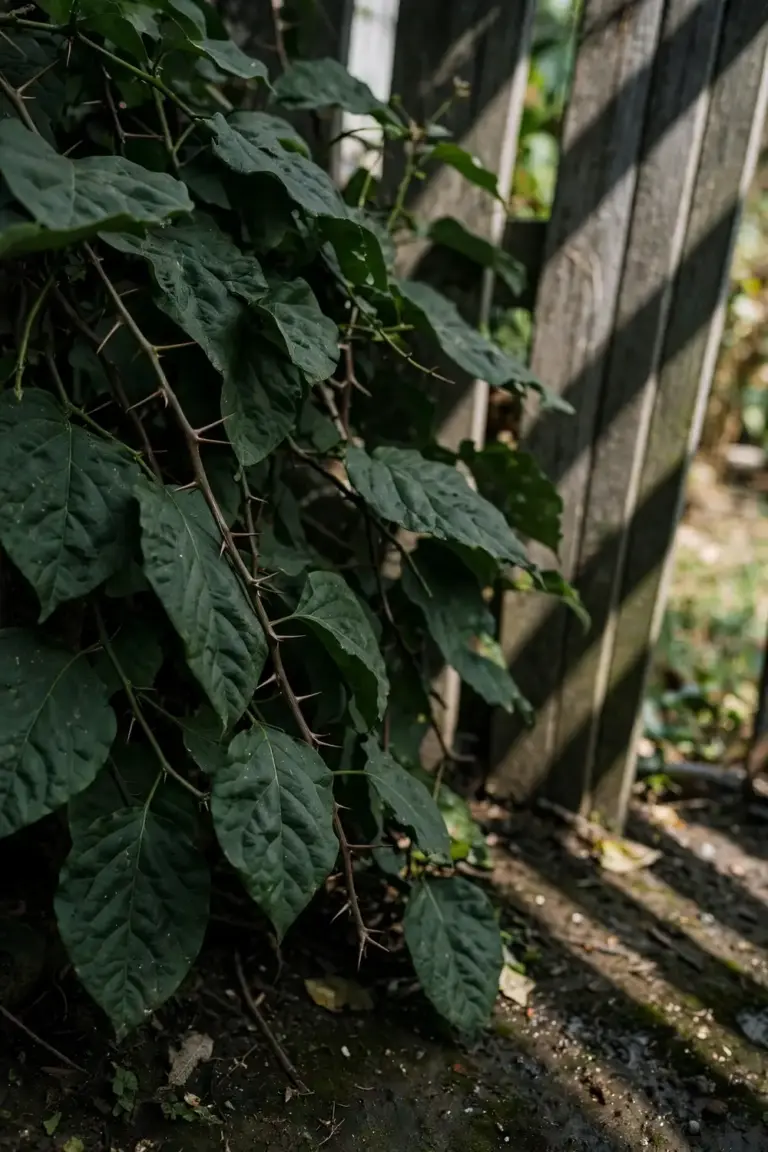
Check sun first. A plant with fewer than 6 hours of direct sun grows leaves instead of bracts. Move a potted plant into full sun. A plant in the ground in shade needs a sunnier spot or a different plant for that spot. No feed or prune fixes shade.
Check water second. A plant watered daily grows leaves. Let the soil dry between waterings. A plant on an irrigation line that runs every day needs to come off the line. Water it by hand when the top 5 cm dries.
Check feed third. A plant fed with high-nitrogen fertilizer grows leaves. Stop feeding. Flush the soil with one deep watering to wash excess salts down. Wait for the next flush before you feed again, and feed light and low in nitrogen when you do.
Check pruning fourth. A plant never pruned grows long wood with color only at the tips. Prune after the next flush. Cut back by one third and remove the water shoots. The fresh shoots that follow carry the next bracts.
14. Frequently Asked Questions
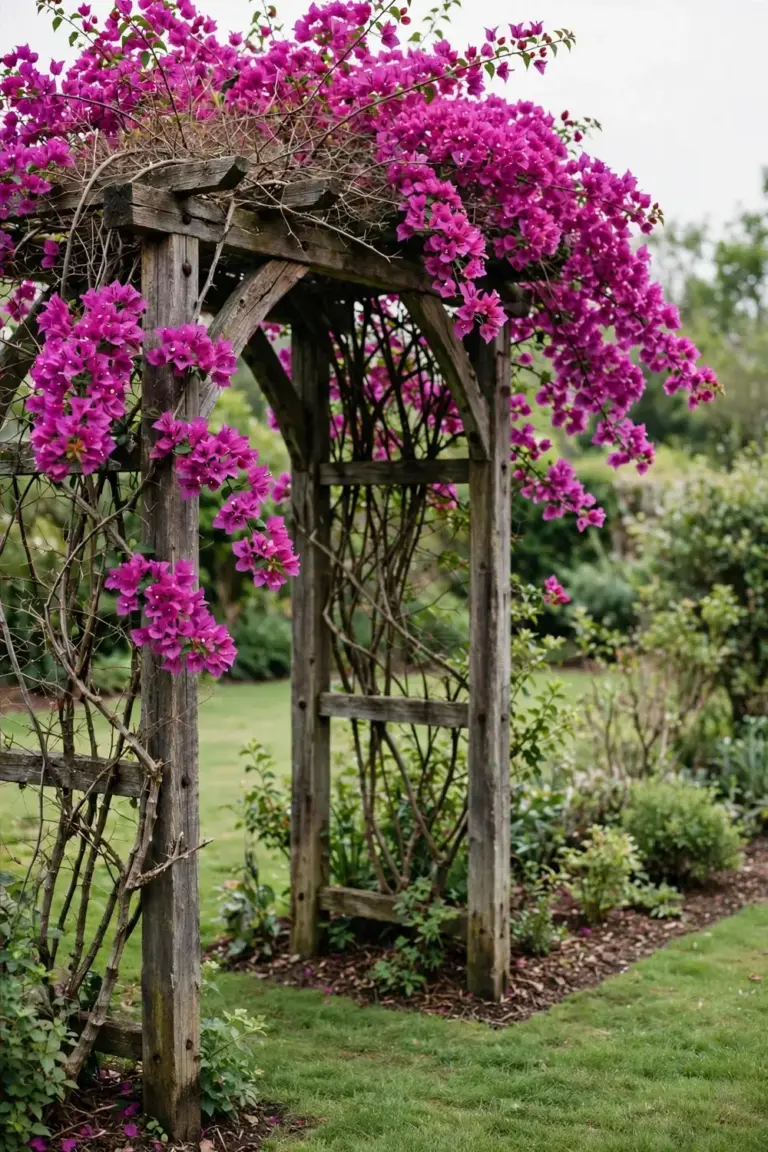
Bougainvillea grows in shade but flowers poorly there. A shaded plant grows large leaves and few bracts, because bracts form on vigorous new growth that needs full sun. Give the plant at least 6 hours of direct sun daily for reliable color. Move a potted plant into sun. Replace a plant stuck in deep shade with a shade-tolerant shrub.
Leaf drop after a flowering flush is normal, and a fresh growth flush follows it. Leaf drop after frost is also normal in cool climates, and the plant shoots again from the base in spring. Leaf drop with wet soil points to overwatering and root rot. Check drainage before you change anything else. Scratch the bark to test whether the stems are alive.
Vigorous types grow fast in warm weather and can sprawl 6 m or more when climbing a fence or tree, per the same Florida extension notes. A climber on a fence needs tying and pruning through the season. Dwarf types grow slowly and stay compact. A potted plant grows slower than a plant in the ground, because the pot limits the roots.
Stem cuttings are the reliable way to grow a true-to-type bougainvillea. Take a cutting from firm new growth, strip the lower leaves, and set it in free-draining mix in warm weather. Seedlings vary from the parent plant, so seed suits experimentation rather than reproducing a specific variety. Keep the cutting mix damp, not wet, until roots form.
Bougainvillea has low toxicity, but the sap and thorn punctures can irritate skin. Wear gloves when you prune or handle the plant. Keep children away from the thorns. The sap can irritate skin, so wash your hands after pruning. Thorns are the real hazard.
15. Start Your Bougainvillea With Sun, Drainage, and a Hard Prune
Start with sun, drainage, and a hard prune. Give the plant 6 hours of sun, soil that drains fast, and a cutback after every flush. Hold back on water and feed. The bracts do the rest.
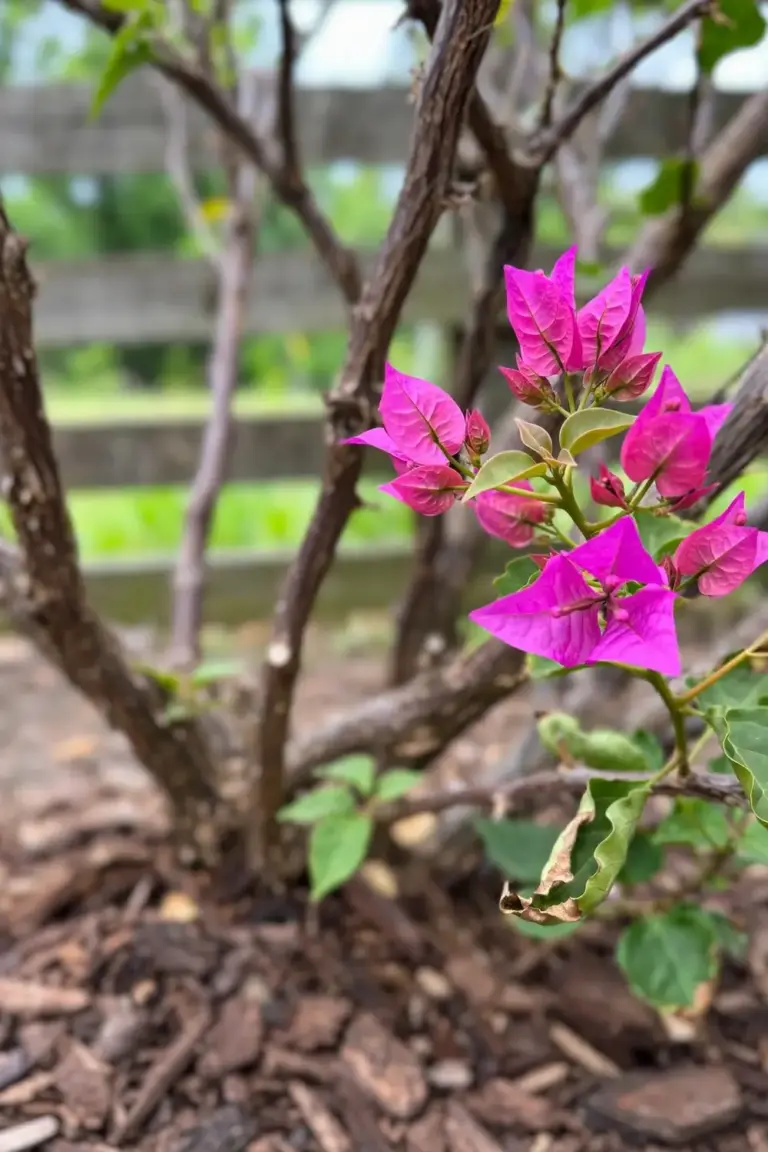
Pick the variety by the job, site it away from paths, and glove up before you prune. A bougainvillea that gets sun, drainage, and pruning colors up for months. A bougainvillea that gets shade, wet feet, and rich feed stays green. The choice is yours to make at planting time.
Expect setbacks. A plant moved to a sunnier spot drops leaves before it colors. A plant pruned hard looks bare for a fortnight before the new shoots arrive. Patience is part of the method. Give the plant one full warm season on the new regime before you judge it. The bracts reward the wait.