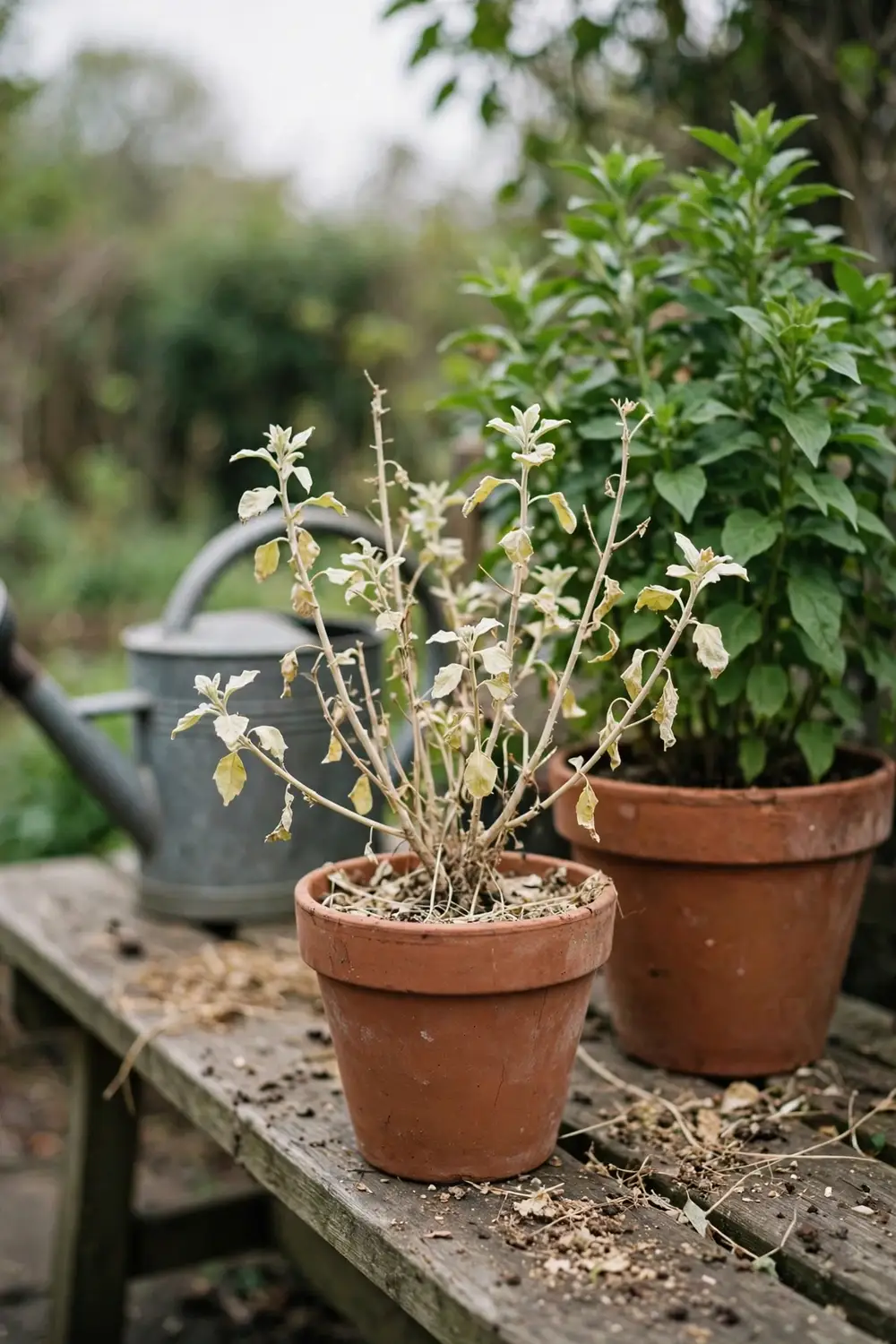

A plant that sits still for weeks makes gardeners ask why are my plants not growing, and the fix starts with a 60-second triage before any fertilizer or repotting. Most stalled plants are dormant, light-starved, or root-bound, and none of those three needs a new product. I have learned that the plant I move toward the window outgrows the plant I feed in the shade.
Stalled growth means a plant stays alive without producing new leaves, stems, or roots. Stunted growth is the same condition in the vocabulary many gardeners use. The plant spends its energy on survival, and no surplus energy remains for new growth. Nine causes explain nearly every case, and each one carries a test you can run with your hands and eyes.
Work through the triage first. Fix the cause you find. Watch for new growth before you change anything else.
1. Run the 60-Second Triage First
The triage sorts nine causes in one minute, and it keeps you from treating the wrong one. Check light, water, roots, and season in that order. Four checks tell you which of the nine reasons below deserves your attention.
Start with light. Look at the newest leaves. Small, pale, or widely spaced new leaves point at low light. Leggy stems that stretch toward a window point the same way.
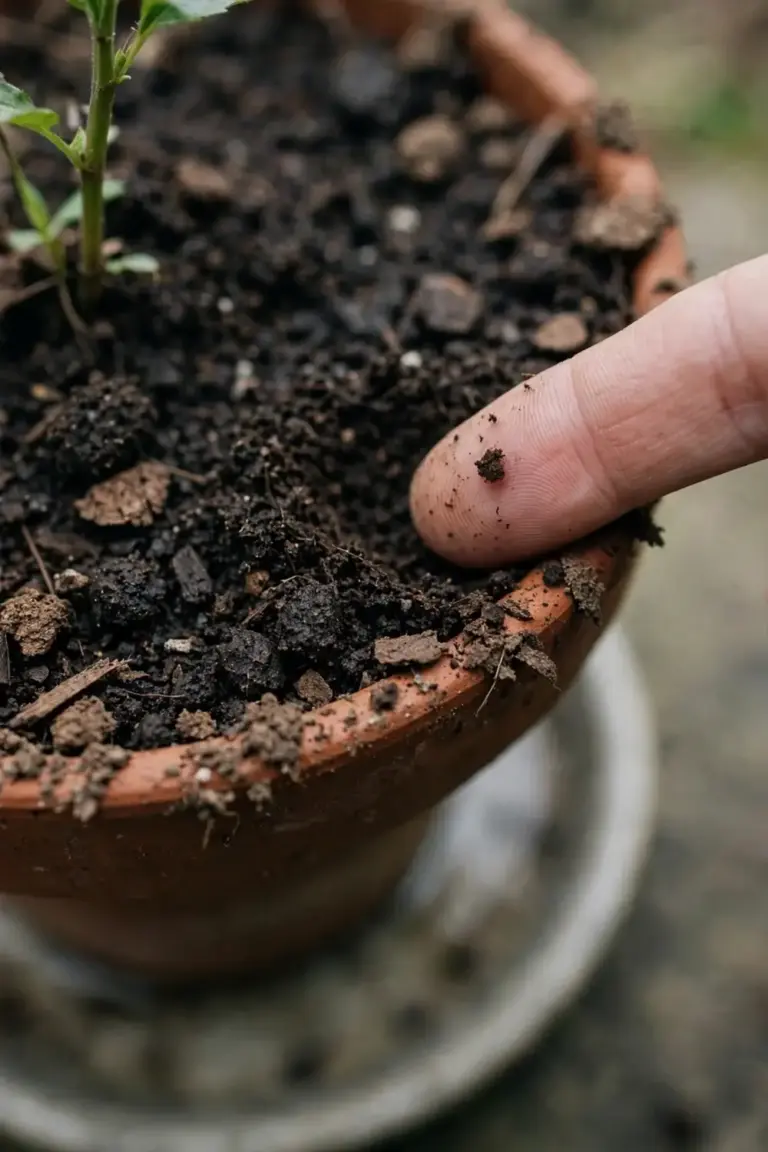
Check water next. Push one finger about 2.5 cm into the soil at the pot edge. Soil that feels wet or soggy after a week without water points at overwatering. Soil that feels dry all the way down points at underwatering.
Check roots next. Tip the pot and slide the root ball out. Roots circling the outside of the ball in a tight mat point at a pot-bound plant. Brown, soft, mushy roots point at root rot.
Check season last. A plant that stalls in winter in a cool climate may be dormant. Dormancy is normal rest, and dormant plants need patience rather than intervention.
| Reason | Test | Fix | Time to See Change |
|---|---|---|---|
| Light too low | New leaves small, pale, or spaced far apart | Move toward brighter light, step by step | New leaves in the next growth flush |
| Overwatering and root rot | Finger test stays wet, roots brown and mushy | Dry the soil, cut dead roots, repot into fresh mix | Weeks, after new roots form |
| Underwatering | Finger test dry all the way down, wilting leaves | Soak the root ball, then water on a soil-moisture check | Days, leaves firm up first |
| Pot-bound roots | Roots circle the ball in a tight mat | Repot one size up, tease circling roots outward | Weeks, after roots spread |
| Wrong or compacted soil | Drainage test holds water past a day | Rebuild the mix for drainage, break compaction | Weeks, after roots breathe |
| Nutrient deficiency | Older leaves yellow first, growth thin | Soil test, then feed to the label rate | Weeks, new leaves show the color |
| Temperature and season | Stall matches winter or a cold snap | Hold steady, protect from cold, wait for warm growth | Next warm season |
| Pests or disease | Sticky leaves, spots, webbing, chewed edges | Identify the pest, treat at pointer depth, isolate | Weeks, after pressure drops |
| Transplant shock | Stall follows a recent move or repot | Shade, steady water, no feed until growth resumes | Weeks, often four to six |
| Wrong plant for the spot | Plant needs a climate your site never gives | Move it, swap it, or accept a shorter life | Next season, after the move |
One test result beats three guesses. Run the triage, pick the matching reason below, and fix that one cause first. A notebook line per plant keeps the next stall short: date, test result, fix, and the day new growth appears.
2. Light Too Low Starves Growth
Low light is the most common cause of stalled growth, and it is also the easiest to misread. A plant in low light keeps its old leaves and stops making new ones. Photosynthesis slows when light drops, and the plant banks its remaining energy on survival.
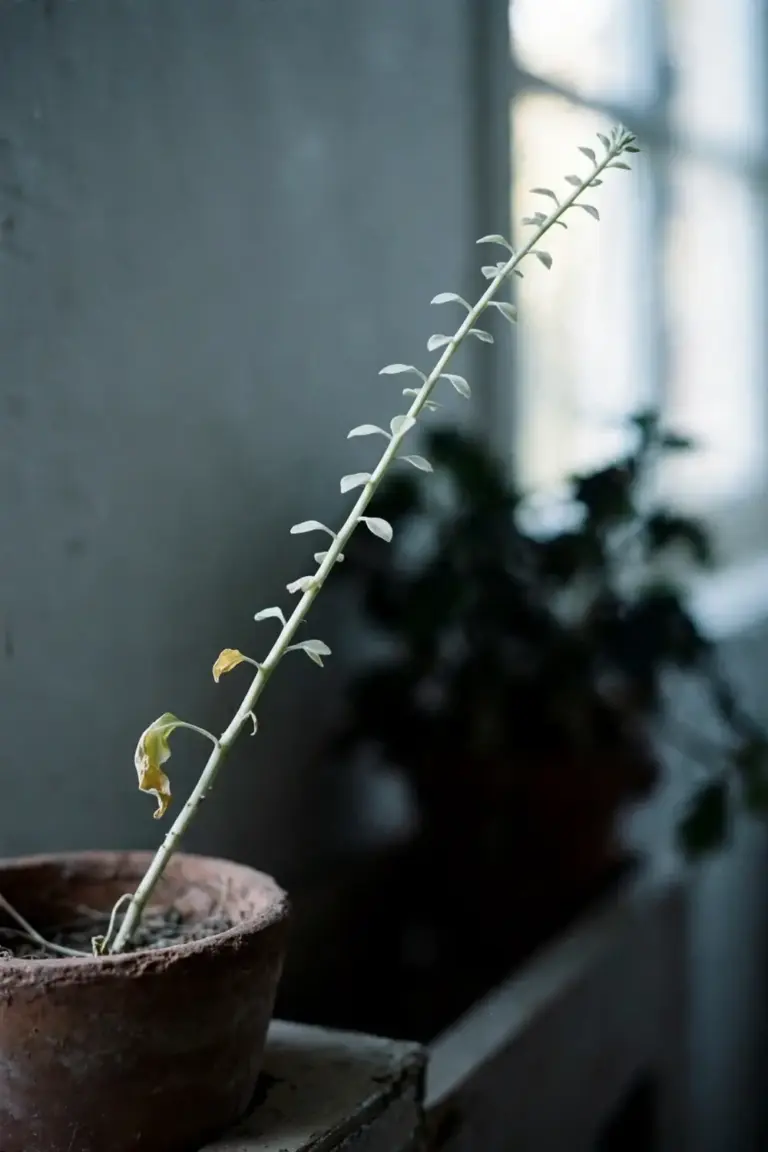
Read the new growth, since old leaves change slowly. New leaves that arrive smaller and paler than the old ones signal low light. Stems that stretch long between leaves signal the same shortage, since the plant reaches for a brighter spot. Leaves that drop from the lower stem while the top stays green signal a plant rationing its energy.
Move the plant toward brighter light in steps. A jump from a dark corner to full sun scorches leaves that grew in shade. Shift the pot closer to the window over several days. Watch the new leaves, since they carry the verdict.
Test light with your hand. Hold one hand 30 cm above a sheet of white paper in the plant’s spot at midday. A sharp, dark shadow means bright light. A soft, pale shadow means medium light. Almost no shadow means low light. Match the reading to the label: full-sun plants want a sharp shadow for most of the day, while shade plants grow well in a soft shadow. A plant that sits in almost no shadow for weeks stalls, no matter how well you water it.
Indoor plants need a bright window or a grow light. Outdoor plants need the sun level their label names. A plant labeled full sun wants direct sun for most of the day. A plant labeled part shade wants morning sun and afternoon shelter. Match the label to the spot, and growth resumes when light meets the plant’s need.
3. Watering Wrong in Either Direction
Watering kills more houseplants than any other cause, and the error runs in both directions. Overwatering drowns roots. Underwatering starves them. Both stall growth, and the finger test tells them apart.
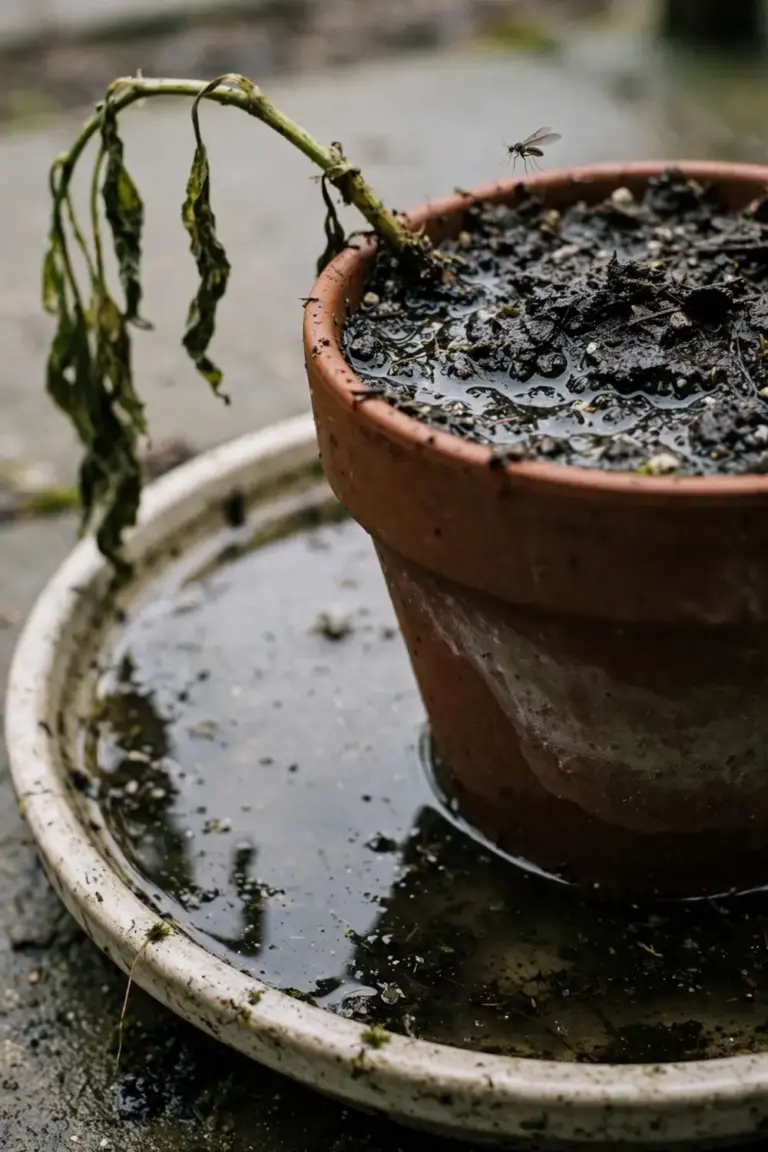
Overwatering Drowns Roots
Overwatering is the number one way gardeners kill houseplants, according to the University of Florida IFAS Extension houseplant diagnosis guide. Roots need oxygen as well as water, and waterlogged soil drives oxygen out of the air pockets around the roots. Roots that sit in standing water rot. Rotted roots cannot feed the plant, so growth stops even while the soil stays wet.
Test with one finger. Push about 2.5 cm into the soil at the pot edge, since that guide uses that depth for the check. Soil that feels wet a week after watering points at overwatering. Lift the pot. A pot that still feels heavy holds water.
Fix overwatering with air and drainage: tip out the saucer after every watering, check that the pot has a drainage hole, and let the top layer dry between waterings. Slide the plant out and cut away brown, mushy roots with clean shears. Repot into fresh mix if the old mix smells sour. Hold fertilizer until new growth resumes, since a plant with dead roots cannot use feed.
Underwatering Dries Growth
Underwatering shows a different pattern: leaves wilt, then crisp at the edges, soil pulls away from the pot sides, and the pot feels light when you lift it. Growth stops because the plant cannot move nutrients without water.
Test with the same finger check. Soil that feels dry all the way down points at underwatering. A root ball that repels water when you pour points at a mix that dried past the point of wetting.
Fix underwatering with a deep soak. Set the pot in a basin of water and let the mix absorb from below. Lift the pot when the top feels damp. Drain the pot fully. Water again when the top layer dries, and check with a finger rather than a calendar.
Dark pots in Australian summer sun add a local twist. A black pot on a western balcony heats the root zone through the afternoon, and growth stalls while leaves scorch. Move dark pots into afternoon shade. Slip a light-colored outer pot over the black one. Shift pots off hot pavers onto soil or timber, since pavers radiate heat back into the pot.
4. Pot-Bound Roots Run Out of Room
A pot-bound plant has filled its pot with roots and left almost no soil. Roots circle the inside of the pot in a tight mat. The mat holds little water and little nutrition, so the plant stalls even when you water and feed it.
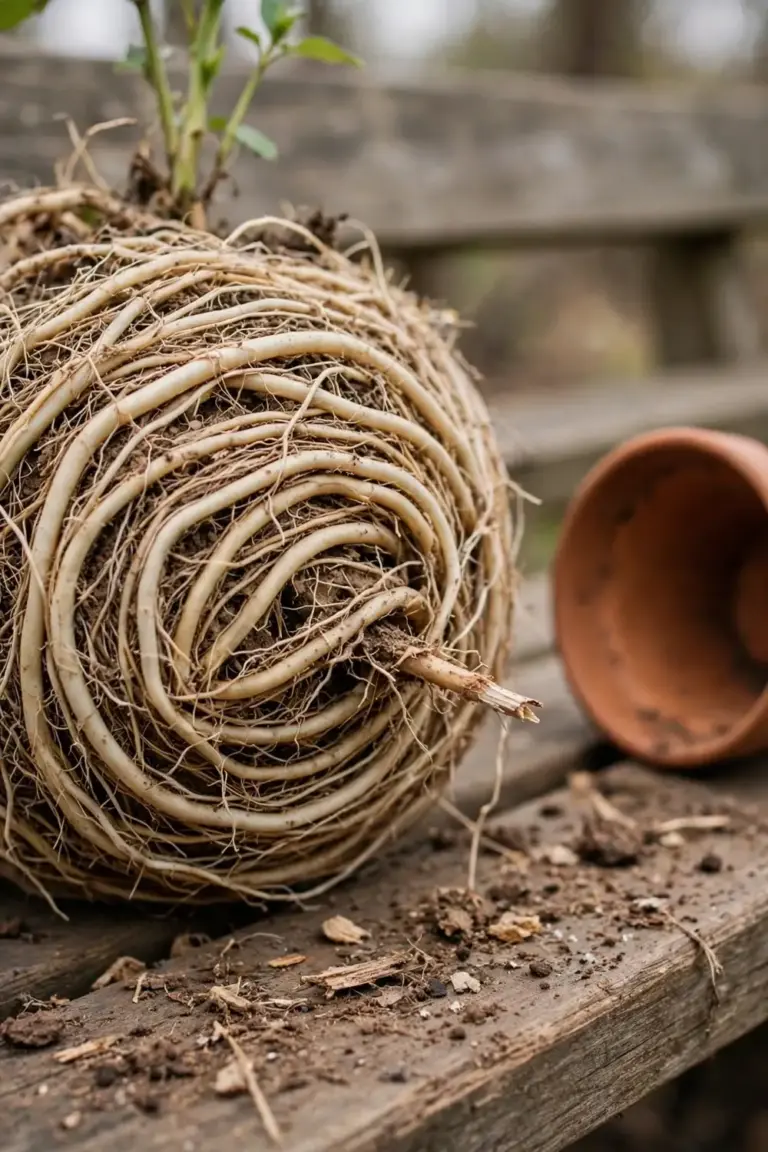
Read the signs at the pot. Roots pushing out of the drainage holes signal a plant that has outgrown its pot. Soil that dries within a day of watering signals a root ball with almost no mix left. Growth that stops in an otherwise healthy plant signals the same condition.
Slide the plant out and look at the root ball. A healthy root ball shows white or tan roots spread through the mix. A pot-bound root ball shows a dense mat of circling roots around the outside, with dry mix trapped inside.
Repot one size up, and tease the circling roots outward with your fingers. Cut away dead roots with clean shears. Place the plant at the same depth it grew before. Water it in. Set the plant in shade after repotting, and allow four to six weeks for the plant to reestablish before moving it back to its usual spot, per LSU AgCenter guidance on repotting pot-bound plants. New roots grow outward into the fresh mix, and new leaves follow.
Pick the next size, not a giant pot. A pot one size up gives roots room without a swamp of wet mix around them. A pot far too large holds water the small root ball cannot drink, and the mix stays wet long enough to rot the roots you just saved. Fresh mix, one size up, shade, and patience carry most repots.
5. Wrong Soil or Compacted Soil Chokes Roots
Roots need air, water, and room to spread, and the wrong soil denies all three. Heavy clay holds water and drains slowly. Compacted soil squeezes air out of the root zone. Old potting mix collapses into a dense brick after seasons of watering. Each condition stalls growth from below the surface.
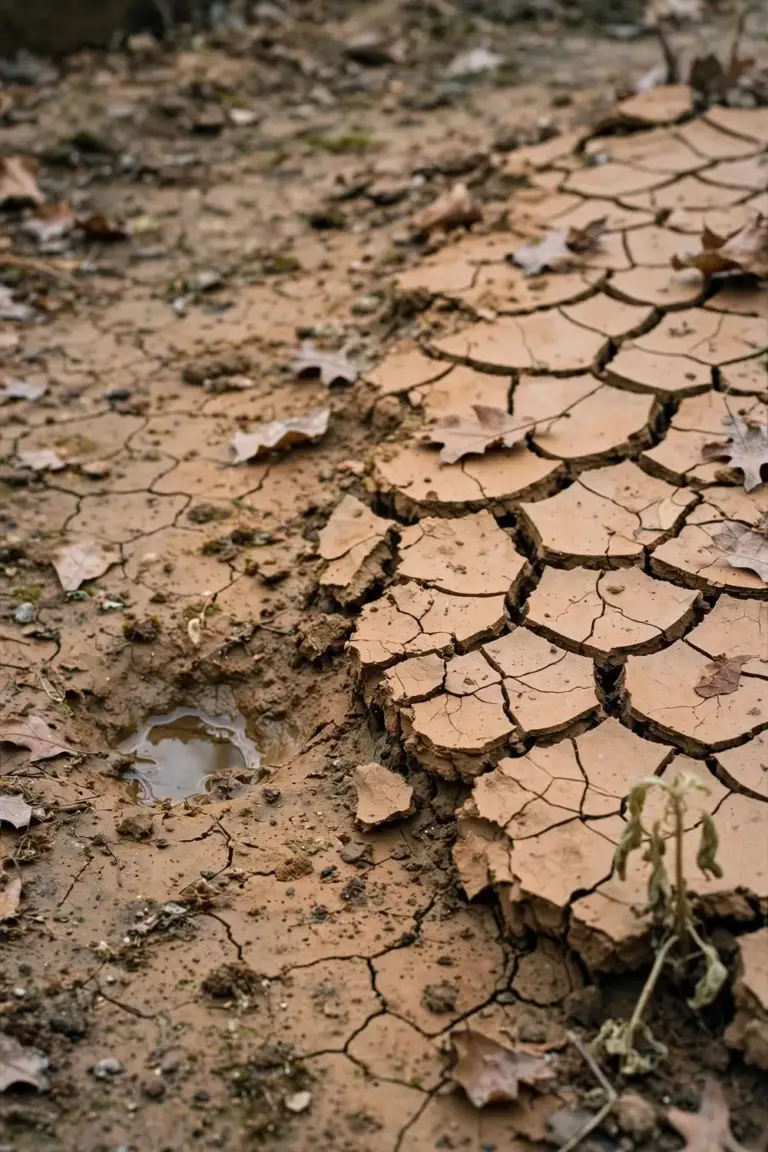
Test drainage before you blame the plant. Dig a hole 30.5 cm deep and a few cm wide, fill it with water, let it drain, then fill it a second time. Water that drains within 24 hours shows soil that drains well enough, per University of Georgia guidance on overwatering and root rot. Water that still stands after 24 hours shows soil that needs amendment.
Read the mix in a pot with your hands. Squeeze a handful of moist mix. Mix that clumps into a hard ball holds too much clay or has compacted. Mix that crumbles and falls apart drains freely. Mix that smells sour has stayed wet too long.
Fix the soil, and the roots do the rest. Loosen compacted beds with a fork, and work compost through the loosened soil. Rebuild a collapsed potting mix with fresh mix and a drainage component such as coarse perlite or bark. Keep mulch clear of the stem. A soil-health routine of compost, mulch, and minimal digging builds structure that holds air and water together.
Australian soils add two local twists. Heavy clay soils in parts of Sydney, Melbourne, and Adelaide hold water and drain slowly, so beds sit wet after rain. Sandy soils in Perth and coastal strips drain fast and drop nutrients with each watering. Both stall growth for opposite reasons. Clay beds need compost worked through loosened soil, plus raised beds where drainage stays poor. Sandy beds need compost to hold moisture and nutrients. Bagged potting mix varies in quality, and a mix that smells sour or stays soggy has collapsed. No plant grows well in collapsed mix, so replace it.
6. Nutrient Deficiency Shows in the Leaves
A plant that runs out of nutrients grows thin, pale, and slow. Nitrogen drives leaf growth, so a nitrogen shortage shows first. The plant moves nitrogen from old leaves to new growth, and the old leaves yellow first.
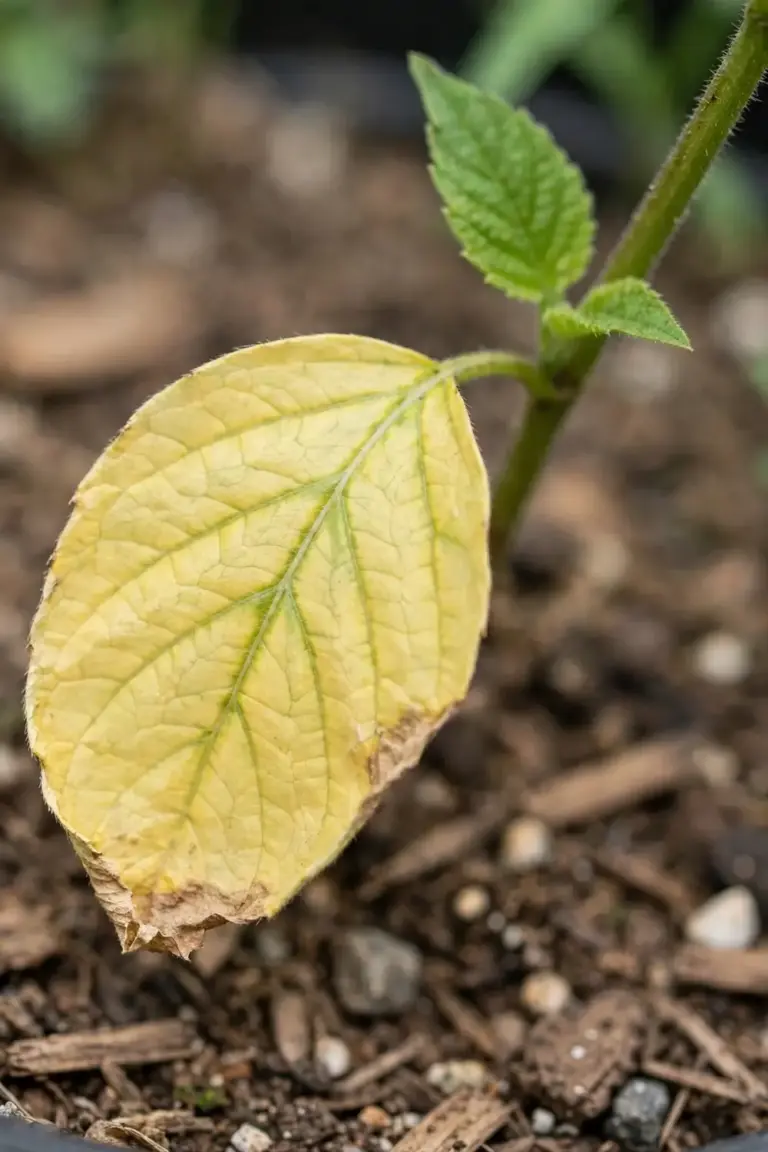
Read the yellowing pattern, since it names the missing nutrient. Uniform yellowing that starts on older, lower leaves points at nitrogen deficiency, per University of Maryland Extension guidance on nutrient deficiency. Yellowing between the veins on young leaves, with green veins, points at iron chlorosis. Iron chlorosis usually follows high soil pH rather than a missing nutrient, since iron locks up when soil pH climbs above 7.0.
Check pH before you feed. Most vegetables and many ornamentals produce well when soil pH sits in the 6.0 to 7.0 range, with 6.5 as the ideal for vegetables, per that same guidance. A pH outside that range locks nutrients away even when the soil holds plenty. Test soil pH and nutrient levels every three years, per that same guidance.
Feed to the label rate after the test. A soil test names the missing nutrient and the amount to add. Guessing with fertilizer burns roots or feeds the wrong shortage. Apply a liquid fertilizer at the base of the plant when a deficiency shows. New leaves carry the verdict, since old yellowed leaves rarely green up again.
Hold the feed when the plant cannot use it. Fertilizer poured into dry soil burns roots. Fertilizer poured onto rotted roots feeds nothing. Fertilizer poured onto a dormant plant sits in the soil until growth resumes. Water first, fix roots first, wait out dormancy first, and feed only when the plant shows active growth and a confirmed shortage.
7. Temperature and Season Slow Growth
Temperature sets the speed of growth, and the season sets the calendar. A plant that stalls in winter may be resting, and rest is not a problem to fix. Dormancy protects the plant through cold months, and growth resumes when warmth returns.
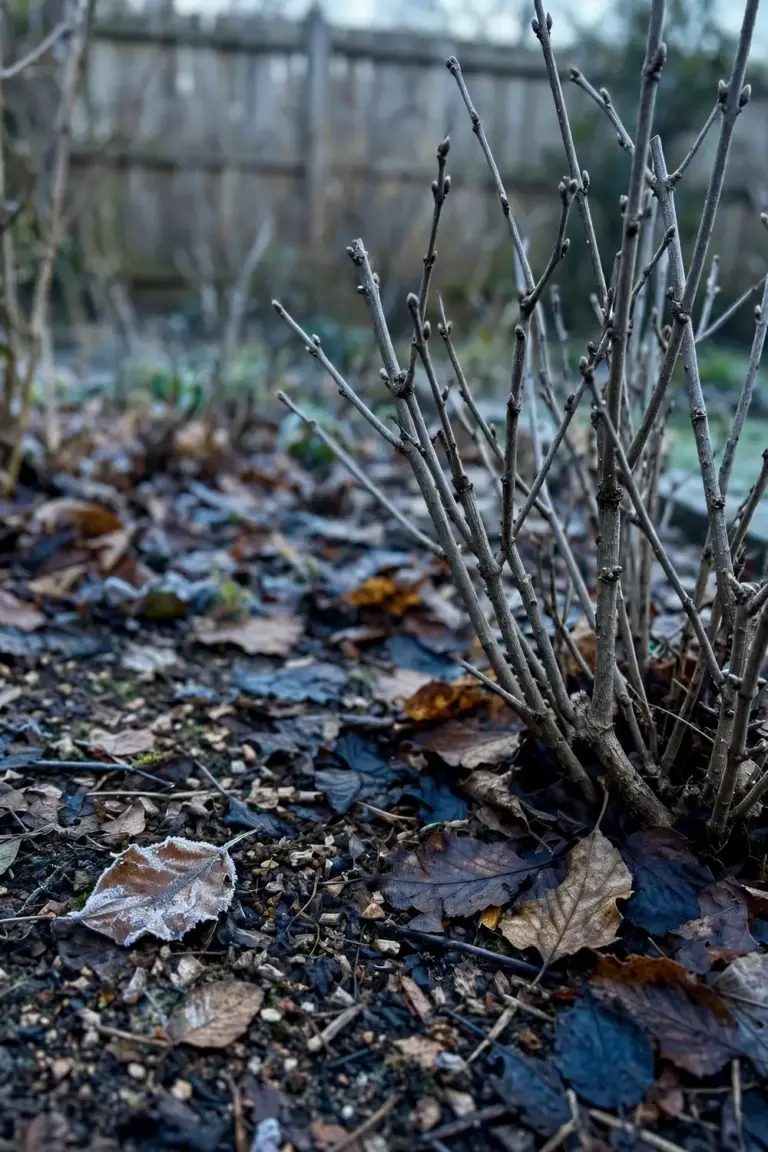
Read the season before you act. A deciduous plant that drops leaves in autumn is entering dormancy. A perennial that dies back to the crown in winter is doing the same. An evergreen that slows in winter is conserving energy. Each pattern is normal.
Cold snaps stall warm-season plants fast. A chilli or basil that stops in a cold week is reacting to temperature, and warmth restores growth. Heat waves stall cool-season plants the same way. Lettuce, spinach, and broccoli bolt or pause in summer heat, and cooler weather restores them.
Hold steady through a normal dormant period. Water sparingly. Skip fertilizer, since a dormant plant cannot use feed. Protect tender plants from frost. Wait for the warm season, and growth returns on its own schedule.
Southern-hemisphere seasons flip northern advice. Winter in Australia runs June to August, and a plant that stalls in July is resting rather than failing. Advice written for northern gardens names December to February as the rest months, and following it in Australia means feeding a dormant plant and starving a growing one. Read your local season rather than the month printed in a northern book. Growth resumes in spring, from September onward, when days lengthen and soil warms.
8. Pests or Disease Drain Growth
Pests and disease steal the energy a plant would spend on new growth. Aphids cluster on soft new shoots and drain sap. Scale insects sit still on stems and leaves, while fungal disease rots roots or spots leaves. Each pressure stalls growth while the plant fights back.
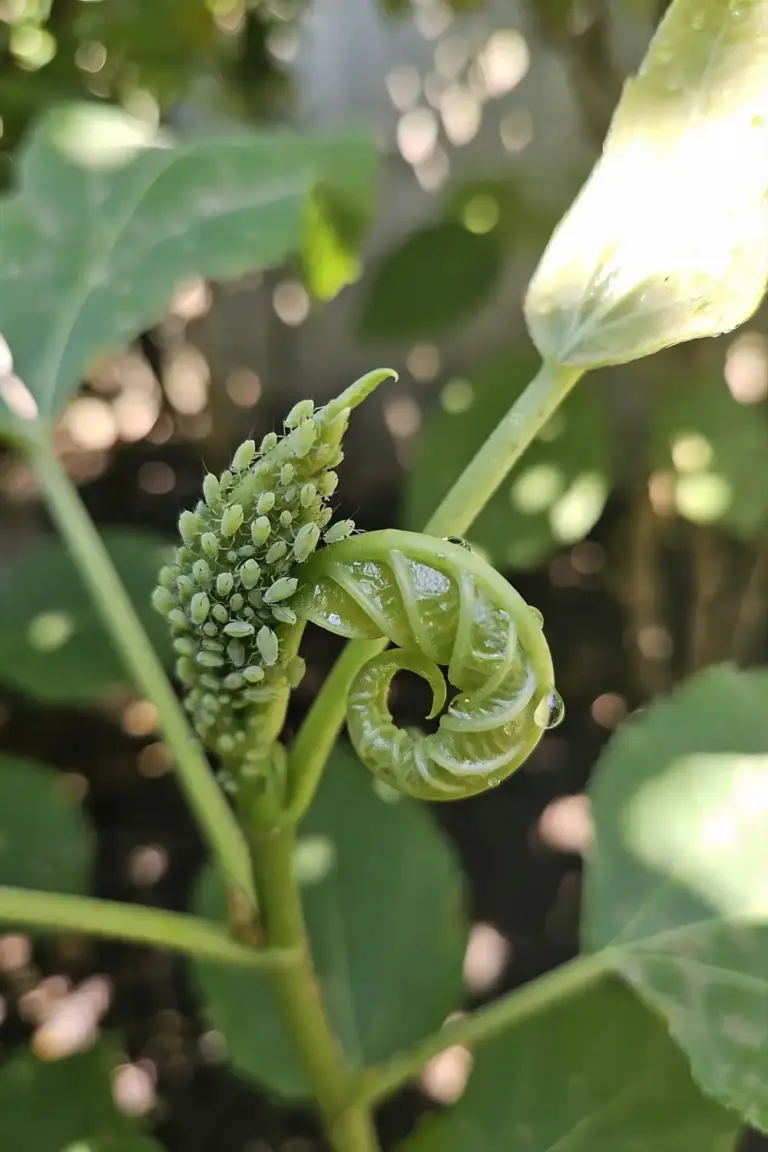
Read the plant for the signature. Sticky leaves point at sap-feeding insects, fine webbing points at mites, and chewed edges point at caterpillars or beetles. Spots, wilting, and mushy stems point at disease. A plant that wilts in wet soil points at root disease rather than thirst.
Isolate a badly affected potted plant from its neighbors, prune away dead leaves and stems with clean shears, and wash sap-feeders off with a firm jet of water. Treat at pointer depth, and follow the label on any product you use. An organic pest control routine of inspection, beneficial insects, and targeted treatment keeps pressure low without heavy sprays.
Check leaf undersides first. Aphids and mites gather where eyes rarely go, along the veins and at the growing tips. Early clusters wash off with water. Late infestations need repeated treatment, so mark the plant with a stake or tag and check it again in a few days, since eggs hatch after the first wash.
Treat the cause, and growth resumes after the pressure drops. A plant that recovers from pests grows new leaves in the next flush. A plant that recovers from root disease grows new roots first, and leaves follow weeks later.
9. Recent Transplant Shock Pauses Growth
Transplant shock follows a move, a repot, or a planting day, and it pauses growth while roots reestablish. The plant wilts, drops a few leaves, and sits still. Shock is a normal response to root disturbance, and most plants recover with steady care.
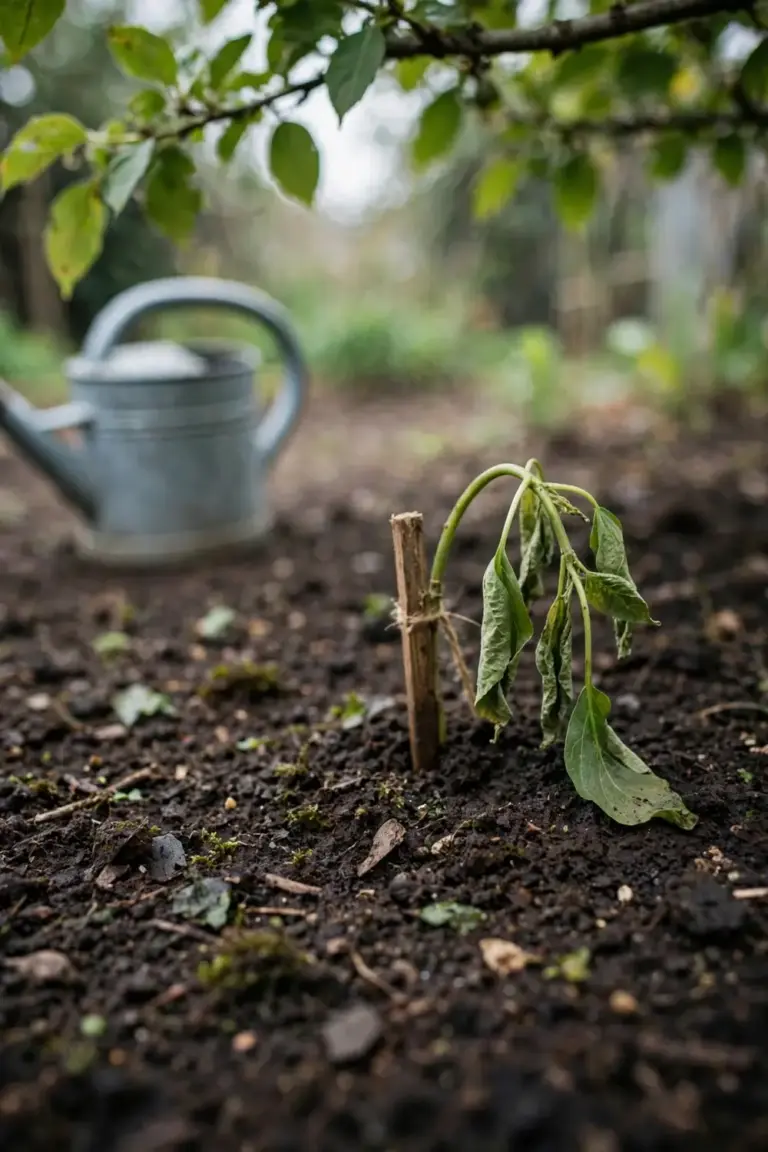
Read the timing. A stall that starts within days of transplanting points at shock. Roots that were torn, dried, or circling need time to grow into new soil. A plant that stalls months after a move points at a different cause.
Reduce demand on the plant while it recovers. Shade the plant from harsh afternoon sun. Water steadily, and keep the root zone moist without waterlogging it. Skip fertilizer until new growth resumes, since a shocked plant cannot use feed. A seed-starting routine of hardening off seedlings before they move outdoors prevents the worst shock in young plants.
Watch for new growth as the sign of recovery. New leaves mean new roots are working. A plant that holds its old leaves and pushes one new leaf has turned the corner. A plant that keeps dropping leaves after weeks needs a second look at water and roots.
10. Wrong Plant for the Spot Stops Growth
A plant in the wrong spot fights its site for its whole life, and no amount of feeding fixes a mismatch. A sun-lover in deep shade stays thin. A cool-climate plant in a hot, humid garden stalls every summer. A frost-tender plant in a frost pocket dies back each winter.
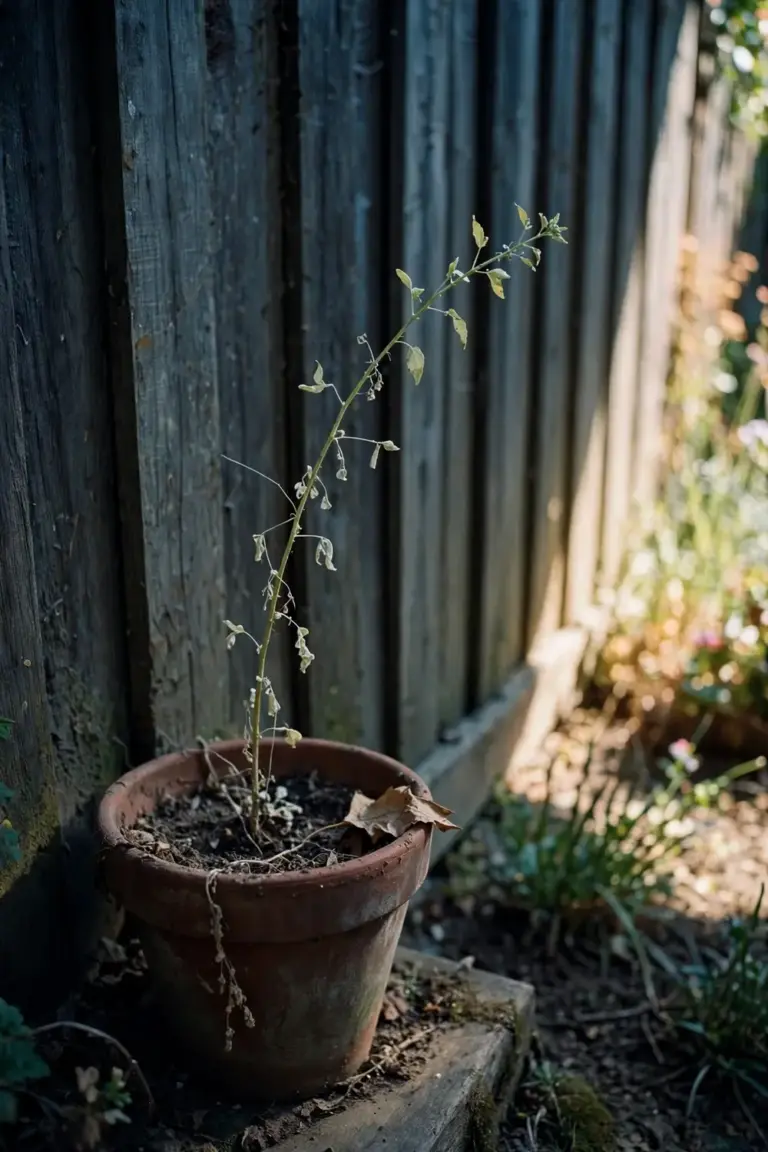
Read the label against your site. Match the plant’s sun, soil, water, and cold needs to the spot. A plant that wants free-draining soil fails in heavy clay. A plant that wants constant moisture fails in a dry, windy bed. A plant that wants cold winters fails where winters stay warm.
Move a mismatched plant, swap it for one that suits the spot, or accept a shorter life. Moving a plant in the cool season gives it time to settle. Swapping a plant for a better match ends the fight. Accepting a short life suits a seasonal crop that you replant each year.
Climate honesty beats label hope. A plant rated for cool-temperate zones stalls through a hot, humid Brisbane summer no matter how well you water it. A plant rated for the tropics stalls through a cold Canberra winter no matter how much sun it gets. Zone ratings describe the climate a plant evolved for, and the gap between rating and site decides growth more than any single care step.
Site honesty saves seasons of frustration. The right plant in the right spot grows with ordinary care. The wrong plant in the wrong spot needs rescue work every month.
FAQ: Why Are My Plants Not Growing?
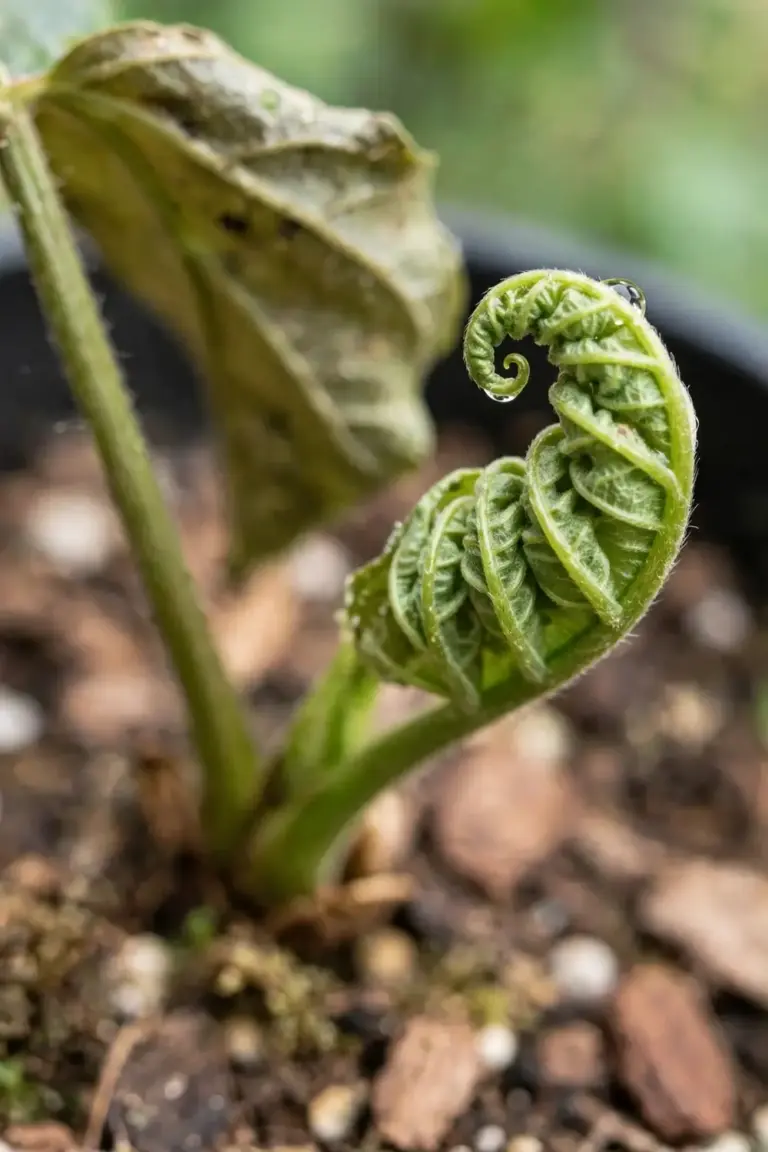
Wait for one full growth flush before you judge the fix. Leaves firm up within days when water was the cause, while new roots take weeks to form after repotting or root rot. New leaves show the result after roots recover. Change one cause at a time, and give each fix weeks to work before you try another.
Feed only after you know the cause. Fertilizer helps a nutrient shortage and harms a plant with dead roots, dry soil, or dormancy. A plant with root rot cannot take up feed. A dormant plant cannot use feed. Test soil, fix water and light first, and feed to the label rate when the cause is nutrition.
New leaves stop when the plant lacks energy, water, or root room. Low light is the most common cause, since the plant banks energy on survival. Root-bound roots, overwatering, and dormancy follow close behind. Run the triage above, and fix the cause the tests point at before you try anything else.
Recovery depends on how many healthy roots remain. Cut away brown, mushy roots with clean shears, and keep the firm, pale roots. Repot into fresh, free-draining mix. Water sparingly while new roots form. A plant with some healthy roots recovers in weeks. A plant with no healthy roots rarely recovers.
Scratch a small patch of bark on a woody stem with a fingernail. Green tissue under the bark means the plant lives, while brown, dry tissue means that stem is dead. Check several stems, since one dead stem does not condemn the whole plant. A dormant plant holds firm buds and green tissue, while a dead plant feels brittle and dry through and through.
Fix One Cause, Then Watch for New Growth
Stalled growth has nine common causes, and the triage names yours in one minute. Light, water, roots, soil, nutrients, season, pests, shock, and site each carry a test and a fix. Fix one cause. Watch for new leaves. A fall garden bed prep routine of compost, mulch, and loosened soil keeps beds ready for the next growth flush.
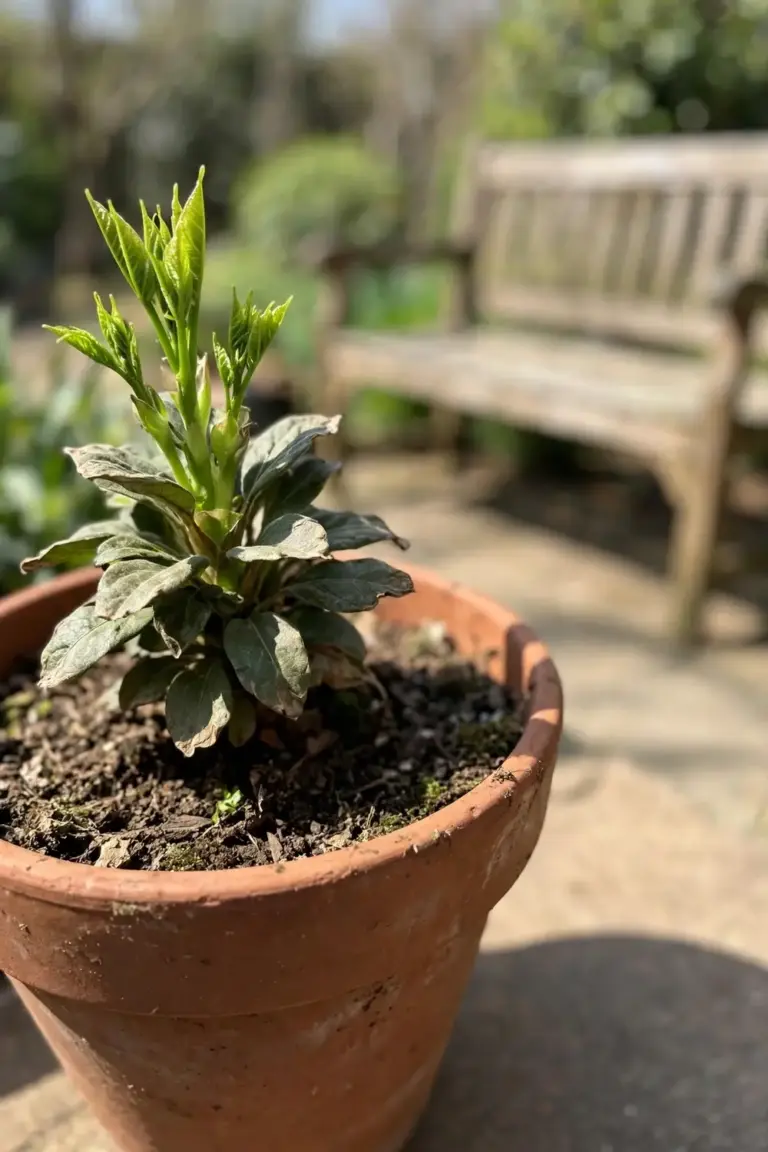
Growth returns when the missing input returns. Give the plant what it needs, and it does the rest. Start with the triage, trust the test result, and let new leaves tell you the fix worked.