
Growing a rubber-producing tree from seed in a temperate garden sounds like a fantasy, yet Eucommia ulmoides makes it real. This is the only temperate-climate tree that produces rubber latex, and it survives winters down to USDA zone 4 according to the Salt Lake City urban forestry species fact sheet. A single mature tree can stand 40 to 60 feet tall with glossy elm-like leaves. The catch is patience: seeds need 60 to 90 days of cold stratification before they will even consider germinating, and you are raising a tree, not a tomato. If you want a fast summer crop, plant something else. If you want a landmark tree that outlives you, keep reading.
Before anything else, confirm you are talking about the right plant. Search results for eucommia are polluted with name lookalikes, and buying the wrong seeds wastes an entire season. The table below settles the identity in one glance.
| Feature | Eucommia ulmoides (this article) | Eucomis (pineapple lily) | Elms (Ulmus spp.) |
|---|---|---|---|
| Plant type | Deciduous tree, 40 to 60 ft | Bulbous perennial, 1 to 3 ft | Deciduous trees |
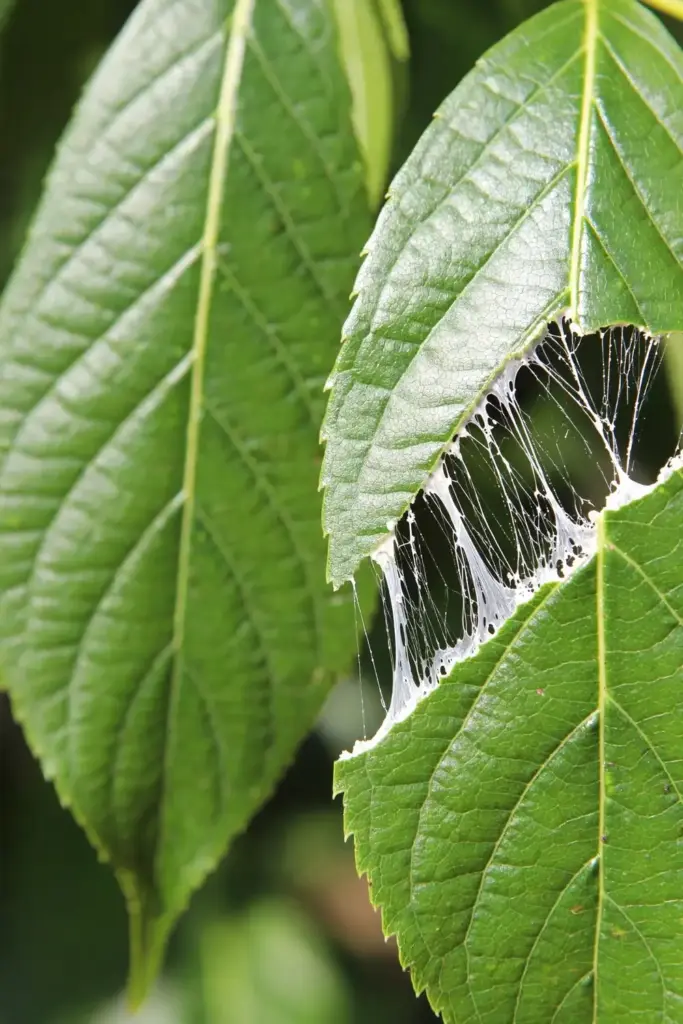
| Leaf trait | Torn leaf shows rubber latex strands | Pineapple-like flower spike | Asymmetrical leaf base |
| Family | Eucommiaceae (monotypic genus) | Asparagaceae | Ulmaceae |
| Common mix-up | “Eucommia” vs “Eucomis” | Sellers list it on seed searches | “Ulmoides” means elm-like |
| Seeds | Winged samaras 2.5 to 3.5 cm | Round black seeds in capsules | Winged samaras |
Once the identity is locked, three facts decide whether this project fits your garden.
1. Three Honest Facts Before You Start
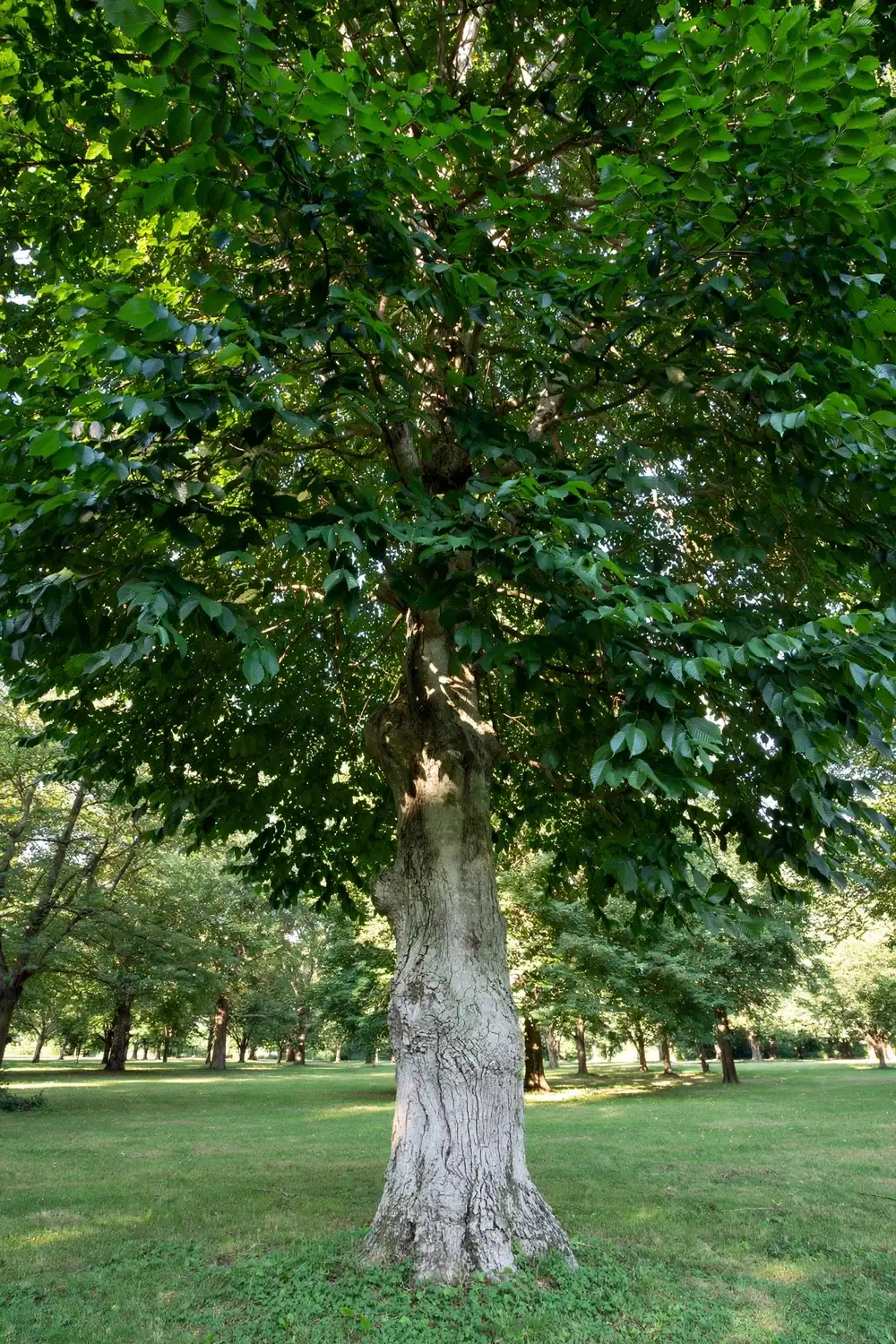
Fact one: you are planting a tree that reaches 40 to 60 feet with a 30 to 60 foot spread, growing 40 to 60 feet tall with a pyramidal shape when young and a rounded spreading crown with age. This is a landscape-scale commitment, not a patio project. Fact two: Eucommia is dioecious, which means individual trees are either male or female, and only female trees set the winged seed samaras, so viable home-collected seed requires both sexes growing near each other. Fact three: the seeds demand 60 to 90 days of cold, moist stratification before germination begins, which means you start in midwinter for spring sowing. If any of those three facts breaks your plan, stop here and pick a smaller tree.
2. Climate and Hardiness: Where Eucommia Actually Grows
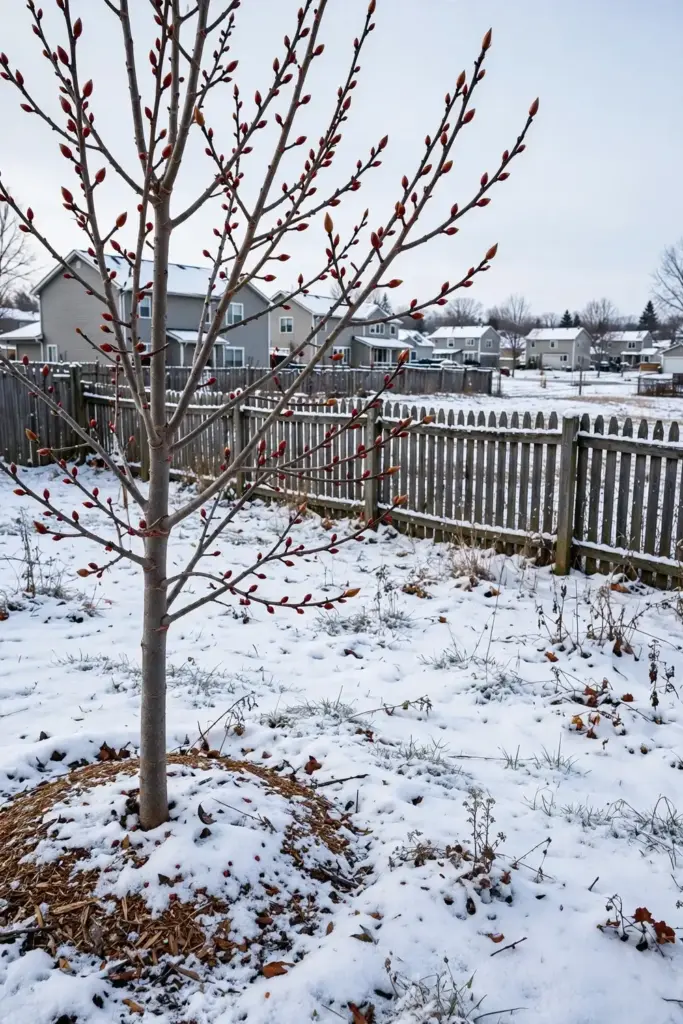
Eucommia ulmoides is hardy in USDA zones 4 to 7 according to most nursery sources, with some suppliers rating it to zone 9, which makes it one of the few latex-producing trees a temperate gardener can grow outdoors. The Salt Lake City urban forestry program trials it as a street and park tree specifically because it tolerates urban conditions and cold winters, noting its resistance to insect and disease problems. In its native range it grows in mixed forests, sparse forests, thickets, and valleys from 100 to 2,000 meters elevation across provinces including Gansu, Guizhou, Henan, Hubei, Hunan, Shaanxi, Sichuan, Yunnan, and Zhejiang, according to the Flora of China treatment of the species. Give it full sun for the strongest growth, though it accepts light shade. The one soil condition it refuses is wet ground: constantly soggy roots are the fastest way to kill a young tree.
3. Where the Seeds Come From: Male Trees, Female Trees, and You
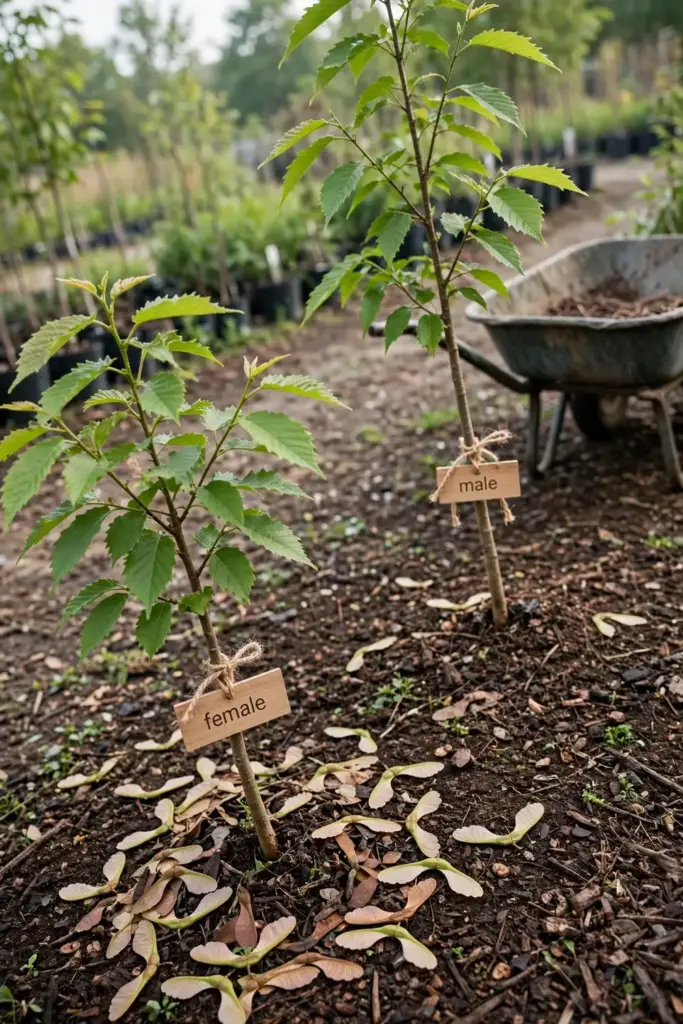
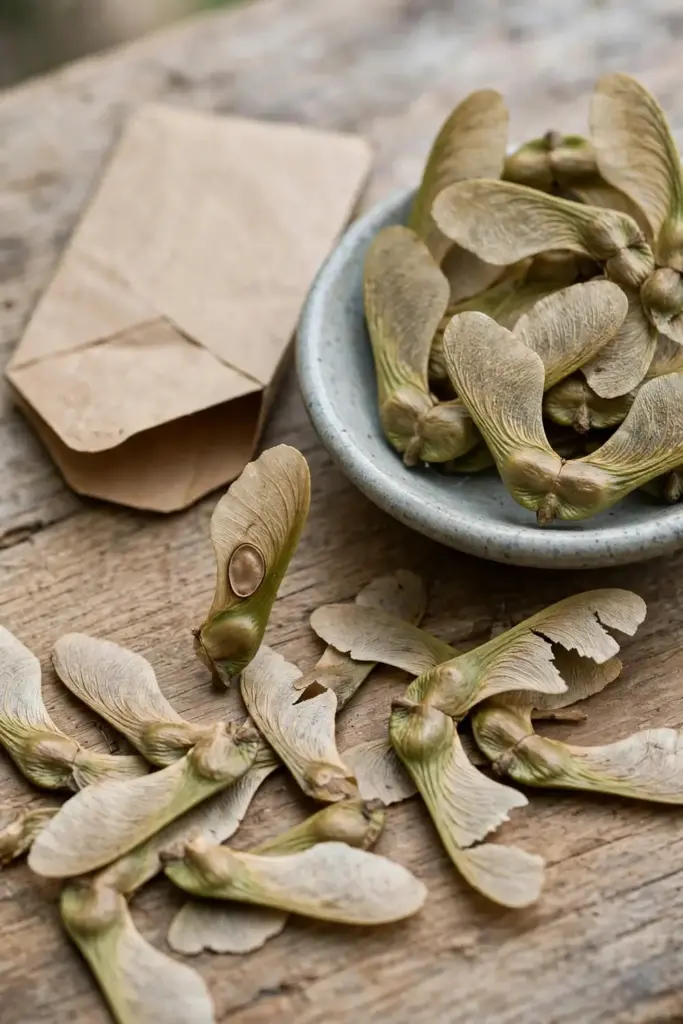
Because Eucommia is dioecious, seed production needs a female tree pollinated by a nearby male tree. Male flowers carry stamens about 1 cm long, female flowers carry a single ovary about 1 cm, and the fruit is a winged samara 2.5 to 3.5 cm long with a solitary seed, ripening from June to November. If you are buying seed, ask the supplier whether their seed came from a planting with both sexes present; seed collected under a lone female tree is almost certainly unviable. Home collectors should harvest samaras in fall when they turn tan and papery, then dry them for a week in a paper bag before storage. Never buy seeds marketed as “eucommia” without the species name, since the Eucomis confusion means some listings are the wrong plant.
4. Choosing Viable Seeds
Freshness decides everything with Eucommia. Seed-seller notes report a viable lifespan of roughly one year, and older seed germinates erratically or not at all. Choose plump samaras with no mold, no insect holes, and no broken wings, and reject any lot that smells musty. The float test helps but does not settle viability: some sellers note that floating seeds are not always dead, since air trapped in the wing can buoy a good seed, so use floating as a warning flag rather than a verdict. Buy from suppliers who state a collection date; a 2025 fall collection sown the following winter is ideal. If a deal offers “1,000 seeds for pennies” with no date and no species name, walk away.
5. Breaking Dormancy: The Cold Stratification Protocol
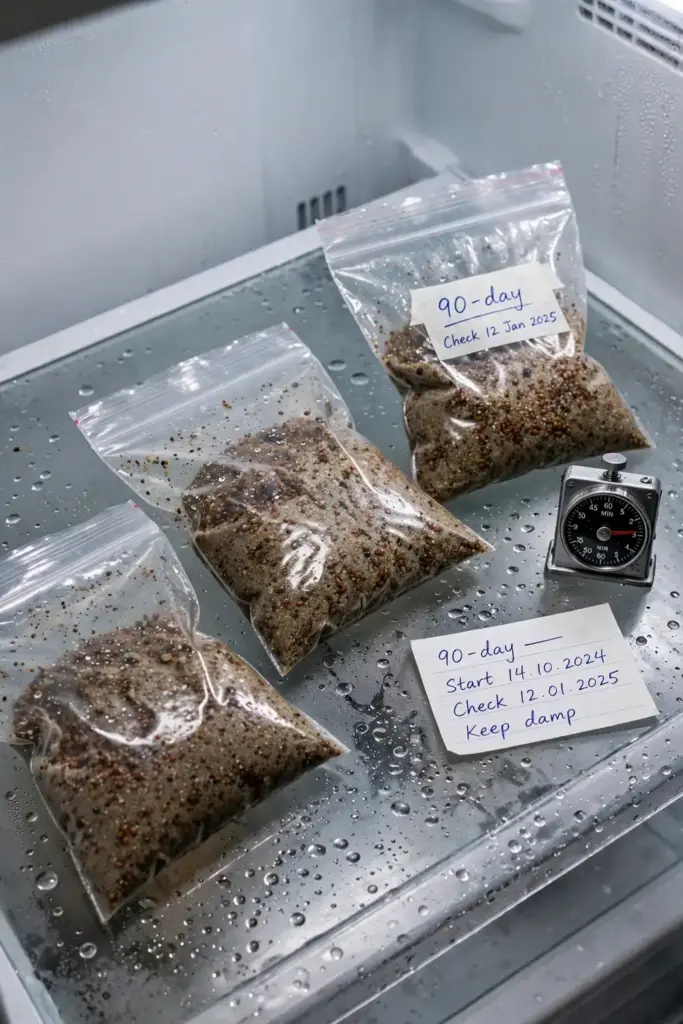
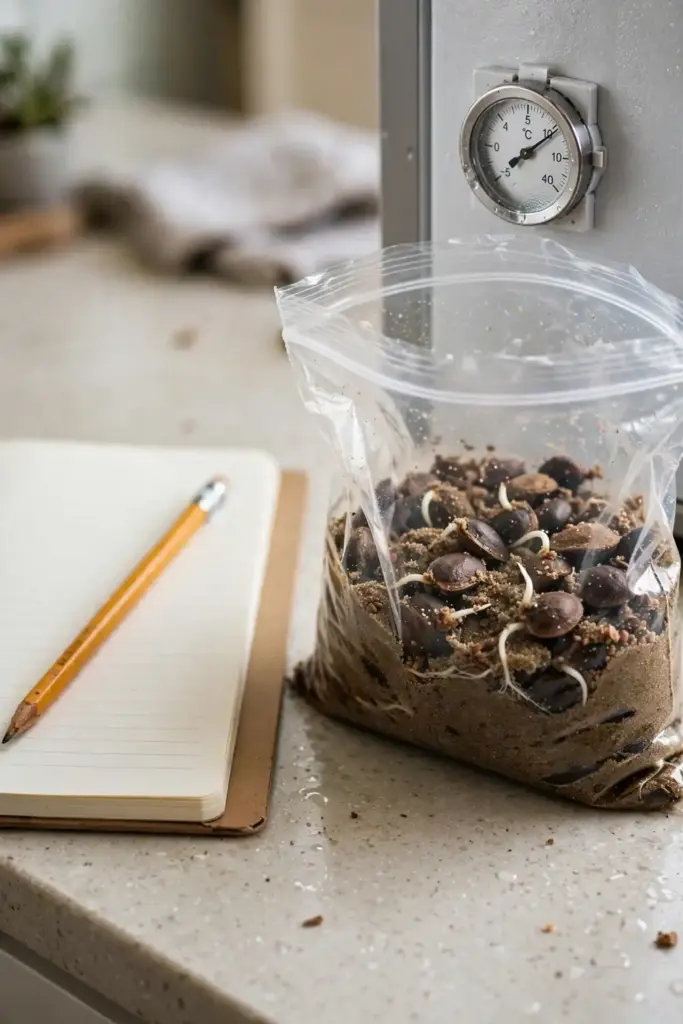
Eucommia seed carries deep physiological dormancy, and cold, moist stratification is the only reliable key to growing it. Anyone learning how to grow eucommia from seed should treat stratification as the main event, not a preliminary step. The repeated range across seed sellers and germination studies is 60 to 90 days, and the strongest exact-match protocol comes from a specialist grower of Eucommia seed: soak the seed 48 hours first, then stratify cold and moist for 60 to 90 days, with an optimum germination temperature around 18 C after stratification. The table below turns that into a calendar.
| Step | Action | Time |
|---|---|---|
| 1. Soak | Submerge samaras in room-temperature water for 48 hours; change the water once | 2 days |
| 2. Mix | Fold drained seeds into barely damp sand or vermiculite, about 4 times the seed volume | 30 minutes |
| 3. Bag | Seal the mix in a labeled zip bag with a few air holes | 10 minutes |
| 4. Chill | Refrigerate at 2 to 5 C (34 to 41 F) | 60 to 90 days |
| 5. Check | Inspect monthly; remoisten if the mix dries, discard any moldy seeds | Monthly |
| 6. Sow | Move to 18 C (65 F) warmth; expect sprouts in 2 to 4 weeks | Spring |
Ninety days feels long. It is the price of a tree.
Two temperature warnings matter. Cold germination at 10 C produces weak seedlings, and temperatures above 25 C are lethal to germinating seed, according to the same grower’s germination notes. Never start the stratification bag on a hot windowsill or a heated mat cranked high. Some growers report seeds germinating inside the refrigerator around day 30 of stratification. If that happens, sow immediately and gently rather than forcing them back to cold.
6. Sowing Stratified Seeds
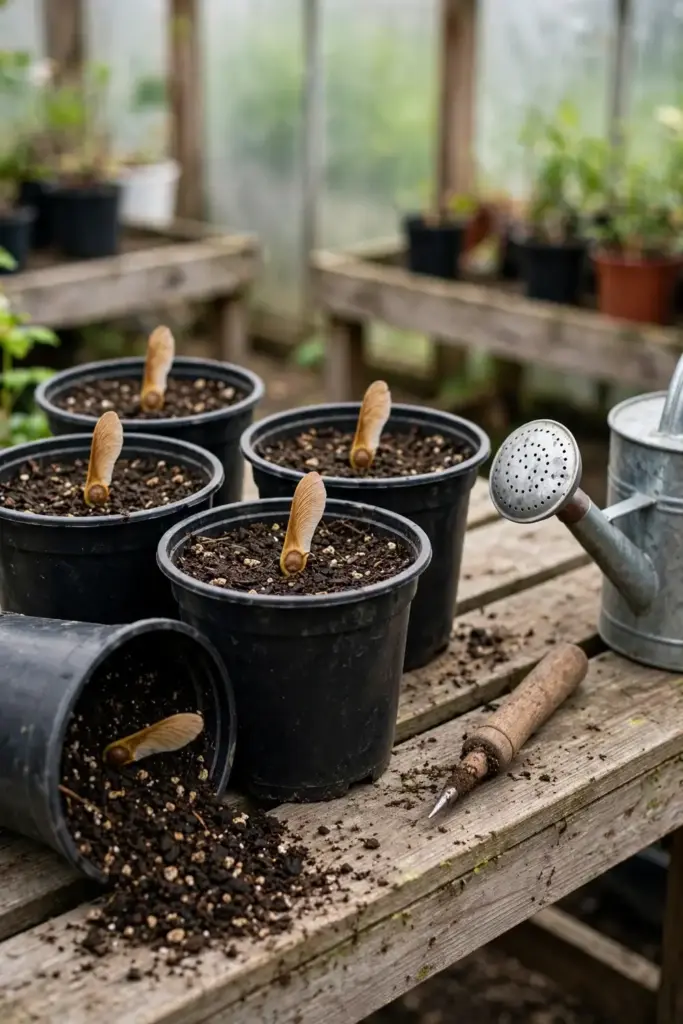
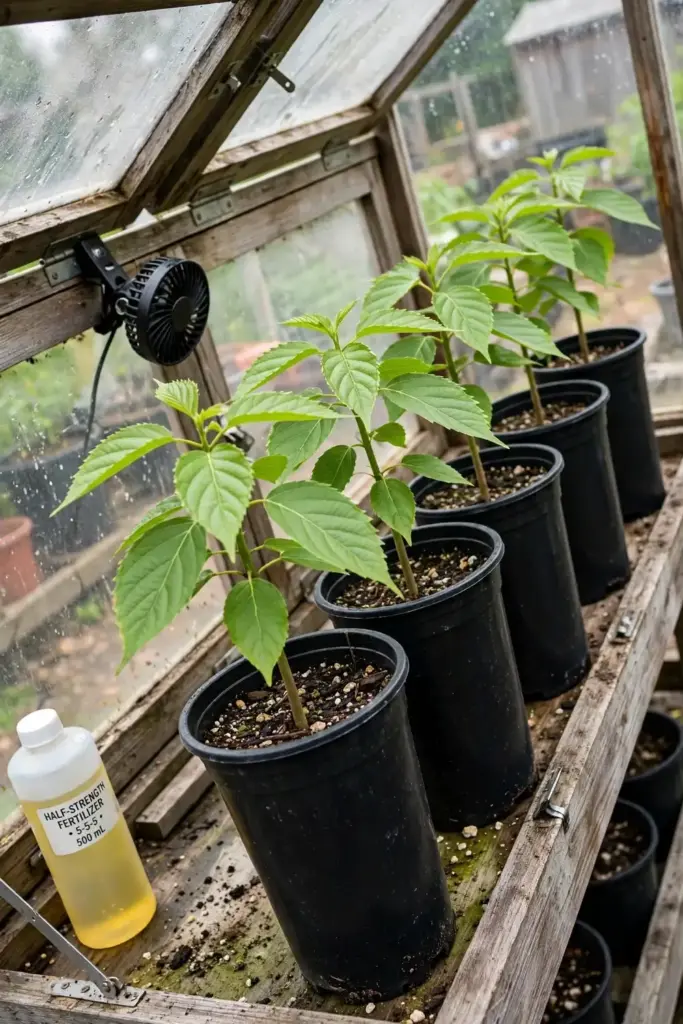
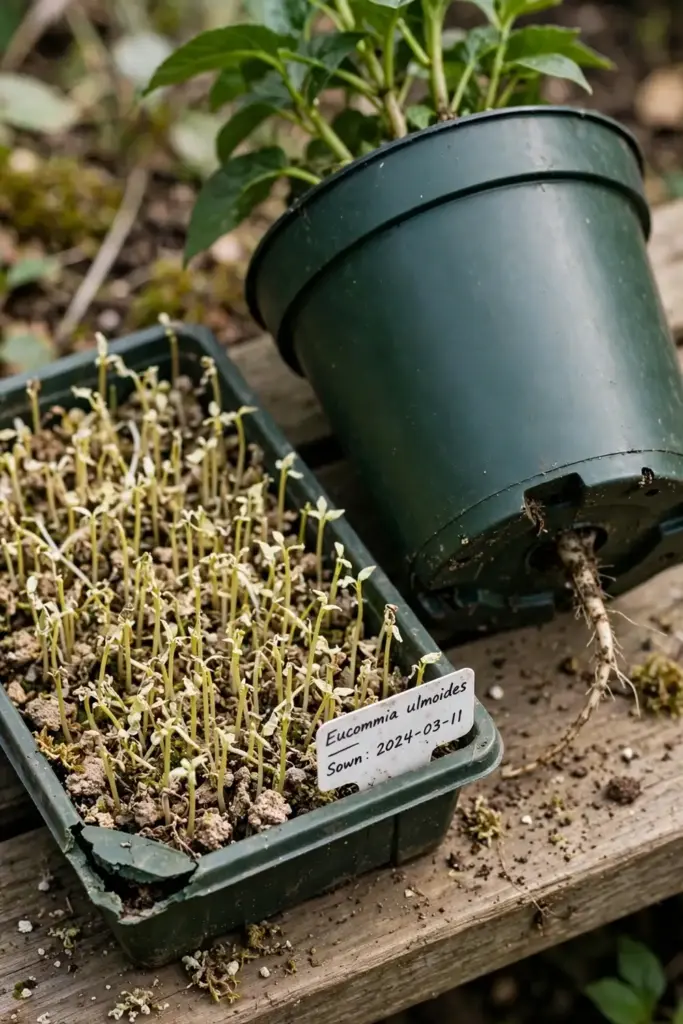
Sow in deep pots or tall nursery cells. Eucommia pushes a strong taproot early, and shallow trays cramp it, which is the first practical lesson in how to grow eucommia without stunting the seedling. Fill with a free-draining seed mix, settle each samara about 1 cm deep, and cover lightly; the wing can stay attached, it rots away harmlessly. Water from below or with a fine mist, then hold the pots at roughly 18 C with bright indirect light. Germination is uneven by nature: expect the first sprouts in 2 to 4 weeks and stragglers for another month, which is normal for a wild-collected tree species, not a sign of failure. Keep the mix evenly moist but never waterlogged, and give seedlings air circulation from a small fan to prevent damping off.
7. Seedling Care Through the First Season
Treat the first season as a nursery year. Seedlings grow steadily but not explosively, and the goal is a sturdy root system, not height records. Feed lightly: a half-strength balanced liquid fertilizer every 3 to 4 weeks during active growth is plenty, since rich feeding pushes soft top growth that winter will punish. If you want a refresher on the general routine of starting woody plants indoors, the steps in the seed starting guide transfer directly to Eucommia pots. Harden seedlings off gradually in late spring, moving them outdoors for lengthening periods over 10 to 14 days. Shelter the pots from strong afternoon sun during the first heat wave; a scorched seedling recovers slowly. By fall of year one, a healthy seedling stands 12 to 24 inches with a woody base; that is success, not disappointment.
8. Transplanting to the Landscape
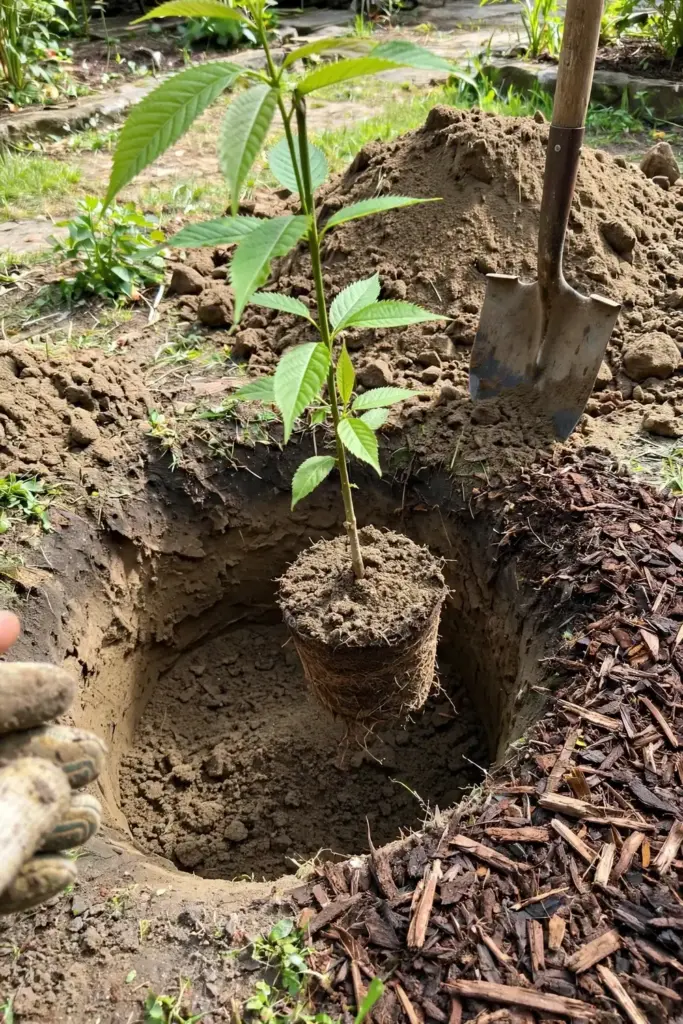
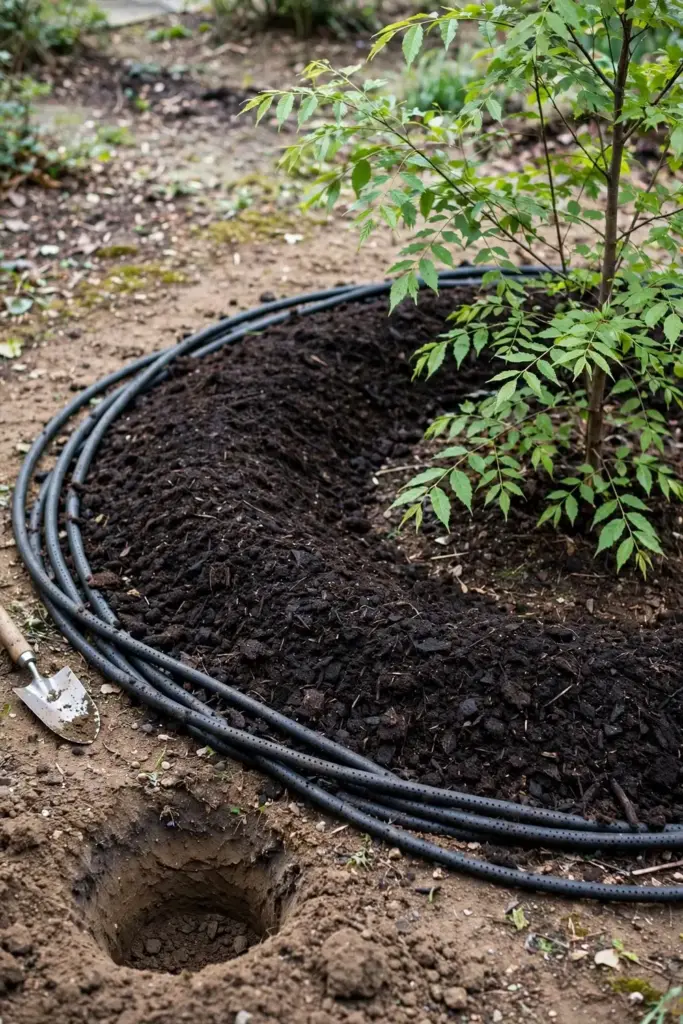
Move trees to their permanent spot in early spring while they are still dormant, or in early fall with at least 6 weeks before hard frost. Dig the hole twice as wide as the root ball but no deeper, set the root flare at grade, and backfill with the native soil you removed; amending the hole with rich compost creates a “pot in the ground” that discourages roots from exploring outward. Water deeply at planting, then mulch 2 to 3 inches deep in a wide ring, keeping the mulch 3 inches away from the trunk. Stake only if the site is windy, and remove stakes after one season so the trunk builds its own strength. Because you cannot know a seedling’s sex until it flowers years later, plant several seedlings if future seed harvest matters to you; statistics favor getting both sexes in a group of five or six. Tag each seedling with the planting date so you can track its age honestly; memory fades, but a metal tag does not.
9. Site Selection: Plan for a 60-Foot Tree
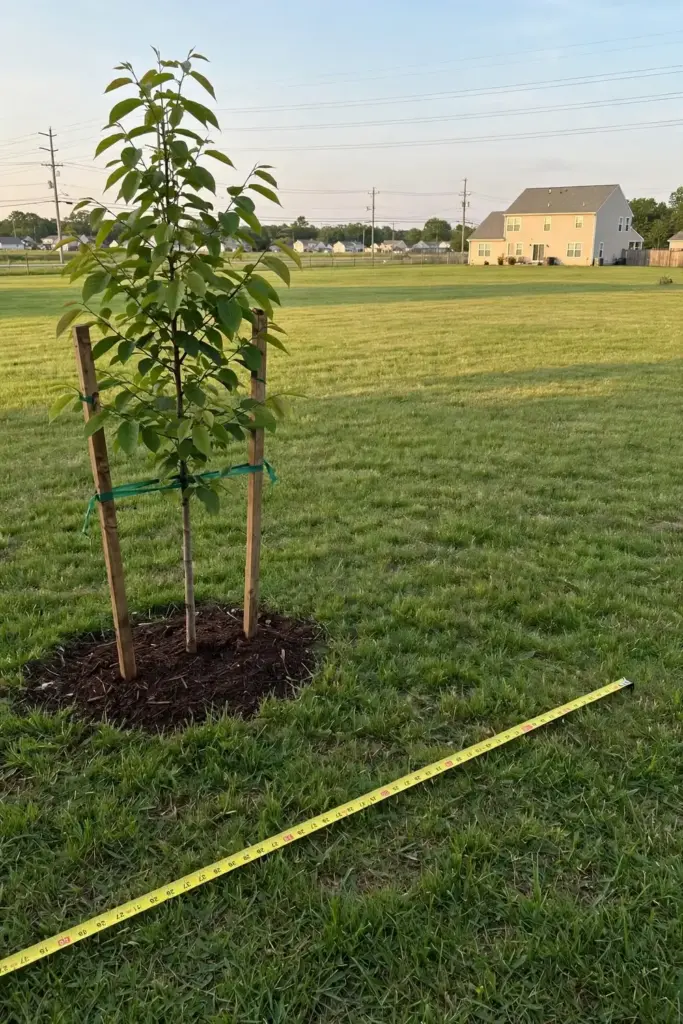
This is the decision that matters most, so make it slowly. A mature Eucommia spreads 30 to 60 feet wide, which means planting 15 feet from the house guarantees future conflict with the roof, the foundation, and the power lines. Choose a spot with full sun, at least 25 feet from buildings and 30 feet from overhead wires, and check what is underground too: call your local utility locator before digging, since a tree this size eventually explores a wide root zone. Consider the decades: this tree can outlive the gardener who plants it, which is a feature when the site is right and a removal bill when it is wrong. Understanding how trees grow thicker each year helps you picture the trunk your planting spot must eventually hold. Street and park plantings work because the scale fits; a small suburban lot usually does not.
10. Soil, Watering, and Feeding
Eucommia tolerates a wide range of soils except wet ones, which is the single most repeated soil warning across every source. Aim for average, well-drained loam with a near-neutral pH; it handles clay better than most trees as long as water does not stand. For the broader principles of building soil that drains well and feeds soil life, the soil health guide covers the foundation work that benefits every tree you plant. Water young trees deeply once a week during dry spells for the first two growing seasons, then back off: established Eucommia is notably drought tolerant, and one supplier notes that if you want green leaves on a tree during a severe drought, this is your tree. Feed established trees rarely or never; a spring top-dress of compost is more than enough, and excess nitrogen invites weak, pest-prone growth.
11. Pruning for a Strong Single Leader
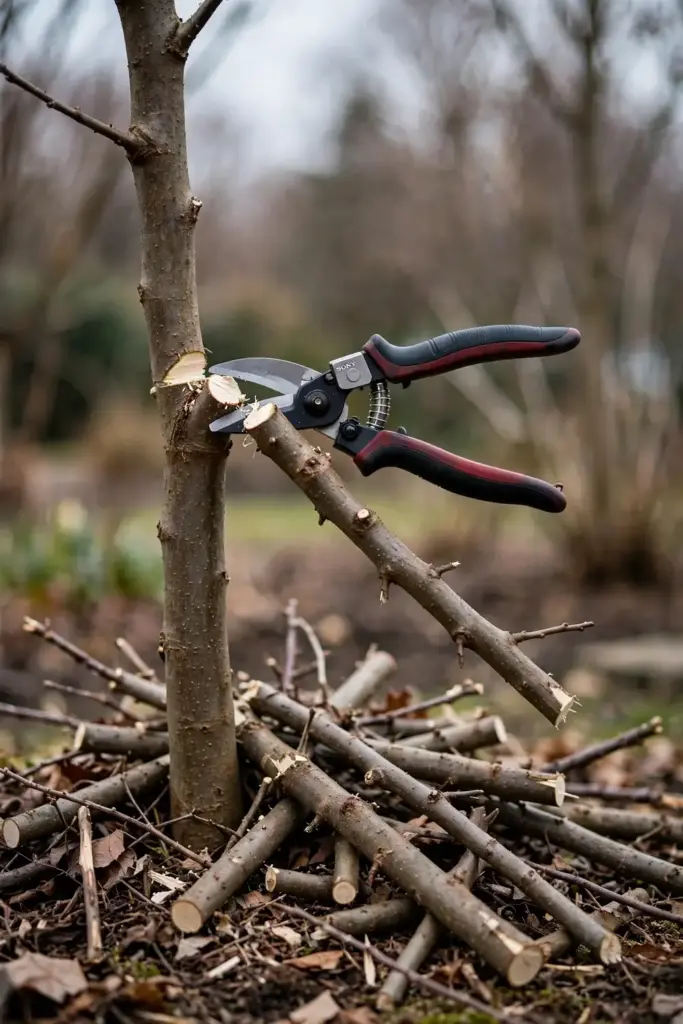
Left alone, seed-grown Eucommia tends toward a bushy, multi-stemmed form with sucker-like shoots rather than a clean tree shape. The classic remedy, recorded from W.J. Bean’s early plantings in the International Dendrology Society’s Tree of the Year profile, is to prune young trees for the first few years to a single leader: remove rival leaders, shorten back side shoots that grow too vigorously, and gradually clear the lower branches as the tree gains height until a clean trunk of about 6 feet forms. Prune in late winter while the tree is dormant, using sharp bypass pruners on small wood and a pruning saw on larger limbs, and always cut just outside the branch collar. Never top a Eucommia; heading cuts on a tree meant to reach 50 feet create a thicket of weak regrowth. A young tree trained to one leader in its first three years needs little corrective pruning afterward, which is the whole point of doing the work early.
12. Pests and Diseases: Few Enemies
This is one of the easiest chapters in the whole article. Eucommia is repeatedly described as pest and disease resistant, and the latex running through its leaves, twigs, and bark deters many nibbling pests naturally. The Salt Lake City forestry trials selected it partly for this toughness in street plantings, where trees face exhaust, compacted soil, and reflected heat. Watch for the ordinary problems of any young tree: scale insects on stressed specimens, leaf spot in wet seasons, and bark damage from string trimmers, which is a human pest rather than an insect one. Keep the mower and trimmer away from the trunk, mulch widely, and you will rarely need to intervene. No regular spray program is warranted or recommended.
13. The First Winter: Overwintering Young Trees
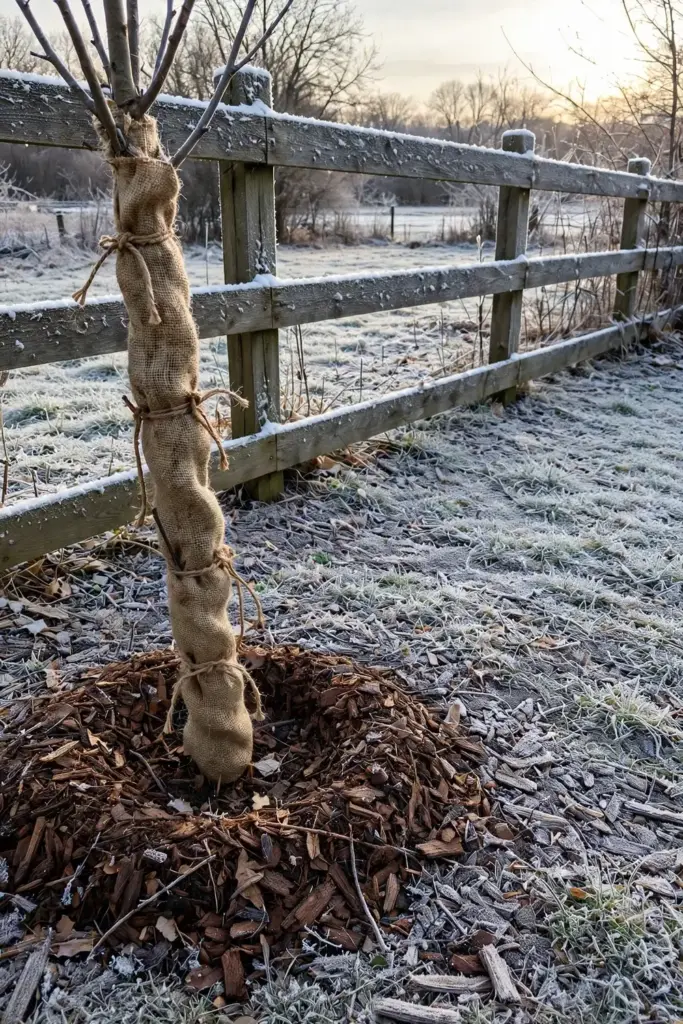
Trees rated hardy to zone 4 still need help in their first winter or two, because a seedling’s root system is shallow and its bark is thin. After the ground freezes, apply a fresh 3 to 4 inch mulch ring to moderate freeze-thaw cycles, and wrap the trunk of first-year trees with tree wrap or burlap in regions with harsh winter sun and wind. Water deeply in late fall before the ground freezes if autumn has been dry; winter drought kills more young trees than winter cold. Remove the wrap in early spring before growth resumes so moisture does not collect against the bark. By the third winter, an established Eucommia needs no protection within its hardy zones.
14. Containers: Honest Limits
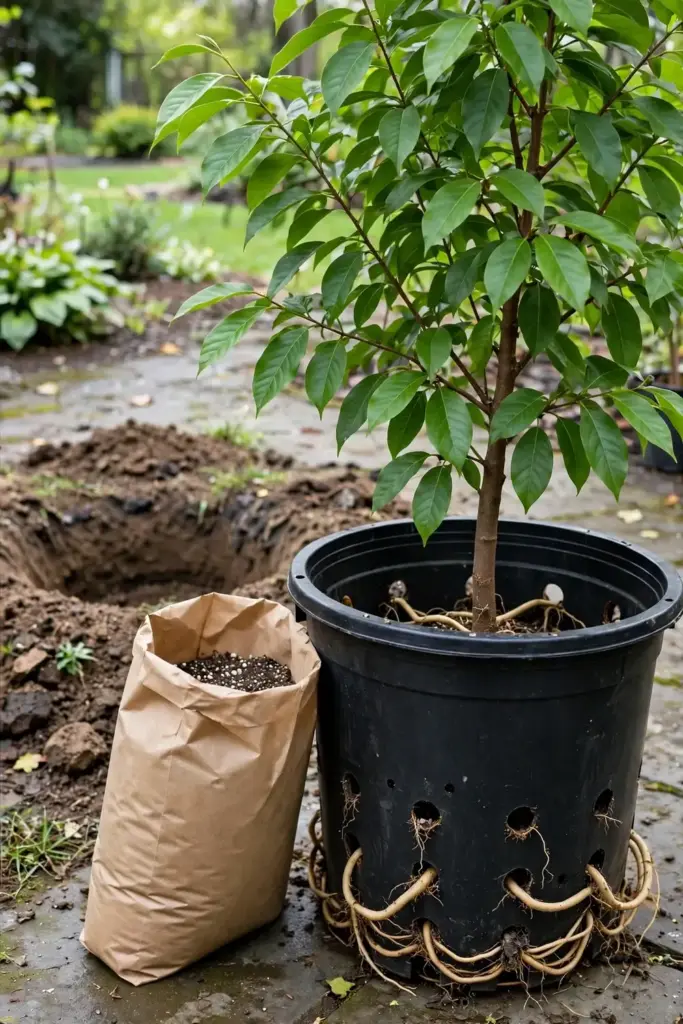
Here is the honest container chapter: pots work for young Eucommia and fail for mature ones. A seedling can spend its first year or two in a 3 to 5 gallon nursery pot, and a young tree can hold in a 15 to 25 gallon container for a few more years with regular root pruning and repotting. But no container permanently houses a tree genetically programmed to reach 40 to 60 feet; keeping one in a pot forever means a stunted, stressed tree, not a bonsai. Use containers as a nursery stage while you prepare the planting site, or while renting, then plant out. Anyone selling “patio Eucommia” as a permanent container tree is selling a fantasy. If you must hold a tree in a pot for a second or third year, repot each spring into a container 2 to 4 inches wider, tease out circling roots, and replace the top third of the mix. Feed container trees more often than planted ones, since every watering leaches nutrients from the limited soil volume: a half-strength balanced feed every 2 to 3 weeks through the growing season keeps the foliage deep green. Watch for the warning signs of a pot-bound tree: water running straight through, roots circling the drain holes, and growth stalling by midsummer. Those signs mean plant it out now, not next year.
15. Du Zhong: What the Name Means
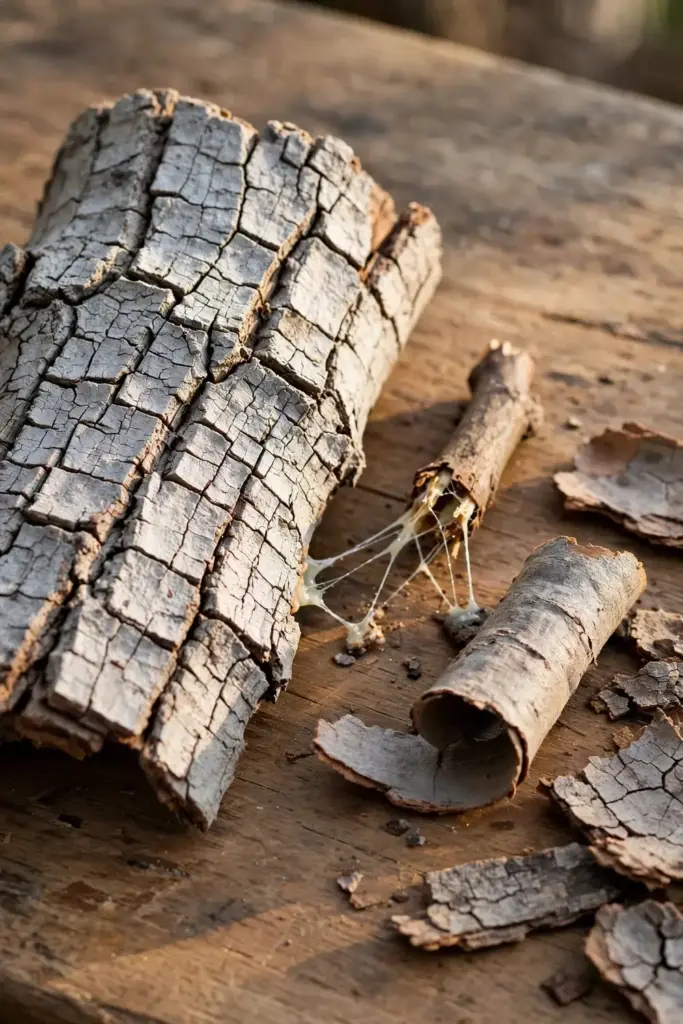
Du Zhong is the traditional Chinese name for Eucommia bark, and the species is second only to ginseng in traditional Chinese medicine texts. The bark contains compounds including aucubin, and traditional preparation involves peeling bark patches from trees more than 10 years old, then drying and processing the pieces. In the wild the species is considered vulnerable, partly because of centuries of bark harvesting, though it is now widely cultivated in China. This article treats Du Zhong strictly as an entity to identify, not a remedy to prepare: bark harvesting wounds the tree, improper peeling can kill it, and any medicinal use belongs in a conversation with a qualified practitioner, not a gardening guide. Grow the tree for its beauty, its toughness, and its botanical curiosity; leave the pharmacology to professionals.
16. Mistakes That Waste a Season
The most expensive mistake is skipping stratification and sowing dry seed in spring, which buys you a pot of nothing. The second is buying mislabeled seed: “eucommia” listings that are actually Eucomis waste the whole 90-day cycle on the wrong plant. Third, sowing in shallow trays, which cramps the taproot and produces seedlings that stall after transplanting. Fourth, planting 10 feet from the house because the seedling looks small; the seedling is lying about its future. Fifth, overwatering through winter in a cold frame, which rots the crown while you wait for spring. Sixth, expecting to know the sex of your seedlings; you will not know until they flower, so plant extras if seed matters.
17. Troubleshooting Poor Germination
When nothing sprouts after a month of warmth, work through the causes in order. First suspect: stratification was too short or too warm; the fridge must hold 2 to 5 C for the full 60 to 90 days, and a fridge that cycles near freezing on one shelf and 10 C on another gives uneven results. Second: the seed was old or stored hot; seed older than about a year loses viability fast. Third: the sowing medium stayed soggy, which rots the embryo before it emerges; it should feel like a wrung-out sponge, never wet. Fourth: temperatures above 25 C during germination, which is lethal; move pots to a cooler spot. Fifth: the seed lot was unviable from a lone female tree with no male pollinator nearby. If a second batch from a dated, reputable supplier also fails, extend stratification toward 90 days and try again; tree seed rewards stubbornness.
18. Frequently Asked Questions
After proper stratification, expect the first sprouts in 2 to 4 weeks at around 18 C, with stragglers emerging over the following month. The full timeline from dry seed to seedling is 60 to 90 days of cold stratification plus 2 to 8 weeks of warm germination, so roughly 3 to 5 months end to end. Seeds that germinate during stratification in the fridge should be sown immediately.
No, and this is the most common mix-up in seed listings. Eucommia ulmoides is a 40 to 60 foot deciduous tree in the Eucommiaceae family that produces rubber latex. Eucomis, the pineapple lily, is a 1 to 3 foot bulbous perennial in the asparagus family with a pineapple-like flower spike. The names differ by two letters, and sellers mix them up constantly. Always confirm the full Latin name before buying.
Only if you want viable seed. Eucommia is dioecious, so female trees need a nearby male tree for pollination; a lone female sets empty samaras. For ornamental planting, one tree of either sex is fine, and you will never notice the difference. Since seedlings cannot be sexed until they flower years later, plant five or six seedlings to improve your odds of getting both sexes.
No. Containers suit young plants only: a seedling thrives in a 3 to 5 gallon pot for its first year or two, and a young tree can hold in a 15 to 25 gallon container with root pruning. A tree programmed to reach 40 to 60 feet cannot live permanently in a pot without becoming stunted and stressed. Use pots as a nursery stage, then plant out.
Most sources rate Eucommia ulmoides hardy in USDA zones 4 to 7, with some suppliers extending the range to zone 9. It tolerates cold winters, urban conditions, drought once established, and a wide range of soils except wet ground. Within zones 4 to 7 it is reliably hardy; in zone 8 to 9 give it afternoon shade and consistent moisture while young.
Expect 40 to 60 feet tall with a 30 to 60 foot spread at maturity, forming a pyramidal shape when young and a rounded, spreading crown with age. The Flora of China records trees to 20 meters in the wild. Growth is moderately quick for a hardwood once established, but the tree needs decades to reach full stature, so plant it where a large tree belongs.
19. Where to Go From Here
You now hold the complete protocol for how to grow eucommia: confirm the identity, respect the dioecy, stratify 60 to 90 days, sow deep, plant for a 60-foot future. If you want company on the tree-from-seed journey, the guide to growing a plum tree from a fresh seed shows the same patience applied to a smaller tree. Start your stratification in midwinter, and by the time spring warmth arrives, your Eucommia seedlings will be ready to meet a garden they will outlive you in.