
Plant a fresh Surinam cherry seed within hours of eating the fruit, keep it warm and moist, and you can have a fruiting tree in 2 to 3 years. Surinam cherry, Eugenia uniflora, is a tropical shrub or small tree from eastern South America that grows easily from seed, fruits without a pollination partner, and doubles as a hedge, a patio container tree, or a bonsai. Growers spell it “Surinam” everywhere; Suriname is the country, Surinam cherry is the fruit. This guide uses Surinam throughout and notes the alternate spelling once here.
You may also meet this tree as pitanga or Brazilian cherry. Two points of honesty before you start. Surinam cherry is not a true cherry. True cherries belong to Prunus in the rose family; Surinam cherry is Eugenia uniflora in the myrtle family, the same family as guava, which is one reason growing guava in a home garden uses similar soil and watering instincts. And pitanga is not acerola. Acerola, the Barbados cherry, is Malpighia emarginata, a different species entirely, so ignore any care advice that treats the two as one plant.
1. The Quick Spec: Surinam Cherry at a Glance
| Detail | What You Need |
|---|---|
| Botanical name | Eugenia uniflora |
| Also called | Surinam cherry, pitanga, Brazilian cherry, Florida cherry |
| Family | Myrtaceae (myrtle), not Rosaceae (rose) |
| Plant type | Tropical evergreen shrub or small tree |
| Mature size | 15 ft or more unpruned, prunable to a 5 to 6 ft bush |
| Hardiness zones | 9b to 11 outdoors, containers anywhere |
| Cold tolerance | Young trees need frost protection; mature trees survive brief dips near -3°C (about 27°F), with some growers reporting survival of short snaps into the low 20s |
| Light | Full sun to partial shade, 6 to 8 or more hours of direct sun for good fruit |
| Soil | Loose, well-draining, slightly acidic to neutral, pH 5.6 to 7.5 |
| Propagation | Fresh seed (easiest), cuttings, air layering |
| Pollination | Self-fertile, one tree fruits alone |
| Time to first fruit | Usually 2 to 3 years from seed |
| Spacing | 6 to 8 ft for fruiting trees, 2 to 5 ft for hedges |
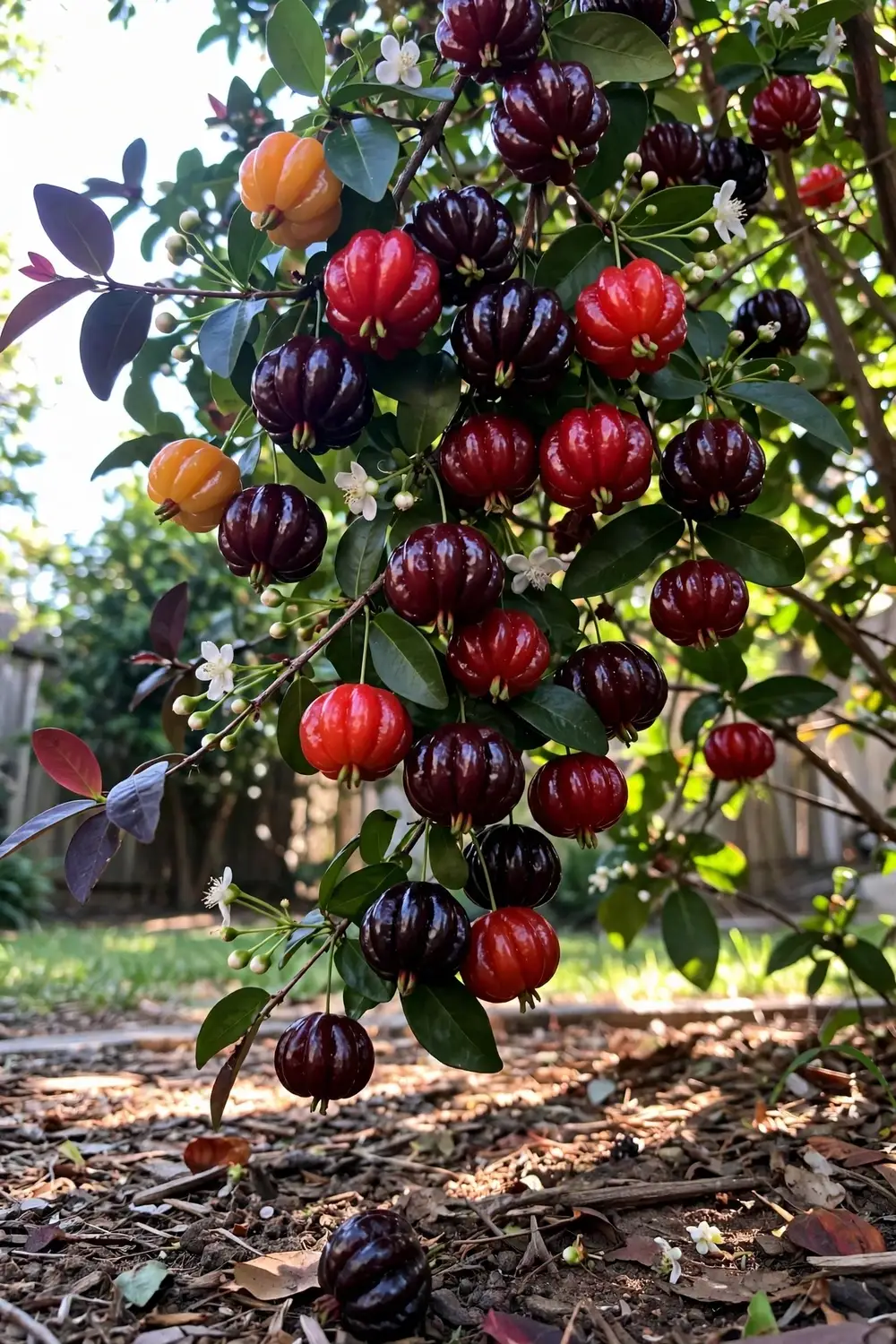
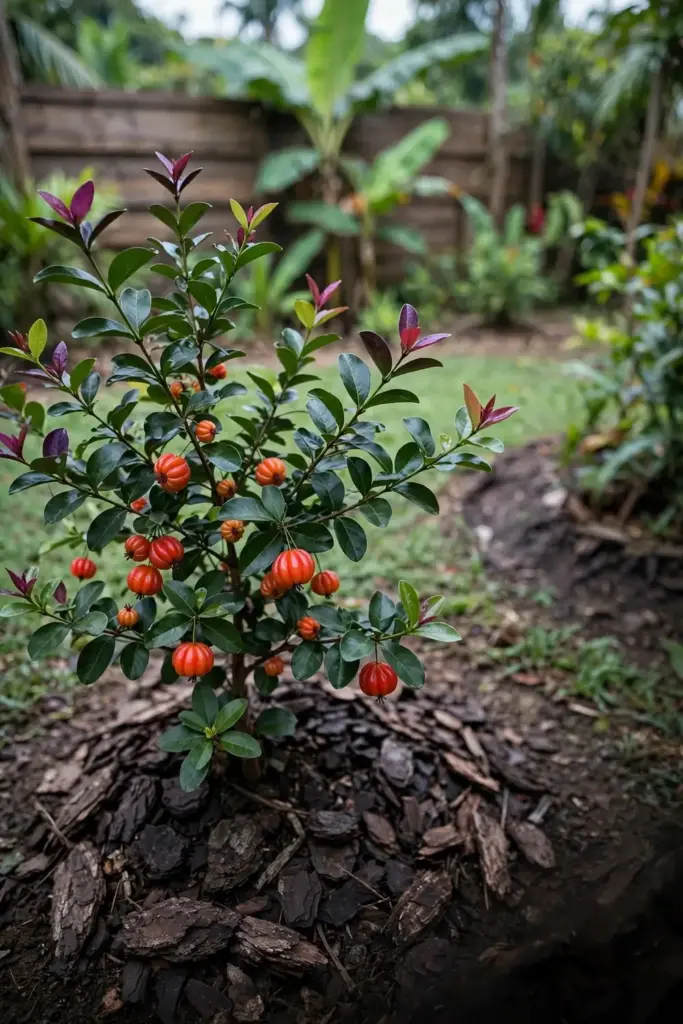
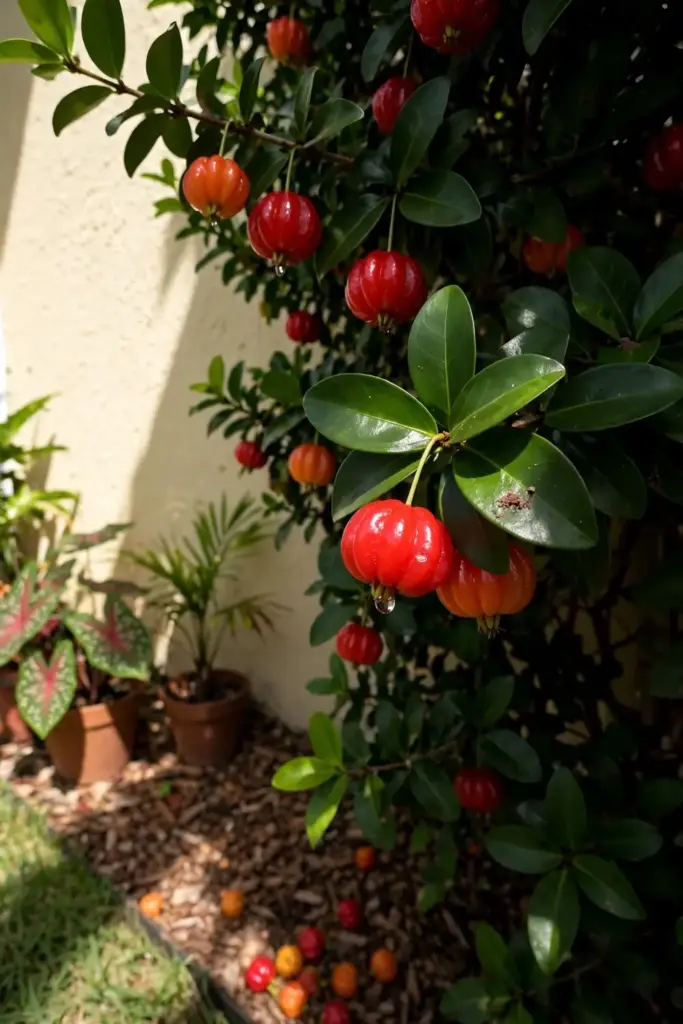
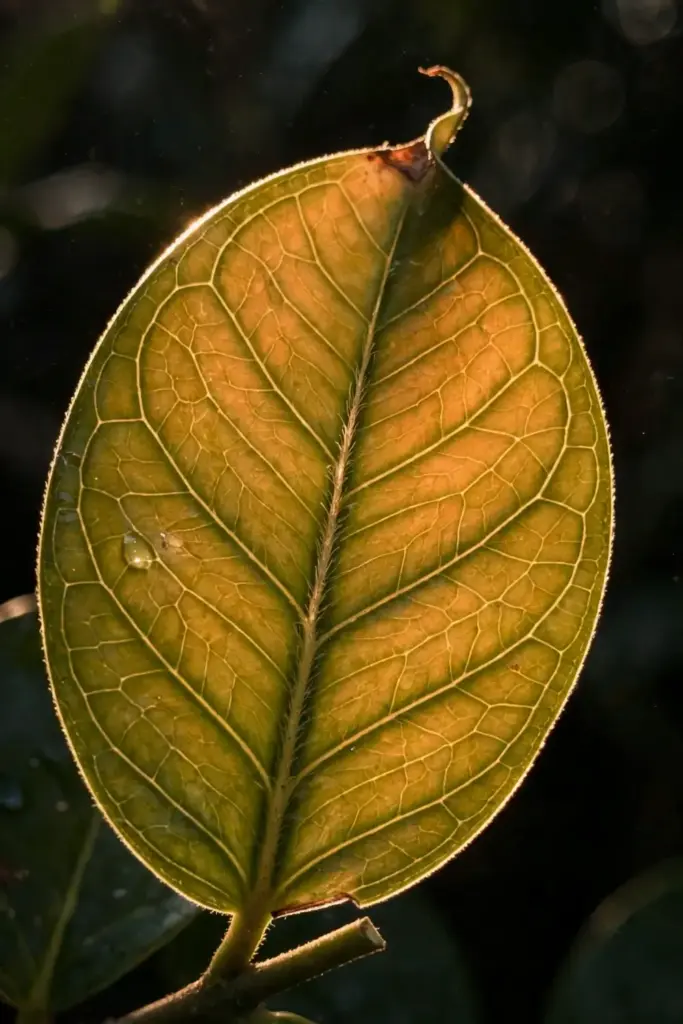
The ECHOcommunity species profile records the tree at 5 to 7.5 m high, thin wiry branches, glossy dark green leaves with dark purple or red new growth, and a single large seed inside a lobed red fruit about 3 cm across, according to the ECHOcommunity resource on Eugenia uniflora.
2. Climate and Location: Where Surinam Cherry Grows
Surinam cherry is a true tropical. It performs outdoors year round in USDA zones 9b through 11, and it tolerates a wider range as a container plant that moves inside for winter. Austin, Texas growers at zone 8b report success with a big pot and a move indoors for the coldest months, which is the model for everyone north of zone 9b.
Cold is the only real climate enemy. Protect young trees from any frost. Mature trees withstand brief dips near -3°C (about 27°F), and experienced growers in the low 20s have reported short cold snaps with only leaf damage, per the ECHOcommunity species notes linked above. Read that as resilience, not a guarantee. A hard freeze still kills branch tips on unprotected trees, so plan protection wherever your thermometer approaches the mid 20s.
Humidity and heat are allies. The tree grows in the tropical lowlands of South America and fruits in warm, moist climates. Adequate moisture during fruit development matters more than high humidity itself. If your summers run hot and dry, irrigation decides whether you get large sweet fruit or small dry ones.
3. Fresh Seed or No Seed: The First Rule
Buy a ripe Surinam cherry, eat it, and plant the seed the same day. That is the entire seed-sourcing strategy, and it works because Surinam cherry seed loses viability fast. The seeds stay viable for about a month under good conditions, per ECHOcommunity, but every day they sit dry on a counter reduces germination.
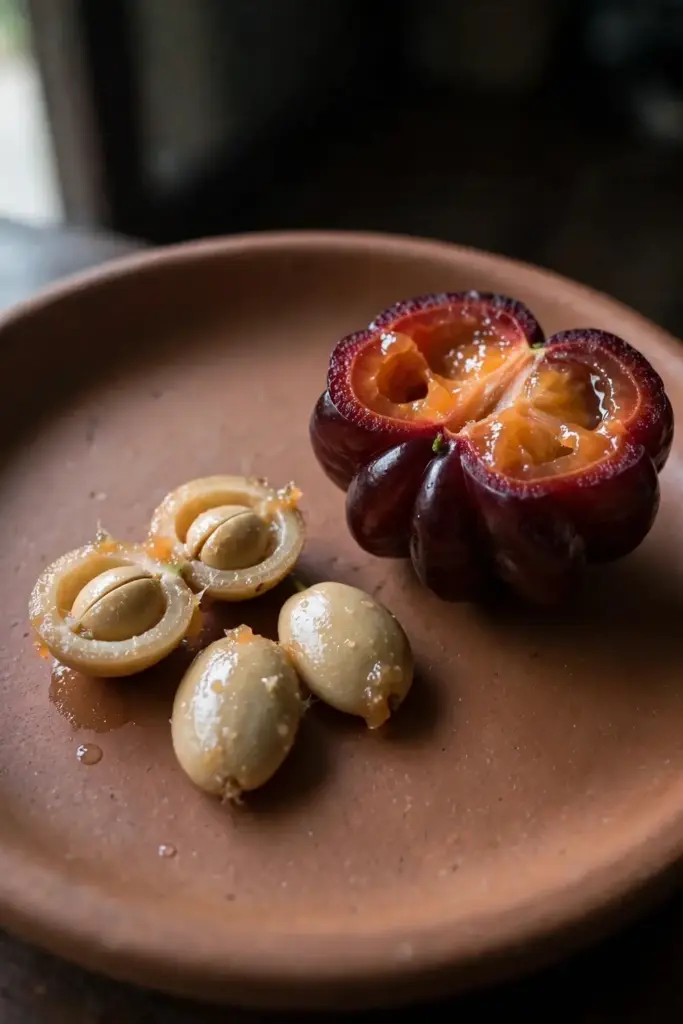
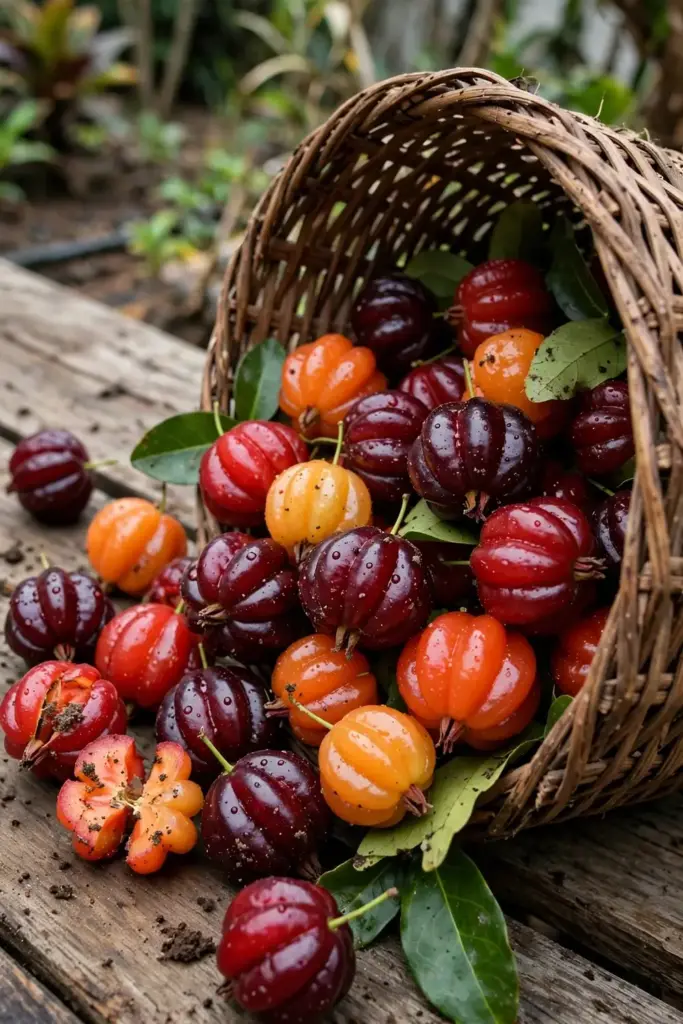
Choose the ripest fruit you can find. The seed inside a dark red or maroon fruit is more likely to be fully developed than the seed inside an orange one. Dark varieties exist and their seeds behave the same way, so do not overthink color. One fruit usually holds one large seed, sometimes two hemispherical halves, so collect a dozen fruits to have ten or more seeds in play.
Do not wait to order dried seeds online unless you have no fresh fruit source at all. Dried Surinam cherry seed germinates slowly and unevenly compared to fresh seed planted within hours. Fresh seed is the single biggest lever in this whole guide.
4. Germination, Step by Step
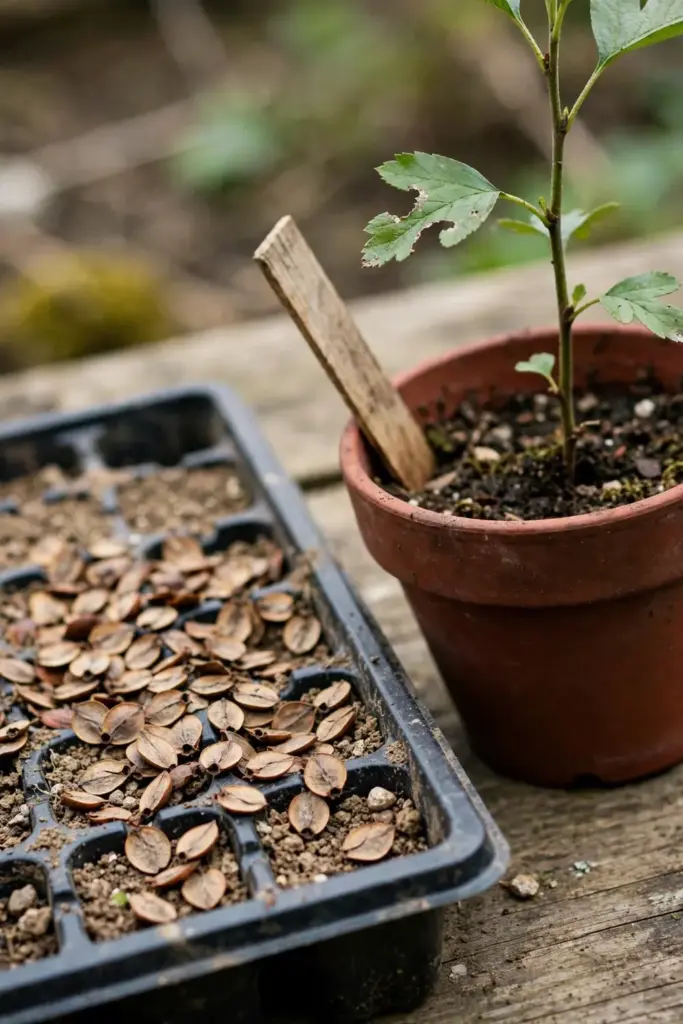
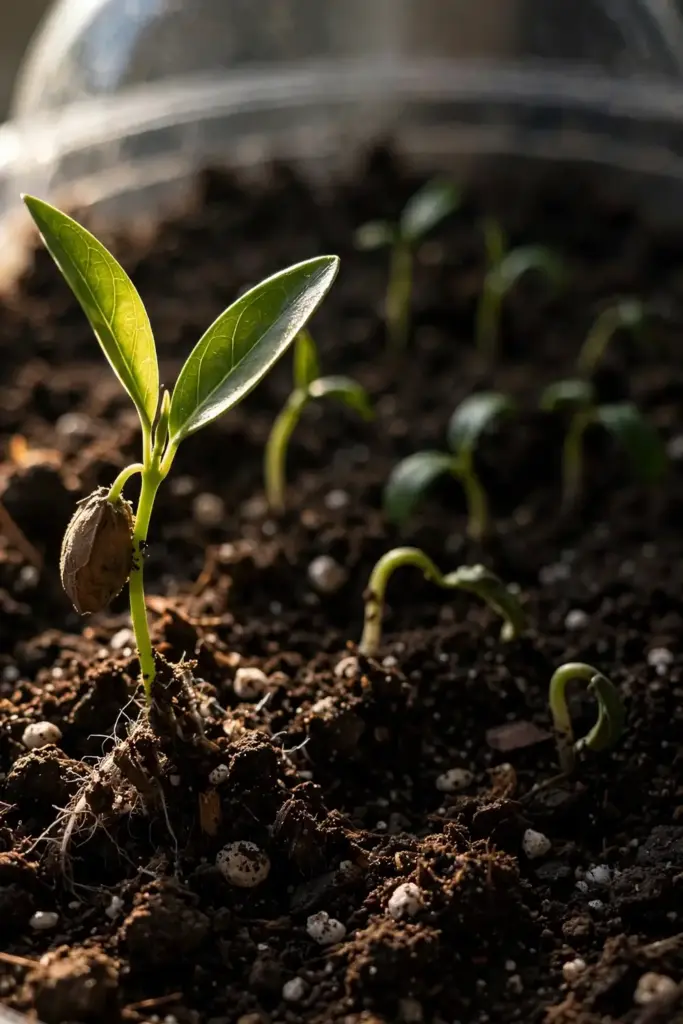
Surinam cherry is genuinely easy to germinate. The California Rare Fruit Growers forum thread on germination sums up the community consensus: plant them before they dry out, no need for anything special, they are easy to grow. That advice from experienced growers matches what the seed biology suggests. The seed coat is thin and the embryo does not go dormant, so the job is warmth, moisture, and freshness.
| Step | Action | Time |
|---|---|---|
| 1 | Rinse the seed free of pulp under running water | 2 minutes |
| 2 | Soak in warm water for 24 hours to hydrate the seed | 24 hours |
| 3 | Fill a small pot with loose, well-draining mix | 5 minutes |
| 4 | Plant the seed about 1 in deep, water thoroughly | 2 minutes |
| 5 | Keep in bright indirect light at 70°F or warmer, soil evenly moist | 10 to 21 days |
Sprouting usually takes 10 to 21 days for fresh seed kept warm and moist. Here is the honest disagreement: the ECHOcommunity notes cited above record germination in 3 to 4 months for some seed lots. Older, drier, or cooler seed germinates slower. Fresh seed in warm soil lands in the 2 to 3 week band; seed that sat around can take months. Do not throw a pot out after four weeks of nothing. Give it a full season.
Cover the pot with a clear plastic bag or dome to hold humidity, then vent daily so mold cannot start. Set the pot where it gets bright indirect light, not direct midday sun. Once the seedling has two true leaves, remove the cover and move it to gentler morning sun. Seedlings started in spring grow fastest because they ride the whole warm season.
5. Seedling Care After Sprouting
Young Surinam cherry seedlings grow slowly at first, then accelerate once the roots fill the pot. Water them often enough that the soil never dries out fully. Seedlings have shallow roots and a small margin for error, so err on the wet side without turning the pot swampy. The mix must drain, but the top should not go bone dry between waterings.
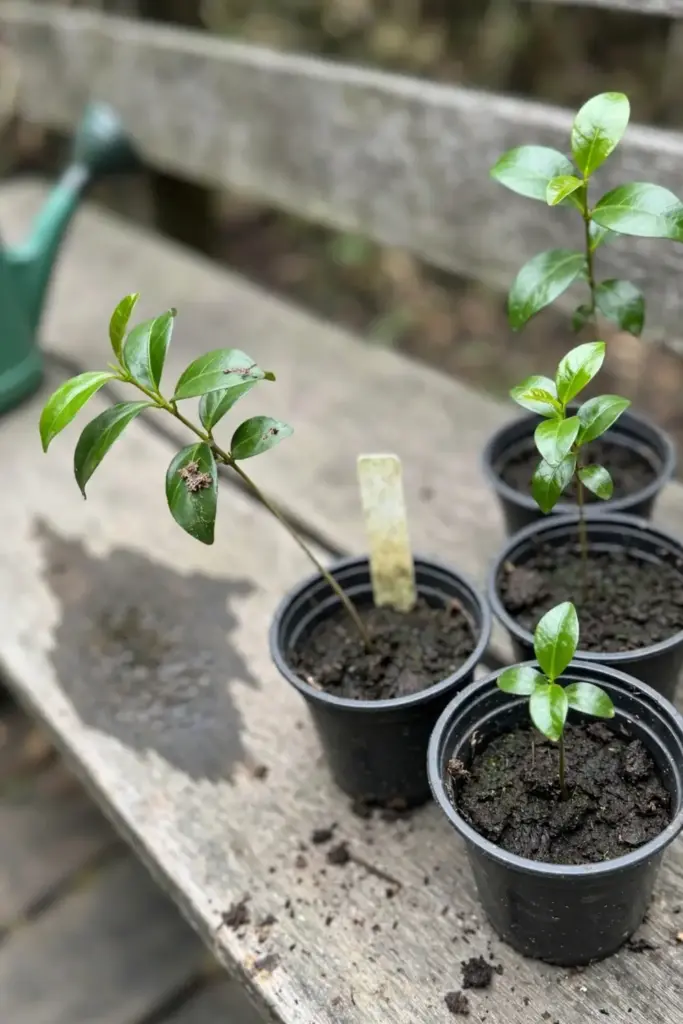
Feed lightly once the second set of true leaves appears. A quarter-strength balanced liquid fertilizer every two to three weeks is plenty for the first year. Skip the heavy feeding you would give a mature tree. Young roots burn easily, and the seedling grows at its own pace regardless of how much fertilizer you pour on.
Pot up when roots reach the drainage holes. A 4-inch seedling pot graduates to a gallon pot, then to a 3-gallon, then to the ground or a final container. Check every couple of months in the growing season. Root-bound seedlings stall and lose a season, and the cure is a bigger pot before the stall happens.
6. Seed vs Cuttings: Which Route to Take
Most growers use seed because it is free and reliable. Cuttings and air layering matter when you want a named variety, because seedlings do not always match the parent. Here is the honest comparison.
| Route | Time to Fruit | Cost | True to Type | Best For |
|---|---|---|---|---|
| Seed | 2 to 3 years | Free | No, fruit varies | Most home growers |
| Cutting (semi-hardwood, summer) | 2 to 3 years | Free, needs hormone and humidity | Yes | Cloning a great-tasting tree |
| Air layering | 1 to 2 years | Free, more skill | Yes | Experienced growers wanting fruit sooner |
| Nursery plant | 1 to 2 years | $15 to $60 | Yes for grafted | Instant tree, guaranteed variety |
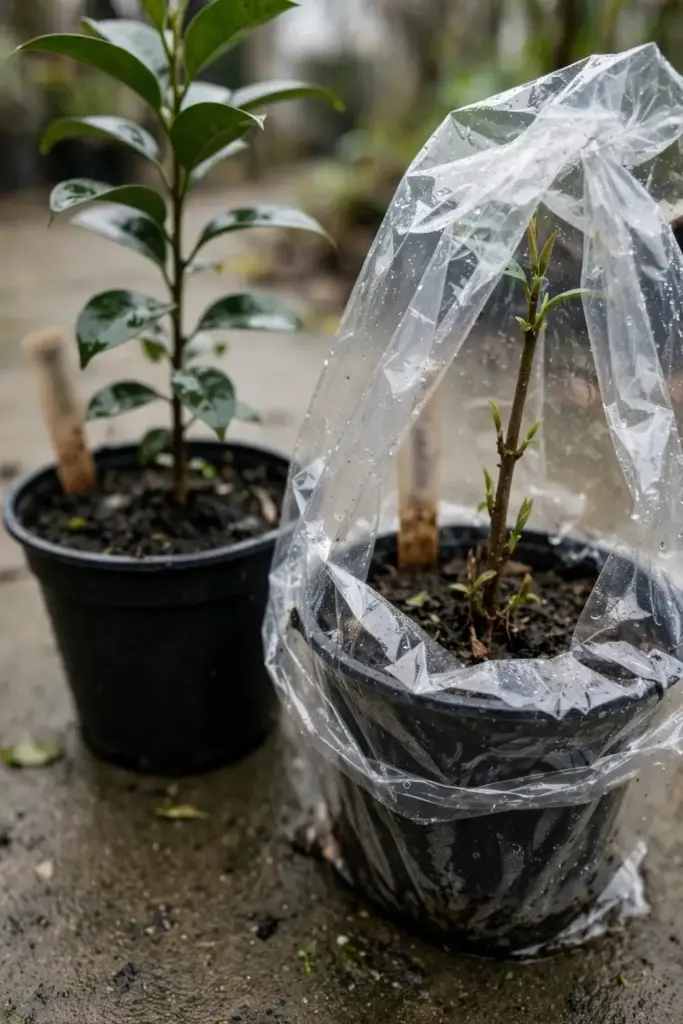
Take semi-hardwood cuttings in summer with rooting hormone under a humidity bag or dome. The method works but rooting is slower and less reliable than seed germination, so most home growers stick with seed and only propagate by cuttings to clone a tree whose fruit they already love. Air layering gives a larger rooted plant faster and can shorten the wait to first fruit, though it takes more hands-on skill.
7. Pollination: One Tree Is Enough
Surinam cherry is self-fertile. A single tree sets fruit without a pollination partner, and bees do the rest of the work. The small white flowers appear in spring and summer in the leaf axils, and fruit follows a few weeks later.
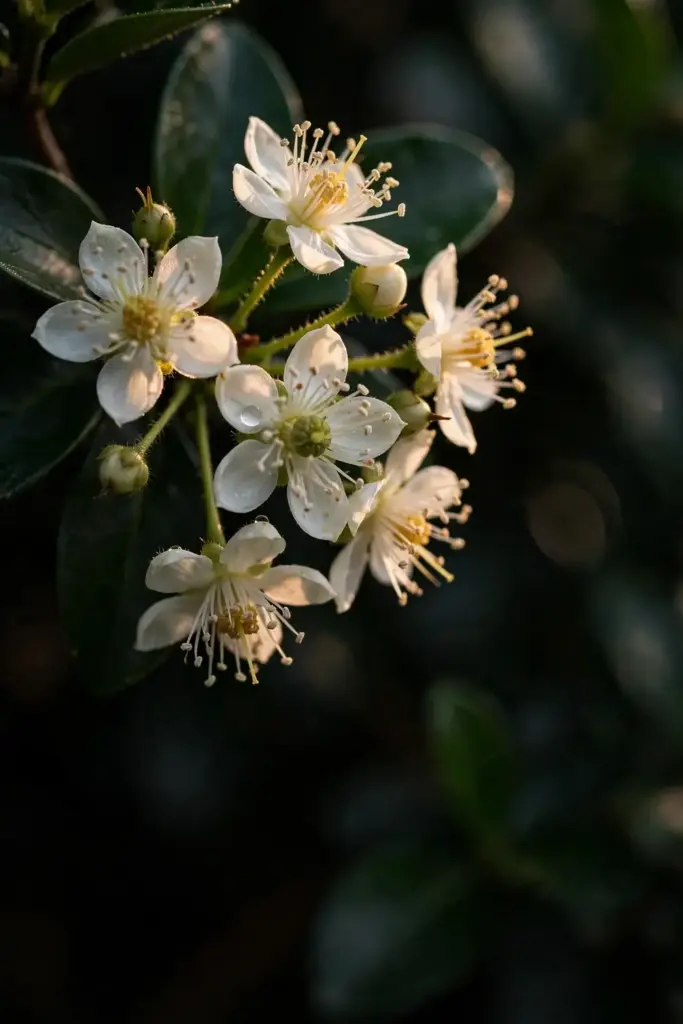
You can plant one tree in a pot on a balcony and still harvest. If you grow a hedge of them, the bees have more flowers to visit and fruit set rises. No male and female plants, no hand pollination, no companion variety required. This is one of the simplest fruit trees a beginner can grow.
8. Site Selection and Spacing
Full sun grows the most fruit. Six to eight hours of direct sunlight is the working minimum for good crops, and the Gardening Know How care guide linked below notes that the best yields come with up to 12 hours of bright light where available. The tree tolerates partial shade, and the UF/IFAS extension fact sheet lists part shade to part sun, but fruit in shade is lighter and slower. Put fruiting trees in the sunniest spot you have.
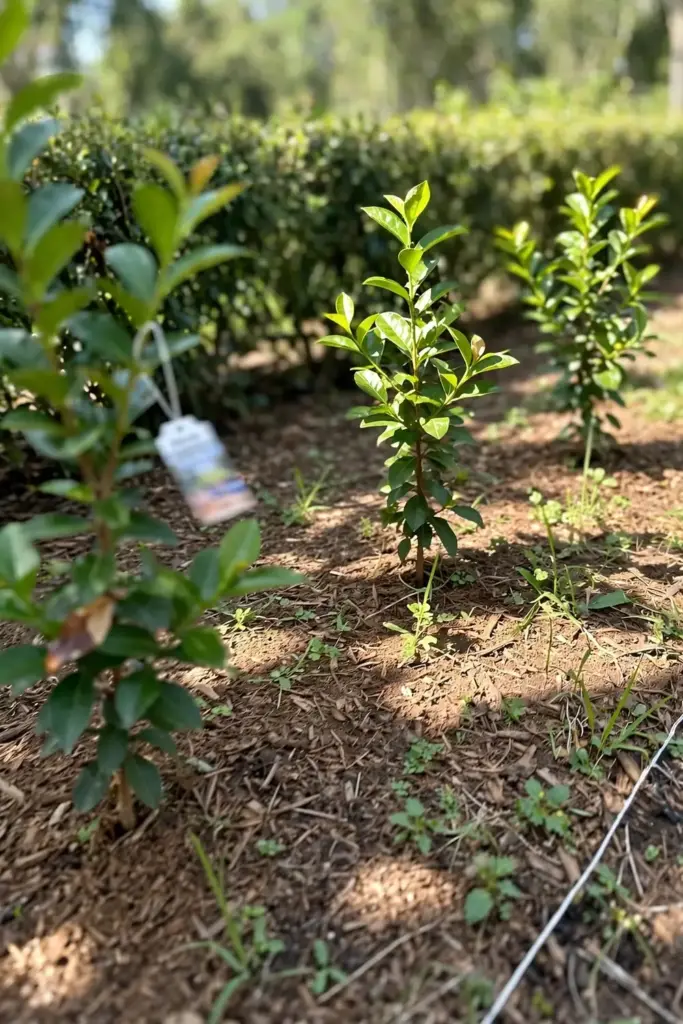
Space fruiting trees 6 to 8 ft apart. That gives each crown room to spread without crowding, which keeps air moving and fruit ripening evenly. For a hedge or privacy screen, plant 2 to 5 ft apart. The UF/IFAS fact sheet records 36 to 60 inches for hedge spacing, which matches the 3 to 5 ft convention growers actually use. Closer spacing knits into a screen faster but needs more pruning to stay dense at the base.
The tree tolerates almost any soil that drains, including clay slopes and rocky ground, as long as it is not salty. Poor salt tolerance is the one soil dealbreaker, so skip coastal sites with salt spray. Amend heavy clay with compost and plant on a slight mound so the crown never sits in standing water.
9. Planting the Tree
Plant in spring or early summer, when the soil is warm and the tree has a full growing season to root in. Dig the hole twice as wide as the root ball and no deeper than the root ball. The top of the root ball should sit level with the surrounding soil, not below it. Planted too deep, the crown stays wet and rots; planted at grade, it dries and settles fine.
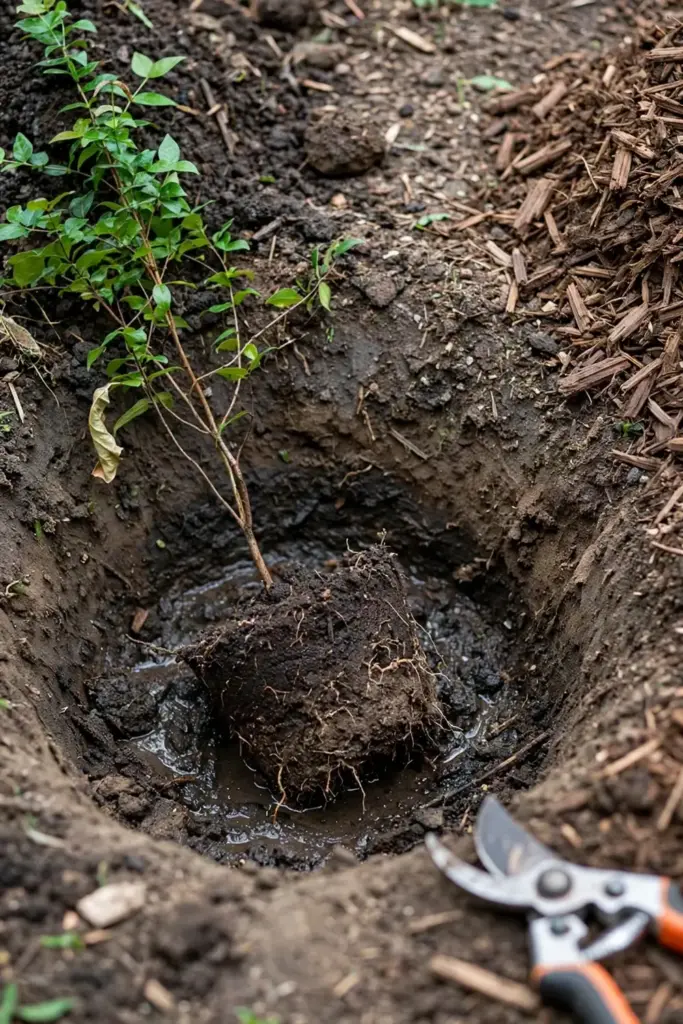
Backfill with the native soil mixed with compost. For a potted tree, a mix of half native soil and half organic compost gives roots an easy transition. Water deeply at planting, then mulch 2 to 3 inches with bark or leaf mulch, keeping the mulch a few inches away from the trunk.
For containers, choose a pot at least 5 gallons for a young tree, moving up to 15 gallons or larger for a fruiting tree. The pot must drain freely. A citrus or cactus potting mix works, or make your own with potting soil, perlite, and compost in equal parts. Container trees fruit well and stay smaller, which also makes winter moves manageable.
10. Watering Through the Seasons
Water young trees often. In the first year, keep the soil consistently moist, watering deeply whenever the top inch dries. New transplants have small root systems and no buffer against dry spells. A tree that wilts in its first summer loses the whole season.
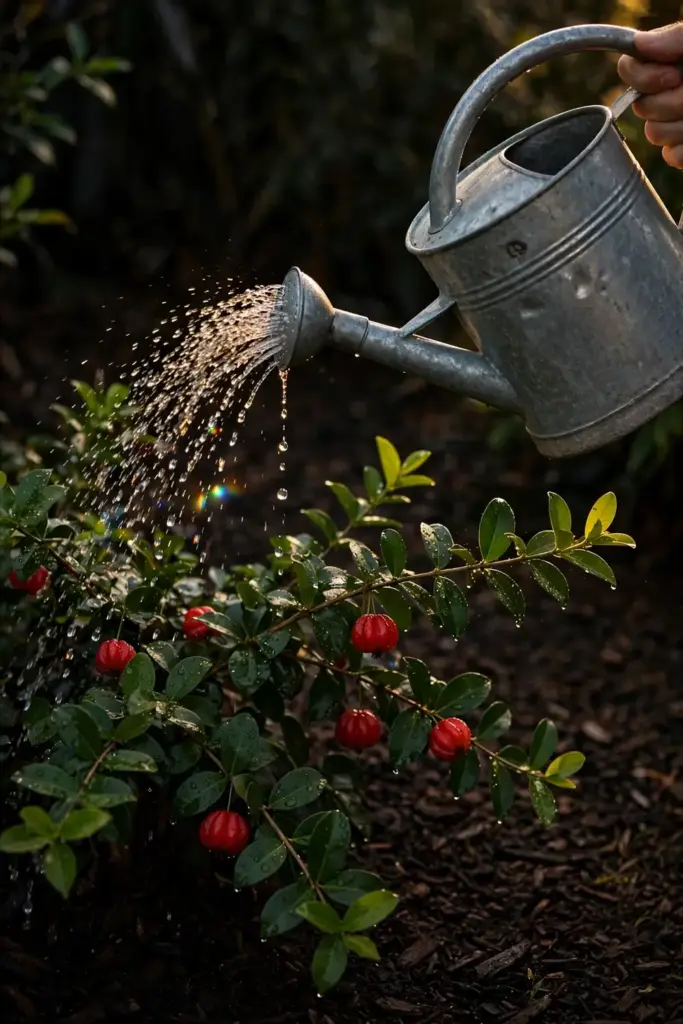
Established trees want deep watering once or twice a week while fruit is developing, and less the rest of the year. The tree tolerates drought once established, but irrigation is what separates large sweet fruit from small dry fruit. Adequate moisture during fruit development is the single biggest water rule, and it comes straight from the ECHOcommunity profile cited earlier.
Do not overwater. The Gardening Know How care guide linked below warns that overwatering is a sure way to kill the tree, and advises waiting until the top 2 inches of soil are dry before watering again. Soggy soil rots roots. The ideal cycle is deep, thorough, then a real dry-down on top. Container trees dry faster than in-ground trees, so check pots daily in summer heat.
11. Fertilizing for Growth and Fruit
Feed Surinam cherry during the growing season and skip winter. A balanced organic fertilizer monthly in the growing season, or quarterly for established trees, covers most situations. The goal is steady growth, not a growth explosion, because overfed trees make leaves at the expense of fruit.
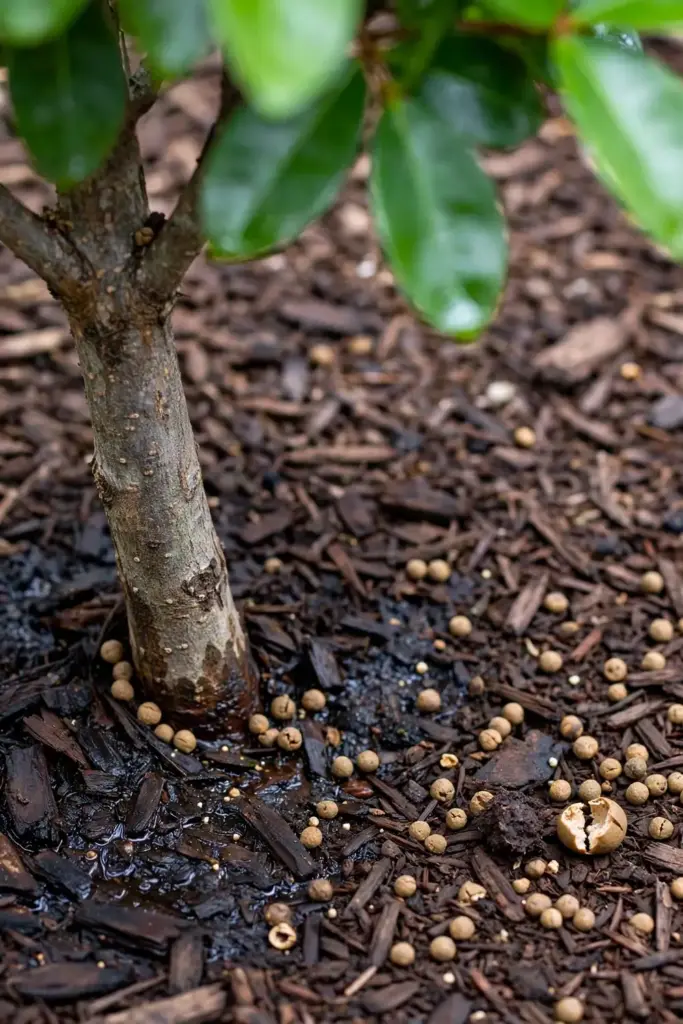
For the specific product recipe, the Gardening Know How guide to Brazilian cherry trees recommends fertilizing with a time-release 8-3-9 fertilizer during the growing season, applied at the same time as watering. That formula suits palms and tropical fruit alike, and it matches what South Florida growers use on Surinam cherry hedges. Container trees need lighter, more frequent feeding than in-ground trees because every watering flushes nutrients out the drainage holes.
Watch the leaves for deficiency signals. Pale new growth suggests nitrogen shortage; overall dullness in a pot usually means the tree wants feeding. Fix the problem before the tree stalls, because a stalled tree skips a fruiting cycle. Mulching with compost each spring feeds the soil slowly and reduces how much fertilizer you need.
12. Pruning: From Bush to Hedge to Hard Cutback
Prune lightly after fruiting. That timing matters because the tree fruits on wood that grew earlier, and a heavy prune right before bloom removes the flowers along with the branches. After the harvest ends, shorten long shoots, thin crossing branches, and shape the canopy. Done annually, this keeps fruit within reach and light inside the canopy.
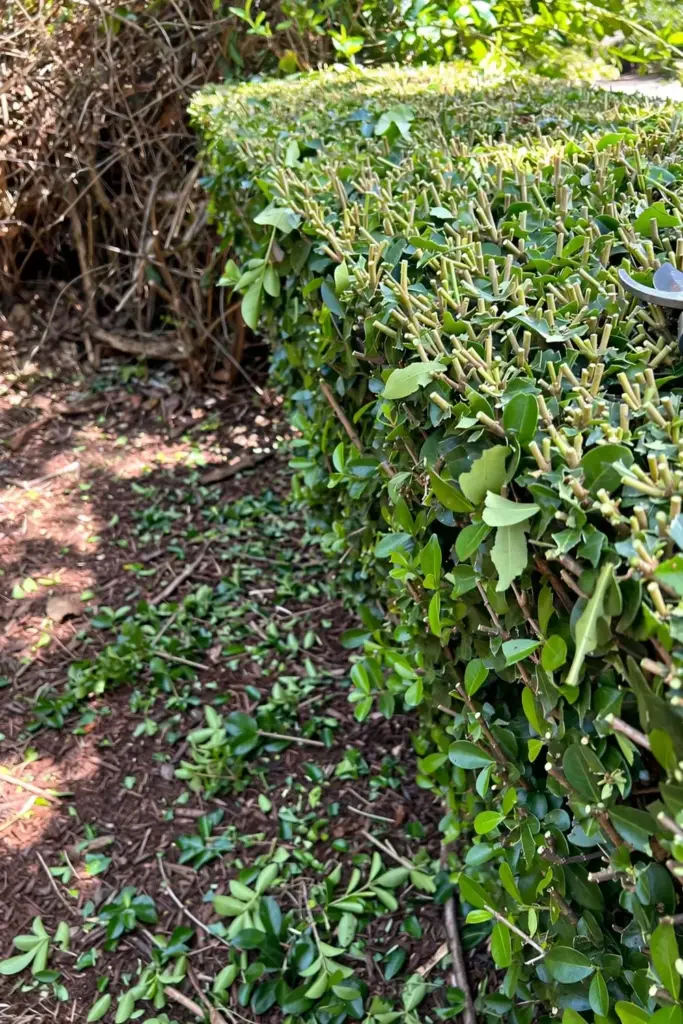
Hedges get sheared 2 to 3 times a year. Start shearing young plants so they branch low and fill in at the base. A hedge pruned from youth becomes dense enough for privacy; one left alone becomes leggy with bare lower stems. The tree tolerates heavy pruning well, and a neglected hedge can be cut back hard in spring and will flush new growth, though expect to lose that year’s fruit on the cut sections.
Training into a small tree is also possible. The UF/IFAS fact sheet notes the multi-stemmed habit makes it a good candidate for training into a specimen small tree, though few growers do it. Keep one to three strong trunks, remove low suckers, and raise the canopy gradually. For the spring pruning routine on any tree, the same instincts in the spring pruning techniques guide apply: cut just above an outward-facing bud and never leave stubs.
13. Bonsai and Container Growing
The bonsai lane is unusually strong for Surinam cherry. Bonsai results for this keyword run near the top of the results, and the reason shows on the tree itself. Small glossy leaves, wiry branches, attractive peeling bark, and red fruit on a miniature tree make a remarkably rewarding tropical bonsai subject. It also backbuds readily, which forgives beginner mistakes.
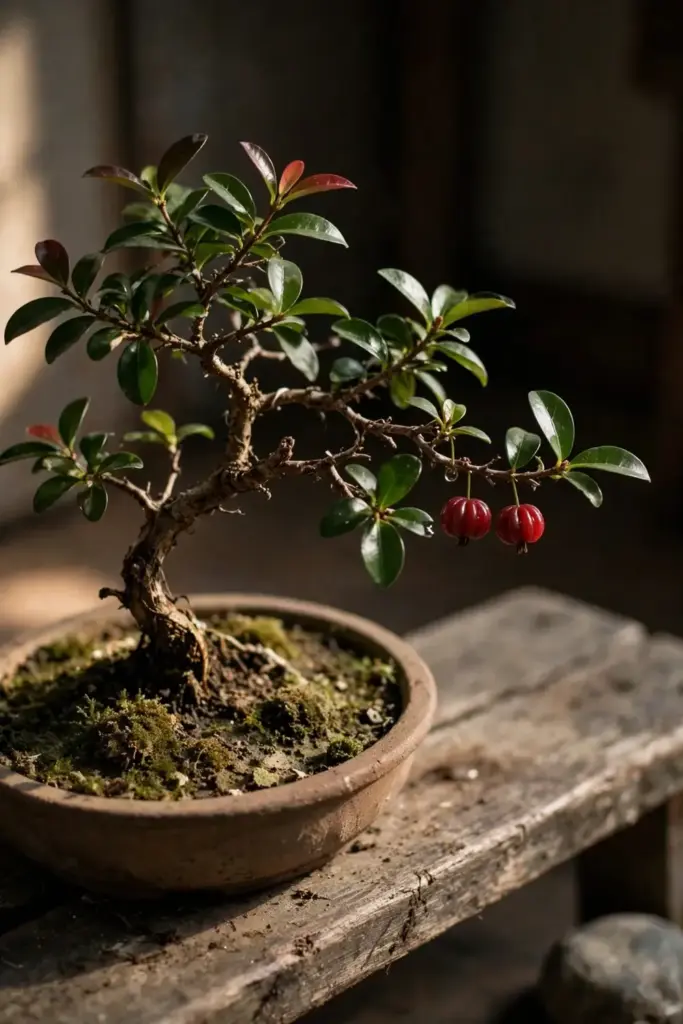
Bonsai pruning follows a specific rhythm. Bonsai Outlet’s care guide describes shortening new shoots that carry 6 to 8 pairs of leaves back to 1 to 2 pairs, which forces the fine branching that makes the tree look old. Prune back hard in the growing season, wire in summer, and keep the tree outdoors in warmth with winter protection above freezing. A bonsai Surinam cherry still fruits, which is half the joy.
For ordinary container growing, the rules are simpler. Big pot, free-draining mix, full sun, and bring it inside before the first frost. A large container tree on a sunny patio can fruit every year in climates far outside zone 9b. The Austin zone 8b model works anywhere: pot, sun, winter indoors near the brightest window, back outside after the last frost.
14. Pests: Fruit Flies, Scale, and Caterpillars
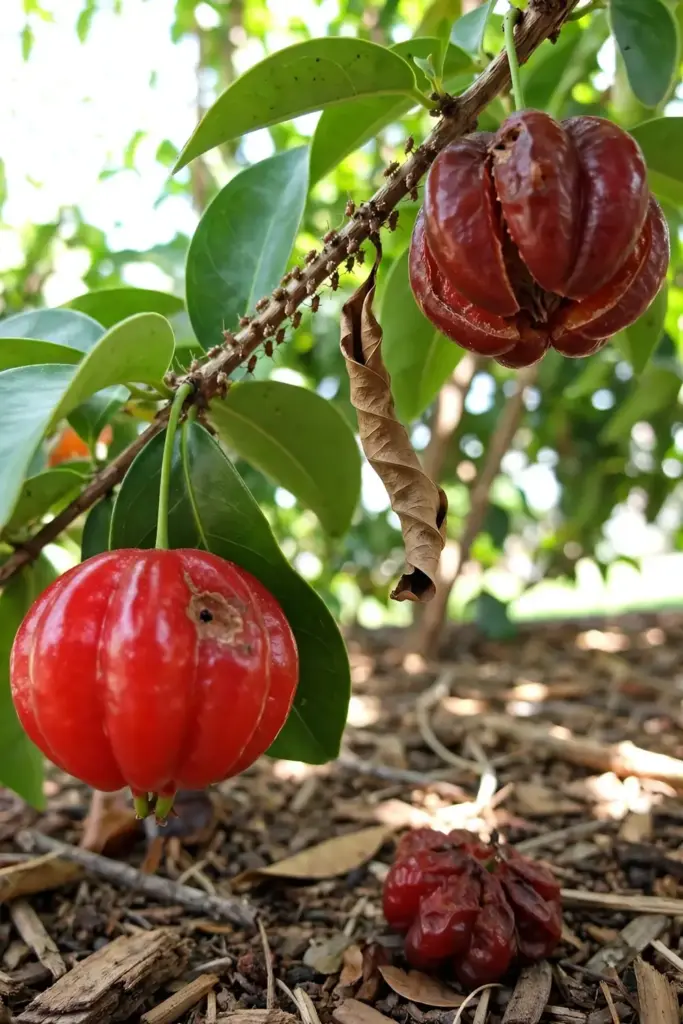
The headline pest is the fruit fly. ECHOcommunity notes that Surinam cherry attracts Caribbean and Mediterranean fruit flies, and growers in fruit-fly regions confirm the damage. The flies lay eggs in ripening fruit, and the maggots ruin it from inside. Harvest fruit the day it ripens, pick up every fallen fruit, and do not leave overripe fruit hanging. Sanitation is the main control.
Scale insects cluster on stems and the undersides of leaves, sucking sap and weakening growth. Wipe light infestations off with a cloth or brush, and treat heavier ones with horticultural oil in the cool season. Caterpillars chew leaves in waves during warm months. Handpicking handles small trees; Bacillus thuringiensis spray handles large infestations without harming bees.
No diseases are of major concern on Surinam cherry, per the UF/IFAS fact sheet. Root rot from waterlogged soil is the main disease-adjacent problem, and it is cultural, not contagious. Plant in draining soil, water with a dry-down cycle, and disease mostly stays away. For general soil health that suppresses root problems, the principles in the soil health guide apply directly to this tree.
15. Toxicity and Pet Safety
Two of the most searched questions about this tree are whether the fruit is poisonous and whether it is toxic to dogs. The short answer: ripe fruit is safe for people. Unripe fruit tastes resinous and harsh, which is nature’s warning label, but it is not considered poisonous in the amounts a person would eat. Seeds are generally not eaten; they pass through intact.
For dogs, the honest answer is caution without panic. The leaves and seeds contain compounds that can upset a dog’s stomach if chewed in quantity, and the pits of many fruits carry the same kind of risk. If your dog eats fallen fruit, watch for vomiting or lethargy and call your veterinarian. Planting the tree where a curious puppy cannot gorge on fallen fruit is the practical move.
Keep the medical framing tight. This guide is gardening advice, not veterinary advice. If a person or pet shows symptoms after eating any part of the plant, call a poison control center or veterinarian rather than searching for more reassurance online.
16. The Florida Invasive Question
Surinam cherry appears on Florida’s watch lists, and the Brave related queries confirm gardeners ask about it. The tree naturalizes in South Florida, birds spread the seed, and it can escape cultivation into natural areas. It spreads far less aggressively than the state’s worst invaders, yet planting it in South Florida still carries ecological responsibility.
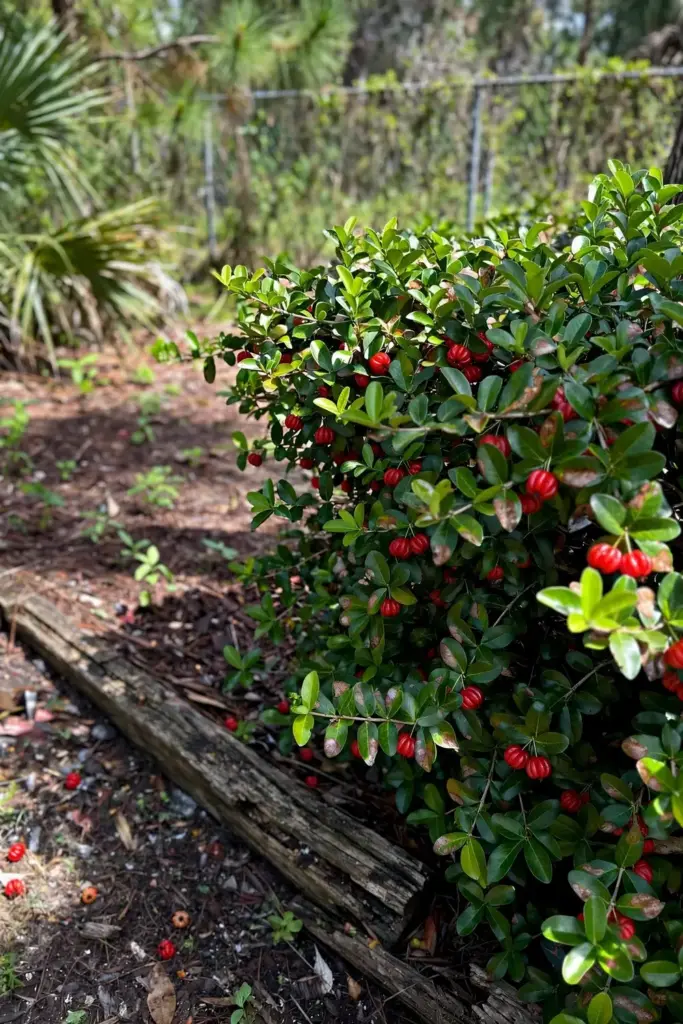
If you garden in South Florida, keep the tree pruned, harvest all fruit before birds take it, and remove any seedlings that pop up outside the planting area. Container growing eliminates the spread risk almost entirely. Outside Florida and similar frost-free regions, the tree cannot naturalize because winter kills the seedlings, so the concern does not apply.
17. Harvest: Pick Only the Fruits That Let Go
The harvest rule for Surinam cherry is the most memorable in tropical fruit growing: pick the fruit only when it is ripe enough to fall into your hand. Touch a ripe Surinam cherry and it releases with the slightest pressure. That is the test. ECHOcommunity records this exact rule, noting that fruit picked earlier tastes resinous.
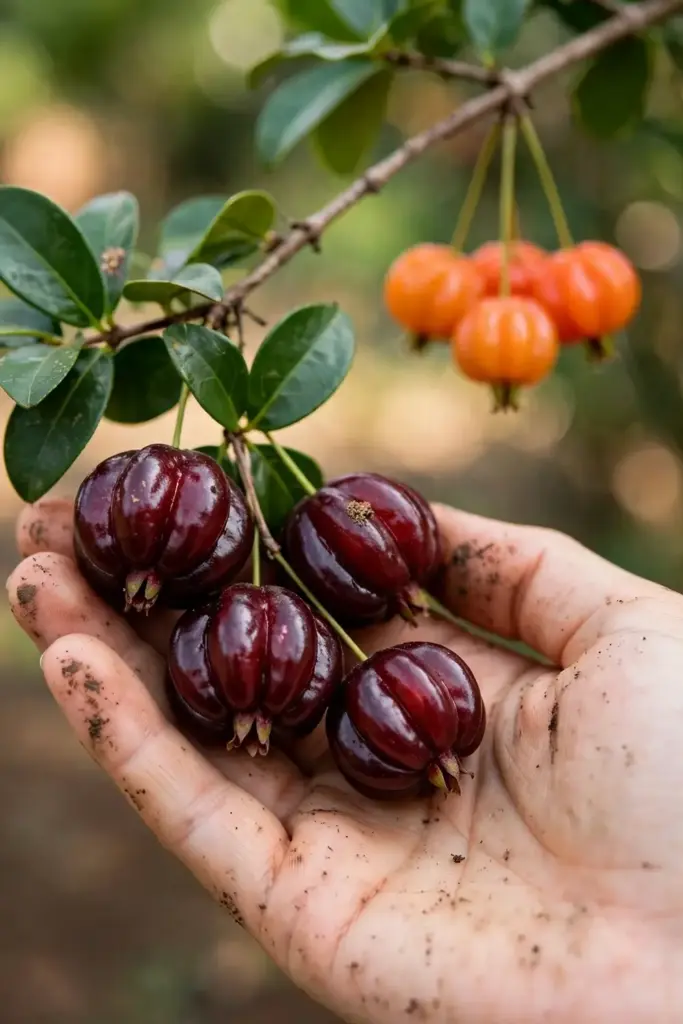
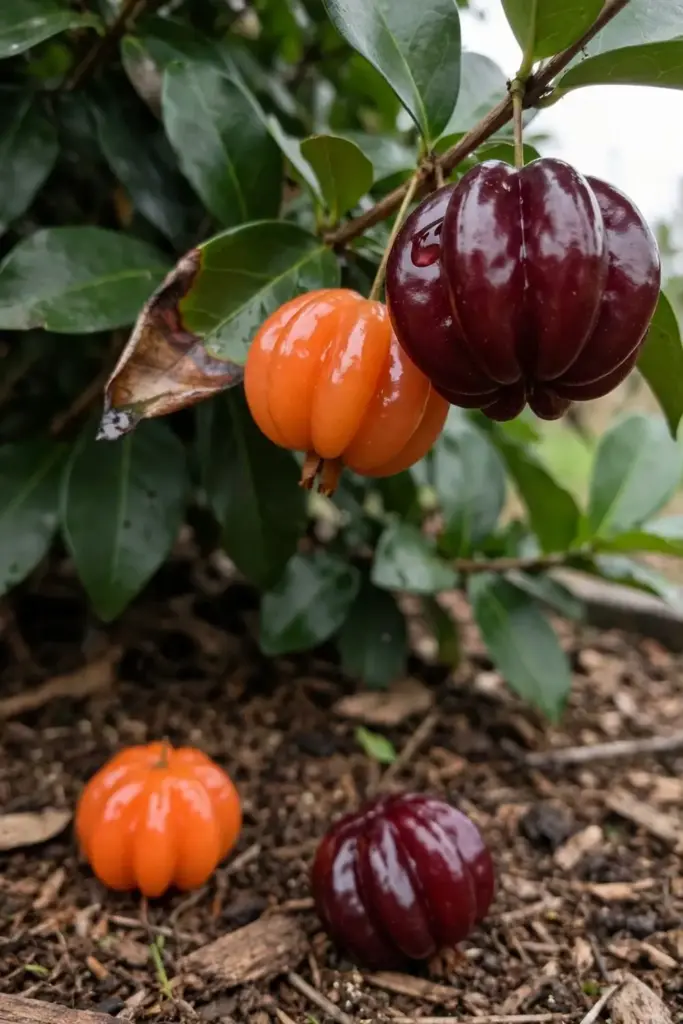
Color helps but does not decide. Fruit ripens from green to orange to red to deep maroon, and the sweetest fruit is usually the darkest. But a red fruit that resists your touch is not ready, while a maroon one that drops into your palm is perfect. Learn the touch test and you will never eat a resinous one again.
Harvest daily during the season. Fruit ripens over weeks, and a day’s delay turns perfect fruit into bird food or mush. A 3-year-old tree can carry its first real crop, per community grower reports on r/gardening, and mature trees fruit heavily enough that you will eat fresh, make jam, and still have some for the birds. For a second tropical fruit with a similarly generous harvest habit, growing mango from seed or grafted stock runs on a comparable timeline.
18. Troubleshooting: Why Your Tree Has No Fruit
A Surinam cherry that grows but never fruits is the problem growers ask about most. Walk the causes in order of likelihood.
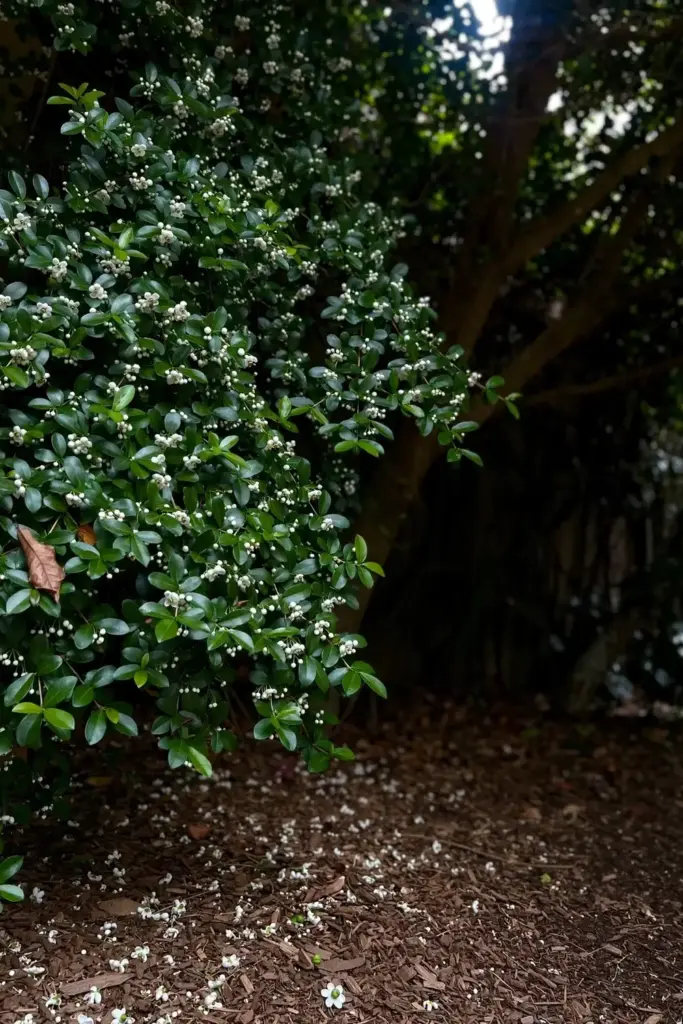
Too young is the most common answer. Seedling trees usually need 2 to 3 years before the first crop, and some take longer. If your tree is under 3 years old, the fix is patience and good care, not intervention.
Too much shade is next. A tree in partial shade grows fine but fruits lightly. If your tree sits under a bigger tree or against a north wall, move a container or plan a sunnier spot for the next planting. Fruit needs those 6 to 8 hours of direct sun.
Pruning at the wrong time removes the flowering wood. Heavy pruning just before the bloom season costs you the crop. Prune after fruiting, as section 12 describes, and the tree keeps its flowers.
Too much nitrogen pushes leaves instead of fruit. If you fertilize heavily and get soft leafy growth with no flowers, cut back to the 8-3-9 schedule and let the tree settle. Drought during bloom or fruit set also drops the crop, so keep water steady through the fruiting season.
Frequently Asked Questions About Growing Surinam Cherry
Most Surinam cherry trees fruit 2 to 3 years after planting from seed, with the first real crop often appearing on a 3-year-old tree according to community grower reports. Cuttings and air layers from mature wood can fruit a year sooner. Trees grown from old dried seed or kept in too-small pots take longer. Give the tree full sun, steady water during fruiting, and annual pruning after harvest to keep it on schedule.
Yes, this is one of the easiest tropical fruit trees for a beginner. Fresh seed germinates in 10 to 21 days with no special treatment, the tree is self-fertile so one plant fruits alone, and no diseases are of major concern. The real requirements are warmth, sun, and fresh seed. Cold climates need a container and winter protection, but the tree itself asks little beyond that.
Ripe Surinam cherry fruit is safe to eat in normal amounts, while the leaves and seeds can upset a dog’s stomach if chewed in quantity, and fallen fruit invites gorging. Watch for vomiting or lethargy and call your veterinarian if symptoms appear. The practical fix is planting where a curious dog cannot reach fallen fruit and picking up drops daily during the season. This is gardening guidance, not veterinary advice.
Ripe fruit is safe to eat and widely eaten fresh, made into jam, or fermented in Brazil. Unripe fruit tastes harsh and resinous, which discourages eating it, though it is not considered poisonous in normal amounts. Seeds are not eaten and pass through intact. If anyone shows symptoms after eating any plant part, contact a poison control center rather than relying on gardening articles.
Yes, and containers are the standard method outside zones 9b to 11. Use a pot of at least 5 gallons for a young tree, moving to 15 gallons or more for a fruiting tree, with a free-draining mix. Give it the sunniest window or patio spot available and move it inside before the first frost. Container trees stay smaller, fruit reliably, and make the Florida invasive concern a non-issue.
No. Surinam cherry is self-fertile, so a single tree sets a full crop without a second variety nearby. Bees improve fruit set by moving pollen between flowers on the same tree, but no pollination partner is required. Planting several trees together raises total yield because there are more flowers, not because the trees need each other.
Surinam Cherry Is Worth the Wait
Three years from a fresh seed to your first handful of dark red fruit is a short wait in the fruit-tree world. Few tropical trees ask so little and give so much: an easy germination, a self-fertile habit, a hedge that feeds you, a bonsai that fruits, and a harvest rule you will never forget. Plant the seed the day you eat the fruit, give the tree sun and drainage, and let the touch test tell you when dinner is ready.