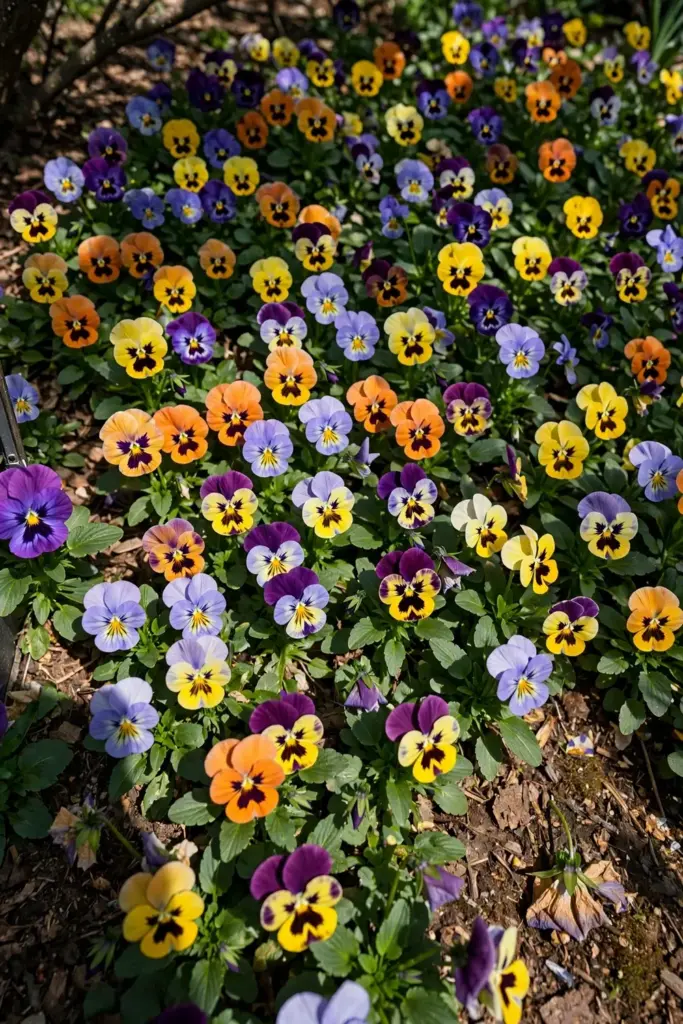

Plant pansies 6 to 8 weeks before your first hard freeze and they pay you back for 6 months. That is the whole trick behind fall pansies. The rest of this page is 12 steps, from the planting window to the summer teardown.
Most gardeners treat them as a fall decoration and pull them in December. Planted on time, with roots established before the soil locks up, pansies bloom from September into the first frosts, rest through the coldest weeks, and start flowering again in late winter while everything else is still brown.
Fall pansies are cool-season annuals, not perennials. This page is the full how-to: timing by zone, series picks, the pansy versus viola decision, soil, feeding, overwintering, pests, and what to do when summer arrives. If you are planning more than pansies, the fall planting guide maps the whole season’s crops.
Fall Pansy Planting Windows by Zone
| Zone | Planting window | What to expect |
|---|---|---|
| 4-5 | Early September | Roots set before hard frost; blooms fall and again from snowmelt to May |
| 6 | Mid September | Strongest overwintering odds; continuous fall color until December |
| 7 | Late September to early October | Fall bloom peak; spring flush starts in February |
| 8-9 | October to November | Winter annuals; bloom straight through the mild winter |
| 10-11 | November to December | Treat as cool-season annuals; bloom until heat returns |
1. Plant Six to Eight Weeks Before Your First Hard Freeze
Pansies are sold when nurseries stock them, which is not the same as when they should go in the ground. A six-pack bought on impulse in late August and planted the same weekend in warm soil makes weak, leggy plants that bloom themselves tired before October. The roots are the whole investment. Everything the plant does in fall and spring depends on whether those roots had time to knit into the surrounding soil before the cold arrived.
The window shifts with latitude. A University of Georgia horticulturist who advises the state’s landscapers breaks Georgia into three pansy zones: plant between September 15 and October 1 in cooler north Georgia, October 1 to October 15 in middle Georgia, and October 15 to November 1 in warm south Georgia, because planting too early makes pansies stretch and go leggy in lingering heat. His warning travels well. In the North, get transplants in by early September. Where winters are mild, later September into early October still works, according to Utah State University’s pansy guidance. In Louisiana, the LSU AgCenter recommends late October through early December, after temperatures have cooled off.
If you miss the window by a week, plant anyway. A late pansy with mulch beats an empty bed. If you miss it by a month, buy larger plants in 4-inch containers instead of six-packs. The bigger root systems establish faster and bloom earlier, which recovers some of the lost time. If you have never tracked your own frost dates, the when to start fall garden guide walks through the frost-date math step by step.
2. Pick a Series That Matches Your Goal
Nursery racks in September hold a dozen pansy series, and the differences are real. Upright series like Matrix grow into tidy mounds about 8 inches tall and wide with freely branching stems, in color-coordinated mixes instead of random color splashes. They are the workhorses for beds and borders. Trailing series like Cool Wave spread sideways and then cascade, which makes them the right choice for hanging baskets, window boxes, and the front of a tall container. Buy the habit first and the color second.
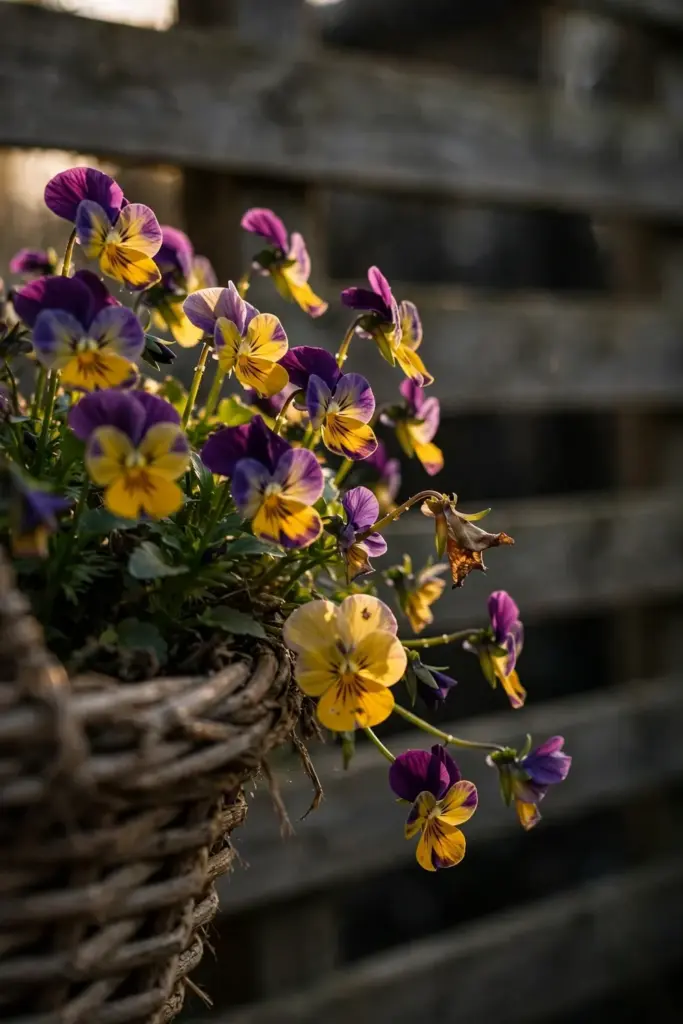
Flower size is a performance decision, not just a looks decision. Small- and medium-flowered varieties hold up better than large-flowered ones over a long season, because big faces take more damage from wind and rain. The LSU AgCenter names the Matrix pansy series and the Sorbet viola series as its recommended picks, which is a useful default when the rack offers too many choices. Clear-faced flowers, the solid colors without the dark blotch, read cleaner in mass plantings. Faced flowers, the classic dark-center “faces,” pop harder in containers viewed up close.
Check the tag for the words “winter flowering” or “overwintering” if your zone drops below freezing. Those series were selected for cold tolerance. A generic bedding pansy bred for spring color in mild climates will not have the same cold genes. Trailing types deserve a special note. Wave Gardening lists its Cool Wave series as overwintering in zones 5 through 11 and surviving to 26 degrees, which makes a trailing pansy a legitimate fall-to-spring plant in much of the country, not just a September decoration. In a hanging basket or window box, that cold tolerance turns one planting into two seasons.
3. Learn the Pansy vs Viola Difference Before You Buy
Pansies and violas share the genus Viola, and gardeners use the names loosely, but the plants behave differently enough that the choice matters. Cornell’s annual flower trials put it plainly. Pansies, the hybrid Viola wittrockiana, carry fewer, larger flowers and may be less hardy. Violas, the Viola tricolor types, carry more, smaller flowers and tend to be more hardy. That single sentence answers most buying questions.
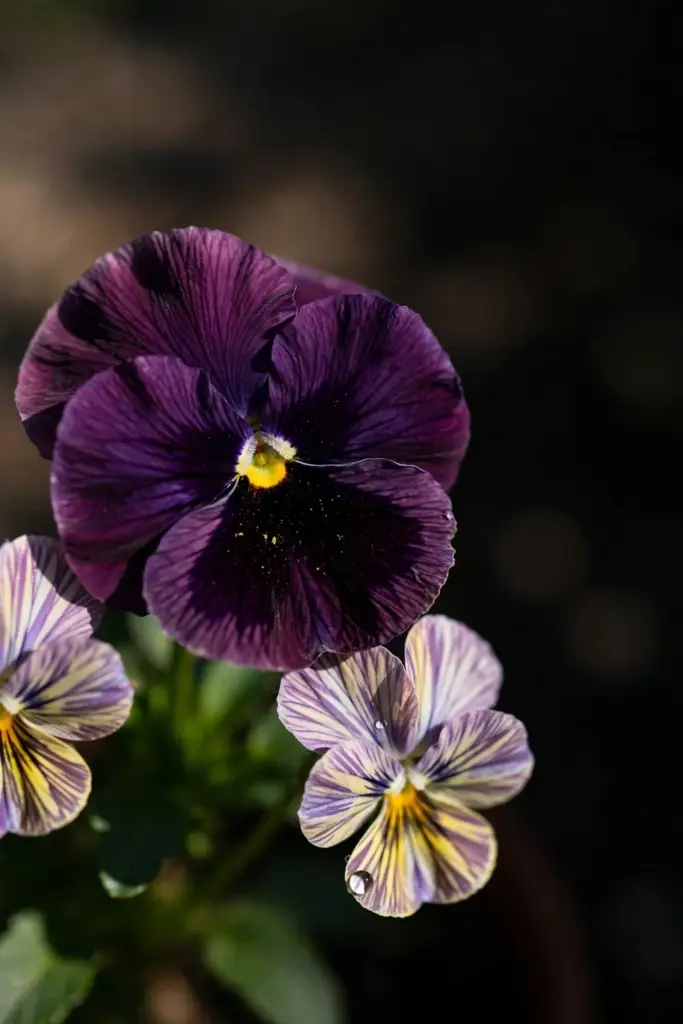
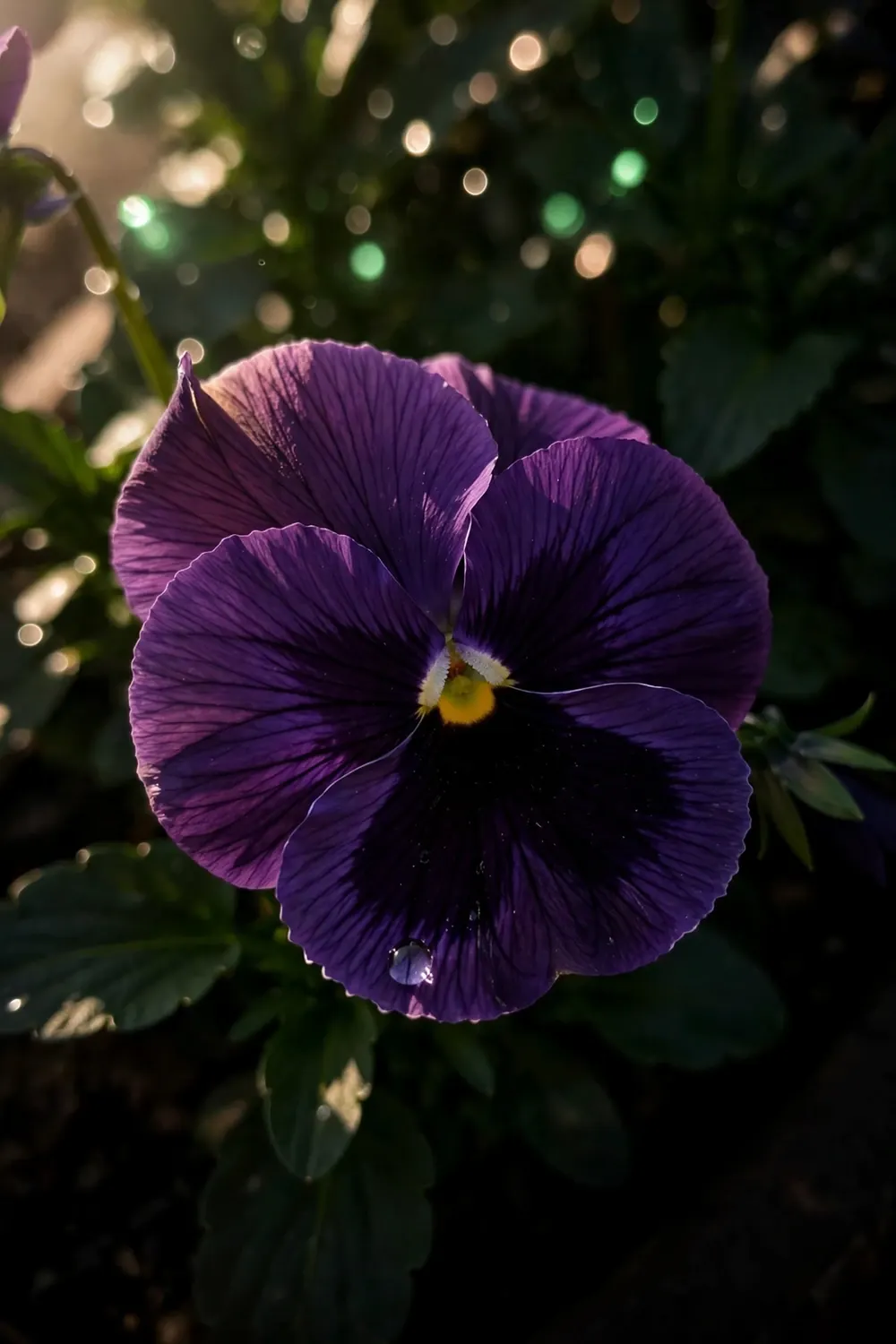
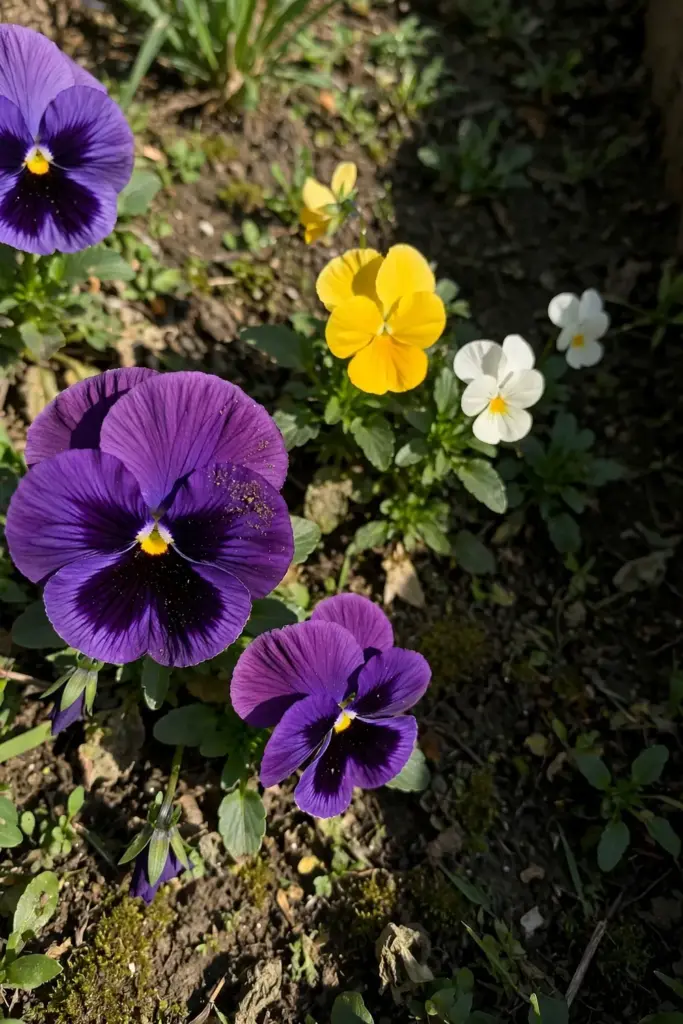
The flower face tells them apart at a glance. A pansy shows four petals pointing upward and one pointing down, with the lower three petals forming the classic dark “face.” A viola shows two petals up and three down, with streaking instead of a bold face. Violas fill a bed faster and look good earlier, because the plants are compact and the blooms are abundant from the start.
The practical difference is weather tolerance. Violas handle heat and rain better than pansies, which extends their season on both ends. The LSU AgCenter’s horticulturists report that violas last about two weeks longer than pansies into the late spring. If your springs turn hot fast, or your fall rains are heavy, the smaller-flowered viola is the safer buy. If you want the biggest color statement and your climate is mild, the pansy wins.
Nurseries sometimes label both as just “viola” on the tag, since pansies are violas botanically. Read the series name instead. Matrix, Majestic Giants, and Delta are pansies. Sorbet and Penny are violas. The series name tells you the flower size and habit more reliably than the common name on the sign.
4. Give Them Acid, Well-Drained Soil
Pansies want soil most gardeners do not have, which is why bed prep decides the season. They do best in soils with a pH between 5.5 and 5.8, more acidic than the near-neutral soil most vegetables and perennials prefer, according to University of Georgia guidance. The LSU AgCenter gives a slightly wider band of 5.5 to 6.0 for pansy and viola beds. If your soil tests at 7.0, the plants survive but never thrive. A soil test through your county extension office costs little and answers the question before you plant a single flat.
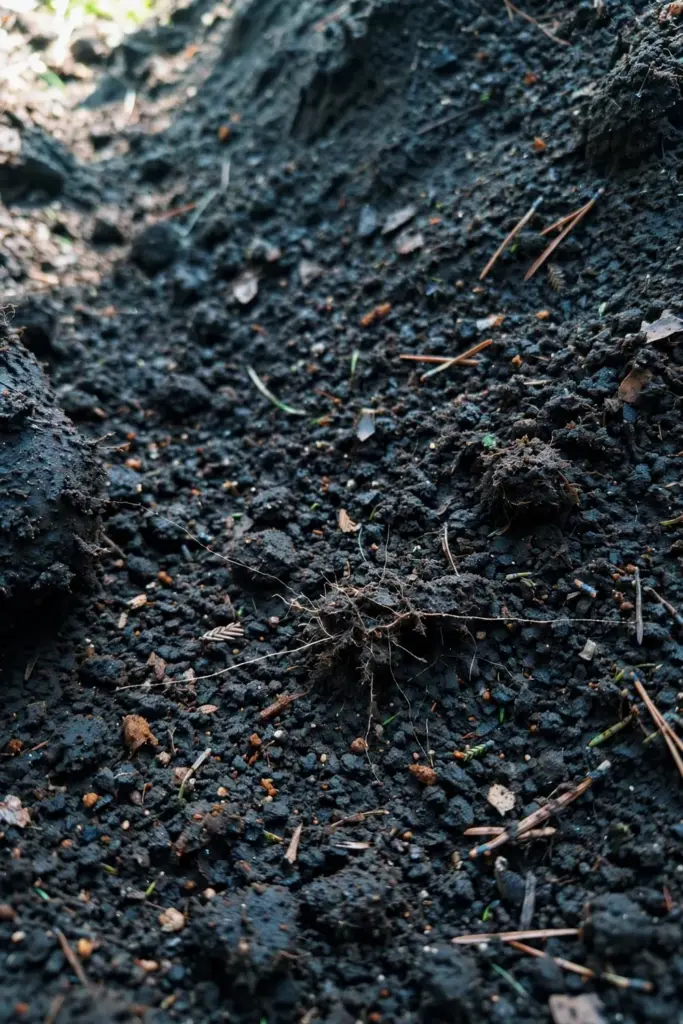
Drainage matters more than fertility. Pansies hate wet feet. In heavy soil, build the bed up 6 to 8 inches above the existing grade, which gives the roots drainage and also lifts the color display where you can see it. Work compost into the bed for organic matter, but start with soil from a reputable supplier. Cheap bagged soil compacts, and compacted soil holds winter water against the crowns.
Clear the bed first. Remove old vegetation and old mulch from existing beds to cut down disease carry-over, then work in the organic matter. A UGA planting guide lists this cleanup as the first step for a reason. Pansy beds planted into last summer’s tired mulch inherit last summer’s problems. A clean bed, correct pH, and real drainage do more for pansies than any fertilizer you buy later. If you are starting from bare ground instead of an existing bed, the planting guide walks through building beds from scratch.
5. Plant Shallow and Space for Air
Set transplants so the crown sits exactly at soil level, no deeper. Pansies planted deep rot at the crown in winter wet. Tease the root ball gently if it is pot-bound, spread the roots into the planting hole, firm the soil around them, and water the bed immediately. The same UGA guidance adds a buying tip that saves the season. Plants grown in 4-inch containers cost more than six-pack plants, but the larger root systems establish faster, flower earlier, and handle winter better.
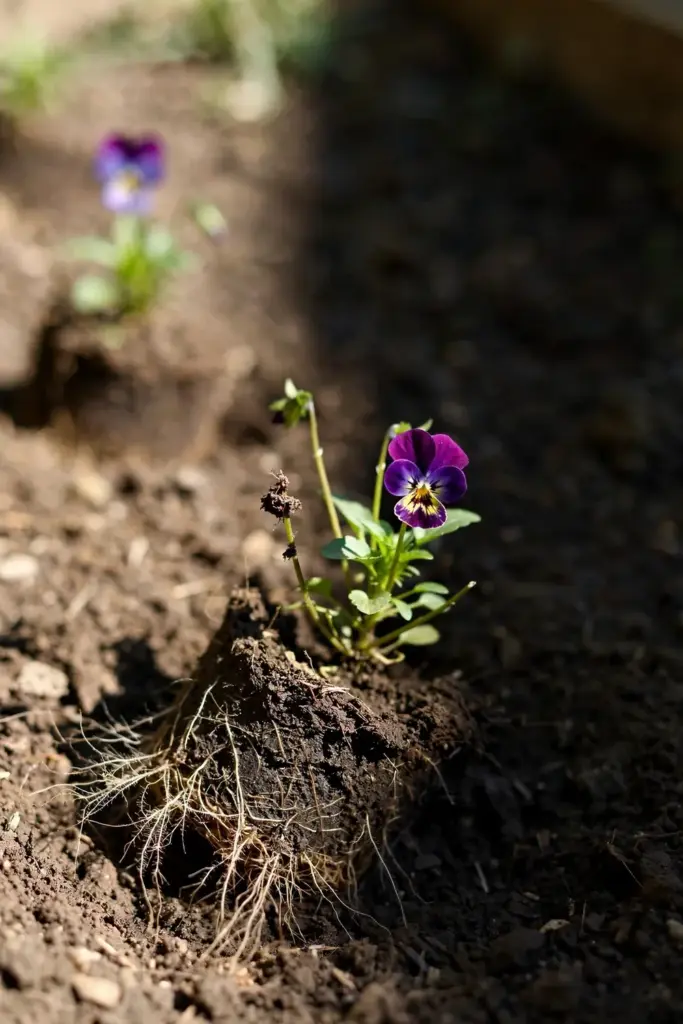
Space individual plants 8 to 10 inches apart, and plant at least three to four rows deep for a bed that reads as a carpet instead of a dotted line. The LSU AgCenter’s spacing guidance assumes mass planting, and mass planting is the whole point of pansies. A single row along a walkway looks thin no matter how healthy the plants are. Three deep reads as a drift.
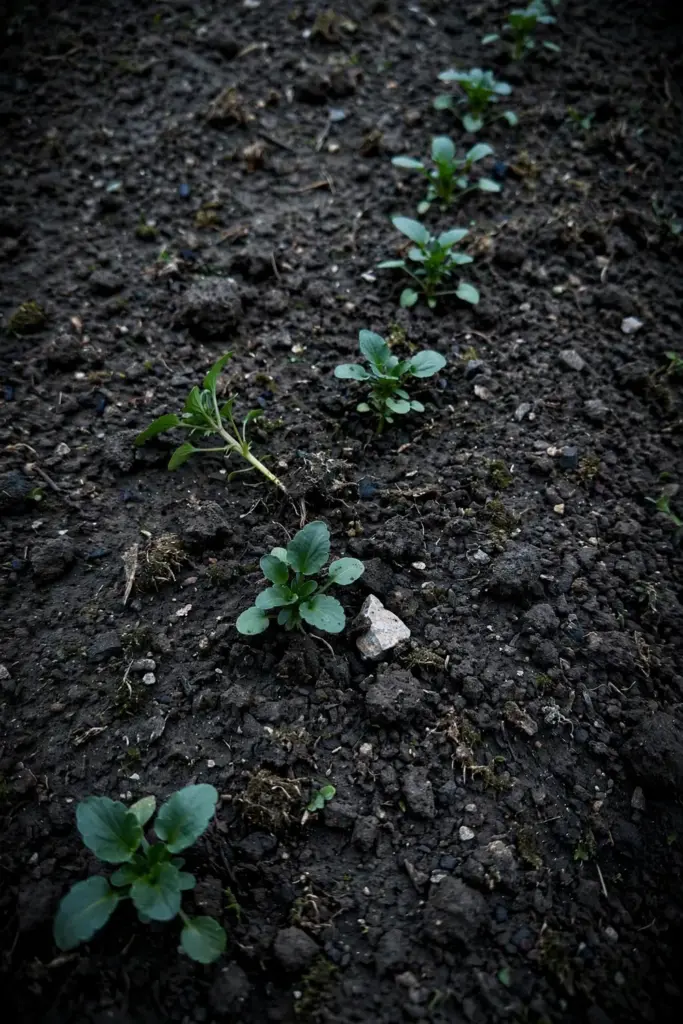
Choose short, stocky transplants with at least four or five strong leaves. Utah State University’s pansy guide makes this the first selection rule, and it is easy to apply at the nursery. Tall, pale, stretched plants were grown too warm or too crowded. They never catch up. Dark green leaves and compact stems mean the plant was grown cool and will keep growing cool.
6. Water Consistently or Lose the Blooms
Pansies need consistent root-zone moisture through the whole season, including winter. Mississippi State University Extension’s guidance is blunt about the failure mode. The quickest way to turn off pansy flowering is to let the plants dry out. The plant does not die. It just stops blooming, which is worse, because the bed looks alive while producing nothing.
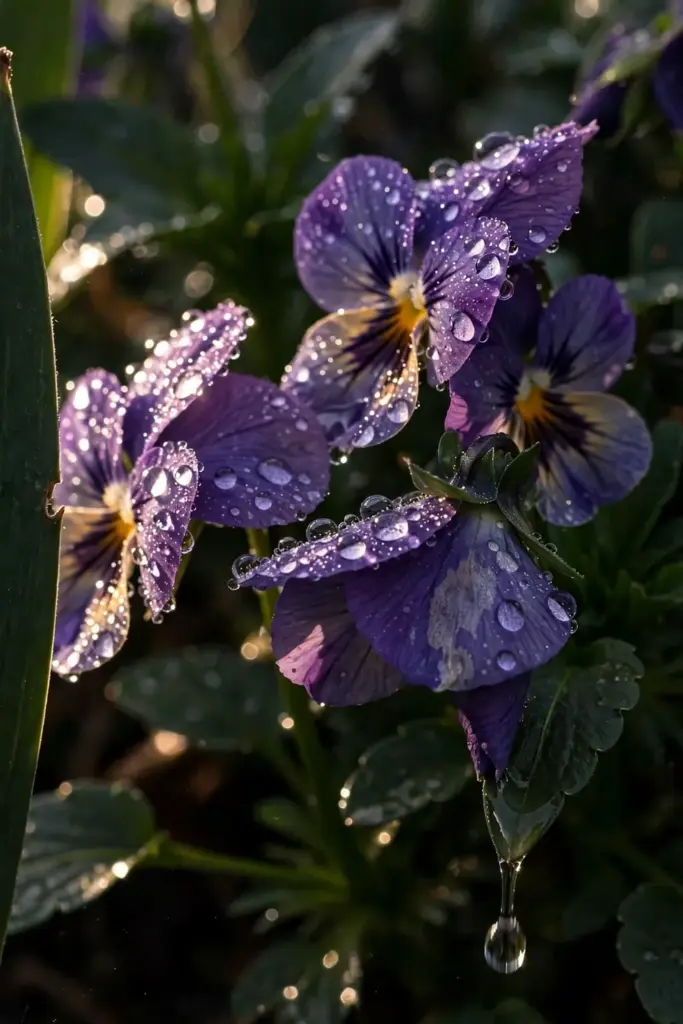
Water in the morning so foliage dries by evening. New transplants need water every few days until the roots knit, then a deep weekly soaking in dry stretches. Winter rain usually covers the need in mild climates, but check beds under eaves and overhangs, where the roof steals the rain. Container pansies dry faster than bed pansies and need their own schedule. Mississippi State’s container notes add that potted pansies also want a professional container mix and a little extra attention to both watering and feeding, which pays off in flower count.
Mulch helps, but keep it off the crowns. A light mulch layer moderates soil temperature swings and holds moisture, which is exactly what consistent root-zone moisture means in practice. Skip the thick bark nuggets. Shredded leaves or pine straw sit lighter and do not trap water against the stems.
7. Feed Light at Planting, Then Feed Again
Pansies are hungry for their size, but they want small meals, not feasts. At planting, work a slow-release fertilizer into the bed. The LSU AgCenter recommends the 3- to 4-month formulations sold for home gardens, applied once at planting, and Mississippi State University Extension suggests dropping controlled-release fertilizer right into the planting hole. That single application carries the plants through fall and into the coldest weeks without another thought.
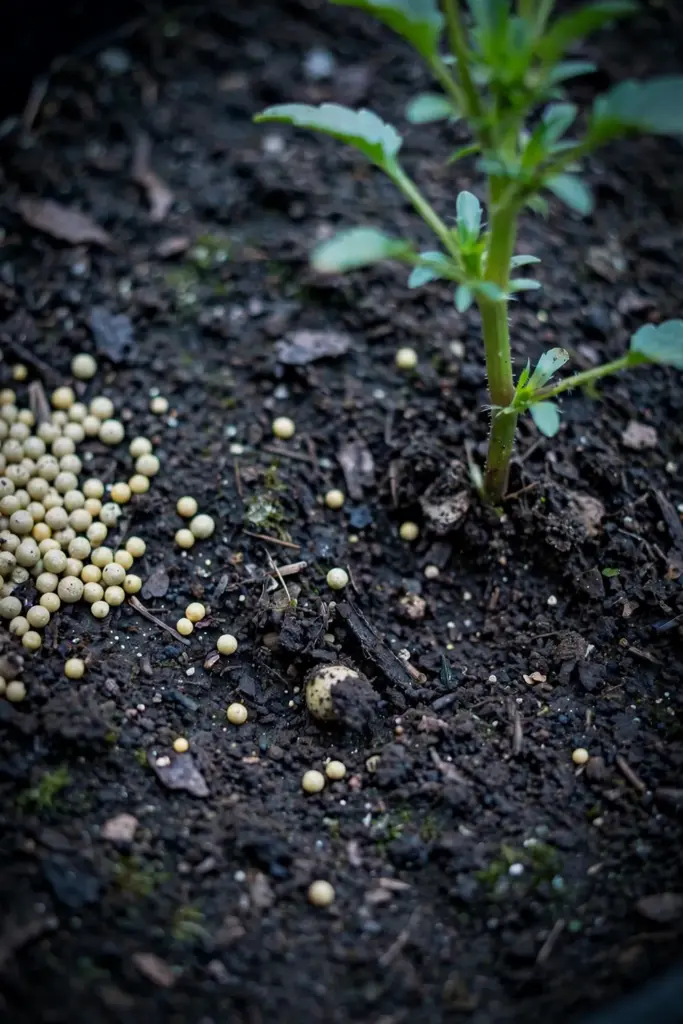
When growth resumes in late winter, start liquid feeding. Mississippi State University Extension pairs the two needs neatly. Water and feed at the same time with a water-soluble fertilizer, and both the moisture and the nutrition problems get solved in one pass. A half-strength dose every two weeks during active bloom keeps the flowers coming without pushing soft, leggy growth.
Do not feed nitrogen-heavy lawn fertilizer to pansies. Fast nitrogen makes big leaves and few flowers, and the soft growth freezes harder. If the leaves are deep green and the plants are blooming, the feeding schedule is right. Pale leaves with thin stems mean the slow-release ran out early, which happens in rainy falls. That is the signal for the liquid feed to start sooner.
8. Deadhead for Looks, Not for Blooms
Here is the rare garden task you can skip without penalty. The LSU AgCenter’s horticulturists state it directly. Deadheading is not needed. Pansies and violas keep blooming through spring whether you remove the spent flowers or not. Mississippi State University Extension agrees, calling deadheading optional tidying rather than required maintenance.
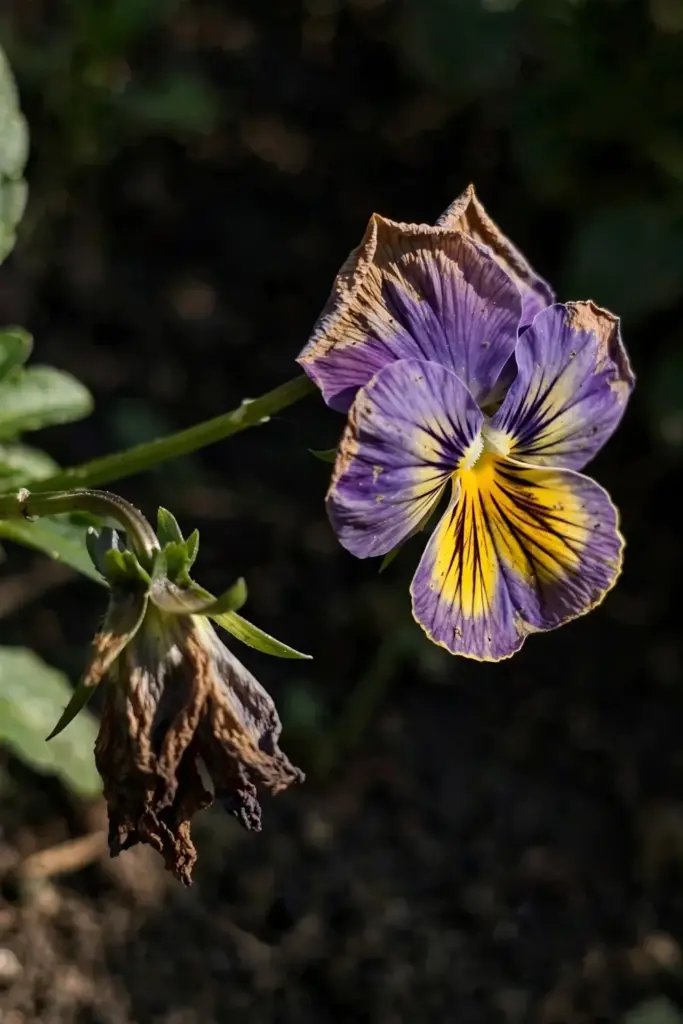
That said, a spent pansy flower turns to mush in wet weather, and a bed of mushy brown blooms looks neglected even when the plants are healthy. If the bed faces the street or the front door, pinch off the worst of the spent flowers when you walk past. It takes seconds per plant and the bed reads as cared for.
Do not confuse deadheading with shearing. Cutting the whole plant back hard in fall removes the foliage that feeds the roots before winter. Tidy individual flowers, not the plant. If a plant gets leggy in a warm spell, leave it alone. Cool weather tightens the growth back up on its own.
9. Mulch Lightly for the Deep Freeze
Established pansies handle surprising cold, but the transition weeks are the danger. Cornell’s overwintering trials found that even less-hardy pansy and viola varieties can be carried through winter with a little extra effort, and straw mulch was the tool they tested. A light, airy mulch applied after the ground cools insulates the crowns without trapping the wet that rots them.
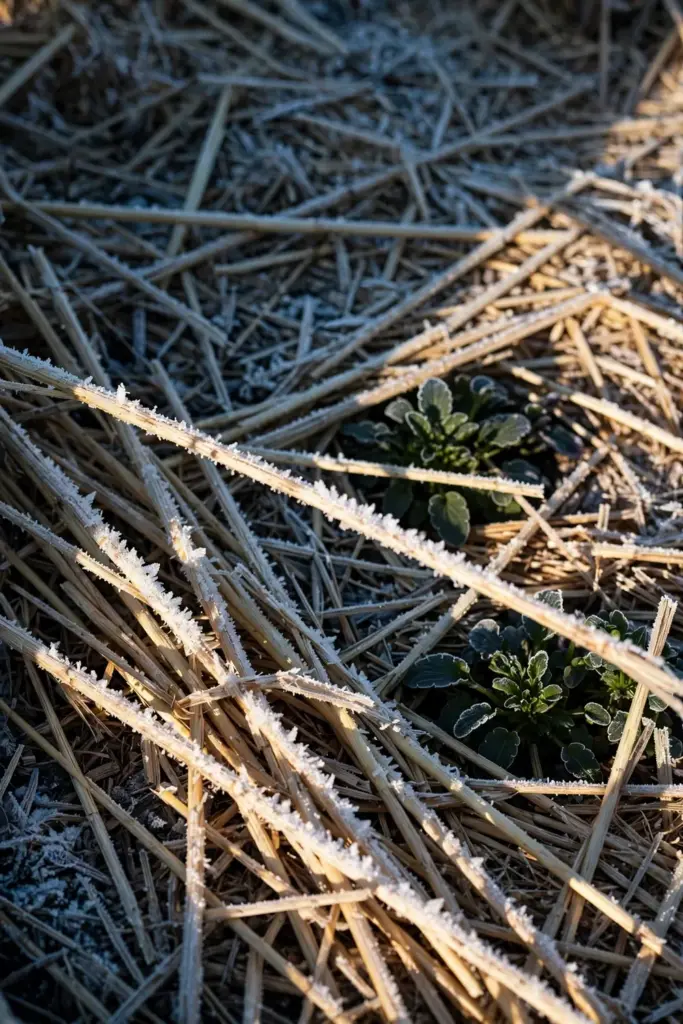
Timing matters more than thickness. Mulch too early and you insulate warm soil, which keeps the plants growing soft when they should be hardening. Wait until after the first hard frost, when the plants have stopped active growth, then tuck 3 to 4 inches of straw or pine straw around them. The after-frost timing is the same rule extension guides use for marginally hardy perennials, and the principle transfers directly.
Pull the mulch back in early spring when new growth starts. Plants left buried under wet straw rot at the crown just as surely as plants left unmulched freeze. The mulch is a winter coat, not a permanent blanket. Watch the centers of the plants. Green nubs pushing up mean the mulch did its job and can come off.
10. Watch for Slugs, Aphids, and Mildew
Pansies have three enemies, and all three are preventable. Slugs chew notches in the leaves and flowers on damp nights. A ring of diatomaceous earth around the bed, or a shallow saucer of beer sunk to soil level, cuts the population before it cuts the blooms. Check under the mulch edge in the morning. They hide there.
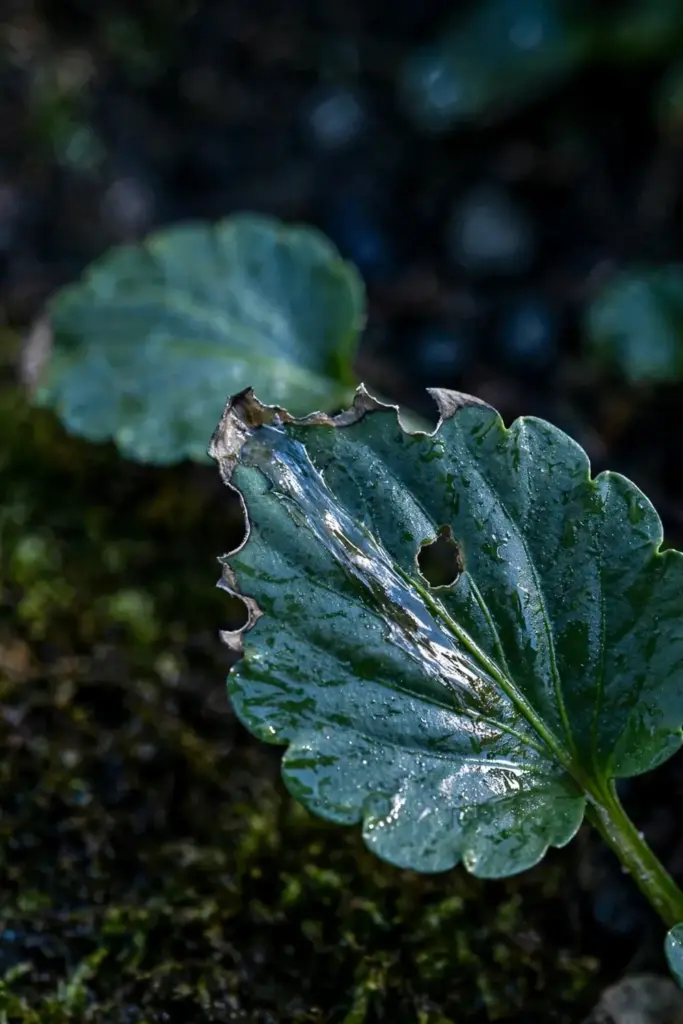
Aphids cluster on buds and new growth in warm spells, sucking the sap and deforming the flowers. A hard spray of water knocks most of them off, and the plants outgrow the rest once cool weather returns. Skip the broad insecticide. It kills the lady beetles that eat the aphids for free.
Powdery mildew shows as white dust on the leaves when air circulation is poor and nights are damp. Spacing the plants 8 to 10 inches apart is the first defense, because moving air dries the foliage. Water at the soil line, not overhead, and clean up fallen leaves from the bed. Plants that get morning sun dry fastest and mildew least. If mildew appears anyway, remove the worst leaves rather than spraying the whole bed. The plant usually outgrows a light infection once the weather turns cold and dry.
Crown rot is the quiet killer, and it is almost always a drainage problem rather than a pathogen problem. Plants that wilt in wet soil, with brown mush at the base, were planted too deep or into soil that holds winter water. There is no rescue once the crown rots. Prevention is the bed elevation and the at-grade planting from steps 4 and 5. When you lose a plant this way, replace the soil in that spot before replanting, because the wet pocket that killed the first plant is still there.
11. Grow Pansies as Winter Annuals in the South
In zones 8 through 11, pansies are not a fall flower. They are the winter flower. The LSU AgCenter’s Dan Gill, writing for Louisiana gardeners, describes the season plainly. Pansies and violas thrive in the chilly nights and cool to mild days from November through April, and cold snaps into the teens do not bother them in the least. While northern gardeners watch their pansies sleep under mulch, southern gardeners watch theirs bloom straight through January.
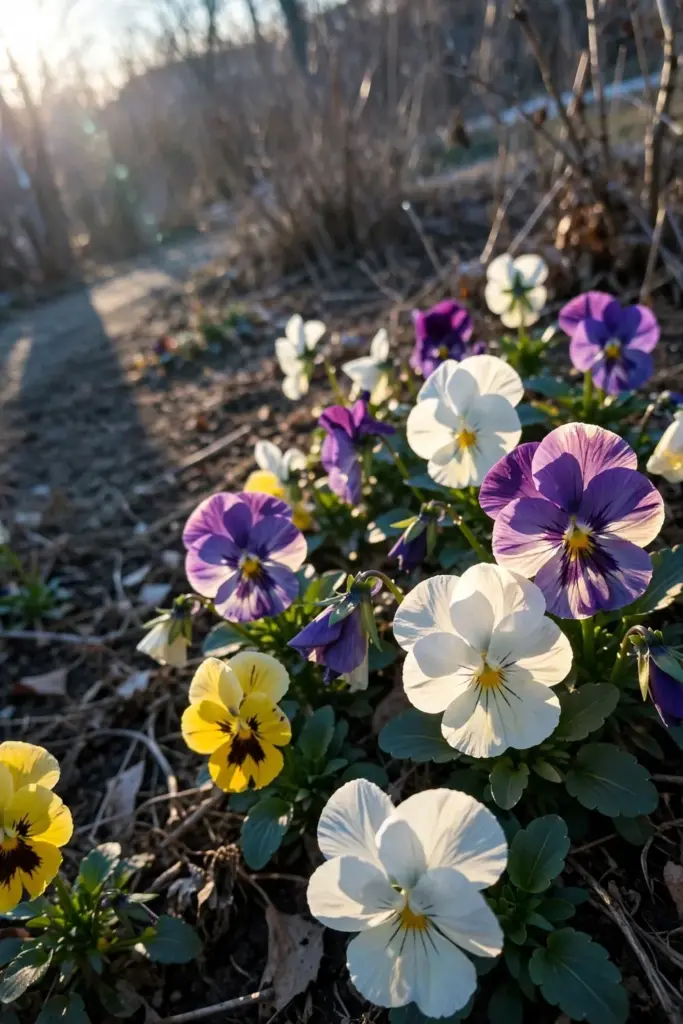
The planting calendar flips. Wait until temperatures have genuinely cooled, late October into early December in the Deep South, because planting into warm soil makes the same leggy plants the northern gardener avoids by planting early. Full sun is still the rule. Pansies do best in full sun and tolerate only a few hours of partial shade daily, and winter sun is weaker than it looks on the calendar.
This is also where violas earn their keep. The smaller flowers shed rain better, and the plants tolerate the warm spells that punctuate southern winters. In a zone 9 winter with weeks in the 60s, a viola bed keeps blooming while large-flowered pansies sulk. Plant both if you like, but weight the bed toward violas when the forecast leans warm.
12. Decide What to Do With Pansies in Summer
Heat ends the pansy season, and the ending looks ugly. As days lengthen and temperatures climb, the plants stretch, the flowers shrink, and mildew moves in. In zones 7 and warmer, pull them when they look tired, usually by late May or June, and plant summer annuals in the space. There is no reviving a pansy in 90-degree heat. Composting the plants is the honest move.
In cooler zones, pansies sometimes limp through summer in shade and surprise you with a fall flush. Do not count on it. The plants are biennials grown as annuals, and the second season is always weaker than the first. If you want fall pansies again, start fresh.
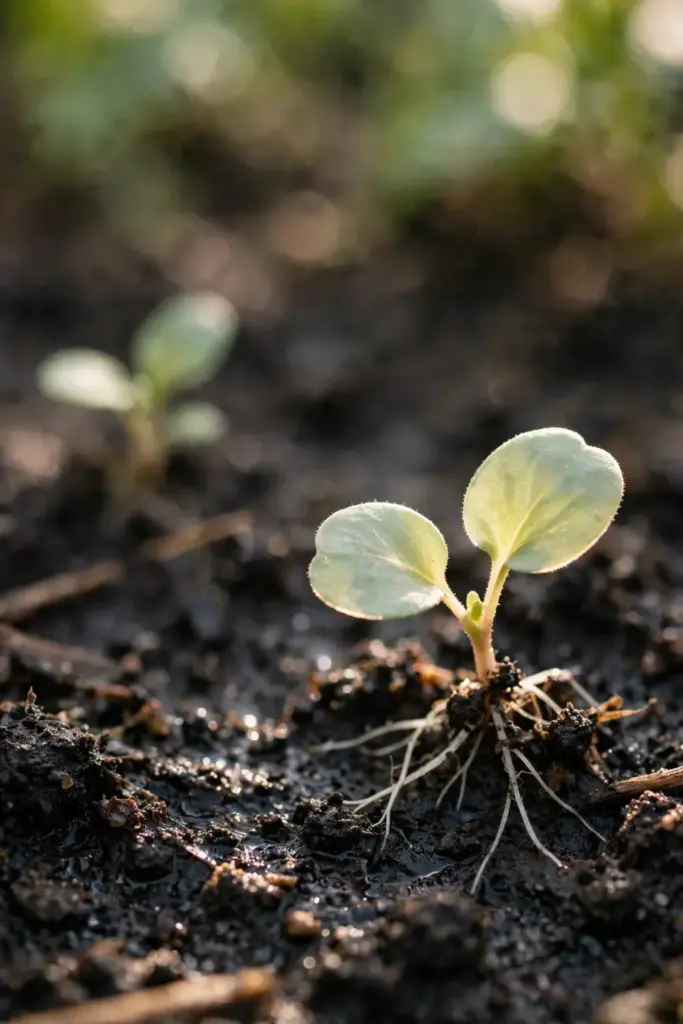
Summer is also when next fall’s pansies begin. Pansy seed needs darkness to germinate, so sow thinly, cover with just an eighth of an inch of soil or coarse sand, and keep the seedbed evenly moist. Utah State University’s guidance puts sprouting at 5 to 8 days, with a shade canopy over the bed until the seedlings show their first true leaves. Water frequently but lightly in the morning, because seed that dries after sprouting dies, and seed kept too wet rots. Grow the seedlings on until they are short and stocky with four or five strong leaves, then transplant on the zone schedule in step 1. Home-grown plants cost pennies and are exactly the varieties you wanted. If you have never started flower seed indoors, the seed starting guide covers trays, light, and hardening off in detail.
Pansy and Viola Series at a Glance
| Series | Type | Flower size | Habit | Best use |
|---|---|---|---|---|
| Matrix | Pansy | Large | Upright mound, 8 in. tall and wide | Beds and borders, mass color |
| Cool Wave | Pansy | Medium | Trailing and spreading | Hanging baskets, window boxes, container fronts |
| Sorbet | Viola | Small | Compact and floriferous | Edging, long season, heat tolerance |
| Universal | Pansy | Medium | Compact | Winter flowering where cold is moderate |
| Penny | Viola | Small | Compact | Mass edging, rain tolerance |
Mistakes That End the Show Early
Planting into warm soil tops the list. Every other mistake is survivable. Warm-soil planting makes leggy plants that bloom out before October and have no root reserve for winter. Wait for the zone window, even if the nursery racks are full a month early.
Deep planting runs second. The crown buried under an inch of soil rots in the first wet cold snap. Soil level means soil level. Check each transplant after the first watering, because settling buries crowns that started at the right height.
Skipping the soil test runs third. A pH of 7.0 does not kill pansies outright. It starves them slowly, and the gardener blames the weather. Five minutes with a test kit and a bag of sulfur for acidic correction beats a season of yellow, stunted plants.
Letting the bed dry out runs fourth. Remember the Mississippi State rule. Dry roots stop the blooms while the plant looks fine, and the gardener assumes the season is over. It is not over. Water the bed and the flowers come back.
Feeding once and forgetting runs fifth. The slow-release fertilizer from planting day runs out, usually right when the spring flush needs it most. Pale leaves and thin stems in March mean the plants are hungry, not finished. A half-strength liquid feed every two weeks brings the color back. The gardeners with the best April pansies are the ones who fed in March.
Frequently Asked Questions
What Is the Best Month to Plant Pansies in Fall?
It depends on your zone, not the calendar page. Northern gardeners in zones 4 and 5 should plant in early September. Zone 6 does best in mid September, zone 7 in late September to early October. The Deep South waits until October or November, and Louisiana gardeners plant from late October into early December. The rule underneath every window is the same. Get the plants in six to eight weeks before your first hard freeze so the roots establish.
Do Pansies Come Back Every Year?
Pansies are technically short-lived perennials, but almost everyone grows them as cool-season annuals. In zones 6 and warmer they usually survive winter and bloom again in spring. In colder zones they survive under mulch more often than expected; Cornell’s trials show even less-hardy varieties overwintering under straw. Do not count on a third season. For plants that truly return every year, see the fall blooming perennials article.
What Is the Difference Between Pansies and Violas?
Both belong to the genus Viola. Pansies are the hybrid Viola wittrockiana, with fewer, larger flowers that often show the classic dark “face.” Violas are the Viola tricolor types, with more, smaller flowers and streaked petals instead of faces. Cornell’s trials note that pansies may be less hardy while violas tend to be more hardy. In the garden, violas fill beds faster, handle heat and rain better, and bloom about two weeks longer into late spring.
How Cold Can Pansies Tolerate?
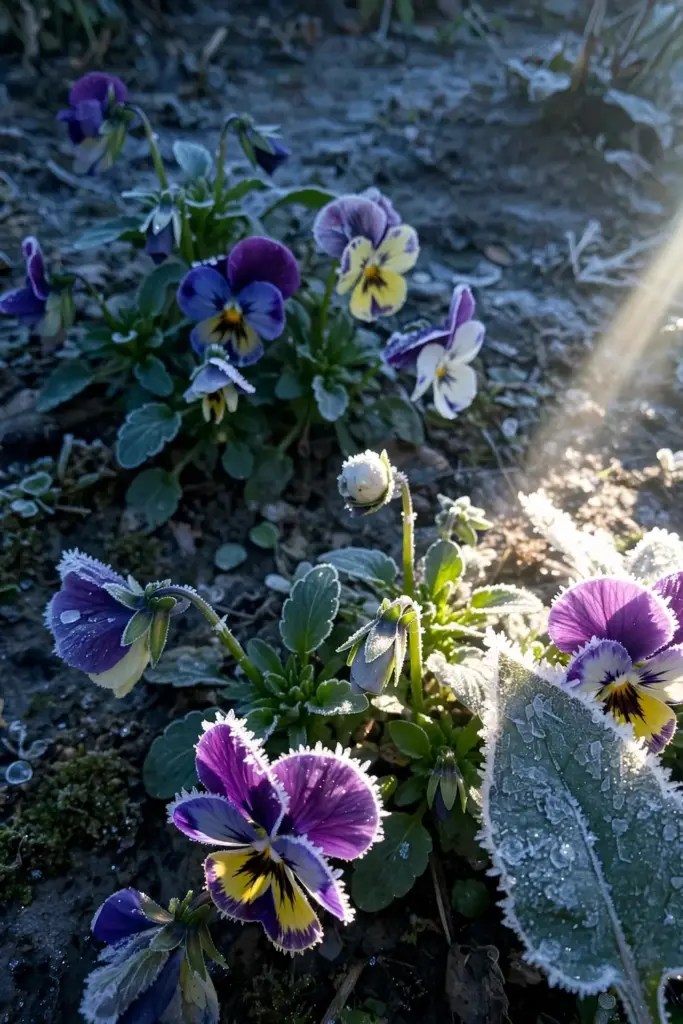
Established pansies take hard frosts without complaint, and southern gardeners watch them bloom through freezes into the teens. The flowers may get nipped back in a hard freeze and the foliage can turn purple, but the plants recover and flower again within days in mild climates. What kills pansies is not cold alone but cold plus wet, or cold before the roots establish. Plant on time, drain the bed, and mulch after the ground cools.
Why Are My Fall Pansies Leggy?
They went in too early, into soil that was still warm. Warm soil pushes soft, stretched growth instead of the compact mounds pansies should form. The University of Georgia’s horticulturist warns specifically against early planting for this reason. You cannot shrink a leggy pansy, but cool weather tightens new growth, so the plant often recovers its shape by late fall. Next year, wait for your zone window and buy short, stocky transplants with four or five strong leaves.
Can Pansies Survive Summer?
In most climates, no. Heat makes pansies stretch, mildew, and stop blooming, and no amount of watering reverses it. Pull tired plants in late May or June in warm zones and replant with summer annuals. In cool-summer regions they may persist in shade, but plan on fresh plants each fall. Summer is better spent starting next fall’s seed indoors.
The Long Payoff
Plant pansies on time, in acid soil that drains, and they do the rest. Six weeks of roots before the freeze buys six months of flowers. That exchange rate beats anything else you can put in a fall bed, which is why the same gardeners plant pansies every single October without needing a reason beyond the color. Start with the zone window, buy stocky plants, and let the cold do the rest of the work.