
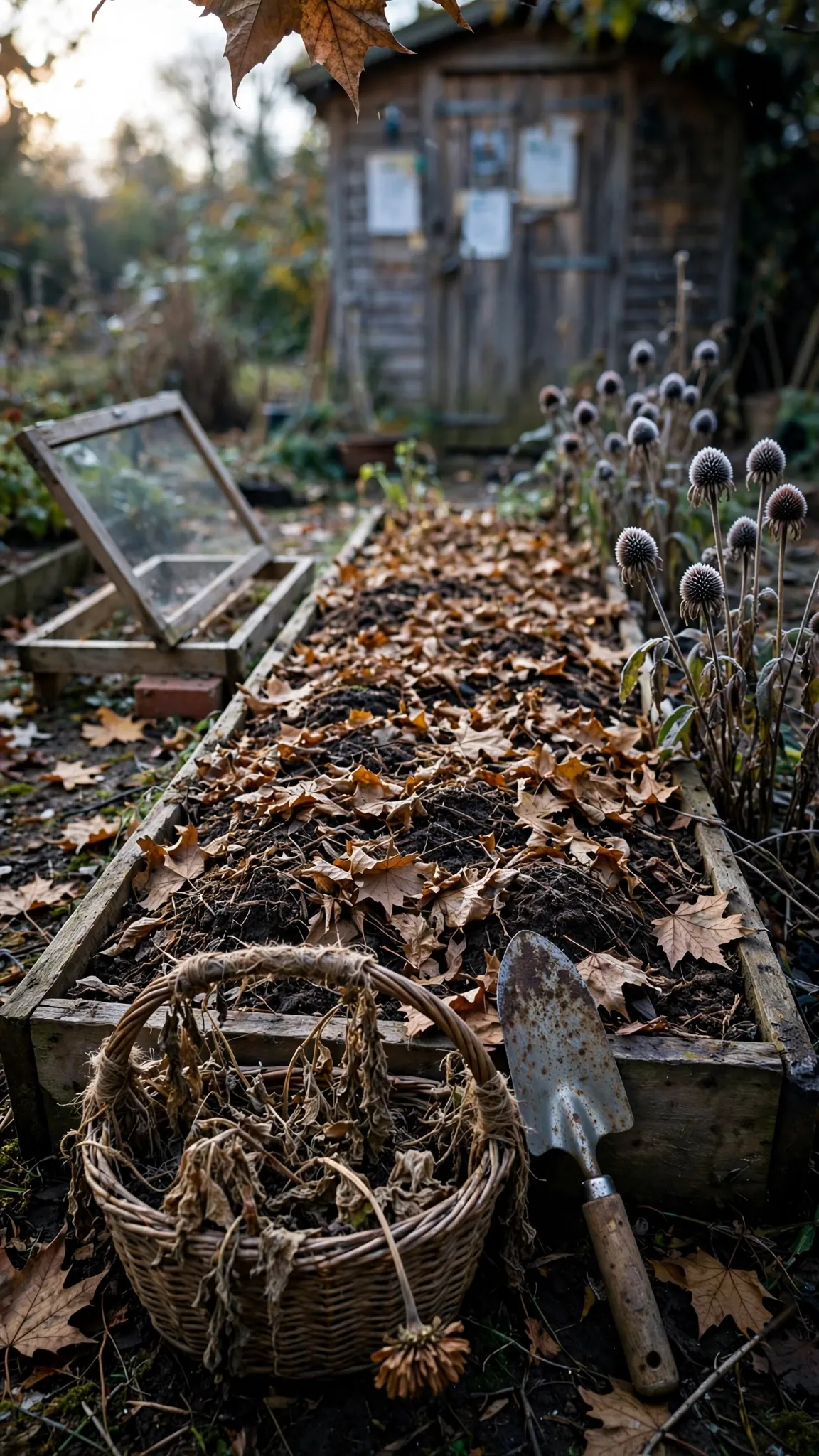

Carry a trug through the garden this weekend and pull 40 spent annuals before they drop seed. That is fall gardening tips in their working form: a list of concrete jobs with real measurements, from soil to first frost. The rest of this page is 26 tasks, from the first pulled annual to the finished compost pile.
Work mornings while the soil is cool. Water before noon so foliage dries. Mulch after the ground freezes, never before. Write down every frost date.
Most fall gardening advice floats at the level of vague encouragement. This page goes the other way. Every task names the tool, the depth, the week, or the temperature, because a number you can measure beats a tip you can only admire. The tasks are grouped by theme so you can work one theme per weekend: cleanup, soil, planting, vegetables, lawn, wildlife, tools, then the regional playbooks. Beginners get their own two-task track at item 19. Work the list in order and the garden closes itself. The measurements are metric and the timing keys off your first frost date, so grab that date before you start. Everything else on the page hangs off those two choices.
Gardeners say fall gardening and fall planting more often than they say tips, so this pillar answers in that language. Four child pages carry the deep dives. The fall planting calendar walks the month-by-month timing grid, when to start a fall garden works the frost-date math, the fall garden planting schedule charts vegetable sowing by zone, and the fall planting guide covers what to plant and what to skip. This page stays on the 26 tasks themselves. The cluster behind this pillar will run 35 posts deep, and every child page links back here. Start with the tasks, then follow the deep dives wherever your garden needs them most.
September, October, November: The Timing Matrix
Read down for the month, across for the job. Everything on this page fits one of these cells.
Tape the table inside the shed door next to the frost-date log from item 20. The table is the whole season on one page, and it answers the only question that matters in fall: what goes in the ground this week. September is the heavy month, October is garlic and cleanup, November is protection. Miss the September cells and the rest of the season is catch-up.
| Month | Beds and Soil | Planting | Cleanup and Prep |
|---|---|---|---|
| September | Spread 5.1 to 7.6 cm of compost over every bed, then send a mixed soil sample to the lab and amend only what the report flags. | Set out spring bulbs in drifts, divide spring and summer perennials, sow spinach and kale under row cover, and plant trees and shrubs while the soil still holds summer warmth. | Pull spent annuals and diseased foliage into the trash or compost. Cut back only the perennials that collapse into mush. Start the compost pile now, layering shredded leaves 15 cm deep between the greens. |
| October | Hold the mulch until the ground freezes solid. | Plant garlic right after the equinox, about three weeks before the ground freezes. Keep planting trees and shrubs through the middle of the month. | Shred the fallen leaves with the mower and rake the shreds straight into the beds. Scrub, sharpen, and oil every tool. Drain hoses before the first hard freeze. |
| November | Mulch 7.6 to 10.2 cm deep now that the freeze has locked in. Log your frost dates on the shed door. | The planting window closes as the spade starts bouncing off the ground. | Lift cannas, dahlias, and gladiolus after the first frost and store them cool. Move houseplants inside before nights drop below 13 C. Leave seed heads and hollow stems standing for overwintering pollinators. |
Pin this table to the shed door and check off each cell as you finish it.
Cleanup: Triage the Beds
The cleanup group is triage. Take out what is diseased, leave what feeds wildlife, and get the debris into the compost pile while it still breaks down fast. Work it in dry weather so debris does not mat and pathogens do not splash. Three tasks, one wheelbarrow, and the beds breathe again.
1 Pull Spent Annuals and Diseased Foliage
Pull every annual that has finished flowering. Work the roots out with a hand fork so they do not regrow.
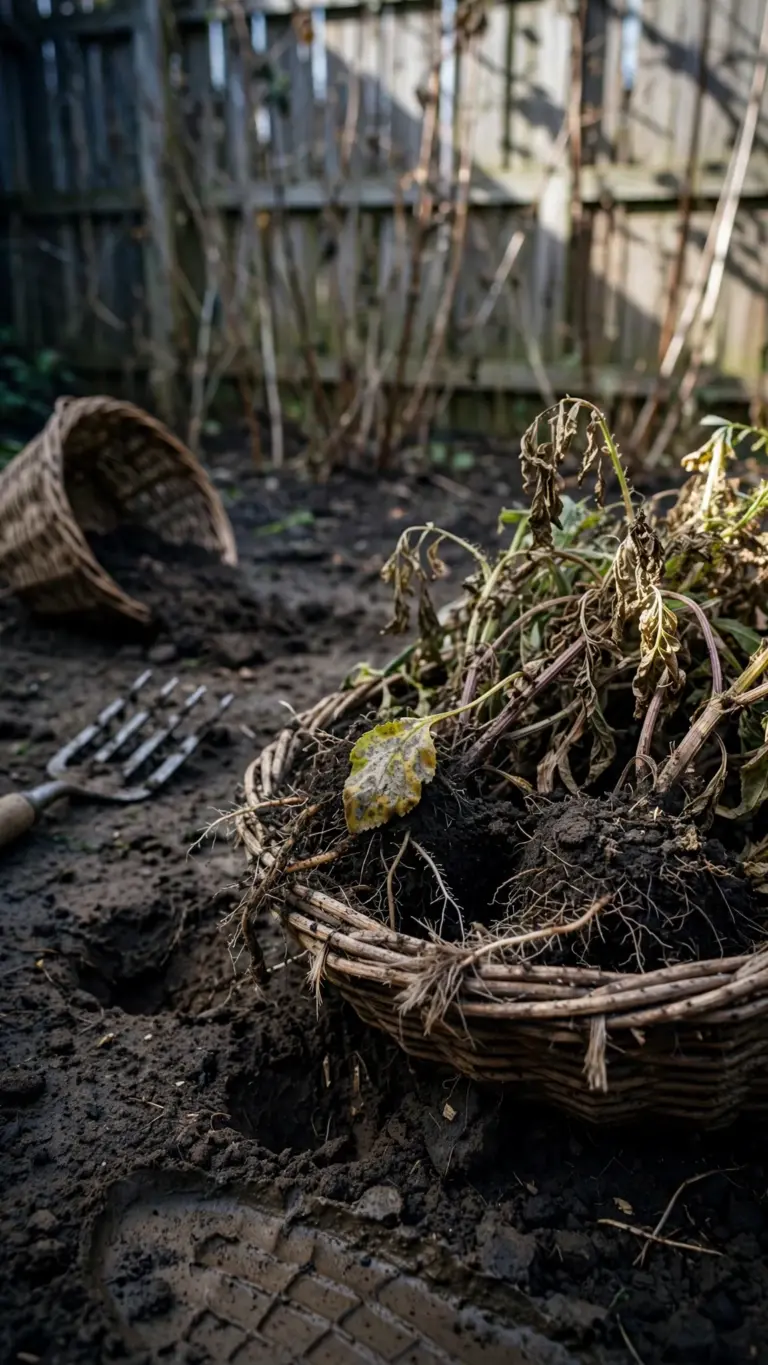
Bag anything with spots, mildew, or blight and send it to the trash. Pathogens ride out the winter in debris piles. Leave the healthy seed heads of coneflower, rudbeckia, and sedum standing. Goldfinches strip those heads all winter and the seed feeds them.
Toss the clean material on the compost pile in 15 cm layers. Alternate with shredded leaves. Skip this pull and next spring starts with volunteer seedlings in every crack plus disease pressure from the debris you left behind.
Work the pull into a weekly habit through October, not a single marathon session. A trug emptied every Saturday keeps the beds clear without costing a whole weekend. Start with the vegetable beds, where spent tomatoes and squash hide the most disease, then move to the flower borders. The last annuals come out right before the first hard frost, and the beds go into winter clean and ready for compost.
2 Cut Back Perennials Selectively
Cut back only the perennials that collapse into mush. Hosta, daylily foliage, and peony stems go down to 5 to 8 cm stubs.
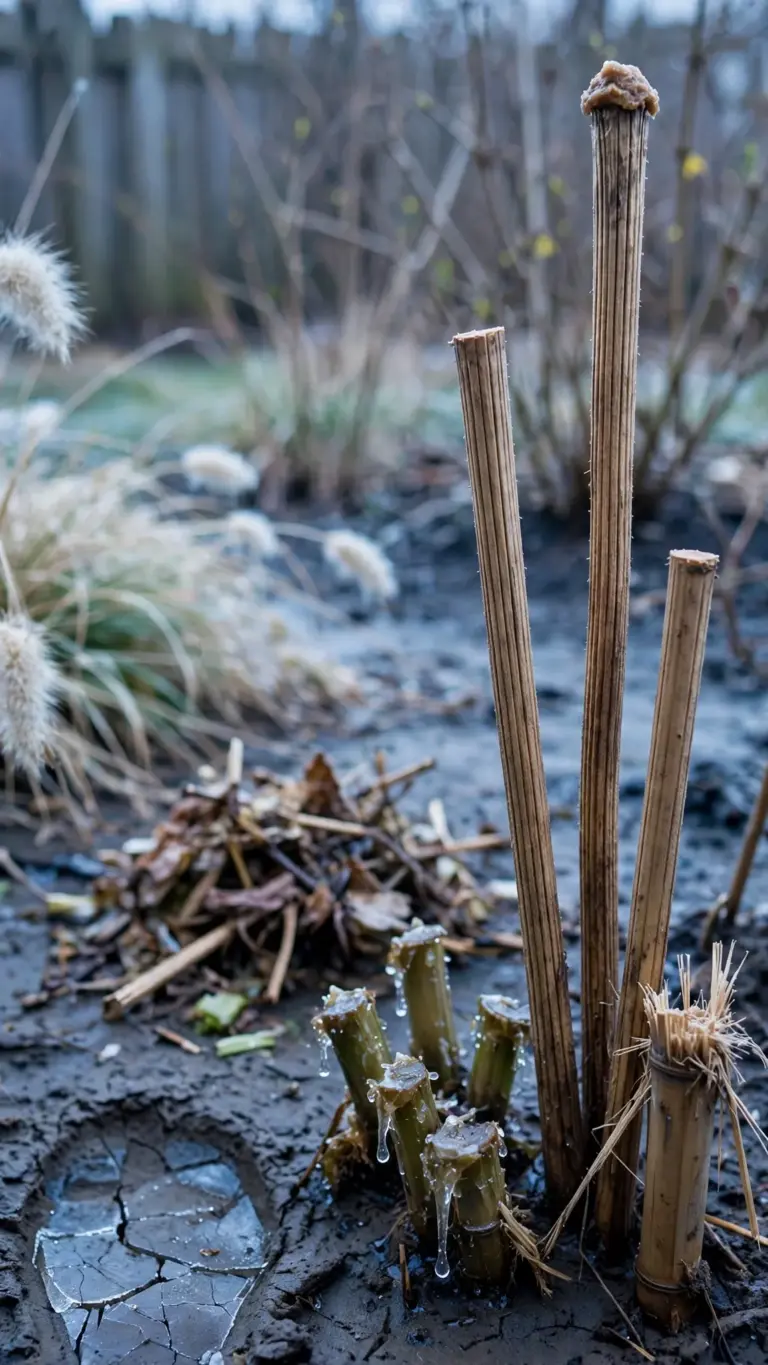
Leave hollow stems standing on echinacea, bee balm, and ornamental grasses. Native bees nest inside them through winter. Cut in early spring instead, once the bees have emerged. The spring pruning techniques page walks the full cut-back calendar for every growth habit.
Shear the removed tops into the compost pile. A garden scalped bare in October is a garden with nowhere for pollinators to overwinter.
Mark the stems you leave with a short bamboo stake so spring-you remembers they are habitat, not neglect. Cut the marked stems back in April once daytime temperatures hold above 10 C for a week. Lay the cut stems flat behind the bed for another fortnight so any late sleepers crawl out. The bed looks untidy through winter. That untidiness is the point.
3 Rake Shredded Leaves Into Beds
Run the mower over fallen leaves and rake the shreds straight into the beds. A 5 cm layer of shredded maple or oak leaf mulch feeds the soil as it rots.
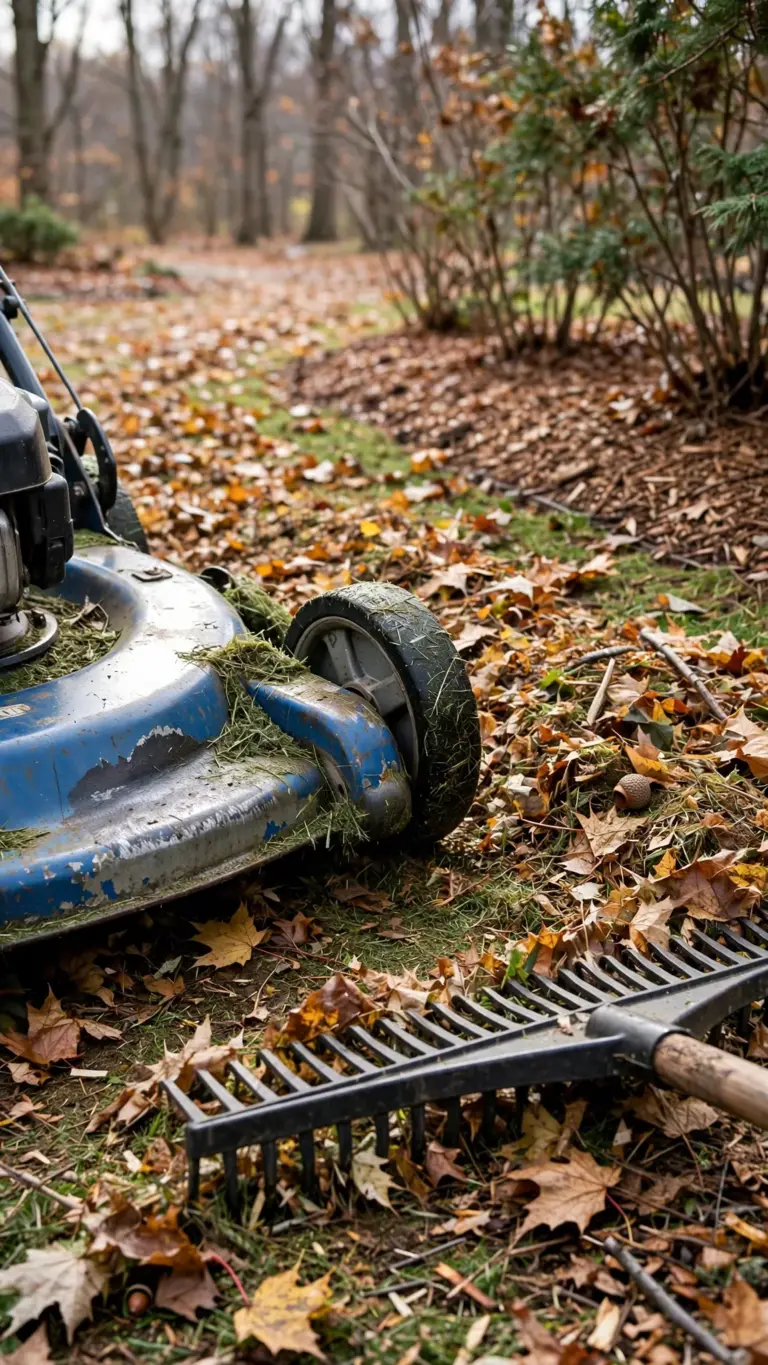
Whole leaves mat down and smother crowns. Shredded leaves settle and let water through. Keep the layer off the crowns of perennials and the trunks of shrubs by 5 cm.
This is the cheapest soil improvement on this page. Bagging leaves for the curb hauls nitrogen, phosphorus, and organic matter off your property every year.
Shredding matters more than the tree species. Oak, maple, and birch leaves all break down by spring once the mower has torn them. Pine needles work too, in a thinner 3 cm layer, and they suit acid-loving shrubs. Rake the shreds off the lawn first, since a thick whole-leaf blanket smothers turf in two weeks. Everything the rake collects goes back where it fell, as mulch or compost.
Soil: Feed and Protect
Fall soil work pays back twice. Compost and amendments get months to settle before spring planting, and frozen-ground mulching protects roots without inviting rodents. Do the soil tasks in order: compost first, test second, mulch last. Each one sets up the next, and none of them work rushed in spring.
4 Spread Compost 5.1 to 7.6 cm Deep
Spread 5.1 to 7.6 cm of finished compost over every vegetable bed and planting border. Leave it on the surface. Worms pull it down over winter.
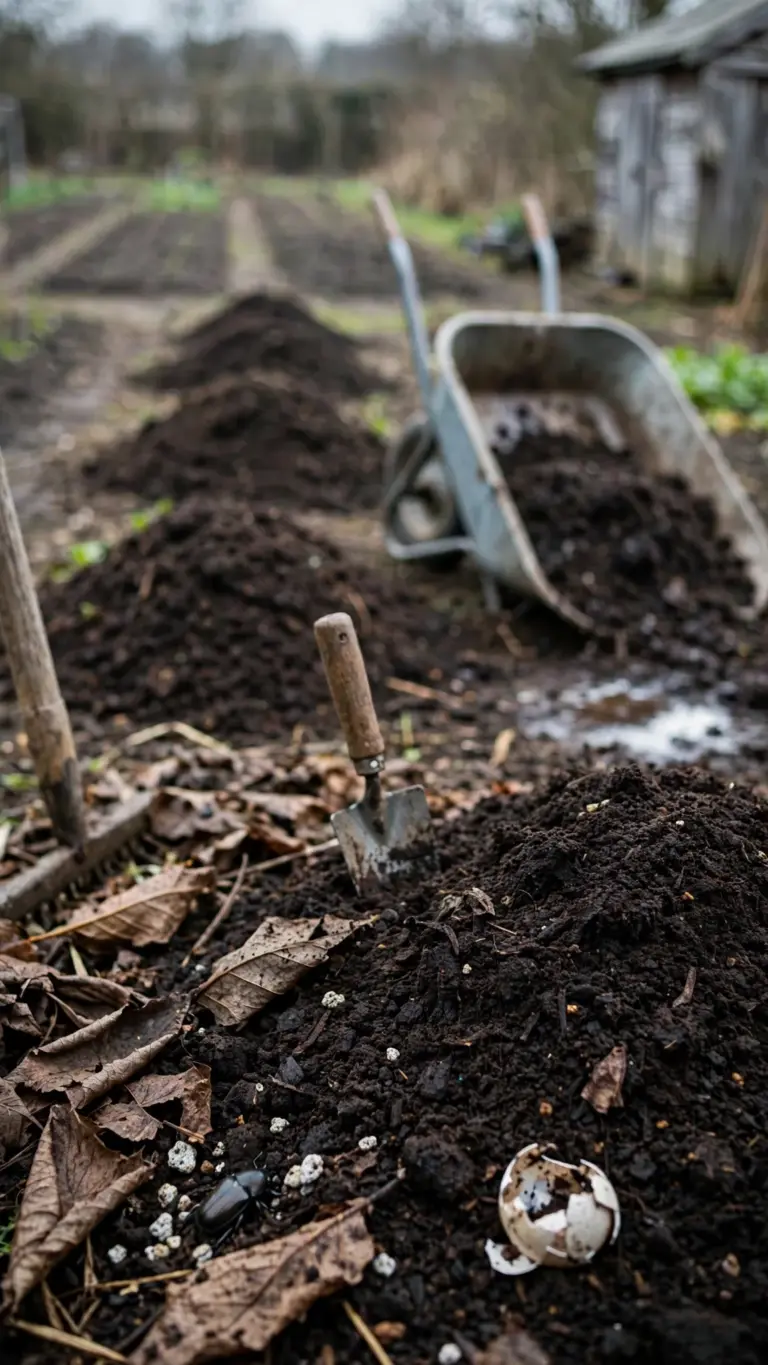
Digging compost in tears up the soil food web you spent the season building. A surface layer feeds from the top down. Skip beds where you plan to direct-sow tiny seeds in spring, or mark them so the layer gets raked thin before sowing.
Compost now means planting day arrives with the bed already dressed. The soil health guide explains what that organic layer does to structure, drainage, and microbial life.
Order or make enough compost to cover every bed at once. A half-dressed garden grows a half-result. Wheelbarrow the compost down the rows and tip it in even piles before spreading, which keeps the depth honest across the bed. Rake it level with the back of a bow rake. The bed then sits untouched until spring, and the worms do the digging for you.
5 Test the Soil Now and Amend on Results
Take soil samples from six to eight spots per bed, mix them in a bucket, and send the mix to your state extension lab. Fall is the lab’s slow season and the results come back fast.
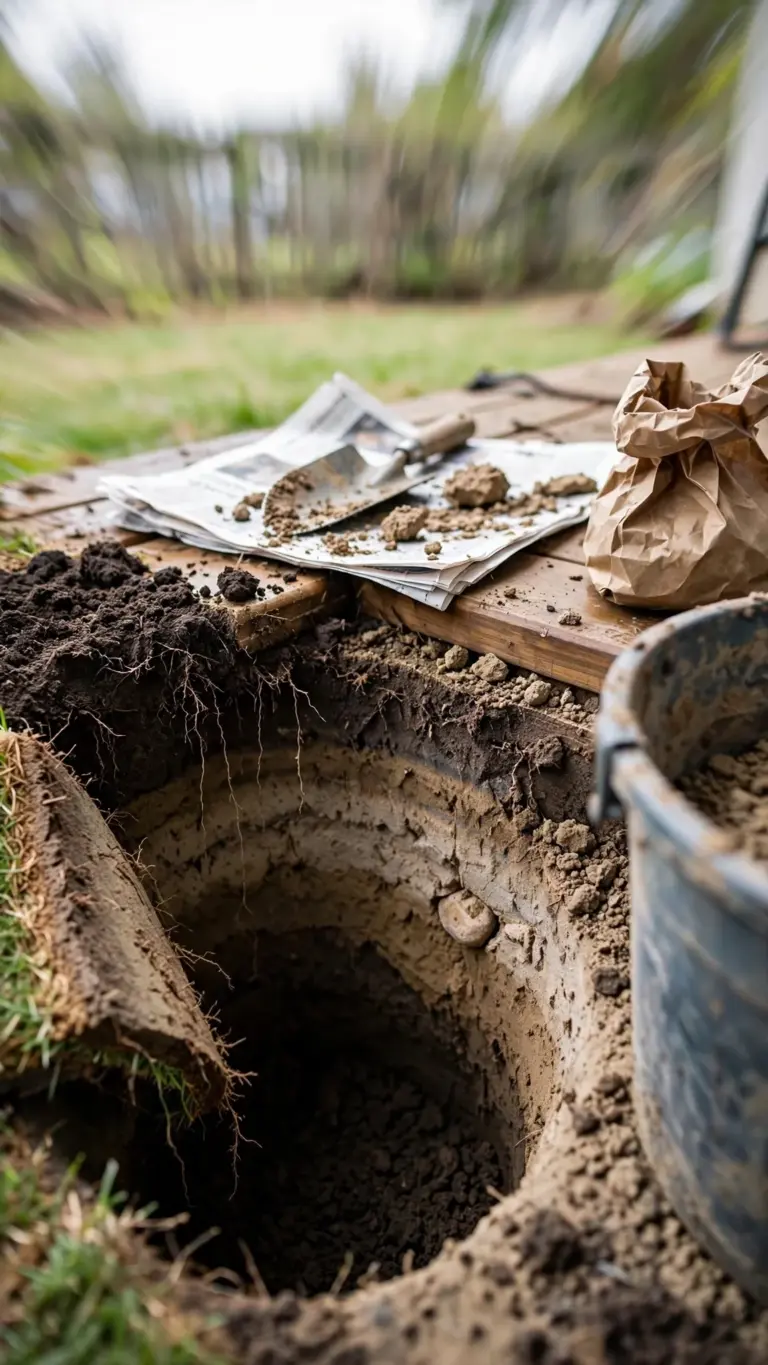
Amend only what the report flags. Lime for low pH needs months to react, which is exactly what winter provides. Guessing at fertilizer rates wastes money and burns plants.
Write the numbers in the garden log next to the bed name. A test every two or three years costs less than one bag of the wrong amendment.
Sample the vegetable beds and the lawn separately, since they carry different fertilizer histories. Push the probe or trowel 15 cm deep and skip the top 3 cm of mulch or thatch. Dry the mixed sample on newspaper before bagging it for the lab. The report comes back with pH, phosphorus, potassium, and lime or sulfur recommendations, and fall gives every one of those amendments time to work. Retest the beds you limed after two full seasons to confirm the pH actually moved.
6 Mulch After the Ground Freezes
Wait until the soil surface freezes solid, then mulch 7.6 to 10.2 cm deep around perennials, shrubs, and roses. Shredded bark, straw, or pine needles all work.
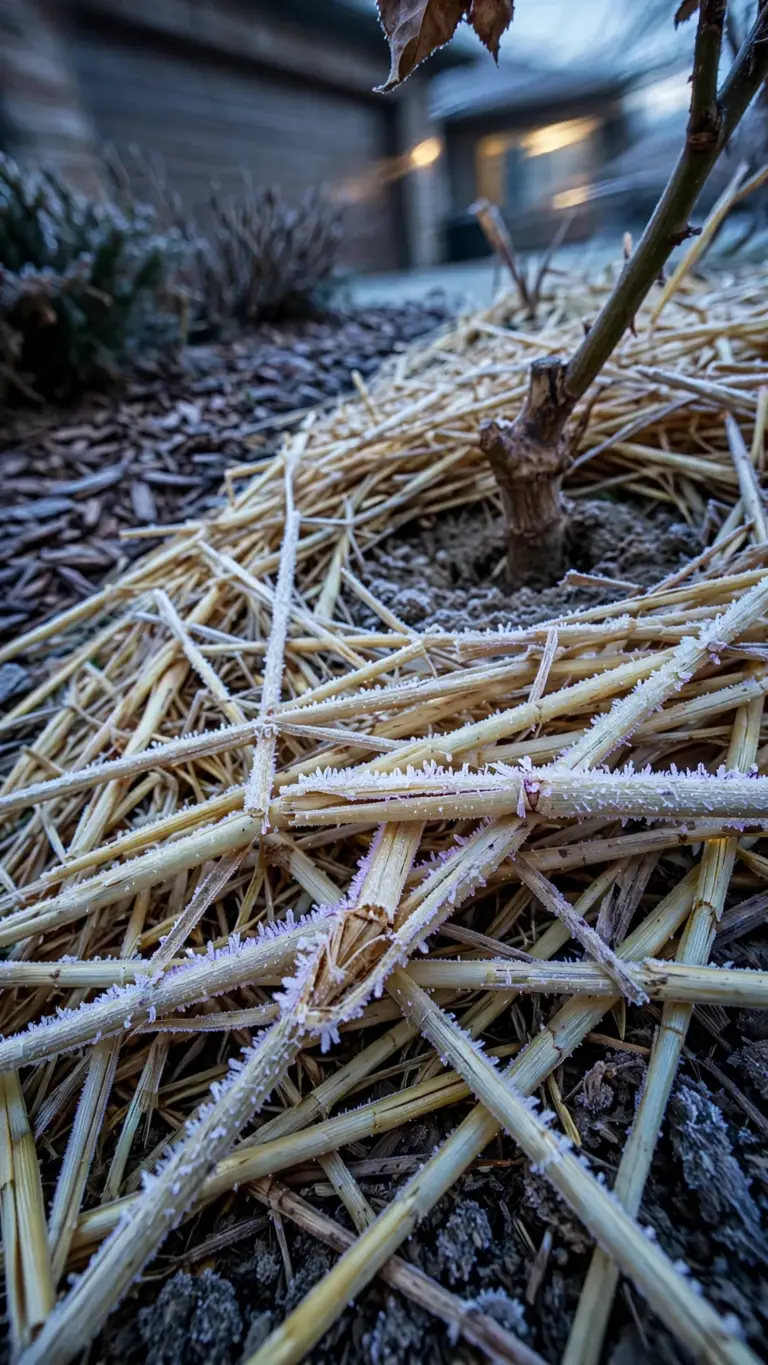
Early mulch keeps the ground warm and invites mice to nest in it. Late mulch locks in the cold and holds the freeze steady through thaw cycles. The freeze is the point. Roots die in the heave of repeated freezing and thawing.
Pull the mulch back 8 cm from every stem and trunk. Crown rot starts where mulch piles against bark.
Straw works well for vegetable beds and roses, shredded bark for shrub borders, pine needles for acid lovers. All three insulate the same way. Skip fresh wood chips against young trunks, since the pile can heat and the chips pull nitrogen from the surface as they settle. Re-check the depth in January after wind and rain have compacted it, and top up the thin spots.
Planting: Roots Before Tops
Fall planting works because roots keep growing after the tops stop. Warm soil, cool air, autumn rain. The garden does the establishing work for you.
7 Plant Spring Bulbs Before the Ground Hardens
Plant daffodil, tulip, crocus, and allium bulbs from mid September through late October in most zones. Stop when a spade bounces off the ground.
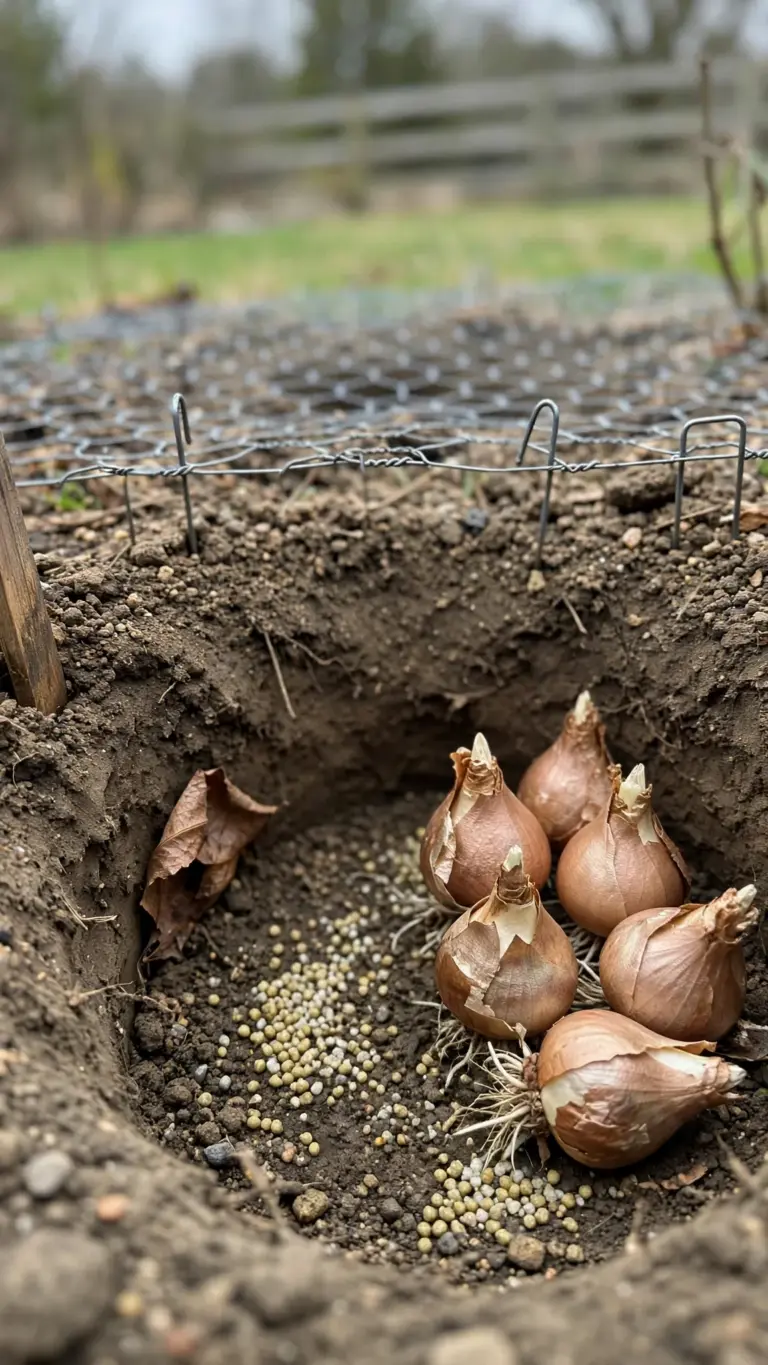
Set each bulb three times as deep as the bulb is tall. Point the nose up. Water the bed once after planting and walk away.
Plant in drifts of seven or more. A single row of tulips reads like a border fence. A drift reads like a meadow.
Toss a handful of bulb fertilizer into each hole only if your soil test flagged low phosphorus. Most garden soils already hold enough. Water the drift once after planting, then ignore it until spring. Mark the drift edges with small stakes so a spring digging project does not spear the bulbs. Squirrels dig up tulips, and a sheet of chicken wire laid flat over the bed and pinned down stops them cold. Interplant bulbs among perennials so the spring foliage hides the dying bulb leaves. For the full rundown of which ones to buy, see our bulbs to plant in fall.
8 Plant Trees and Shrubs From Late August to Mid October
Dig the hole twice as wide as the root ball and no deeper. Set the tree so the root flare sits at grade.
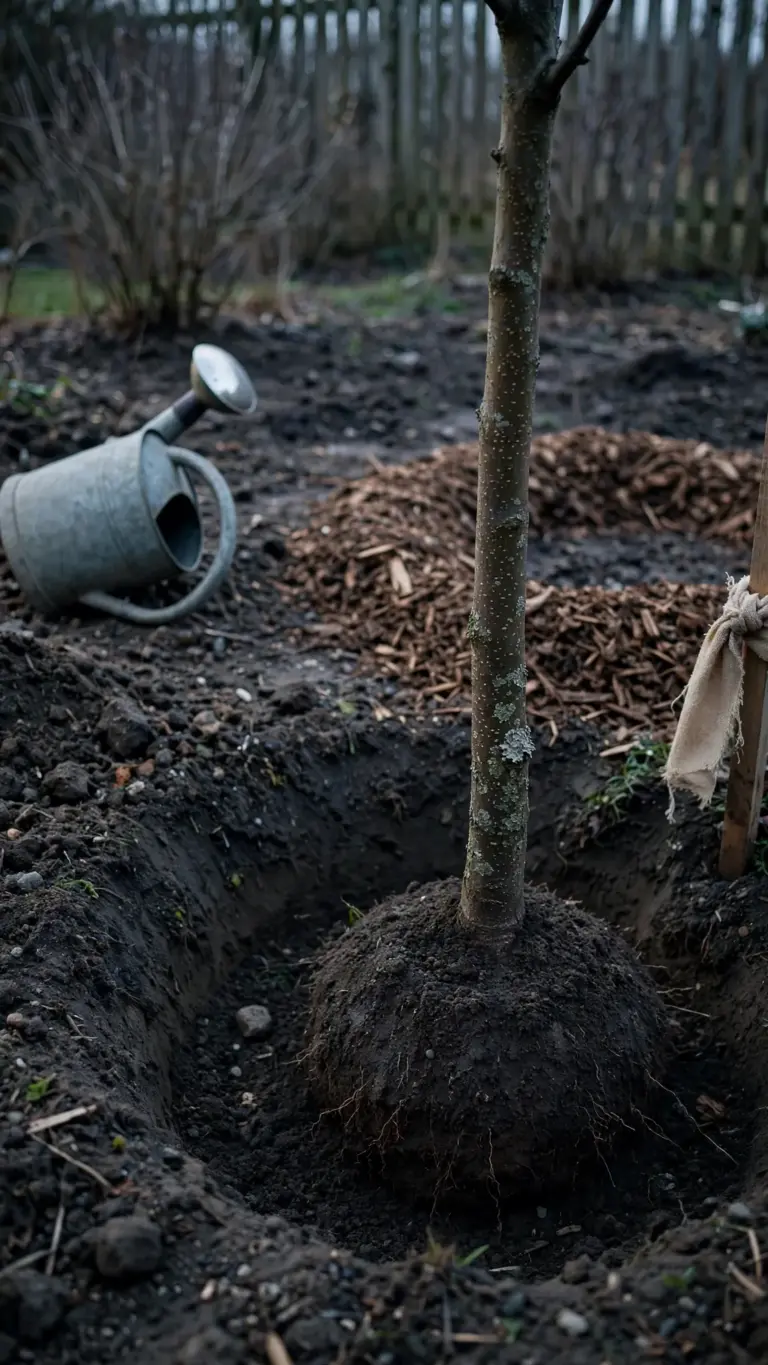
Fall planting gives roots a head start before spring bud break, a point the Morton Arboretum’s fall gardening tips make for anyone choosing between spring and fall planting dates. Water the new planting deeply once a week until the ground freezes.
Skip the fertilizer. New roots need water and warm soil, and fertilizer pushes soft top growth into the cold.
Staking is optional and usually unnecessary. A tree planted at the right depth anchors itself by spring, and stakes left on rub bark and weaken the trunk. If the site is windy, use two short stakes with loose fabric ties and remove them in April. Mulch the planting 7.6 cm deep in a wide ring, keeping the mulch 8 cm clear of the trunk. For which varieties to pick, see our bushes to plant in fall.
9 Divide Spring and Summer Perennials
Lift hosta, daylily, iris, and echinacea clumps with a spade in early September. Split them with two forks back to back or a sharp spade.
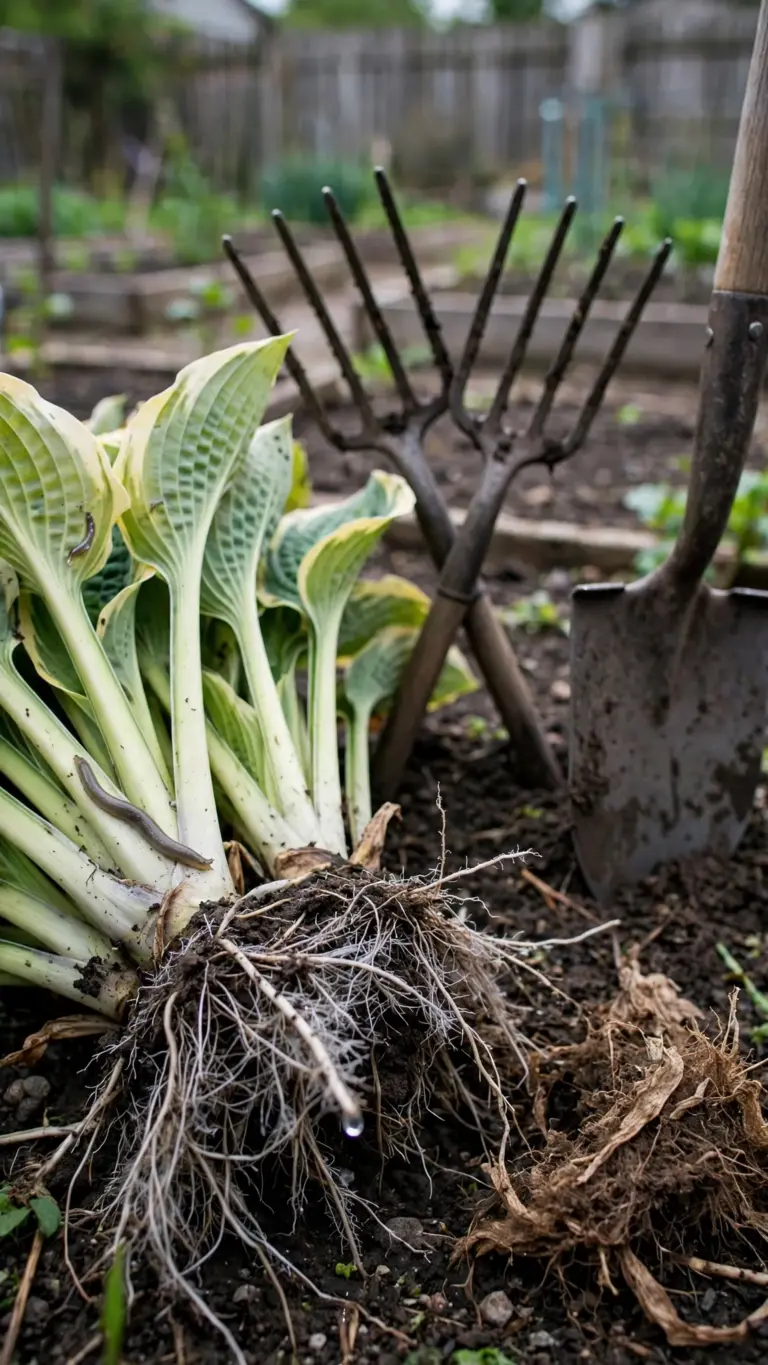
Replant the divisions at the same depth they grew before. Water them in. Each division needs six weeks of root growth before the ground freezes.
Do not divide fall bloomers now. Asters and mums get their turn in spring. Toss the tired center of each old clump on the compost pile and replant only the vigorous outer pieces.
Water the new divisions deeply and mulch them after the ground freezes, just like the rest of the border. Label each division with the plant name and the year, because every division looks identical by May. Share the extras with neighbors. A divided clump handed over the fence comes back as goodwill and, usually, a different plant for your own border.
Vegetables: Stretch the Season
The fall vegetable garden runs on two levers: crops that germinate in cooling soil and covers that buy you weeks past the first frost. Start from your first frost date and count backward. Every sowing on this page keys off that one date, which is why item 20 has you write it on the shed door.
10 Sow Cool-Season Crops Under Row Cover
Sow spinach, kale, radish, arugula, and lettuce six to eight weeks before your first frost date. Count backward from that date and mark the sowing day on the calendar. The full fall vegetables to plant list ranks 36 picks by speed, so you know what still makes it in October.
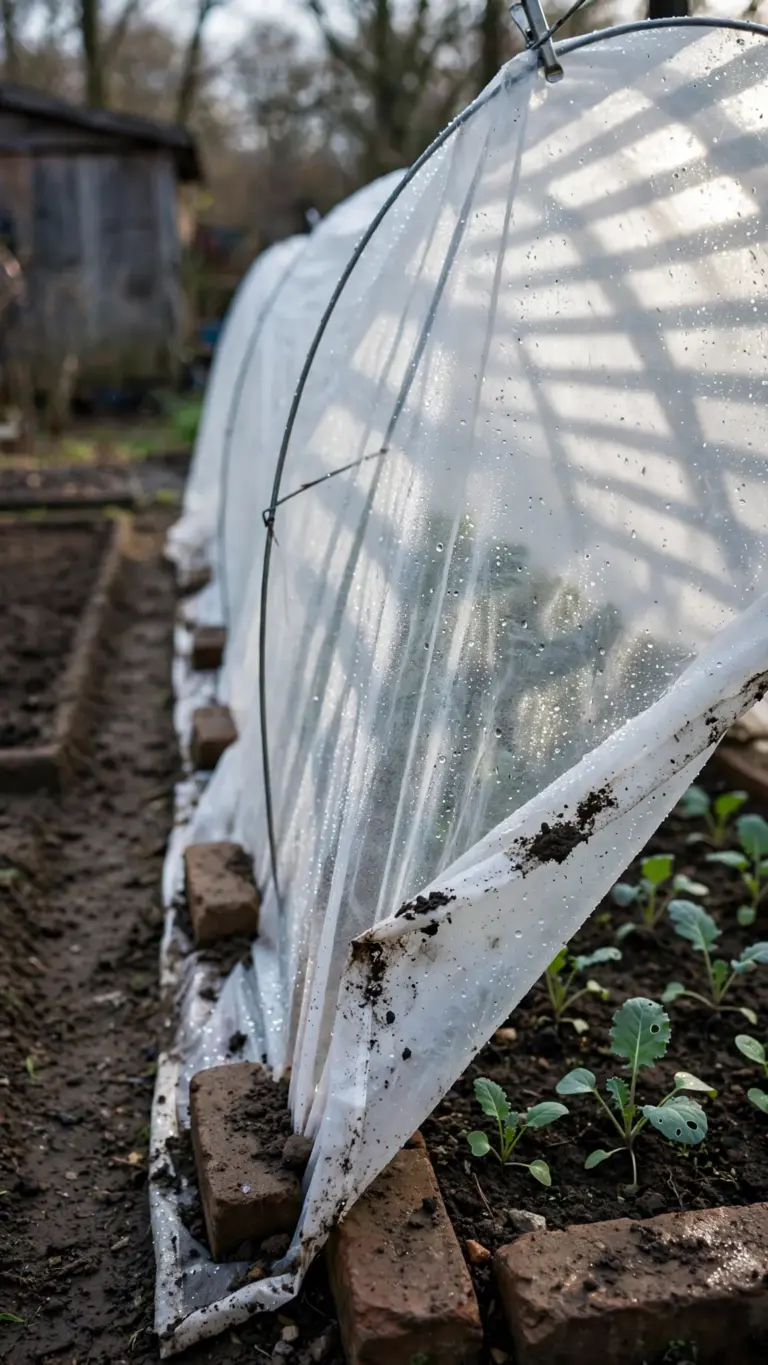
Cover the bed with a floating row cover on wire hoops the same day. The cover blocks cabbage moths and holds in a few degrees of warmth on cold nights. Pin the edges down with bricks.
Thin seedlings to the packet spacing once they stand 5 cm tall. Crowded greens rot. The seed starting steps cover the same germination basics for these crops, and the fall vegetable timing in the University of Arkansas Extension’s fall gardening tips runs the same count-back logic against local frost dates.
Sow a second small batch two weeks after the first. The staggered sowing covers you if an early cold snap kills the first round, and it stretches the harvest by the same two weeks. Keep the row cover on through the first light frosts and vent it on warm afternoons. Pull the cover back for harvest, then pin it down again. Greens picked in cold weather taste sweeter, since the plants convert starches to sugars.
11 Plant Garlic After the Equinox
Plant garlic cloves three weeks before the ground freezes, which lands just after the autumn equinox in most zones. Break the heads apart the day you plant.
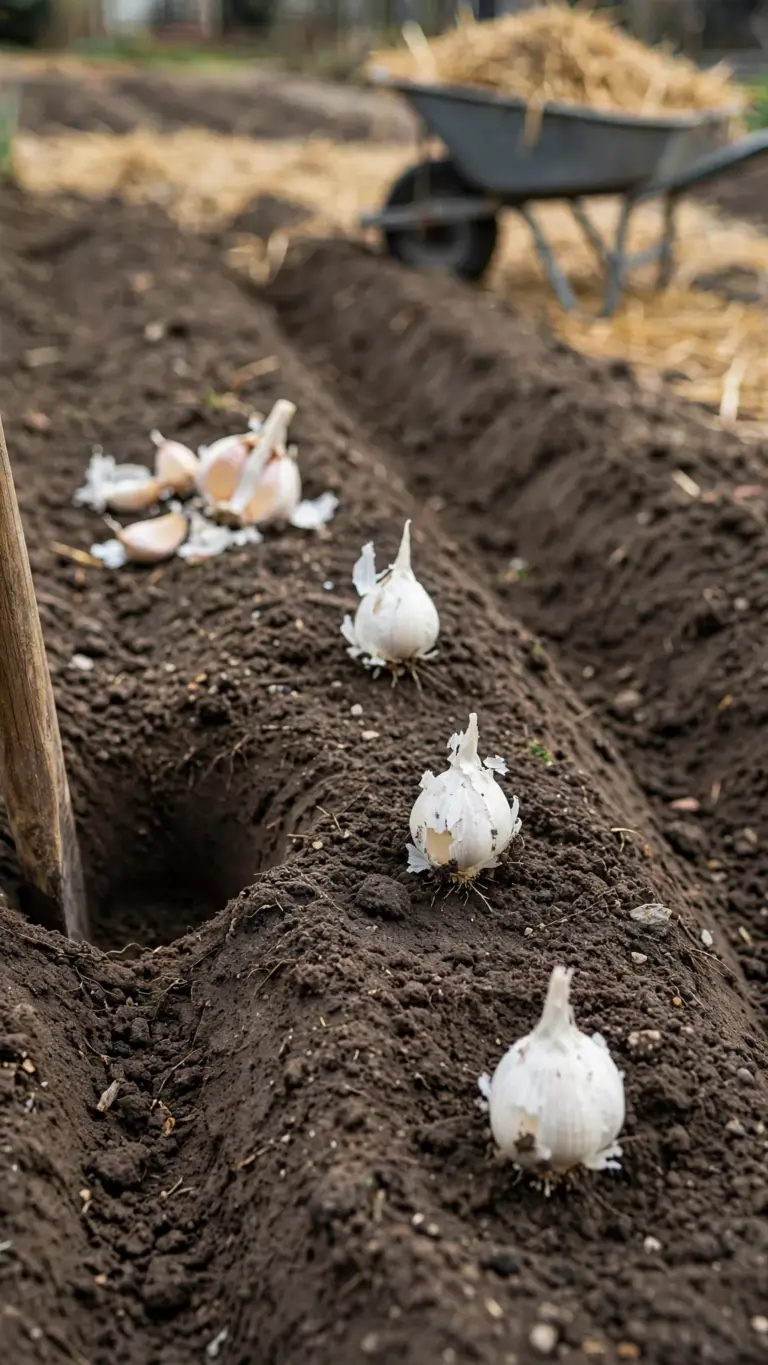
Push each clove 5 cm deep with the pointy end up, spacing them 15 cm apart. Mulch the bed 10.2 cm deep with straw once the ground freezes. The cloves root in fall and sleep through winter, then spear up at the first thaw.
Buy seed garlic from a garden supplier, not the grocery bin. Store garlic carries viruses and it was bred for a different climate. The Almanac’s fall harvest, store, and plant checklist lines up garlic planting with the rest of the October harvest-and-store jobs. For the rest of the fall seed shopping list, see our best seeds for fall planting.
Hardneck varieties suit cold winters and give you scapes in June, while softneck varieties suit mild winters and store longer. Plant the biggest cloves from each head and eat the small inner ones. Big cloves grow big bulbs. Mark the rows clearly, because garlic looks exactly like grass in April and the mower shows no mercy.
12 Extend the Harvest With a Cold Frame
Set a cold frame over the hardiest greens before the first hard freeze. Kale, spinach, mache, and claytonia survive under glass well past the first snow.
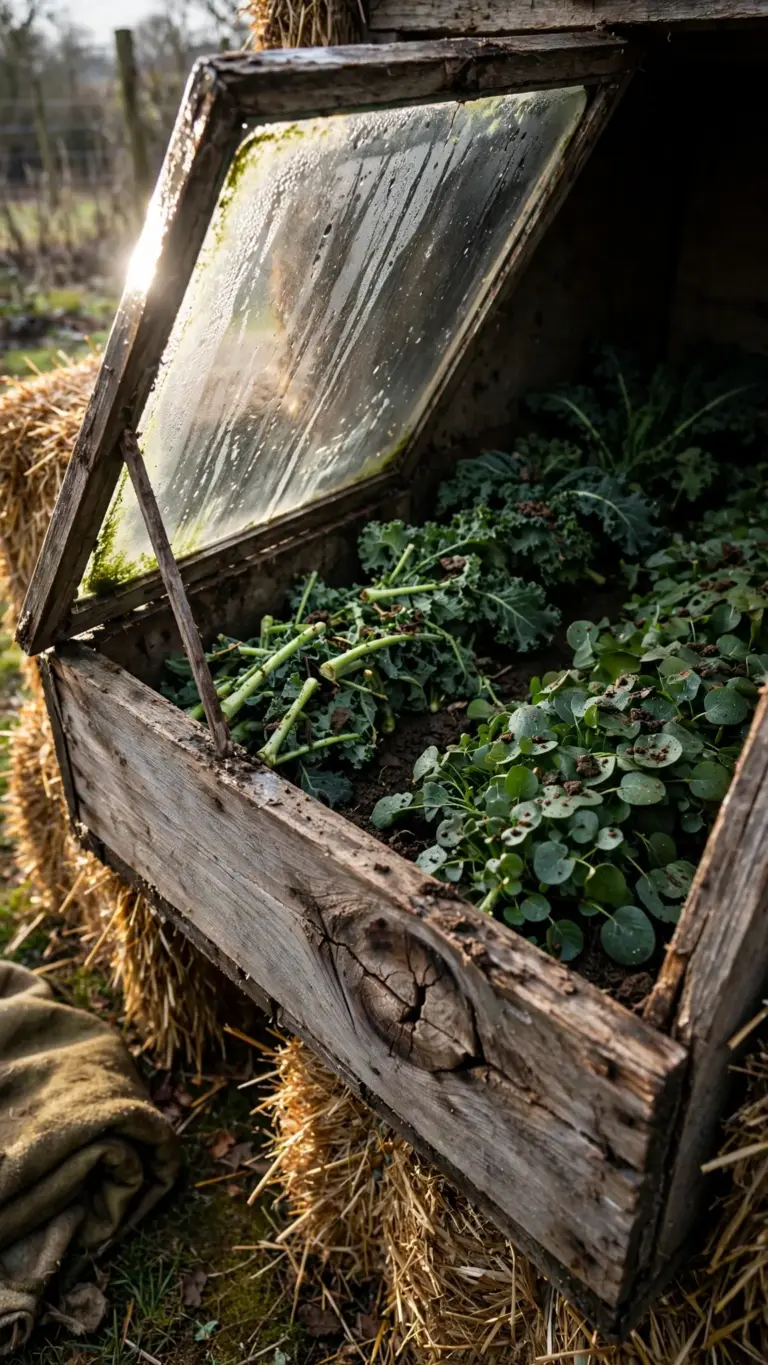
Vent the lid on sunny days. A closed cold frame hits 32 C on a bright October afternoon and cooks the crop. Prop the lid 5 cm open whenever the sun is strong.
Water sparingly. Growth slows to a crawl and wet soil rots crowns. Harvest the outer leaves and let the centers keep growing. A 1.2 by 1.8 m frame feeds two people side salads into December in zone 6.
Bank soil or straw bales around the outside of the frame for extra insulation once nights drop hard. The banking buys another few weeks of harvest. On the coldest nights, throw an old blanket over the lid and pull it off in the morning. The frame is a season extender, not a greenhouse, so expect the harvest to pause in the darkest weeks and resume in February.
Lawn: Feed the Roots
Fall is the lawn’s real growing season. Roots grow deep while the top slows, and every feed now shows up as green density in April. Two tasks, done in September and October, beat any spring rescue program. The lawn chapter of fall gardening is short and it pays the best return.
13 Overseed and Feed the Lawn in Fall
Mow the lawn short, rake the thatch hard, and spread seed at the bag rate in early September. Water lightly twice a day until germination.
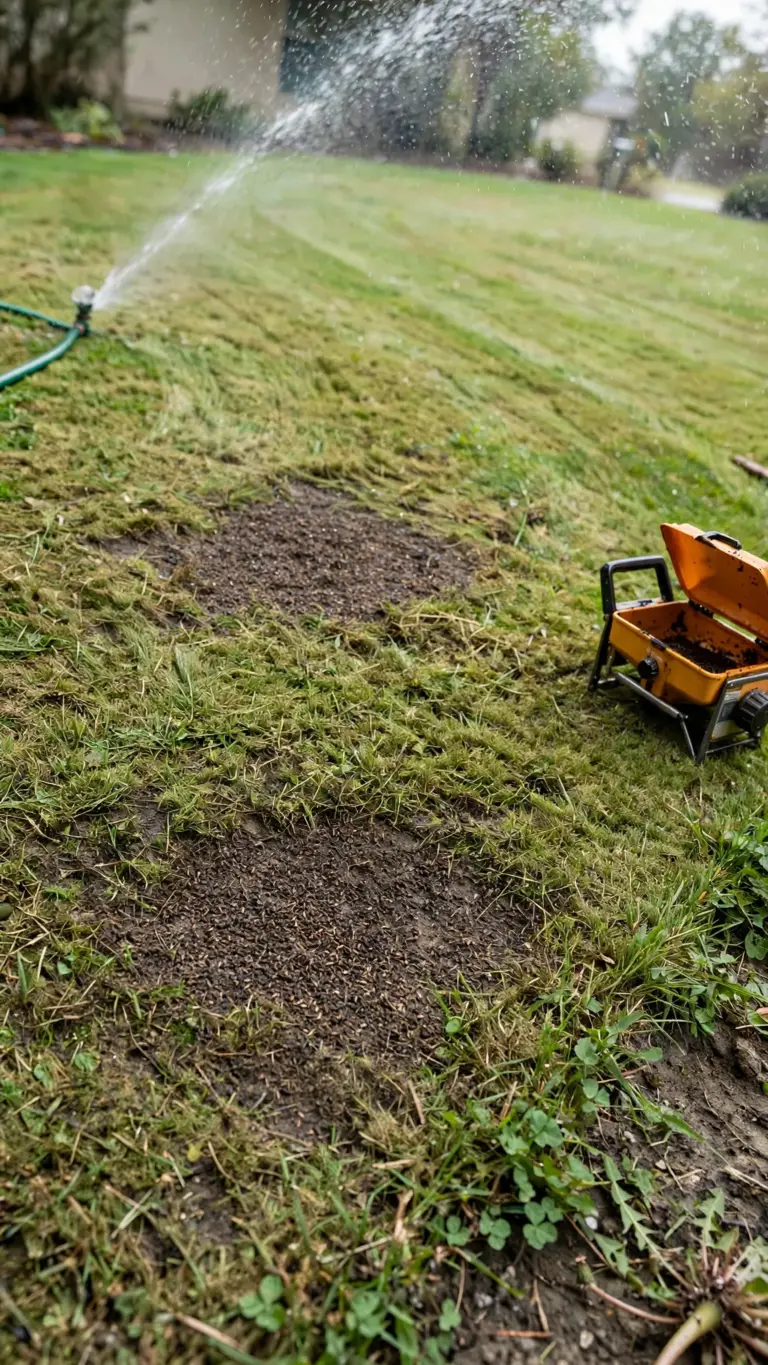
Feed with a slow-release fertilizer four to six weeks later, once the new grass has been mowed twice. Fall feeding builds root reserves. Spring feeding builds top growth that flops.
Seed bare patches with the same seed, not a patch mix. Patch mixes grow a different color of grass and the repair shows for years.
Keep foot traffic off the new seed until it has been mowed three times. Dogs undo it in one afternoon. If rain misses the forecast, run the sprinkler lightly morning and evening. Dry seed beds fail. Fall sun still dries the surface fast, so water on schedule. The lawn going into winter thick and fed is the lawn that wakes up first in spring.
14 Keep Mowing and Watering Until Growth Stops
Drop the mower to 6.4 cm for the last cuts of the year. Tall grass mats down under snow and breeds snow mold.
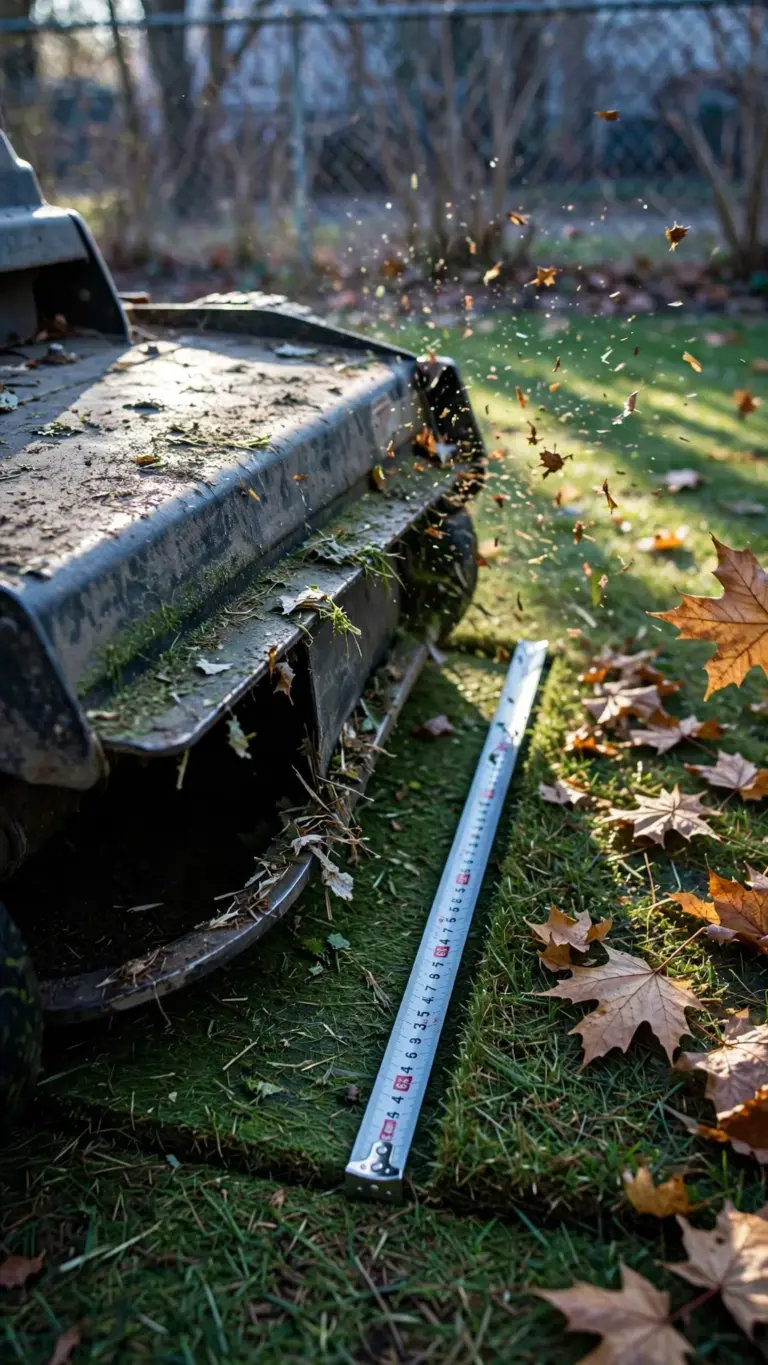
Keep watering until the ground freezes if rain stays under 2.5 cm a week. Roots keep drinking after the blades stop growing. Shut the system down only when the soil freezes.
Mow the final leaves into the turf with the mulching blade. Shredded leaves feed the lawn. Whole leaves smother it.
Lower the deck one notch at a time over the last three cuts instead of scalping it in one pass. A sudden short cut shocks the grass right before dormancy. Pick up the last heavy leaf fall if the mulching mower leaves clumps. Matted clumps kill circles in the turf by spring. The final cut happens when growth stops, not on a calendar date. A lawn going dormant well-fed is the lawn that greens up two weeks ahead of the neighbors’.
Pollinators and Wildlife
A garden cleaned to the soil line is a desert for everything that overwinters in it. These two tasks cost nothing and buy a living spring. Resist the urge to tidy. The messier the winter garden, the louder the spring garden, and these two tasks are the whole habitat program.
15 Leave Seed Heads and Hollow Stems for Pollinators
Leave the seed heads of echinacea, rudbeckia, sedum, and ornamental grasses standing all winter. Birds eat the seed. Native bees sleep in the hollow stems.
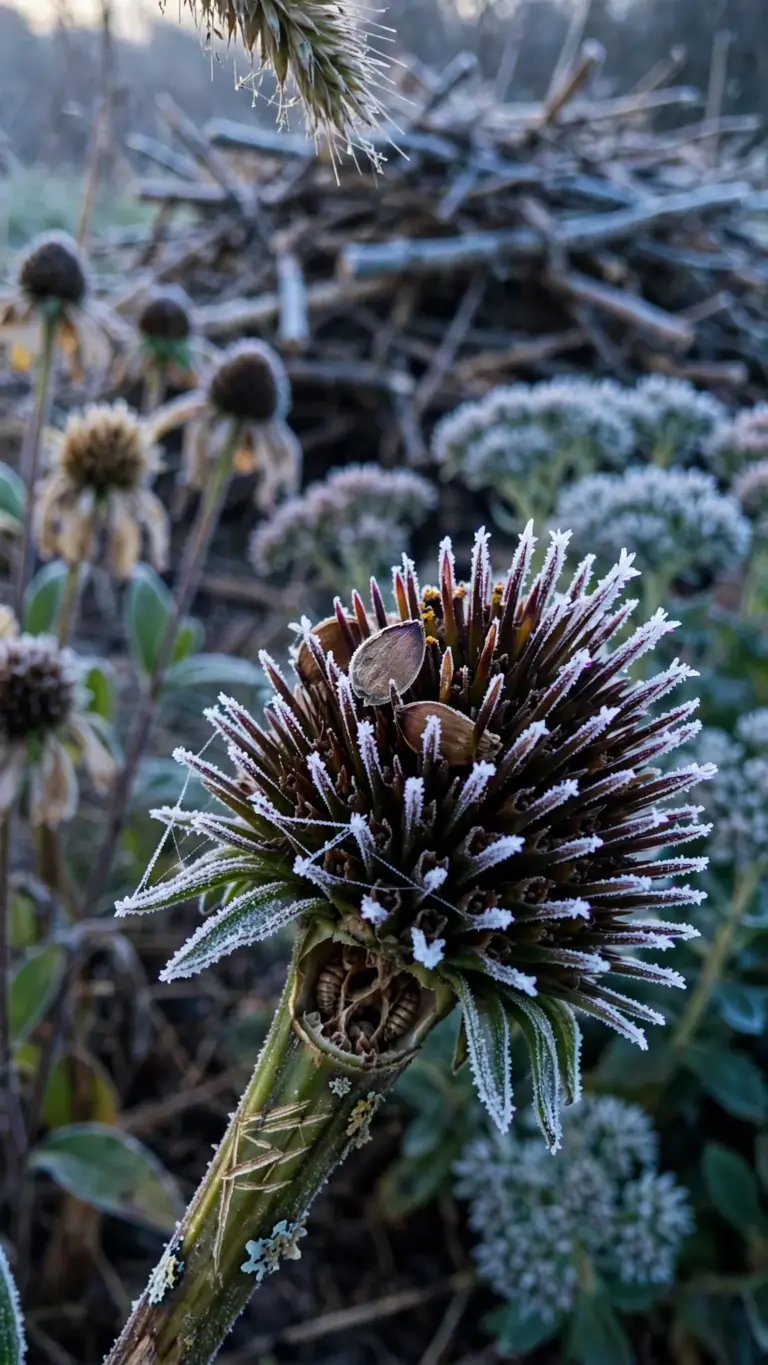
Cut the whole stand back in early spring, after several days above 10 C wake the sleepers. Stack the cut stems in a loose pile at the back of the bed for two weeks so late emergers can crawl out.
This task pairs with item 2. The selective cut-back leaves these stems on purpose. A garden that hosts overwintering pollinators needs no bought bees in spring.
Leave the vegetable garden’s bolted parsley, dill, and fennel standing too. Their hollow stems shelter the same beneficial insects, and the seed heads feed birds. Want to grow more herbs on purpose? See our fall herbs to plant for 26 picks for the garden, pots, and the windowsill. A brush pile in a back corner completes the habitat. Stack pruned branches loosely and let it stand. Wrens and overwintering butterflies use it within the first season.
16 Hang Feeders and Offer Water for Migrating Birds
Scrub feeders with a diluted bleach solution and rinse them clean before the migrants arrive. Fill them with black oil sunflower seed.
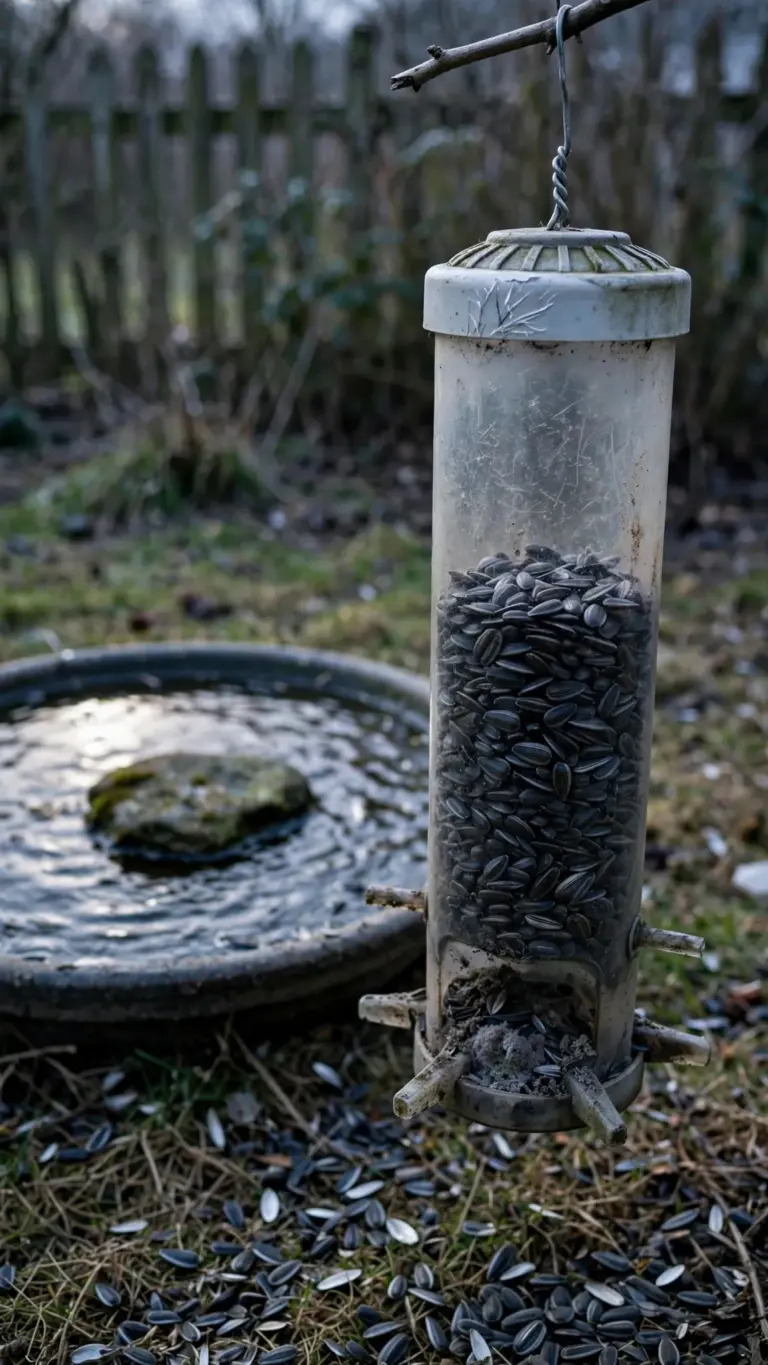
Set out a shallow dish of water with a stone in the middle for perching. Birds need water more than seed during migration. Change the water every two days so it stays fresh.
Hang feeders 3 m from windows or closer than 1 m. The middle distances are where window strikes happen.
Clean the feeders again in January, when use is heaviest and disease spreads fastest. Dump wet, clumped seed instead of topping it up. Moldy seed kills more birds than an empty feeder. A heated birdbath keeps water open through freezes and draws more species than any seed mix. The birds that winter in your garden eat the insects that would trouble your spring plants.
Tools: Close the Shed Right
A dirty tool put away in November comes out of the shed rusted in March. Give the shed two evenings before the first freeze.
17 Clean, Sharpen, and Oil Tools Before Storage
Scrub every spade, fork, and trowel with a wire brush. Sharpen the edges with a mill file, pushing away from your body.

Wipe the metal with an oily rag. A light coat of vegetable oil stops winter rust. Sand wooden handles smooth and rub them with linseed oil so they do not split in spring.
Hang tools off the floor. Handles left leaning in a corner bow by March. A pegboard and five minutes of hanging beats buying replacements.
Drain the fuel from the mower or add stabilizer, then run the engine dry. Old fuel gums the carburetor over winter and the mower will not start in spring. Change the oil while the engine is warm so the change is complete. Scrape the deck clean. A mower winterized in October starts on the second pull in April.
18 Drain Hoses and Shut Off Exterior Water
Disconnect every hose, drain it fully, and coil it in the shed. Water left inside freezes, splits the hose, and backs the ice up into the spigot.
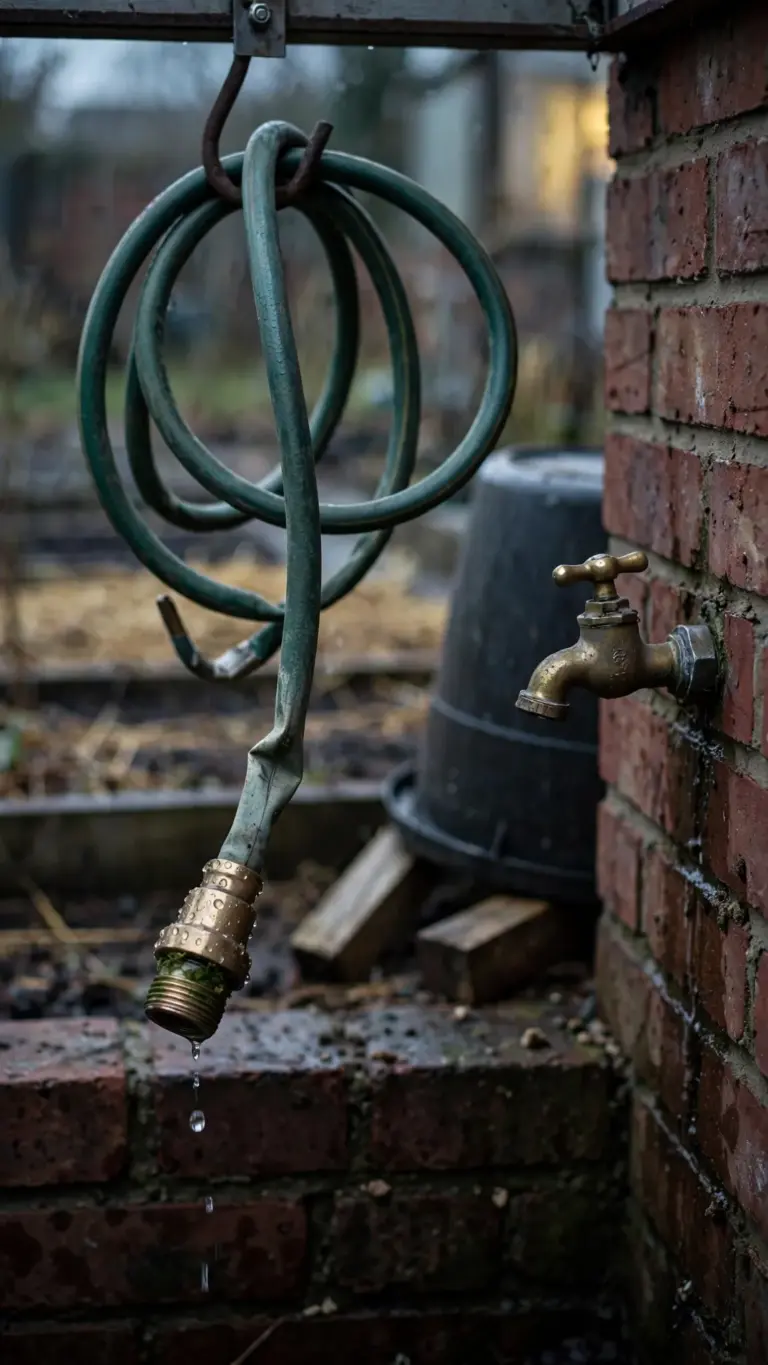
Shut off the interior valve for each exterior spigot, then open the outside tap and leave it cracked all winter. The line drains itself.
Drain rain barrels and store them upside down. A full barrel splits at the first hard freeze and floods the foundation in the spring thaw.
Bring in the rain gauge, the soil thermometer, and any ceramic pots. Ceramic cracks in freezes and the tools survive in the shed. Coil soaker hoses loosely and hang them, since a tight coil kinks the hose permanently. Label the interior shutoff valves with tape so spring-you finds them without a hunt.
Beginner Track
New to fall gardening? Start here. Two tasks build the habit and the record that make every future fall easier. Do these two before anything else on the page. The compost pile turns your leaves into soil and the map turns your guesses into dates. Everything after item 20 builds on those two foundations.
19 Start a Compost Pile With Fall Leaves
Build the pile in a 1 m square bin from pallets or wire mesh. Layer 15 cm of shredded leaves with 5 cm of green material: grass clippings, vegetable scraps, or coffee grounds.
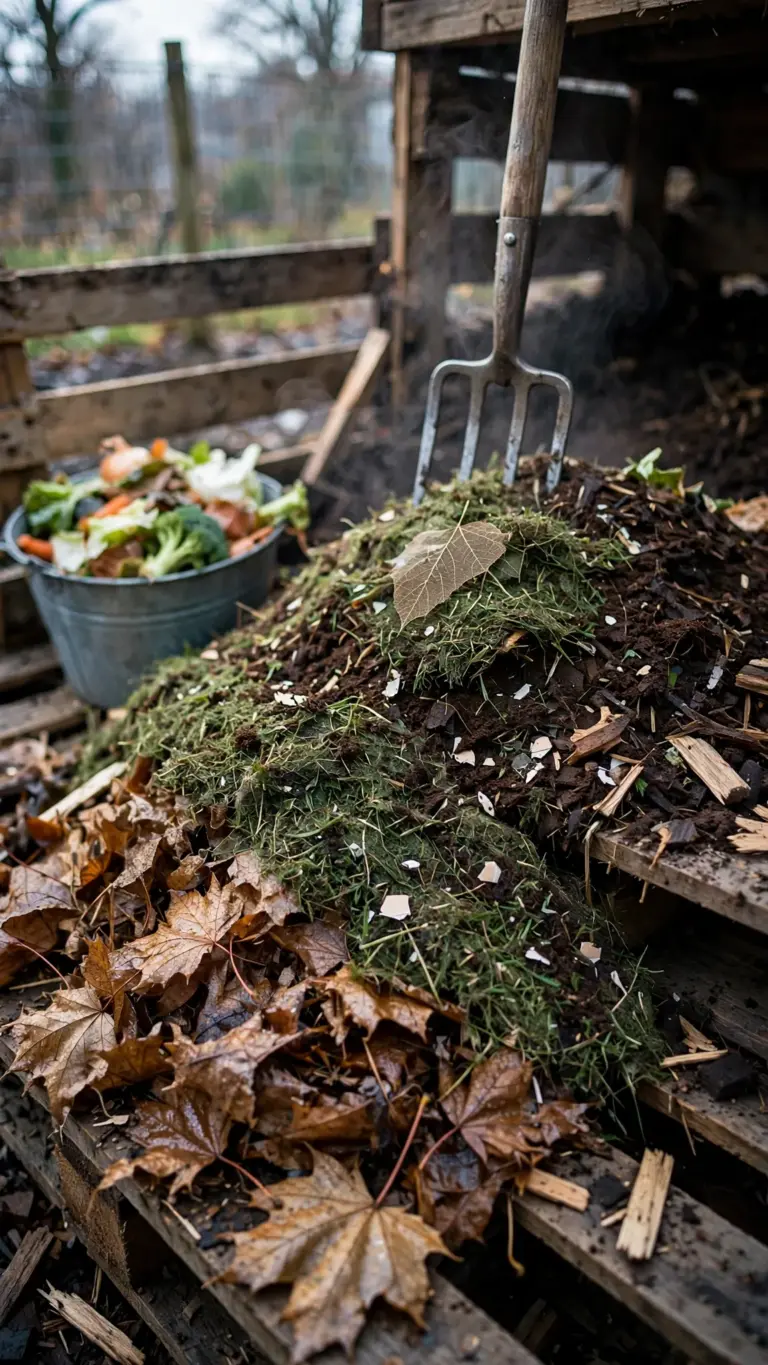
Water each layer until it feels like a wrung sponge. Turn the pile with a fork every two weeks. Ammonia smell means more leaves. A cold, dead pile means more greens and more water.
You will have finished compost by spring planting. The leaf supply arrives free every October, and this one pile turns it into next year’s soil.
Site the bin where the hose reaches and the wheelbarrow rolls easily. A pile tucked in a far corner never gets turned and never finishes. Keep a small fork and a bucket of greens next to the bin so turning takes minutes, not a planned expedition. By the second fall, running the pile is pure habit, and the garden gets a free soil amendment every single year.
20 Map the Garden and Log Your Frost Dates
Draw the beds on one sheet of paper and label what grew where. Note which bed had blight, which had the best tomatoes, and where the garlic went.
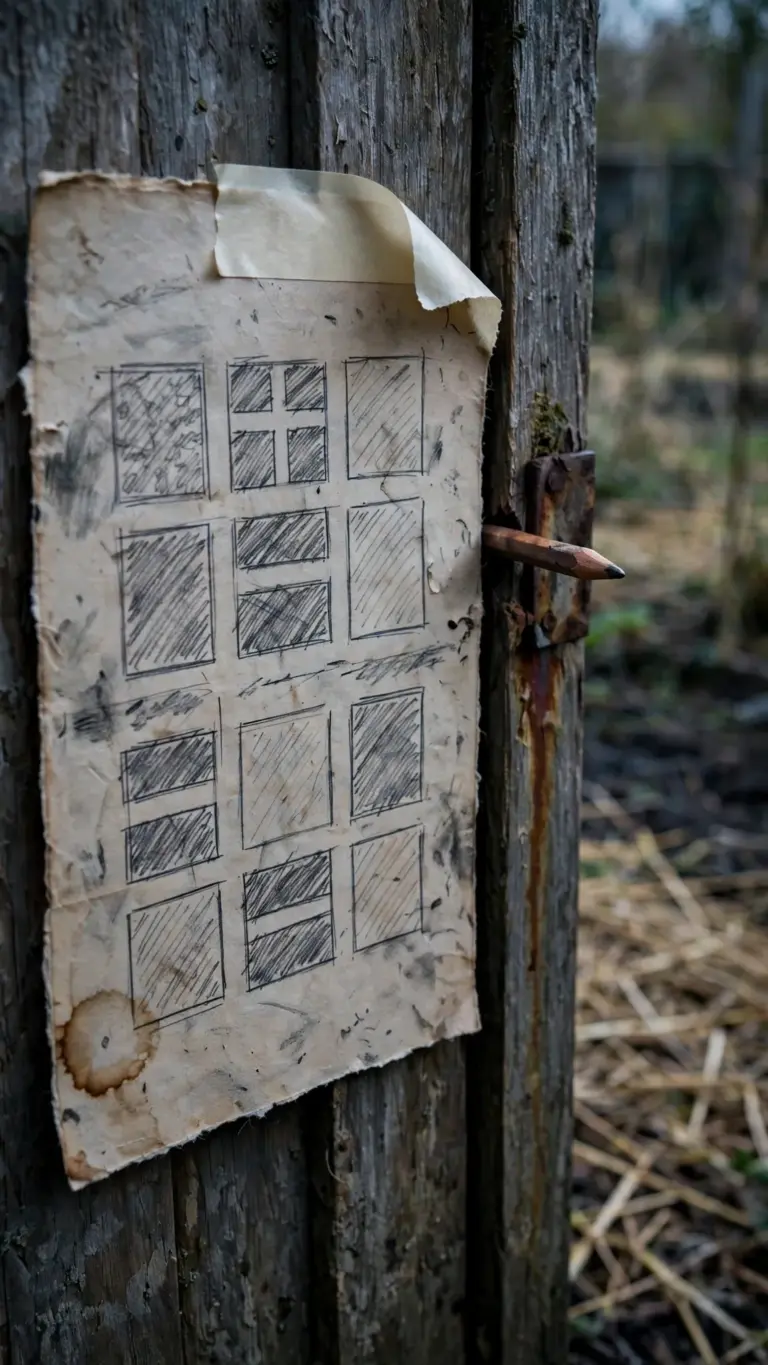
Write down your average first and last frost dates and your USDA zone on the same sheet. Tape the sheet inside the shed door. Every timing decision on this page starts from those two dates.
Do this once and fall gardening gets easier every year. Guess at the dates and you will plant garlic a month late and wonder why the bulbs are small.
Add a column for what you plant next spring and where, so the rotation plan starts from a real record instead of memory. Note the sunny and shady corners too, since fall’s low sun reveals the light patterns summer hides. Photograph each bed in October and file the photos with the map. A picture of the bare bed beats any written description when you plan the spring layout.
Regional Playbooks
Fall arrives on a different calendar in every region. Match your tasks to the one that fits your zip code. Zone numbers and frost dates drive every regional call. Florida gardeners plant through the cool-down, Texas gardeners wait for it, and Midwest gardeners race it. Pick your playbook and ignore the other two.
21 Treat Florida Fall as a Second Spring
Start the fall vegetable garden in September and October when nights cool. Tomatoes, peppers, beans, squash, and cucumbers all grow as a second crop.
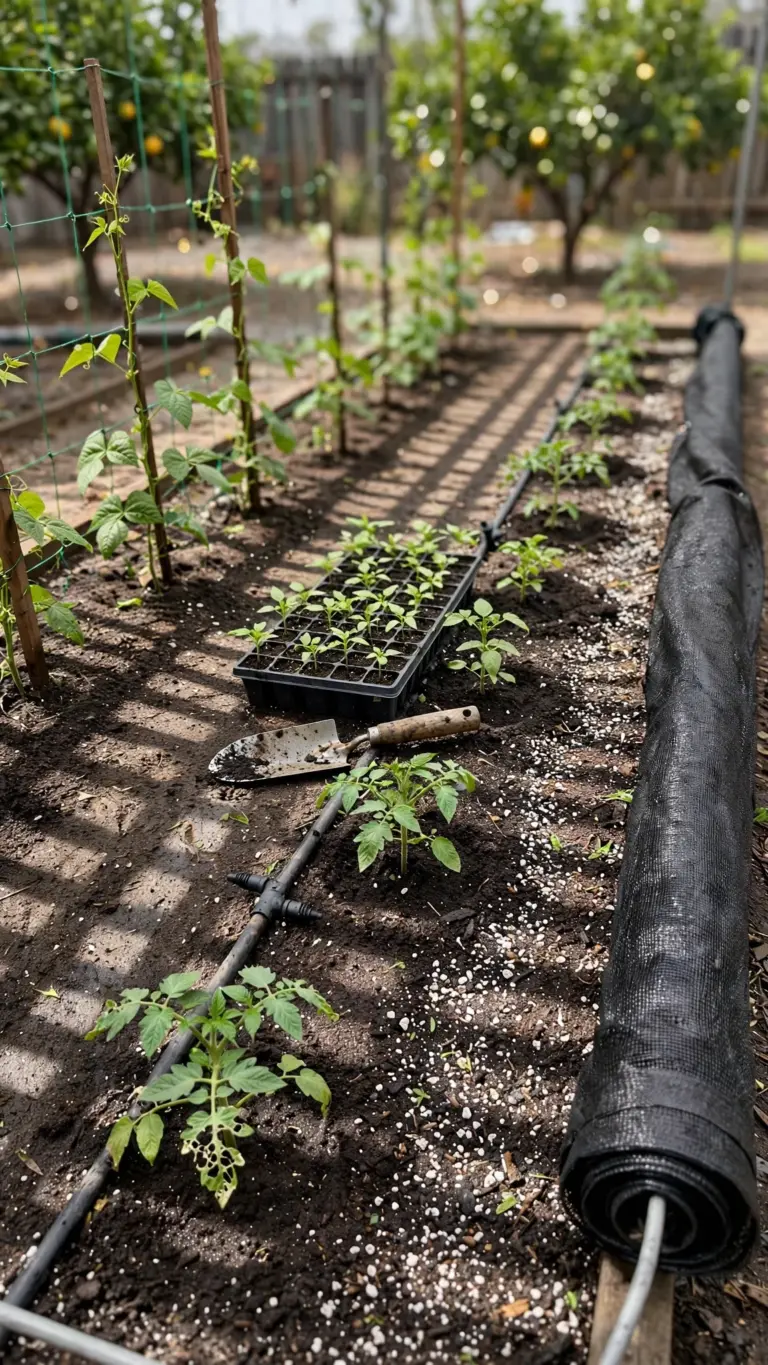
Sow cool-season greens in November for a winter harvest. Florida’s first frost often lands in December or January in the central zones, and the south never sees one.
Watch for fungal pressure in the humid fall. Space plants wide, water at the base, and pull diseased leaves fast. Fall in Florida rewards the gardener who plants boldly and prunes hard.
Order seeds in August so the fall sowing starts on time. Florida’s second spring waits for no one, and late-started transplants hit the short days before they size up. Shade cloth over new seedlings through September cuts the heat stress. Pull the cloth once nights cool. The winter garden then cruises with less water and fewer pests than the spring one ever had. Keep sowing in succession through January for a continuous harvest into spring.
22 Plant Texas Gardens in the Cool-Down
Wait for soil temperatures to drop before sowing fall vegetables. Texas soil holds summer heat into October, and seeds of spinach and lettuce refuse to germinate in hot soil.
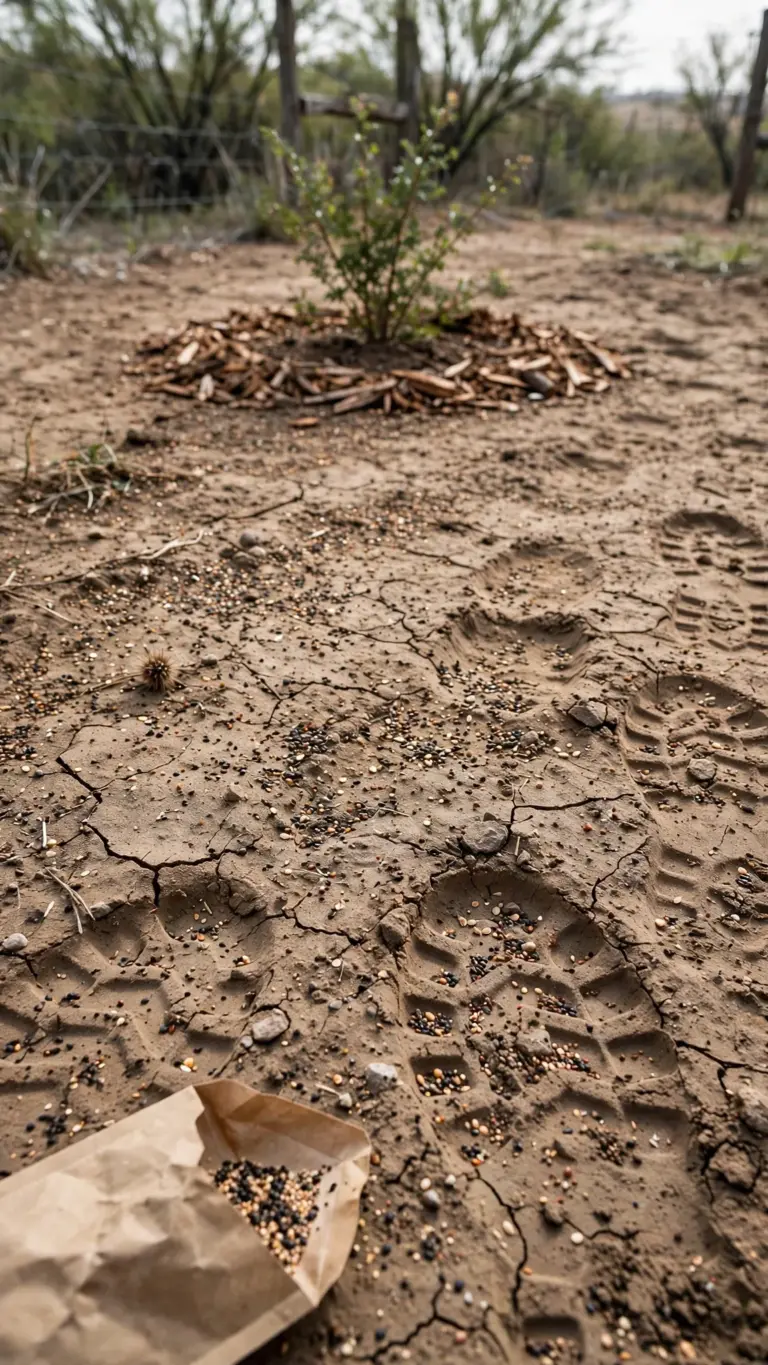
Plant trees, shrubs, and perennials from October through November. The cool-down gives roots months of growth before the first heat wave returns.
Mulch 7.6 to 10.2 cm deep against the winter cold snaps and the spring warm-ups alike. Texas weather swings both directions, and mulch steadies the soil through both.
Plant garlic and onions in November, once nights stay cool. The cool-down is also the moment for wildflower seeds. Scatter bluebonnet and Indian paintbrush seed in October on bare soil and press it in with your boots. The seed needs the winter chill to germinate. Come March, the roadside show starts in your own yard.
23 Race the Freeze in the Midwest
Treat mid October as the deadline for almost everything. Bulbs, garlic, trees, and perennials go in by then or they do not go in.
Sow cool-season vegetables in August under row cover. The first frost can land in late September in zone 5, so the August sowing is the whole crop.
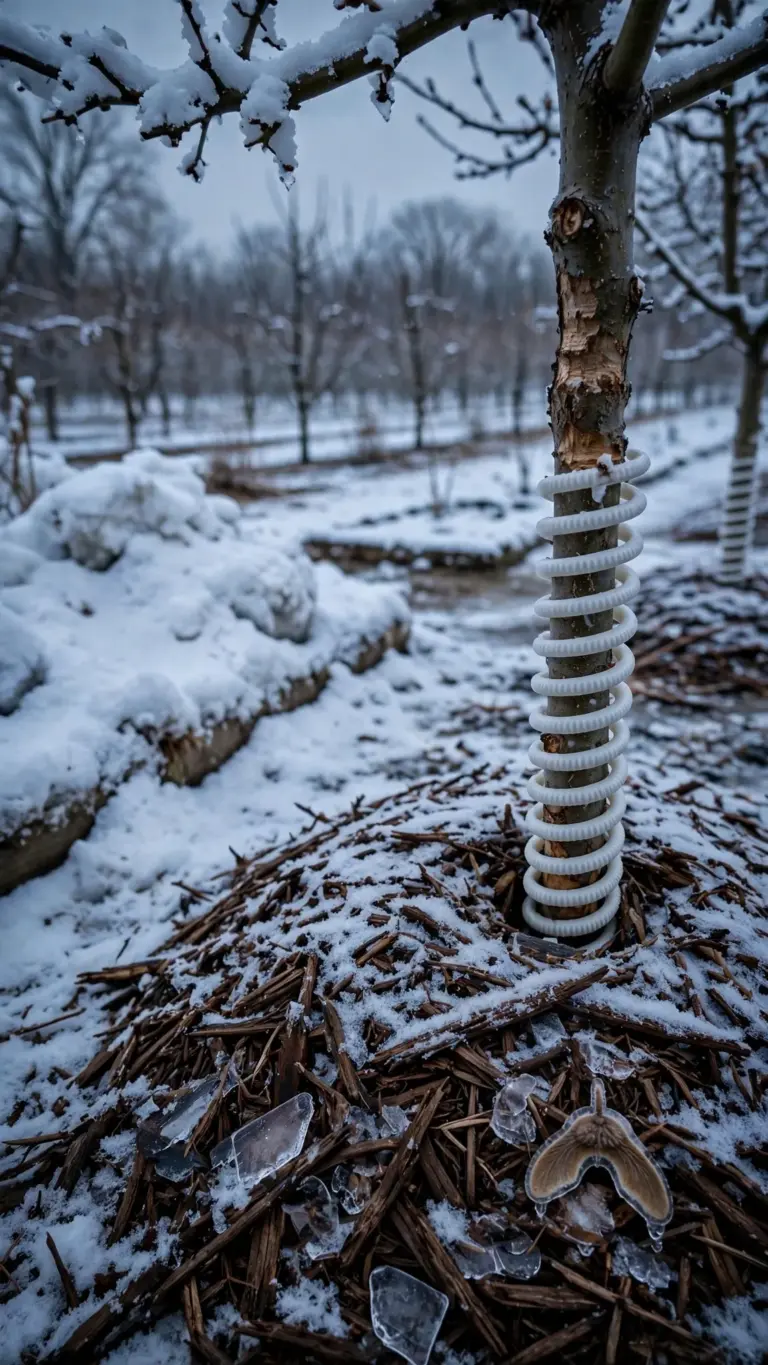
Mulch heavy once the ground freezes. Midwest freeze-thaw cycles heave shallow roots out of the soil. A 10.2 cm layer holds the freeze steady until spring.
Wrap young fruit trees with spiral guards in November. Rabbits girdle unprotected trunks under the snow, and one winter of chewing kills a three-year tree. Pile snow back onto the beds instead of shoveling it onto the driveway. Snow is the best mulch the Midwest gets, and a deep snowpack holds the soil temperature steady all winter.
Tender Plants
Tender plants die at the first hard freeze. Two tasks move them out of harm’s way in time. Watch the forecast, not the calendar. A light frost blackens dahlia foliage overnight, and the lift-and-store window opens the next morning.
24 Lift and Store Tender Bulbs After First Frost
Wait for the first light frost to blacken the foliage of cannas, dahlias, and gladiolus. Before the frost hits, cut the last stems for the vase — our fall cut flowers guide ranks 26 picks by vase life and shows how to condition them. Cut the stems back to 10.2 cm.
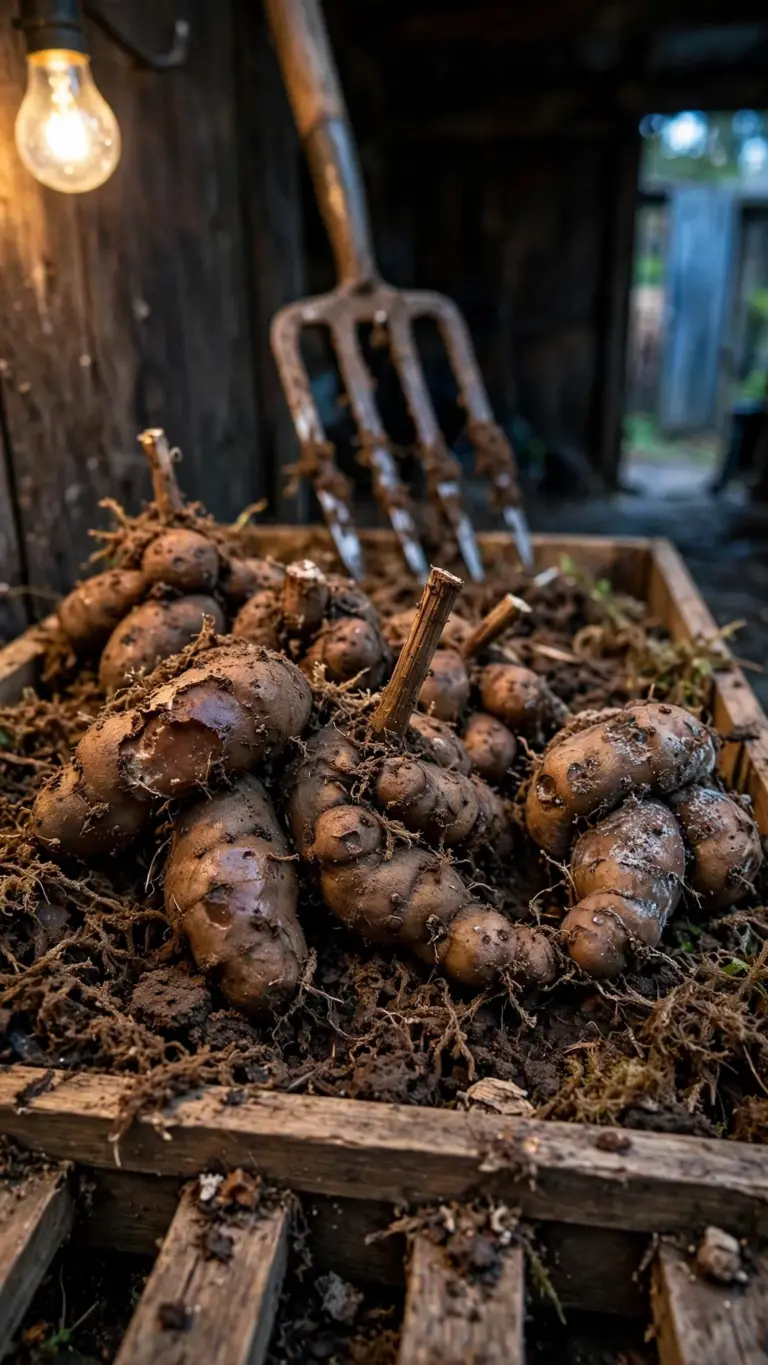
Lift the clumps with a fork and shake off the loose soil. Cure them in a dry spot out of direct sun for a week. Pack them in barely damp peat moss or wood shavings in a crate.
Store the crate at 4 to 10 C. Check monthly and toss anything soft or moldy. One rotting tuber takes the whole crate with it.
Label every crate with the variety and the color, because dormant tubers all look like lumps. Add a note on the garden map of where each clump grew, which saves digging in the wrong bed come spring. Start the tubers indoors in pots four weeks before the last frost for earlier blooms. Pot them up, water once, and set them in a warm bright spot until the garden is ready.
25 Bring Houseplants In Before Nights Drop Below 13 C
Move houseplants indoors when night temperatures threaten 13 C. Tropicals stall below that line and cold damage shows as blackened leaves days later.
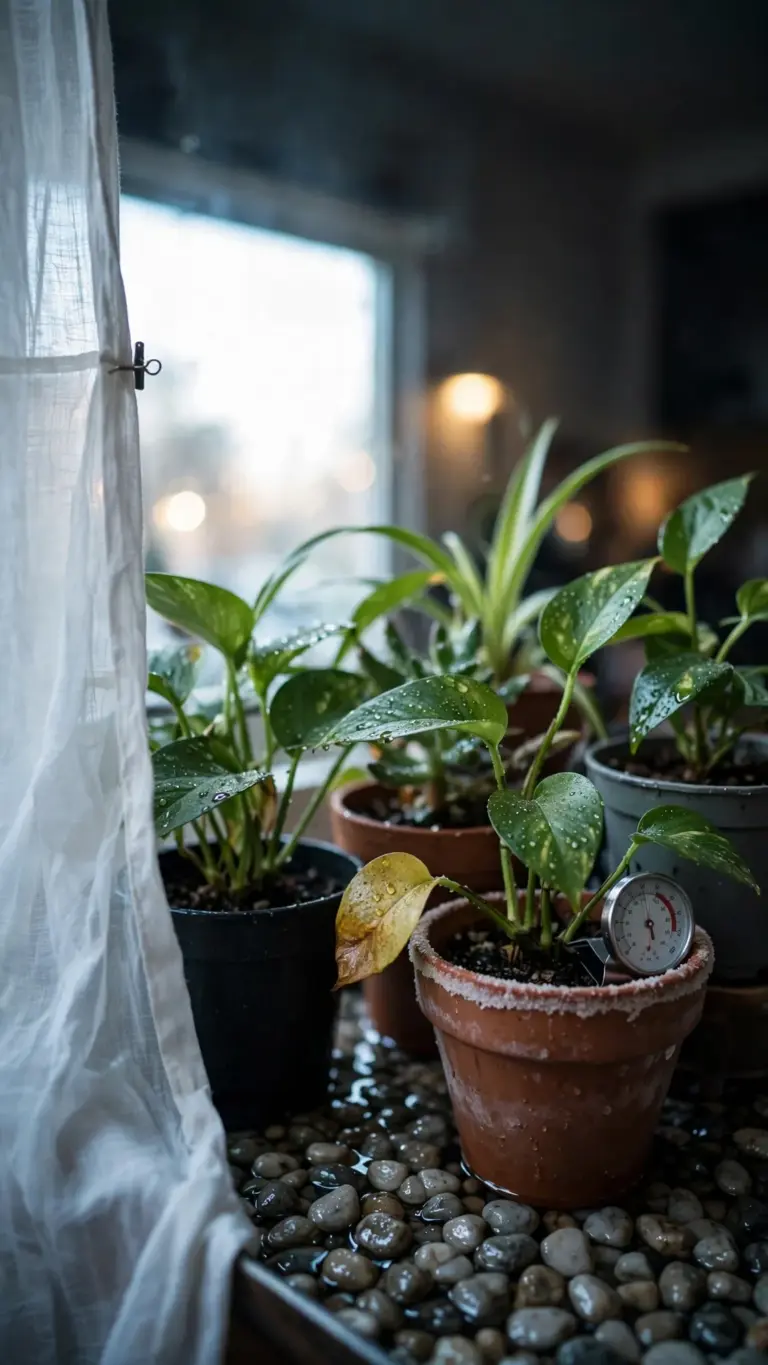
Check every leaf and pot for hitchhikers first. Rinse the foliage hard and repot anything with ants in the soil. Quarantine new arrivals in a separate room for two weeks.
Set them in the brightest window you own and cut watering in half. Short days and dry indoor air slow everything down. Leggy winter growth gets pruned off in spring.
Wipe the leaves clean of dust once a month so they catch the weak winter light. Group the pots on a pebble tray of water to lift the humidity around them. Keep every plant clear of heating vents and cold windowpanes, since both extremes scorch leaf edges. A small fan on low keeps air moving and cuts the fungal problems that still indoor air invites.
Pruning: Practice Restraint
Fall pruning has one rule: restraint. Most woody plants are setting up next year’s show right now. The shears stay mostly in the shed until spring, with only the three Ds earning a cut.
26 Skip Heavy Fall Pruning of Spring Bloomers
Leave lilac, forsythia, azalea, rhododendron, and flowering cherry alone this fall. They set their flower buds on this year’s wood, and every cut now removes spring blooms.
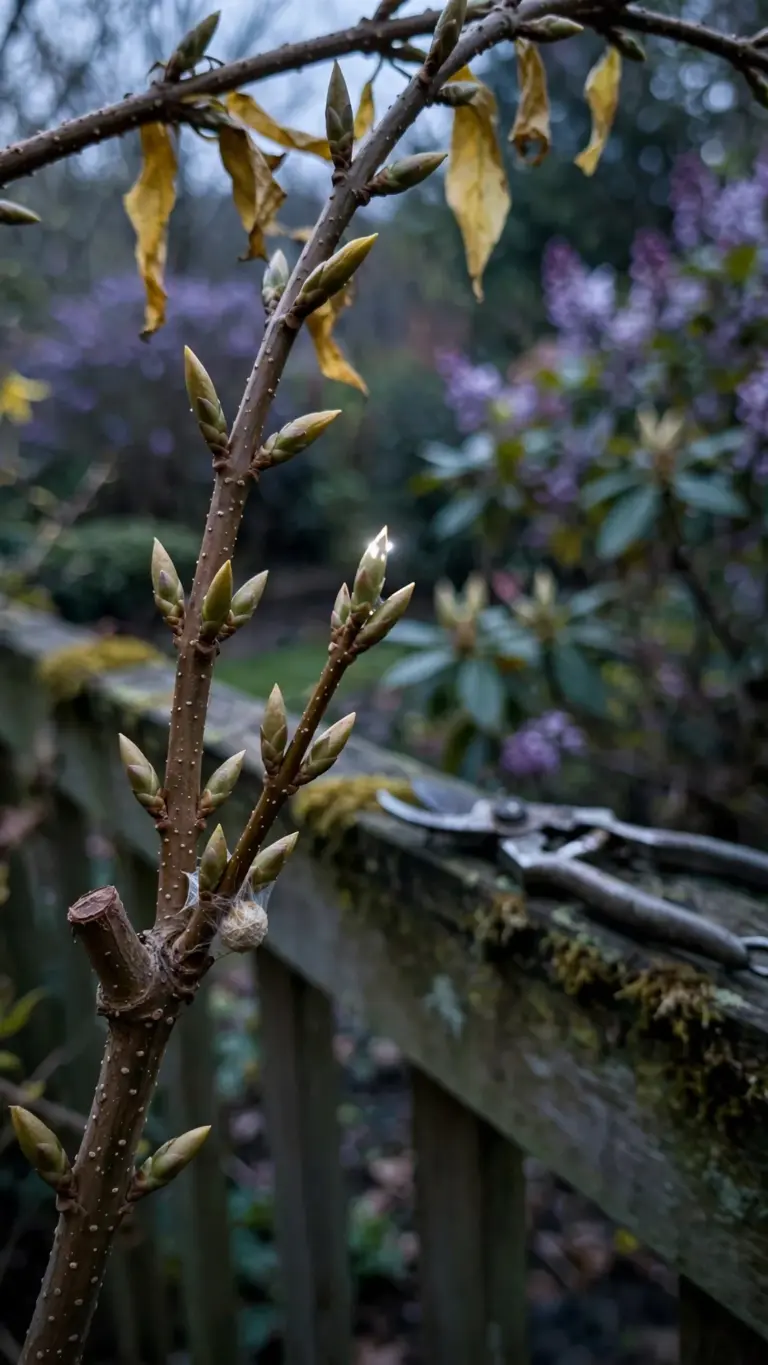
Remove only the three Ds: dead, damaged, and diseased wood. Cut those back to healthy tissue whenever you find them.
Save the shaping cuts for right after flowering in spring, when the blooms are spent and the plant has months to recover. A forsythia pruned in March blooms first and takes the shears after. A forsythia pruned in October loses its April show entirely.
Summer bloomers like butterfly bush and panicle hydrangea take their pruning in late winter instead. Their buds form on new wood, so a March cut costs nothing. Learn which wood your shrubs bloom on before lifting the shears. The rule fits on an index card: spring bloomers get cut after flowering, summer bloomers get cut before growth starts.
Five Fall Mistakes That Cost You Spring
Every mistake below costs a season, and each is avoidable in an afternoon.
Mulching before the ground freezes. The warm blanket shelters mice and voles, and they girdle shrubs all winter under the cover.
Cutting back every perennial. The hollow stems you scalp in October held the native bees that pollinate your spring fruit.
Planting spring bulbs in a low spot. Bulbs rot in winter puddles. Plant them where water drains within an hour after rain.
Skipping the soil test. Lime needs months to shift pH, and fall is the only season that gives it those months. A spring test means spring guessing.
Fertilizing trees and shrubs now. Nitrogen pushes soft new growth that the first hard freeze kills back to the old wood.
Leaving the garden hose connected. A connected hose traps water in the spigot line, and the freeze splits the pipe inside the wall. The repair costs a plumber. Disconnecting costs two minutes.
Composting diseased foliage. Blight and mildew survive the home compost pile, since backyard piles rarely hold heat long enough to kill pathogens. Bag the diseased material and trash it. The compost pile is for clean material only.
Walk the garden with this list in hand before the first hard freeze. Fix what you find the same day. Spring rewards the gardener who closed fall properly, and punishes the one who did not.
What Spring Gets Right Back
A garden closed properly in fall opens fast in spring. Compost spread in October has melted into the beds. Garlic planted after the equinox spears up through the last snow. Trees planted in the cool-down leaf out on established roots.
The log on the shed door tells you when the frost dates fall and where the blight hit. The tools hang sharp and oiled. The cold frame holds greens while the neighbors wait for the soil to warm.
Fall gardening pays in April. Every task on this page is a deposit, and spring collects them all.
Start this weekend with the trug and the spent annuals. The first task takes an hour and the momentum carries the rest. By the time the ground freezes, the compost is spread, the garlic is in, the tools hang clean, and the garden sleeps under mulch. That is the whole job, and it is worth every minute.
The 26 tasks look like a lot on paper. In practice they fit into four or five weekends, and half of them take under an hour. The garden does the slow work over winter while you stay inside. Come April, the beds wake up fed, planted, and mapped, and the season starts two steps ahead.
Frequently Asked Questions
What Should I Put in the Garden in the Fall?
Plant spring bulbs, garlic, trees, shrubs, and divided perennials. Sow spinach, kale, radish, lettuce, and arugula under row cover six to eight weeks before the first frost. Spread 5.1 to 7.6 cm of compost over empty beds. Skip tender annuals and anything that needs a full warm season to mature.
What Should You Not Plant in the Fall?
Skip warm-season crops like tomatoes, peppers, cucumbers, and basil unless you garden in Florida or a frost-free zone. They stall in cool soil and the first frost kills them. Skip heavy fall pruning of spring bloomers too. Every cut on lilac or forsythia now removes a flower bud set for spring.
What Plants Do Best in Fall?
Cool-season vegetables thrive: spinach, kale, arugula, radish, lettuce, mache, and garlic. Spring bulbs need the cold to bloom. Trees and shrubs establish roots in warm soil while the air cools. Hardy perennials divided in September root in before the freeze. These are the plants fall was made for.
When Should I Cut Plants Back in the Fall?
Cut back perennials that collapse into mush: hosta, daylily foliage, and peony stems. Leave hollow stems on echinacea, bee balm, and grasses standing until spring for overwintering bees. Remove dead, damaged, and diseased wood any time. Never shear spring-blooming shrubs in fall or you cut off next year’s flowers.
Is October Too Late to Start Fall Planting?
October is prime time in zones 6 and warmer. Garlic goes in after the equinox, trees and shrubs plant through mid October, and spring bulbs plant until the ground hardens. In zone 5 and colder, October is the deadline, so work fast and mulch after the freeze. Match every task to your first frost date.
Should I Fertilize the Lawn in Fall?
Yes. Feed with a slow-release fertilizer four to six weeks after overseeding, once new grass has been mowed twice. Fall feeding builds the root reserves that green up the lawn in April. Skip spring-style quick nitrogen now. It pushes soft top growth that winter kills and wastes the whole application.








