
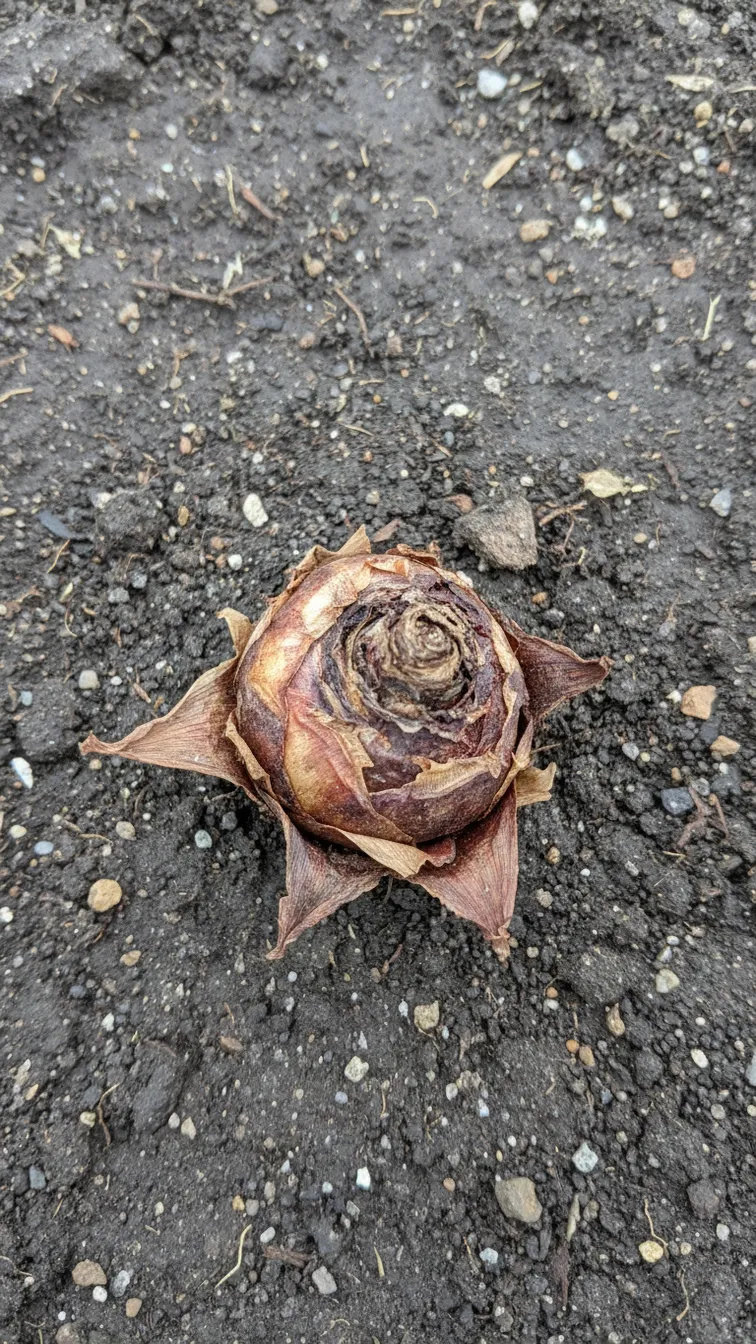

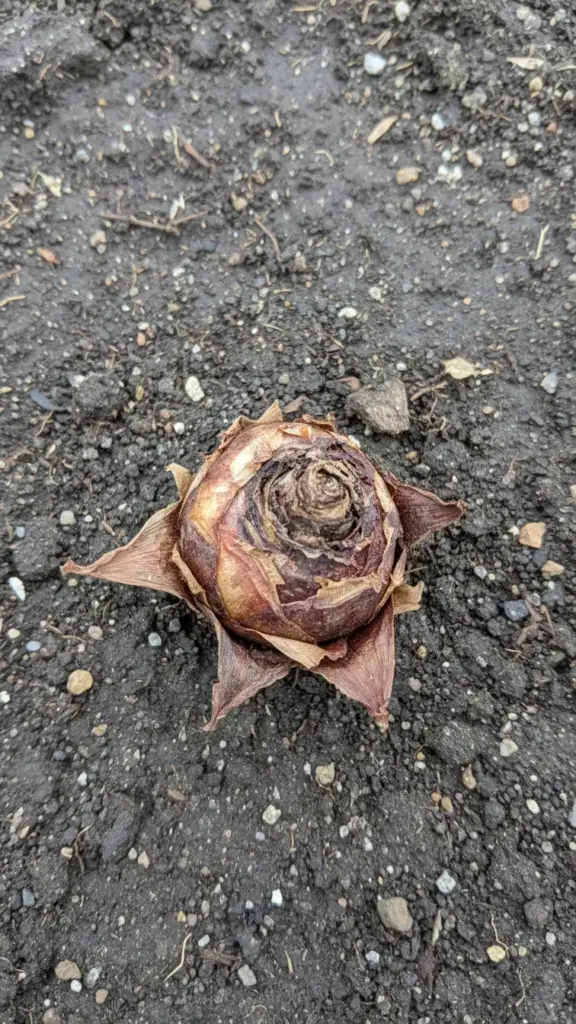
Corm rot is a general term for several fungal diseases that turn the underground storage structure of plants like gladiolus, crocus, saffron, and taro soft, discolored, and unable to sprout. If a corm rot problem is destroying your bulb-like plantings, understanding which pathogen and which weak point is involved matters more than reaching for a fungicide right away. See our corm vegetable growing guide for the basics of growing healthy corms in the first place.
What Corm Rot Is
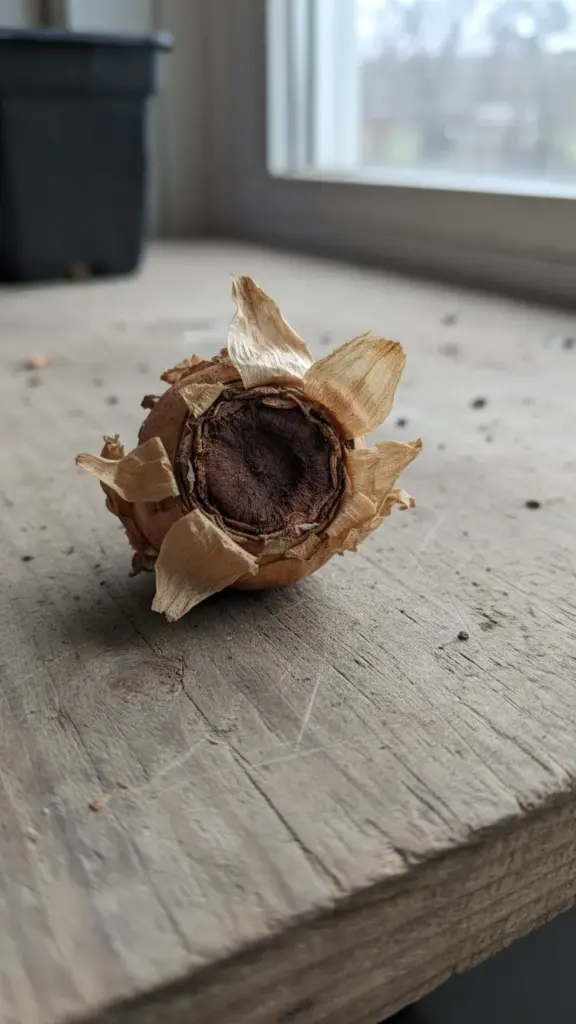
Corm rot is not one single disease, but a description of symptoms caused by several different fungal pathogens depending on the host plant. In gladiolus, the most common cause is Fusarium oxysporum f.sp. gladioli, a soilborne fungus that produces a firm brown rot of the basal plate and scales. In taro and other Colocasia species, Phytophthora colocasiae causes both taro leaf blight and a light brown, firm corm rot. In saffron crocus (Crocus sativus), research has found that multiple fungal species can cause corm rot, but often only after the corm tissue has been physically injured first.
Across all these hosts, the underlying pattern is the same: a corm that should be firm and capable of sprouting instead turns soft, discolored, or hollow, and either fails to grow or produces a stunted, yellowed plant.
How to Identify Corm Rot
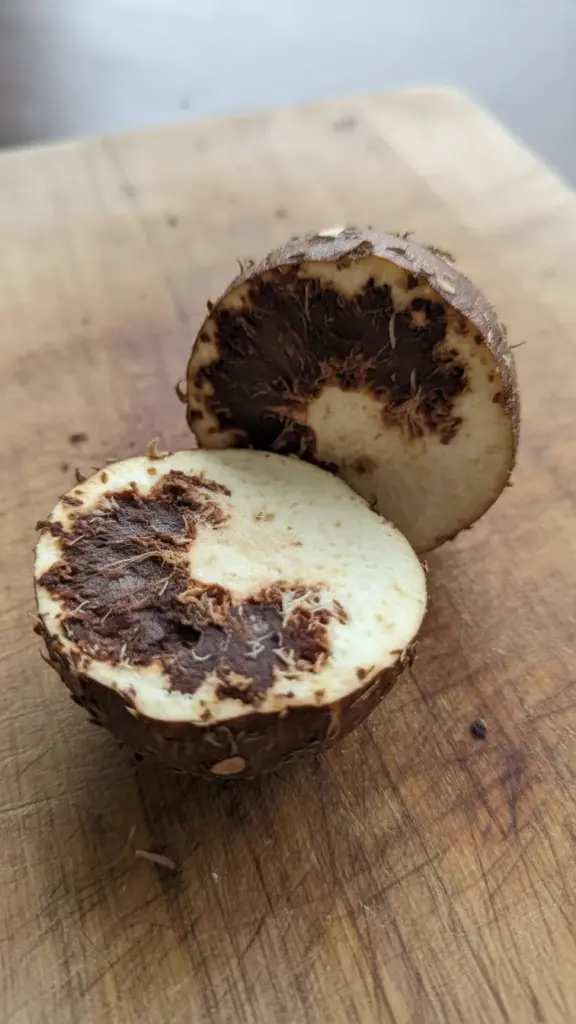
Above ground, infected plants often show stunting, yellowing, and wilting, sometimes failing to emerge from the soil at all. Below ground, the corm itself is the tell, showing a firm brown to reddish-brown rot on the basal plate and outer scales in Fusarium-affected gladiolus, according to UC IPM’s guidelines for bulbous iris and related bulbs.
Cutting a suspect corm in half is the most reliable way to check. Healthy tissue inside is firm and uniformly colored, while rotted tissue is discolored, often brown or reddish, and may feel soft or mushy depending on which pathogen is involved. In advanced cases, a blue mold can develop as a secondary rot on top of the primary infection.
What Causes Corm Rot in Different Plants
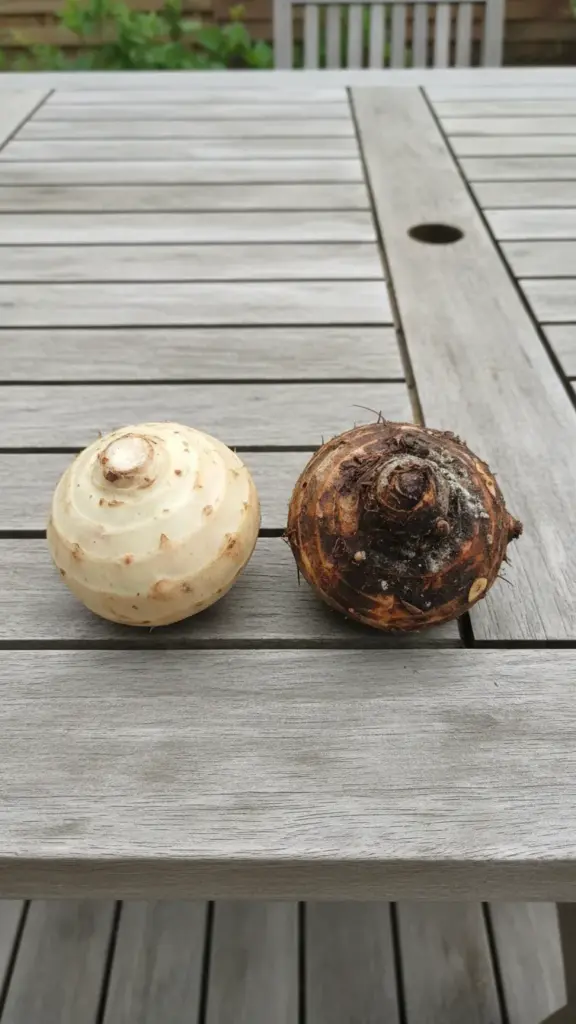
The responsible pathogen depends heavily on which crop is affected, and treating them all the same rarely works well.
| Host Plant | Common Pathogen | Typical Symptom |
| Gladiolus, crocus, freesia | Fusarium oxysporum f.sp. gladioli | Firm brown basal rot, yellowed and stunted plants |
| Taro, dasheen (Colocasia) | Phytophthora colocasiae | Light brown, firm corm rot, often with leaf blight above ground |
| Saffron crocus (Crocus sativus) | Multiple fungal species, but requires prior injury | Corm rot developing at wound sites, roots also affected |
| Cocoyam (Colocasia esculenta) | Sclerotium rolfsii | Dark brown stem-level lesions, white fluffy mycelium, progressive wilting |
Knowing which crop you are growing narrows down the likely cause considerably, which then shapes which management steps are worth prioritizing.
Why Injury Matters More Than You Might Expect
One of the more useful findings on saffron corm rot is that the fungal isolates tested were pathogenic on corms and roots only when the tissue had been artificially injured first. Non-injured corms exposed to the same fungal inoculum in the same conditions remained healthy and showed no symptoms.
This means that rough handling during harvest, cutting, sorting, or planting can be the deciding factor in whether a corm develops rot at all, even when the responsible fungus is already present in the soil or on the corm surface. Careful handling that avoids bruising, cutting, or scraping corms is a meaningfully protective step, not just good practice in general.
Conditions That Favor Corm Rot
Warm soil above roughly 57°F favors Fusarium basal rot development in gladiolus and related bulbs. The fungus survives for several years as chlamydospores in infested soil, giving it a long-lasting reservoir even after visibly diseased plants are removed.
Excess soil moisture and poor drainage favor Phytophthora-caused corm rots in taro, since this water mold pathogen needs free moisture to move through soil and infect plant tissue. Wounded corm tissue, as covered above, is a contributing condition across nearly every corm rot pathogen, regardless of host.
Does Corm Rot Cause Lasting Damage
Yes, often significantly more than foliar diseases on the same plants. Because the corm is both the storage organ and the structure that produces next year’s growth, a badly rotted corm frequently fails to sprout at all, and infected corms are considered the primary source of disease carried forward into future plantings.
Unlike many leaf-spot diseases that fade with time and leave the plant otherwise intact, corm rot can permanently end that individual corm’s ability to grow, which makes prevention and early corm inspection more valuable than trying to treat visible infections after the fact.
Step 1: Inspect and Discard Infected Corms Before Planting
Examine every corm before planting, cutting a few open if you suspect a problem, and discard anything showing firm brown, reddish, or soft discolored tissue. Since infected corms are the primary carrier of disease into a new planting site, this single inspection step prevents more problems than almost any other measure.
Do not compost rejected corms if you plan to reuse that compost near future corm plantings, since some pathogens, including Fusarium, can persist in plant debris.
Step 2: Handle Corms Carefully to Avoid Wounds
Handle corms gently during digging, curing, sorting, and planting, since injury is what allows many corm rot fungi to establish an infection in the first place. Avoid piling corms roughly, dropping them, or using tools that nick or cut the corm surface during harvest.
If a corm is accidentally nicked or cut, treat that individual corm as higher risk rather than assuming the wound alone is harmless.
Step 3: Rotate Crops and Avoid Infested Soil
Avoid replanting corms in soil where corm rot has previously occurred, since Fusarium chlamydospores persist in soil for several years. A three to four year rotation away from susceptible crops in known infested ground gives soil-level inoculum time to decline.
If rotation is not practical in a small home garden, consider planting corms in fresh containers or raised beds with new soil instead of the same in-ground location every year.
Step 4: Improve Drainage and Avoid Waterlogging
Plant corms in well-draining soil and avoid overwatering, since excess moisture favors water-mold pathogens like Phytophthora in taro and related corm crops. Raised beds or amended soil that drains freely after rain reduce the standing moisture that lets these pathogens spread through the root zone.
Spacing corms appropriately at planting also helps, since crowded plantings hold moisture and humidity around the corm and lower foliage longer than well-spaced ones.
Step 5: Treat Corms With a Fungicide Dip Before Planting
Dipping corms in a labeled fungicide such as thiabendazole before planting is a standard preventive measure for Fusarium-prone bulbs, though resistance has developed in some Fusarium oxysporum f.sp. gladioli populations to thiabendazole and to benzimidazole fungicides. Rotating between different fungicide classes rather than relying on one product repeatedly helps slow further resistance development.
Soil fumigation with chloropicrin or a chloropicrin combination is an option for badly infested ground, though this is a more intensive step generally reserved for larger plantings rather than a small home garden bed.
Common Questions
Is Corm Rot the Same Disease on Every Plant
No. Corm rot describes a symptom, not one specific pathogen, and the fungus responsible differs by host: Fusarium in gladiolus and crocus, Phytophthora colocasiae in taro, and various fungi requiring prior injury in saffron crocus.
Can a Corm With Minor Surface Damage Still Be Planted
It is riskier than planting an undamaged corm, since injury is a key factor that allows many corm rot fungi to establish infection. If the damage is minor and the corm otherwise looks firm, a fungicide dip before planting reduces the risk somewhat.
How Long Does Fusarium Survive in Soil After an Outbreak
Fusarium survives as chlamydospores in soil for several years, which is why a three to four year rotation away from susceptible crops is recommended for infested ground rather than a single season off.
Does Corm Rot Spread to Nearby Healthy Plants
It can, particularly through contaminated soil, water movement, or handling that transfers pathogen spores from an infected corm to healthy ones during storage or planting. Keeping suspect corms separated from healthy stock during curing and storage limits this spread.
Is Corm Rot Preventable Without Chemical Treatment
To a meaningful degree, yes. Careful handling to avoid wounds, discarding infected corms before planting, improving drainage, and rotating planting sites all reduce risk without relying on fungicide, though a preventive dip adds an extra layer of protection for valuable or previously affected stock.
Where to Go From Here
Corm rot is less a single disease than a shared symptom across several unrelated fungal pathogens, which is why identifying your specific crop and its typical cause matters before choosing a treatment. Careful corm handling to avoid wounds, discarding infected stock, and giving corms well-drained soil will prevent most outbreaks before they start. If you are growing saffron crocus or other corm crops for the first time, starting with certified disease-free corms is the single most reliable way to avoid corm rot altogether.








